Fine line scripts are everywhere on saved boards, and the gap between what looks flawless on a screen and what holds up in skin shows up fast. Fine line work can read ghost-thin after a couple of summers if placement and spacing are ignored. This list collects Lana-adjacent ideas that balance lyric references with real-world longevity so you can pick something that still reads like you in year three.
1. Born to Die Script on Inner Wrist
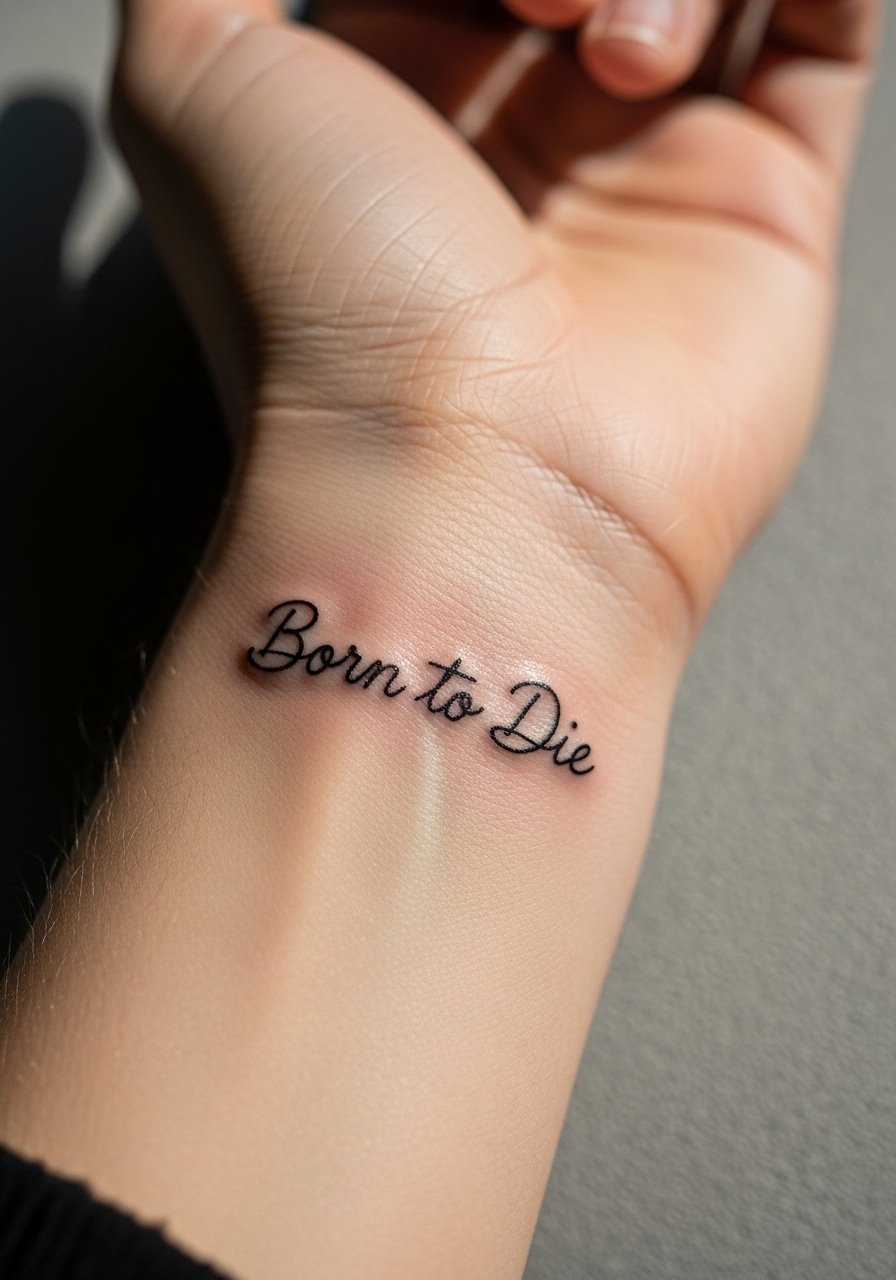
I recommend this if you want a tiny lyric that reads clearly in photos. Fair warning, the wrist is high-motion and often clashes with hand washing. Artists split into two camps on fine line here. One camp says single-needle script blurs fast on wrists. The other camp says with shallow but consistent depth and space between letters it can settle clean. Tell your artist you want slightly stronger line weight than a typical micro script and plan a touch-up at six to twelve months. Expect a quick, low-pain session lasting under an hour. For the appointment wear a sleeveless tank if possible so the artist has full access. A common mistake is asking for ultra-thin letters that leave nothing to retouch.
2. Minimalist Blue Hydrangea on Collarbone

Collarbone florals photograph beautifully and age more predictably than wrist script. The area gets sun and friction from straps so plan placement slightly lower on the bone. When you consult, bring a photo that shows exact petal spacing so the artist knows how the watercolor wash should sit within the linework. Pain is moderate for most people and a single session usually does it. For showing it off, pair the piece with an off shoulder sweater cream or a delicate pearl choker necklace to frame the area without covering the lines. Avoid very thin color fills that turn patchy; ask for layered washes so the blue keeps subtle depth as it heals.
3. Blackwork "Trust No Bitch" Banner on Ribcage
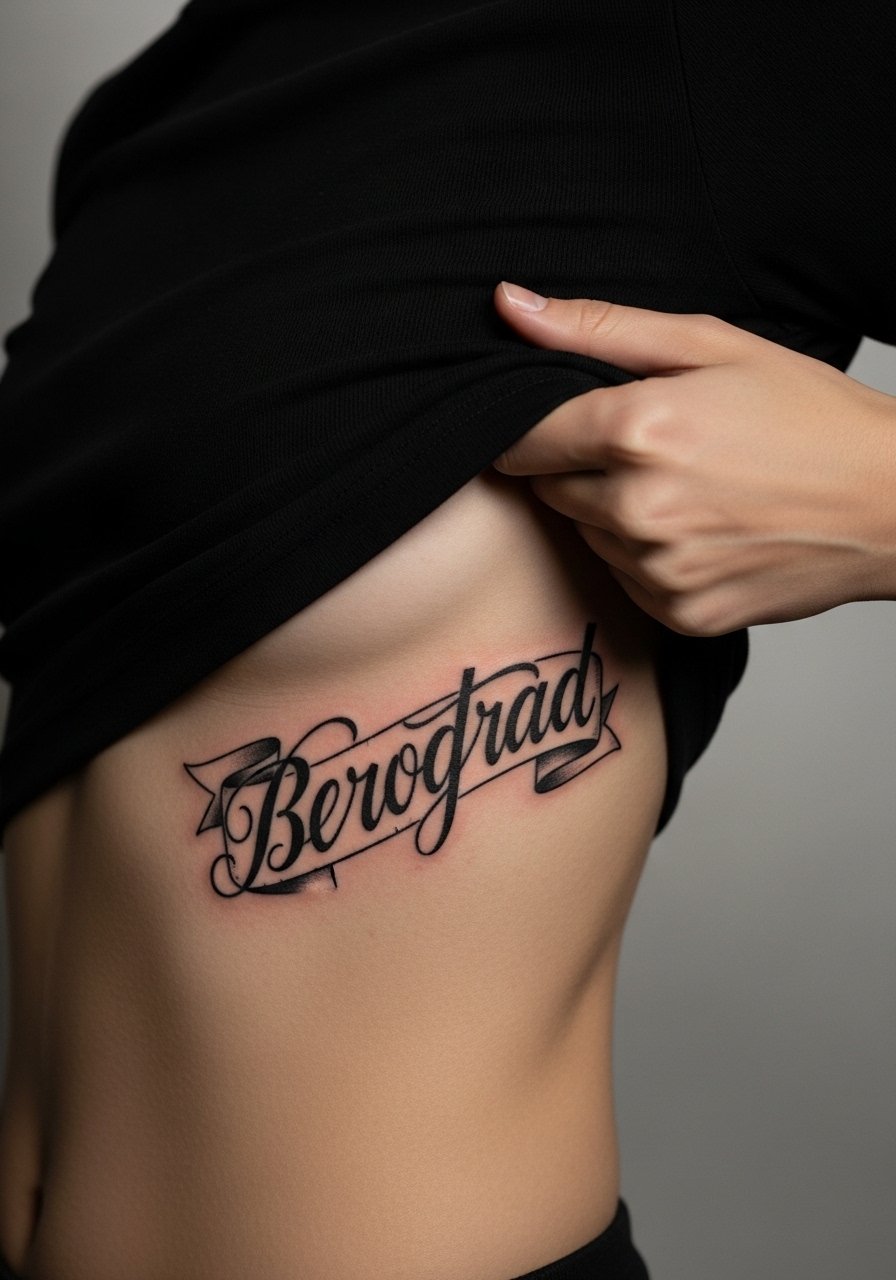
Ribcage pieces read private and cinematic, and this bold banner benefits from strong contrast. Fair warning about pain. The rib area rates high on pain charts but the hidden placement means you can reveal it selectively. Ask your artist for firm outlines and full black saturation rather than hairline script to avoid early fading. The common mistake is requesting tiny lettering here and then needing a heavy touch-up after healing. Session time runs longer because the artist needs to manage breath and position changes. For showing this off later, try a black crop top women that keeps the piece edge-visible without stretching the skin. If you want a lyric twist, bring an exact phrase option so the stencil lands where the ribs curve nicely.
4. Micro-Realism Teardrop Under Eye
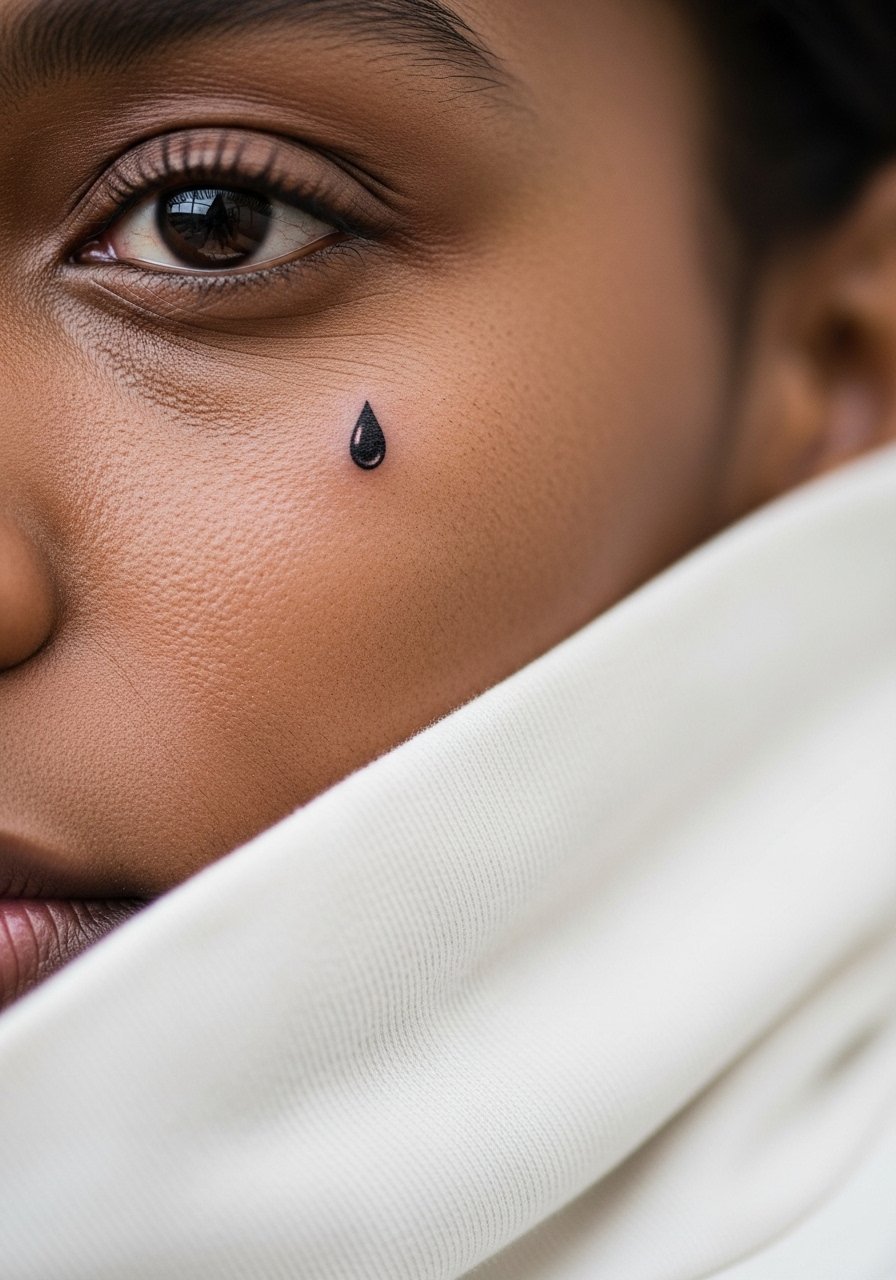
Under-eye micro-realism is a bold move and not for everyone. The skin here is thin and sensitive so the session can sting more than a forearm piece. Artists need steady single-needle work and clients often book a short single session. Expect the teardrop to soften over time because facial skin moves a lot. A common mistake is asking for hyper-detail in a space that only tolerates tiny, simplified shading. If you want the Tropico reference but worry about permanence, test it with a temporary transfer first. Also consider social and professional consequences since face ink is still noticed immediately. Ask about the artist's healed face examples on matching skin tones before committing.
5. Ornamental Infinity on Hand Back
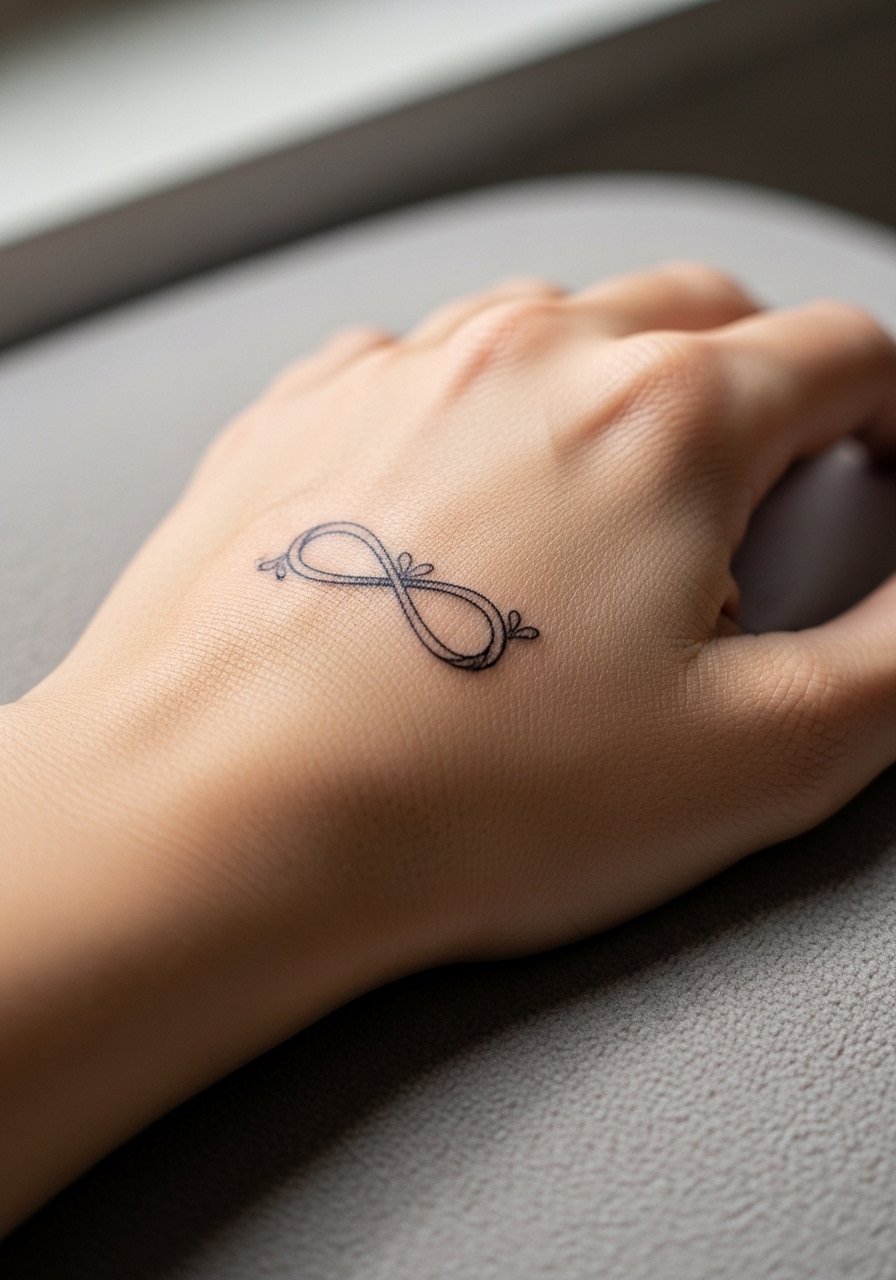
Hand tattoos face constant abrasion from washing and friction. If you like this micro ornamental style, request slightly thicker outline weight and crisp negative space inside loops to prolong clarity. The usual mistake is asking for filigree too small for the hand's movement. Expect touch-ups around the year mark for most people. For day-of ease and later photos, wear a sheer lace blouse women with sleeves rolled to mid-forearm so the hand is visible without bracelets that might rub the fresh ink. Hands can show blowout more readily, so ask the artist about needle depth and aftercare timing.
6. Watercolor Cherry Branch on Shoulder Blade
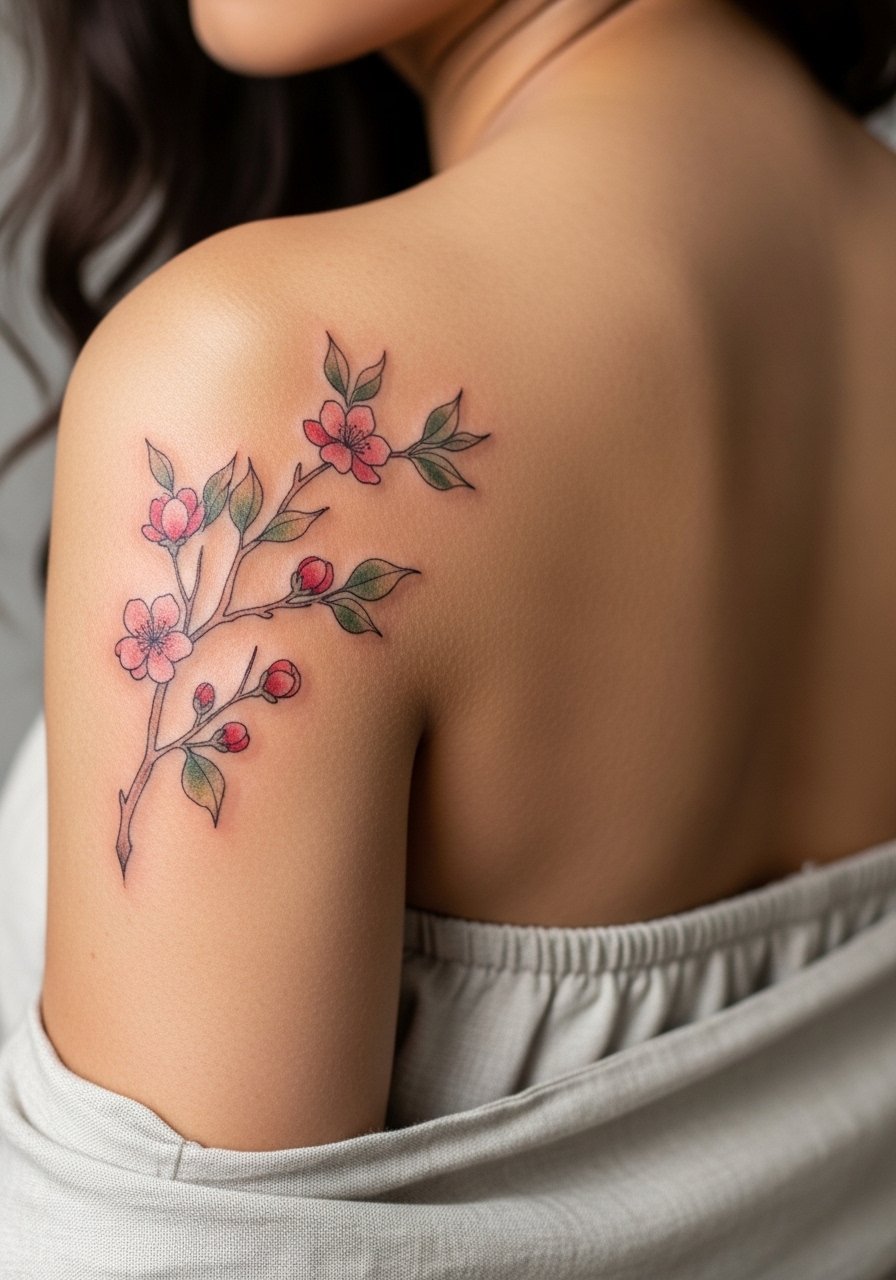
Shoulder blade wraps are great for painterly color because the canvas is broad and low-friction. That said, watercolor on skin divides artists. One camp favors watercolor for its soft washes and photographic feel. The other camp warns that porous washes can bleed into muddy patches if applied too thin. To balance both views, ask for a defined outline with layered color fills so saturation holds while still reading painterly. Session time is moderate and you might need two sittings to layer color. For showing the piece, a linen strapless top keeps the tattoo visible without straps rubbing it. Avoid asking for ultra-fine color specks that disappear during the first round of healing.
Studio Day Picks
The wrist, collarbone and shoulder blade pieces above all benefit from different prep and protection during the appointment and the first week.
-
Lush Tattoo Balm. A lighter balm many people prefer for thigh and shoulder work that does not leave a greasy sheen while keeping color hydrated during the early healing window.
-
Indie Ink Shield spray. A protective mist artists mention helps on fine line wrists where Saniderm-style films sometimes peel prematurely.
-
Green Sheep balm. Thinner than heavier butters, it is useful on collarbone pieces where clogged pores can dull subtle shading.
-
After Inked hydrating balm. A non-shiny lotion that many find works well on darker skin tones while maintaining color visibility for photo-ready healed work.
-
Aquaphor healing ointment. Handy for the first 48 hours on bold blackwork to lock in moisture before switching to lighter balms.
7. Neo-Traditional Revolver on Upper Thigh
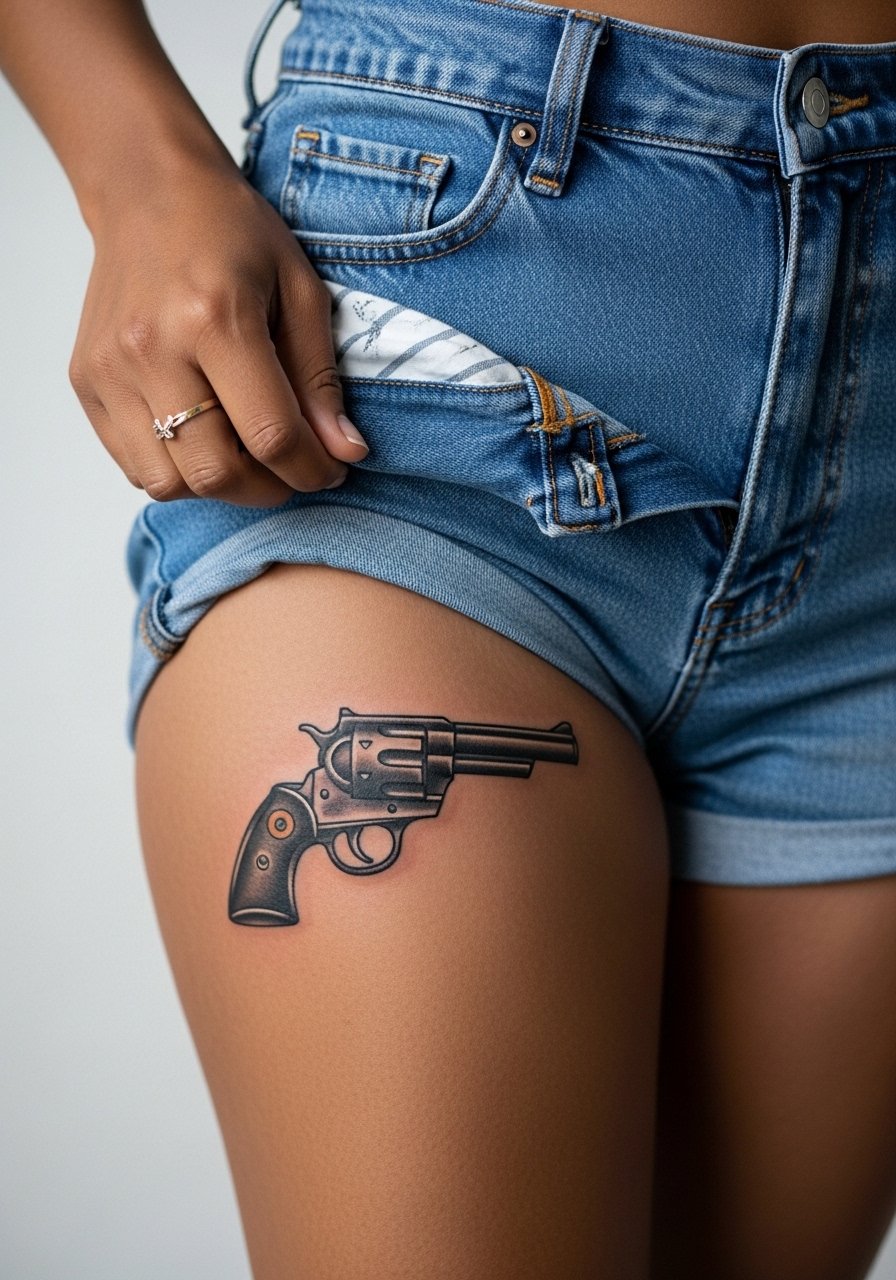
Thigh pieces let you go larger and keep private control over reveal. The neo-traditional revolver reads strong in color blocks and holds up better than faint watercolor in this zone because the skin is thicker. Tell your artist you want solid black anchors with color accents rather than washed gradients so the design keeps its silhouette. Session time is longer and may be split across two sittings. The common mistake is picking a highly detailed flash scaled too small for the thigh curve, which causes distortion when sitting. For the appointment wear loose shorts so the artist can roll fabric down without pressure on the area. Expect touch-ups at one year if you sit on the tattoo during long healing periods.
8. Fine Line "Life is Beautiful" Wrist Wrap
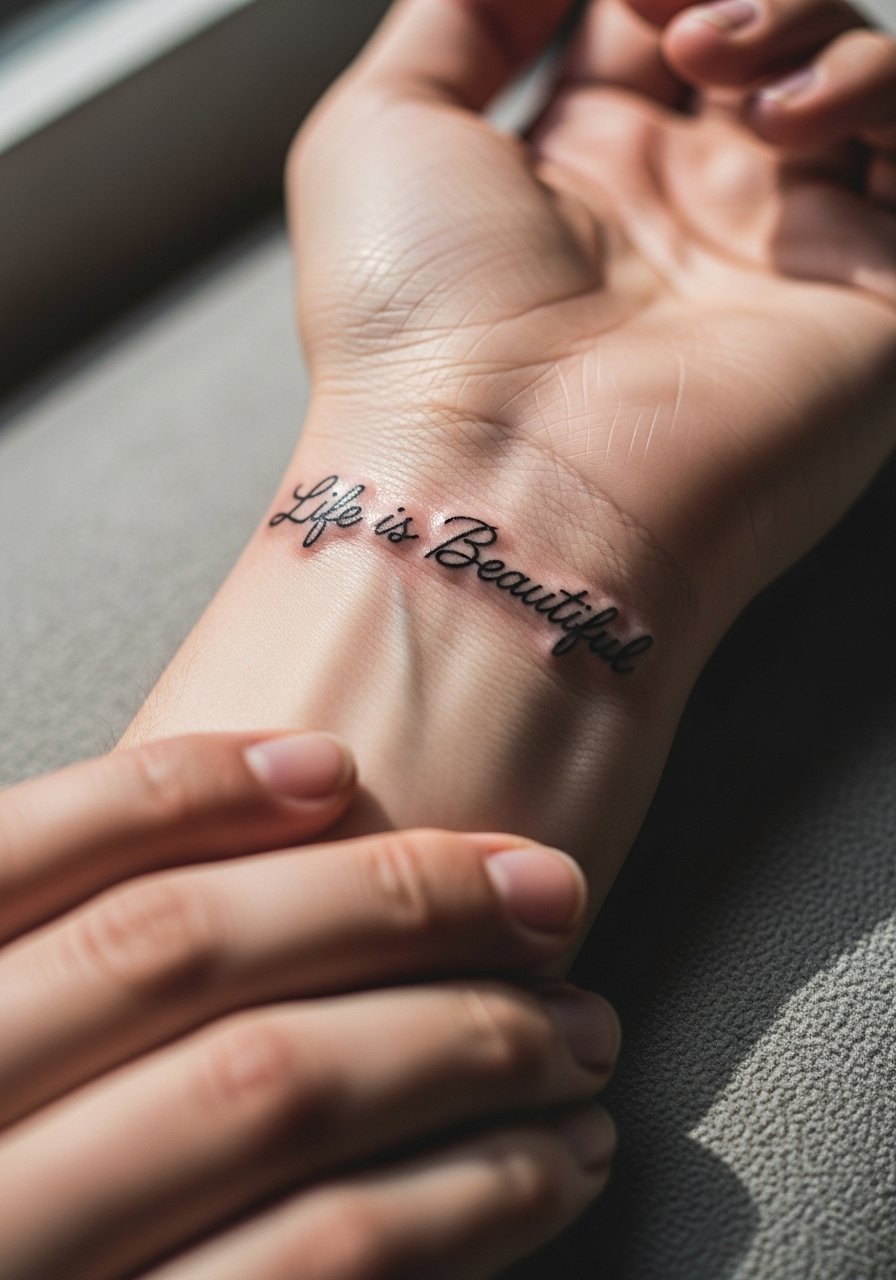
A wrist-wrap script reads intimate and wraps the anatomy nicely if spaced correctly. The mistake I see often is compressing too many letters into a small circumference. Ask for even spacing and slightly bolder line weight than your saved reference so the sentence still photographs after a year. Pain is low to moderate and most shops complete this in a single short session. For showing it off, a thin silver chain bracelet on the opposite wrist complements the script without crowding it. Plan a touch-up window at six to twelve months, especially if you type a lot or wash hands frequently.
9. Ignorant Style Heart with Banner on Ankle
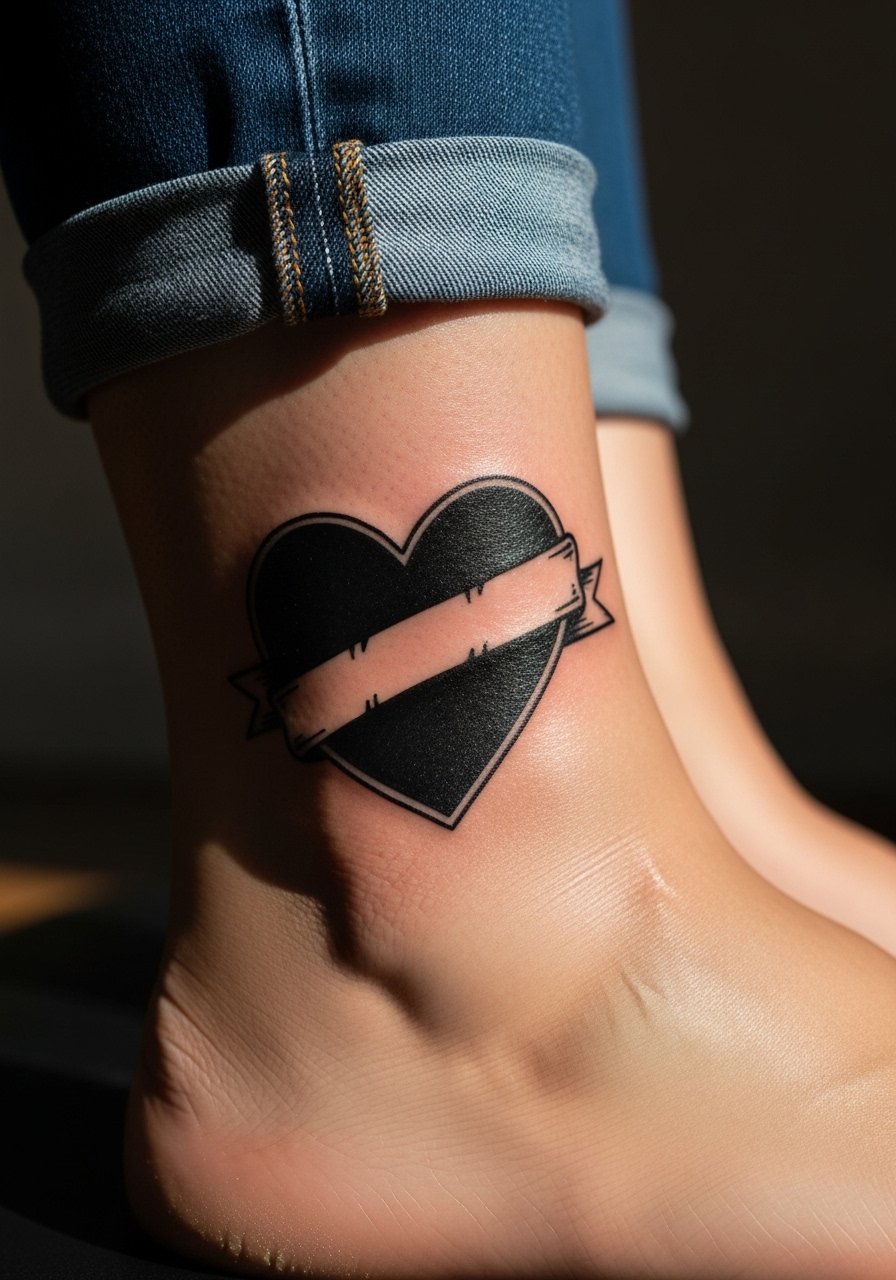
Ankle placements are seasonal and easy to hide, but they do rub against socks and shoes. The ignorant style's thicker lines are actually an advantage here because they resist fading and blur less than tiny filigree. During the consult ask for a slightly thicker outline and solid fill for the banner rather than thin script. Expect moderate pain and quick session time. For summer showing pair the piece with cuffed linen pants women or strappy flat sandals so the art is visible without rubbing by footwear. A common mistake is placing too close to the ankle bone where skin stretches and distorts the banner.
10. Black and Gray Vintage Car Silhouette on Forearm
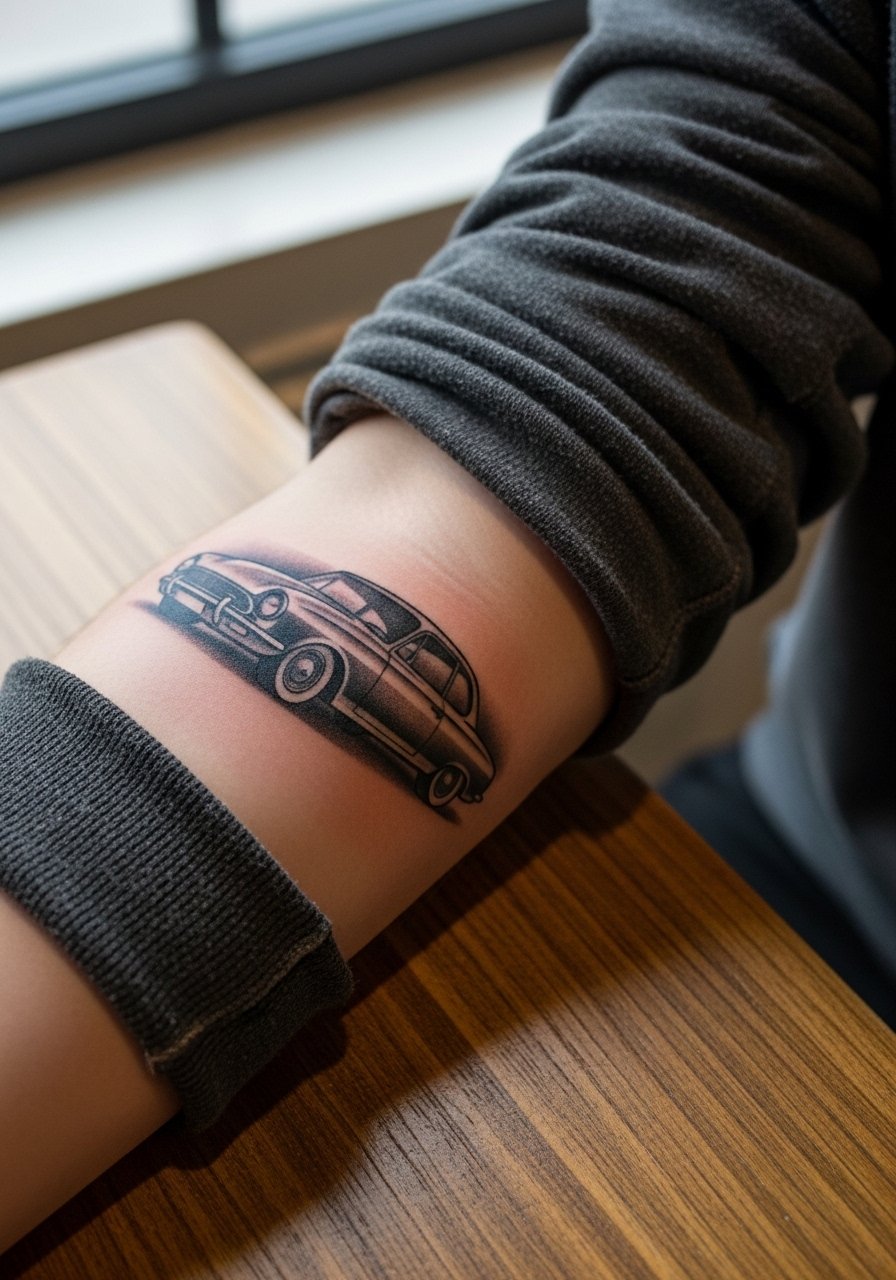
Forearm narrative pieces photograph well and show linear detail. A solid black and gray silhouette will outlast a delicate watercolor car because the saturation resists early fade. Tell your artist you want clean negative space around the silhouette so the car reads at a distance. The session is moderate and may need two passes for smooth gradient shading. For daily wear try a fitted long-sleeve tee rolled to the elbows like an olive rolled sleeve tee when you want to frame the piece in casual looks. Avoid tiny interior details that will blur into the shading at year two.
11. Minimalist Dove Outline on Neck Nape
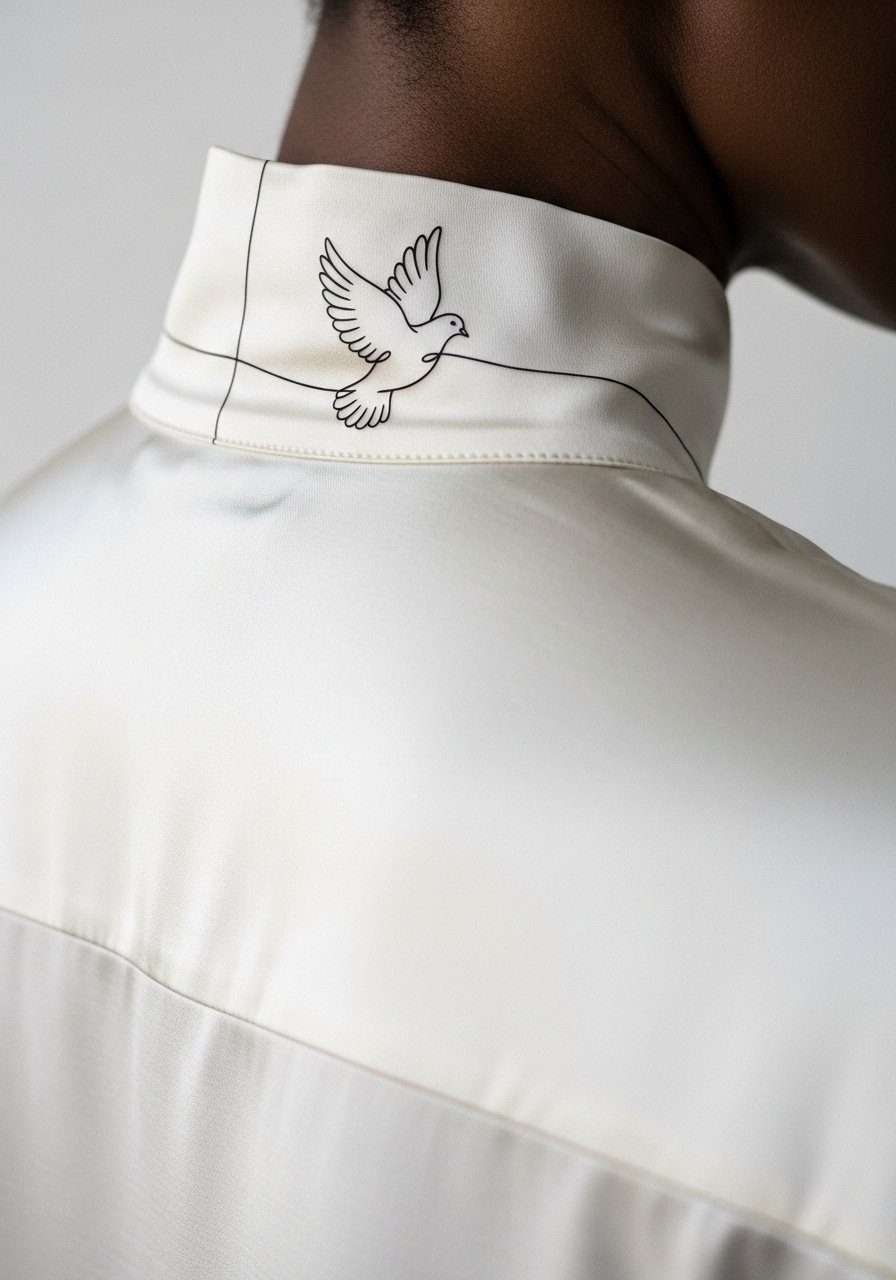
Nape tattoos are discreet until you pull your hair up, which is part of their charm. The neck tolerates simple outlines better than heavy detail because movement can break up small elements. During consultation specify exact placement relative to the hairline so the bird sits where you expect when hair is up. Pain is brief but sharper than forearm work due to thinner skin. For outfits, a silk high neck blouse looks elegant with a small nape mark. If you work in conservative settings consider placement a bit lower so it stays covered with a collar when needed.
12. Fine Line Roses and Ribbon on Inner Bicep

Inner bicep pieces age well when spaced thoughtfully because the area stretches less than outer arm skin. The most common mistake is cramming too many roses into a narrow vertical that wrinkles when you bend your arm. Ask for elongated ribbon lines and stipple shading rather than dense black patches to preserve texture. Pain is moderate and you may feel more sensitivity near the armpit. For showing it off, a sleeveless midi or a pastel pink tank dress keeps the inner arm visible without compression. Plan for a touch-up at 12 to 18 months if you do a lot of weight training or body changes.
13. Non-Permanent Script Tester
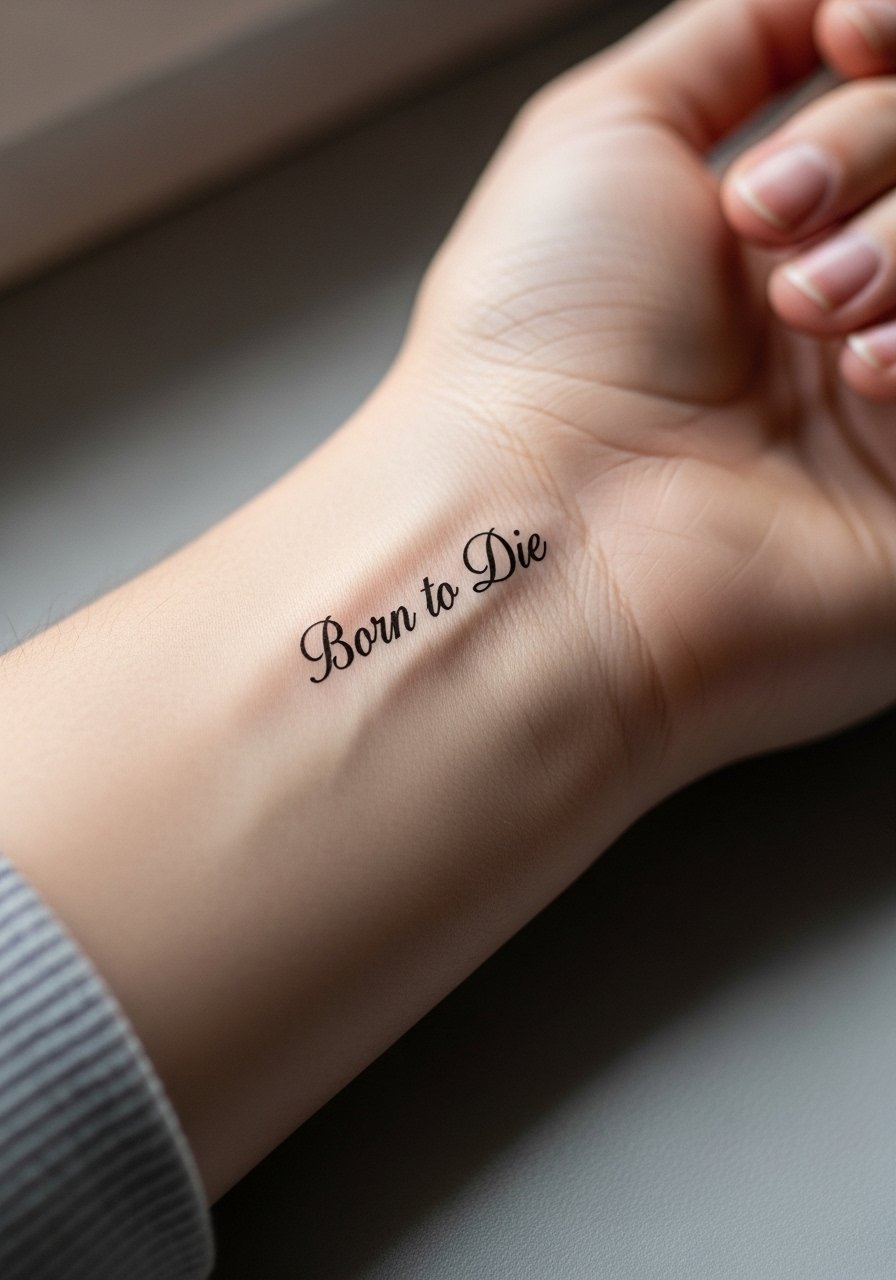
If you are unsure about a lyric commitment, try a non-permanent tattoo first. A transfer test gives you real placement and daily wear feedback without long-term consequences. Use it to see how spacing looks when your wrist bends, and to test how the line reads in photos. For session planning bring the transfer to your artist so they can match spacing and line weight. A common advantage is catching issues like letters bunching on the inside of the wrist before any ink goes in. Wear the transfer for a week under normal activities to see whether you want the same permanence.
14. Micro Lyric on Side Neck

Micro neck pieces are trending for their visibility and compactness. The side neck is more visible than the nape and will affect how often others notice it. Pain is brief but noticeable. Ask your artist to place the stencil while you move your head so the script reads straight from multiple angles. For showing it off pair with a white button up shirt left slightly unbuttoned so the script peeks out. The biggest mistake is choosing an ornate font that becomes unreadable at micro scale.
15. Hand Back Infinity Revisited for Summer Shows
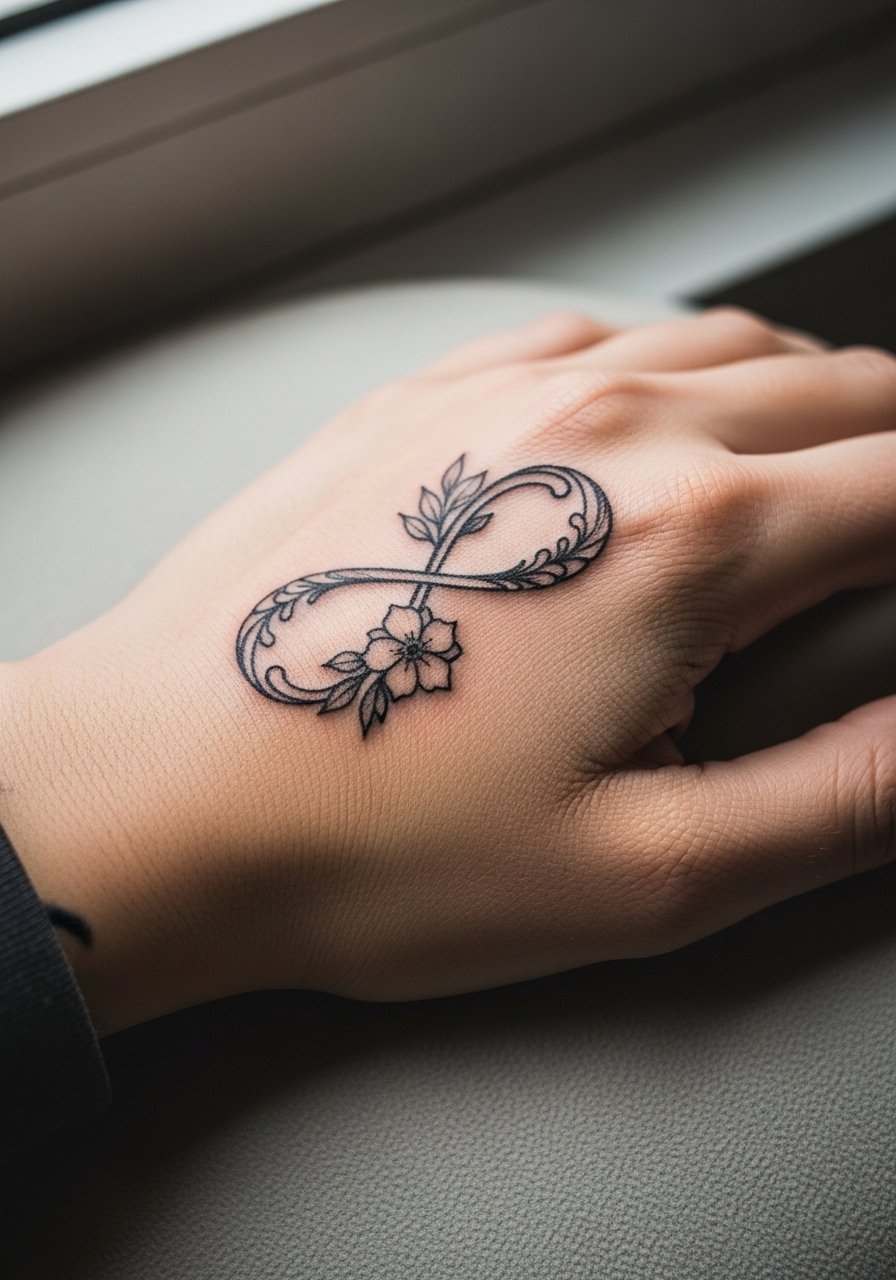
If you want an infinity that survives festival season, keep the design bold and simplified. Thin ornamental curls are pretty but will thin faster on hands than on the forearm. A useful rule is to increase line weight and negative space so the motif keeps definition through frequent washing. The session is short with low to moderate pain. For outfit pairing, rolled sleeves or cropped lace tops work well for photos and keep the hand exposure natural. Avoid tiny internal dots that will disappear under skin movement.
16. Ribcage Lyric with a Personal Twist
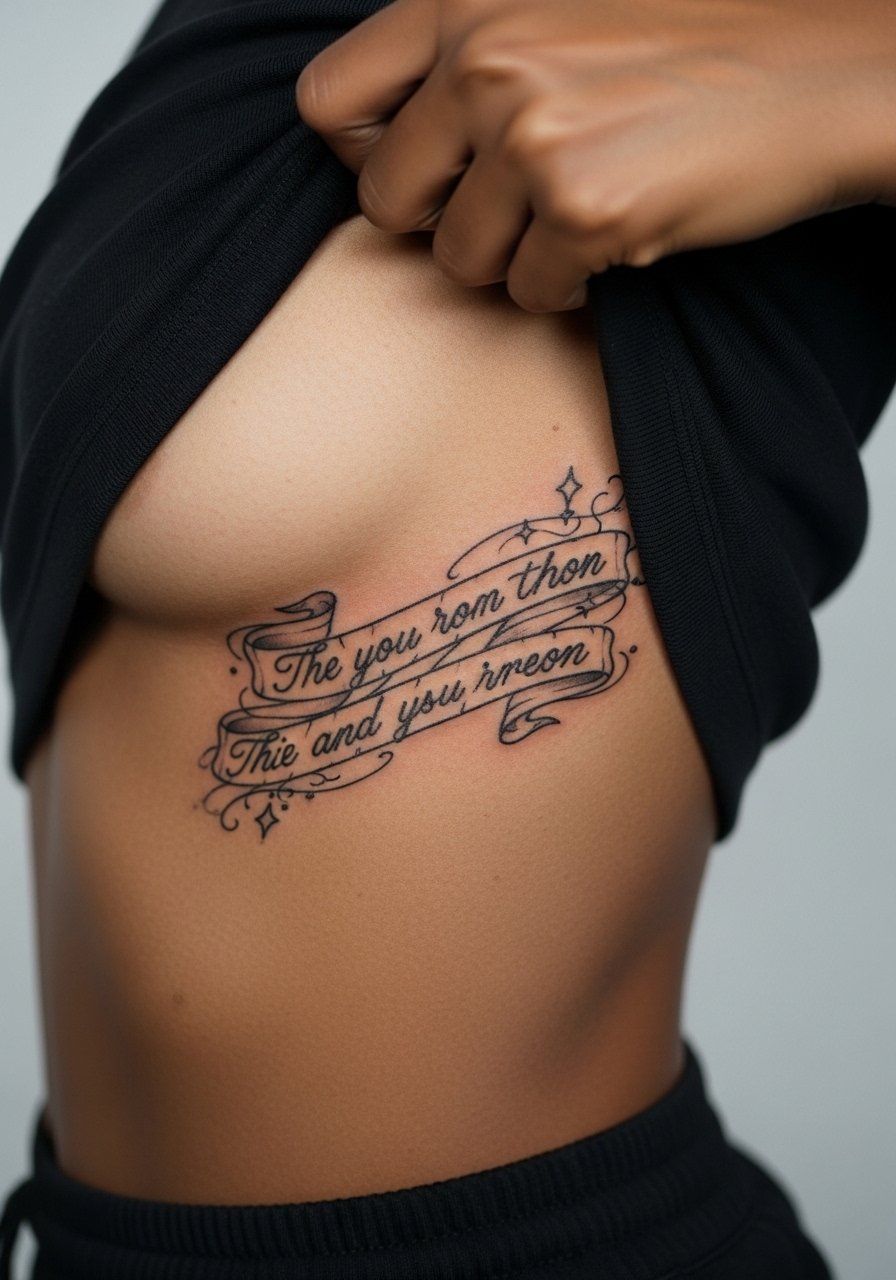
Rib lyric pieces are intimate and allow for customizations like date codes or small symbols integrated into the banner. Artists argue about fine line on ribs. One camp warns that skin stretch and seasonal weight shifts blur ultra-fine lines. The other camp says spacing and consistent needle depth can make fine line survive here. My practical take is to ask for slightly wider letter spacing and plan a touch-up once the piece has healed and you have lived with it through at least one seasonal change. Pain is higher, so expect the session to require pacing and breaks.
17. Thigh Revolver Converted from Film Tat

Converting a temporary film tat into a permanent thigh piece uses the thigh's forgiving canvas. If your film image had soft edges, ask for clearer black anchors and saturated color accents so the lines stay distinct. Session time is longer and may be split into two appointments for comfort. A common mistake is keeping watercolor fades exactly as they were in film, which can wash out on the actual skin. For the appointment wear loose shorts or high-waisted pants that can be shifted without compressing the area. Expect that a heavy sitting or long drive three days after the session will affect early scabbing, so plan accordingly.
Frequently Asked Questions
Q: Will fine line Lana lyric scripts blur faster on wrists than on collarbones?
A: In my experience wrists blur faster because of constant motion and hand washing. Collarbones see more sun but less friction. If you want a wrist script ask for slightly stronger line weight and plan a touch-up at six to twelve months. For collarbones ask for layered shading to protect thin lines from UV exposure.
Q: Should I choose blackwork or watercolor for a shoulder blade cherry branch?
A: Both work, but black anchors with watercolor fills tend to age more predictably. Watercolor-only washes can bleed if they are too thin. If you love soft color ask the artist for defined outlines and layered color so saturation survives the first year.
Q: How do I show off a collarbone hydrangea without exposing too much skin?
A: A lightweight off shoulder sweater cream or a strapless linen top pulls attention to the collarbone while keeping the rest covered. For photos pull one side of the neckline down for a natural reveal.
Q: Is a teardrop under the eye ever a low-regret choice?
A: It depends on how visible you want to be. The under-eye area heals differently and the skin moves a lot, so keep the design tiny and simple. Consider a temporary transfer first to live with the placement for a week. If you proceed, ask to see healed examples on similar skin tones.
Q: How often do hand and wrist tattoos need touch-ups?
A: From what I've seen hands and wrists commonly need touch-ups within one to three years, depending on line weight and daily abrasion. Thick blackwork lasts longest. If you type or wash hands frequently expect earlier maintenance.
Q: Can I convert a temporary film tattoo from a music video into a permanent piece?
A: Yes, but be ready to adapt it. Film tats often use dilute washes that do not translate well to healed ink. Ask the artist to increase line clarity and plan for color saturation sessions so the final piece reads like the on-screen look but with real-world staying power.