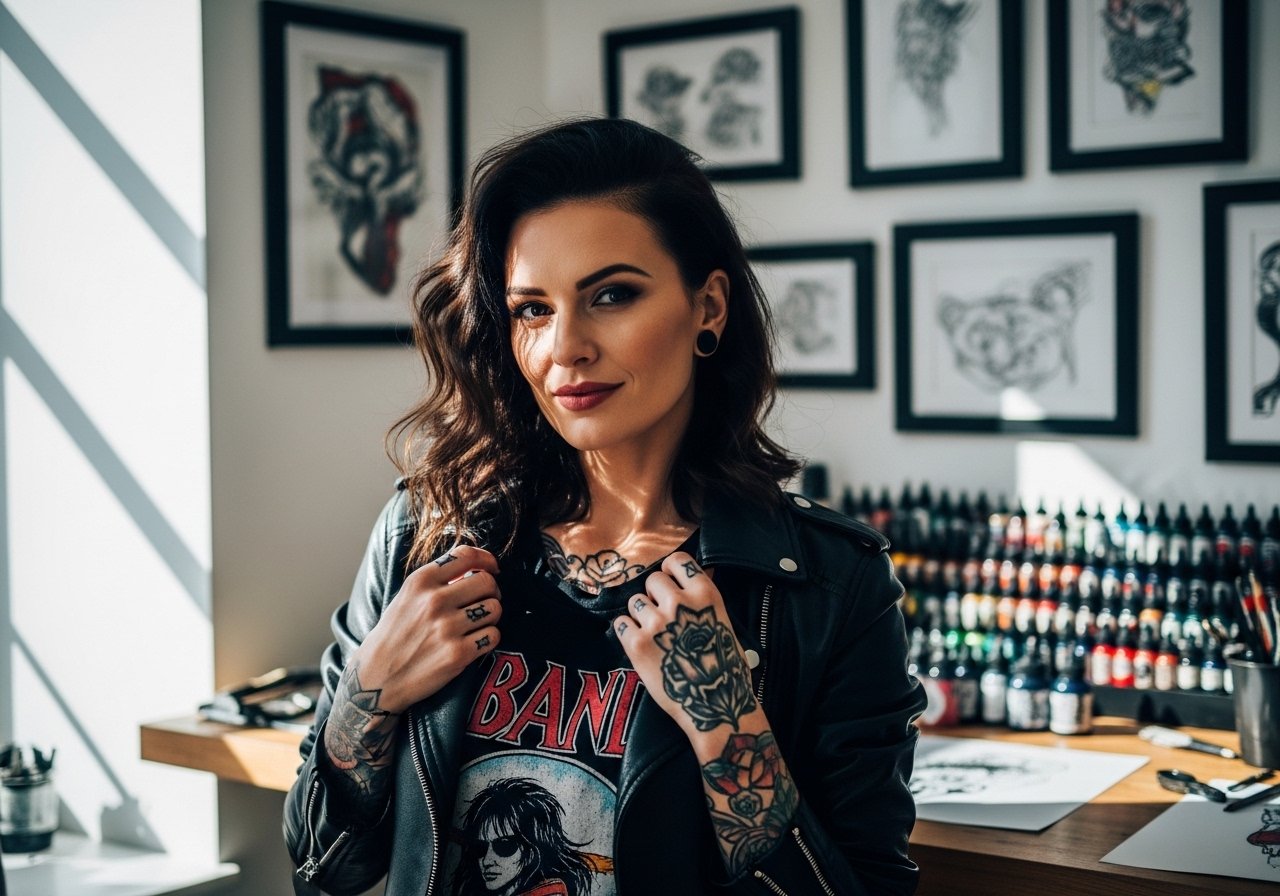
Fine line and bold back pieces both photograph well, but they age very differently. The full back gives an artist the room to design with contours in mind, and the choices you make in consultation determine whether the piece still reads clean after five years. Read these designs with practical tips on how to book, what to wear to the session, and what to ask your artist.
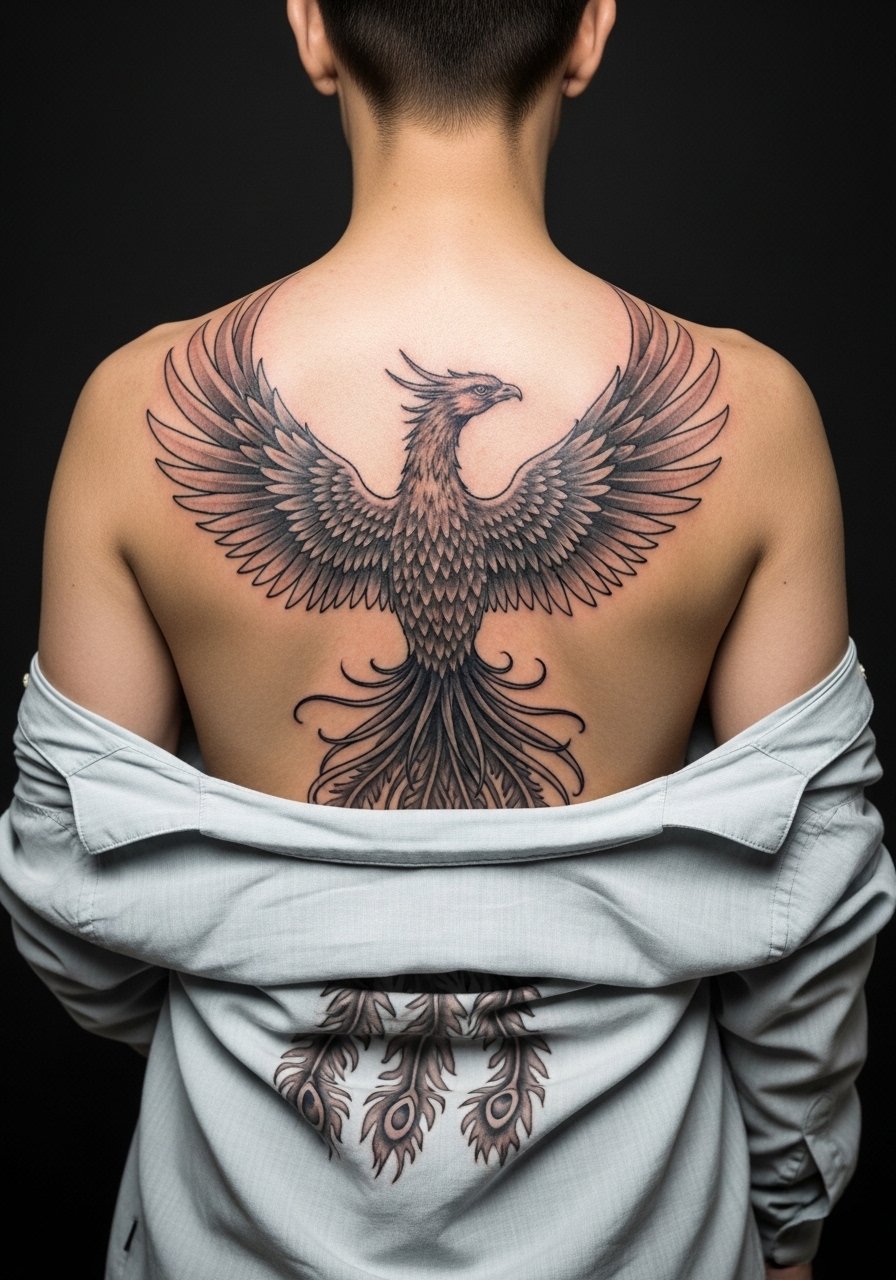
1. Realistic Phoenix Rising Full Back
This is the kind of project that benefits from a shop that schedules multi-session appointments. Expect four to eight sessions and long sittings, with heavier saturation on the wings and softer micro-realism work in the feathers. Tell your artist you want clear focal points at the shoulders and lower waist so the piece reads from a distance and up close. A common mistake is packing tiny details everywhere, which softens into visual noise after two to three years. For the session, bring a loose button-down shirt you can peel aside so the artist has full access without straps digging in. Pain sits around a five on most people's scales for the central back. Touch-ups are normal after a year for color refresh and any blended micro-realism lines that settle.
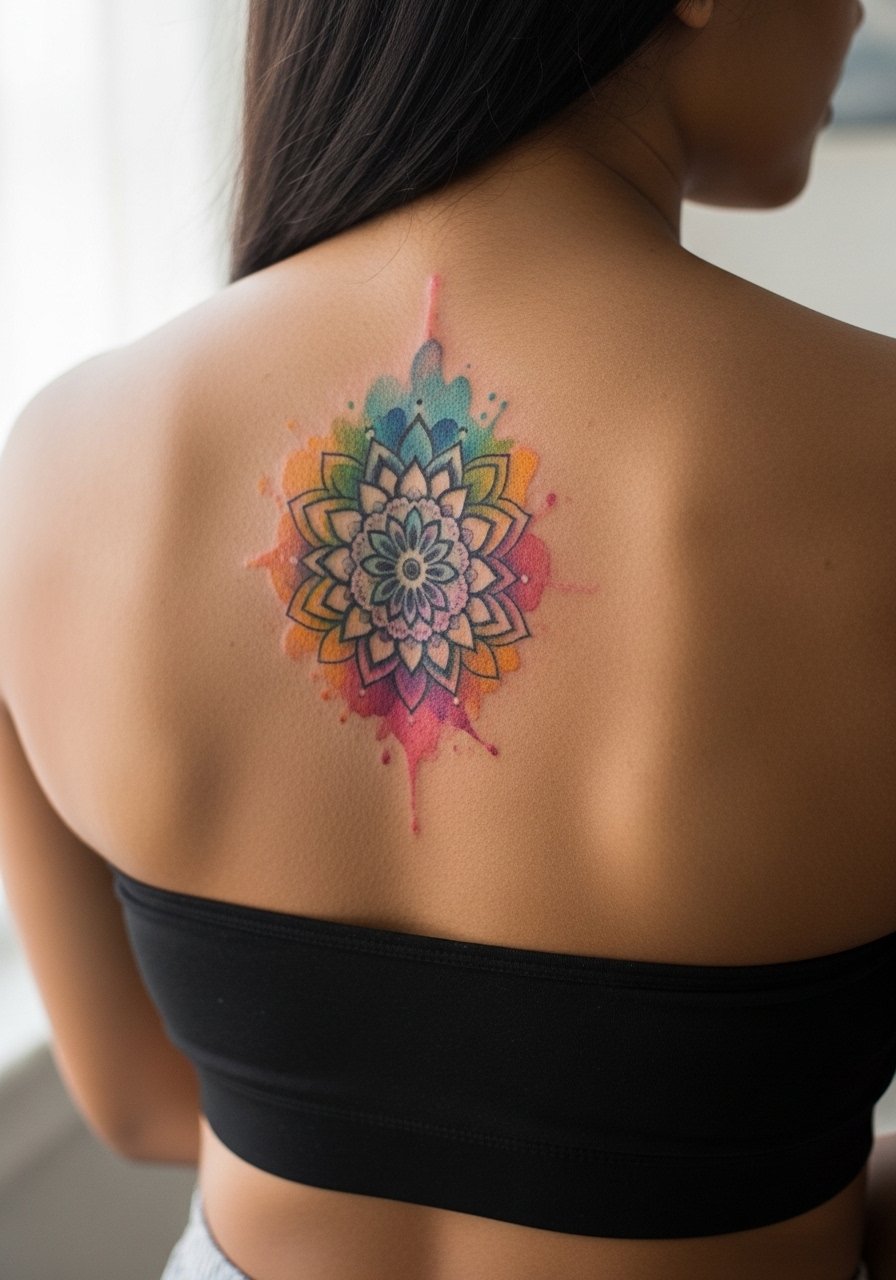
2. Watercolor Mandala Spine Cascade
This uses flowing color washes that follow the spine, so spacing and negative space matter more than dense linework. During consultation, specify whether you want soft washes that blend into skin tone or bolder outlines that keep the mandala crisp. Fine line in watercolor can look ethereal fresh and then soften fast if the lines sit too close. Artists split on whether watercolor needs tighter outlines to age better, and both camps make valid points. Plan on three to five sessions and bring a strapless bra or sports bra for the appointment so the spine stays exposed without fabric rubbing. Expect touch-ups around year two for the color washes. The spine placement feels like a steady vibration more than sharp pain, and long sits are common.
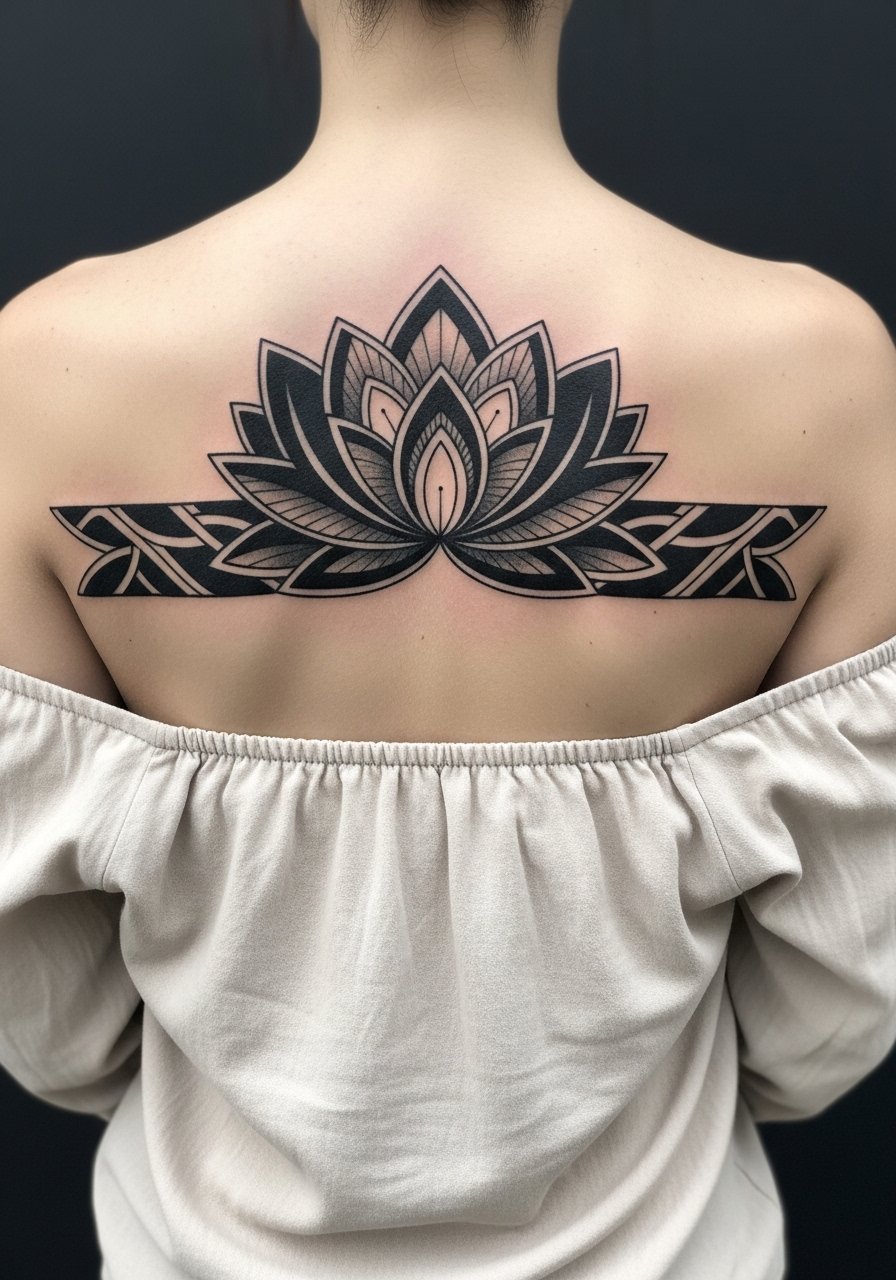
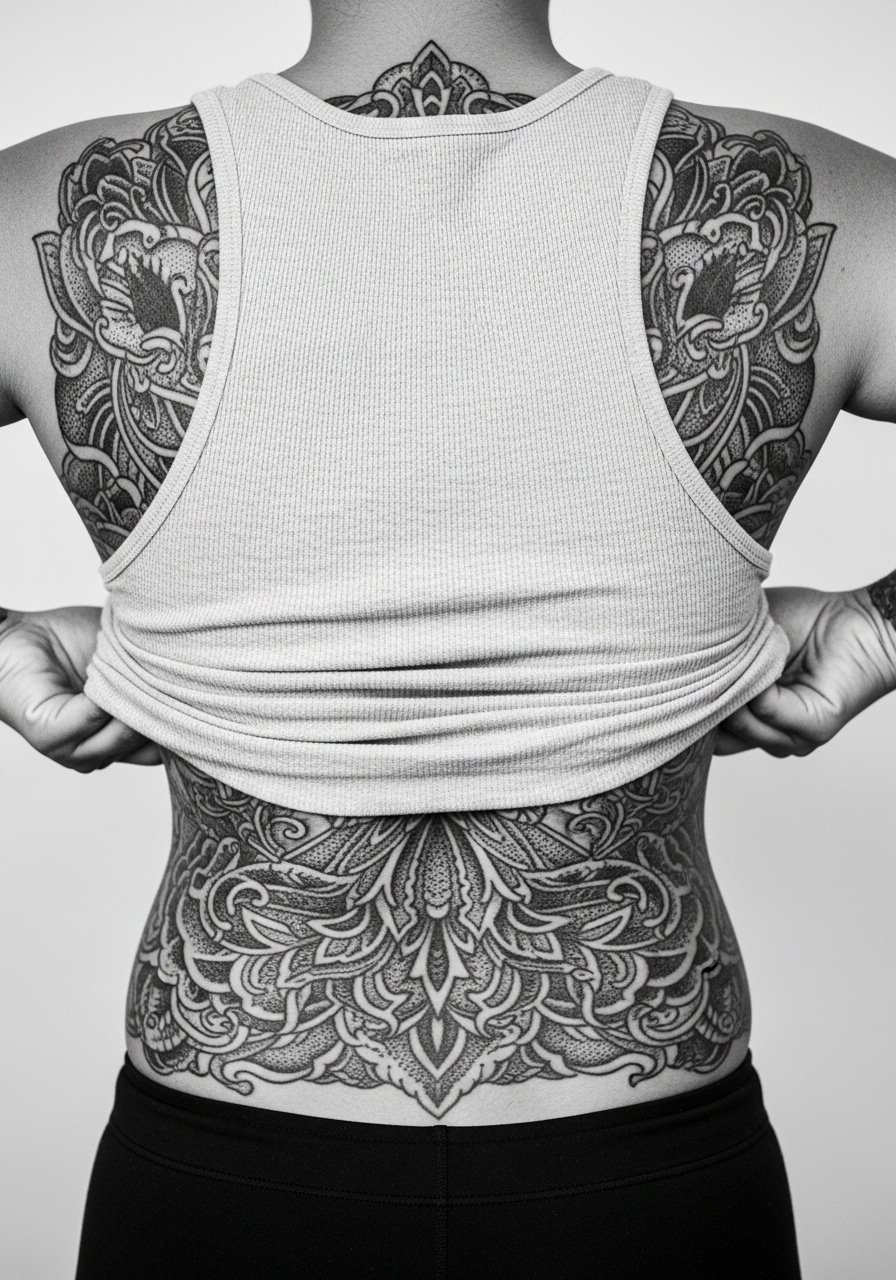
3. Tribal Lotus Full Back Panel
This uses bold black lines to frame the back and emphasize symmetry. Ask the artist to adapt motifs to your shoulder width so the lotus petals sit naturally with your anatomy. Note on cultural origins, this pattern carries meaning in specific communities, so many people choose variations rather than direct replicas out of respect. The typical mistake is asking for tiny intricate fills inside thick outlines, which creates dense areas that age into muddy patches. For showing it off, pair the tattoo with an off shoulder blouse that keeps shoulders free without busy prints. Pain is lower on the fleshy parts and higher near the spine, and touch-ups for saturation are common after two to four years.
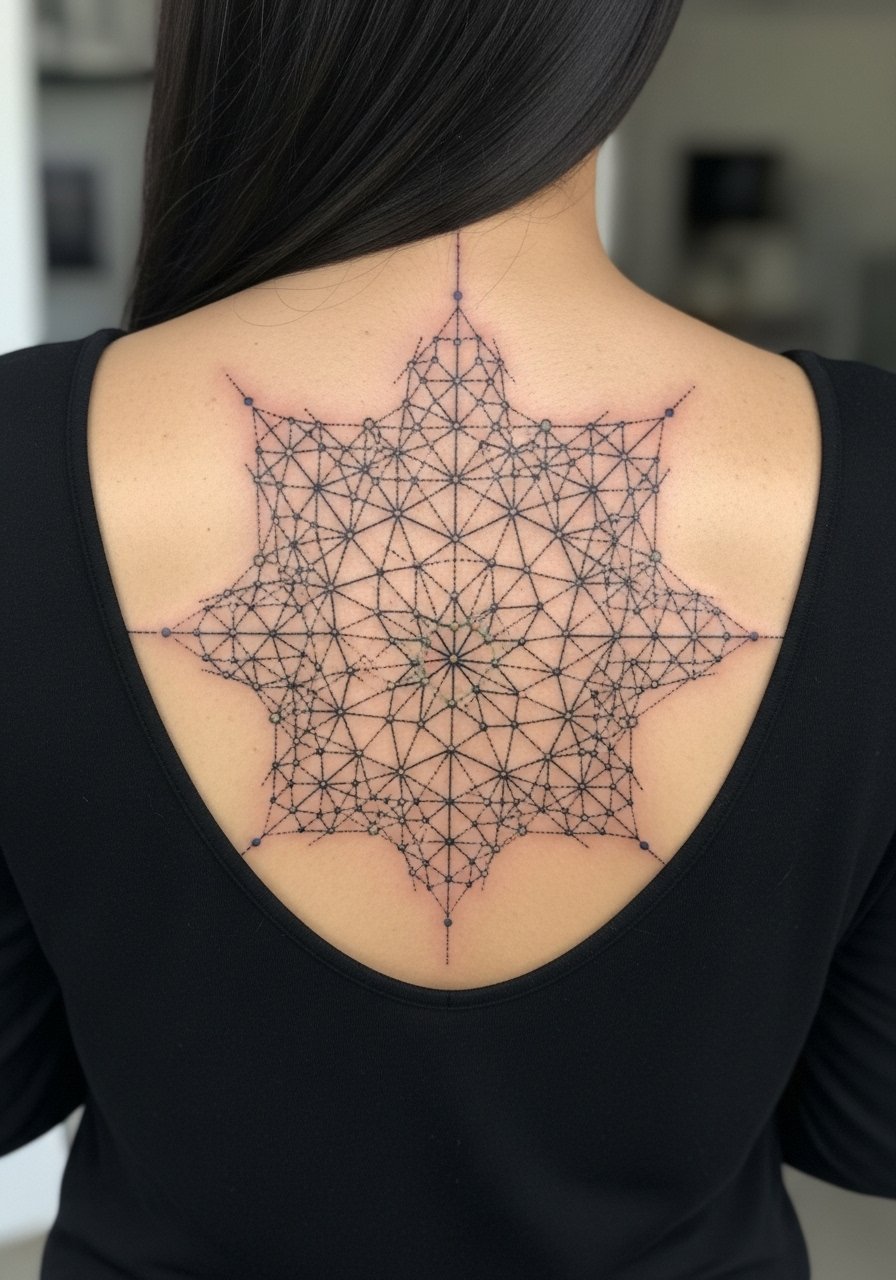
4. Geometric Starfield Full Back
Precision matters here. The biggest mistake is shrinking the pattern too much for the back, which forces close parallel lines that will merge over time. Tell your artist you want breathing room and a clear central axis using the spine and back dimples as anchors. Expect four to six sessions with a mix of dot work, linework, and stipple shading to create depth. At six months the contrast will be sharp. By two to five years the dot work needs more spacing to avoid looking like a gray wash. This placement has moderate blowout risk where the skin is thin along the spine, so experienced linework and slightly bolder spacing prevent long-term merging. No styling link here since the geometry stands best against plain fabrics.
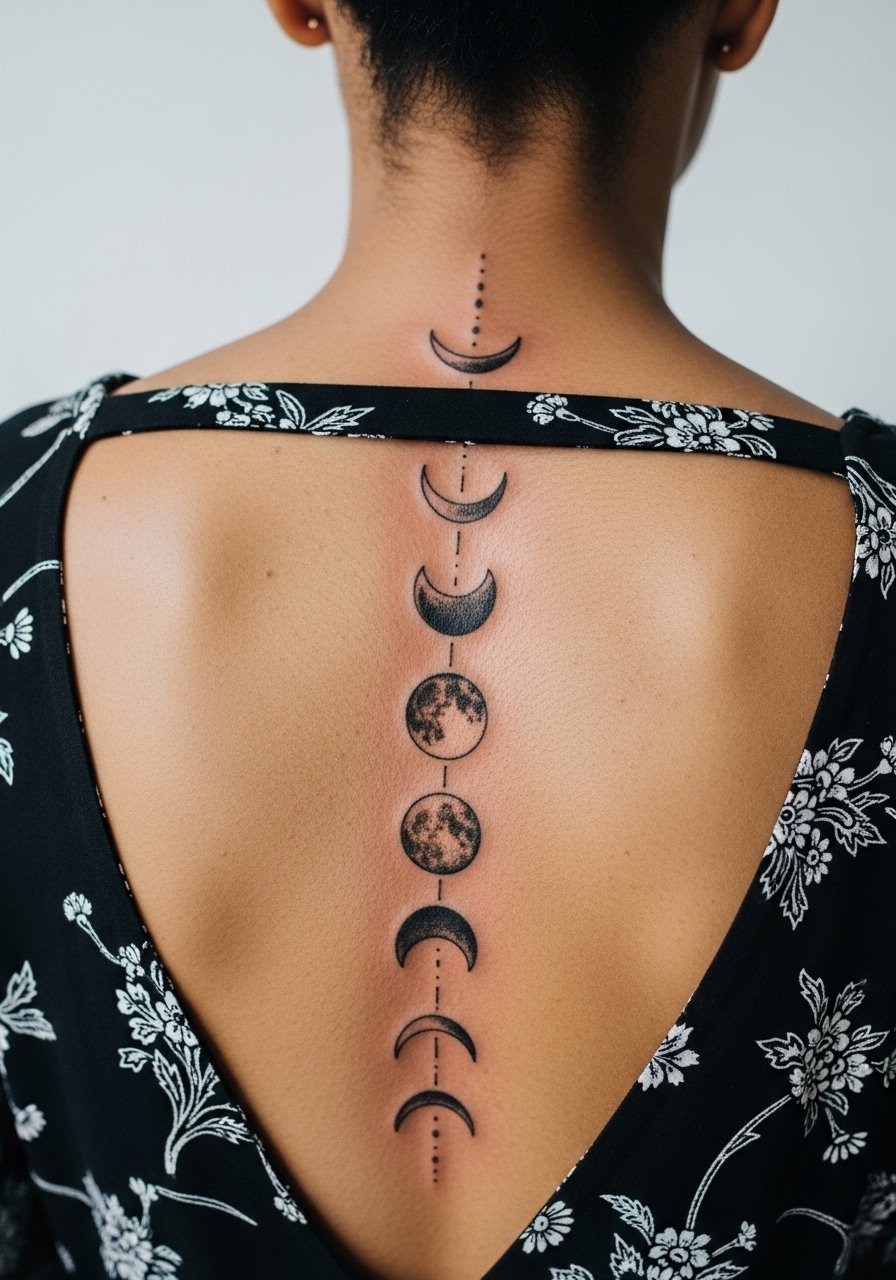
5. Celestial Moon Phases Spine
This vertical composition reads easily under clothing with a low neckline and dresses that reveal the spine. Ask for consistent fine-line spacing between each phase and request slightly thicker anchor lines if you want longer-term clarity. The controversy around fine line pieces shows up here. One camp says the spine's skin and movement make thin lines blur by year three. The other camp argues that careful depth and spacing let fine lines stay readable for much longer. Bring an open-back dress or a sheer mesh top for show-off moments after healing. Sessions are short and focused, often two to three sittings. Expect minor touch-ups at two to four years depending on sun exposure.
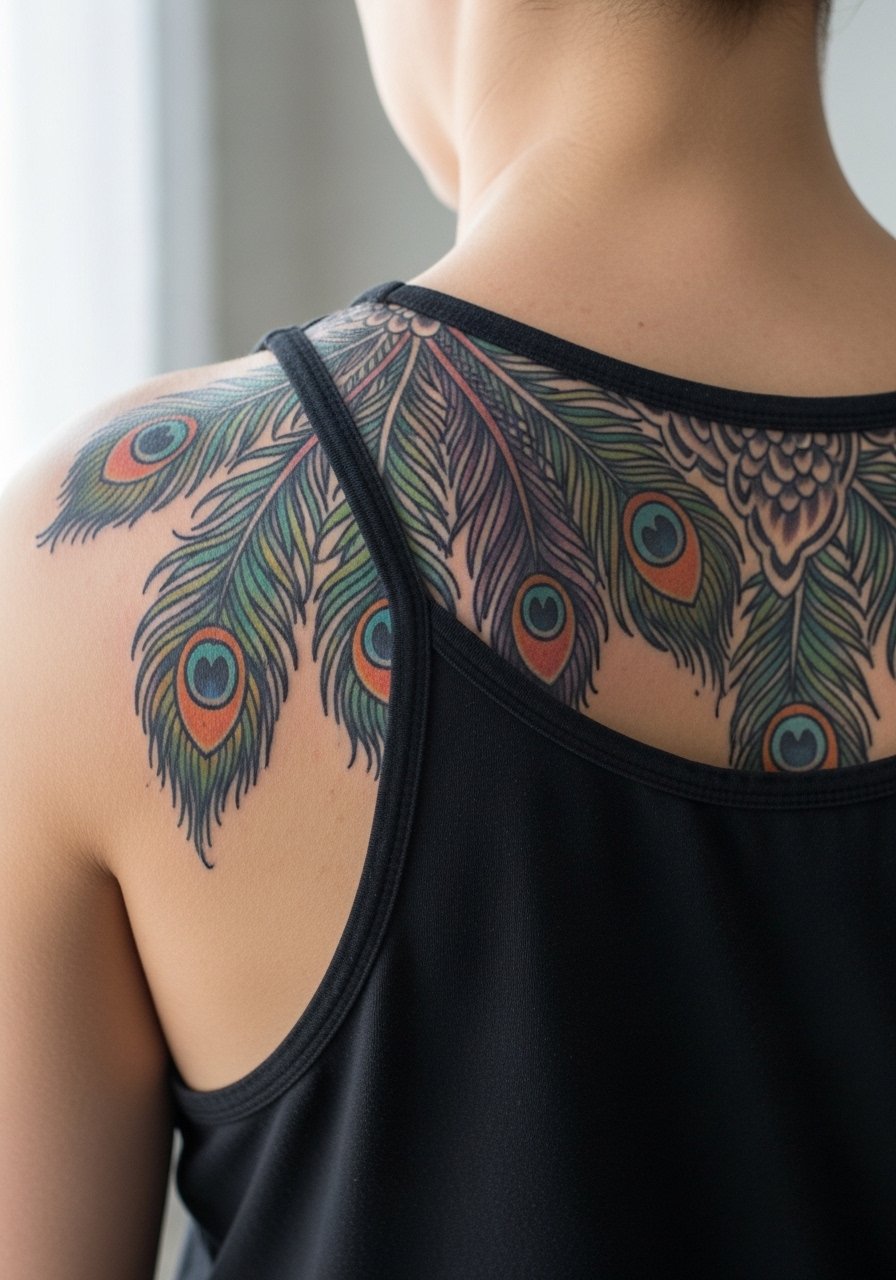
6. Ornamental Peacock Feathers Upper Back
Feathers let you play with saturated color and ornamental linework that frames the shoulder blades. Specify to your artist that you want high contrast between the feather eye and surrounding filigree so the central details do not blur into the surrounding pattern. A common aging issue is over-saturating the thin feather strands which later look like soft bars rather than delicate lines. For sessions wear a sleeveless tank you can remove without tugging fabric through the painting area. When showing it off, off-shoulder linens or shoulder dusters keep attention on the feathers. Expect five to seven sessions and a color refresh at year two to three if you spend a lot of time outdoors.
Studio Day Picks
Those first six designs ask for long sittings and different prep than small arm tattoos, so a few targeted items make the session smoother.
-
Stencil transfer paper kit. Lets you preview placement and scale on skin before permanent work begins, which matters for full back panels and spine cascades.
-
Topical numbing cream. Applied according to directions, it eases the edge on sensitive spine and rib sections without altering linework when used properly.
-
Thin protective film roll. Useful for protecting upper back or lower back work from friction against clothing in the first few days after a session.
-
Fragrance-free body wash. Gentle cleansing for large areas helps avoid irritation while the piece forms its initial scab and peel.
-
Aquaphor healing ointment. A thin layer during the first few days keeps large color areas from drying out and helps reduce crusting on saturated sections.
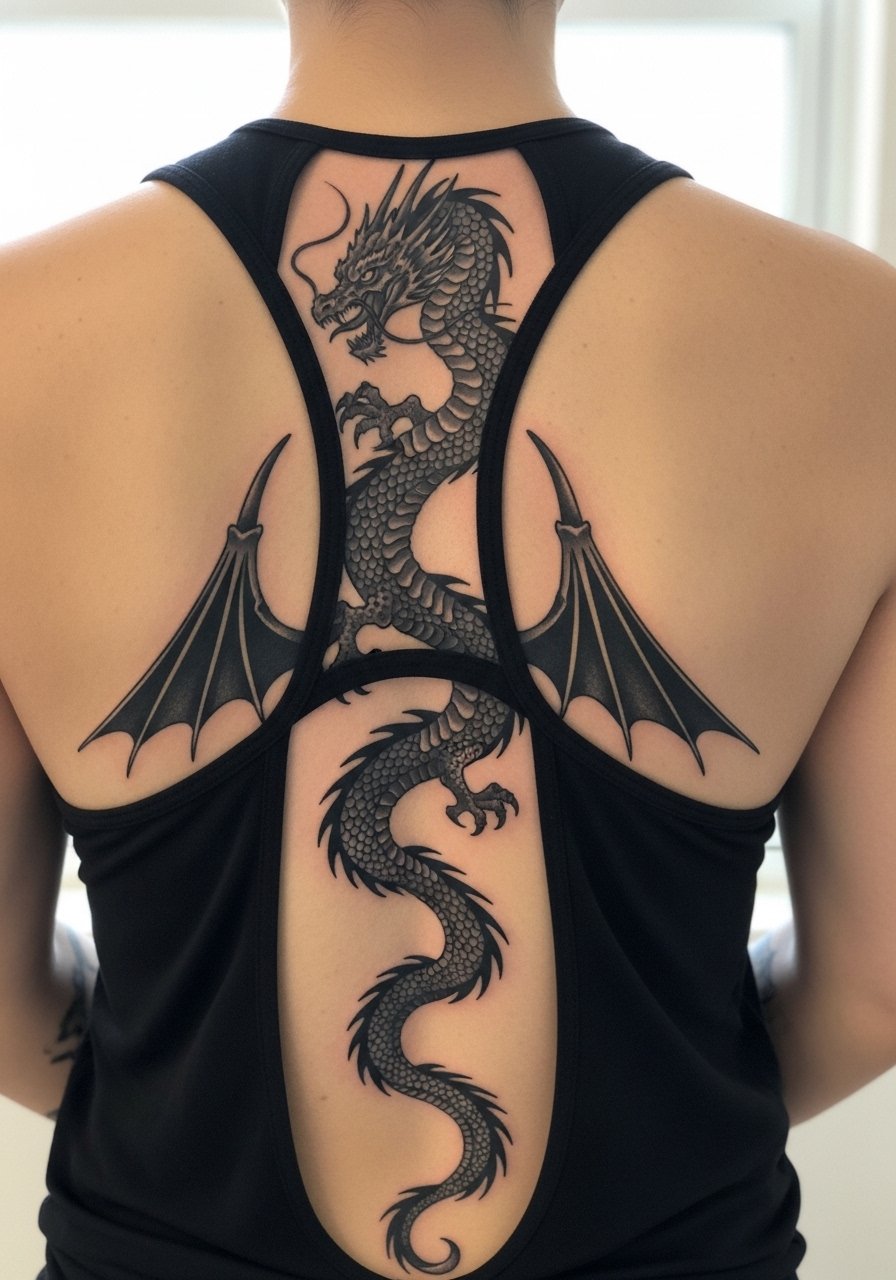
7. Blackwork Dragon Spine Wrap
This bold, high-contrast blackwork benefits from clean, confident fills and negative-space highlights. Tell your artist you want solid black saturation and crisp edges for the scales so the silhouette holds up. The skin along the spine can be unforgiving for tiny cross-hatching, so prefer larger-scale patterns or stipple shading where you want texture. For show-off looks, a racerback tank keeps the shoulders open and lets the dragon wrap be visible without distraction. Expect three to five sessions and plan a touch-up timeline at around year three to re-saturate any areas that softened.
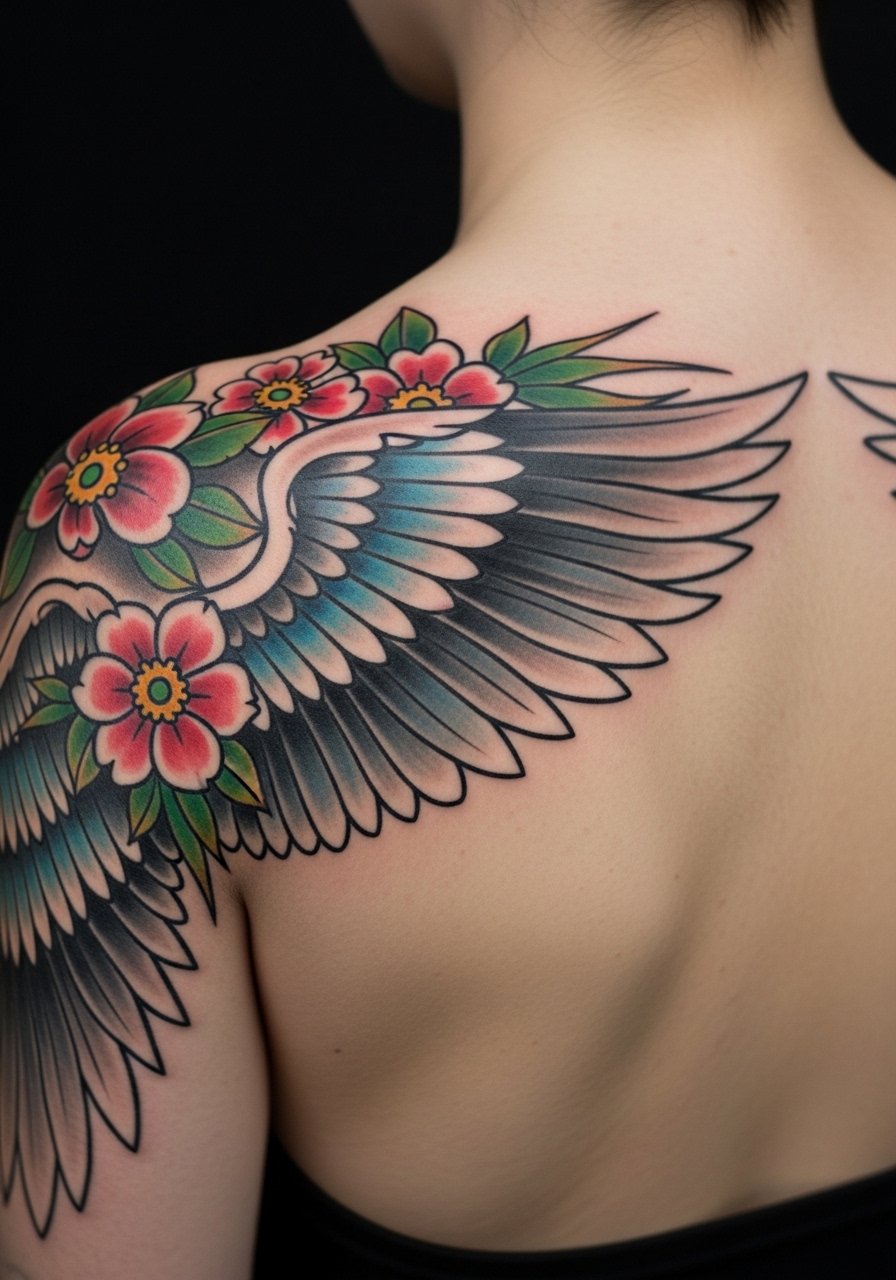
8. Neo-Traditional Floral Wings Full Back
This plays with vintage linework and modern color choices to create a winged composition across shoulders to waist. During consultation, show examples of the color palette you prefer and ask for heavier outlines on outer wing edges to protect detail as the piece settles. Many people request too many small highlights inside petals which often wash out. Sessions run longer because of layering color and line. The piece feels like a series of medium-intensity sittings rather than one marathon. Allow for touch-ups at year two to keep color separation between the wings and background shading.
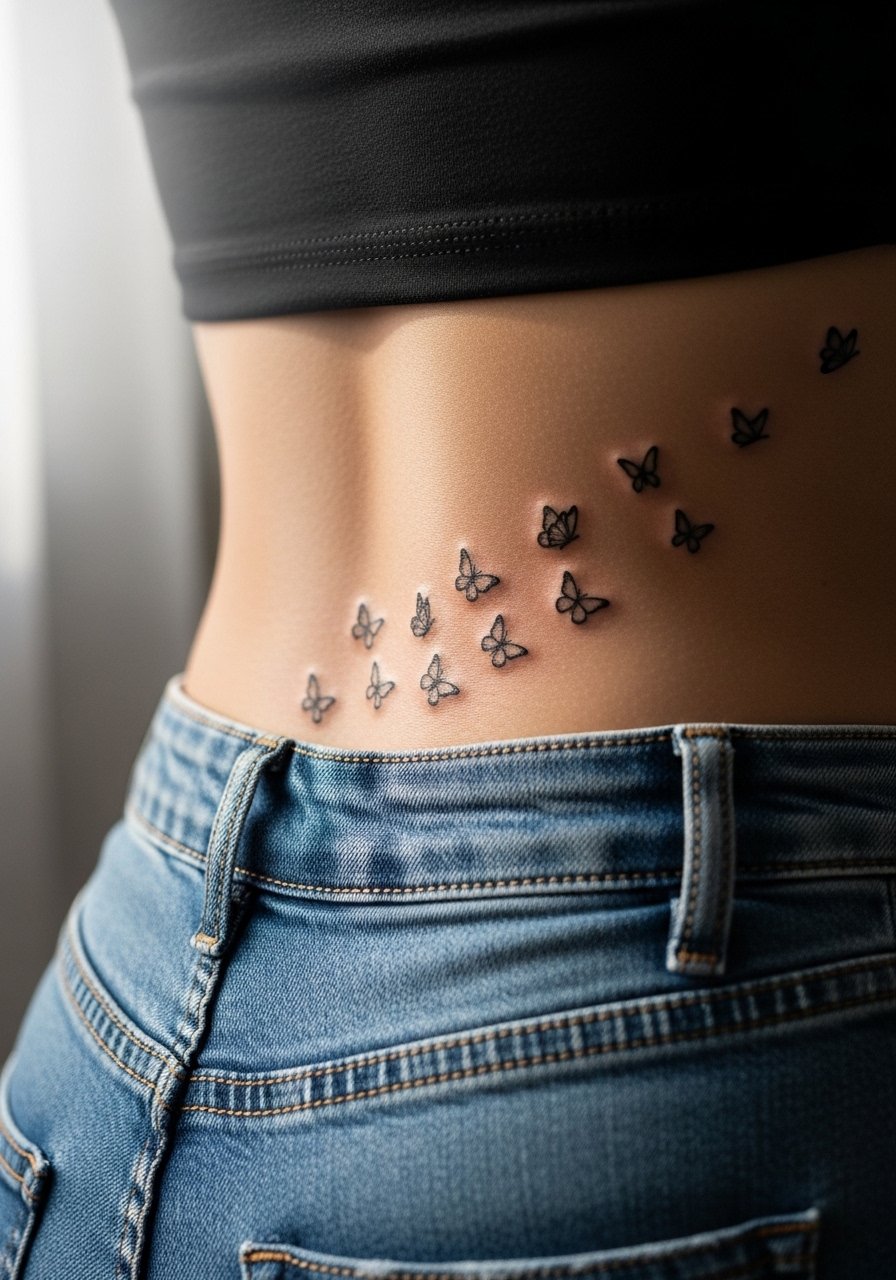
9. Fine Line Butterfly Migration Lower Back
Designed to move with the lumbar curve, this lower back placement needs negative space to let the butterflies appear to lift as you move. Ask for single-needle work with a focus on consistent lineweight across each wing. The lower back can be subject to clothing friction, so for the session wear high waisted jeans you can lower slightly without pressure on the area. Common mistakes include over-densifying the wing veins, which blur over time. Expect two to four sessions and touch-ups at year two if you wear low-rise belts or have frequent waistband contact.
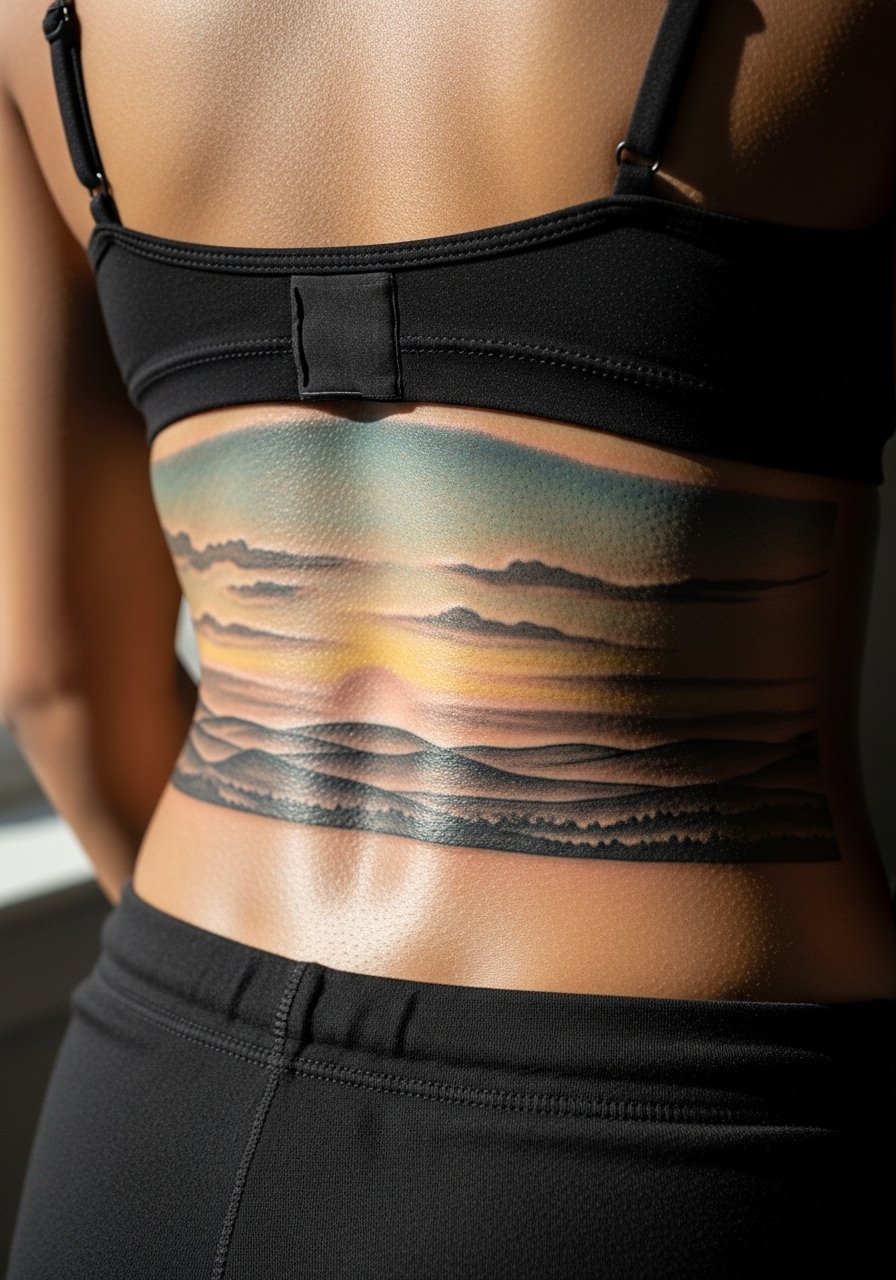
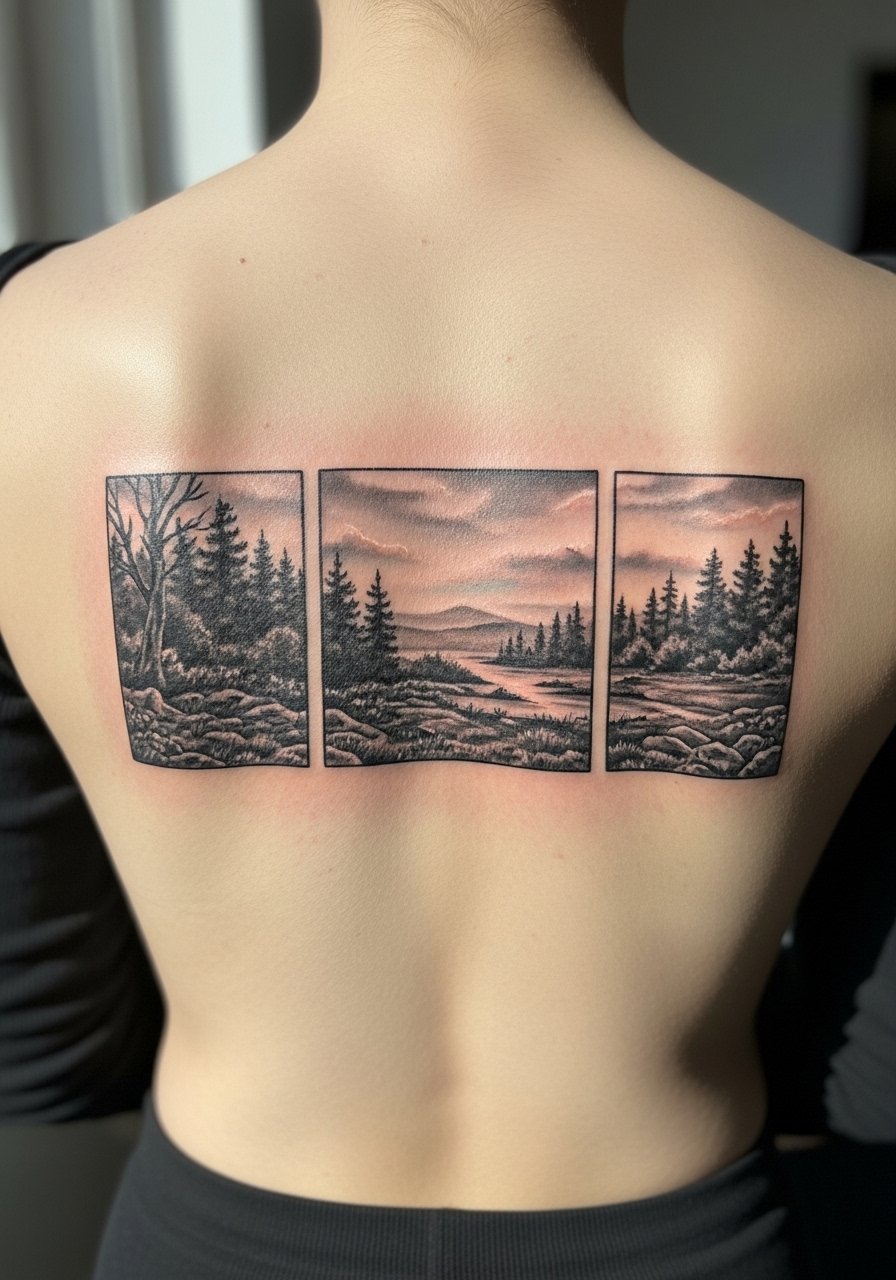
10. Illustrative Landscape Horizon Full Back
A wide horizon line mid-back reads like a story when composition and scale match the canvas. Tell the artist whether the focal horizon should sit at shoulder level or lower at the lumbar so clothing framing works with it. These pieces often require many sessions and meticulous planning. The mistake I see is trying to compress too much narrative into a single band, which flattens the depth. Expect eight or more sessions for layered skies and foreground detail. Healed, the larger blocks of gray and color maintain better than dense tiny lines, and touch-ups depend on how much color saturation you requested.
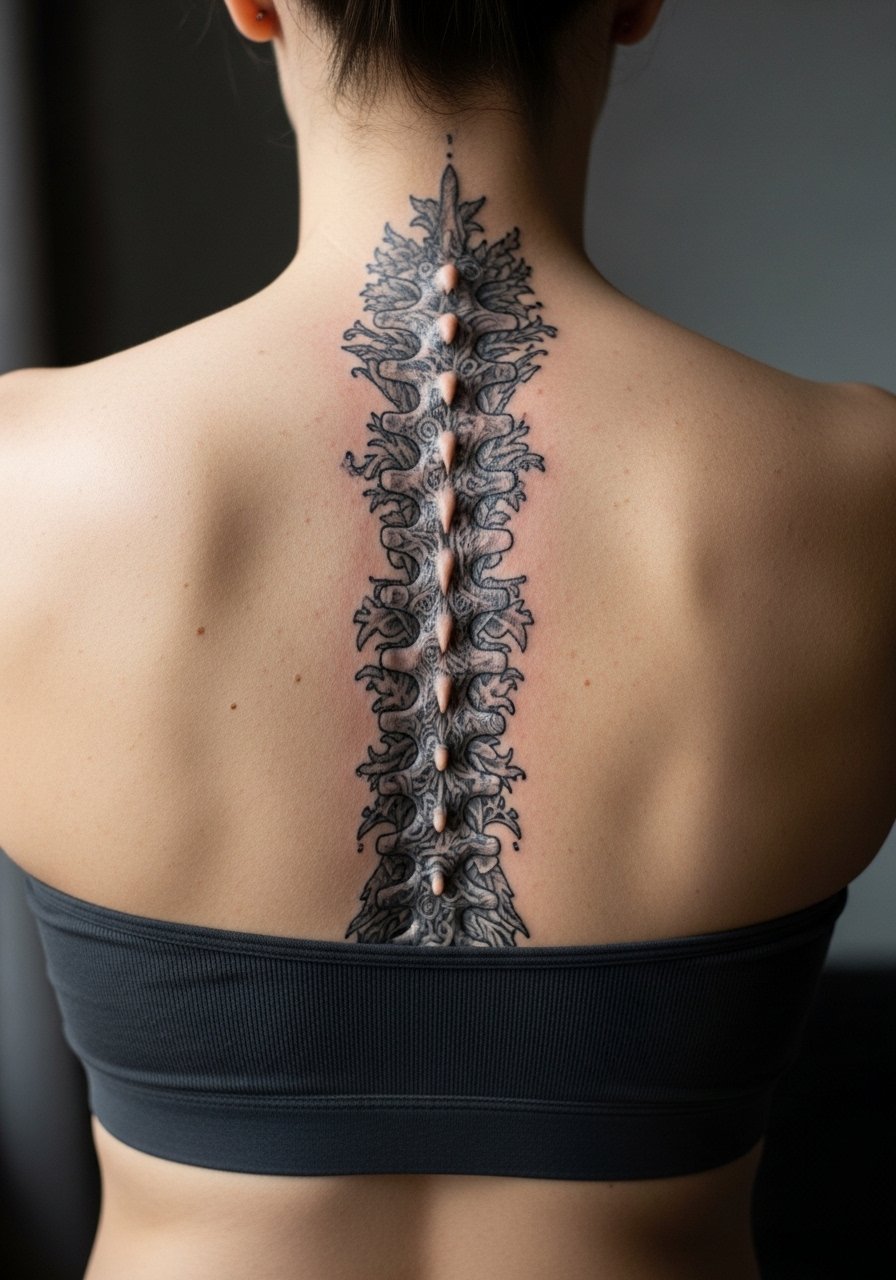
11. Spine Portrait Custom Panel
A portrait or figure that follows the spine curve reads very differently when you sit, stand, and bend. During consultation ask the artist to mock the placement on your spine in several postures so the silhouette keeps its intended proportions. These are high-skill pieces that blend micro-realism with careful anatomical mapping. For appointment comfort bring a strapless bra or sports bra so the back is fully exposed while you lie face down. Sessions are long and focused on tiny values. Expect touch-ups at year one to preserve facial detail and contrast.
12. Winged Motion Panels That Flex with Shoulders
Designs that use the shoulder blades as moving canvases create dynamic "wings" that change with motion. Tell the artist you want the elements to start at the scapula and taper toward the waist so movement accentuates the piece. A common error is rigid symmetry that ignores how your shoulders rotate, which makes tattoos appear static. Sessions usually divide into upper and lower sessions so each wing gets even attention. This placement has varied pain depending on fatty cover near the blade. Expect maintenance touch-ups at two to four years to keep the wing tips crisp.
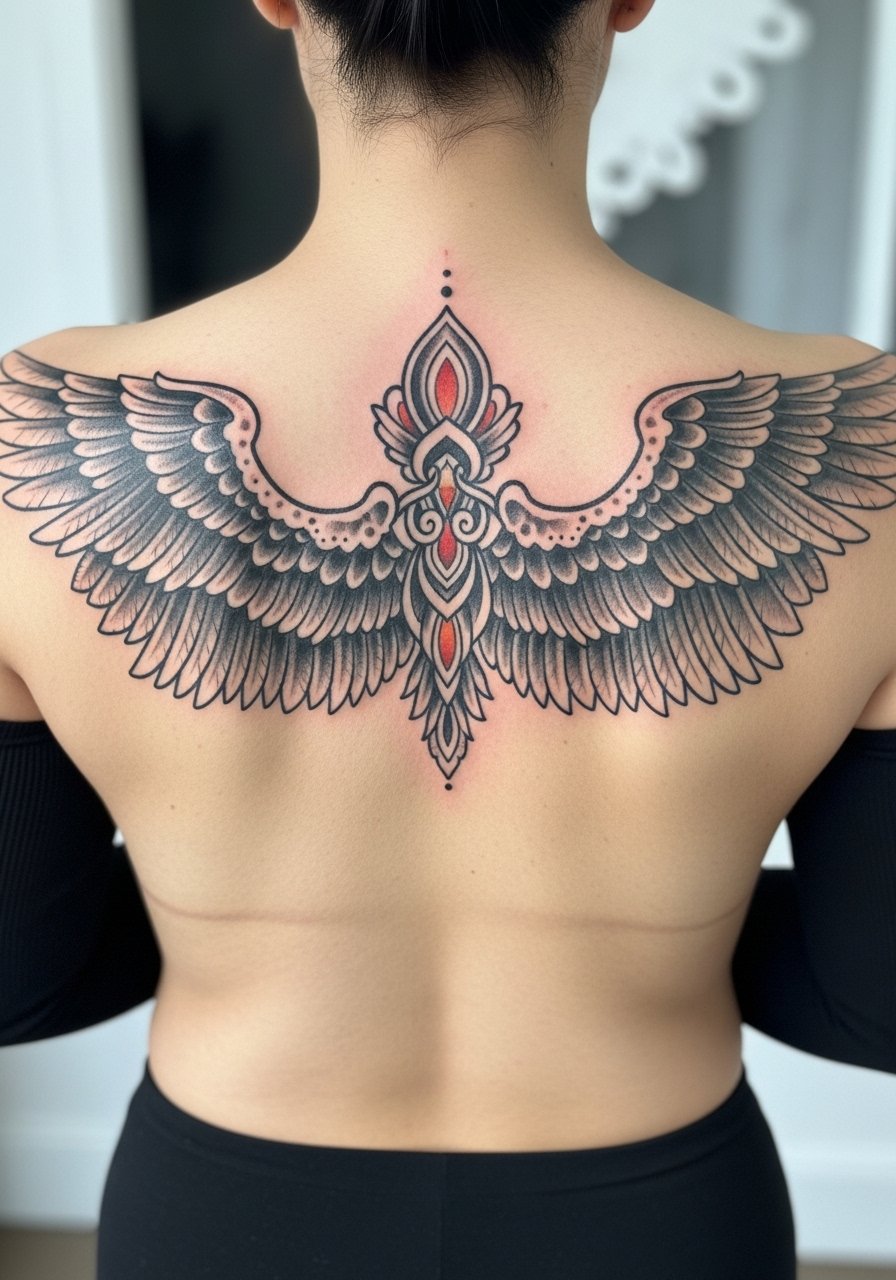
13. Geometric Back Dimples Symmetry Map
Using the natural back dimples as focal points gives a geometric piece instant balance. Bring photos of your back so the artist prints the stencil using those dimples as registration marks. The frequent mistake is ignoring slight asymmetry in the body, which causes a perfectly symmetrical design to sit off-center. Sessions are often precise and steady, with stipple shading and whip shading to suggest depth. For casual showing, a backless halter top highlights the symmetry and keeps the lines visible. Expect touch-ups at three to five years depending on line density.
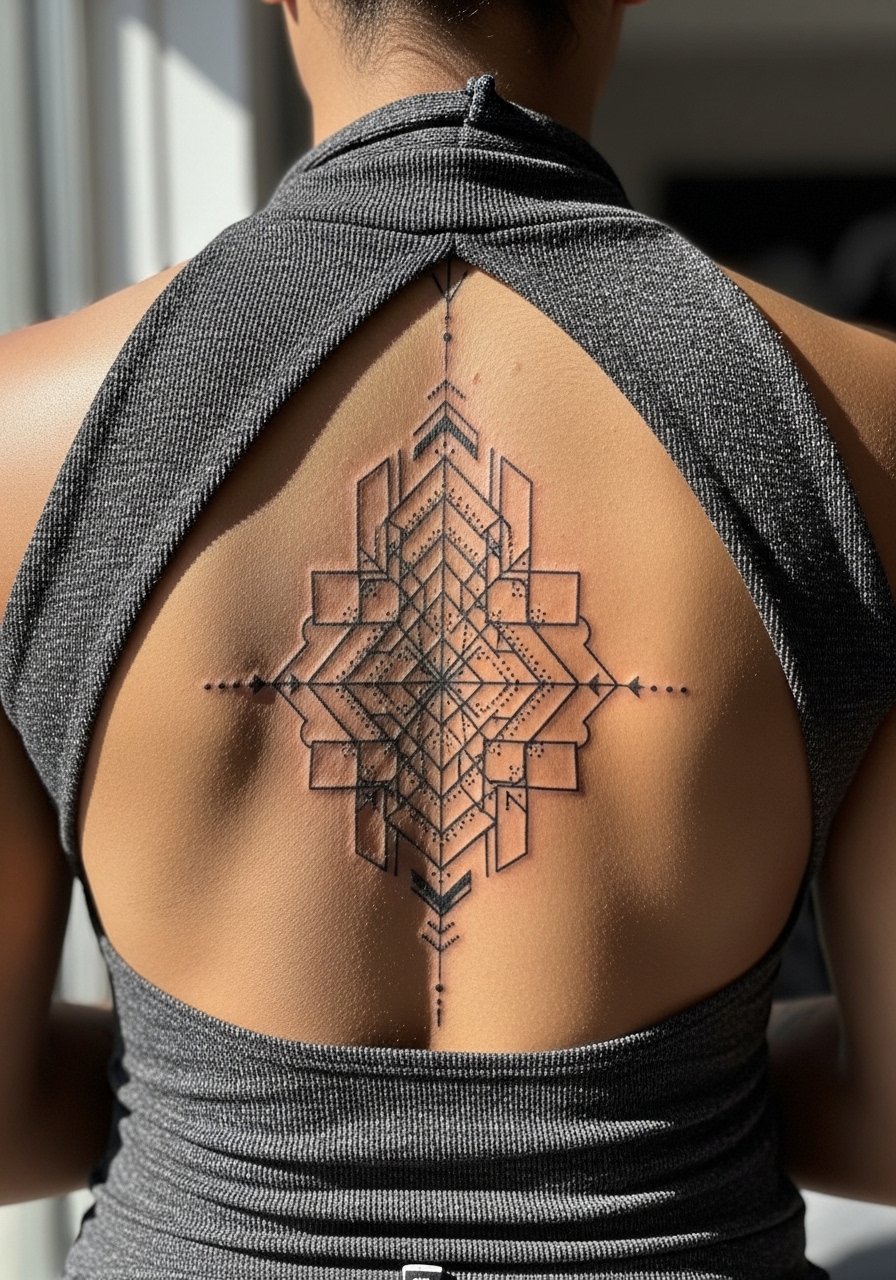
14. Minimal Script Down the Spine
A vertical script can read elegant or cramped depending on spacing and font weight. Choose clean lettering with consistent spacing and avoid overly decorative typefaces that collapse as lines blur. The portability mistake is asking for a long sentence in tiny type, which loses legibility after the first few years. Sessions are quick but precise. For the appointment consider a sports bra so the artist can work without fabric interference. Expect a touch-up around year two for letter edges, and keep UV exposure low to preserve the ink.
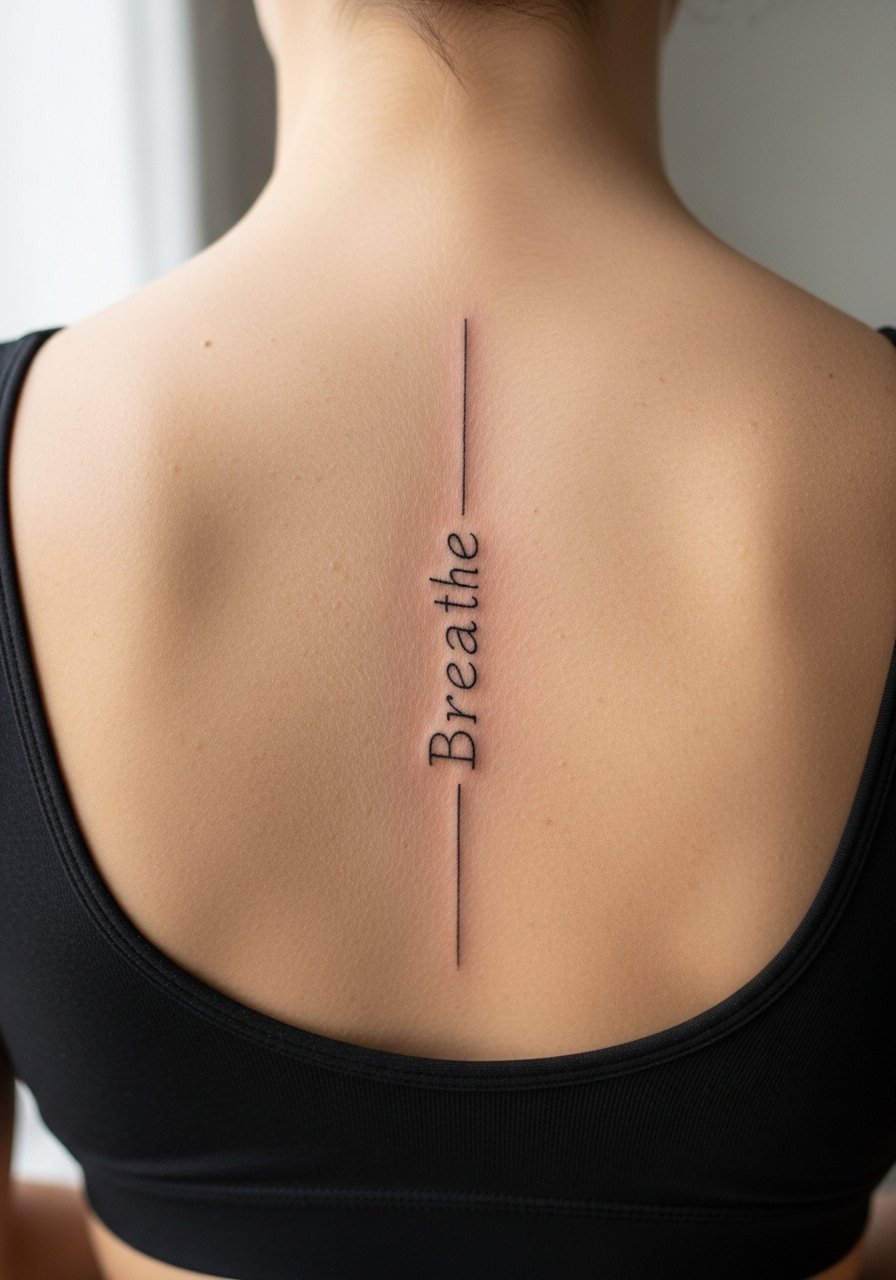
15. Floral Map Across Shoulder Blades
A scar-friendly panel that sits across the blades works well when the artist adapts each bloom to your shoulder shape. During consultation point to where you want focal petals and ask them to vary petal size for depth. The frequent mistake is trying to mirror a sleeve composition directly onto the back without adjusting scale, which makes petals look toy-sized. For showing it off, a linen off shoulder top complements the soft organic lines and keeps attention on the flowers. Expect three to five sessions and touch-ups at two to four years for petal edge sharpening.
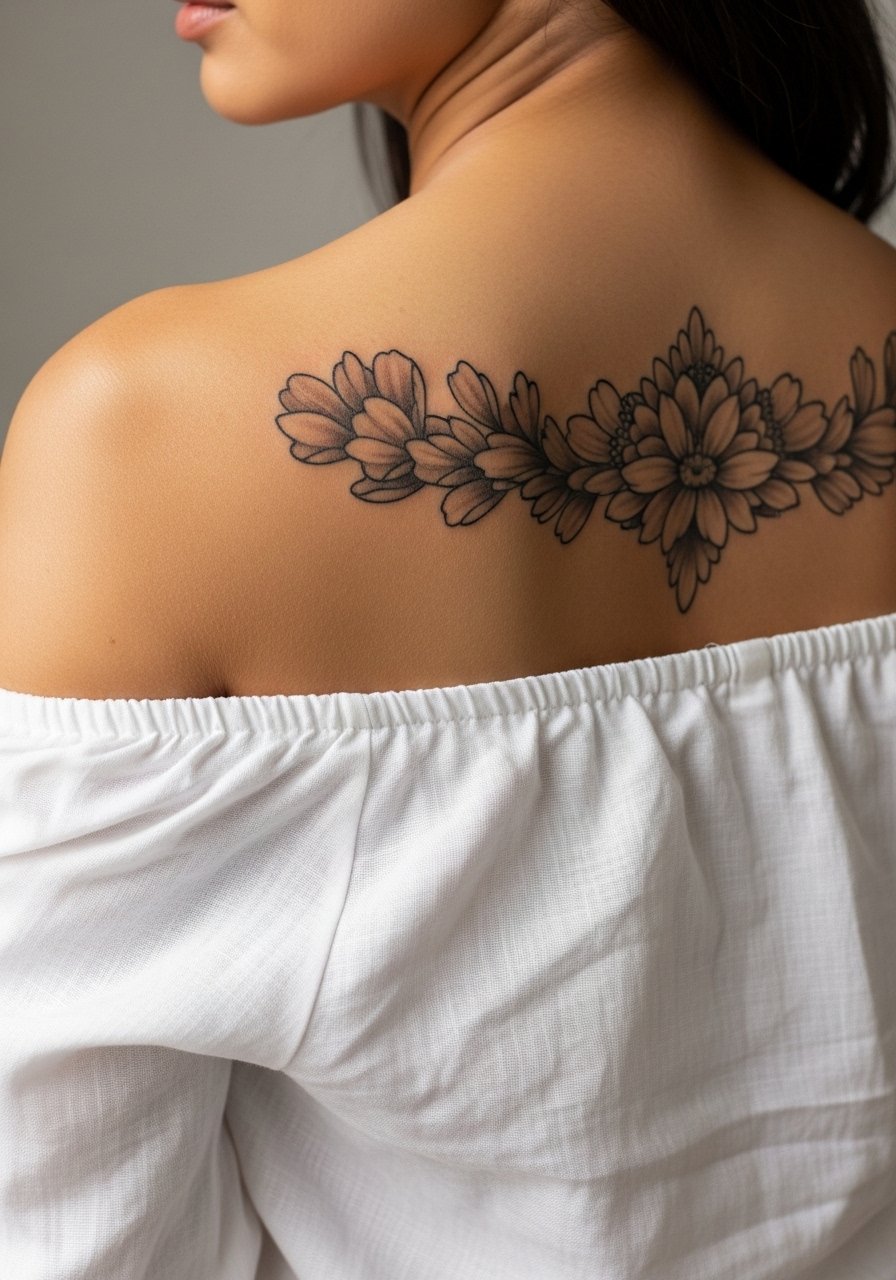
16. Micro-Realism Mid-Back Portrait Scene
A mid-back scene that uses micro-realism benefits from clear focal contrast and open background space. When you ask for this, request that the artist block in larger masses first and save the tiny highlights for later sessions. The common error is overworking the tiny highlights in a single session, which creates patchy healed results. Sessions are typically long and detailed focused work. Pain is moderate in the fleshy mid-back. Expect a touch-up at one year to rebuild contrast if the finer values soften.
17. Fan Ornament Decorative Panel Along Shoulders
Fans or ornamental panels spread across the upper back and shoulders and accent movement when you lift your arms. Ask your artist to leave negative bands between fan ribs so the piece keeps separation as it ages. Overcrowding the ribs with tiny filigree leads to a single gray block over time. For the session wear a sleeveless tank that you can remove easily. Sessions are split across the shoulders and upper back. Expect maintenance work at year two for line redefinition in dense filigree.

18. Black and Gray Stipple Shaded Scene
Stipple shading can make full back scenes breathe without heavy color. Specify stipple or dot work over whip shading if you want a grainy texture that holds over years. A common mistake is mixing too many shading techniques in one area, which confuses healing behavior. Sessions take several hours and require consistent hand speed for even stipple density. Healed, stipple often reads better than tight gradients on the back. Plan for a touch-up at two to three years to rebalance areas that lost dot contrast.
19. Watercolor Ombre Wash Full Back
A broad ombre wash across the back reads painterly and uses the flat canvas effectively. Ask the artist for gradient tests on skin tone during consultation so the colors compliment rather than disappear into your undertone. Watercolor fades faster than saturated blackwork and artists split on methods to make it last. One approach is adding subtle outlines to anchor the wash. For showing it off, a silk chiffon blouse or backless halter keeps the flow visible without fabric friction. Sessions are medium-length and focused on layering color. Expect color refreshes at two to four years depending on sun exposure.

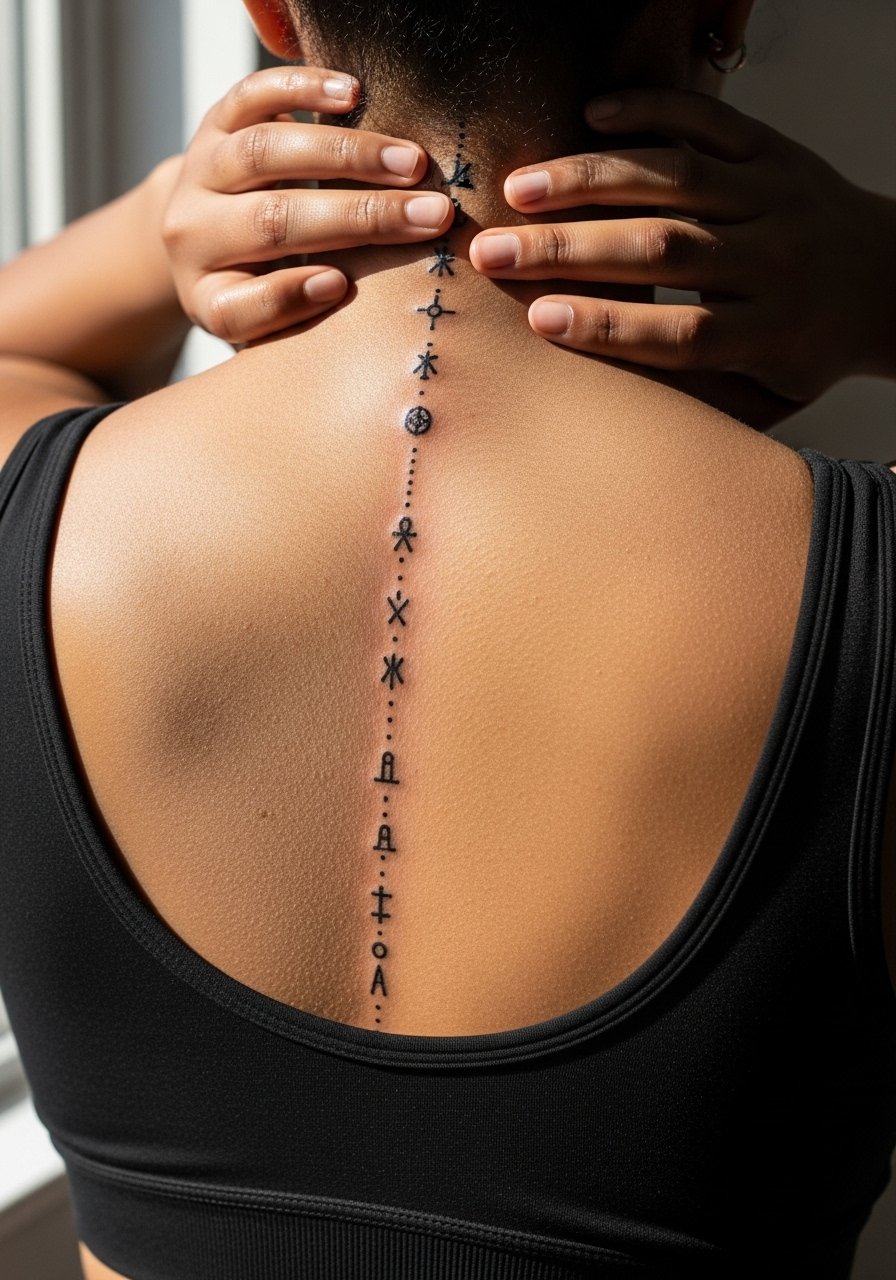
20. Chain of Small Symbols Spaced Along the Spine
This is a minimalist option that still benefits from strategic spacing. Ask for consistent negative space between symbols and slightly bolder anchors at the top and bottom so the line stays readable. The common mistake is pulling all symbols too close together to fit a narrative, which turns the chain into a thin gray stroke. Sessions are short and often done in one to three visits. Pain is lower than full panels but depends on proximity to bony areas. Expect small touch-ups at two to three years to restore crisp symbol outlines.
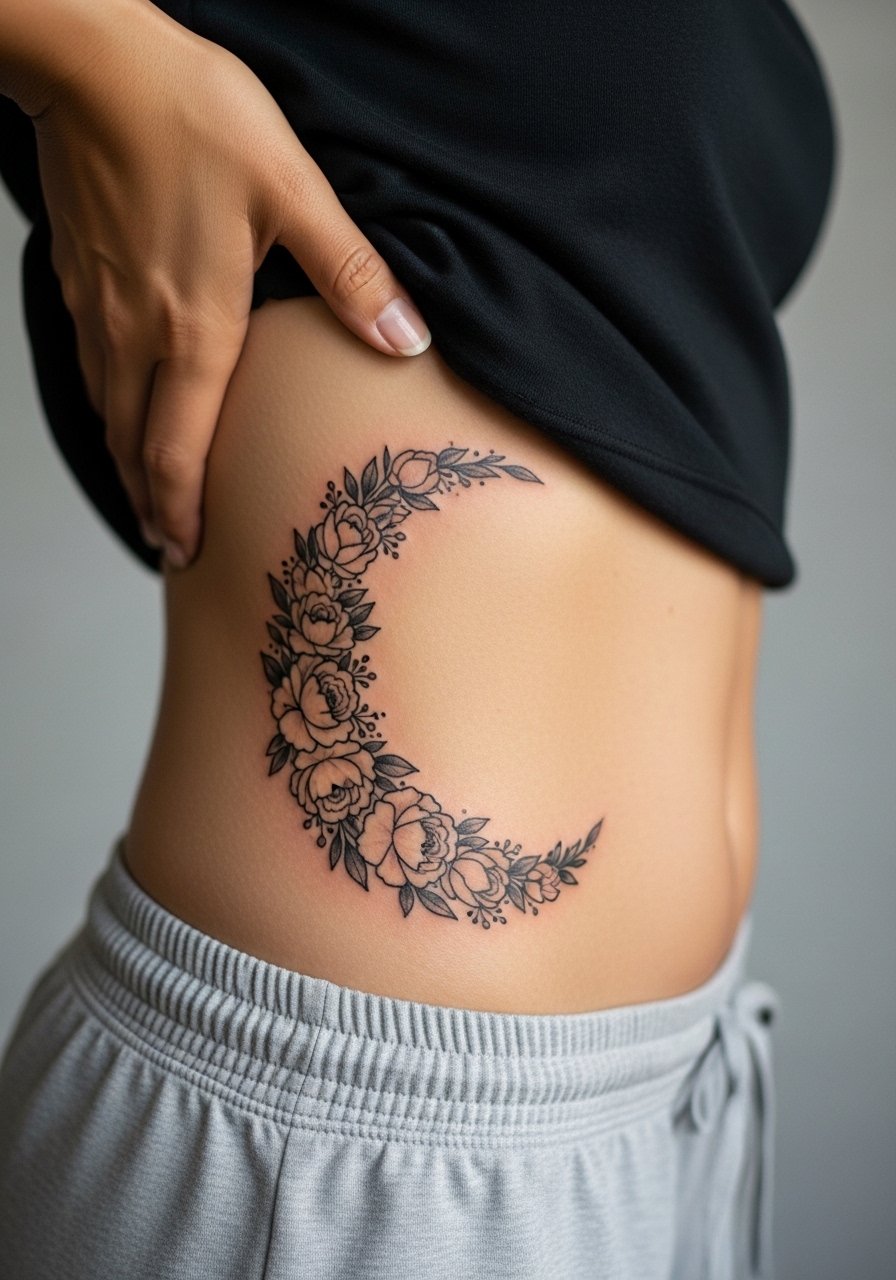
21. Crescent Garden From Rib to Hip
This long curved composition runs from the lower rib across the hips and uses the body curve to create a crescent garden. For sensitive placement like this bring elastic-waist shorts or a skirt that can be adjusted for the session. Ask the artist to avoid tiny interior details near the hip bone because movement and clothing seam pressure blur them faster. The rib-to-hip zone can be more painful than the central back. Expect two to four sessions and plan for touch-ups at two to three years where clothing rubs most.
Frequently Asked Questions
Q: Will a full back watercolor need more touch-ups than a blackwork piece?
A: Generally yes, watercolor and soft washes fade faster than saturated blackwork. Expect color refreshes every two to four years depending on sun exposure and how saturated you want the piece to stay. Choosing slightly stronger outlines or periodic touch-ups keeps the washes readable longer.
Q: Is the spine the right place for delicate fine-line work if I want it to last?
A: It depends on the spacing and the artist's technique. Fine line along the spine is trickier because skin moves and sits over bone. One group of artists recommends slightly thicker anchor lines to prevent early blurring. The other group prefers single-needle work with extra spacing. Ask the artist which approach they use and why.
Q: How should I dress for a full back session that lasts several hours?
A: Wear loose, easy-to-remove layers and a front-opening shirt or a removable sports bra so the artist can access the back without fabric rubbing. A loose button-down shirt works well for breaks and keeps you comfortable between sittings.
Q: Does healing dry with Saniderm or dry-air methods work better for back tattoos?
A: Artists divide into two camps. One camp prefers leaving the area open to air after the initial wash to avoid trapped moisture and sweat in such a mobile region. The other camp uses protective film for the first 24 to 48 hours to shield large saturated areas. Ask your artist their preferred protocol for back work and why.
Q: If I want symmetry using my back dimples, how do I find an artist who can map that precisely?
A: Look for portfolio images that show prior back dimples used as registration points and search curated feeds like #fullbacktattoo and #spinetattoo. Local studio directories and forum threads on r/tattoos also surface artists who take this mapping seriously. Ask for in-person stencil mockups during consultation.
Q: How often should I expect to need touch-ups for a full back portrait versus a decorative panel?
A: Portrait work with tiny values often needs a touch-up earlier, usually around year one to two, to retain facial detail. Decorative panels with bolder forms can go longer before requiring a refresh, often two to four years. UV protection and clothing friction are the main variables that change those timelines.