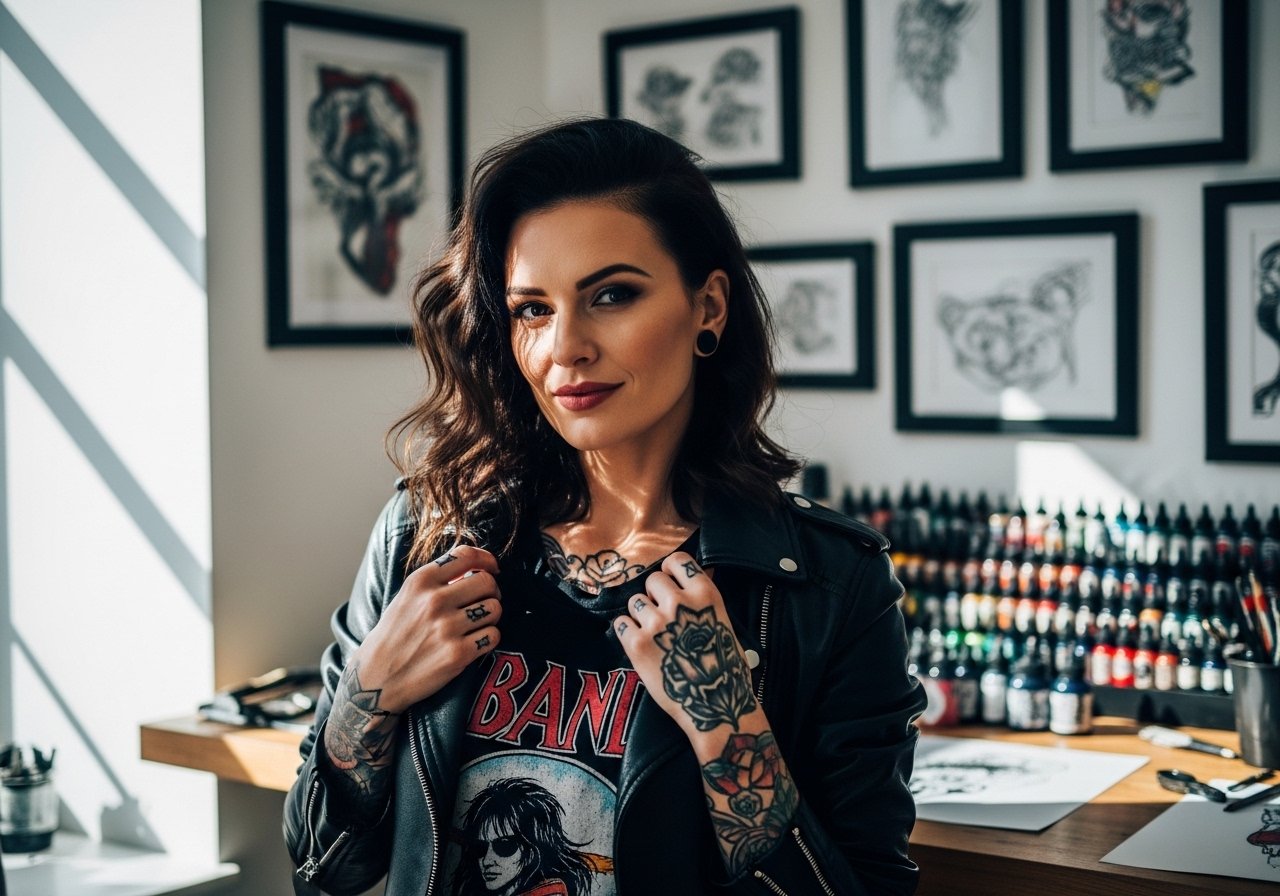
Sitting in the chair with the stencil over the spot behind your ear is when a lot of decisions suddenly feel very real. The area reads smaller than it looks on a screen and the hum of the machine is more noticeable than the prick itself. Pick a design that matches how often you want to show it, ask about spacing and line weight, and plan hair and wardrobe so the reveal works the way you want. The list below jumps straight into 21 micro ideas that fit behind the ear and how to make each one hold up.
1. Tiny Floral Spring Behind the Ear
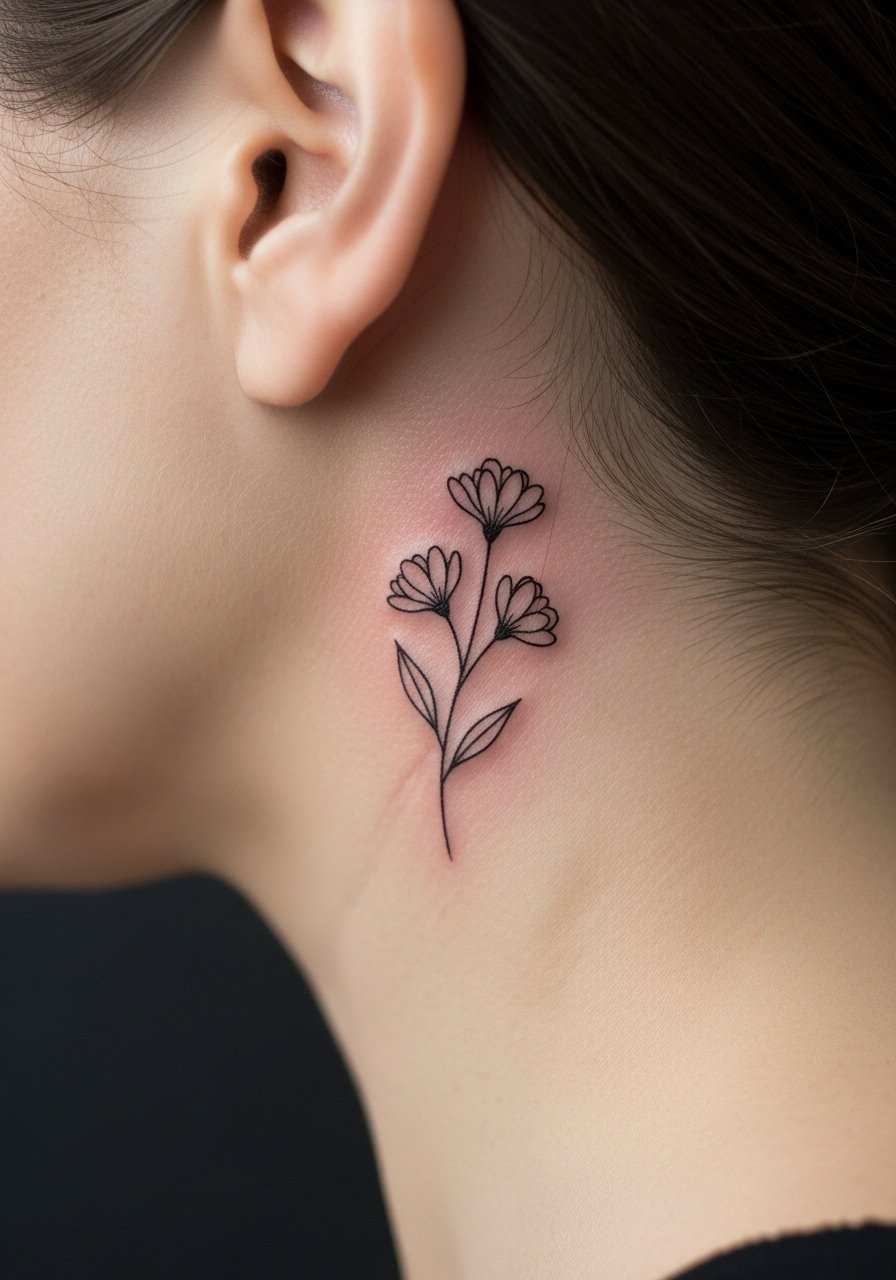
A 1-inch cluster of thin-stemmed blooms reads timeless on the small expanse behind the ear. Tell your artist you want single-needle fine line with modest spacing between petals so the flowers do not merge over time. Expect a short session and mild positional discomfort from the head rest rather than sharp pain. Common mistakes include packing too many petals into a tiny area, which causes line merging at year two or three. For showing it off, wear your hair up and add a hair ties silk scrunchies so the motif peeks out against a neat ponytail. Plan for a touch-up option in year two if you want crisp stems.
2. Mini Butterfly Wing Curve

A single butterfly wing tucked behind the ear gives transformation vibes without wrapping the whole neck. Ask your artist to keep the wing under an inch and to suggest where a soft wash of color will age more gracefully than saturated patches. The machine hum is often more noticeable than the pinprick because the skull sits so close. A common error is asking for heavy watercolor fills in a tiny space, which fades into a bruise-like patch. Pair this with a strapless tube top or a high pony when you want to show it off. Consider a gentle touch-up at year two for color refresh.
3. Lightning Bolt Accent
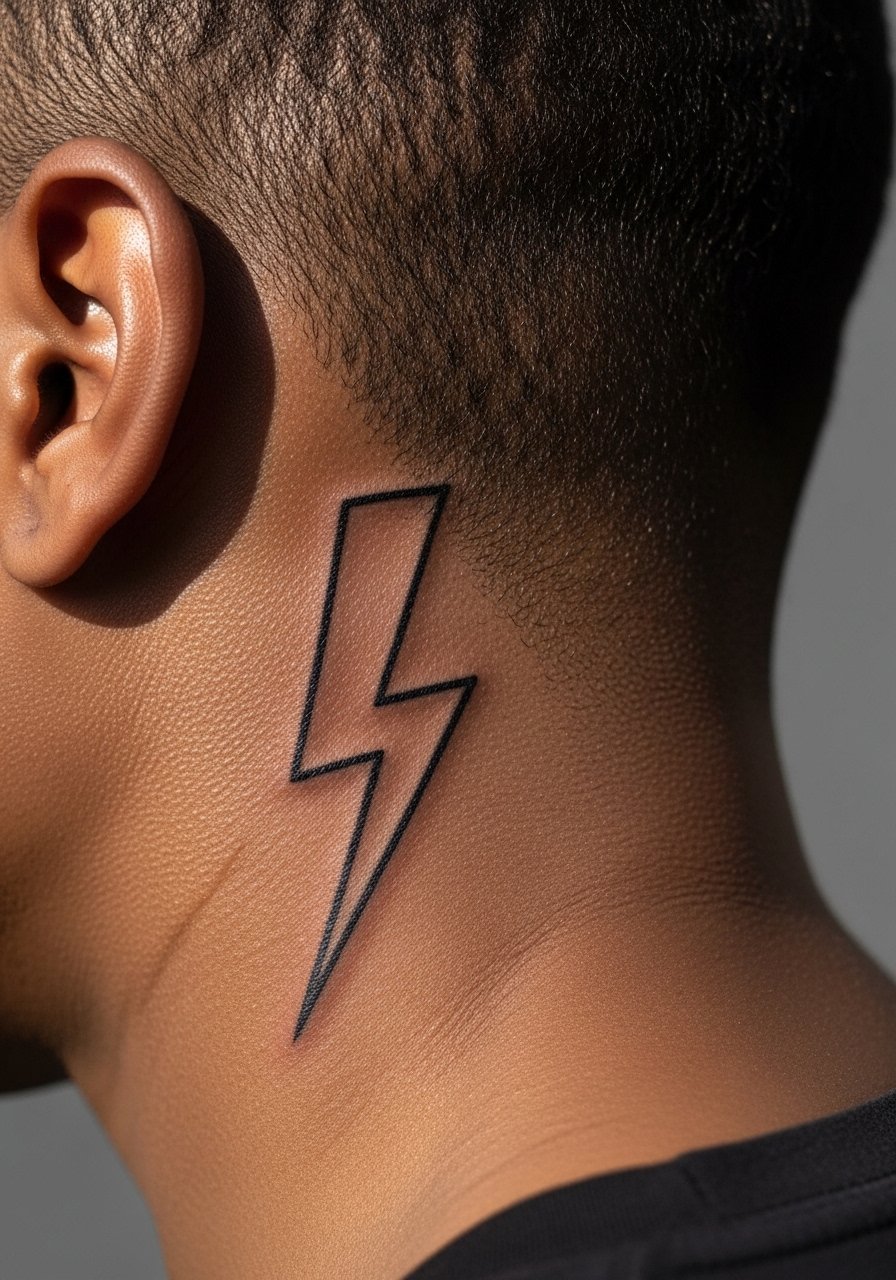
A short lightning bolt is a playful and compact option that works well in black linework. Specify crisp linework and ask the artist to avoid feathering the ends into tiny points because those points tend to blur. There is a debate in the community about fine line pieces in tiny spots. One camp says minimal designs risk losing definition within a couple of years. The other camp argues that an artist experienced with micro linework can make a bolt remain crisp longer. Make sure the artist shows healed examples of the exact line weight you want. For a subtle accessory match, wear a small hoop earrings gold when styling hair up.
4. Shooting Star With Tail
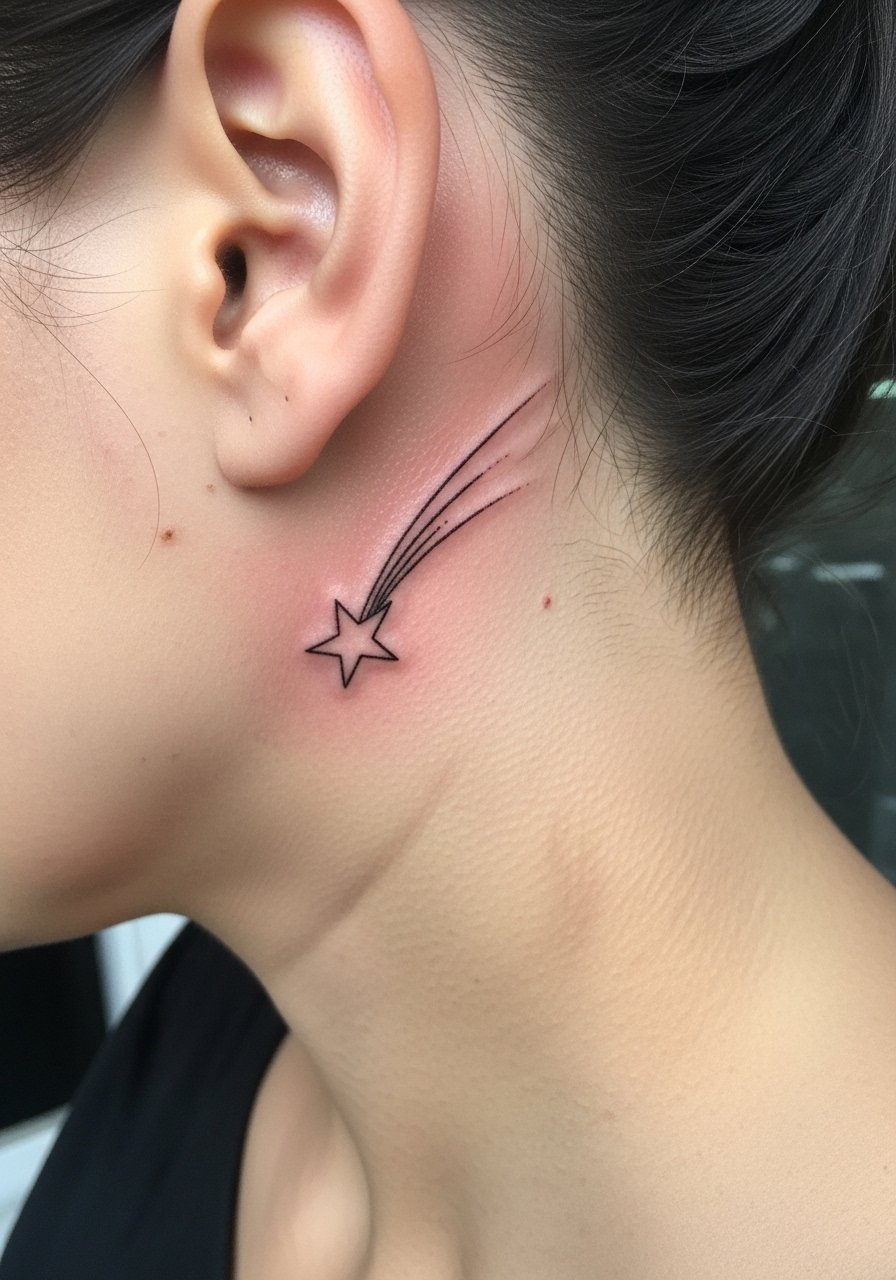
A tiny shooting star that arcs toward the hairline imparts motion in a compact design. Ask for a slightly thicker starting dot with tapering tail lines so movement reads after healing. The most common mistake is making the tail too dense, which can fill in over time. Session time is short and sensations are usually described as vibration under the ear rather than prolonged pain. For nights out, an open-neck linen linen sundress women or a swept-back hairstyle frames the tail without hiding it. Expect a light touch-up at two to three years if you prefer razor-sharp tails.
5. Small Star Cluster
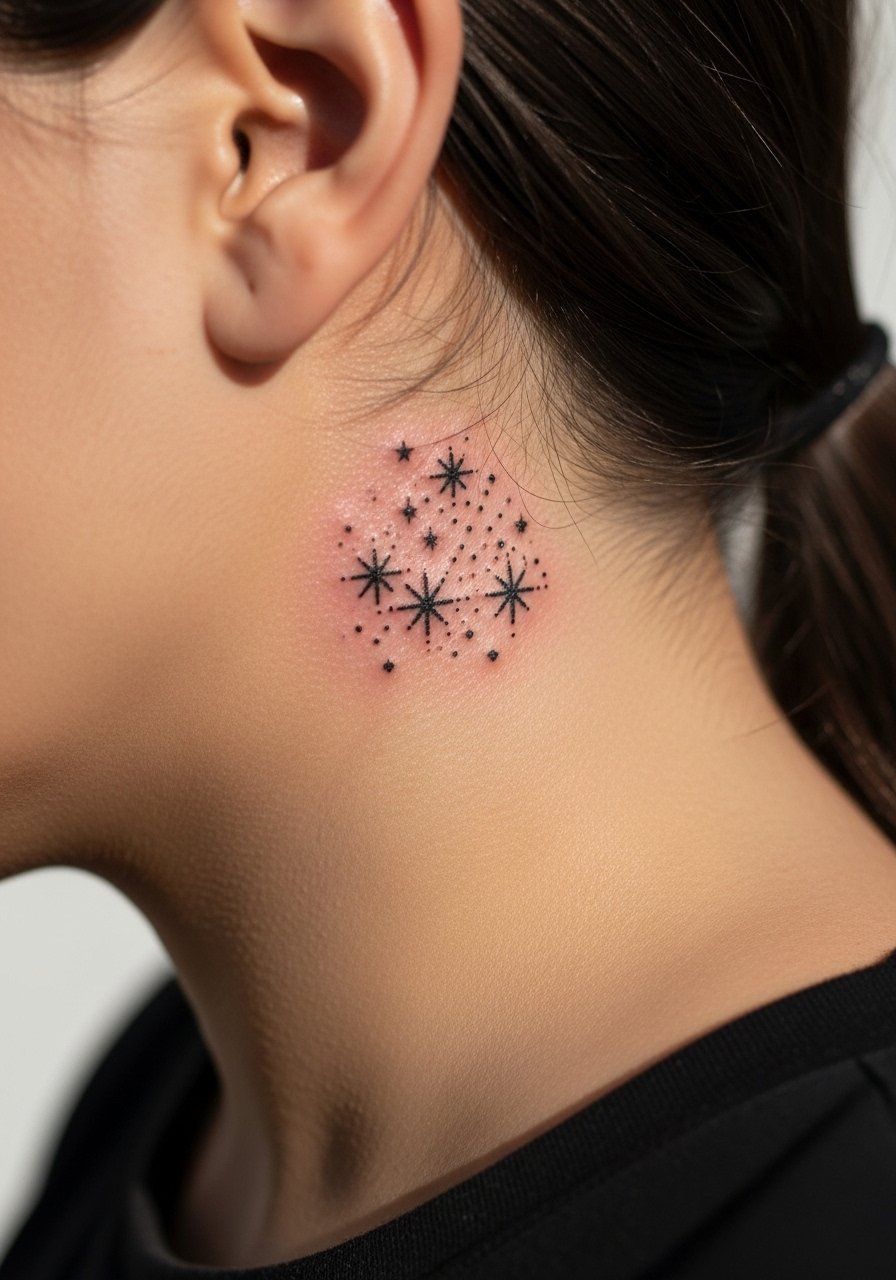
A cluster of tiny stars reads like a constellation and lets you control density. Tell your artist whether you want a mix of filled and open stars so they can plan spacing that avoids merging. The area tolerates fine dot work well, but dense dot clusters can soften into a gray patch after a few years. A real mistake is requesting too many close dots in a 0.75-inch area. For discreet glamour, pair the cluster with a dainty layered necklace on your opposite side to balance attention. Small clusters often need less aggressive touch-up work than filled micro pieces.
6. Micro Raindrop Accent
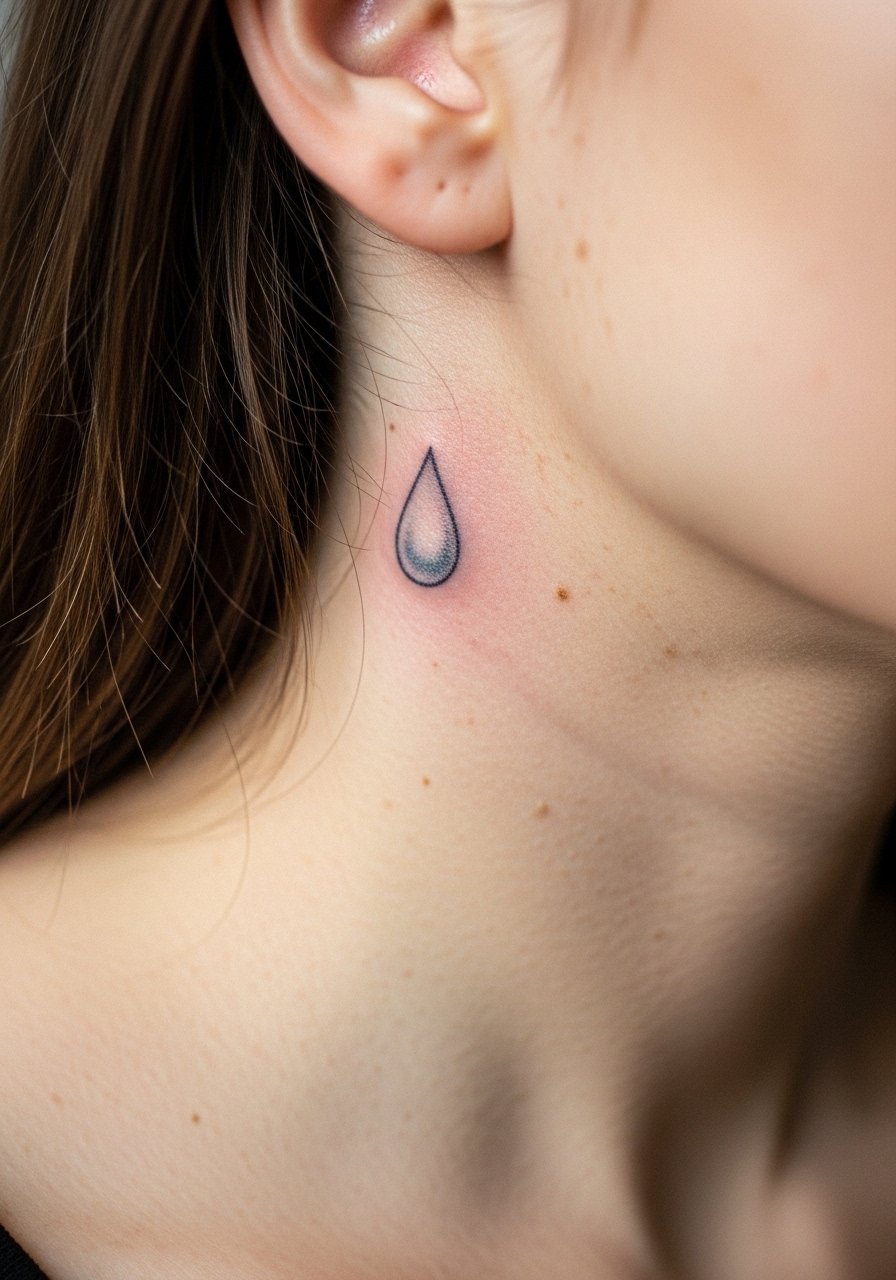
A single raindrop in soft gray symbolizes renewal and fits easily in the behind-ear pocket. Request micro-realism shading in a vertical 0.5-inch shape so the highlight and shadow hold instead of blending. The main risk is over-blending the gray tones in a tiny space which makes the drop read flat after healing. For a show-off moment, the raindrop pairs with a low-key off shoulder top linen that exposes the neck line. Expect a brief session and minor numbness afterward because of the position.
Studio Day Picks
The first six ideas above are compact and sit close to hairlines, so a few session essentials smooth the appointment and the first week of healing.
-
Stencil transfer paper kit. Lets you preview exactly where a tiny motif will rest behind the ear before the needle hits skin.
-
Topical numbing cream. Applied before the session to ease sensitivity around the skull without changing line placement.
-
Thin protective film roll. Helps keep that tiny area clean when hair rubs against it in the first days.
-
Fragrance-free body wash. Gentle washes prevent irritation while fine line work seals.
-
Aquaphor healing ointment. A thin initial layer can protect micro ink in high-friction spots like behind the ear.
7. Delicate Feather Pin
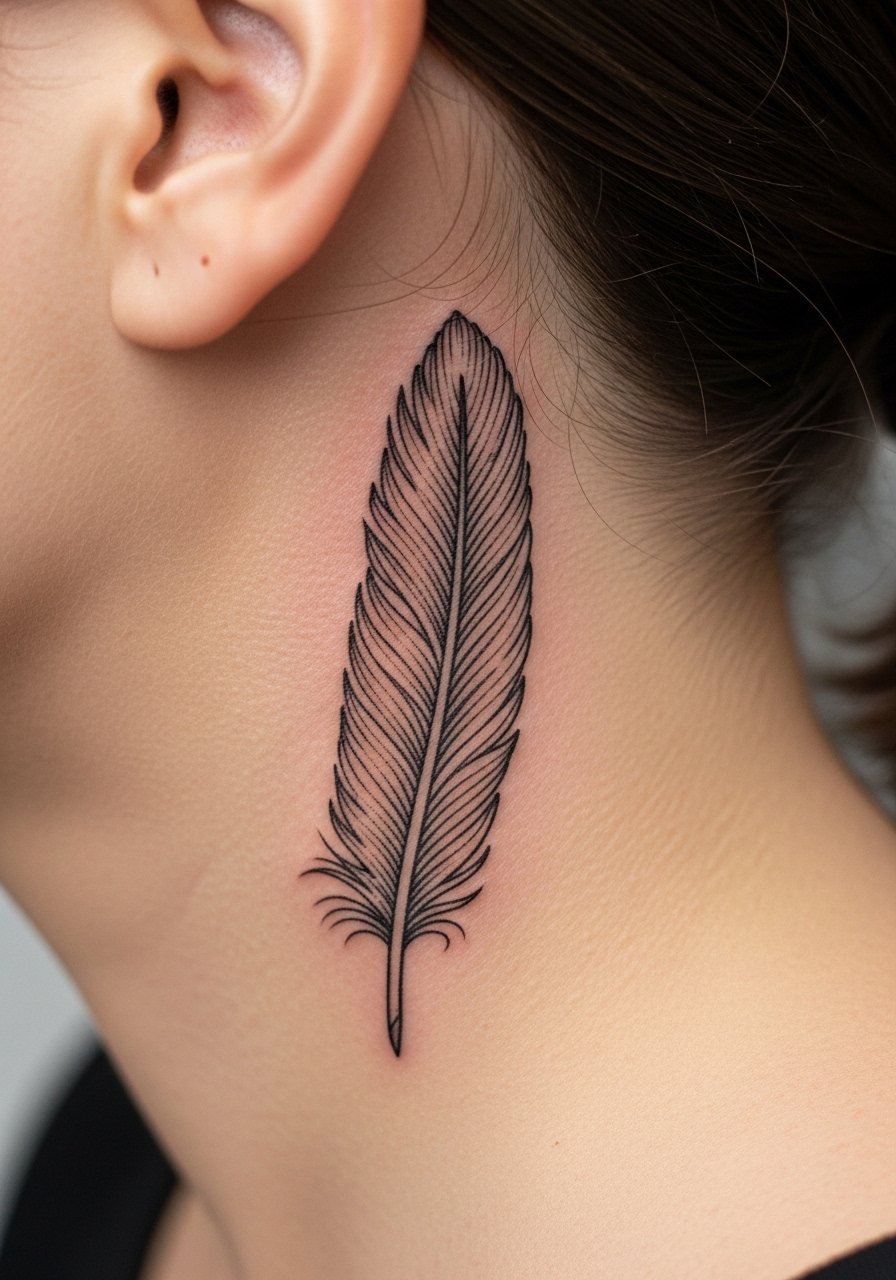
A short feather that follows the neck curve provides a vertical accent that suits extensions to the nape. Ask the artist for linework with slight negative-space barbs so each vane keeps separation as it heals. People sometimes ask for ultra-thin shafts and then notice softening at year two. The sensation is usually a quick series of small pricks and an odd vibration where the ear meets the needle. For styling, the feather looks striking with an exposed shoulder or an off shoulder top linen that draws the eye down. Plan a single touch-up if you want every barb crisp long-term.
8. Tiny Lavender Sprig
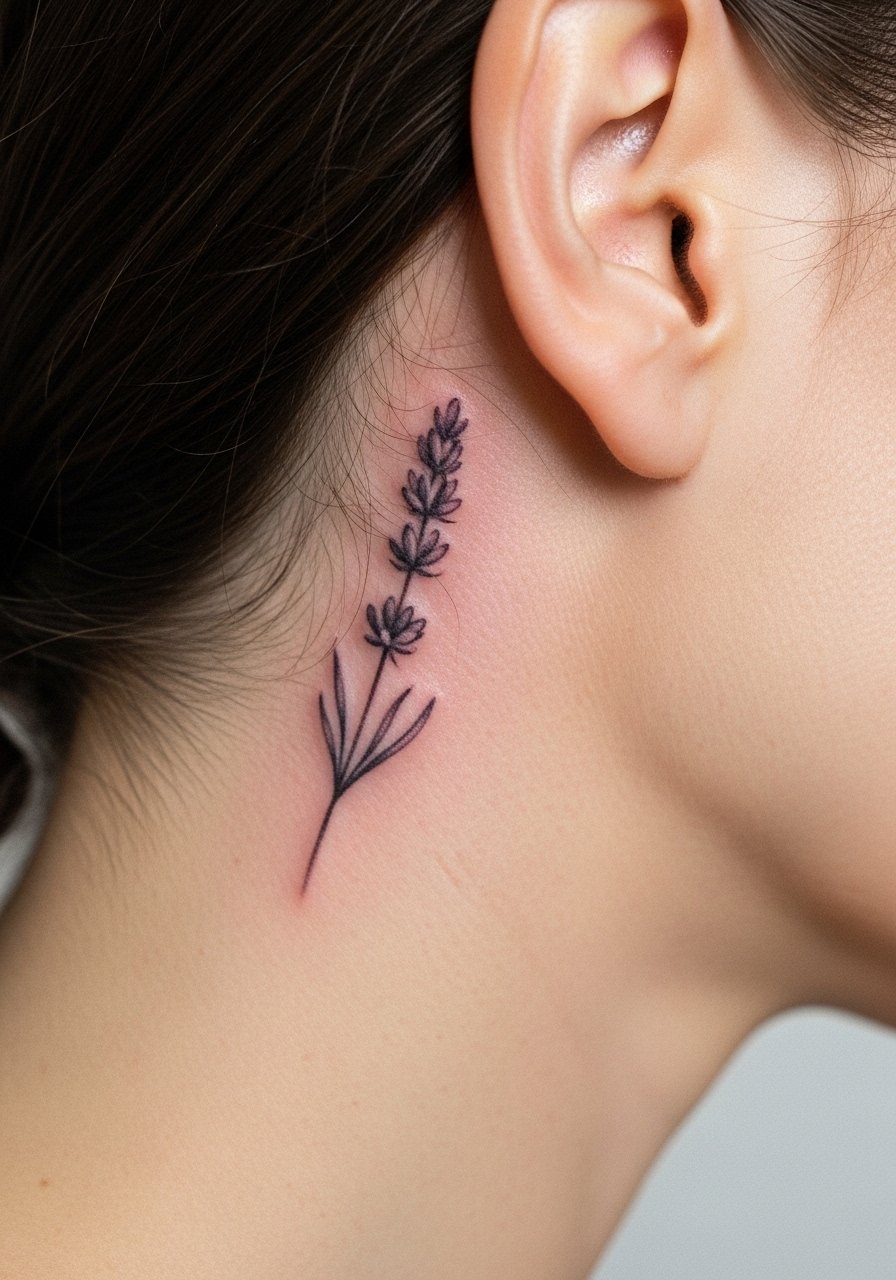
A narrow lavender sprig uses muted purple tones to suggest calm without heavy saturation. Ask for sparse buds and a single-stem composition so each bud keeps negative space. A common error is crowded bud clusters in under an inch, which can blur into a blotch with time. The pick of session clothing is hair up and a loose neckline so the artist has clean access. In terms of longevity, color fades faster than black, so expect a color refresh sooner if you want the purple bright. Avoid dense shading in this tiny area to reduce blowout risk.
9. Baby's Breath Cluster
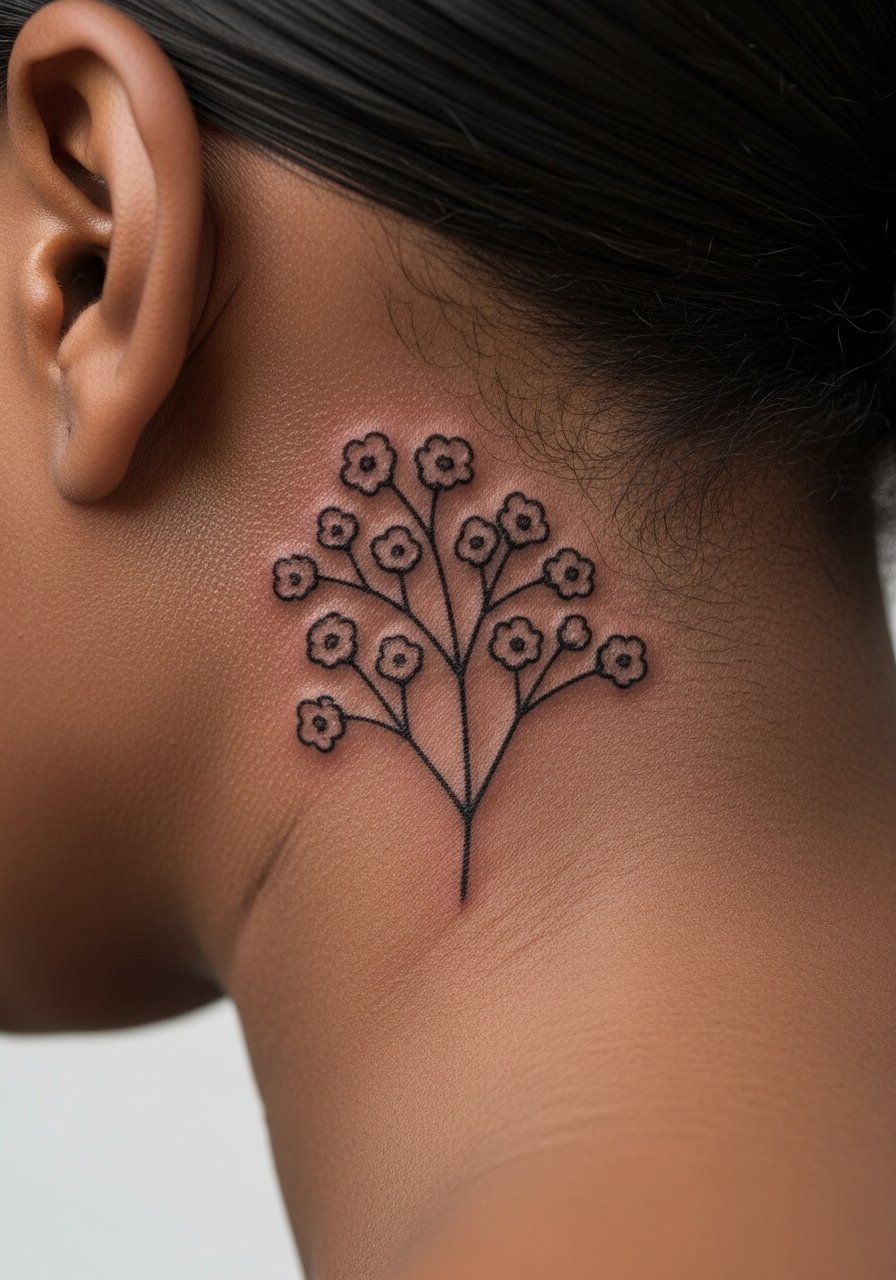
A cluster of baby’s breath gives a soft, airy filler that tucks toward the hairline. Tell your artist you want mostly open circles and thin stems so each bud keeps separation. The biggest mistake is asking for shaded centers in miniature buds, which often blur into gray spots over time. For wearing the piece, a dainty layered necklace opposite the tattoo balances subtle neck detailing. Touch-ups are generally minimal because the design relies on space more than saturation.
10. Minimal Rose Outline

A tiny rose silhouette condenses classic symbolism into a compact piece. Ask for slightly bolder outer contours and minimal inner linework so petals read after a few years. A common pitfall is requesting a fully outlined rose with lots of internal lines in a 0.8-inch area, which can merge into a patch. The session is short but plan to keep hair away during the first week to avoid scabbing abrasion. Expect a likely touch-up in the first three years if you want crisp inner lines.
11. Micro Symbol: Tiny Heart or Arrow

Small icons like a heart or arrow are excellent first tattoos because they are quick and forgiving. Tell your artist you want bold micro linework rather than a thin, wispy stroke. Fine, ultra-thin lines in such a small space are more likely to fade or scatter. The chair session is brief and most people describe the feeling as startling but over fast. For casual wear that highlights the icons, try a relaxed v neck tee fitted that exposes the neck. These pieces can stay clean with one light touch-up at year two.
12. Tiny Script Curve
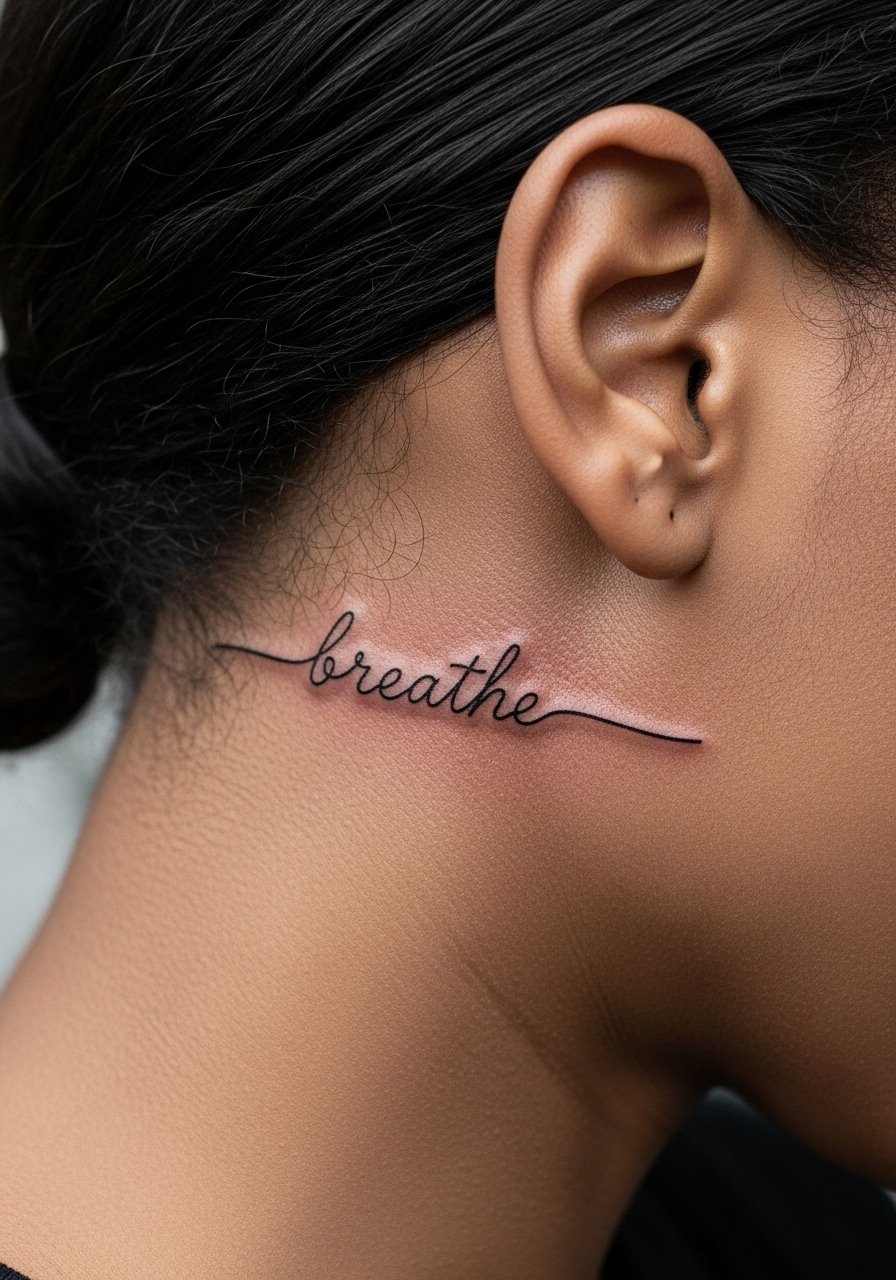
A short, curved script that follows the hairline can read like a private note. Use exact lettering references in consultation so your artist knows the line weight and spacing you expect. Artists split on micro script longevity. One camp warns that letters get fuzzy without room for counters. The other camp says careful spacing and slightly heavier strokes preserve legibility. Ask to see healed script examples in comparable size on similar skin tones before booking. For session wear, a loose top that allows the collar to move aside helps the artist position the stencil accurately.
13. Micro Crescent Moon
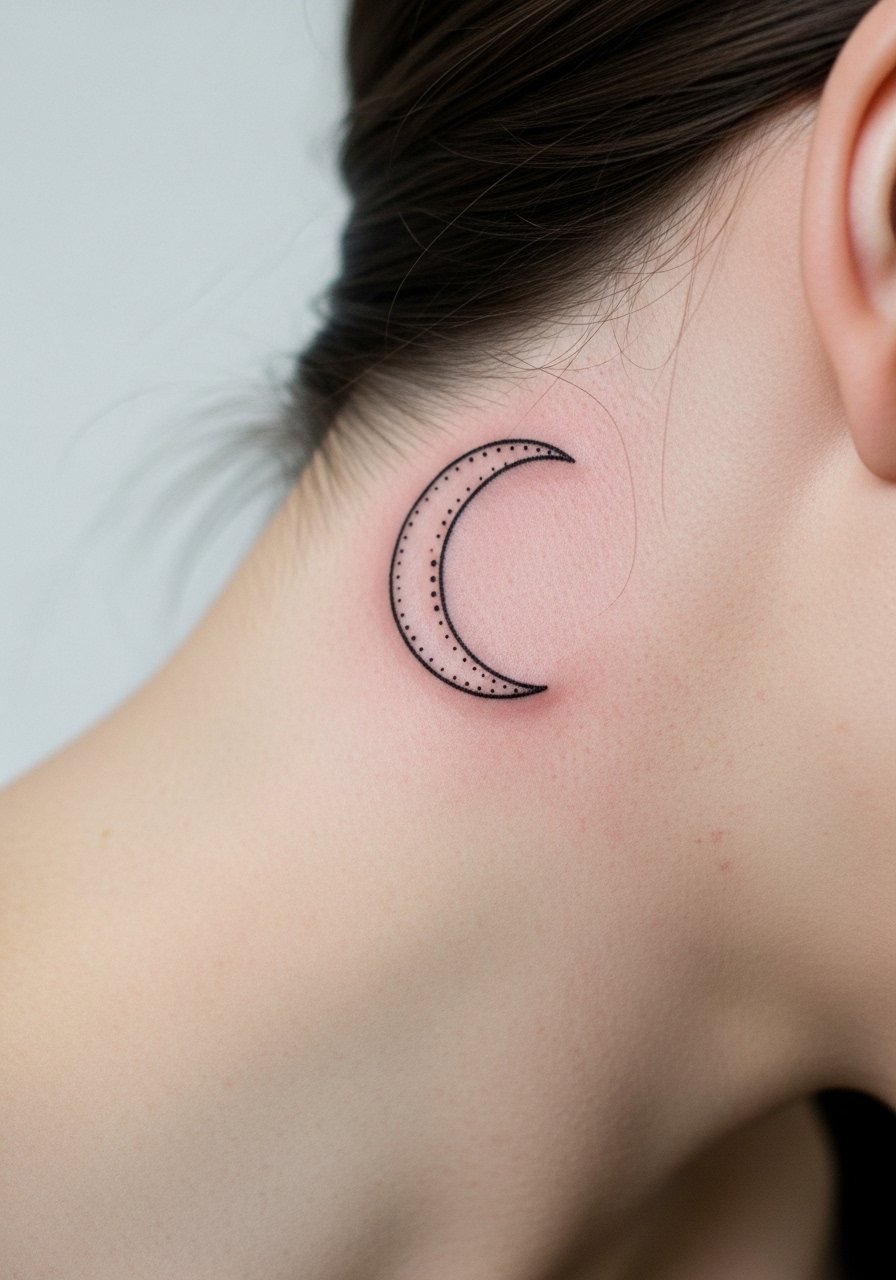
A thin crescent with a tiny dot accent makes for a graphic little mark. Request a gently curved crescent with modest line thickness so the arc does not lose curvature as it settles. The most common mistake is insisting on hairline-thin crescents that blur into short arcs over time. For a clean reveal, wear a one shoulder blouse or pulled-back hair so light hits the curve. Expect a small touch-up at year three if you want the arc uniform.
14. Micro Crescent With Star Pairing
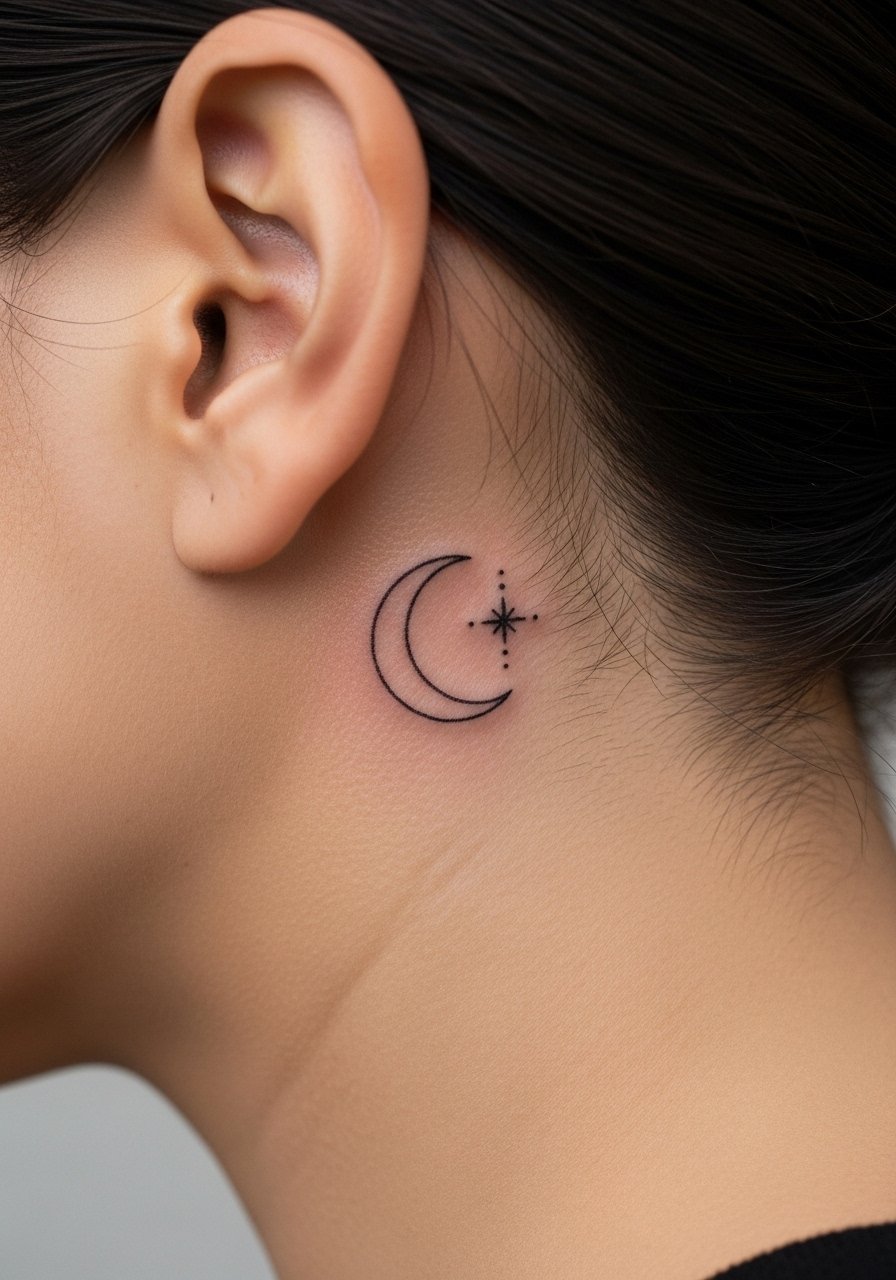
Pairing a crescent with a tiny star gives a small narrative without bulk. Tell your artist to space the star at least a hair's width away from the crescent to prevent line merging. A frequent error is squeezing both motifs into a 0.5-inch space, which reduces longevity. The session is comfortable for most people but bring headphones if the machine hum bothers you. These pieces age predictably and often only need cosmetic touch-ups where lines intersect.
15. Micro Compass Point

A single compass point reads as direction in a compact graphic. Ask for slightly rounded tips instead of razor points because very sharp tips dissolve first when lines spread. People sometimes overcomplicate the icon, which invites early softening. For outfits that complement vertical lines, a pastel crop top or off-shoulder piece lets the neck read cleanly. Expect a brief touch-up to keep tiny tips defined over time.
16. Micro Music Note
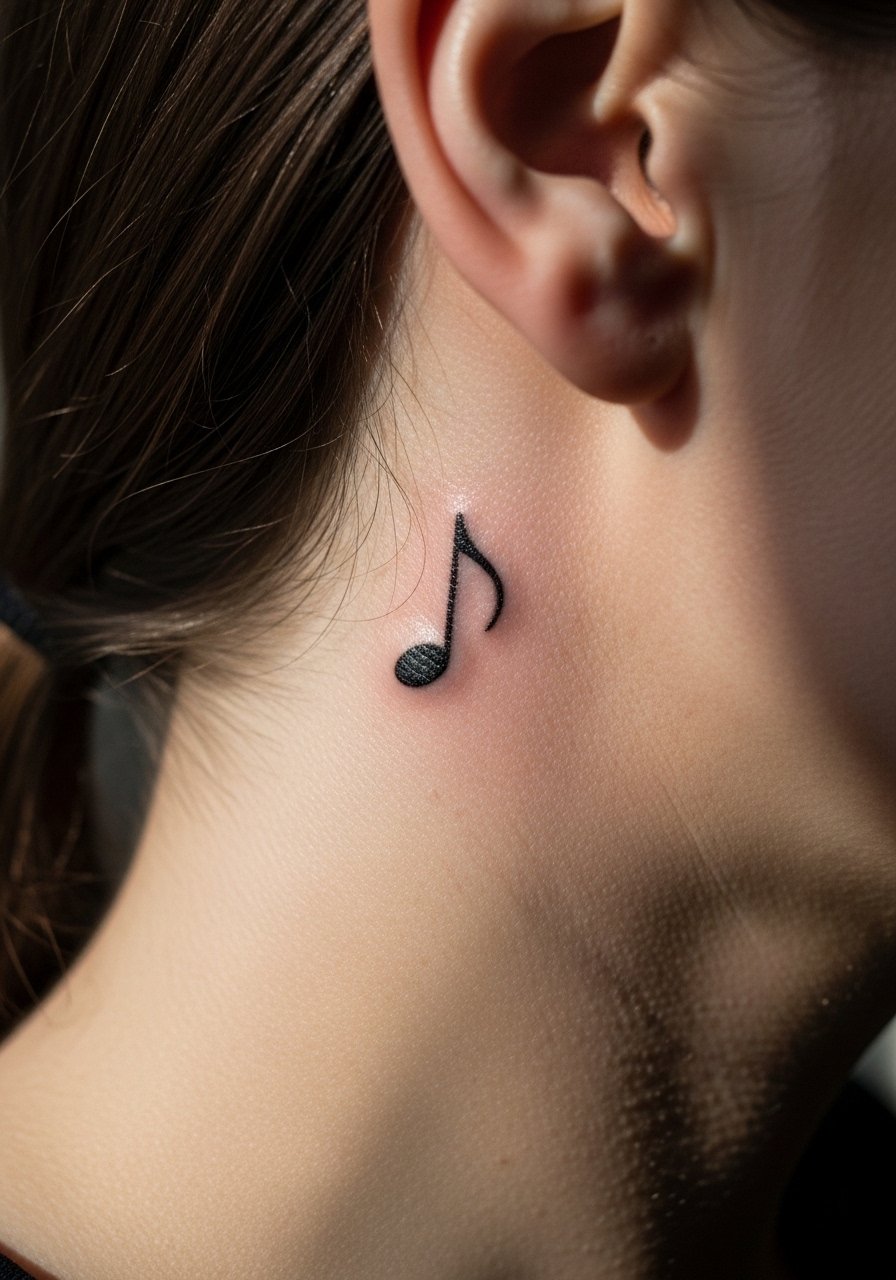
A tiny music note behind the ear reads like a quiet homage to sound. Tell the artist you want a single, clean stem with a filled head so the motif holds its silhouette. The main mistake is asking for a featherweight stem that breaks up. Sessions are quick and vibration can be more noticeable than sharp pain. The note often needs minor touch-ups where the stem thins after a few years.
17. Micro Anchor

A tiny anchor can symbolize steadiness in a compact graphic. Request a slightly broader silhouette with negative-space cutouts so the anchor reads after healing. Crowding the anchor with extra coils is a common mistake. If you want it visible, pair it with a high pony and a strapless tube top during moments when you want to show the neck. Anchors in this scale usually hold up with a single touch-up around year three.
18. Micro Planet or Orbit
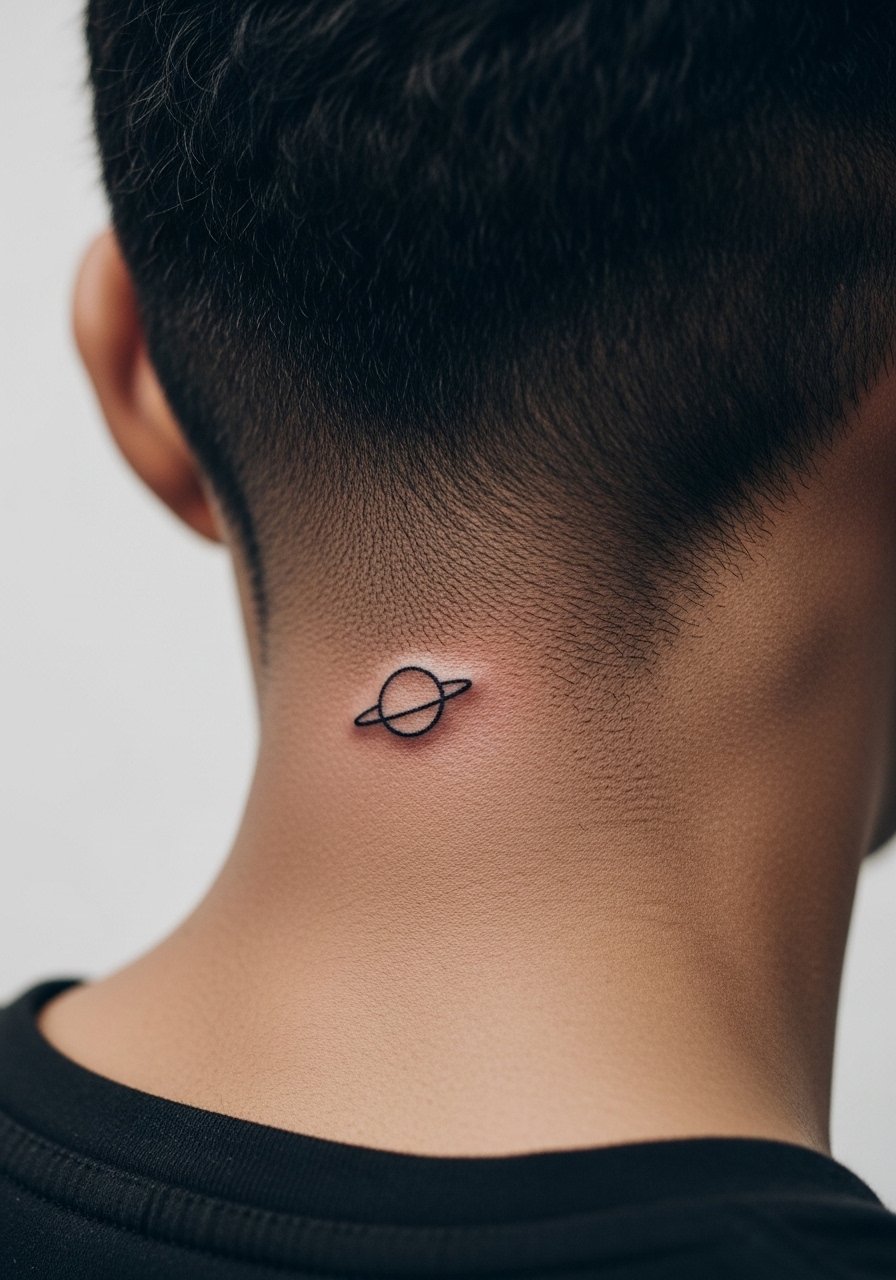
A small planet with a single orbit line gives an astronomical vibe that stays subtle. Ask for a slightly thicker orbital line and a tiny negative-space ring so the circle keeps contrast as the ink softens. The worst mistake is asking for a hair-thin orbit that disappears into surrounding skin texture. The appointment is short and often feels like a rapid series of soft pricks. These pieces usually need only spot touch-ups in high-friction areas.
19. Micro Script Initials
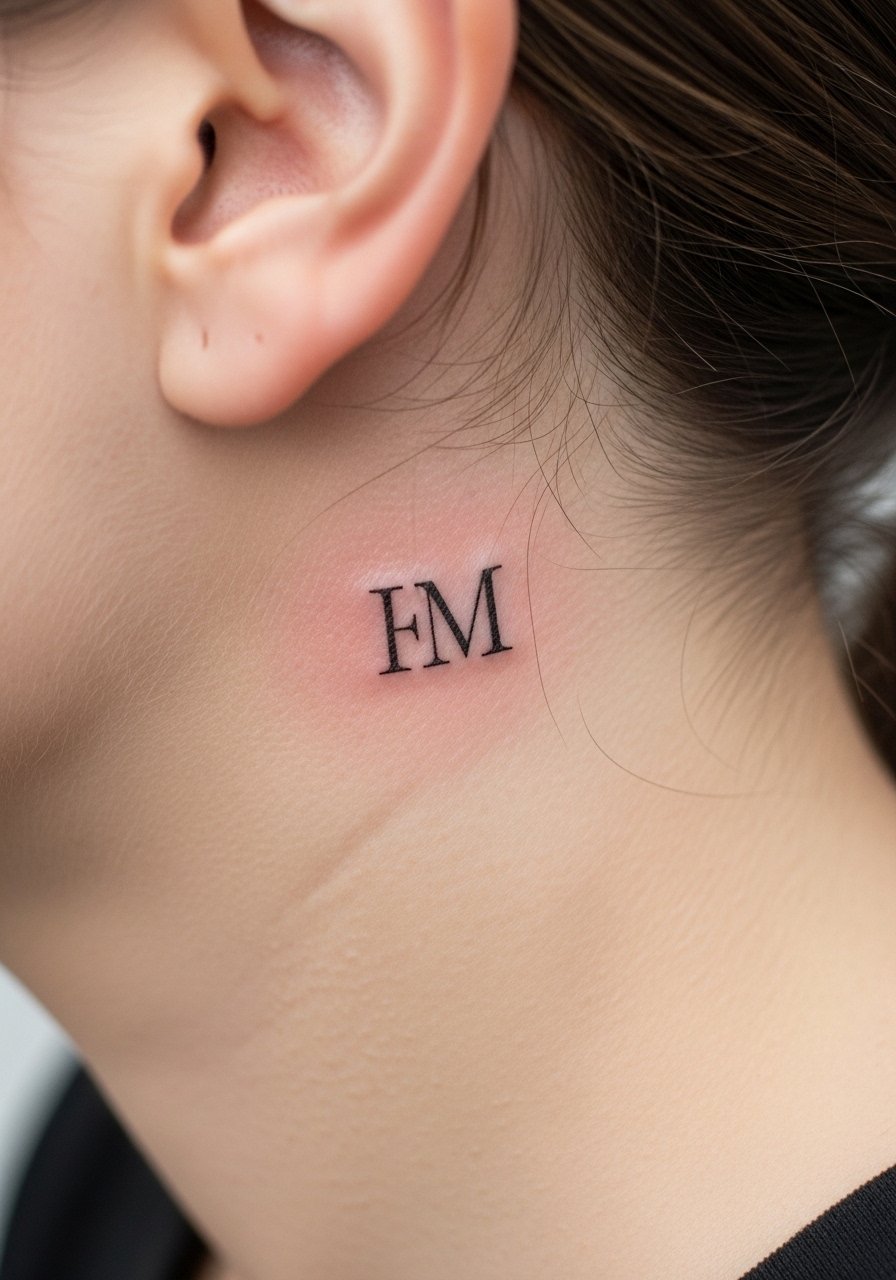
Two micro initials curve naturally along the hairline when spaced correctly. Provide exact lettering and size in consultation because generic script can become unreadable when shrunk. Crowding the letters is the top mistake; give each character breathing room. For understated elegance, pair the initials with a small hoop earrings gold when wearing hair up. Expect touch-ups sooner for very thin serif styles.
20. Micro Geometric Dot Triangle
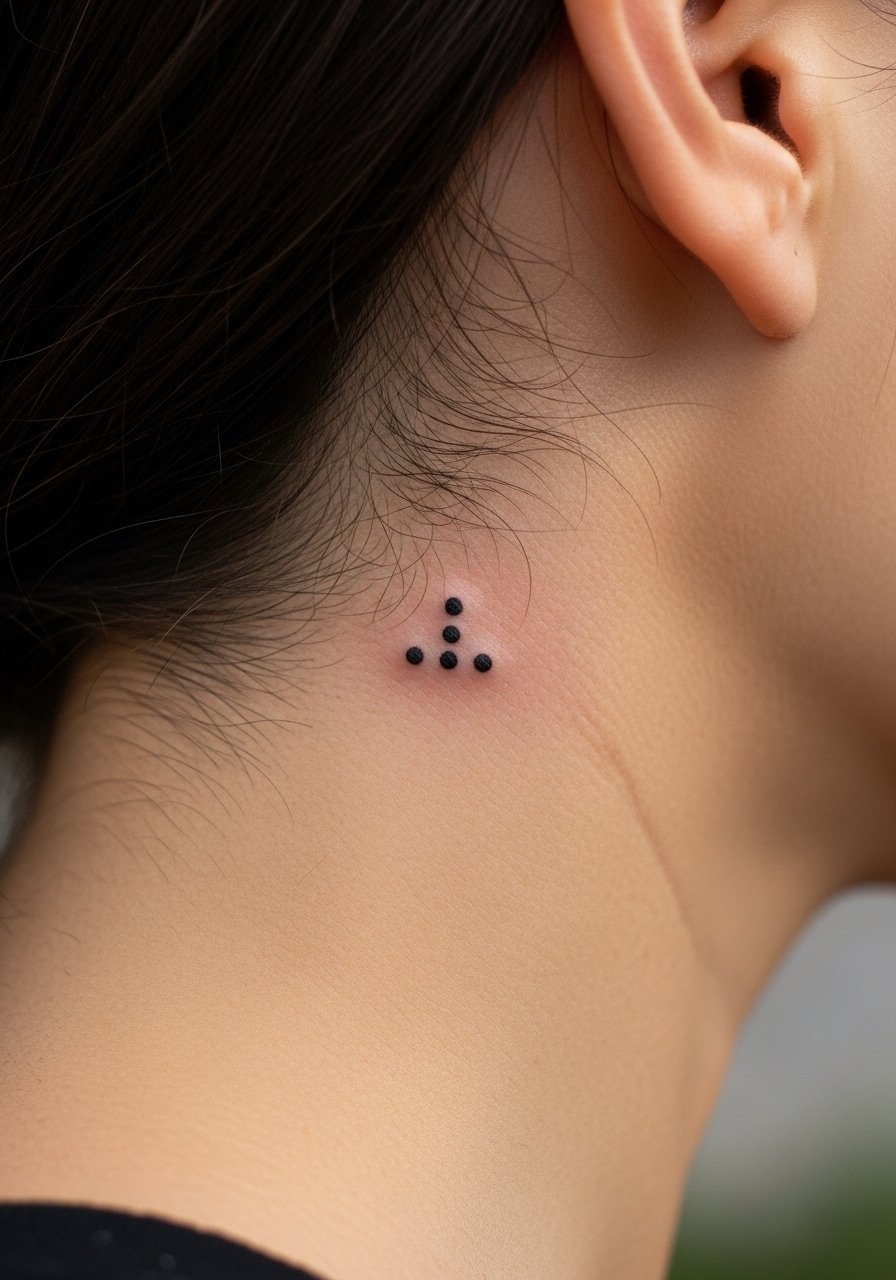
A tiny triangle of dots offers a geometric bookmark behind the ear. Ask for slightly spaced dots so negative space remains if the skin shifts. The common error is compaction into a tiny filled triangle which can become a gray smudge. Sensation during the session is brief and most people tolerate it well. These designs are low-maintenance and usually only need a touch-up if a dot fades unevenly.
21. Tiny Shooting Comet
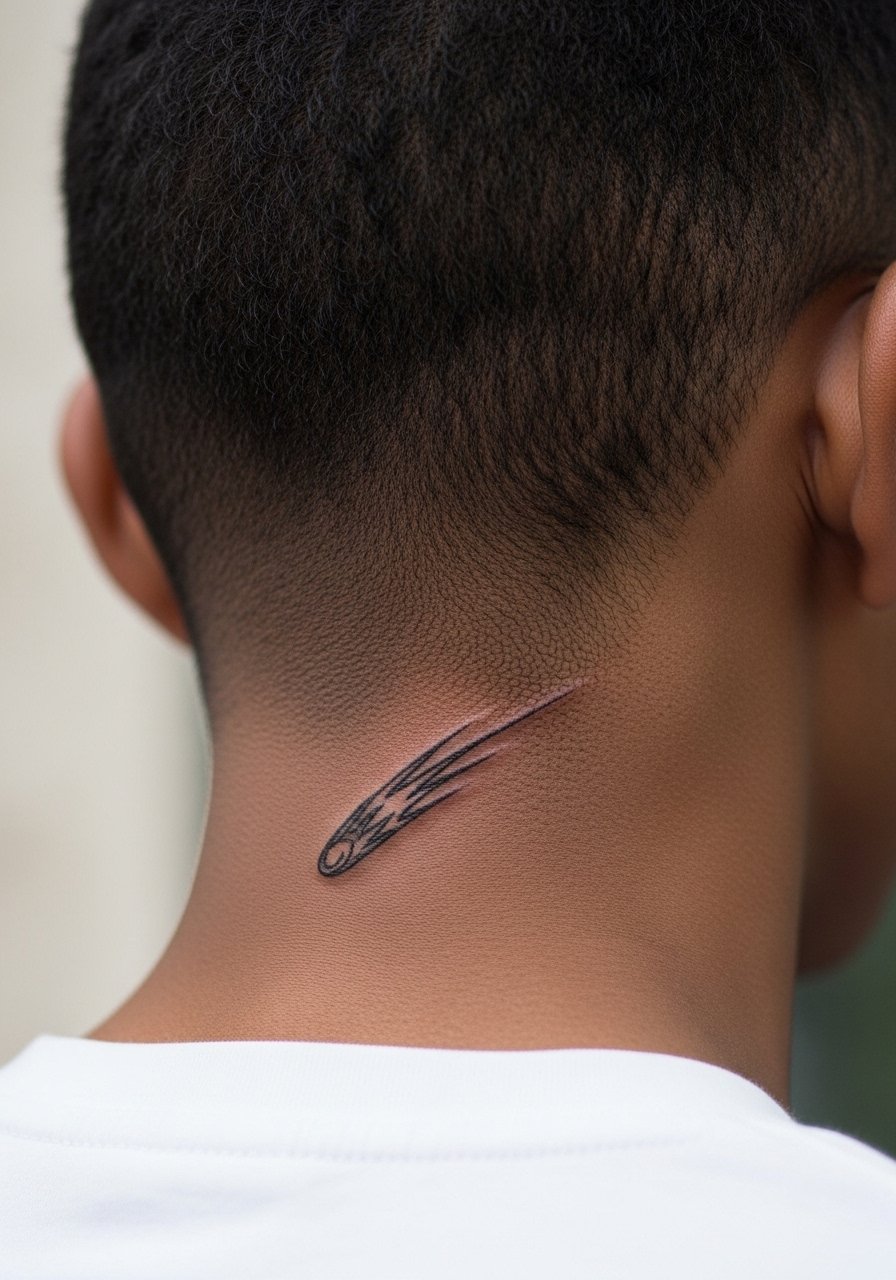
A small comet uses tapered lines to suggest speed and works well hugging the hairline. Ask for a bold head and graduated tail strokes with spacing so the motion remains readable after healing. A mistake is compressing too many tail strokes in a compact area, which increases blowout risk. The seating position is short and mostly manageable, though the vibration can be startling. Consider a light touch-up after the first year to maintain the tapered tails.
Frequently Asked Questions
Q: Will fine line micro tattoos behind the ear fade faster than bold blackwork?
A: From what I've seen, micro fine line work can lose crispness sooner than bold blackwork because small lines have less margin for spreading. The decisive factors are line weight, spacing, and your artist's experience with micro pieces. If longevity is a priority, ask for slightly heavier single-needle work and plan a touch-up at year two or three.
Q: How much does the machine hum affect the session behind the ear?
A: The hum and vibration often bother people more than the needle sensation because the skull transmits sound. Bring headphones and a playlist, and tell the studio you get anxious with noise so they can suggest numbing options or short breaks. Topical numbing can reduce sensation but not the machine sound.
Q: Are there career risks to a visible behind-the-ear tattoo?
A: Behind-the-ear pieces are easy to conceal when your hair is down and showable when up, which is why many choose that spot. If your workplace is conservative, plan wardrobe and hairstyles that can hide the area for interviews and meetings. A small hair ties silk scrunchies collection makes switching looks simple.
Q: Should I pick black ink or muted color for a micro botanical behind the ear?
A: Black holds up longer and keeps contrast in tiny stems or outlines. Muted color can be beautiful but tends to fade faster in compact areas. If you choose color, ask about pigment density and expect a color refresh sooner than with black.
Q: How do I find an artist who specializes in micro behind-the-ear work?
A: Use style-specific hashtags and local studio location tags, check tattoo directories that allow search filters for micro or fine line, and ask to see healed photos of similarly sized pieces on comparable skin tones. Look for portfolios showing healed work, not only fresh photos.
Q: If I want to extend behind-the-ear ink to the neck or shoulder later, what should I ask at the first session?
A: Ask the artist to leave natural negative space and plan composition so a later extension flows with your anatomy. Discuss touch-up timing and how the initial micro lines will blend with larger future work. Also confirm whether the artist prefers to book the extension themselves or recommends a specialist for larger fills.