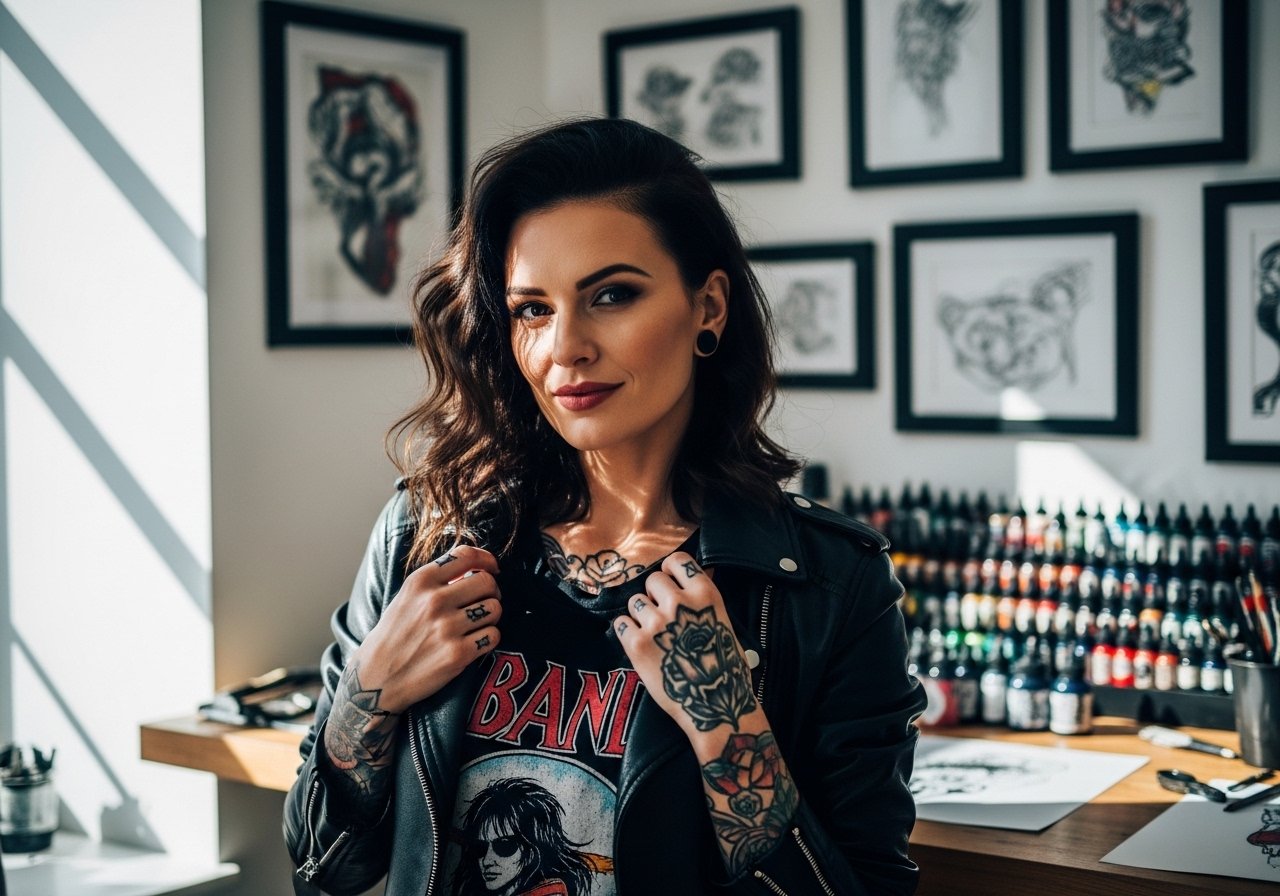
Fine line trends look gorgeous on a saved board, but trends and real skin rarely behave the same. Fine line May lilies and watercolor hawthorn sprigs photograph beautifully at the shop. Over time some of those same pieces need touch-ups or a rethink in line weight so they keep reading clean. Below are 21 vintage-minded May lily and hawthorn designs with notes on aging, session wear, placement risks, and practical styling so you book smarter and sit more prepared.
1. Fine Line Lily Wrap for the Inner Wrist

I've seen tiny single-needle wraps on wrists go blurry faster than expected, so this version uses slightly heavier single-needle linework and more spacing between bells. Tell your artist you want clear negative space between each bell and a touch of stipple shading to hold contrast at year two. Pain is mild, session time under an hour for micro size. Blowout risk is higher near the hand because the skin is thin and mobile. For showing it off, pair with a rolled cuff blouse in ivory and a thin silver bangle on the opposite wrist. During the session wear a sleeveless tank so the artist has full access.
2. Watercolor Lily Sprig on the Shoulder

Watercolor looks dreamy on the shoulder but it fades faster than black and gray. For a vintage watercolor that ages better, ask for saturated outlines in gray wash under the pastel tones so the shape keeps reading as the color softens. Shoulder sessions are forgiving on pain and often finish in one sitting for small sprigs. The common mistake is asking for a near-transparent wash with no supporting linework. For show nights slip into an off shoulder blouse so the color reads against skin.
3. Neo-Traditional Hawthorn Cluster on the Forearm
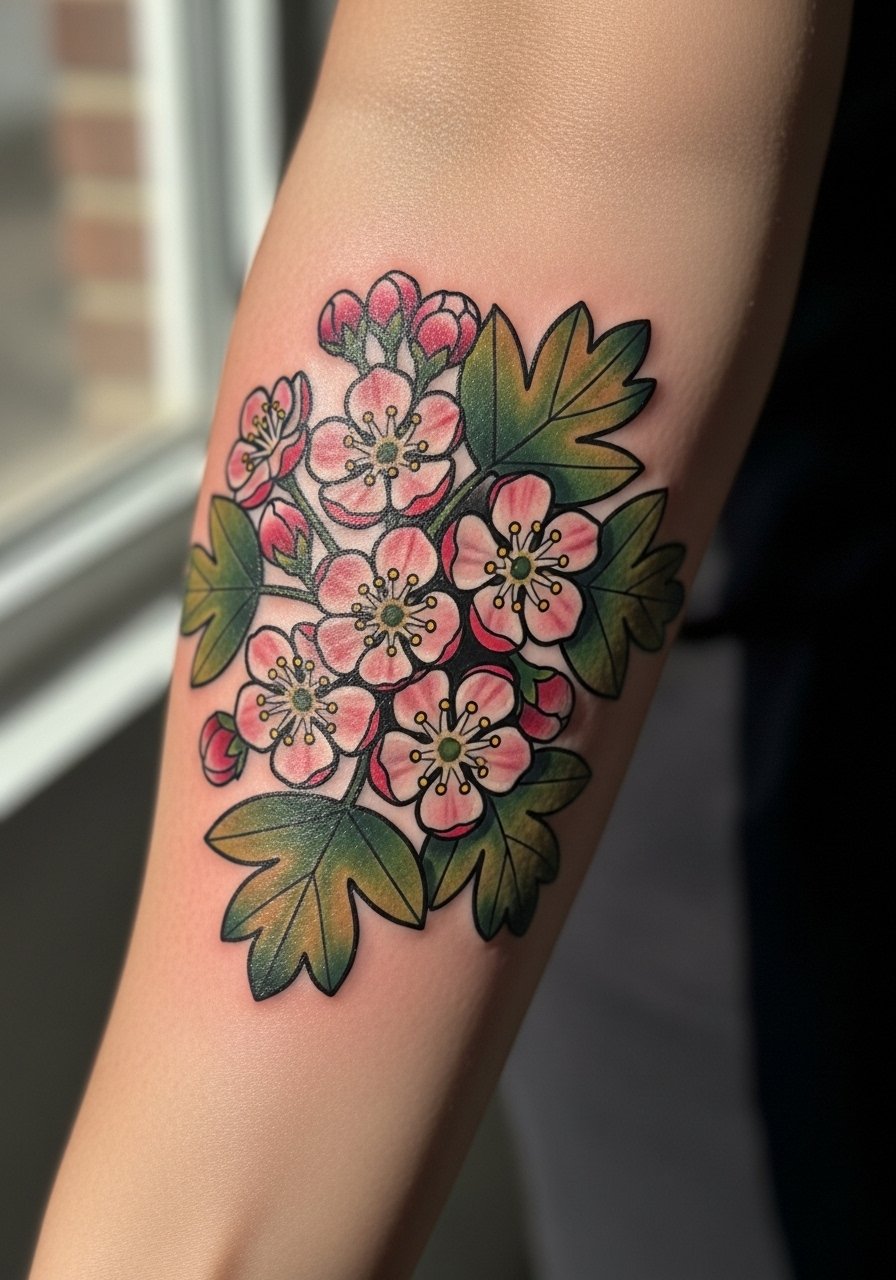
Neo-trad holds up well because it uses bold linework and strong saturation. If you want vintage pin-up energy, request a heavier outline with layered saturation and a clean negative space margin. Forearm sessions sit around one to two hours and sting less than ribs. The common error is asking for tiny neo-trad details at small scale. Bring reference images that show proportion and tell your artist you want enough space between blossoms to avoid merging over time. Roll sleeves up while showing off the piece with a linen button down shirt.
4. Minimalist Single Lily Stem on the Inner Wrist
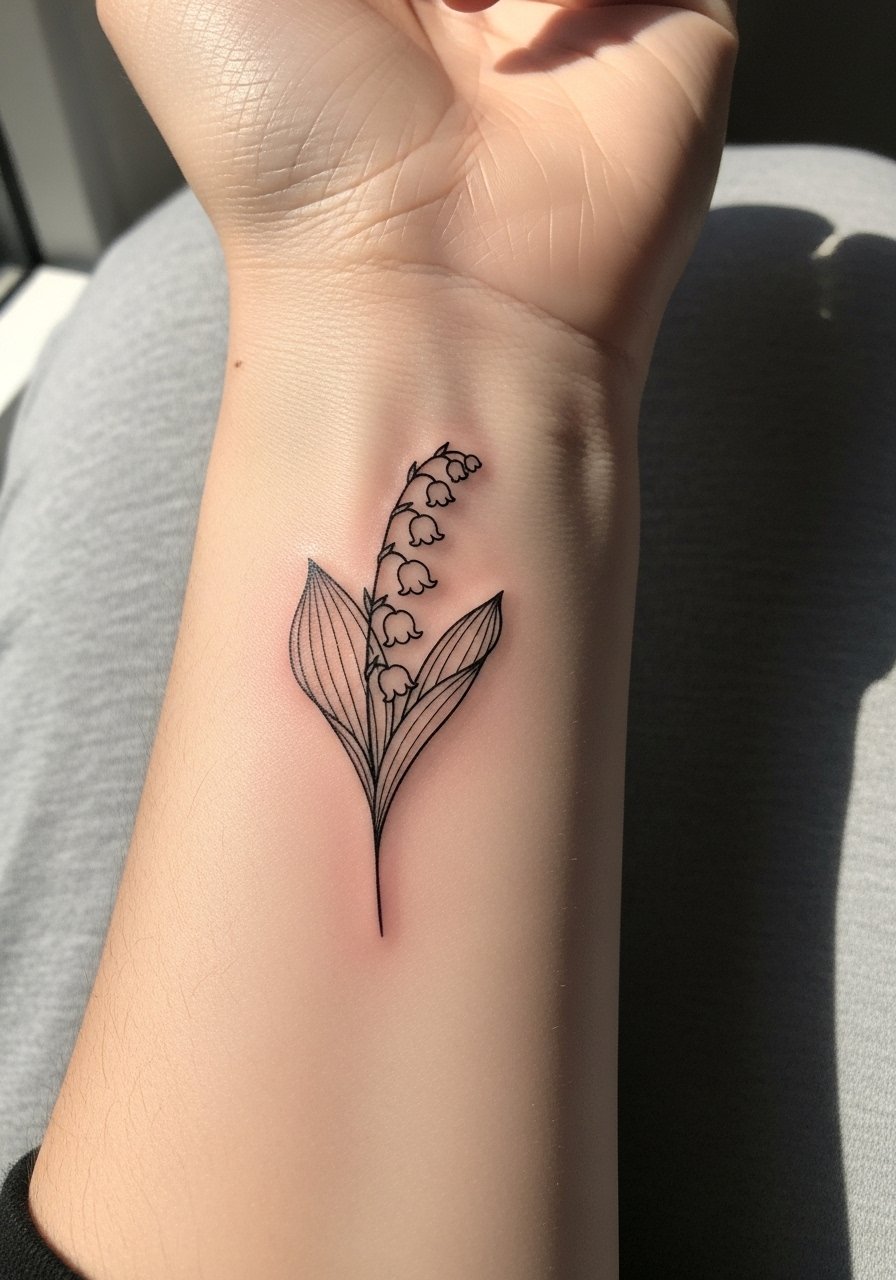
Minimalist stems read very clean for months but can blur on wrists if lines are too hairline thin. Ask the artist for slightly bolder single-needle weight and a tiny area of stippling at the stem base so it keeps contrast at year one and beyond. Session time is short and pain is low. A frequent regret is picking the joint area of the wrist without considering movement and rings. For showing off, pair the piece with thin silver bangle set. Wear a loose tee to the appointment so jewelry can stay off.
5. Blackwork Hawthorn Branch on the Outer Thigh

Blackwork is a smart choice for darker skin tones and for a vintage gothic feel. The outer thigh accepts bold fills and holds saturation well even as it stretches with time. Sessions are medium length and discomfort is moderate. A common mistake is packing tiny details into large solid areas that then age patchy. Plan for one to two sessions and consider a berry accent in red for contrast. For summer showing off, high-waisted shorts in black denim make the branch read strong.
6. Ornamental Lily Mandala on the Upper Arm
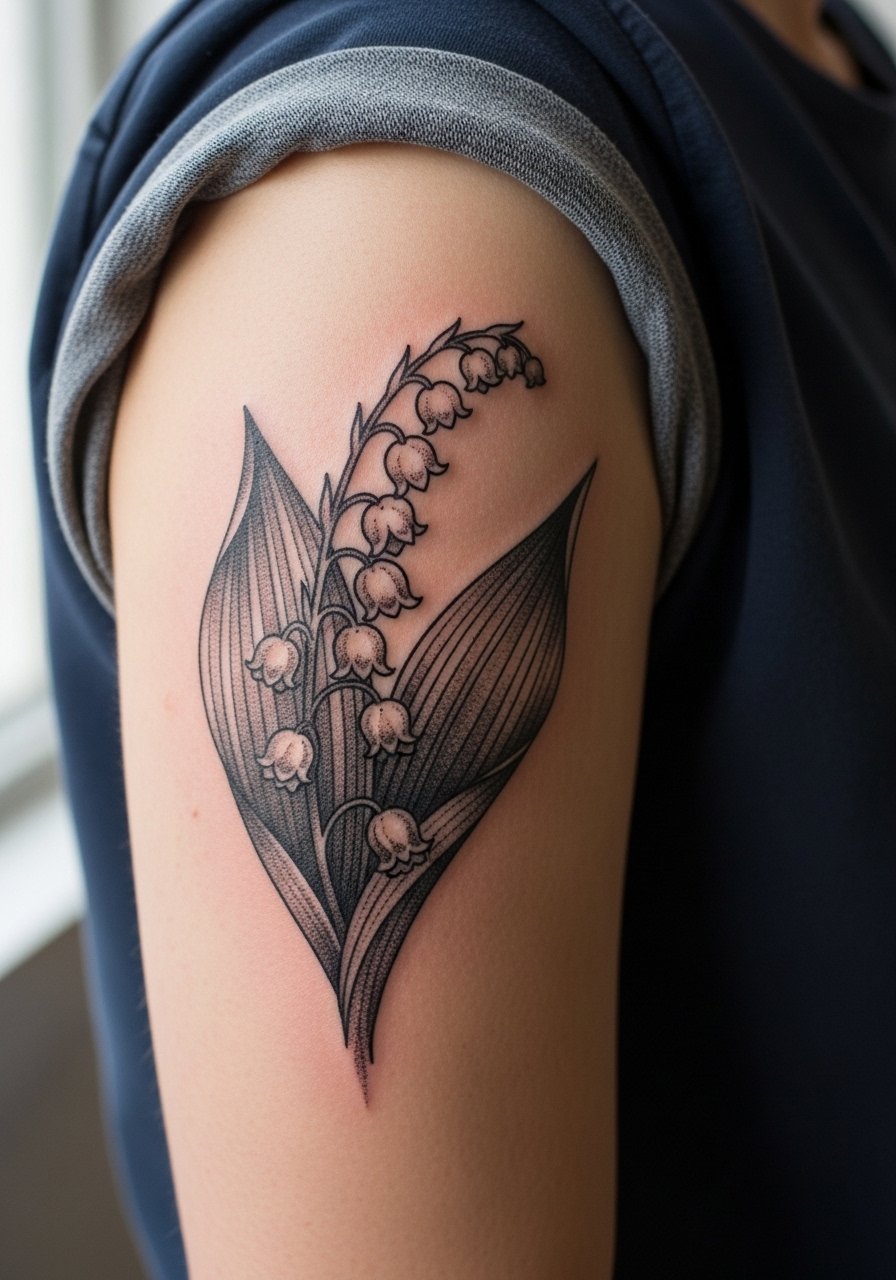
Ornamental mandalas are time-intensive but they age gracefully when you allow breathing room in the geometry. Upper arm has enough flat canvas for stipple shading and mandala repetition. Expect two to three sessions for a medium piece and moderate pain. The mistake is packing the mandala too tightly, which causes dense areas to merge as they heal. During the session wear a short-sleeve button-up you can pull aside. For evenings pair the piece with a dainty shoulder necklace.
Studio Day Picks
The wrist and thigh pieces above ask for different prep. A few targeted items make chair day smoother and protect fine line work during the first week.
-
Indie hemp balm. Lighter than thicker petroleum balms, it breathes better in humid weather and soothes light itching on shaded floral areas.
-
Australian tea tree aftercare spray. A mist that can calm redness and reduce itch on colorwork without heavy greasiness.
-
UK tattoo goo alternative. A breathable balm option that users report avoids peeling on thin single-needle pieces.
-
Japanese rice bran ointment. Non-petroleum formula good for sensitive skin and fine line lilies that need lighter hydration.
-
Second Skin protective film. Useful on wrist placements to guard against rubbing for the first few days when you need a waterproof layer.
7. Micro-Realism Dew-Kissed Lily on the Collarbone

Micro-realism uses tiny needles and precise shading to mimic dew drops. Collarbone placements show off that detail well but the area is sensitive. Expect two sessions and higher pain near bone. The common regret is asking for hyper-detail at too-small a scale. Ask for slightly bolder highlights and tell the artist you want clear negative space between droplets. For outfits, a v neck sweater keeps the work visible without rubbing. Session wear: strapless bra or loose top for easy access.
8. Ignorant-Style Hawthorn Thicket on the Calf
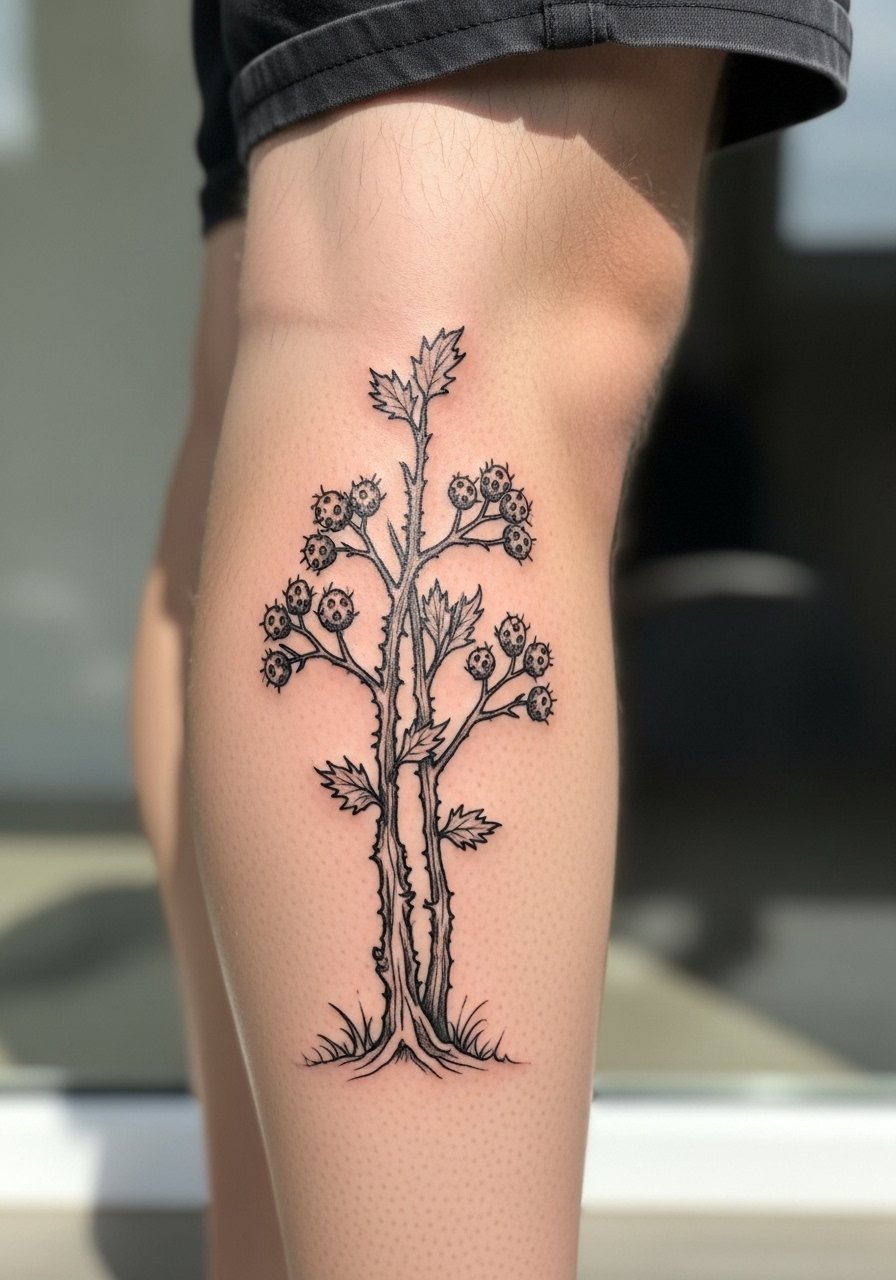
Ignorant style gives a wild, sketch-like look that reads vintage in a punk way. The calf tolerates bold single-session blackwork and the muscle offers a forgiving surface. The typical mistake is scaling the thicket too small for the sketchy line weight. For casual display roll bootcut jeans at the hem or show it with patterned crew socks. Pain is moderate and one session often does the job.
9. Traditional American Lily Bouquet on the Shoulder Blade
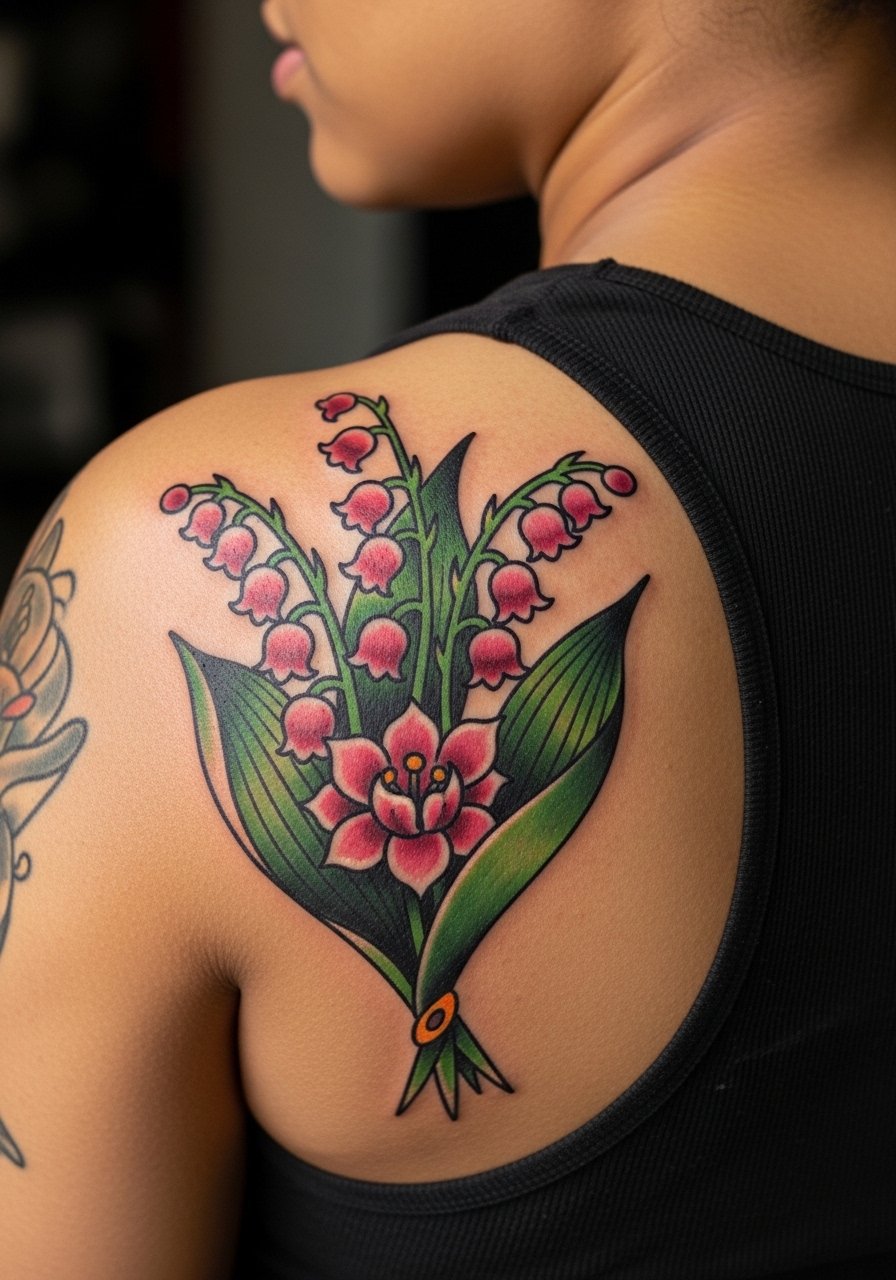
Traditional American flash uses heavy black outlines and strong saturation that age into classic contrast. Shoulder blade is ideal for a medium bouquet and typically takes one to two sessions. A common mistake is compressing too many blooms into a small area. For styling, an open-back dress or a racerback tank highlights the shoulder blade silhouette. Shoulder blades move with posture so allow a little breathing room in the composition.
10. Fine Line Duo on the Ankle: Lily and Hawthorn
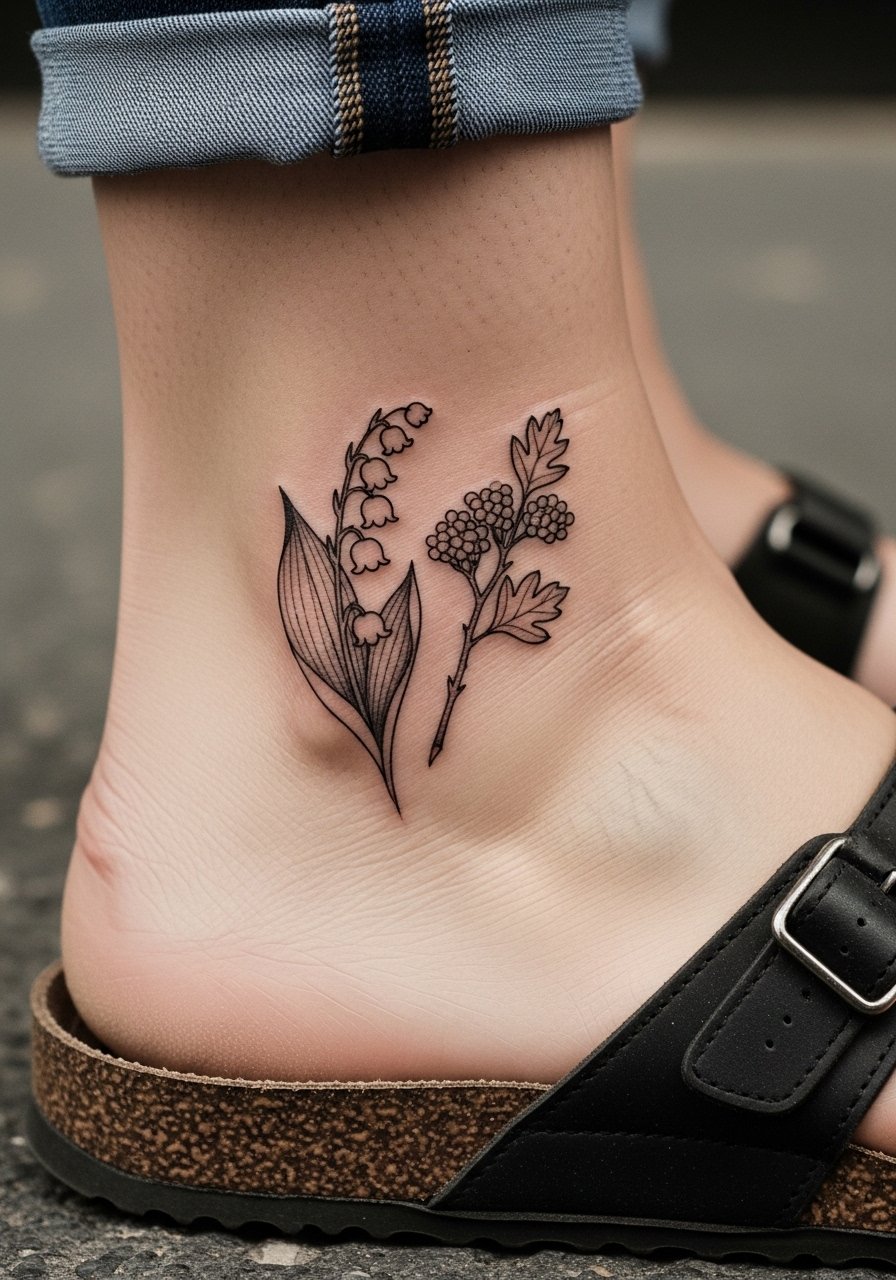
Combining both May flowers creates a compact narrative for ankle placements. The ankle is a high-visibility summer spot but is vulnerable to movement and swelling. Ask for slightly heavier linework than your saved reference so the duo keeps shape after a year. Sessions are short but expect some sting over bone. For showing off, wear strappy flat sandals and cropped pants. Be cautious with ankle chains during the first two weeks.
11. Watercolor Hawthorn with Berries on the Inner Arm
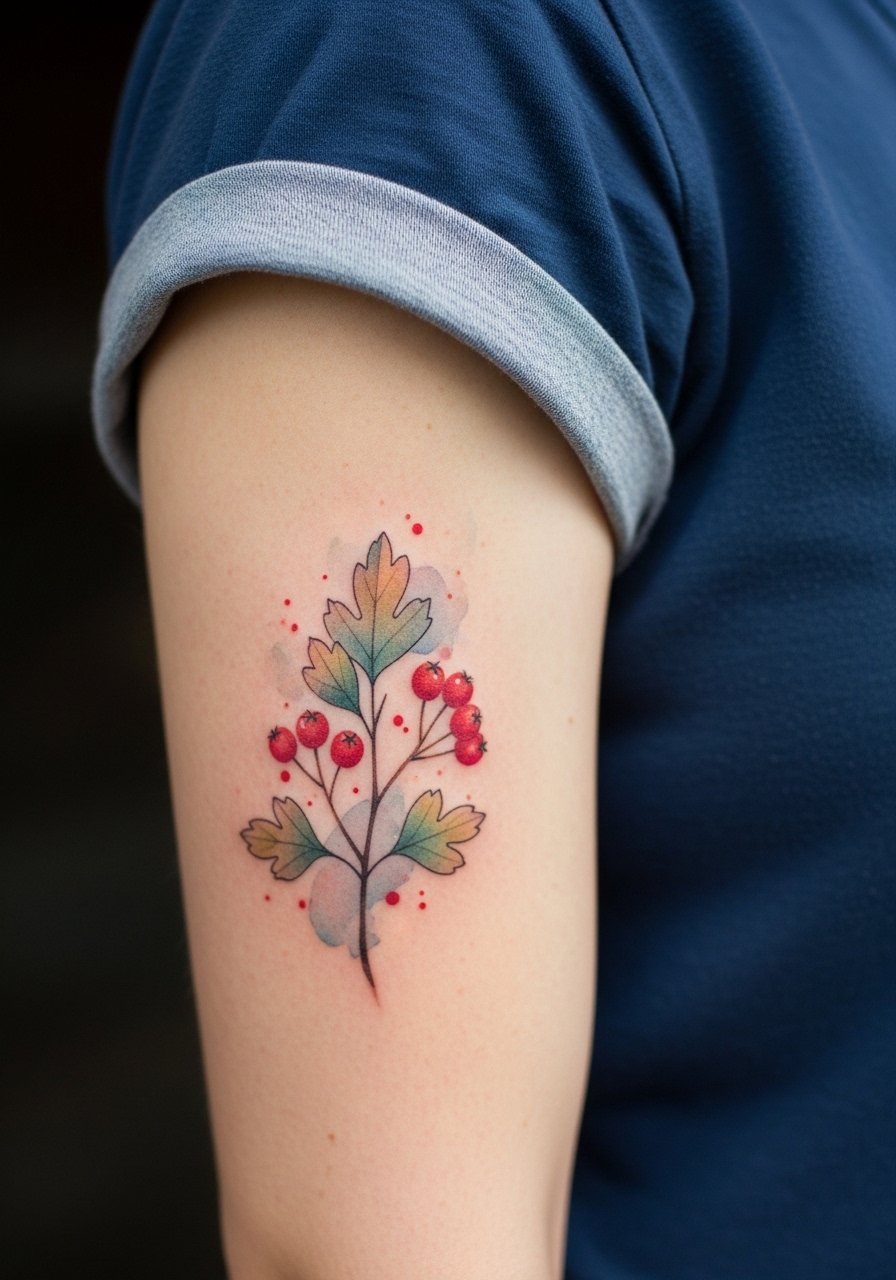
Watercolor berries bring a festive vintage shrub look when paired with precise berry dots for long-term contrast. Inner arm is protected from sun and often holds color better than outer forearm. Expect a one-session piece if small and a medium pain level. A common mistake is relying solely on wash for berries. Ask for small berry outlines or dot work to keep the red visible on darker tones. For casual wear, roll sleeves or pick a button-down shirt you can cuff to show the inner arm.
12. Black and Gray Realism Lily on the Ribcage
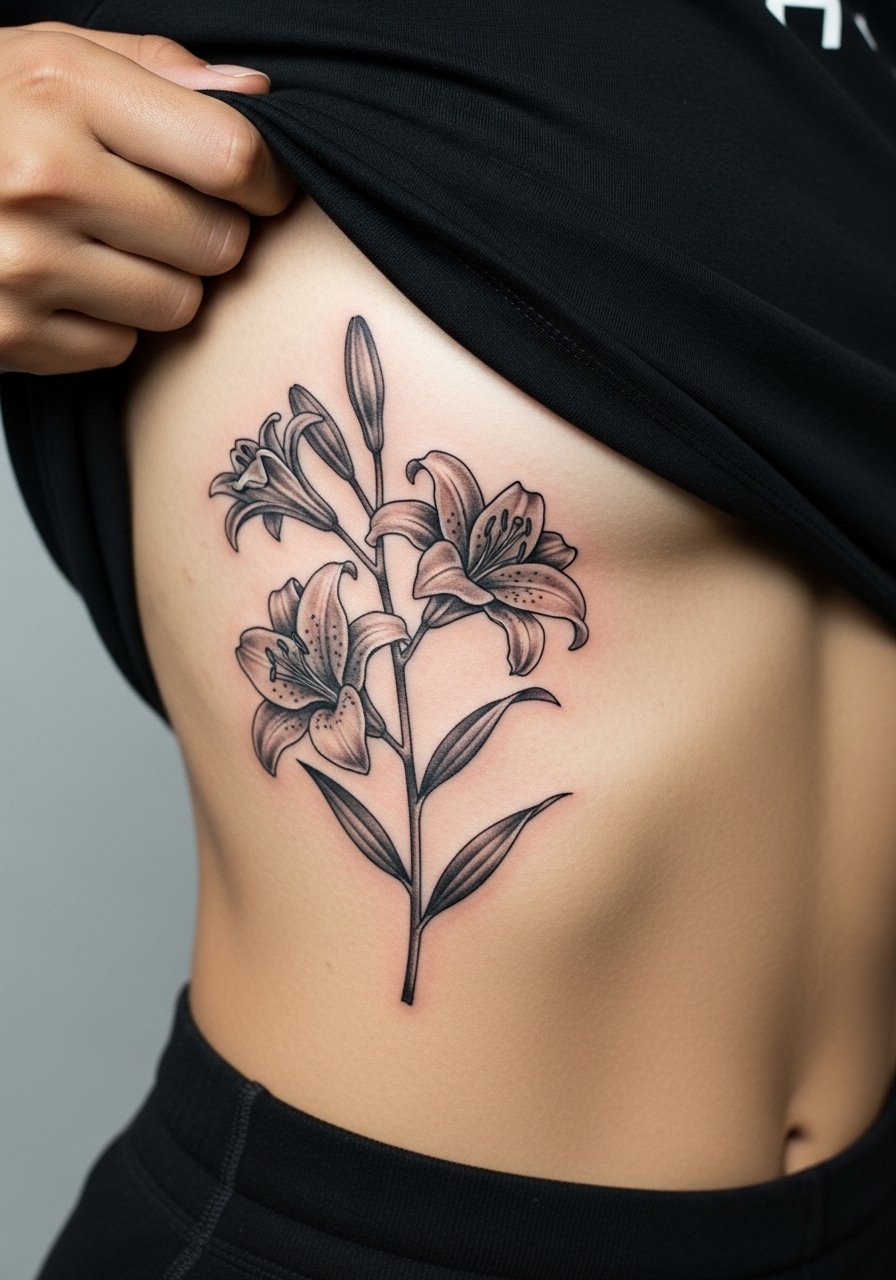
Ribcage realism gives dramatic tonal range but is one of the more painful placements. Sessions often run two hours or more and you should budget for a touch-up. Artists and clients disagree on fine line on ribs. One camp says the skin stretch blurs single-needle work quickly. The other camp says that with proper depth and spacing it settles fine. Name both camps when you ask about ribs and follow your artist's advice on depth and spacing before booking. Wear a cropped top to the appointment and plan for aftercare that avoids tight clothing on the area.
13. Blackwork Hawthorn with Red Berry Accent on the Outer Thigh
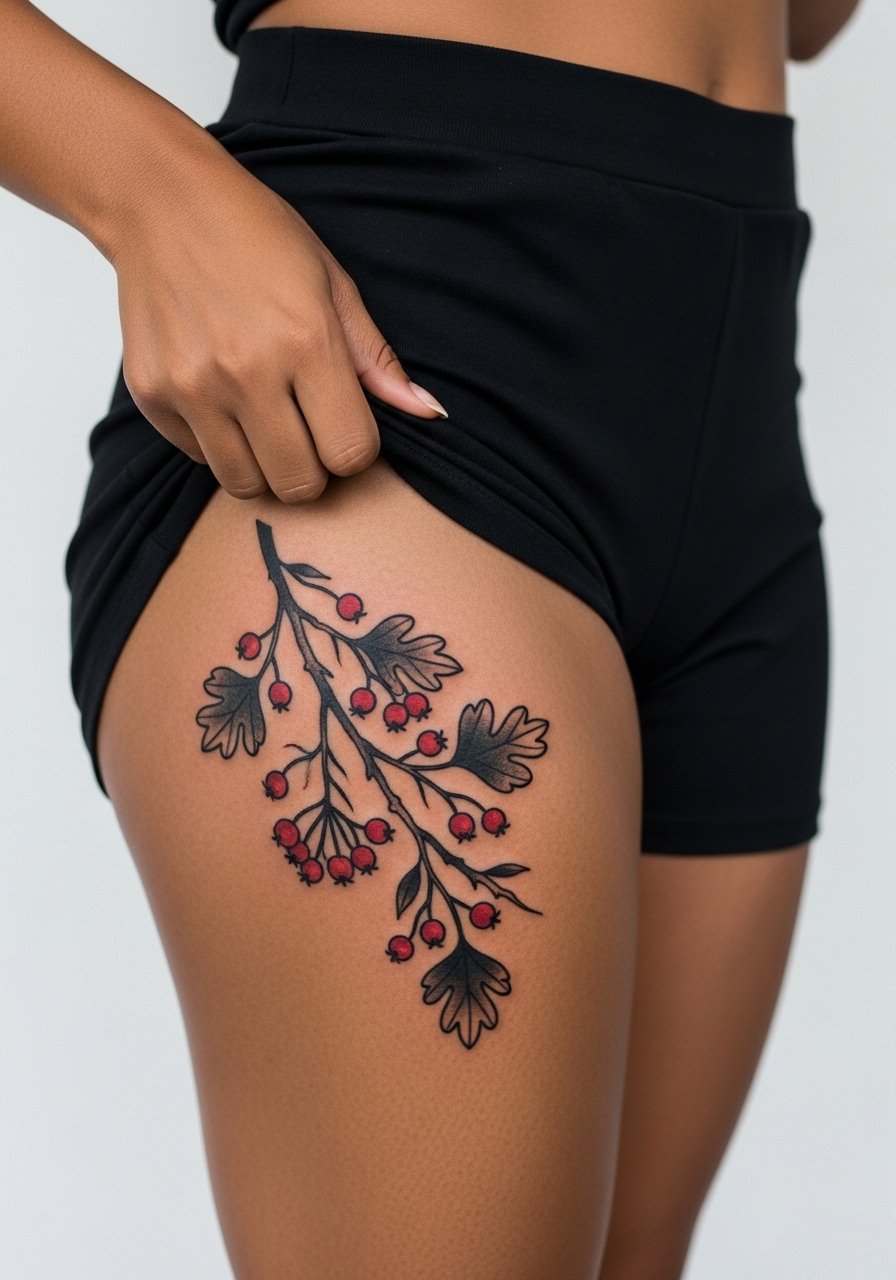
Outer thigh holds big blackwork well and allows for gradual layering of saturation. The red berry accent provides pop that reads on darker skin when used sparingly. Pain is moderate and sessions can be kept to an hour or two per visit. A mistake people make is rushing color contrast that then shadows poorly in healed photos. For warm-weather show-off, high-waisted shorts and an olive slit skirt pair well. During the session wear loose shorts so the artist can position your leg comfortably.
14. Ignorant Hawthorn Thicket as a Calf Wrap
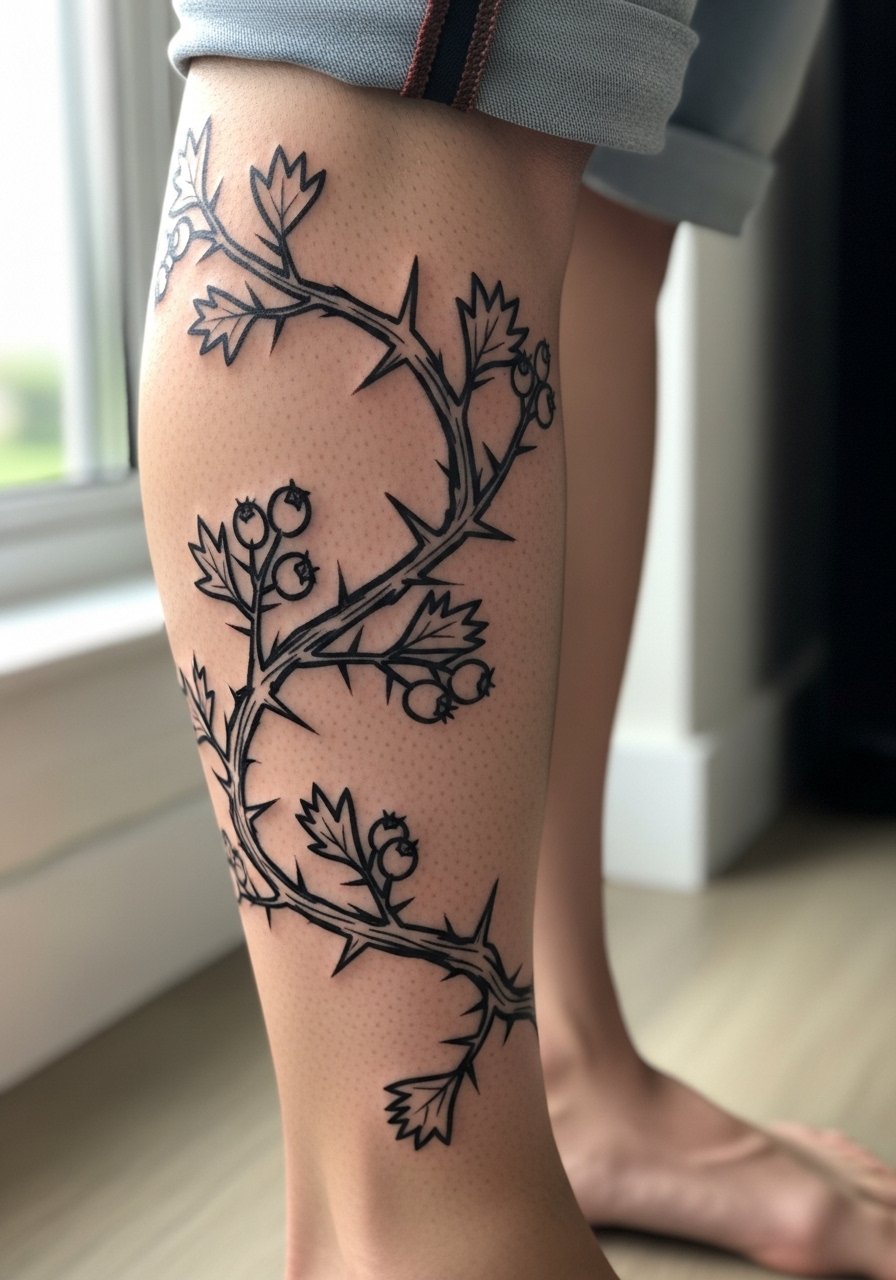
When you want raw energy and a vintage hand-drawn look, ignorant style on the calf can read like an old sketch. The calf tolerates heavy blackwork and the wrap composition ages into a cohesive shape. Avoid shrinking the wrap too small or the sketchy lines will lose character. For easy showing layer bootcut jeans rolled at the hem or pick patterned socks to highlight the wrap. Sessions are typically one sitting and pain is manageable.
15. Micro-Realism Lily Cluster on the Collarbone with Dew Highlights
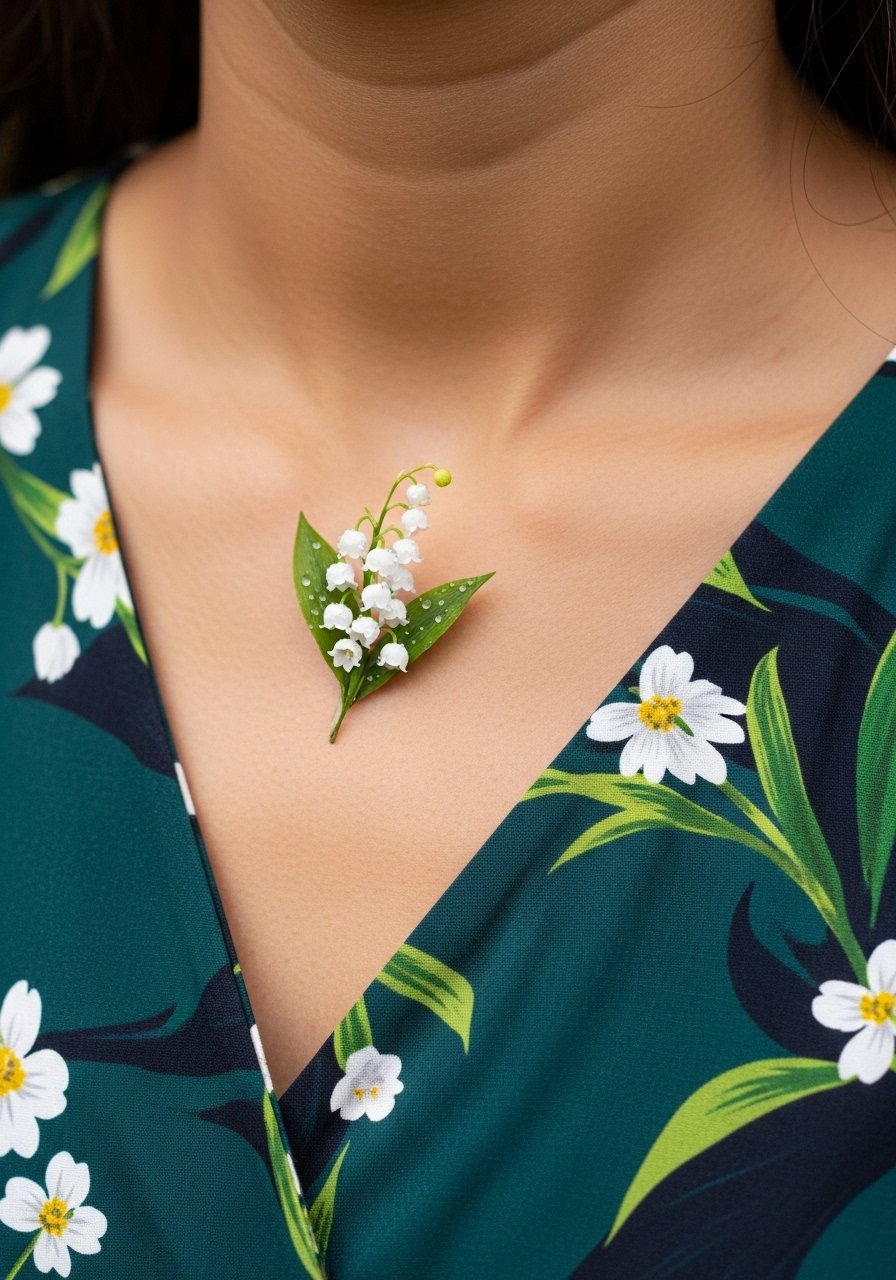
Micro-realism on the collarbone is showy but sensitive. Two sessions produce crisp dot work and tiny highlights that survive touch-ups well. A typical regret is packing too many flowers into a small collarbone strip. For show-off outfits, a wrap dress silk or pale blue V-neck keeps the detail visible and flattering. Session wear should include a strapless bra or loose top to allow clear access.
16. Ornamental Hawthorn Band on the Inner Forearm
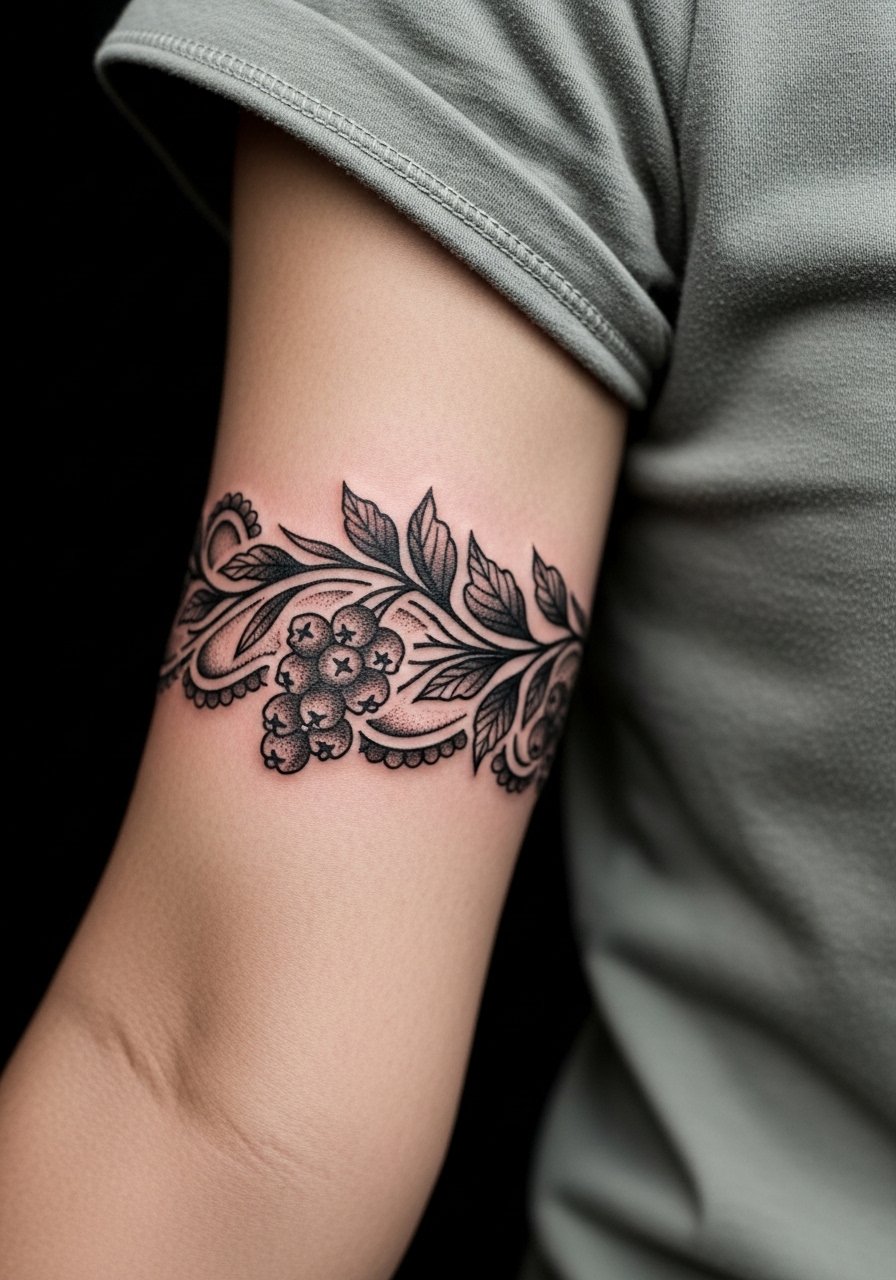
An ornamental band reads like jewelry on the inner forearm and can act as a discreet vintage cuff. Inner forearm is a forgiving surface with low blowout risk when lines have breathing room. Sessions are short and pain is moderate. A frequent mistake is making the band too tight so the pattern blurs around movement points. When showing it off roll sleeves and consider a minimal leather cuff on the opposite arm to balance the look.
17. Thigh Hawthorn Branch Designed for Pregnancy and Stretch
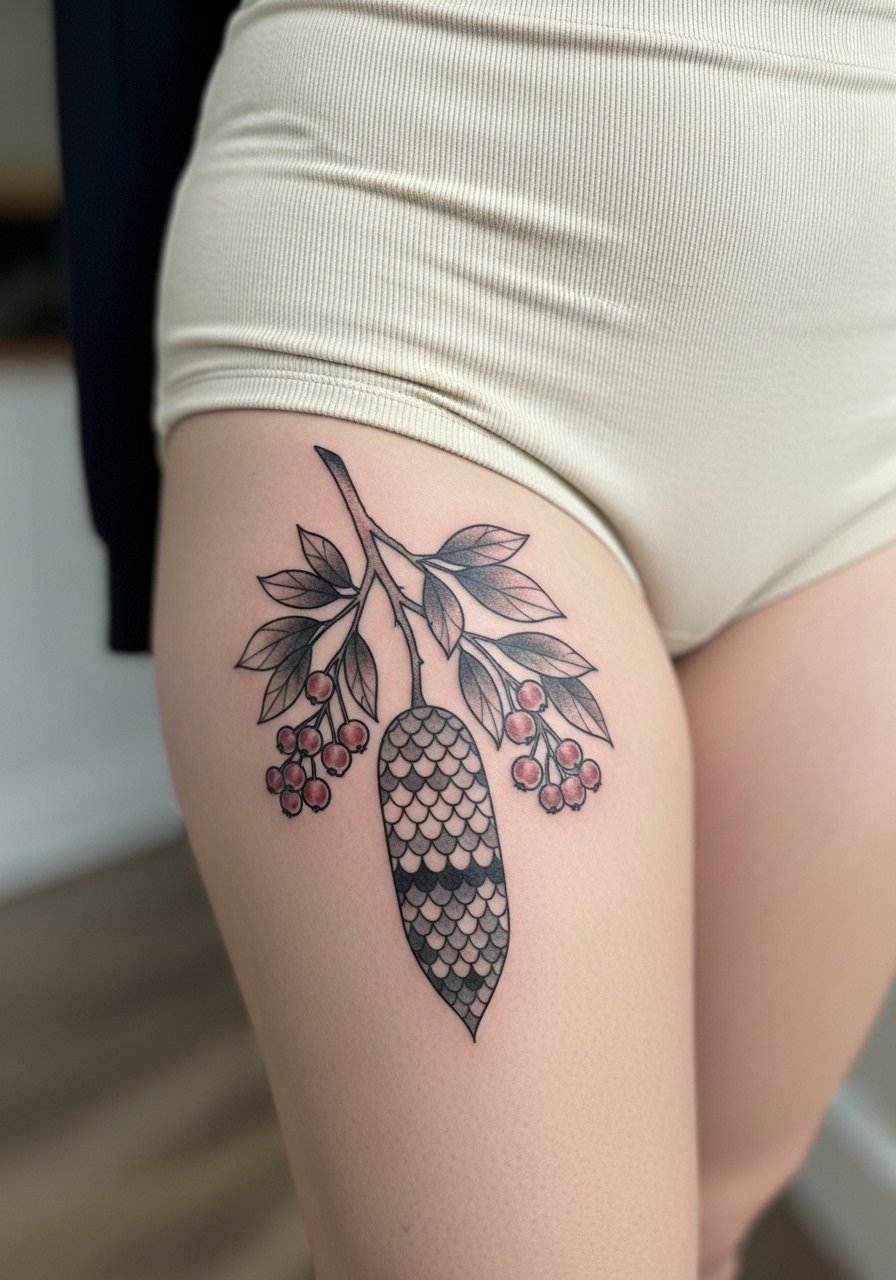
If you are planning for life changes such as pregnancy, scale and placement matter. Upper thigh pieces designed with broader negative space tolerate stretch better than dense small patterns. Ask your artist to map the design along natural contours and to avoid tight, repeated motifs across likely stretch zones. Session time is comfortable and pain is moderate. For session wear pick loose shorts or a wrap skirt. For summer showing, high-waisted shorts display the branch beautifully.
18. Fine Line Wraparound Lily on the Inner Forearm
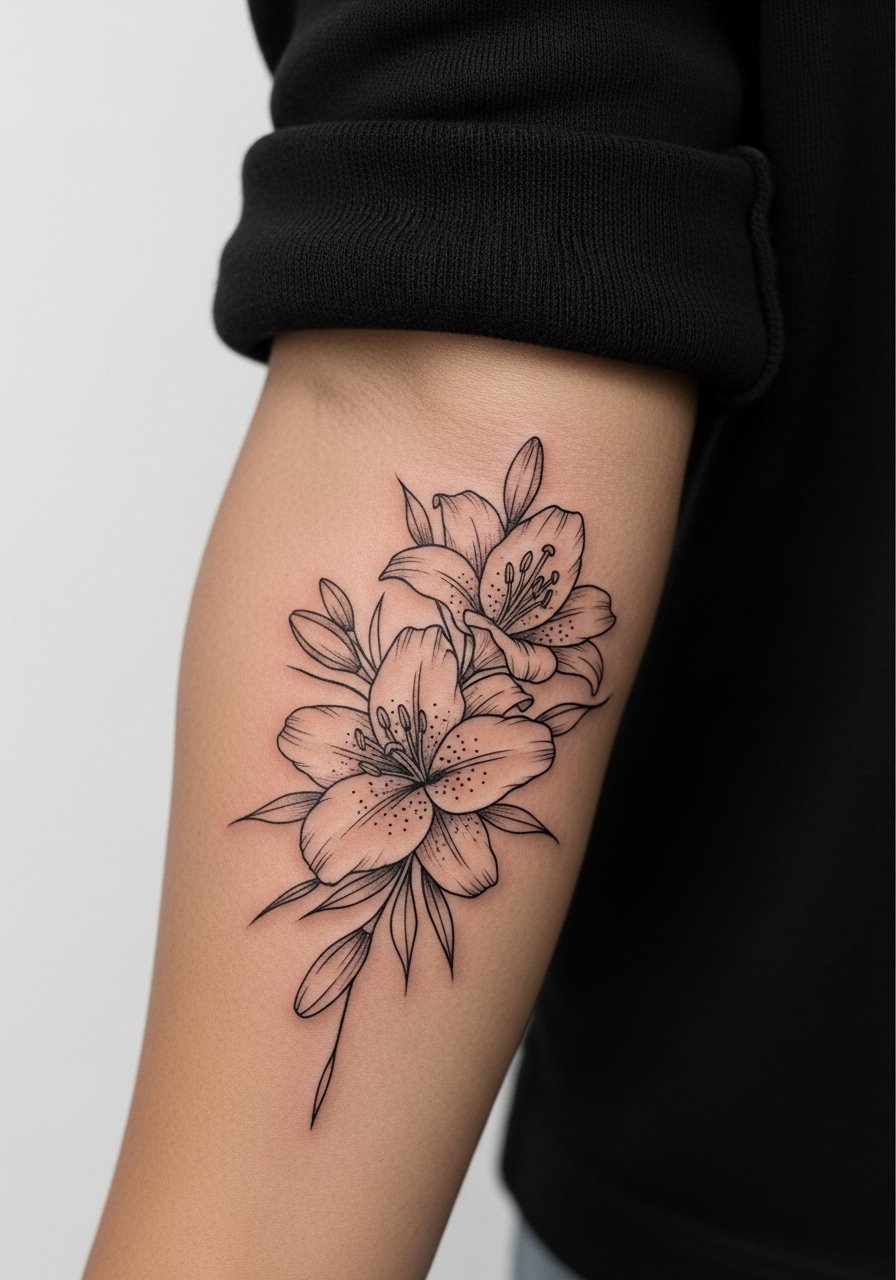
Inner forearm wraps are classic because the skin is flat and healing is predictable. The risk for fine line here is minimal if you leave breathing room and ask for slightly firmer single-needle strokes. Session time is short and pain is typically low. A mistake is requesting extreme micro-scale bells without spacing, which will soften by year two. For showing off, rolled sleeves and a linen button down let the wrap read clean. This is also a good spot to test a temporary stencil for contrast before booking.
19. Lily and Hawthorn Duo as a Small Sternum Accent
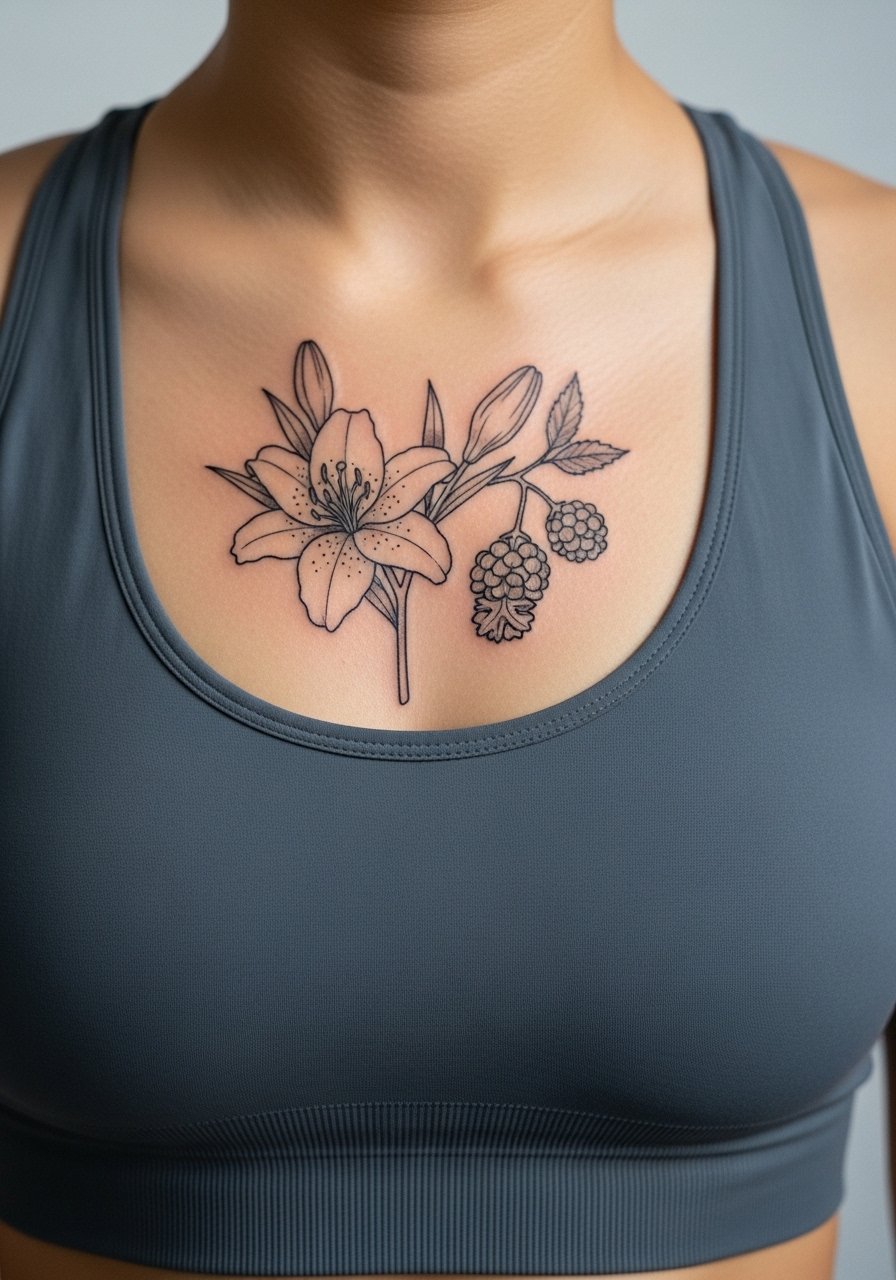
Sternum placements are intimate and require careful discussion of scale. Pain is higher than forearm work and sessions can be shorter but more intense. Professionals split on fine line in this zone. One camp says the area is too mobile and fine line blurs. The other camp says proper spacing and conservative depth make it settle well. Name both camps to your artist and ask for a mapped stencil. Wear a fitted sports bra to the session so they can work without obstruction.
20. Black and Gray Lily Sprig on the Stomach Midline
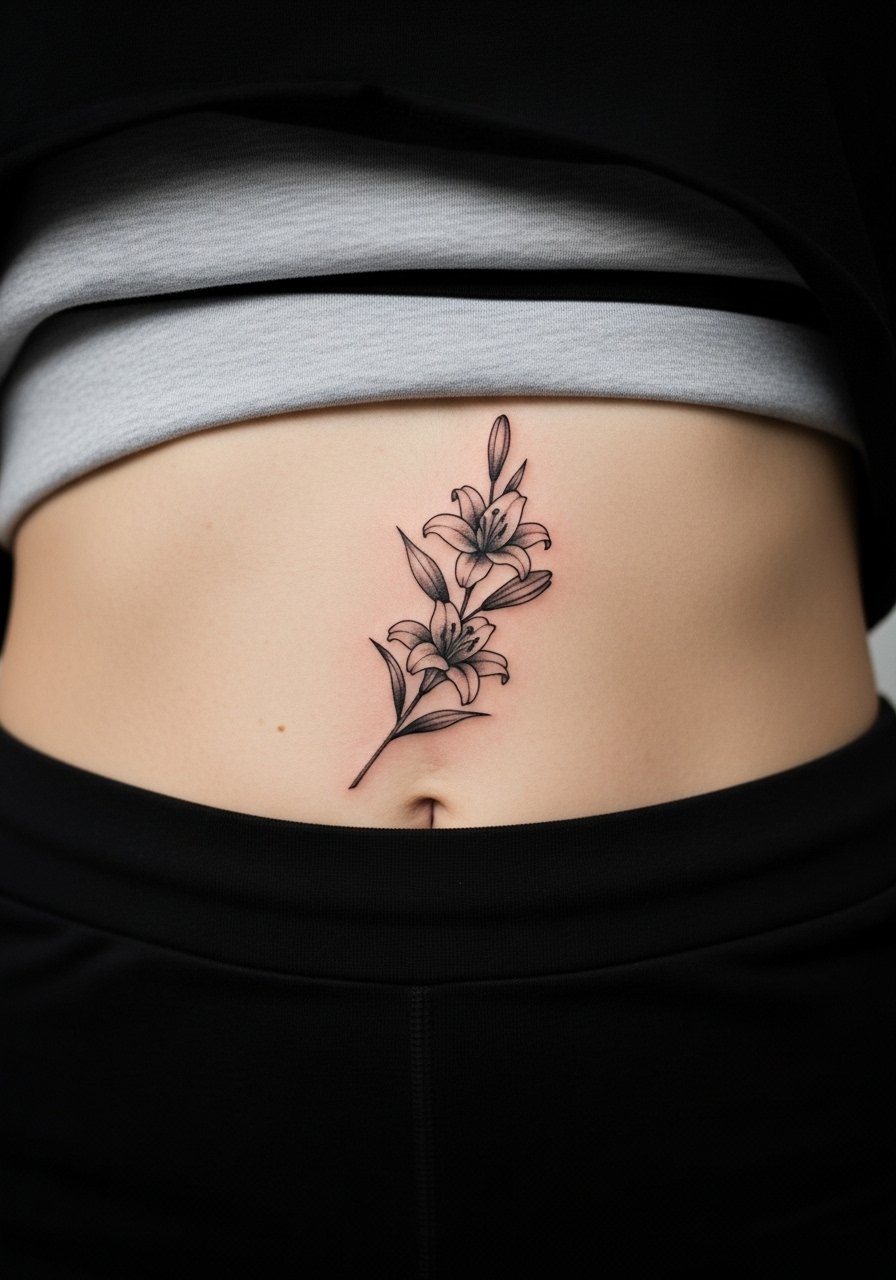
Stomach placements need planning around clothing and body changes. A vertical sprig midline scales with waist fluctuation better than a horizontal cluster. Sessions are medium and pain ranges by area. Common missteps include placing dense details where stretch lines will form. For session comfort pick a cropped tee and high-waisted bottoms. For showing off in summer consider pairing with high-waisted swim bottoms.
21. Art Deco Framed Lily and Hawthorn on the Upper Arm
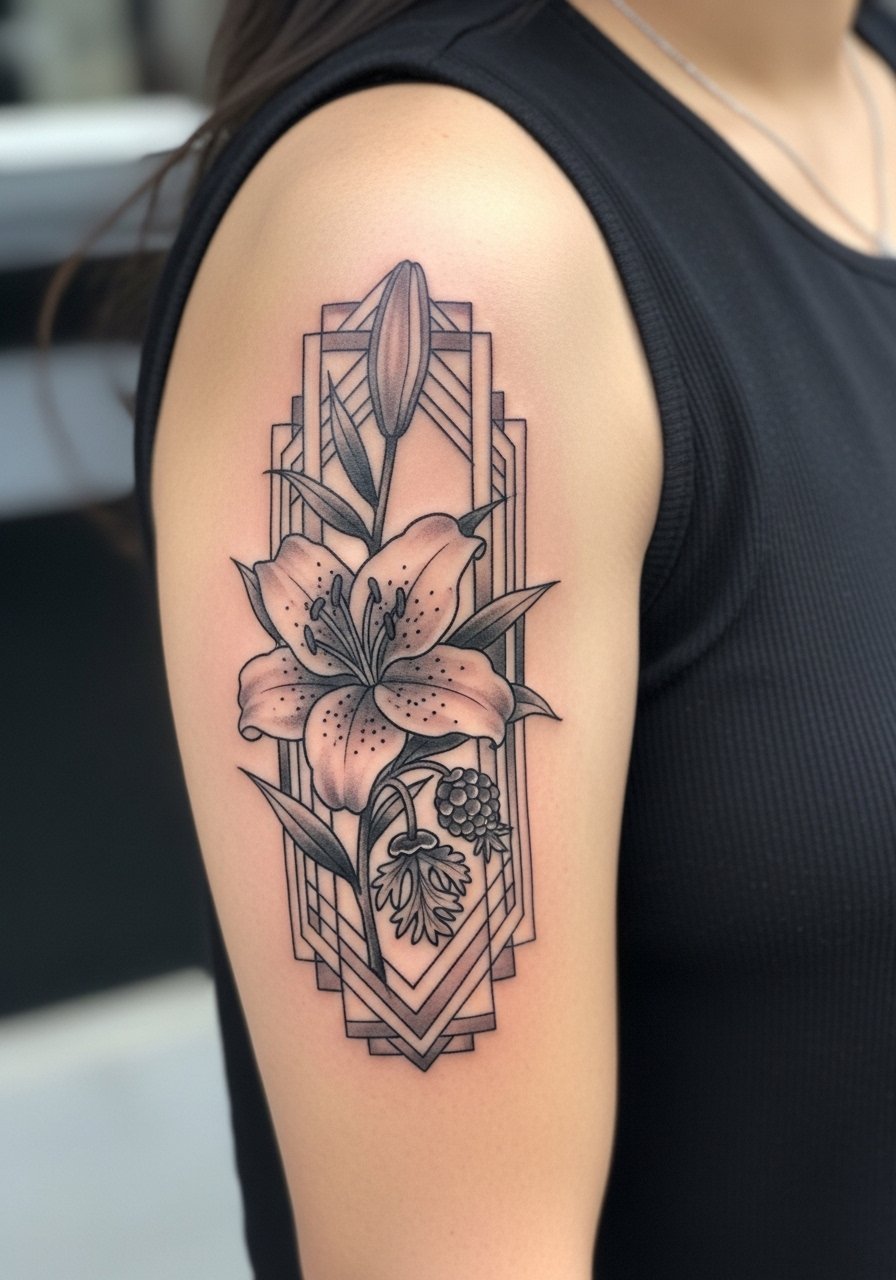
Pairing May flowers with art deco frames gives an authentic vintage feeling that many other lists miss. Upper arm is ideal for combining geometry and botanical elements and it tolerates layered shading. The mistake is letting the frame overwhelm the floral scale. Ask for one to two focal blooms and a lighter frame weight so the flowers remain the stars. Session length is moderate and pain is manageable. Show it off with rolled sleeves or a sleeveless top for best visibility.
Frequently Asked Questions
Q: Will fine line lilies fade faster on the wrist than on the forearm?
A: In my experience wrists show more movement and sun exposure than the inner forearm, so fine line on the wrist often needs touch-ups sooner. Ask for slightly firmer single-needle work and more negative space. If you want longevity choose a bit bolder linework or a forearm placement to reduce the need for early touch-ups.
Q: How should I plan wardrobe for a collarbone micro-realism session?
A: Wear a V-neck or a strapless bra so the artist has full access without fabric tugging on the area. After the session avoid high necklines for the first week. A pale blue vneck styled loosely makes showing off easier without rubbing the fresh ink.
Q: Are watercolor hawthorn tattoos harder to keep vibrant than blackwork?
A: Watercolor relies on softer pigments and tends to fade faster, especially in sun-exposed places. Blackwork and strong outlines hold contrast much longer. If you love watercolor ask for supporting gray outlines or dot work to anchor the wash so the composition keeps reading as pigment softens.
Q: Should I worry about stretch and pregnancy with thigh hawthorn designs?
A: Yes. Design for stretch by spacing motifs and avoiding dense repeats across the high-stretch zones. Upper thigh with broader negative space fares better. If pregnancy is possible in your future, tell your artist during consultation so they can scale the design accordingly.
Q: What healing method is best for fine line lilies, Saniderm or dry heal?
A: Artists and community members split into two camps. One camp supports protective films for a quicker, contained heal. The other camp prefers open air dry healing to avoid moisture trapping. The right choice depends on your skin type, placement, and your artist's process. Discuss both approaches and follow the plan the artist recommends for that specific piece.
Q: How can someone with darker skin make watercolor-like lilies pop?
A: On darker tones, add blackwork outlines, berry accents, or contrast dots so the composition reads in photos and everyday life. Small saturated accents give a vintage look without relying solely on pale washes that may wash out. Testing a temporary transfer or henna mock-up helps see how the palette translates before committing.