The stencil goes on, the room hums, and you can feel the choice settling into a real shape under the studio light. Trends promise delicate scripts and tiny symbols, but the practical choice is the one that still reads as ink at year five. These 17 ideas lean modern while naming the tradeoffs, what to ask at consult, and how to show off the finished piece without sacrificing longevity.
1. Fine Line Lighthouse on Inner Forearm

I recommend this when you want a symbolic piece that reads in close conversation, not from across a room. Tell your artist you want slightly heavier main outlines with thin interior details so the silhouette stays clear as the years go by. A common mistake is asking for ultra-thin lines everywhere, which tends to blur on the inner forearm after a few years. Expect crisp detail at six months, softer edges at two years, and a need for a light touch-up around year three to restore the fine interior work. Session pain is low to moderate and takes about one to two hours. For showing it off, roll up a linen long-sleeve or a racerback tank so the forearm catches light without distraction.
2. Micro-Realism Beacon on the Shoulder Blade
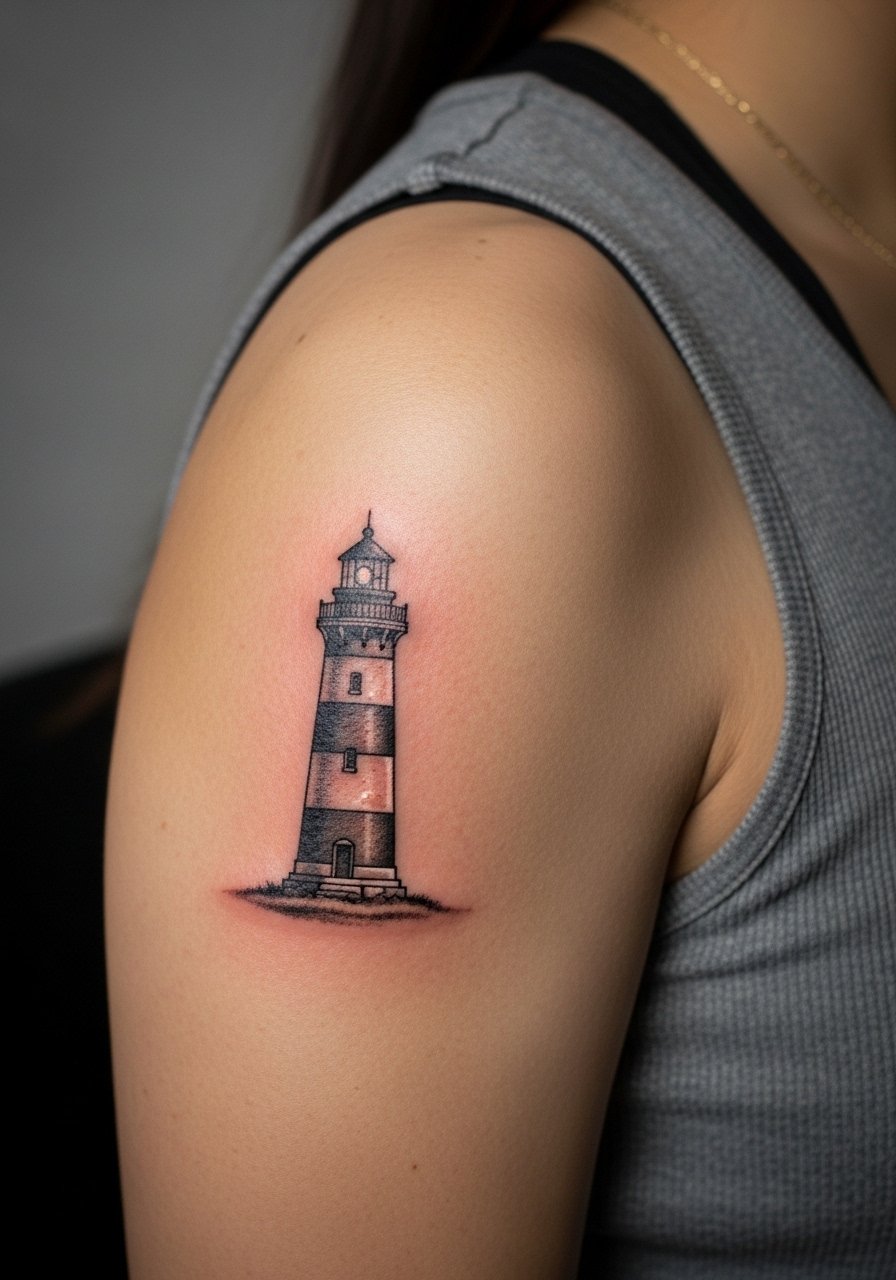
This is ideal when you want photo-like detail in a private spot that can peek out from shirts. Request reference photos that show the exact refraction and shadow you want, not just the object. A frequent error is scaling micro-realism too large on soft skin, which makes tiny dots merge. At six months the texture reads crisp. At two years the micro dots may need a touch-up to recapture subtle highlights. Session time is moderate, expect two to three hours. Because it sits under clothing most days, plan for a wide-neck tee on session day so the artist has clear access without exposing more skin than needed.
3. Minimal Constellation Wrist Cluster
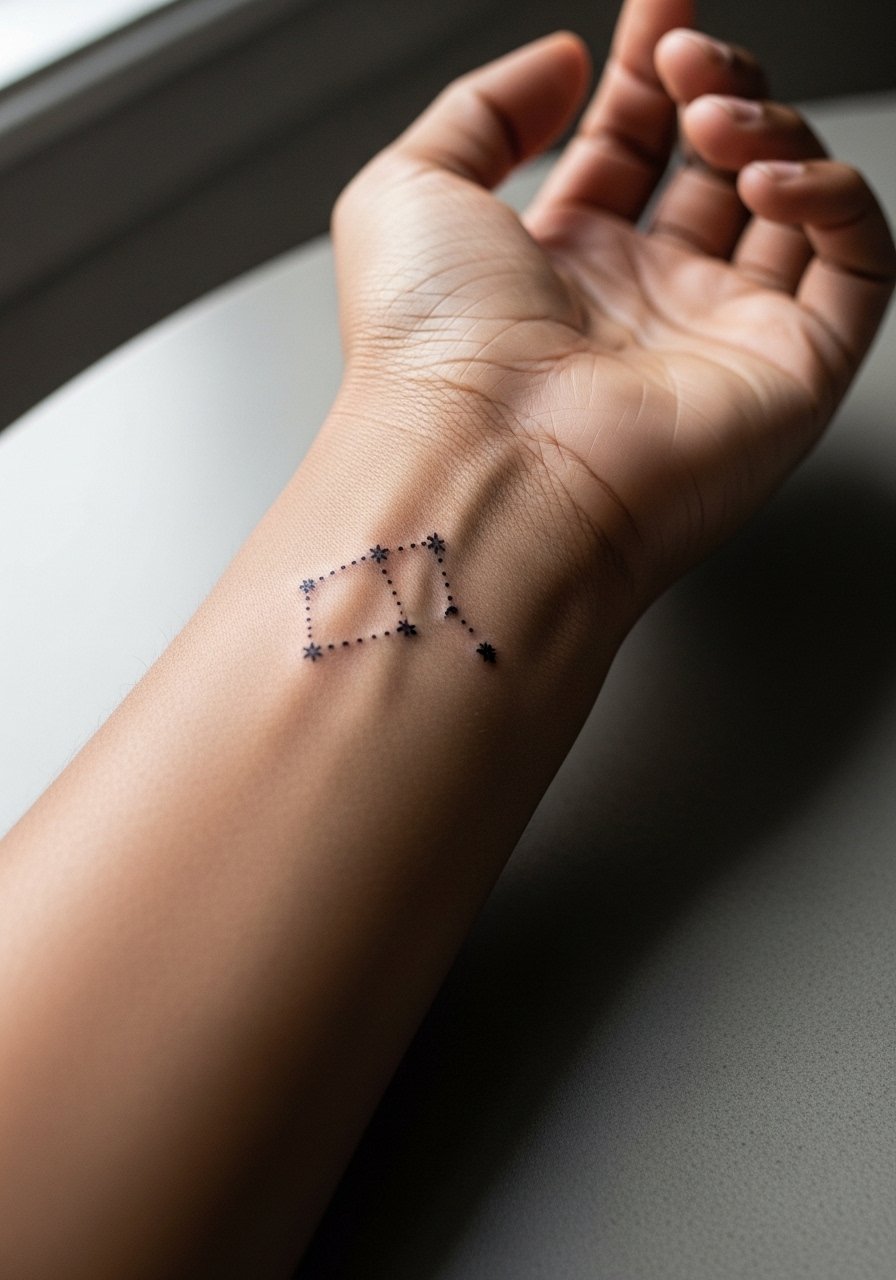
Wrist constellations work when you want tiny, intimate motifs that fit jewelry-style wear. Be specific in consultation about spacing between stars and dot sizes so the dots do not merge with wear. The biggest mistake is packing too many tiny dots into a small wrist area. At six months the dots pop. At two years the smallest points can soften and need a light touch-up. Expect a quick, stingy session under an hour. This placement is prone to friction from watches, so wear a thin chain bracelet to complement the design without rubbing the ink. Hand and wrist tattoos may have career implications in some workplaces, so consider that before booking.
4. Watercolor Glow Ribcage Panel
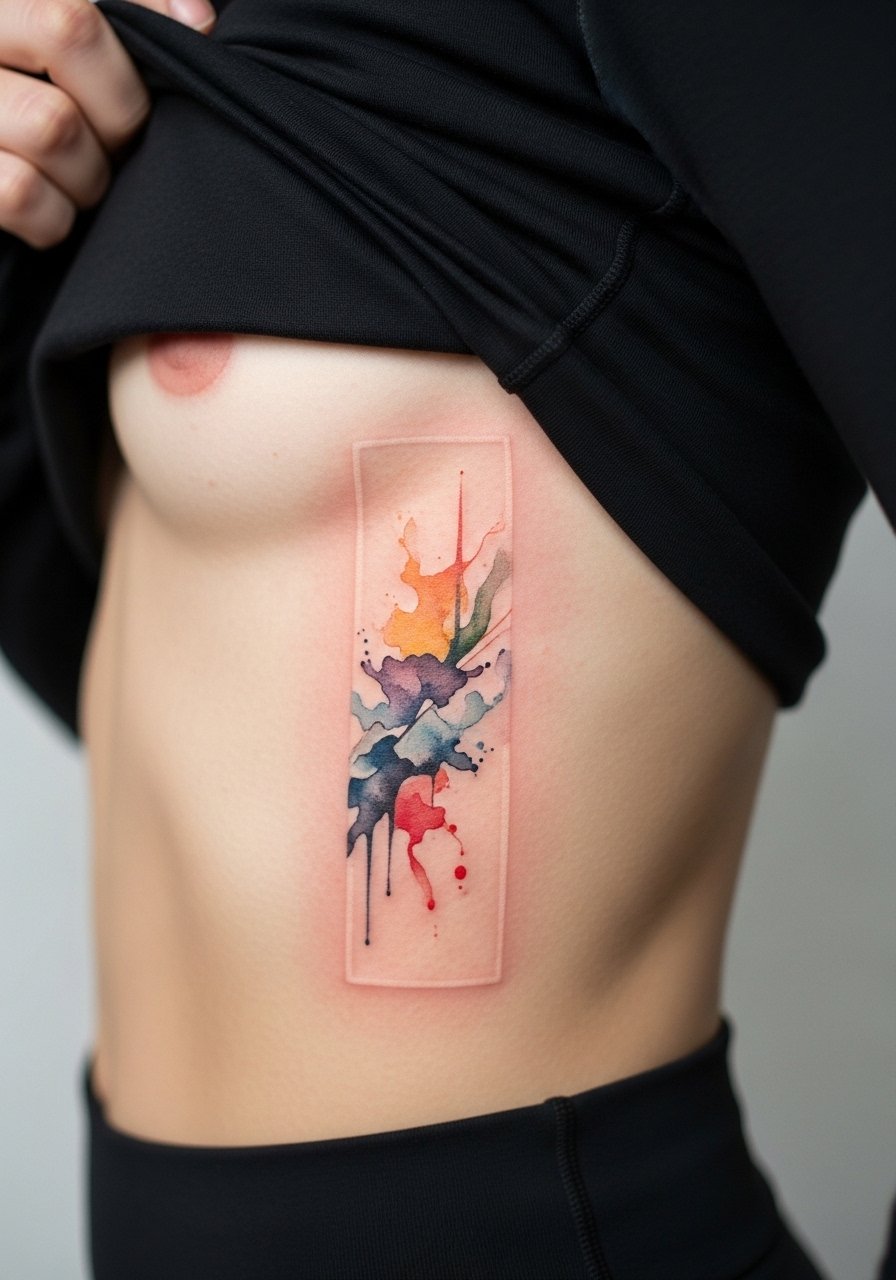
This placement reads as personal and cinematic. Artists split on fine detail here. One camp argues rib skin shifts too much and small lines blur. The other camp says wide spacing and proper depth make watercolor washes hold up. Name both concerns at consult and ask your artist which approach they use. A common mistake is compressing gradients into a tiny rib patch, which creates muddy healing. At six months colors settle and look bright. At two to five years expect some softening that might benefit from saturation touch-ups. Pain is high for most people and sessions can be long. For the appointment, wear a cropped workout top so the artist can access the area while you stay covered.
5. Tiny Beacon Finger Symbol
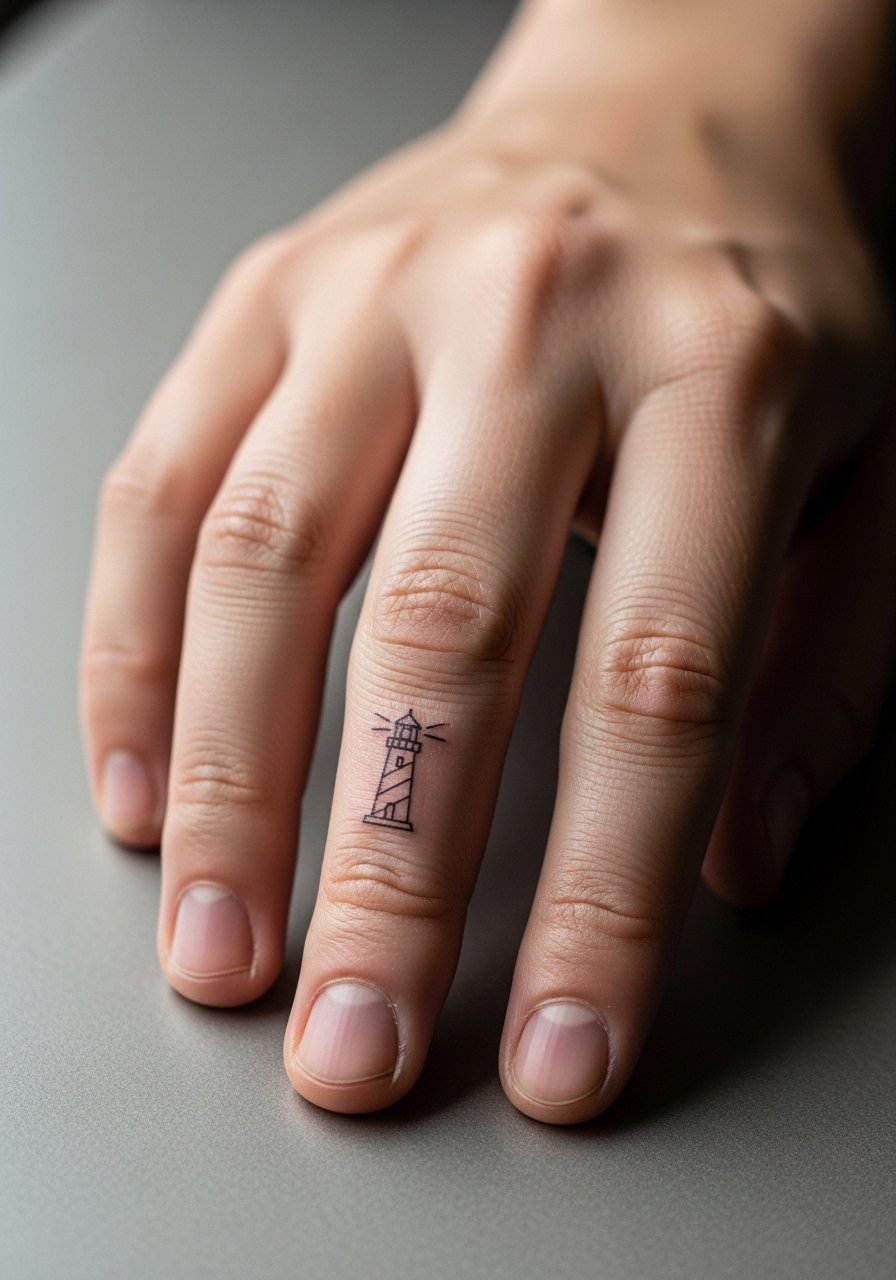
Finger symbols are bold choices if you want something seen in everyday gestures. Tell your artist you prefer slightly bolder micro outlines to resist fast wear. Common mistakes include requesting extremely thin script on the finger, which fades within a year because of constant washing and motion. At six months the mark looks clean. Expect significant fading by year two and budget for touch-ups more often than with arm pieces. Sessions are quick and sharp, with higher touch-up likelihood. Finger tattoos interact with rings, so choose placement relative to jewelry. Pair it with a simple stacking ring set to frame the small symbol without covering the ink.
6. Neon Outline Collarbone Script

Collarbone scripts sit between intimate and public. Ask for slightly larger letter spacing and medium stroke weight so the letters do not blur into the collar lines over time. The common error is choosing tiny script that reads like a hairline after healing. At six months the script keeps shape. By two to three years the thinnest strokes can thin further and a small touch-up restores clarity. Session pain is low to moderate and usually one hour. For showing it off, try an open-back midi dress or a thin chain pendant that sits above the script to balance attention.
Studio Day Picks
These items help with the wrist, collarbone, and ribcage sessions above, and smooth the first week after chair time.
-
Disposable stencil transfer kit. Lets you preview placement and line weight on the skin before the needle starts, which matters for small scripts and wrist constellations.
-
Cooling gel patches. Applied briefly after a tough ribcage or collarbone session, they ease surface soreness during the first 24 hours.
-
Thin protective film roll. Ideal for finger and wrist pieces that face friction from daily tasks, it keeps contaminants off while you sleep.
-
Fragrance free gentle wash. A non-irritating cleanser for the first week that helps fine line work heal without stripping natural moisture.
-
Aquaphor healing ointment. A thin layer in the immediate days after the session supports healing for delicate lines without clogging the tiny needle channels.
7. Geometric Beacon on Outer Calf
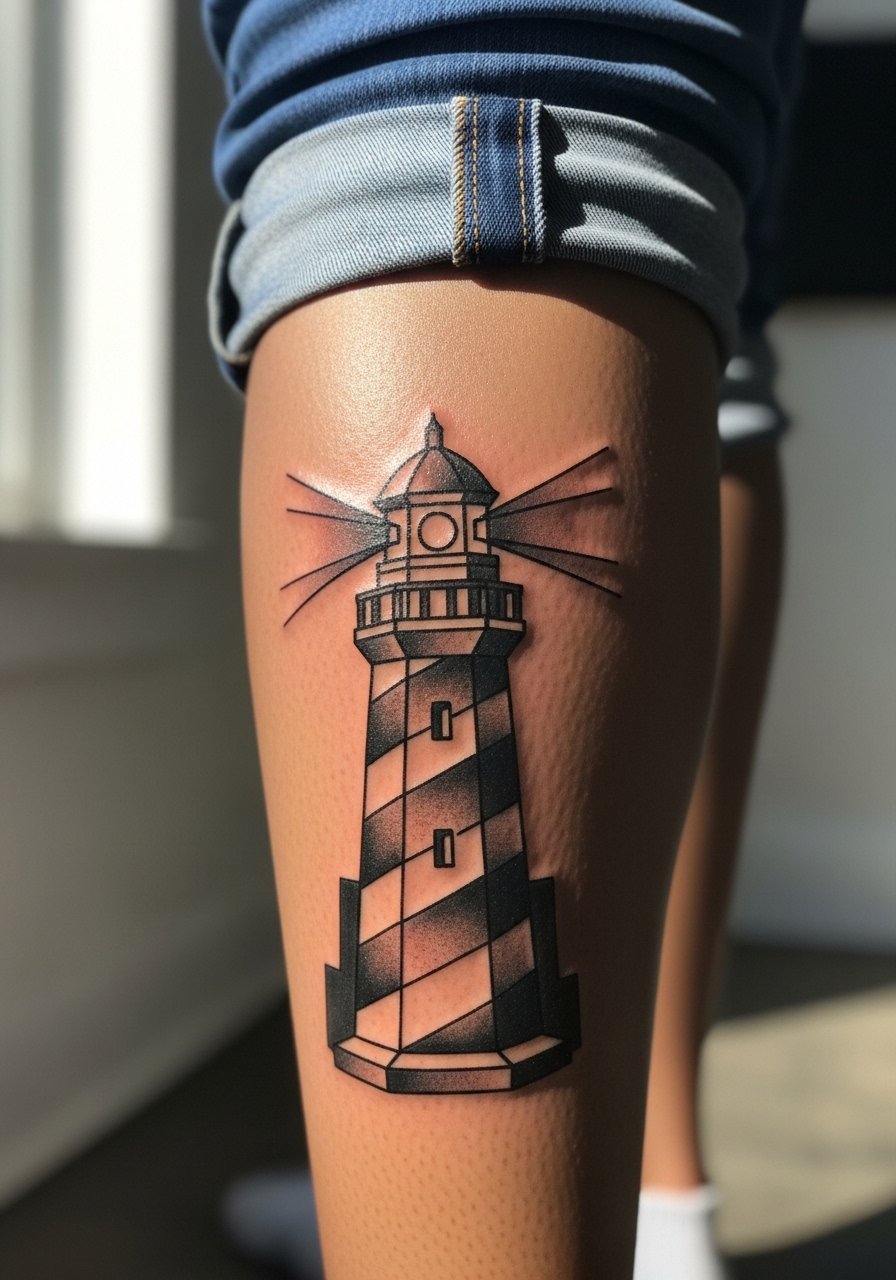
Outer calf pieces are great for larger geometric takes on light imagery. Say you want negative space and crisp angles rather than full saturation to avoid patchy fades. A misstep is filling every triangle with color, which can age unevenly on moving calf skin. At six months the geometry reads solid. At two years edges may soften slightly but the form holds if spacing was planned. Sessions are moderate length and reasonably comfortable. For showing it off in warm months, roll hems or wear a mid-length denim skirt that highlights the silhouette.
8. Dotwork Beacon Halo on Upper Arm
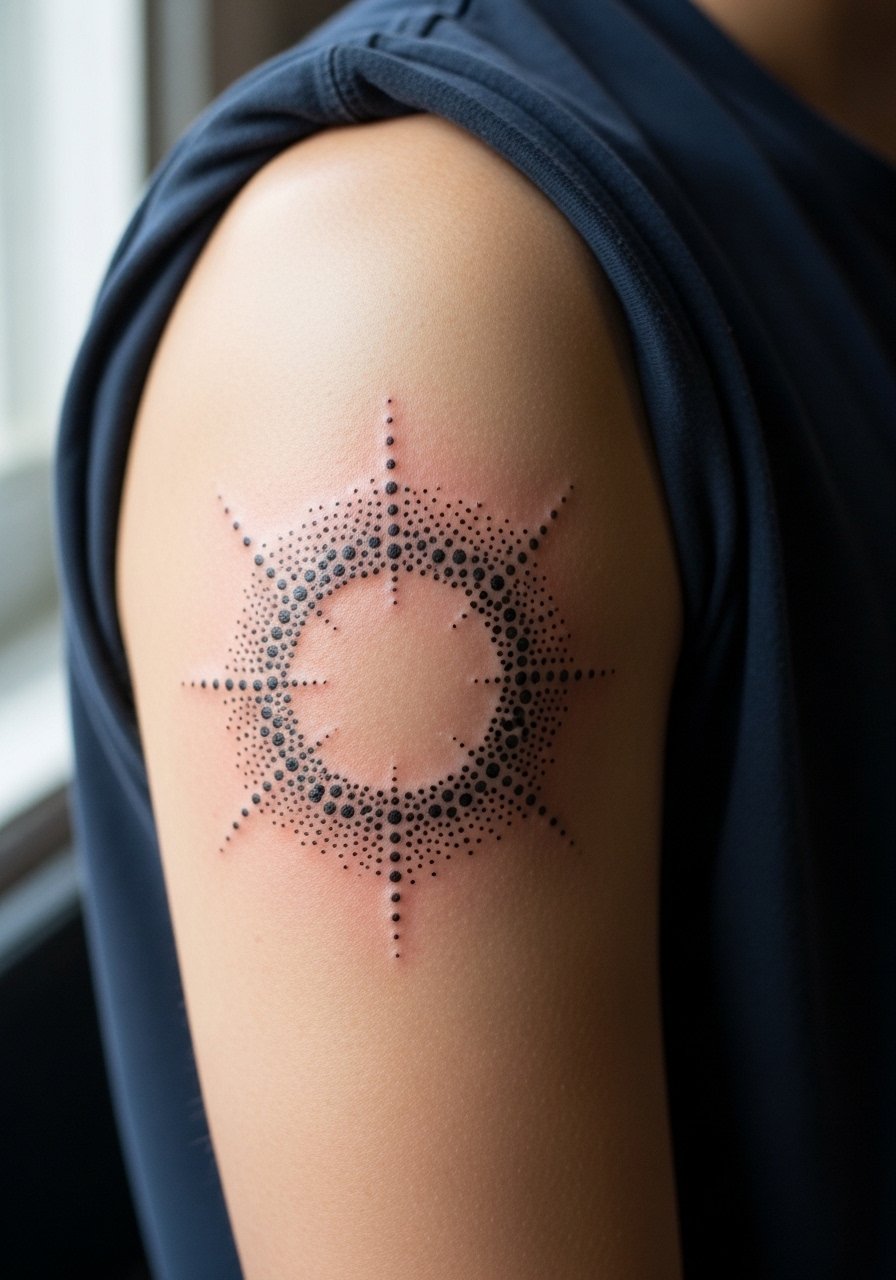
Dotwork offers a modern take without heavy lines. Ask your artist for varied dot density so highlights remain visible as ink spreads slightly. A common mistake is uniform dot density that plugs as it heals. At six months the stippling shows delicate gradients. By two to three years denser areas may need a light refresh. Sessions can be longer if the halo is large. This placement pairs well with short-sleeve tees, try a loose cotton tee rolled at the sleeve to frame the design.
9. Tiny Neon Star Behind the Ear
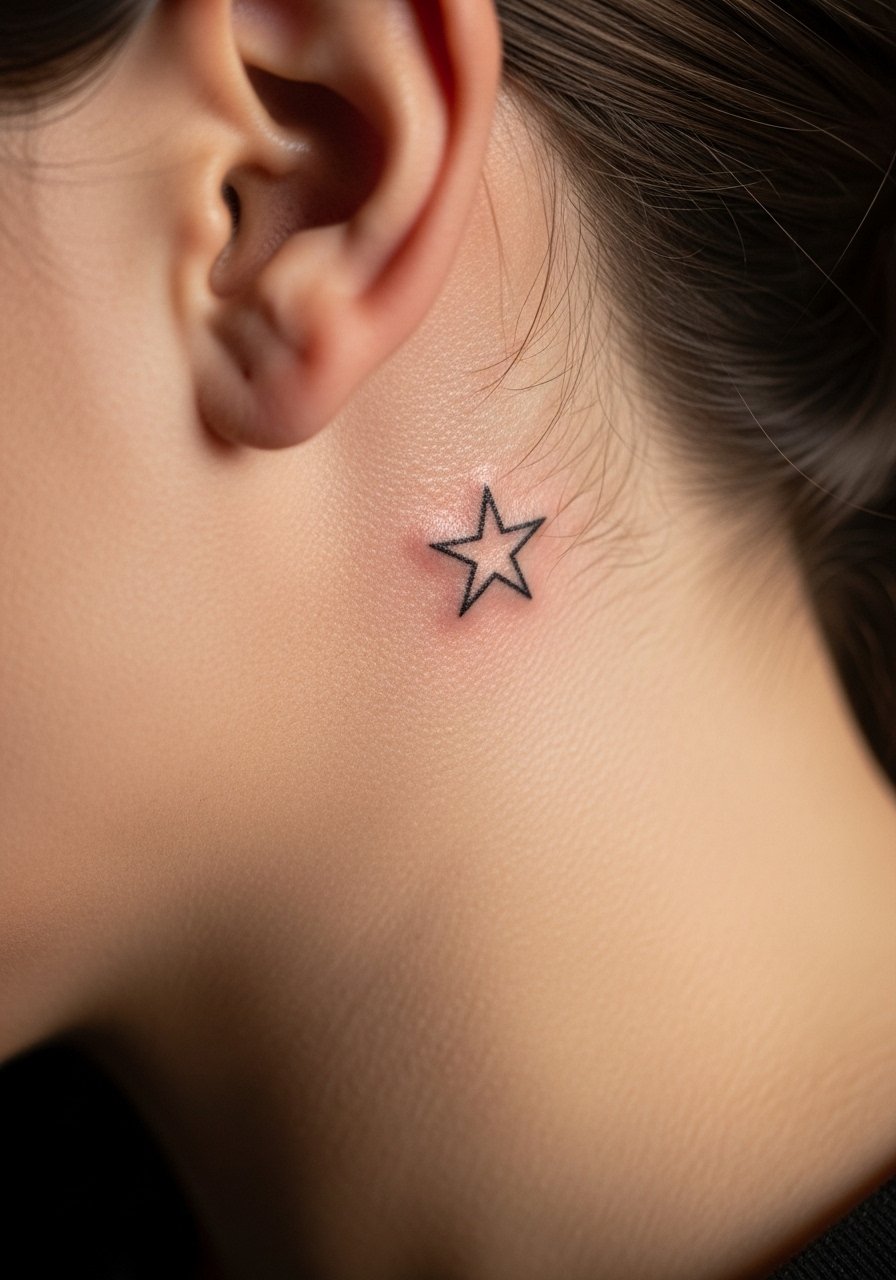
Behind-the-ear pieces read as subtle signals when your hair moves. Be explicit that you want the mark on the skin behind the ear below the hairline, not on the ear cartilage. The frequent error is asking for ultra-fine detail in this small zone, which can lose clarity quickly. At six months the tiny star remains crisp. By two years it may soften and require a touch-up if you want exact shape retention. Sessions are short and sharp. For the appointment, wear hair up and a scrunchie or clip so the artist has clean access.
10. Subtle Neon Linework Sternum Motif

Sternum motifs can be striking yet intimate. Make sure the artist knows to space elements outward from the midline so swelling and movement do not compress central lines. A mistake is running dense script or tight detail across the sternum, which may blur. At six months the motif looks balanced. At two to three years some central lines can require touching up if you want crisp symmetry. Sessions are often more painful and slower on the sternum. Wear a fitted sports bra for the appointment so access is easy and you stay supported.
11. Linear Beacon Sleeve Accent Near Elbow
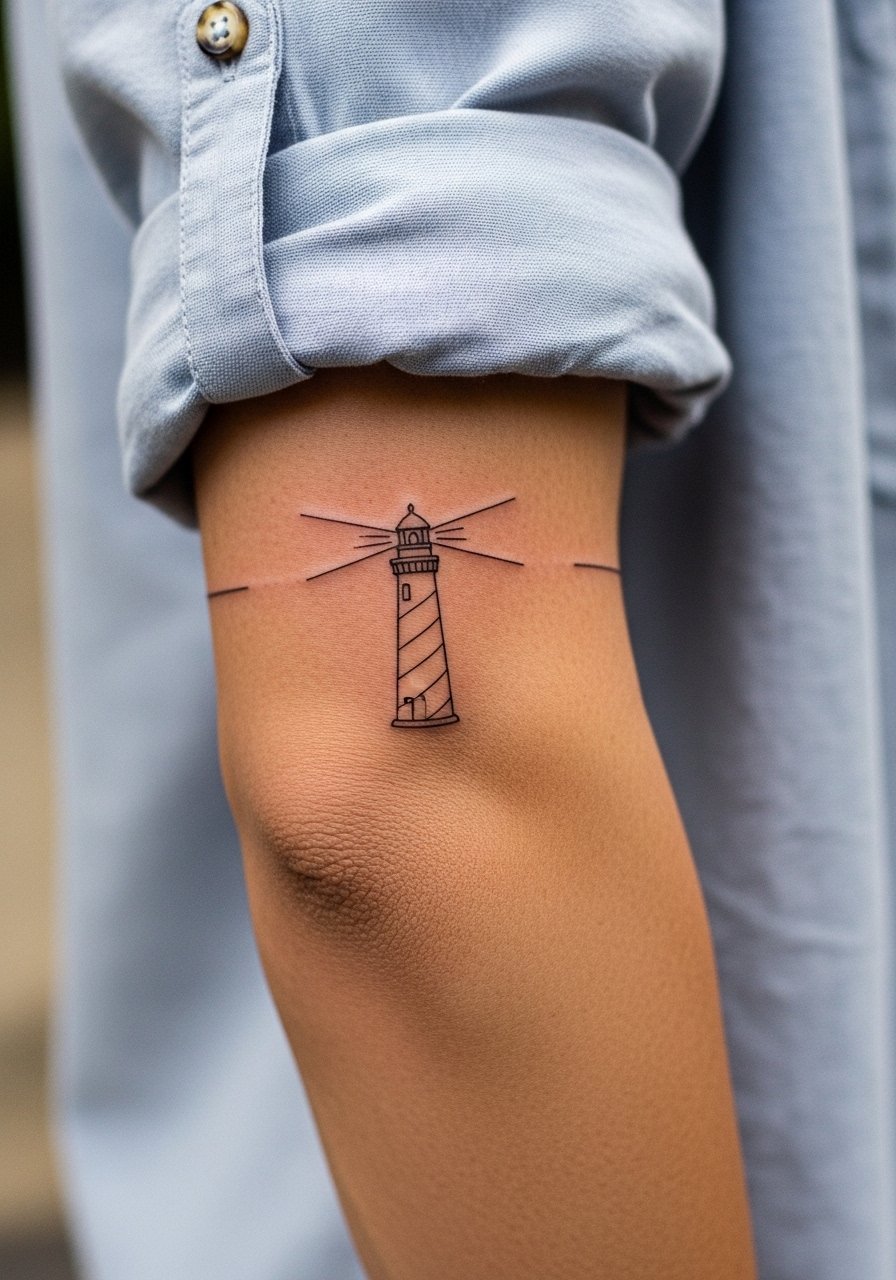
Elbow-adjacent accents need breathing room. Ask for slightly chunkier anchor lines to resist blowout in the joint area. The common error is packing dense detail right over the joint, which stretches and distorts during motion. At six months the accent holds shape but expect natural softening at two years. Sessions feel scratchy near the joint and may be paused to reposition. For the session, a loose button-down shirt you can roll up will keep you comfortable and accessible.
12. Micro-Geom Beacon on Ankle
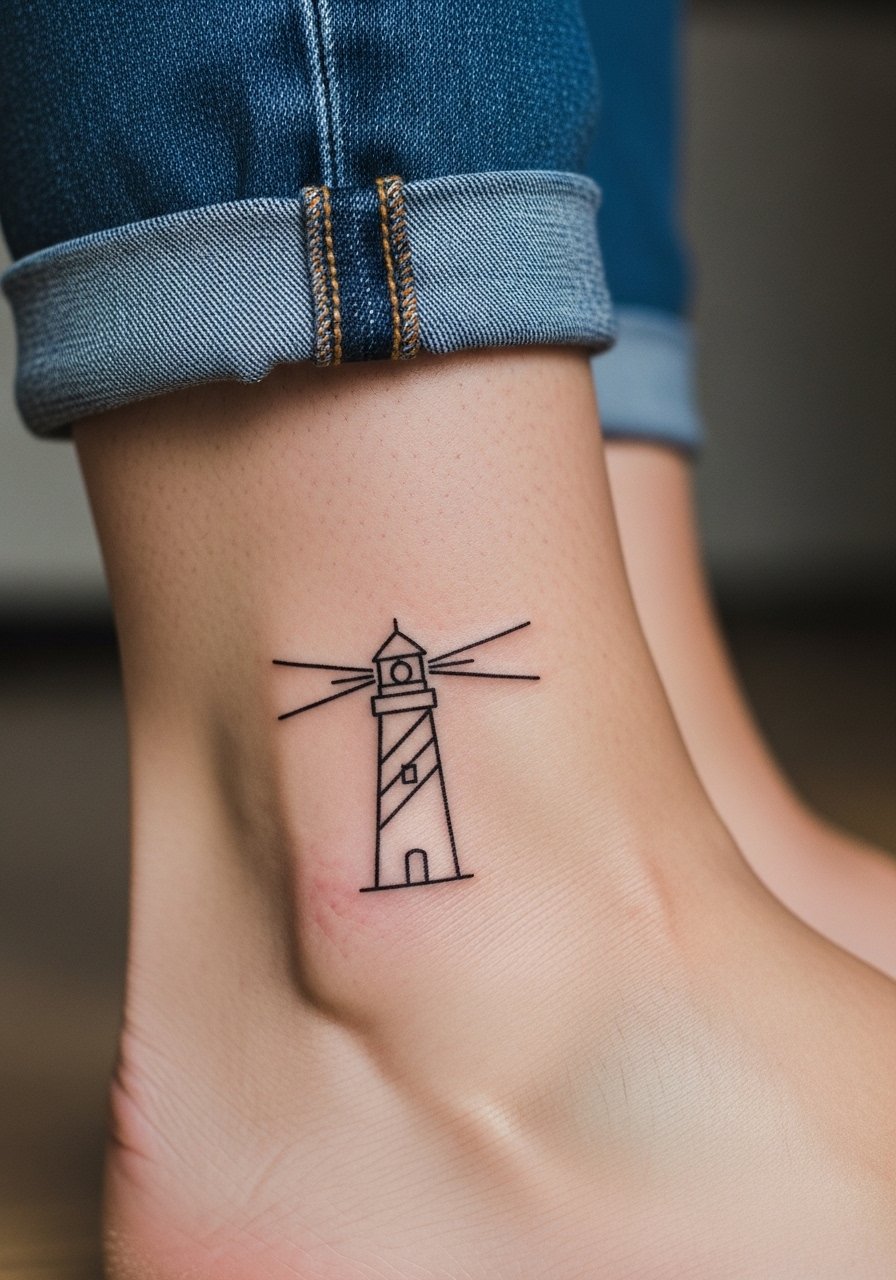
Ankle geometry reads like jewelry. Request open negative space and avoid too many fine parallel lines which can merge with movement and shoe friction. At six months the symbol looks clean. By two years expect fading from friction with footwear, and plan for touch-ups. Sessions are brief but more abrasive. For showing it off with sandals, consider a simple ankle chain that frames the tattoo rather than covers it.
13. Neon Lantern Back of Neck Accent

Back-of-neck designs read as subtle accents when your hair is up. Specify that you want medium spacing and slightly bold anchor lines so the piece does not lose definition as hair oils and sweat affect the area. A common misstep is requesting hairline-thin strands, which fade fast. At six months the lantern appears balanced. Expect softening by two years due to regular hair contact. Sessions are quick and sensitive. For showing and session access, choose a wide-neck shirt that you can shift without removing more clothing.
14. Fine Line Beacon on Side Thigh
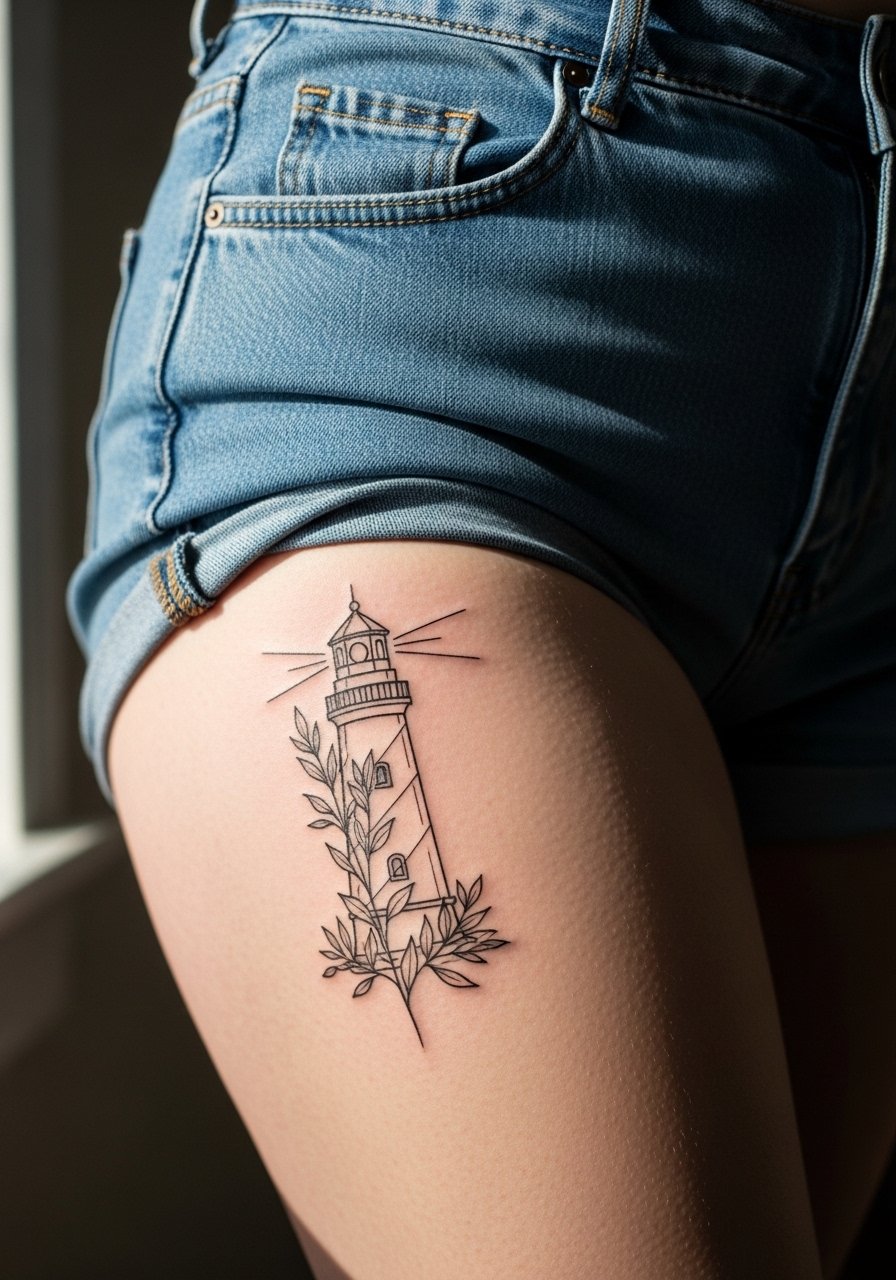
Side-thigh pieces are private and easy to hide. Tell your artist you want contours that follow muscle flow rather than straight rigid lines so the image reads naturally with movement. The frequent error is using tiny cross-hatching there, which can look patchy after healing. At six months the piece looks integrated. At two to three years some lightening may appear in shaded zones. Sessions feel moderate and you can expect more time if the panel is large. On session day, wear high-waisted shorts you can slide for access without full undressing.
15. Minimal Beacon on Lower Back

Lower back placements let you go wider with composition. Ask for spacing that avoids dense parallel lines, because compression from sitting can affect healed texture. A mistake is overfilling with heavy shading that can pool as you sit. At six months the lines remain clear. Over two to five years you may notice gradual softening and occasional need for touch-ups in shaded areas. Sessions run moderate to long depending on coverage. Pair the finished piece with low-rise or high-waisted toggles that show the top band, or a cropped tee when you want to display it.
16. Single Needle Beacon on Inner Bicep

Fine single-needle work on the inner bicep looks intimate and delicate. Ask your artist to space tiny highlights and keep main contours slightly bolder so they remain as the skin shifts. The common error is insisting on hairline detail center-stage. At six months the micro-details are lovely. At two years you may see a softening that benefits from a delicate touch-up. Sessions are often shorter but can sting more due to thinner skin. For the session, wear a tank top so the arm is free without exposing shoulder area unnecessarily.
17. Abstract Neon Beacon on Calf Wrap

Calf wraps let you play with continuous motion and negative space. Request breaks in the wrap where muscle flexes so the form does not become a single band when you sit or wear certain socks. A mistake is running dense color all the way around without pauses, which can look like a bruise after healing. At six months the wrap reads dynamic. At two to three years the color may mellow and need saturation refreshes if you want bright contrast. Sessions can be long depending on coverage and often require short breaks. For display in warm months, a pair of slide sandals and rolled cuffs are an easy framing choice.
Frequently Asked Questions
Q: Will fine line lighthouse motifs blur faster on the ribs than on the forearm?
A: From what I have seen, ribs are a trickier canvas because the skin stretches and shifts more. Fine line can hold on ribs if the artist spaces lines and uses slightly more weight on main contours. On the forearm you can push for finer interior detail and expect slower blur. Always ask the artist for examples of healed ribs from at least two years out.
Q: How often should I expect touch-ups for finger and wrist designs?
A: Fingers and wrists face constant washing and friction so plan for touch-ups more often than for arm or leg pieces. Many people need refreshes around year one or two. Choose bolder anchors at the start and keep expectations realistic about longevity.
Q: Are watercolor ribcage tattoos more likely to need touch-ups than geometric blackwork?
A: Yes, watercolor washes tend to fade and soften faster because they rely on subtle saturation. Geometric blackwork usually holds cleaner for longer if spacing is generous. If you want both, ask for a hybrid approach that uses defined black anchors with soft color fields.
Q: What should I wear to a sternum or rib session to make the process smoother?
A: A fitted sports bra or cropped top that you can shift without full undressing is best. A zip-up hoodie is also handy to keep warm between passes. Wearing layers that allow quick access but preserve modesty makes long sessions more comfortable.
Q: How do I find an artist who specializes in micro-realism or dotwork without naming specific shops?
A: Search local shop portfolios and tag feeds with keywords like "micro realism healed" or "dotwork healed" and check gallery timestamps for healed photos. Use directories and community threads to ask about healed work, and request healed photos during consultation so you see real results rather than staged fresh photos.