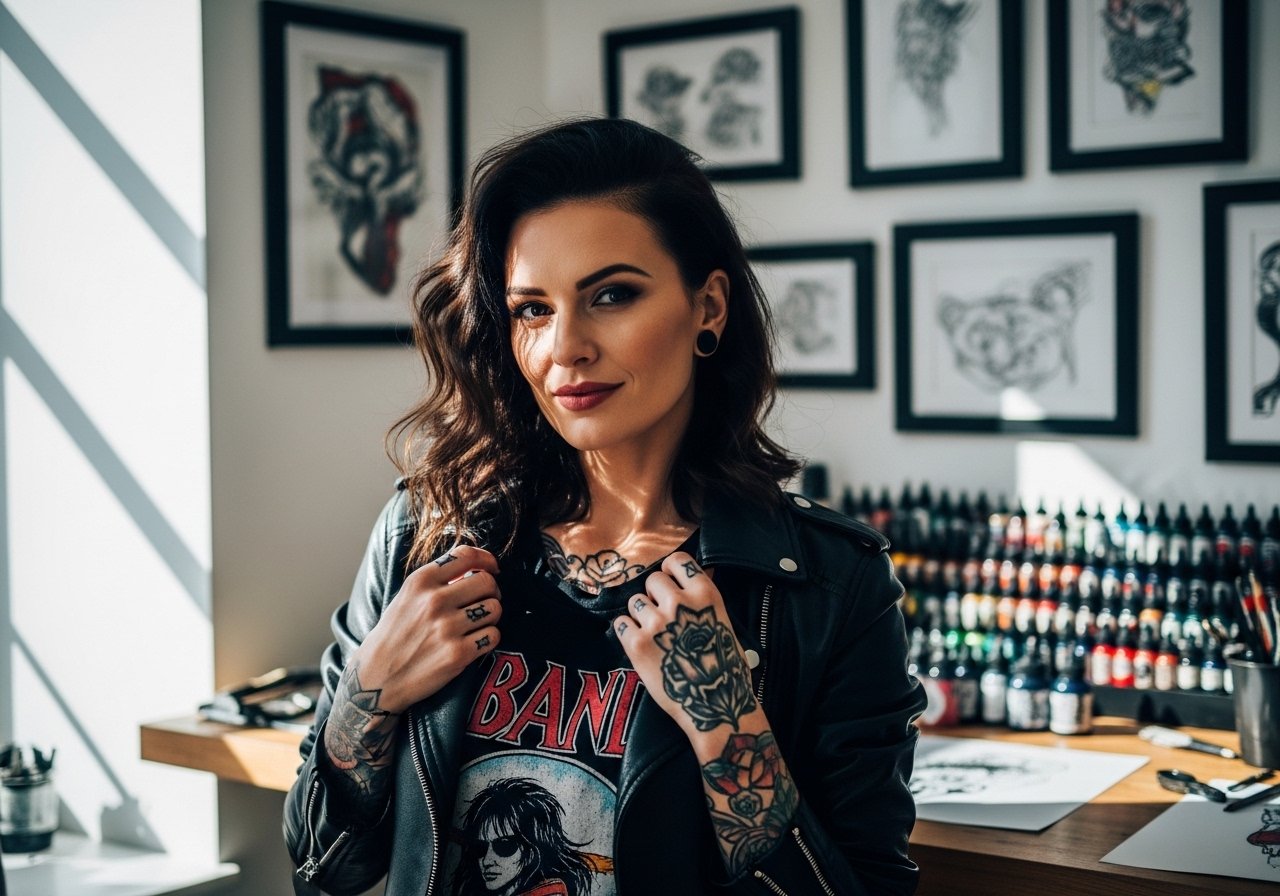
Fine line tattoos are all over mood boards, but they do not always age the way the feed suggests. What looks delicate fresh can soften into a blur if placement and spacing are wrong, and darker packed ink often wins when you need to hide older color. Below are 17 minimalist approaches that work as cover options for women, with notes on what to ask for in consults and what to wear to the session.
1. Floral Mandala on Outer Forearm

I've seen mandala work hold up when artists use layered petals and packed shading to bury old script. If your previous ink is faint script, ask the artist to place denser petals directly over the oldest strokes and to increase spacing between the inner geometry lines so the mandala does not look crowded as it heals. Expect a moderate session time and light discomfort on the forearm. For showing it off, pair with a fitted earth tone tank top or roll up a button-down for a clean frame. A common mistake is asking for a mandala too small, which causes loss of detail by year two. Plan a touch-up if your skin tans heavily in summer.
2. Blackout Band on Inner Wrist
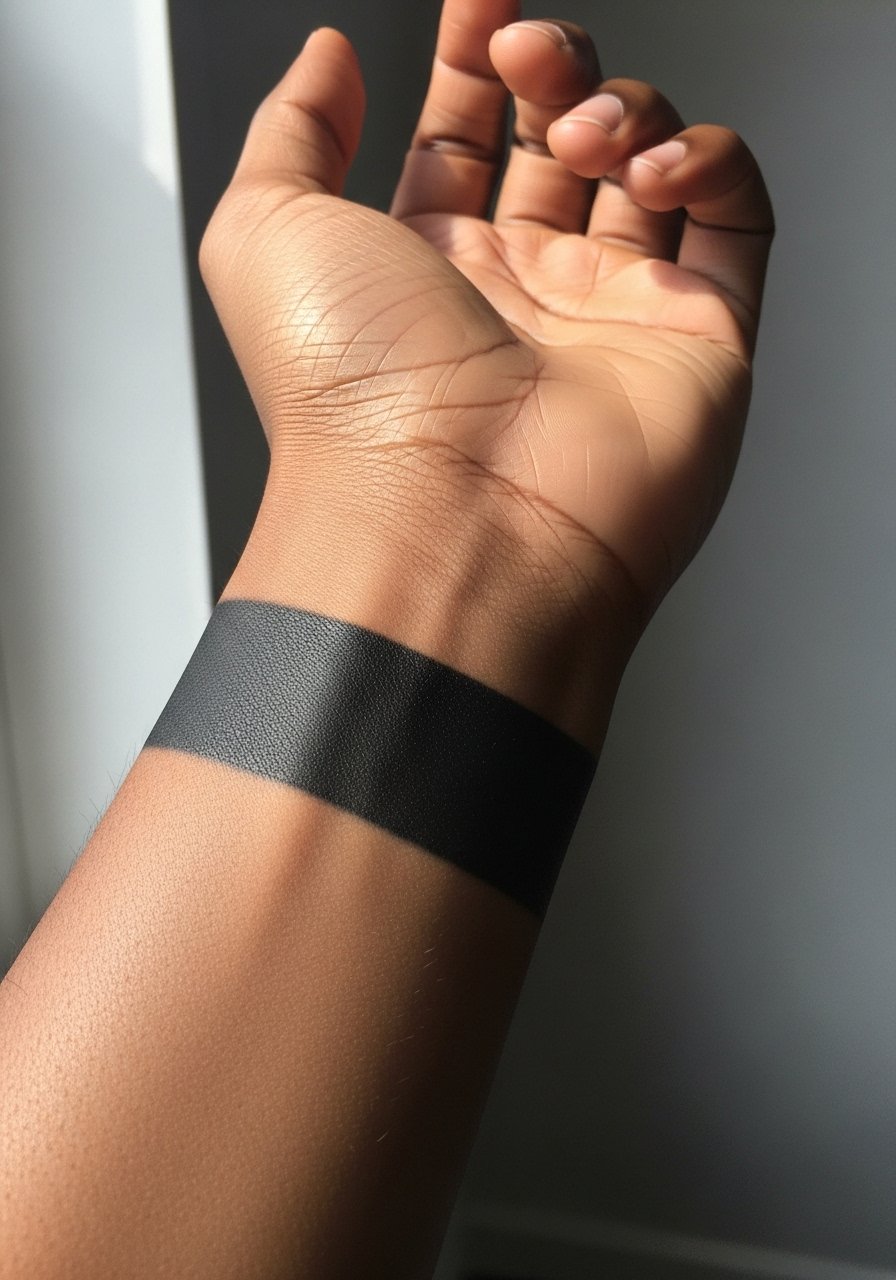
Bold blackout bands bury tiny names or icons quickly because packed black covers light pigments. Fair warning, wrists see constant washing and friction, so expect touch-ups sooner than on a shoulder. During consultation, say where the old ink sits and ask for a 1-2 inch band with clean edgework rather than a soft shaded cuff. For everyday styling, balance the black with a minimalist leather cuff or a wide watch on the opposite wrist. One camp celebrates blackout as a decisive fix, the other worries about its permanence. If you might regret full black later, discuss textured fills as an alternative.
3. Sunflower with Dark Center on Shoulder
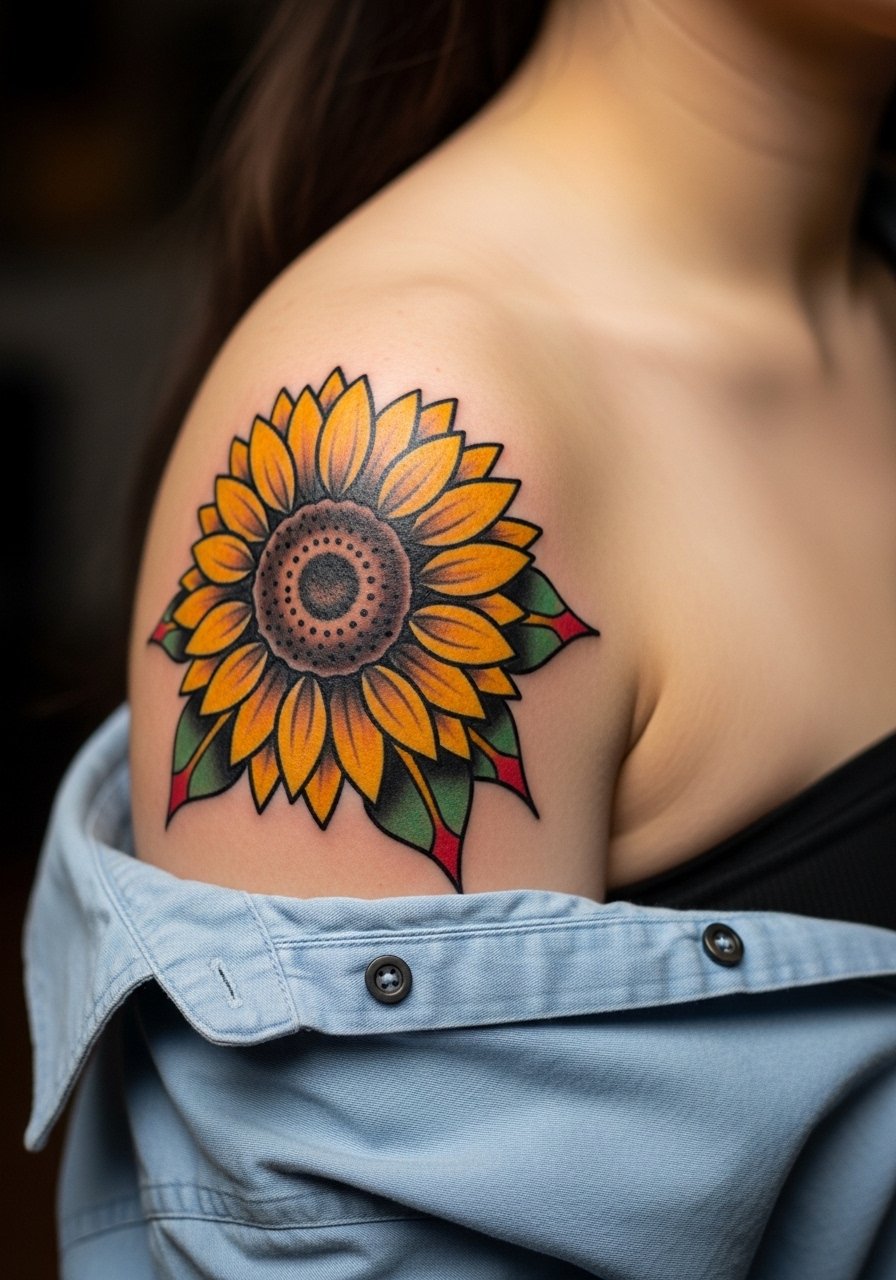
Sunflowers work because the dense seed head can sit over dark spots from old ink and the petals let you play with negative space. Tell your artist to use a dense center and slightly larger petals around the area that needs hiding so the cover blends into the shoulder curve. Shoulder sessions are easy to dress for, so bring a strapless tank or an open button-down you can pull aside. The biggest mistake is asking for too much washed color in the petals; deep saturation in the center improves longevity and prevents bleed through.
4. Butterfly Wings Over Lower Back
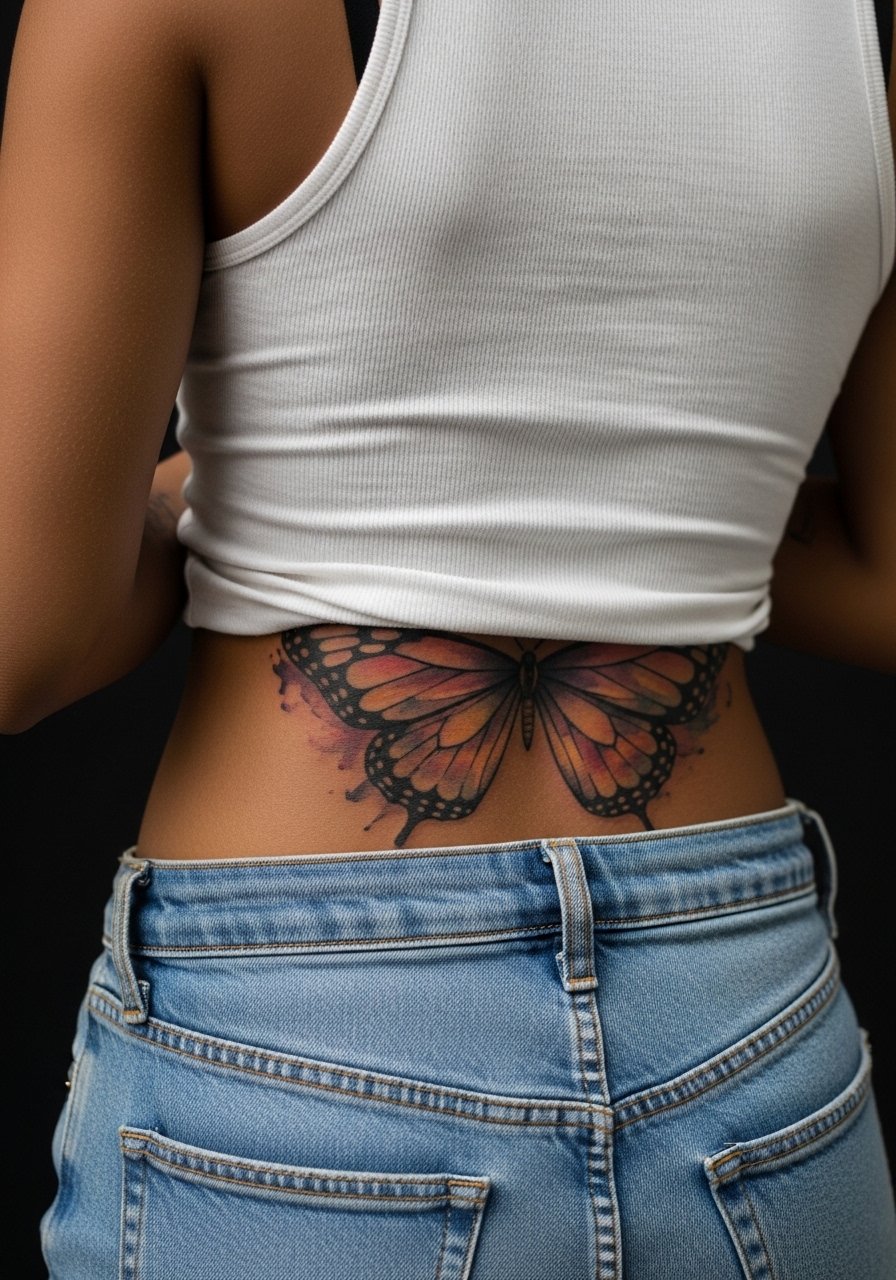
Lower-back placements allow for large negative-space compositions that redirect the eye away from older tribal or dated work. Artists often combine soft washes with clean outlines around the wing tips so the overall piece reads intentional rather than a disguise. Session-wise expect longer sittings because of sizing and curvature of the spine. For the appointment wear loose pants you can pull down slightly and a front-opening top for easy access. A common mistake is asking for too pale a wash; watercolor elements that lack contrast can reveal underlying ink after healing. Consider laser fading first if the old tattoo is especially dark.
5. Feather Quill on Side Finger
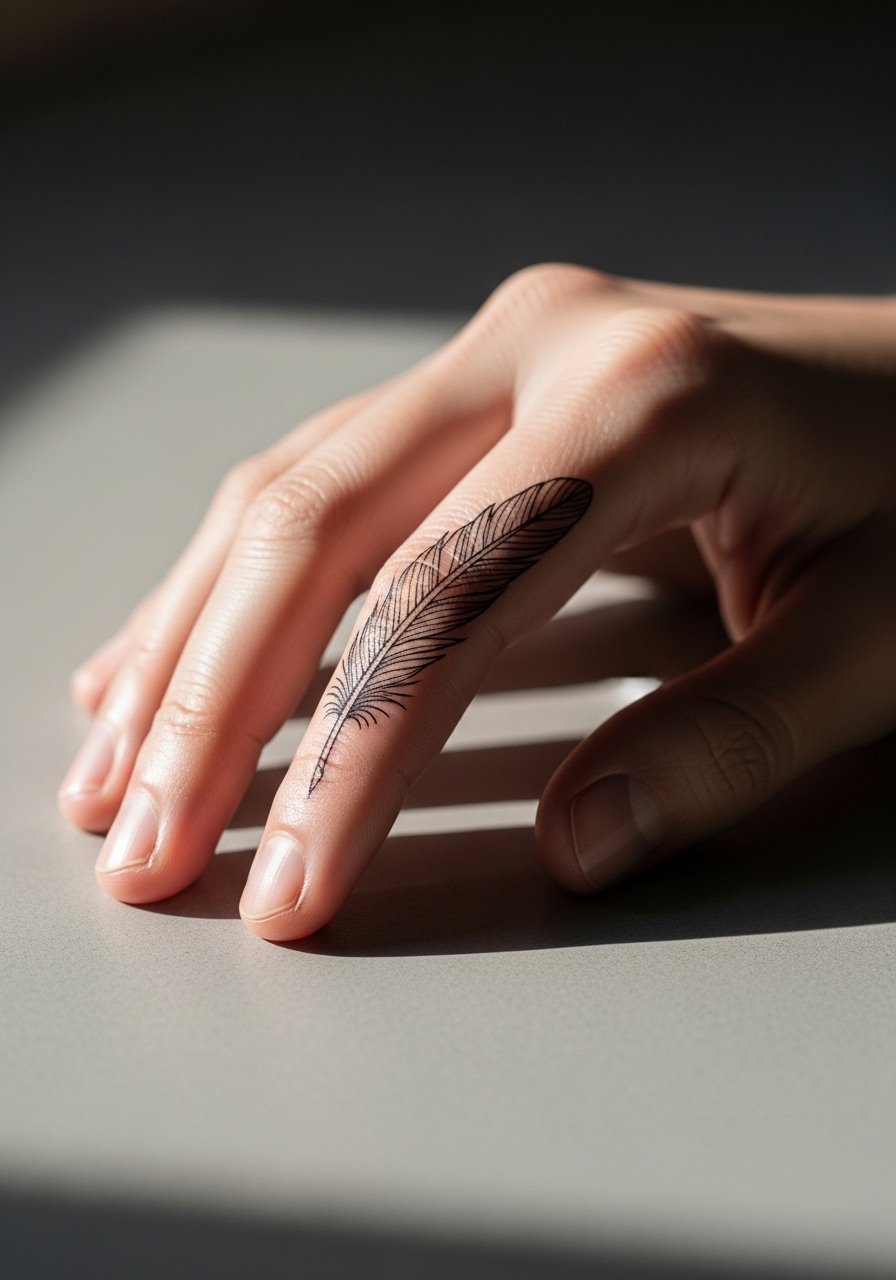
Finger space is tiny and unforgiving. Fine line feathers can redirect focus away from faint text but they also fade fast if lines are too thin. Ask for slightly heavier linework along the feather spine and for textured shading that reads like fur rather than single strokes. Fingers require frequent touch-ups, and the skin's motion causes early softening. Pair the finished piece with a dainty thin ring when showing it off, or skip jewelry altogether if you work with your hands. Remember the controversy: one camp says fine line on fingers is always a gamble, the other says careful depth and ink choice can make it last longer. Your artist should state which side they sit on during consult.
6. Skull with Shading on Side Neck

Neck pieces move with skin and muscle so shading is crucial to mask older bold lines. When you book, explain where the previous ink sits and request deep grayscale shading in the skull eye sockets to cover contrast points from the old design. Neck sessions can be sensitive so expect sharper sensations than on the arm and plan for one to two sessions. Hand politics still matter for visible neck work, so consider career optics before committing. A common mistake is wanting super-fine detail on a high-motion spot, which often softens by year two. Ask for portfolio pics showing healed neck work.
Studio Day Picks
The first six sections above include wrists, fingers, shoulders, and the lower back. A few compact items make those sessions and the first week of healing far smoother.
-
Stencil transfer paper kit. Lets you preview placement on skin before the needle hits, which matters for forearm geometry and shoulder curves.
-
Topical numbing cream. Applied before the session it can reduce wrist and neck sensitivity for shorter, more manageable appointments.
-
Thin protective film roll. Useful for finger and wrist pieces that endure daily friction and frequent hand washing.
-
Fragrance-free gentle body wash. Cleans healing skin without irritation around delicate linework on arms and the lower back.
-
Aquaphor healing ointment. A thin layer in the first days keeps fine line work moist without clogging needle channels, helpful for soft feather or quill designs.
7. Peony Bloom on Outer Ankle
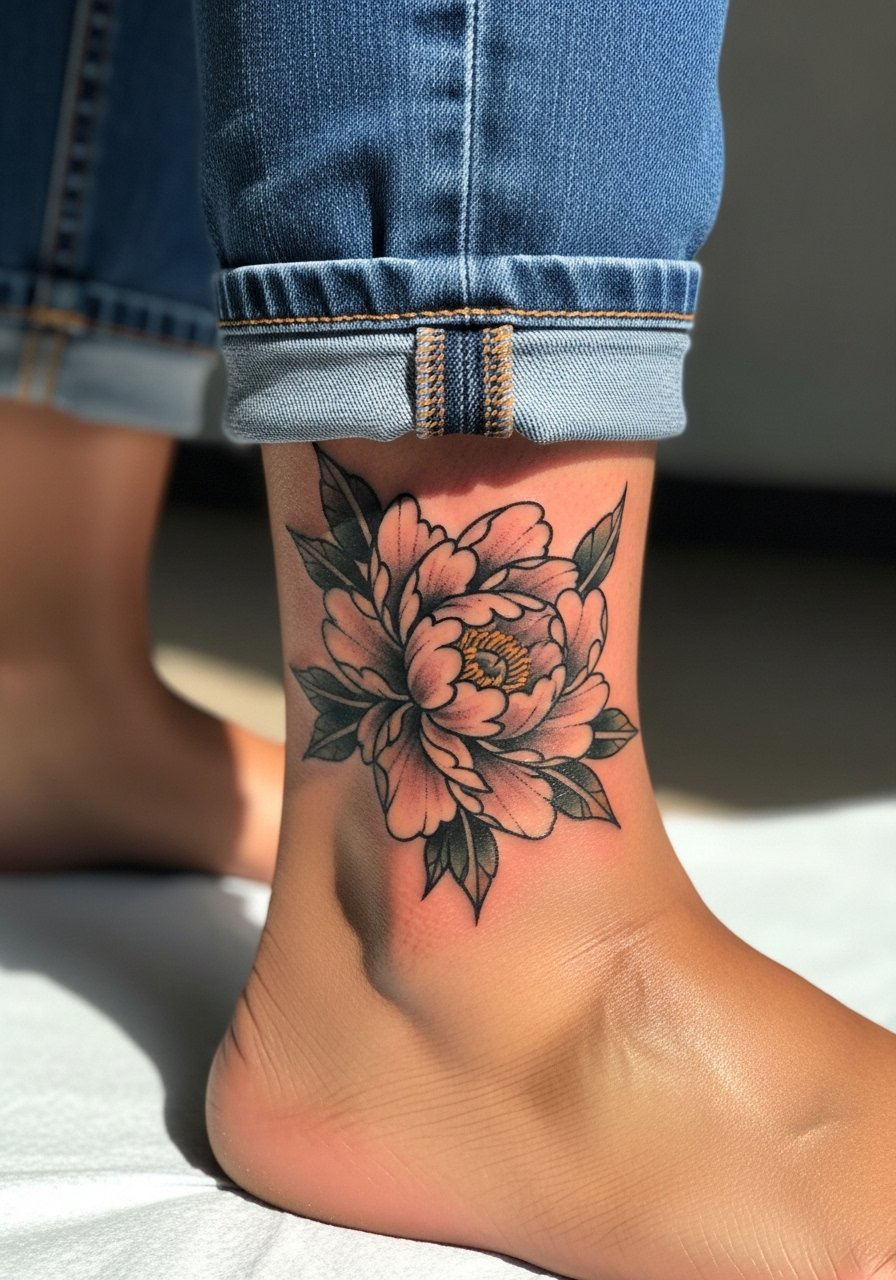
Ankle skin sees a lot of wear from shoes and socks, so heavy petal layering and strategic dark shading over old marks make peonies an effective small cover option. The session is short but precise, with stinging around the bone where skin thins. For outfits, strappy sandals or ankle boots frame the bloom, so consider a strappy ankle sandal when you want the tattoo visible. A common mistake is asking for pastel fills on the ankle. Those tend to fade faster than saturated black and gray centers.
8. Animal Fur Texture on Thigh
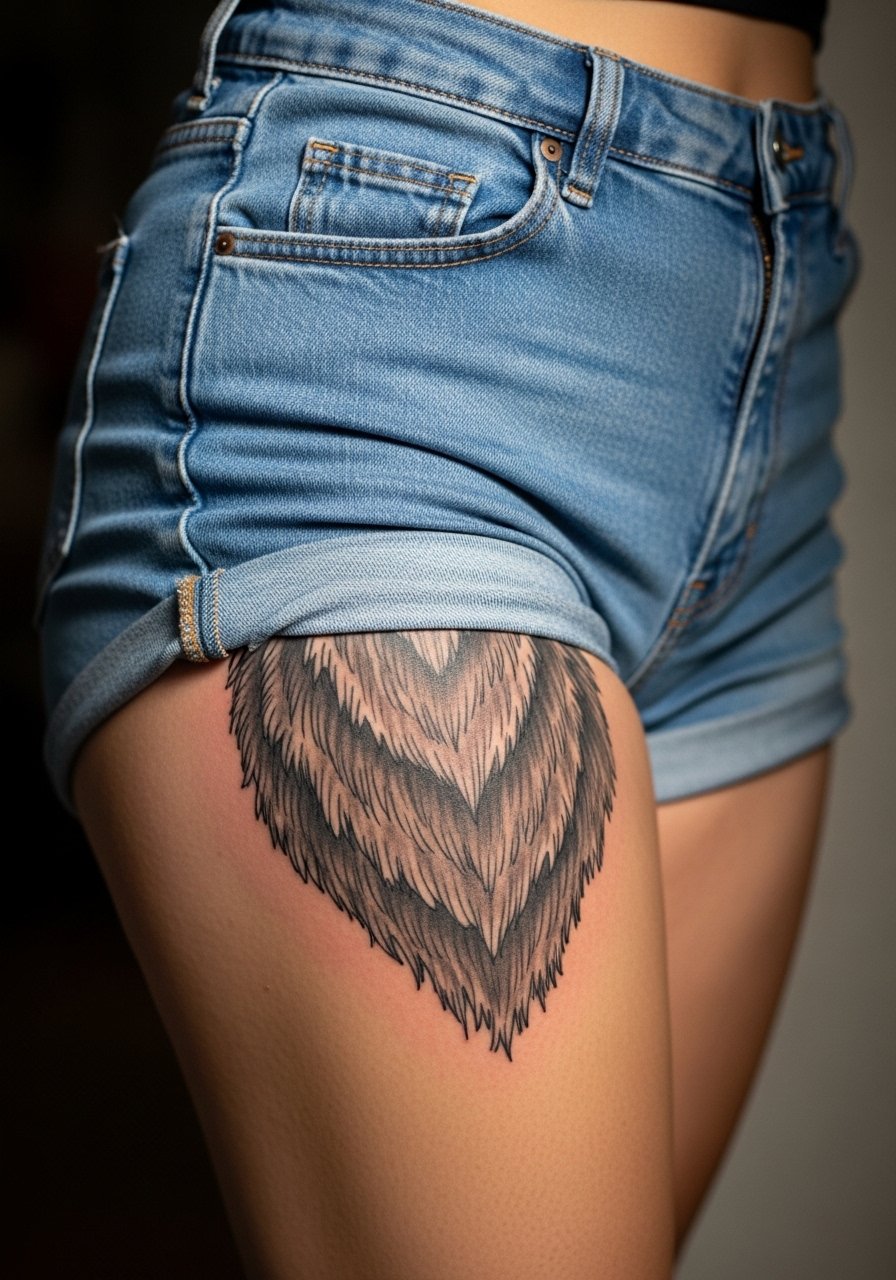
Thigh skin stretches and shifts less than the torso, so layered fur texture can mask larger faded pieces without reading like a cover. Tell your artist which parts of the old tattoo are darkest so they can place the densest shaded fur over those zones. This placement is more comfortable than ribs, but expect longer sessions for realistic texture. Avoid full blackout unless you want total coverage. One real mistake is asking for a single directional fur pattern that clashes with natural leg contours. A more organic pattern ages more naturally.
9. Symmetrical Script Across Inner Wrist

Script can overpower old handwriting when the lettering is bold and balanced. Ask your artist to mirror weight on each side of the wrist so the new lines compete with older ink rather than letting the previous strokes peek through. Inner wrist sensitivity is moderate and requires a clean session setup. For styling, a wide watch or stacked minimal bracelets pairs well with the new band, try a wide watch to complement the script. A common error is asking for hairline cursive instead of a defined script; thin cursive will likely fade faster on that spot.
10. Lotus Outline with Gray Wash on Collarbone
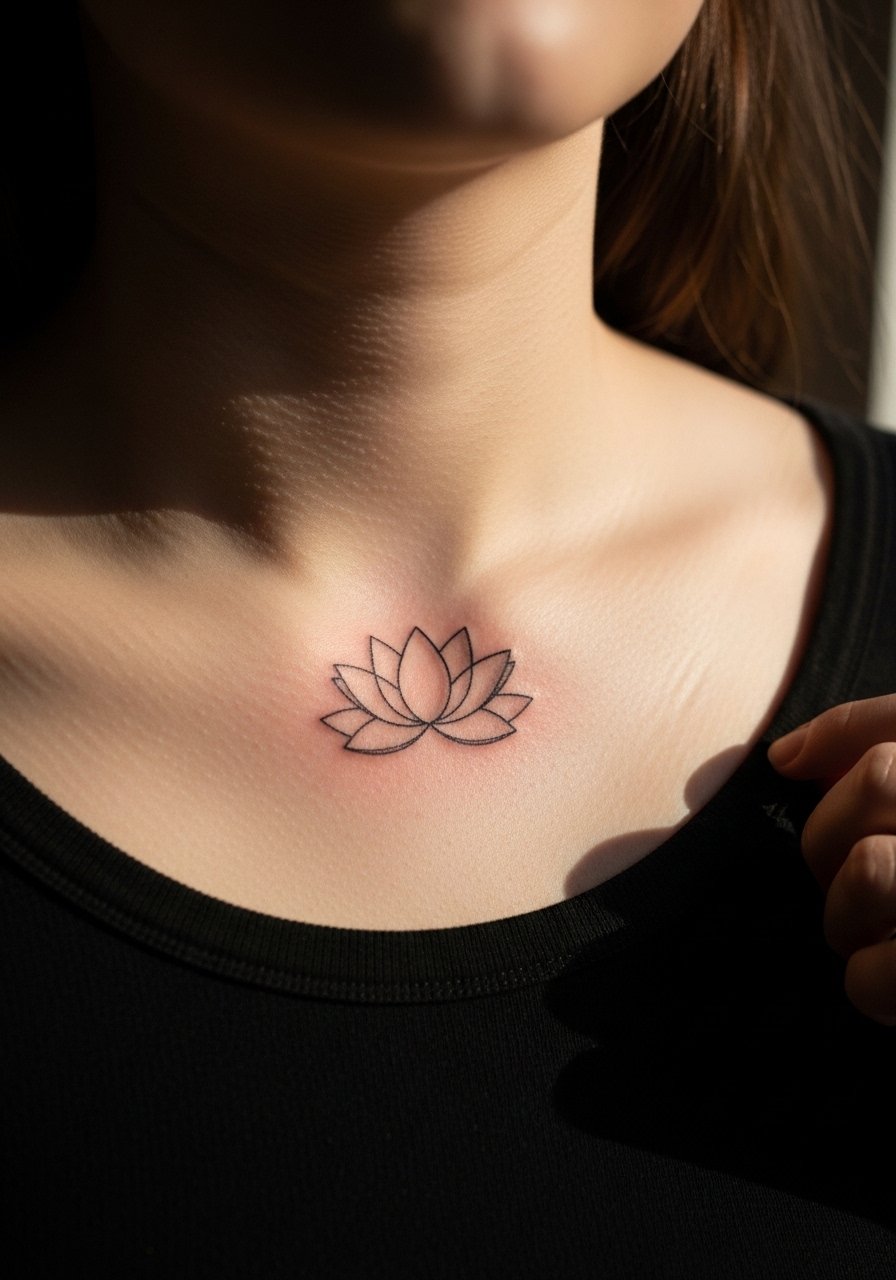
Collarbone skin benefits from clear outlines and shallow gray wash because the area moves with breathing and clothing friction. During the consult, specify how much of the old mark sits beneath the desired lotus center so the artist can plan line weight accordingly. Sessions here are short but sensitive along bone edges. For evening wear, a thin chain pendant necklace frames the lotus without covering it. Avoid asking for extremely faint outlines; too-light lines risk disappearing after a year.
11. Micro Floral Cluster on Ribcage
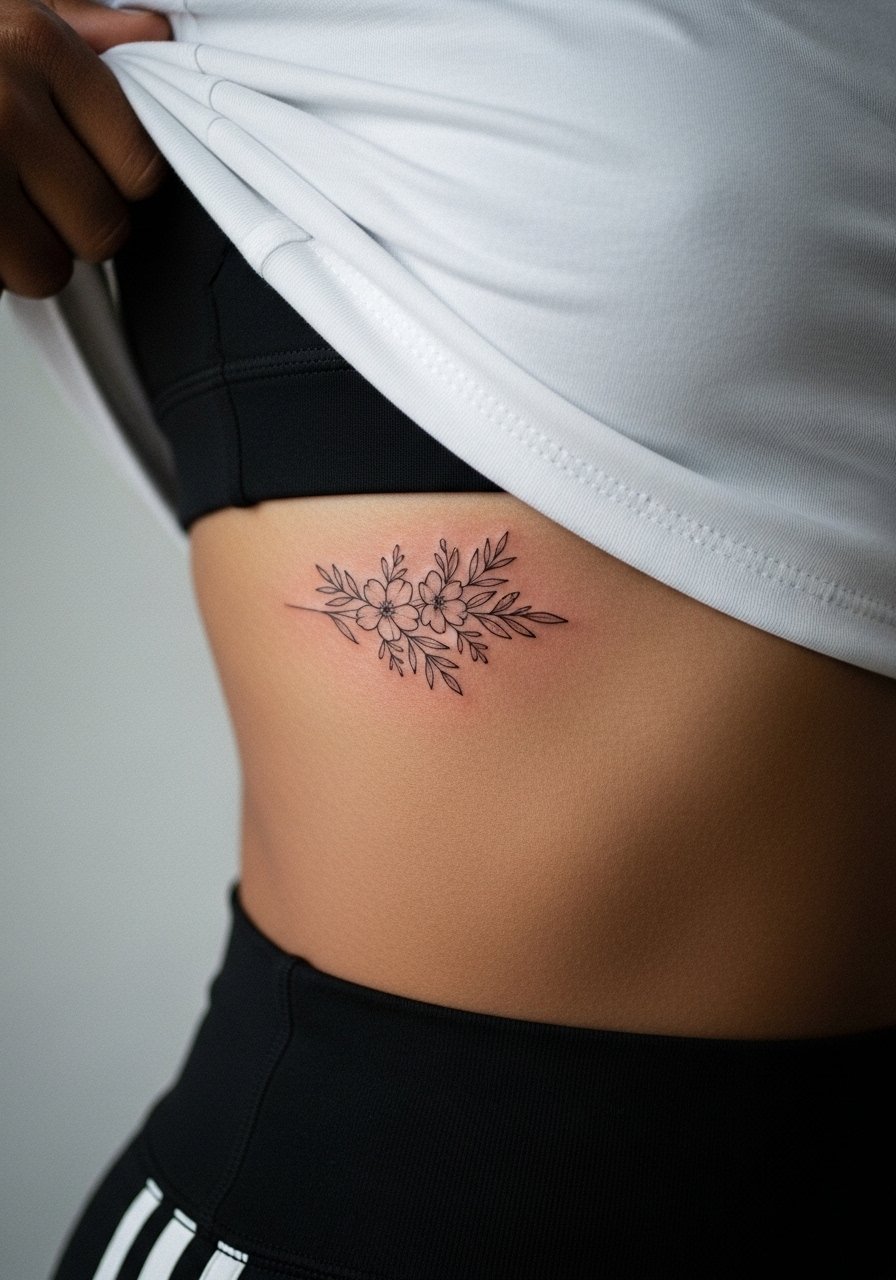
Rib sessions are known for high pain but the payoff is delicate placement. Micro clusters are great for hiding small dots or faint lines because petals and leaves can be layered over tiny problem areas. Tell the artist to use slightly bolder node points where old ink concentrates, and to space blooms so the piece breathes as it heals. Expect sharper sensation and longer healing. The major mistake is asking for ultra-fine detail in a high-motion area. If you want subtle work, plan for a future touch-up.
12. Bold Line Mandala on Outer Calf

Calf skin tolerates packed black better than thin lines, making a mandala with heavy saturation a reliable way to bury older colorwork. When booking, ask for dense shading in the center over the old tattoo and cleaner spacing in the outer rings. Calf sessions are moderate on pain and usually completed in two sittings if the piece is large. For casual wear pair with rolled cuff pants or an ankle boot to let the pattern peek, try rolled cuff pants for everyday styling. A poor choice is crowding the mandala too tightly which leads to merging lines after two years.
13. Universe Background for Scalable Back Pieces

Space fills use layered black and gray gradients dotted with white negative stars to cloak outdated color. They scale well so a small fade can be expanded into a larger cosmic scene if needed later. Tell the artist you want star clusters placed away from the main contrast zones of the old piece so the black gradients can sit atop the old lines. Back sessions are longer but flexible since you can shift positions. Competitors rarely show healed scaling options, so ask for healed portfolio shots. The trade-off is the design reads darker overall, which some prefer and others find too heavy.
14. Negative Space Tricks for Fingers
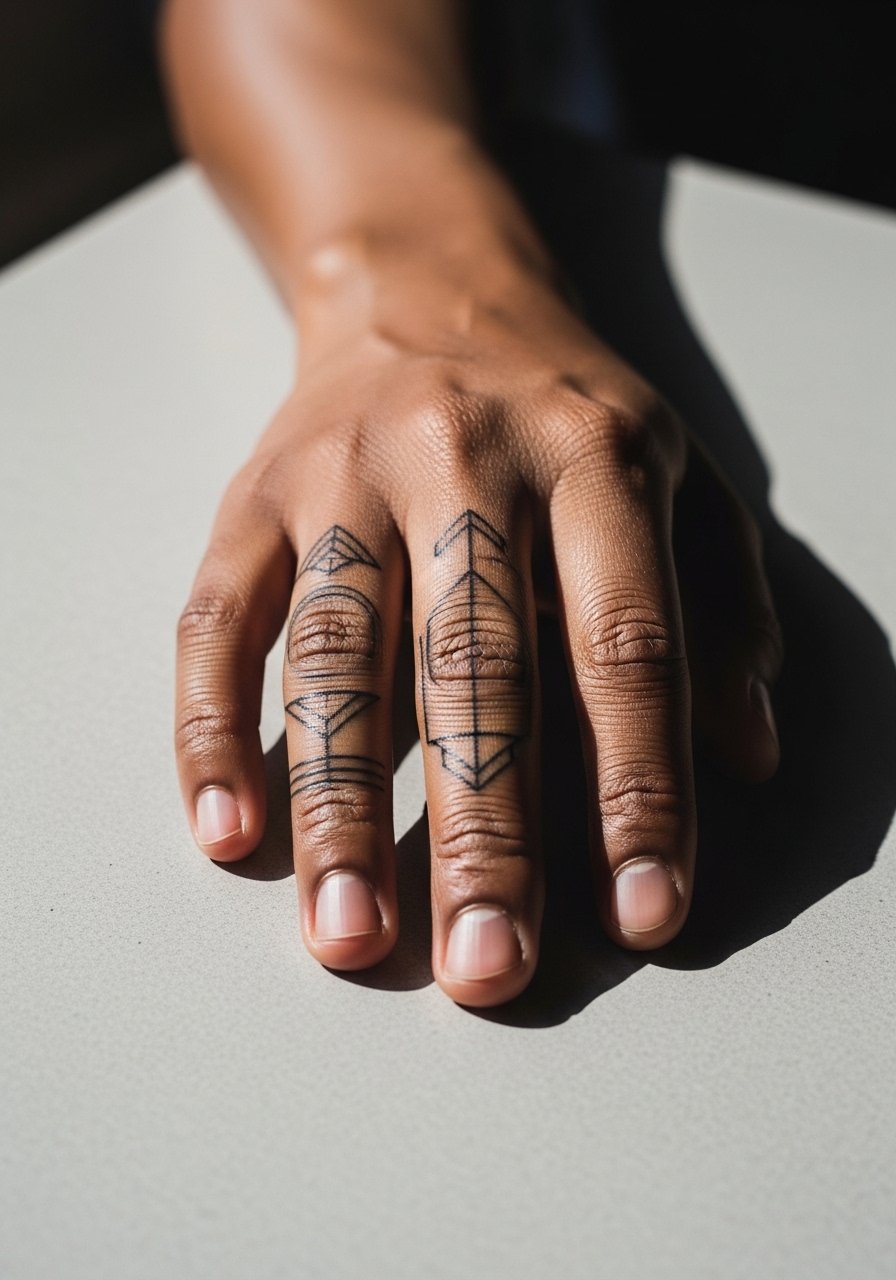
Negative space uses untouched skin to create shapes inside a dark frame and works well on tiny finger tattoos when you want to avoid a full blackout. Ask your artist to outline the negative shapes with crisp edges and to use packed micro shading around them for contrast. Fingers will need touch-ups faster than forearms, and the movement can blur tiny shapes if they are too small. A common mistake is insisting on micro negative shapes under 3 millimeters. If you want longevity, increase the scale just enough to preserve contour.
15. Bird Feather Flow Over Side Rib
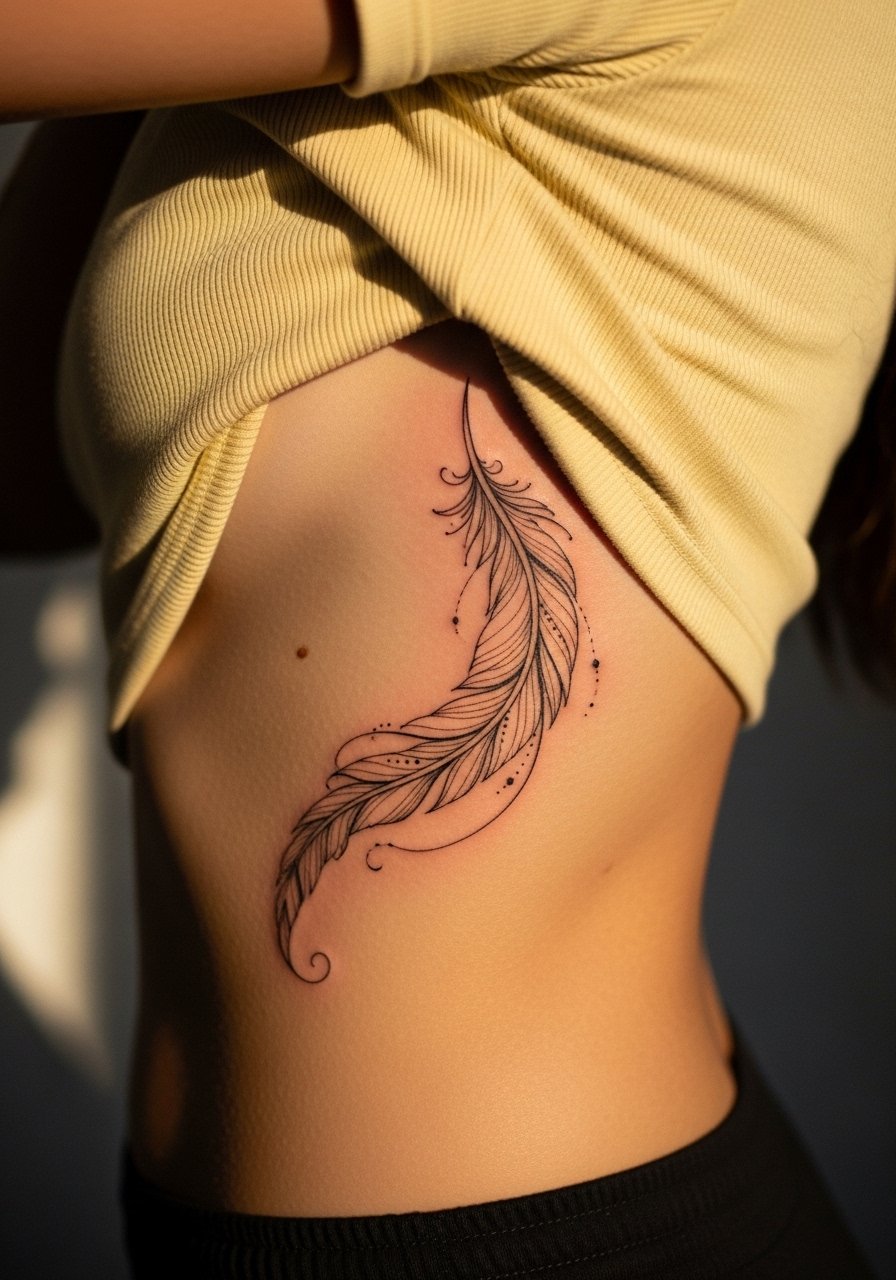
Feathers direct the eye away from older script or tribal marks because their tapered shape lets artists place denser barbs over the old lines. Ribs are high on the pain scale but healing can be clean when the artist spaces strokes and uses stipple shading for texture. During consults, show the old ink and request darker barbs over the heaviest parts so the feather reads cohesive. The frequent mistake is asking for overly delicate barbs that fade into smudges. This placement benefits from a slightly bolder approach in the center of the feather.
16. Minimal Mountain Range on Outer Forearm

Minimal mountains are a clean option when the old ink is linear or strip-like. A crisp silhouette with a combination of thin lines and a slightly thicker base can move attention away from dated markings. Forearm sessions are low to moderate on pain but demand precision. Tell your artist to increase base saturation over any dark remnants and to keep summit lines spare. The mistake is asking for uniformly hairline peaks. Adding one or two slightly heavier anchor lines helps the design age more predictably.
17. Tiny Crescent Behind the Ear
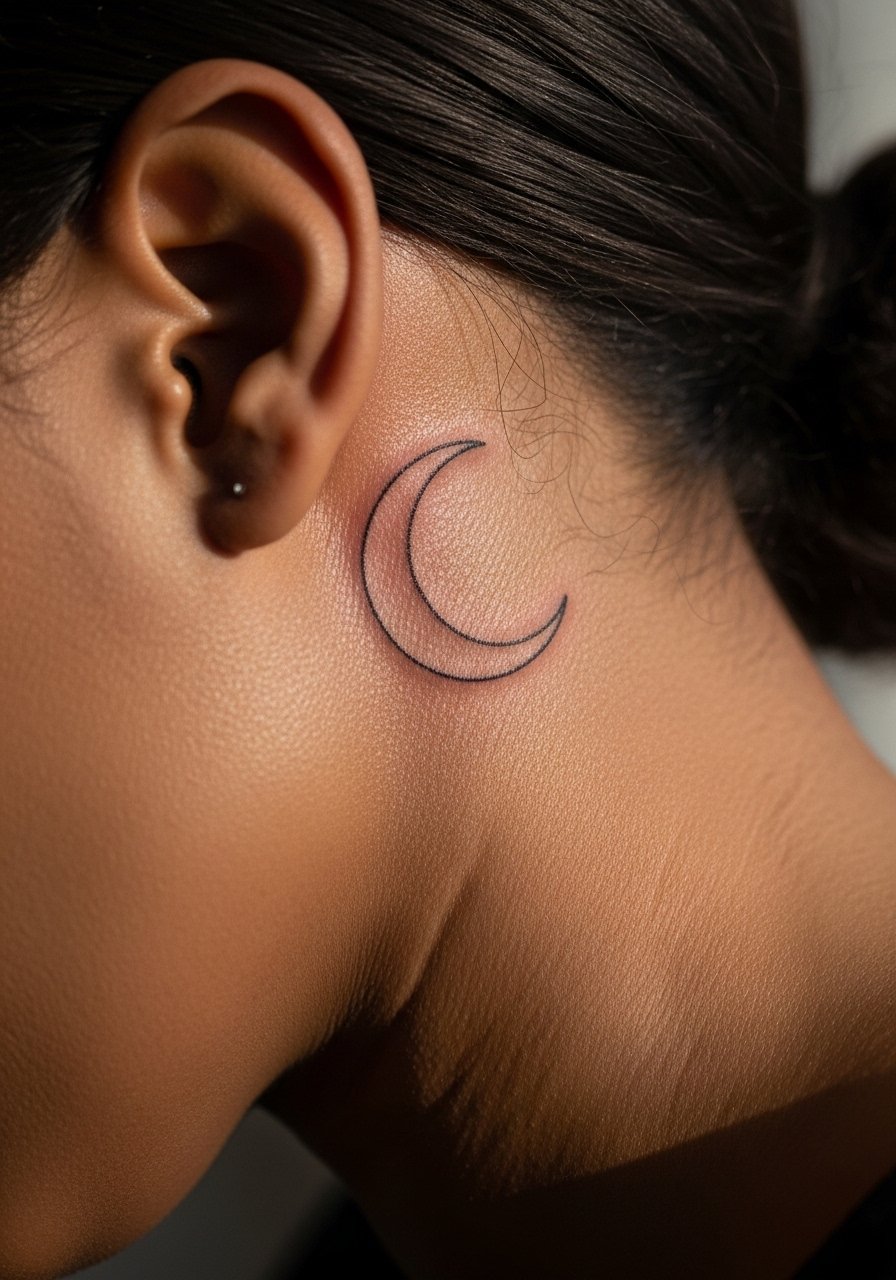
Behind-the-ear pieces are discreet and can cover small unwanted dots or letters with a simple crescent that follows the hairline. This is a sensitive placement for visibility and for session prep. Make sure your artist places the crescent on the skin just below the hairline and not on the ear itself. Wear your hair up for the session so the area is clear. Keep the design slightly bolder than ultra-fine if you want it to remain legible after a year. A common mistake is requesting tiny microcurves that blur when the scalp moves.
Frequently Asked Questions
Q: Can fine line minimalist designs reliably cover older tattoos on high-motion areas like fingers and ribs?
A: It depends on the placement and the previous tattoo. Fingers and ribs move a lot and thin lines can blur faster. One camp says fine line should be avoided on those spots. The other camp argues that careful depth and slightly larger spacing can make fine line work hold up. Ask the artist which side they favor and to show healed examples from those exact placements.
Q: Should I laser-fade my old color before getting a minimalist cover piece, or can artists work directly over it?
A: That depends on the darkness and saturation of the existing ink. Dark, heavily saturated colors sometimes need fading to allow lighter minimalist elements to read clean. For faint or patchy ink, a skilled artist can often work directly over it using packed shading and negative space. Plan for a consult to assess whether fading is worth the extra step.
Q: How long before a black band or packed black cover-up needs a touch-up on the wrist?
A: Expect the wrist to need touch-ups sooner than an upper arm or calf because of constant washing and sun exposure. Many people schedule a touch-up within one to three years, depending on how much sun exposure and friction the area receives. Use a protective barrier in the first week and avoid prolonged sun for the first few months.
Q: Are there wardrobe tips to help a new collarbone or shoulder piece heal without rubbing?
A: Yes, wear a wide-neck shirt or a strapless tank to keep fabric off the area during the first week. A loose button-down is a good option for getting in and out of clothing without dragging fabric across the ink. That reduces irritation and helps linework settle.
Q: Do darker skin tones limit my choices when planning a minimalist cover design?
A: Not necessarily. Darker skin tones respond well to high-contrast solutions like packed black centers, negative-space techniques, and carefully chosen placements. The key is to ask for healed examples on similar skin tones during consults so you can see how lineweight and saturation translate.
Q: How do I find portfolios that show true healed results rather than just fresh photos?
A: Search community hashtags and portfolio pages for "healed" or "healed photos" and look for shots taken in natural light. Use hashtag browsing on social platforms and local directories to find shops that post follow-up images. In consults ask to see healed work from the same placement you want.