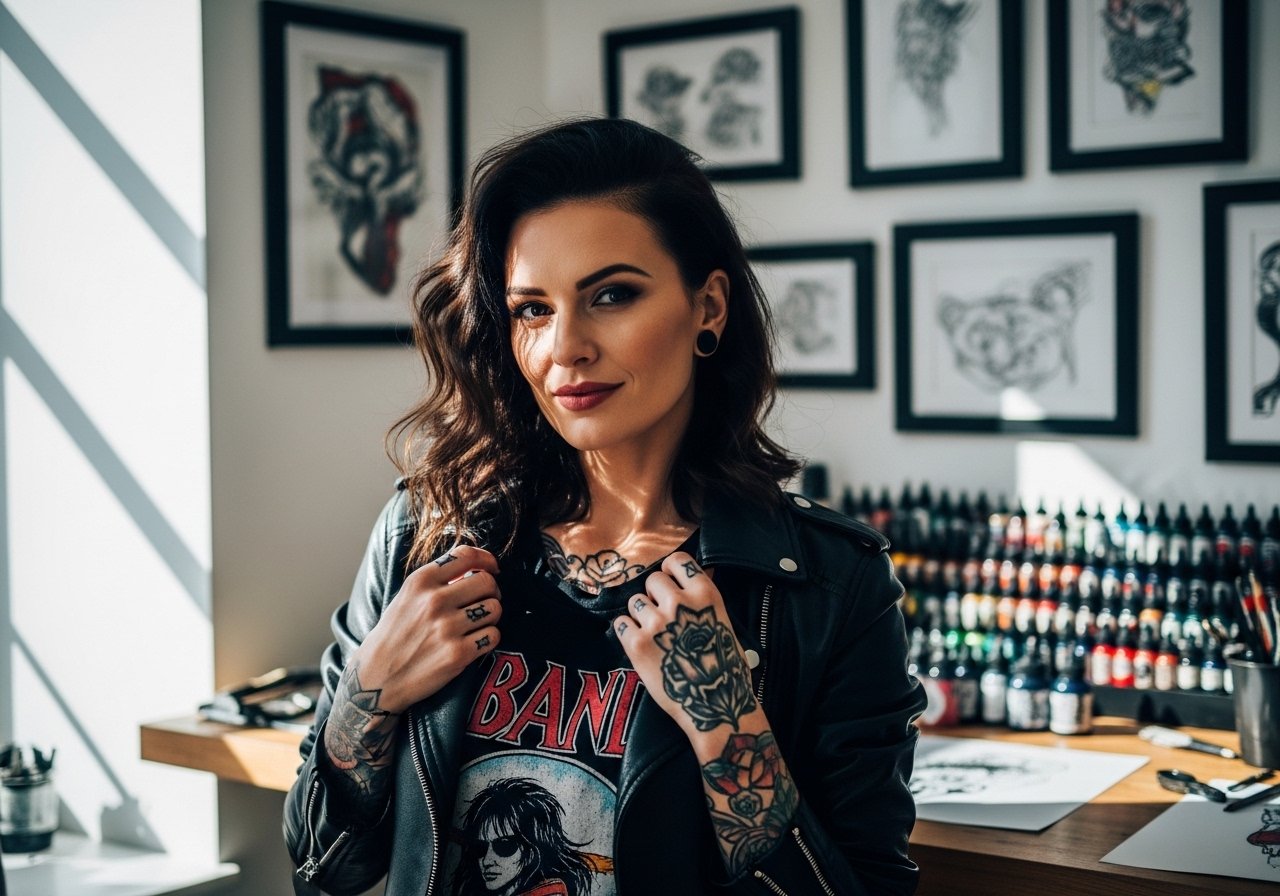
Fine line wrist pieces look effortless at first glance, but the difference between something that still reads clean at year three and something that needs a touch-up at year one is all in the spacing and placement. Pick the right micro design, plan for how you want to show it, and be clear with your artist about scale. Below are 17 micro wrist ideas that work on men, plus practical notes on aging, session feel, and how to wear each one.
1. Fine Line Arrow on Inner Wrist
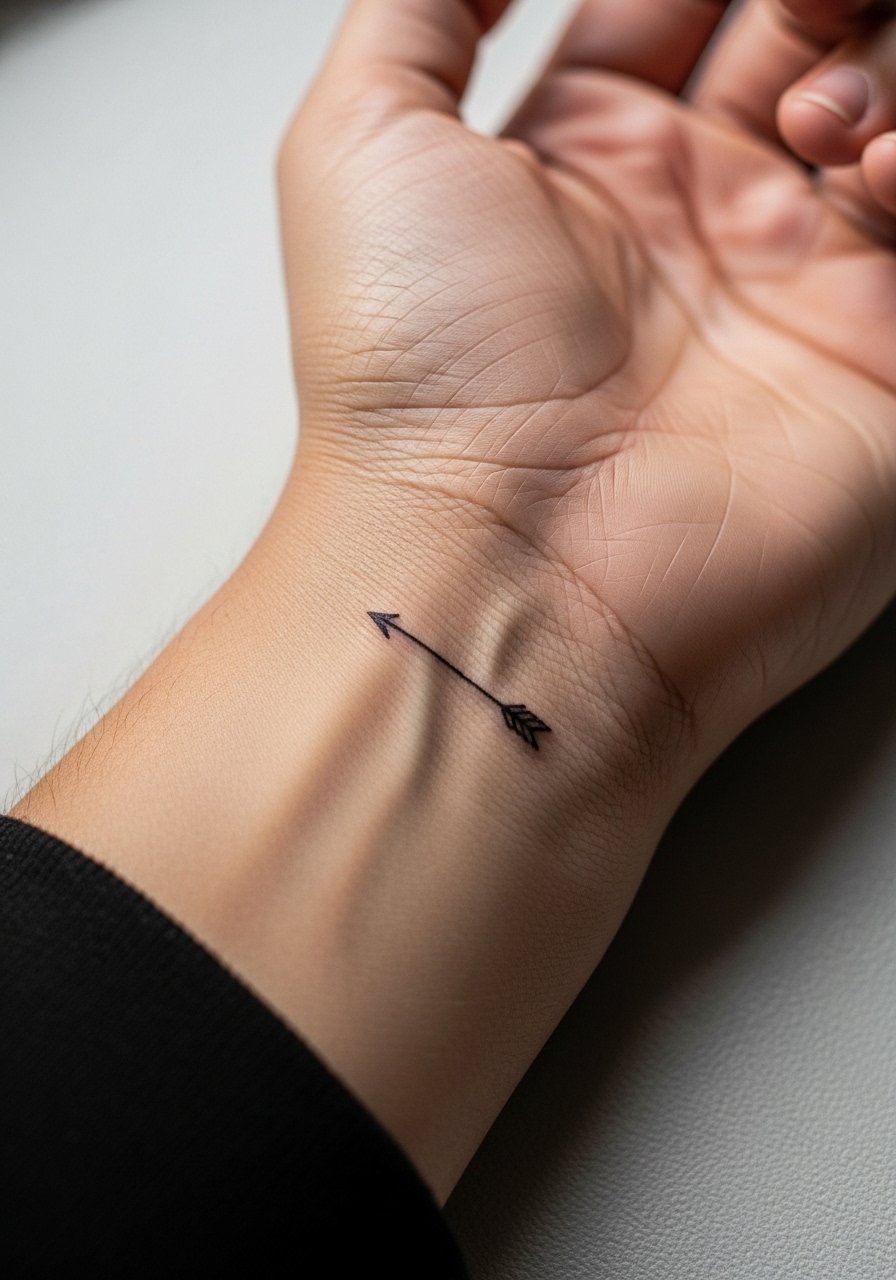
I recommend a narrow arrow for someone who wants symbolic work that reads like jewelry. Tell your artist you want single-needle linework with extra spacing between the shaft and fletching so the arrow keeps its shape as the lines soften. Fair warning, the inner wrist sees frequent bending and light abrasion from watches, which speeds blurring. Expect a short session under thirty minutes and a likely touch-up by year two or three for most skin types. For showing it off, pair the wrist with a minimalist leather strap watch that sits opposite the tattoo so the design stays visible without crowding the area.
2. Tiny Script Date Along the Wrist
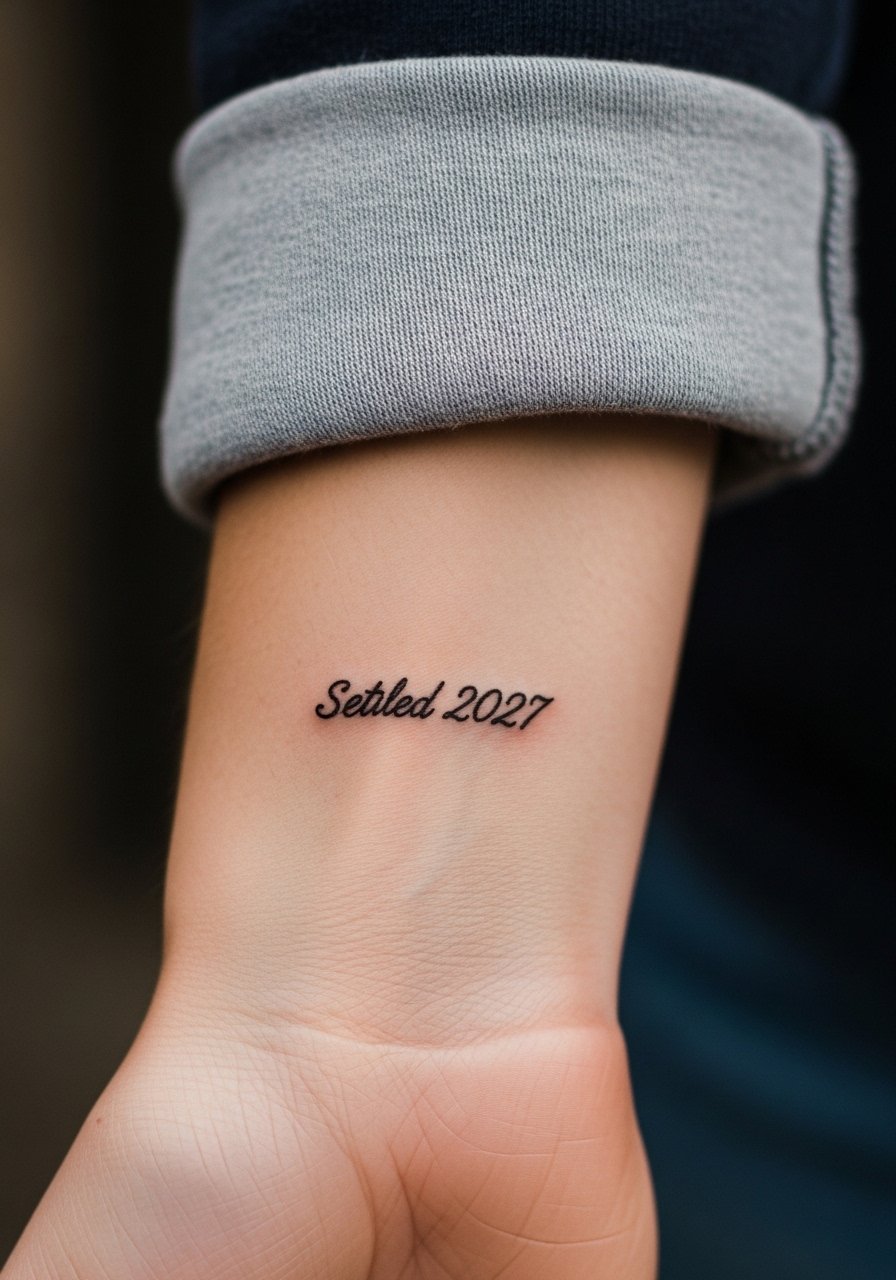
A short date in a thin, low-contrast script reads like a secret. Ask for open letter spacing and a slightly bolder main stroke so the numbers do not fuse over time. The common mistake is asking for ultra-tiny cursive with tiny loops; that type loses legibility fastest. Session time is brief, often under twenty minutes. For the appointment, wear a loose button-down shirt you can pull aside so the artist has clean access without stretching the skin. If you want discretion, place the script on the lateral wrist where a bracelet can hide it.
3. Micro Constellation Cluster
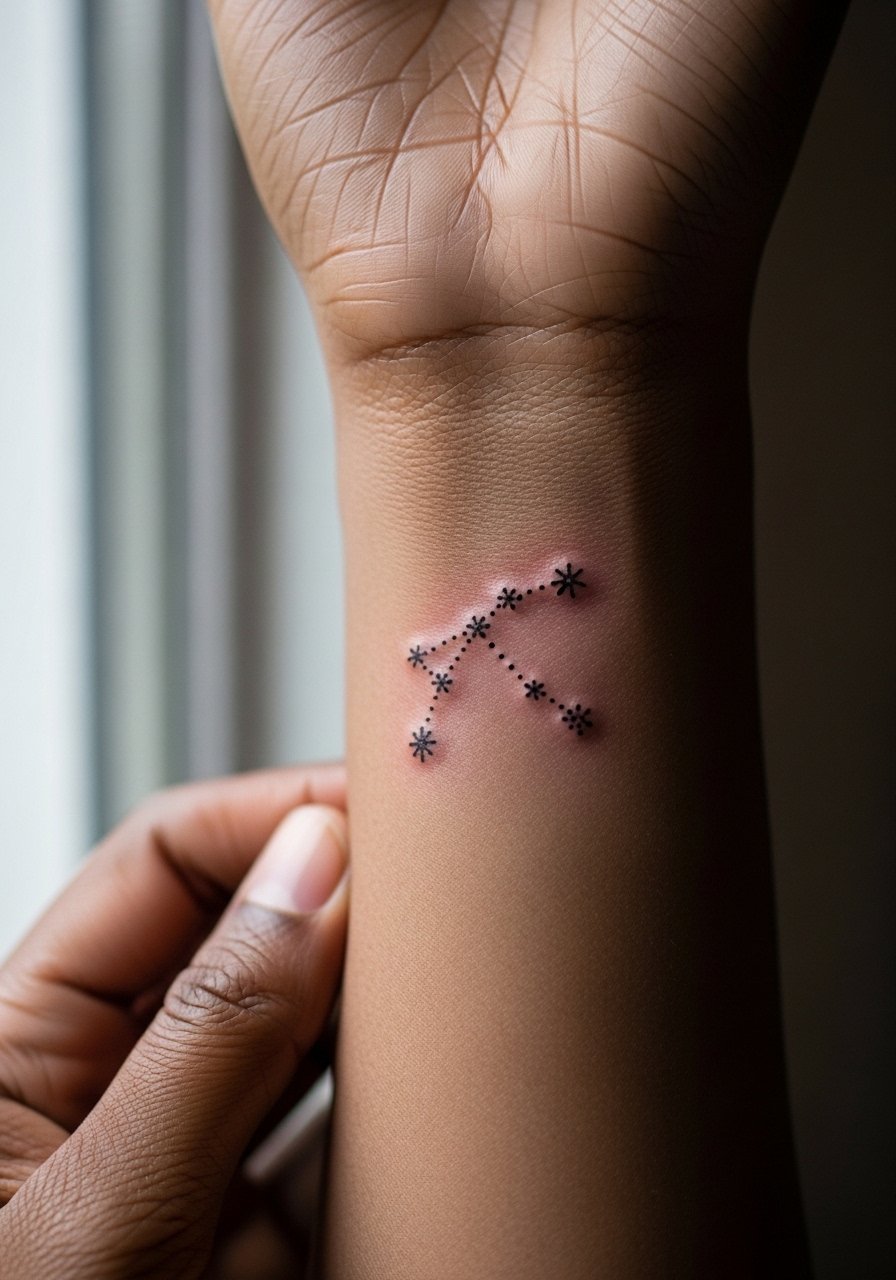
Constellations use dot work and tiny stars to form a compact motif that ages predictably if dots are spaced. Tell your artist you prefer stipple shading rather than dense fill so the cluster keeps its star pattern at six months and two years. The session feels like a steady tick of single-needle work more than heavy shading. Blowout risk is low on the wrist compared to fingers, but avoid packing dots too close. For show-off styling, a thin chain bracelet set a finger-width away frames the cluster without crowding it.
4. Minimalist Compass Point
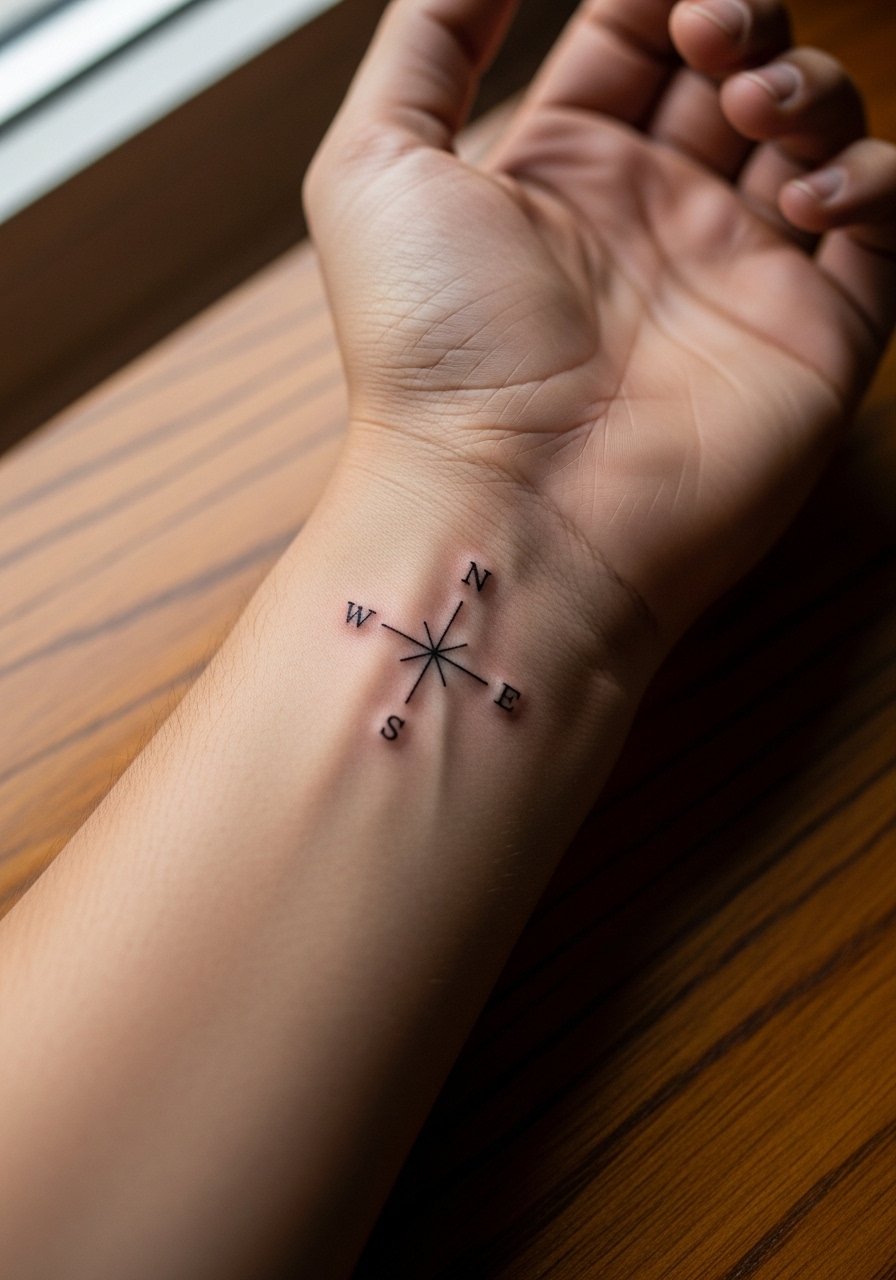
A single compass point gives directional meaning without being literal. Specify that you want the needle open and airy, not dense black fill. The mistake many people make is asking for a full compass rose in micro scale. That requires more space and often blurs into a blob. Expect a 20-35 minute session and some mild soreness due to the proximity to tendons. For casual wear, a thin leather cuff worn below the tattoo can lift the eye to the design and keep it visible against shirts.
5. Single-Needle Anchor on Lateral Wrist

Anchors age well when kept simple. Ask for reinforced endpoints rather than hairline tips so the anchor retains its silhouette as lines soften. The common version that ages poorly uses curl details and tiny shading that will smudge after a couple of years. Pain is mild for most people, and session time is under thirty minutes. For a subtle maritime vibe, pair the tattoo with a navy striped tee that keeps attention local to the wrist.
6. Micro Roman Numeral Band

Roman numerals read clean on the wrist when characters are spaced deliberately. Tell the artist you want thicker serif stems on the numerals so the thin cross strokes do not disappear into blur. The mistake is crowding too many numerals into a small band. Session time is typically thirty minutes. For the appointment, wear a short-sleeve henley so the artist can roll the sleeve without stretching the wrist.
Pre-Session Essentials
Those first six wrist concepts live in a high-motion zone. A few small items smooth the chair time and protect the linework during the first week.
- Stencil transfer paper kit. Lets you preview placement at home and confirm scale before the appointment, which is helpful for the numerals and script pieces above.
- Topical numbing cream. Applied as directed about 45 minutes before can take the edge off wrist sensitivity for single-needle and dot work sessions.
- Thin protective film roll. Keeps micro wrist pieces cleaner during the first few days of friction from washing and watches.
- Fragrance-free body wash. Gentle cleansing helps the fine line pieces above heal without irritation from scented products.
- Aquaphor healing ointment. A thin layer for the initial days can help protect delicate single-needle work without clogging.
7. Micro Heart Trio on the Inner Wrist
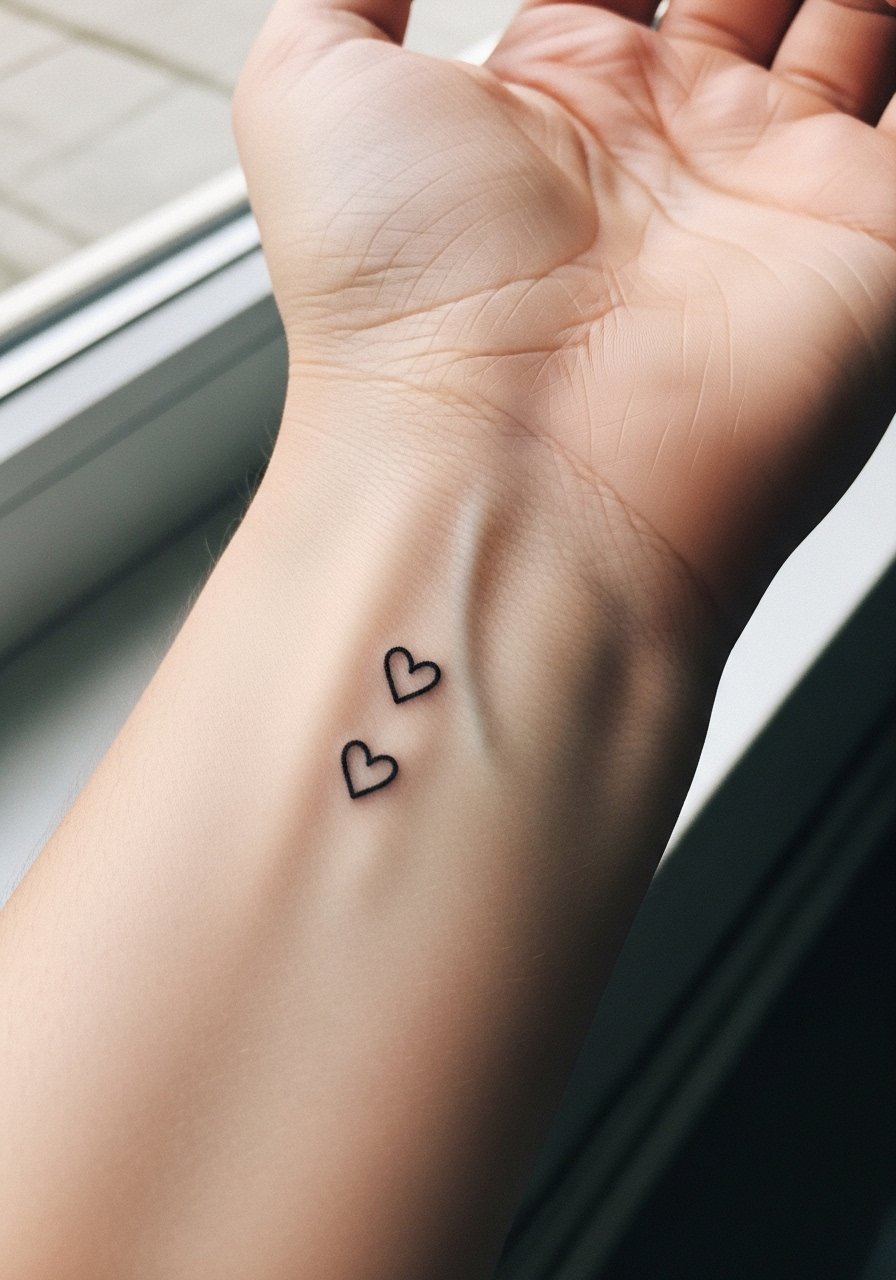
Triple hearts make a quiet statement and translate well into micro scale when each heart is given space. Tell your artist to keep the outlines consistent and avoid internal shading. A common mistake is squeezing three hearts too close, which turns the trio into an indistinct shape after a year. Sessions are quick and the wrist area is forgiving for small outlines. Wear a thin chain bracelet on the opposite wrist to avoid rubbing the new ink.
8. Tiny Geometric Triangle Stack
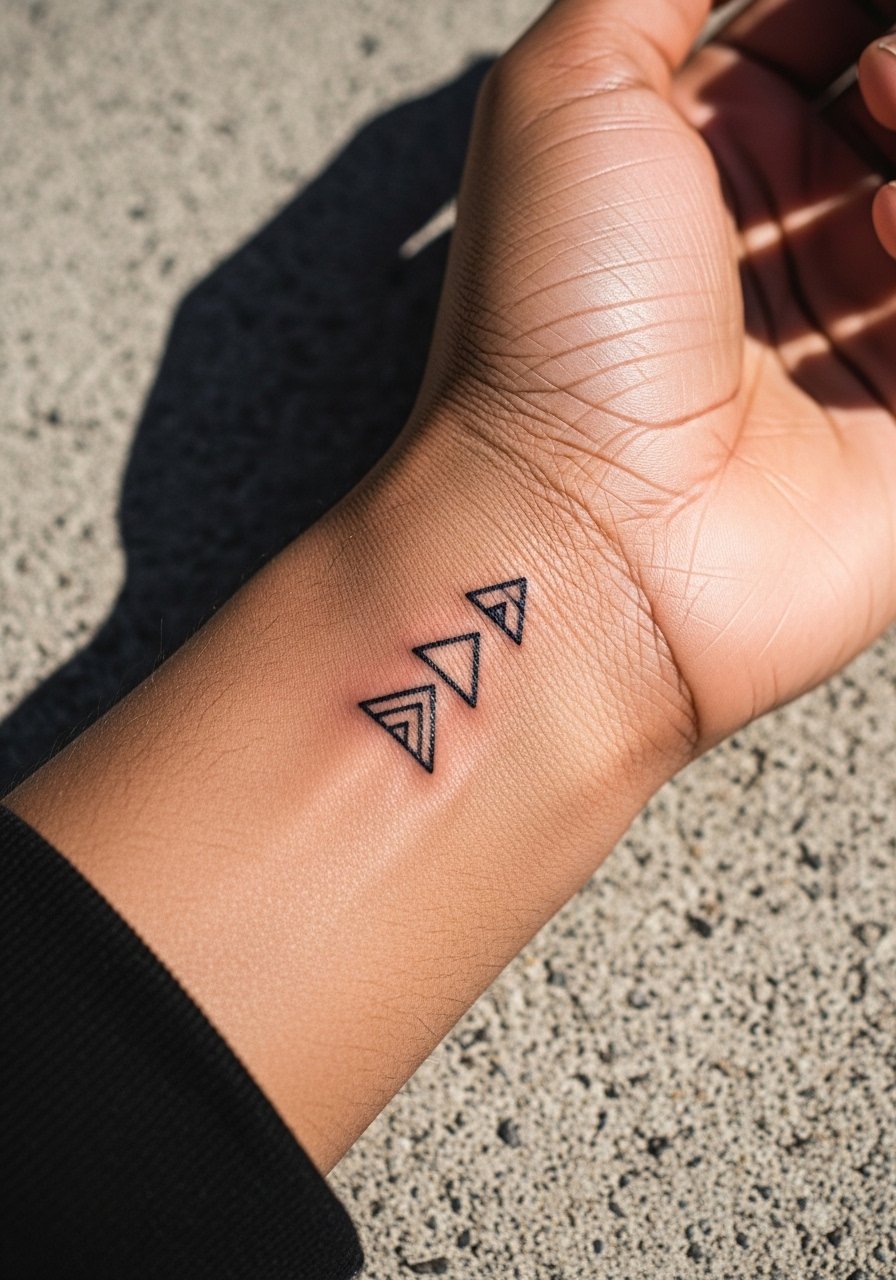
Geometric shapes rely on precise linework and spacing. Ask for clean negative space between the triangles, and resist the urge to shrink the stack smaller than a coin. Artists split on tiny geometry near joints. One camp says tight geometry on the wrist stays crisp if the artist uses correct depth. The other camp warns that repeated wrist flexing makes tight angles merge. Ask your artist where they stand and look for healed photos of similar placements in their portfolio. For display, a simple silicone watch band worn opposite the stack keeps attention on the shapes.
9. Micro Wave Line Near Tendon
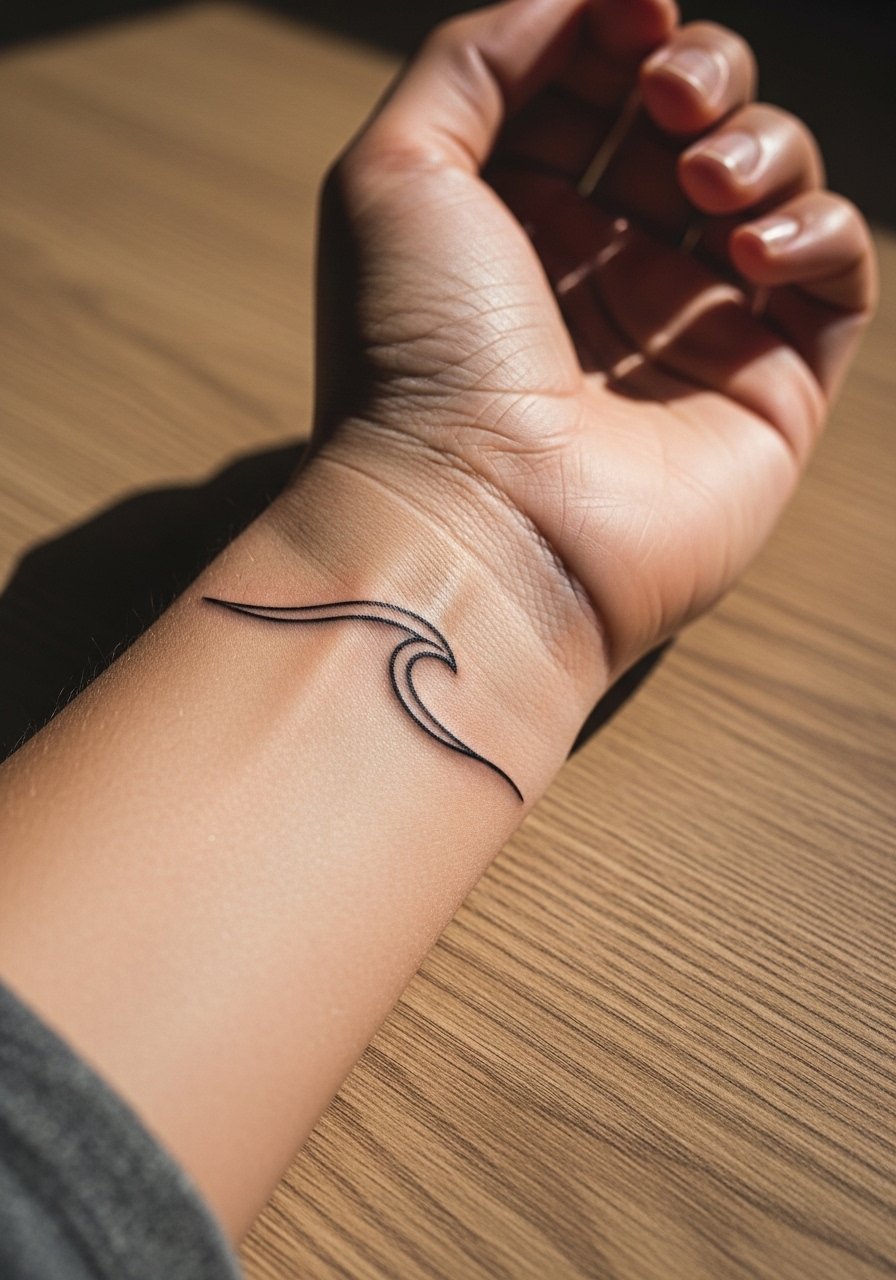
A flowing wave line reads like movement and sits nicely above the wrist tendons. Request a slightly thicker main stroke along the wave's crest so the rhythm survives when tiny edges soften. The trade-off is that tattoos over tendons feel sharper during the session. Expect more sensation during needle passes but a short session overall. Pair with a rolled-up linen shirt for photos and a relaxed daytime look.
10. Micro Paw Print on the Side of the Wrist

Pet memorials in micro scale keep the sentiment without large commitment. Specify bold pads and space between toes so the print does not blur into a blob. Many people make the mistake of asking for too many fine details in a paw that should be simplified. Sessions are short. For showing it off, a beaded bracelet worn a little above the tattoo draws the eye without covering the mark.
11. Tiny Lightning Bolt Above the Vein

A bolt reads bold even at micro scale if the main stroke is slightly reinforced. The common aging issue is asking for a hairline bolt with no thicker anchor points. That style tends to break up. Expect a quick jab of needle sensation by the vein but a short appointment. For session comfort, wear a short-sleeve tee that keeps the forearm free and relaxed.
12. Micro Key Silhouette on Inner Wrist
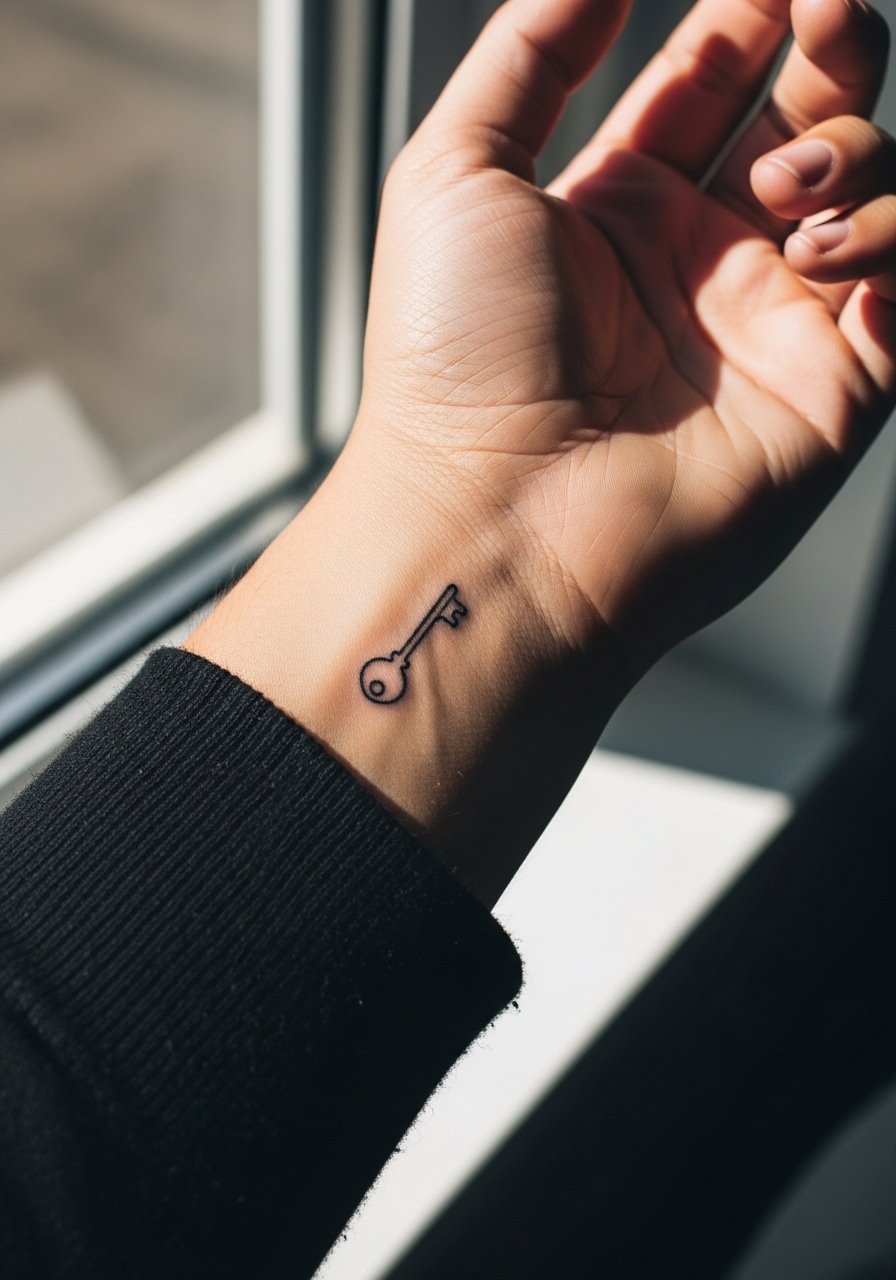
Keys look like tiny keepsakes when simplified to a silhouette. Ask for a solid head and a single-notched bit rather than ornate filigree that will blur. A common mistake is requesting engraved details that vanish. The session is brief and the inner wrist placement makes it easy to examine healing. For evening wear, a thin metal cuff complements the silhouette without overshadowing it.
13. Micro Mountain Range Along the Wrist Crease
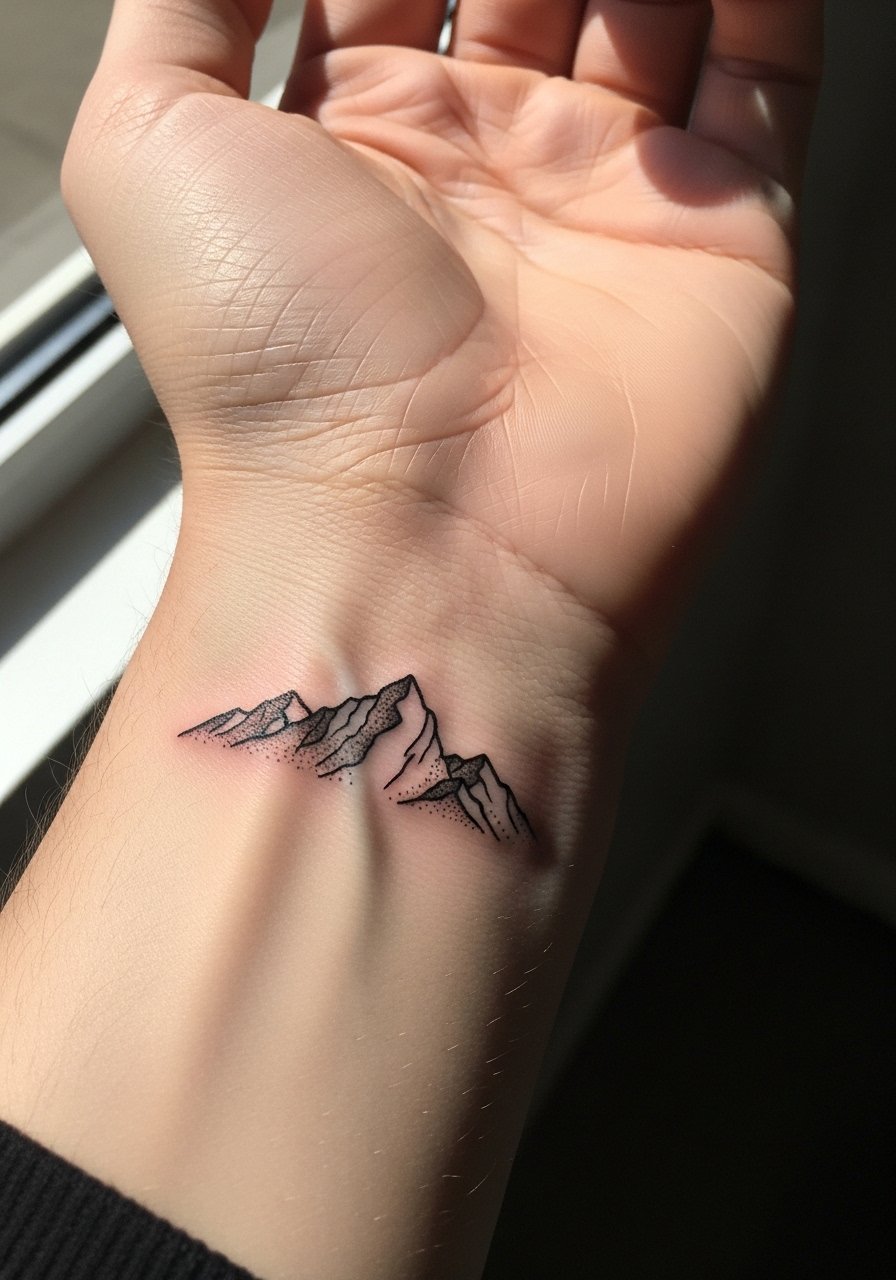
A low-profile mountain line works when peaks are spaced and shading is airy. Ask your artist to use stipple shading sparingly so the peaks do not merge. The wrist crease moves frequently, so expect the design to settle a little differently after a few months. Session time is moderate for micro work as the artist may add tiny dots for depth. For outdoor wear, a rolled-sleeve flannel frames the wrist and plays into the motif.
14. Single Micro Dot with Negative Space Ring
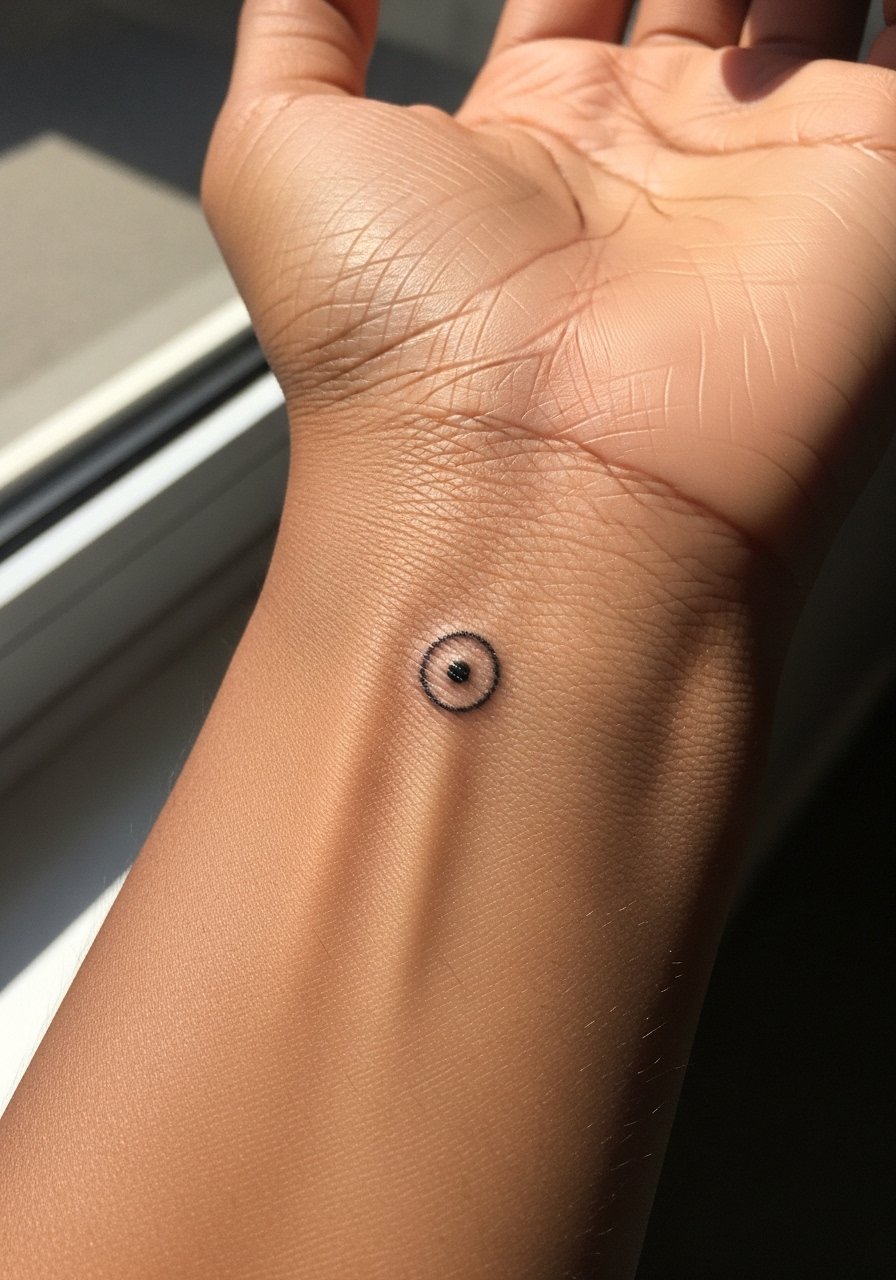
One dot can carry weight if composed with intention. Ask for a central dot slightly bolder than the ring so the negative space remains obvious as the outer area softens. The mistake is trying to surround the dot with heavy texture or tiny text. That approach ages poorly. The session is very short and the pain minimal. For understated styling, a thin leather braided bracelet works well with a central dot.
15. Micro Anchor Script Link

Combining a micro icon with a short script gives context without overwhelming space. Be explicit in your consultation about scale so the script letters are open and the anchor remains solid. A common error is having too many letters in the word, which makes both elements compete. Expect about thirty minutes for careful lettering. For casual layering, a simple cord bracelet sits between the anchor and the word to separate them visually.
16. Tiny Geometric Sunburst

Sunbursts need breathing room in the rays. Ask the artist to prioritize negative space over extra rays. The controversy around fine radial work applies here. One camp says precise rays in micro scale hold up with proper needle depth and spacing. The opposing camp warns that radial detail on the wrist often softens into a smear. Look through portfolios for healed photos of similar work before booking. For show-off looks, a casual short-sleeve shirt keeps the wrist exposed without looking staged.
17. Micro Barcode or Coordinate Strip

Barcodes and coordinate strips read modern when kept linear and evenly spaced. Specify open spacing and crisp vertical strokes so the barcode does not collapse. The mistake is compressing too many verticals into too narrow a width, which leads to the strip becoming a single shaded block. Appointment time is short but precision matters. For a clean visual, a minimalist metal watch on the opposite wrist balances the look.
Frequently Asked Questions
Q: Will fine line wrist tattoos need touch-ups sooner than bolder wrist pieces?
A: From what I've seen, fine line work on the wrist often needs touch-ups sooner than bold blackwork because the thin strokes are more prone to softening from movement and light exposure. Expect reviews at year two or three for many micro pieces. If longevity is a priority, ask your artist for slightly heavier anchor points and clear spacing.
Q: Are there design types I should avoid on the wrist if I want them to last?
A: Dense micro detail, tiny script with tight loops, and very intricate geometric fills tend to blur faster on the wrist. Simpler silhouettes, spaced dots, and single-needle icons with reinforced main strokes usually age better.
Q: How should I find an artist who specializes in micro wrist work?
A: Use discovery pathways like local studio directories, hashtag searches such as #microtattoo, #fineline, and #wristtattoo, and booking platforms that show healed photos. Look for healed images of micro work on wrists specifically and ask to see similar pieces during the consultation.
Q: What should I wear to my wrist tattoo appointment?
A: Wear clothing that gives the artist easy, relaxed access to your forearm and wrist like a loose button-down shirt or short-sleeve tee. Comfortable, non-restrictive clothes reduce the need to reposition during the session.
Q: Do wrist tattoos affect professional situations or screenings?
A: Wrist tattoos are visible and may be noticed in some conservative workplaces. If you might need to conceal the ink, consider lateral placements that sit under a watch or designs that are easily covered by a bracelet when necessary.
Q: How does skin tone affect micro wrist designs?
A: Contrast matters. On darker skin tones, artists may recommend slightly bolder strokes or simplified silhouettes so the design reads clearly. Ask to see healed photos on similar skin tones in the artist's portfolio before booking.
Q: Is there a healing approach that artists recommend for wrist micro work?
A: Approaches vary. One group of artists favors protective film or light ointment for the first few days. Another group recommends minimal coverage and letting the area breathe after the initial cleaning period. Ask your artist which method they use and follow their directions for the best healed result.