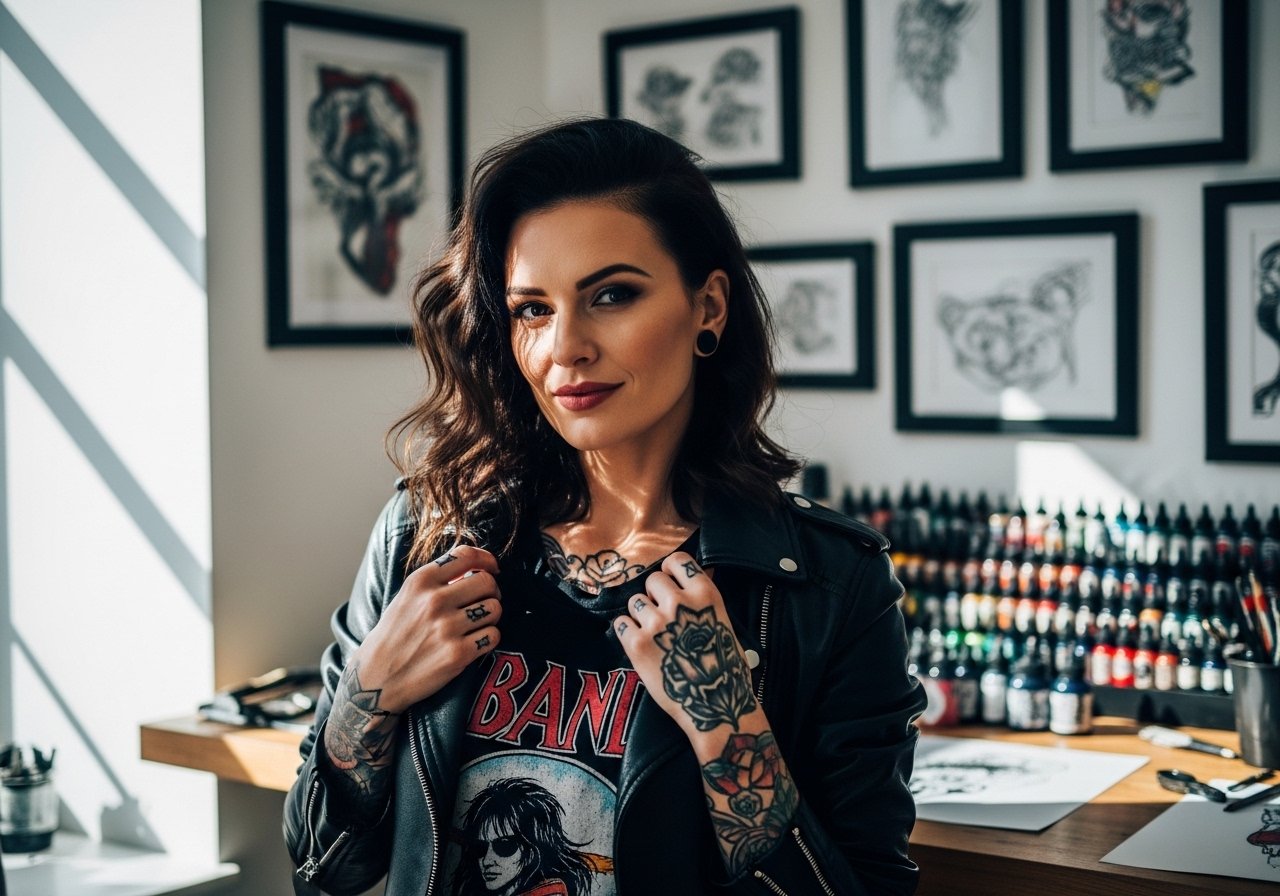
Neo traditional May birth flower tattoos are all about saturated color, bold linework, and a modern twist on classic botanical forms. If you are weighing placement, longevity, and how the colors will read over time, pay attention to spacing and saturation more than the flash photo. The list below runs from small wrist pieces to chest and thigh statements, with practical notes on aging, touch-ups, and what to tell an artist in the consultation.
1. Single Lily of the Valley on Inner Forearm
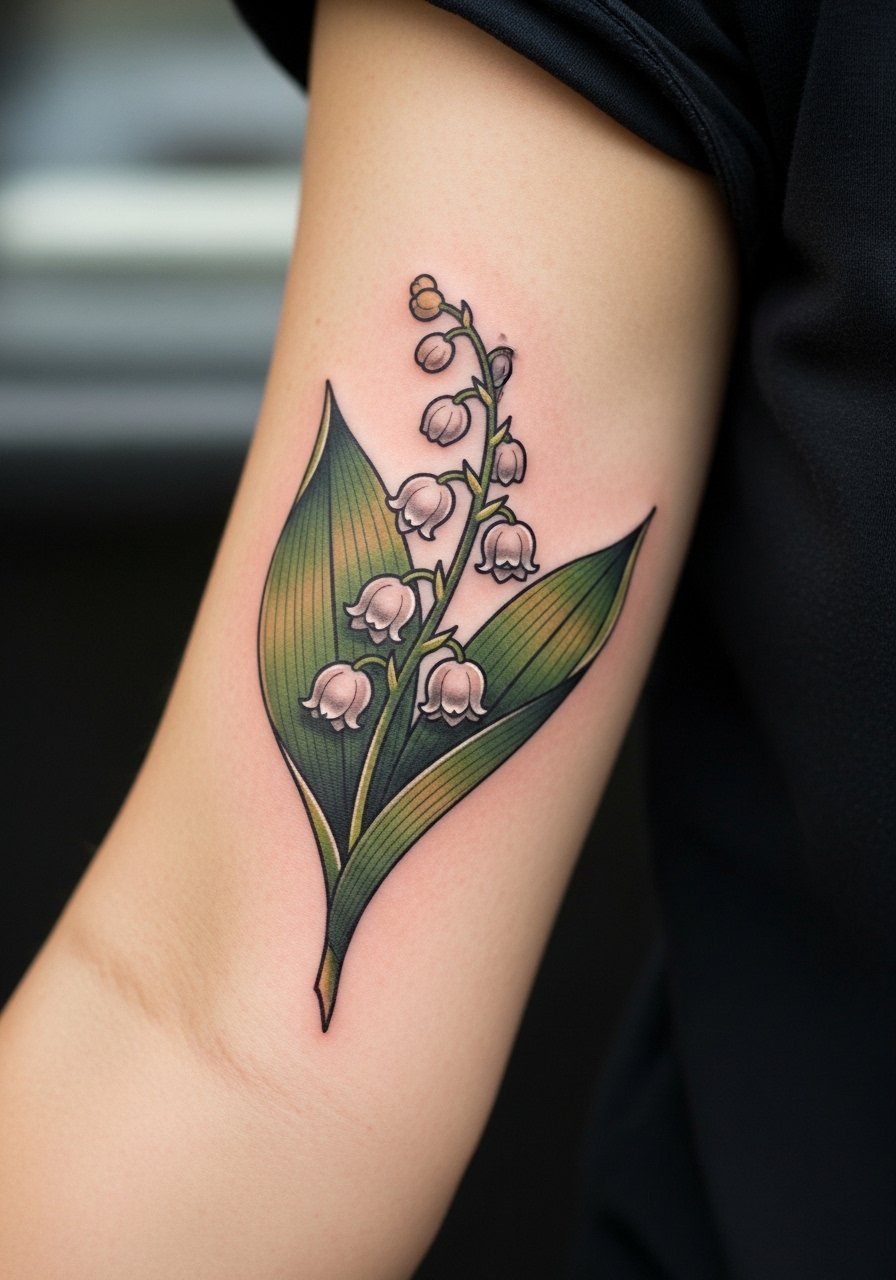
I've seen this piece age well when artists use slightly thicker outlines around the bud and keep tiny internal details open. It is an ideal first neo traditional piece for someone who wants visible floral work without a full sleeve. Tell your artist you want the bell shapes readable at arm's length and ask for minimal tight dot shading inside the bells. Common mistakes are packing tiny stipple detail into the petals, which can merge by year three. Expect a 2-3 hour session on average, moderate pain that is friendly for most, and a touch-up at year two for saturation boost if you spend a lot of time in sun. For showing it off, roll sleeves or wear a short-sleeve linen shirt to frame the tattoo.
2. Compact Bouquet on the Wrist with Banner
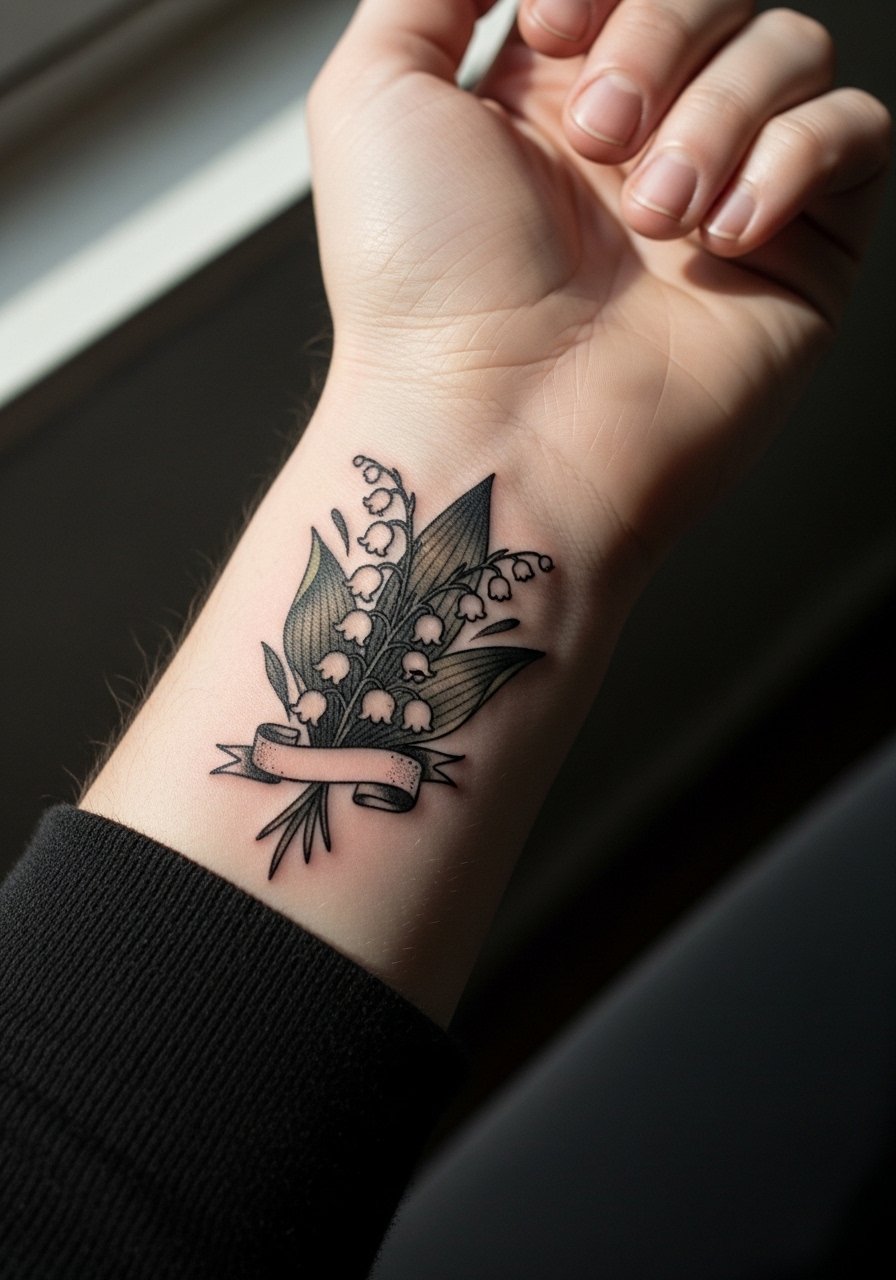
Fair warning: wrists are friction zones and the thinner the banner script, the sooner it needs a touch-up. I recommend asking for slightly bolder banner edges and open counters in any lettering to avoid filling in. This piece reads well at 2-3 inches across, and the session is typically under an hour. The mistake I see most is asking for micro script inside the banner. If you want to wear bracelets, pick pieces that sit below the tattoo edge. Try pairing with a thin chain bracelet that rests below the bouquet so the metal does not rub the fresh ink.
3. Bold Shoulder Cap Bloom with Geometric Frame
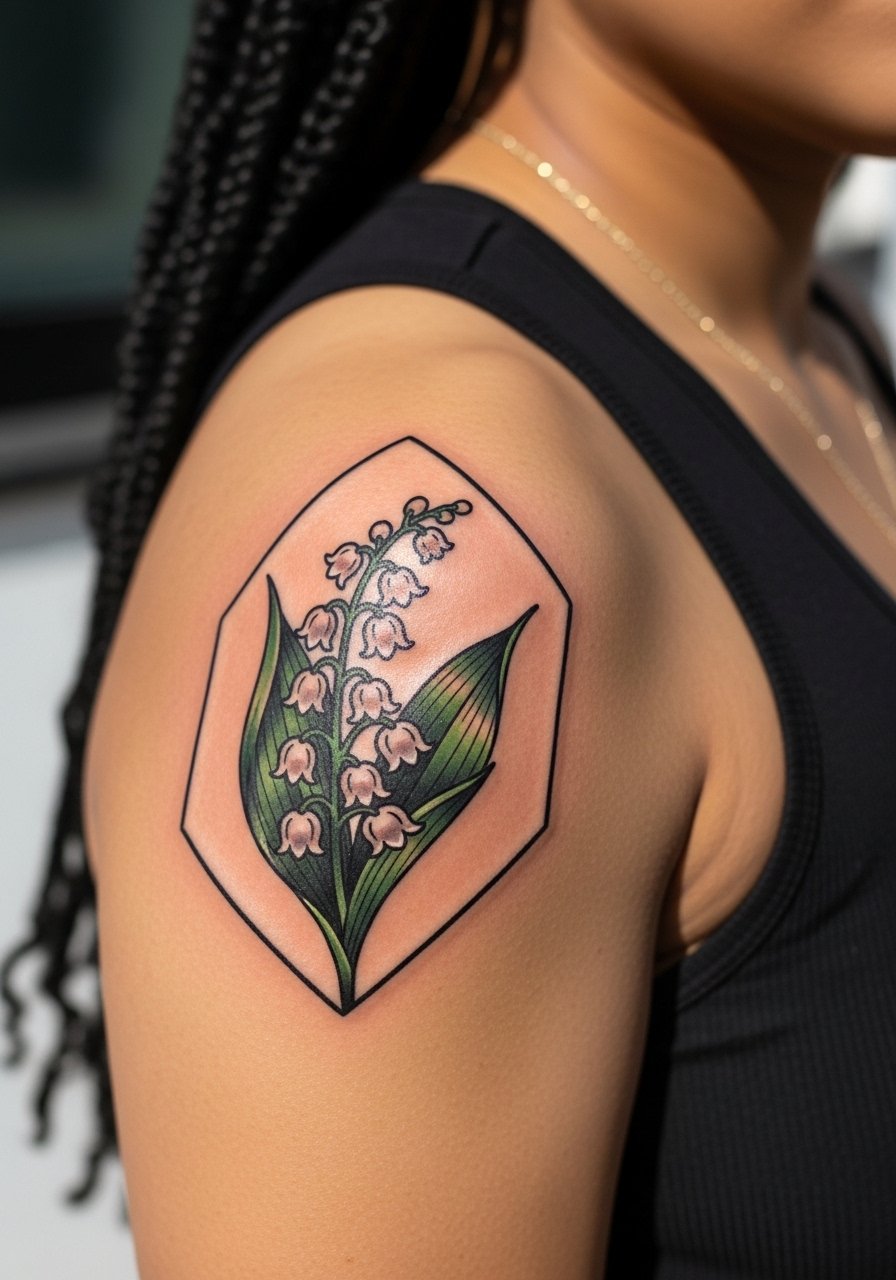
There is something about saturated color and solid linework on the shoulder that reads from across a room. The shoulder handle more saturation than the inner wrist and heals into a dense patch of color. For this style, tell your artist you want strong outer borders and clean negative space inside the geometric frame to avoid muddiness. Sessions will feel like medium discomfort with easy positioning. Blowout risk is low here compared to the hand. For evenings or warm months, wear a loose tank top that gives access for the session and frames the finished cap when you want to show it.
4. Mini Medallion on the Nape of the Neck
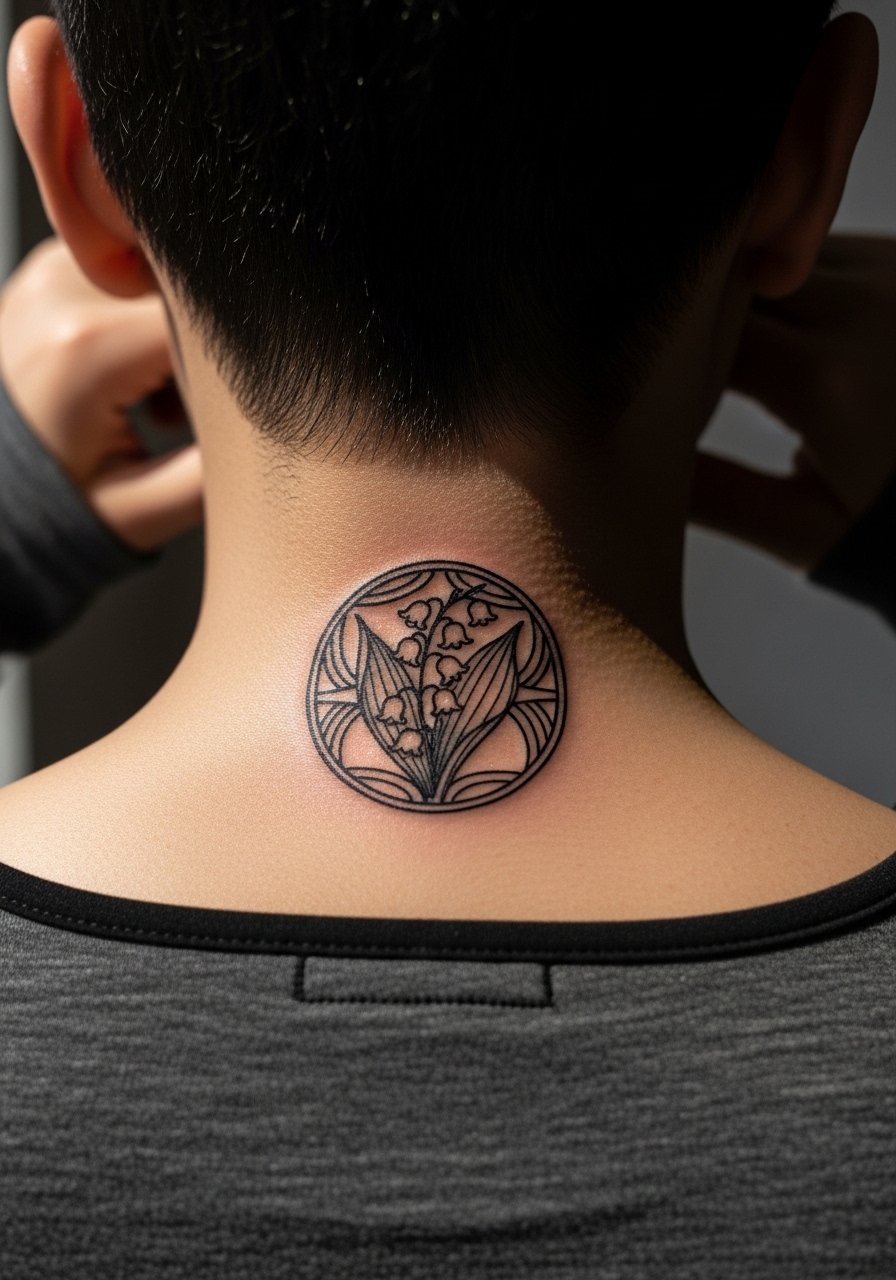
This placement reads intimate but visible with certain haircuts. Expect the session to be quick and the pain to be tolerable unless you are pressure-sensitive around the spine base. The biggest mistake is compressing too much detail into the medallion. Ask for clear negative space and simplified leaves so the design keeps its shape as it ages. The medallion sits well with short collared shirts or a delicate chain choker that draws the eye without covering the tattoo.
5. Heraldic Bouquet on Upper Arm with Subtle Dot Shading
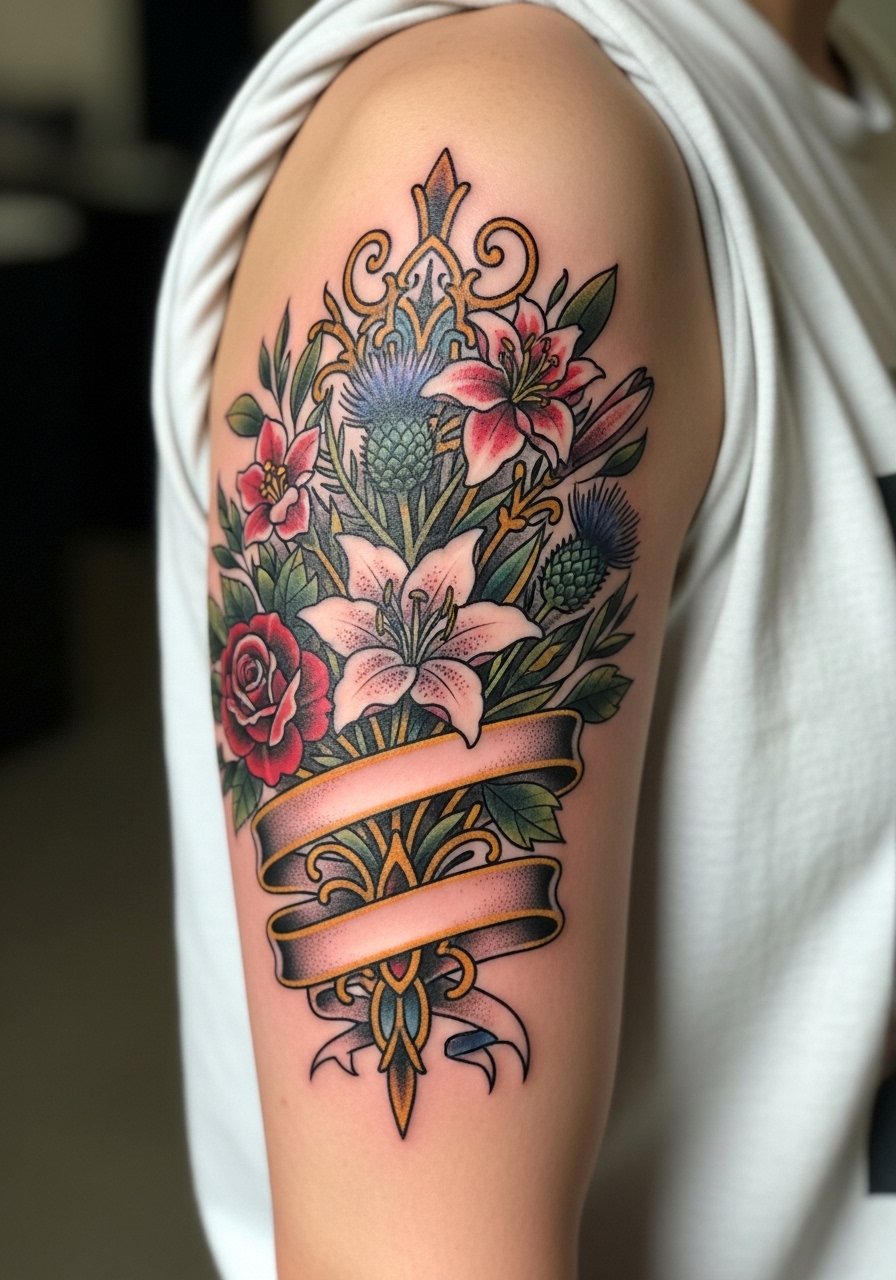
I've seen this composition work when artists balance bold outlines with stipple shading in the negative space. It suits people who want a classic reference to old-school botanical tattoos but prefer modern color choices. Mention during the consult that you want stipple rather than dense tonal shading inside petals. Overworking color pits the skin and can lead to slower healing, so expect two shorter sessions or one medium-length session. For the session, wear a [button-down] (https://www.amazon.com/s?k=loose+button+down+shirt+women&tag=inkobsessed-20) you can pull aside so the artist has room to work.
6. Tiny Stem on the Side of the Finger
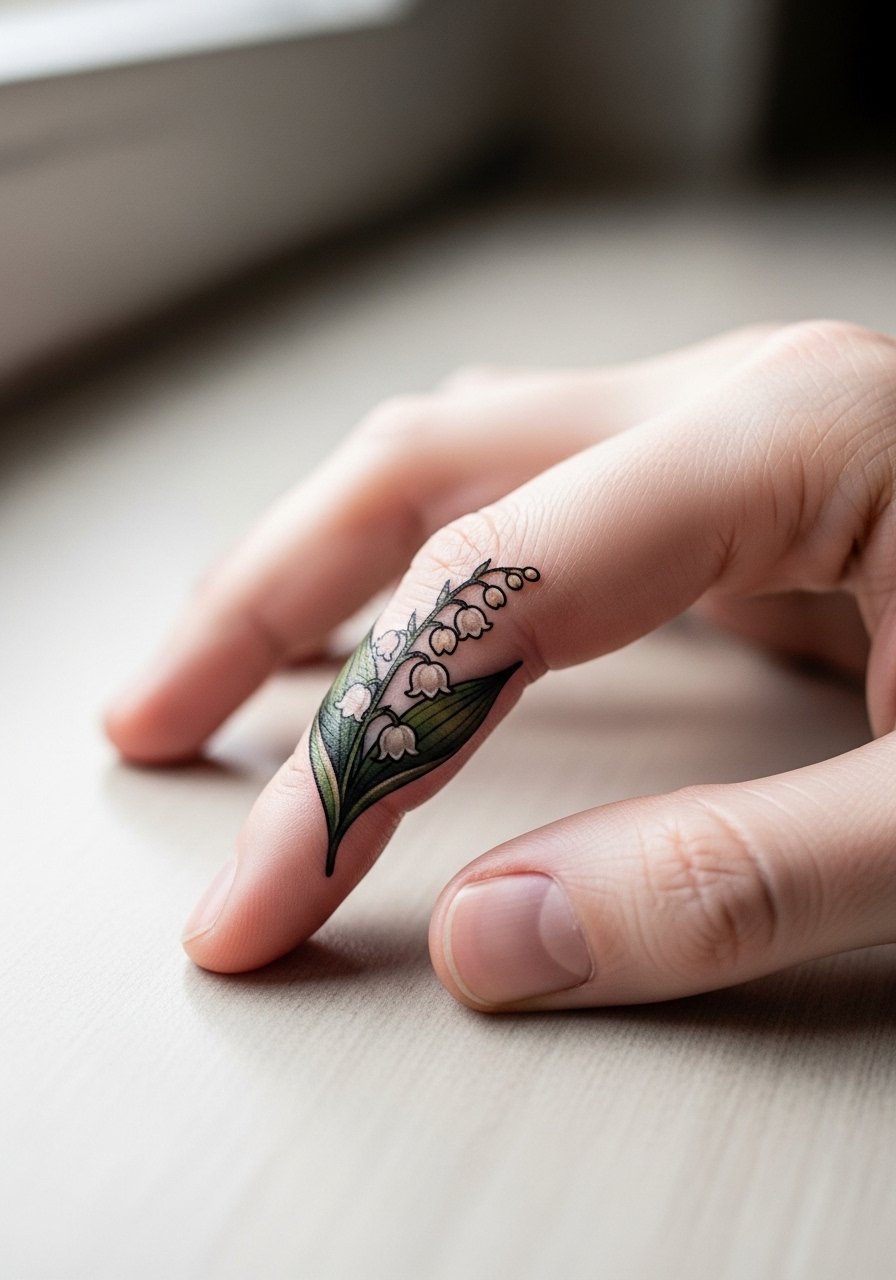
Fair warning: fingers wear fast and are high touch, so this style needs more touch-ups than an arm piece. The controversy here is clear. One camp says small finger botanicals are a fun short-term choice because they can be refreshed easily. The other camp warns that they rarely keep crisp micro detail beyond a year. I tell people to accept a maintenance plan up front. The session is quick but painful in short bursts. For display, stack with a minimalist ring that sits away from the stem so metal does not rub the fresh ink.
7. Ribcage Cascade with Negative Space Leaves
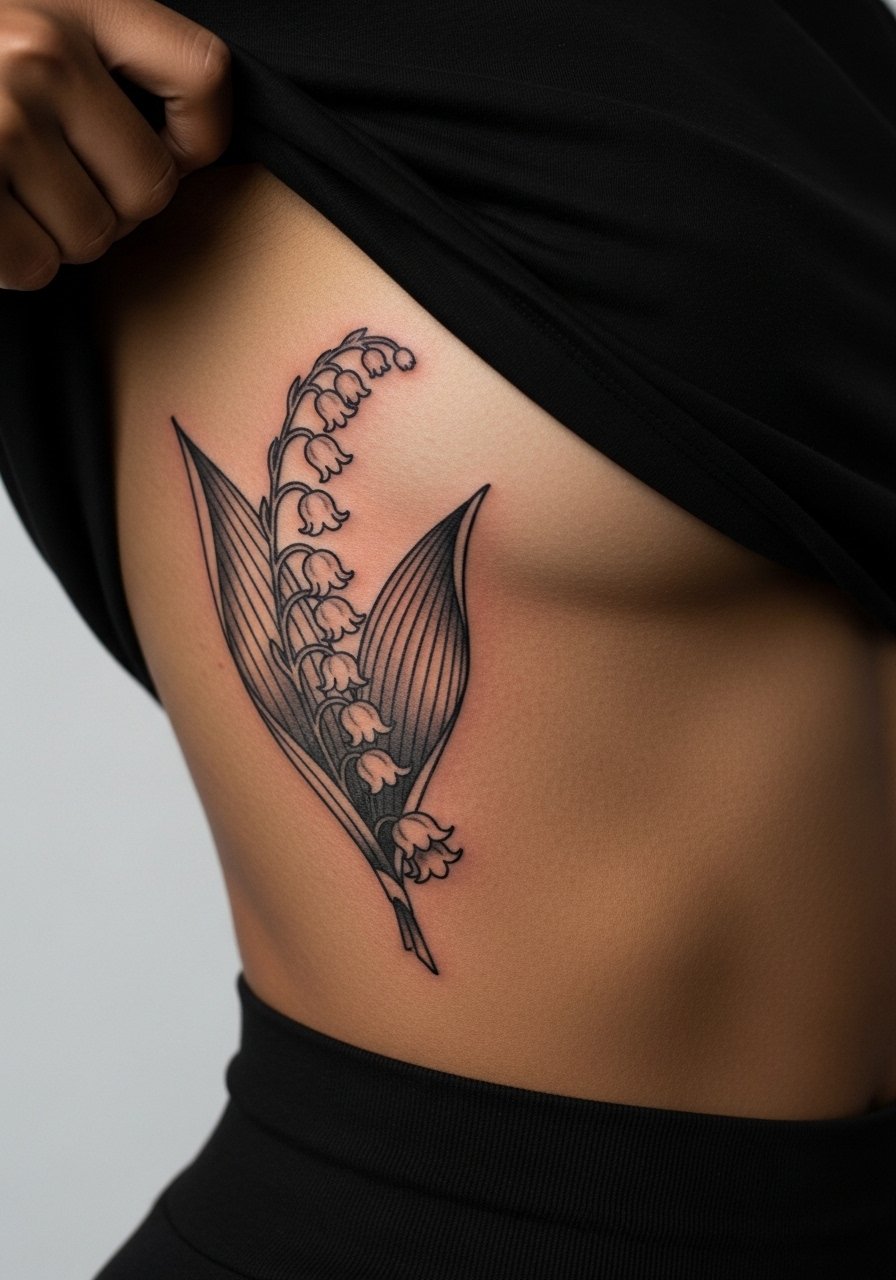
Most watercolor tags from a few years back faded unevenly on the ribs. This neo traditional approach holds up if you ask for slightly bolder stems and intentional negative space between clusters. Artists split into two camps on whether fine line is viable here. One group says the skin movement blurs lines fast. The other group says stronger spacing and slightly deeper saturation let the work last. Ask your artist where they stand and expect a longer, more painful session in a sensitive spot. For modesty and access, wear a zip-up hoodie you can pull aside during the appointment.
8. Collarbone Sprig with Subtle Background Wash
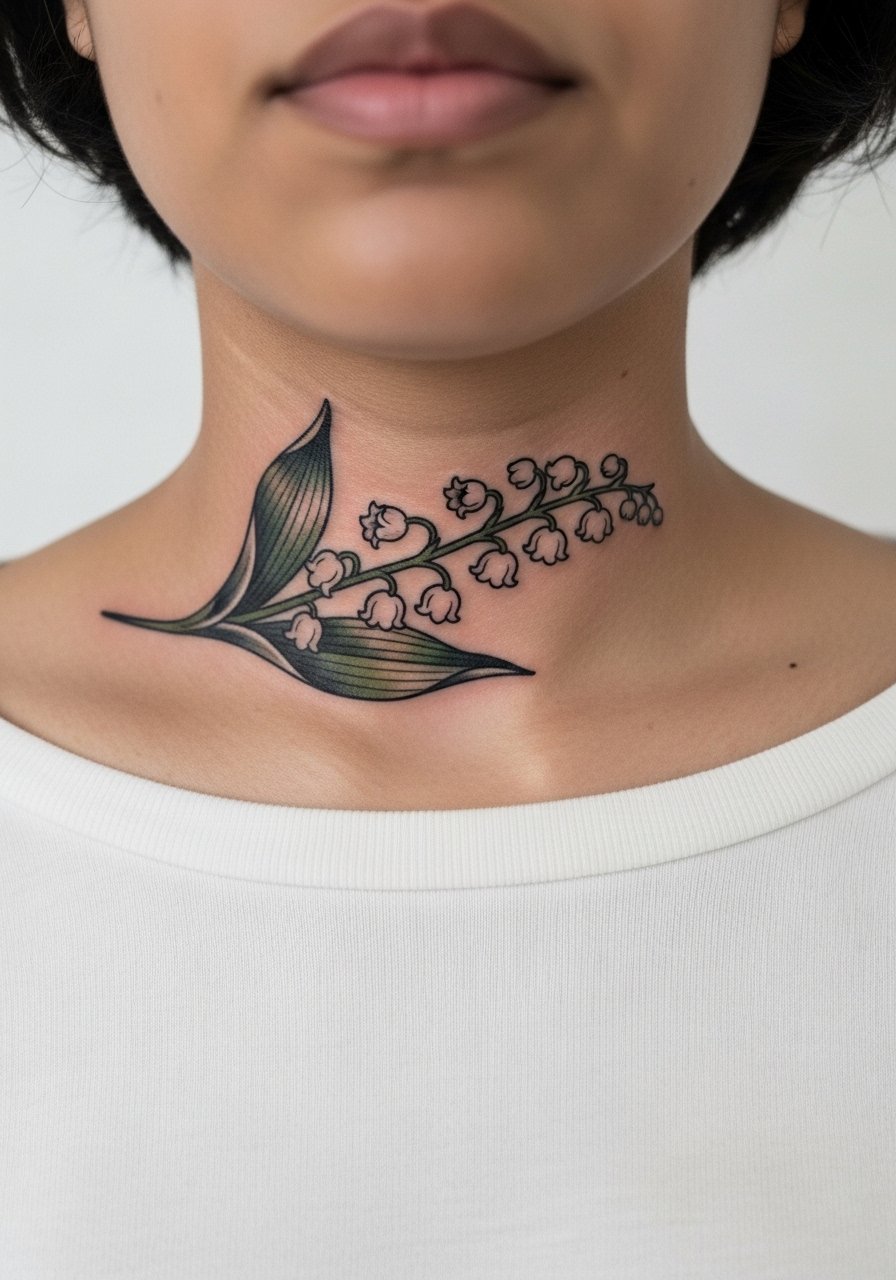
Visual impact lead works here because collarbone pieces catch light and movement. The wash behind the sprig should be thin so the linework reads clean once healed. Tell your artist you want the wash faded toward the edges to avoid a water stain look over time. Pain is mild but the underlying bone can be sensitive. For showing off, a v-neck or wide-neck top frames the sprig without covering it.
9. Thigh Cluster with Inset Moth
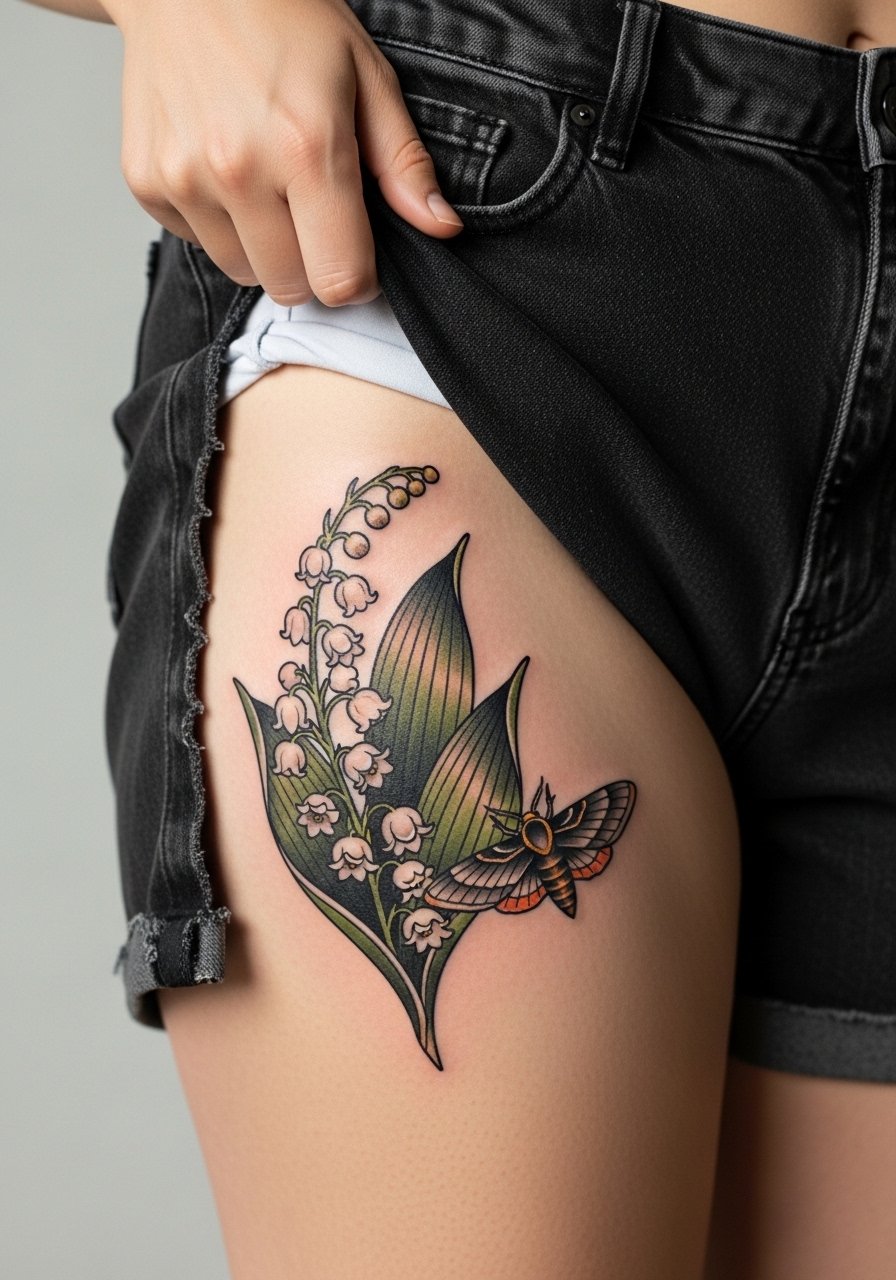
Most people underestimate session length on the thigh when adding an animal inset. The area tolerates saturation well and is forgiving for color retention. During consultation ask your artist to balance the moth scale so it reads from a short distance and does not compete with the lily cluster. The session feels like medium pressure with longer stretches of time. For the appointment wear loose drawstring shorts that let you roll the leg up without constriction.
10. Sternum Chain of Bells with Central Drop
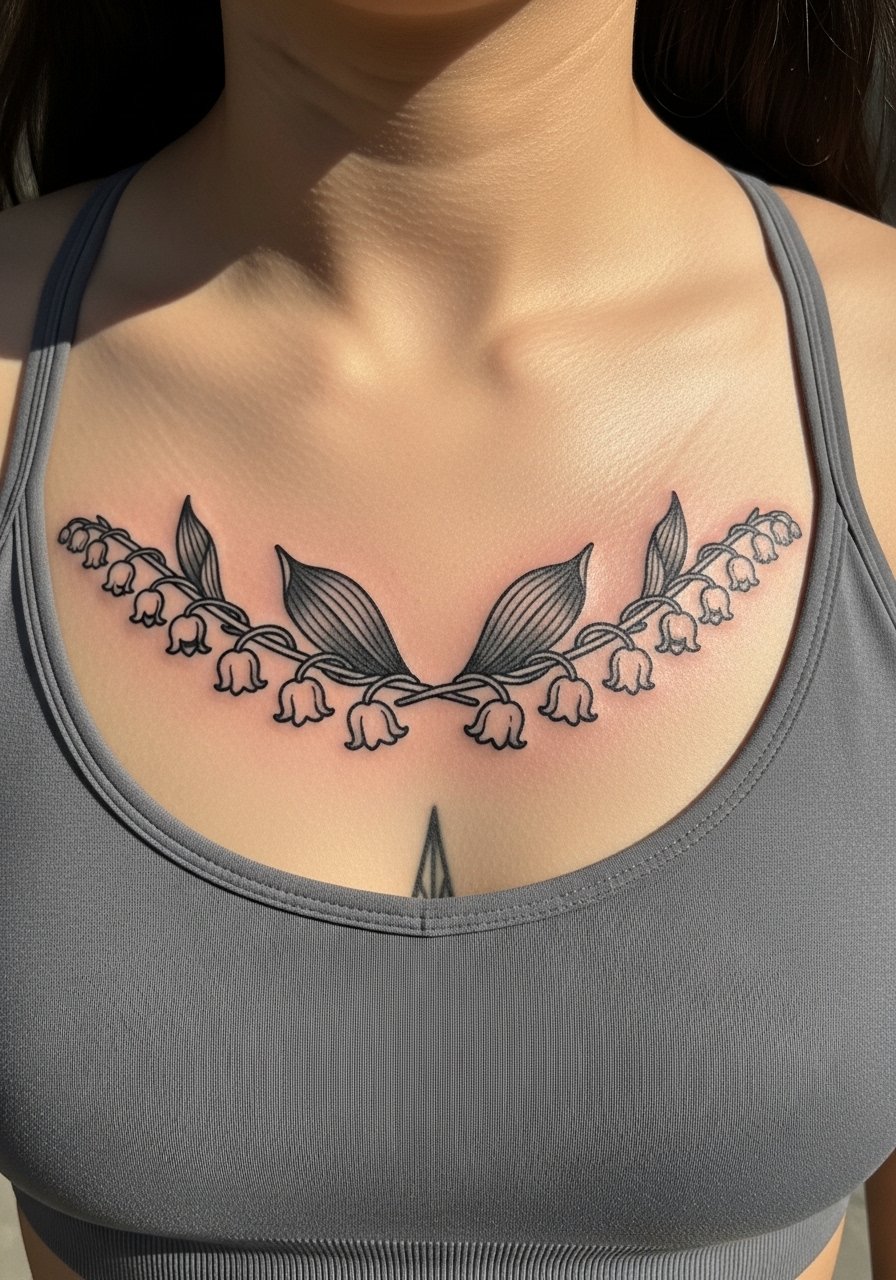
Pain warning lead applies. Sternum work is sensitive and sessions are often split. The biggest mistake is asking for ultra-fine internal details in this zone. Ask for clear spacing between the bells and a small central drop motif that anchors the piece. Expect higher discomfort and a slow initial healing. Professional considerations matter for intimate placements, so think about specialized portfolios when you pick an artist. For the session, wear a fitted sports bra so the artist has clear access and you stay comfortable.
11. Lower Back Horizontal Band of Blooms
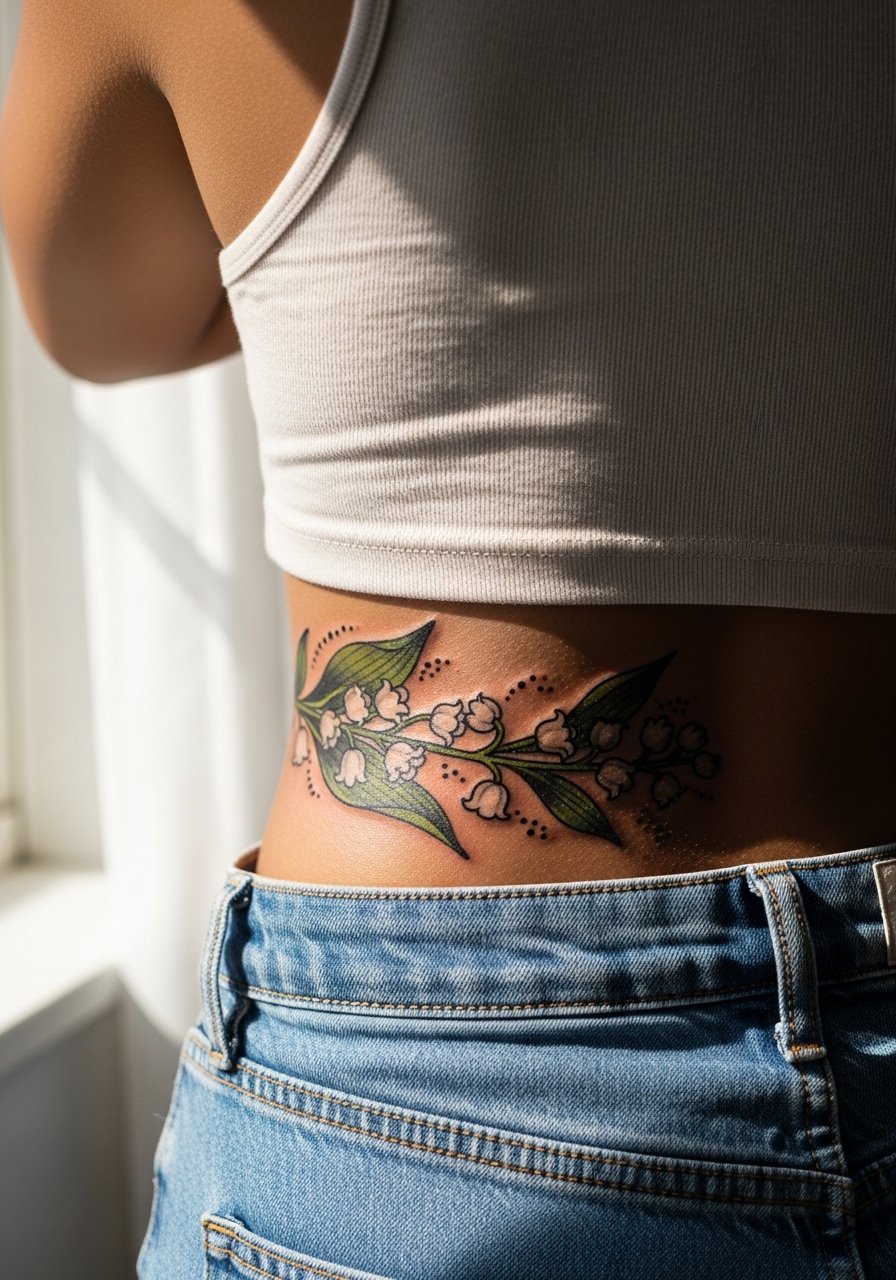
I've noticed lower back pieces respond well to a banded composition because the skin here takes saturation steadily. Tell your artist you want the band to sit above the waistband so it remains visible with high-rise clothing. Common mistakes include packing too many tiny leaves which merge with time. The session is moderate on discomfort and usually medium length. For session access and showing it off later, a cropped top pairs easily with the band.
12. Calf Panel with Complementary Leaves
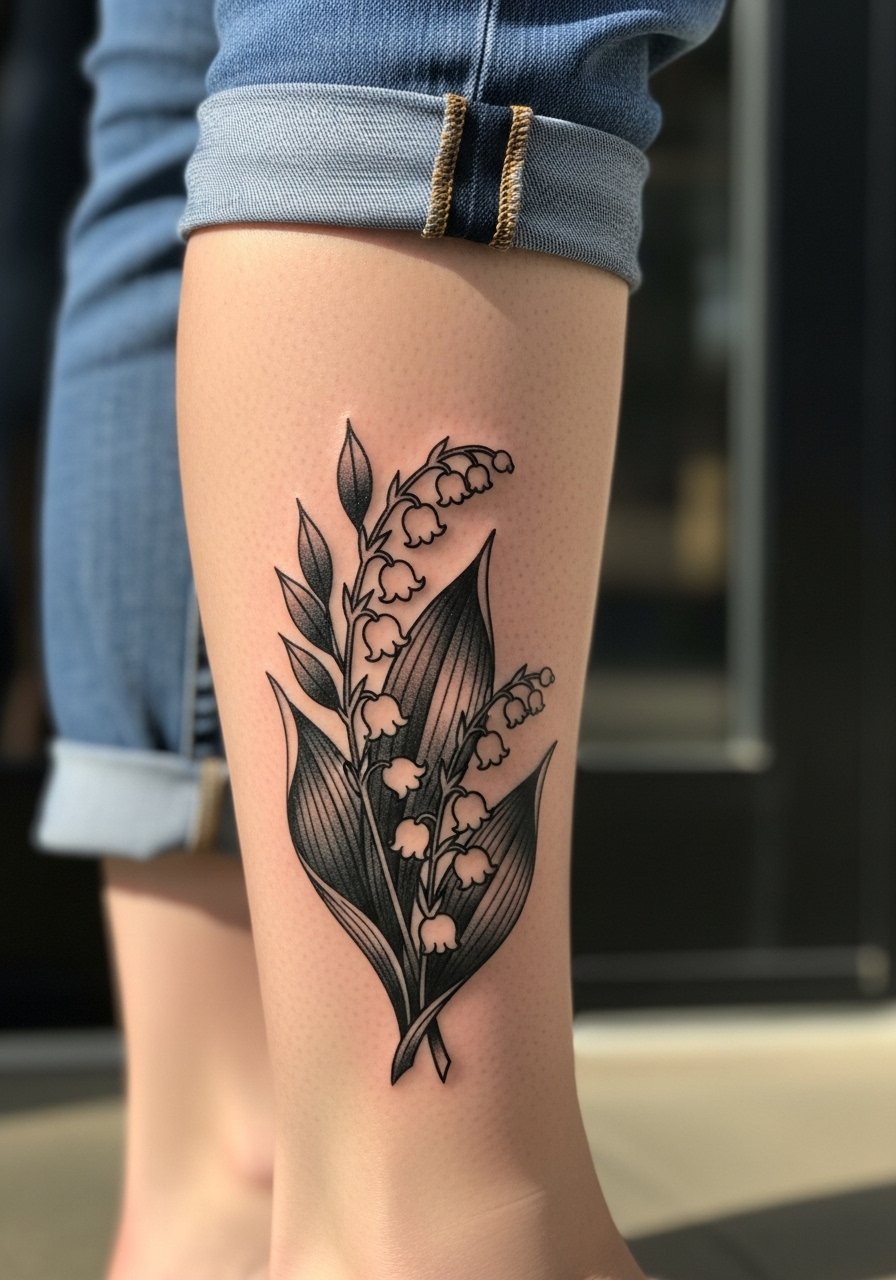
Visual impact lead fits the calf because the vertical space lets a panel breathe. Ask for directional leaves that follow the muscle so the piece moves with your leg. The typical mistake is forcing symmetry on a naturally asymmetrical zone. Expect medium pain and good longevity. For session wear, pick loose drawstring linen pants so you can roll the leg without pressure on the area.
13. Backpiece Corner Accent with Dark Saturation
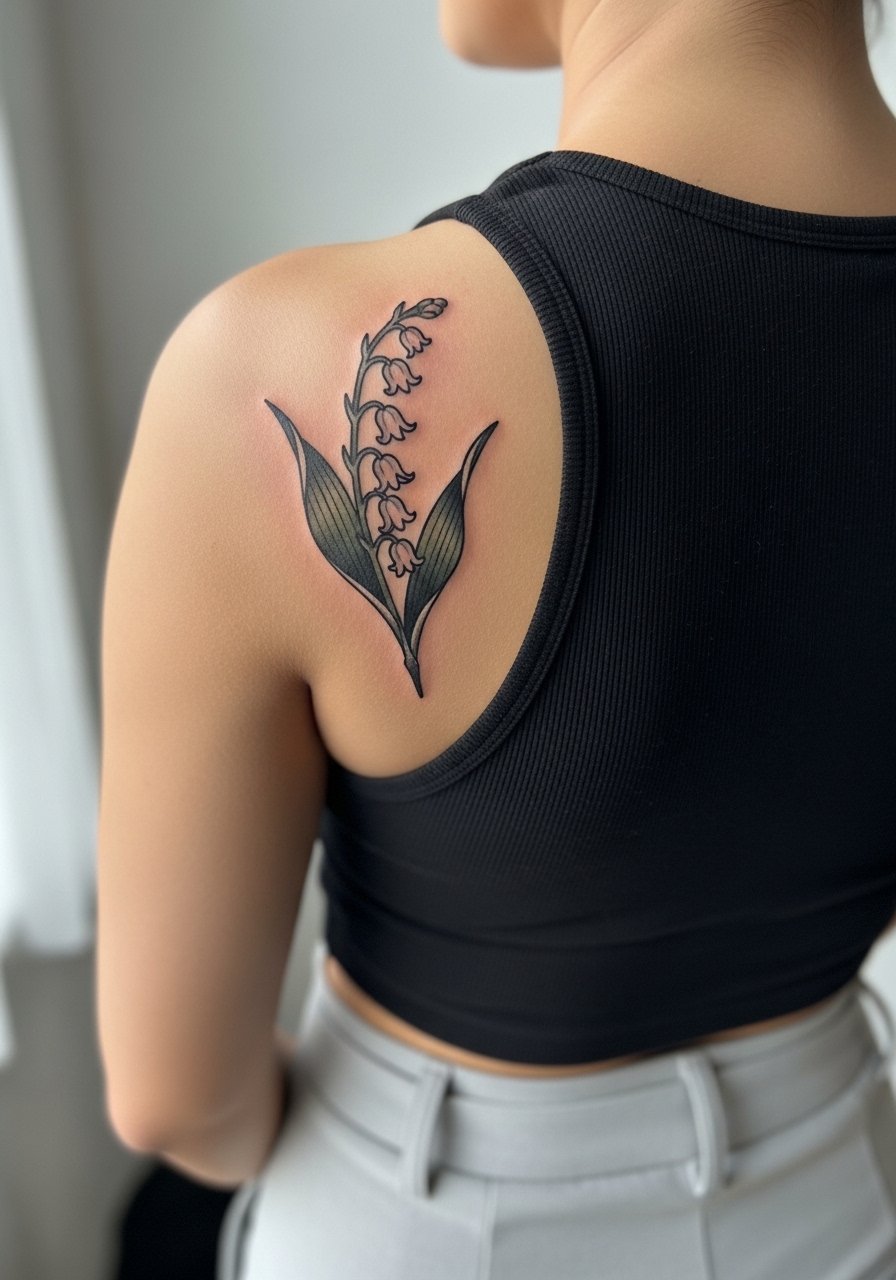
Personal observation lead: the corner accent works when it reads like a starting point for a future backpiece. Ask the artist to anchor it with a dark saturated shadow behind one side so the lilies pop in contrast. Mistake to avoid is using too many thin elements that disappear when you add more work later. Sessions are medium to long depending on size. For the session wear a loose button-down shirt you can remove so the artist can access the area easily.
14. Ankle Sprig with Tiny Accent Dot Work
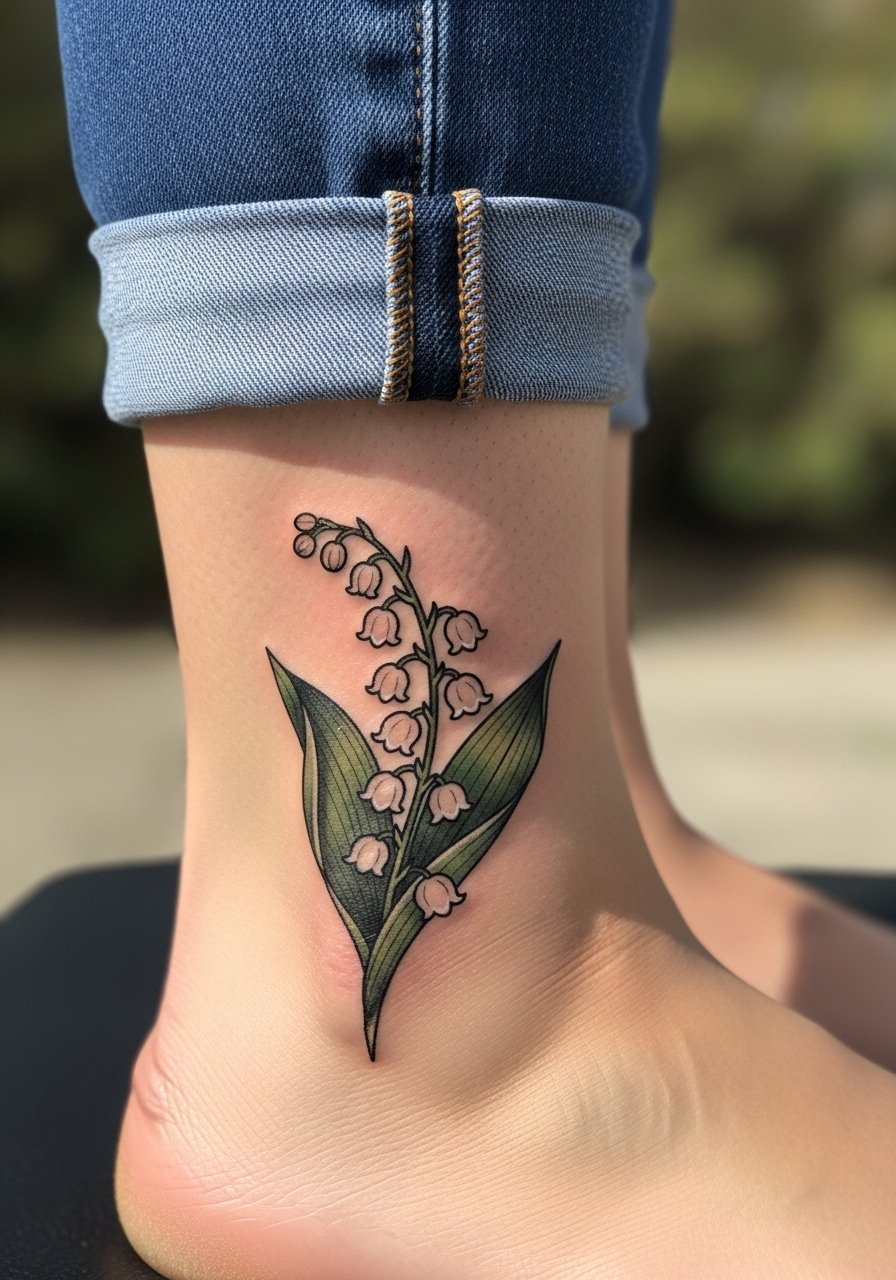
Mistake lead: cramming micro detail into ankle designs is a quick path to early blurring. Keep the sprig slightly larger and ask for crisp outer lines and a few accent dots. The ankle is a high-friction spot so expect yearly touch-ups if you wear boots or heavy socks often. The appointment is short but sharp in discomfort. Pair with a simple ankle bracelet that sits low on the bone so it does not rub the fresh work.
15. Rib-to-Side Torso Vine with Open Petals
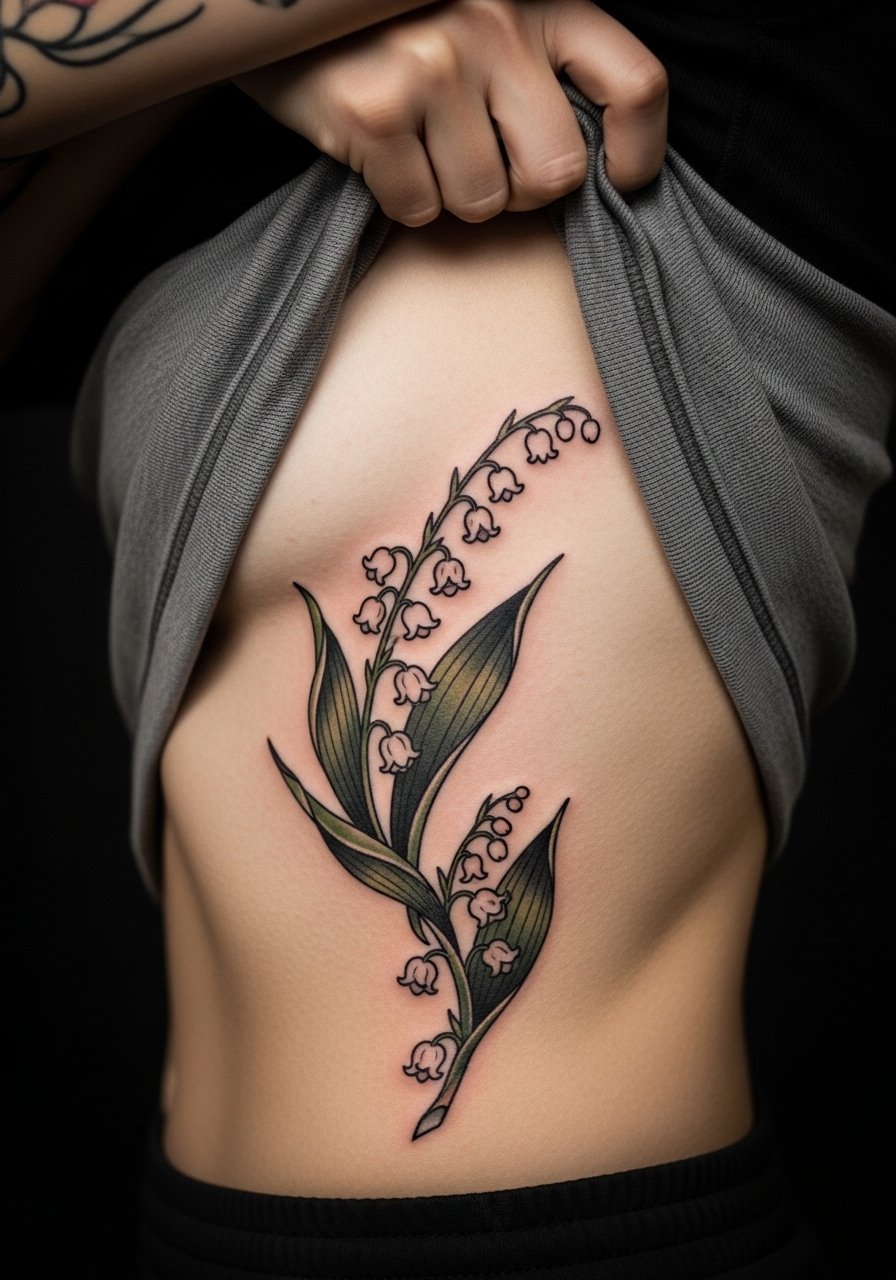
Aging/healing lead: most rib pieces need spacing to remain legible. Ask your artist to keep the petals open and to avoid tiny filament lines. The truth is that dense clusters look great fresh but can merge under skin movement. Expect a longer session and the usual rib sensitivity. As this is an intimate area, pick an artist who shows multiple healed rib examples in their portfolio from public directories or convention book tables.
16. Tiny Behind-the-Ear Sprig
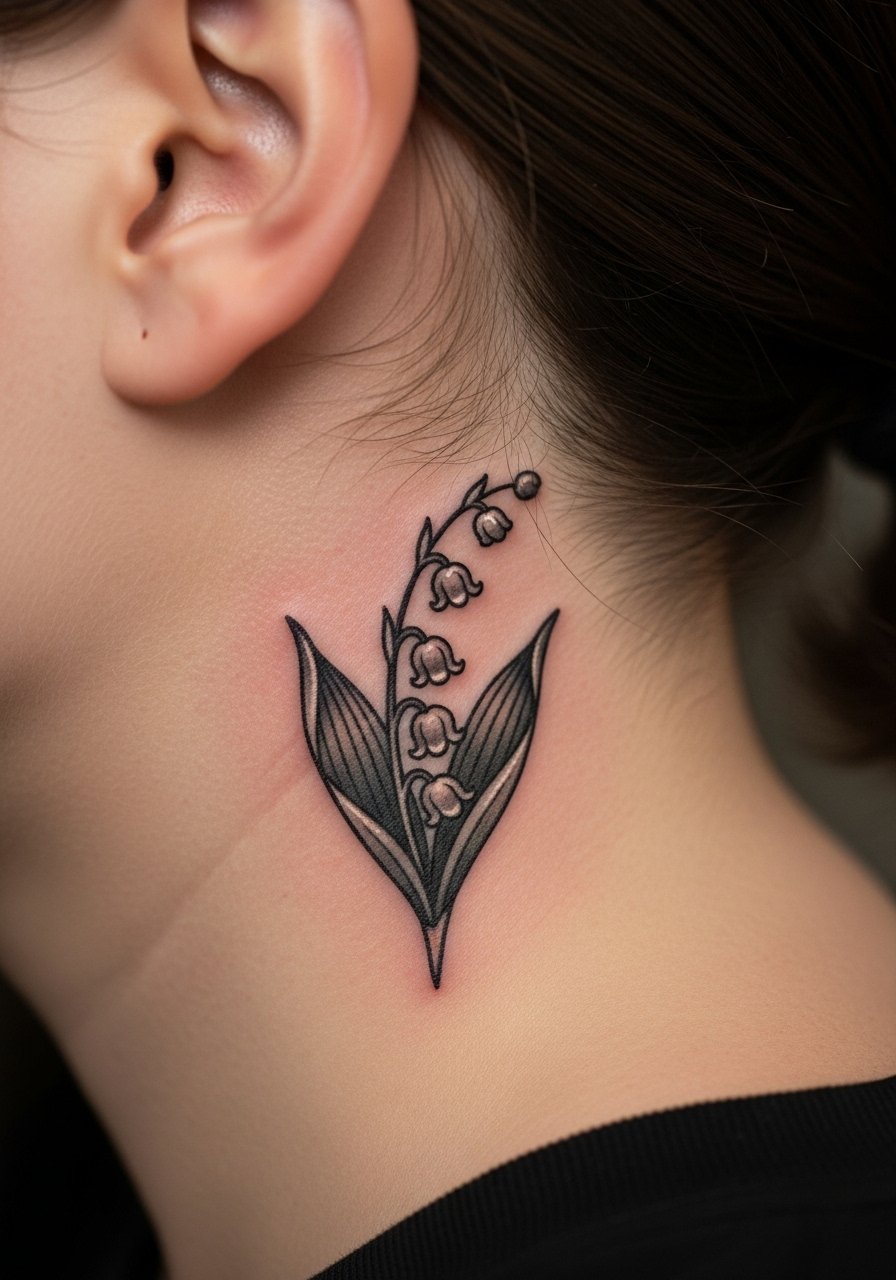
Consultation lead: when you ask for behind-the-ear work, specify exact placement below the hairline on the skin rather than "on the ear." That avoids misplaced expectations. The session is quick and can sting because of thin skin. It's also discreet and sits well with short hair or pulled-back styles. For showing it off, style hair with a clip or try a silk hair claw to tuck hair away from the nape.
17. Full Sleeve Anchor Cluster with Complementary Foliage
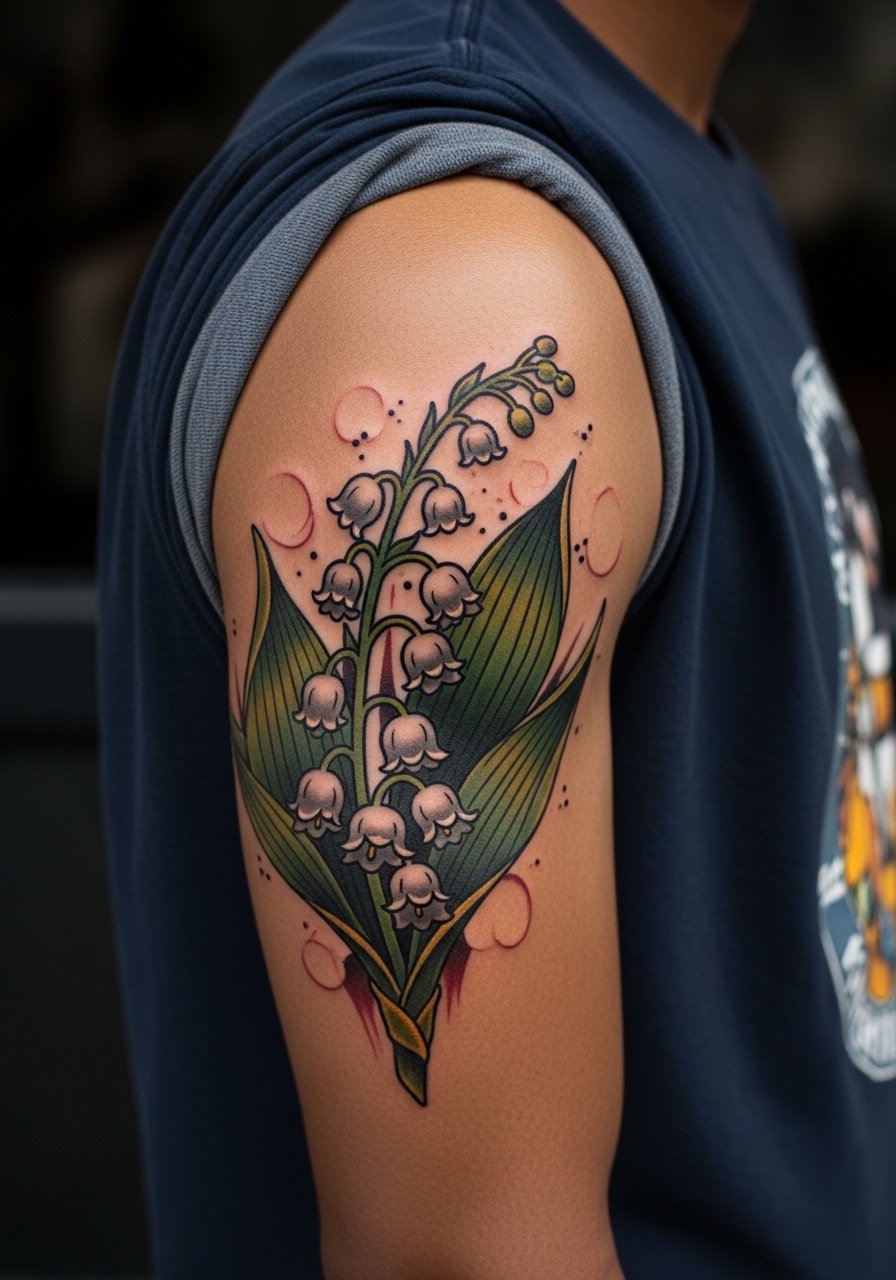
Mistake lead: the worst sleeves are built from mismatched flash with inconsistent lineweight. For a cohesive sleeve, ask for a color palette swatch and consistent outer borders across all elements. The anchor cluster should be bold enough to carry smaller motifs around it. Sessions are multiple and vary by saturation. Expect scheduling across several long visits and a few touch-ups over the first two years. For a session day wear a short-sleeve button shirt you can roll and adjust as needed.
18. Calf-to-Ankle Watering Stem with Negative Space Motif
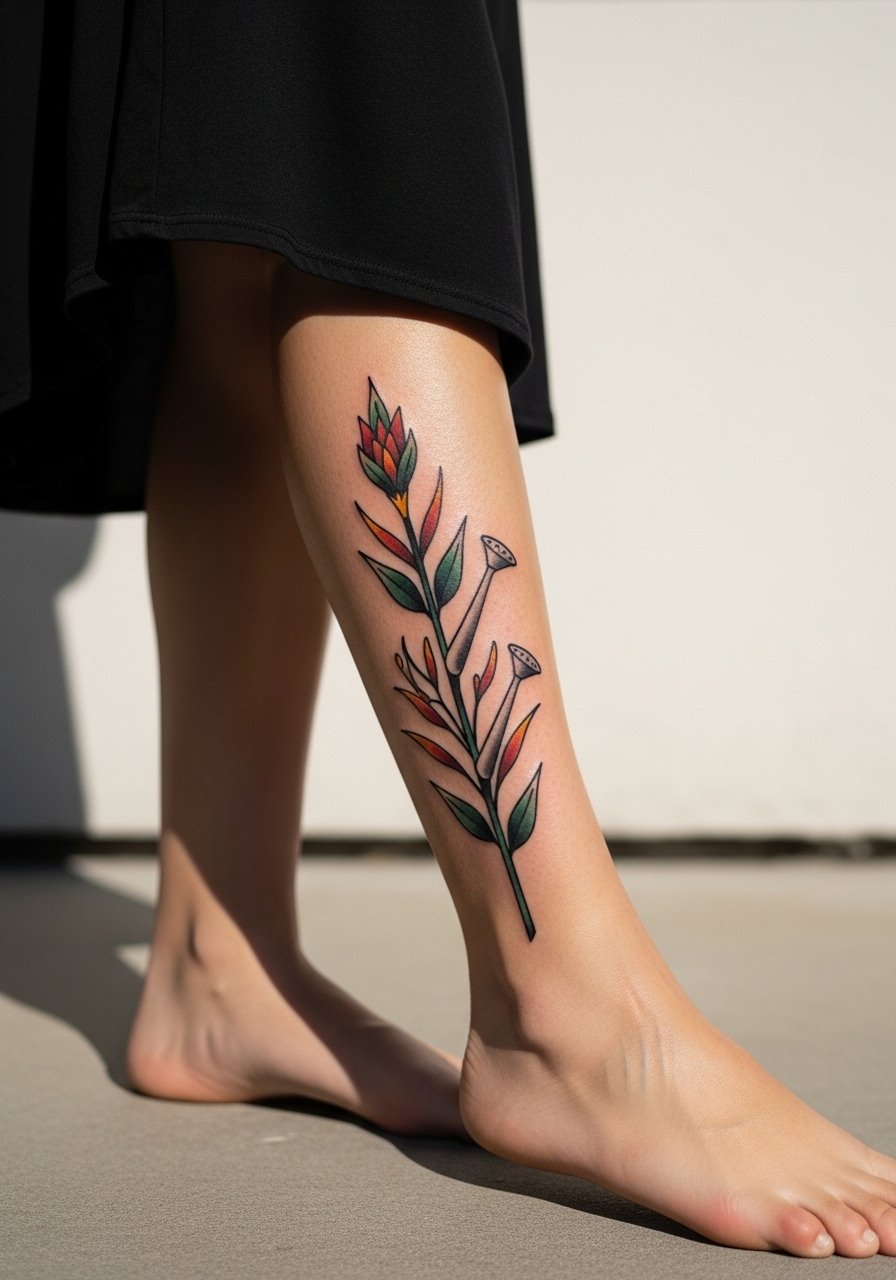
Visual impact lead applies since vertical flow reads elegantly with movement. Tell your artist to use negative space breaks along the stem so the design does not become a continuous block as it ages. The leg tolerates saturation and the piece typically needs a single long session or two medium ones. For the appointment, wear a flowy skirt you can pull aside so the artist can reach the lower leg comfortably.
19. Finger Knot Wrap with Mini Bell
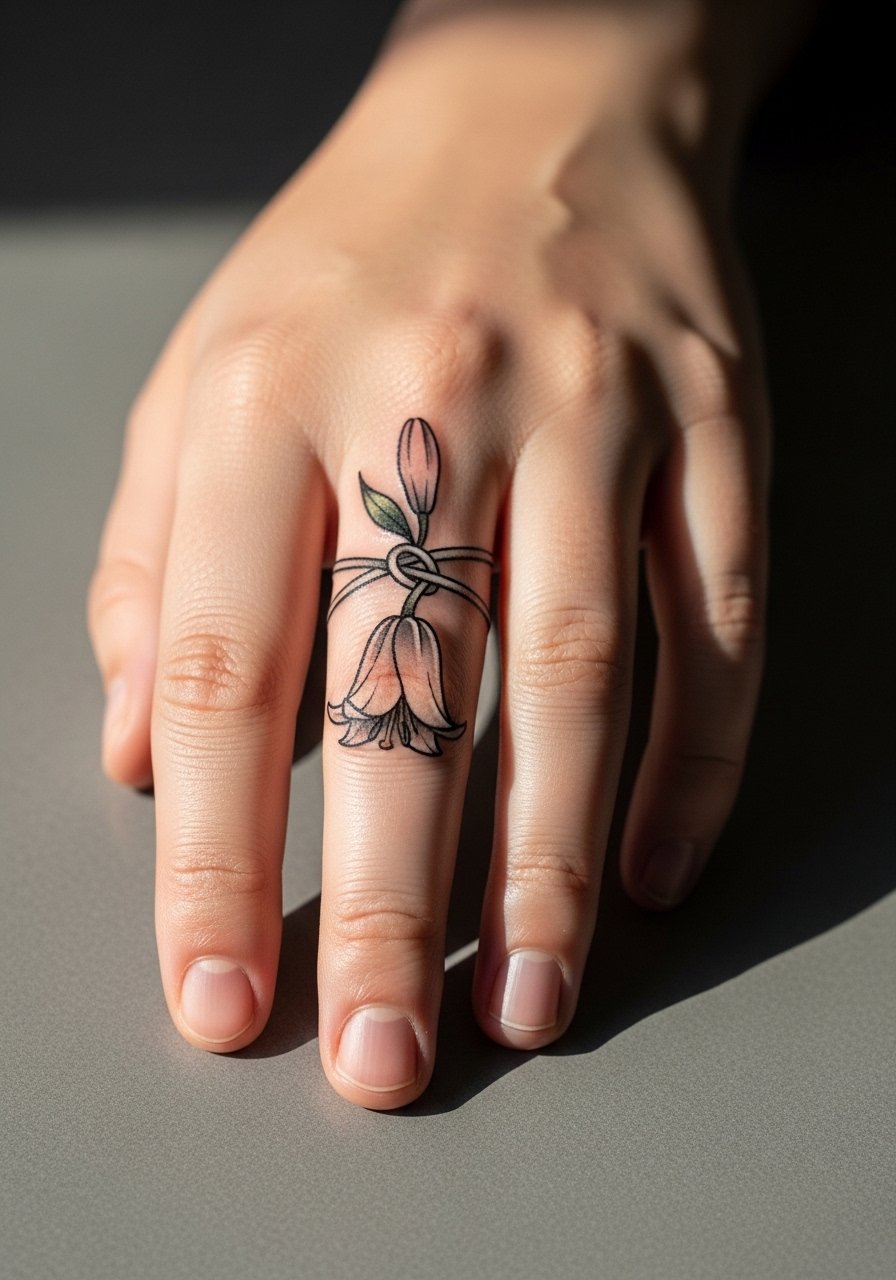
Mistake lead: the most common issue is requesting ultra-fine wrapping lines that the finger will not retain. Ask for slightly bolder wires and open counters in the bell to maintain readability. Fingers are high-touch and need maintenance, so plan for a touch-up at year one. The session is short but sharp. For styling, choose rings that sit above or below the wrap to avoid rubbing the fresh ink and consider a minimalist stacking ring set that complements without touching.
20. Hip Crescent Bouquet for Low-Rise Wear
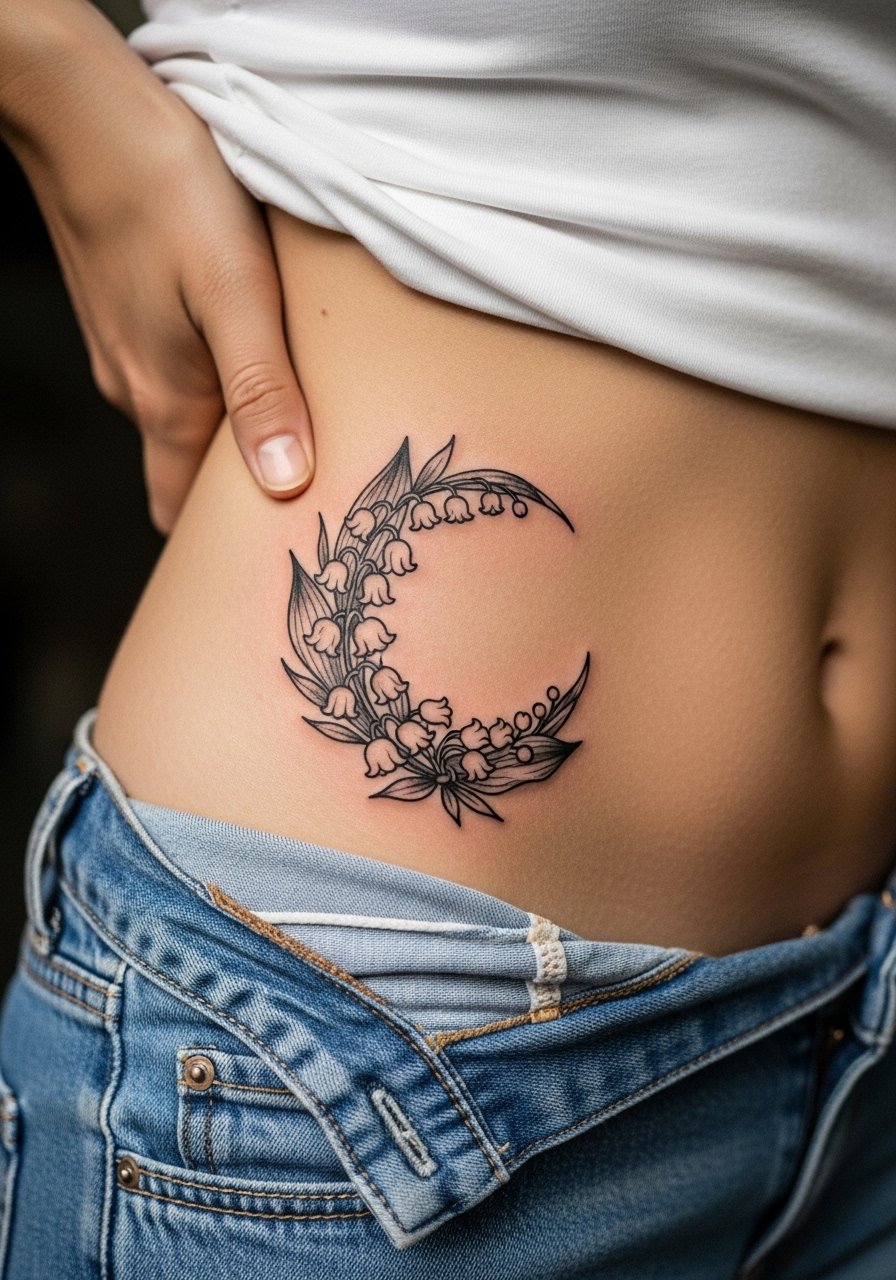
Personal observation lead: hip pieces pair well with swimwear cuts and sit nicely with low-rise silhouettes. For this placement, wear loose shorts or a swimsuit for the session so the artist can access without pressure. Keep the bouquet scale medium so movement and clothing do not abrade it during healing. The session is medium pain with good saturation retention. For showing it off try pairing with a high-waisted denim short that lets the crescent peek above the waistline.
21. Small Back-of-Shoulder Bud with Mirror Detail
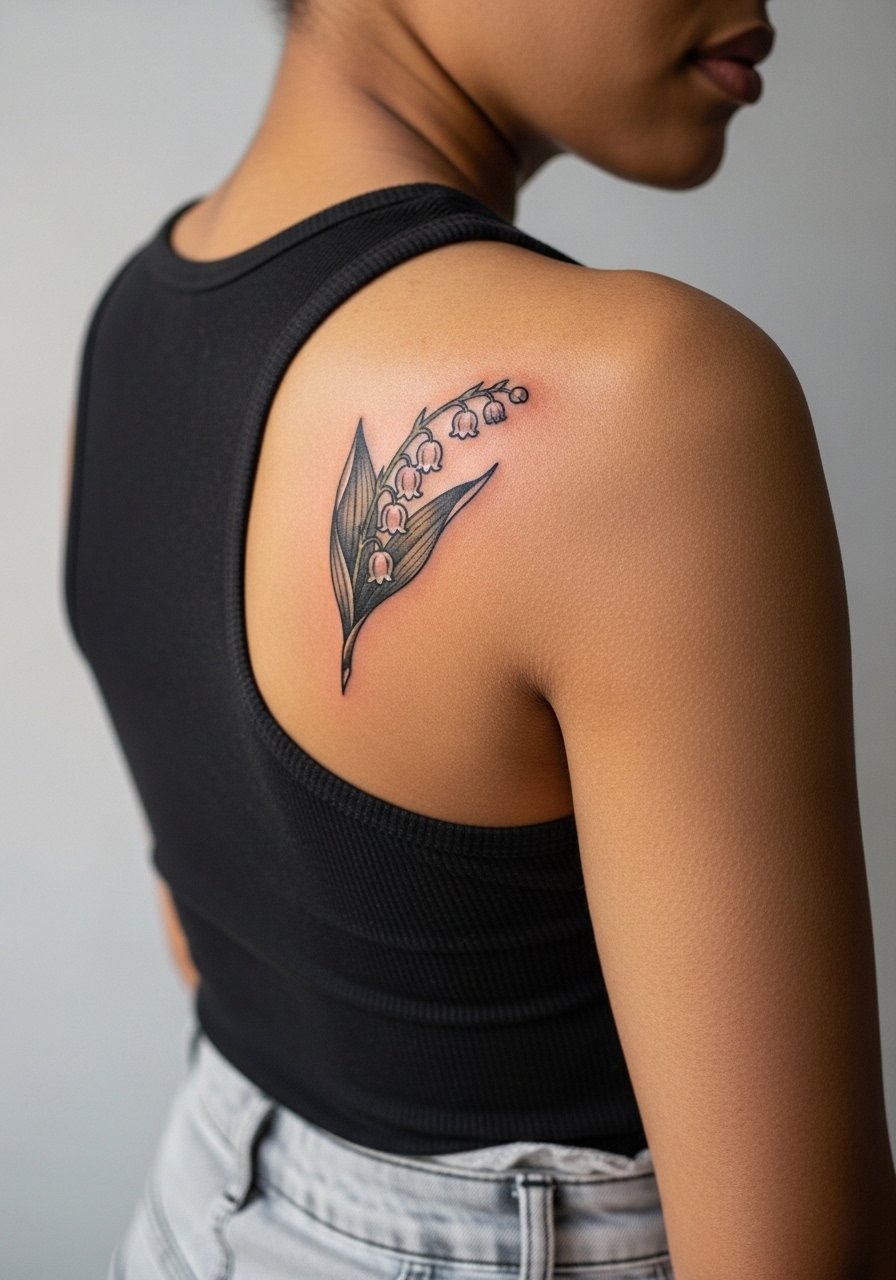
Consultation lead: the back-of-shoulder area takes saturation well and reads like a quiet accent. Ask for a tiny mirrored leaf opposite the bud to give the eye a natural pause. Mistakes include over-detailing the bud, which becomes less legible with time. Sessions are short with low-to-moderate discomfort. For session wear a tank top that offers full access and easy removal.
Studio Day Picks
The shoulder, upper arm, and chest pieces above ask for slightly different prep than the small wrist and finger work, so these picks smooth out session day access and the first week.
-
Stencil transfer paper kit. Lets you preview placement and linework directly on skin before tattooing, helpful for the wrist and chest pieces above.
-
Topical numbing cream. Applied per instructions about 45 minutes before can ease the discomfort during tighter areas like ribs and sternum.
-
Thin protective film roll. Keeps high-friction spots like the wrist and ankle cleaner during the first week of daily movement and washing.
-
Fragrance-free gentle body wash. Cleanses healing areas without irritating fine line work, which is important for the delicate stem and finger pieces above.
-
Aquaphor healing ointment. A thin layer in the first days locks in moisture for saturated neo traditional color without clogging the needle channels that need to breathe.
Frequently Asked Questions
Q: How long does saturated neo traditional color usually last before a touch-up is needed on the forearm versus the wrist?
A: From what I've seen, forearm pieces with good saturation often keep their visual density for three to five years before a color refresh is common. Wrist work tends to lose edge faster because of constant motion and washing. Plan on a possible touch-up at year two for wrists and year three to five for forearms depending on sun exposure.
Q: Are neo traditional lily of the valley pieces safe on dark skin tones, and do artists need to adjust the palette?
A: Yes, they are safe and can look excellent. Artists often increase contrast by using deeper base tones and strategic highlights so the white bells and green leaves read well. Bring healed photos from an artist's portfolio that show their work on similar skin tones before booking.
Q: Should I avoid ribs and sternum if I want fine internal petal detail for a lily of the valley piece?
A: It depends. Ribs and sternum move and can blur super-fine detail. If you want detailed petals, choose slightly bolder internal lines and more spacing. Be explicit in the consultation and expect the artist to advise on scale and spacing for longevity.
Q: What should I wear to a chest or collarbone appointment to make access easy and keep modesty?
A: Wear a wide-neck shirt or a fitted sports bra you do not mind pulling aside. That keeps the area covered except where the artist needs access. A wide-neck top or a button-down that you can shift usually makes the session cleaner.
Q: If I want a tiny finger or ankle piece, how honest should I be about maintenance?
A: Be upfront that small extremity work is a maintenance tattoo. Artists I know will mention likely touch-ups and give practical timelines. Treat it like a piece you love but expect to refresh if you want the crisp initial look maintained.