Fine line abstract pieces on the inner arm look delicate when fresh and deceptive after a year. The skin there moves, rubs, and stretches more than people expect. With the right spacing, needle depth, and wardrobe choices for the healing week, an abstract inner arm tattoo can keep crisp linework for years. Below are 17 concrete ideas you can bring to consultation, with notes on aging, session feel, and what to wear to the appointment.
1. Minimalist Line Bloom on Inner Forearm
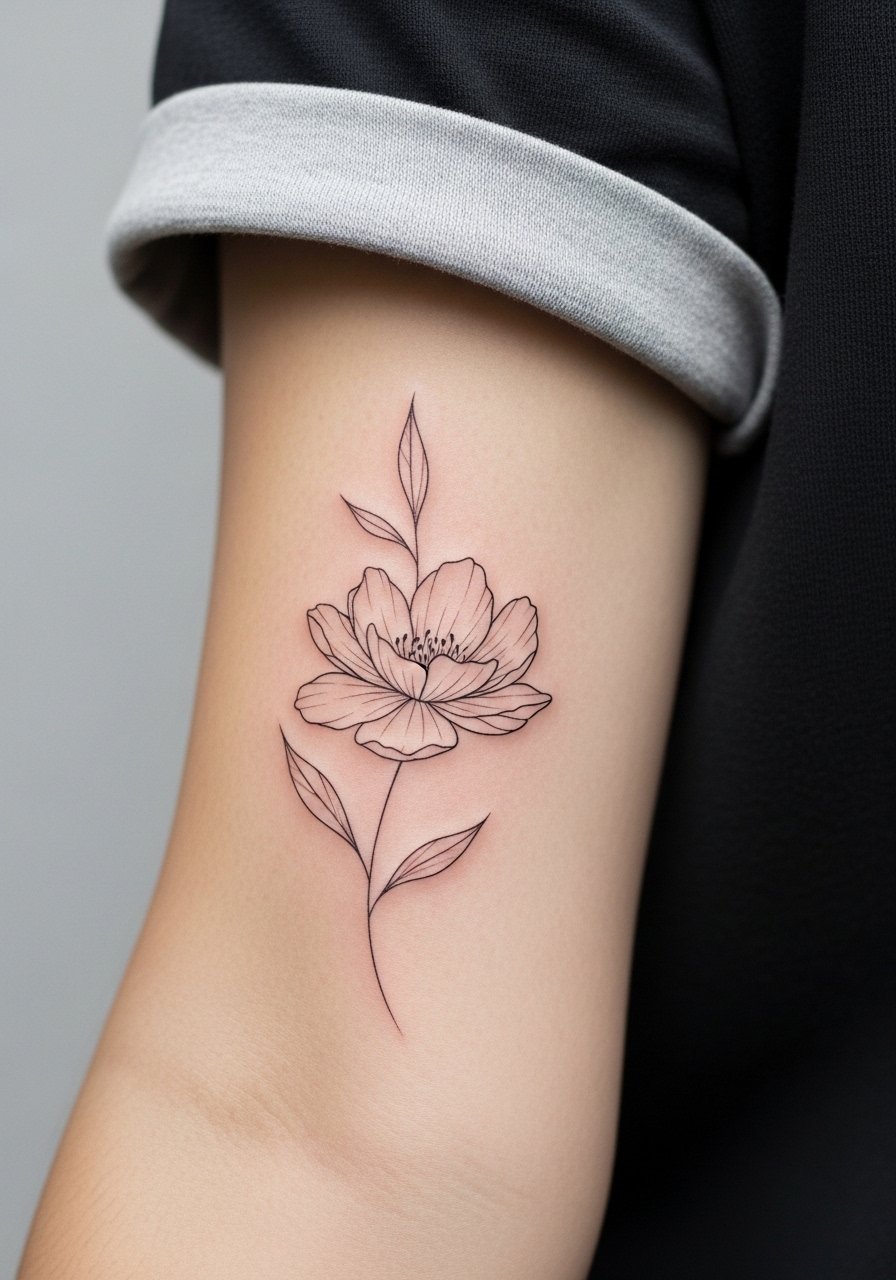
I recommend this when you want something quiet but still structural. Ask your artist for single-pass linework with slightly more spacing between petals so the piece does not knit together over time. Expect a mild sting on the inner forearm and a one-hour session for a small motif. Common mistake is squeezing too much detail into a 1.5-inch area. At six months the lines will soften, at two years small touches may be needed, and at five years a light touch-up usually restores crispness. For the appointment, wear a short sleeve button-down shirt you can roll up without tugging the skin.
2. Negative-Space Geometry Near the Wrist
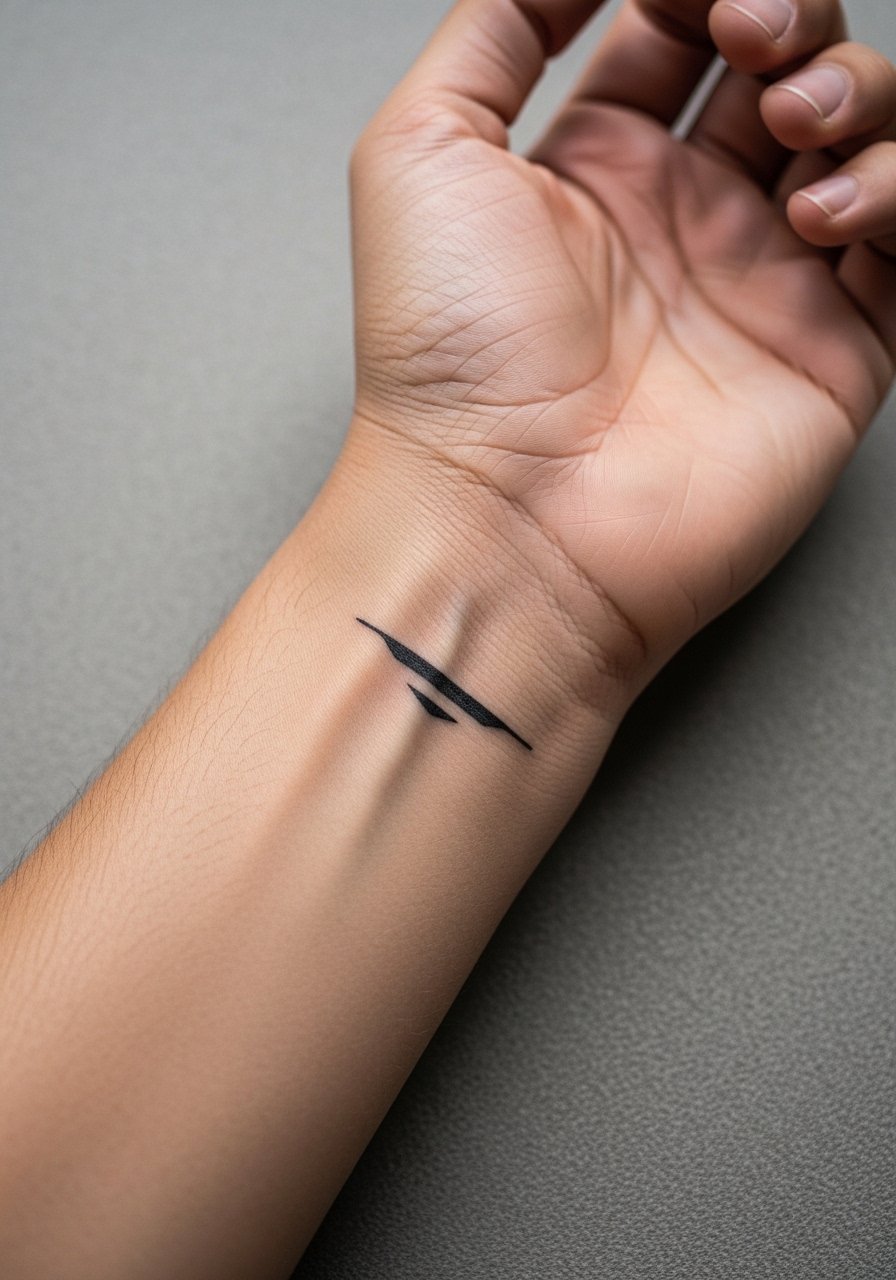
This design uses skin as part of the composition so spacing matters more than exact line weight. Tell the artist you want deliberate gaps and to keep outer lines bolder so the negative shapes read over time. Wrist skin sees constant washing and friction. Expect a shorter session under two hours but a higher chance of early touch-up around year two. A common error is asking for tiny nested shapes that merge after healing. Pair it with a thin chain bracelet when showing off the piece, though avoid tight bands during the first two weeks.
3. Stipple Shard Composition on Inner Bicep
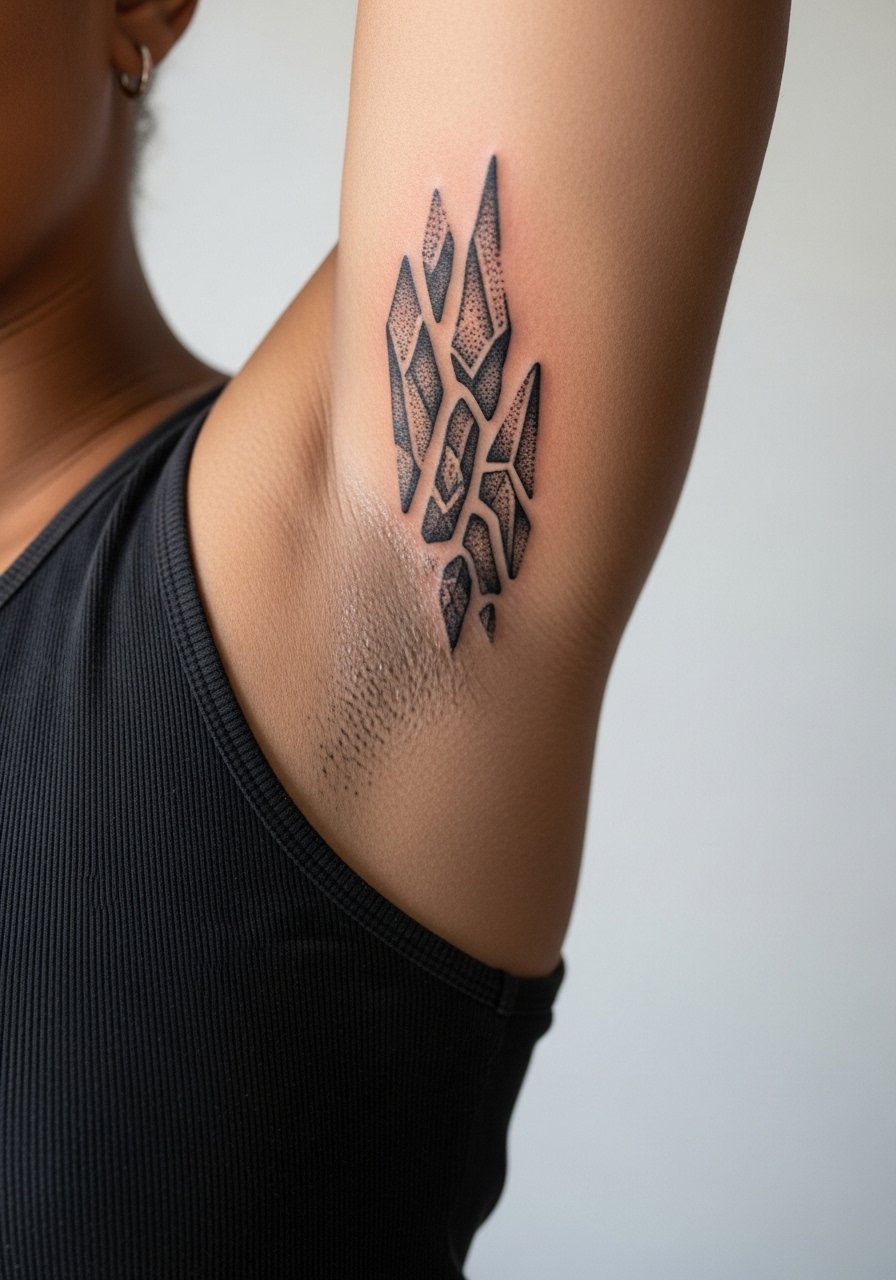
Stipple work reads differently across skin tones. I recommend stippling for anyone who wants texture without heavy blackfill. During consultation, ask for a gradation plan so dots are sparser near the edges. The inner bicep can be tender, expect a 3 to 5 out of 10 on typical pain scales. A mistake is asking for dense stipple too close to creases where the skin folds. At two years stipple keeps character if dots were placed with breathing room. For session comfort, wear a loose tank top you can lift for access without stretching the skin.
4. Asymmetrical Brushstroke Band on Inner Forearm
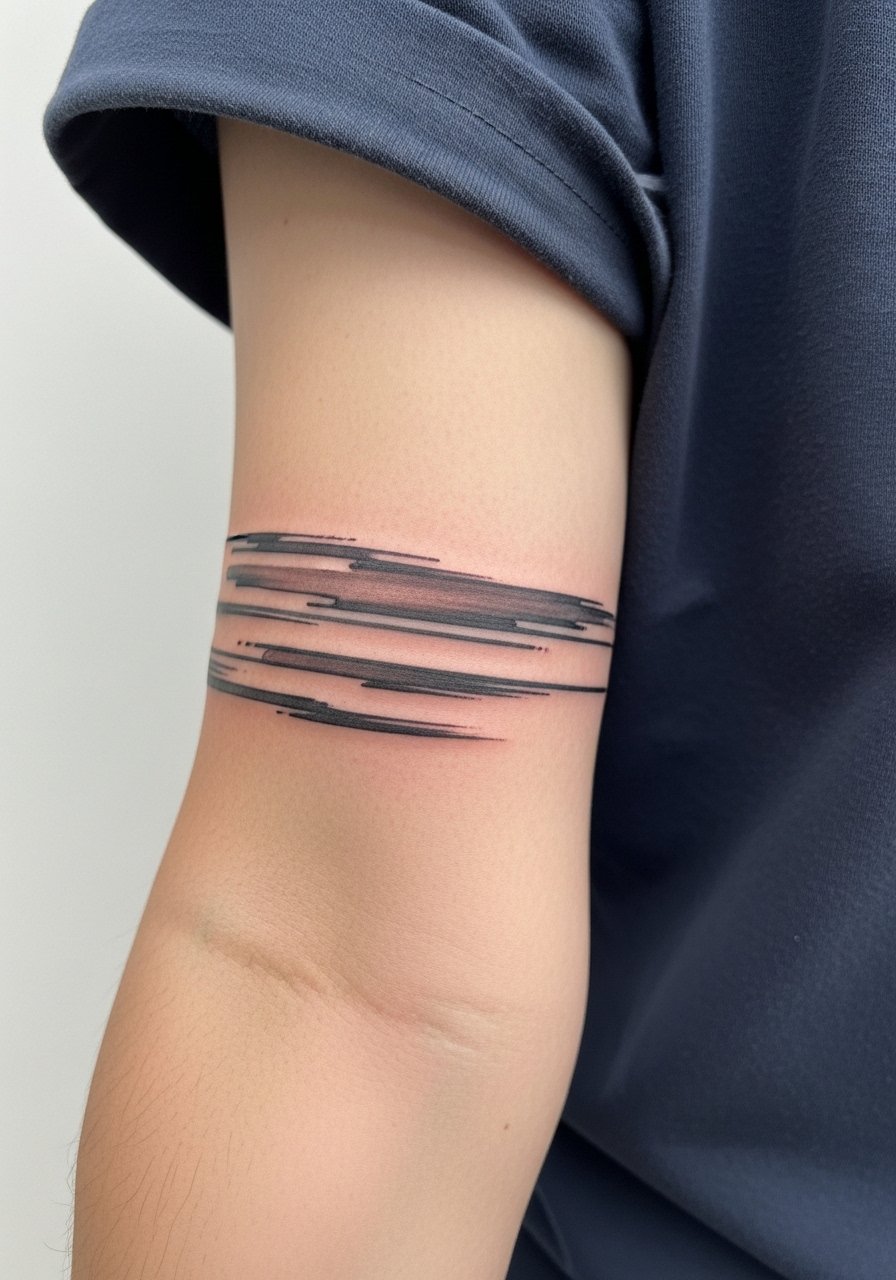
This one reads bold from a distance while staying abstract up close. Ask for slightly varied line saturation so areas age differently on purpose. The inner forearm tolerates linework well but avoids overly thin, repeated strokes that can blur. Session feels like steady buzzing across a 2 to 3 hour block depending on band width. A common error is requesting continuous micro strokes that become a soft wash after healing. Pair this with rolled sleeves or a linen shirt when you want the band to peek out without competing with patterns.
5. Micro-Realism Fragment on Inner Arm
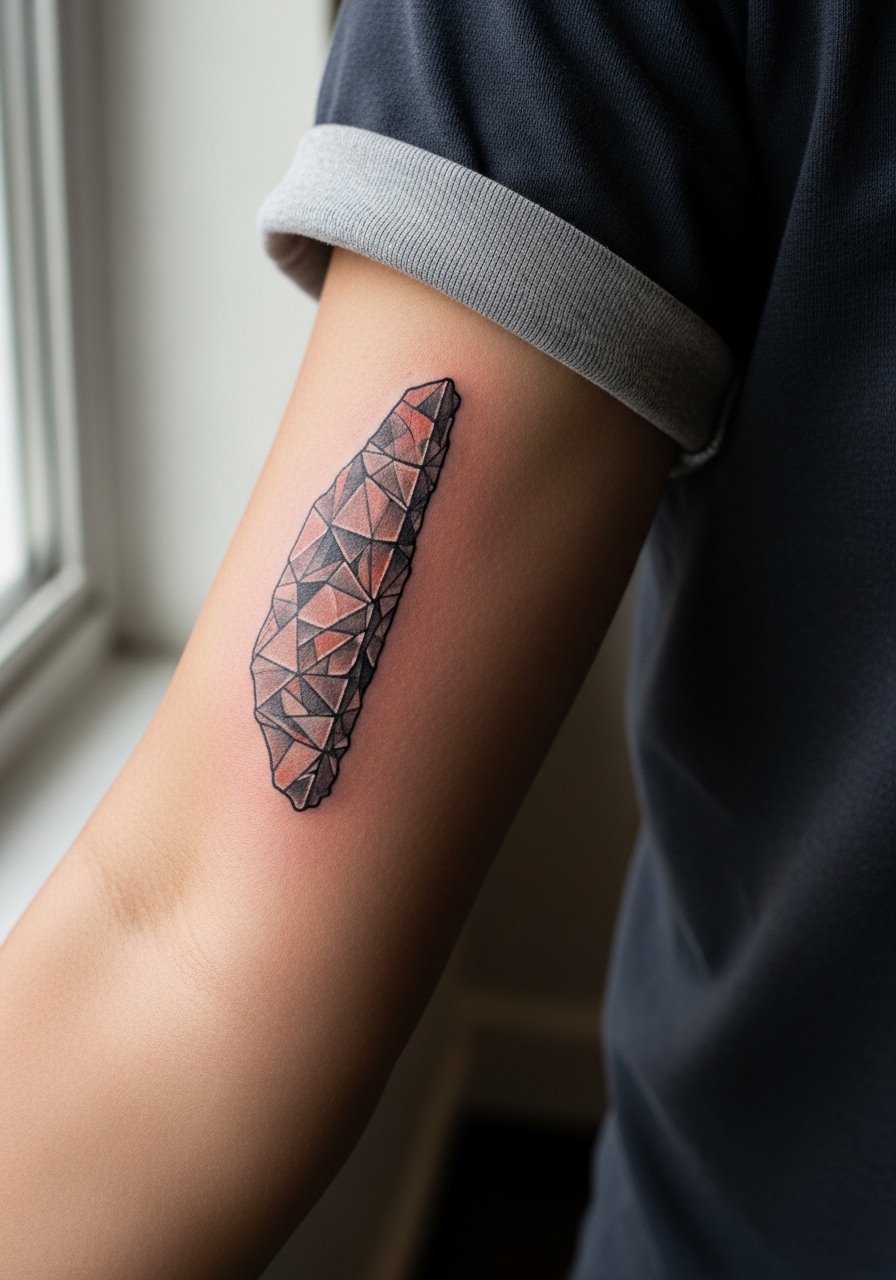
Micro-realism can be surprising on the inner arm because tiny shading may lose contrast faster than clean linework. Specify higher saturation on shaded dots and ask the artist to avoid hair-thin transitions in shadow. This piece can take longer per square inch because of the detail, so plan a 2 to 4 hour session. A mistake is expecting a photo-like finish at very small scale. At two years, micro shading will soften and might ask for a spot touch-up. For the session, wear a stretchy tee or button-down so you can move freely without tugging the skin.
6. Whip-Shaded Wave Across the Inner Elbow Curve
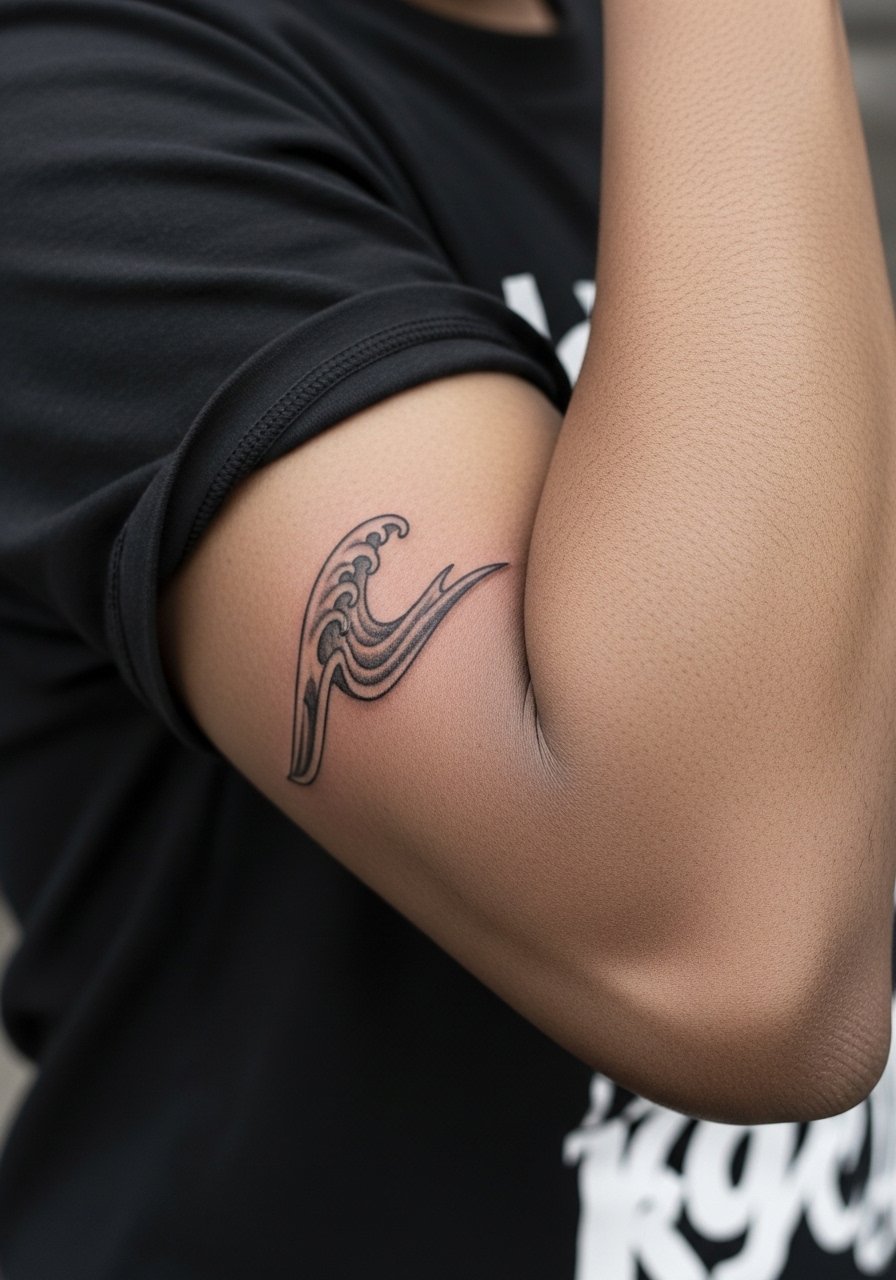
Fair warning about placement here. The inner elbow crease shifts a lot when you bend the arm. One camp says whip shading holds if placed with the fold in mind. The other camp avoids the crease entirely and places art slightly off it. Name both positions in your consultation and ask the artist which they prefer. Expect moderate pain when the needle crosses the crease. This design often needs a touch-up sooner than straight forearm pieces. For the session wear a short sleeve shirt you can lift easily so the artist can see the curve without stretching it.
Pre-Session Essentials
The inner arm pieces above vary from wrist to bicep in sensitivity and exposure, so a small kit smooths the session and the first week.
-
Stencil transfer paper kit. Lets you preview placement on the skin, which helps with inner arm curves and wrist geometry.
-
Topical numbing cream. Applied per instructions about 30 to 60 minutes before your appointment reduces sharp spots on the inner elbow or bicep without changing linework.
-
Thin protective film roll. Useful for the inner wrist and forearm where friction and hand washing risk early scabbing.
-
Fragrance-free gentle body wash. Cleans the area in the first week without stripping the skin or irritating fine lines.
-
Aquaphor healing ointment. A thin layer for the first few days keeps linework moisturized and reduces tight scabbing, especially on the forearm.
7. Abstract Line Cluster Near Inner Wrist
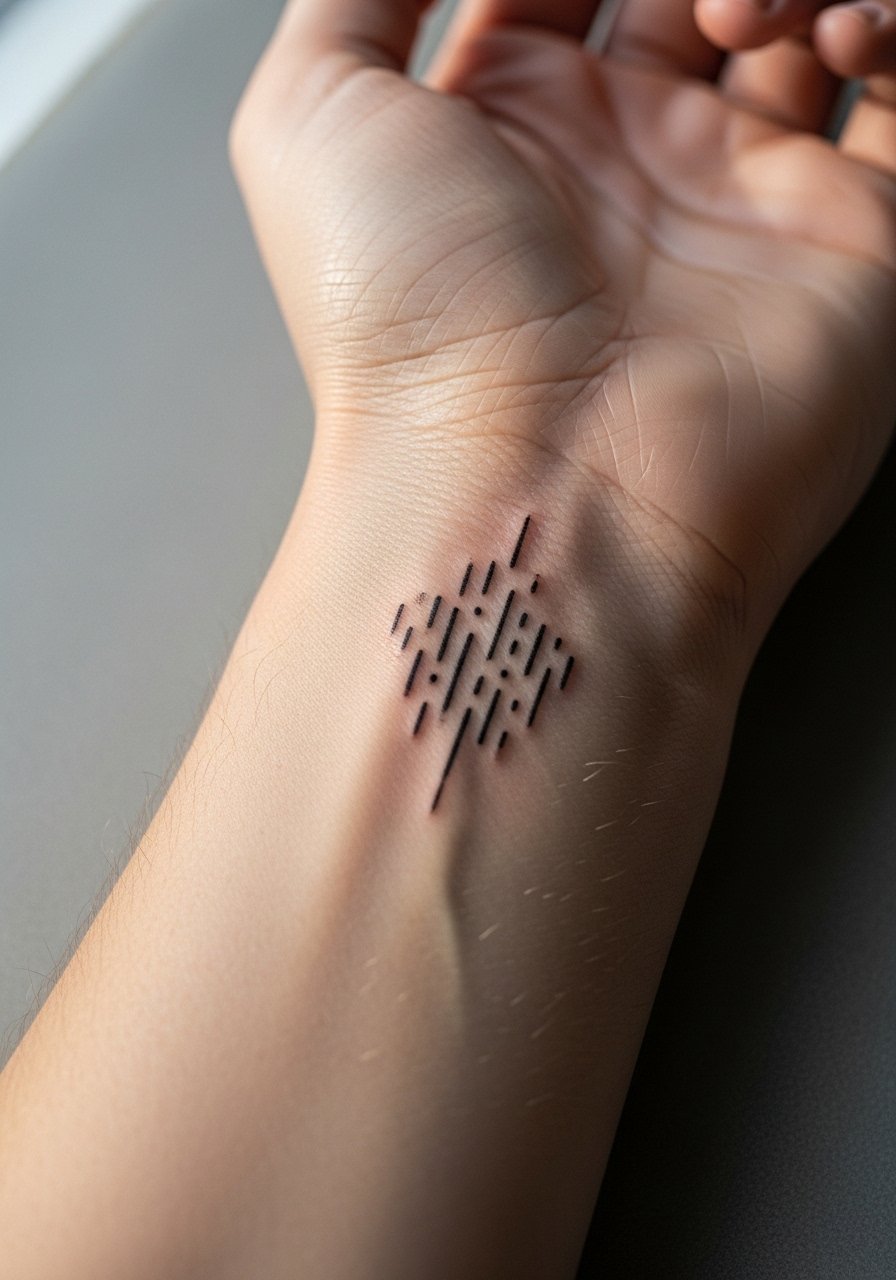
The inner wrist shows immediately and gets a lot of washing, so spacing and boldness are key. Tell the artist you want slightly thicker outer anchors to prevent early loss of definition. This is a quick session, often under an hour, but it carries higher maintenance because of soap and surface abrasion. A typical mistake is requesting ultra-thin script-like strokes that vanish by year two. For showing it off, wear a minimalist watch or bracelet that frames the wrist without covering the piece.
8. Geometric Fragment Flowing to Inner Bicep
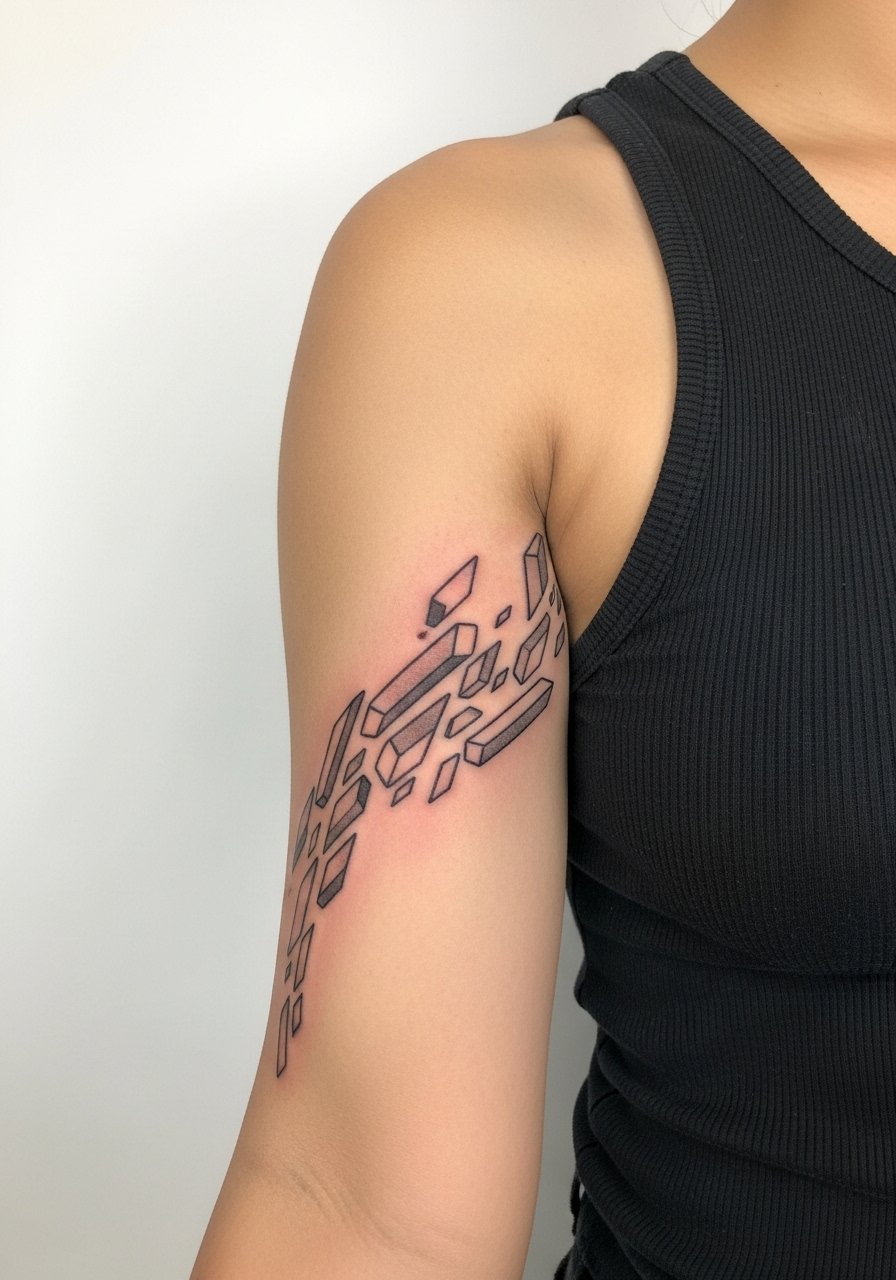
This composition takes the arm's contour into account so the piece moves with flexion. During consultation, point out where your arm naturally bends so shapes avoid heavy detail on creases. Session time varies with coverage but expect multiple passes for layered shapes. A common error is trying to compress too many small triangles into a narrow strip. Over time the negative spaces preserve the silhouette if spacing was prioritized. For the session wear a loose tank top so the artist can access both forearm and bicep without fabric tugging.
9. Layered Dot Work Bar on Inner Forearm
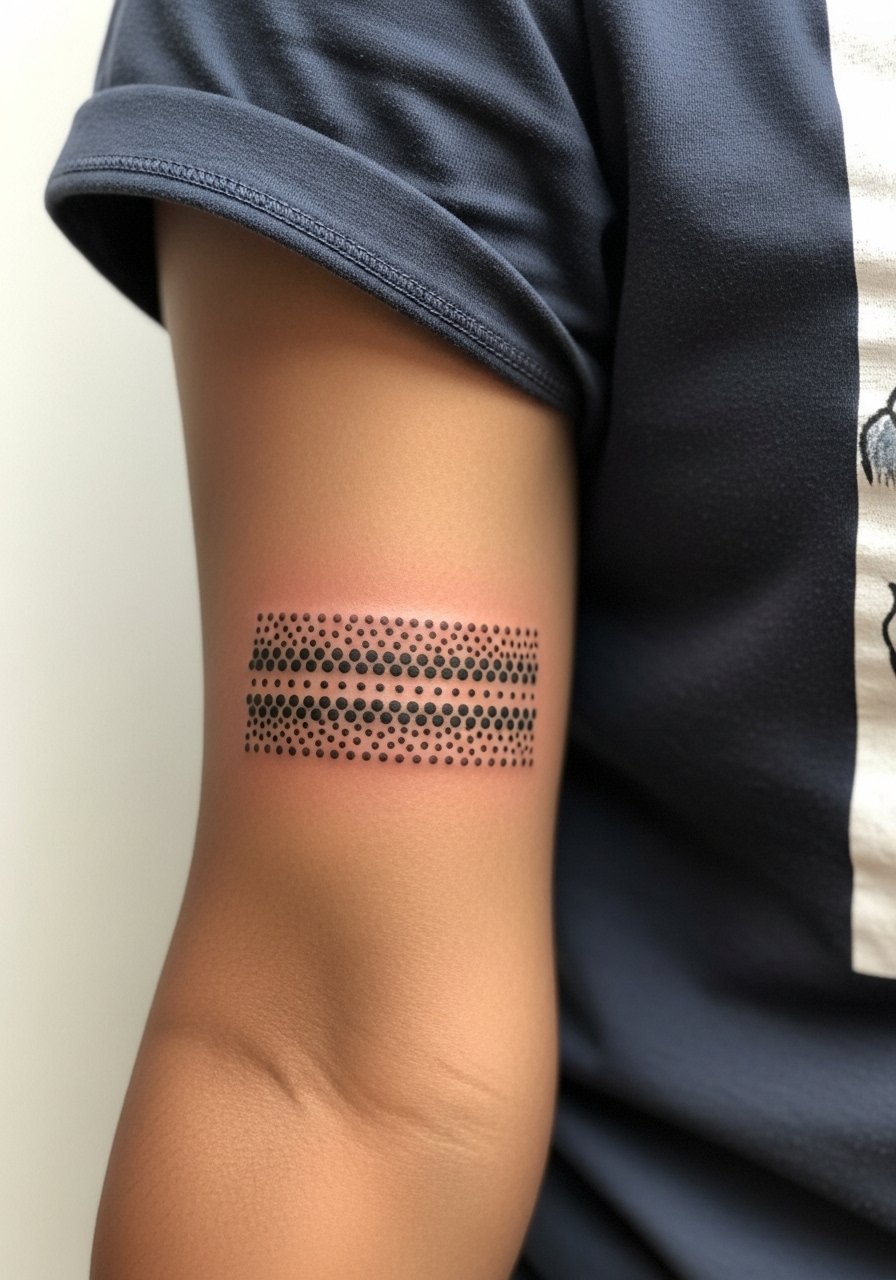
Dot work rewards patience. Ask for intentional negative spacing so the pattern keeps its separations as it heals. Inner forearm dot fields need consistent needle depth, so expect a steady humming rather than sharp pinpricks. The biggest mistake is over-densifying dots near the wrist where skin is thinner. At two to five years the bar keeps its texture if dots were not packed. When dressing after the session, choose breathable cotton sleeves or a rolled short sleeve shirt to avoid sweat accumulation on the healing dots.
10. Abstract Watercolor Wash Along Inner Arm
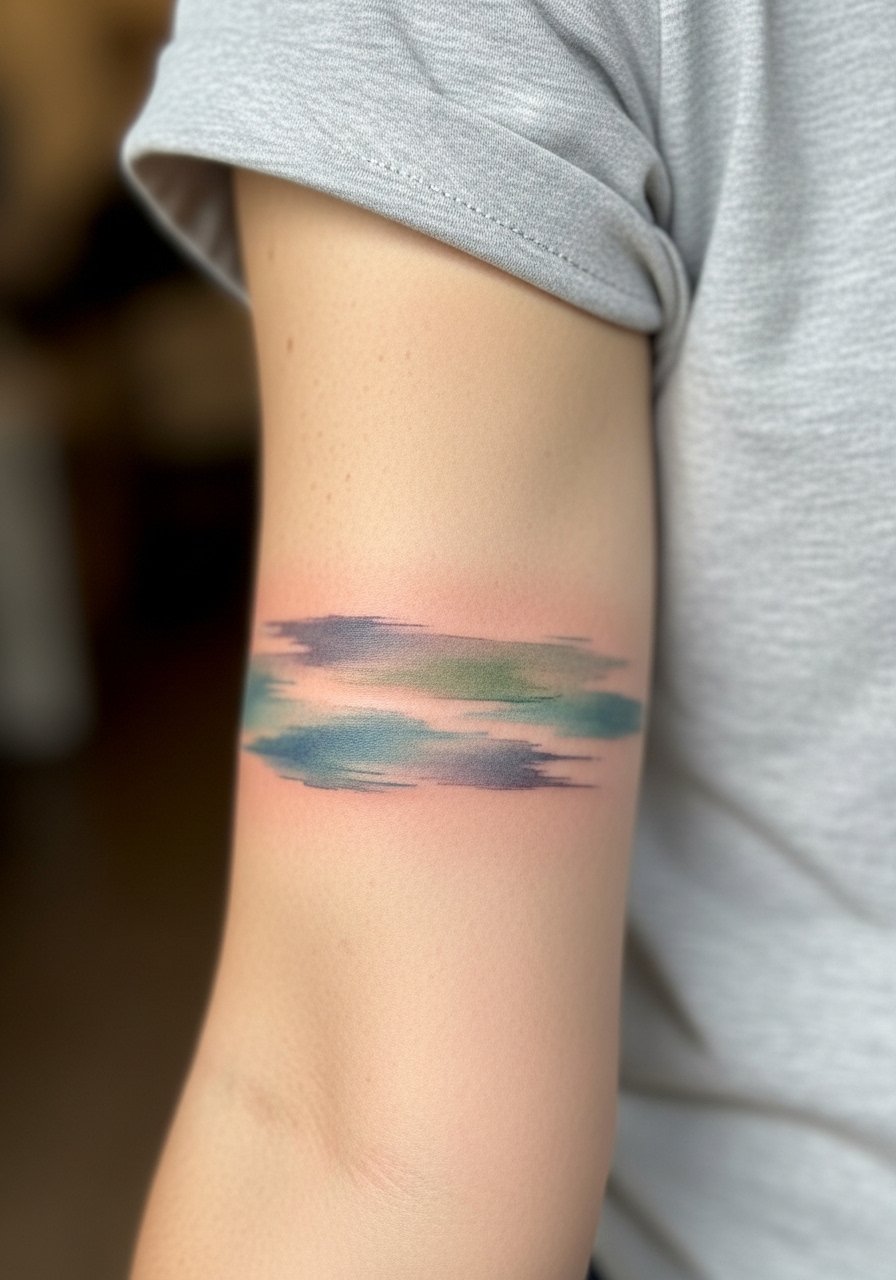
Watercolor techniques on the inner arm can be beautiful but they fade faster than black linework. Ask your artist for anchored linear elements to protect the composition as colors soften. This style ages into a softer haze at two years and usually needs refreshes if you want bright color long term. A common mistake is choosing low-saturation pastels without considering frequent sun exposure on forearms. For the session wear a loose breathable tee so air circulates and you stay comfortable.
11. Ribboned Negative Space Band on Inner Bicep
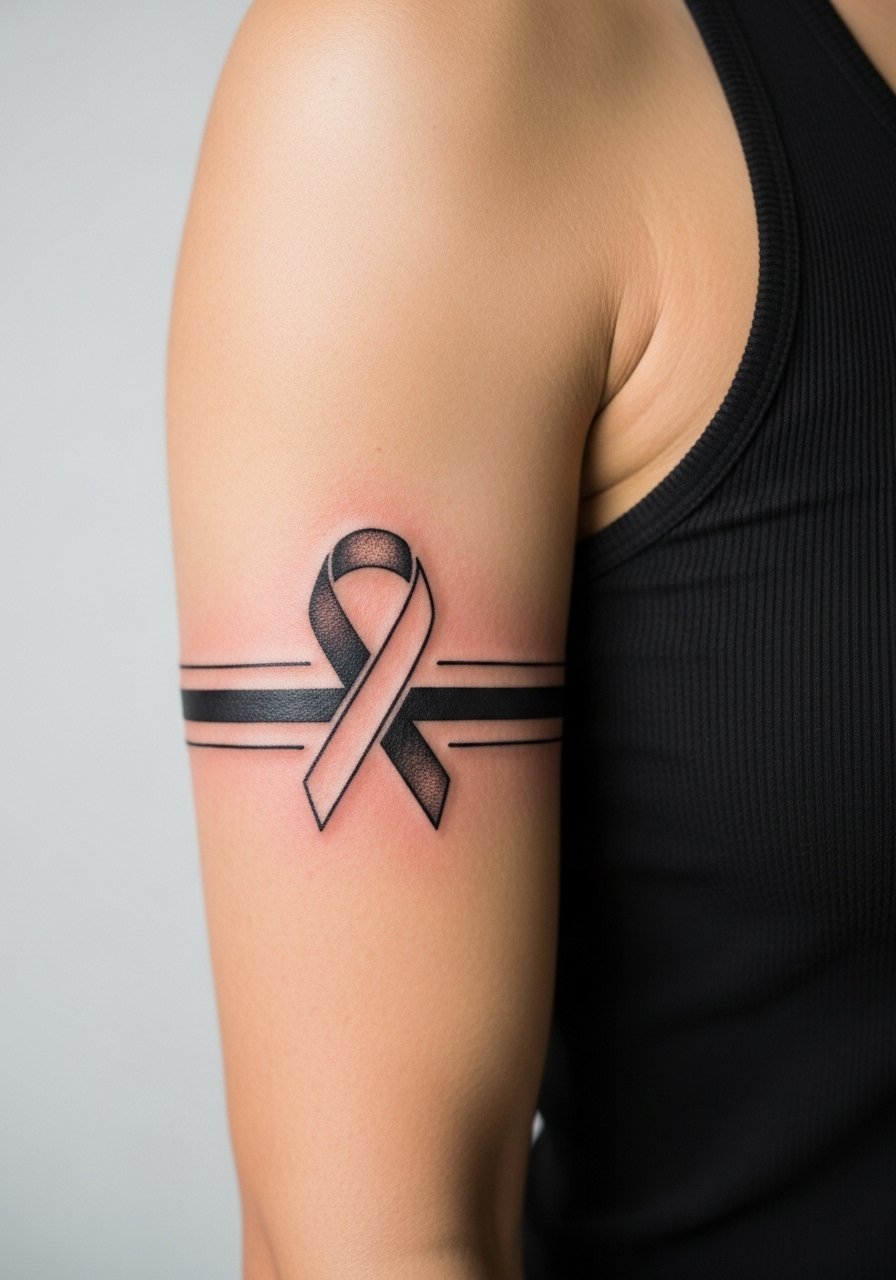
This plays with the arm's curve and looks intentional when the skin is given room. During consult, point to where you want skin gaps and ask the artist to test the spacing on your skin with the stencil. Inner bicep touch sensitivity is real, so plan a longer break for comfort. A mistake is wanting the ribbons too narrow. Over years these ribbons keep shape if negative space was respected. Wear a sleeveless top the day of the session to give easy access without stretching the area.
12. Abstract Symbol with Bold Anchors Near Inner Wrist
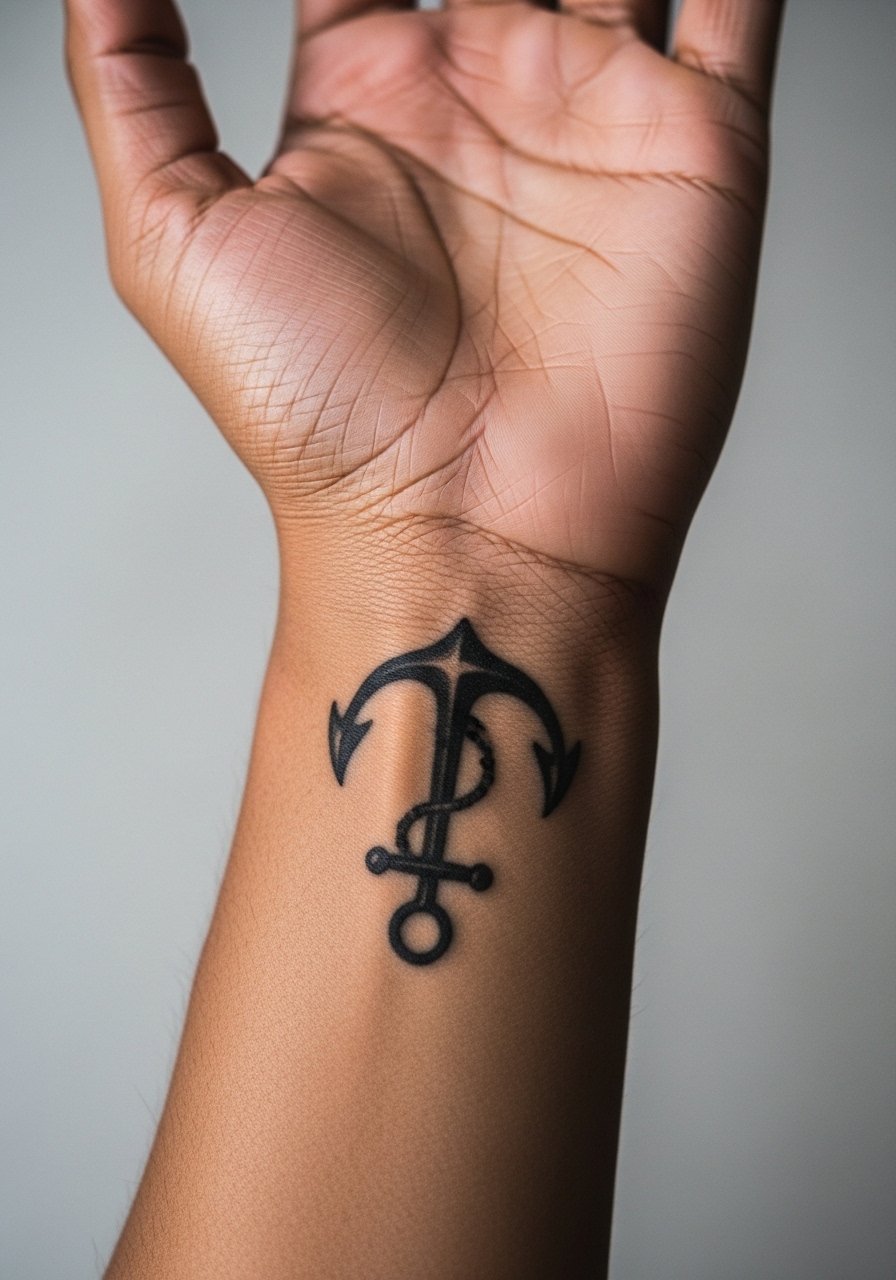
A single symbol can read as jewelry if anchors are placed thoughtfully. Ask for heavier anchor strokes that protect the finer interior marks. Because the wrist gets so much contact, expect a higher early fade risk especially if the symbol is small. The typical mistake is under-sizing the anchors relative to the inner wrist motion. For longevity plan a touch-up around year two if you want the symbol to stay bold.
13. Layered Line Maze on Inner Forearm
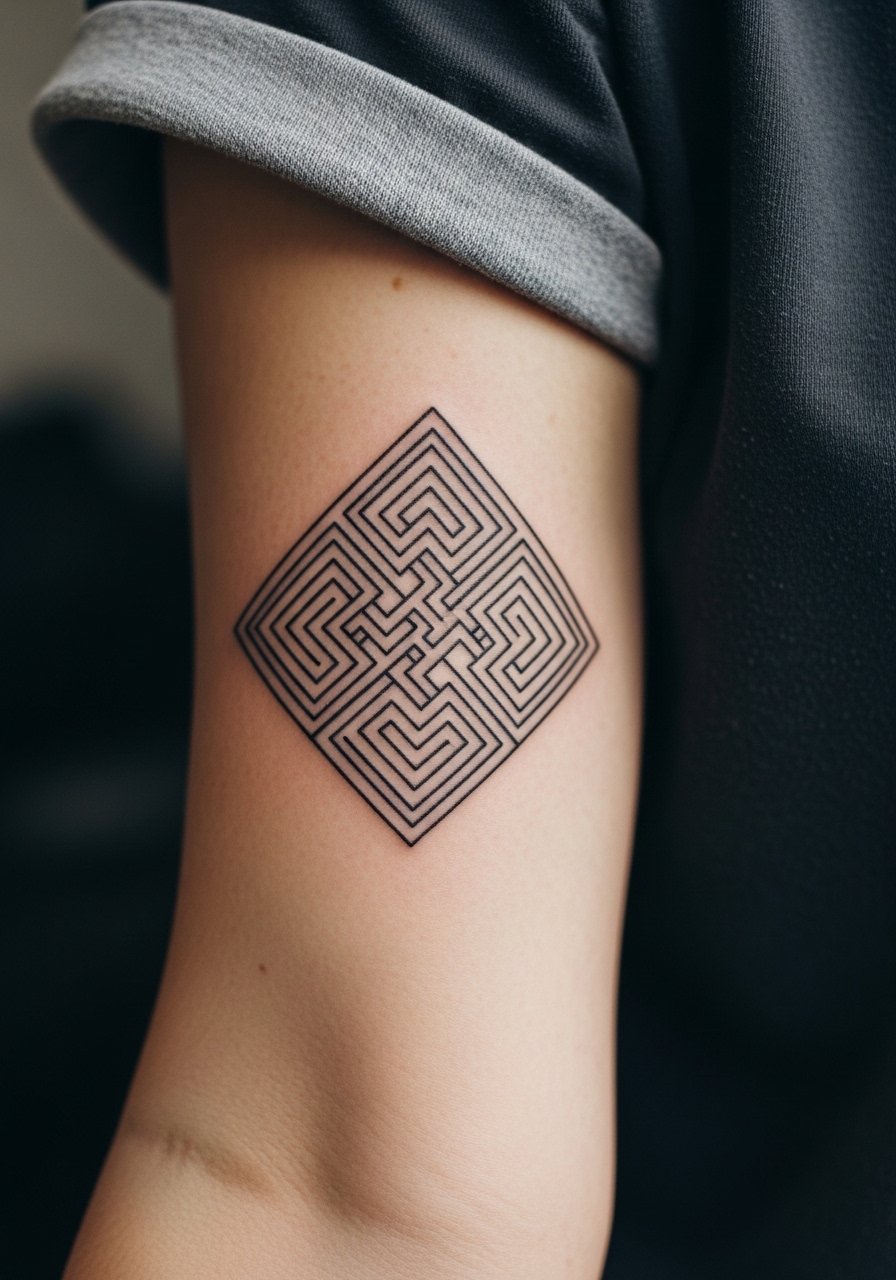
Complex line mazes work when lines have room. Tell the artist you want planned negative corridors and to avoid intersecting lines closer than the width of a pencil. The inner forearm tolerates this kind of detail, but if lines are too close they will blur together over time. A frequent mistake is asking for overly dense interlocks that look great fresh and unreadable later. Expect a longer session and a realistic touch-up timeline of two to four years for maintenance. For showing it off try a rolled sleeve or a linen cuff shirt that keeps attention on the forearm.
14. Organic Curve Study Along Inner Arm
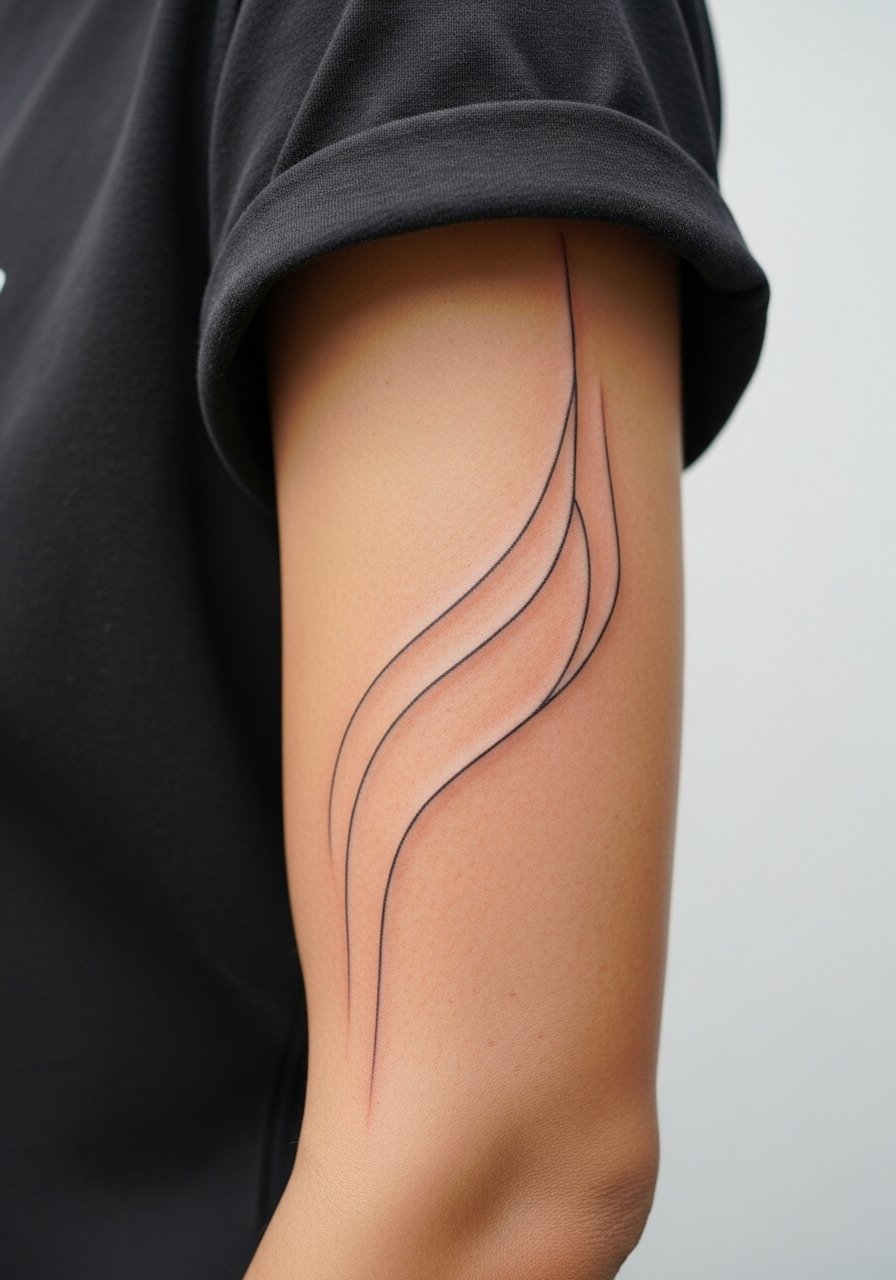
Organic curves that follow muscle lines look alive when placed with anatomy in mind. Ask the artist to draw on you in both relaxed and flexed positions to confirm flow. This is helpful because the inner arm changes shape as you move, and a static stencil can lie. A common error is ignoring flexion and placing dense detail where the bicep expands. Sessions range based on length. Over time the curves keep their rhythm if negative spacing is prioritized.
15. Minimal Black Block Accent on Inner Bicep
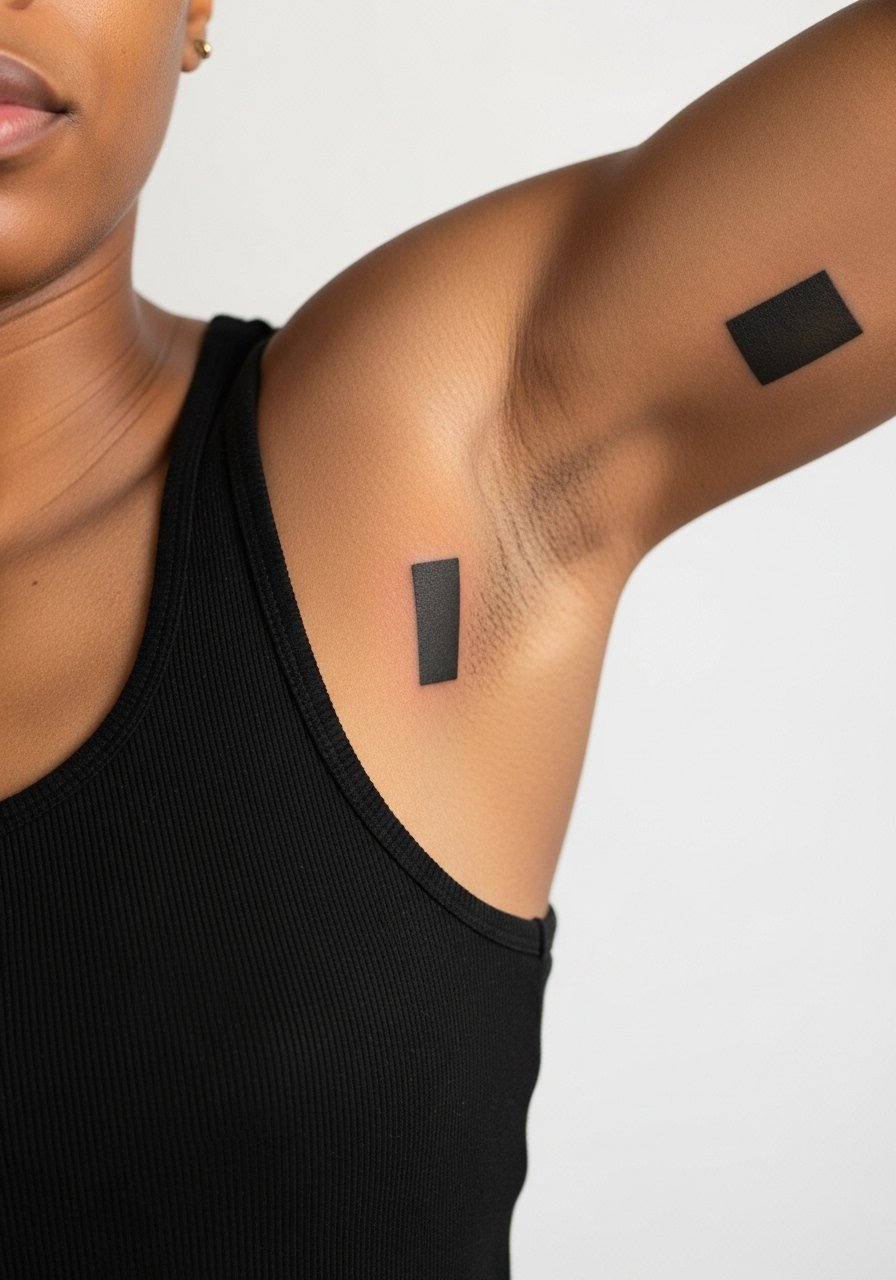
Solid black blocks read strongly and tend to age well if filled evenly. The inner bicep accepts saturation but avoid large blocks that meet thin lines. Tell your artist you want consistent saturation and edge integrity from the start. Expect a firmer sensation when the needle crosses dense black. The usual mistake is underestimating aftercare for saturated areas that scab differently. For the session wear a lightweight tank so the artist can keep access steady.
16. Fragmented Script-Like Marks Near Inner Elbow
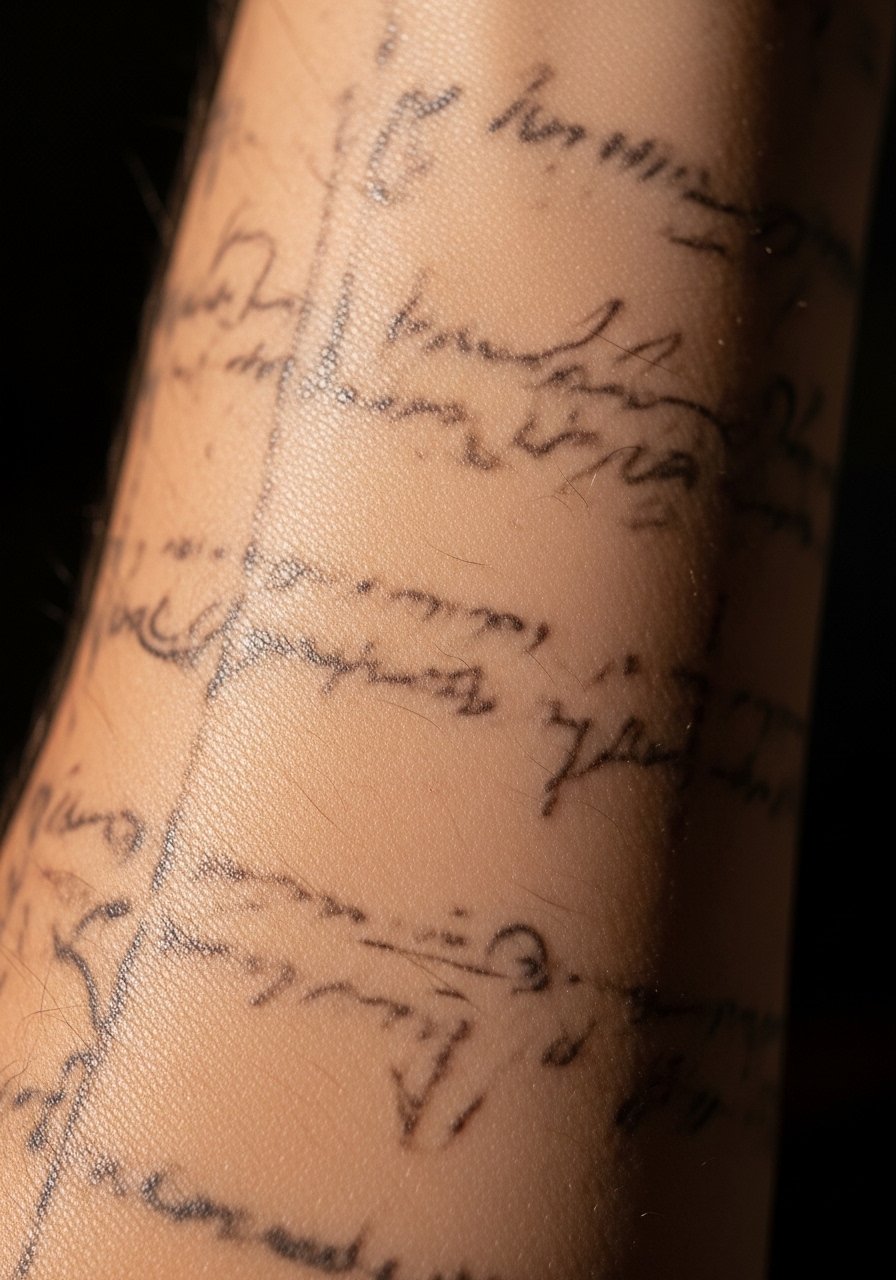
When the design reads like script without being legible it becomes personal without literal meaning. Name to your artist that you want the cadence of handwriting but not a readable word, and show scale references. Inner elbow placement means the skin creases, so avoid placing fine repeating marks directly in the fold. One camp argues script-like abstractions survive if given more spacing. The other camp avoids the fold entirely. Ask where your chosen approach will sit before booking.
17. Constellation of Abstract Points Along Inner Arm
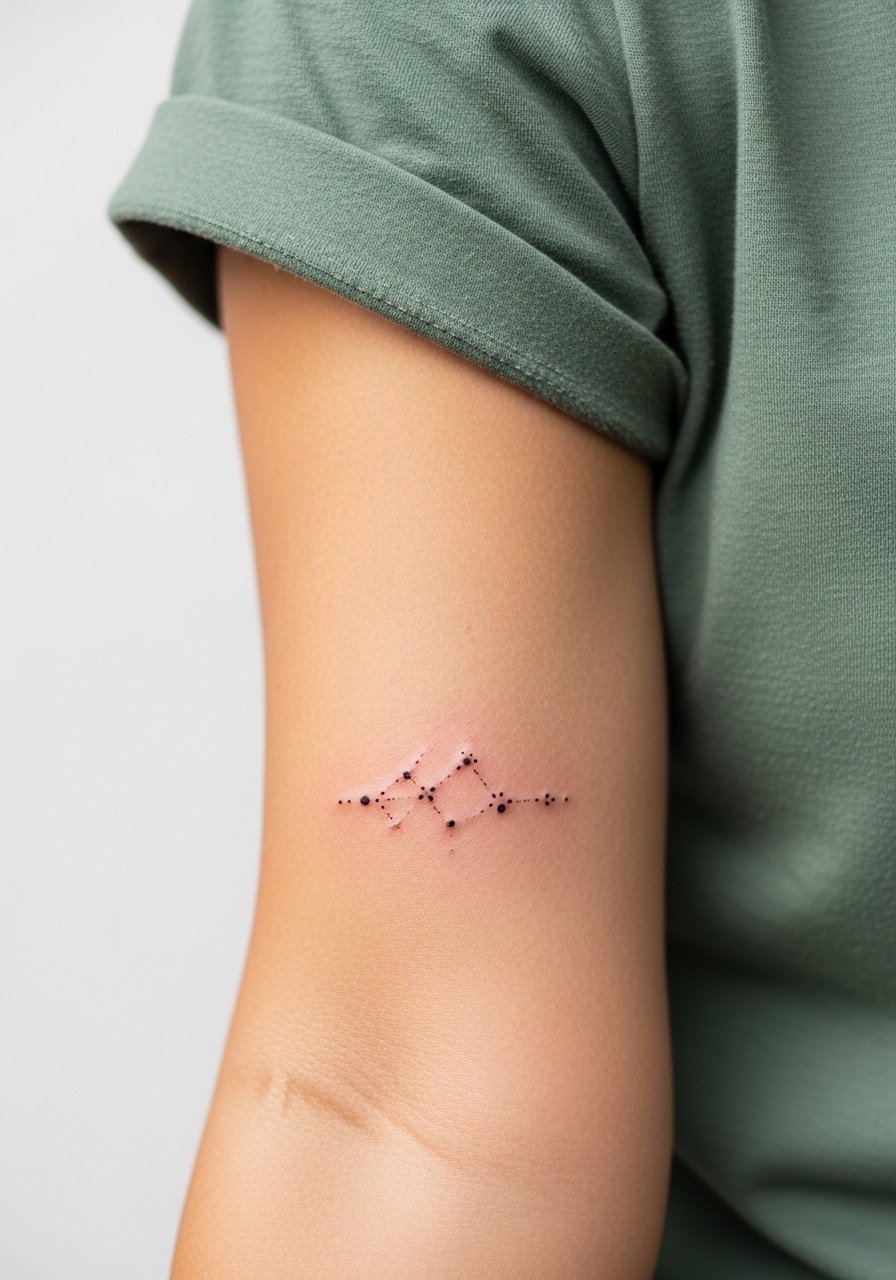
Tiny point constellations can look like freckles at a glance. For longevity, request slightly larger dot anchors at key nodes so the pattern keeps its geometry. The inner forearm is forgiving but the wrist end of a constellation will fade faster from hand contact. A common mistake is wanting ultra-micro dots throughout. Expect periodic small touch-ups to keep node clarity. Pair this design with a stacked thin bracelet when you want the constellation to peek without hiding it.
Frequently Asked Questions
Q: Will fine line abstract tattoos on the inner arm blur faster than bolder designs?
A: From what I've seen, yes in many cases. Fine line depends on spacing and skin type more than bold pieces. If lines are too close or shallow they can merge within a few years. Ask for deeper, slightly more saturated lines and intentional negative space to slow that process.
Q: How should I dress for an inner bicep session so the artist has clear access?
A: Wear a tank top or sleeveless shirt you can lift without stretching the skin. A loose tank top makes it easy for the artist to position your arm and check flexion while keeping you covered.
Q: Do abstract watercolor washes need different aftercare than black linework?
A: The basic aftercare is similar, but color often needs more strict sun protection and moisturizing because pigments can fade faster. Expect color refreshes earlier than black if you want vibrancy long term.
Q: If I want a small constellation near the wrist, how much larger should dots be to improve longevity?
A: I usually tell people to increase key node dots by about 20 to 30 percent relative to initial plan so they hold as anchor points. That balance keeps the constellation readable without making it feel blocky.
Q: How often should I realistically budget touch-ups for inner arm abstract pieces?
A: It depends on style. Bold black blocks can hold for many years without work. Fine line or micro-realism often benefit from touch-ups around year two to four depending on sun exposure and skin type. Schedule a consult to get a personalized timeline.