Fine line sketch wings feel like a sketchbook page translated into skin, raw and a little restless. They read best when the composition respects growth and movement of the body, not when someone pastes a photo reference onto a cramped spot. Below are 21 sketch-style wing ideas that work with different placements, pain tolerance, and wardrobe choices. Start with the inner forearm piece if you want something visible and low fuss.
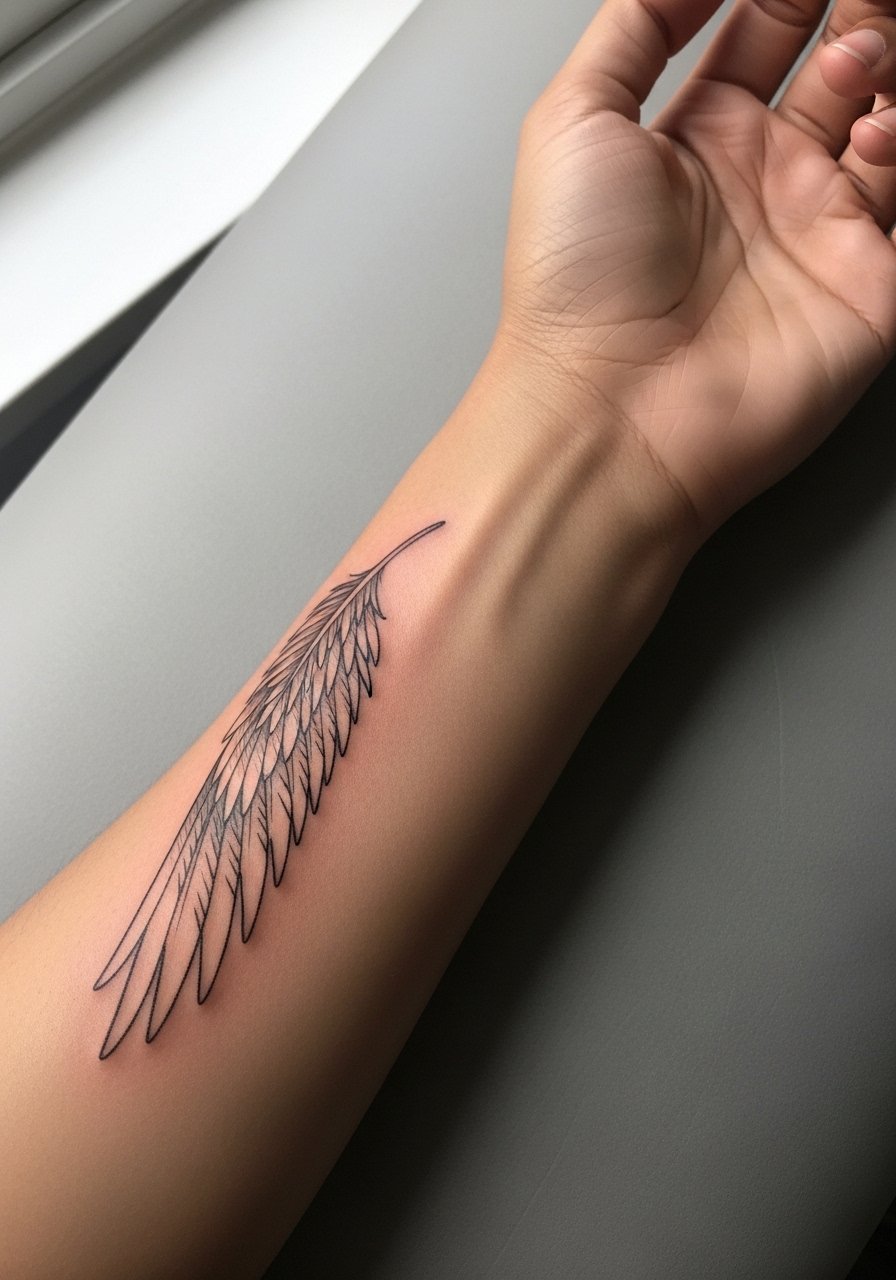
1. Feathered Single Wing on Inner Forearm
I've seen this placement survive office life and weekend shows because the arm gives room for feather detail without crowding. Tell your artist you want varied line weight and a loose sketch edge so the wing reads dynamic instead of rigid. Fair warning, the inner forearm feels like a 3 out of 10 on most pain scales. Ask for slightly more spacing in dense feather clusters to avoid lines merging at year three. For the session wear, roll up a loose button-down shirt so the artist can work comfortably. This look ages well with occasional touch-ups around year three.
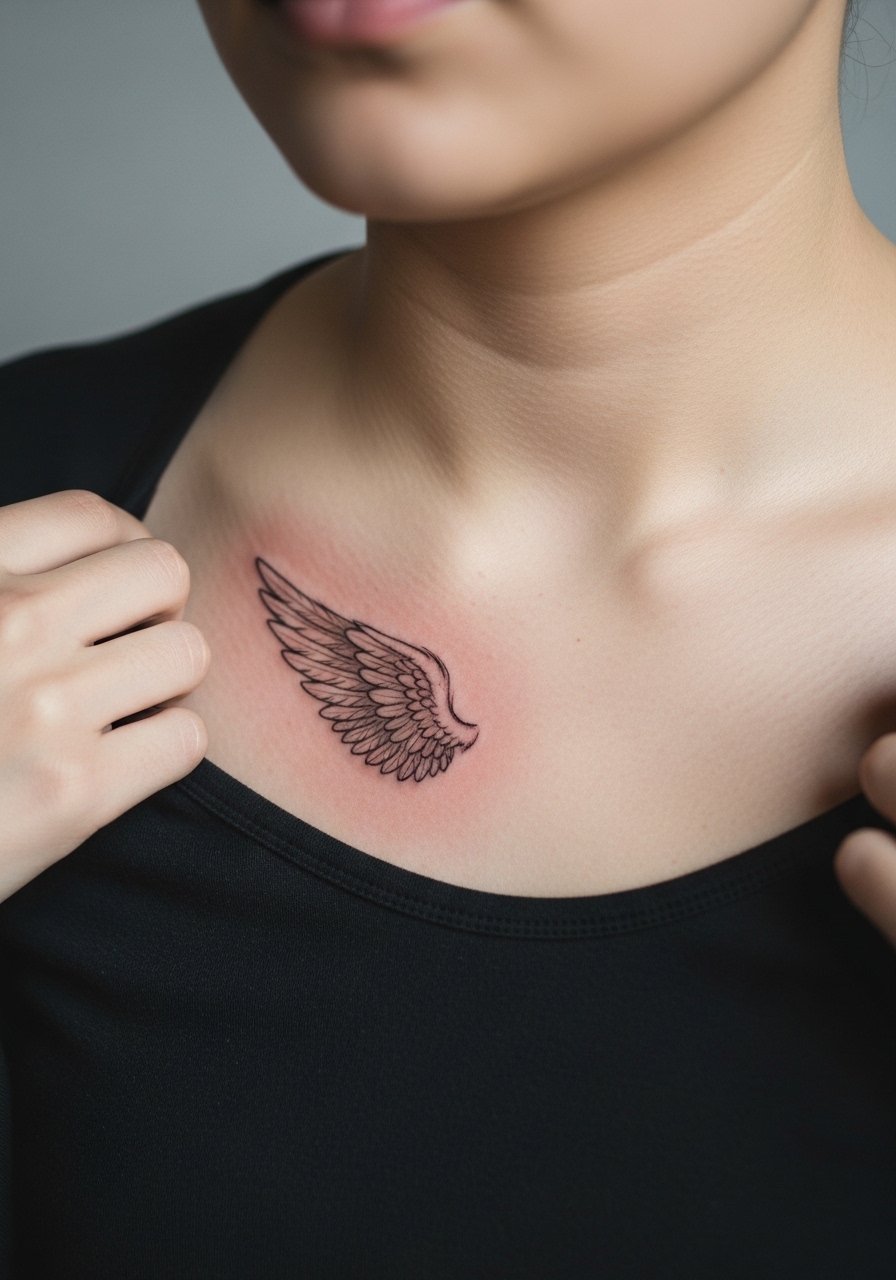
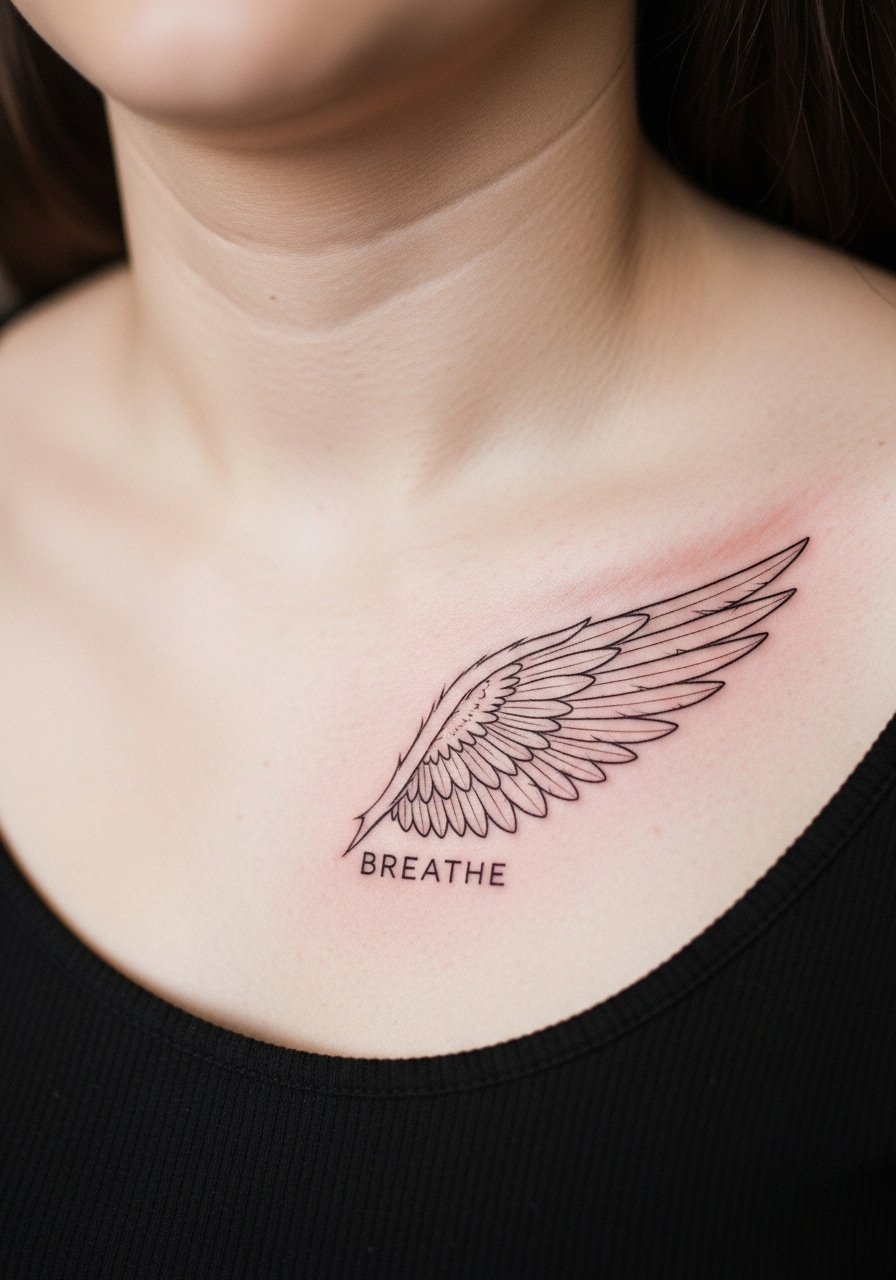
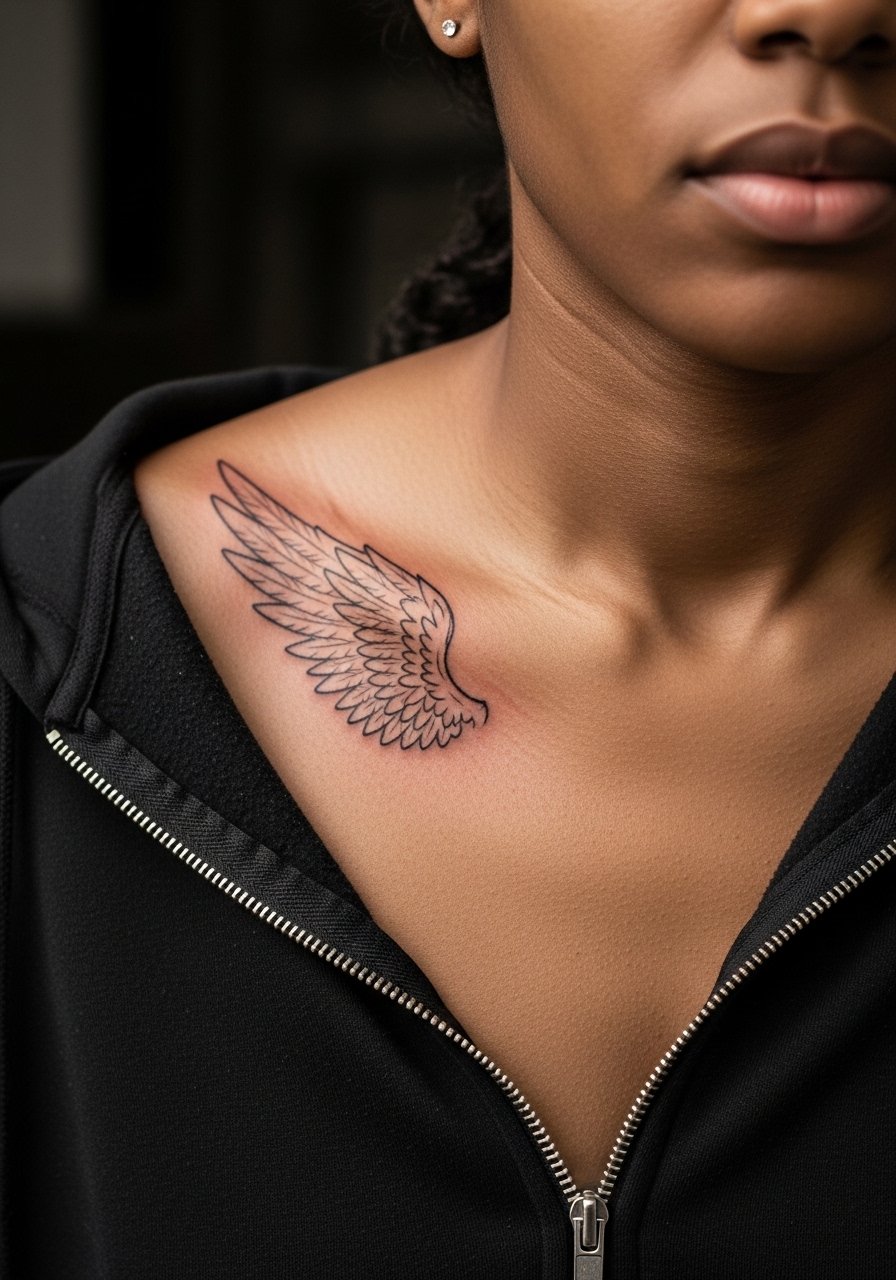
2. Minimal Sketch Wing over the Collarbone
This narrow sketch wing sits along the collarbone and reads like a drawing slipped under clothing. The chest area moves with breath and clothing, so expect the session to feel like a steady sting rather than a sharp jab. Bring reference photos that demonstrate the exact tilt and line weight you want. Most people wear a wide-neck blouse the day after to show off the placement. If the wing is drawn too dense, shading will bleed over time. Ask for airy spacing in the feathers so the piece keeps its sketch quality after a few years.
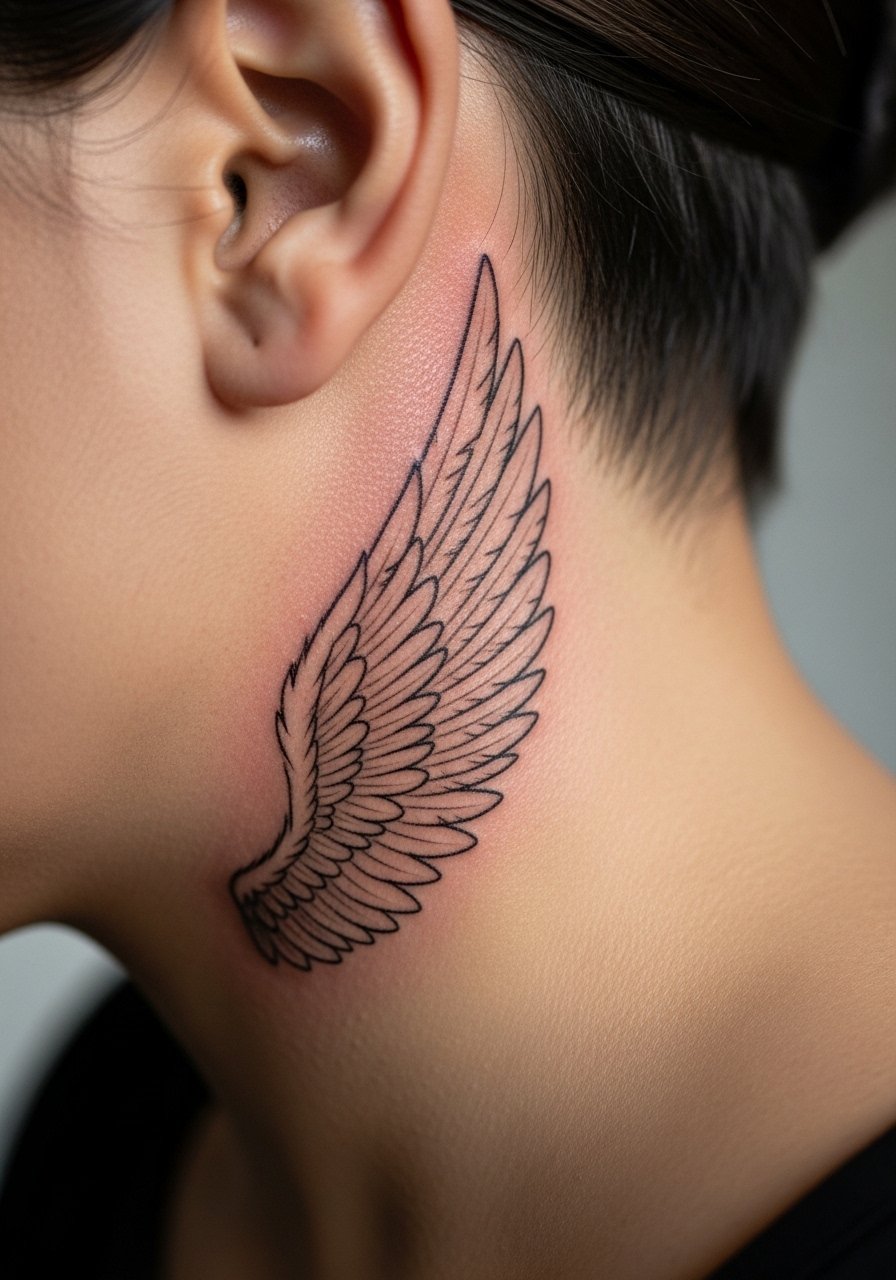
3. Tiny Wing Behind the Ear, Subtle Statement
A small sketch wing tucked below the hairline is a surprise detail when you tuck hair away. For safety in imagery, note this is on the skin behind the ear below the hairline. The area is sensitive but quick, about a 4 out of 10 for most people. Bring clear, zoomed-in references so the artist knows the exact sweep and feather direction. The most common mistake is asking for too much detail in a tiny size. Scale down ambition to keep the sketch readable at six months and two years. Because this sits near hair and collars, session access is easiest if you wear hair up and a wide-neck tee that keeps the neckline clean.
4. Mirrored Wings on the Upper Back for Symmetry
Placed high on the shoulder blades, mirrored sketch wings move with shoulder rotation and drape under shirts. The session can be awkward because you will lie on your stomach for an extended period. Tell your artist you want mirrored negative space so the pieces never read too heavy. A common aging issue is saturation added after the fact that kills the sketchy edge. Ask for a lighter first pass and a touch-up plan at year two. For showing them off, open-back tops work best and a pair of open-back midi dresses frames the wings without competing.
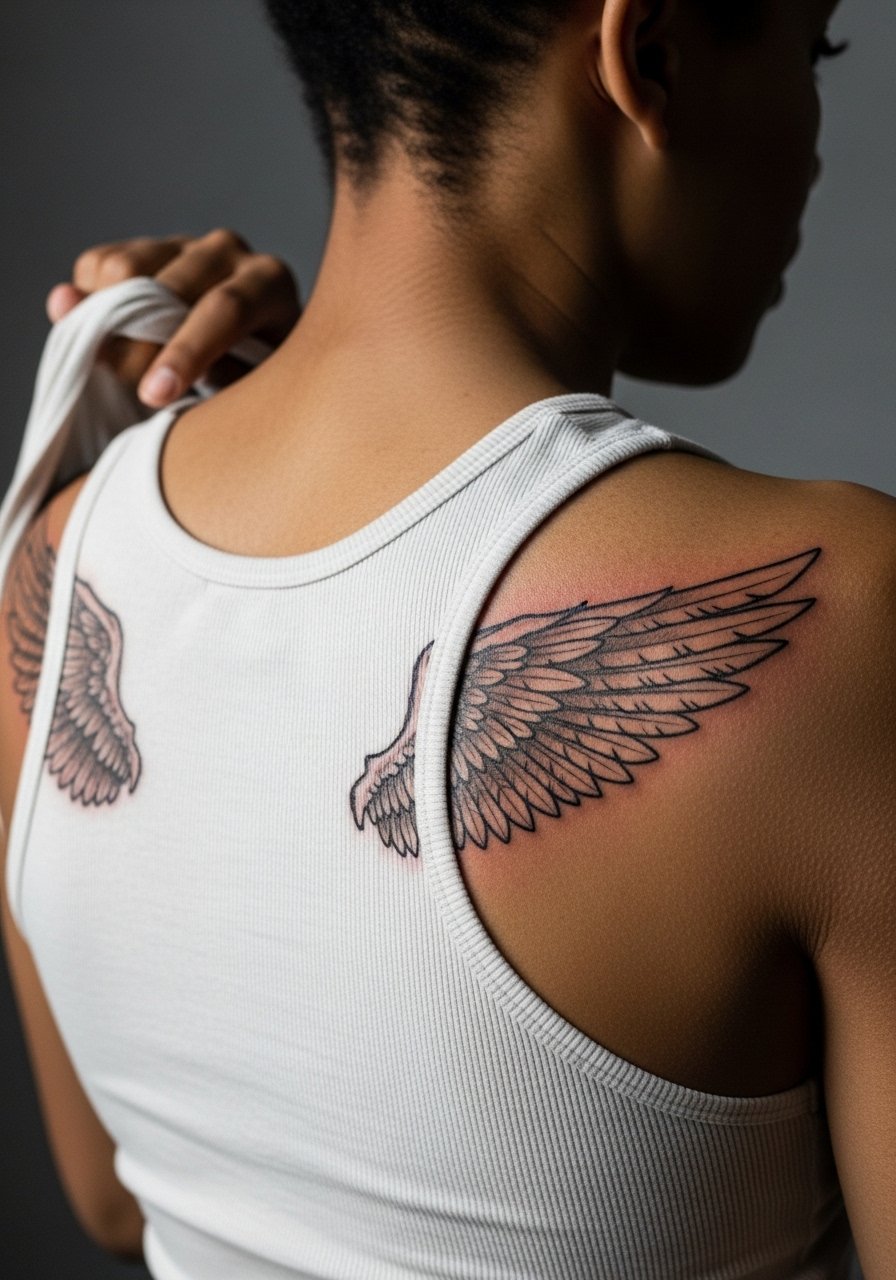
5. Sketch Wing That Wraps the Shoulder Cap
A single wing wrapping the shoulder cap reads like movement frozen in ink. The shoulder is forgiving for thin lines but will require longer needle passes near the joint. In consultation, mention you want the feathers to flow over the curve without hard stops so they read like a sketch instead of a sticker. Expect the session to feel like medium discomfort around the outer shoulder. This piece pairs well with summer tanks and a loose drawstring linen pant for balancing a casual look. Plan a touch-up at year two if you spend lots of time in sun.
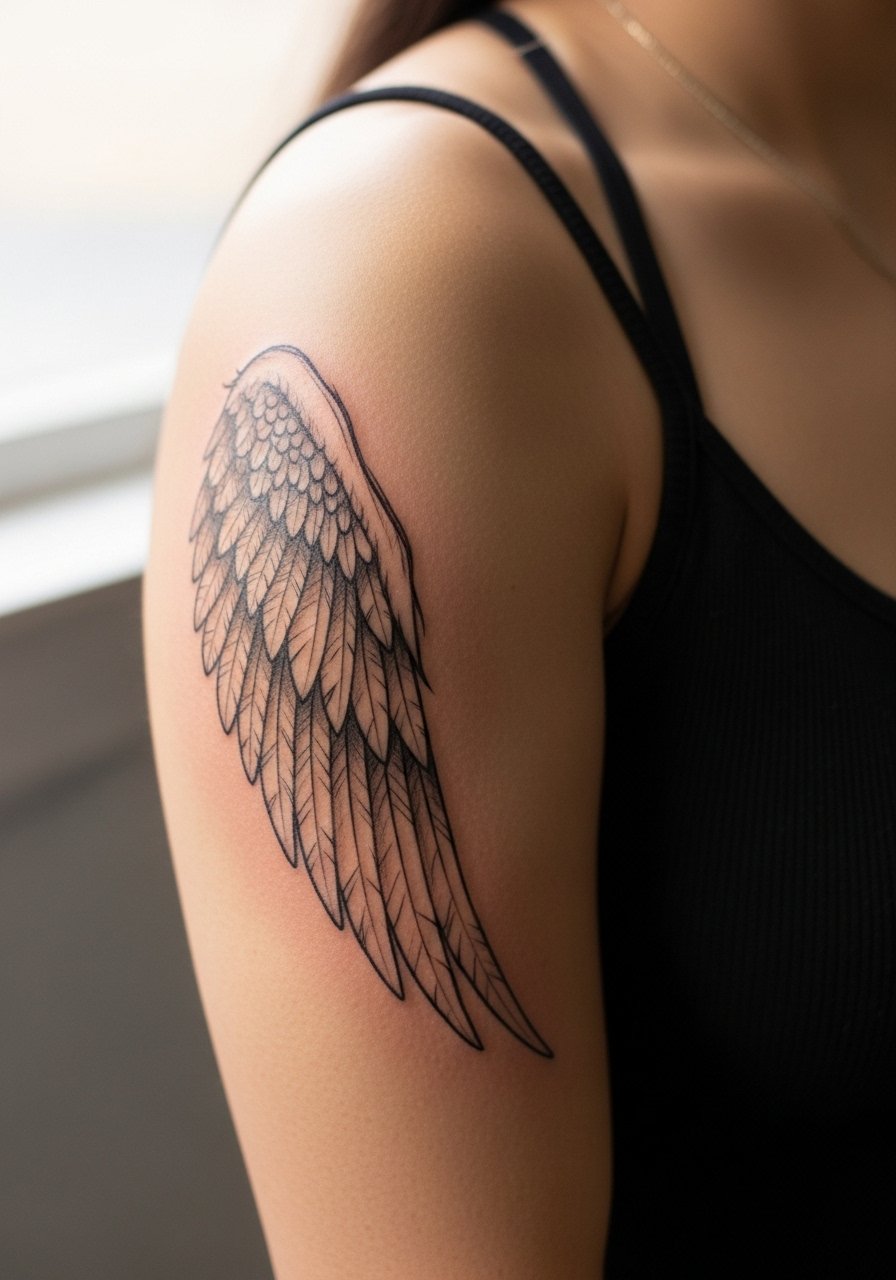
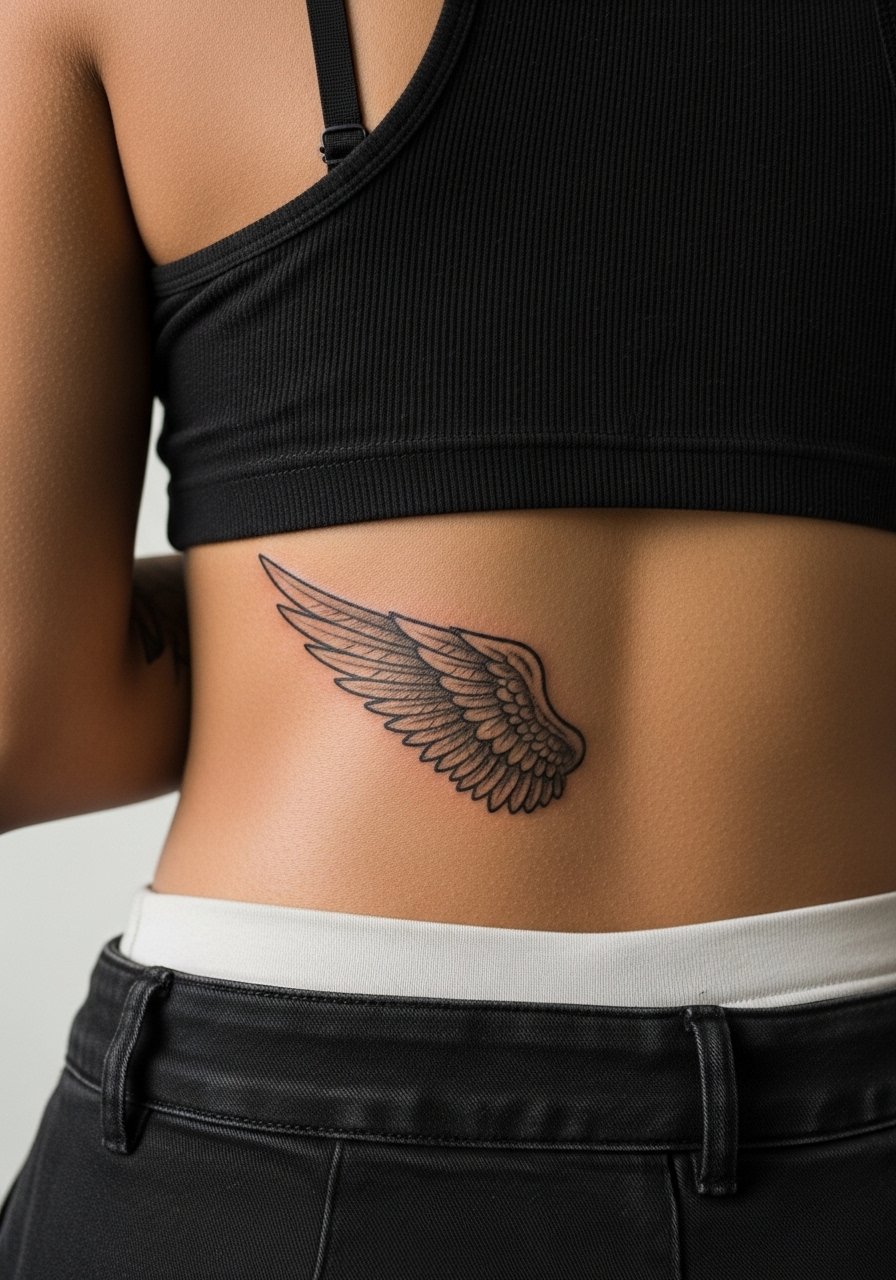
6. Fine Line Wing along the Ribcage, Intimate Flow
Fair warning, the ribcage is a 7 or 8 out of 10 on most pain scales. The skin there stretches with breathing, so the big debate is on whether fine line holds up. One camp says the constant movement blurs detail within two years. The other camp argues proper spacing and depth will make it hold. Ask your artist which side they sit on before booking. For the session wear, a cropped top or sports bra that can be lifted slightly keeps the area accessible. If done too densely, this placement will merge lines after a few years, so ask for sketchy, airy feathers and a realistic touch-up plan.
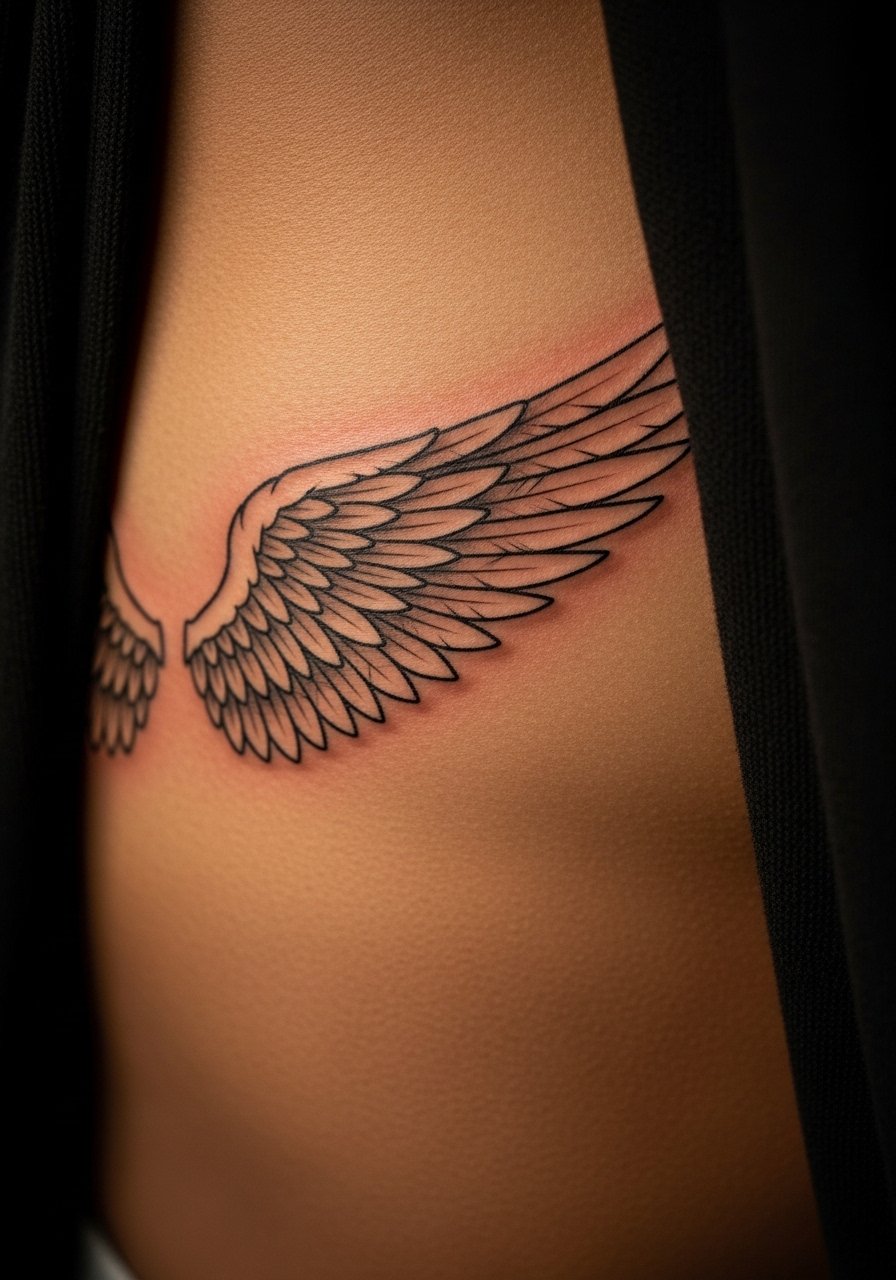
Studio Day Picks
Lower body work and narrow placements like the ribs and forearm above need different prep. The items below smooth out the session and the first week for the pieces above.
- Stencil transfer paper kit. Lets you preview the line placement on skin before the needle hits, especially useful for asymmetric rib and collarbone wings.
- Topical numbing cream. Applied as directed before the session can ease the rib and inner bicep discomfort without altering the artist's linework.
- Thin protective film roll. Helps guard ankle and wrist placements from friction during the first days when you are most active.
- Fragrance-free gentle body wash. Cleans the area during showering without stripping delicate ink that thin line work depends on.
- Aquaphor healing ointment. A thin layer for the early healing window keeps fine lines hydrated while you follow your artist's aftercare steps.
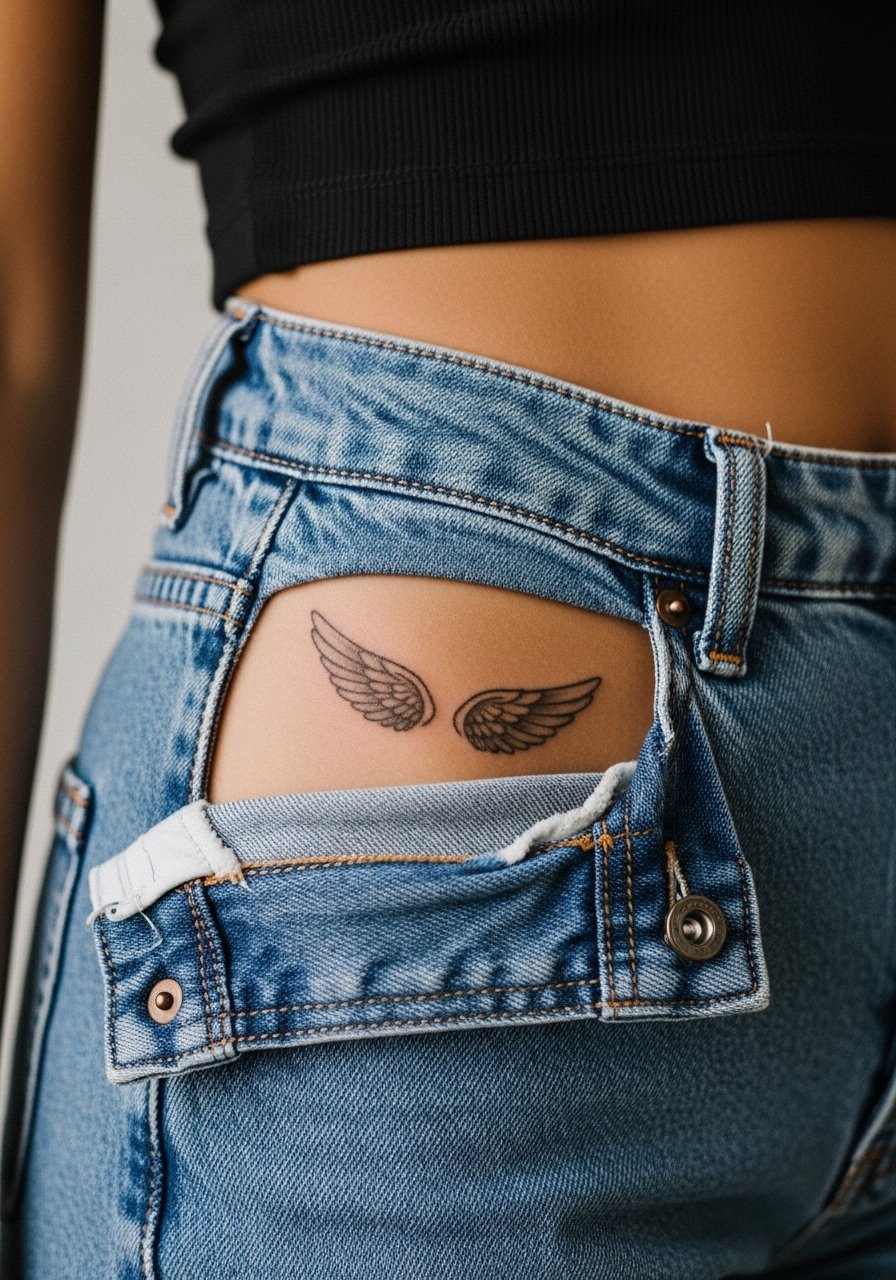
7. Double Mini Wings on the Hips, Flirty Placement
Hip wings peek out of swimwear and high-waist cuts, so session access and privacy are important. Wear high-cut shorts or jeans that can be shifted to expose just the hip. The inner thigh and hip move a lot with walking, so ask for looser sketch strokes that tolerate skin stretch. The most common mistake is packing too much tiny detail into the area. Expect a medium pain experience and plan a brief touch-up at year two if you favor fitted waistbands. For show-off outfits, pair this with high-waisted denim and a cropped tee to let the wing breathe.
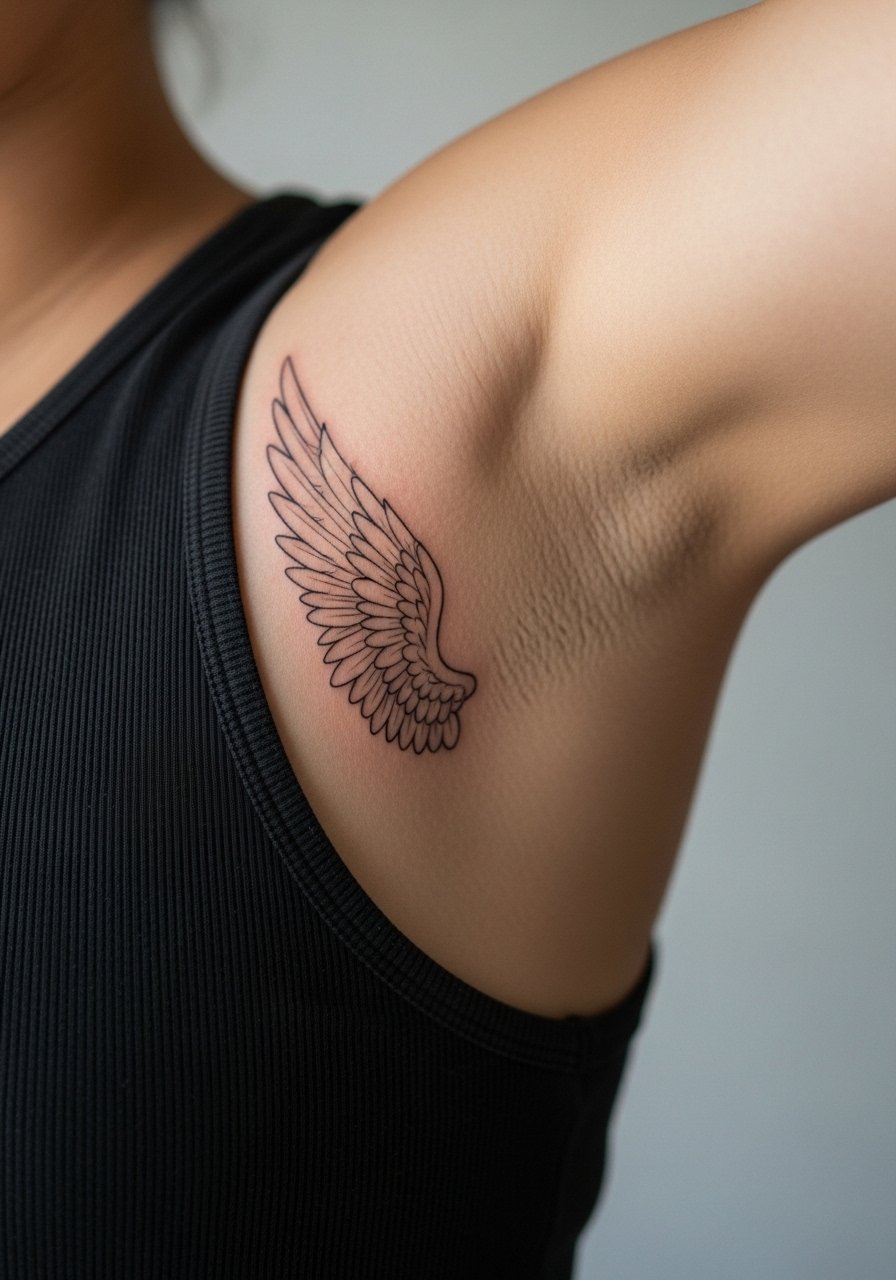
8. Delicate Wing on the Inner Bicep, Personal and Hidden
Inner bicep wings live in a private spot that only shows when you want them to. The area can be tender because skin is thinner. Tell your artist you want the sketch edges to lean into the muscle curves so the wing reads like part of the arm. A mistake is asking for dense shading close to the armpit, which can wick and blur over time. This placement is excellent for folks who want something intimate and easily covered for work. For session access, a sleeveless tank keeps the area available and comfortable.
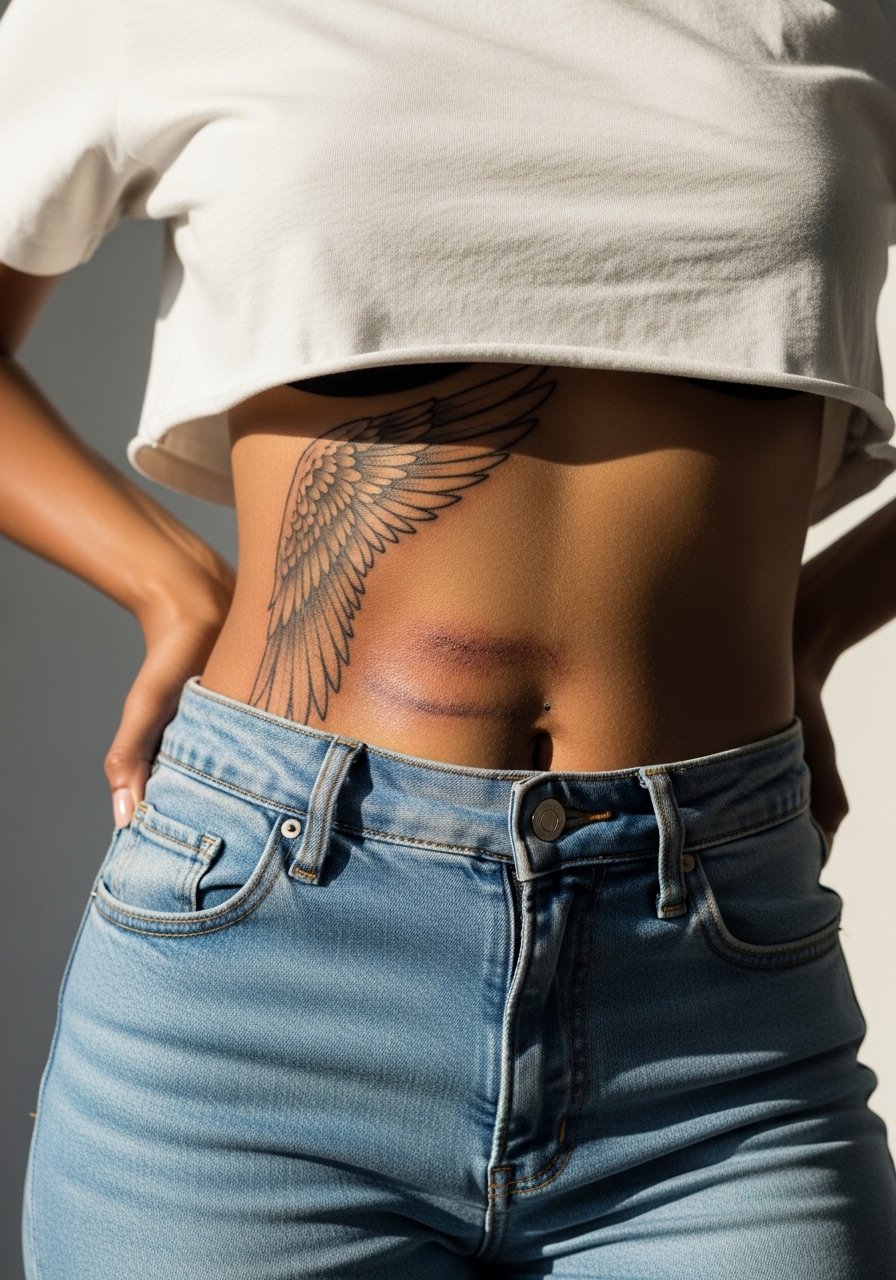
9. Stylized Wing Down the Rib to the Hip, A Flowing Composition
When a wing travels from rib to hip it reads like motion frozen. This long composition needs sketchy spacing and rhythm in the feathers so the eye moves rather than gets stuck. The session will be longer and the rib portion is the toughest for most clients. Two camps disagree about fine line on this stretch. Some artists avoid small detail there. Others lay it with broader strokes and plan for touch-ups. During consultation, emphasize the flow you want, not a static photo. For the after-session wardrobe, pick high-waisted bottoms that avoid rubbing the area as it scabs, like high-waisted jeans.
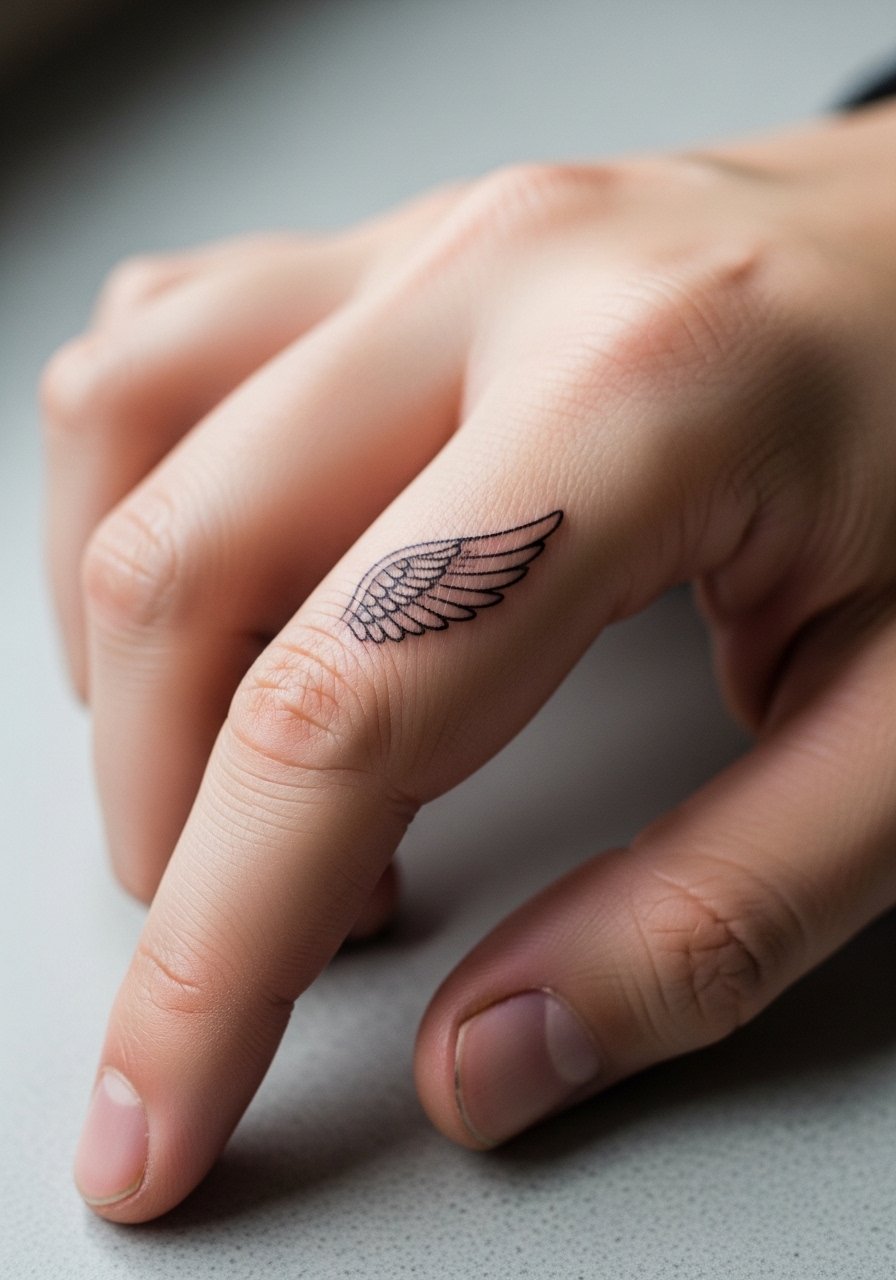
10. Tiny Wing on the Side of the Index Finger, Micro and Graphic
Finger tattoos are crisp at first and then require maintenance. The skin on fingers sheds rapidly, which means thin sketch wings often lose tips faster than expected. The common mistake is requesting extremely fine detail in a size that cannot hold it. If you want longevity, ask for bold anchoring strokes at the base of the wing and minimal hairline tips. Finger pieces feel quick but sharp. Show-off styling includes stacked dainty bracelets or a minimalist watch to frame the area without covering it.
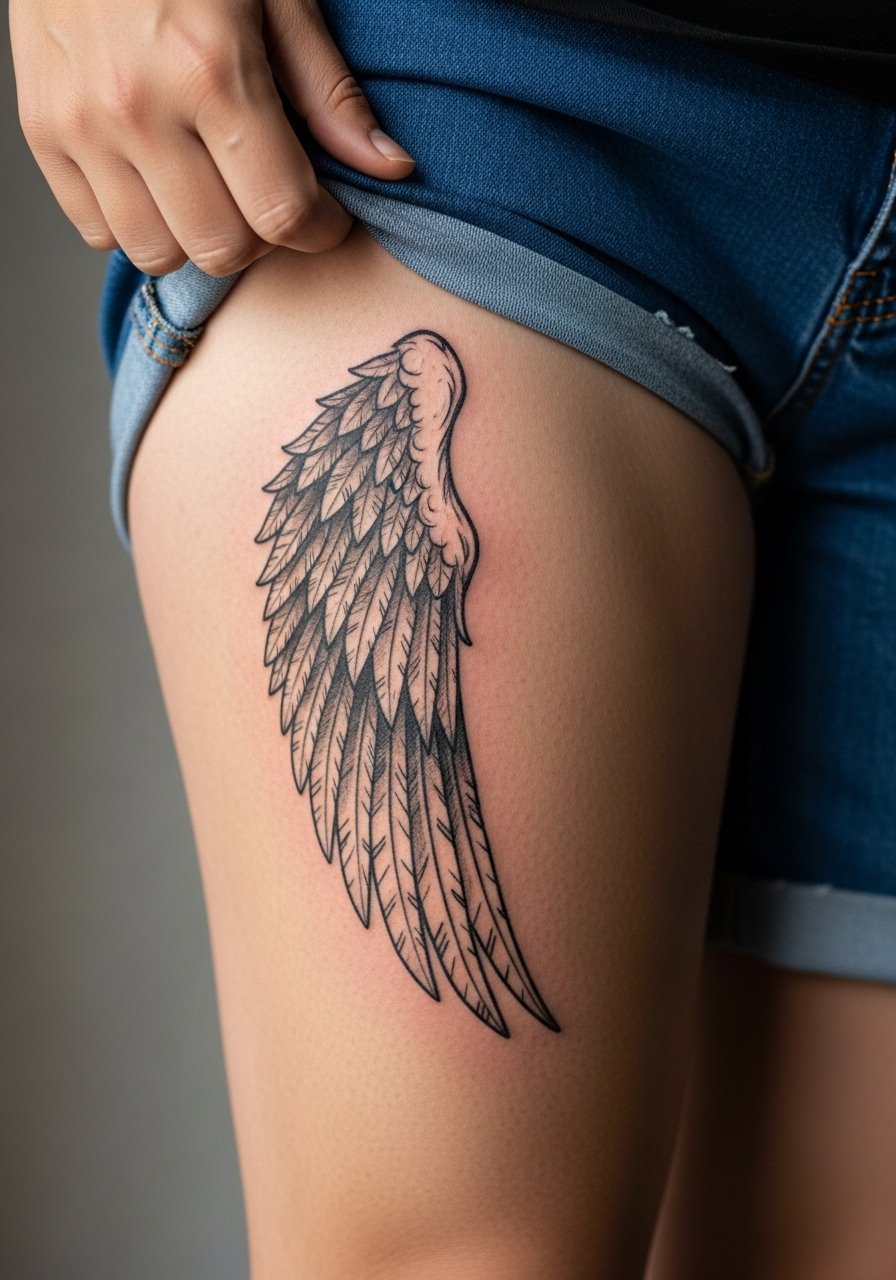
11. Oversized Sketch Wing on the Thigh, Bold and Wearable
Thigh wings let you go big while staying private when you want. The thigh handles deeper saturation and longer lines, which means you can keep more sketch detail than on smaller spots. The session will be longer and usually less painful than ribs. Request the artist map the wing with the leg contours so feathers sit naturally when you sit or walk. For the session, wear loose shorts or a wrap skirt so the artist can easily access the canvas. Expect touch-ups in dense shaded areas at year three if you spend time in sun.
12. Single Wing Along the Spine, Vertical Drama
A vertical wing placed near the spine reads like a backbone accent. Placement requires precision in centering. The spine area can be uncomfortable when needles are close to bone, especially along the vertebrae. The most common mistake is asymmetry due to poor stencil placement. Bring posture-neutral photos so the artist sees the alignment when you are standing naturally. This design pairs with open-back dresses for evenings where you want a focused reveal.
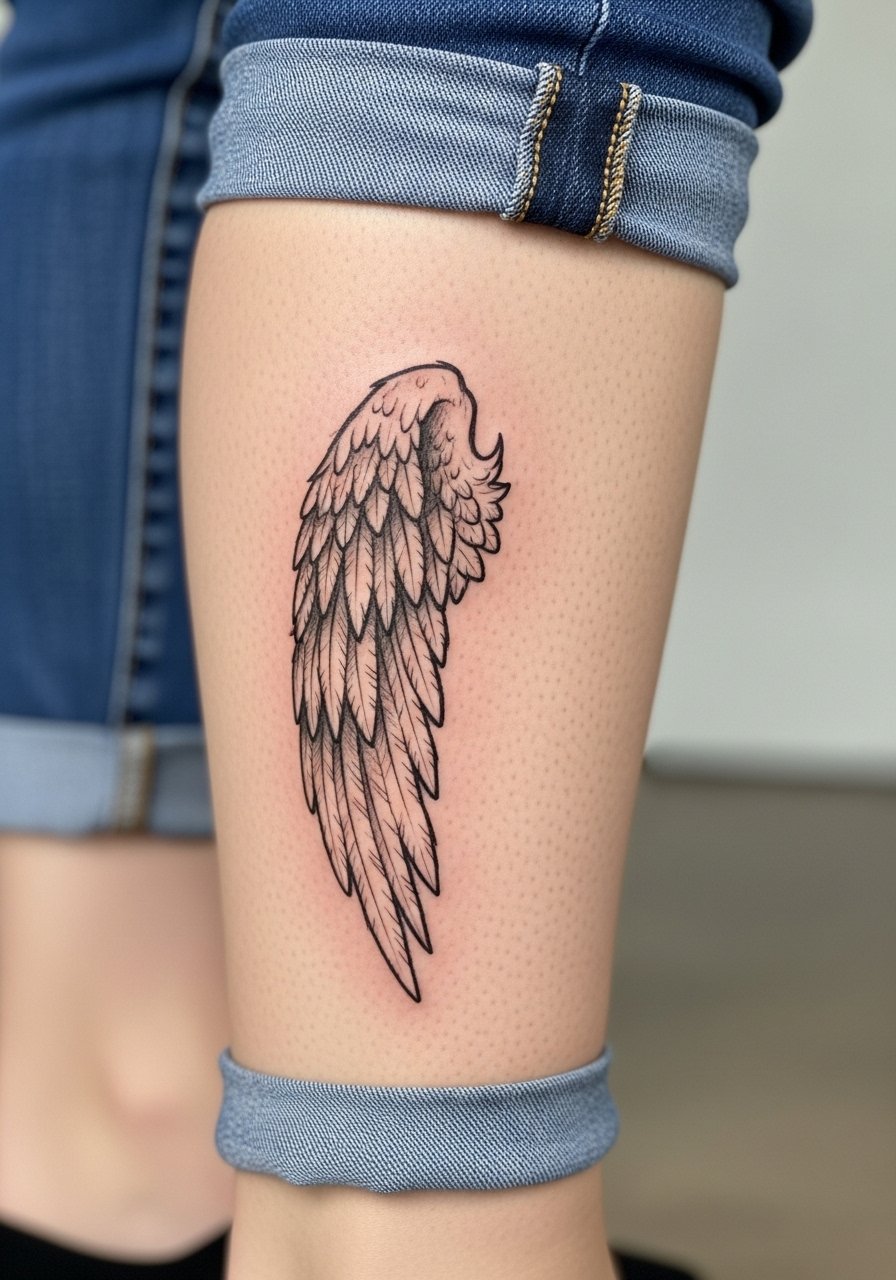
13. Abstract Sketch Wing on the Calf, Graphic Movement
Calf placement accentuates motion when you walk and cyclists find it easy to show off. The calf tolerates longer sessions and broader strokes, which suits a sketch wing with sweeping feather marks. Tell your artist you want airy negative space so the piece does not feel heavy from a distance. For daily wear, crew socks can rub the area while it heals, so pick ankle socks or sandals during recovery. Touch-ups are typically needed in shaded spots after two to four years based on sun exposure.
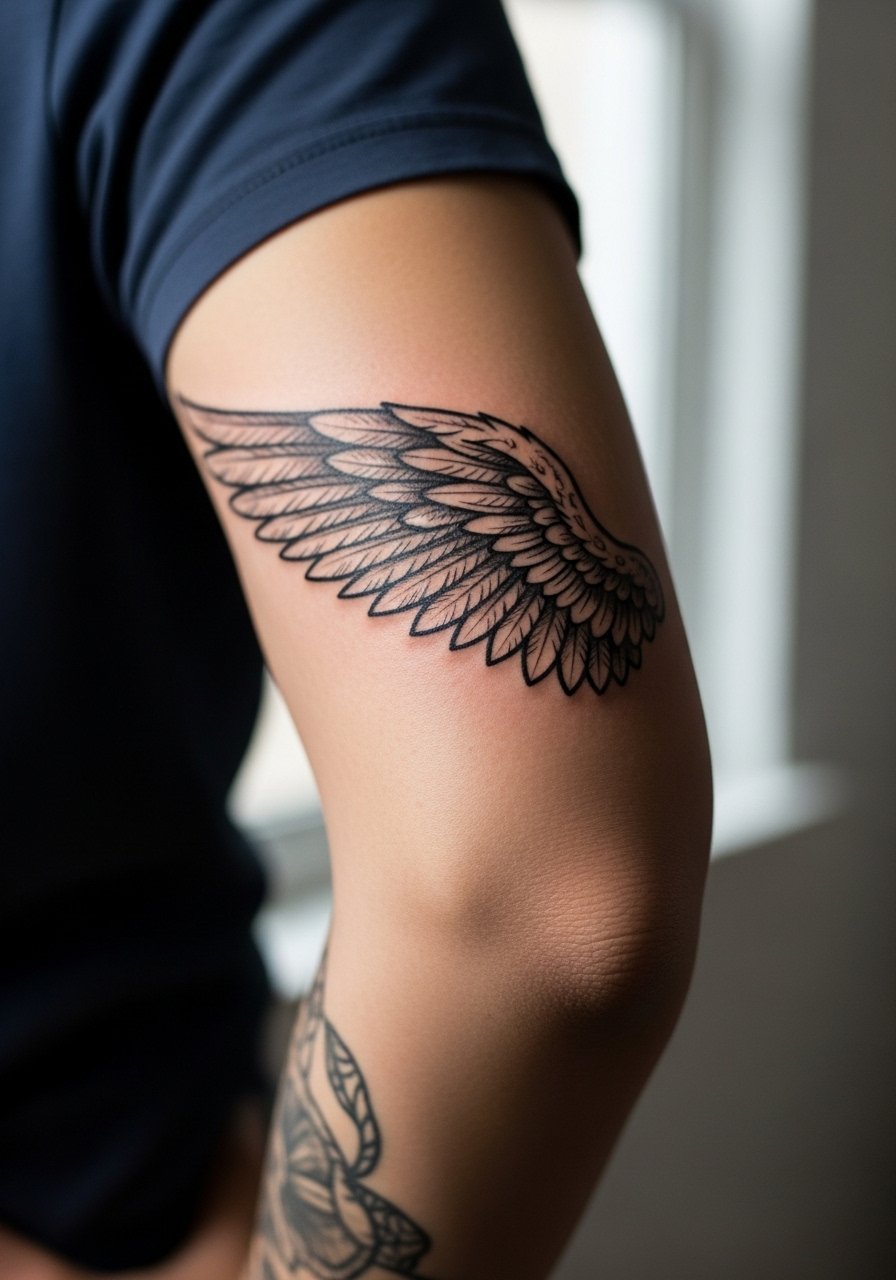
14. Wing Accent Wrapped Around the Elbow, Movement-Focused
Wrapping a sketch wing around the elbow is a commitment to motion. The elbow is a tough surface for thin lines because the skin folds and stretches. Most artists recommend broader sketch strokes and acceptance that small barbs will soften faster. Expect a sharp sting when the needle hits the joint. During consultation, ask how they handle the fold to avoid blowout. This placement is visible with short sleeves, so plan wardrobe accordingly.
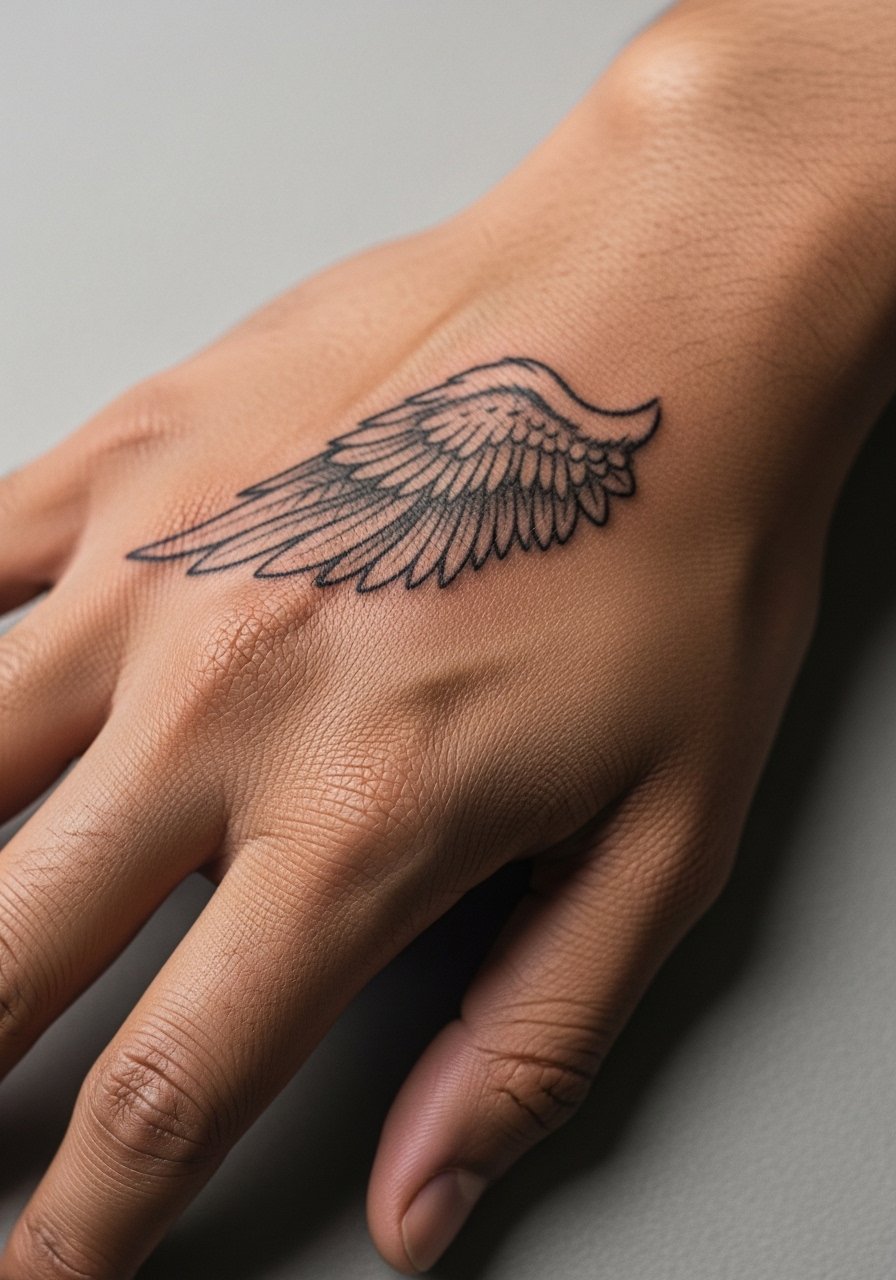
15. Subtle Wing on the Back of the Hand, Visible but Risky
Back of hand tattoos make a statement and carry workplace considerations. The skin here is thin and exposed so ink fades fast. Two camps argue over hand tattoos and career impact. One camp says hands are personal expression and increasingly accepted. The other warns hiring bias persists in many industries. Name your priorities before booking. If you proceed, ask for heavier anchor strokes and expect a touch-up in the first year. For show-off styling, keep rings minimal and try a thin chain bracelet that complements rather than competes.
16. Scripted Wing with Lettering at the Base, Personal Text
A sketch wing paired with a small script word at the base needs exact text direction in the stencil. When lettering is involved, specify the exact word and font weight during consultation so the artist gets it right. Text near a wing can crowd the sketch if placed too close. A common error is choosing tiny script that blurs; pick slightly larger letterforms for longevity. This placement looks great with layered necklaces, but keep cords off the tattoo while it heals.
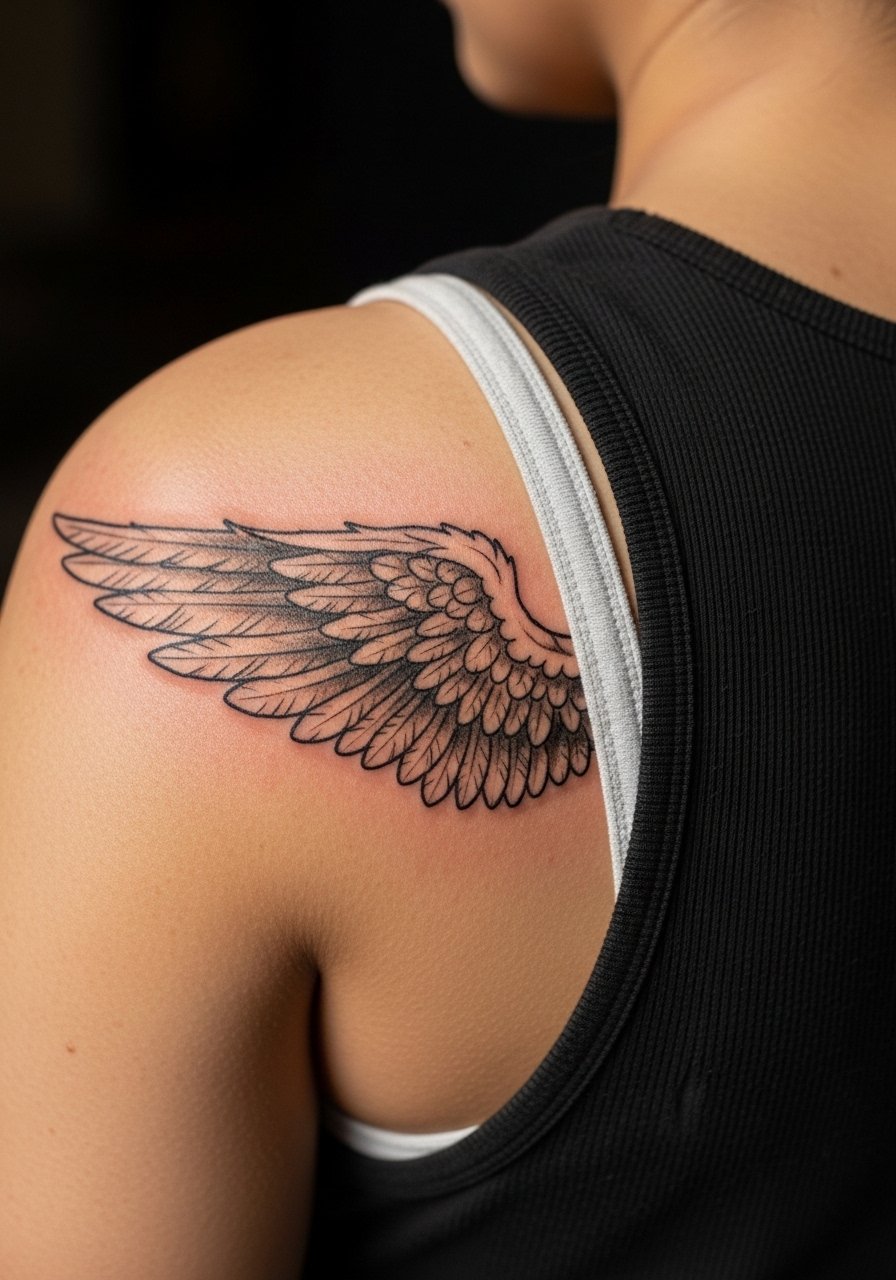
17. Wing Peeking from the Shoulder Blade Edge, Playful Partial Reveal
A wing that peeks from the shoulder blade edge is great if you want something mostly hidden but flirtatious when revealed. The shoulder blade area is forgiving and holds sketch detail surprisingly well. Ask your artist to mark the peek angle so it sits where clothing parts. For the session, a button-down shirt worn backwards or a tank works best so the artist has clean access. Pair this placement with open-back tops and try an open-back dress to highlight it in evening looks.
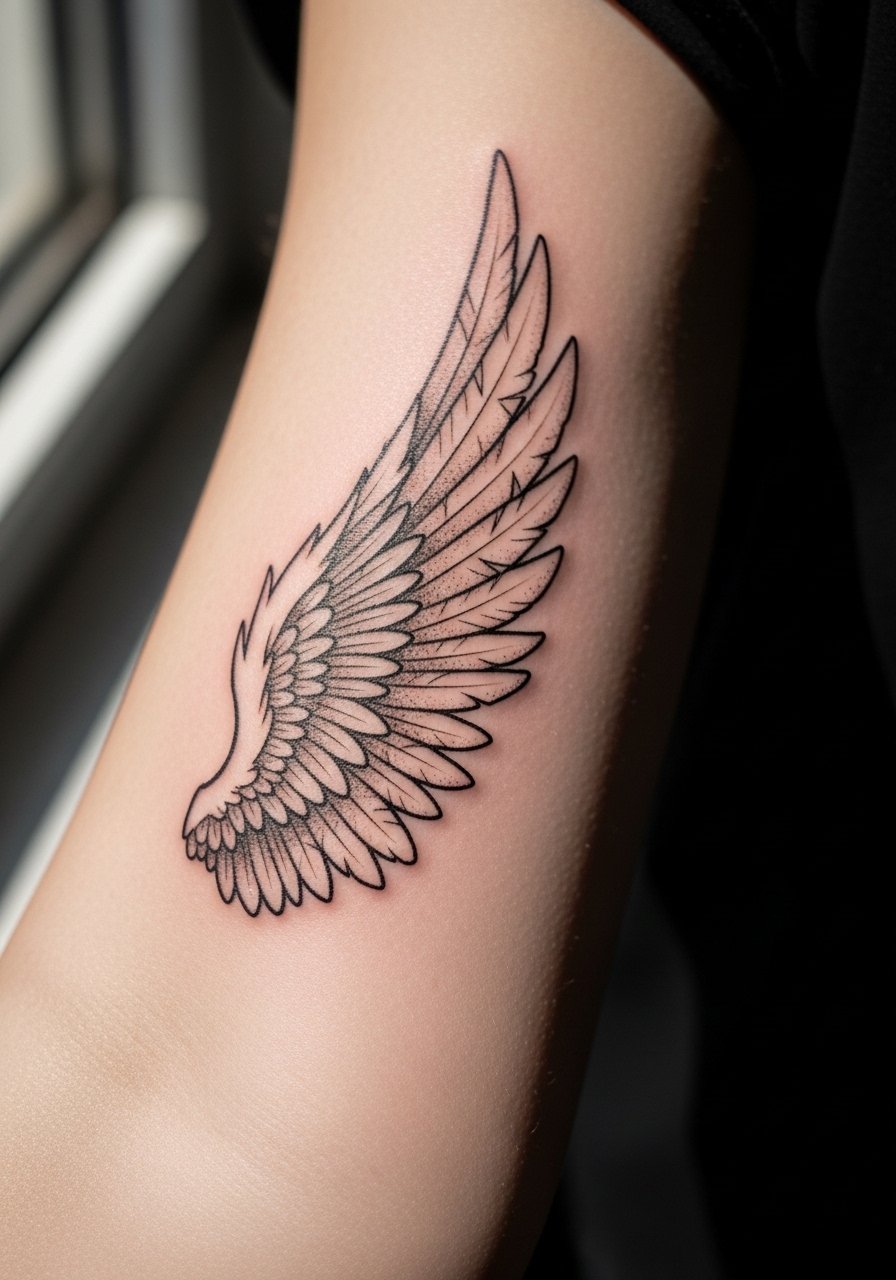
18. Geometric Sketch Wing with Dot Work, Modern Edge
Combine sketch strokes with dot work for a modern take on wings. Dot work adds texture without heavy saturation and keeps a sketch feel if spaced carefully. Tell your artist you want stipple shading at a distance rather than solid fills. The mistake to avoid is overloading dots in tight areas which can clump as the skin ages. This style works on the forearm and upper arm particularly well when you want a graphic look that still reads hand-drawn.
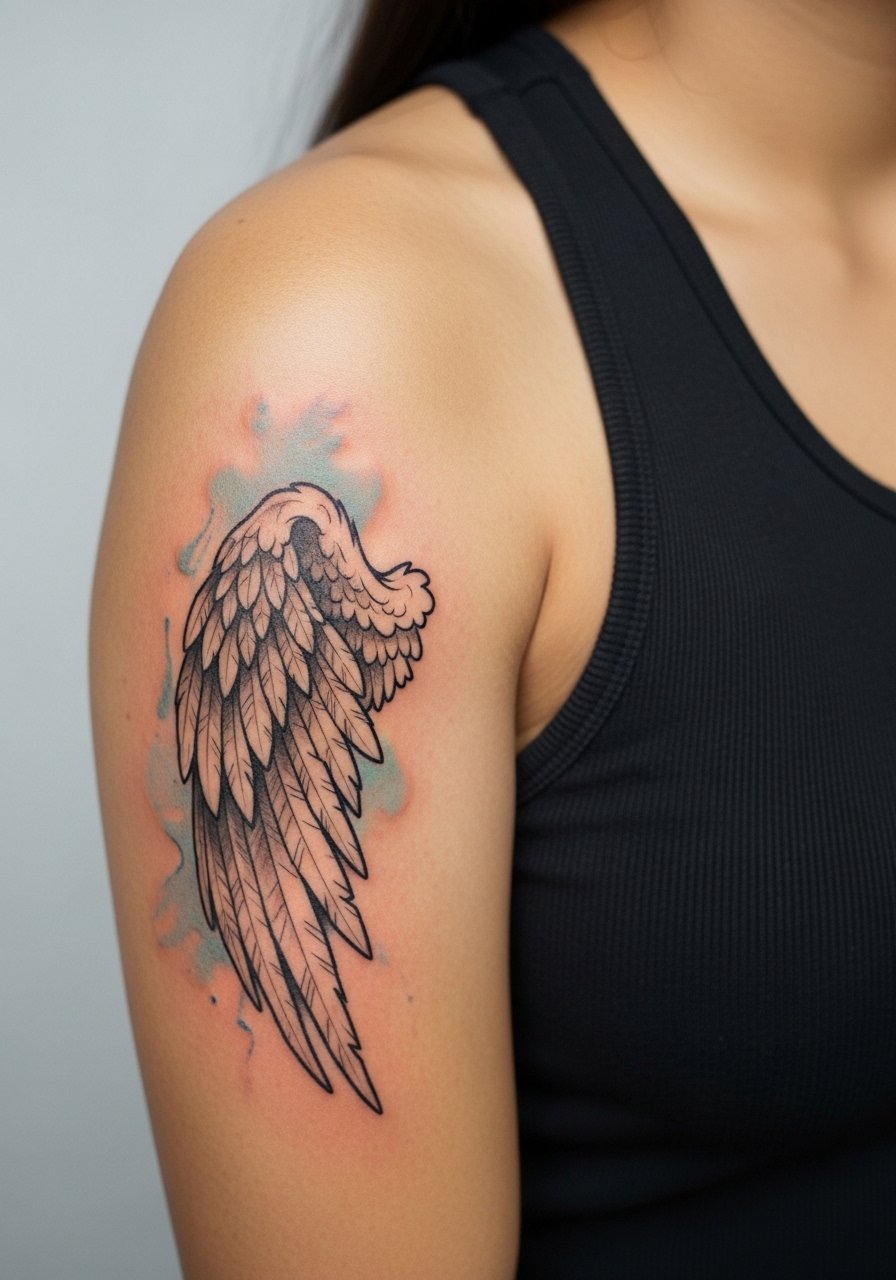
19. Watercolor-Suggested Sketch Wing, Soft Color Hints
A sketch wing with watercolor washes suggests color without heavy saturation. The sketch lines anchor the design while soft pigment sits behind them. Watercolor in this approach should be light because heavy washes can steal the sketch edge and fade unevenly. For the session, expect more time than black-only linework because color layering requires patience. For outfits, muted linens frame the piece without clashing. Try a racerback tank for casual days that let the wing show.
20. Fine Line Wing That Climbs the Collar of a Jacket, Urban Layering
A wing that rises to sit just under a jacket collar is a modern, street-ready detail. When planning this, imagine how collars sit and move so the wing does not catch on fabric. The collar area sees a lot of friction so ask for a slightly bolder sketch base to combat fading. For the session, wear a zip-up hoodie or jacket you can pull aside so the artist has clean access. Aftercare friction is the main concern, so plan low-friction fabrics during the first week.
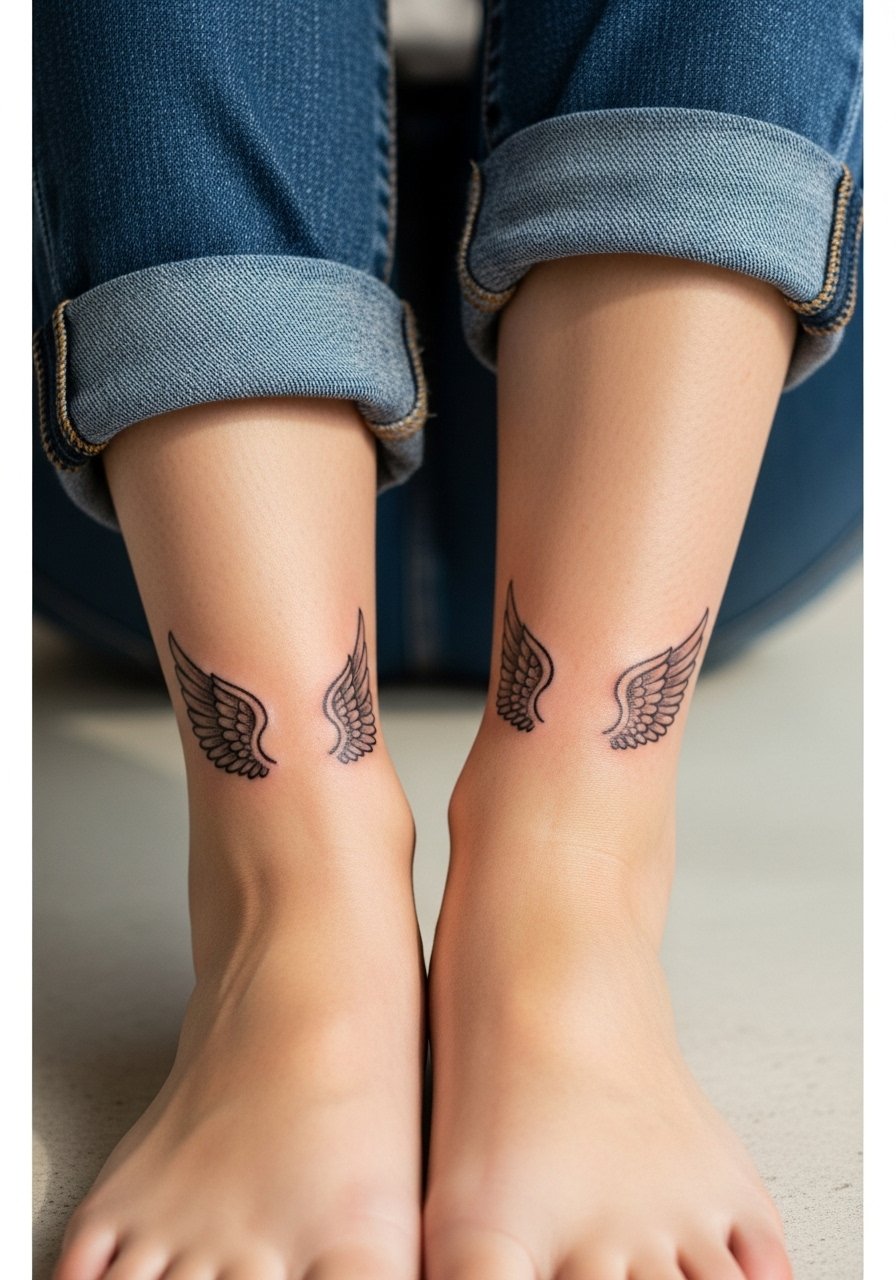
21. Paired Tiny Wings on Both Ankles, Balanced and Playful
Tiny wings on both ankles act like bookends and show when you wear sandals. The ankle tolerates micro work but is exposed to water and socks, which can cause faster fading. Don't pack too much feather detail. Ask for simple anchor strokes with airy tips. For session-day comfort and recovery, roll-up pants or sandals make access easy and reduce rubbing, like pairing with flat sandals during the first week. Expect touch-ups sooner than on torso placements if you walk a lot.
Frequently Asked Questions
Q: Will a sketch-style wing on the ribs blur faster than one on the forearm?
A: In my experience, yes, ribs tend to blur sooner because the skin stretches and the area moves with breath. The forearm keeps linework stable longer. Ask your artist about spacing and book a touch-up slot at the time of the session if you choose ribs.
Q: How often do tiny finger and ankle wings need touch-ups?
A: Fingers and ankles are high-wear zones so touch-ups often come within one to three years depending on exposure and care. Expect more frequent maintenance than torso pieces.
Q: Can I combine dot work and sketch lines without losing the sketch feel?
A: You can if the stipple shading is used sparingly and the sketch lines stay dominant. Tell the artist you want dots as texture not as a fill, and request test patches in the consultation.
Q: What should I wear to a thigh or hip session for comfort and access?
A: Loose shorts or a wrap skirt make access easy and keep friction low afterward. I often recommend something you can shift without being fully undressed, like loose drawstring linen pants, so you stay comfortable during long sessions.
Q: Do hand and neck wings affect job prospects?
A: People are divided on this. Some industries have relaxed rules and others maintain strict policies. Think about your current and future workplace culture, and choose a placement that matches your career tolerance for visible tattoos.