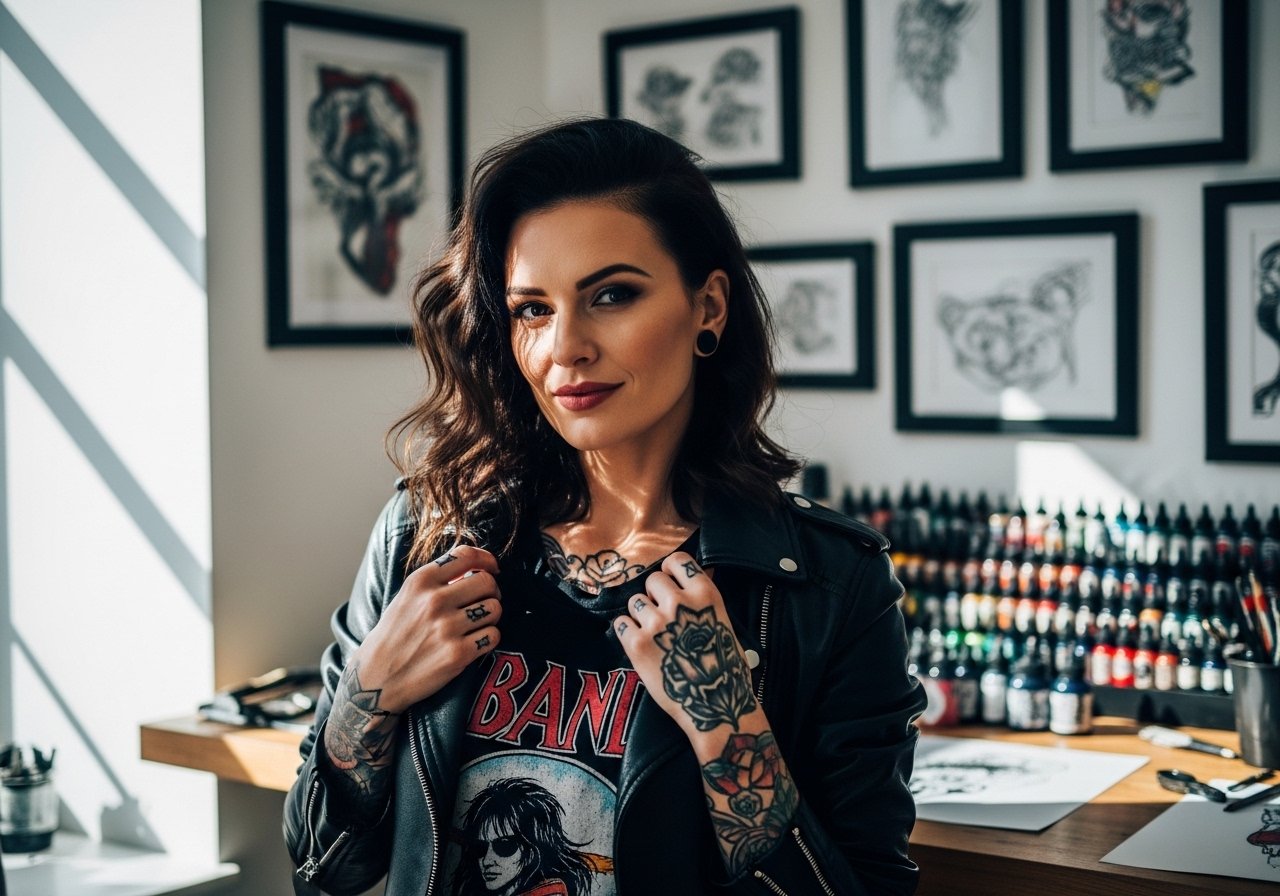
The tattoos that still read clean after five years are often the ones that looked practical the day they were sketched, not the flashiest on the feed. Big leg sleeves demand planning because healing shifts with every step, multi-session commitment adds up fast, and the shin is more sensitive than most expect. Read on for 17 styles and how to stage them so the work lasts.
1. Neo-traditional Rainforest Wrapping a Full Leg
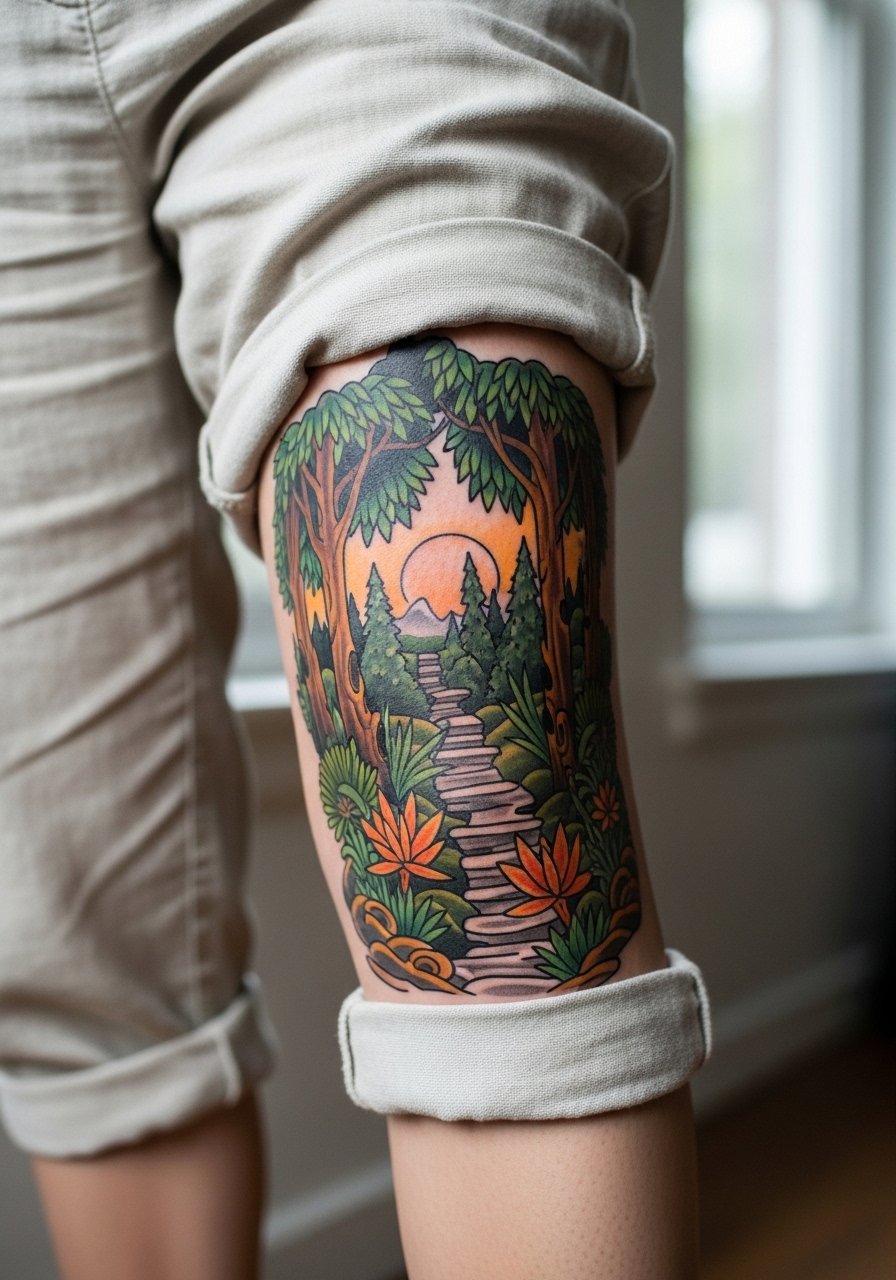
This immersive approach uses bold outlines and saturated fills to read well from a distance and to follow muscle flow. I recommend planning in stages, starting thigh work and moving down over several visits so the artist can map branches and negative space around the knee. Common mistake is packing too much tiny floral detail into a small band, which softens with time. For the session wear, a pair of cuffed linen pants makes it easy to roll the leg without bunching fabric. Expect longer healing because the lower leg moves a lot. Touch-ups after a year are common to restore saturation.
2. Geometric Blackwork Below-Knee Half Sleeve
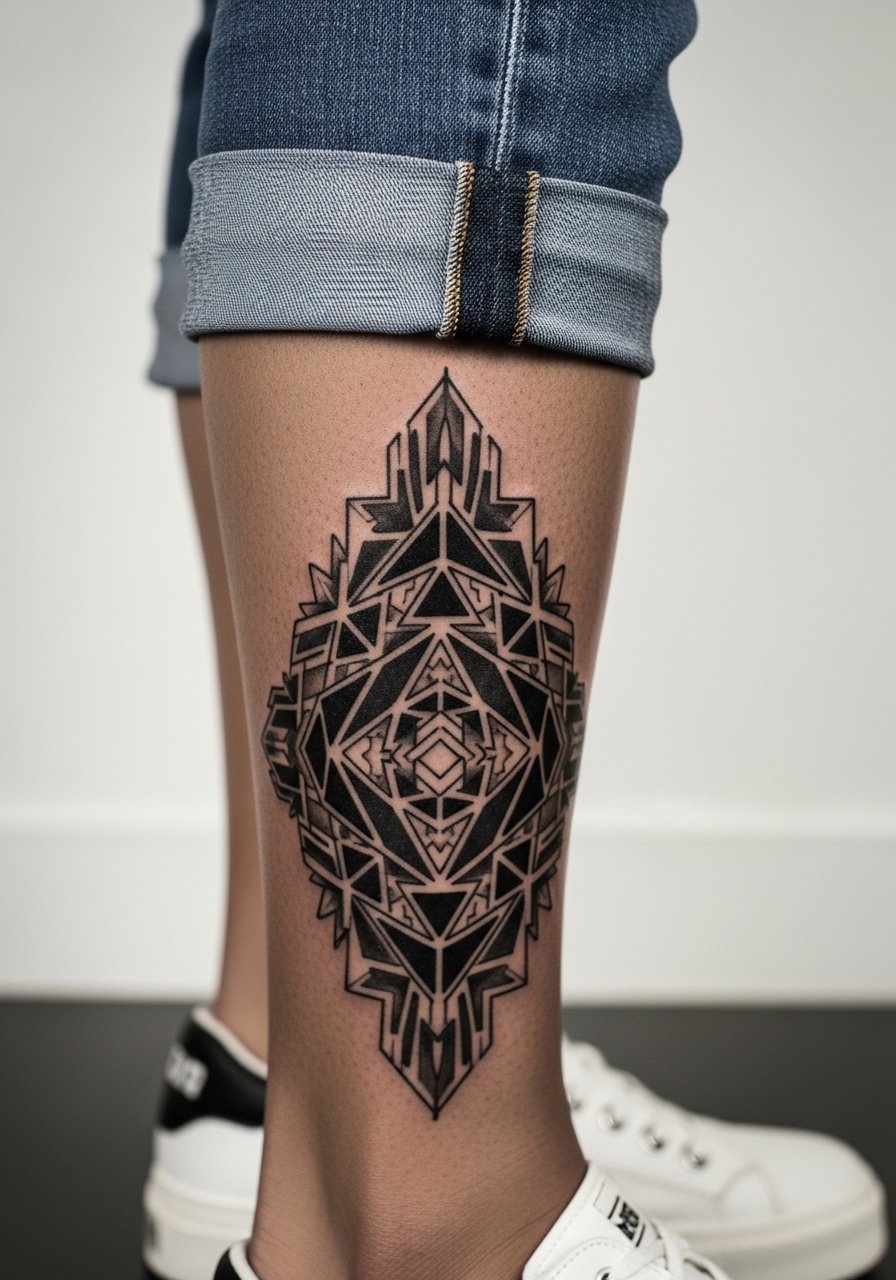
Geometric blackwork uses negative space and thick linework to hug the shin contours and resist blur over time. The biggest mistake is making the grid too tight, which leads to merging as the skin settles. Tell your artist you want generous spacing and clasped negative areas to preserve crispness at year three. Pain on the shin is honest, expect sharper sessions than on the calf. For showing it off, a straight leg cargo pant cuffed at the ankle complements those vertical lines. Touch-ups every few years keep contrast bold.
3. Dragon Ball Z Goku Calf Action Piece
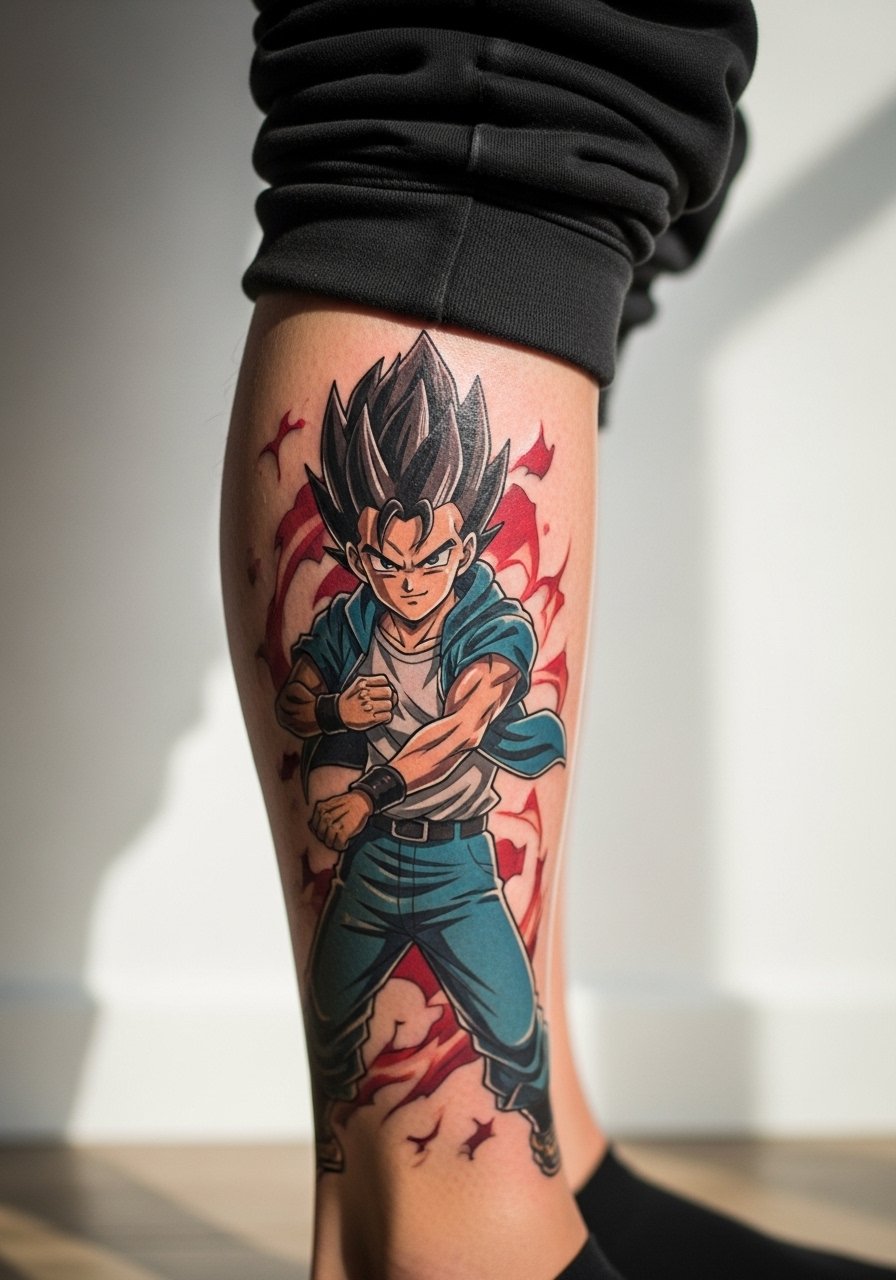
Anime pieces like Goku work with the leg's vertical canvas and expand into a sleeve later. When you consult, bring precise reference poses so the artist can adapt foreshortening to the calf muscle. A common aging issue is using too many thin hatch strokes; ask for solid saturation in shadow zones so color keeps vibrancy at 2 to 5 years. For session comfort and access, wear fitted athletic shorts you can pull higher without cutting circulation. Calf sessions are generally tolerable and allow quick recovery compared with shin work.
4. Wrapping Serpent Full Leg in Illustrative Trad
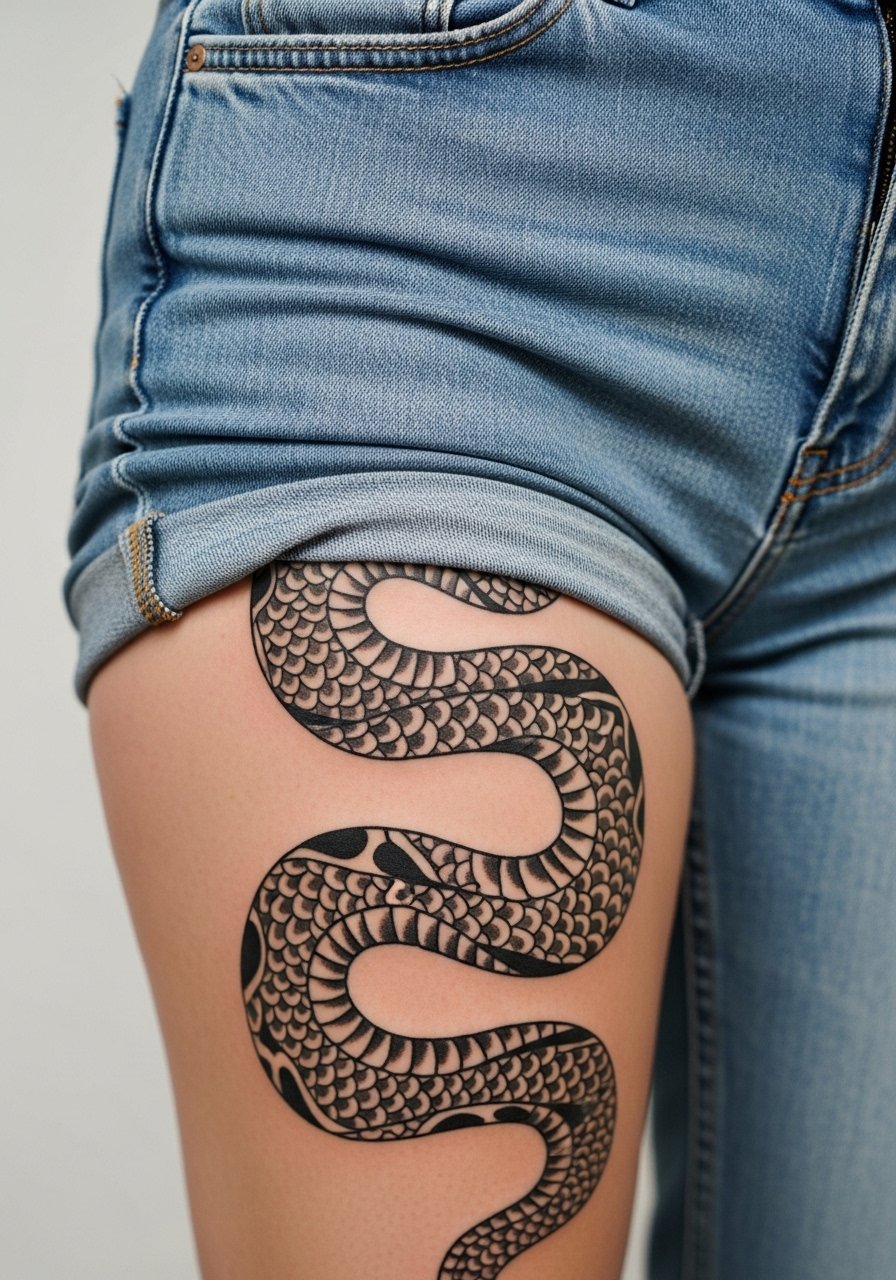
A serpent that coils from thigh to ankle reads as motion when it follows muscle curves. During consultation, ask for scale direction that echoes the leg's lines so the snake looks like it hugs the limb rather than sits on it. One mistake is over-detailing scales in tight bands, which blur into texture later. This design invites the full sleeve debate. One camp values the complete visual story a full leg offers, while the other suggests starting smaller to avoid lifelong commitment. Name your preference to the artist and plan stageable sessions. Expect multiple long sittings and a touch-up schedule after a couple of years.
5. Japanese Dragon Thigh to Calf Irezumi
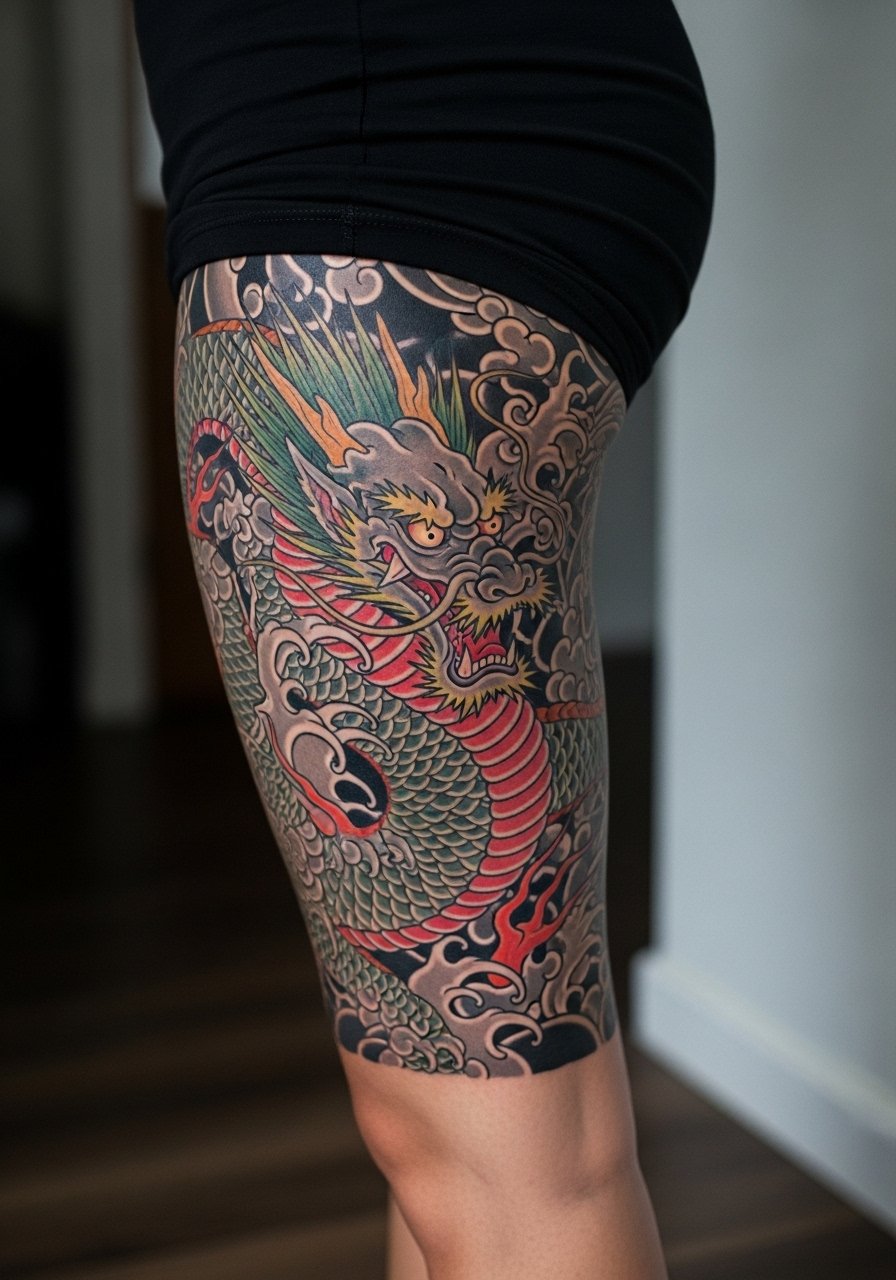
Irezumi-style dragons use strong outlines and flowing background elements so the piece ages into a cohesive mural. Tell the artist you want bold wave backgrounds to shield against future color loss. A frequent error is tiny background florals that read muddy healed. Sessions are long and can be taxing on the thigh, but the muscle helps saturation hold. For show-off outfits, slim-fit chinos or denim cut-off shorts pair well with the dragon’s vertical drop. Respecting cultural origin matters with irezumi motifs so ask about appropriate reinterpretation rather than direct replication.
6. Tribal Polynesian Half Leg Sleeve
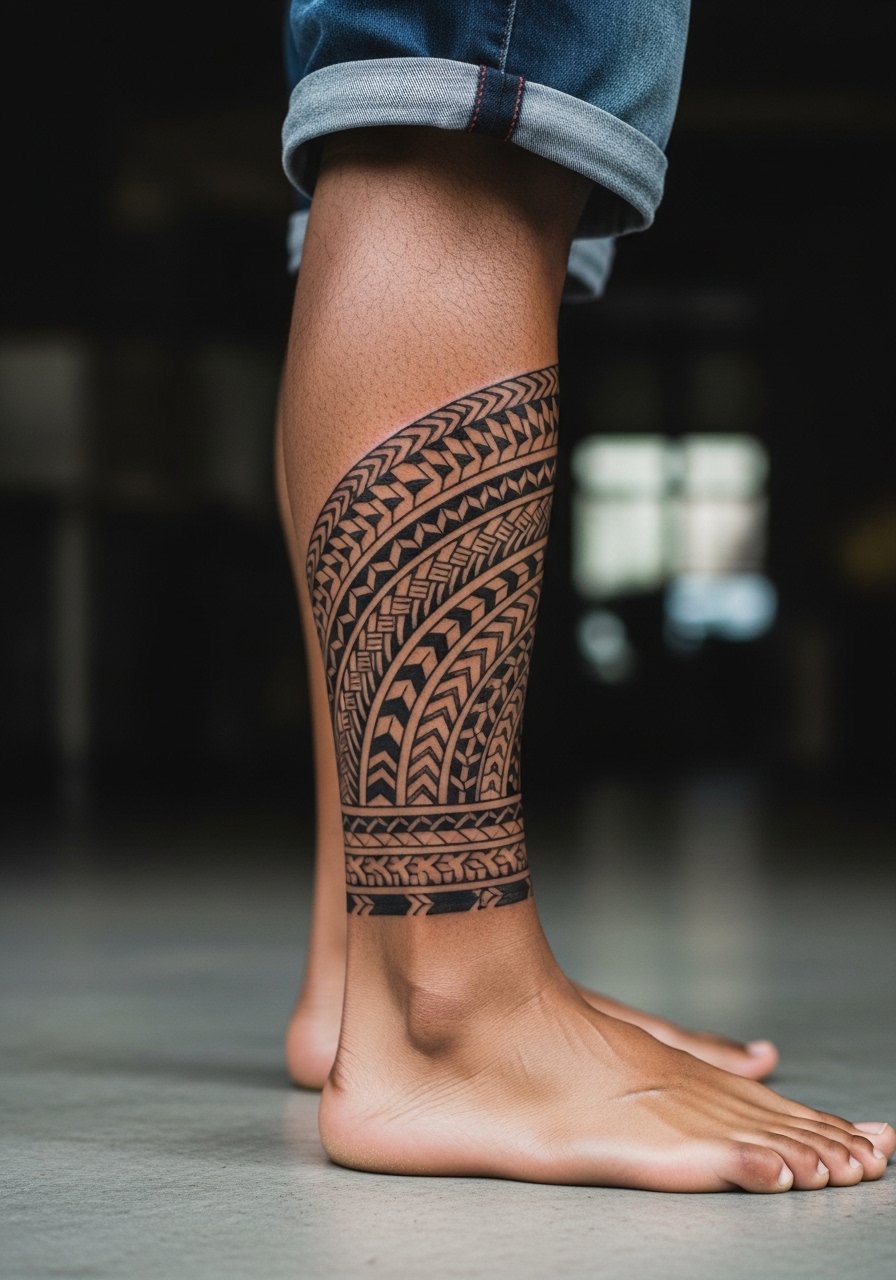
Polynesian patterning is bold and graphic, which helps longevity. The key is personalization; the camp that treats tribal work as sacred suggests careful symbol choice, while the minimalist camp warns of generic patterns that age into cliché. Blend meaningful motifs with modern geometry if you want a contemporary look. For session-day logistics, wear drawstring jogger pants so the artist can expose the lower leg without fabric pulling. Blowout risk is low for thick black bands, but small dotwork within tight patterns can fill in over time. Ask for slightly thicker spacing between repeat motifs.
Pack Smart
The lower-leg pieces above need different prep than upper-thigh sessions, and a few targeted items smooth the chair time and the first week.
- Stencil transfer paper kit. Lets you preview placement on the curved leg before the needle touches skin, useful for wrapping serpent and dragon layouts.
- Topical numbing cream. Applied 45 minutes ahead it eases sensitivity on shins without forcing session shortening for calf or thigh work.
- Thin protective film roll. Keeps lower-leg tattoos clean during the first days, especially helpful when socks or boots touch the area.
- Fragrance-free body wash. Gentle cleansing helps avoid irritation on large color fields used in neo-traditional and irezumi pieces.
- Aquaphor healing ointment. A thin layer for the earliest days locks in moisture on bold blackwork and saturated color without suffocating the skin.
7. Mandala Upper Thigh Ornamental Sleeve
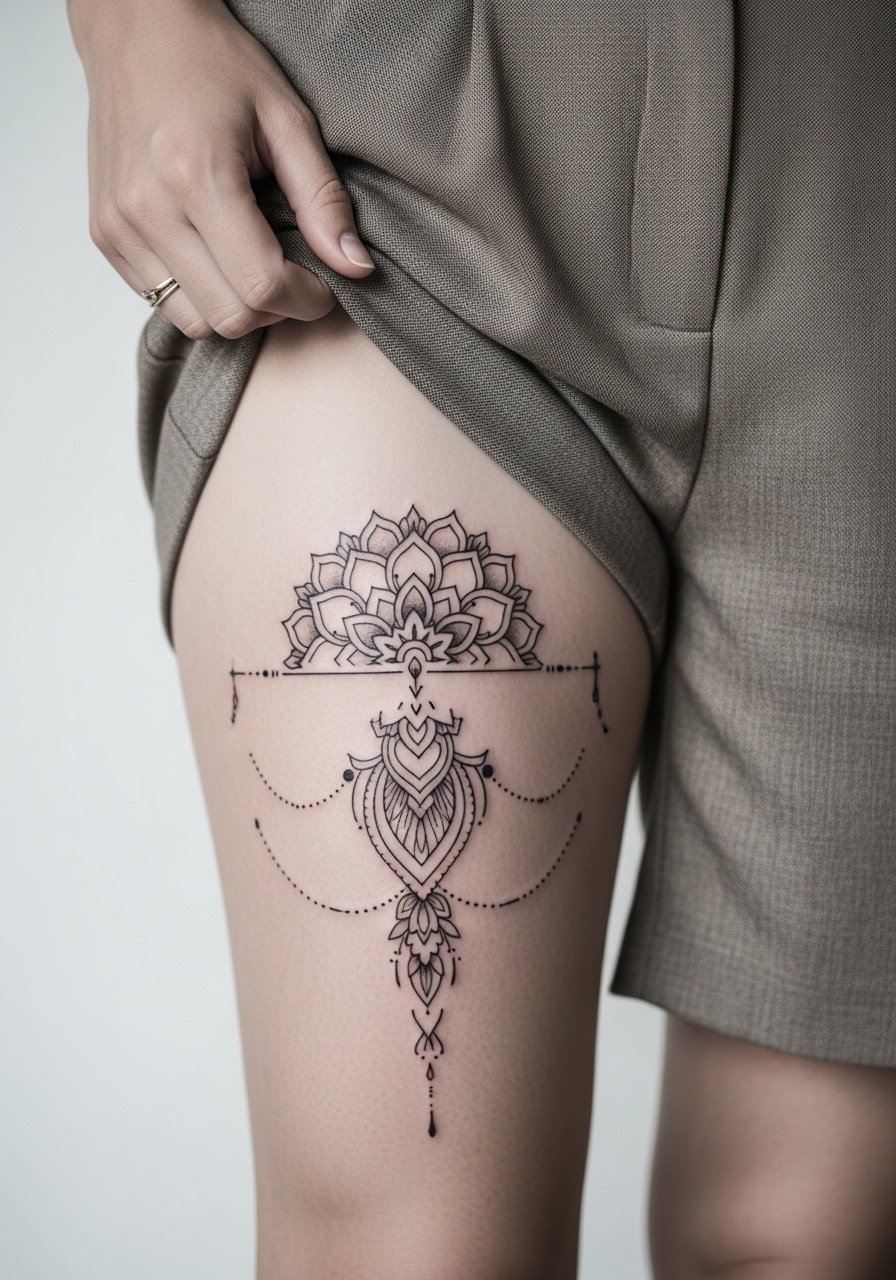
Mandala work on the upper thigh benefits from larger scale so dot work and stipple shading keep clarity at five years. The common mistake is shrinking a mandala into a tight circle that fills in as it heals. Tell your artist to scale elements out and leave breathing room around dense stipple. Session feel is usually comfortable on soft thigh flesh, though touch-ups are common for ultra-fine details. For evenings out, pair the piece with tailored shorts or a tailored swim trunk to let the symmetry show without competing prints. Respect the mandala’s cultural roots by adapting motifs thoughtfully.
8. Realistic Snake Coiling the Outer Thigh
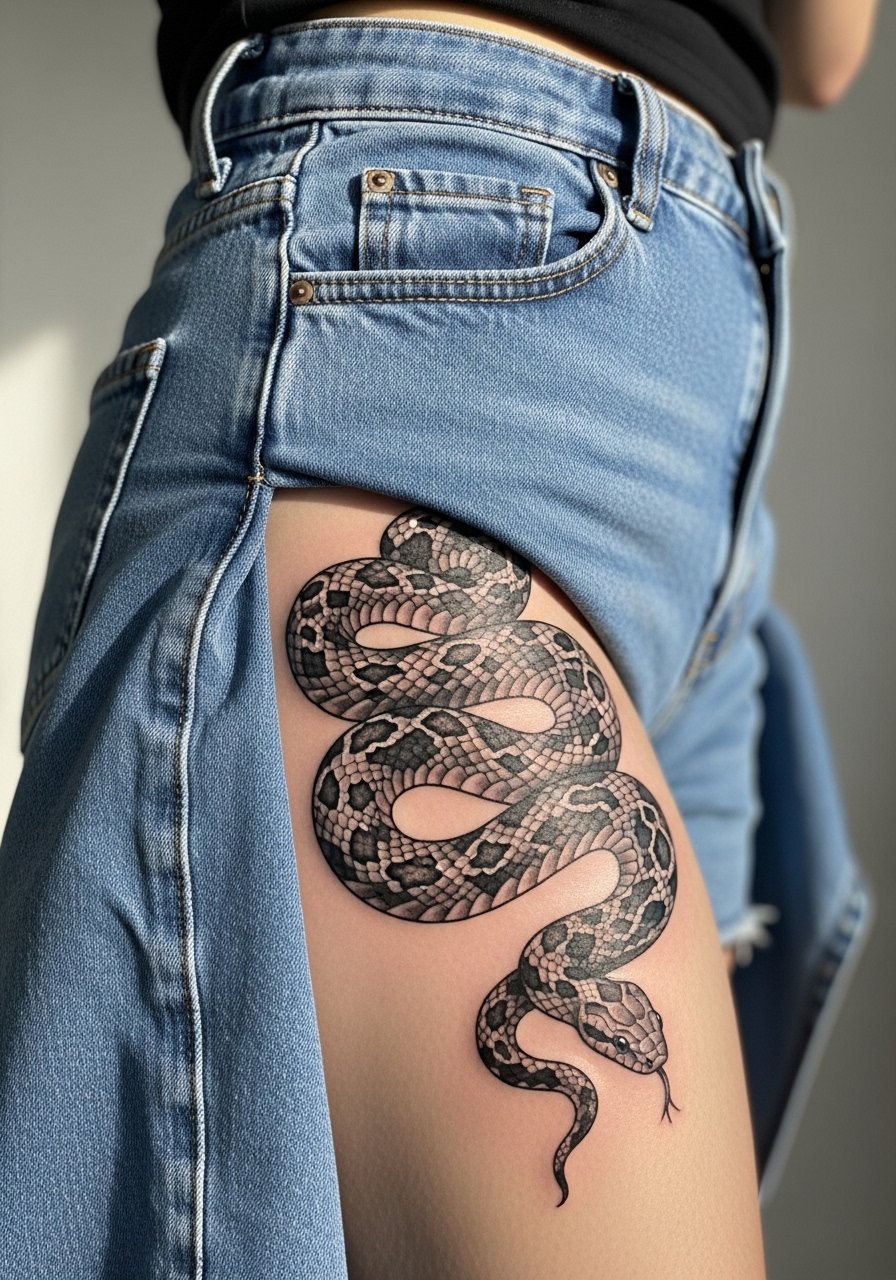
A realistic snake uses fine shading and scale texture to appear three dimensional on the thigh. The pitfall is overusing thin micro-lines for scales which can blur into a gray wash on darker skin tones. Ask for heavier contrast in shadow lanes so the snake still reads after a few years. Session pain is moderate and the outer thigh is forgiving of longer sittings. Show-off pairings include slim-fit chinos or denim cut-off shorts that let the coil rest along the hip. Consider touch-ups at year two to keep scale edges crisp.
9. Koi Fish Vertical Calf Flow
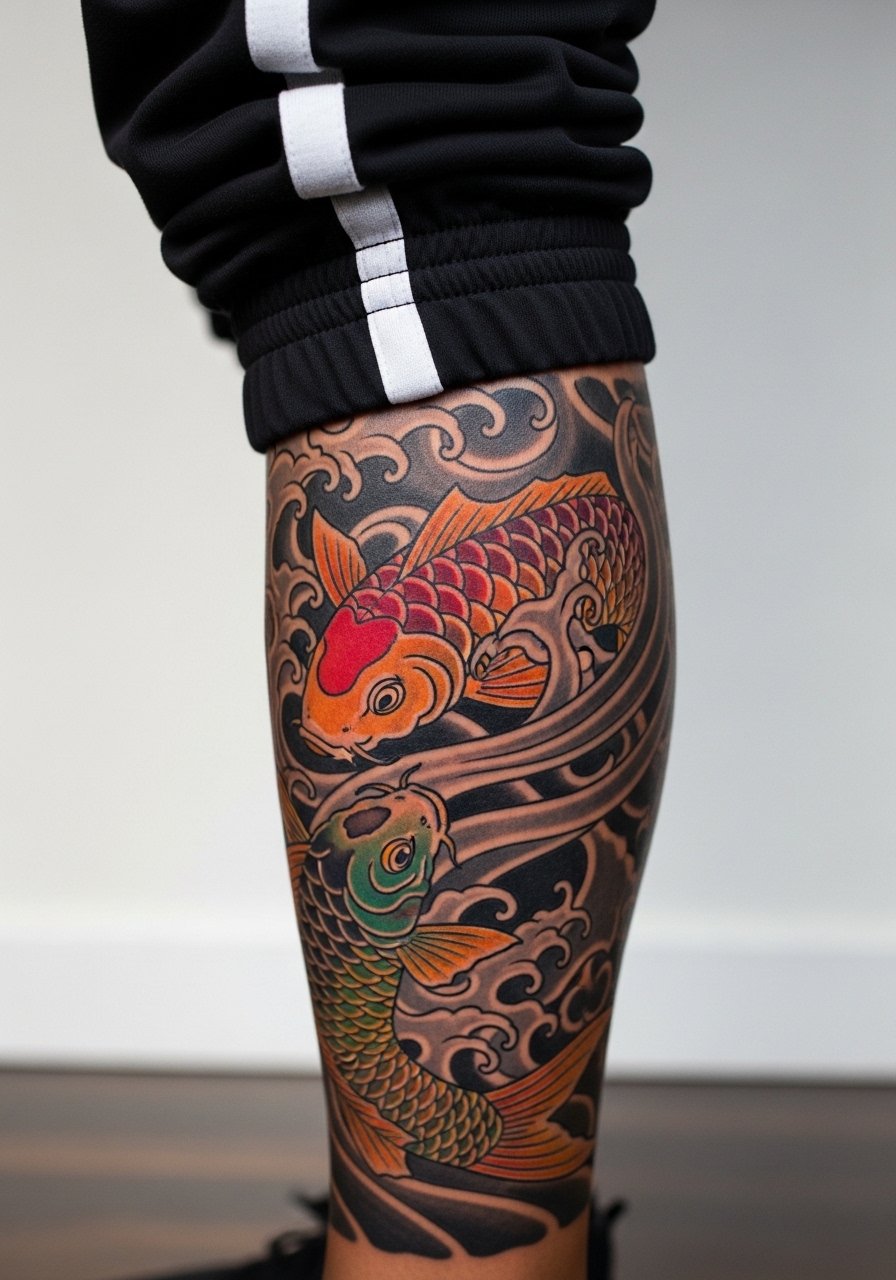
Koi designs translate classical symbolism into motion that suits the calf’s vertical line. Tell the artist to orient the fish so its flow follows the muscle, and to use bold background shapes to prevent small details from washing out. A typical mistake is over-detailing fins in tight areas that lose definition after a year. Calf sessions are less painful than shin sessions and heal predictably. For casual showing, pair the tattoo with canvas low top sneakers and rolled joggers to frame the vertical motion. Expect a multi-session build with saturation checks after session three.
10. Floral Butterfly Outer Thigh Half Sleeve
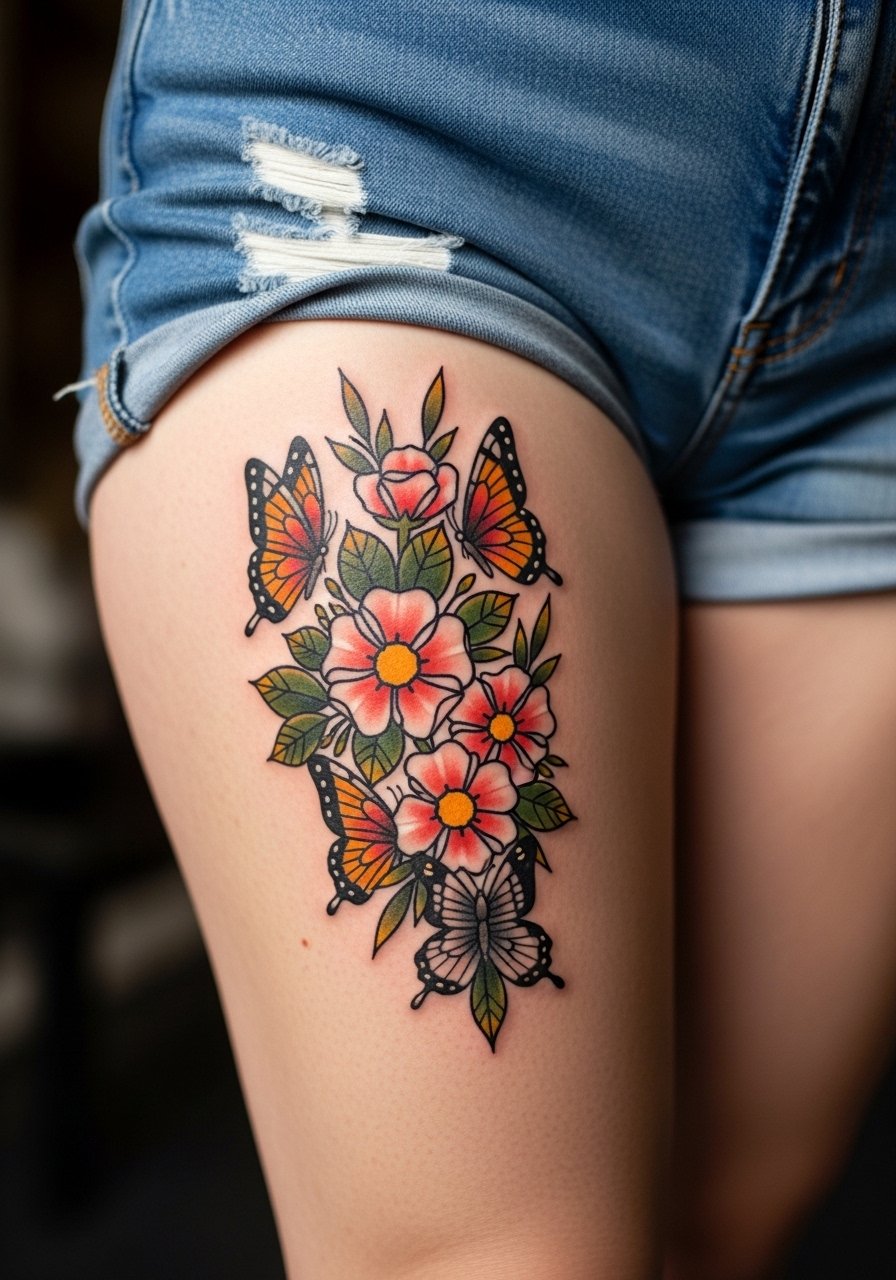
Colorful floral with butterflies gives a feminine, expandable half sleeve that can grow into a full leg mural. I advise asking the artist to keep some negative space so the colors do not merge at edges with time. Most people over-ornament the center cluster and later need background breathing room added. Session day, wear loose basketball shorts so the area is easy to expose without tight seams. Include a leather belt in the outfit if you want a polished look that does not compete with the colors. Expect touch-ups for the brightest hues at year two.
11. Nature Forest Full Leg Storytelling Sleeve
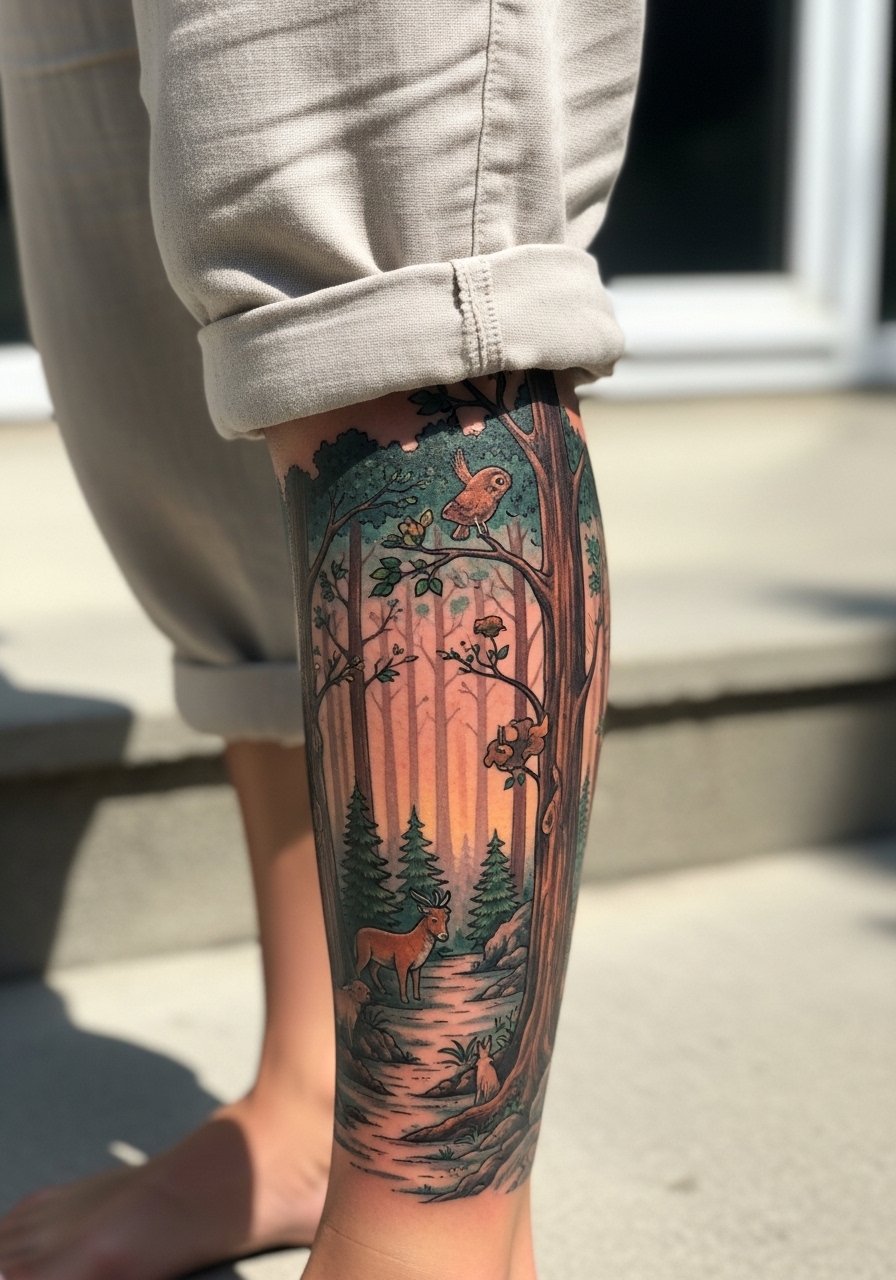
A forest narrative across the leg is a commitment that reads like a walking canvas. Break the work into chapters across sessions so foreground and background are built in layers. The common mistake is starting with one detailed scene with no plan for transitions, which forces awkward mid-leg joins later. Movement during healing is higher because walking flexes many zones. For session wear, drawstring jogger pants help you adjust exposure without pressure. Expect five or more sessions and a maintenance check after a dedicated healing cycle.
12. Geometric Tribal Full Leg Abstract
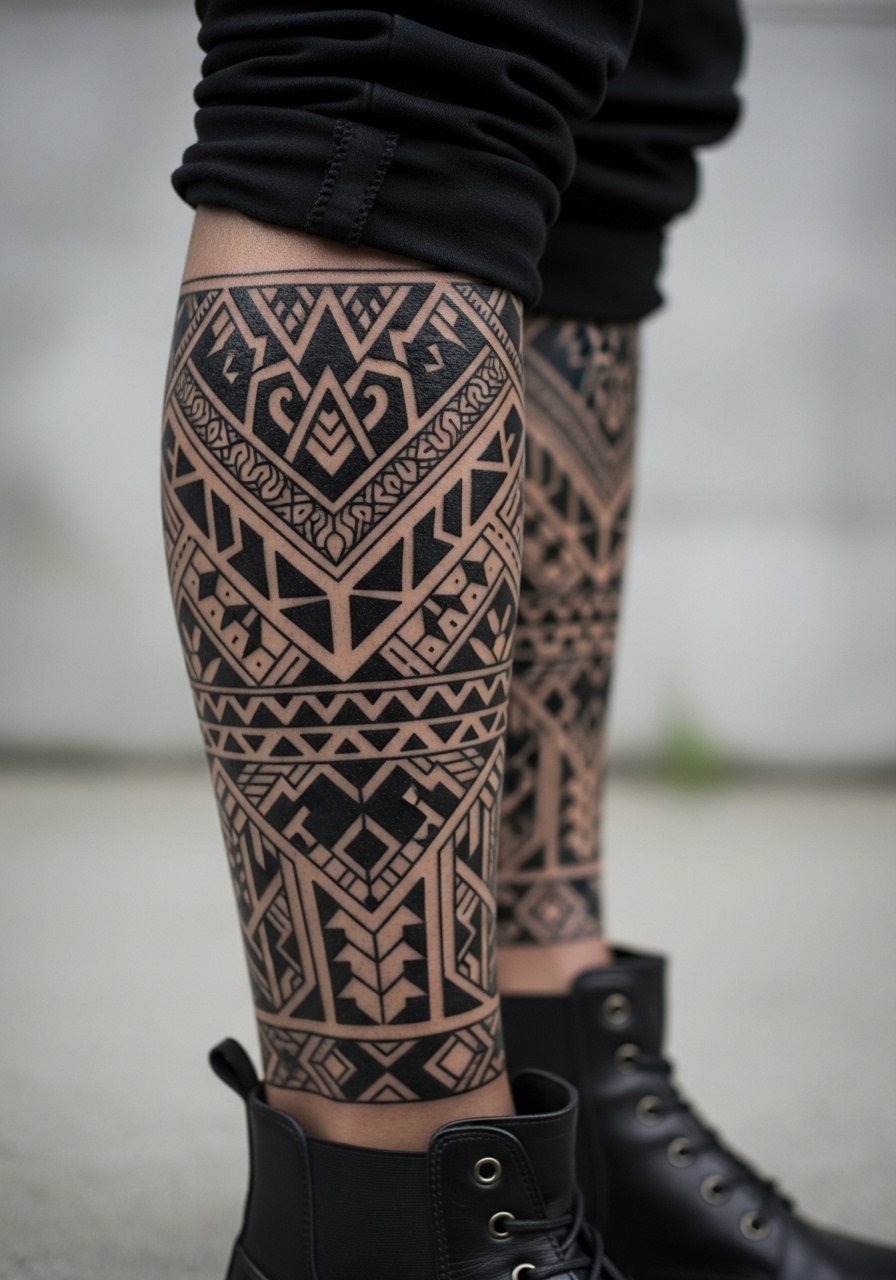
This abstract approach merges tribal motifs and geometric layout to accentuate leg structure and length. When booking, request mockups that follow the muscle lines so repetition does not fight movement. A typical error is copying a flat pattern without considering calf bulge or knee breaks, which can distort the design when you bend. For showing off, cuffed trousers and ankle boots frame the lower repeats and make the geometry read as intentional. Blackwork ages well, but expect small fill-ins where frequent friction occurs.
13. Band Tattoos as Minimalist Leg Sleeve Starters
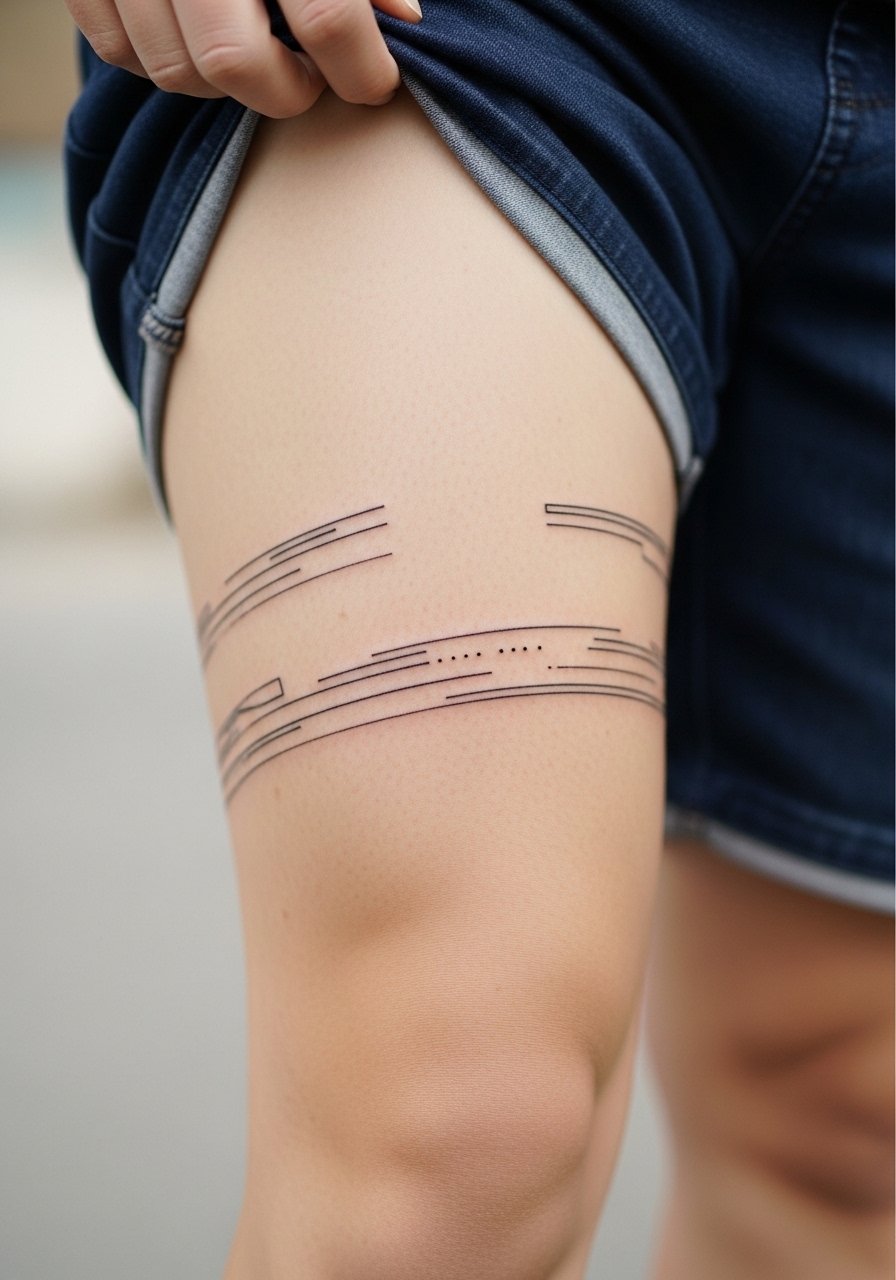
Band work is an underused starter route into sleeve territory. I suggest spacing varied widths so you can later tie them together with connecting elements. The mistake is placing identical thin bands too close, which leads to one gray stripe over time. Bands are low commitment and let you test pain tolerance and session cadence. For session wear, choose loose basketball shorts you can shift without fabric rub. Bands on the thigh heal well but on lower leg watch for rubbing from socks.
14. Anime Montage Expanding from a Calf Focal Piece
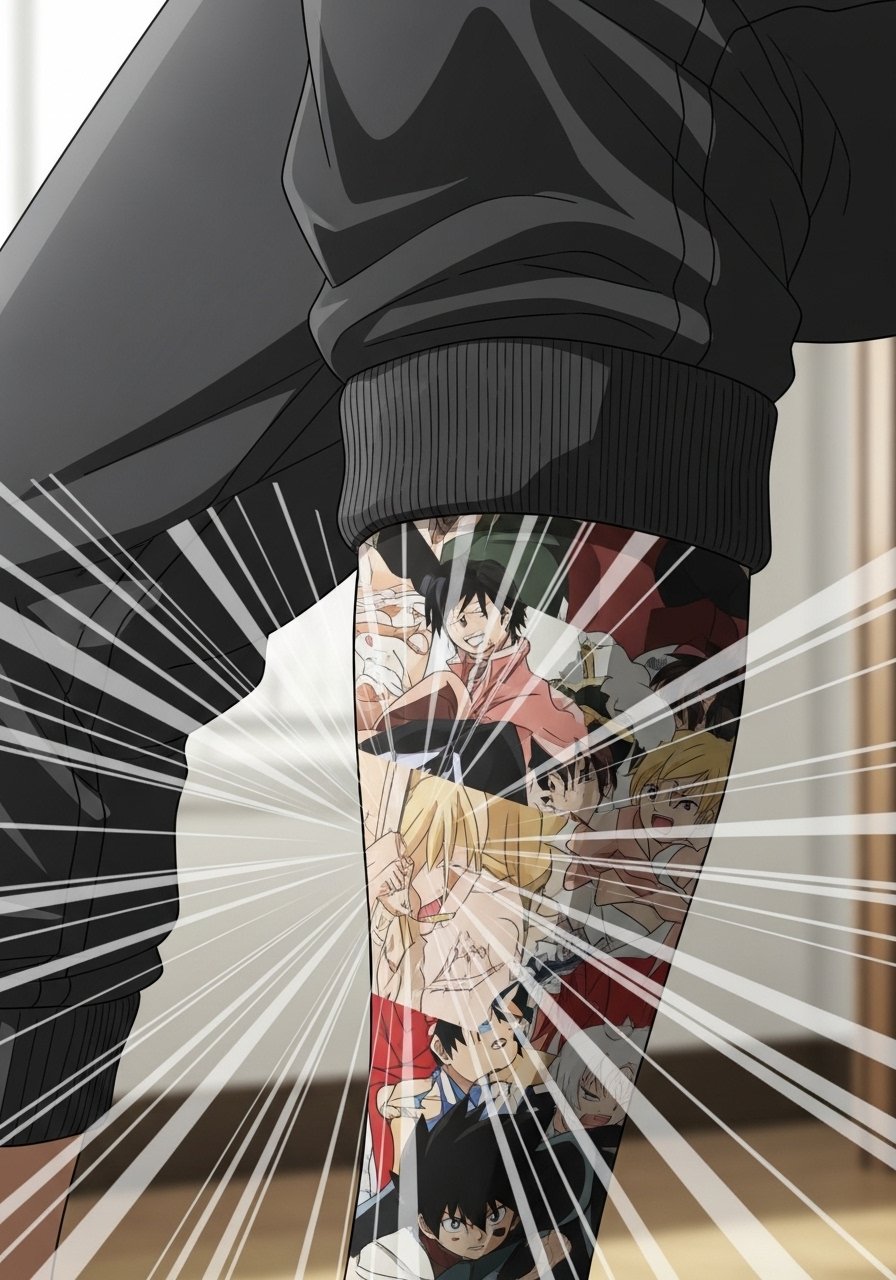
If you love pop culture, build a montage that starts with a calf focal piece and grows into a sleeve. The trick is consistent line weight and palette so additions do not look like separate pieces. A frequent error is mismatched ink weight between guest artists. Specify a color key and line thickness during consultation. For session logistics, rolled jogger pants give easy access while keeping you comfortable. Expect the calf to be forgiving, but coordinate touch-ups after each expansion to keep seams invisible.
15. Demons and Masks in Japanese Leg Designs
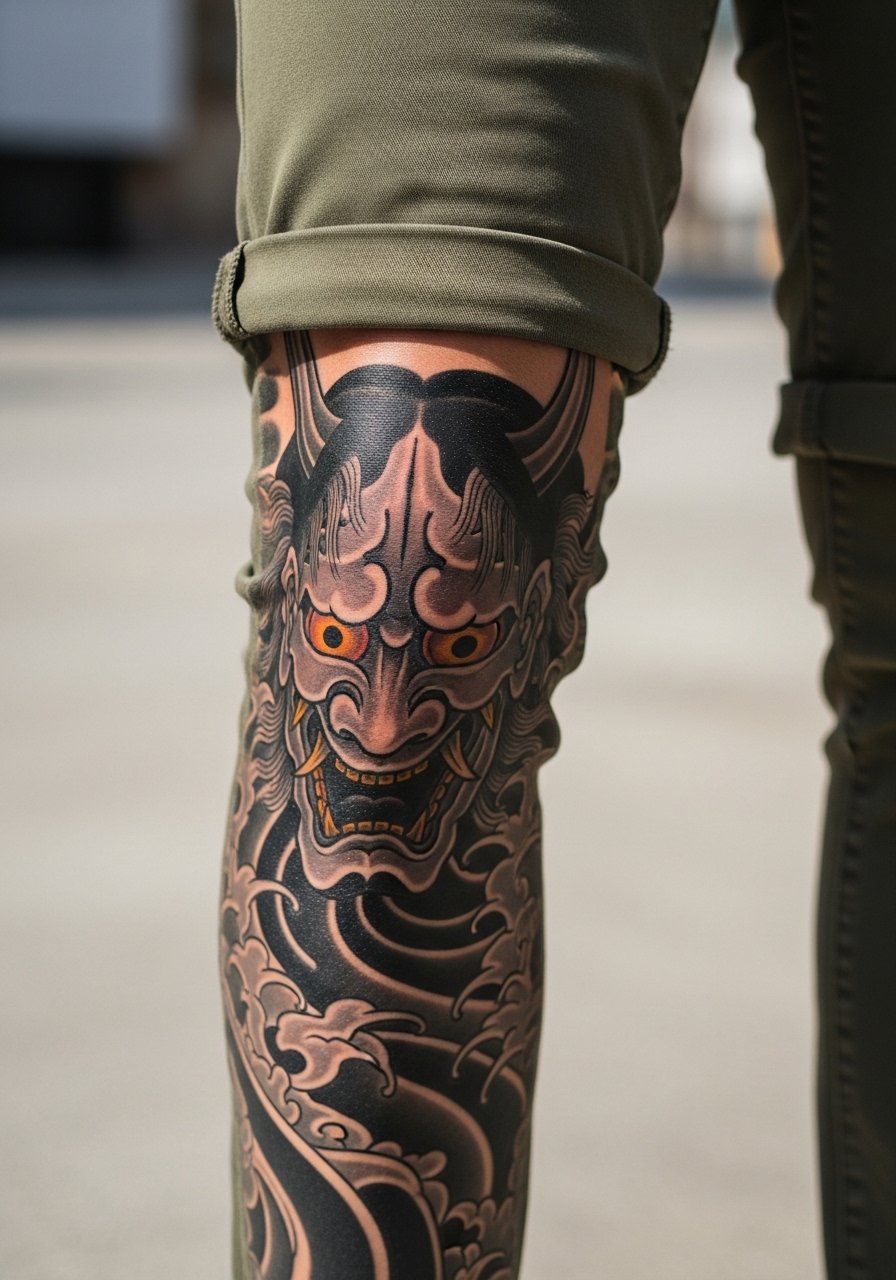
Demon faces are dramatic under the knee where they can emotively sit in the flex zone. Artists disagree on scale here. One camp wants larger faces with bold outlines to survive stretching and motion. The other camp argues for fine detail and shading that captures expression. Ask where your artist stands so you get the approach that matches longevity expectations. Knee and shin proximity means higher pain and potential for detail loss, so plan for bold outlines. Pair this work with slim fit chinos when you want a smart reveal.
16. Native American Abstract Portraits on Upper Thigh
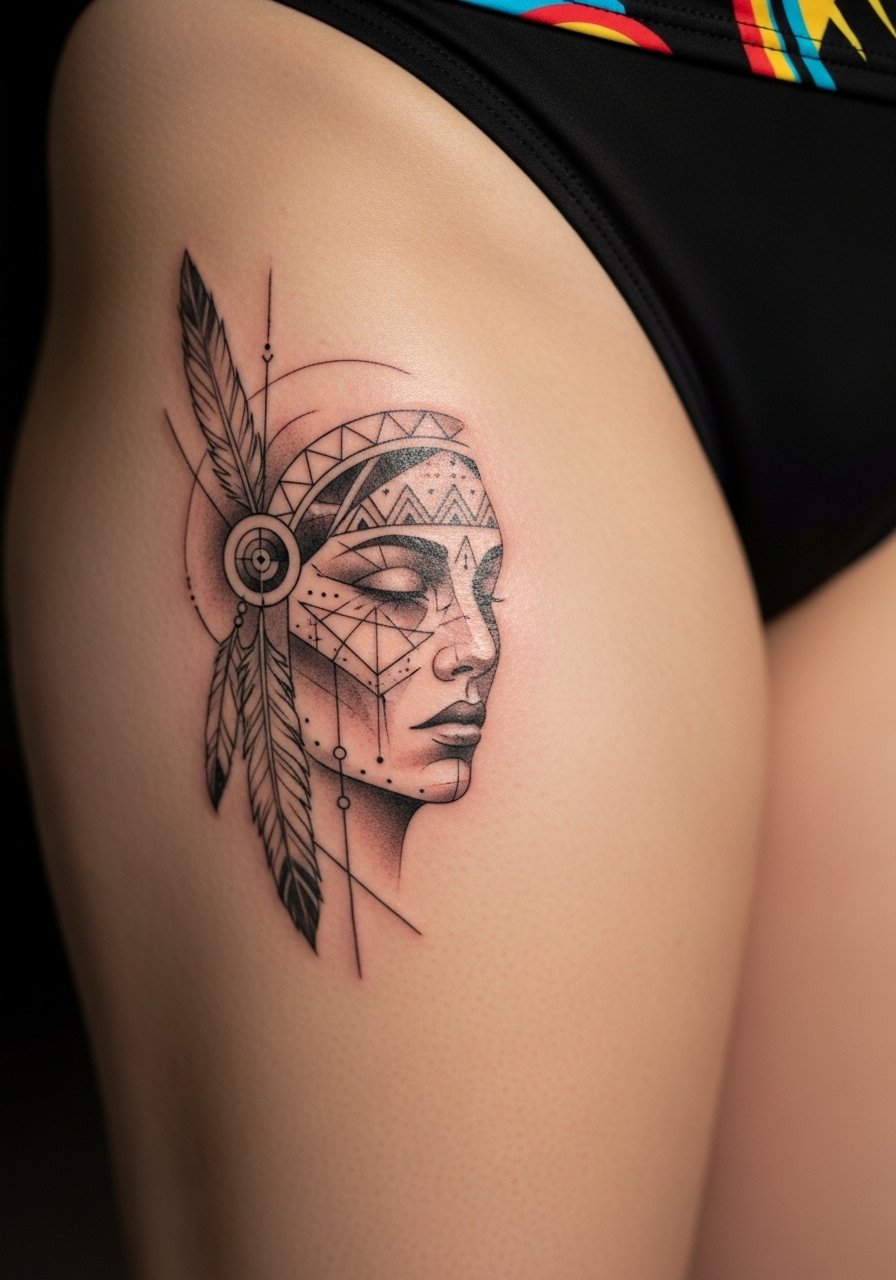
Portraiture with cultural elements calls for sensitivity and personalization. When commissioning this, ask about respectful motifs and consider working with artists who specialize in cultural realism. A common mistake is using stereotyped iconography without context, which flattens meaning. Upper-thigh placement is forgiving for session pain and holds detail well if the portrait scale is generous. For showing the piece, tailored shorts or a solid black short keep the composition the focal point. If including cultural symbols, discuss provenance and intent with the artist.
17. Ankle Constellation and Fineline Band Wraps
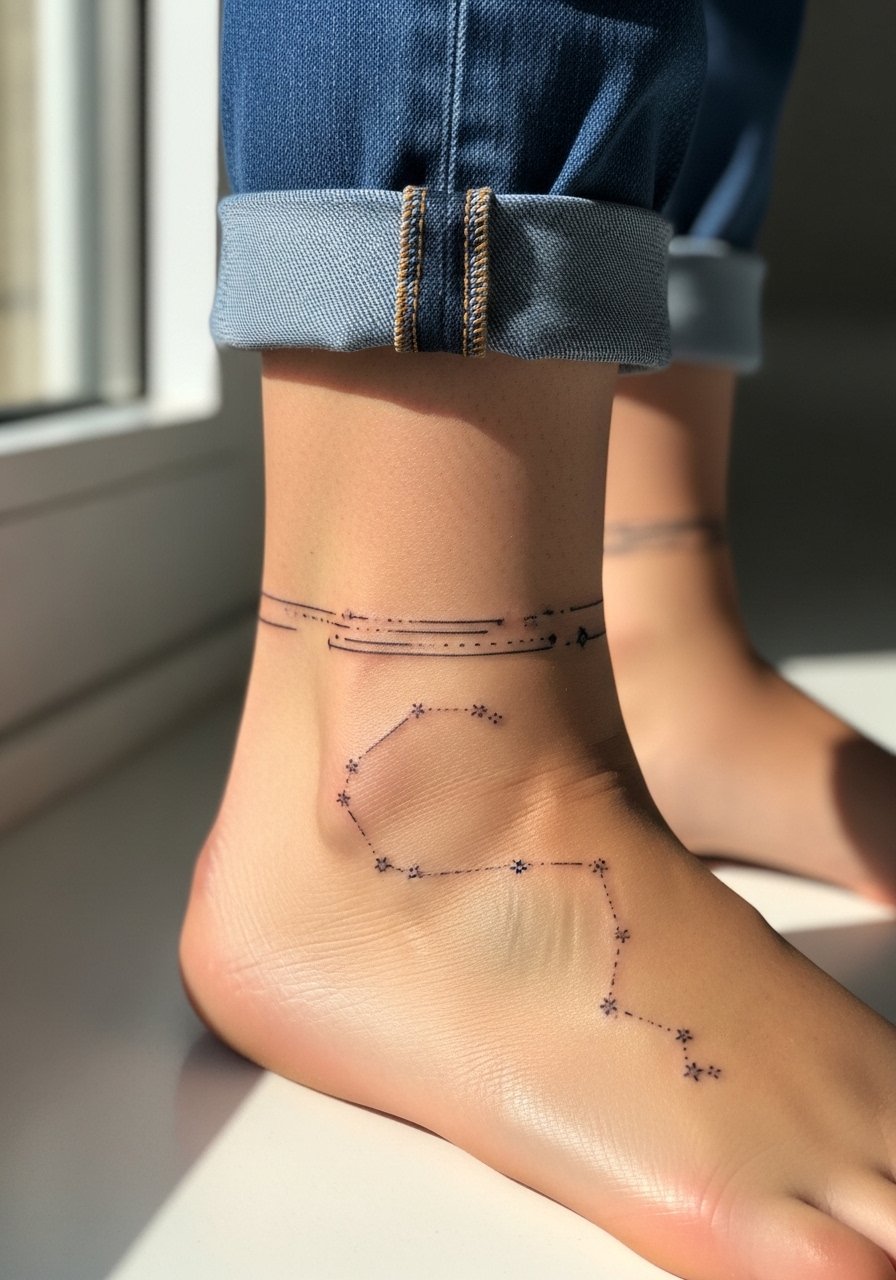
Ankle work reads intimate and detailed but is exposed to friction from shoes and socks. Fine line constellations need spacing so dot work does not merge with daily wear. For session wear, pull up cuffed jogger anklet pants so the artist can work without tight seams. The most common mistake is underestimating how quickly ankle lines soften, so plan for a touch-up in the first 12 to 18 months. If you want low commitment that can become a sleeve, arrange bands that can connect later with background shading.
Frequently Asked Questions
Q: How long does a full leg sleeve take and how should I stage sessions?
A: A full leg sleeve is usually split into multiple sessions across months or even a year depending on size and color. Plan blocks of three to five sessions for large color builds and shorter follow-up sessions for details. Breaks between sessions help skin fully heal and let you evaluate how saturation settles before adding more.
Q: Will fine line work blur faster on legs than bold blackwork?
A: In my experience fine line needs more spacing on leg skin to avoid softening, while bold blackwork holds up better over several years. If you like a delicate look, ask your artist to widen spacing or use slightly heavier linework where needed so the composition ages without losing its form.
Q: Are tribal designs risky because they can look dated or appropriative?
A: Yes, artists and clients split into two camps on tribal work. One group values cultural meaning and careful, respectful use of traditional motifs. The other warns that generic tribal patterns can feel dated. If heritage is not yours, adapt elements thoughtfully and discuss origin with the artist to avoid cliché.
Q: How should I dress for a thigh or hip appointment to make the session easier?
A: Wear loose shorts or high-cut swimwear so the artist can access the area without tight seams. For outer thigh pieces try high-waisted denim you can shift aside easily. Comfortable clothing reduces session fuss and protects fresh ink from chafing.
Q: Do shins hurt more than calves and how do I manage pain?
A: Yes shins are commonly more painful than calf areas because of proximity to bone. Break the session into shorter passes, use topical numbing if your artist allows, and schedule around low-activity days so swelling and soreness are easier to manage.
Q: How do I find an artist for a specific leg sleeve style if I do not want a named recommendation?
A: Use style-specific hashtags and city location tags to find portfolios, check tattoo directories to filter by irezumi or neo-traditional work, and browse progress threads on community forums to see healed results. Ask for healed photos and a sense of how they plan session sequencing before booking.