
Fine line May birth flower tattoos are everywhere on saved boards right now, and the pieces that still look crisp after five years are not always the ones that looked best fresh. Placement, spacing, and modest saturation matter more than flash trends. Read through these 17 drawings to find versions that photograph well today and will still read as flowers after years of wear.
1. Fine Line Lily of the Valley on Inner Forearm
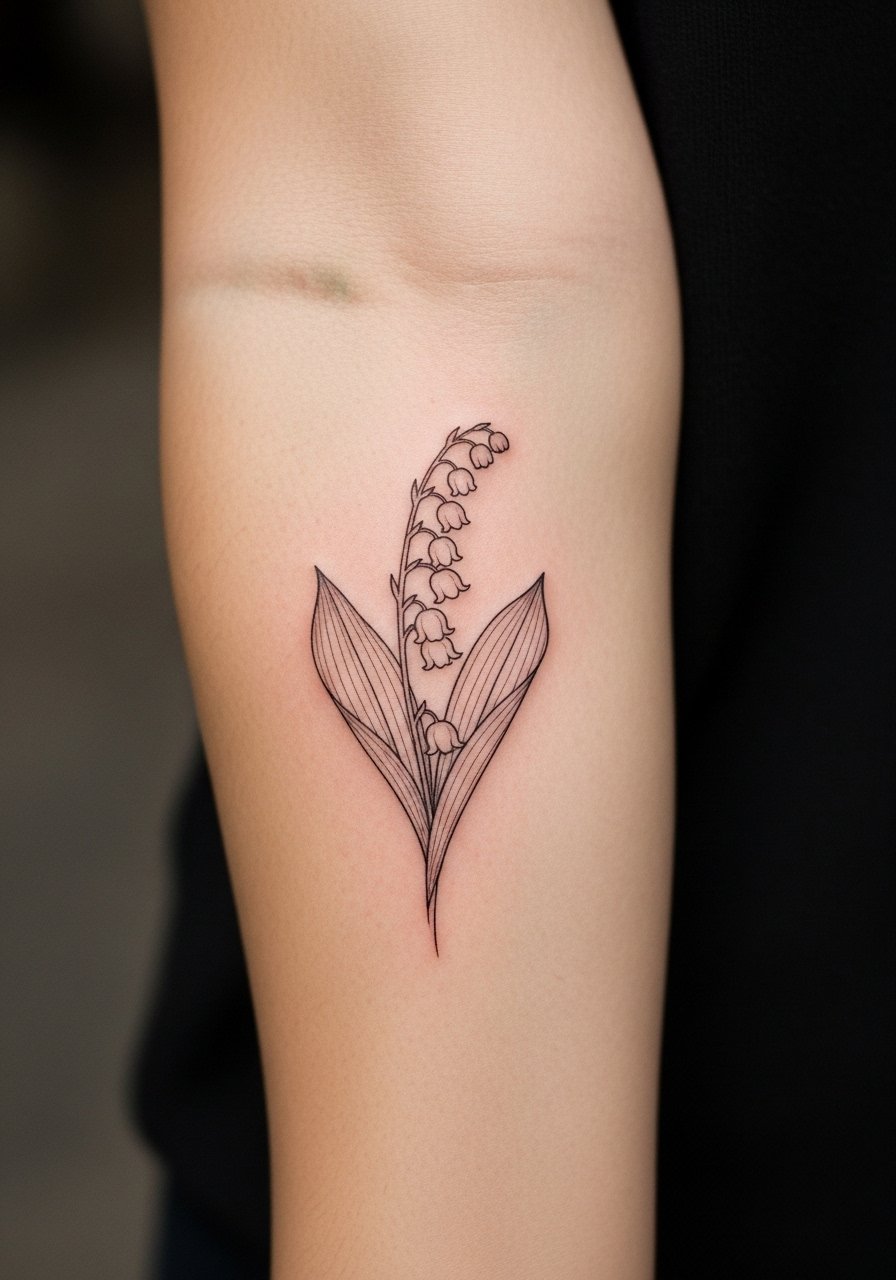
This is the classic May flower done as delicate linework along the inner forearm. I recommend asking for slightly increased spacing between bell shapes and a firmer line weight so the tiny details do not merge with time. Expect a low to moderate pain level and a single short session for a 3-4 inch design. Common mistakes include asking for ultra-thin hairlines that vanish after a year. To keep it visible when you dress, roll up a linen sleeve or shirt so the piece sits against bare forearm skin. Over time this placement fades evenly and usually needs a touch-up around year three.
2. Tiny Hawthorn Branch Around the Wrist
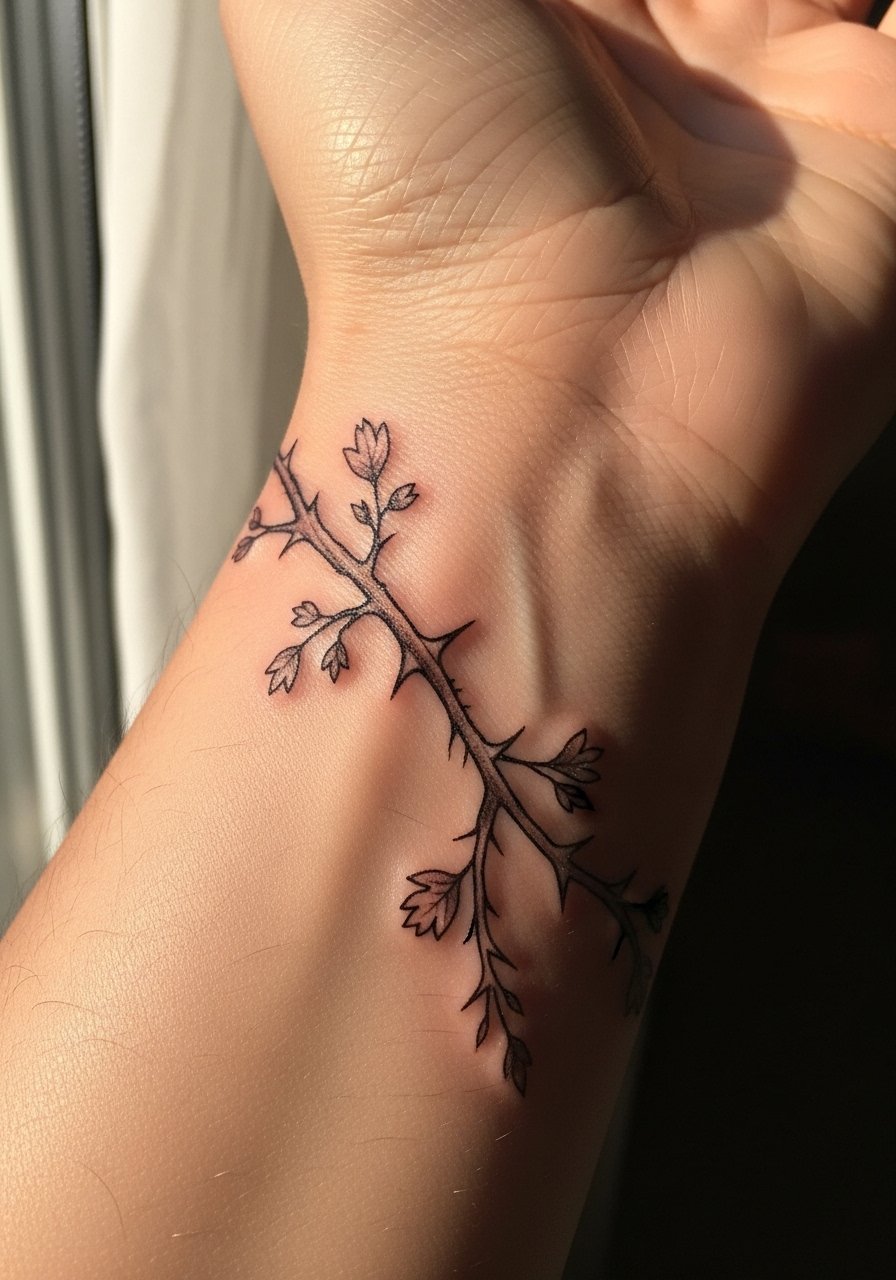
A thin hawthorn sprig circling the wrist reads like a bracelet. Tell your artist you want modest negative space between thorns and leaves so the band does not blur into a solid line. Fine line here feels very visible but is vulnerable to friction from clothing and watches. Expect higher likelihood of touch-up at year two to three. For everyday wear try stacked pieces like a set of dainty bracelets that frame the tattoo without covering it. The session is quick but the wrist is sensitive so bring patience and a short break plan.
3. Ankle Sprig with Tiny Blossoms
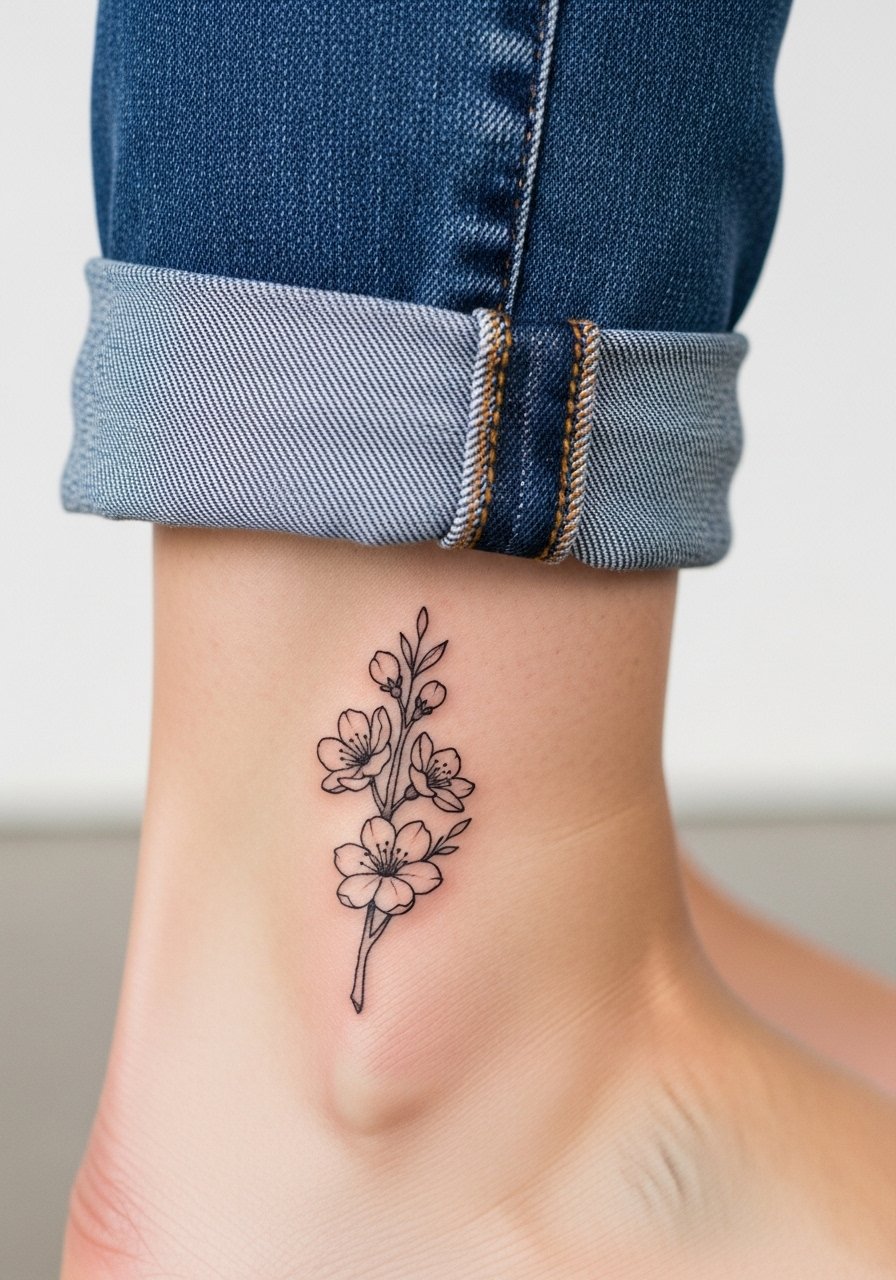
An ankle blossom looks like jewelry when placed just above the bone. The common error is placing too much detail in a small area which invites blowout from movement and thin skin. Ask for slightly bolder outer contour and simplified inner detail to help longevity. The ankle will fade faster with frequent shoe rubbing and sun exposure, so expect a touch-up earlier than forearm work. Pair it with low-profile footwear like simple strappy sandals when you want to show it off. The session is short and the pain is moderate.
4. Collarbone Spray with Single Stem
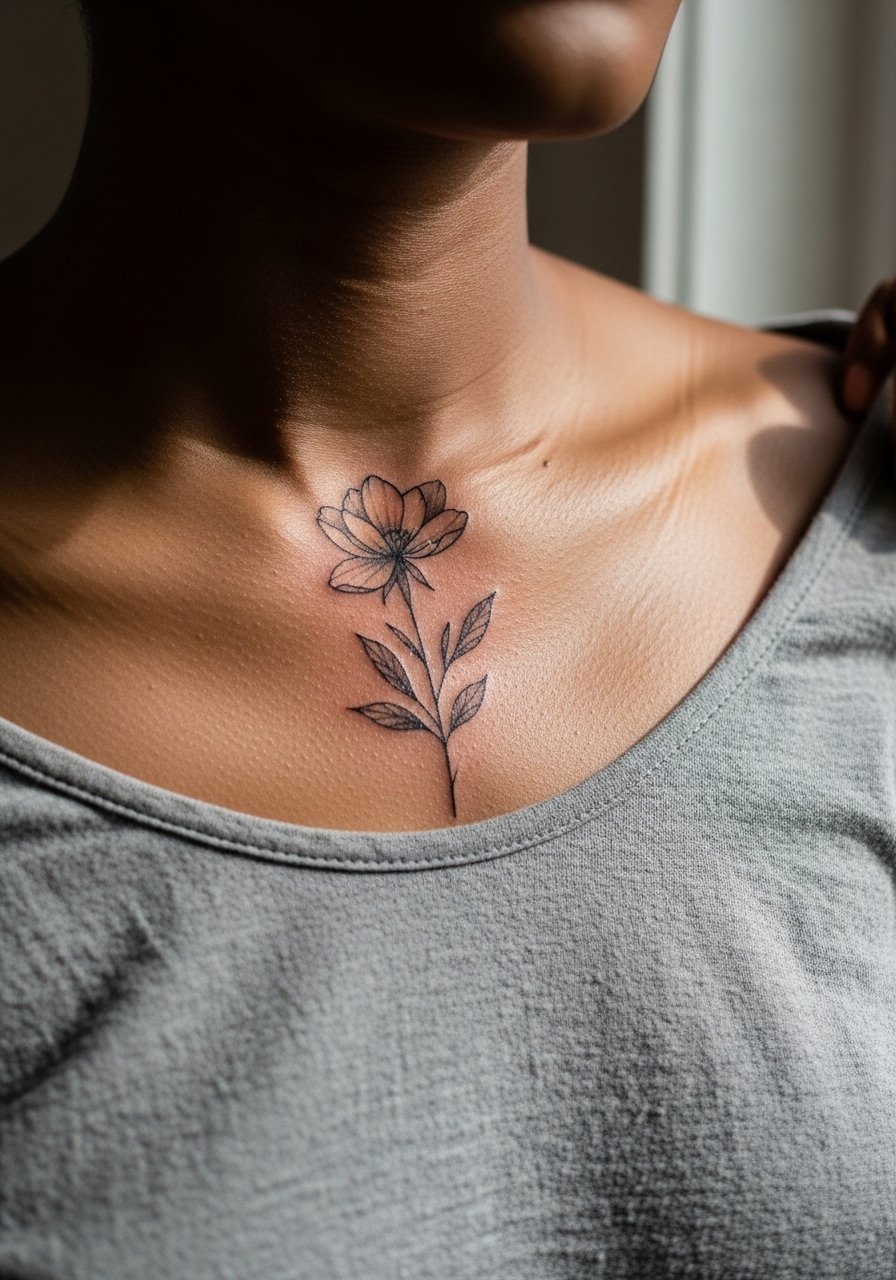
A spray tucked under the collarbone reads elegant with minimal ink. Ask your artist to map the stem so it follows the collarbone curve for the most flattering look. The biggest mistake is running dense detail too close to the clavicle where skin moves and it flattens quickly. For nights out wear a wide-neck blouse to frame the motif without covering it. Sessions are brief but the collarbone can feel sharp when the needle passes the bone edge. Expect medium aging and a likely touch-up at year three if you wear a lot of sun-exposing clothing.
5. Ribcage Vine of May Blooms
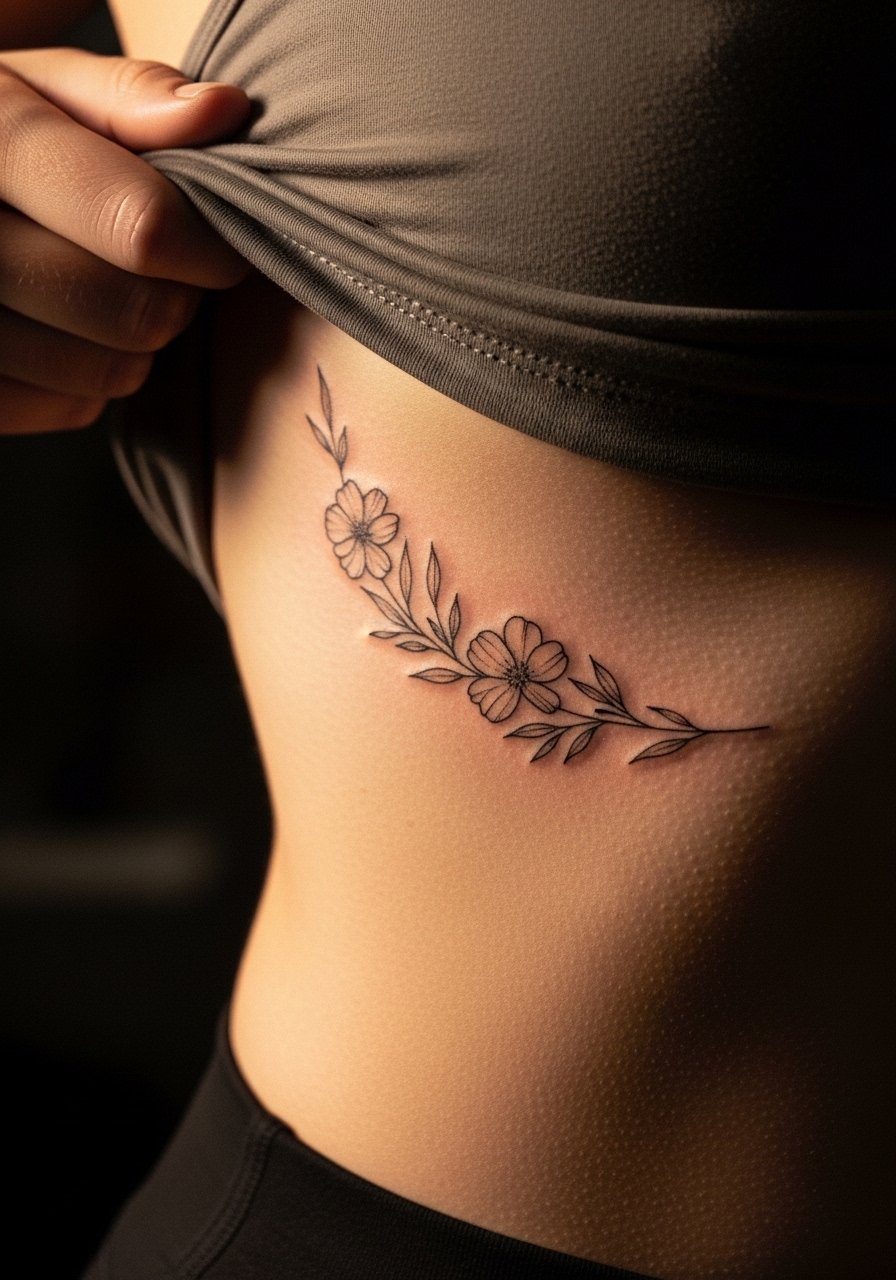
Fine line on ribs often splits artists into two camps. One camp says the skin stretch and motion blur lines within two years. The other camp argues that careful needle depth and spacing let fine line settle well even on ribs. Name the debate during consultation and ask which approach your artist uses. Rib work hurts more than most placements, and sessions can run longer. Wear a cropped athletic top so the artist can access the area cleanly. Expect uneven fading in the first year and plan for a follow-up touch-up in 12 to 24 months.
6. Sternum Cluster of Lily Bells
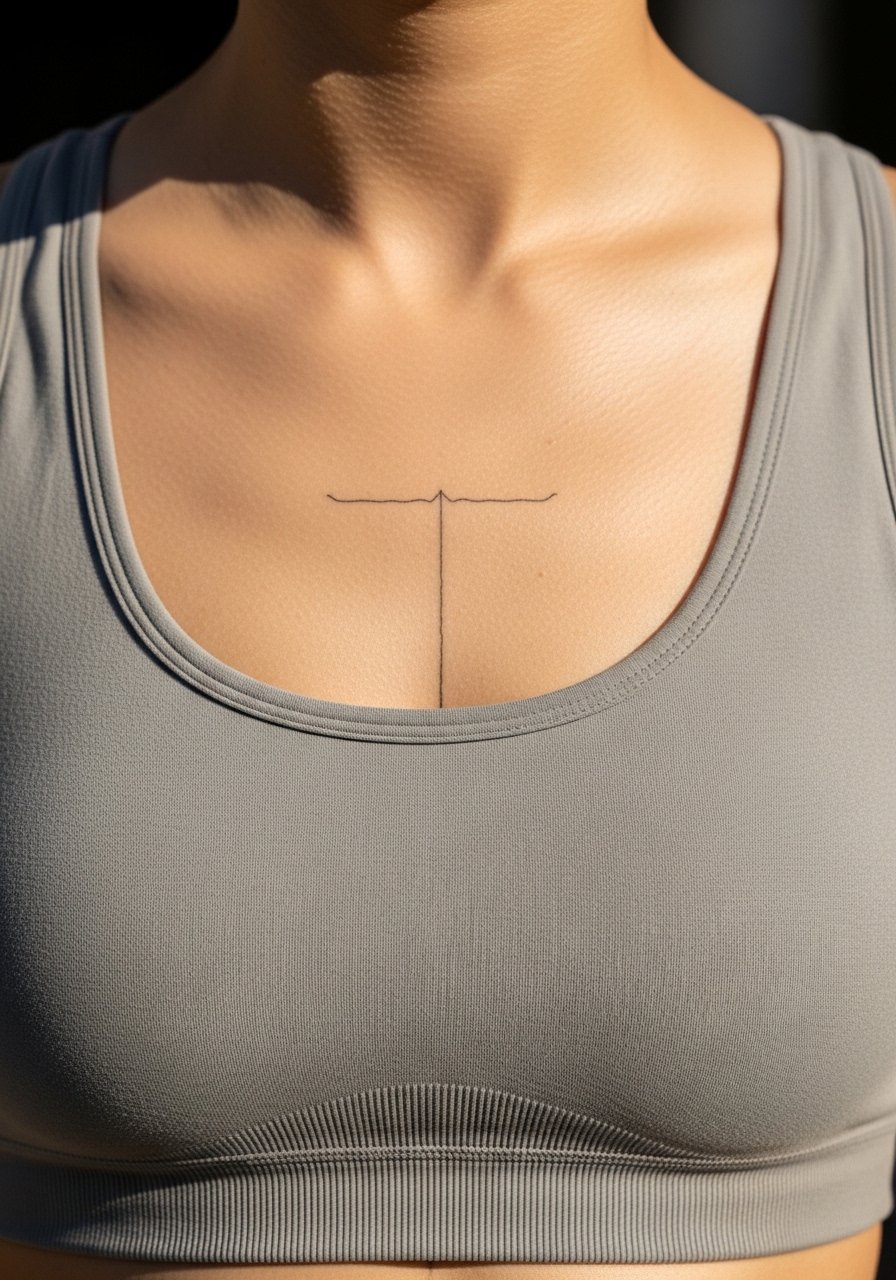
A centered lily cluster on the sternum is intimate and graphic. For this placement tell your artist if you want the design to sit above or below the fabric line, because pull and stretch differ with motion. The sternum can be painful and sessions are often split. A common mistake is packing too many tiny dots into the chest where movement softens them. For the session wear a fitted sports bra you can remove or pull aside easily. Healing needs attention to moisture and rest, and touch-ups are common after weight changes or pregnancy.
Studio Day Picks
The chest, ribs, and forearm pieces above ask for different prep and a small kit tuned to each zone.
-
Stencil transfer paper kit. Lets you preview placement and rotation on skin before the needle meets the area, helpful for forearm and collarbone pieces.
-
Topical numbing cream. Applied per directions about 45 minutes before a sensitive rib or sternum session to ease the first passes.
-
Thin protective film roll. Shields wrist and finger work from friction during the first days of healing.
-
Fragrance-free gentle body wash. Cleans healing areas like the sternum and rib side without irritating fine line work.
-
Aquaphor healing ointment. Thin layers during the first few days help keep linework hydrated and reduce scabbing on delicate flowers.
7. Upper Arm Bouquet with Light Saturation
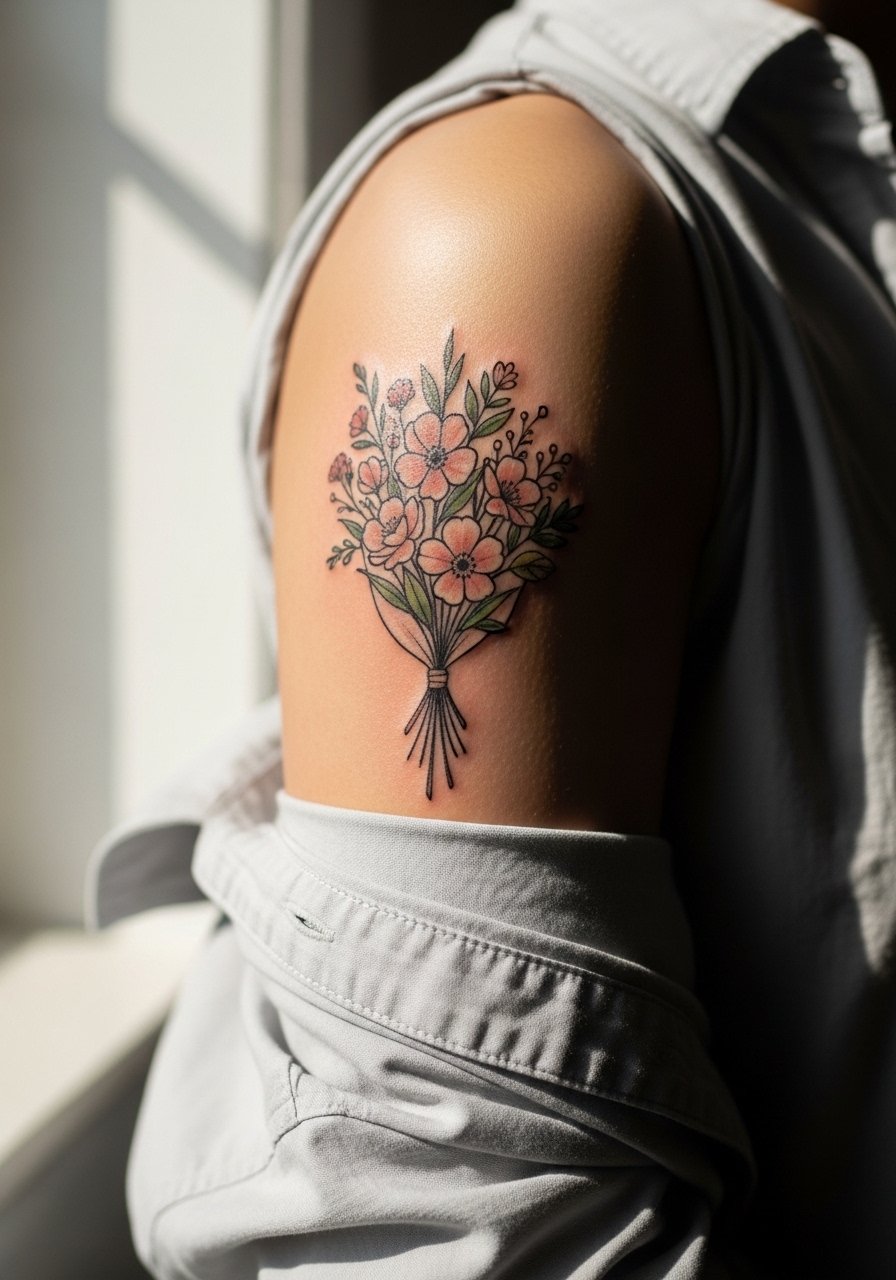
A compact bouquet with modest color saturation reads mature over years. Tell your artist you want muted color and strong black linework to anchor the piece so the pigments do not blur into each other over time. The upper arm is forgiving, but heavy saturation can thin at the edges if the outline is too light. This placement is moderate on pain and often finishes in one session. For showing it off try a loose button-down shirt with sleeves rolled so the bouquet sits naturally on bare skin. Expect even fading and a possible color refresh in four to six years.
8. Micro-Realism Behind the Ear Sprig
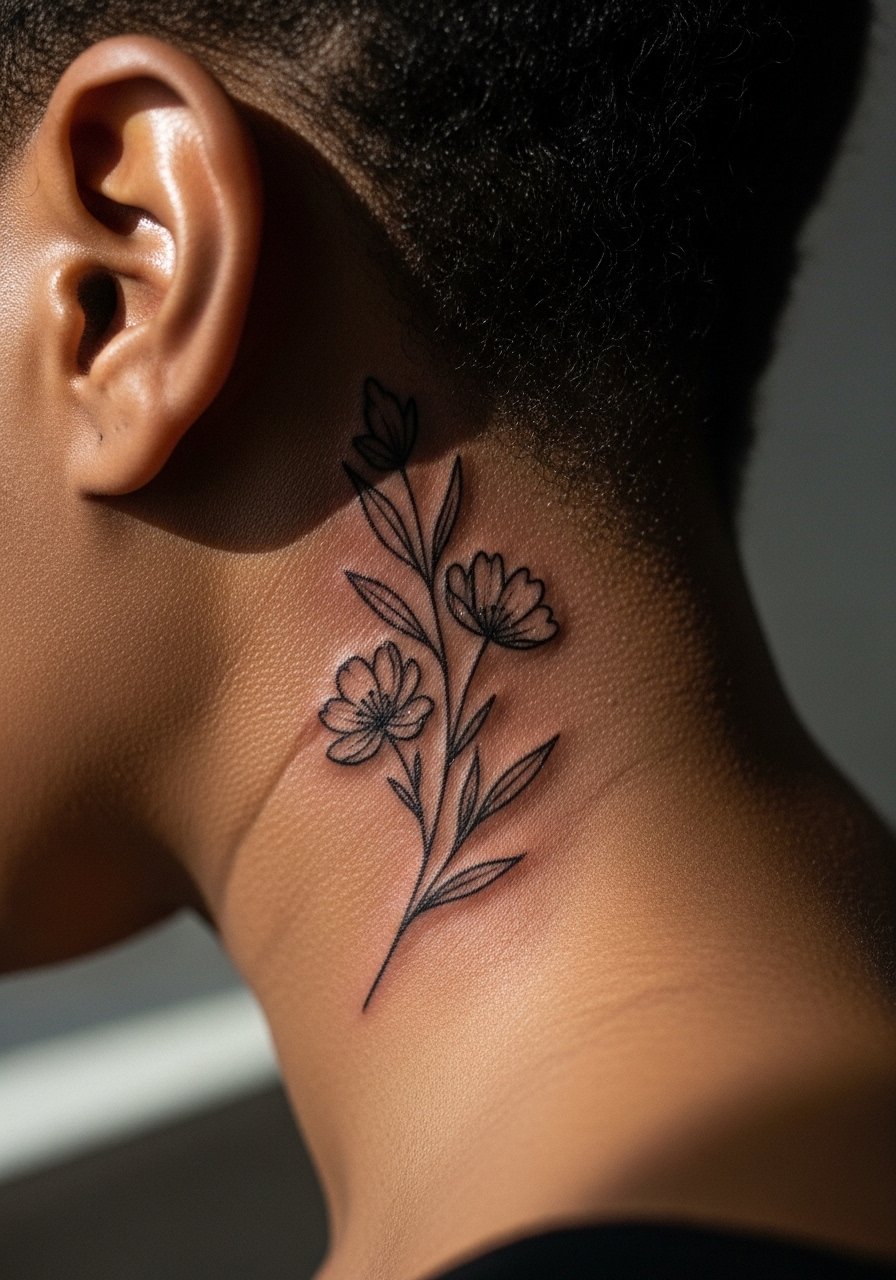
A tiny sprig behind the ear feels private and sweet. Because the skin there is thin, avoid tiny stipple texture that can vanish. The image should be mapped below the hairline to keep exposure low. The main risk is blur from the thin dermal layer, so ask for simplified silhouettes rather than dense detail. The session is quick and low on endurance but needs an artist experienced with small placements. For discovery, search local shop directories and community threads that highlight micro-realism specialists.
9. Minimalist Ankle Constellation with May Flowers
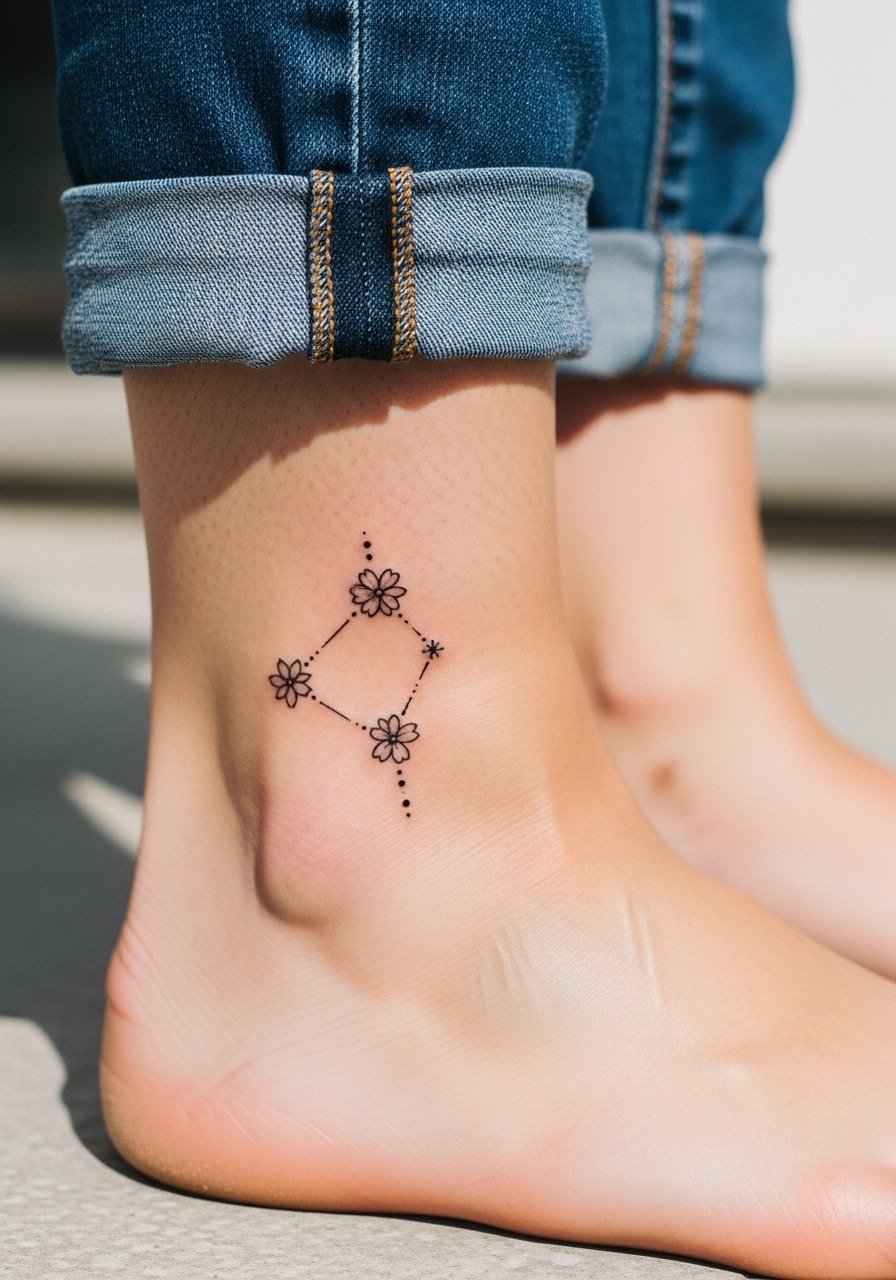
Combining tiny flowers into a constellation yields a graphic, modern layout. Ask for small, consistent dot sizes and slightly wider spacing so the points stay distinct as skin shifts. The ankle faces friction and sun when shoes expose it, which accelerates fading. For casual show-off pair with jeans rolled up or jeans rolled up womens that frame the piece. Plan on a touch-up in the first two years if you use harsh soaps or swim often. The session is short but sensitive near the bone.
10. Finger Micro-Flower and Script
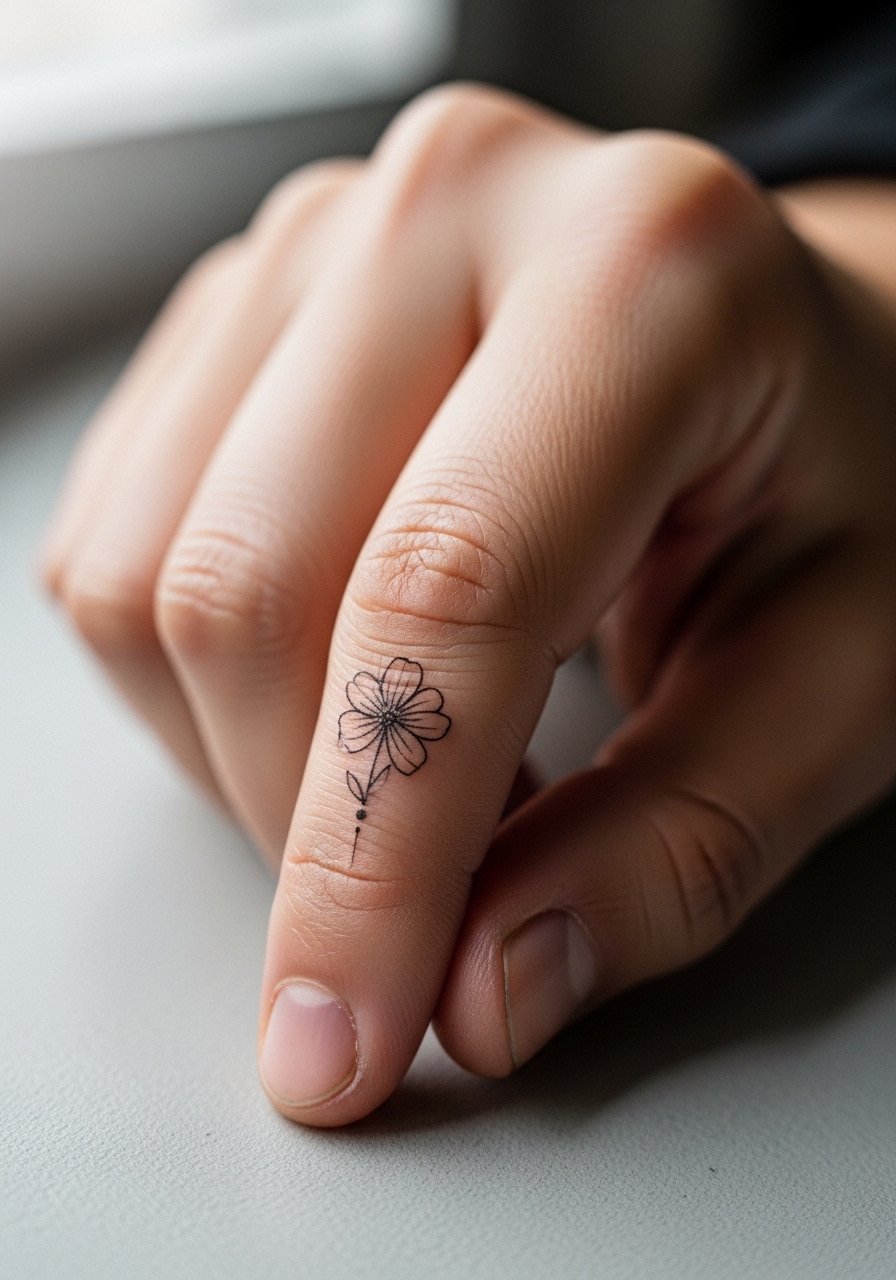
Finger tattoos are a commitment because they fade fast from washing and daily use. Artists are split on this placement. One group avoids fingers for fine script claiming they will blur within months. The other group will do them small if the client accepts likely touch-ups. Decide which camp you trust before booking. If you proceed pick bolder single motifs rather than tight script. For styling wear minimal stacking like a thin chain ring to show scale without competing. Expect frequent touch-ups and plan sessions no more than an hour.
11. Inner Thigh Spray of Lily Bells
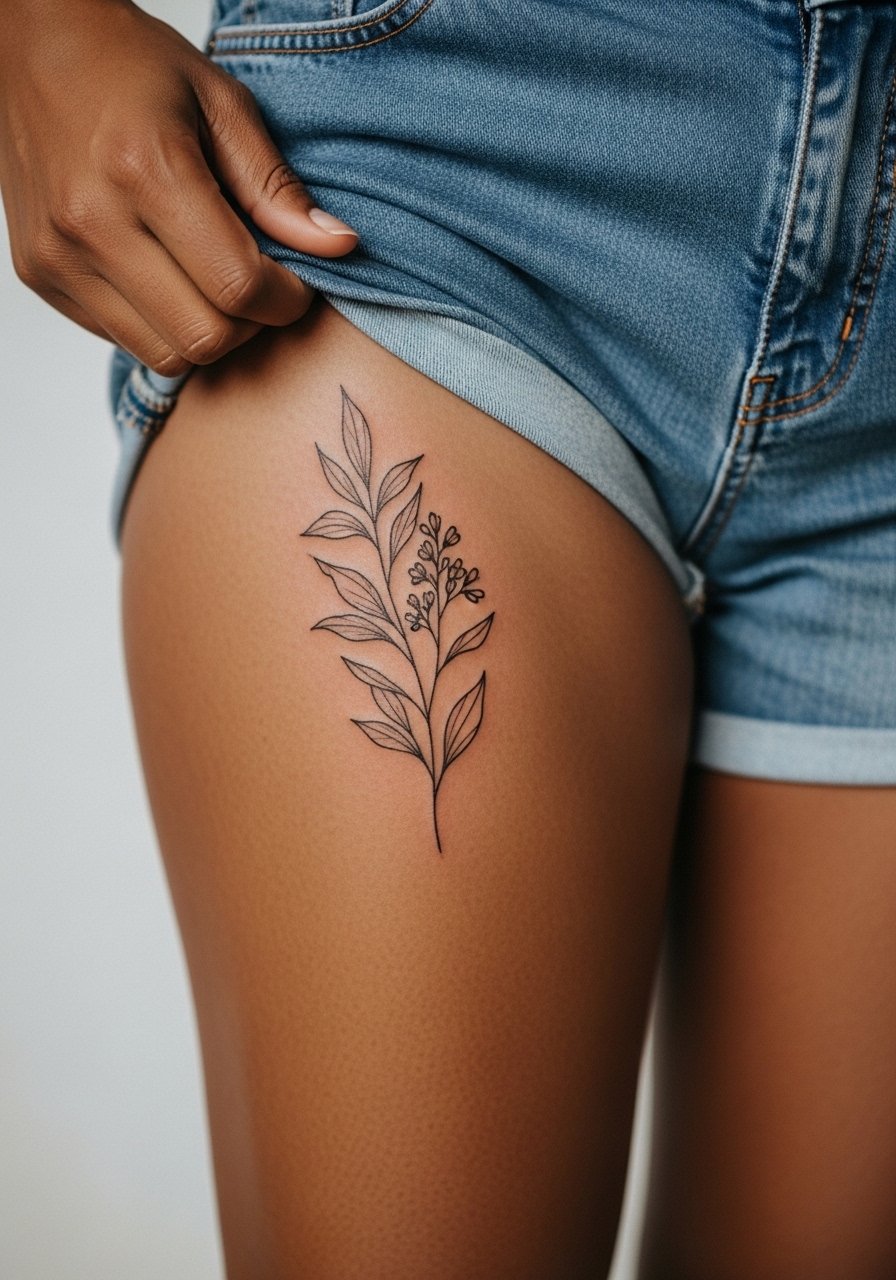
An inner thigh bouquet lets you go larger and more detailed while keeping discretion. The skin in this area is soft and stretches with movement so ask for slightly bolder linework and less stipple shading. The common mistake is packing tiny texture that merges within a year. Inner thigh work heals well if you wear breathable bottoms, so bring loose linen shorts for the session and the first week. Sessions can be longer depending on size and sensitivity. Expect steady color for a few years and a touch-up after significant weight change.
12. Shoulder Blade Single Stem for Open-Back Tops
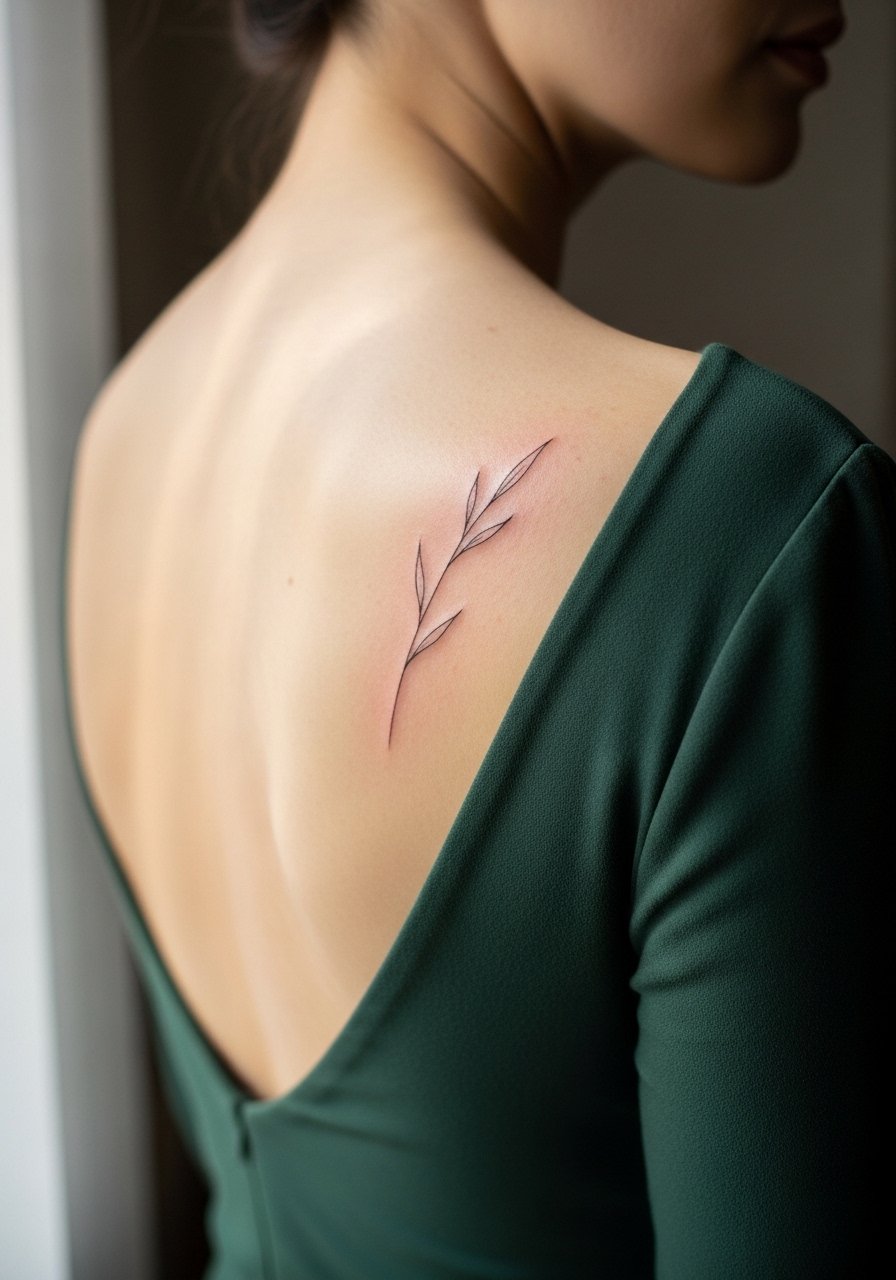
The shoulder blade is forgiving and flattering for vertical stems. Ask your artist to curve the stem with the shoulder blade contour so the piece moves with your body. The mistake is placing a rigid straight stem that looks awkward when you move. For evenings, pair it with an open-back midi dress that frames the motif. Sessions are comfortable and healing is straightforward. Aging is kind here because the skin does not stretch as much as torso areas, though sun protection will extend crispness.
13. Tiny Foot Accent Behind Strappy Sandal Line
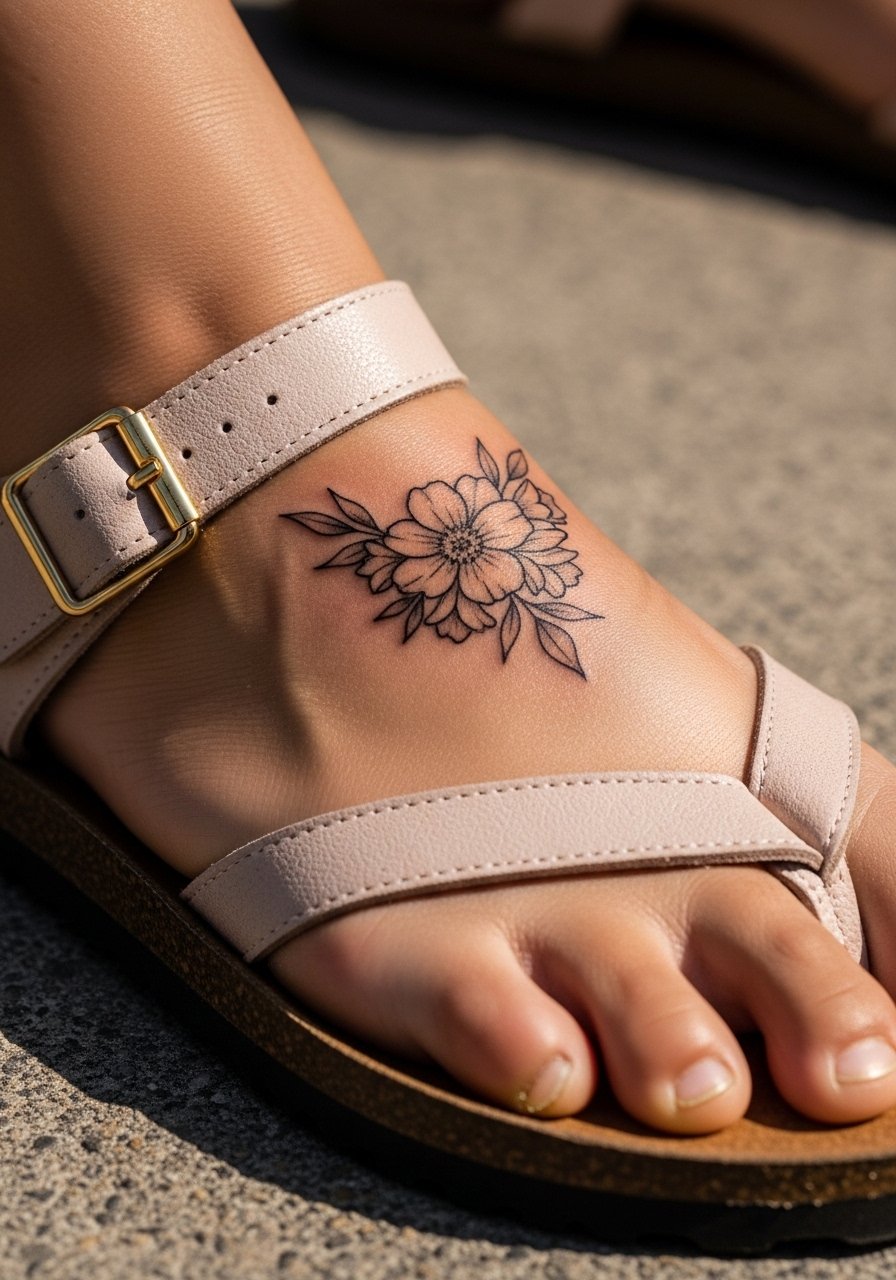
Foot tattoos sit low on the longevity scale because of friction from shoes and repeated bending. Place the design where straps or low footwear will not rub daily. Ask for compact negative space around petals and avoid heavy shading. If you want to show it off seasonally, choose sandals that do not press on the motif. A lightweight pair of strappy sandals works well. The session is short but can sting because of thin skin. Plan for touch-ups and protect the area from dirt while healing.
14. Back Panel of Mixed May Flowers
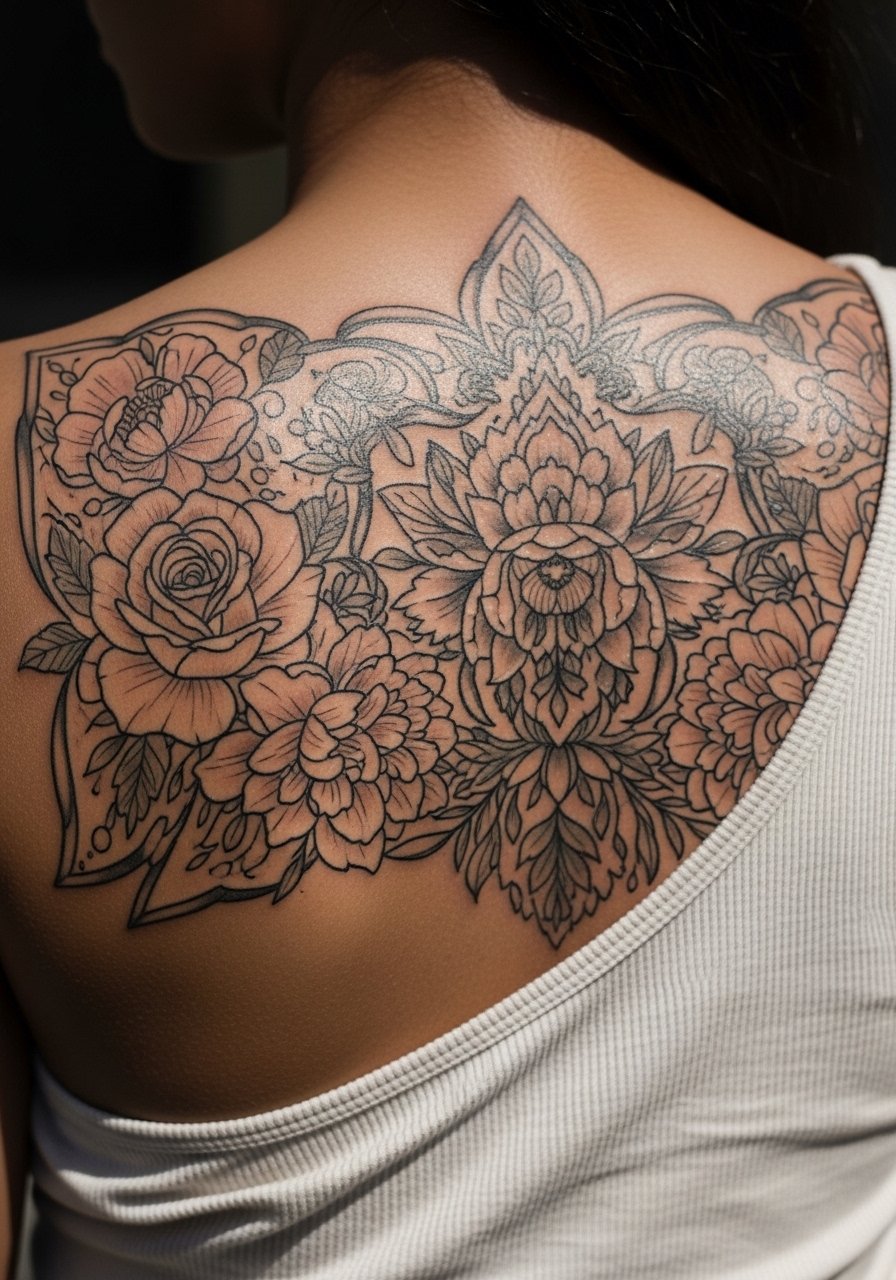
A back panel lets you combine lily of the valley with hawthorn and other blooms into a composition. This is best as custom work discussed in depth during consultation. Tell your artist which motifs you want to read from a distance and which are for close viewing, because saturation and line weight differ. Sessions will be multiple and you should expect more healing time. The common mistake is over-detailing the background where it will never be visible. Back skin is forgiving for aging, but the piece needs sun protection if exposed often.
15. Tiny Ring Finger Flower Accent
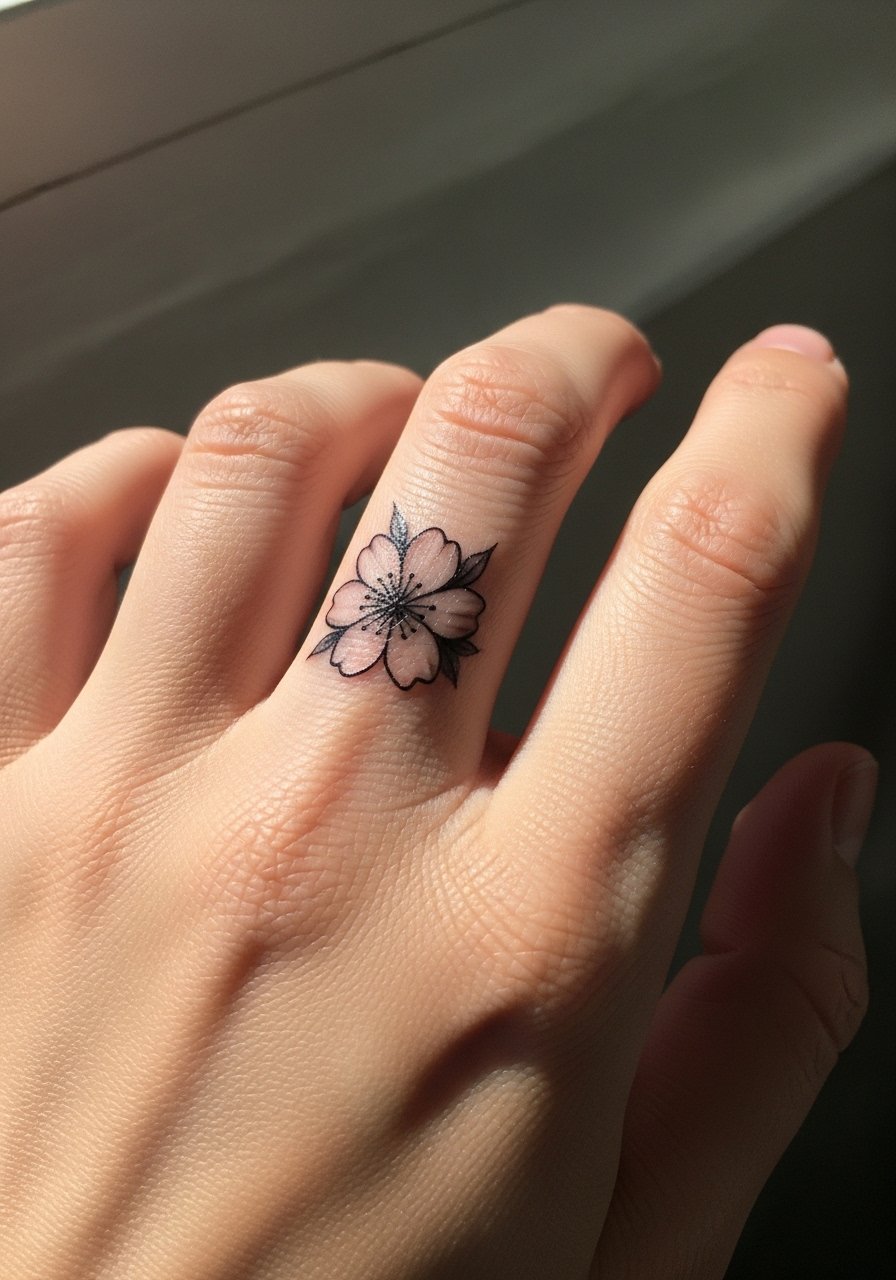
Ring finger accents read as delicate statements but wear very fast. Ask for a compact single petal or tiny bud rather than a band of dots. The biggest mistake is expecting a delicate ring to last without touch-ups. If you want to pair with jewelry pick thin stackable rings that sit beside rather than over the tattoo. Sessions are brief and the outcome is instantly visible. Expect to revisit your artist within a year.
16. Nape Bloom with Short Script
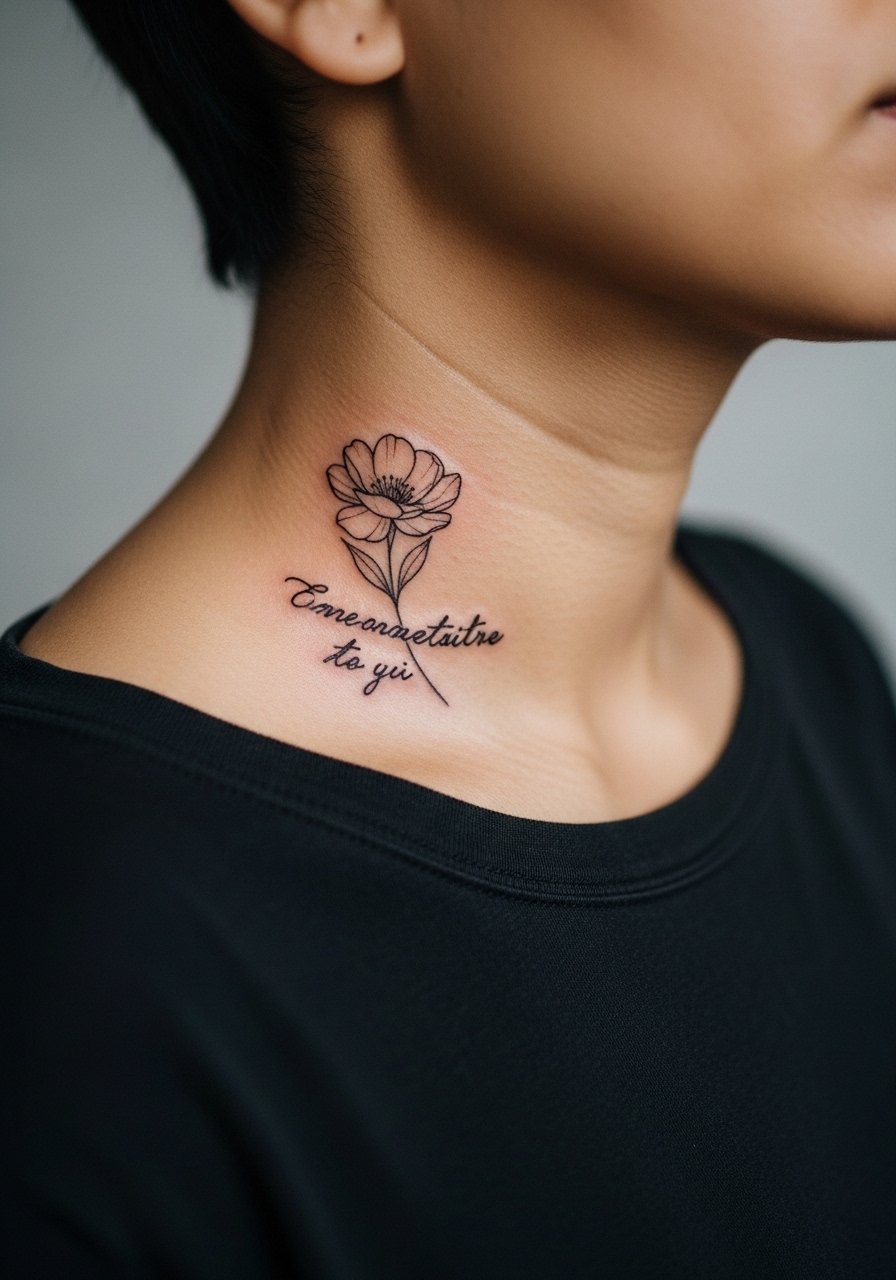
The nape area is a sweet spot for small motifs and short words. Because the skin moves, keep script minimal and favor thicker single-stroke letters that age more predictably. The risk is that dense micro-script smudges as the lines settle. For the session wear a wide-neck shirt that can be shifted without rubbing the fresh ink. Healing is simple but sun exposure on the back of the neck will change contrast over time, so plan touch-ups if you wear a lot of open collars.
17. Calf Stem with Small Script Date
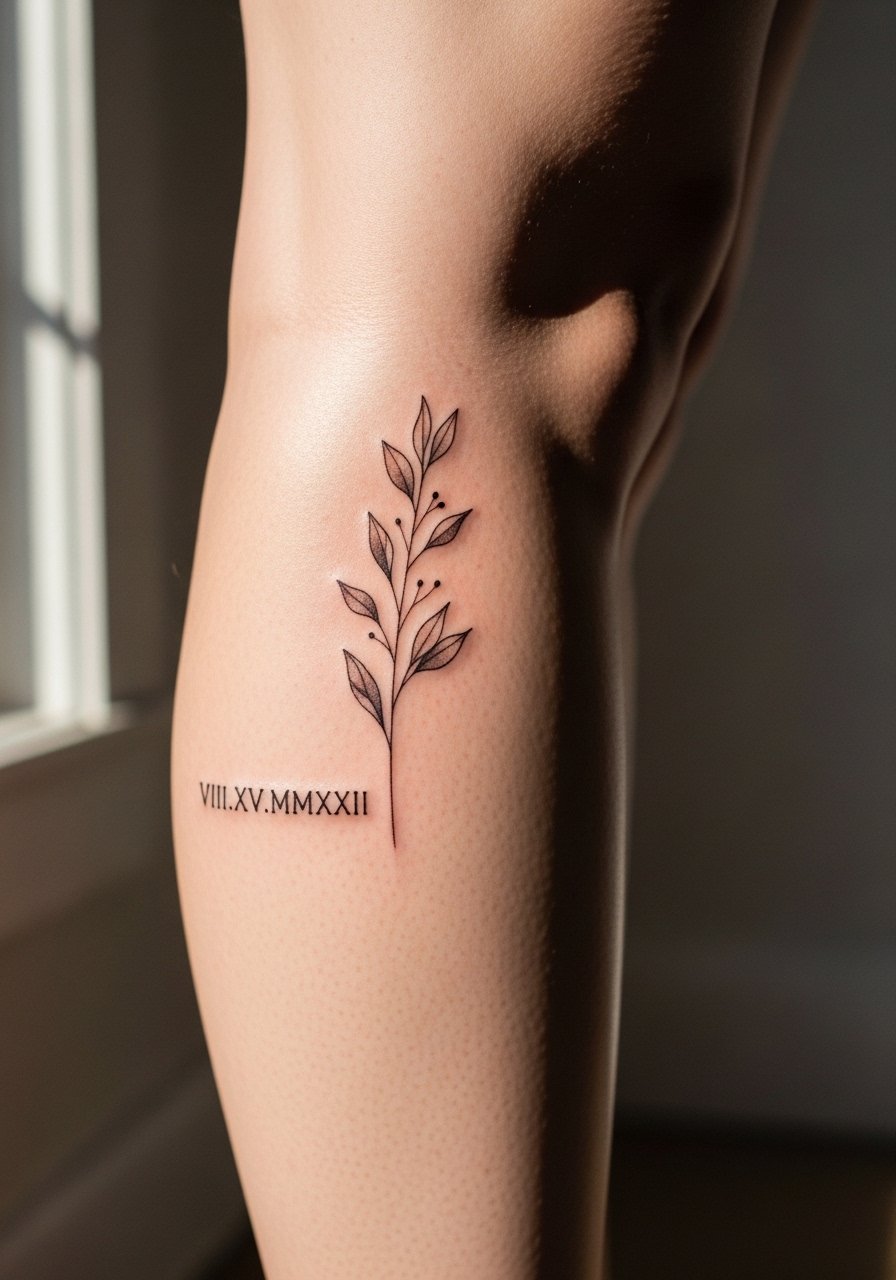
A calf placement supports vertical stems and allows room for a small date or coordinates. When including text be specific about the exact characters so your artist reproduces them correctly, for example include Roman numerals or exact spacing. The calf is mid on pain and heals well with low friction if you avoid tight boots. Pair with ankle-exposing footwear like low-cut boots or sneakers for casual display, such as low cut ankle boots. Expect the piece to age evenly and require minimal early touch-ups.
Frequently Asked Questions
Q: Will fine line May flower tattoos blur faster than bold traditional floral work on the same skin?
A: Fine line tends to soften faster on much-moving areas because the pigment sits in narrower channels. Bold traditional pieces have more saturation to resist early blur. That means placement and spacing matter more than style when you want longevity.
Q: How should I prepare for a ribcage or sternum appointment from this list?
A: Eat and hydrate well before the session, wear a top you can lift or remove easily, and bring a loose sweater for aftercare comfort. A fitted sports bra or cropped top that you can adjust is helpful for chest and rib sessions.
Q: Are hand and finger tattoos career risky or accepted now?
A: Opinions split. Some people say visible hand work still affects certain hiring outcomes. Others find enough workplaces are accepting that it is less of a barrier. The practical step is to weigh your career context and ask about maintenance expectations before committing.
Q: How often do these May flower pieces need touch-ups?
A: Expect low-friction spots like the upper back or shoulder blade to go longer without work and finger, hand, and foot pieces to need touch-ups within one to three years. Aging varies with sun exposure and skin type.
Q: Where should I look to find an artist who specializes in these delicate botanical styles?
A: Use local shop directories, convention listings, community threads, and niche hashtag searches to find portfolios. Look for healed photos that show linework after at least six months rather than only fresh shots.