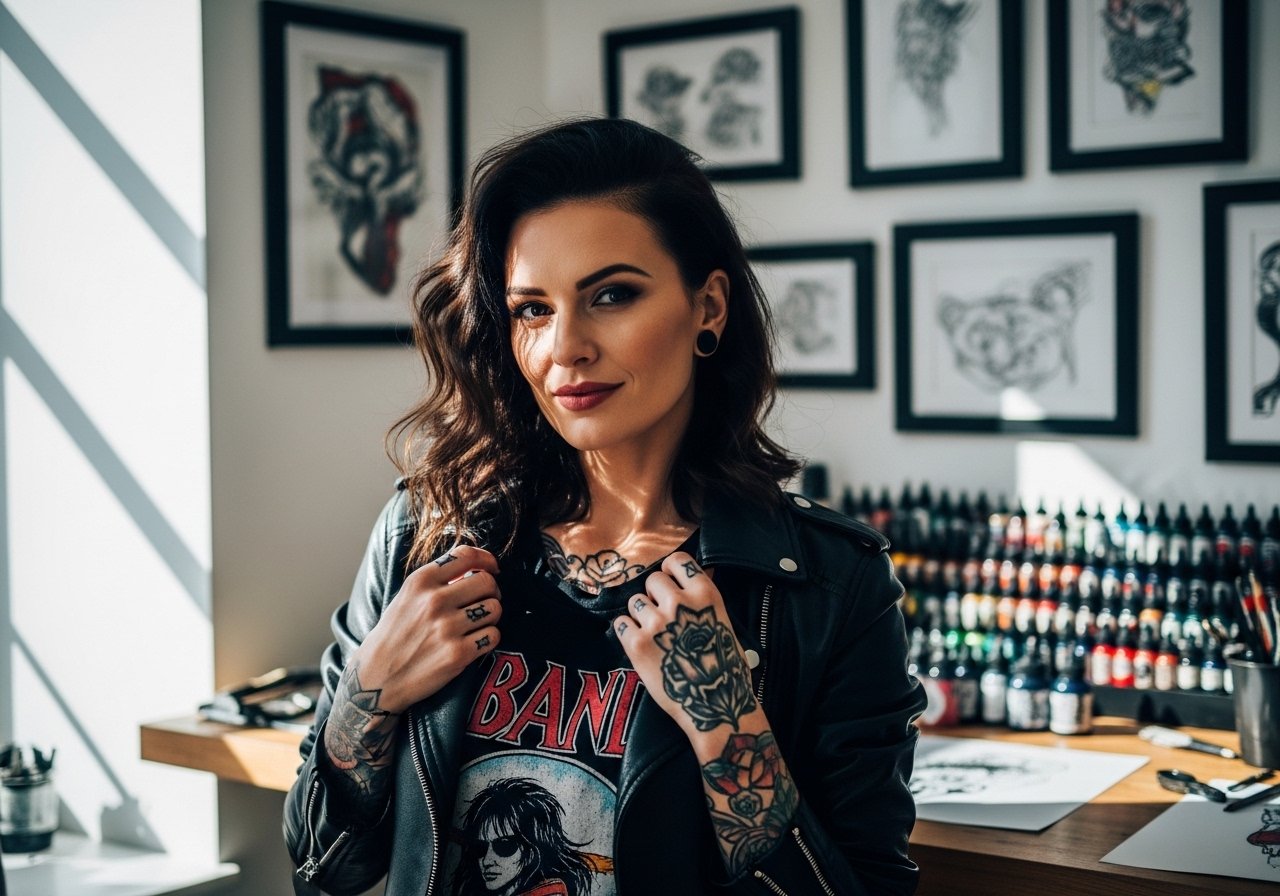
Fine line and lyric tattoos are all over feeds right now, but trend and longevity often part ways. Fine line pieces look ethereal fresh and then need touch-ups sooner than bold work. Script along the spine can stretch with body changes, and light-motif tattoos on darker skin sometimes need stronger outlines to read in photos. Below are 27 ideas that balance immediate impact with how the ink actually looks months and years later.
1. Fine Line Lantern on Inner Forearm
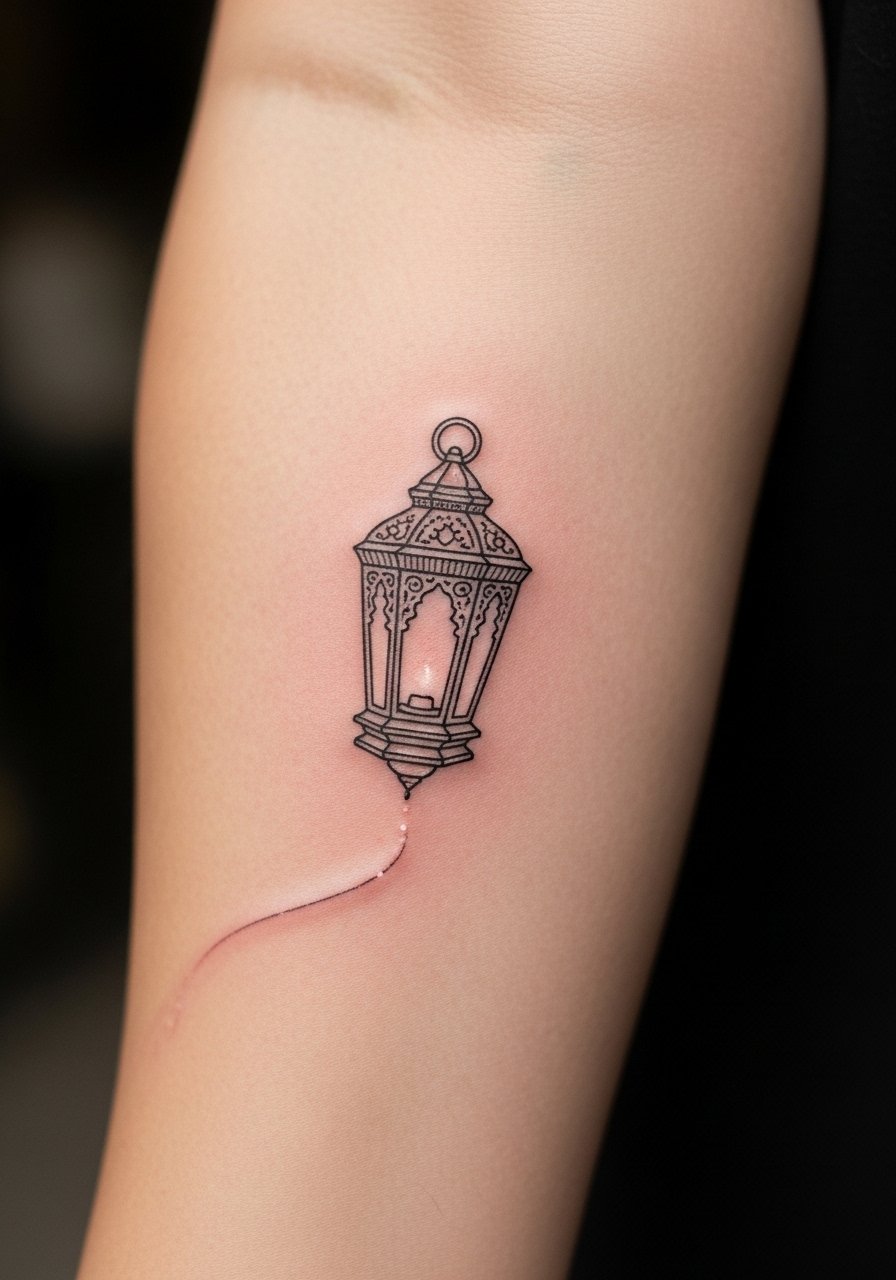
I've seen this exact forearm placement keep its clarity when artists space the lantern's filigree and avoid hairline script inside the flame. Pain is low to moderate and most sessions finish under an hour. Tell your artist you want slightly heavier outer linework and feathered inner strokes for longevity. The common mistake is asking for ultra-fine filament detail that vanishes by year two. Expect a light touch-up around year three if you spend lots of time in sun. For showing it off, roll the sleeve of a rolled cuff chambray shirt and wear a slim gold bracelet on the opposite wrist during shoots.
2. Script Lyric Wrist with Star Trail
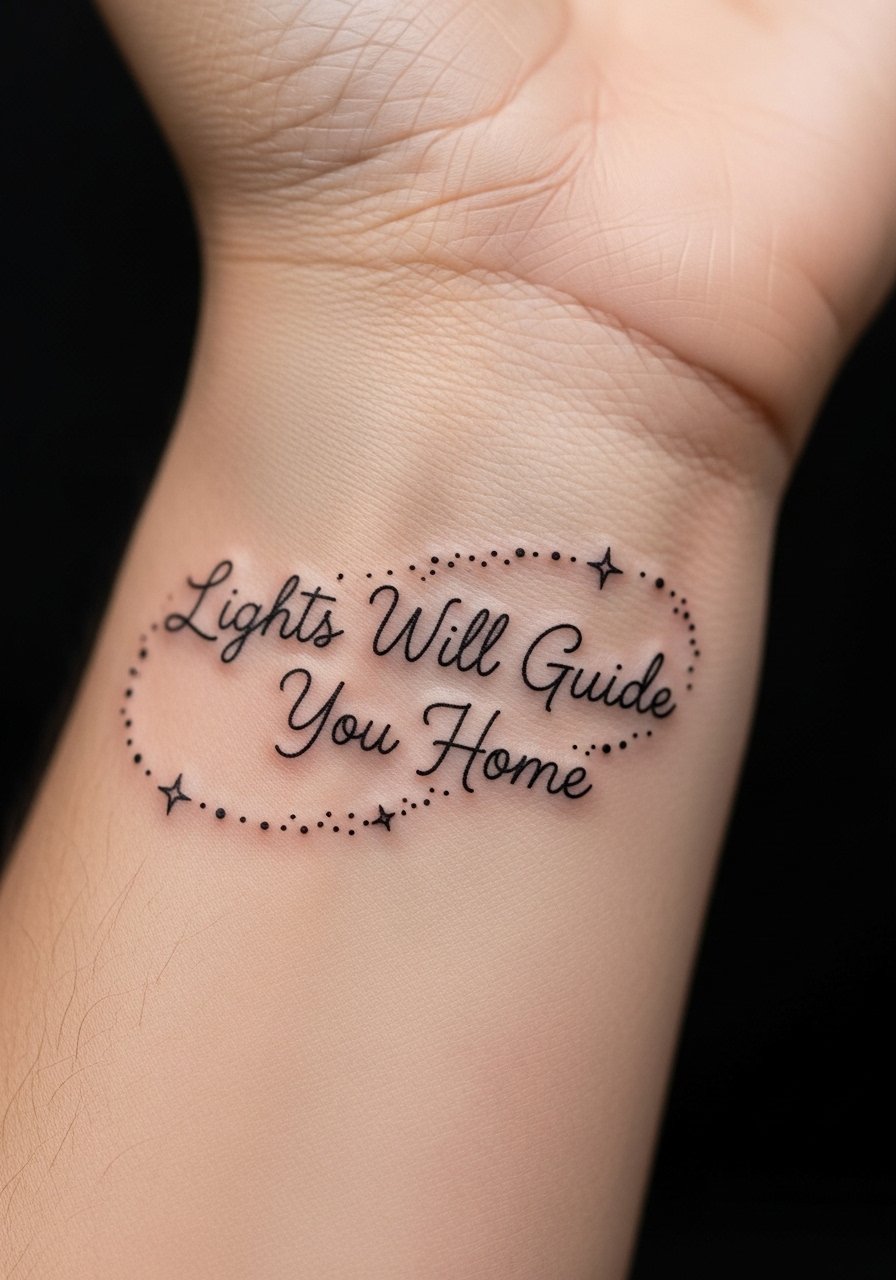
Fair warning, the wrist is a high-motion zone and linework needs more spacing to avoid blurring. This piece is quick, usually one session under an hour, and it reads personal without being loud. Ask the artist to scale the script so the letters do not sit on joint folds. The version that ages poorly uses ultra-thin letters right over the wrist crease. For session comfort wear no bracelets and a sleeveless blouse you can roll up, and for showing it off stack a thin bangle set on the opposite wrist.
3. Minimalist Beacon Ankle
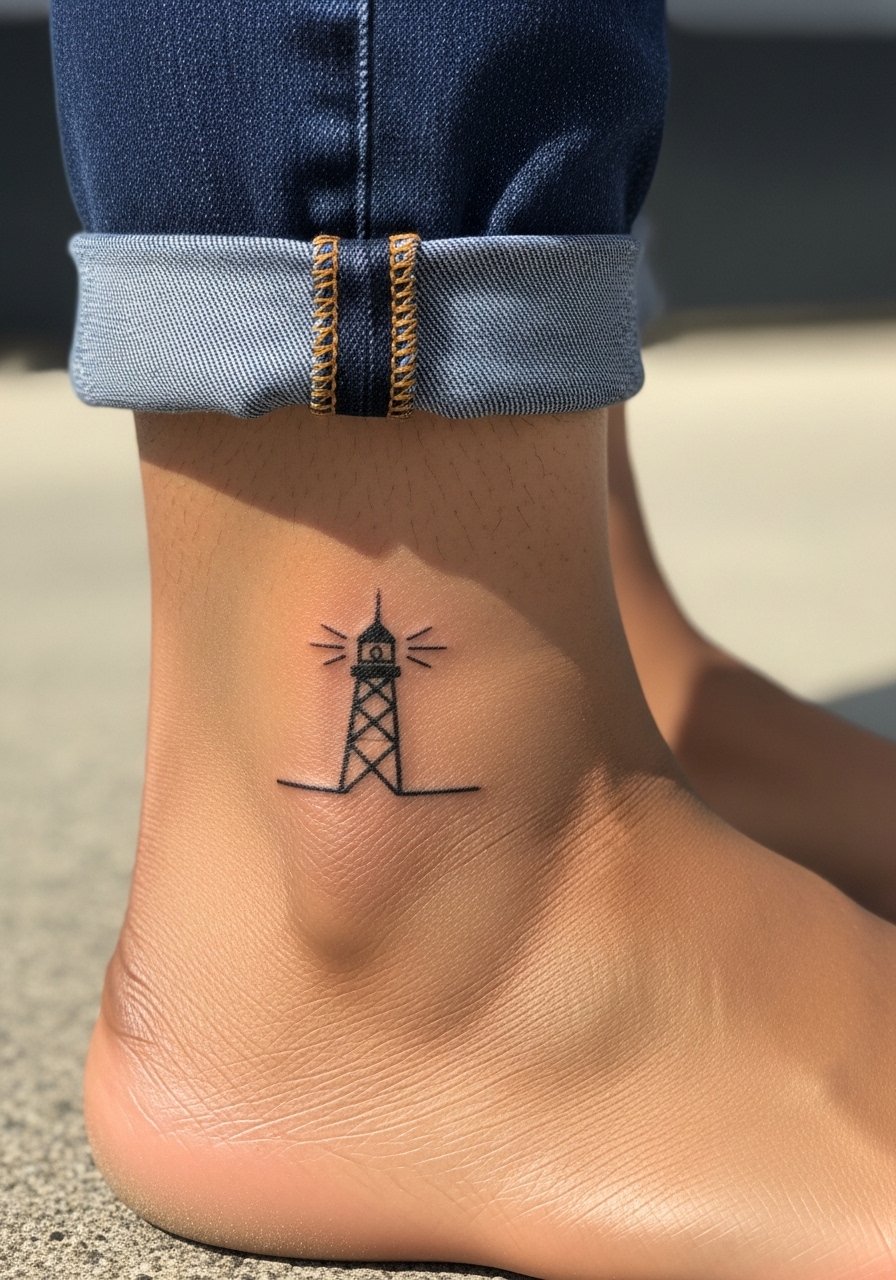
There's a charm to micro ankle tattoos because they are discreet and easy to hide. This one takes under 30 minutes and is low on pain unless you pick the bony side of the ankle. Ask for a slightly thicker outline if you have darker skin so the silhouette reads in photos. The common error is making the beacon under two inches with razor-thin lines that fade to a blur. Pair the healed piece with cuffed ankle pants or strappy sandals so the silhouette has breathing room.
4. Watercolor Star Trail to Home Icon, Upper Arm
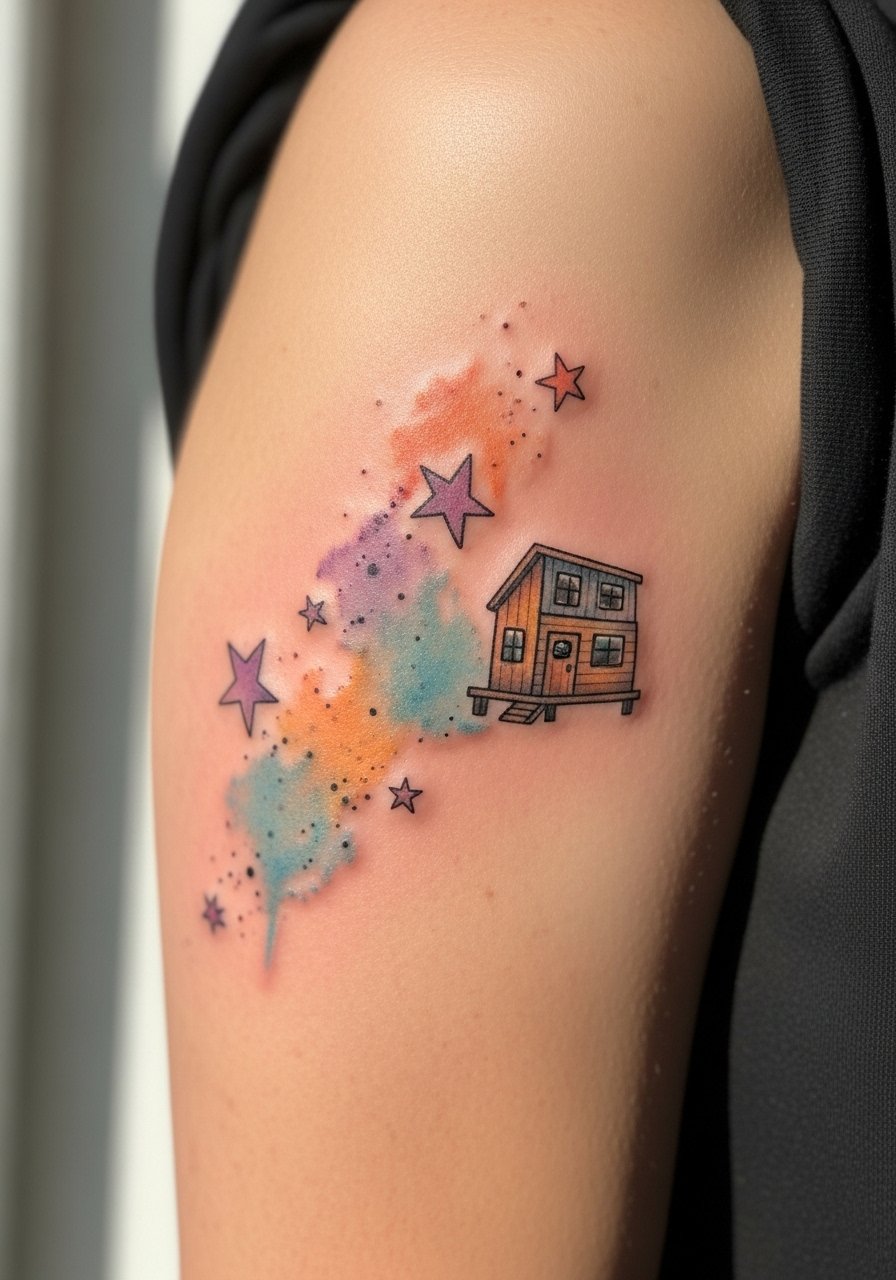
Most watercolor pieces show their age faster than saturated blackwork when placed on high-sun areas. That said, an upper arm placement takes sun less directly and keeps color longer. Mention to your artist that you want color washes kept loose and backed by subtle black anchors so the key shapes do not melt together. A mistake is asking for dense watercolor fields without any outline support. Expect the color to soften at six months and to need a refresh by year three if you live in a sunny climate. Wear a boat neck tee during sessions to give the shoulder easy access.
5. Blackwork Compass Rose with Light Rays
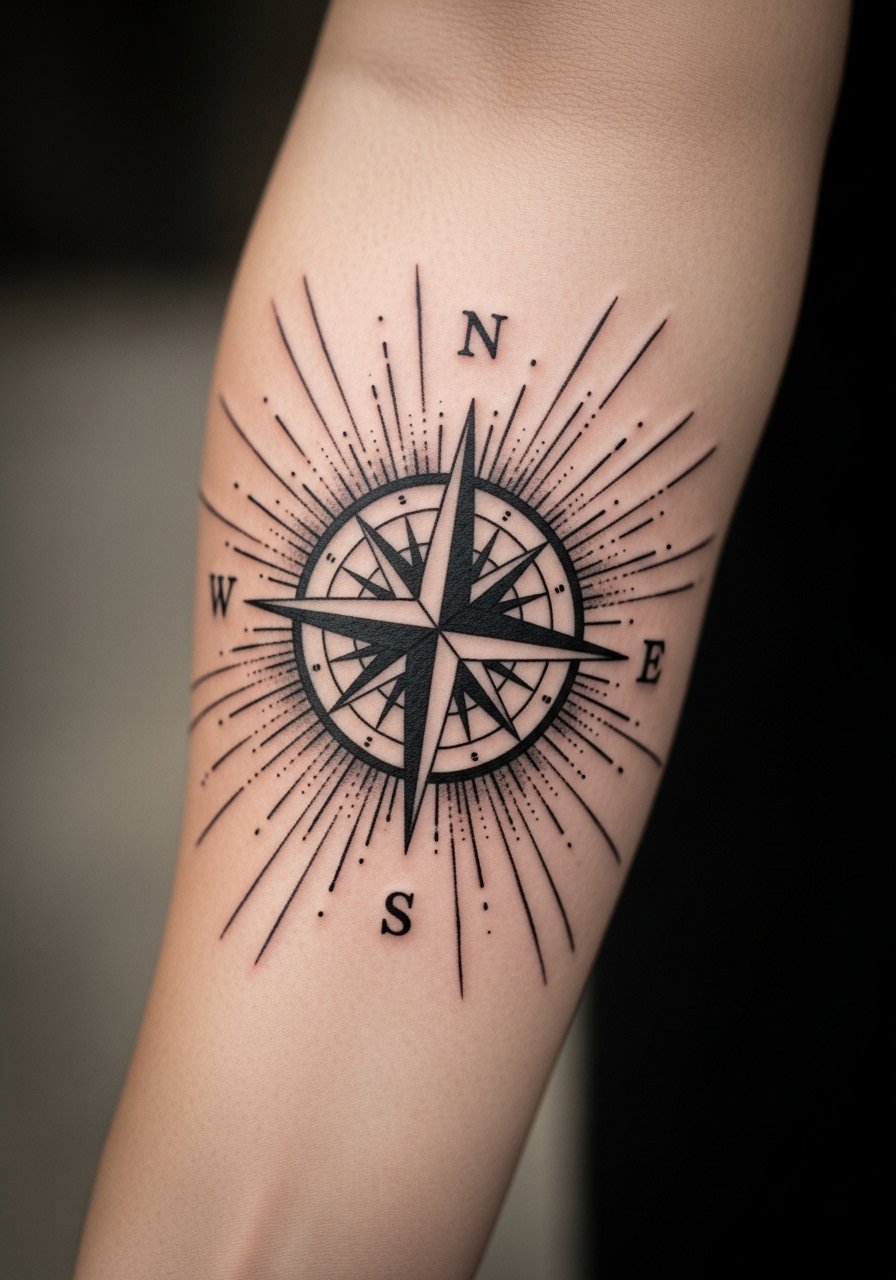
There's something about solid black saturation on the forearm that keeps reading well after years of sun exposure. This sits around a one to two hour session and hurts less than ribs. Tell the artist you want the rays spaced and the negative space preserved so the piece does not clog. A common mistake is packing too many thin rays close to each other, which leads to softening. Expect excellent longevity and touch-ups only if you add color later. For showing it off roll up a loose button-down shirt sleeve.
6. Neo-Traditional Lantern Cluster on Shoulder
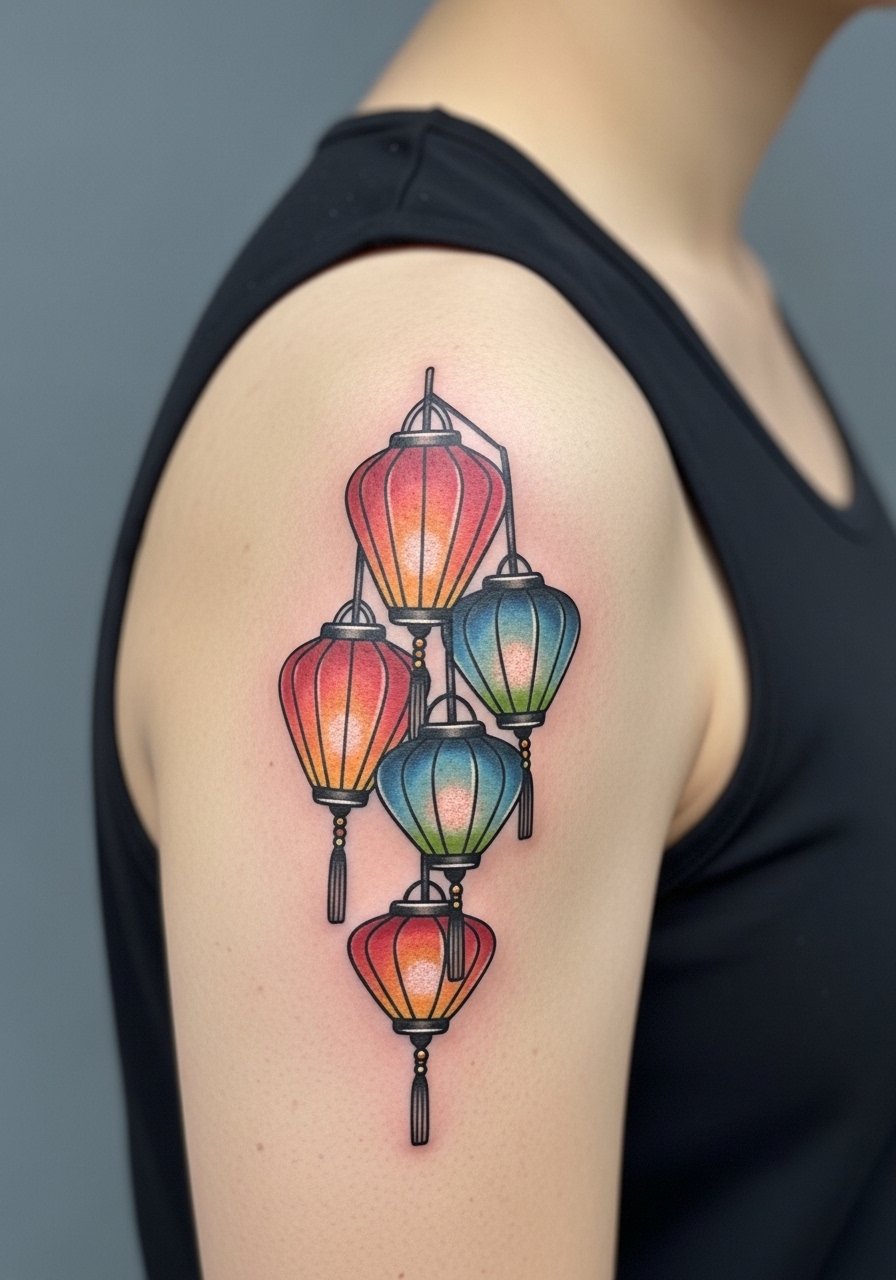
This shoulder piece is heavier on saturation and sits well for collectors building a larger shoulder panel. Sessions run two to three hours and pain is moderate. In consultation, say you want bold black anchors with selective color pops to avoid early washout. The mistake is asking for muted pastels across the whole lantern cluster without any line anchors. Should you want to show it off, a boat neck tee frames the artwork without covering the top of the shoulder.
Studio Day Picks
The first six ideas above include wrist, forearm, shoulder, and ankle placements that each need slightly different prep for a smooth session and first-week healing.
-
Stencil transfer paper kit. Lets you preview how the lantern and compass layouts sit on curved forearms and wrists before the needle touches skin.
-
Topical numbing cream. Helpful for ankle and shoulder sensitivity when you want to sit through two-hour color sessions without tensing up.
-
Thin protective film roll. Keeps wrist and forearm pieces cleaner during the first days when friction from sleeves or watches can irritate fine line work.
-
Fragrance-free body wash. Gentle cleansing matters when your new blackwork and watercolor washes need low-irritant care in the shower.
-
Aquaphor healing ointment. Thin layers in the first days reduce scabbing on delicate script and fine line pieces without suffocating the skin.
7. Micro-Realism Guiding Star on Collarbone
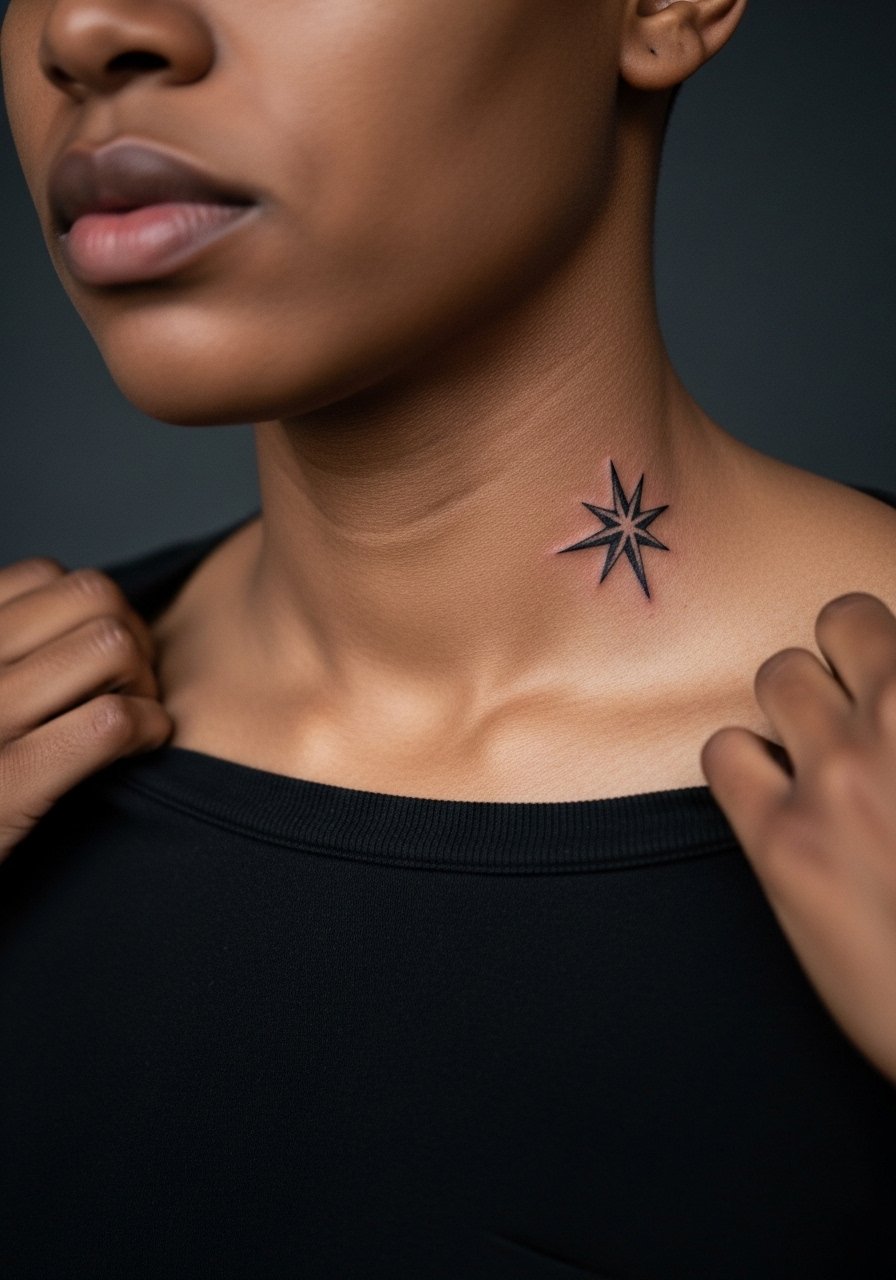
This tiny collarbone star reads intimate and frames necklaces well. Pain on the collarbone is higher than forearm but tolerable for most. Tell your artist you want the center dot crisp and the surrounding light stippled, not washed. The pitfall is over-detailing the glow, which can blur on thinner skin. Plan for a single short session and a possible touch-up at year two if you sunbathe frequently. For evening looks pair it with an off shoulder linen blouse so the collarbone sits in the shot.
8. Ornamental Light Path Mandala on Upper Back
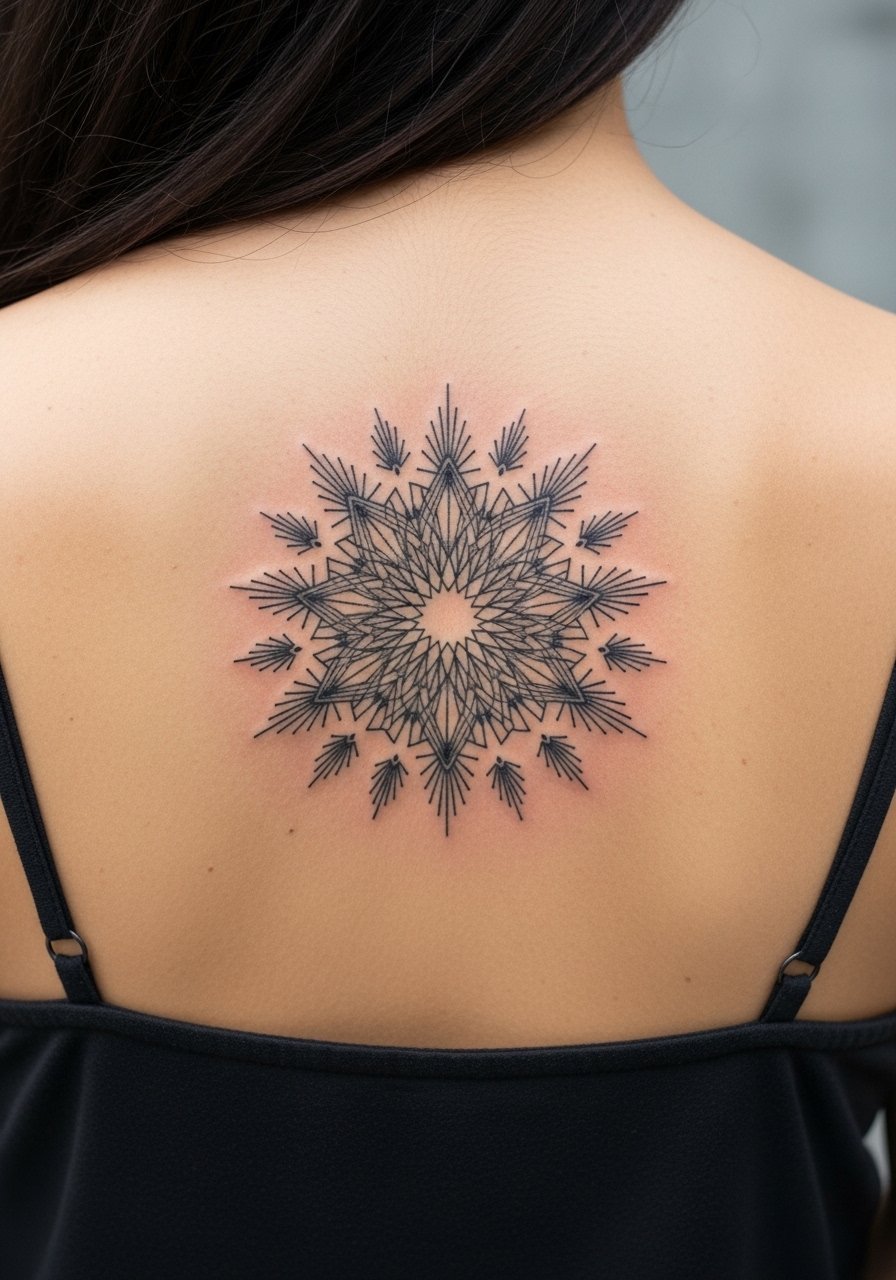
Upper back pieces let you build complexity without daily friction and they age well when scaled correctly. Expect three sessions for a medium-large mandala and moderate discomfort while lying face down. In consultation, request slightly more spacing in dense areas to avoid the common mandala mistake of overfilling, which leads to merging lines. This design adapts if you later want to connect it into a full back panel. Pair it with a low back sundress for events where you want the work visible.
9. Hand-Palm Mini Beacon
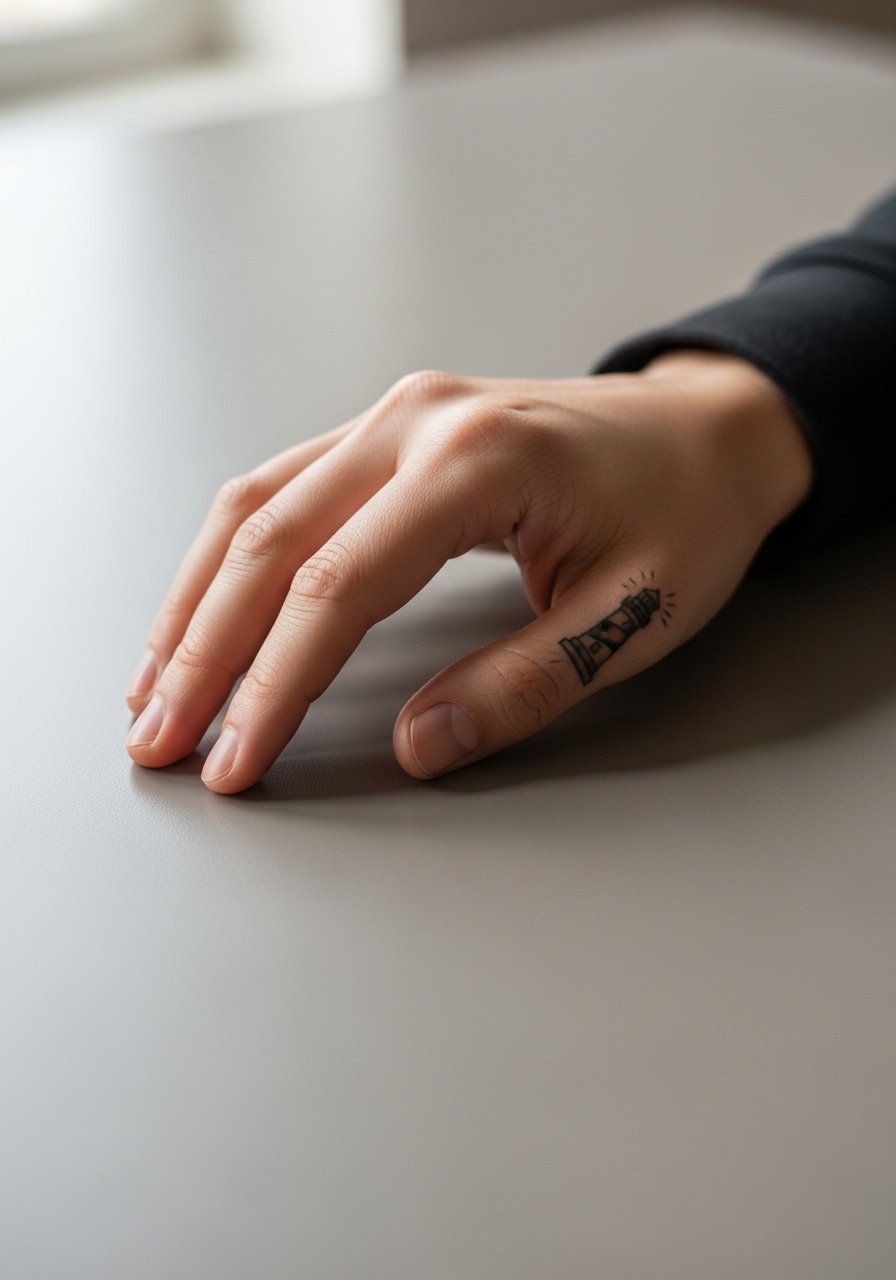
Hand work is visible and fast to show off but it faces heavy abrasion from washing and daily tasks. Sessions are short and painful because the skin is thin. Ask for stronger outlines and plan for earlier touch-ups. A frequent mistake is treating hand tattoos like wrist micro work; hands need bolder weight to survive. Think about career visibility before committing because some shops and employers still notice hand ink.
10. Dotwork Star Constellation Along the Ribcage
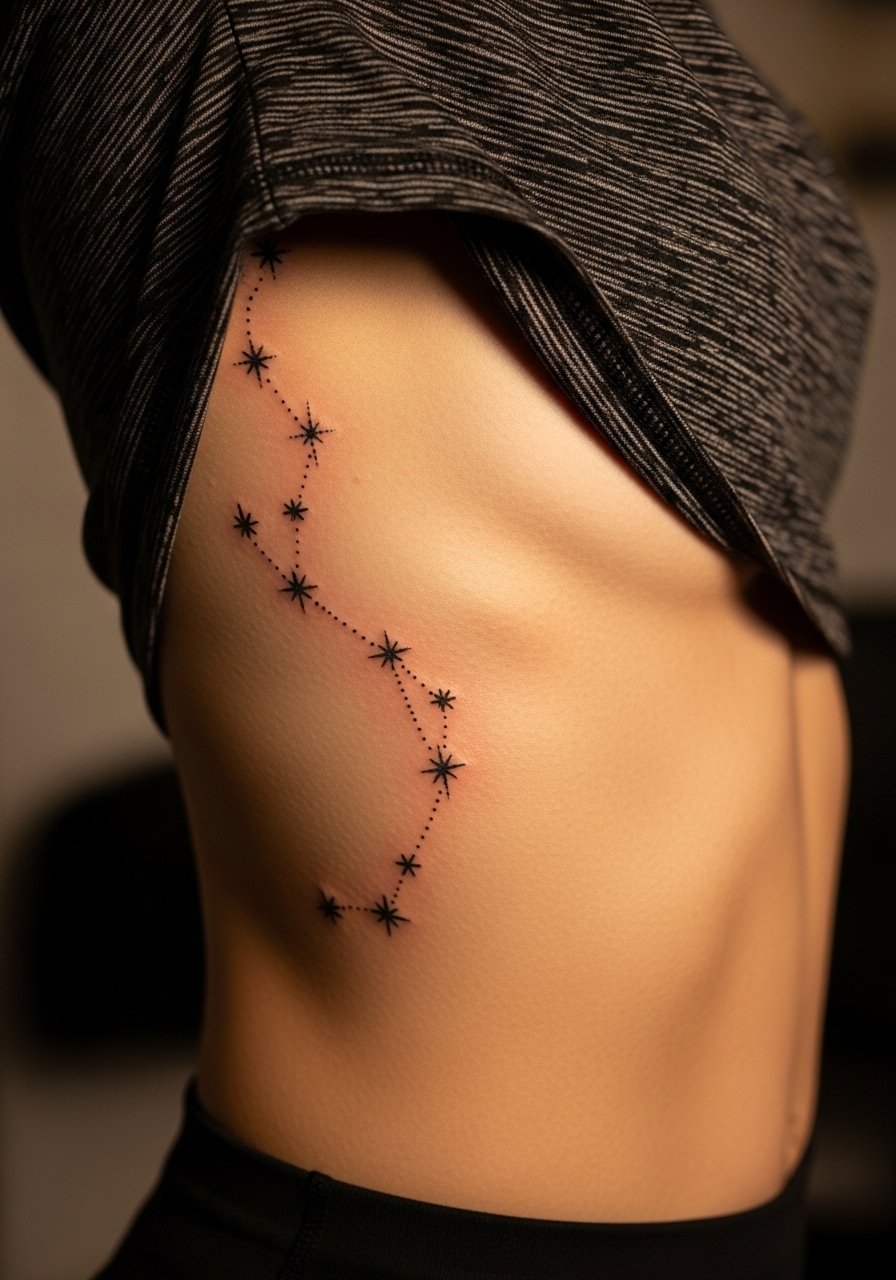
Fair warning: the ribcage is a high-pain area and movement slows sessions. Dotwork shines here but needs spacing to prevent dots from merging as the skin settles. Ask for a proof that curves with your posture to avoid the spine-stretch problem. One camp of artists warns that fine line on ribs blurs quickly. The other camp says careful depth and spacing make it hold. Name both camps when you ask for a portfolio sample so you know which approach your artist favors. Expect touch-ups by year three if you gain or lose substantial weight.
11. Handwritten Spine Lyric, Curved to Posture
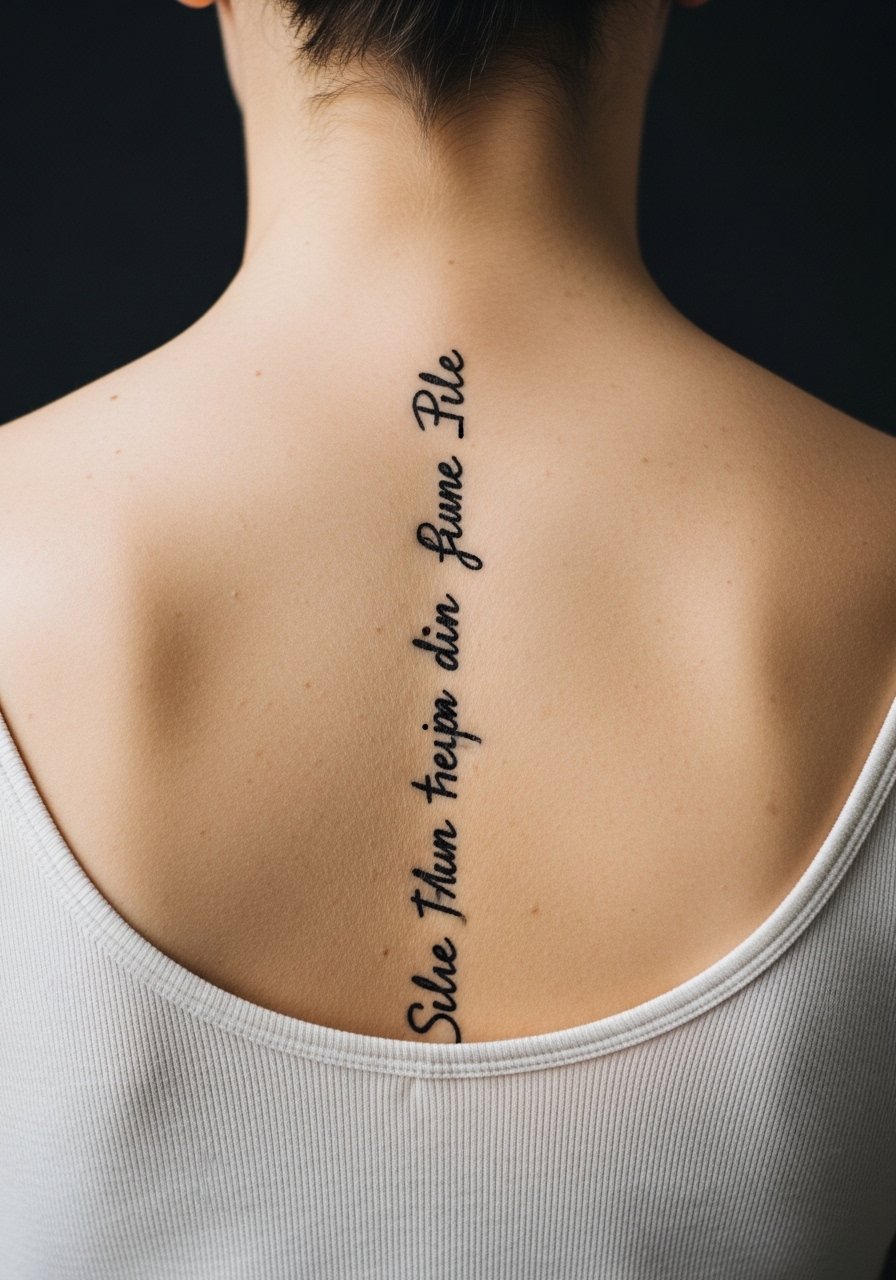
Spine script is dramatic but sensitive to body changes. The session is linear and can be done in one to two sittings depending on length. Tell the artist you want the letters to curve subtly with your natural posture to avoid stretching when you sit or gain weight. A common regret is vertical, tight lettering that warps with body changes. If you want to hide work for professional reasons, this placement is easy to conceal under shirts.
12. Ignorant Style Blocky Lantern on Outer Calf
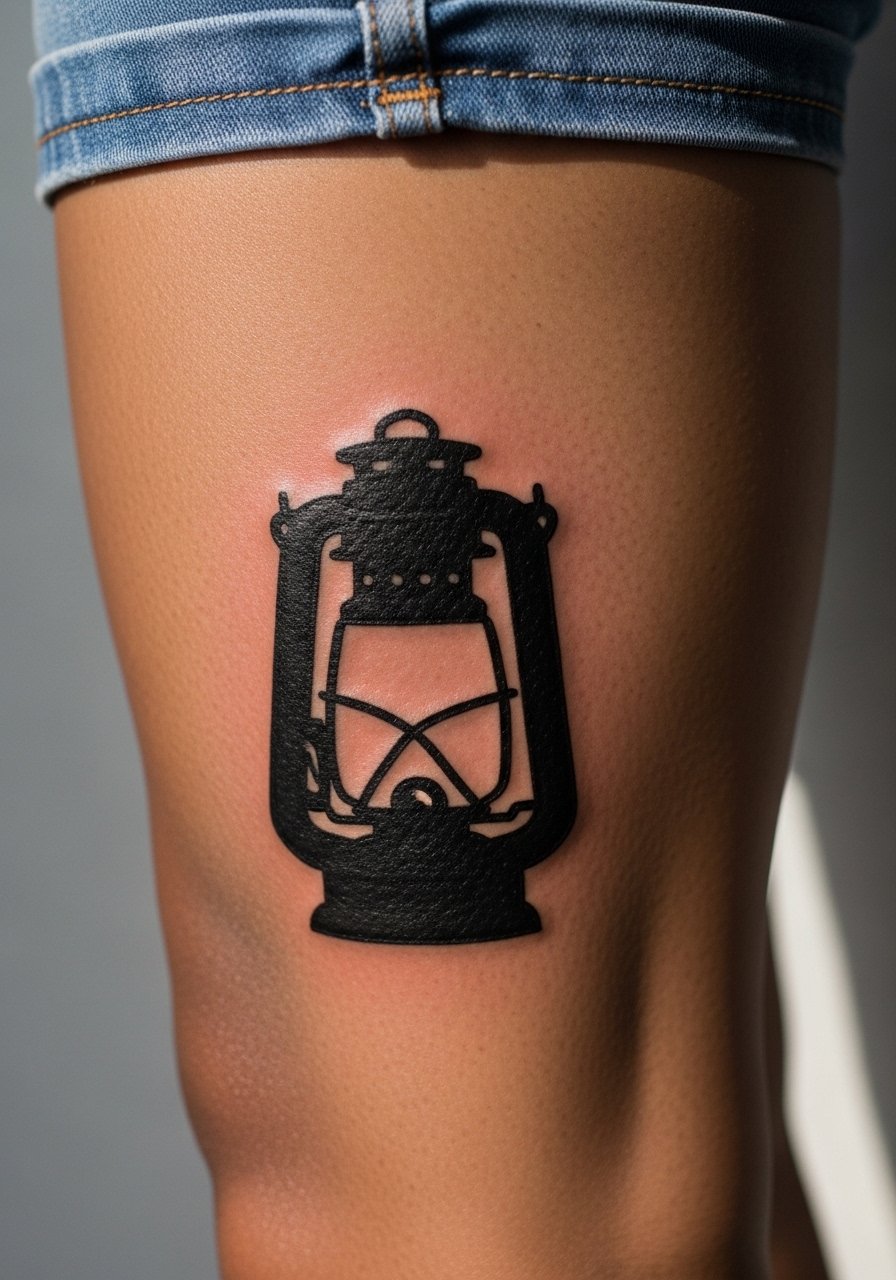
Blocky ignorant lines are playful and age well because they rely on bold geometry. Outer calf sessions are low on pain and quick. Tell your artist you want solid fills rather than hairline shading that can patchwork over time. The mistake is requesting tiny blocked elements that lose shape as the skin moves. This is a great place to start if you want an element that will survive rough wear.
13. Traditional Anchor Light with Rope on Bicep
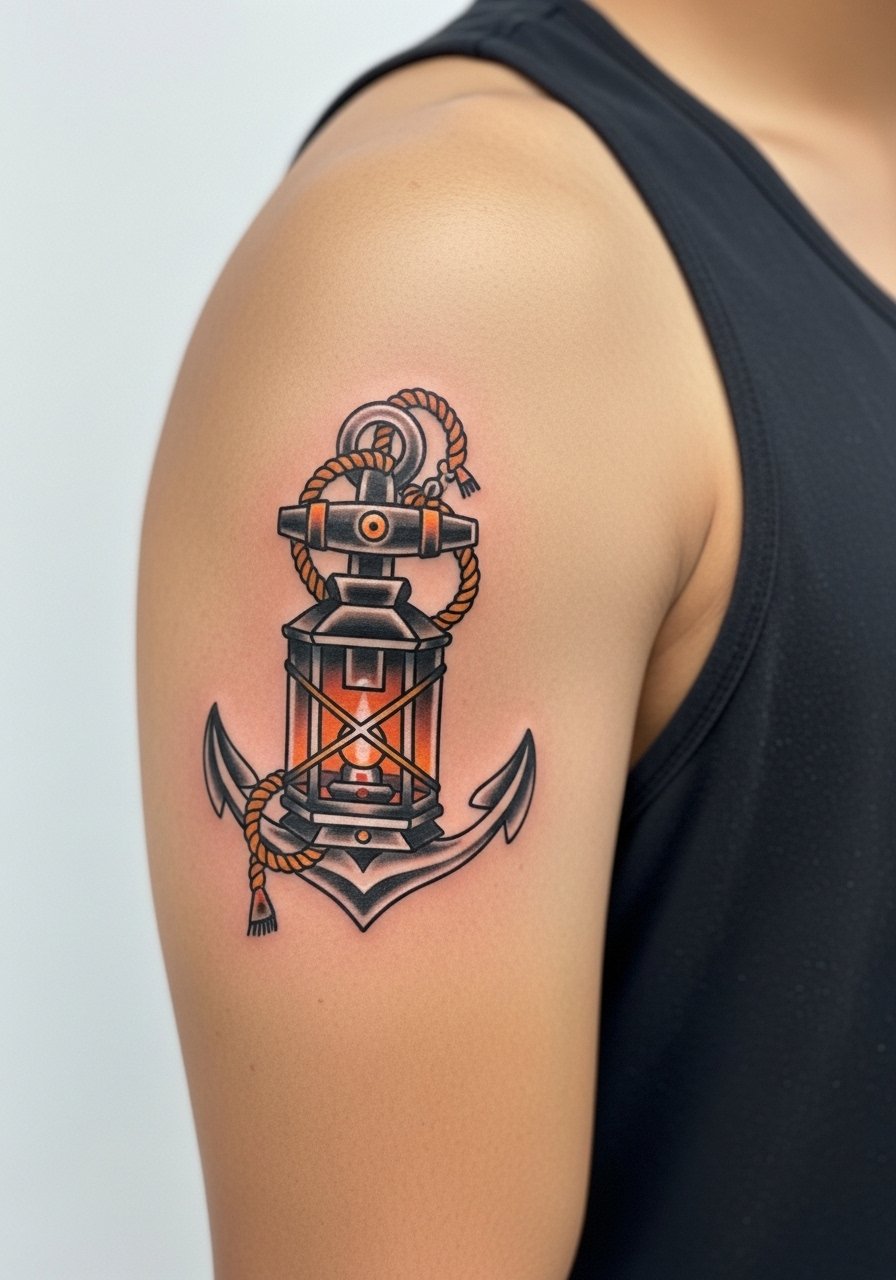
Classic American traditional pieces age into bold silhouettes thanks to saturated color and heavy linework. Expect two sessions and moderate pain. Ask for a solid black outline and saturated fills to keep that nautical pop over time. Avoid tiny rope details that can gray into texture. Pair it with a simple stud earring and a sleeveless top for summer photos.
14. Micro Realism Beacon with Shadow on Collarbone
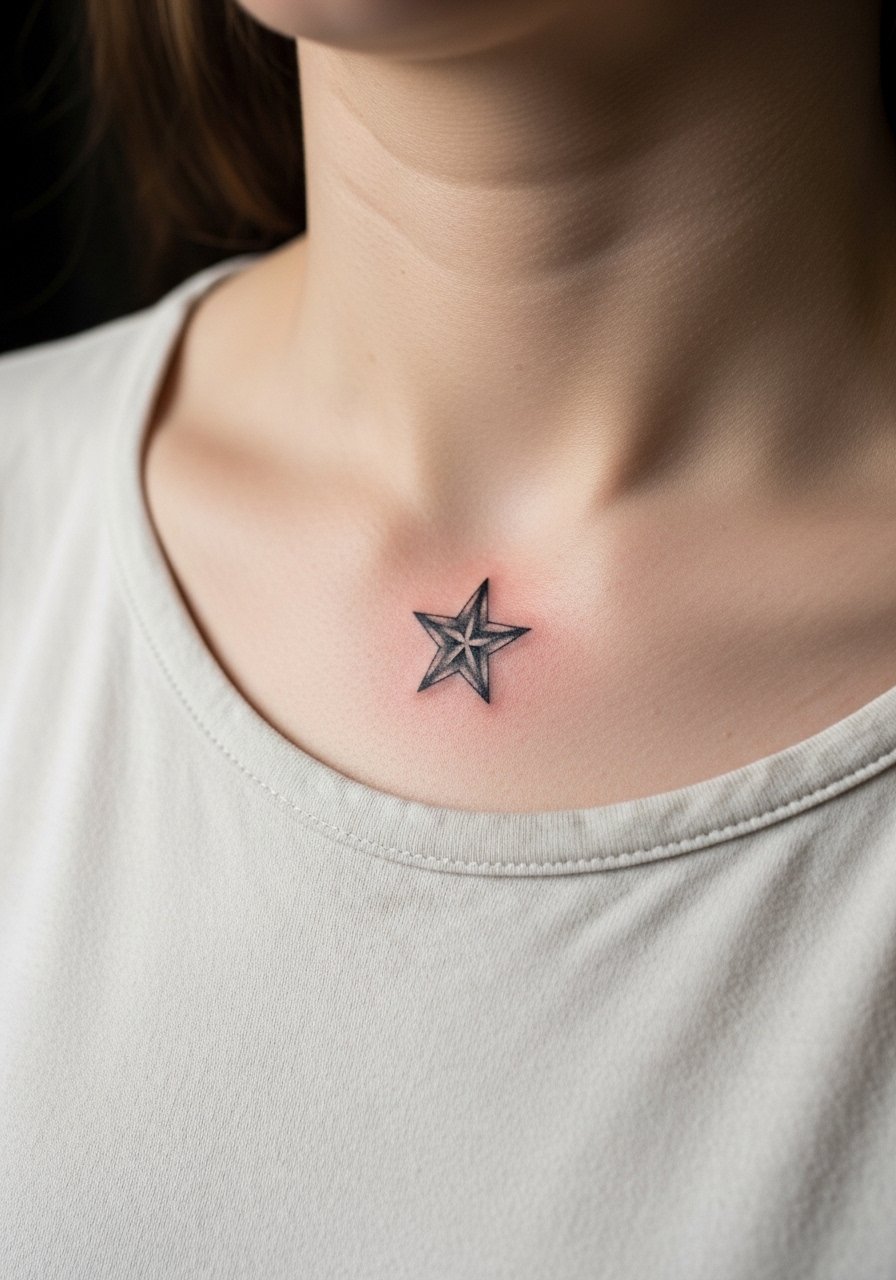
Micro realism on the collarbone reads delicate and personal. Pain is higher here, so sessions are short and intense. Tell your artist exactly how much contrast you want between the star and its shadow. The common misstep is asking for extreme micro shading that turns into a soft gray spot over time. Expect a subtle loss of contrast at the two-year mark on exposed collarbones from sun.
15. Ornamental Lantern Sleeve Starter, Inner Forearm Link
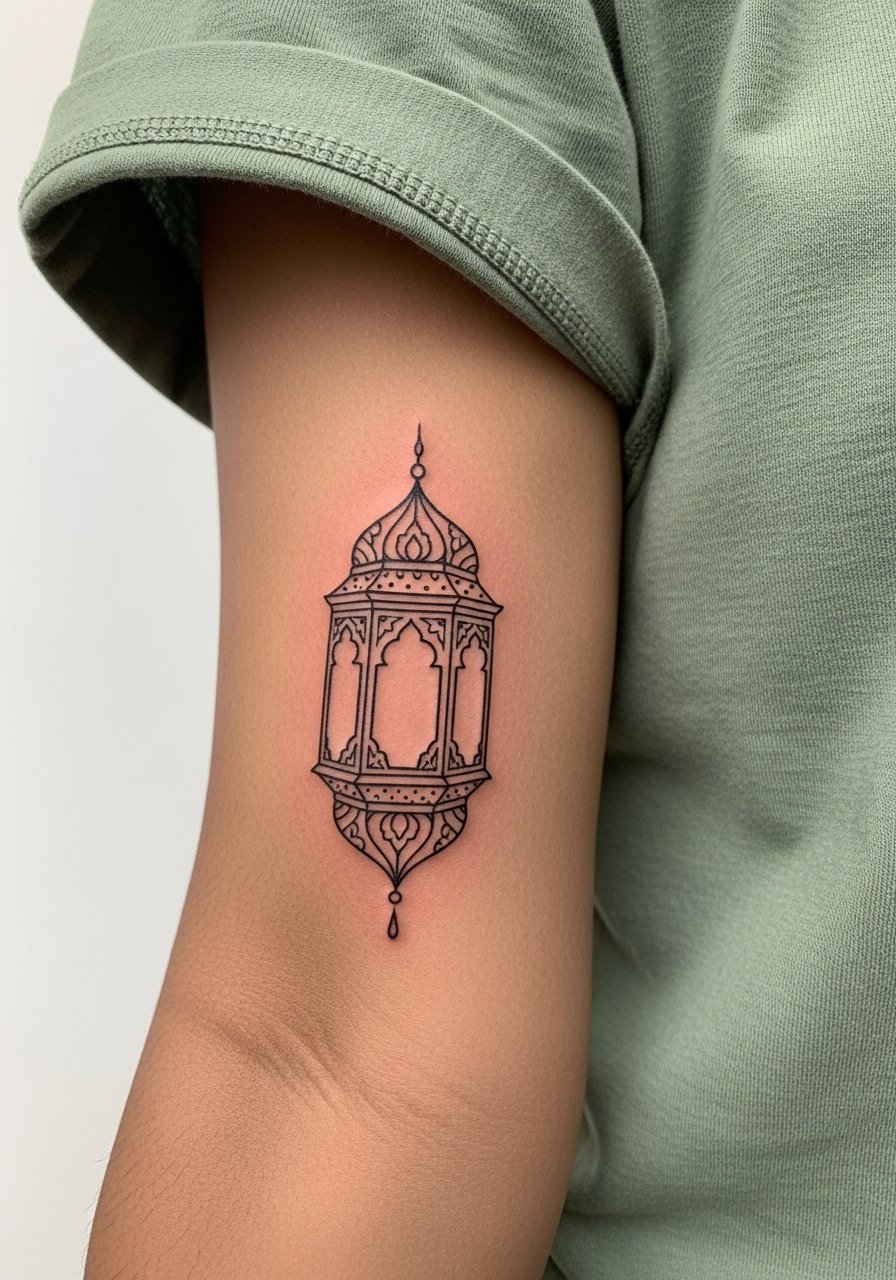
This is the kind of piece you pick if you plan to build a sleeve over time. I've seen artists design lanterns with intentional negative space so future pieces slot in cleanly. Session time depends on size but expect one to two hours. A real mistake is starting with a filled, saturated lantern that leaves no room for future additions. For the session wear a loose short-sleeve tee you can roll up without binding the area.
16. Blackwork Beacon Mini on the Sternum
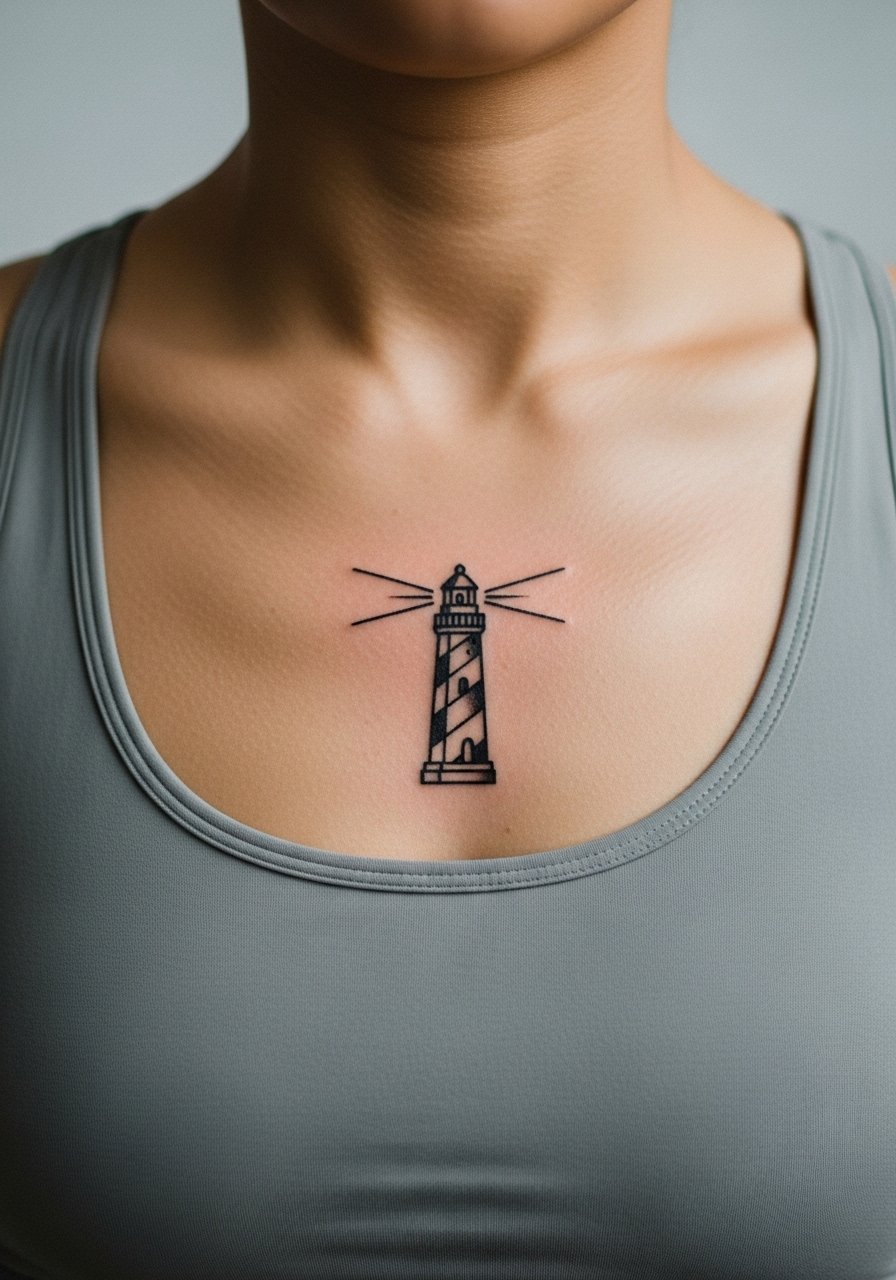
Sternum work is intimate and can be painful but it photographs well. Sessions are short but intense. For safety and modesty wear a fitted sports bra so only the tattooed band shows. Some artists avoid fine line here because of movement and sweat, and recommend stronger linework. If you plan to wear low-neck tops, this placement pops without being overt.
17. Dotwork Celestial Rib Panel
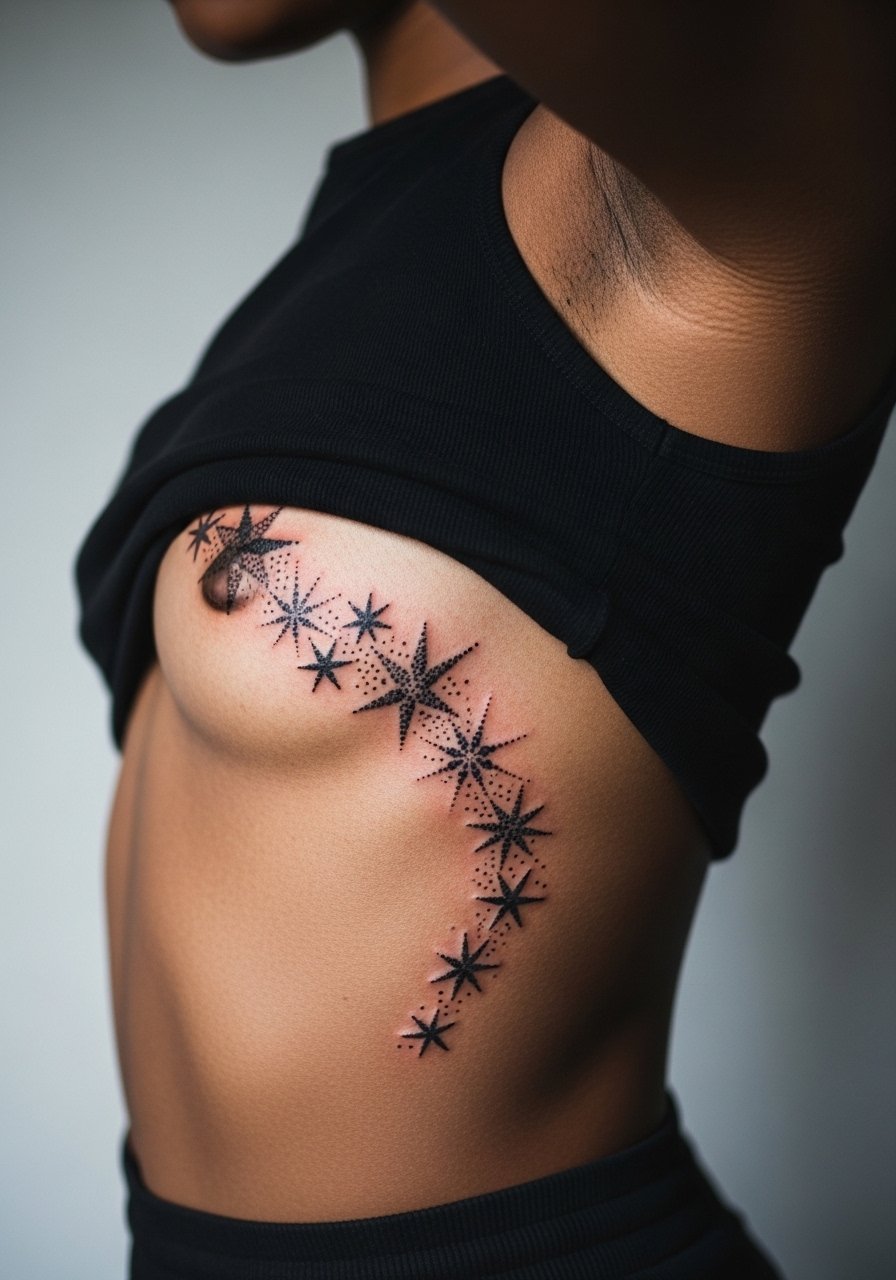
Rib dotwork rewards patience with a meditative finish but it is painful. Tell your artist you want spacing between clusters to keep individual dots readable over time. A common error is compressing dots into dense bands that become muddy as the skin settles. Expect incremental sessions and plan for touch-ups if your weight fluctuates.
18. Anchor Lantern on Calf with Rope Accent
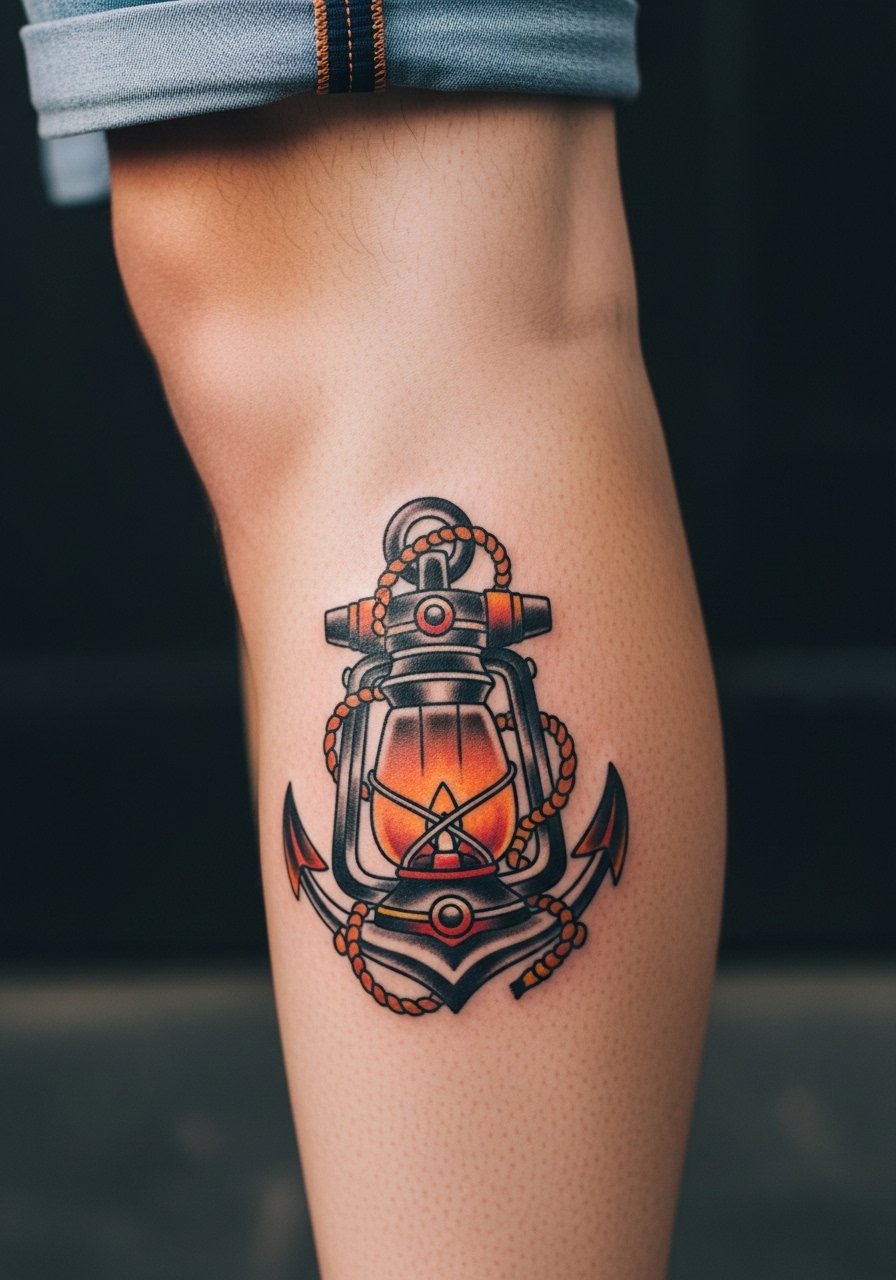
Calf pieces give a large canvas for traditional saturation and they tolerate bold fills. Sessions are comfortable and often done in one sitting. Ask for crisp negative space around the rope so the texture stays readable. The mistake is over-detailing the rope where tiny twists will fuse together. Pair this with casual shorts and canvas sneakers for summer showing.
19. Minimal Star Path Behind the Ear
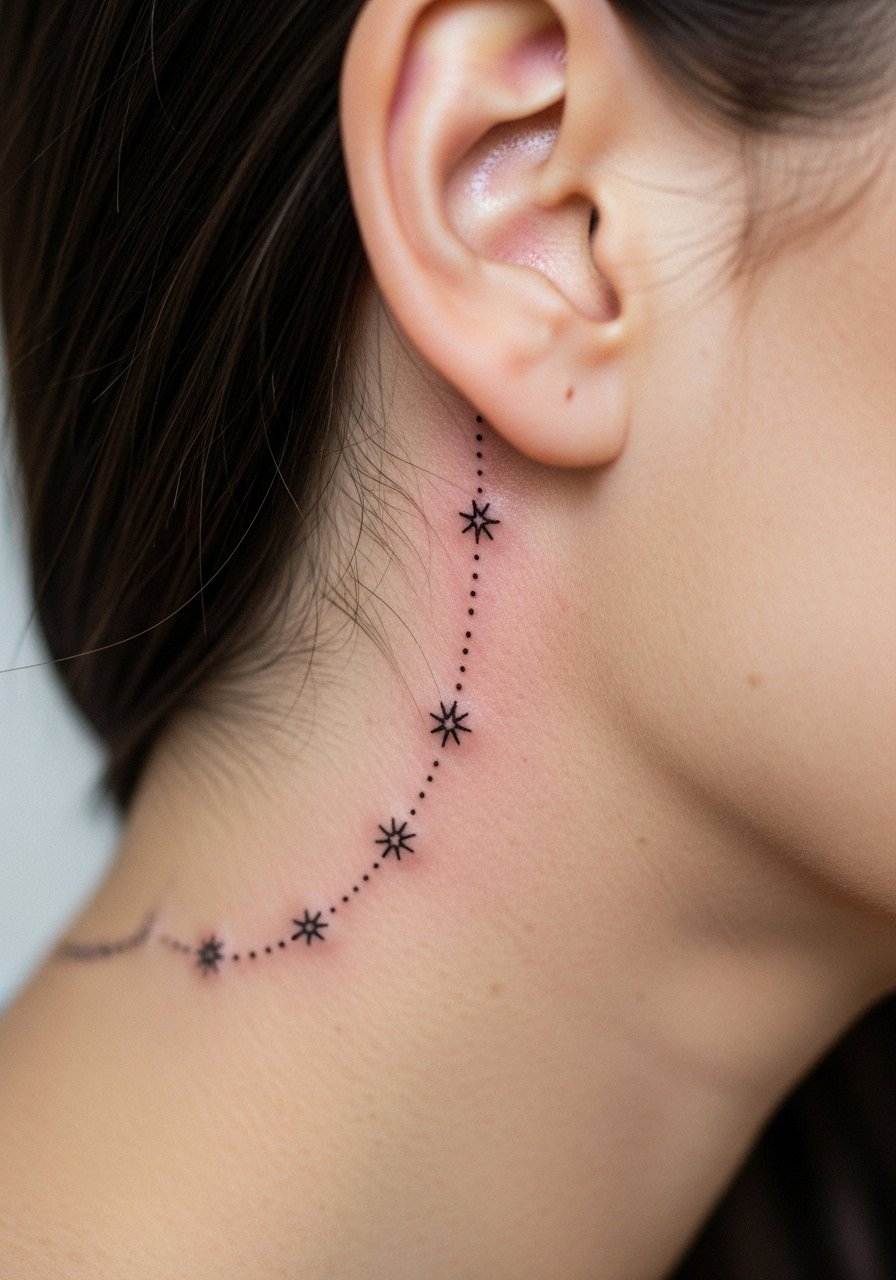
Behind-the-ear tattoos require precise framing in the stencil stage so nothing sits on the hairline. Pain is mild and sessions are short. Ask the artist to keep the marks slightly bolder than you think so they photograph. A sensitive placement note: describe clearly that the design sits on skin below the hairline to avoid misplacement. This is great if you want something discreet and jewelry-like.
20. Micro Constellation on the Wrist Edge
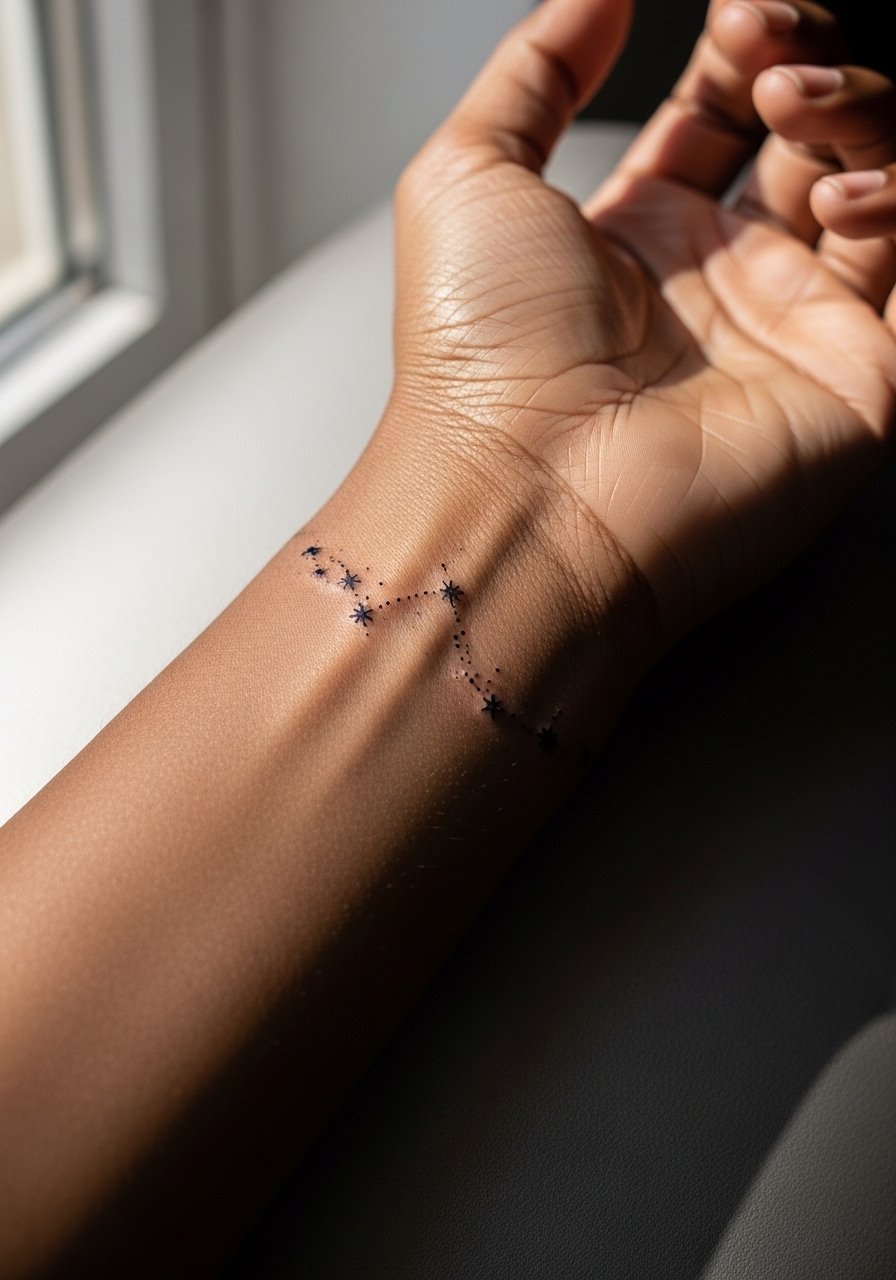
Wrist edge work reads delicate and is visible when you gesture. Pain is low to moderate. Tell your artist you want spacing from the bone and from the crease so the dots do not sit on shear zones. Mistakes happen when the constellation is drawn too close to the wrist bend. For the session keep wrist accessories off and wear a flowy cardigan you can push up if you need to protect the area afterward.
21. Sleeve Starter of Lantern Links, Upper Arm
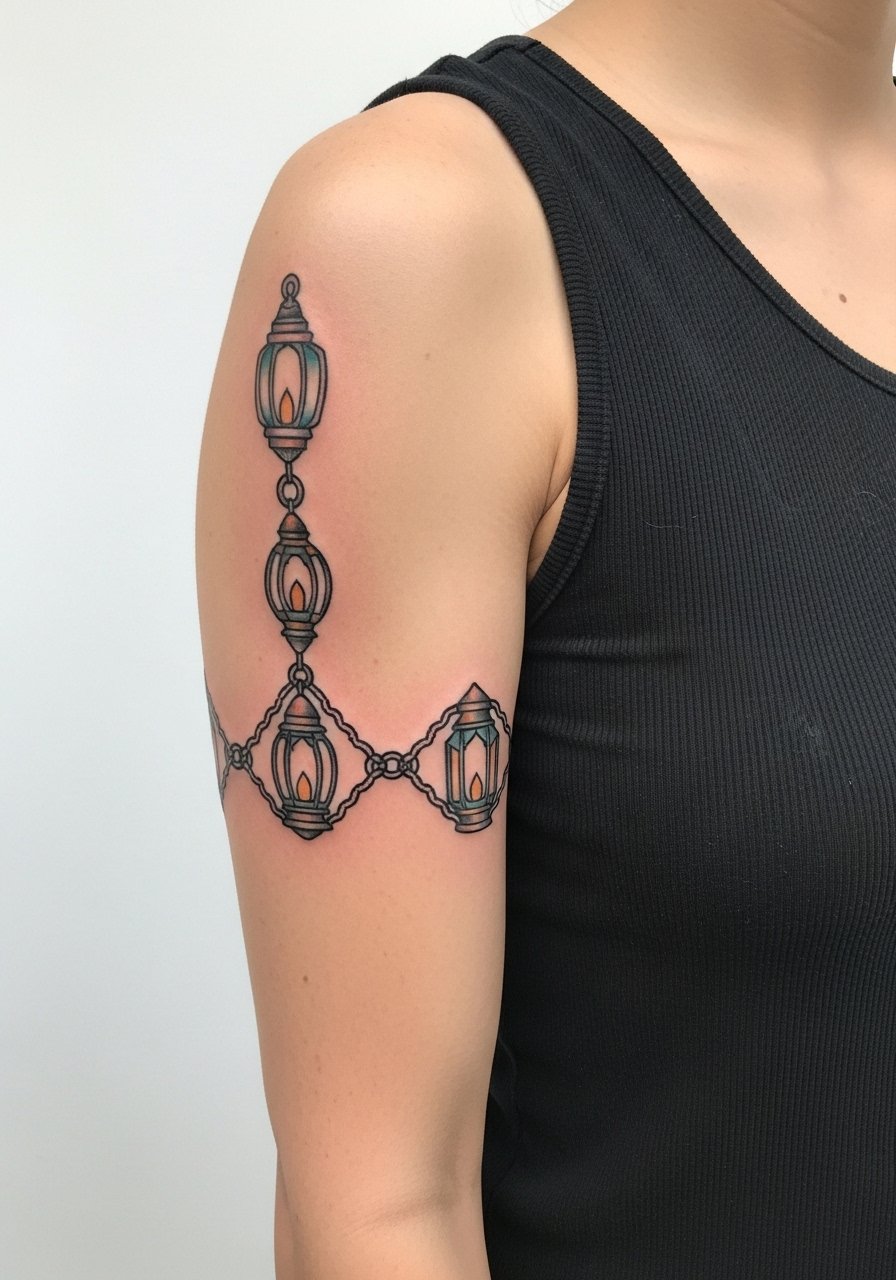
If you plan a patchwork sleeve, use lantern links as building blocks. I've seen these age well when artists leave intentional negative corridors between lanterns to preserve individual shapes. Sessions vary but plan multiple installments. The mistake is filling every corridor too early. For session wear a sleeveless tank that gives full shoulder and upper-arm access.
22. Tiny Star on Finger Side
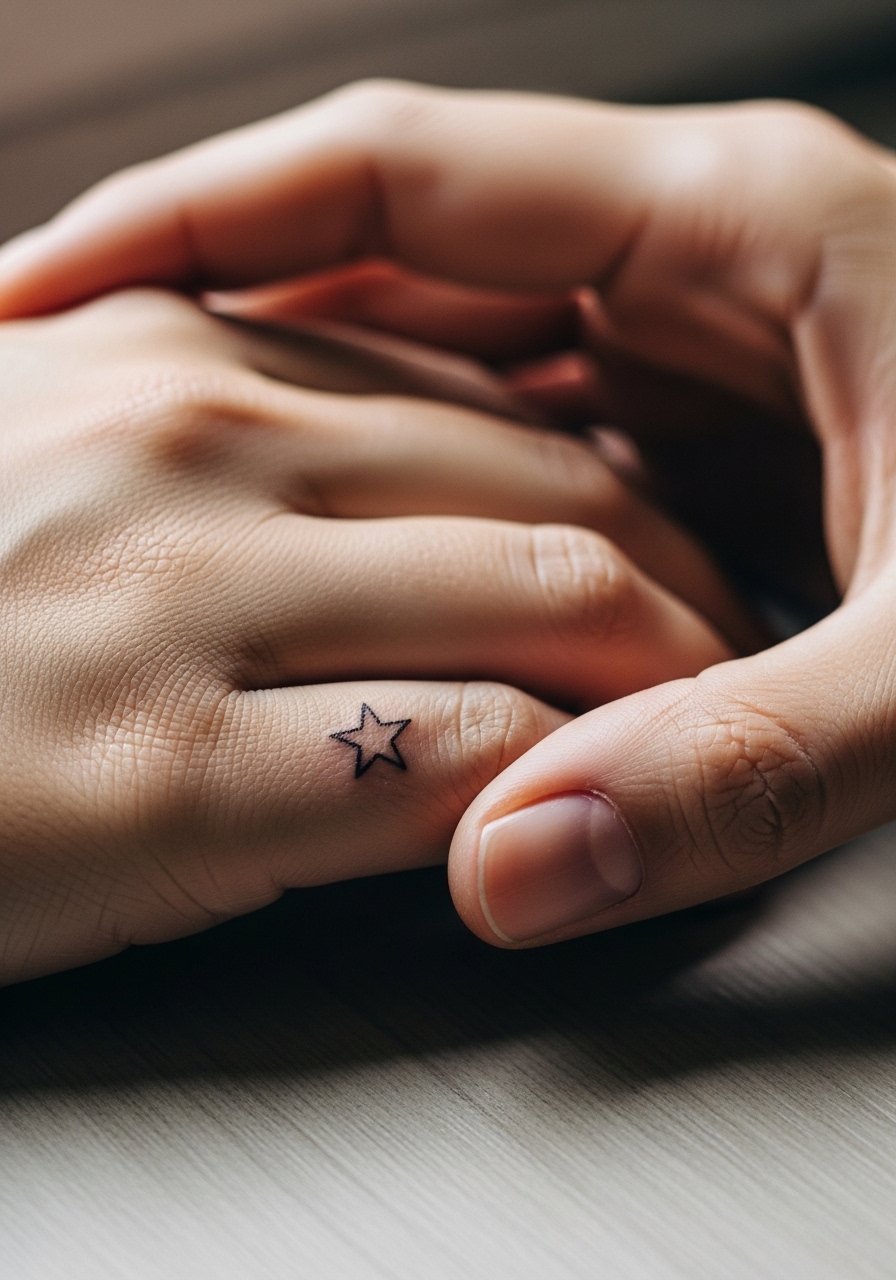
Finger ink is trend-forward but high maintenance because of constant washing and friction. Sessions are quick but expect touch-ups within a year. Ask for a slightly bolder dot and short rays to resist fast fading. A common regret is assuming finger work is as permanent as arm work. Consider placement just off the joint and think about career visibility before you commit.
23. Ornamental Mandala Lower Back Accent
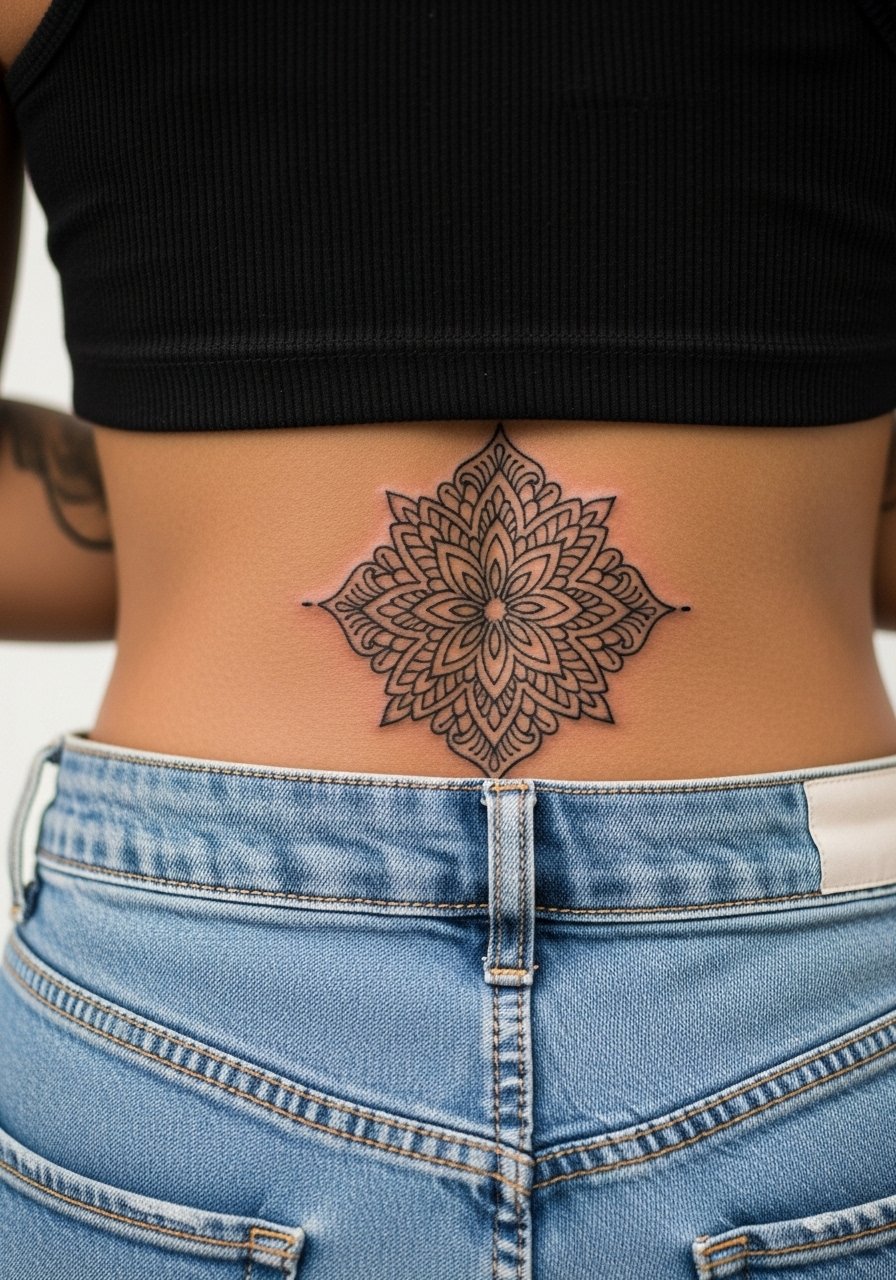
Lower back work gives room for a symmetric mandala and tends to avoid daily abrasion. Sessions can be long. Tell your artist you want the center motif scaled to your torso width to avoid an off-balance look when you sit. The mistake is tiny, high-density mandalas that lose shape as they settle. For evening looks a low-back dress complements the design.
24. Neo-Traditional Pocket Lantern on the Thigh
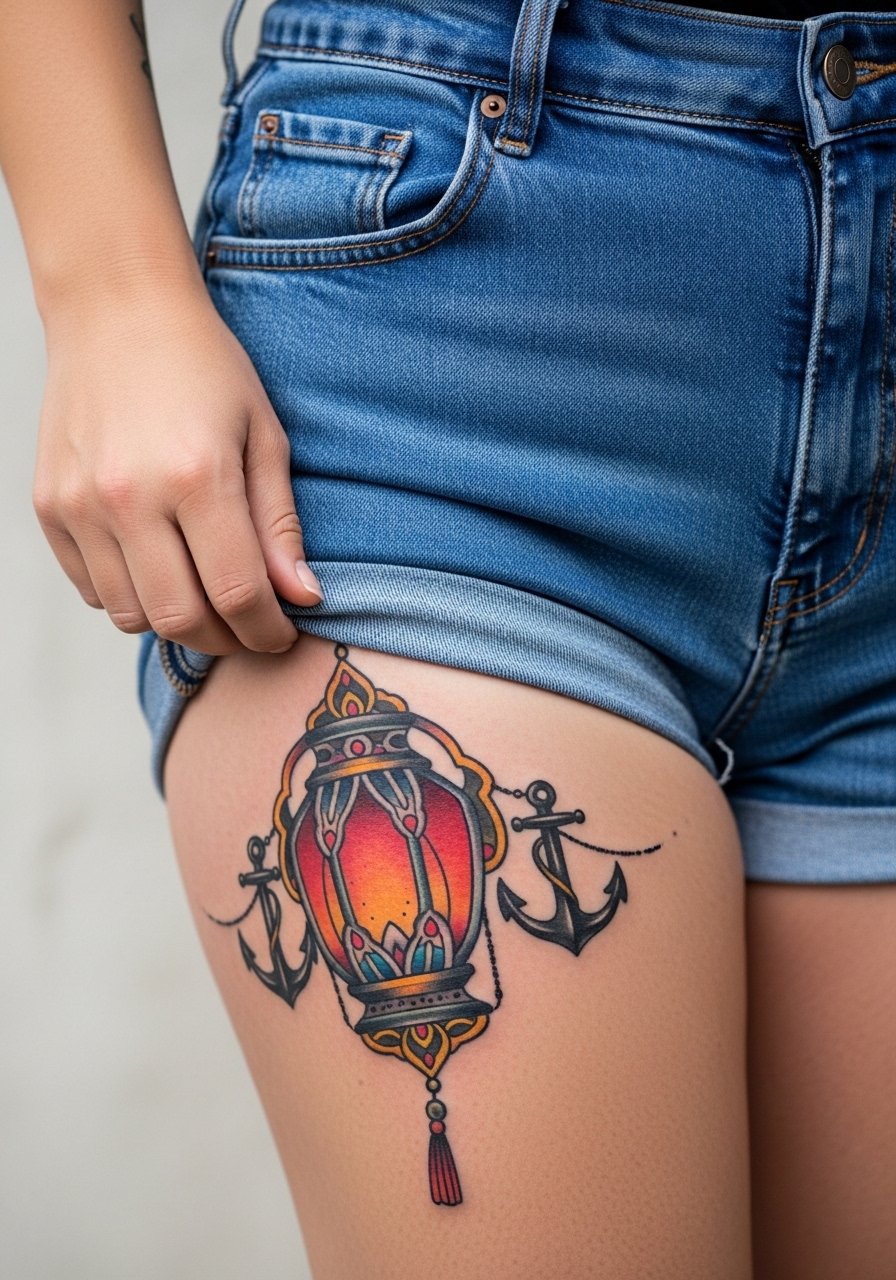
Thigh tattoos tolerate bold color and larger scale with less sun exposure than arms. Sessions feel moderate and you can usually sit comfortably. Ask for internal black anchors so color keeps a frame. A mistake is compressing too many small elements into a tight patch that will soften. Wear high-waisted denim the day of the session so the artist has clear upper-thigh access.
25. Micro-Realism Guiding Star Near Sternum
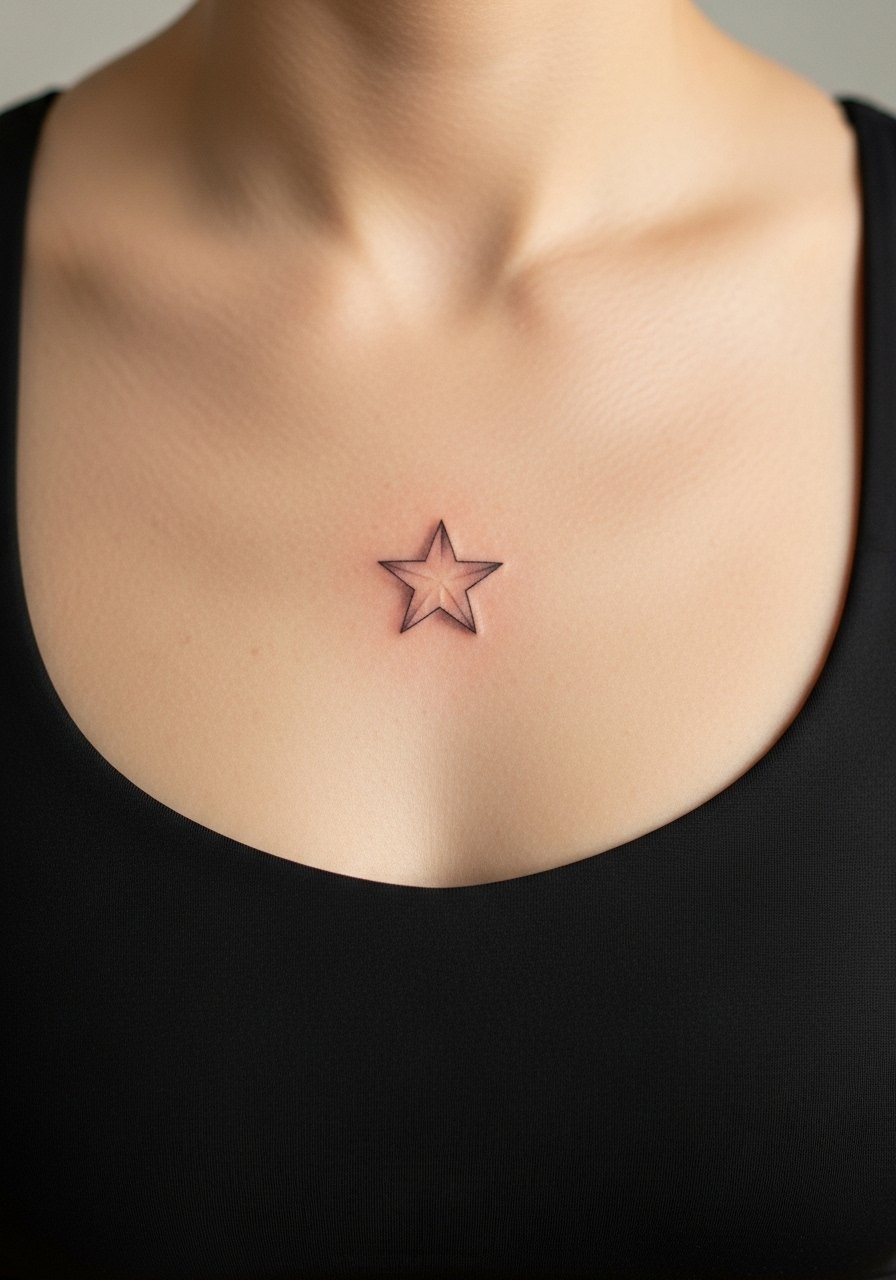
Sternum-adjacent micro pieces are intimate and photograph well under open necklines. Pain is moderate to high. Tell your artist to keep the contrast high between the star center and surrounding skin. The common error is asking for airy grays that blend with natural tonality. If you plan to show this off, a fitted top or bandeau frames the area without exposing too much.
26. Compass Rose with Light Beam, Forearm Wrap
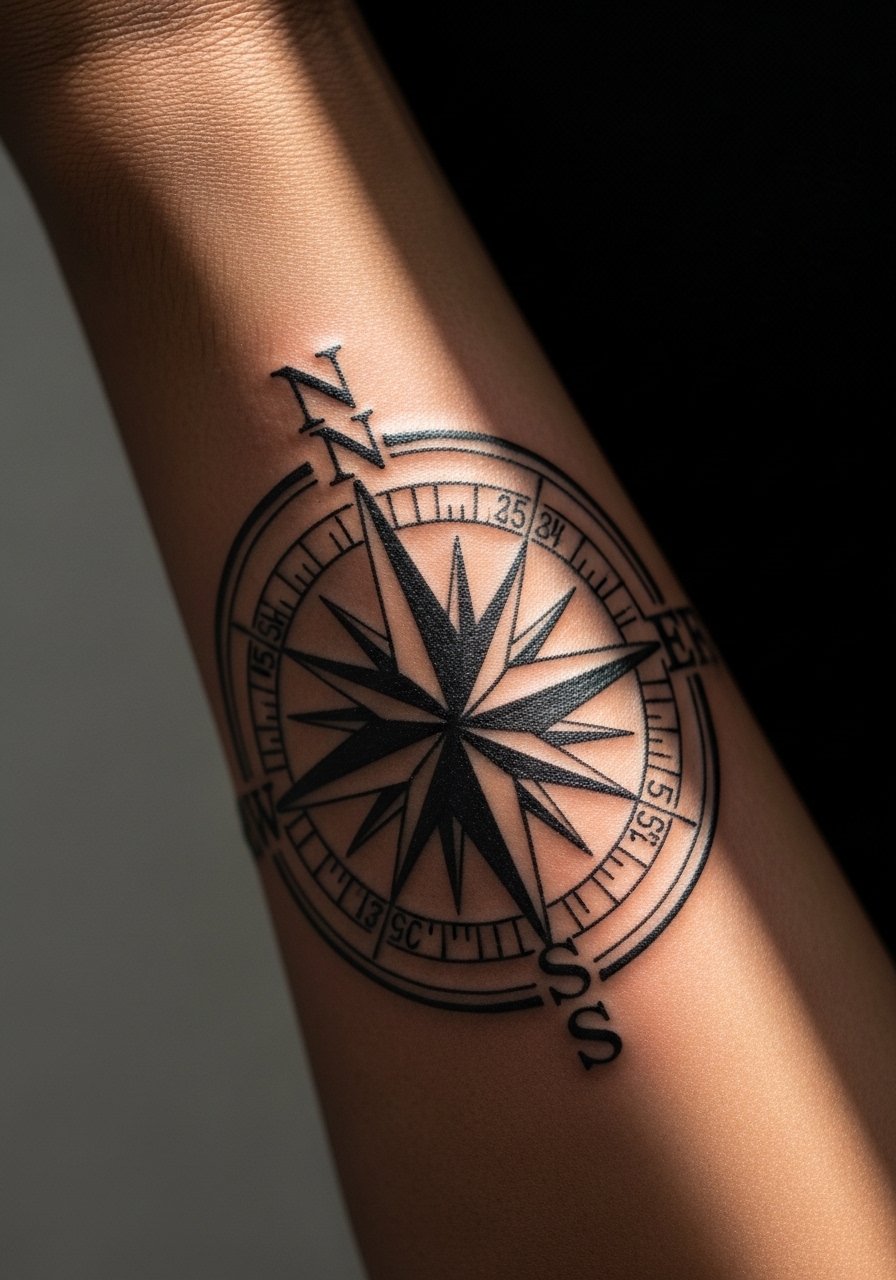
Wrap pieces demand the artist consider how the design reads when the arm is at rest and when it moves. Sessions are longer but forearms are forgiving for touch-ups. Ask for a mockup showing the piece at rest and in motion. A common pitfall is a wrap that looks balanced flat but collapses when the arm bends. This design ages well with solid fills and preserved negative space.
27. Patchwork Sleeve Starter: Linked Lanterns and Stars
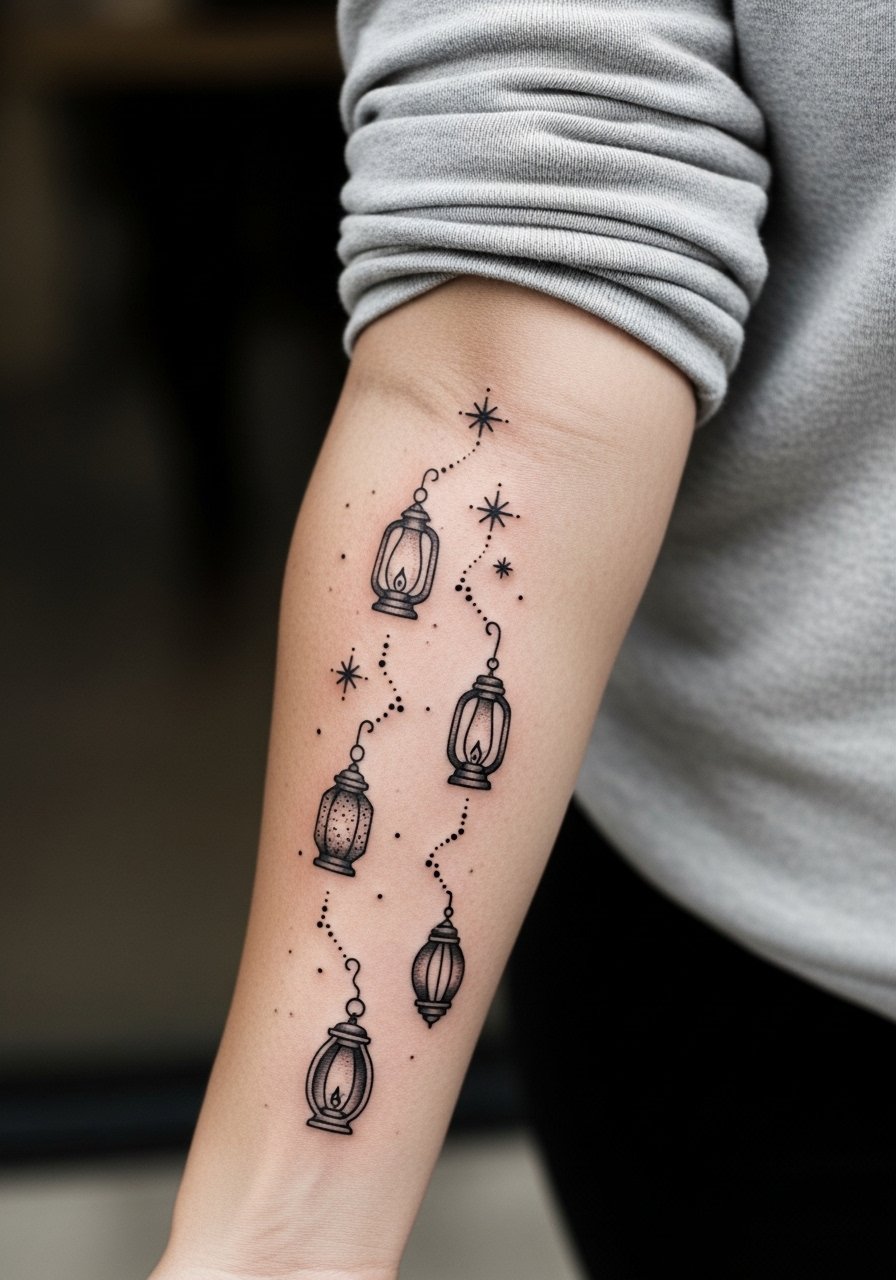
Building a sleeve from linked lanterns is a smart choice for people who want to grow the concept over years. Sessions are incremental and the layered approach helps you test different techniques. During consultation ask the artist to leave corridors for future blackwork or color so nothing looks crowded later. A frequent mistake is committing to a full saturated sleeve at once instead of phasing. For session wear bring a loose button-down shirt that can be pulled aside without rubbing the new ink.
Frequently Asked Questions
Q: Will fine line lanterns fade faster than blackwork versions on forearms?
A: From what I've seen, fine line pieces on active, sun-exposed forearms tend to soften sooner than solid blackwork. The fix is heavier outer linework and careful spacing in the stencil so you can preserve the shape as the ink settles. Expect possible touch-ups around year three if you prefer ultra-fine lines.
Q: Do script lyrics on the spine stretch or distort with weight changes?
A: Yes, spine scripts can distort more than forearm or collarbone lettering if your weight fluctuates. Ask your artist to curve text with natural posture and avoid placing letters directly over areas that compress, and bring references showing the exact letter spacing you want.
Q: For darker skin tones, how do light motif tattoos stay visible in photos?
A: A strategy that helps is pairing subtle glow shading with stronger outlines or black anchors so the motif reads in photos. Ask for healed mockups on your skin tone and consider slightly bolder line weight where necessary.
Q: Are watercolor stars a bad idea if I want the tattoo to last without touch-ups?
A: Watercolor can look soft and dreamy but it usually needs refreshes sooner than saturated blackwork, especially on sun-exposed placements. If longevity is the priority, request black anchors or minimal color zones instead of broad washes.
Q: What should I wear to a session for a collarbone or sternum tattoo?
A: For collarbone or upper chest work wear a wide-neck shirt pulled slightly aside or a fitted sports bra that exposes only the targeted area. That keeps the rest of your skin covered while giving the artist clean access.
Q: How do I find artists who specialize in lyric scripts or fine line lanterns near me?
A: Use hashtags like #lightsguidetattoo and #finelinescript on social platforms, check specialized directories, and browse local guest spot lists or convention lineups. Look for healed photos in portfolios to judge how that artist's linework holds over time.