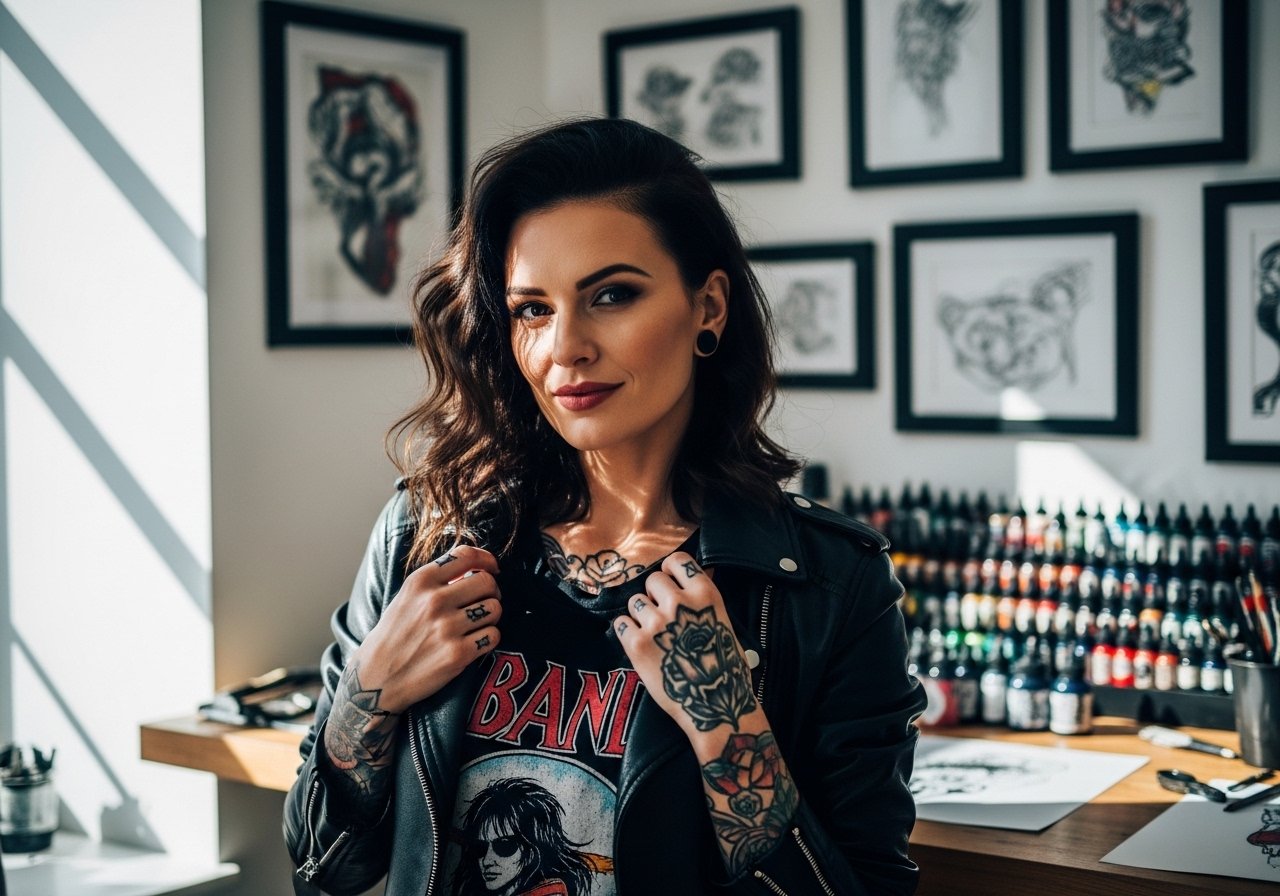
White ink has been a visible trend on darker tones lately, and the reality is simpler than the hype. White can read like a soft highlight on healed dark skin when the artist spaces lines, paces saturation, and plans touch-ups. It can also soften into a whisper if the stencil is too fine or sun exposure is ignored. Below are 21 subtle white tattoo ideas that work well on darker tones, with what to ask your artist and how to wear each piece so the design actually reads the way you expect.
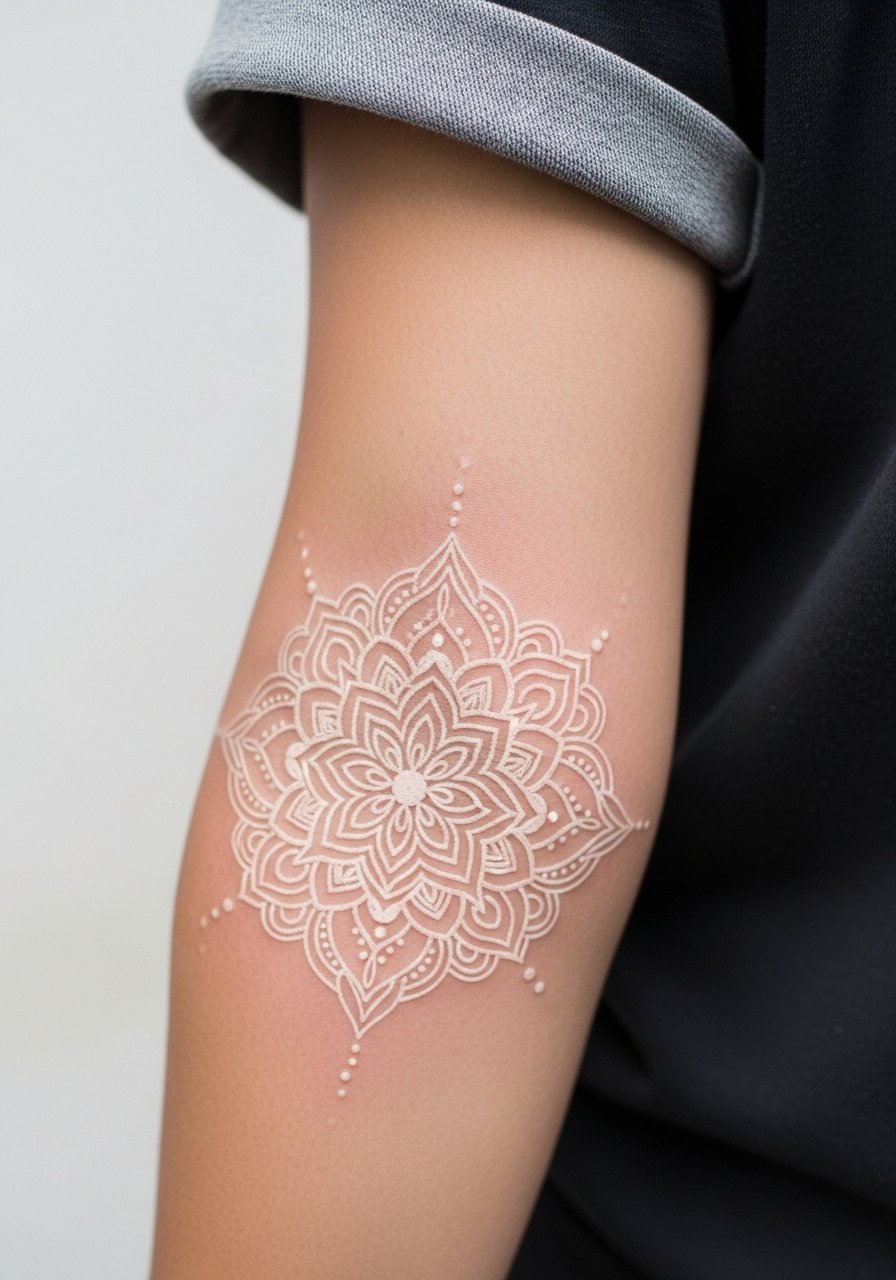
1. White Ink Mandala on Forearm
I've seen mandalas on forearms hold up when the pattern gets room to breathe. Ask your artist for slightly wider spacing between concentric rings and avoided ultra-thin spokes, because tiny dense linework can merge after healing. Pain is moderate for forearm work and most sessions run 30 to 75 minutes for a small 2 to 4 inch piece. Expect the mandala to read brightest at six weeks, soften at two years, and need a light touch-up around year one if you want to keep the radial contrast. For showing it off, roll sleeves up and pair with a black fitted tee that frames the forearm without distraction. Common mistake is requesting a scale meant for light skin without increasing line weight for darker tones.
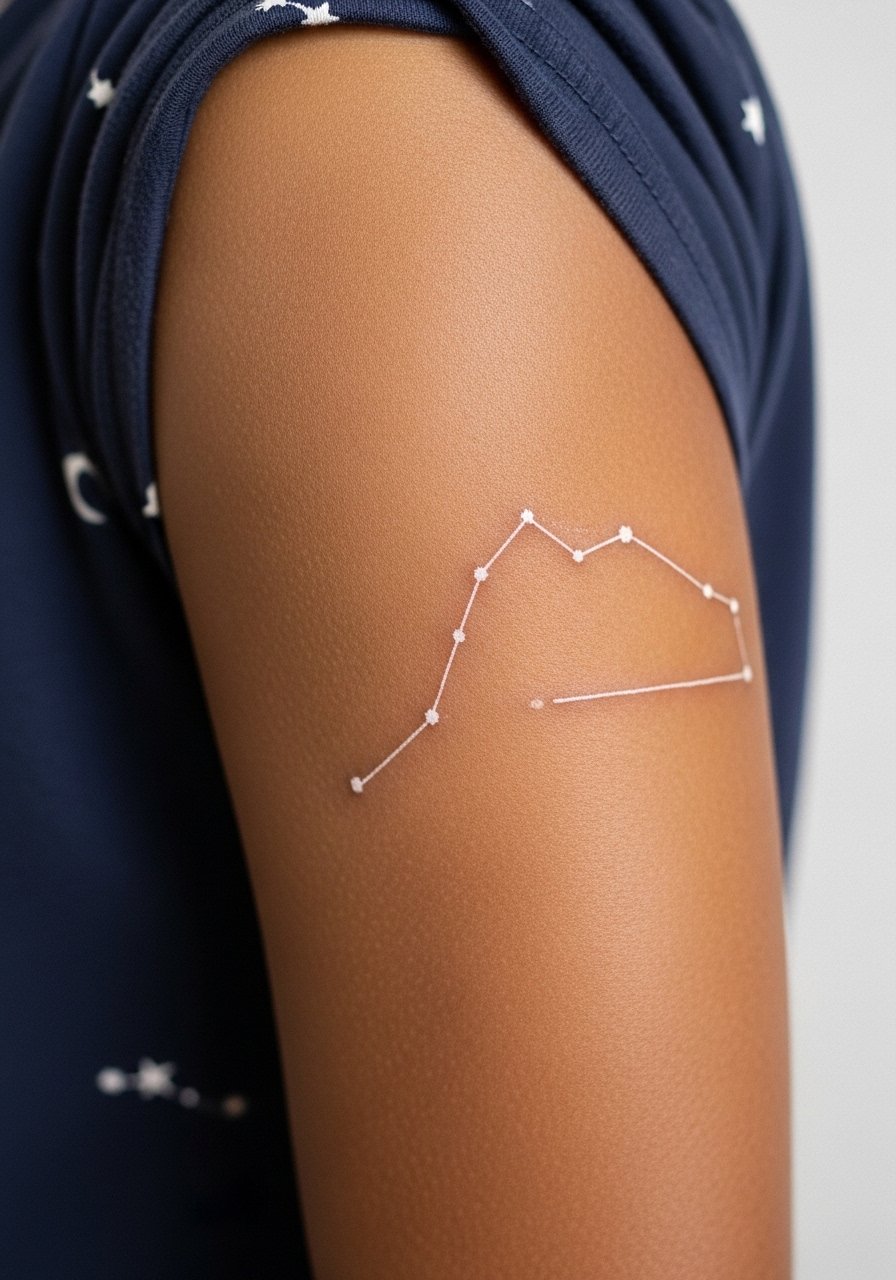
2. Constellation Map on Inner Arm
When you want a personal piece that feels like it floats, the inner arm constellation maps are ideal. Tell your artist which stars need to read as dots and which should be tiny connecting lines, because white ink dots heal differently than continuous linework. Expect a single session around 45 minutes for a 3 to 5 inch cluster, and fair warning that inner arm movement can blur superfine dots if the spacing is tight. Photographs of healed pieces often need a ring light for contrast. For showing it off, roll sleeves and add a few thin stackable rings so the jewelry draws the eye toward the forearm and inner arm area. A common pin is asking for near-microscopic dots without planning for a touch-up at six to twelve months.
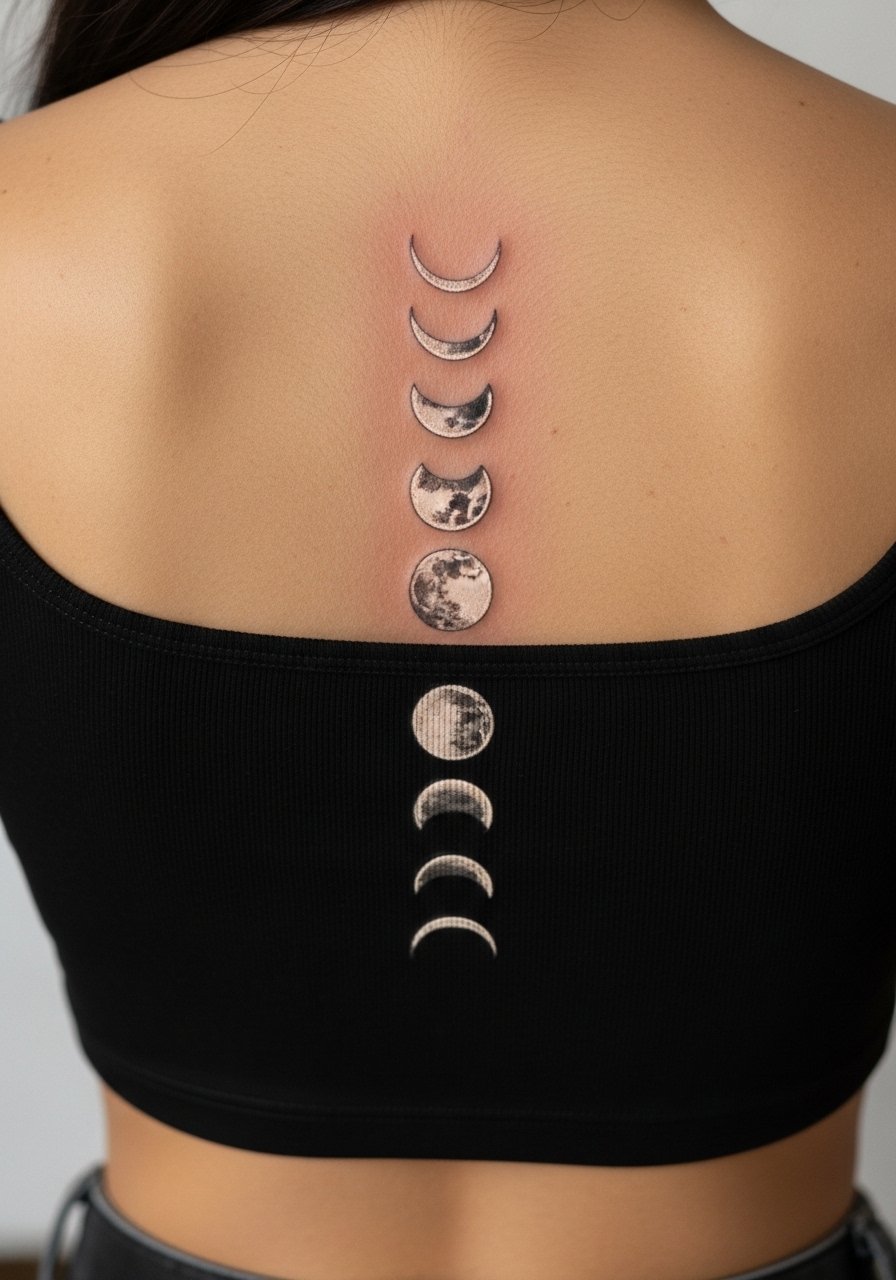
3. Moon Phases Along the Spine
Spine work reads vertically and the moon phase sequence is a popular way to show personal cycles. Tell the artist you want linear spacing with slightly heavier crescents so the shapes remain clear as the midline skin shifts. Expect two shorter sessions totaling around 60 to 120 minutes for a 6 to 10 inch run depending on shading. There is a longevity debate here. One camp says the spine stretches and fine white shading blurs quickly. The other camp argues that careful depth and spacing let white shading keep its progression for years. Ask your artist where they stand before booking. For show-off pairing, wear a low back crop top so the vertical line reads uninterrupted.
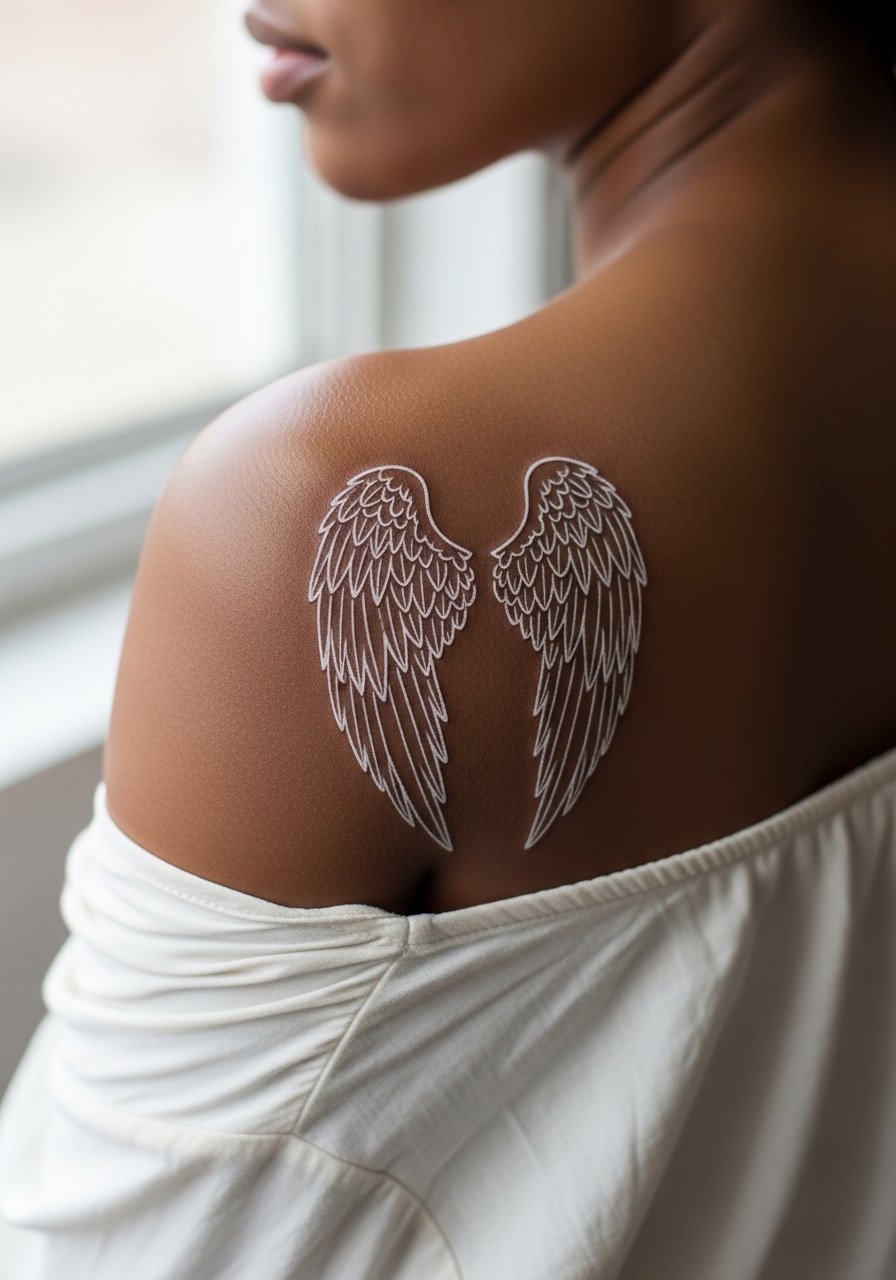
4. Angel Wings on the Shoulder Blade
Shoulder wings work with the shoulder's curve and soften movement. During consultation ask for white outlines with internal stipple shading rather than dense fill, because heavy white fill can look chalky as it heals. Session time is typically 45 to 90 minutes and pain is usually moderate. A mistake is placing wings too low where clothing rubs during healing. For showing the piece, an off shoulder blouse or a sleeveless tank keeps the shoulder visible without chafing the fresh ink. Touch-ups are common at year one for wings that need to regain crisp edges after friction.
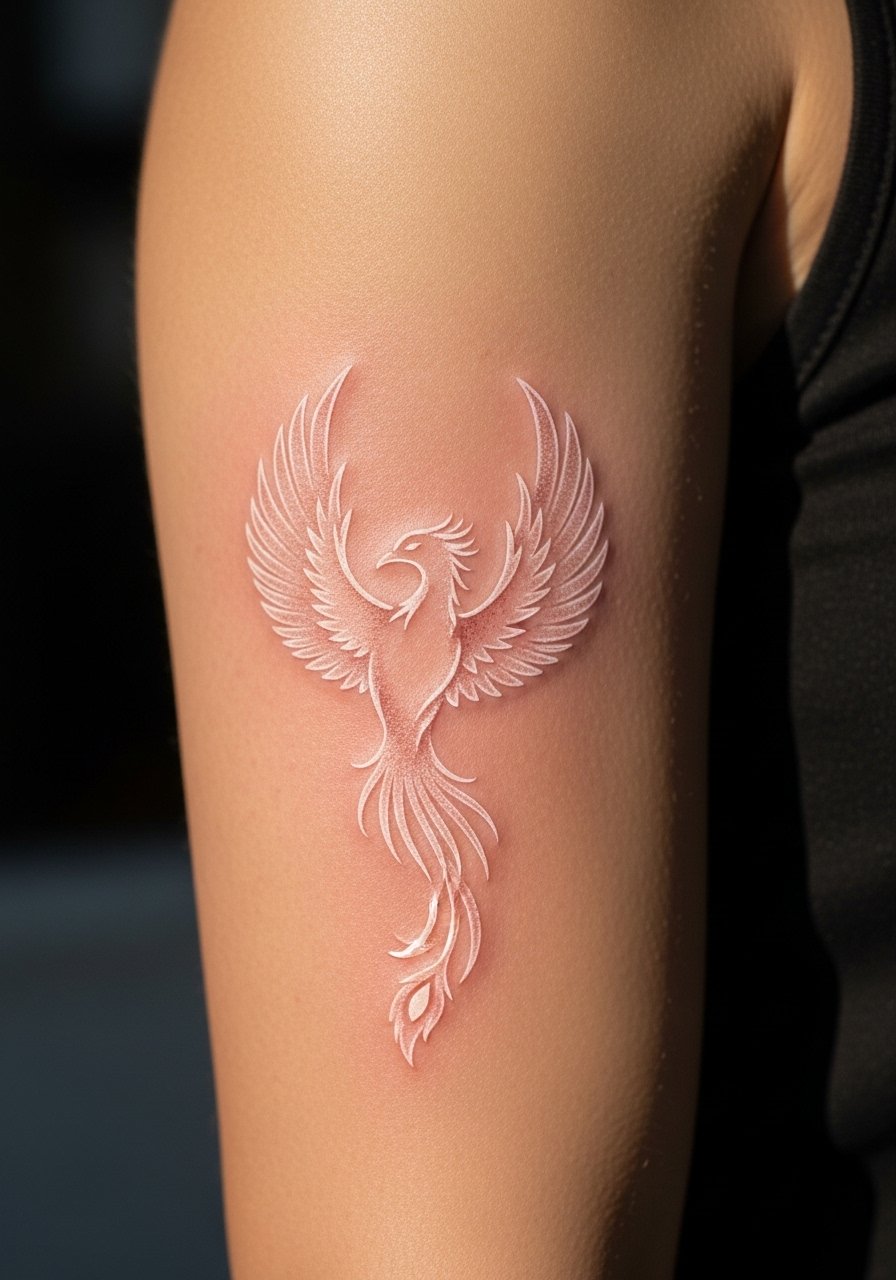
5. Phoenix Outline on Upper Arm
This neo-traditional white phoenix reads like a soft glow when outlines and light shading are used. During the consult specify where you want the brightest highlights so the artist can plan needle depth and spacing. The upper arm tolerates longer sessions, expect 60 to 120 minutes across two sittings for a medium 5 to 7 inch phoenix. A common mistake is asking for ultra-fine feather detail without accepting that some tips will blur over time. At six months the white highlights will still read sharp on darker tones if you avoid heavy sun exposure. For session comfort, wear a loose button-down shirt you can pull aside so the artist has clear access. Plan a touch-up at 12 months if you want the wing tips to stay vivid.
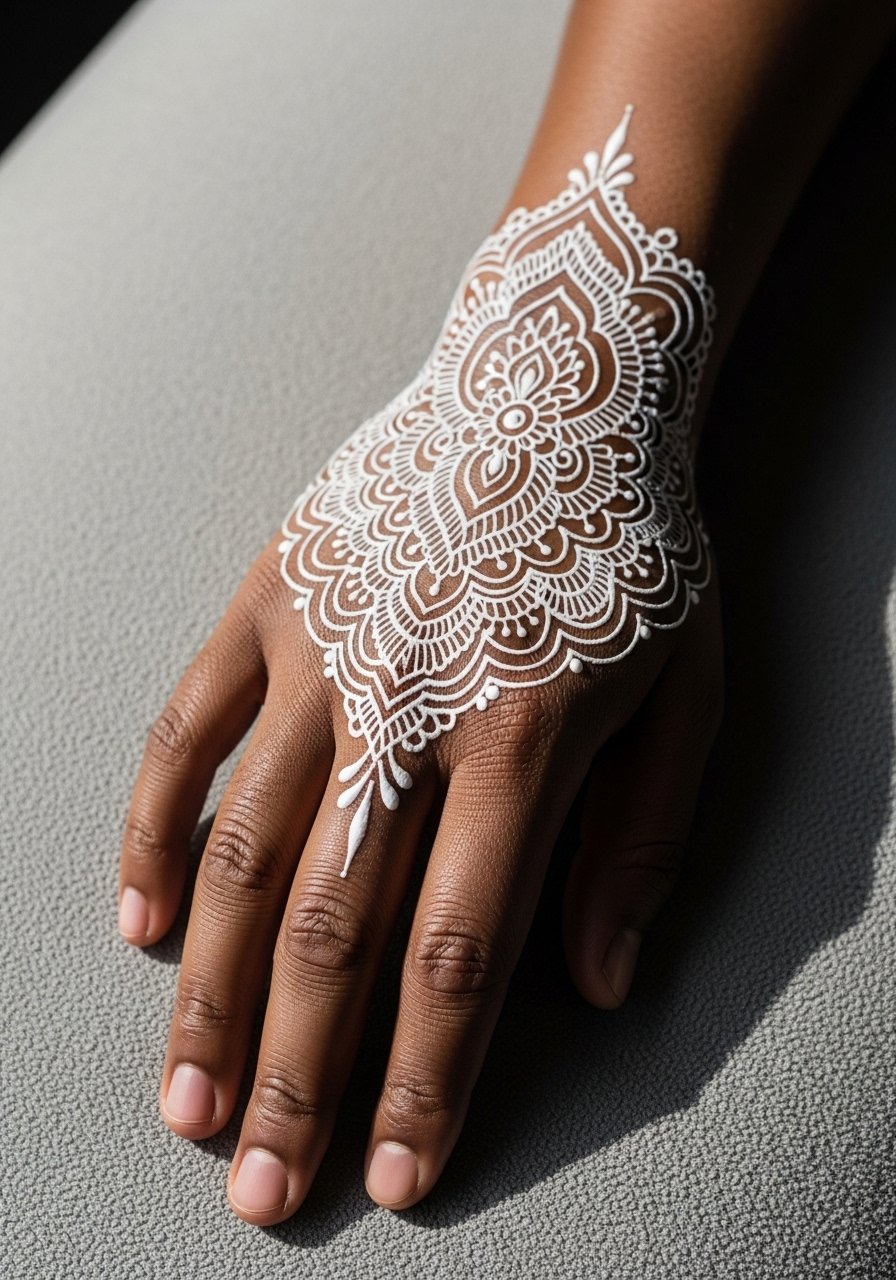
6. Henna-Inspired Filigree on the Back of the Hand
Hand and finger white ink gives the henna look without being temporary, but hands are high-friction zones. Ask for slightly bolder filigree nodes rather than hairline curls, because delicate filigree in white can fade fastest. The session is quick, often 20 to 45 minutes for a 2 to 4 inch piece, and pain is higher on knuckles than on the soft hand pad. Hand tattoos face employment considerations in some fields, so weigh long-term visibility before booking. For showing it off, pair the hand work with a thin leather bracelet on the opposite wrist so attention stays on your hand lines instead of the wrist. Expect a touch-up in six to twelve months because hand skin sheds and rubs daily.
Studio Day Picks
The small pieces above, especially hand and wrist work, need specific prep and a few items that smooth the session and the first week.
-
Stencil transfer paper kit. Lets you preview placement and line weight on dark skin so the mandala or constellation sits exactly where you want it.
-
Topical numbing cream. Applied before hand or wrist work it makes short, sensitive sessions more bearable without altering the artist's linework.
-
Thin protective film roll. Useful for finger and hand pieces to shield the area from water and friction during the first days.
-
Fragrance-free gentle body wash. Cleans healing skin without irritating fine white lines that rely on crisp edges.
-
Aquaphor healing ointment. A thin layer in the first 48 to 72 hours helps lock in moisture for delicate white work without clogging the area.
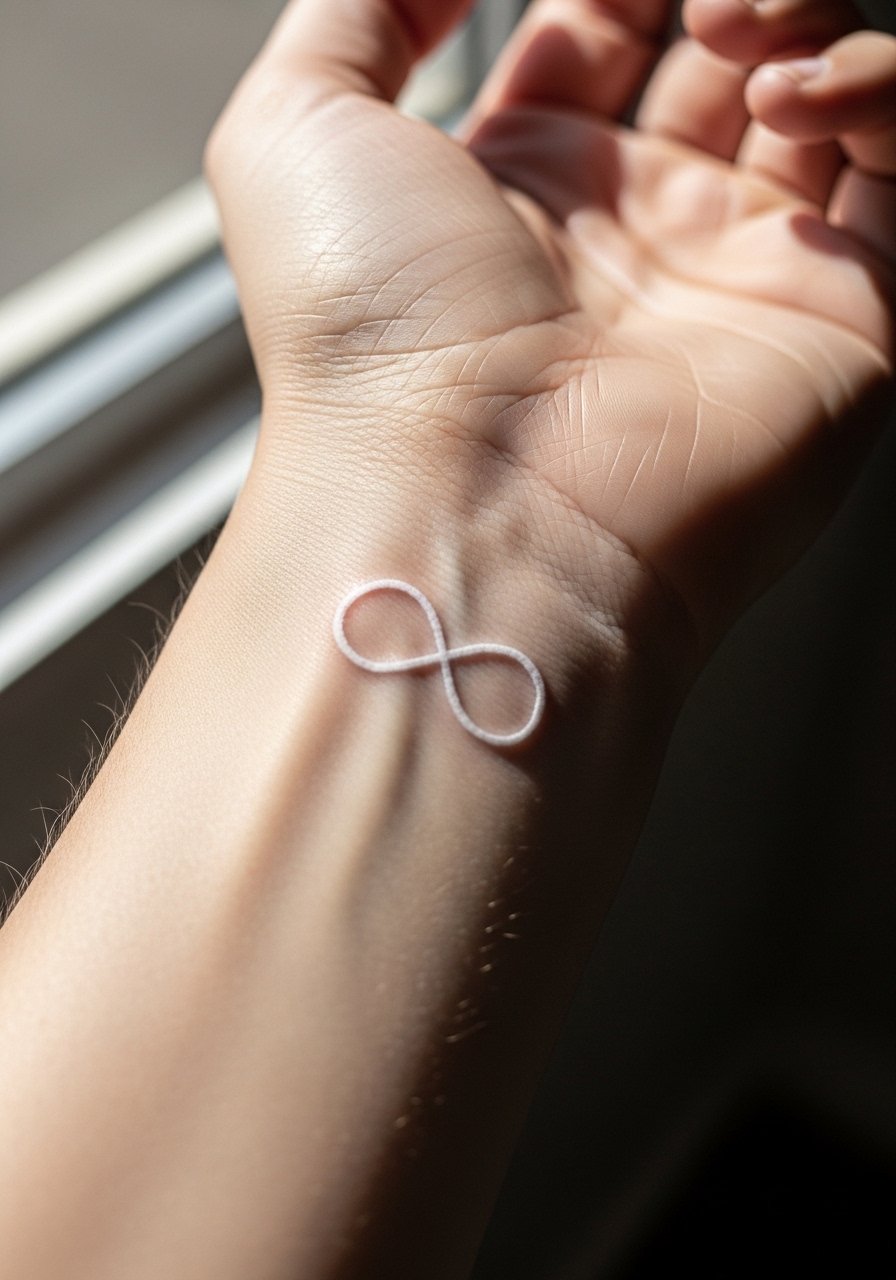
7. Infinity Symbol on the Wrist
The tiny infinity is a go-to minimalist idea that reads like a bright pin on darker tones when lineweight is tuned up a touch. Tell your artist you want a hair thicker line than you would pick for light skin. The wrist is sensitive, plan for a 20 to 40 minute session. A common mistake is requesting an ultra-thin script that disappears after a year. For showing it off, pair with a thin leather bracelet on the opposite wrist so each piece complements the other. Expect touch-up needs sooner than on thicker-lined pieces because wrist skin gets constant movement.
8. Pet Portrait Line Art on the Collarbone
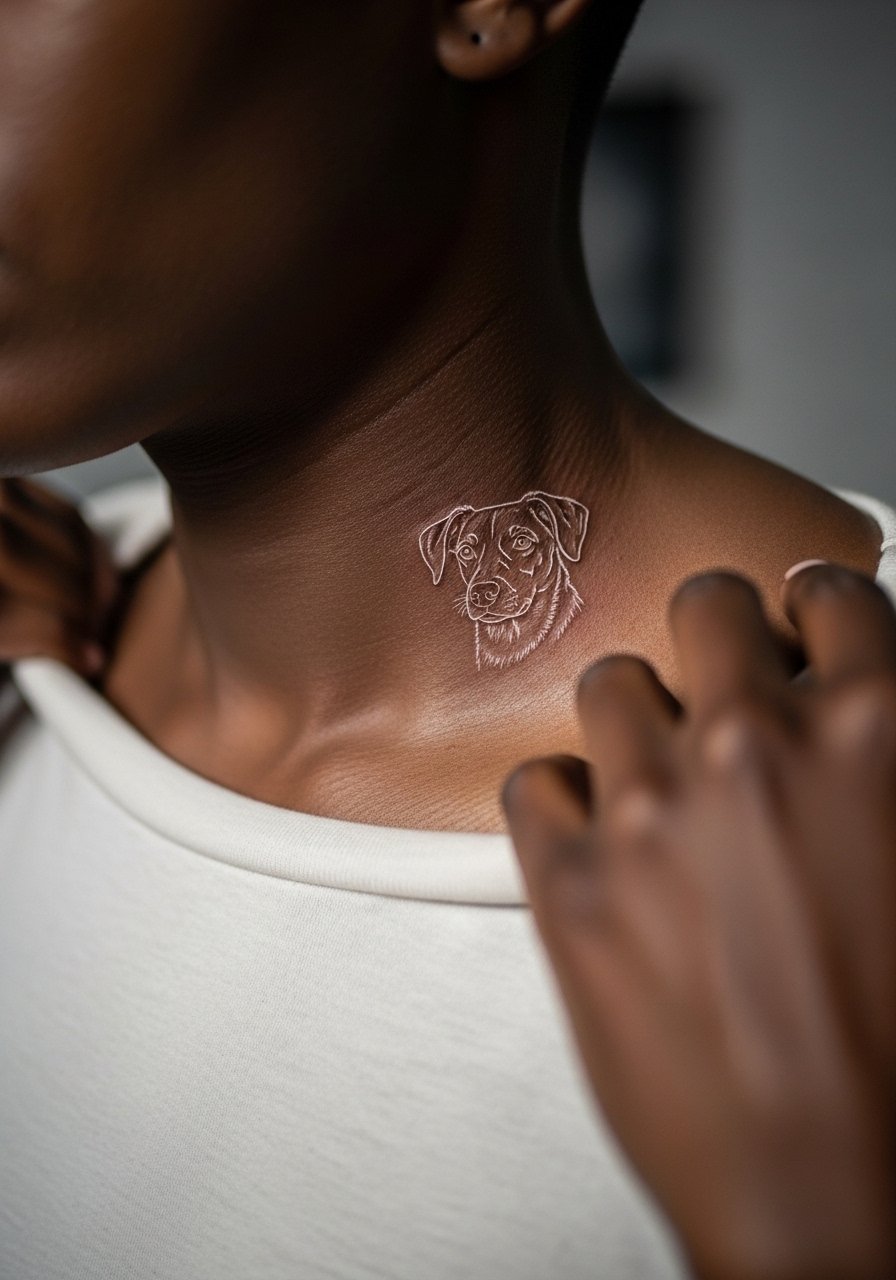
Micro-realism pet portraits in white offer a subtle memorial that sits just above the chest. Ask your artist for a simplified outline that reads at three inches rather than a photo-real scaled-down version, because micro details can fill in on darker skin. The collarbone is sensitive but tolerable for small pieces, expect a 45 to 90 minute session. For showing it off, wear a v neck tee or a simple pendant necklace so the portrait sits elegantly in that space. Common mistake is asking for too much facial detail which loses clarity when reduced to a small white-only outline.
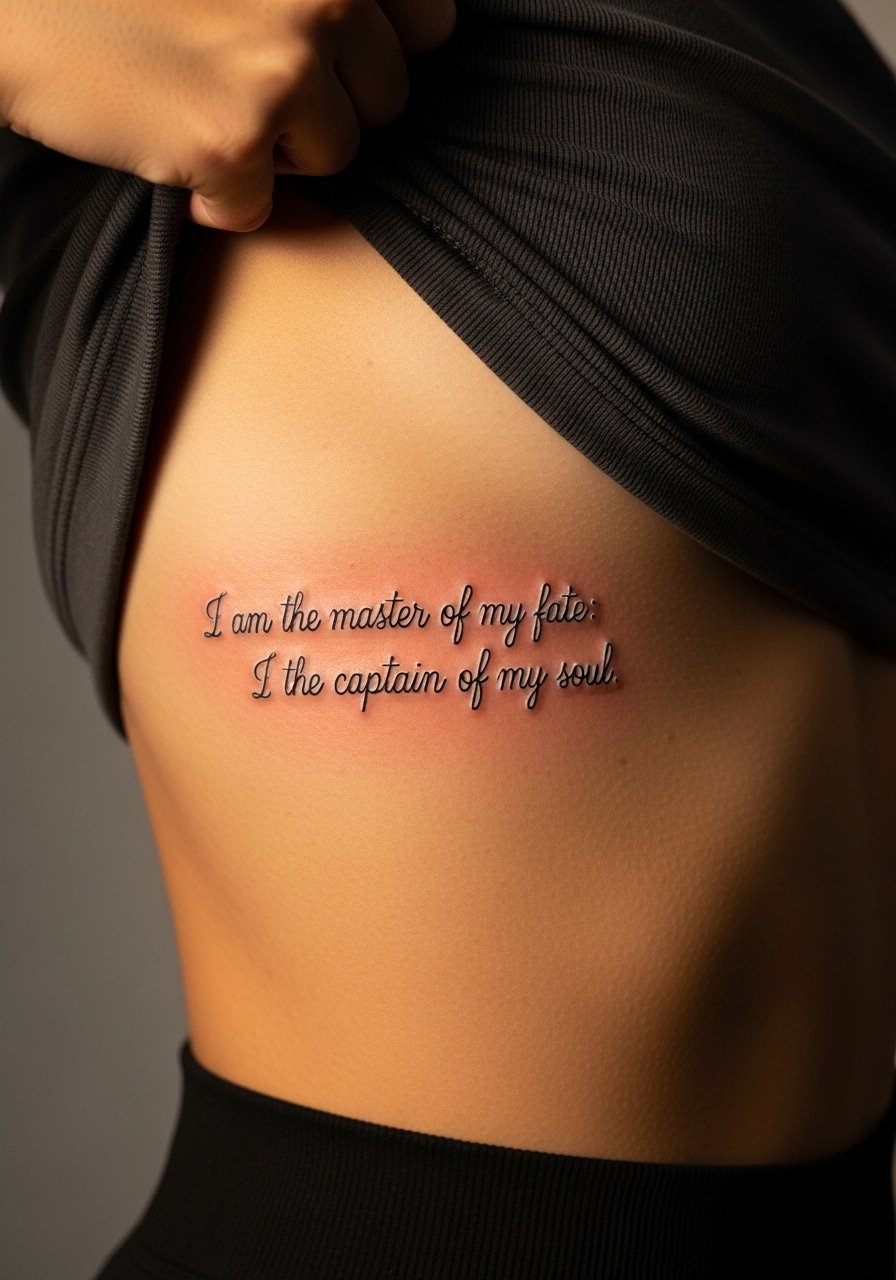
9. Scripted Quote on the Ribs
Ribcage script by white ink can be intimate and private, but ribs are a higher pain placement. When you book, ask for a slightly larger script size and an artist comfortable with deeper strokes so the letters survive skin movement. The session can be 30 to 90 minutes depending on length. There is a debate among artists about fine line on ribs. Some say the skin stretch and breathing cause lines to blur quickly. Others say with correct depth and spacing fine script can hold for years. Ask the artist which approach they use and plan for a touch-up at six to twelve months. For session wear, bring a front-open robe or sports bra to give clear access without pulling on the area.
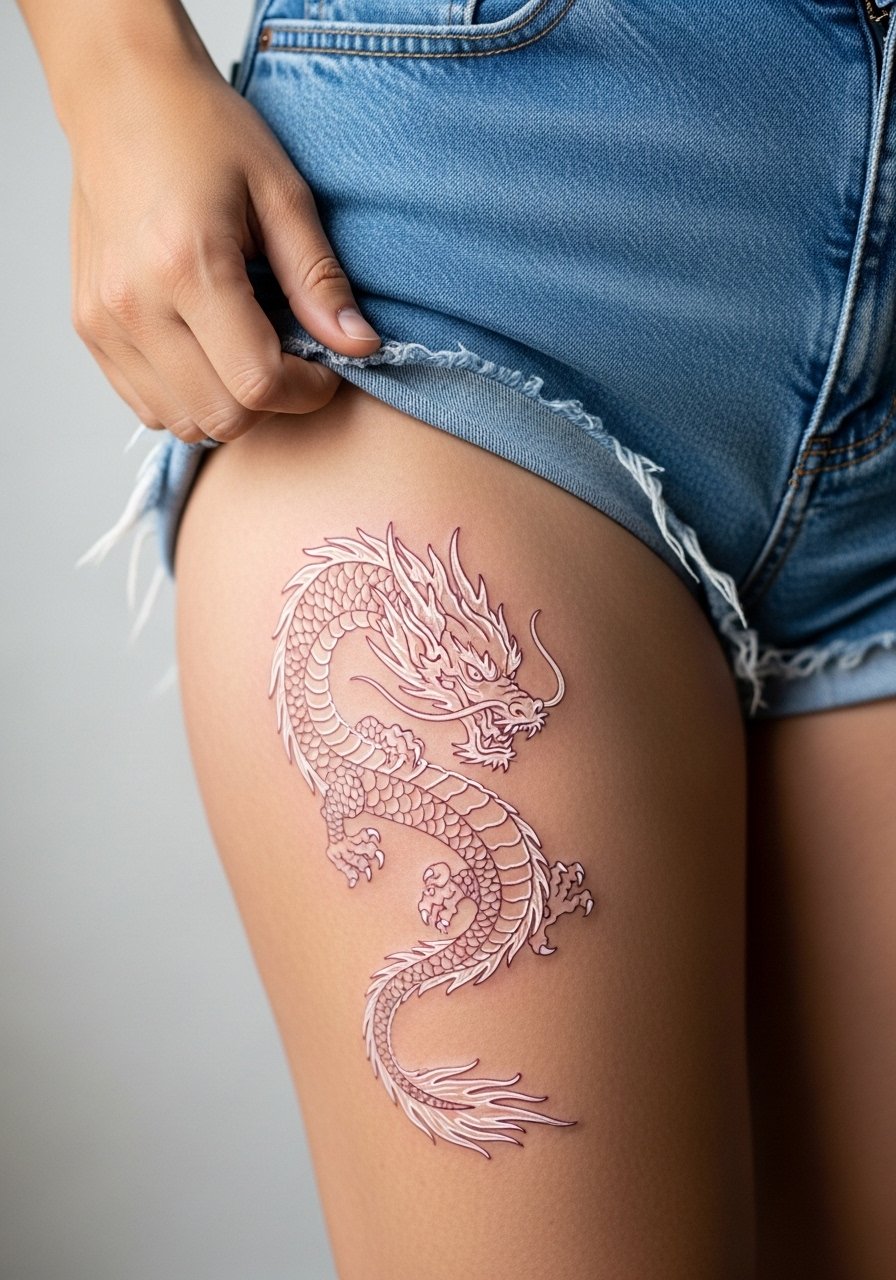
10. Dragon Outline on the Thigh
A white dragon outline on the thigh uses a larger canvas so you can keep detail without packing lines too tight. The thigh is comfortable for longer sessions and usually needs two sittings for medium-sized pieces. Tell the artist you want open negative space between scales to prevent merging as the skin ages. Showing it off pairs well with a high slit skirt or dark denim shorts and ankle boots. A common mistake is compressing a full dragon into a 2 inch area which loses silhouette definition after healing. Expect a touch-up at a year if you want crisp scale edges.
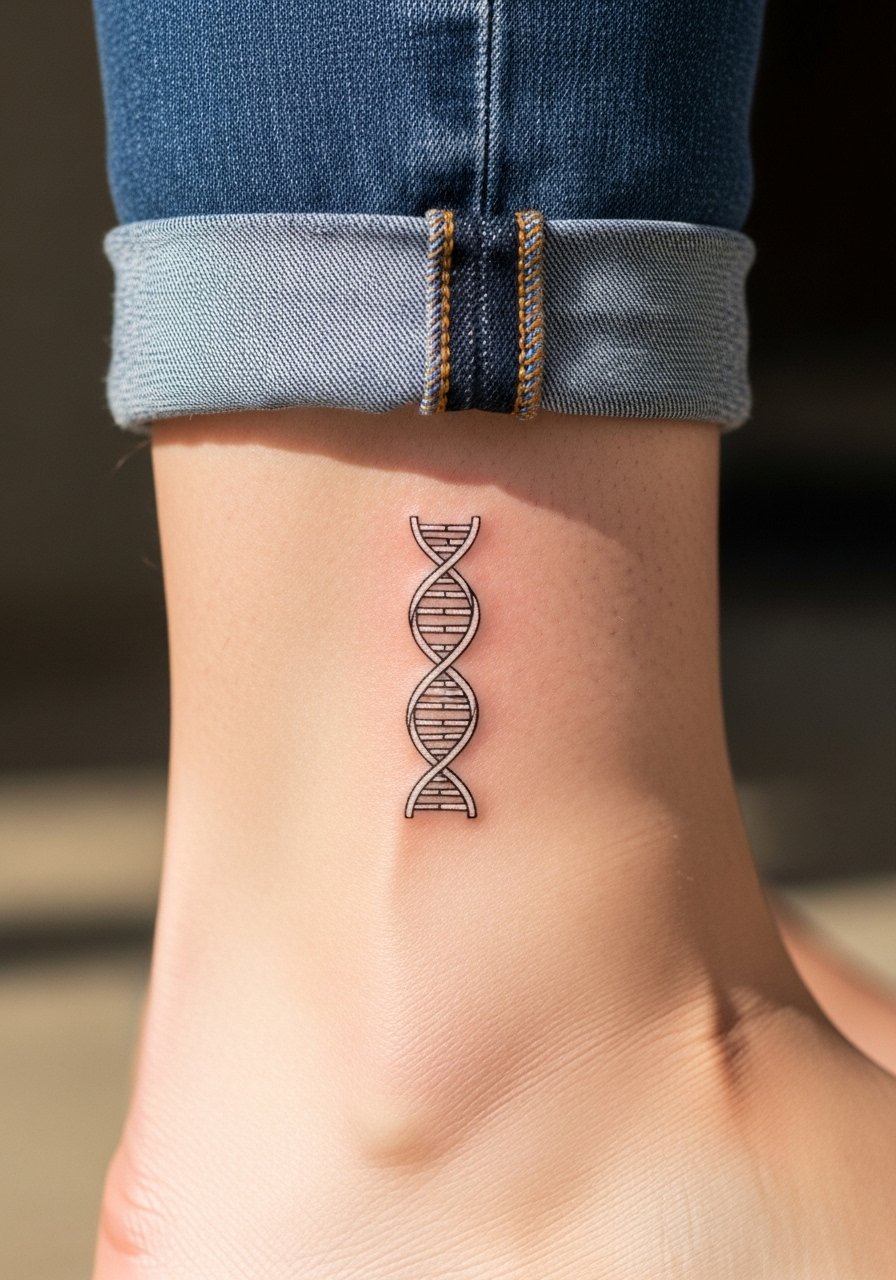
11. DNA Helix Ankle Accent
A small white DNA helix on the ankle reads like a subtle marker of identity when you pick a vertical placement. The ankle is a finicky surface, so request slightly bolder rungs in the helix. Sessions are short, usually 20 to 40 minutes, but expect more frequent touch-ups because ankle skin sees friction from socks and shoes. For showing it off, roll jeans or pick sandals and consider an ankle boot women for looks that frame the design during cooler months. A mistake is going too tiny; the helix needs room to keep its twist visible over time.
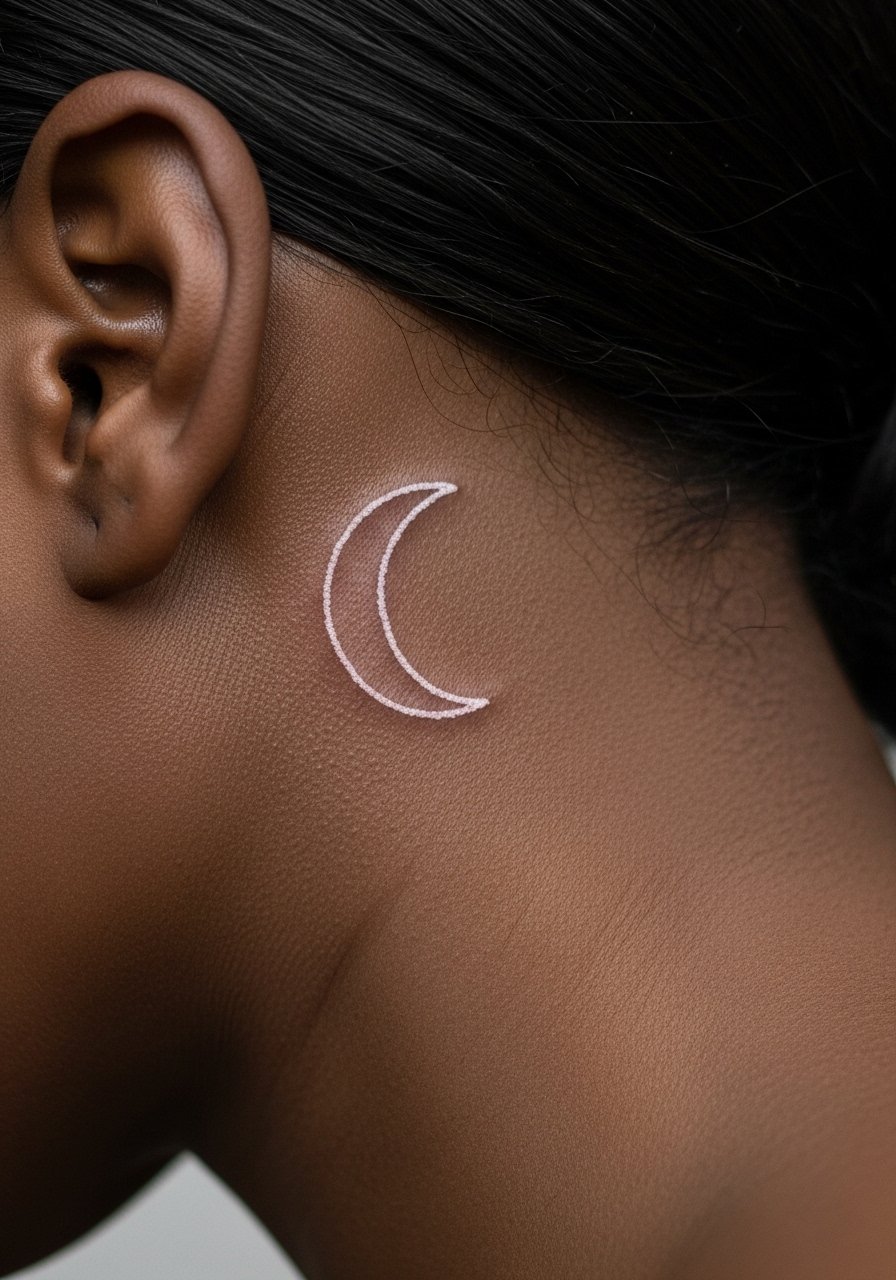
12. Tiny Crescent Behind the Ear
A small crescent placed on the skin just behind the ear reads delicate and private. Make sure you specify "on the skin behind the ear, below the hairline on the neck" so placement is exact. Sessions are quick, often under 20 minutes, and the area heals visibly fast but is prone to rub from collars or hair. Because this is a sensitive placement, ask for a tight, slightly bolder line rather than a whisper thin arc. For visibility pick hairstyles that tuck behind the ear. Discovery pathways are useful here, search #whiteinkondarkskin to find healed examples that match your tone.
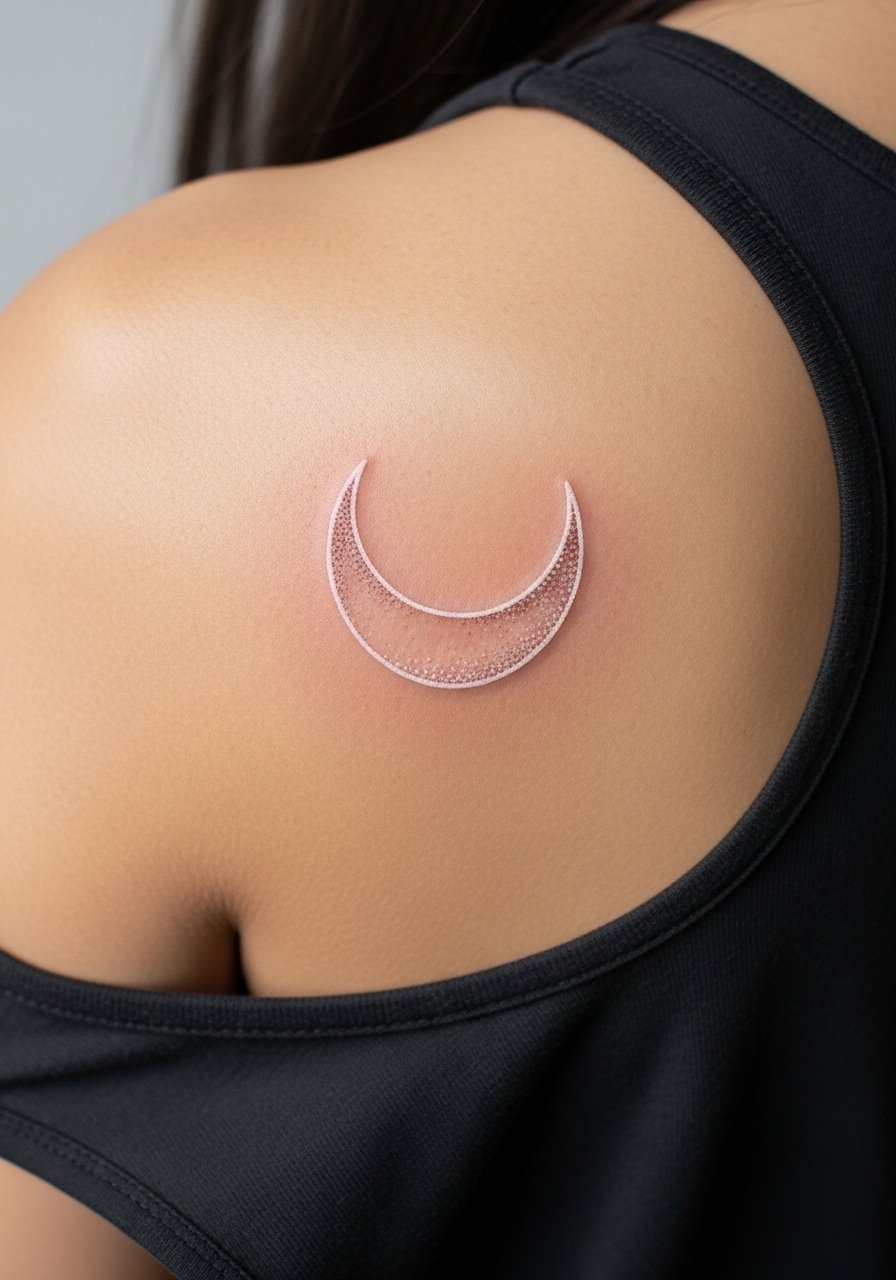
13. Stipple Crescent and Dotted Band on Upper Back
A horizontal band of stipple crescents across the upper back uses negative space to read glowingly on darker skin. Ask for stipple shading over solid white fills because dots retain texture longer and avoid chalkiness. Sessions vary, plan for 45 to 90 minutes depending on width. The upper back tolerates shading well, but avoid placing the band directly under tight straps during healing. For the session wear a button-down you can remove without pulling over the head. A common oversight is dense fill in large bands that age into flat splotches. Plan a light touch-up at a year if you want the stipple contrast refreshed.
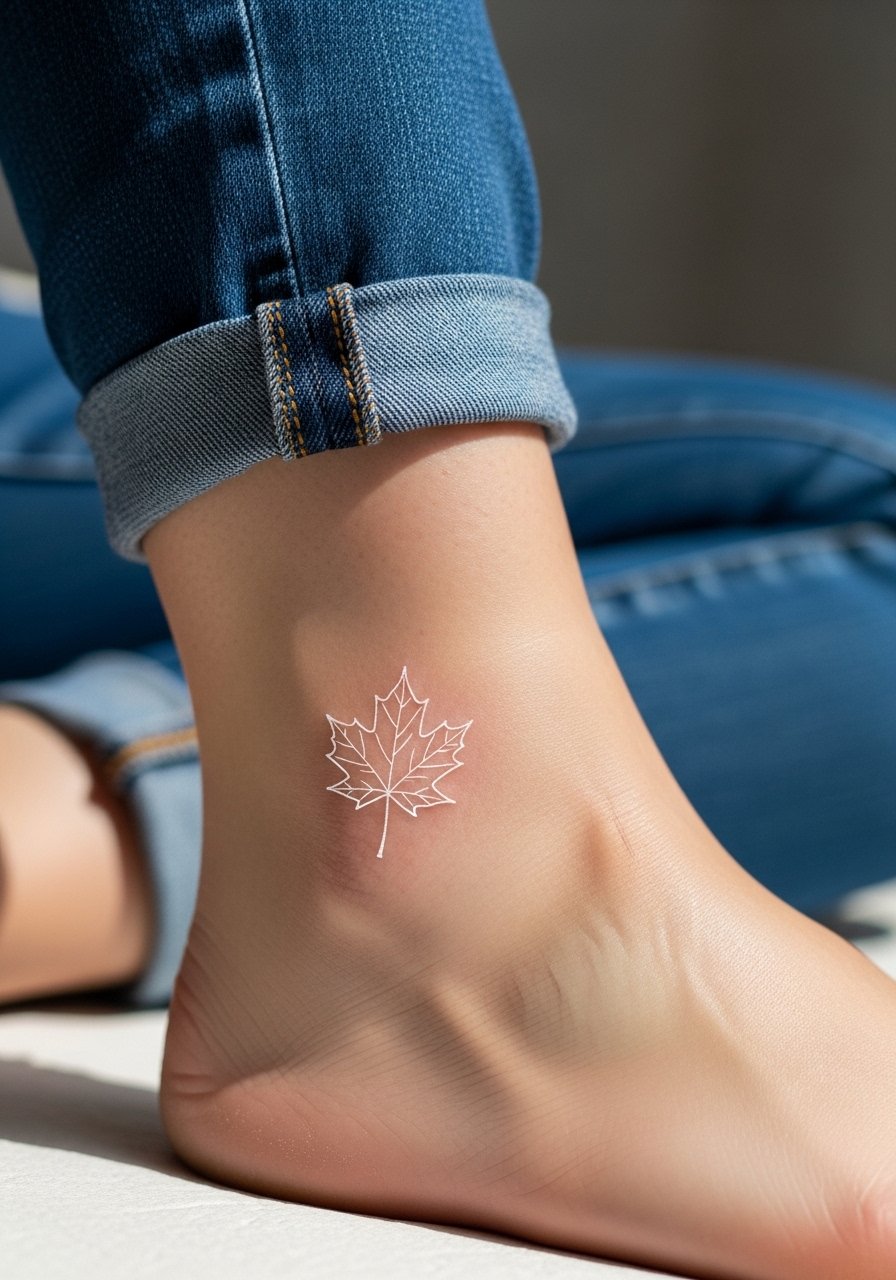
14. Minimalist Maple Ankle Tattoo
A small white maple leaf on the outer ankle reads seasonal and neat when rendered as a simplified silhouette. Ask your artist for slight edge bolding so the leaf's lobes remain defined. Sessions are 20 to 40 minutes and the ankle's constant movement and footwear make this one of the faster-to-fade placements. For showing it off pair with jeans rolled up or simple sandals and a high slit skirt for evenings. The main mistake is asking for a filigree leaf at tiny scale; keep the shape simple for longevity. Plan for a touch-up within a year if you wear a lot of socks or closed shoes.
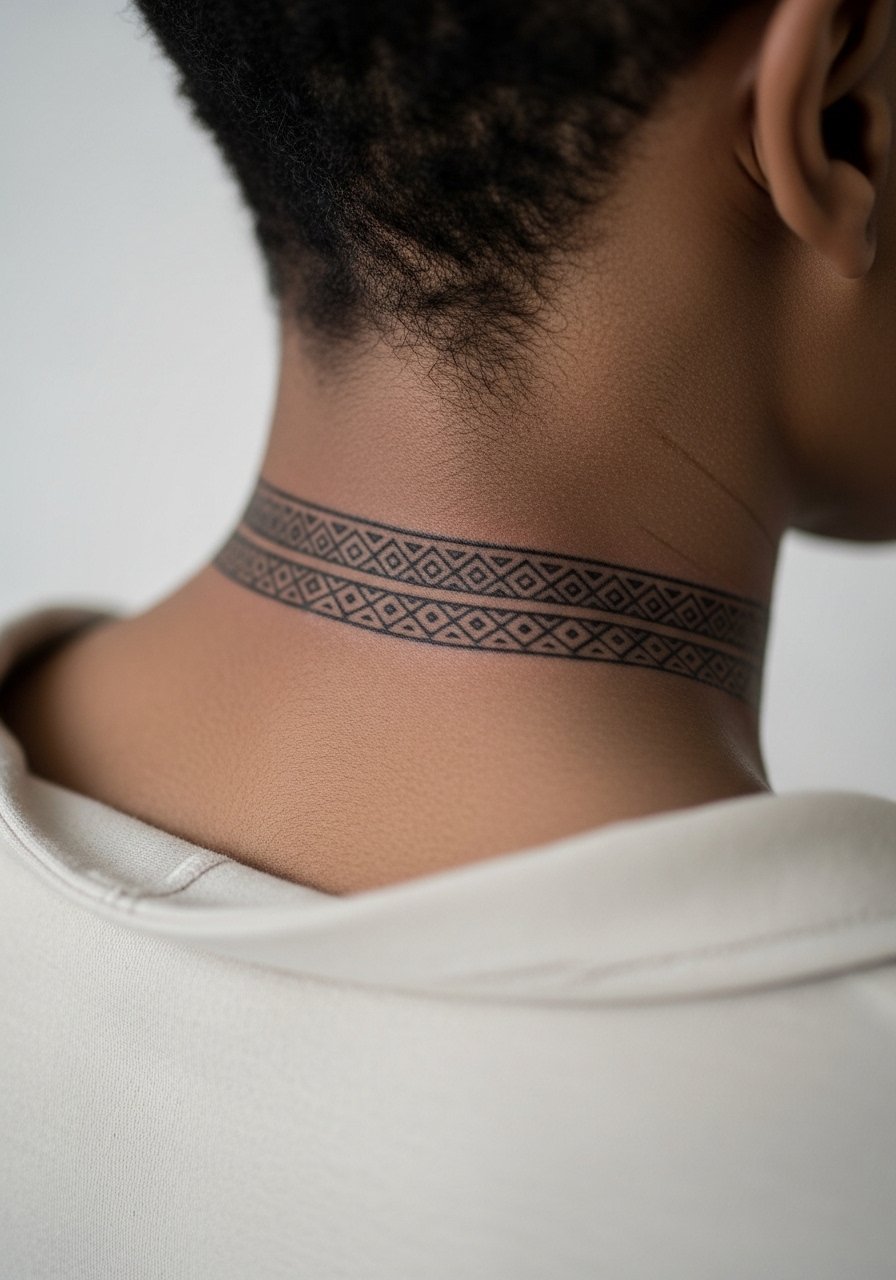
15. Geometric Band at Nape of Neck
A thin geometric band at the nape can act as a subtle collar that peeks out from shirts. When booking, ask for slightly heavier outer lines so the band keeps its form under hair and clothing. The nape is sensitive but usually tolerable for short sessions of 30 to 60 minutes. For showing the piece off pick shirts with wider necklines and use a wide-neck shirt you can pull slightly aside for photos. The common error is packing too many intersecting lines in a narrow strip which blurs with skin movement. Expect a one-year check for line clarity.
16. Barcode or Coordinate Strip on Inner Bicep
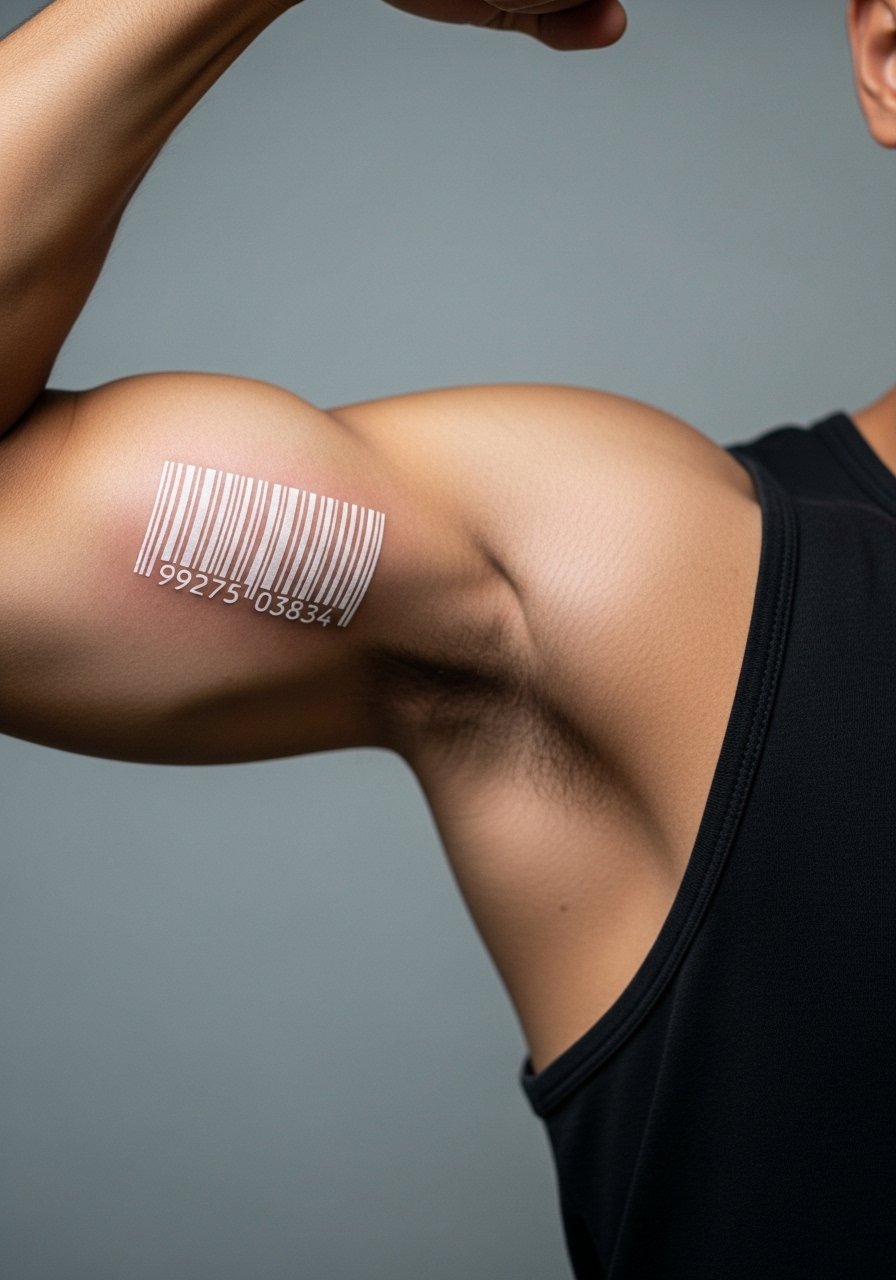
A thin barcode or coordinate line on the inner bicep feels private and reads clean when lines are spaced with breathing room. The inner bicep moves a lot, so tell the artist you want slightly thicker bars than a printed barcode. Session length is about 30 to 60 minutes. Common mistake is demanding photo-level precision scaled down too small. For session comfort wear a loose tank top with the arm raised to give the artist access, and expect a touch-up in the first year to sharpen any softened bars. This placement has low blowout risk compared to forearm or wrist pieces if the artist paces the needle.
17. Botanical Lower Back Accent
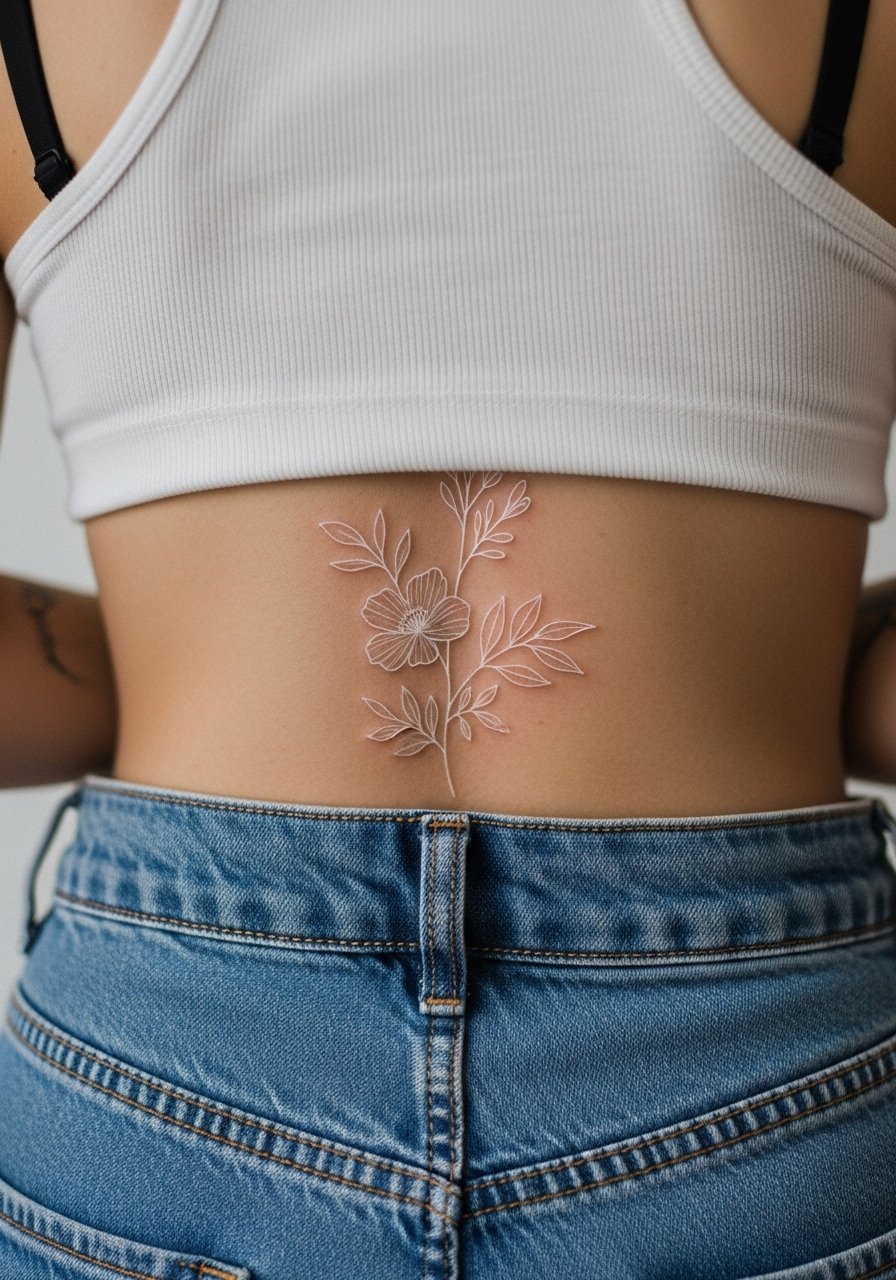
A small botanical spray along the lower back sits well with high-waisted styling and reads like a subtle flourish. Make sure the artist uses stipple and fine negative space rather than solid white fill to keep the texture natural. Sessions vary from 45 to 90 minutes for a 4 to 6 inch piece. For the photo or showing the piece, wear a tank top with high-waisted jeans pulled slightly low to reveal just the lower back area. The lower back can be rubbed by waistbands so plan clothing accordingly during healing. Touch-ups help midterm if the piece sits under tight belts.
18. Thin Geometric Ring on a Finger
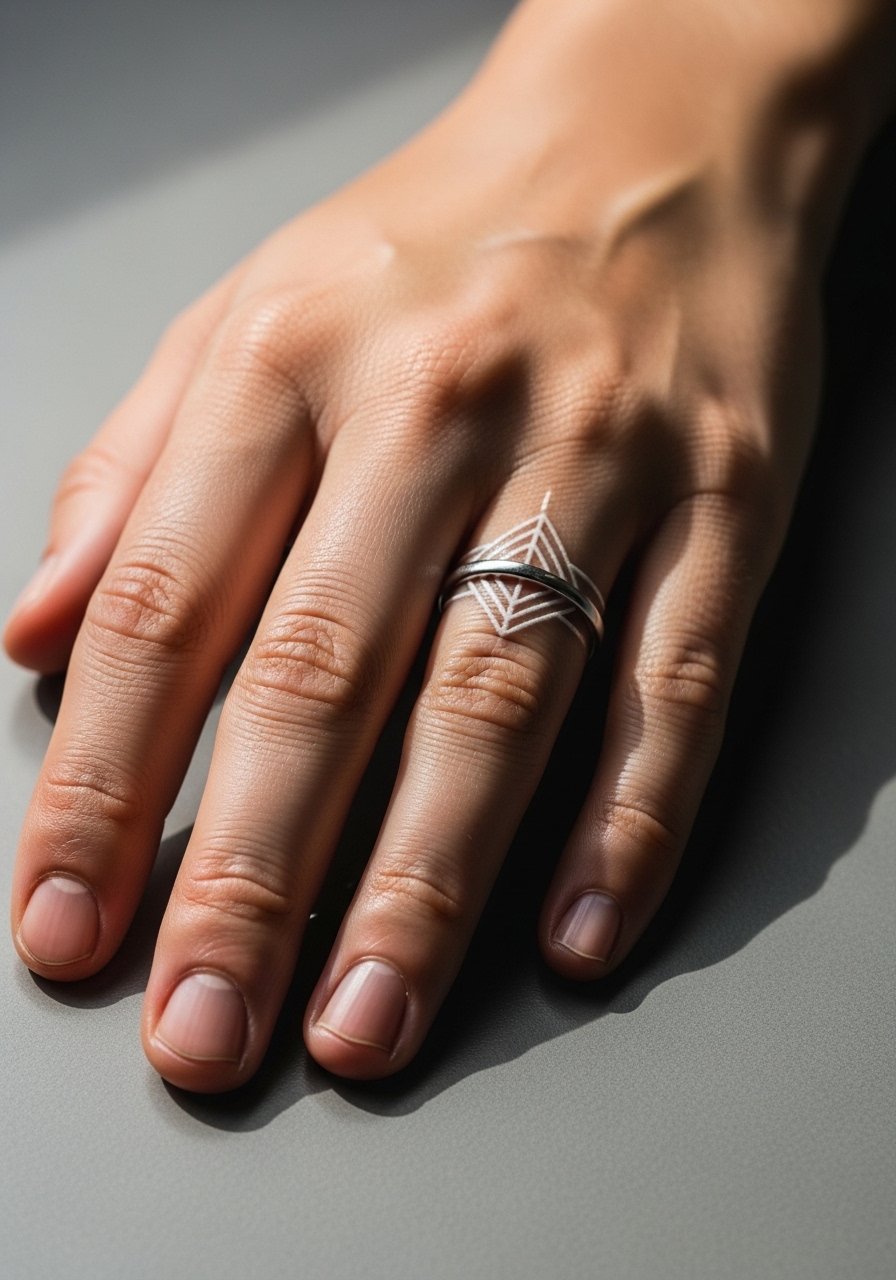
A white geometric ring on the finger reads like jewelry when spaced cleanly. Fingers heal differently and the skin is thin, so request slightly heavier lines and simple shapes. Sessions are short, 15 to 30 minutes, but expect multiple small touch-ups because fingers shed and get washed constantly. This placement can affect job perceptions in some industries, so consider that before committing. For showing the ring pair with minimal hand jewelry and consider a simple leather ring wrap or neutral nail polish to frame the tattoo. The biggest mistake is asking for intricate filigree at tiny scale.
19. Sternum Linework for Scar Softening
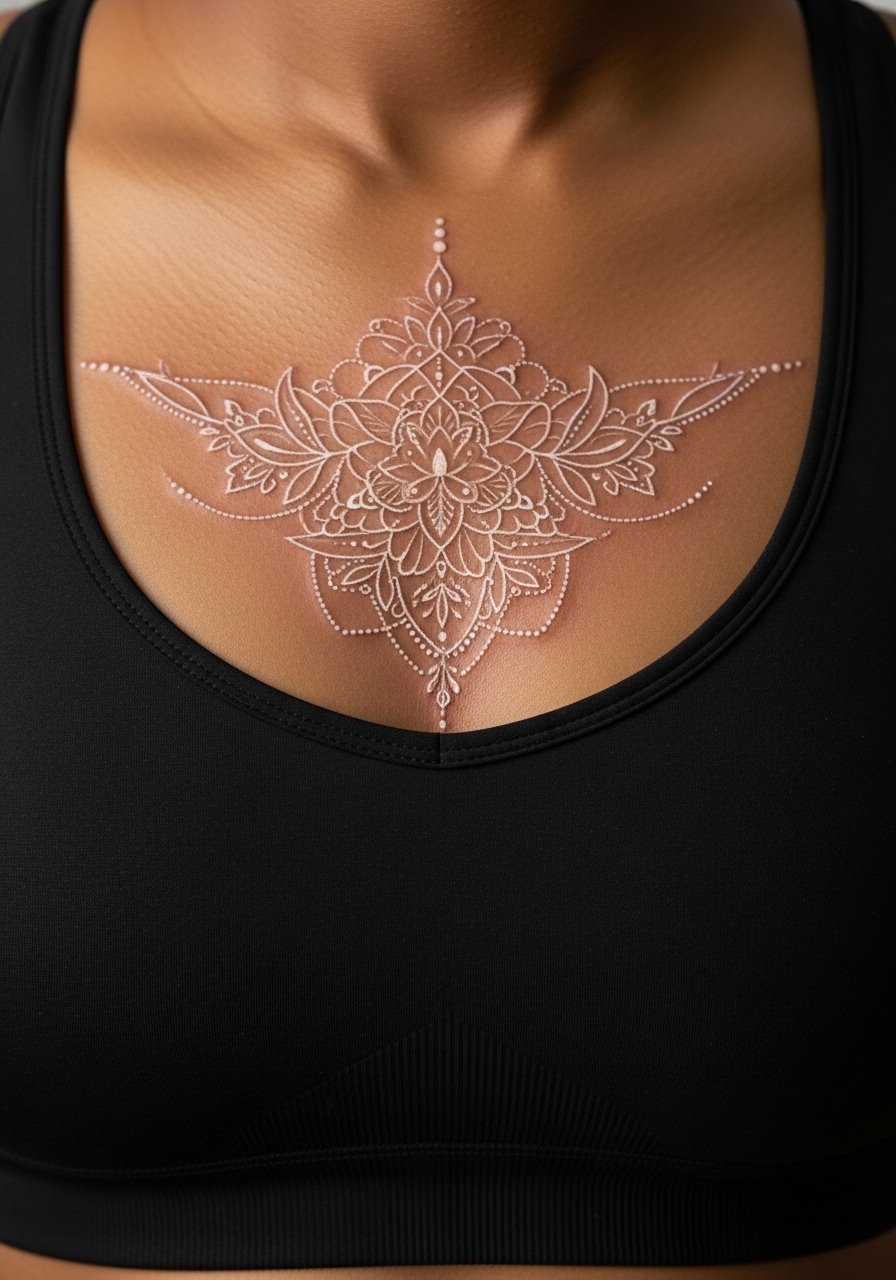
White ink can be used to soften the visual contrast of older scars when applied as fine linework around and within scar tissue. If your idea is scar camouflage, seek an artist experienced with scar texture and bring healed photos. Sessions depend on scar size, often 45 to 120 minutes, and the sternum is sensitive so wear a fitted sports bra for access during the appointment. Results vary by scar type and depth, so plan realistic expectations and at least one follow-up touch-up. For showing healed work pair with a fitted sports bra to keep clothing lines clean and avoid friction while healing. This is specialized work so pick an artist who has documented healing on similar skin and scars.
20. Henna Fusion on the Foot
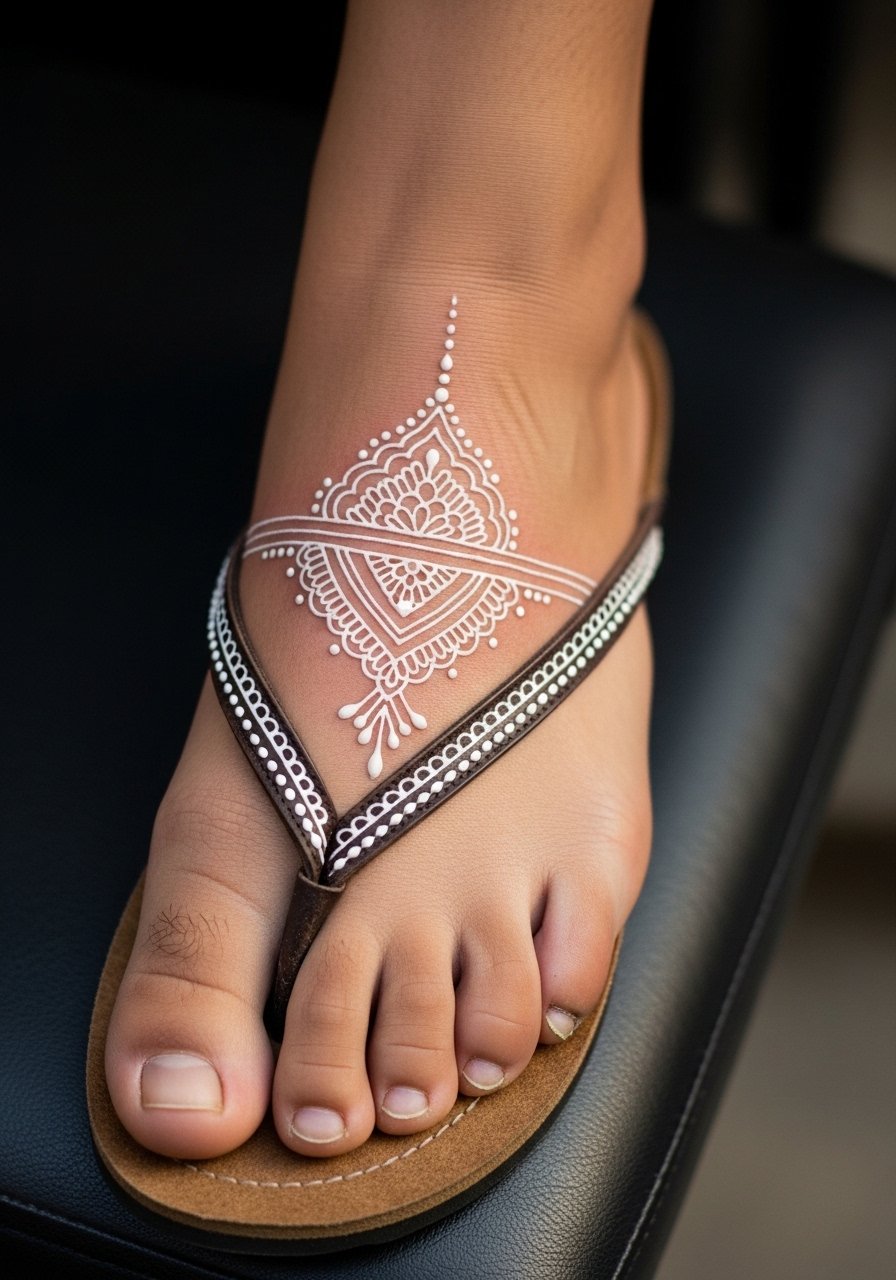
A henna-style white filigree on the foot combines ornamental patterns with lower-visibility placement. Foot skin and constant shoe friction make this placement one of the fastest to mellow, so ask for bolder nodes and leave negative space in the pattern. Sessions are usually 30 to 60 minutes and the pain is moderate near the top of the foot. For showing it off, choose sandals or a long skirt lifted slightly and consider ankle boot women for seasonal framing. The main mistake is expecting hand-level permanence; feet need more frequent touch-ups.
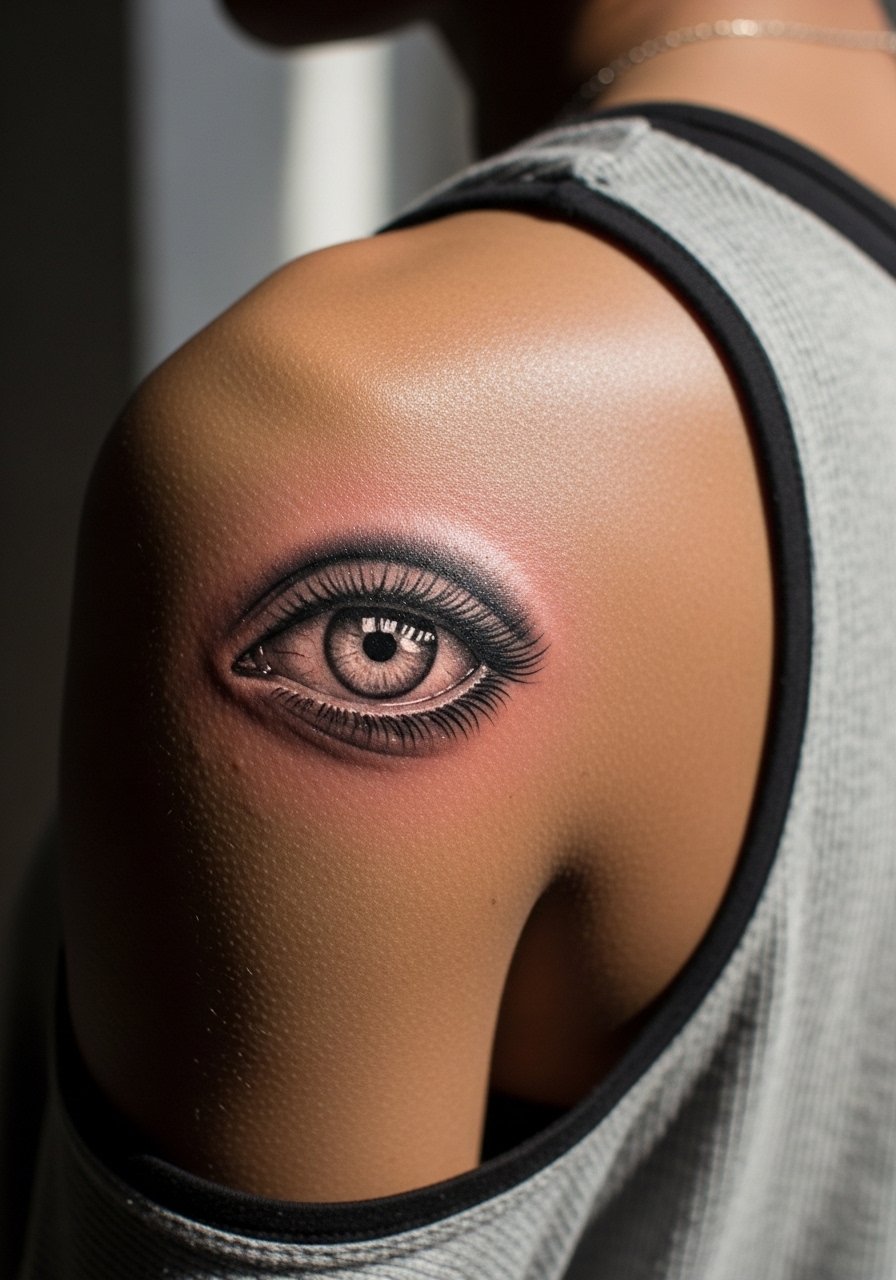
21. Micro-Realism Eye on the Shoulder Blade
A tiny white micro-realism eye on the shoulder blade functions as an accent that reads brighter on darker skin when highlights are mapped deliberately. Ask your artist for simplified contrast mapping rather than trying to cram photoreal detail into a 2 inch circle. Sessions are short, 30 to 60 minutes, and the shoulder blade tolerates touch-ups well. For showing it off pick tops with open backs or a loose tank top you can pull aside so the area is visible without pressure. Expect a one-year check to refresh the brightest highlights if you want them to stay sharp.
Frequently Asked Questions
Q: How long does white ink on dark skin typically stay visible before needing a touch-up?
A: It depends on placement, line weight, and how much sun and friction the area sees. Hands and fingers often need attention in six to twelve months, while forearm and shoulder pieces can go a year or more before a light touch-up. Plan for at least one revisit in the first year if you want the brightest contrast to last.
Q: Should I pick very fine lines or slightly bolder linework for a mandala on dark skin?
A: Slightly bolder spacing and a hair thicker linework than what you would request for light skin helps a mandala hold detail as it heals. Ask your artist to show healed portfolios on similar tones and to map negative space in the stencil during the consult.
Q: What's the best way to photograph healed white ink on dark skin for social sharing?
A: Use soft direct light like a ring light or window light and shoot from a close crop that avoids heavy shadows. A subtle reflector can bring up contrast. For the spine or collarbone, pick clothing that frames the piece and keeps the eye on the tattoo.
Q: Are hand and finger white ink tattoos worth it given their fading risk and career considerations?
A: They are worth it if you accept likely touch-ups and any workplace visibility concerns. I suggest simpler shapes and slightly bolder lines for fingers. Think about your day-to-day gear, because shoes and gloves speed fading on feet and hands.
Q: How do I find artists who have experience with white ink on dark skin without naming people directly?
A: Search hashtags like #whiteinktattoo and #whiteinkondarkskin on social platforms to find portfolios. Watch short healed clips on video platforms and, in consultation, ask to see healed photos rather than fresh work. That will give you the clearest sense of how white settles on a given skin tone.
Q: If I want to try the tan line trick to enhance healed white ink visibility, how should I approach it?
A: The tan line trick is a visual hack some people use after healing to create contrast. If you plan to experiment, wait until the tattoo is fully healed, use sun protection on the tattoo itself, and consult your artist about timing so you do not alter the skin quality during the important early healing window.