Fine line clovers are everywhere online right now, and the trend pushes a certain look that can be fragile on real skin. The designs people screenshot for instant gratification often need a different starting point if they are meant to last. Below are 17 concrete clover approaches, what to ask for in consultation, how they age, and small wardrobe moves that make each placement read cleaner in photos and daily life.
1. Minimalist Four-Leaf Clover Wrist Outline

Most people pick this for its discreet look and quick session time. Fair warning, thin single-needle outlines on the wrist can fade faster than bolder linework. Ask your artist for slightly heavier line weight than the iPad reference, and say you want the lines set at a shallow depth to avoid blowout. Expect a 30 to 45 minute session and mild tenderness while the wrist flexes. The common mistake is asking for a hairline when the wrist needs breathing room. For showing it off, keep stacked bracelets minimal. Pair with a thin chain bracelet on the opposite wrist so the clover reads clean without competing metal.
2. Watercolor Clover Splash on Forearm

I see watercolor clovers trending in studio portfolios because they read optimistic and painterly. Unlike solid black pieces, watercolor relies on saturation and careful layering. Tell your artist you want a 3-inch composition with negative space around the leaves so the wash can breathe. Most watercolor pieces need a touch-up timeline at 12 to 18 months depending on exposure. Pain is mild on the outer forearm and sessions usually last one to two hours. For wardrobe, this placement pairs well with rolled-up chambray shirts, which frame the splash and keep the forearm visible without overexposing fresh work.
3. Micro-Realism Clover with Dew Drops, Inner Bicep

I've noticed micro-realism reads beautifully on curved areas like the inner bicep because the form adds depth. Ask for a 2-inch scale and reference photos that show dew drops at different angles so the artist can plan highlights. Expect the session to be about an hour and moderate pain when the arm is pressed up. A common mistake is making the clover too small; in micro-realism, tiny details merge over time if the piece is under one inch. This placement heals well if you avoid rubbing the area against straps. If you need to search for artists or portfolio matches, try hashtags like #FourLeafCloverTattoo and Booksy filters for micro-realism.
4. Tribal Knot Clover on the Shoulder
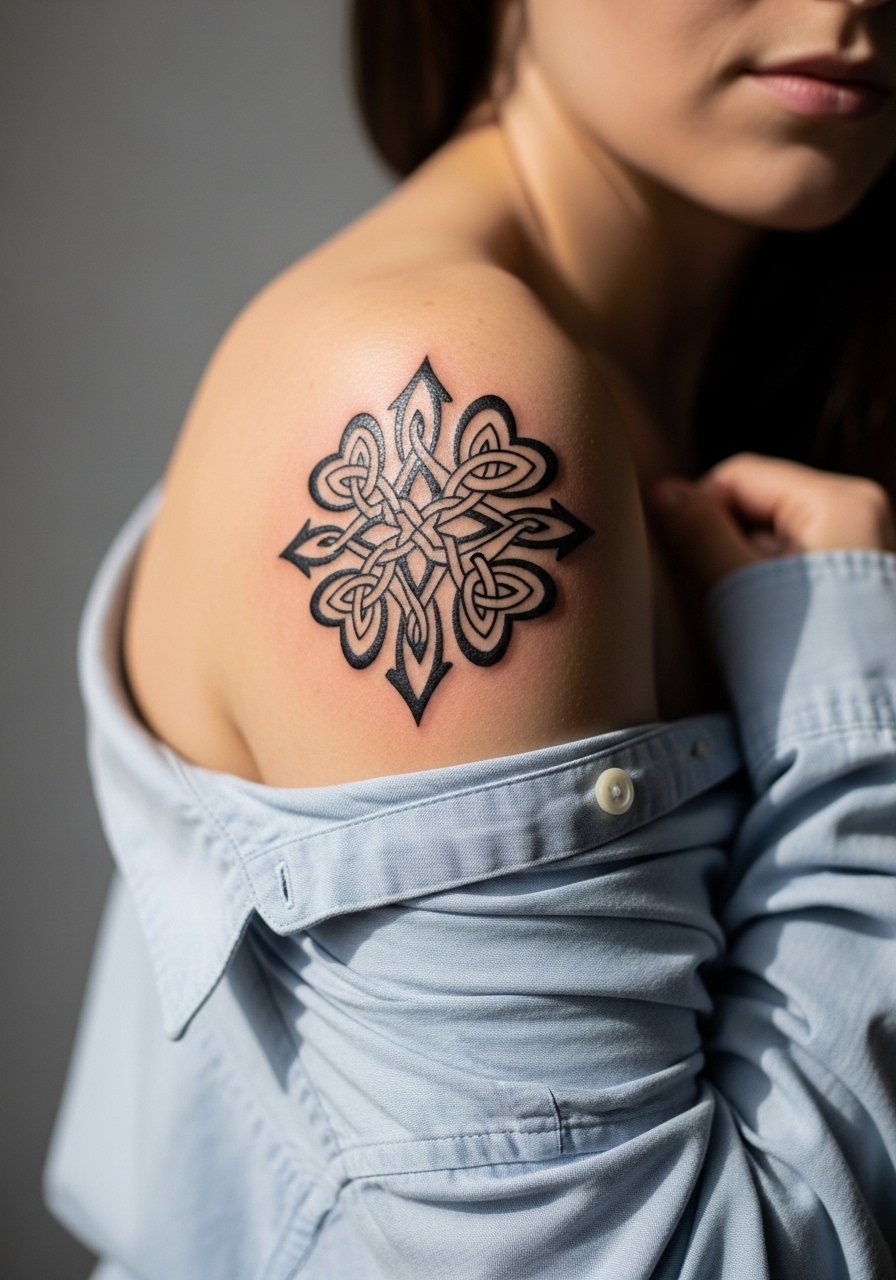
This design brings boldness and cultural flair while standing up well to aging because heavy blackwork saturates. Go in with clear references for the knot structure and ask for solid line weight so the negative spaces and loops stay crisp. Sessions usually run an hour and a half. The shoulder is forgiving for blowout but not immune. A failed version is a knot drawn too tight without space between strands. For showing it off, wear a sleeveless muscle tank or a denim jacket, both let the shoulder design breathe without pinching the healing skin.
5. Fine Line Clover with Stem on the Collarbone

Artists split on fine line here. One camp says collarbone movement and sun exposure blur single-needle lines in two to three years. The other camp argues that with correct needle depth and spacing, it can settle nicely. When you consult, ask which camp your artist is in and request slightly bolder single-needle weight if they lean conservative. Sessions are quick, about 30 to 60 minutes, but the area can be sharp on the pain scale. For session wear, put on a strapless bralette or a wide-neck shirt so the artist can access the collarbone without you pulling at layers.
6. Neo-Traditional Clover with Horseshoe on Outer Thigh

This larger thigh piece is made for collectors who want a mix of color and solid linework. Tell your artist you want a 5-inch layout and colored accents that sit inside bold outlines, that way the saturation holds longer. The session runs two hours or more and pain is moderate to low on the outer thigh. A common mistake is packing too many tiny details into a thigh canvas that could have read cleaner with simplified shapes. For post-session shows, high-waisted shorts or a flowy mini skirt frames the piece while letting color pop.
Studio Day Picks
The wrist, collarbone, and forearm pieces above each need different prep. These five items smooth the session and the first week of healing for small to medium clover work.
- Stencil transfer paper kit. Lets you preview placement on skin so tiny tweaks on the wrist or collarbone happen before a needle touches skin.
- Topical numbing cream. Applied before the appointment it eases sensitivity on the inner bicep and thigh without changing how the artist works.
- Thin protective film roll. Useful for ankle and wrist pieces that see constant washing and friction during the first 48 hours.
- Fragrance-free body wash. Gentle cleansing keeps color and linework stable when showering fresh forearm or shoulder work.
- Aquaphor healing ointment. A thin layer in the first days helps fine line and color pieces stay hydrated while the skin forms a stable scab.
7. Blackwork Geometric Clover on the Calf

I recommend this design for people who want high contrast that shows well on medium and darker tones. The geometric approach needs clear negative space between segments so the blocks do not merge with time. Tell your artist you want saturated fills and wide line spacing. Sessions are typically one hour for a 3-inch piece and pain is moderate. The calf handles saturation well and often needs fewer touch-ups than thin line work. For wearing off-season, roll up slim joggers or pull up rolled cuff joggers to keep the area visible without rubbing.
8. Ornamental Clover Mandala Upper Back

Most ornamental mandalas need scale and spacing to avoid merging detail. For a 6-inch upper back piece, ask for larger dots in stipple work and some open negative rings so the pattern reads at a distance. Sessions take multiple hours split across two visits. The upper back heals predictably, but long sessions can be uncomfortable lying face down. A common mistake is compressing too many tiny motifs into one dense disk. This pattern traces to meditative geometry; opt for respectful variations if you want cultural resonance. When showing it off, open-back tops pair perfectly and keep attention on the mandala.
9. Ignorant Style Shamrock on the Forearm
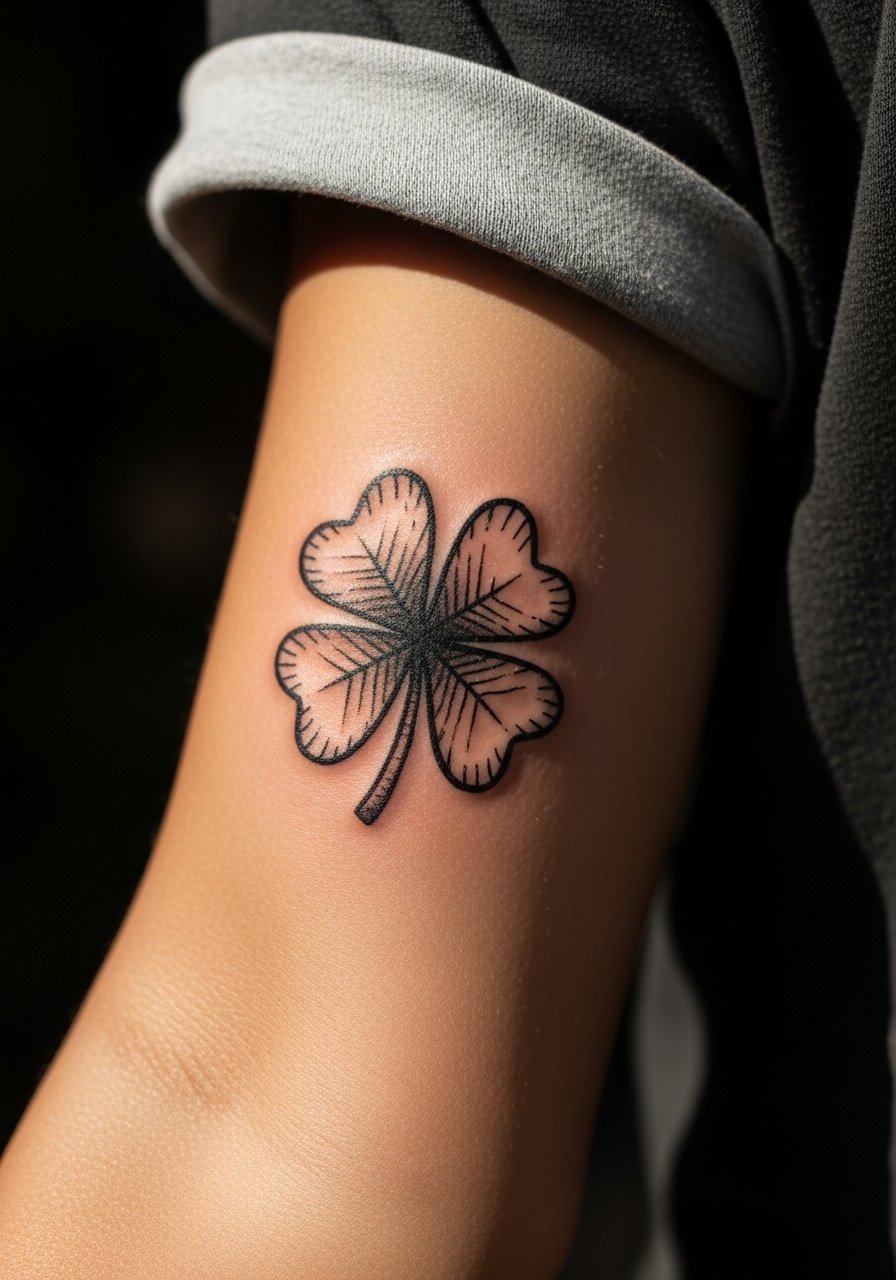
The ignorant style reads intentionally raw and playful. Tell your artist you want uneven, hand-drawn contours and no forced symmetry. The session is short and pain is low on the forearm. Be explicit that you want the rough edges preserved rather than cleaned up into perfect outlines. Aging tends to keep the character because the intent is handmade rather than pristine. For casual outfit pairings, wear a loose short-sleeve button-up or rolled sleeves to frame the forearm without covering the design.
10. Celtic Knot Four-Leaf Clover on the Neck

Neck placements require specific conversation about visibility and career impact. The knotwork here needs clear interlacing and slight spacing to keep strands readable over time. Sessions are short but the area is sensitive, and healing can involve extra scabbing due to movement. Some people choose green and black for contrast, but darker pigments perform more consistently on varied skin tones. Consider where you want the tattoo to sit relative to collars and necklaces. For session wear, use a wide-neck shirt that you can pull aside so the artist has clean access without exposing more than necessary.
11. Stem Wrapping Finger Clover
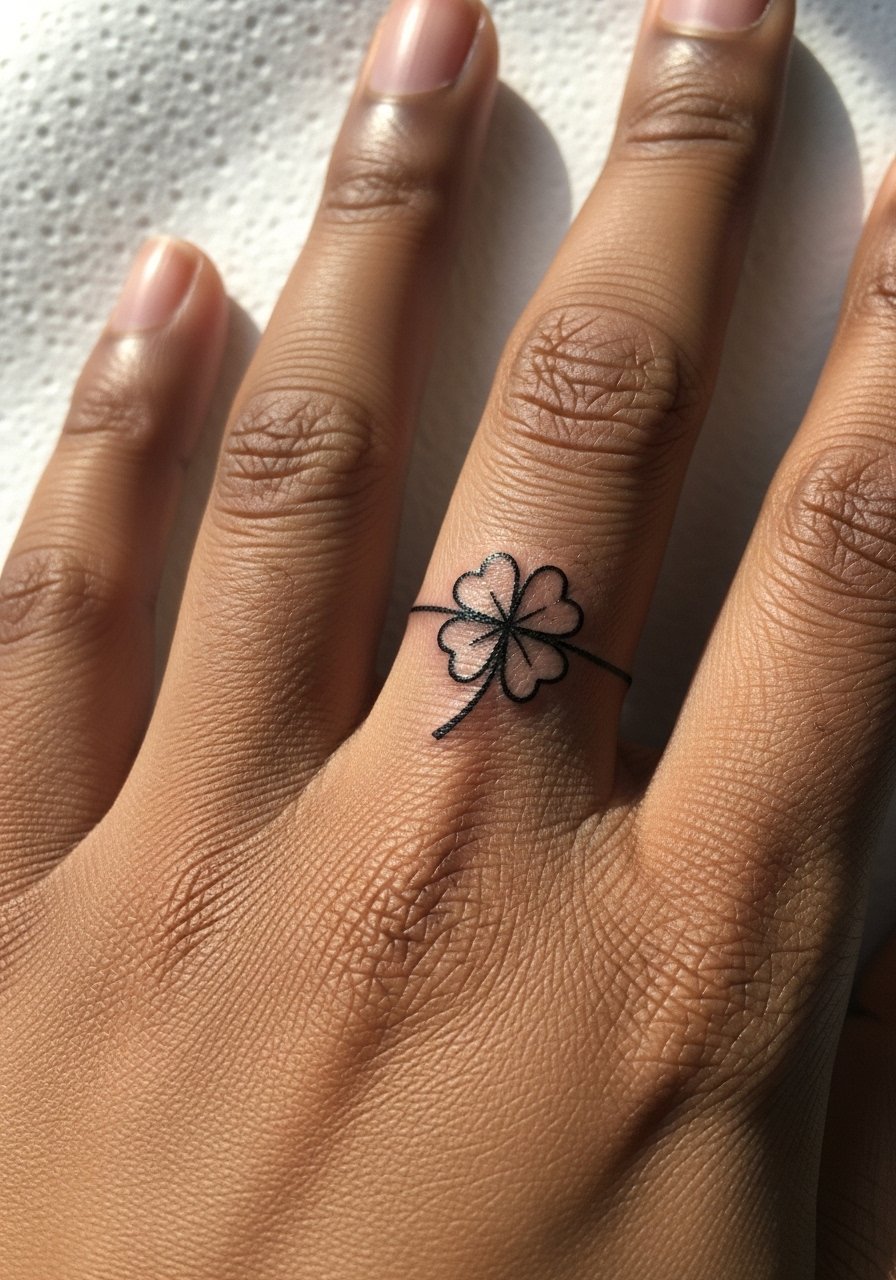
Finger work looks charming but demands sacrifice on longevity. The skin there is thin and hands see constant washing, which wears away delicate lines. If you want a stem that wraps, request bold enough linework to survive daily use and accept touch-ups will be part of the plan. Sessions are short but the pain can sting near joints. A common mistake is choosing micro lettering or hairline stems that disappear within a year. If you rely on the piece remaining crisp, consider placement near the base of the finger rather than the knuckle.
12. Micro-Realism Clover Behind the Ear
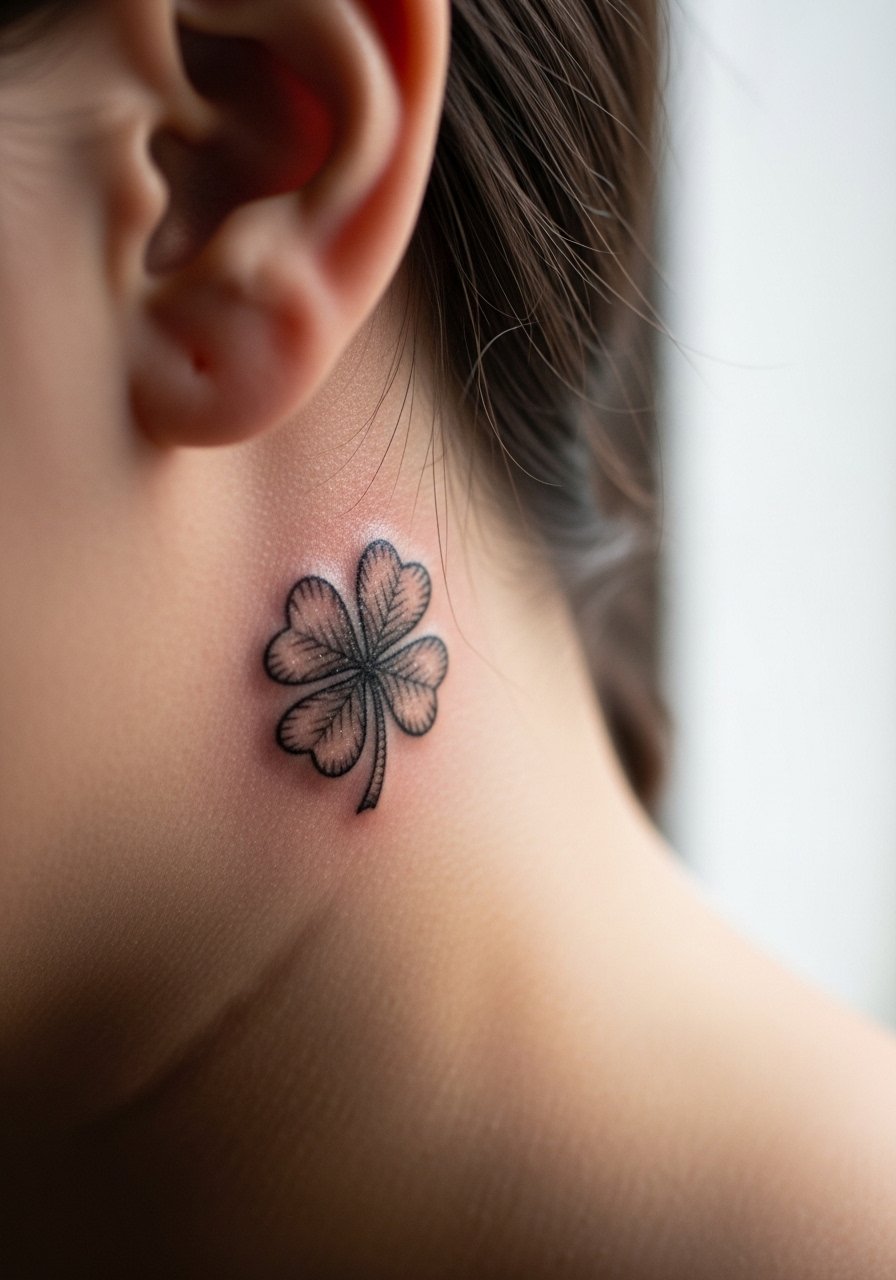
Behind-the-ear placements require careful framing. Ask for it to sit below the hairline so it can be covered when needed, and request minimal size that still allows dew-drop highlights. The area is sensitive but sessions are very short. A key mistake is placing the design too small against complex skin textures, which makes micro detail unreadable. For a discoverable portfolio or to find reference images, hashtags like #CloverInk on Instagram and Reddit r/tattoos show how similar placements age.
13. Geometric Clover Chest Accent Near Collarbone

Chest placement combines visibility with sun exposure, so solid black geometric clovers do better in the long run than faint green fills. Tell the artist you want crisp angles and a buffer of skin around each geometric cell. Sessions typically run under two hours and pain is moderate near bone. The common aging issue is over-detailing small compartments that later merge. For outfits that showcase it cleanly without overexposing healing skin, off-shoulder tops or v-neck silk blouses provide flattering frames.
14. Tiny Ankle Clover Watercolor Accent

Ankle watercolor pieces read delicate and breezy, ideal for seasonal show-off. The trade-off is that color washes on ankles see significant abrasion from shoes and socks. Ask for a concentrated green center with surrounding soft wash and plan a touch-up at 12 months if you live in a high-friction area. Session time is short and pain is variable depending on proximity to bone. For summer styling, wear strappy flat sandals or cropped jeans so the ankle color can breathe in photos and in sunlight.
15. Ornamental Four-Leaf Clover Sleeve Accent, Upper Arm
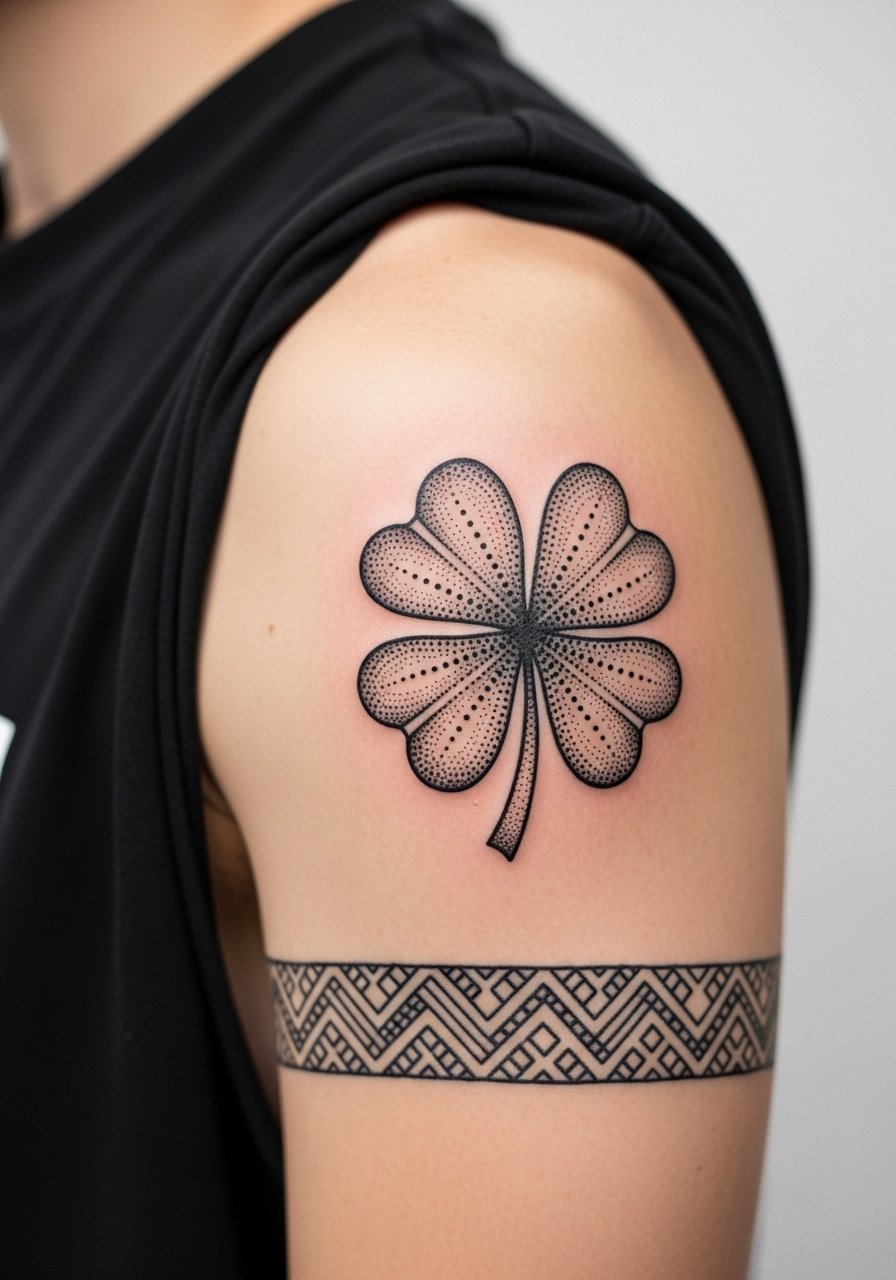
When adding a clover to an existing sleeve, scale and negative space are everything. Lead with a consultation showing the sleeve flow and ask how the clover will sit among existing elements. Sessions vary based on integration work and soreness is typical after long visits. A common mistake is forcing the clover into a tight spot where it competes with neighboring pieces. For showing the upper arm, a sleeveless tee or open button shirt highlights the motif without clutter.
16. Black & Gray Clover on Lower Back

Lower back placement gives a canvas for symmetry and scale while staying easy to hide. Ask for balanced shading and a slightly open center so stipple work does not densify over time. Sessions can be relaxed but expect some discomfort if lying curled. A mistake I see is squeezing fine concentric detail into a tiny lower back piece. This area is good for a subtle statement that moves with clothing choices. For session day, a loose tank top is the easiest to wear and remove without irritating the site.
17. Geometric Clover Rib Accent

Rib work is unforgiving on technique and on client endurance. Artists disagree on fine line here. One camp warns that constant breathing and skin stretch will blur hairline work. The other camp says proper spacing and controlled needle depth resolve most issues. Be explicit in your consult about spacing and ask for a test stencil while standing and while lying down. Sessions are painful for many but brief for small accents. If you plan to show it off, think about open-back or cropped tops that reveal the side silhouette without tugging at healing skin.
Frequently Asked Questions
Q: Will a fine line clover on my wrist need touch-ups more often than a blackwork clover?
A: In my experience, yes, fine line wrist pieces typically need touch-ups sooner. The wrist sees a lot of movement and washing, which thins single-needle lines. If you want longevity without frequent touch-ups, ask for slightly stronger line weight or a micro-blackwork version.
Q: Do watercolor clovers fade faster on darker skin tones?
A: Color saturation can read differently across skin tones, which sometimes makes greens look less vibrant in photos. Many artists will recommend deeper greens or small black outlines to preserve contrast. If color vibrancy is crucial, request healed mockups or ink tests on similar skin tones when possible.
Q: How should I dress to get a thigh or outer leg clover done comfortably?
A: Wear loose shorts or a skirt you can shift easily so the artist can work without fabric tugging. I recommend high-waisted denim shorts for sessions and for showing the tattoo, which frame the outer thigh nicely. Search for high waist denim shorts when preparing your session wardrobe.
Q: Are neck clovers risky for workplace visibility?
A: Neck tattoos are very visible and can influence hiring in certain fields. If you might need discretion, place the design below the hairline or keep it small and easily covered by collars. Discuss visibility and future career plans with the artist during the consult.
Q: How do I find portfolios that match the micro-realism or blackwork styles shown here?
A: Search targeted hashtags like #MinimalistClover, #BlackworkClover, or #MicroRealism on Instagram and TikTok. Use Tattoodo and Booksy filters for style keywords, and check Reddit r/tattoos for healing photos that show real-life longevity.