Fine line is trending on every inspiration board, and behind-the-ear placement is the quiet proof that small work can read bold. The trick is matching the abstract idea to the skin there, not just shrinking a larger piece and hoping for the best. Below are 21 compact abstract concepts that respect the contours behind the ear and include what to ask for, how they age, and small wardrobe moves that actually make the design sing.
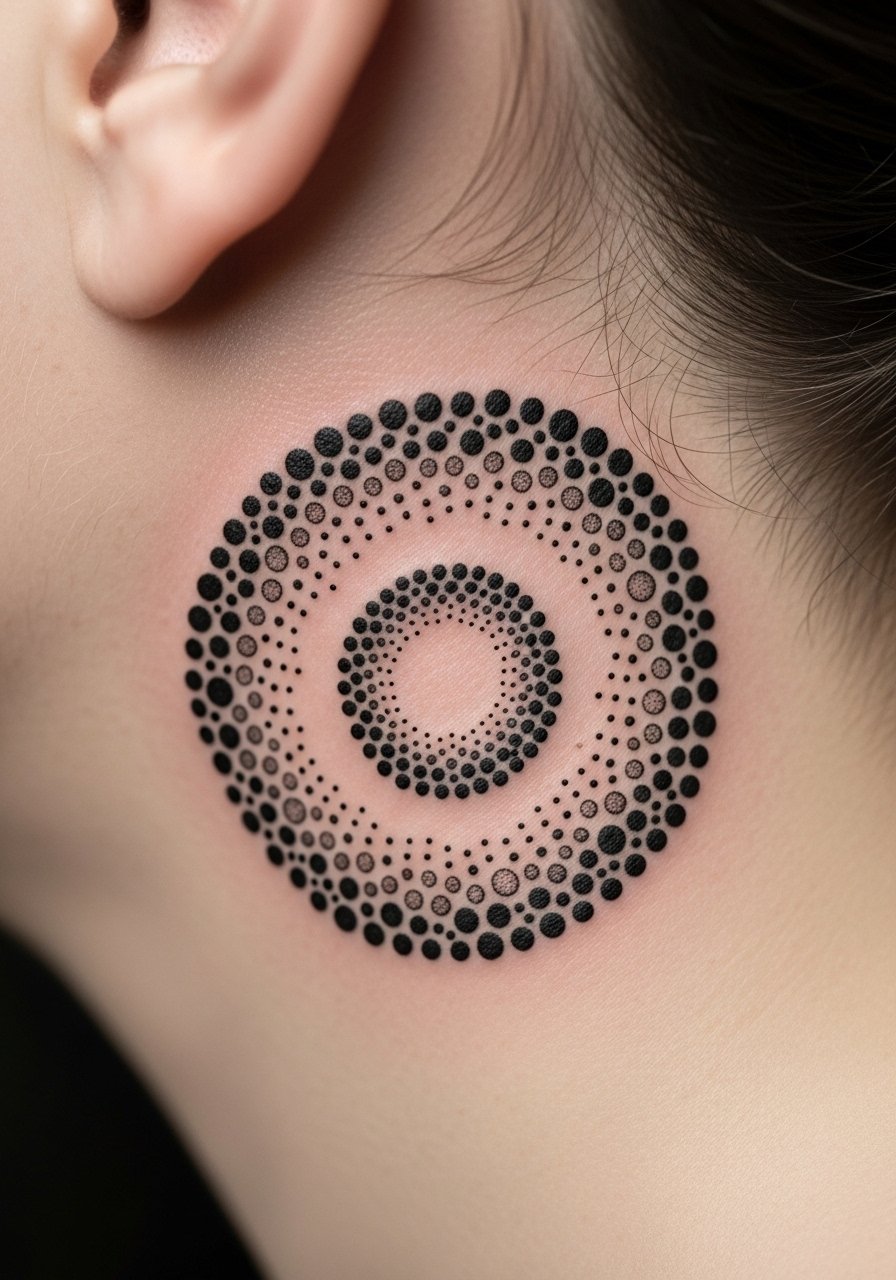
1. Tiny Spiral Dot Work Cluster
A compact spiral made from tiny dots reads like texture rather than a symbol. Ask your artist for stipple shading with varied spacing so the spiral keeps form as it settles. Pain is low but expect a tingly spot where the skin is thin. At six months the dots are crisp, at two years they soften into tone. A common mistake is requesting dots too close together, which can merge over time. For the session, pull hair back with a simple clip so the artist has a clean line of sight.
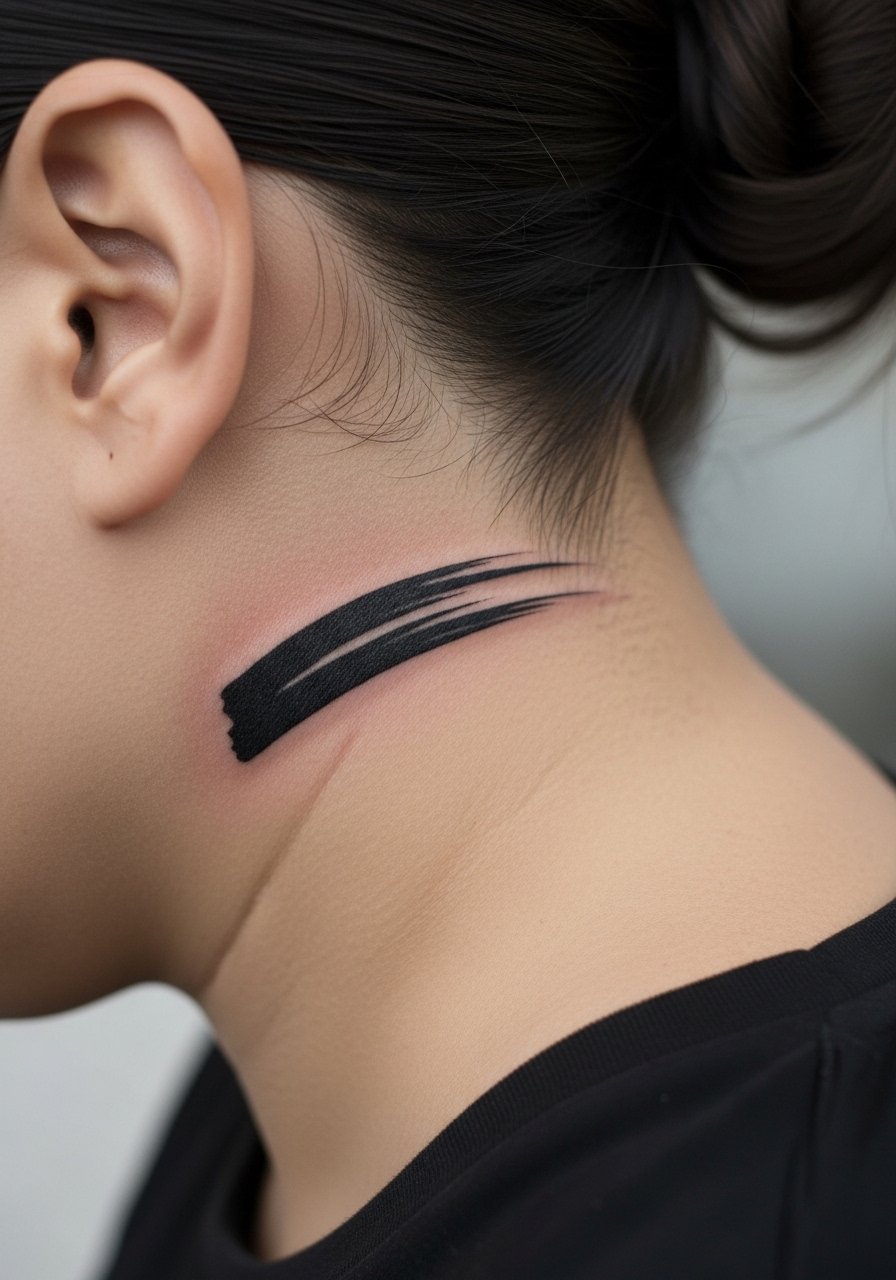
2. Abstract Brushstroke Sweep
A single sweeping brushstroke in black ink follows the curve behind the ear and reads bold despite small scale. In consultation, show movement-focused references so the artist plans where the stroke should start and stop to flatter your skull shape. This ages well when the stroke is slightly thicker in the center and tapers at the ends. The main risk is going too thin at the tips. Session feels fast and focused, mostly light passes. Pair this with simple studs or a delicate hoop earring for nights out that tuck hair behind the ear.
3. Minimalist Wave Lines
Two or three parallel wave lines can suggest movement and sound without literal imagery. Tell your artist you want even negative space between lines so they do not fuse as the ink spreads. Expect brief sensitivity under the hairline and a ten to twenty minute session. At year two the waves soften but still read as rhythm if the spacing was generous from the start. A common error is asking for hairline-thin waves that disappear by year three. If you work in conservative settings, remember this placement is easy to cover with hair.

4. Micro Geometric Fragment
A tiny, off-center geometric shape made of triangles and short lines creates an architectural feel. For longevity ask for slightly heavier linework in the angles so the corners hold. Pain is low but the curved canvas makes stencil placement tricky. The design looks sharp at six months and may need a small touch-up by year three if you choose very fine lines. During the session wear a loose button-down shirt so you can lower the collar without tugging at the hairline. A styling note is that cropped hair or a tucked-back ear highlights the geometry.

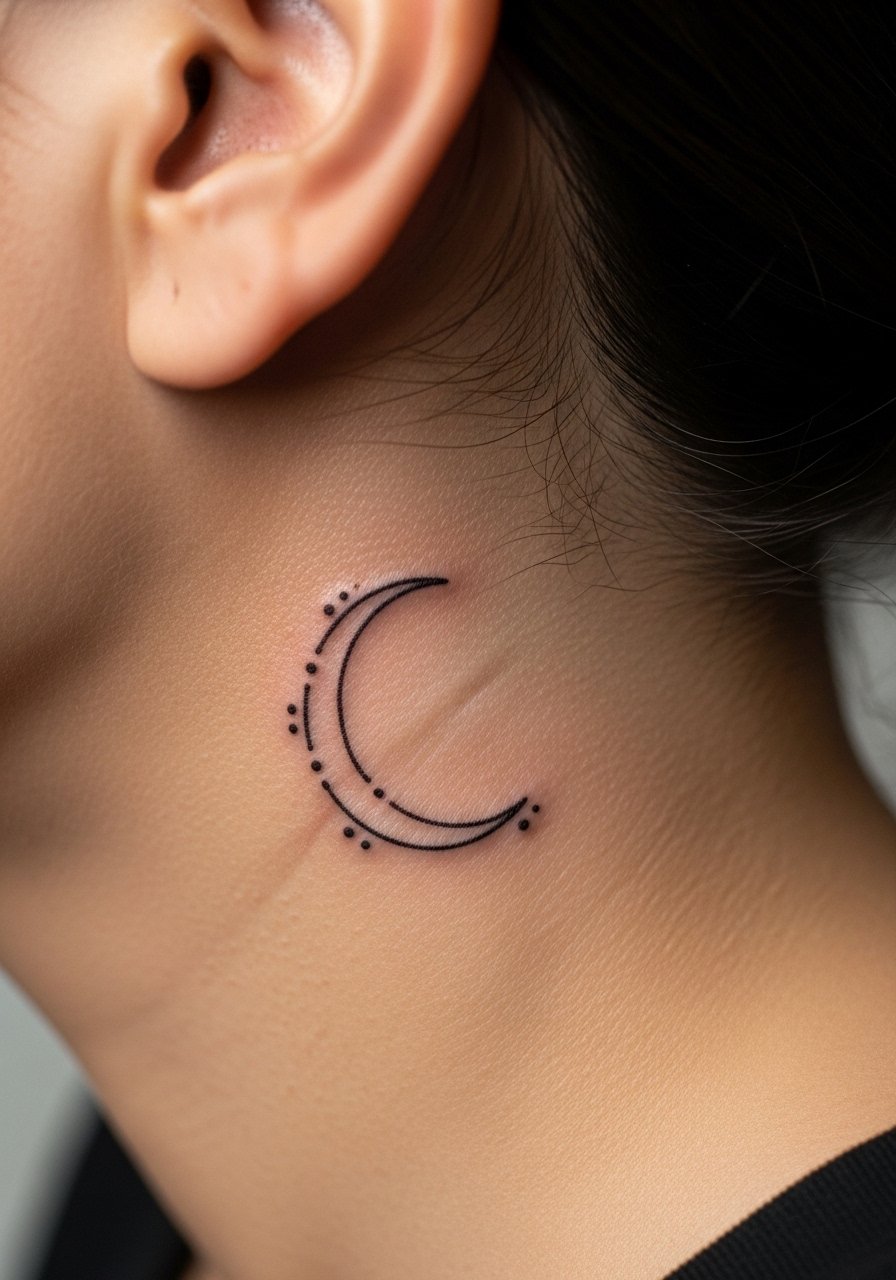
5. Abstract Crescent and Dots
A thin crescent with an offset row of dots reads modern and soft. Ask for a slightly thicker crescent body near the middle so it does not thin away as it heals. This placement is forgiving for small pieces but be mindful of blowout risk when lines curve tightly. The session is brief and sits at a pain level most people call mild. The crescent keeps its silhouette at two years with minor softening. For showing off, pair it with a thin chain pendant necklace that sits at the jawline so attention moves between the necklace and the tattoo.
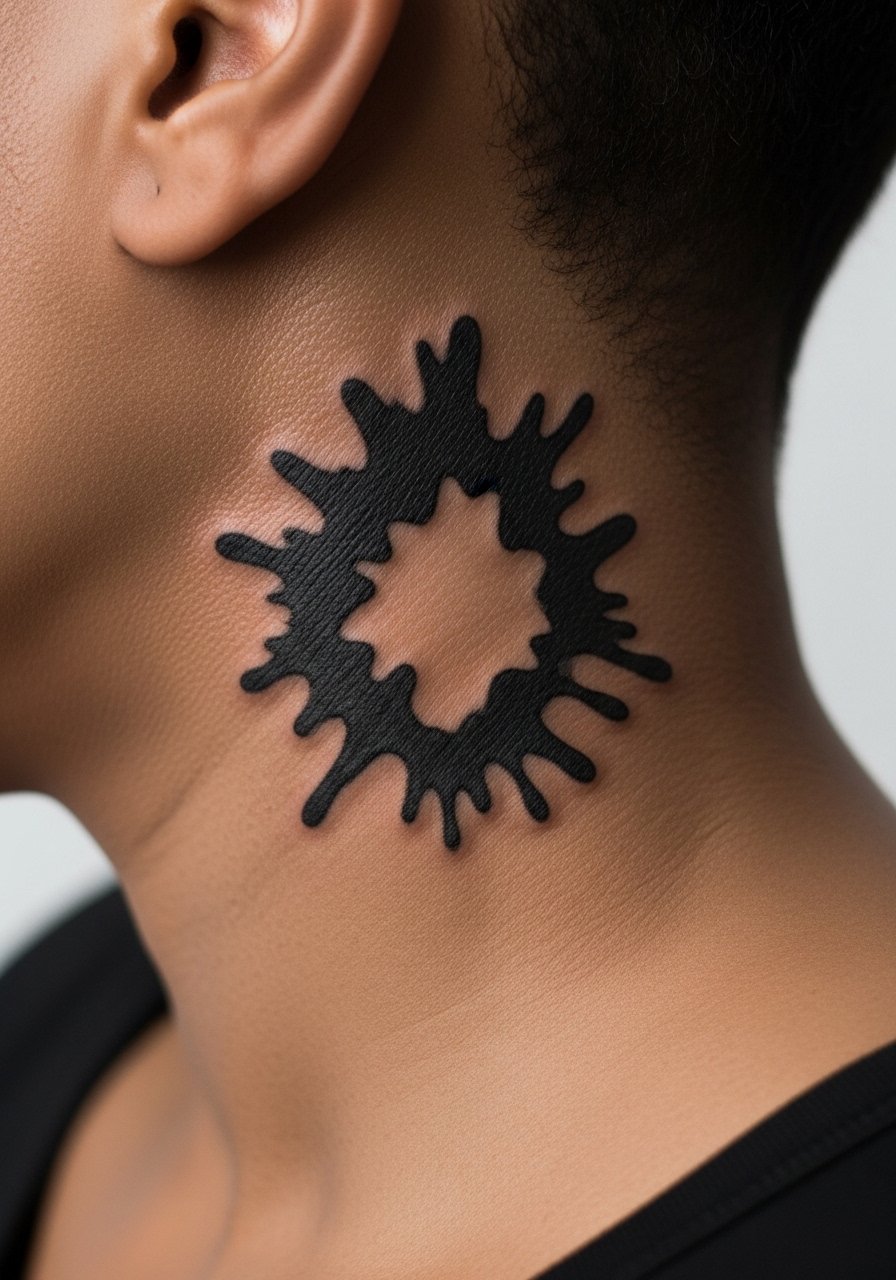
6. Ink Blot Negative Space
A small ink blot that relies on negative space creates organic contrast with hair texture. During consultation request the blot be asymmetric so it reads intentional and not like a mistake. This style hides slight irregularities because the edges are meant to be raw. The session can be slightly more sensitive where ink pools near the hairline. Over time the blot develops soft edges, which is part of the appeal. For appointment comfort, wear a racerback tank top so you can lift hair and avoid tugging.
Studio Day Picks
The first six ideas above involve tight linework and proximity to hair, so a few studio day items make the session smoother and protect the initial healing.
- Stencil transfer paper kit. Lets you preview placement on the curved skin behind the ear before the needle starts, which matters for small abstract shapes.
- Topical numbing cream. Applied as advised, it reduces jumpy reactions on sensitive patches near the hairline without altering how the artist works.
- Thin protective film roll. Keeps the area clean when hair rubs against the fresh ink during the first day of healing.
- Fragrance-free gentle body wash. Cleans the spot without irritating fine line work as you shower.
- Aquaphor healing ointment. A thin initial layer helps lock in moisture for the tight linework common to these abstract behind-the-ear pieces.
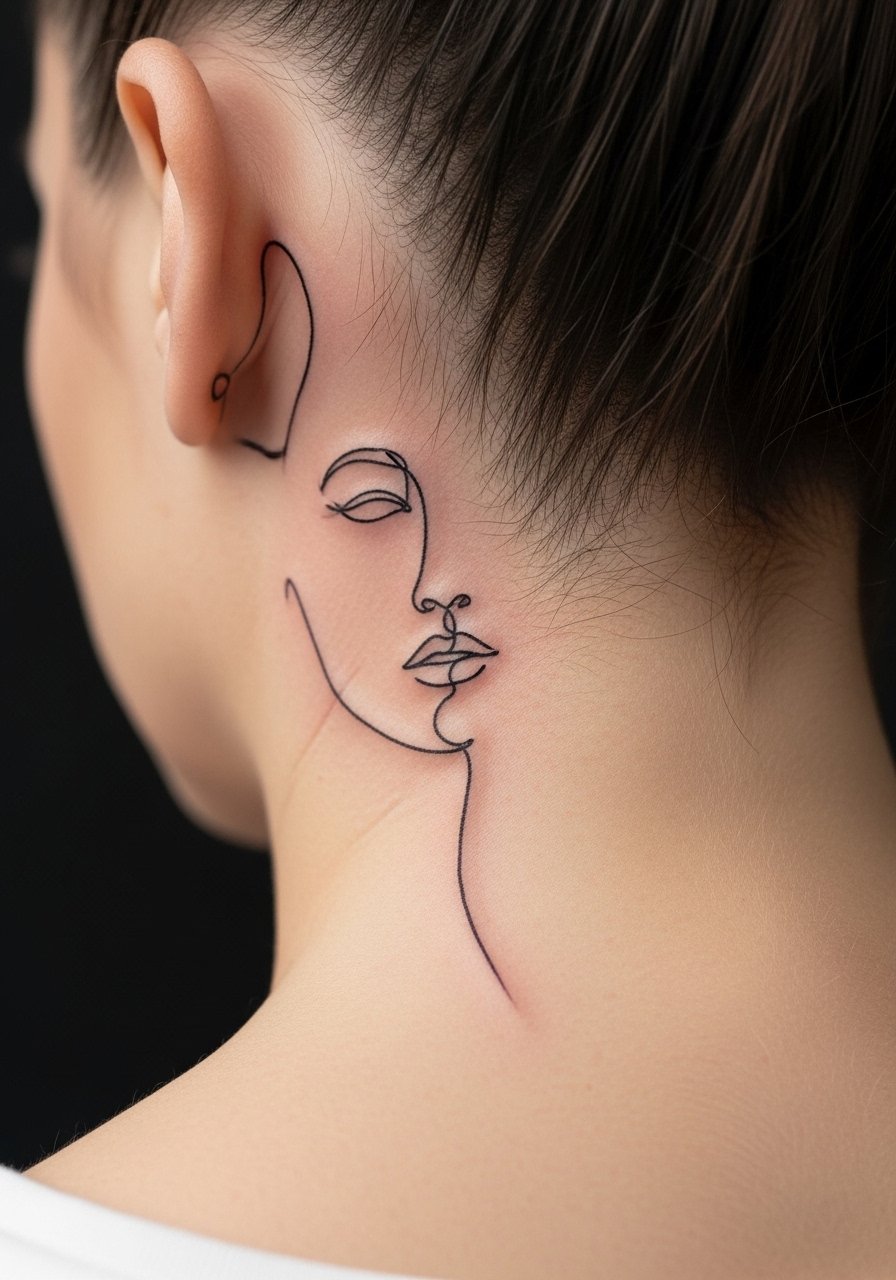
7. Continuous Line Face Silhouette
A tiny continuous line that hints at a face uses single-needle flow. Tell the artist you want deliberate single-pass linework and not a speed-stitched effect. That keeps the silhouette readable as the ink settles. Fine single lines age faster, so expect a touch-up window around year three. The session is short and the pain is minimal. For a quick reveal, style hair into a low bun and use a hair claw clip to keep strands off the tattoo. This kind of abstract pairs well with small, simple earrings.
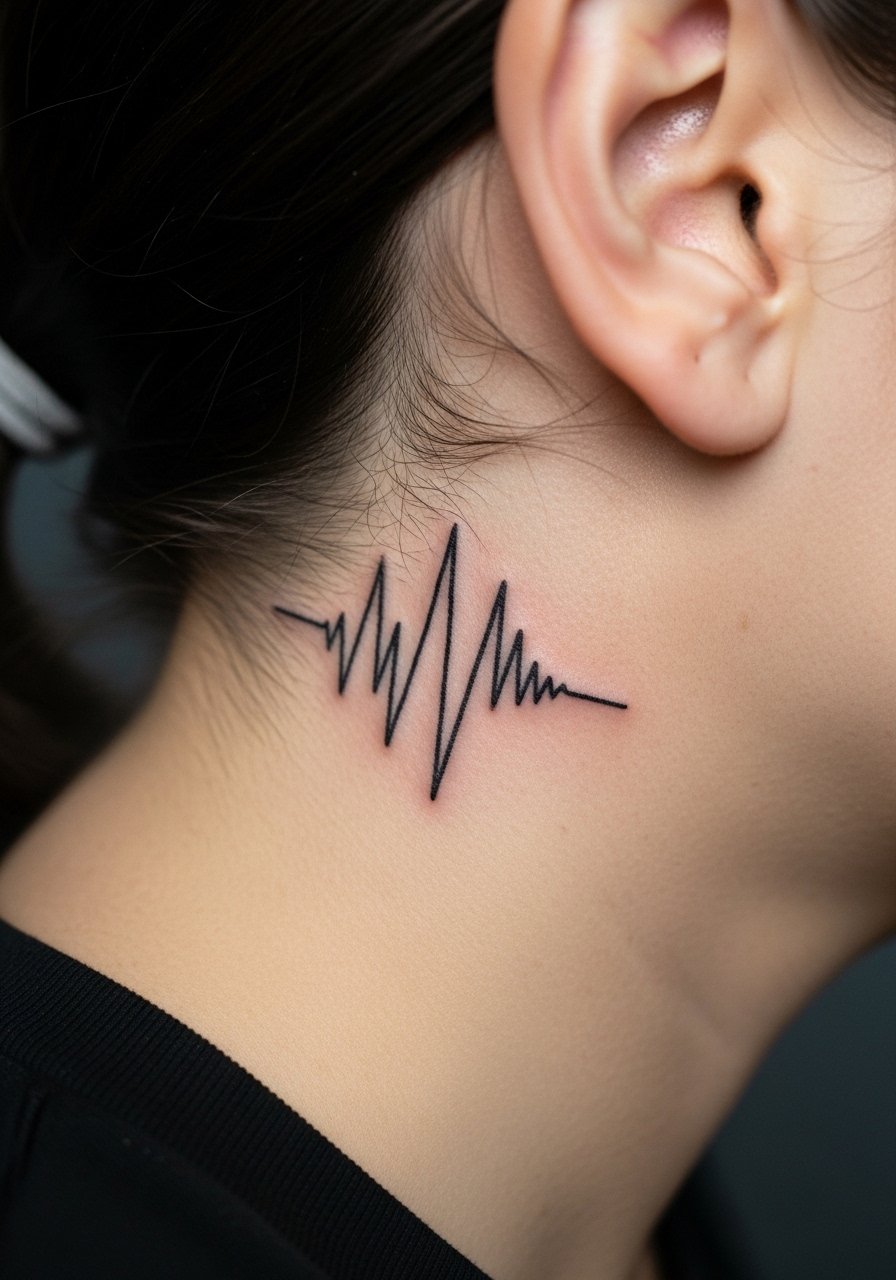
8. Soundwave Fragment
Turn a short audio clip into an abstract soundwave slice that fits snugly behind the ear. Ask for the exact waveform to be simplified so the peaks do not become micro-blowouts. Expect the session to be about twenty minutes. The design reads clearly at six months if spacing is adequate. A controversy here is whether such tiny waveform lines hold up. One camp says any highly detailed tiny line blurs quickly. The other camp argues that strategic spacing and slightly heavier peaks keep the image intact. Ask your artist which approach they prefer.
9. Constellation Smudge
A constellation built from micro dots and a faint smudge of color suggests space without literal stars. For longevity, request durable black anchor dots with the smudge kept as light wash so it fades gracefully. The session feels like multiple tiny pinpricks in a small area. At two years the black anchors remain and the wash softens, which often improves the piece. For showing it off, tuck hair behind the ear and add a small delicate stud earring. That pairing keeps attention on the constellation.

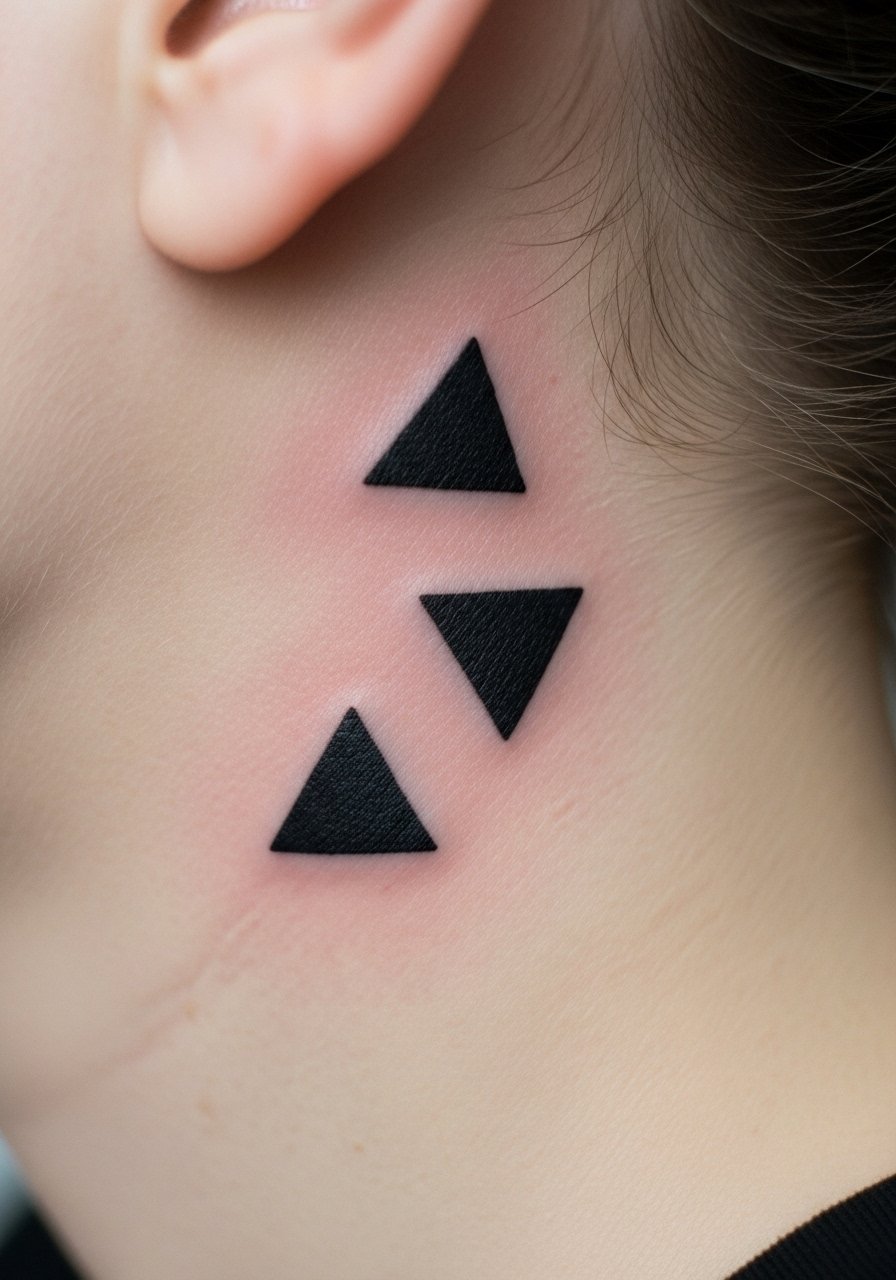
10. Asymmetric Triangle Cluster
A trio of tiny asymmetric triangles placed to follow the skull curve reads modern and almost architectural. Tell the artist you want the triangles at slightly different angles so they read deliberate and not like a stencil repeating. The pain level is low and session time is short. The main aging issue is corner rounding if triangles are too small. Ask for a slightly thicker outline on the outer triangle so the cluster keeps its rhythm. For the session wear a shirt with a wide neck you can pull aside without disturbing your hair.
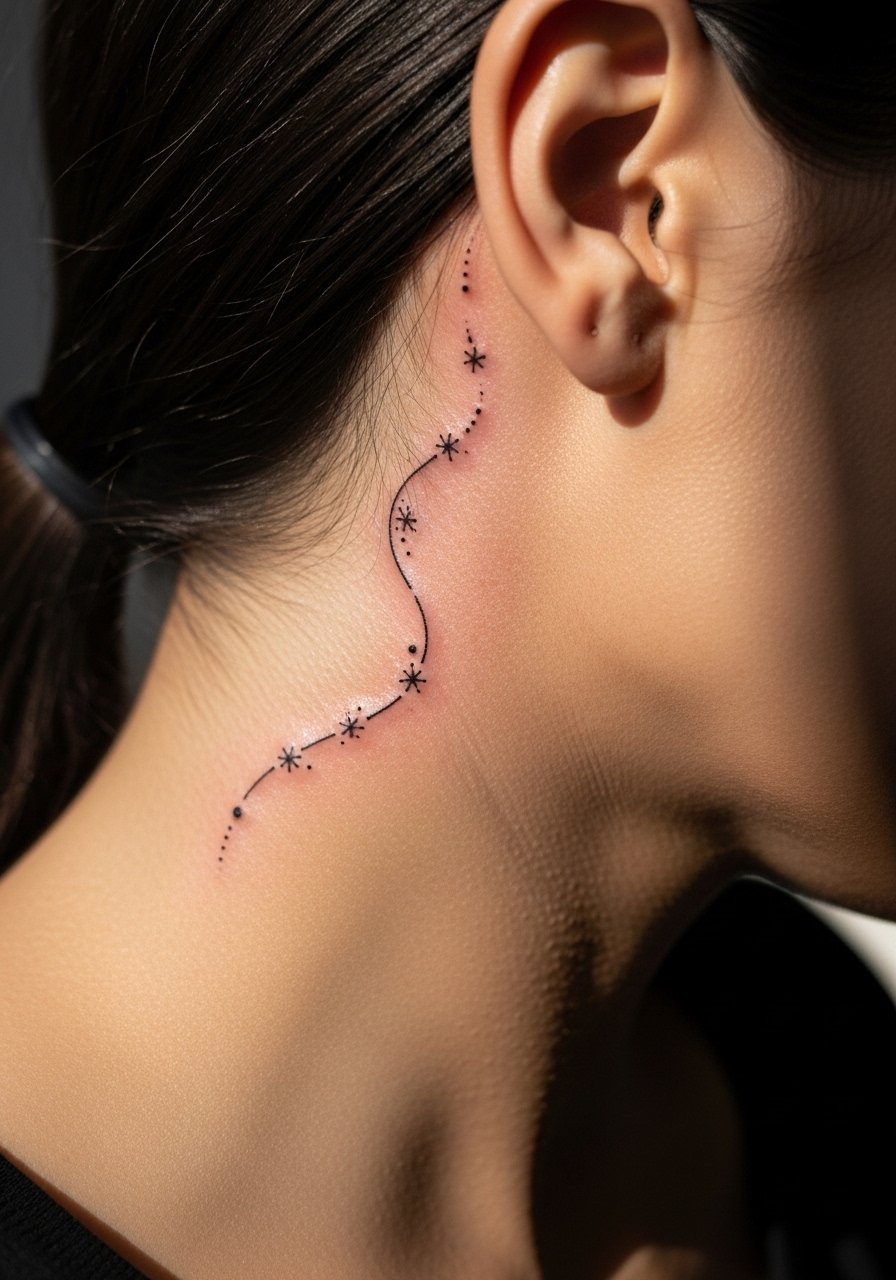
11. Abstract S-curve with Tiny Stars
A soft S-curve threaded with microscopic star dots creates a faint narrative line. During the consult, specify star size and whether you want them as filled dots or open outlines. Filled dots hold longer on thin skin. Expect slight twinges around the hairline. At one year the S-curve reads softer but still clear if the spacing is generous. Styling wise, pair with a fine ear cuff to draw gentle contrast between metal and ink. This design suits someone who wants subtle flair close to their hairline.
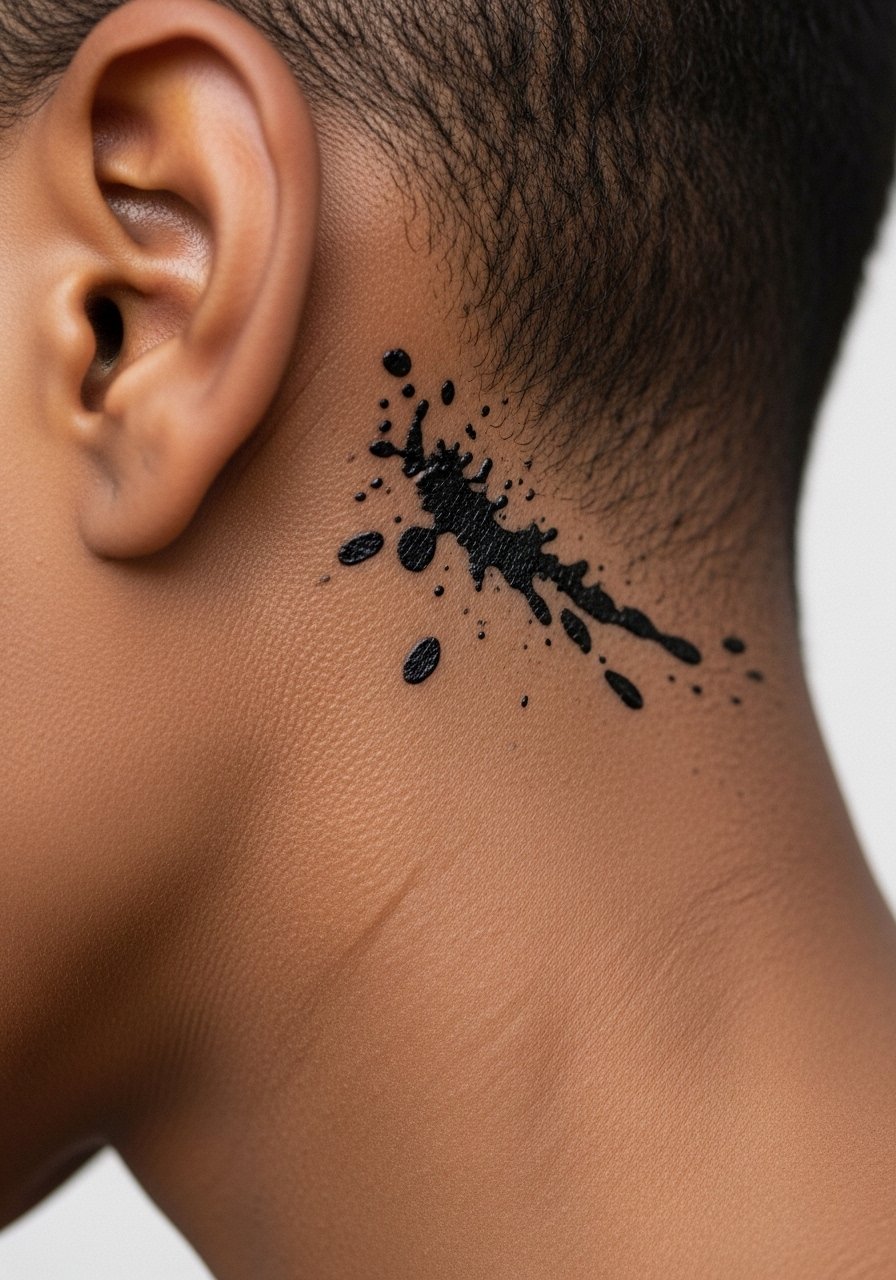
12. Splatter Ink Accent
A controlled splatter effect gives an abstract, painterly edge in a compact footprint. Tell the artist you want the splatter balanced so it does not reach into hair follicles. This keeps healing straightforward and reduces scab risk. The session can feel scratchy where the needle layers create texture. Over time the splatter fills and softens, which is usually desirable. A mistake I see is asking for full saturation in splatter areas that end up looking like a blob. Keep it airy for longevity.
13. Tiny Mandala Fragment
A sliver of mandala that uses repeat dots and tiny petals creates a mandala hint without cultural overreach. A respectful approach is to abstract the motif and avoid direct sacred symbols. Ask for simplified petal shapes and open centers so the pattern keeps separation as it ages. The session is detail-focused and may require precise stencil placement. At two years the tiny petals can blur if placed too densely. For evenings out, pair with a thin chain choker that frames the jawline and makes the fragment peek through hair.

14. Linear Sound of a Name
A single line that visually encodes a name or word using abstract peaks can be personal without being literal. When you bring this in, provide the exact text or waveform so the artist can vectorize it correctly. Tiny script-like peaks risk merging, so request simplified peaks with clear negative space. The session feels like tight linework and may be slightly sharper near the cartilage. Over time the peaks soften, so plan for a touch-up if you want crispness at five years.

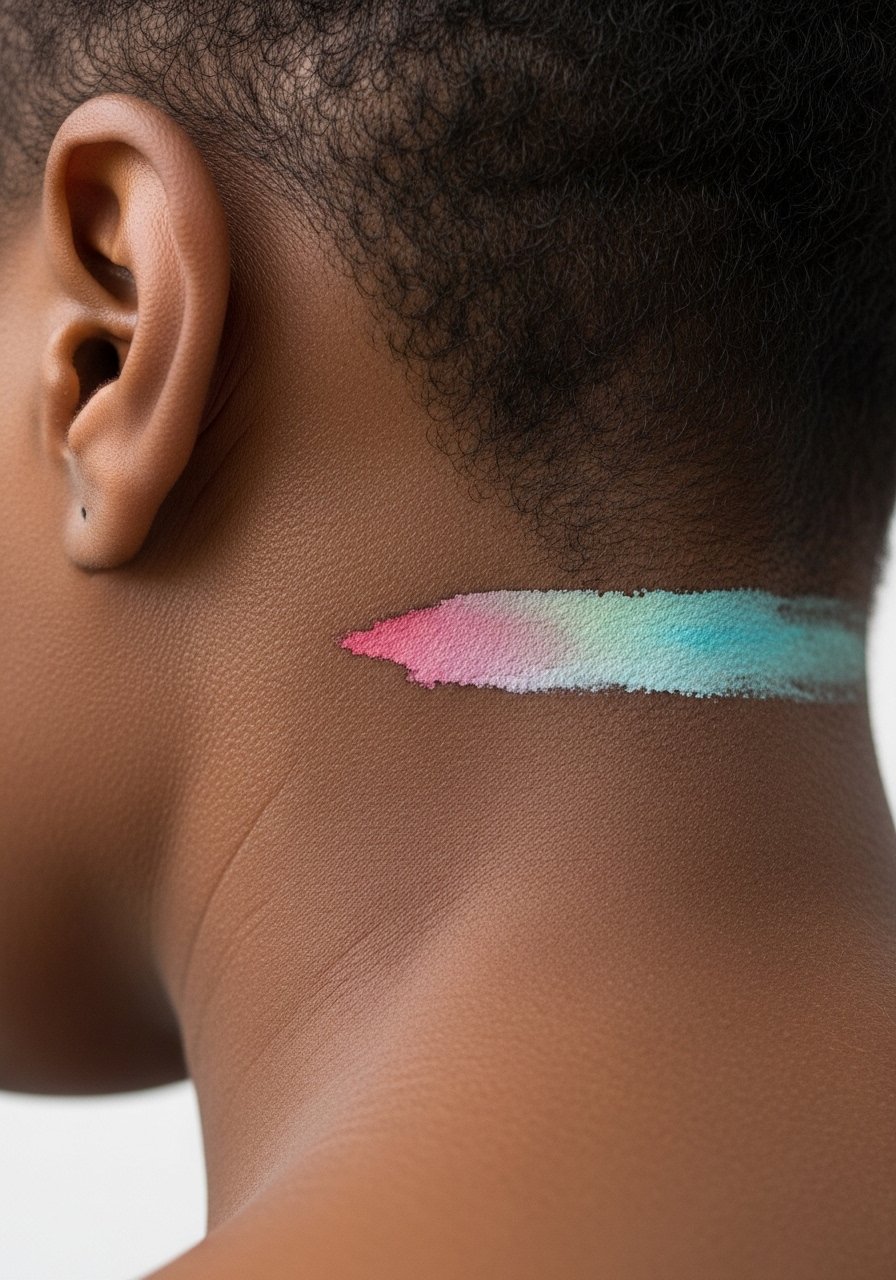
15. Brushstroke Color Accent
A narrow color wash like a watercolor stripe adds a subtle pop behind the ear. Ask for diluted pigment and a stencil to guide placement so color does not bleed into the hairline. This kind of color will fade faster than black. Expect a light, tender session where your artist layers the wash. At one year the color should be soft and ethereal if applied sparingly. For showing it off, tuck hair and add a small gold stud earring to complement the hue. This is best for people willing to touch up color down the line.
16. Negative Space Crescent Split
Work with the skin tone by asking for a crescent defined by negative space framed with thin lines. The technique reduces pigment density near the hairline and therefore lowers scabbing. The session is short and mostly about careful stencil placement. Over time the negative space approach can look cleaner than filled tattoos because it relies on contrast rather than saturation. A typical mistake is overworking the framing lines, which then look harsh. If you want a quick session outfit, a loose tank top lets you lift hair and keep shoulders relaxed.

17. Tiny Abstract Animal Silhouette
A minimalist silhouette like a tiny bird or fox reduced to a single shape fits neatly behind the ear. Ask your artist to reduce details so the silhouette reads at a distance and does not depend on tiny interior lines. The session is quick and low pain. A common error is insisting on interior features that become indistinct within a year. For an easy reveal, pair it with a small hoop earring that sits near the tattoo and keeps the motif visible when hair is tucked.

18. Broken Line Segment
Short broken lines placed in a stagger echo create rhythm and negative space interplay. During consultation say you want varied gap sizes so the eye reads the pattern and not a fault. The placement is forgiving but avoid razor-thin segments that vanish with time. This style ages well when gaps are deliberate. The session feels brief and repetitive. For a clean session, wear a zip-up hoodie you can pull aside without disturbing hair or the area.
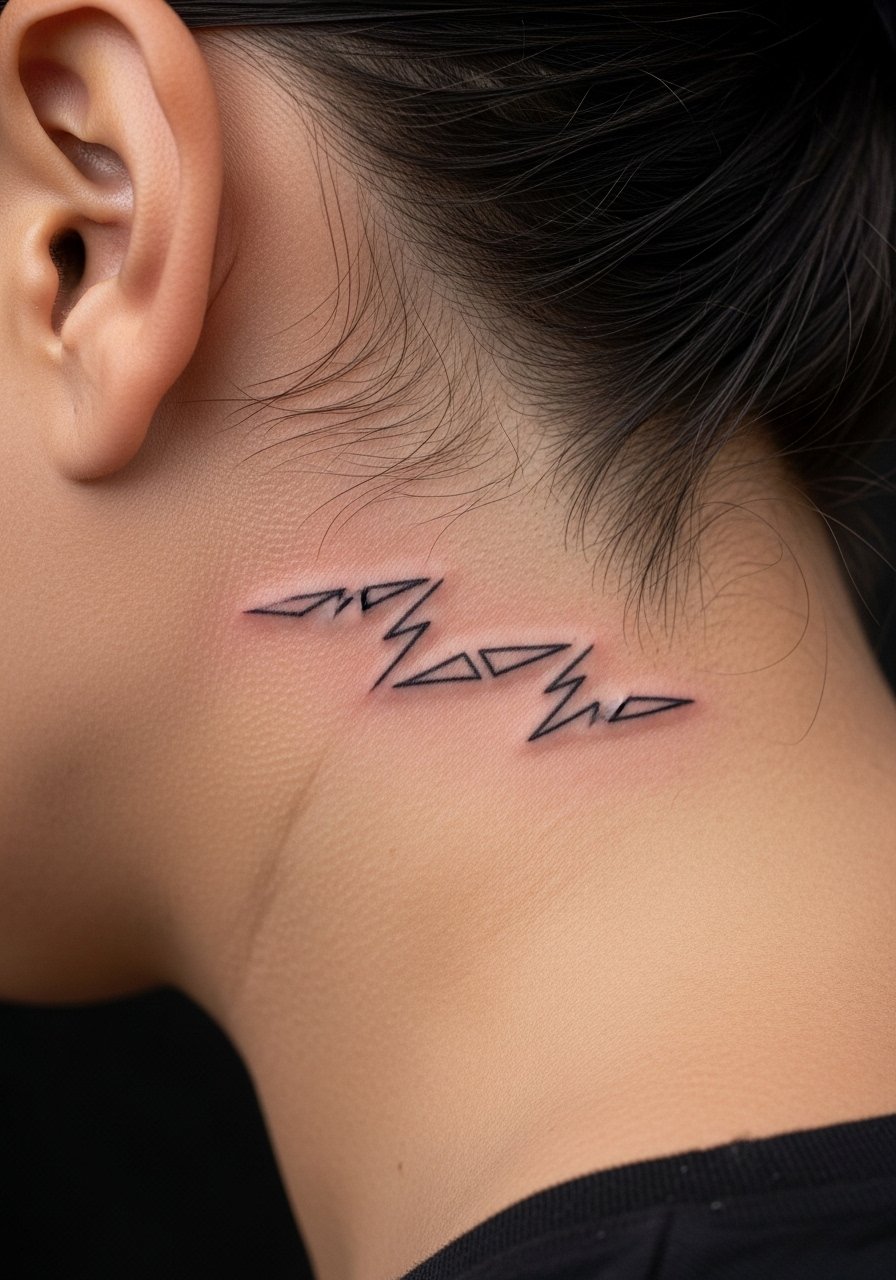
19. Micro Abstract Face Mark
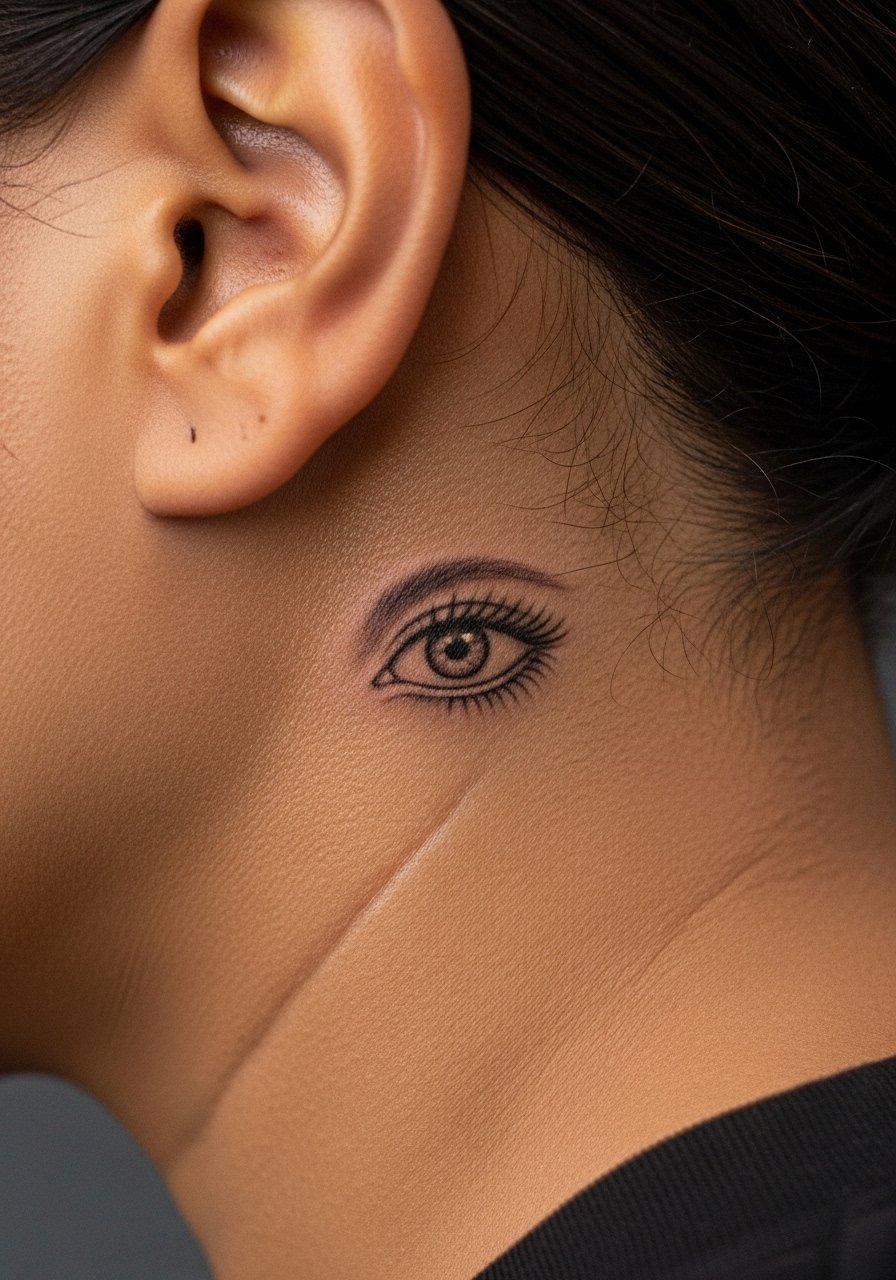
A tiny abstract mark that hints at an eye or brow invites interpretation without literal portraiture. Ask for single-needle precision and a reference that shows how bold you want the mark. The contour of the skull can make symmetric placement tricky so watch the stencil placement. This design usually needs a touch-up by year three if lines are very fine. Pair it with a minimal stud earring when you want the detail to peek through short hair.
20. Asymmetrical Line Knot
Interlocking thin lines that form a tiny knot shape produce a tactile, almost woven look. Tell your artist you want each intersection to have deliberate space so ink does not pool at the joins. This placement reads well for people with short hair or those who like to tuck the ear. The session is short but requires steady hands. Expect subtle softening at the joins by year two. For appointments, wear a zip-front top that keeps your neck free and your hair unpinned without stretching.

21. Single Period Dot
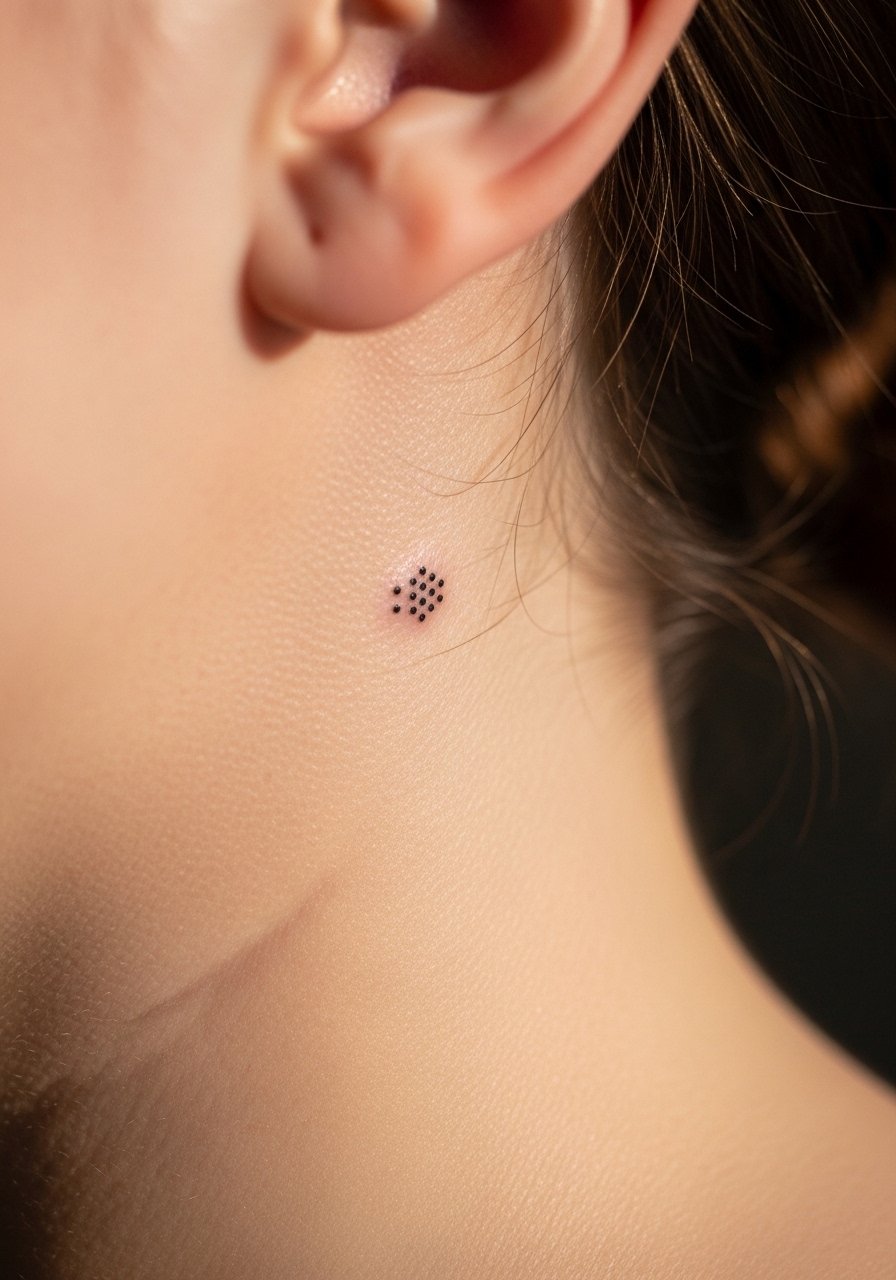
A single, perfectly placed period dot behind the ear is minimal to the point of being a statement. Ask your artist for a slightly denser dot than you think you need because tiny dots can disappear. The session is over in a few minutes and pain is minimal. This is where the controversy about fine line longevity shows up. One camp says micro single dots are a risky bet for long-term clarity. The other camp says correct depth and a bold initial dot keep it legible. If this feels important, plan for a small touch-up window. For styling, a small gold hoop makes the area pop when you tuck hair behind the ear.
Frequently Asked Questions
Q: Will fine line abstract work behind the ear blur faster than other placements?
A: Fine line pieces do tend to blur sooner when placed on thin, mobile skin like behind the ear. From what I have seen the single biggest factors are line spacing and initial needle depth. Ask your artist to leave more negative space and to plan slightly heavier anchor points so the design reads longer.
Q: How should I prepare my hair and clothes for a behind-the-ear session?
A: Pull hair up into a secure clip or bun and wear clothing that lets you lift the collar or pull hair away without tugging. A loose button-down shirt or zip-up top works well. Avoid oils or heavy products in your hair the day of the session.
Q: Do color washes behind the ear need special touch-ups?
A: Yes. Color there fades faster than black because of thinner skin and more sun exposure if you tuck hair. Ask for diluted pigment and expect a color refresh maybe every two to four years depending on how much you want it to remain vivid.
Q: Can I get a behind-the-ear abstract if I work in conservative industries?
A: Many people choose behind-the-ear for its balance of visibility and concealability. It is easy to hide with hair down or a scarf for meetings, and to reveal when you want. Consider hair length and workplace dress codes before booking.
Q: Should I be concerned about tattooing near the hairline and follicles?
A: Work that reaches hair follicles can cause more scabbing and slightly longer healing near the line. A sensible artist will map the design so it avoids direct follicle clusters where possible. If you care about short-term bleeding or scabbing, discuss placement carefully during the consultation.
Q: What questions should I ask during consultation to ensure the abstract idea holds up?
A: Ask how the artist plans to space lines and dots, whether they will thicken anchor points, and what touch-up timeline they recommend. Also ask to see healed photos of similar small work on comparable skin tones. That gives you a realistic view of how the piece will age.