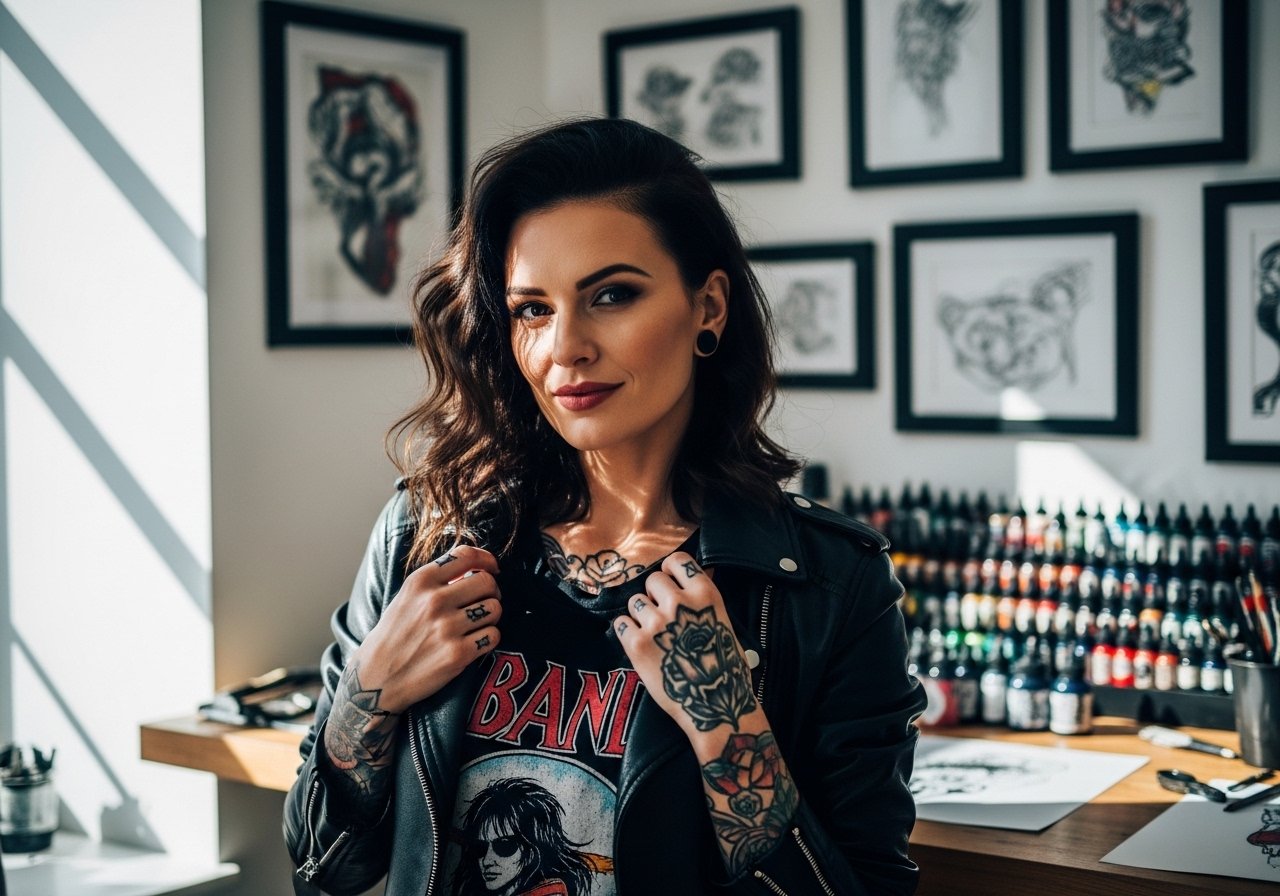
Fine line heart lockets are everywhere online right now, but what holds up over time is not always what looks best in a fresh photo. Small, dense details can blur, while deliberate gaps and confident linework age into clean shapes. Below are 27 abstract heart locket designs that balance emotion with how they actually heal, plus what to ask for in consults so your locket still reads like you five years from now.
1. Minimal Abstract Locket on Inner Forearm
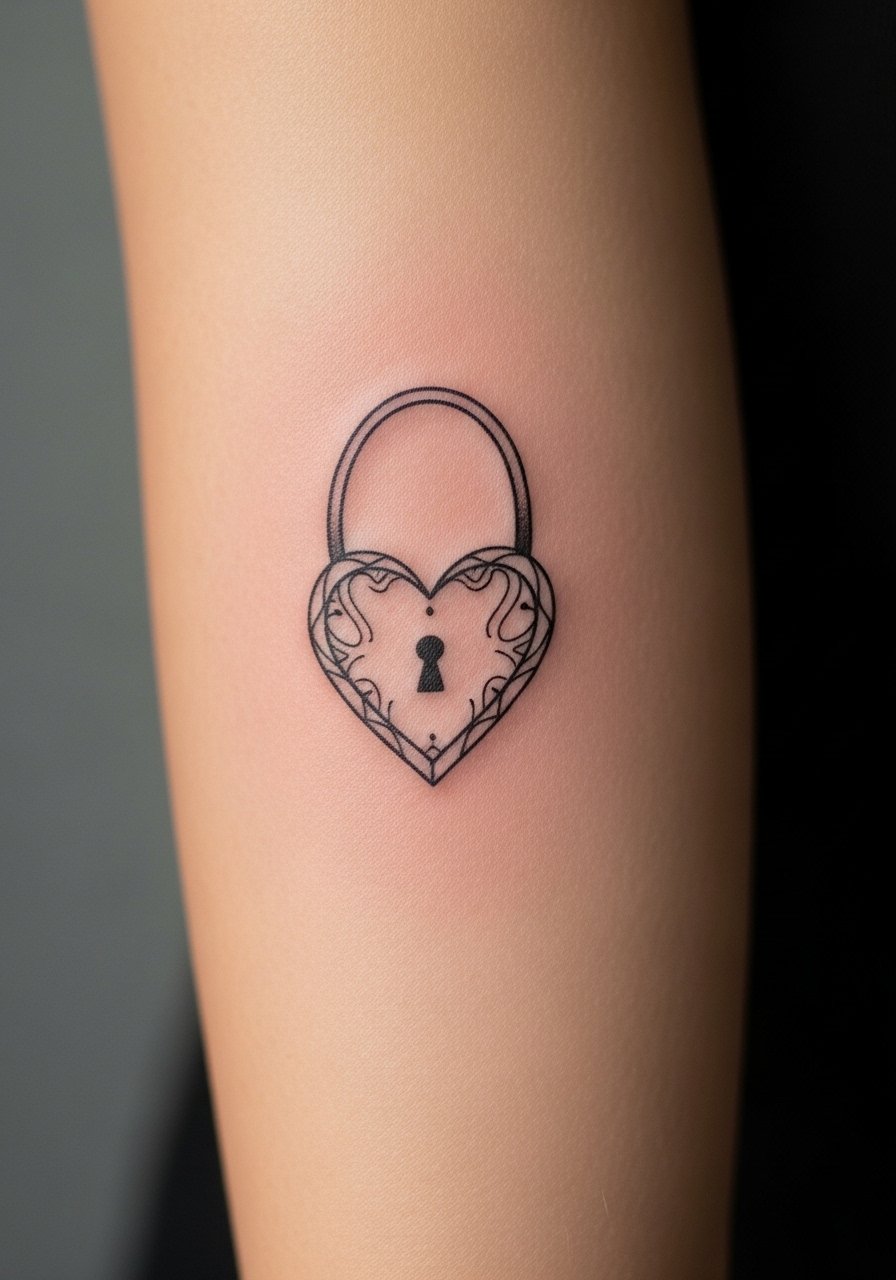
I recommend this when you want a visible, daily reminder that still reads delicate. Fair warning, the inner forearm is a spot that bends and sees sun, so ask for slightly bolder linework than the tiny references you saved. In consultation, say you want "space between the clasp and chain" rather than a packed miniature. Pain is low and a single session usually covers it. At six months the lines soften gently and at two years you should expect a little spread in thin strokes. Pair it with rolled sleeves when you want it on show and consider a racerback tank for session access.
2. Geometric Heart Locket on Upper Arm
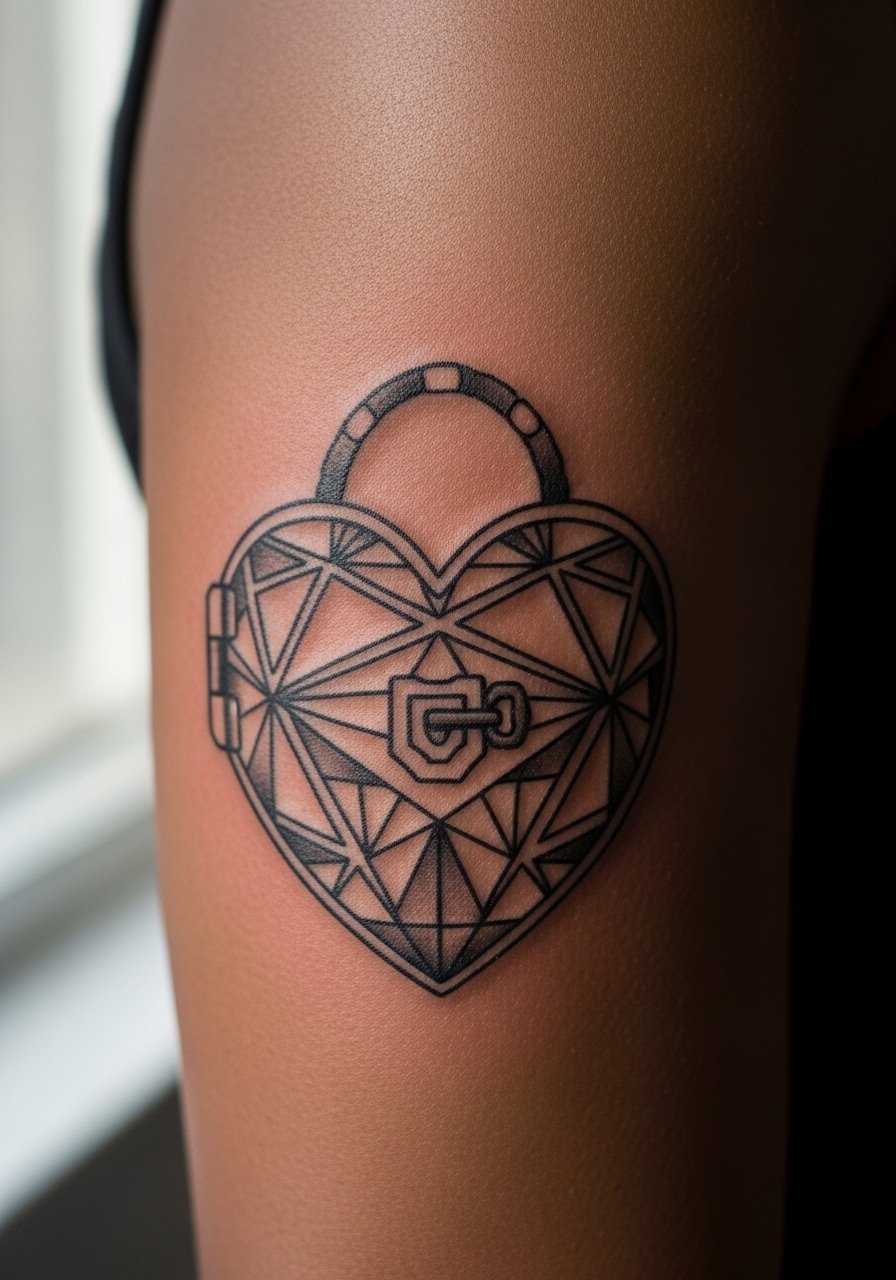
There is something about geometric spacing that helps this design age. I tell clients to give the lattice room and not to demand micro-detail inside every triangle. Pain is moderate, session time around an hour. A common mistake is shrinking the geometry to fit a wrist reference, which makes the lines merge by year three. Ask your artist for stipple shading rather than dense fill if you want texture without heavy saturation. For showing this piece off, a loose button-down shirt you can roll or pull aside gives clean access during the session.
3. Tiny Heart Locket on the Wrist
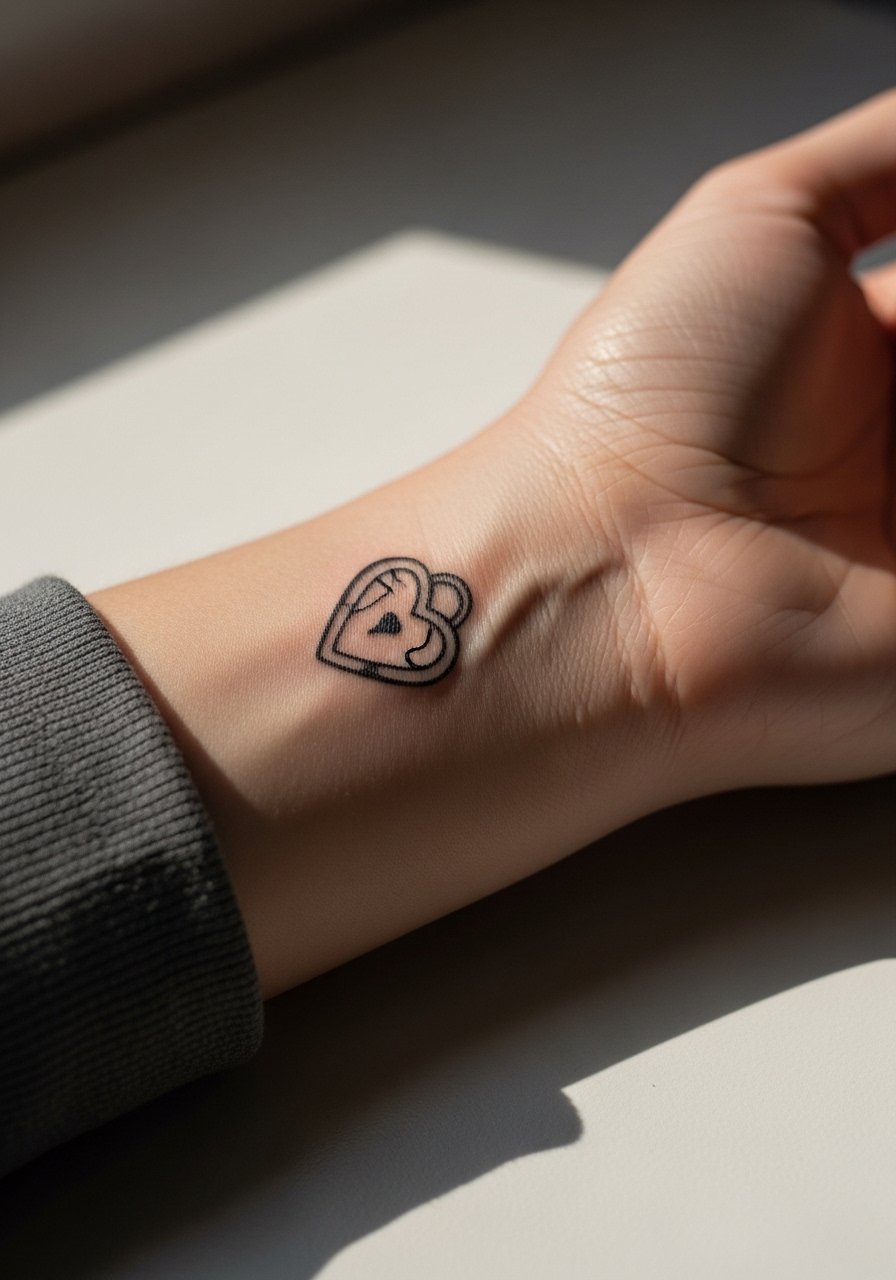
Wrist tattoos are intimate and high-friction. The biggest mistake is going too intricate. For wrists, simpler silhouettes with a hint of chain often last longer. Touch-ups are common around year two for fine chains that rub against watches or cuffs. The session itself is quick, but the pain registers higher than the forearm because of shallow tissue. For wear, a thin chain bracelet complements the locket without crowding the small space. Be realistic about sizing during consults and ask the artist to map the chain flow so it sits naturally with wrist movement.
4. Abstract Locket with Negative Space on Sternum
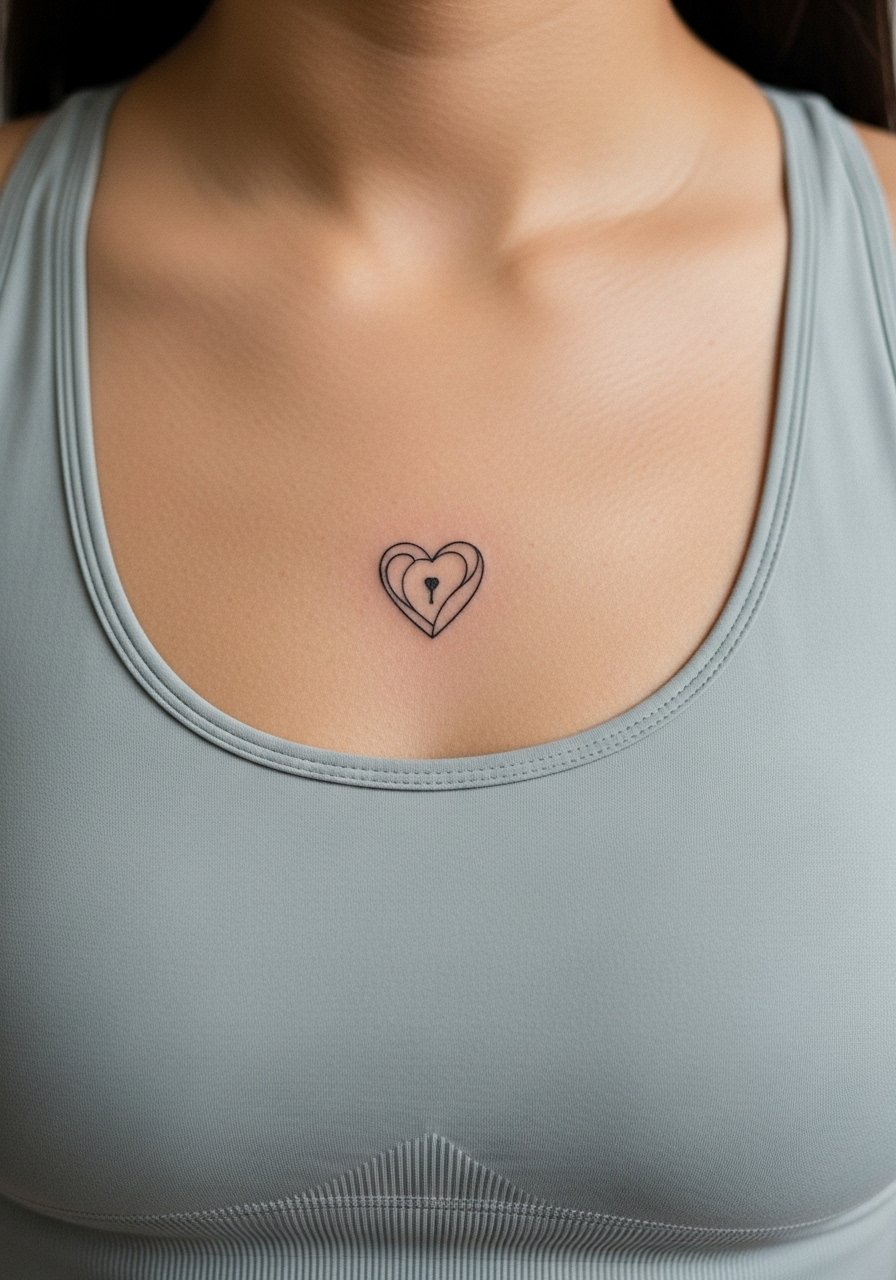
Sternum placement asks for careful spacing. One camp of artists cautions against dense detail here because the skin moves a lot. The other camp argues that with proper depth and slightly wider spacing, lines stay readable. If you pick this spot, request negative-space elements so the locket breathes. Pain ranges higher than arm placements and sessions can be interrupted for breaks. For the appointment, wear a fitted sports bra so the artist can access the area without full exposure. Expect a touch-up timeline around year two depending on how you sleep and what bras you wear.
5. Chain-Link Locket Around the Ankle
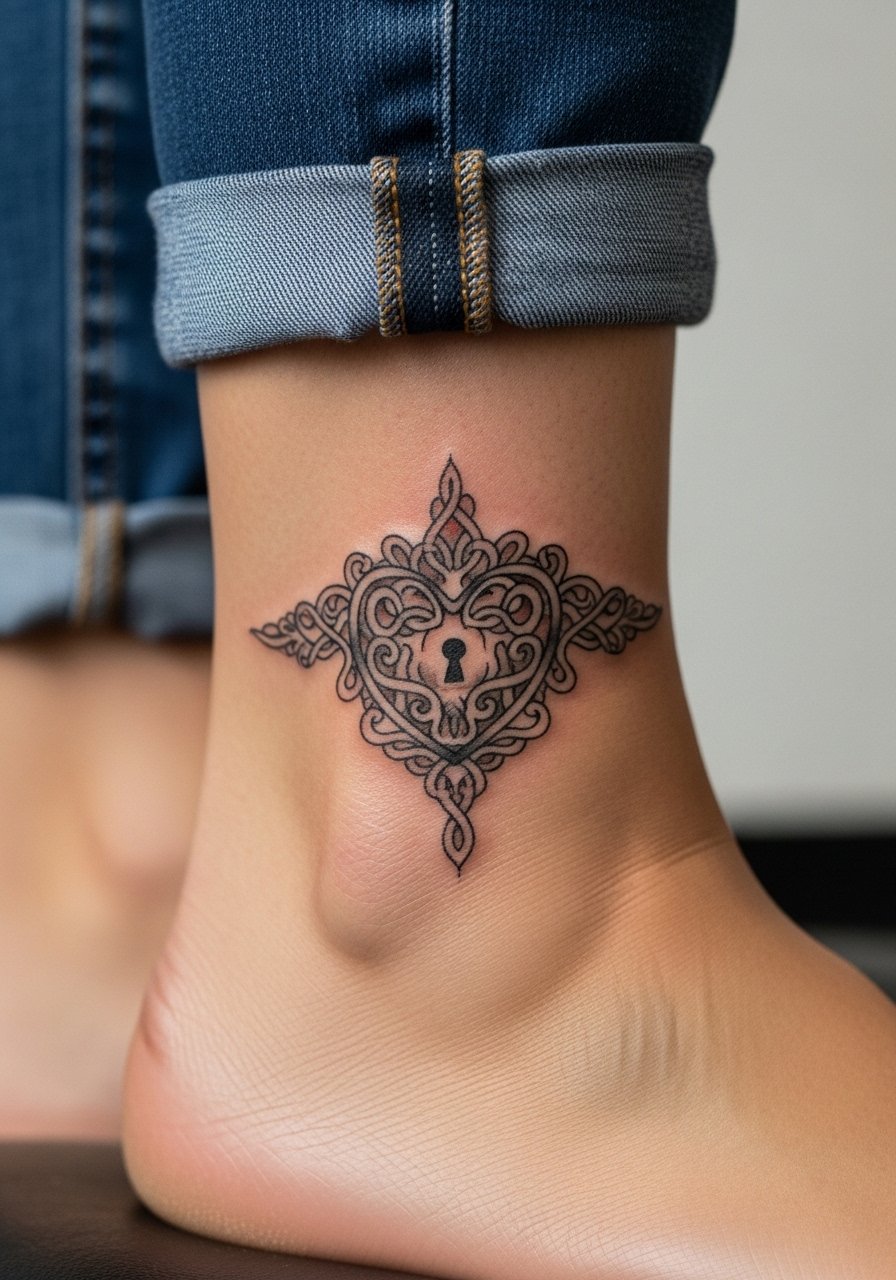
Ankle pieces face constant shoe and sock friction. I advise a slightly thicker chain link and a small, bold heart to keep definition after healing. The session is short but uncomfortable when the needle hits close to bone. A common oversight is using graywash shading that disappears quickly. For showing it off, sandals or cropped jeans work best and you can wear a beaded anklet that frames rather than hides the tattoo. Plan for a touch-up at year two if you regularly wear covered footwear.
6. Abstract Lock Emphasized with Dot Work on Ribcage
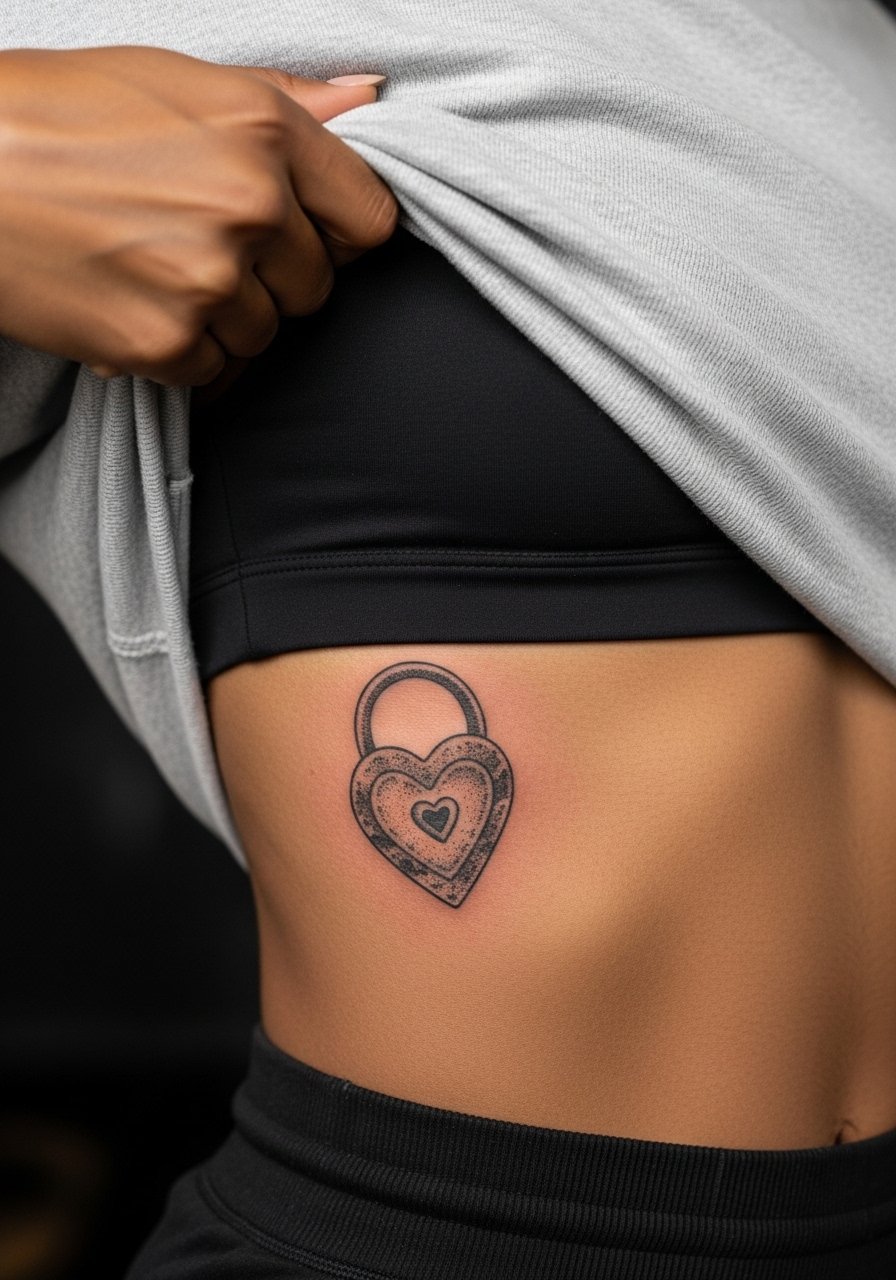
Ribcage sessions are painful but photograph beautifully when healed. Artists split on fine line here. One camp says the constant stretching blurs detail, the other says deeper, confident spacing preserves it. For this design, stipple shading and modest line weight give texture without dense fill that can turn muddy. Expect 1.5 to 3 hours with breaks. For the session wear a cropped athletic top you can lift easily. Mention lunging or deep breaths during consults so the artist times stencils when you are relaxed.
Pre-Session Essentials
The upper-arm, ankle, wrist, chest, and ribs covered above need different prep. These items smooth the session and help the first week of healing.
-
Stencil transfer paper kit. Lets you preview placement on skin so the clasp and chain sit where you want them.
-
Topical numbing cream. Apply per instructions before rib or sternum sessions to take the edge off without affecting linework.
-
Thin protective film roll. Useful for finger and ankle lockets that face friction from shoes or daily washing.
-
Fragrance-free gentle body wash. Cleanses healing areas without irritating delicate fine line work on wrists and forearms.
-
Aquaphor healing ointment. A thin layer in the first days helps keep fine line channels hydrated without clogging.
7. Broken-Chain Heart on the Side Rib
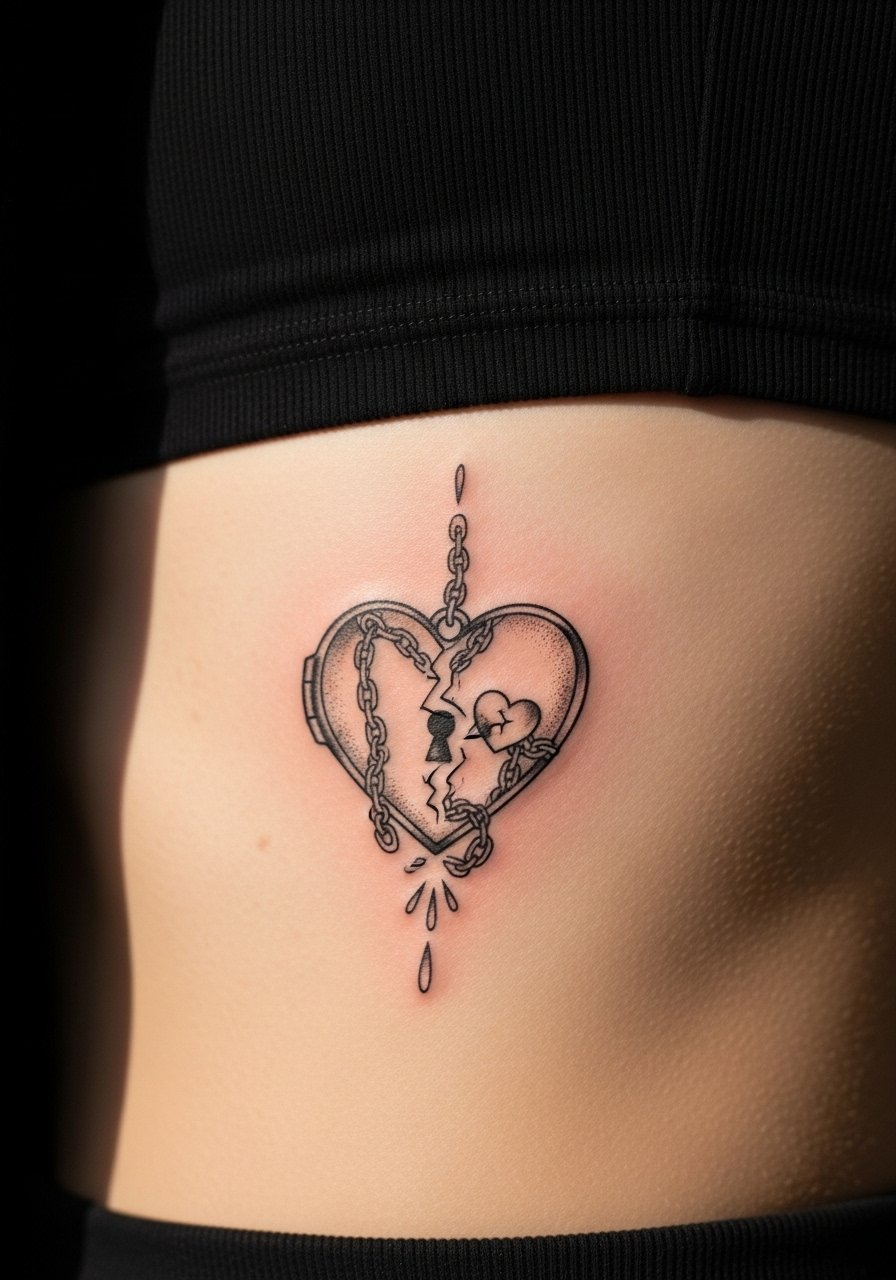
This version uses negative gaps in the chain for a more abstract, emotional feel. Pain spikes more on the ribs and sessions can be staggered into shorter sittings. The frequent mistake is asking for micro-chains that stitch together; instead, ask for interrupted chain segments so each link keeps its shape as it heals. At two years, the gaps help keep the design legible. For the appointment, choose breathable high-waisted shorts or a loose drawstring linen pant so you can adjust without tugging at the area.
8. Lock-and-Key Fragment on the Collarbone
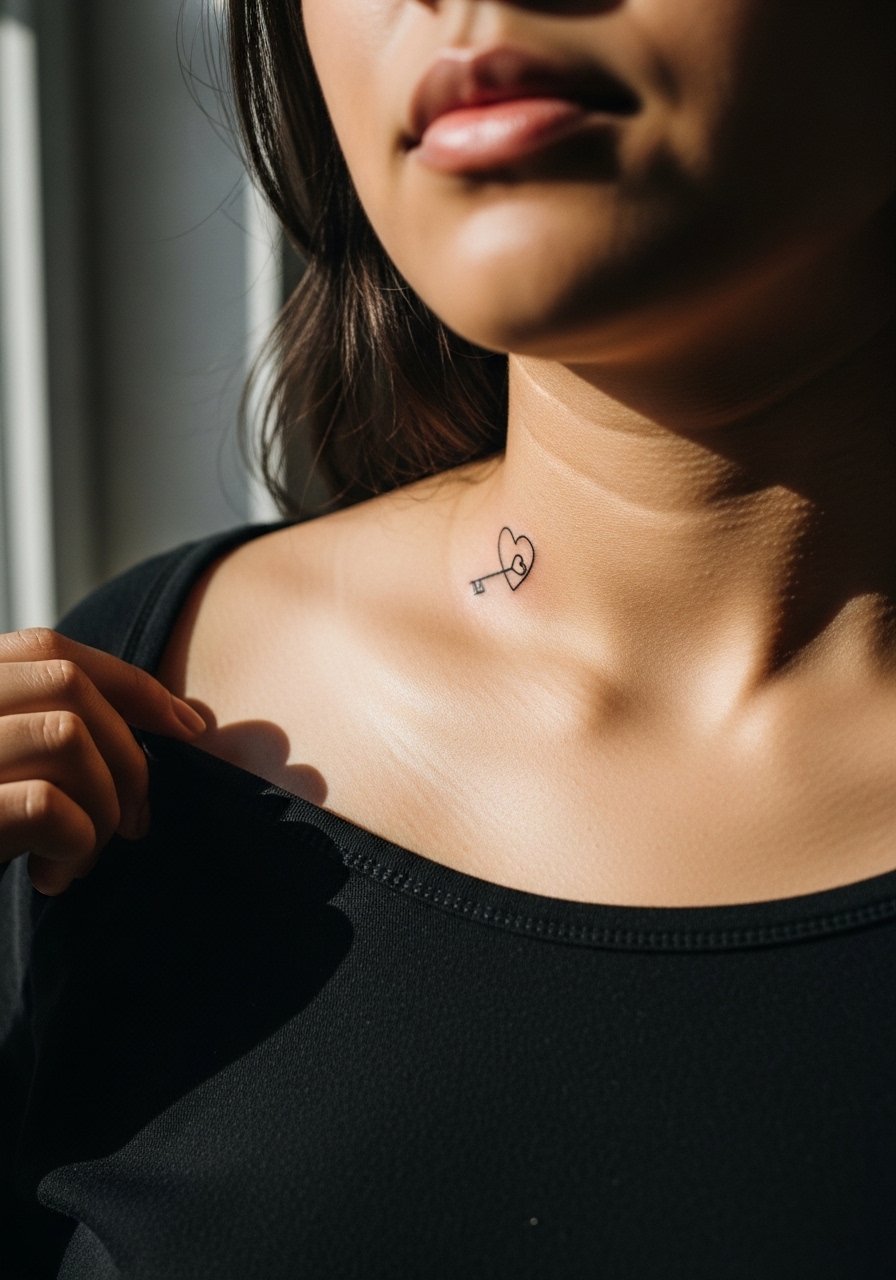
Collarbone pieces read as jewelry. The visual trick is placing the key so it follows the collarbone angle. Pain is moderate where skin is thin. A common error is cramming too much key detail into a tiny space. Ask your artist to simplify the key silhouette and to use a hairline chain that drops toward the sternum. For showing it off, a thin chain pendant necklace sits above without competing. Expect touch-ups if you sunbathe frequently, because UV weakens fine lines.
9. Watercolor Wash Behind an Engraved Locket on Upper Arm
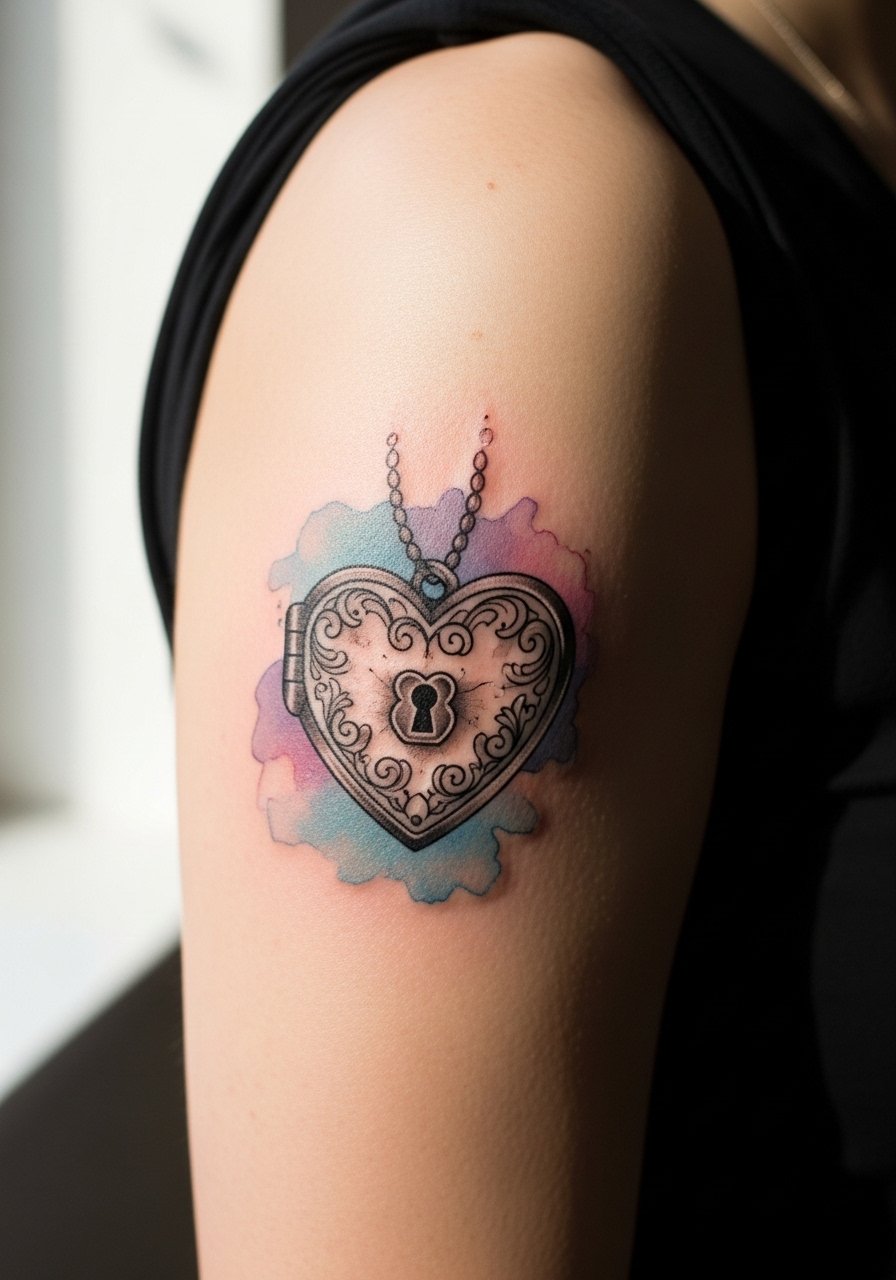
Watercolor accents add mood but they fade faster than linework. The right approach keeps the linework intact and uses diluted pigment for the wash so it fades evenly. If you want color, ask for a saturation plan in the consultation and realistic expectations about touch-ups. Sessions run longer because color layering demands time. For daily wear, a sleeveless linen shirt helps the area breathe and shows the piece; consider a loose button-down shirt you can roll for sessions.
10. Micro-Realism Heart Locket on the Back of the Hand
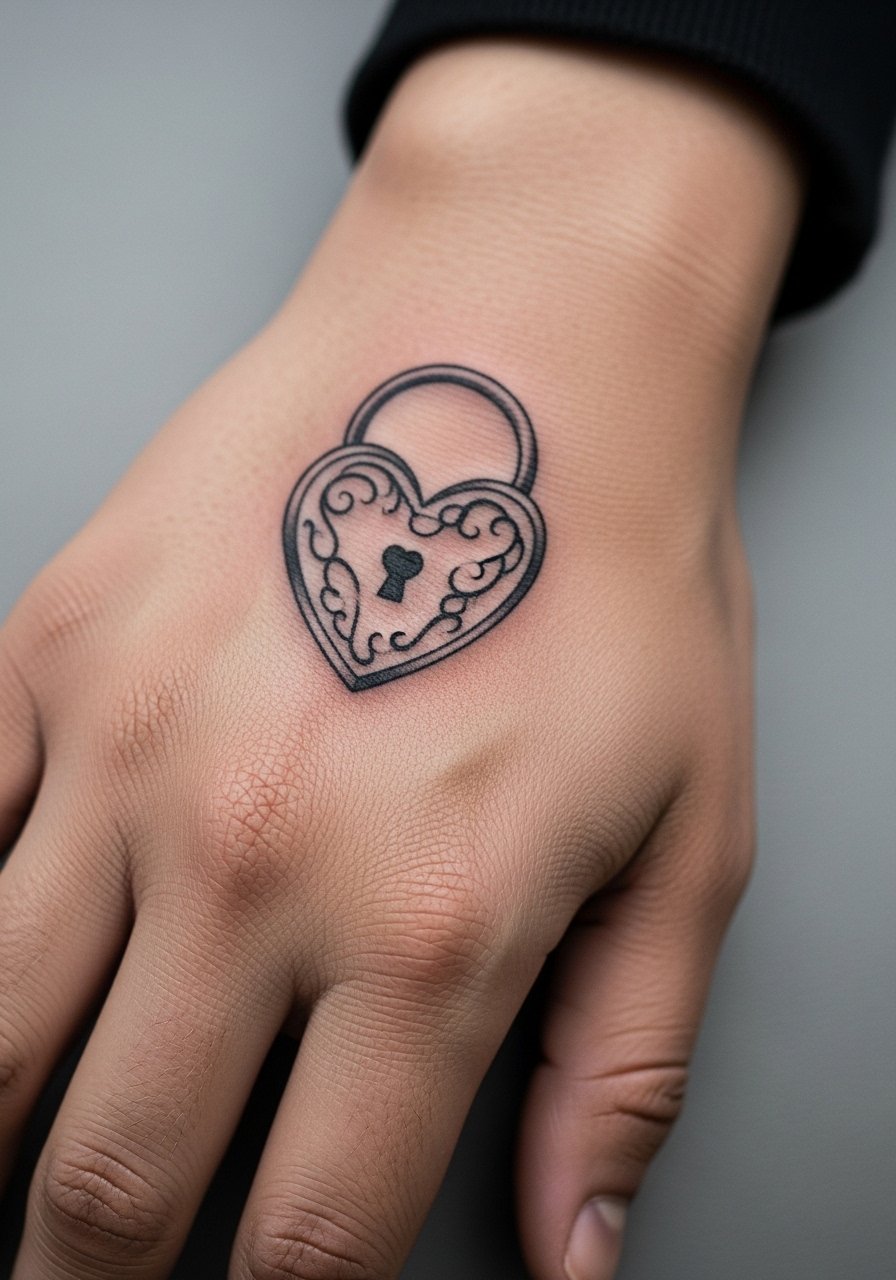
Hand tattoos are high visibility and high risk. Artists warn that hands age differently and that employers may notice, so think about career implications before committing. Micro-realism here looks delicate at first and may blur faster because of constant washing and sun. If you choose this, accept touch-ups at year one or two. For the session wear, keep your hand clean and avoid lotion beforehand. A simple accessory like a minimalist ring set frames the piece without covering it.
11. Geometric Cage Locket Down the Spine
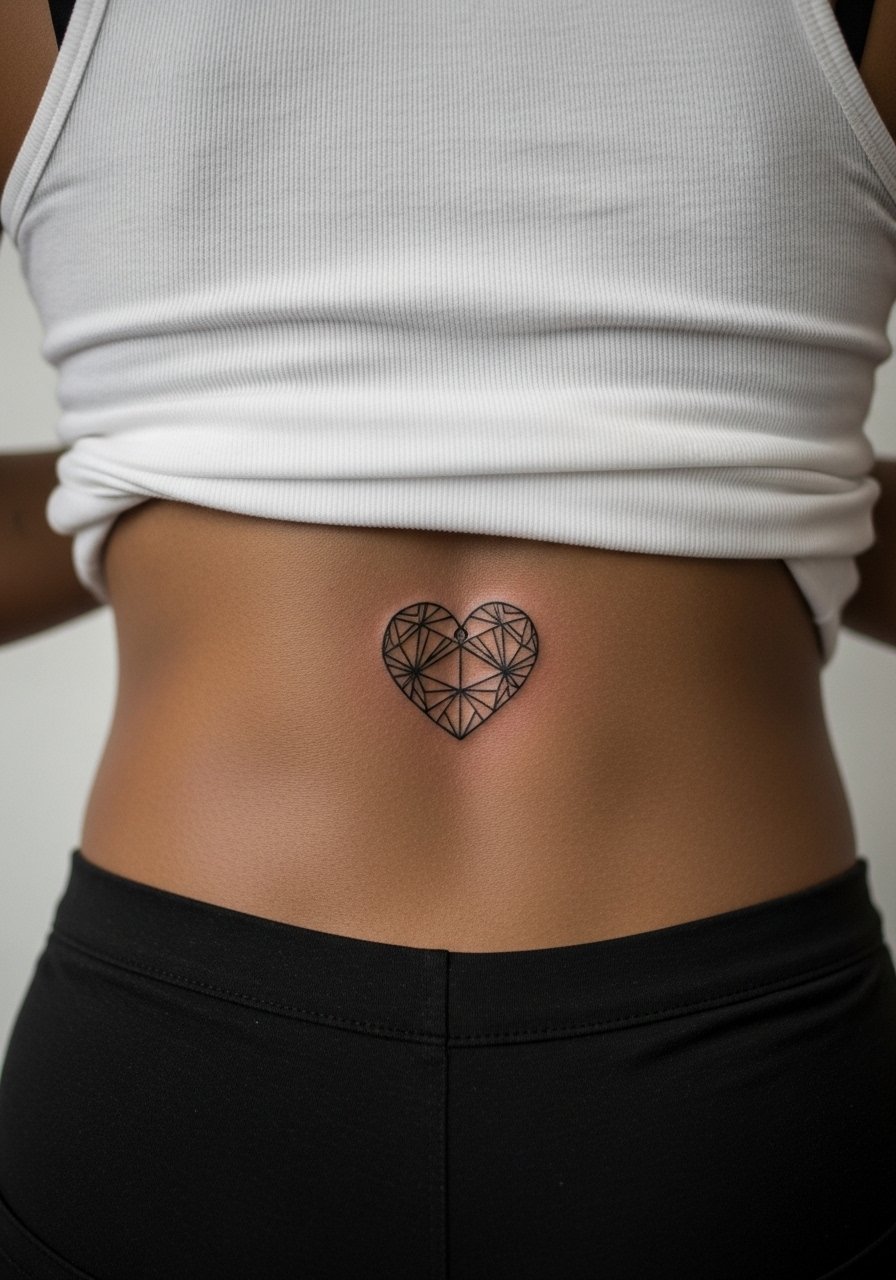
Spine placements need careful alignment. Tell your artist you want the locket to sit with spinal curvature rather than centered on a single vertebra. The session can be long and the pain variable depending on proximity to bone. A frequent mistake is asymmetry from a poorly centered stencil. For showing the vertical design, open-back dresses or halter tops work well. A loose tank top you can pull down comfortably helps during the appointment.
12. Fragmented Locket with Script on Inner Bicep
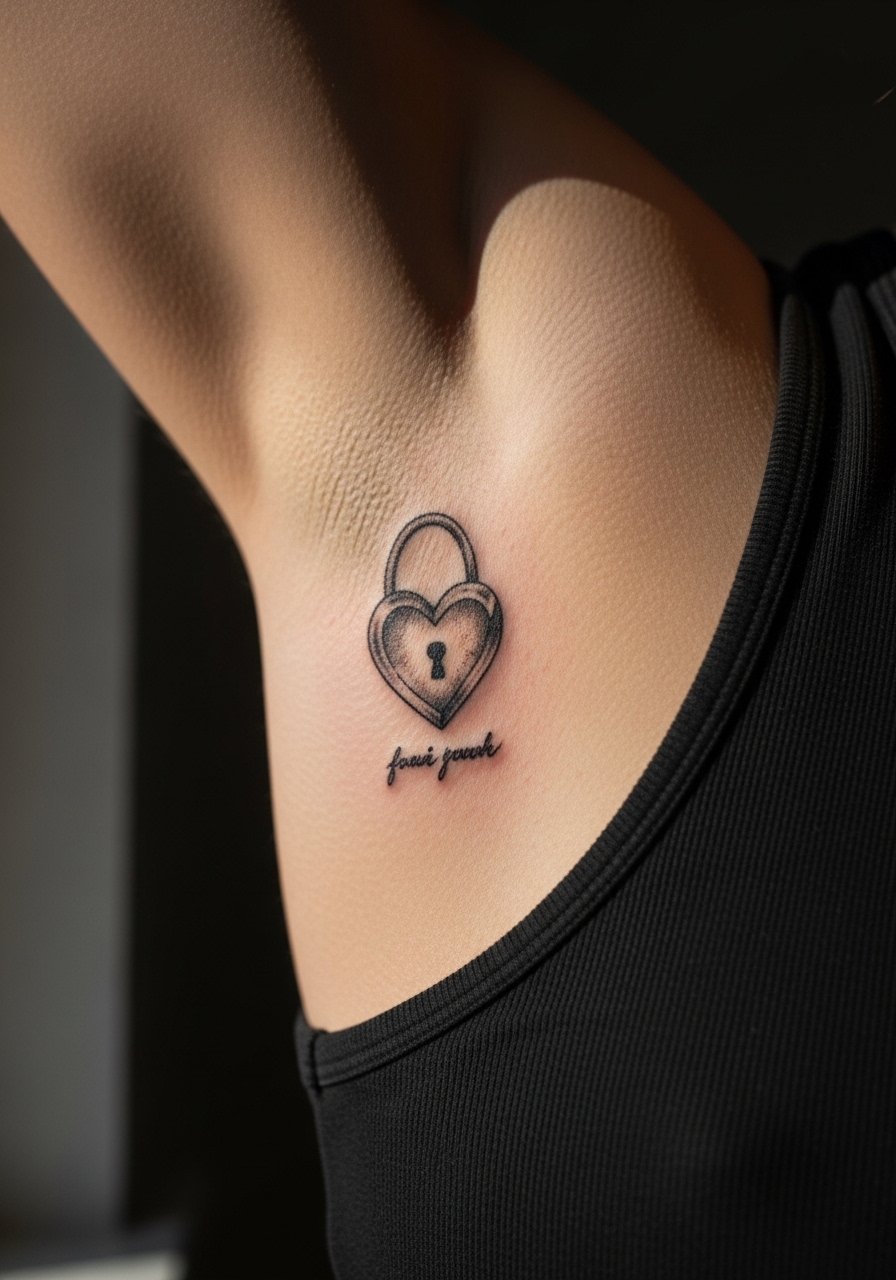
Inner bicep skin is softer and tends to keep fine detail well if the artist spaces letters and links. This spot can scar if overworked, so ask for lighter passes and a slower pace. Pain is medium and sessions are manageable. Script needs exact placement and font size, so bring a printed sample and specify exact wording. For session ease, wear a tank top that allows the arm to lift without exposing the torso. Plan on a touch-up at year three depending on your arm movement and sun exposure.
13. Double-Locket Mirror on the Chest
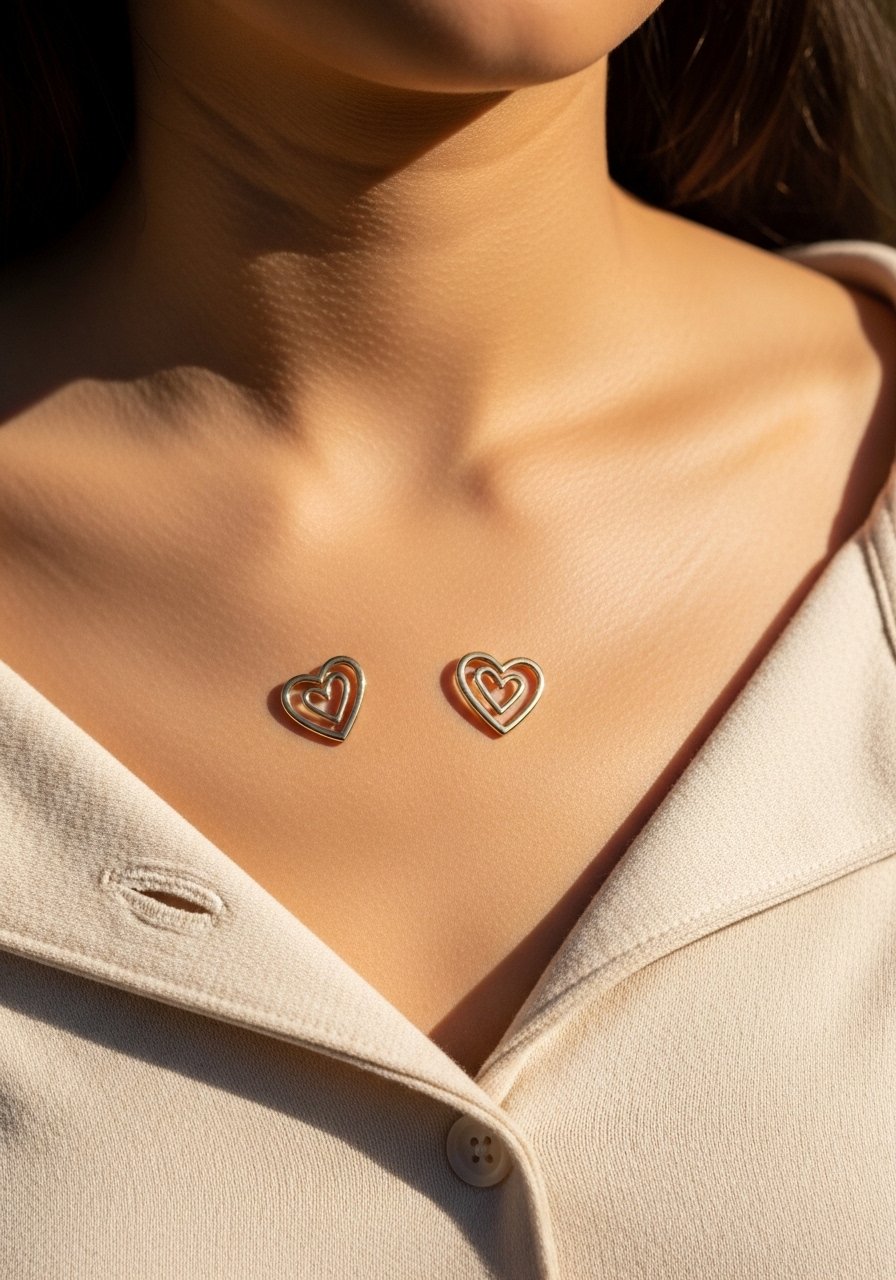
Symmetry is the core challenge here. The common error is unequal scale that becomes obvious when healed. Ask your artist to stencil and step back before inking to confirm balance. This design photographs well with necklaces that avoid overlapping the lockets. Sessions can be split if you or the artist prefer shorter sittings. For showing them off, an open-back blouse or wide-neck top works cleanly.
14. Abstract Locket with Floral Filigree on the Hip
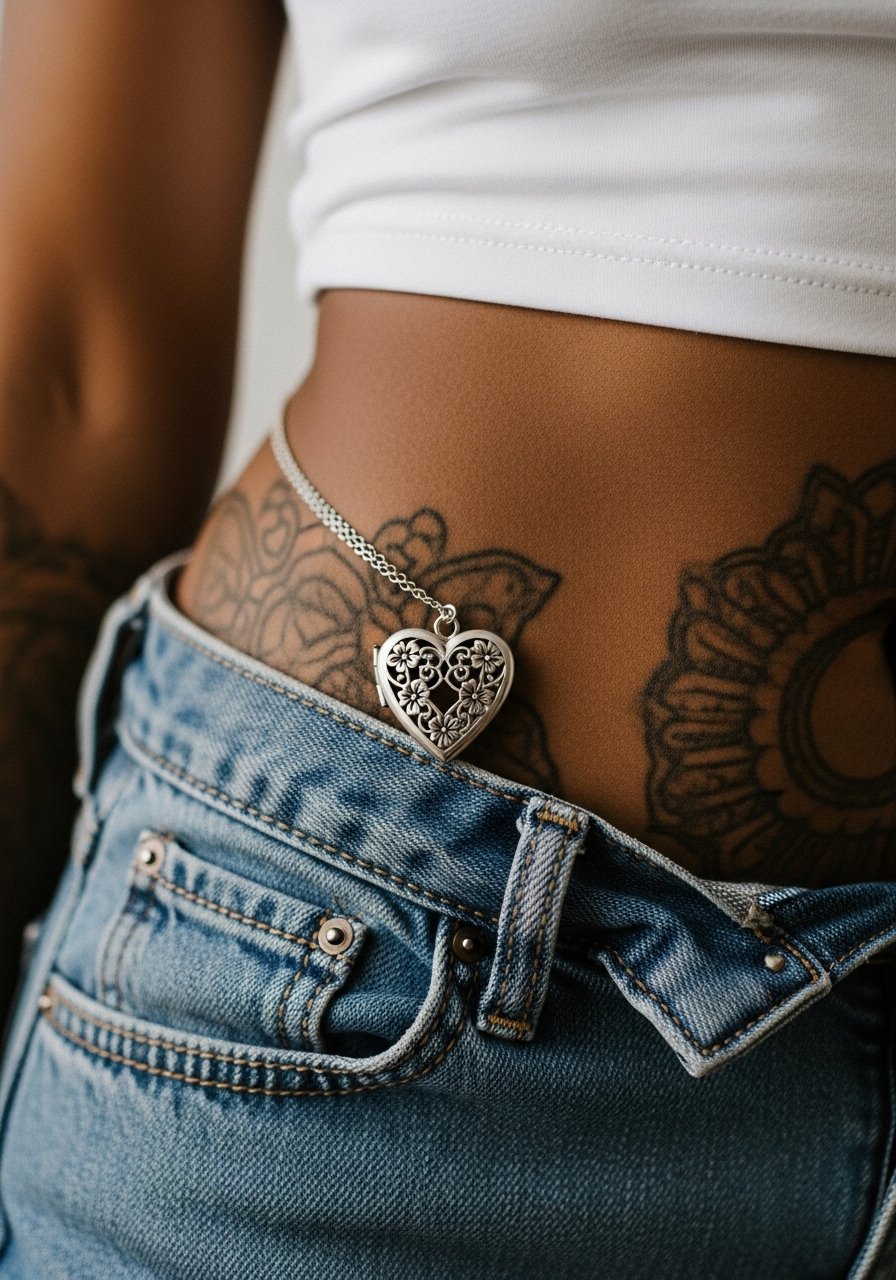
Hip tattoos are intimate and often hidden, which can influence detail choices. Because the area moves with clothing and sitting, choose filigree with open spacing to avoid blur. The session pain is moderate and you may prefer it done in one longer appointment. For session comfort, pick high-waisted bottoms you can slightly lower like high-waisted denim. Consider that this spot is sensitive to stretch from weight changes.
15. Stacked Lockets Running Along the Wrist
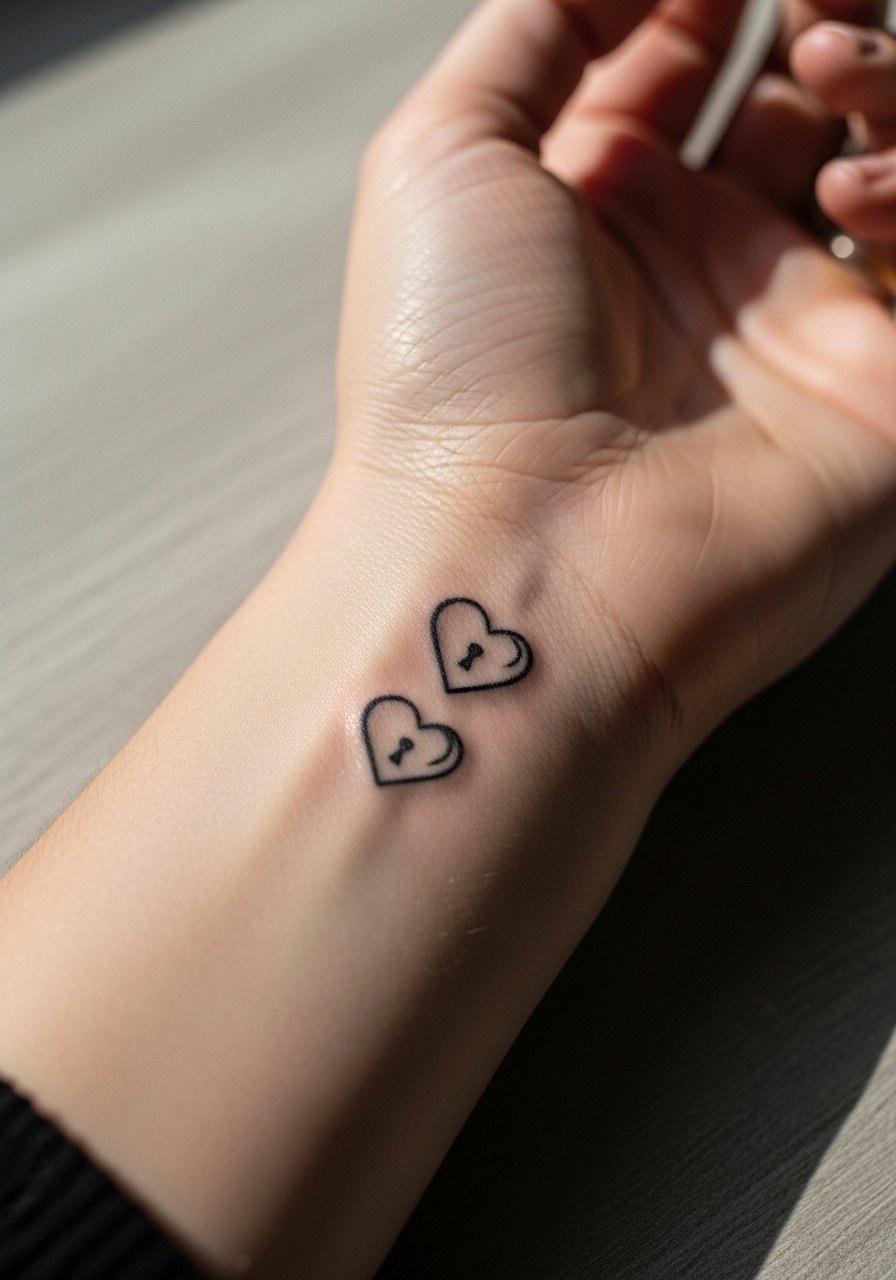
Stacked wrist pieces need spacing to avoid merging. The frequent mistake is compacting them too close so the lines bleed into one another over time. Ask for clear negative space and slightly increased line weight. The session is quick and pain is moderate. For showing off stacked pieces, bracelets can work if they sit above the tattoos; try a thin chain bracelet rather than wide cuffs. Expect touch-ups sooner on tighter spots where bracelets rub.
16. Abstract Locket with Whip Shading on the Thigh
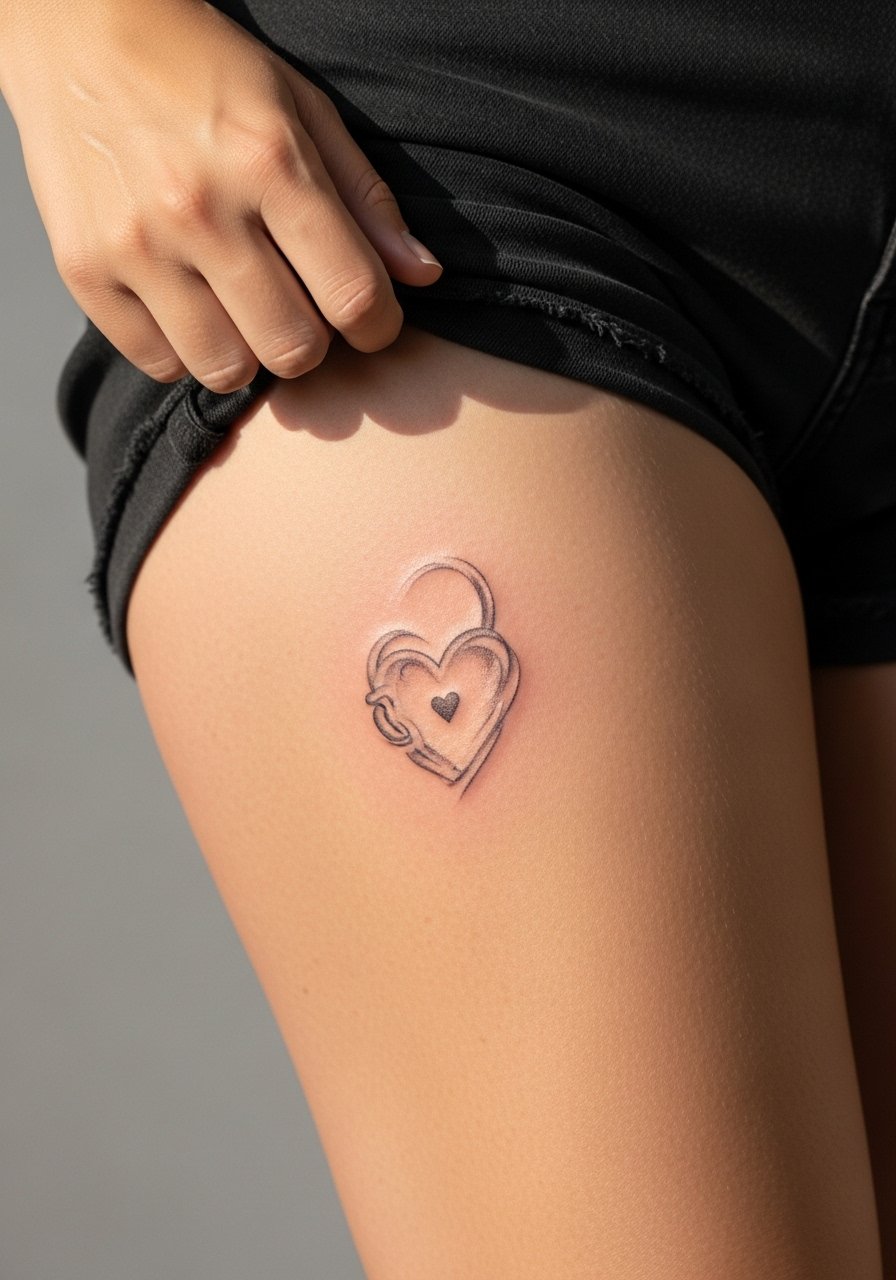
Thigh placements let you go bigger and include texture. Whip shading provides motion without heavy saturation that could blur. Pain tends to be lower than ribs and sessions can be longer because tissue tolerates work well. For the appointment, wear shorts that shift easily like loose athletic shorts. Be mindful of clothing that rubs the piece while healing, since tight waistbands can irritate the top of the thigh.
17. Keyhole Negative Space Locket on the Sternum
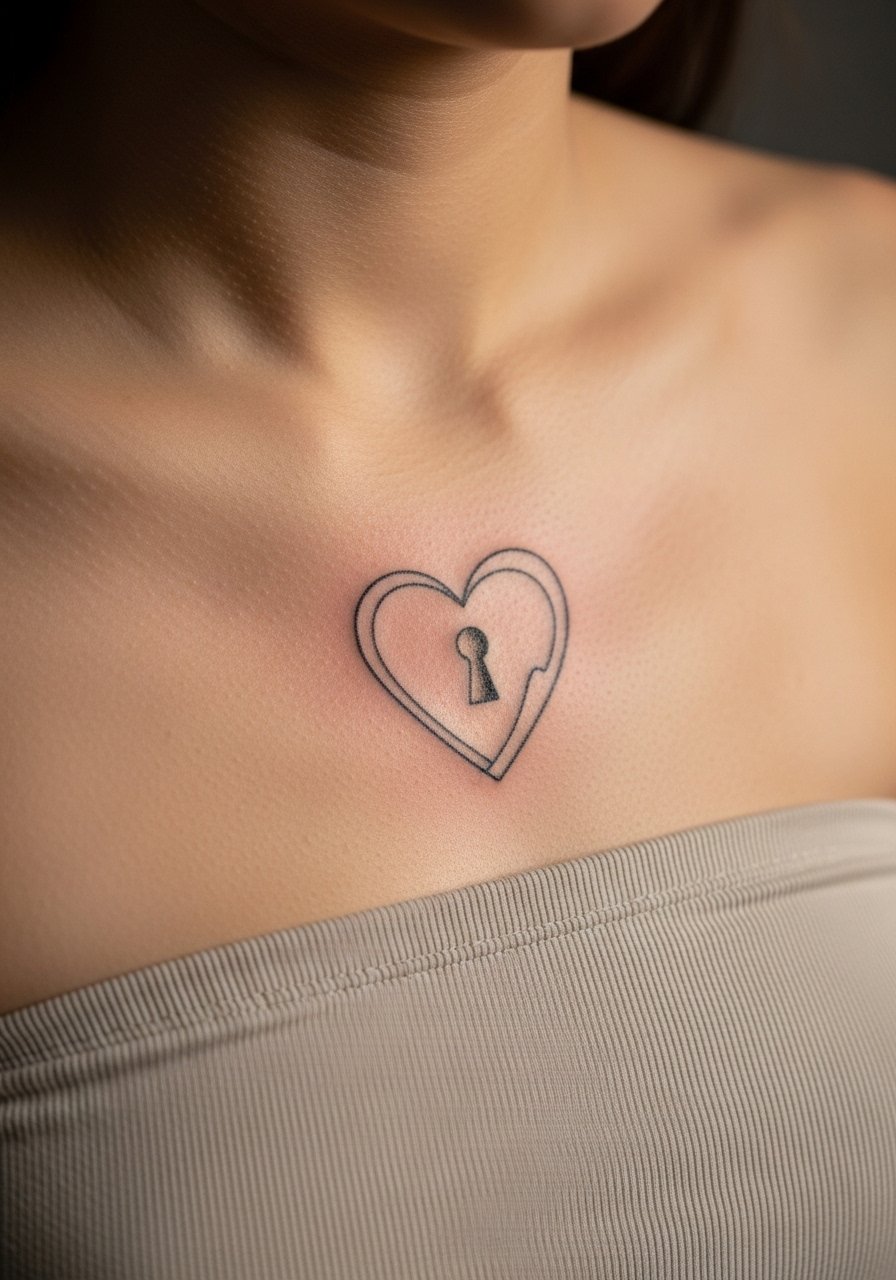
Sternum pieces show well with negative space but ask your artist about needle depth in this area. One camp worries small interior cutouts will close up with time. The other camp recommends slightly bolder borders around the negative space. Sessions are intense and often split. Wear a bandeau top for easy access. Expect a touch-up if you change breast size or spend lots of time in the sun.
18. Abstract Locket with Chain Wrapping the Finger
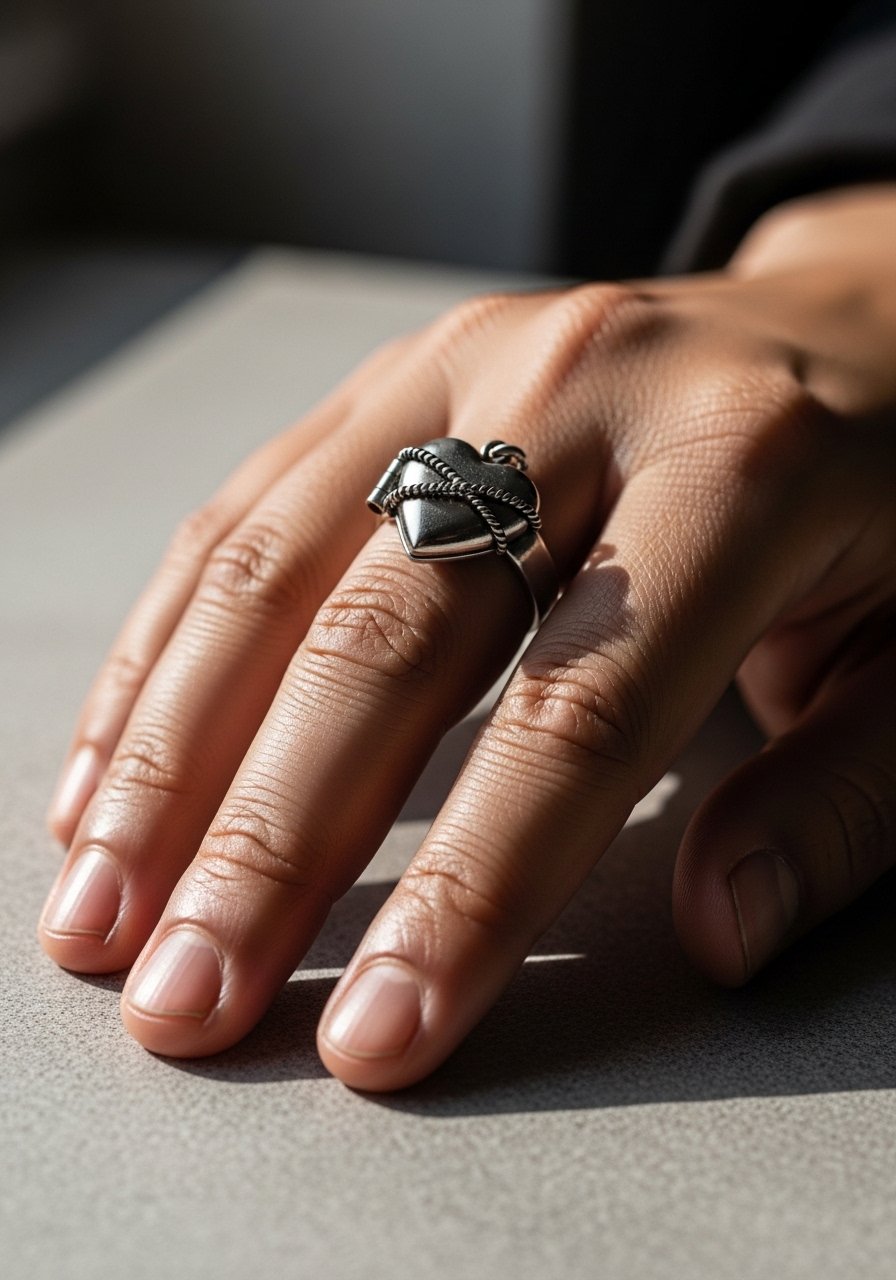
Finger tattoos face constant washing and abrasion. The most frequent mistake is demanding minute chain detail that disappears quickly. If you want a finger wrap, ask for a simplified chain and accept yearly touch-ups. Sessions are fast but prickly because skin is thin. For daily wear, avoid rings that sit directly over fresh ink and choose thin stacking rings after healing. A minimalist ring set looks intentional and frames the design.
19. Locket Encased in Geometric Halo on the Shoulder Blade
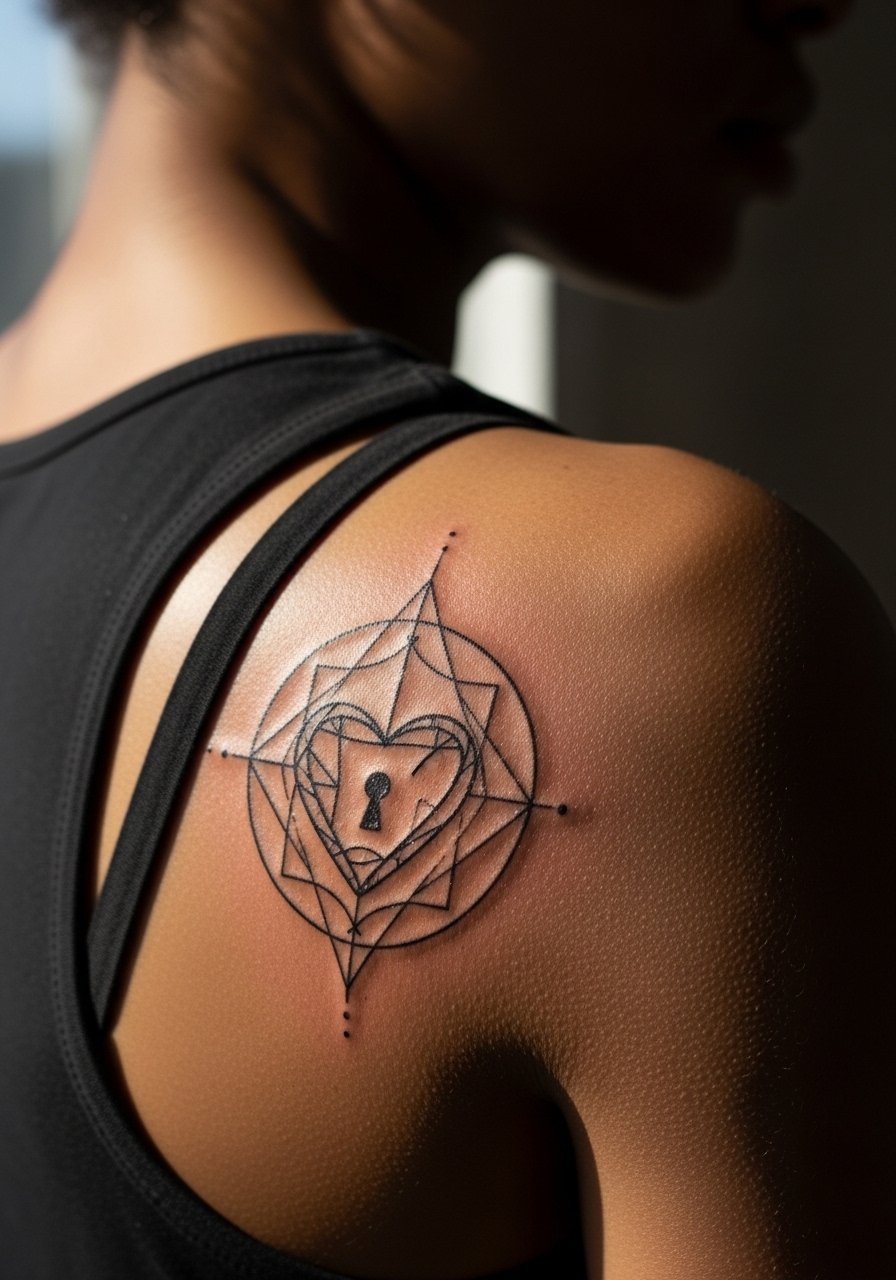
Shoulder blades tolerate detail well and photograph cleanly. The common error is placing heavy fill inside the halo which can age into a blob. Instead, use open geometry and light stippling to maintain contrast. The session is comfortable and usually completed in one sitting. For the appointment wear a tank top you can pull aside easily. Think about how bra straps will rub the area during healing.
20. Abstract Locket with Scripted Date on the Rib Side
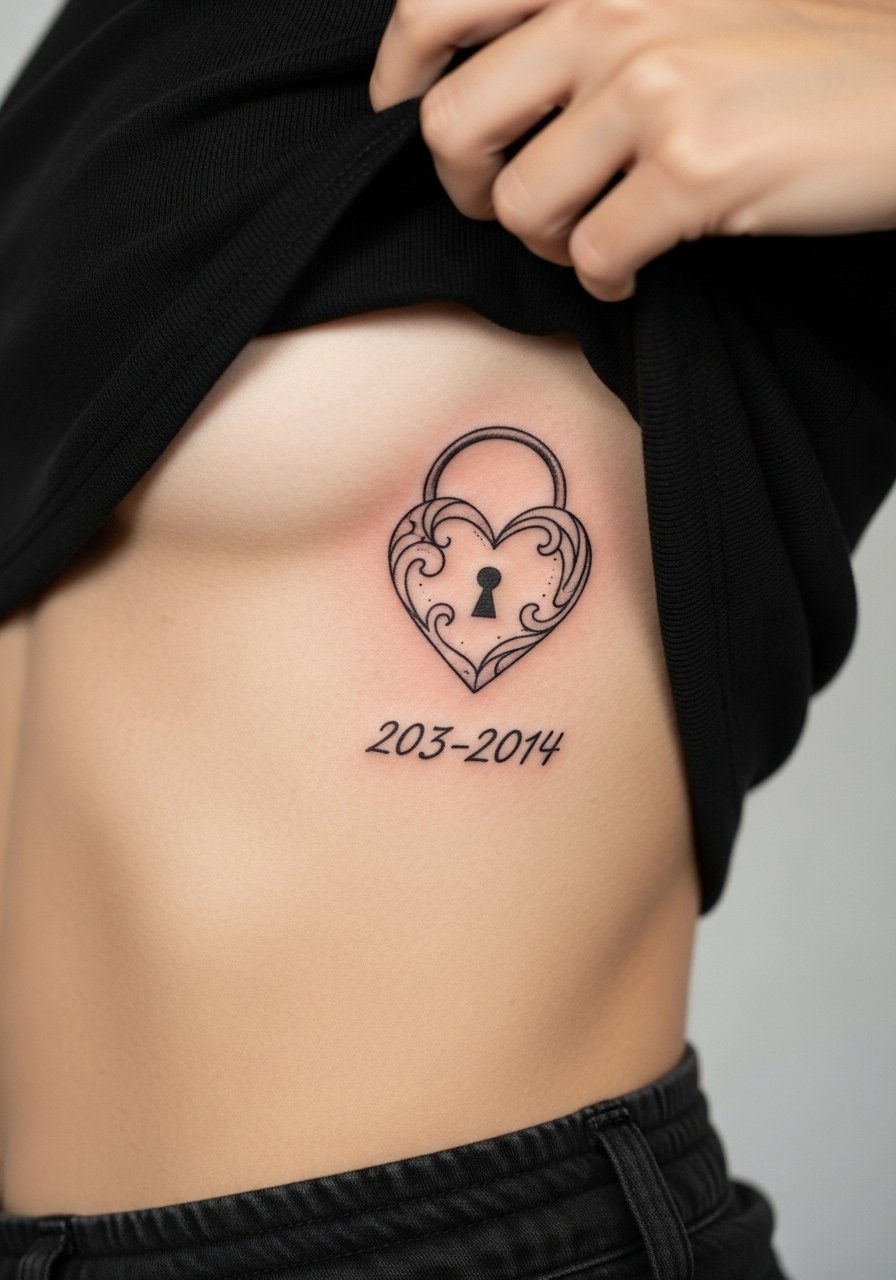
When text sits near fine shapes on the ribs, size matters. Too-small script disappears as the locket ages. Ask your artist for a slightly larger, airy script that balances the locket. Pain is high due to proximity to bone. Sessions can be split for comfort. For the session wear a cropped athletic top you can lift without exposing more than needed. Expect a touch-up timeline depending on stretching and sun exposure.
21. Minimal Outline Locket on the Nape of the Neck
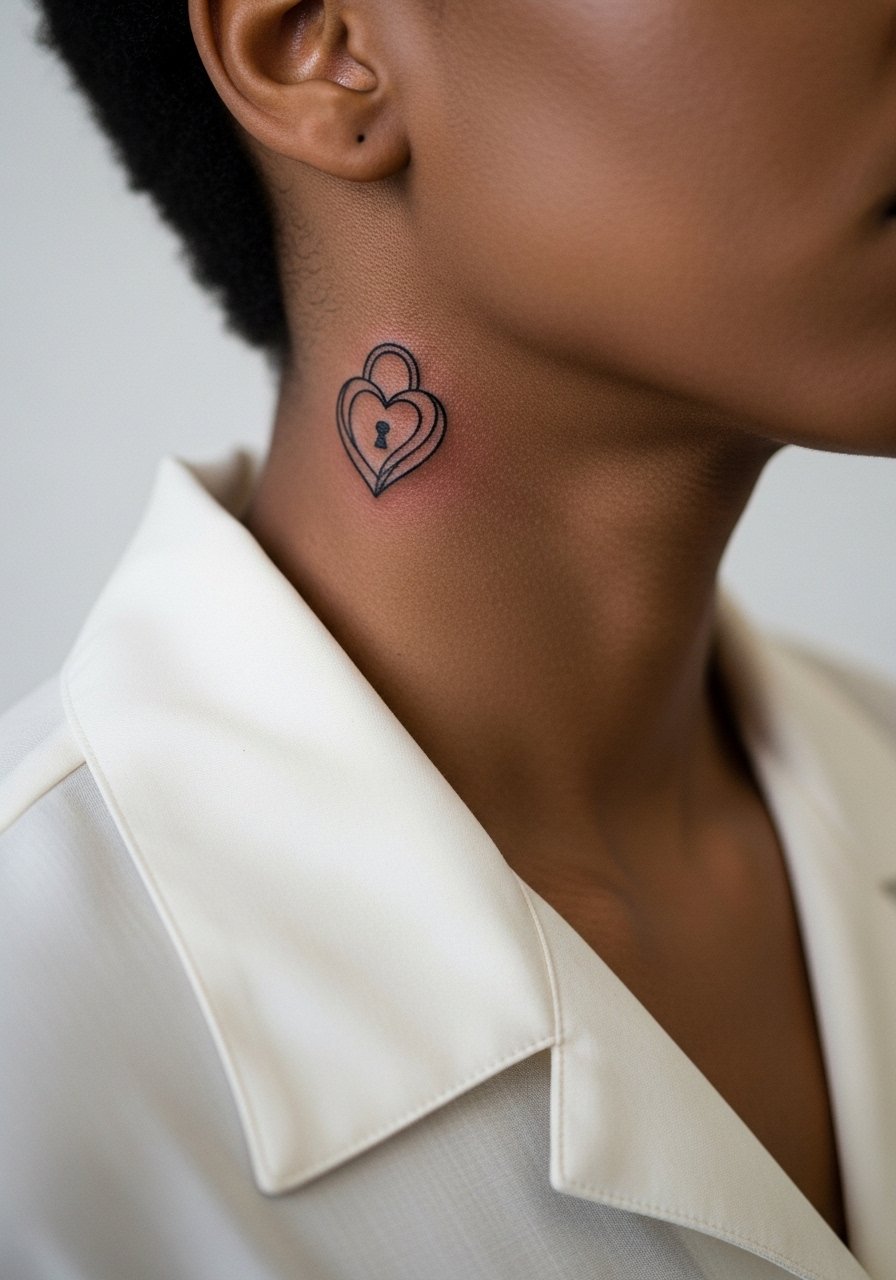
Neck tattoos are visible and career-sensitive. The design should be simple to avoid frequent touch-ups. One camp emphasizes avoiding neck placement for professional reasons and the other highlights the freedom of body expression. If you pick this, be prepared for the visibility consequences. Sessions are quick but healing can be unpredictable due to movement. For the appointment wear a wide-neck shirt you can pull to one side. Consider how scarves or collars will interact during healing.
22. Abstract Locket with Tiny Gem Accent on the Clavicle
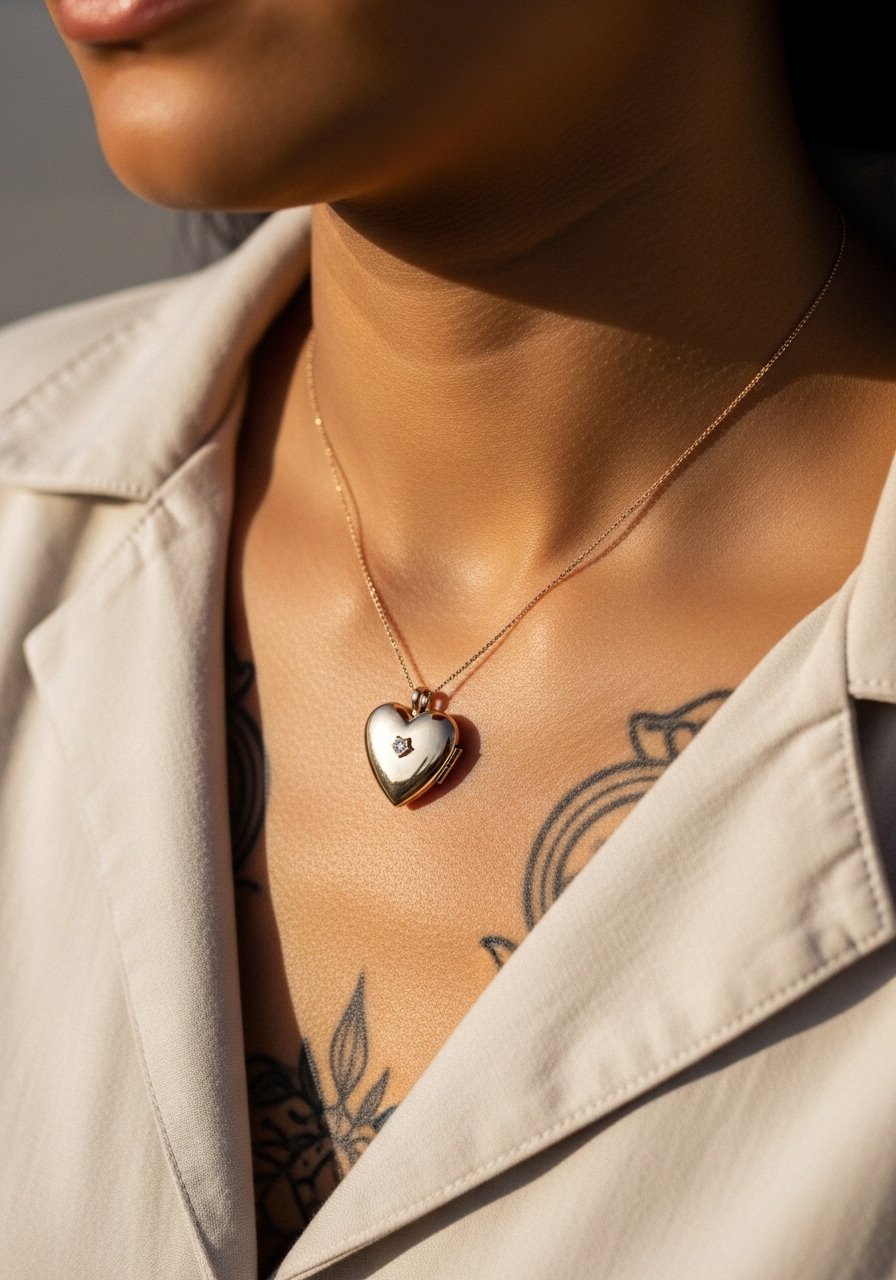
A small gem dot gives a locket a focal point without heavy color. The mistake is adding multiple colored spots that fade unevenly. One well-placed accent holds up better. Sessions are short and pain is moderate. For showing off, a thin chain pendant necklace complements without overlapping. Ask your artist to anchor the gem with darker micro-linework so it reads over time.
23. Negative Space Locket with Bold Outline on the Calf
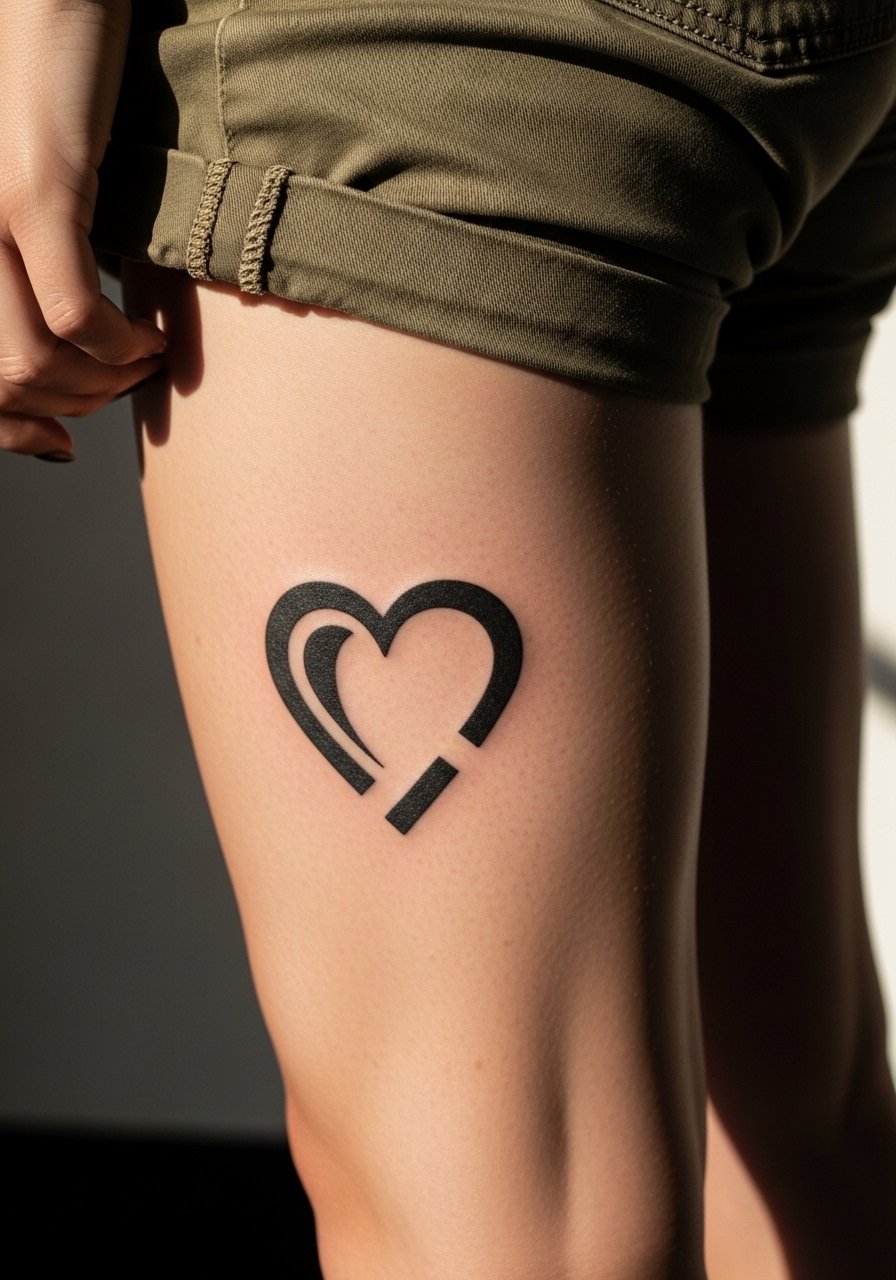
Calf tattoos age well thanks to thicker skin and less sun exposure if you keep them covered sometimes. A strong outline with interior negative space maintains shape for years. The session is comfortable and often completed in one go. For the appointment wear loose shorts that roll up easily. Consider placement relative to socks and boots to avoid rubbing during healing.
24. Chain-Link Locket Across the Shoulder
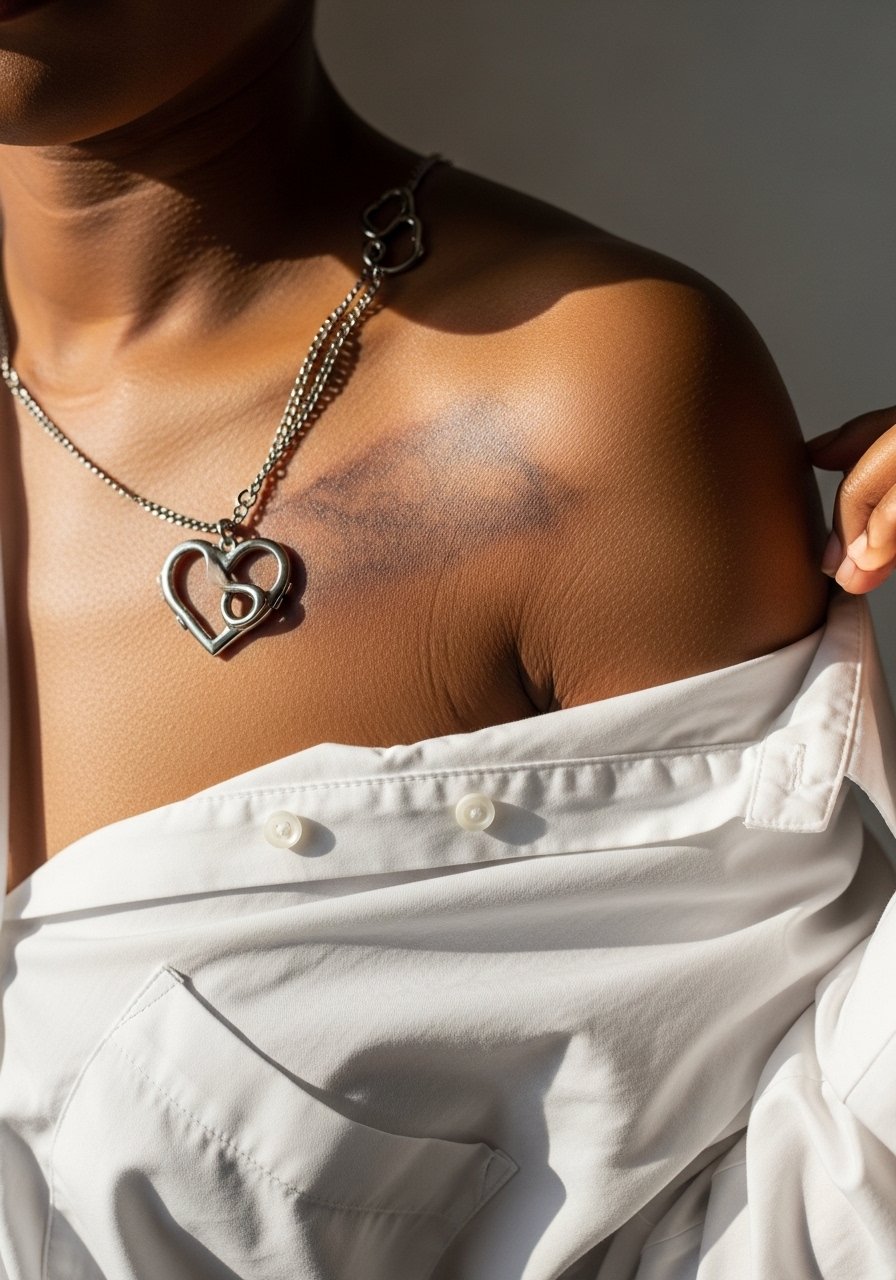
Shoulder placements let chains curve naturally with muscle and fabric. The most common mistake is placing a rigid, straight chain that fights the body's contours. Ask for a flowing chain and lighter link detail. Sessions are moderate in pain and usually done in a single sitting. For session comfort, a loose button-down shirt you can shift aside works well. Expect good longevity unless the area is constantly exposed to sun.
25. Tiny Locket Behind the Ear with Hairline Chain
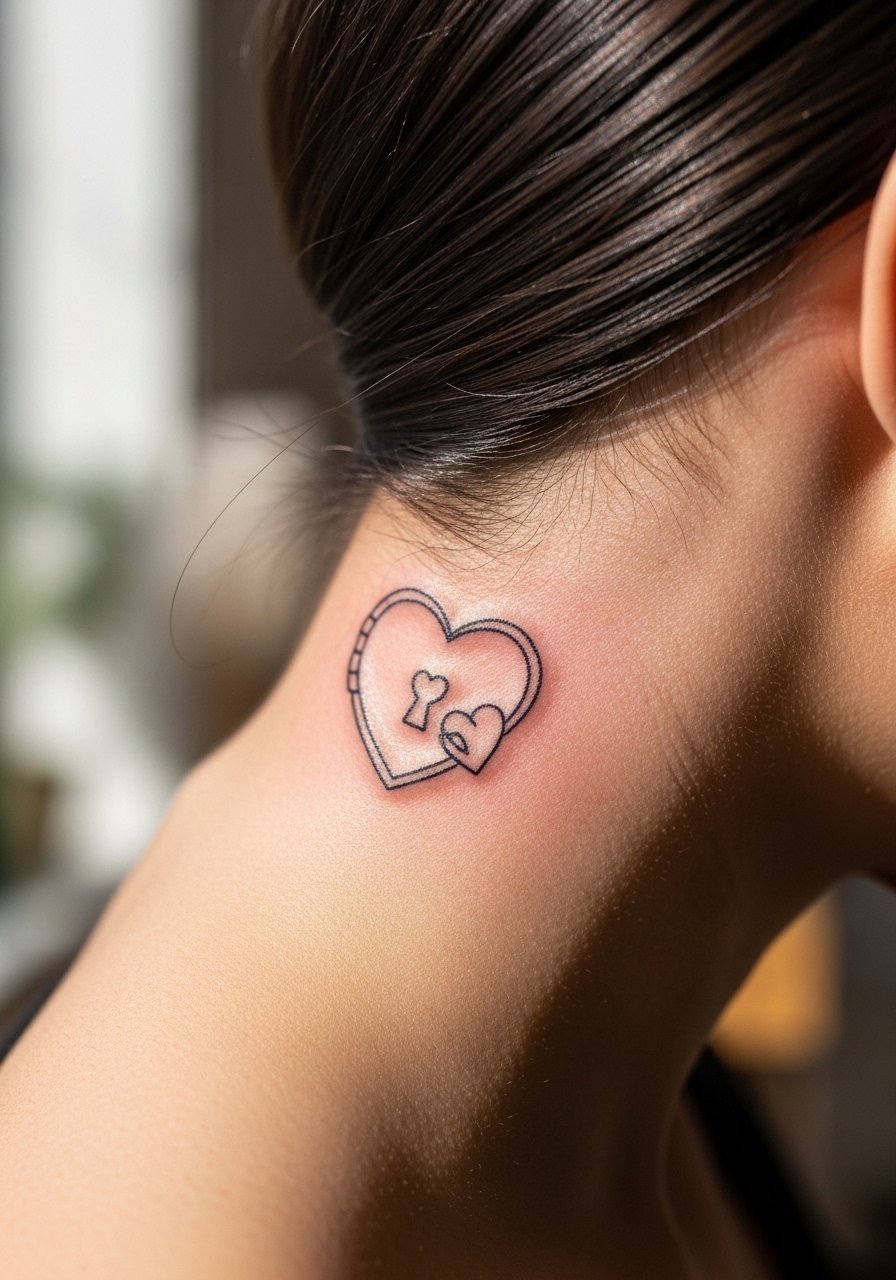
Behind-the-ear pieces are subtle but demand specialized care from experienced artists. The area is tiny so avoid dense detail. Pain is low but visibility is limited unless hair is pulled back. In the session, ask for a slightly bolder outline so it stays readable at year two. For showing it off, a simple updo exposes the piece. Note that some salons prefer to work on this area only with certain needle setups, so search studio directories or convention listings to find someone who regularly tattoos around the hairline.
26. Open-Frame Locket with Negative Space and Stippling on the Lower Back
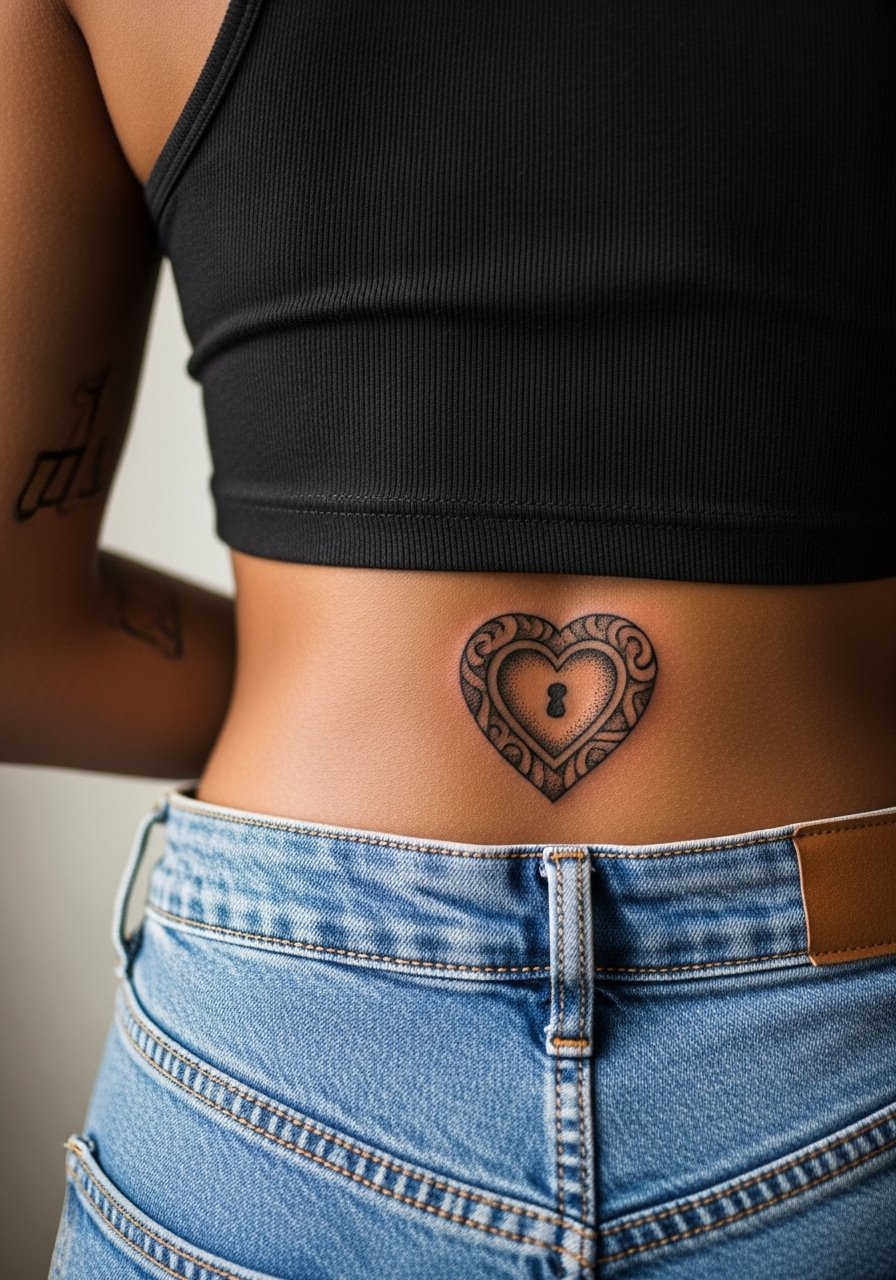
Lower back pieces can be a canvas for airy negative-space lockets. Avoid heavy fill that can blur across the lumbar curve. Sessions are comfortable but consider how waistbands and belts might irritate the healing skin. For the appointment, wear high-waisted jeans that you can lower slightly like high-waisted denim. Expect steady aging if you protect the area from frequent sun.
27. Abstract Locket as a Tiny Chest Pendant Near the Heart
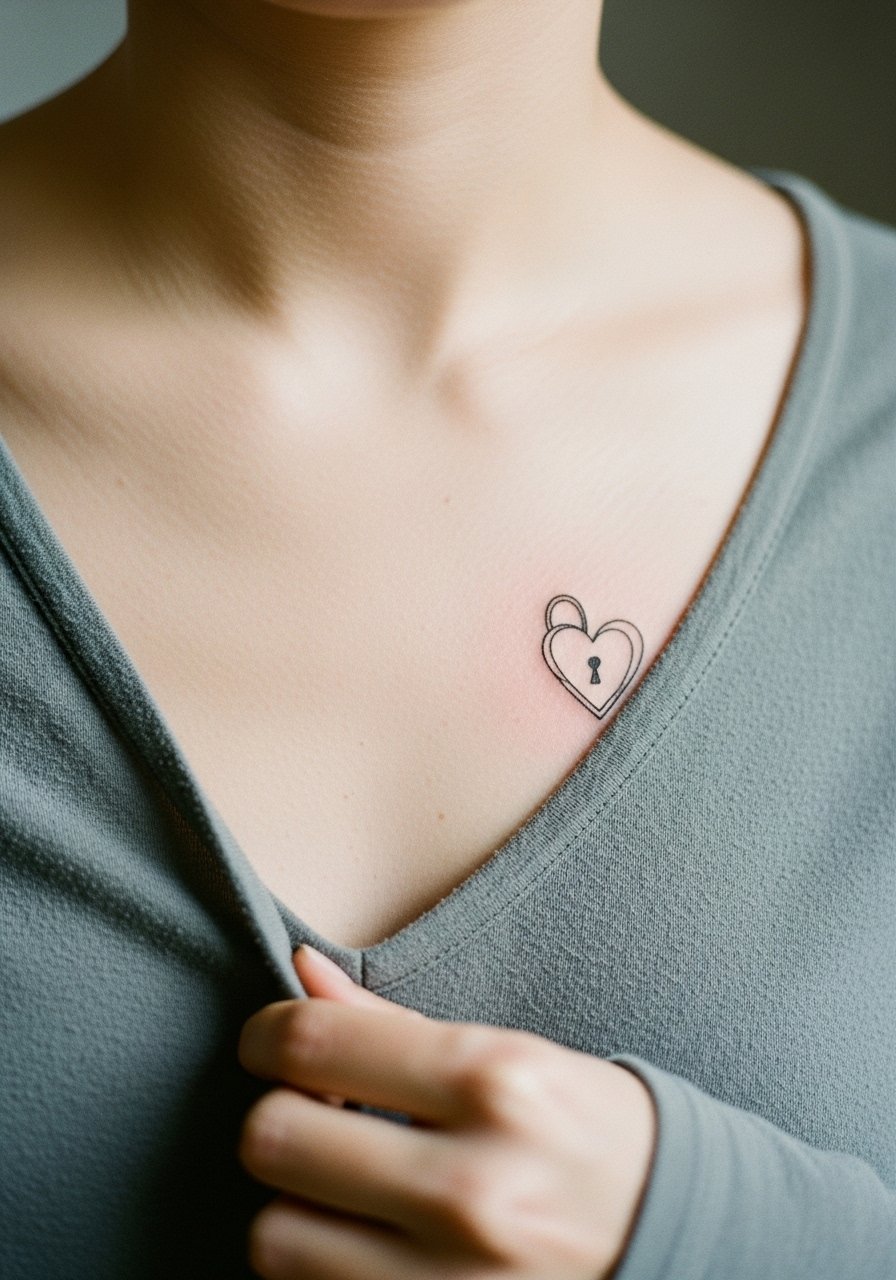
Placed close to the heart, this tiny locket reads as a private emblem. The core mistake is over-detail for the scale, which fades into a smudge. Request an airy contour and avoid interior dotting that will bleed. Pain is moderate and sessions are short. For session access, a wide-neck shirt you can pull aside is ideal. Consider how chest hair or necklaces will interact while it heals and schedule touch-ups as needed to keep the locket crisp.
Frequently Asked Questions
Q: Will an abstract fine line heart locket blur faster than a bolder locket design on wrists and hands?
A: From what I've seen, fine line does soften faster than bold outlines, especially on high-friction zones like wrists and hands. If you love delicate work but want longevity, ask for slightly heavier line weight in the consultation and plan for touch-ups around year two.
Q: How should I prep clothing for a sternum or ribcage locket session to make the artist's life easier?
A: Wear something you can lift or pull aside without exposing more than necessary, like a fitted sports bra or cropped athletic top. Comfortable, breathable fabrics reduce sweating and let the artist access the area cleanly.
Q: Are there design choices that keep watercolors or washes from fading faster when paired with an engraved locket?
A: Yes. Pairing a confident linework locket with a lightly diluted wash and planning for a color top-up helps. Ask your artist to separate color layers from the linework and to use pigments known for gradual, even fading rather than quick dispersal.
Q: How often should I expect touch-ups for finger or ankle lockets?
A: Expect touch-ups sooner than larger pieces. For fingers and ankles, one touch-up within the first year is common and another at year two or three depending on lifestyle. The key is not to overwork the area in the first session.
Q: If I want an abstract locket that reads as jewelry, what should I tell my artist in the consult?
A: Bring photos of actual jewelry that match the scale you want and specify where the chain should fall relative to bones and contours. Mention whether you want negative space, gem accents, or stipple shading, and ask the artist to stencil while you move so the piece aligns with natural motion.