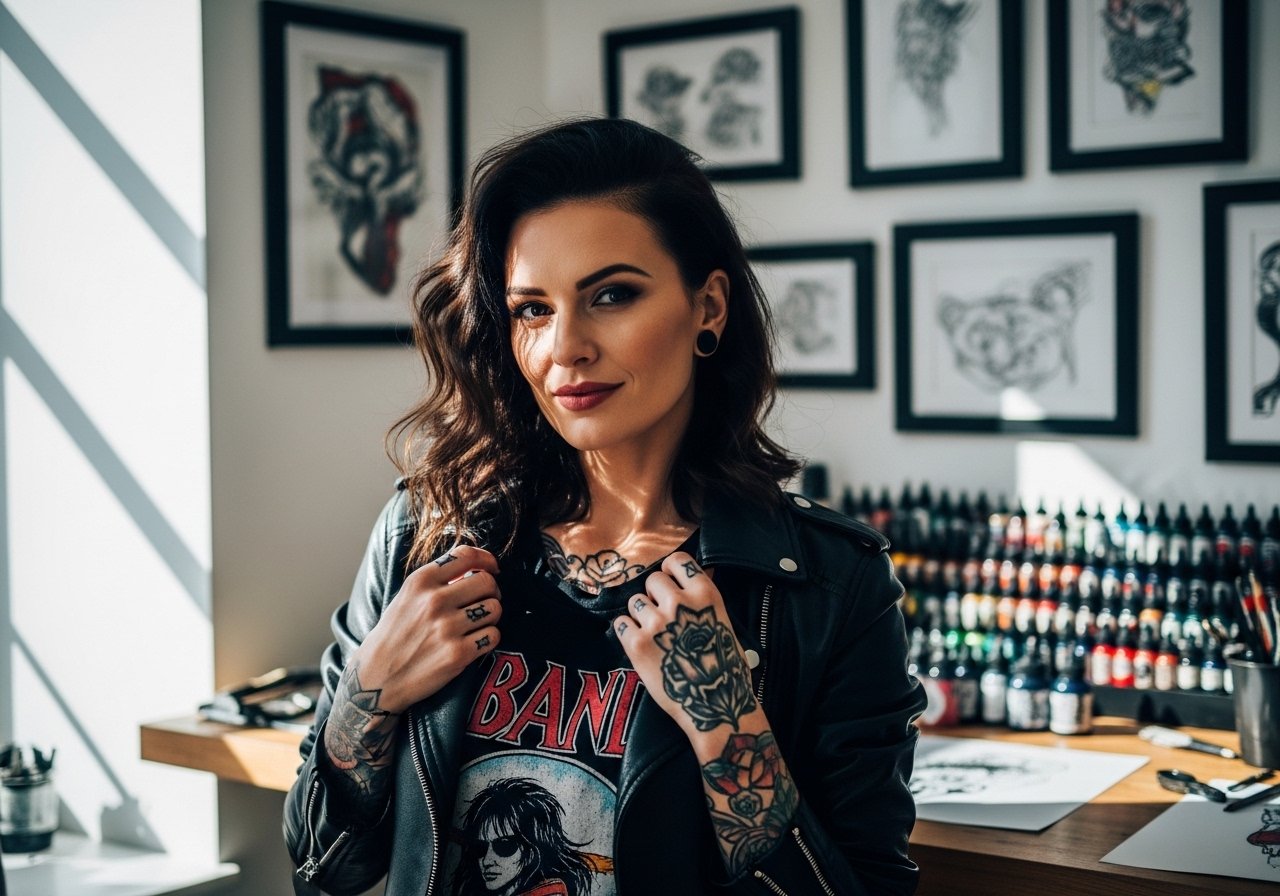
Fine line black cat tattoos look delicate on a screen and fragile after a year if placement and line weight were the last things on your mind. I see people pick the prettiest reference and forget to ask about longevity, skin tone contrast, and touch-up timetables. Read these 21 minimalist black cat tattoo ideas and you will get options that photograph well fresh and still read clearly after healing.
1. Single-Needle Whisker Cat on Inner Wrist
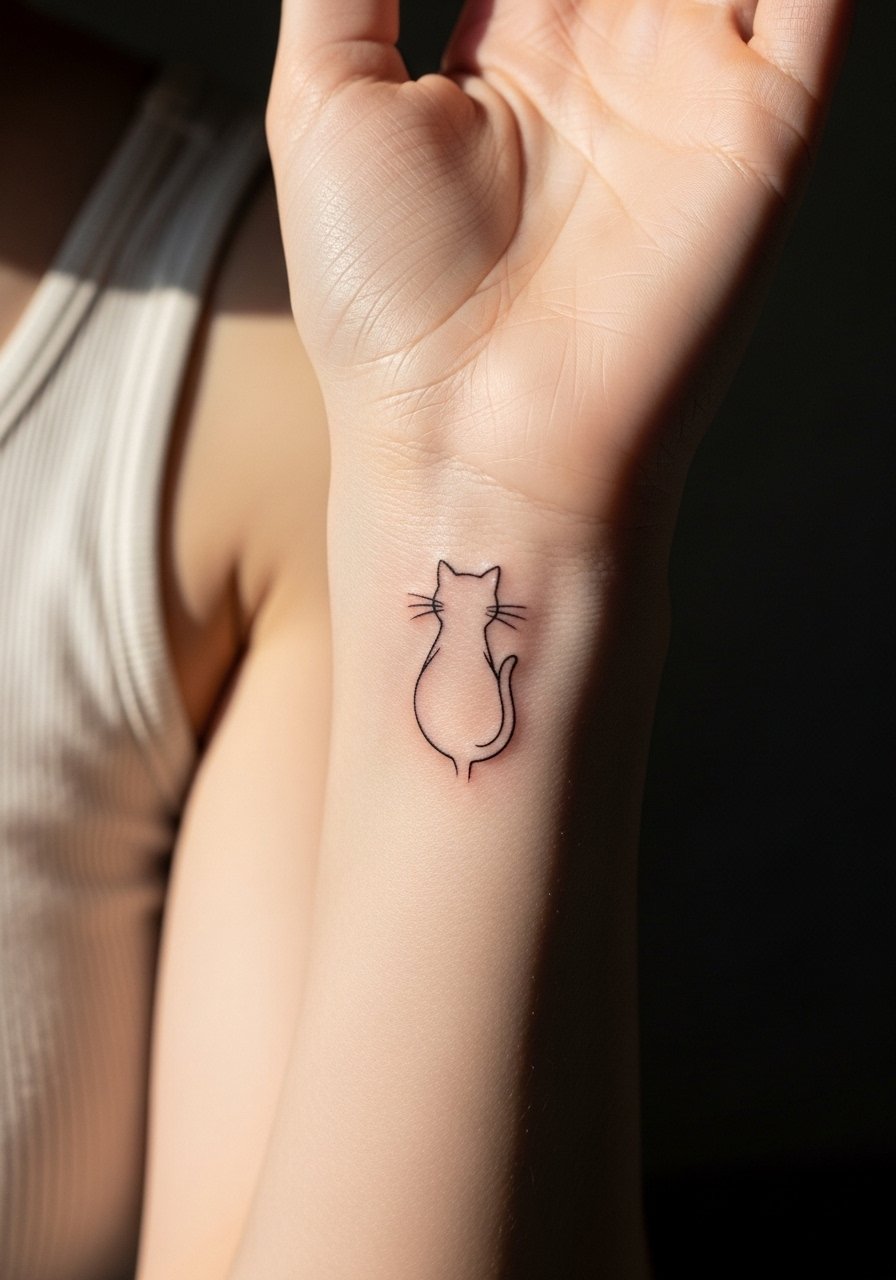
I recommend single-needle for whisker detail when you want subtle fur texture without heavy black fill. Fair warning, the wrist is a high-movement spot and fine line can fade faster there. Ask your artist for slightly bolder main anchor lines around the eye and nose so the tiny whiskers can sit in negative space. Session time is short, usually under an hour, and pain is low to moderate. For the appointment wear a sleeveless tank so the artist has clear access. Expect a touch-up around the 6 to 12 month mark if you want crisp whiskers after a year.
2. Minimal Silhouette Behind the Ear

The behind-the-ear micro silhouette reads like a private punctuation mark. The inner ear area heals fast but requires precision. Bring reference images that show the exact curve you want because scaled-down shapes become amorphous if the artist guesses. Pain is low. This placement is great for someone who wants a discreet mark that peeks out with an updo. Note the area needs careful aftercare because hair oils can interfere with healing. For show-off pairing, a small hoop that pulls hair back can give that hidden reveal without drawing too much attention.
3. Geometric Blackwork Forearm Cat

I see geometric silhouettes age very predictably when scaled for forearms. The larger shapes let the heavy black hold, and negative space keeps the cat readable from a distance. The outer forearm tolerates bold blackwork well. The common mistake is making the shapes too small. During consultation say you want at least three to five millimeters between parallel lines so the dense areas do not merge as they heal. For showing it off try a rolled sleeve chambray shirt in dark tones, which frames negative space without clashing. Sessions are usually one to two hours and pain is mild.
4. Crescent Moon Outline Collarbone Cat

A collarbone outline reads delicate and witchy without heavy fill. The chest moves when you breathe, so the common mistake is too-light linework that fades into soft gray. Ask your artist for confident single-pass lines with steady depth. Session time is short and pain is moderate because of bone proximity. For evenings wear an off-shoulder blouse to show the piece without covering it. If you want bolder longevity, request a slightly thicker main contour while keeping the moon and internal details fine.
5. Sleeping Cat Outline Behind the Ear

This micro behind-the-ear option is a quiet charm. The risk is asking for hairline-thin outlines that lose clarity after healing. Tell the artist you want slightly fuller contour so the sleeping pose keeps its silhouette against hair and shadow. Session time is minimal and pain is mild. Because visuals for dark skin are underrepresented, ask your artist to show healed examples on similar tones when possible. For the session, tuck hair behind the ear or use a clip so the artist has clear access.
6. Minimalist Ankle Outline Cat

Ankle outlines are classic first-timer choices because they are easy to hide. The mistake is making the lines too faint for an area that sees a lot of friction from shoes and socks. Ask for a clean outline with slightly increased line weight so the cat reads after a year. Pain is moderate because thin skin and bone sit close. For showing it off wear cuffed ankle pants or cropped jeans with sandals. Expect the need for a touch-up in the first year if you keep wearing snug shoes.
Studio Day Picks
Those small wrist, collarbone, and ankle pieces above heal differently from larger work, so a few targeted items smooth the session and the early healing window.
-
Stencil transfer paper kit. Lets you preview and reposition linework on skin before the needle hits, which matters for precise single-needle whisker details and collarbone outlines.
-
Topical numbing cream. Applied 30 to 45 minutes before helps with sensitive wrist and ankle sessions without changing line clarity.
-
Thin protective film roll. Useful for ankle and wrist pieces that rub against socks and watches during the first few days.
-
Fragrance-free body wash. Cleans without irritation when showering small fresh tattoos near the collarbone or ankle.
-
Aquaphor healing ointment. Thin application in the initial days keeps tiny single-needle channels moist and reduces scabbing that obscures whisker detail.
7. Fine-Line Cat Chasing Its Tail on the Ribcage

Fair warning, ribs are one of the more painful spots and fine line work there can be controversial. Artists split into two camps. One group says the skin stretch blurs fine lines within two years. The other group argues that with proper depth and spacing, fine line settles fine on ribs. If you want this playful circular layout, ask the artist which camp they fall into and how they space the loops. Expect a longer session and the chance of a touch-up at year two. For comfort wear a loose cropped top you can lift and relax in between passes.
8. Neo-Traditional Moon Cat on the Collarbone
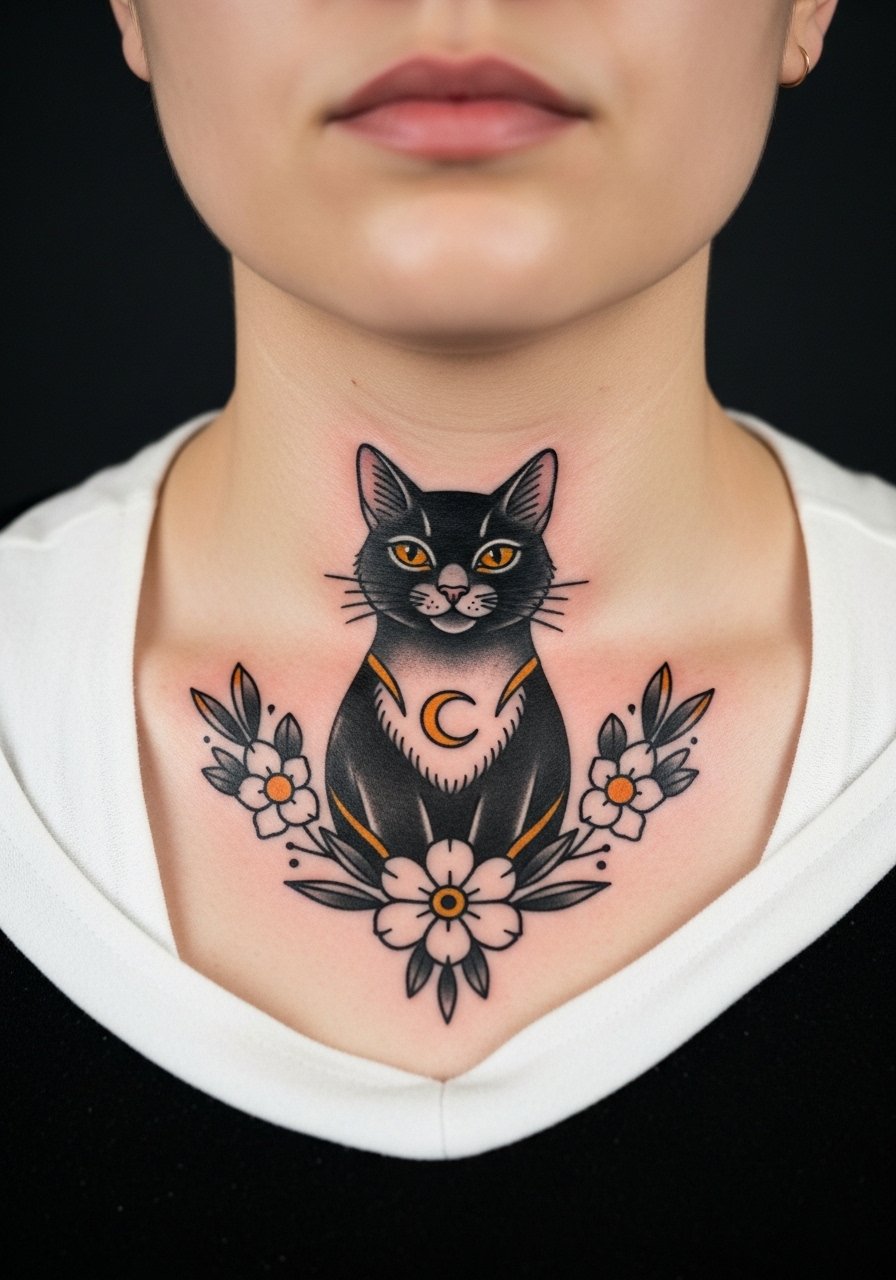
Neo-traditional gives the black cat presence through bolder contour and selective color accents. This style ages well on chest and thigh because saturation keeps contrast. A common mistake is cramming too many tiny color details into a small collarbone piece. If you want color, tell the artist you prefer larger blocks of saturation and a strong black foundation. Sessions are medium length and pain is moderate. For evenings try an off-shoulder blouse to frame the piece without covering it.
9. Dotwork Mandala Cat on the Shoulder Blade

Dotwork shines on the shoulder blade because the skin is flat and stretches little. The design reads as a meditative circular pattern surrounding a cat silhouette. A mistake is starting with too-dense dot fields then scaling them down. Ask the artist for a build plan across two sessions so stipple shading keeps clarity at 2 and 5 years. Session time is longer and can be split. For show-off pairing choose an olive sleeveless tank to keep the ornamental work visible at summer events.
10. Micro-Realism Thigh Portrait
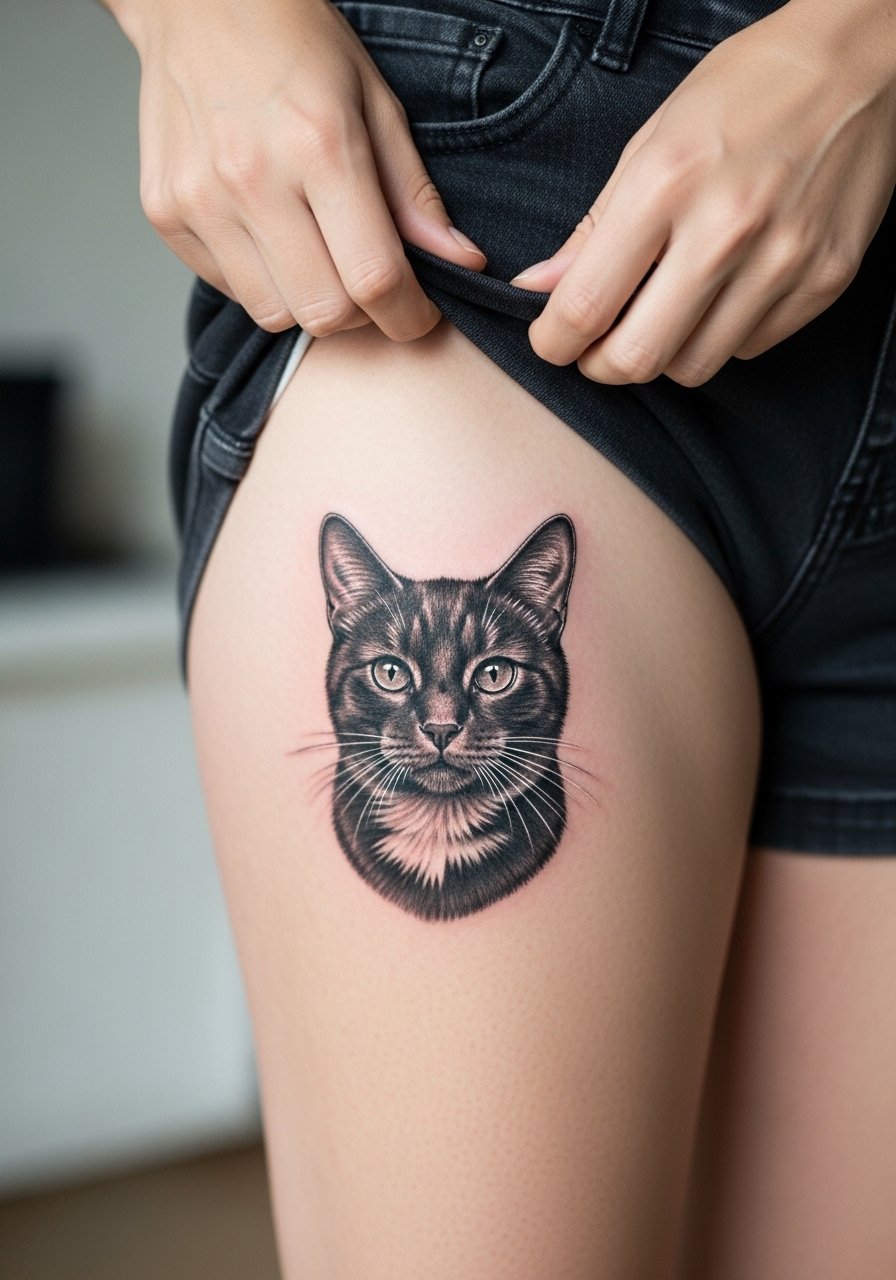
Realistic portraits need space to breathe, so the thigh is ideal. The common error is shrinking a photo-real design to a size where whisker texture and eye depth collapse. During consultation clarify your preferred focal point, like the eyes, and ask for reference photos with similar lighting. Sessions are longer and may require two appointments. For showing it off consider high-waisted linen shorts so the portrait stays unobstructed and reads cleanly in summer outfits.
11. Black Cat and Spider Web on Outer Forearm

This gothic combo reads bold from a distance and keeps its edge if the cat is mostly silhouette and the web uses negative space. The mistake is over-detailing the web with thin lines that blur in two years. Ask for thicker anchor lines on the web junctions and for the cat to be a solid black shape with one or two highlighted negative-space eyes. Sessions are moderate length and pain is low on the forearm. For the session wear a short sleeve button-up you can roll up without binding.
12. Tiny Pawprint Finger Cat Accent

Finger tattoos are tempting but they live in friction zones and often need touch-ups. The trick is to accept the likelihood of future refreshes and choose bold, simple shapes. Ask for a slightly larger paw pad and stronger black fill so the tiny silhouette does not vanish after daily handwashing. Sessions are quick and pain is sharp but brief. For showing it off consider a minimalist silver chain bracelet on the opposite wrist to balance attention without crowding the fingers.
13. Cartoon Cat with Pumpkin on the Calf

Playful cartoon pieces like a cat with a pumpkin age well on the calf because the surface is flat and low friction. The mistake is relying on tiny colored fills that can fade into patchiness. Request saturated color blocks and strong black outlines so the pumpkin remains vibrant against the cat silhouette. Sessions are short to moderate and pain is low. For casual showing pair the calf piece with cropped shorts or sandals in autumn tones.
14. Black Cat Silhouette on the Spine

A spine placement gives a guardian vertical flow but requires an artist comfortable with curved anatomy. The common mistake is bending a straight silhouette over vertebrae without compensating for the curve. During consult ask to see similar spine work from the artist and confirm how they will space the design to sit balanced when you move. Pain is moderate to high depending on proximity to bone. For the session wear a loose tank top that can be shifted so the artist has clear access.
15. Black Cat Mandala Sternum Accent

Sternum work requires steady hands and an artist used to centerline symmetry. The mistake is overcomplicating a small sternum design. Ask for fewer radial layers so the mandala keeps clarity across healing. Pain is higher because the area sits near bone. For comfort bring a zip-up hoodie you can remove between passes. If cultural patterns inform the mandala, mention your preference for respectful variation rather than a direct copy.
16. Hand-Poked Texture Cat on the Inner Bicep

Hand-poked texture gives a tactile stipple look that reads differently than machine shading. Inner bicep is a forgiving canvas and hand-poked dots can age gracefully there. The common error is asking for machine-level saturation in a hand-poked piece. Discuss with the artist whether hand-poked is right for your desired texture and timeline. Sessions can be longer for dense stippling and pain is moderate. Wear a tank top so the artist can shift your arm for better angles.
17. Duality: Black Cat Chasing White Cat

This duality idea flips the usual single-cat motif into a visual conversation. It is under-covered but effective for showing balance through contrast. A common mistake is making the negative-space cat too thin to read after a year. Ask for bolder separation between fills and outlines so both figures keep their identity as the skin settles. Session time is moderate and pain is low on the outer forearm. For showing it off wear a rolled sleeve shirt that keeps the composition visible.
18. Minimal Black Cat on the Calf with Floral Accent
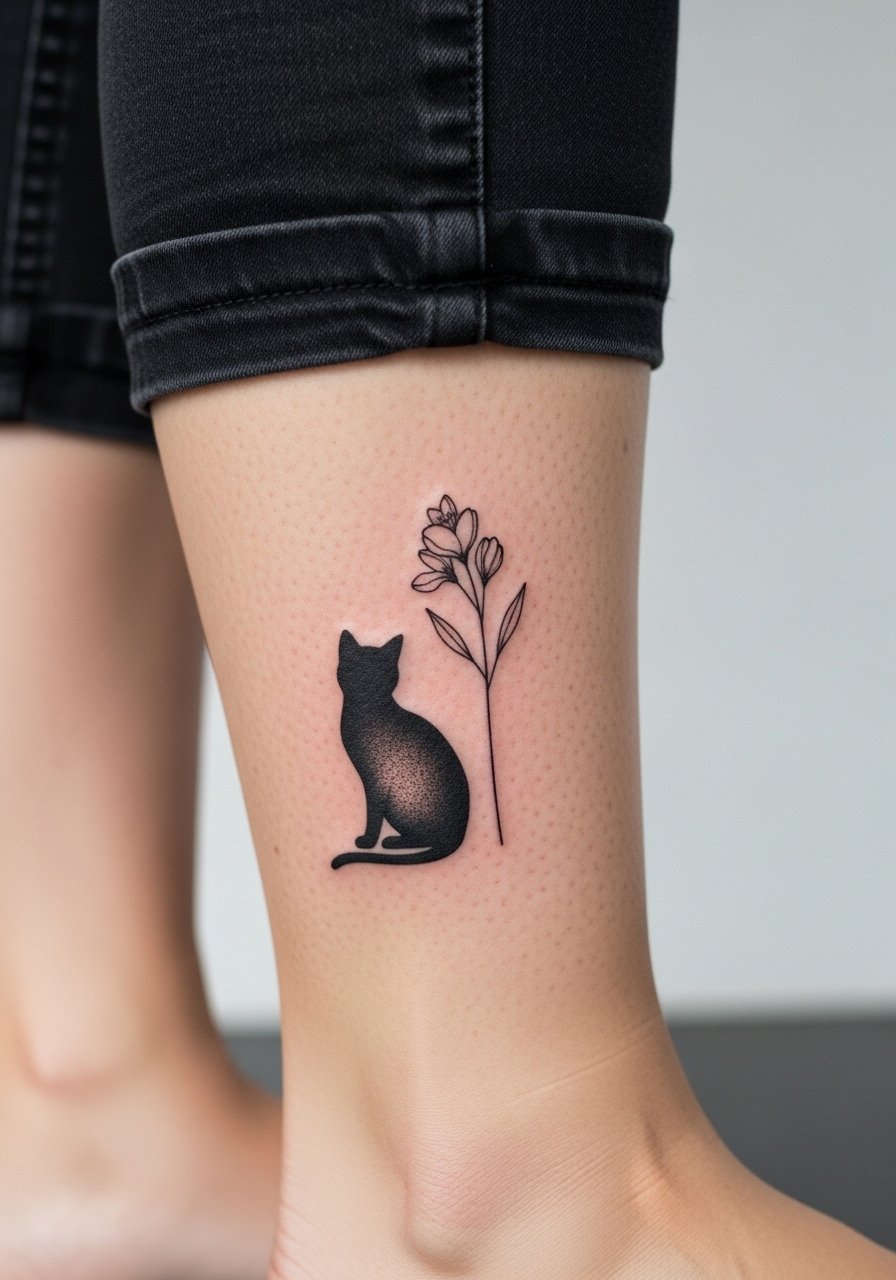
Calf placements let minimalist designs breathe while adding small neo-traditional flourishes like a flower stem. The mistake is crowding the silhouette with petals that break negative space. Tell the artist you want one or two floral elements and a strong silhouette for the cat. Sessions are short and pain is low to moderate. For showing it off pick cropped pants or a skirt so the negative space around the cat reads cleanly.
19. Tiny Cat on the Neck Nape

The nape is a sweet spot for a hidden reveal. The risk is requesting too-thin lines in a place that gets frequent sun exposure if you wear your hair up. Ask for slightly thicker anchor lines and plan sunscreen or coverups when you expose it outside. Sessions are quick and pain is mild. For discrete showing choose hairstyles that reveal the nape only when you want to display the design.
20. Black Cat and Spider Motif on the Calf Ankle Turn

Combining a cat with a tiny spider adds a gothic storytelling element while keeping the silhouette readable. The frequent mistake is placing too much detail on the ankle where shoes and socks abrade the area. Ask for compact, bold shapes and plan to avoid tight footwear while healing. Session time is short, pain is moderate near the bone. For showing it off choose cropped jeans and sandals so the piece stays visible without rubbing.
21. Micro Cat Behind the Ear with Hidden Script
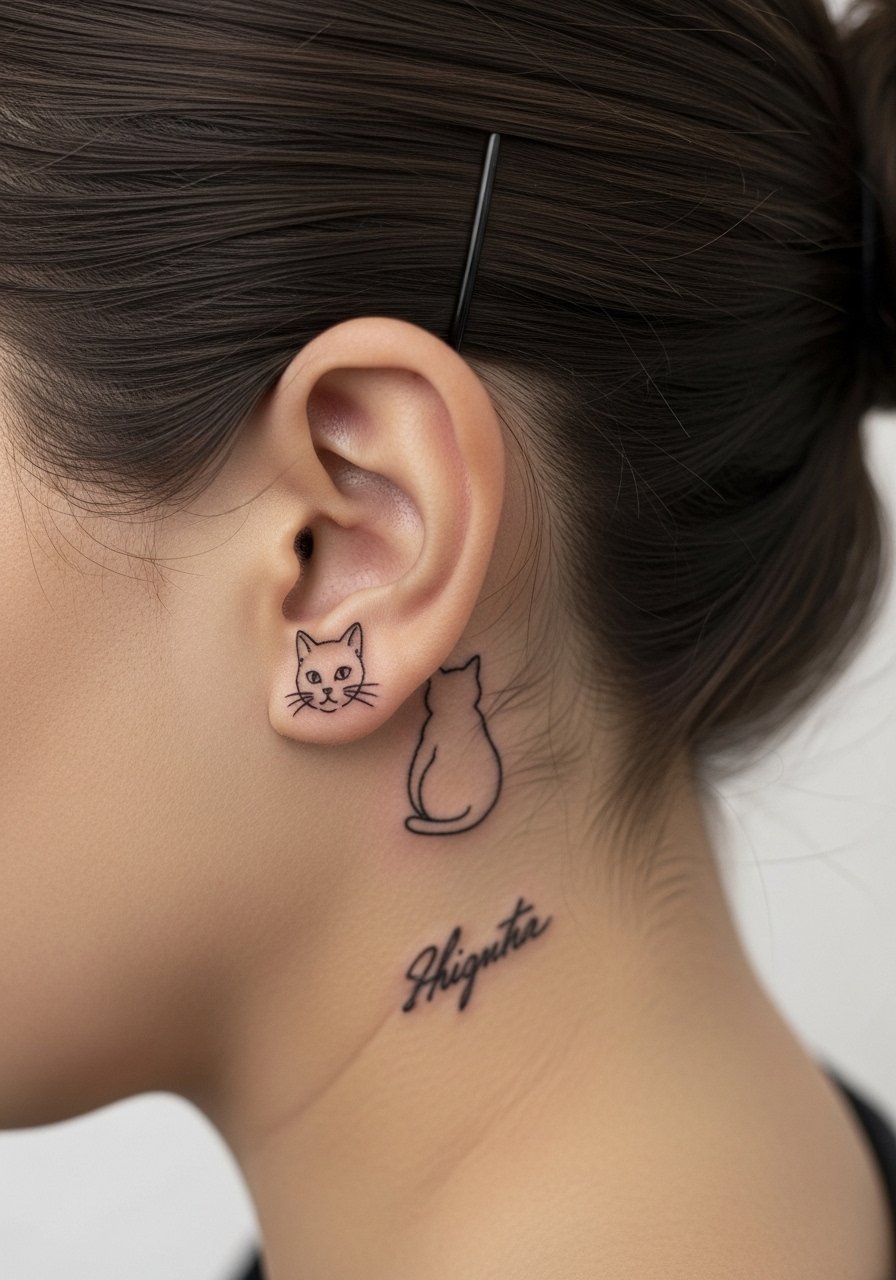
A behind-the-ear cat paired with a tiny script is a personal combo that reads as deliberate and private. When a tattoo includes text, be exact about the real word in your stencil so the healed result is legible. The mistake is letting font size drop too small. Pick a simple sans or delicate cursive at a size proven by the artist. Pain is low and session time is short. Make sure the artist frames the script placement so hair covers it naturally when you want privacy.
Frequently Asked Questions
Q: Will a fine-line black cat on my wrist blur within a year?
A: It depends on the line weight and your lifestyle. Fine-line work on a high-movement zone like the wrist often softens faster than bolder blackwork. If you want longevity, ask for slightly thicker anchor lines and plan a touch-up around six to twelve months.
Q: Are geometric black cat silhouettes better for forearms than realistic portraits?
A: Yes for durability. Geometric blackwork uses solid fills and negative space, which holds up better on forearms. Realistic portraits need more surface area, so the thigh or upper arm is a better fit if you want facial detail to last.
Q: How should I dress for a collarbone or chest session?
A: Wear a wide-neck shirt or a strapless top you can pull aside so the artist has clean access to the area. An off-shoulder blouse works well for post-session show-off photos without rubbing straps on fresh ink.
Q: Is Saniderm or dry healing better for small black cat tattoos?
A: Artists are split. One camp prefers protective film like Saniderm for a sealed environment and less mess. The other camp favors dry healing so you can inspect scabs. Ask the studio what they recommend for the site and follow their protocol closely.
Q: Should I expect more touch-ups for hand or finger cats than for thigh pieces?
A: Yes. Hands and fingers live in high-friction, high-wash environments and commonly need touch-ups. Thigh pieces usually hold saturation longer because they avoid constant abrasion and sun exposure.
Q: What questions should I bring to my consultation about a black cat design?
A: Ask about healed examples on similar skin tones, the artist's preferred line weight for the placement, and a recommended touch-up timeline. Also ask which healing method they prefer and whether they suggest Saniderm or dry care for your specific design.
Q: Can I get a hand-poked black cat instead of a machine piece?
A: You can if your artist offers hand-poked work. Hand-poked stipple texture looks different and can age well in areas like the inner bicep or shoulder blade. Confirm session duration and how many appointments are needed for denser stippling.