The tattoos that still look crisp after a few years often start with sensible choices, not the flashiest reference image. Fading on darker skin, surprise price hikes after hype, and sessions disrupted by last-minute cancellations are real worries. This list focuses on colorful Demon Slayer ideas that handle those problems up front, with consultation notes, realistic aging tips, and wardrobe advice to make the pieces work long term.
1. Nichirin Sword Forearm Blade, Neo-Traditional Edge

I recommend this when you want a visible piece that scales from wrist to elbow without turning into a crowded sleeve. Forearm linework holds well if the blade has a slightly thicker outline and controlled saturation. Tell your artist you want clean linework with layered color fills, and ask them to map how the gradient will sit across muscle movement. Fair warning, forearm swords can warp with significant weight changes, so pick placement slightly toward the outer forearm to reduce stretch risk. For the session wear a loose short-sleeve button-up so the artist can roll the cuff without pressure. Expect moderate pain and a single to two hour session, with a touch-up often recommended at year two.
2. Tanjiro Black-Bladed Chest Nichirin, Dramatic Reveal

Chest placements read as deliberate, and a black-bladed Nichirin works when you want a reveal under clothing. Chest skin moves more and hurts more than the forearm. Mention during consultation that you want bold black anchors with small color accents, not fragile fine lines. One common mistake is going too small and tight, which causes the linework to blur around the sternum over time. Plan for two sessions if you want deeper saturation and a crisp central spine. For showing this off, a v neck tee white frames the piece without competing with the collarbone. Expect a higher pain level and slower initial healing.
3. Shinobu Purple Insect Eyes on Back of Hand, Micro-Realism Nod

Hand tattoos still carry controversy because of fast fading and employment considerations. Artists split into two camps on hands and fine detail. One camp accepts the fade and plans touch-ups often. The other avoids dense micro-realism on hands entirely. If you want Shinobu eyes here, ask for a slightly larger scale and higher saturation rather than tiny lashes. The back of hand heals differently because of constant washing and friction, so expect the purple to shift faster than on the forearm and budget for a touch-up at year one. For subtle cover when needed, try fingerless mesh gloves for styling and protection. Pain is sharp but session time is short.
4. Nezuko Pink Slit-Pupil Torso Pair, Micro-Realism Glow

Torso placements like this give a hidden, playful reveal that moves with body motion. Micro-realism needs saturation and contrast to keep the pink pop on darker tones, so ask your artist for layered application rather than a single pass. One common regret is choosing neon pink without planning for sun protection, which leads to muddy fades. If you plan to show this at night, mention blacklight-reactive ink in the consult, then confirm how the artist manages long-term saturation. For session comfort bring a loose button-down shirt that you can pull aside without lying awkward. Expect moderate pain and one to two sessions.
5. Upper Moon Kanji Iris on Thigh, Ornamental Rank Mark

The thigh is forgiving for ornamentals and keeps future stretch in mind. For the kanji-eye combo ask for a slightly larger iris and contrast in the kanji to prevent smudging. A common mistake is packing too much tiny script into the circle, which blurs inside two years. Thighs are great for expandability if you plan modular Hashira panels later. For sessions wear athletic gym shorts men so the artist can access the thigh comfortably while you stay dressed. Pain is low to moderate and healing tends to retain color better than hands or feet.
6. Inosuke Boar Head with Crossed Swords on Upper Arm

Upper arm neo-traditional pieces age well when the lineweight is balanced and the greens are mixed with earth tones to avoid olive shifts on melanated skin. I've seen green masks turn olive on darker skin without the right hue mix, so discuss pigment choices openly. The biggest mistake is relying on single-layer saturation. Ask for two color passes if you want depth. Upper arm sessions are tolerable and often done in two shorter visits to manage swelling. For showing the mask, pair with a rolled short-sleeve tee or a leather cuff on the opposite arm to frame the piece.
Pre-Session Essentials
The forearm, chest, thigh, and hand pieces above all benefit from different prep. These items smooth the appointment and protect fine lines and color during the first week.
-
Frida Aftercare Spray. Alcohol-free mist that soothes sensitive color pieces without greasiness, helpful for hands and wrist work where heavy balms trap dirt.
-
Tattoo Goo Color Balm. Thinner application for locking pinks and purples, which helps torso and thigh micro-realism retain saturation without pore clogging.
-
InkSafe Barrier Film. Breathable protective film that guests and travelers use over friction zones like hands and ankles during active weeks.
-
Australian Manuka Honey Balm. Natural antibacterial option for irritated spots, good for chest and ribcage areas prone to itchy healing.
-
Hustle Butter Deluxe. Thinner than some occlusives and favored by community members for keeping vibrant colors vivid without clogging the skin.
7. Nichirin Sword with Cherry Blossoms Sleeve Start, Watercolor Meets Edge

This hybrid works if you want floral softness without losing the sword's angular clarity. Watercolor on arms can fade into a bruise look if edges are too soft. Ask for defined outlines around the sword and softer stipple shading for blossoms so the petals keep shape at six months and beyond. A mistake is requesting full watercolor without a structural anchor. For session wear pick a fitted tank top men so the artist can reach the inner forearm cleanly. Expect two to three sessions for saturation and layered washes.
8. Colorful Hashira Uniform Patchwork on Forearm, Modular Panels
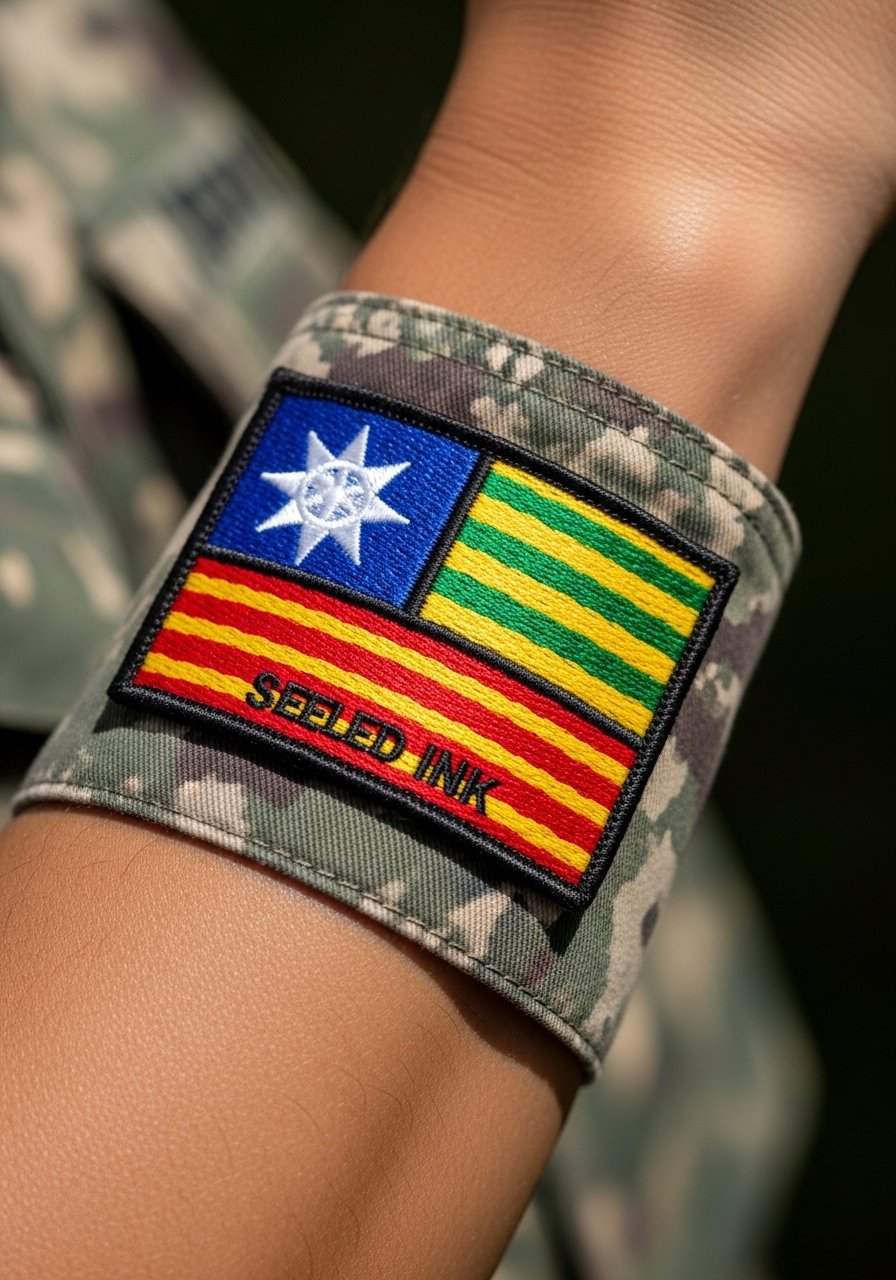
Patchwork panels let you grow a sleeve without committing all at once. The trick is consistent scale and spacing so new panels read cohesive. In consultations say you want modular panels sized for future joins. A common aging problem is mismatched saturation between guest spots. Request color notes and a shared palette. Forearm panels burn bright but face summer sweat issues, so plan touch-ups at year one. For athletic looks, pair with crew athletic socks and rolled gym shorts when showing thigh connections later.
9. Nezuko Bamboo Muzzle Wrist Cuff, Fine Line Minimalist Wrap
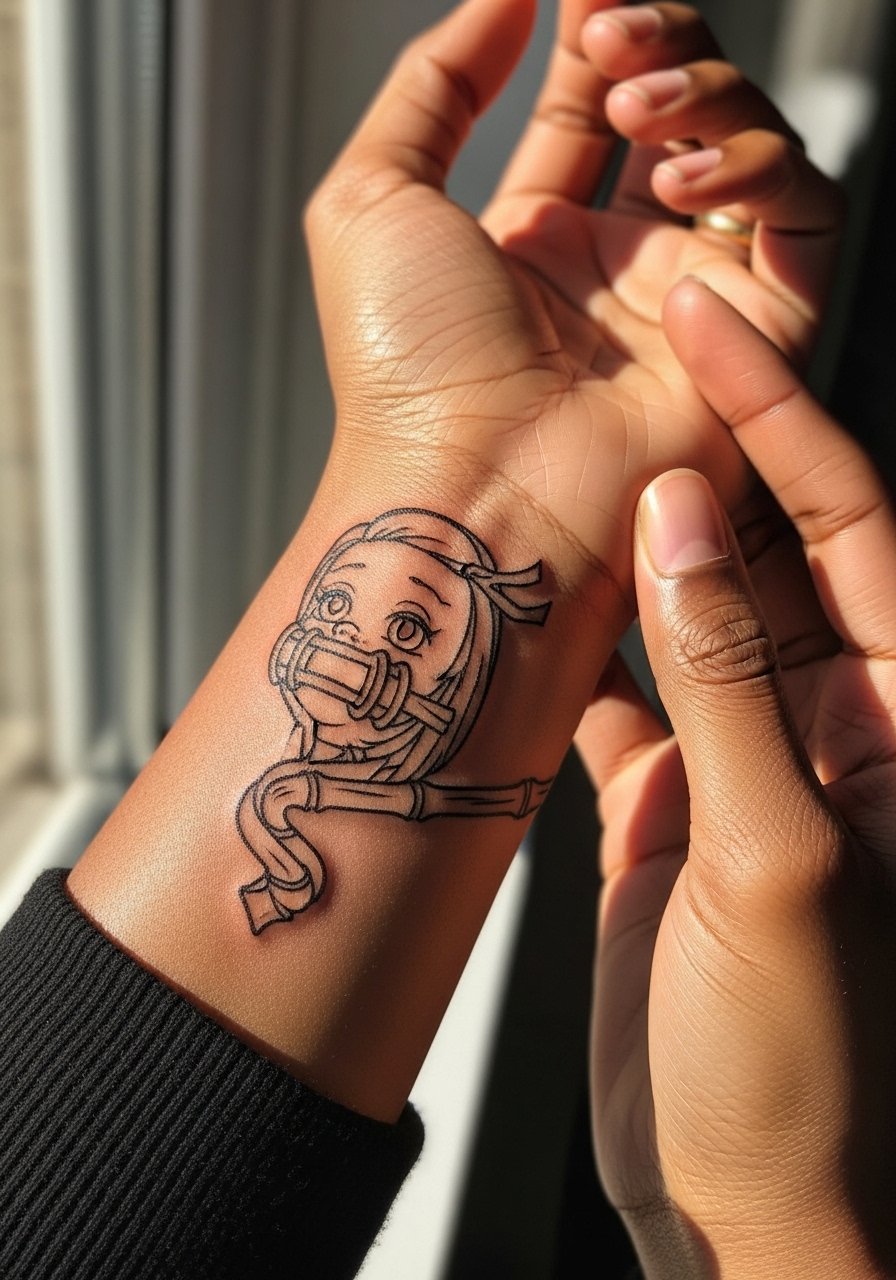
Wrist cuffs are small but visible, and fine line here needs a confident artist who understands blowout risk. Fine line opponents say cuffs fade quickly. Fine line supporters argue tight depth and spacing solve most issues. My take is to size the cuff slightly thicker than the reference and avoid ultra-fine single-needle strokes. For session wear, keep the wrist bare and bring a thin beaded bracelet to style with the healed cuff. Expect light to moderate pain and a single short session, with touch-ups possible within 12 to 18 months.
10. Demon Slayer Corps Emblem with Flames on Shoulder Cap
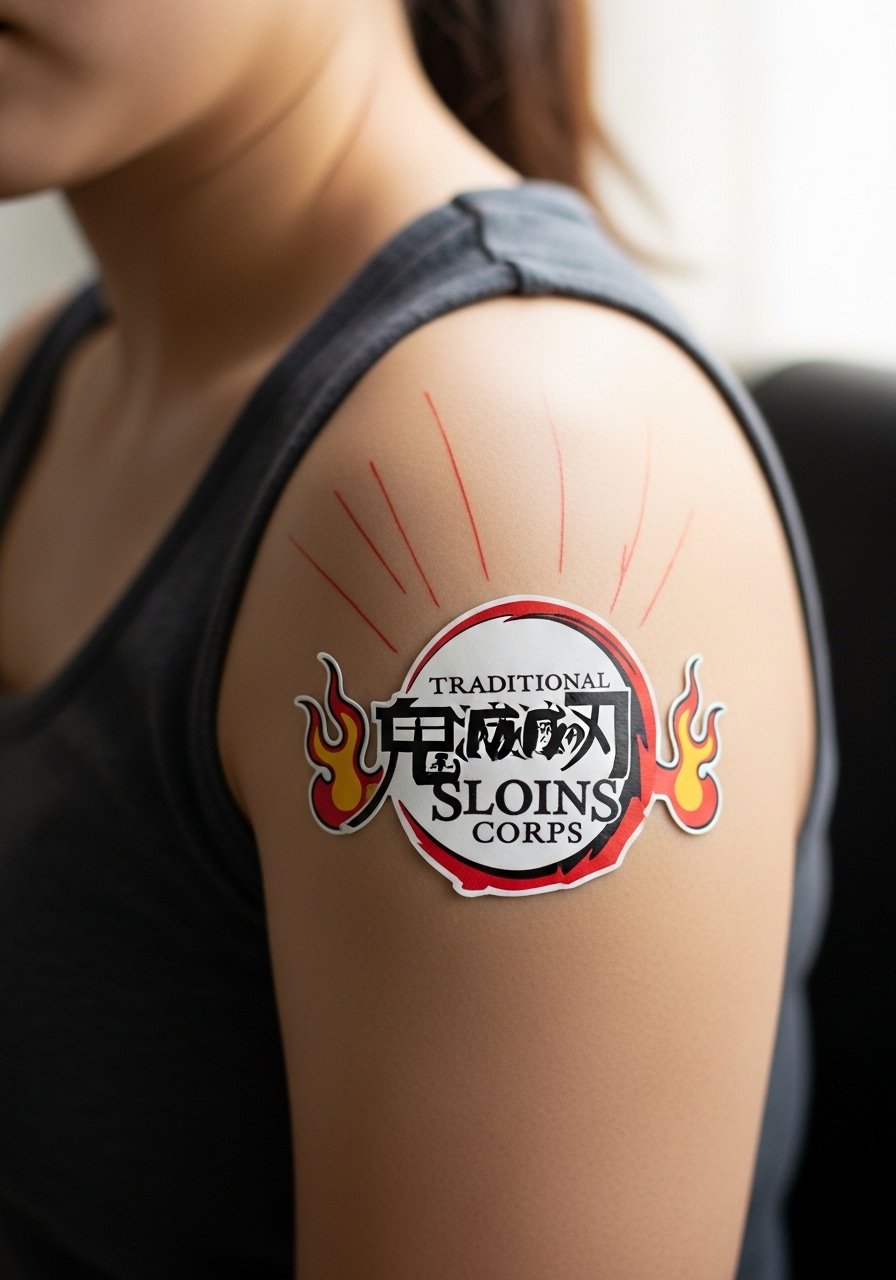
Shoulder cap pieces age well because they avoid constant friction and sun. The emblem works as an entry point into larger back or chest work. Tell your artist you want a solid outline and saturated flame fill that can be linked later. A common mistake is using too many thin details in a small emblem, which blurs at the edges after heavy sun exposure. For sessions wear a loose tank vest so the shoulder is accessible. Expect one session and straightforward healing.
11. Tanjiro Hanafuda Collarbone Icons, Minimalist Cluster
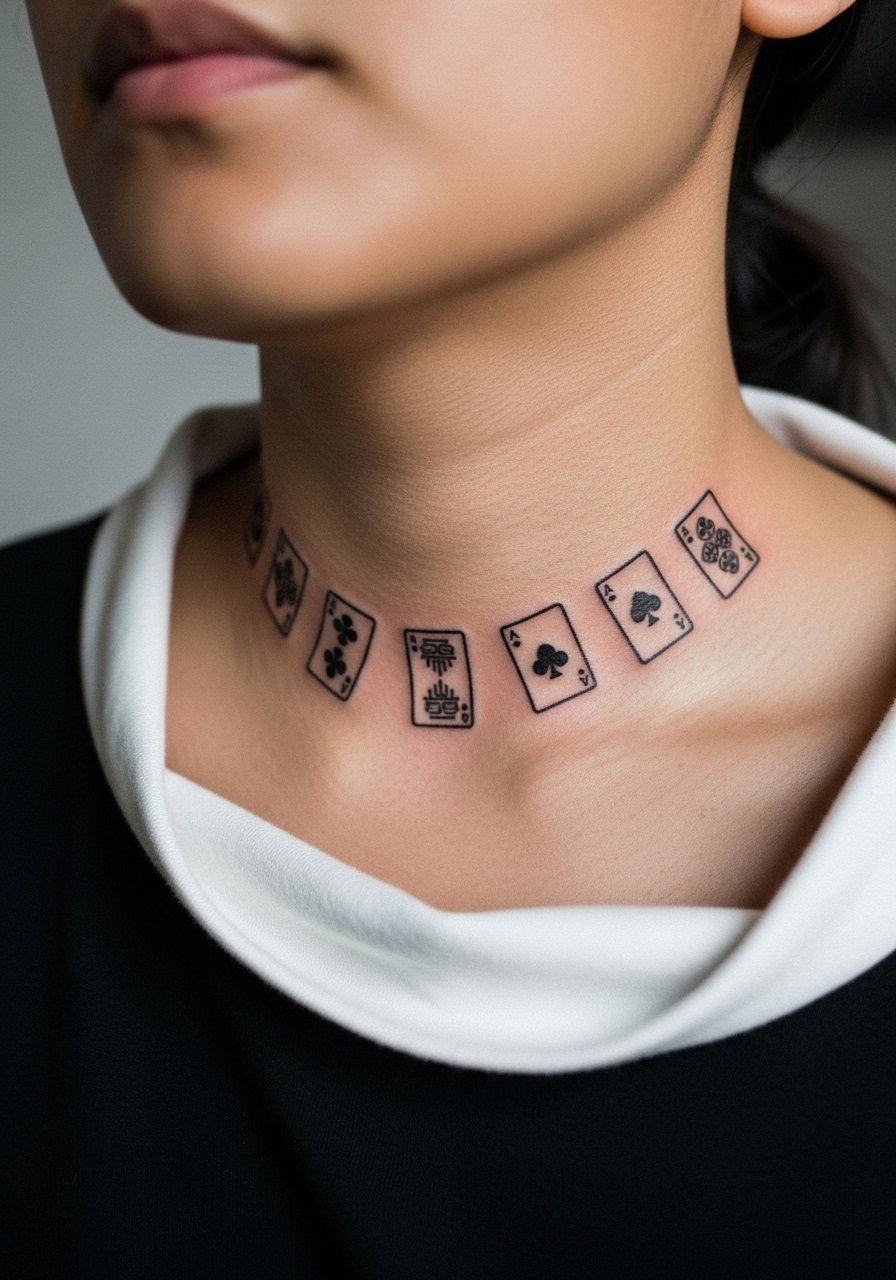
Collarbones give delicate pieces a personal placement with easy visibility. Fine line icons here need good spacing to avoid blurring across the clavicle. Ask for slightly bolder edges on the cards so numbers and tiny motifs remain legible after two years. A mistake is compressing too many icons into a small strip. For showing off the cluster, a thin chain pendant necklace compliments the area without covering the ink. Expect mild to moderate pain and a single session.
12. Full Body Inosuke Back Piece, Action Composition

Large back pieces demand commitment and planning. The advantage is scale and storytelling potential. That scale also means four to six sessions and a clear plan for shading versus color plates. Common buyer remorse comes when people mix too many visual references into a single composition. Pick a single action pose and let the artist design around it. Back color holds better than hands or feet, but sessions require stomach-down positioning which increases discomfort for some. Schedule sessions around your calendar and expect longer recovery windows between visits.
13. Inosuke Boar Calf Wrap, Gym Visibility Placement

Calf wrap tattoos are great for showing off at the gym and for athletic movement. The curved surface asks for pattern adaptation so the boar mask reads correctly when standing and when flexed. A frequent error is ignoring how the spiral of the calf distorts symmetry. Ask your artist to mock the design on a standing reference. Calf skin tolerates saturation well and color aging is usually favorable. For showing the piece, pair with athletic gym shorts men and high socks. Sessions are moderate in pain and often fit into two appointments.
14. Paired Demon Eyes on Knuckles, Fist-Bump Reveal
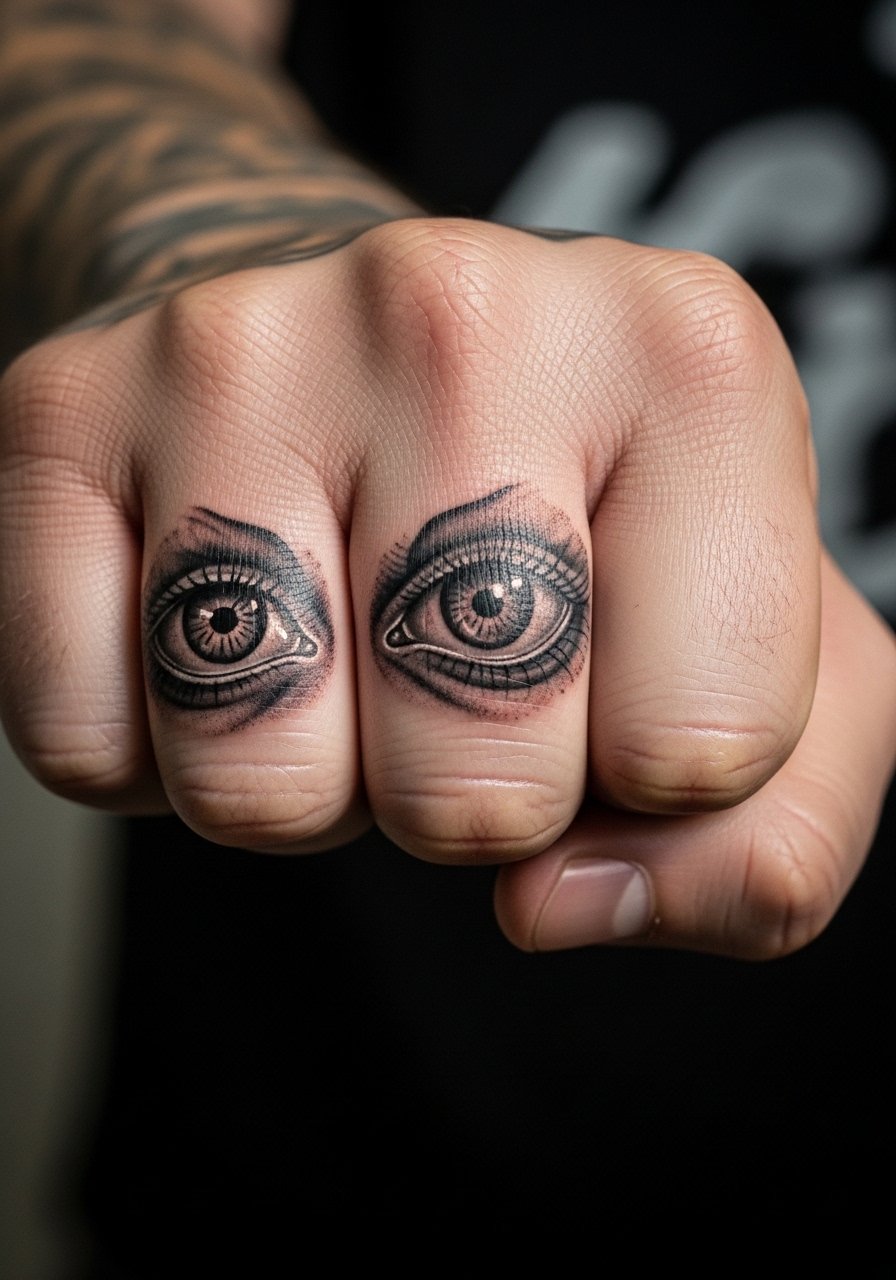
Knuckle work is bold and functional as a reveal when you fist-bump. It carries high fade risk because of constant motion and hand washing. One camp avoids knuckle micro-realism because touch-ups become mandatory. The other camp takes the touch-up route and accepts maintenance. If you want knuckle eyes, scale them slightly larger than reference and request robust outlines so the pupils stay defined. Plan on yearly touch-ups and know some detail loss is likely. Keep jewelry minimal and consider thin gold ring stack for styling that does not smudge the ink.
15. Nichirin Blade with Breathing Style Kanji on Ribcage, Hidden Affirmation

Ribcage work is painful but private and striking. Fine line kanji here divides artists. One camp warns that ribs stretch and blur lines, the other says precise depth and spacing make fine line okay. If you choose this, ask for slightly thicker kanji strokes and spacing that allows skin movement. The ribcage is also prone to longer healing itch and scab issues. For sessions wear a fitted sports bra you can lift slightly to expose only the target area. Expect higher pain and a careful two-week aftercare window.
16. Cherry Blossom-Wrapped Tanjiro Earrings on Ankle, Motion Tattoo
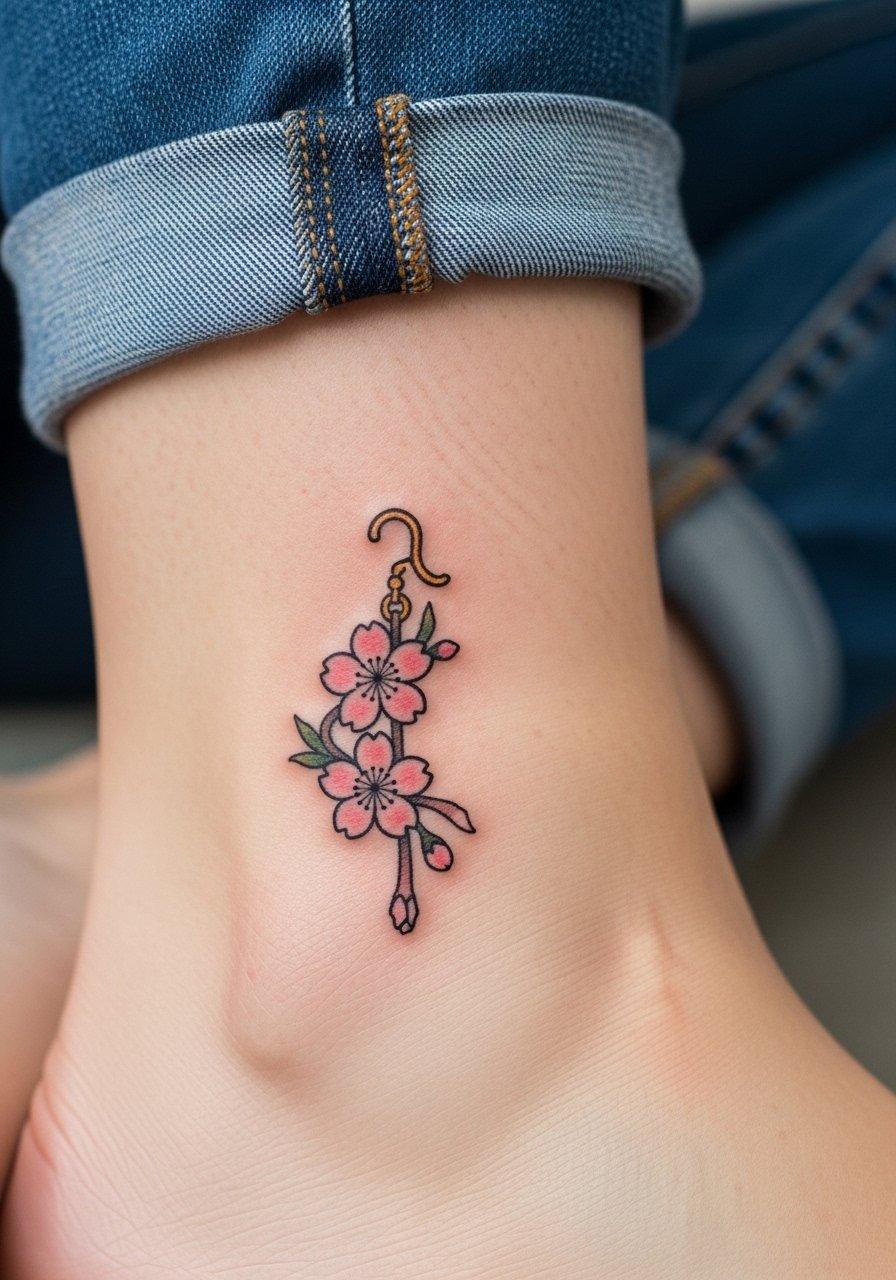
Ankle tattoos are visible yet easy to conceal. Motion tattoos that move with the ankle require crisp edges so petals and earrings do not blur with footwear friction. A mistake is placing too low where shoes rub the area constantly. Request placement slightly above the ankle bone and consider higher contrast in the blossoms. For sessions wear jeans rolled up or sandals to avoid fabric pressure. Healing is often fine but watch for rubbing from shoes during the first two weeks.
17. Corps Uniform Thigh Panels, Expandable Leg Work

Thigh panels make expandable sleeve systems practical and forgiving. The thigh tolerates saturation and is easier to hide from bosses who might have concerns. For longevity, ask that panels include enough negative space to join later without crowding. A common oversight is choosing tiny panels that need immediate expansion. For session comfort wear loose wrap shorts so the artist can work seated. Expect single sessions per panel and good color retention over time.
Frequently Asked Questions
Q: How should I handle color expectations on darker skin tones for bright Nezuko or Inosuke greens?
A: Bright pigments can read differently on melanated skin. Ask for layered application and color tests in the consult so the artist can show how pinks and greens will age. Mention your desire for contrast rather than neon, and expect touch-ups to be more common for extreme brights.
Q: Are fine line chest or ribcage tattoos worth it given the stretch and pain?
A: Fine line on ribs or chest splits artists. One camp says skin stretch blurs thin lines fast. The other camp argues depth and spacing solve most issues. If you go fine line, size up slightly and schedule a touch-up window at one year.
Q: Should I worry about summer sweat fading colorful forearm swords faster than other placements?
A: Summer sweat accelerates initial fade for arm pieces because salt and friction reduce saturation. Plan sessions outside peak sweaty months if possible and commit to strict sun protection for six months to help pigment lock.
Q: How often will knuckle or hand demon-eye pieces need touch-ups?
A: Hands and knuckles are high-maintenance. Expect touch-ups around year one, and possibly yearly after that depending on your job and washing habits. Design with thicker contrast to reduce the frequency.
Q: Where should I look to find an artist who understands neo-traditional color saturation and guests spots?
A: Search hashtags like #DemonSlayerTattoo or #NichirinSwordTattoo on Instagram and filter for "illustrative" and "color" in Tattoodo or Booksy. Check recent healed photos in portfolios and ask about guest spots at conventions if you need a specialist.