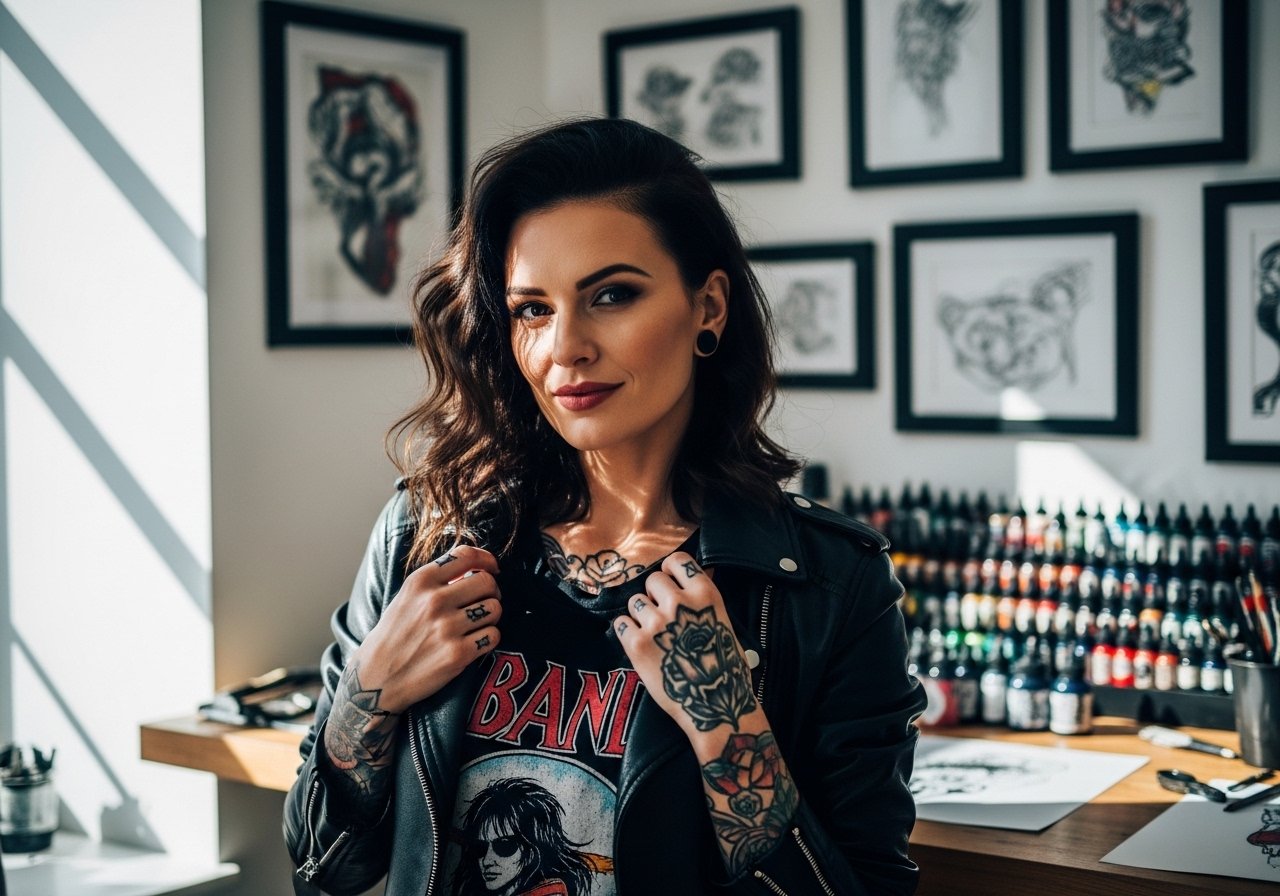
Fine line tattoos dominate saved boards, but what looks perfect on a phone often needs subtle changes to last. Smaller script that reads sharp fresh can blur into a faint line if it sits too shallow or too small. Picked placements and a careful sizing tweak keep a word readable for years. Below are 21 single-word fine line ideas with placement, what to ask your artist, wardrobe notes for showing or session day, and how each one heals over time.
1. Breathe on the Inner Wrist
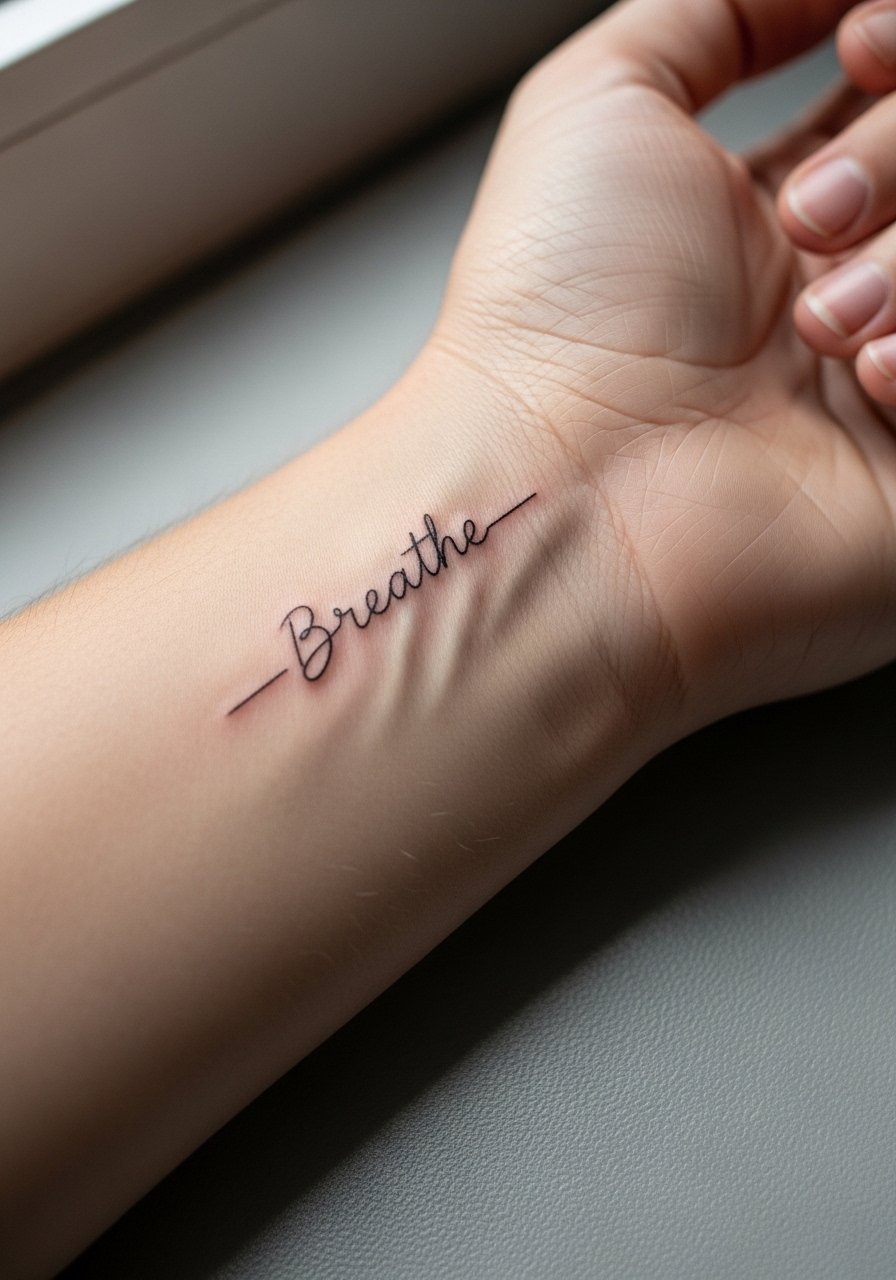
This classic one-word makes sense on the inner wrist because you can see it often without shouting it to everyone. I recommend asking for a 1.5 to 2 inch execution so the letters have room to age without merging. Expect the session to be quick, about 20 to 40 minutes, with light soreness under the needle. Common mistakes include asking for the tiniest script possible, which looks crisp at first and then softens into an unreadable smudge by year three. For showing it off, pair the wrist piece with rolled sheer cuffs and a thin chain on the opposite wrist to balance attention. Try sheer blouse women or a thin silver chain bracelet when you want the script visible.
2. Eres on the Inner Forearm
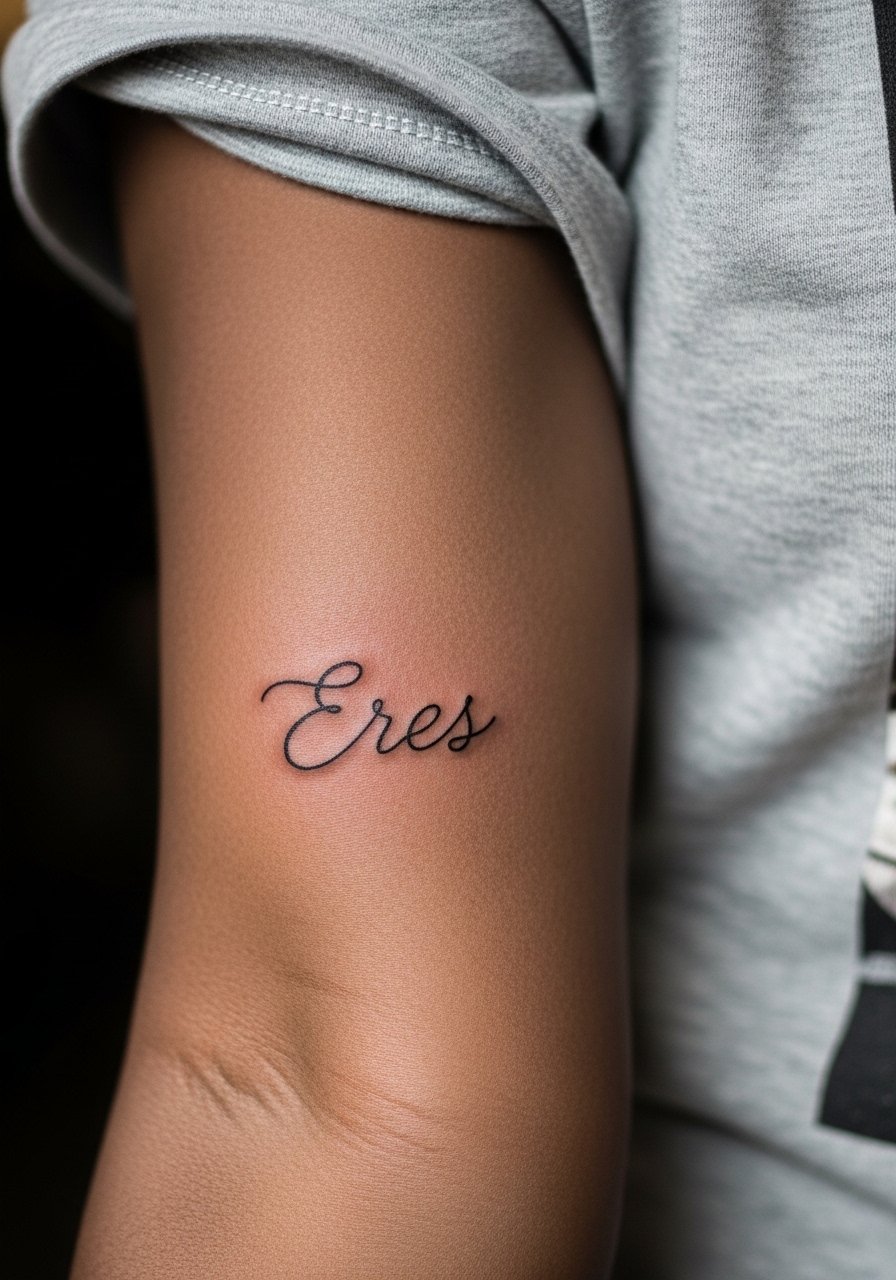
A bilingual single-word like this reads personal while staying elegant on the inner forearm. When you consult, bring samples showing the exact cursive flow and tell the artist you want single-needle work with slightly thicker downstrokes so the line keeps definition at year two. Sessions run about 30 to 60 minutes and the forearm tolerates that easily. A version that ages poorly is one done too thin and too close together. Over time the letters can blur if they sit too shallow. For outfits, an elbow-length linen tunic in sand or sage frames the forearm without hiding it, and a short-sleeve button-up is practical for session access. Consider the linen tunic women.
3. Bloom with a Stem on the Ankle
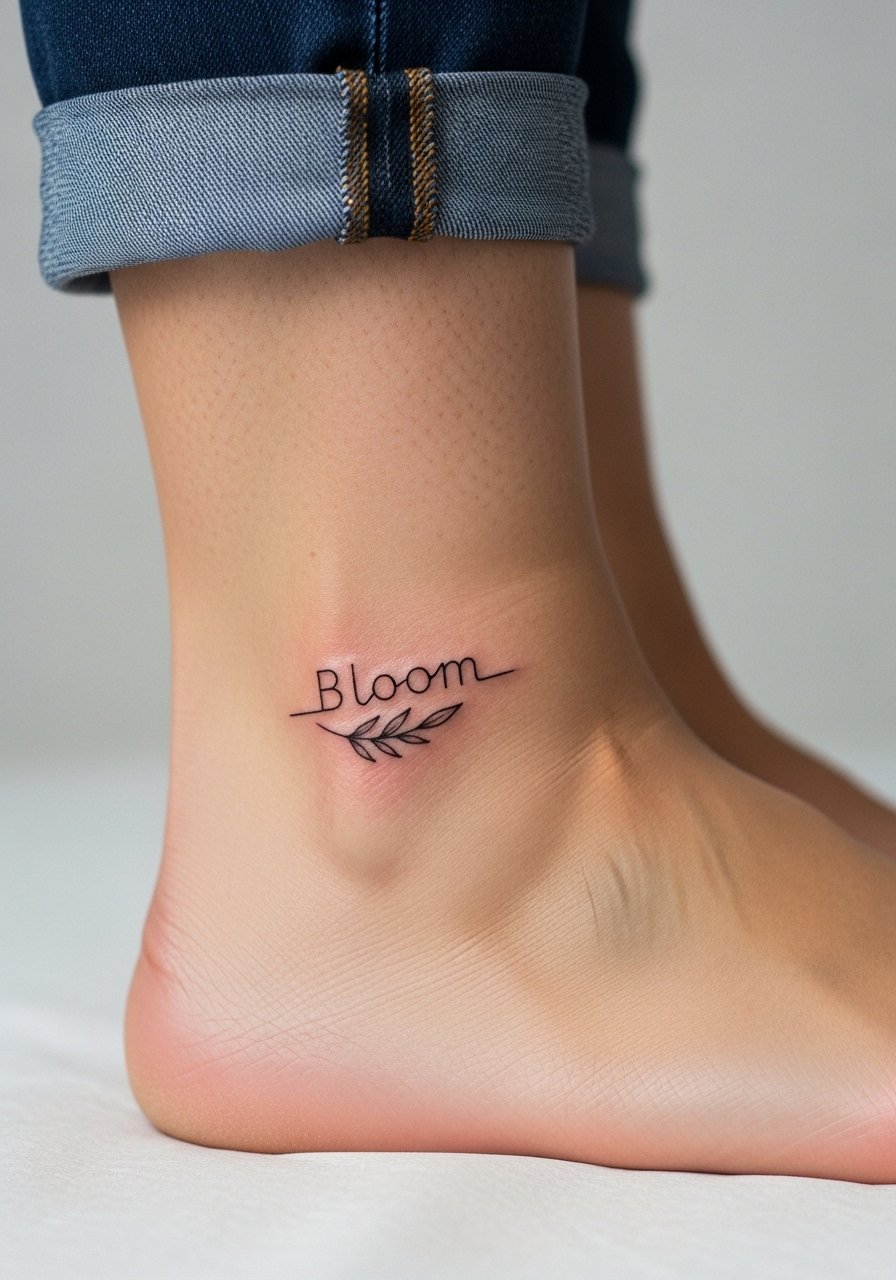
An ankle word that grows into a small botanical accent reads like a private motto. The ankle is fussy because it moves and rubs against socks and shoes during healing. I advise a 1.25 to 1.75 inch size and a single session that runs 20 to 40 minutes. The usual error is making the script too micro, which fades faster on the ankle where friction is constant. Pair this design with cropped straight leg pants or neutral sandals when you want it visible. A dainty ankle chain on the opposite side balances a single-word piece. Look for cropped straight leg pants or a dainty ankle chain to style it.
4. Zen on the Collarbone
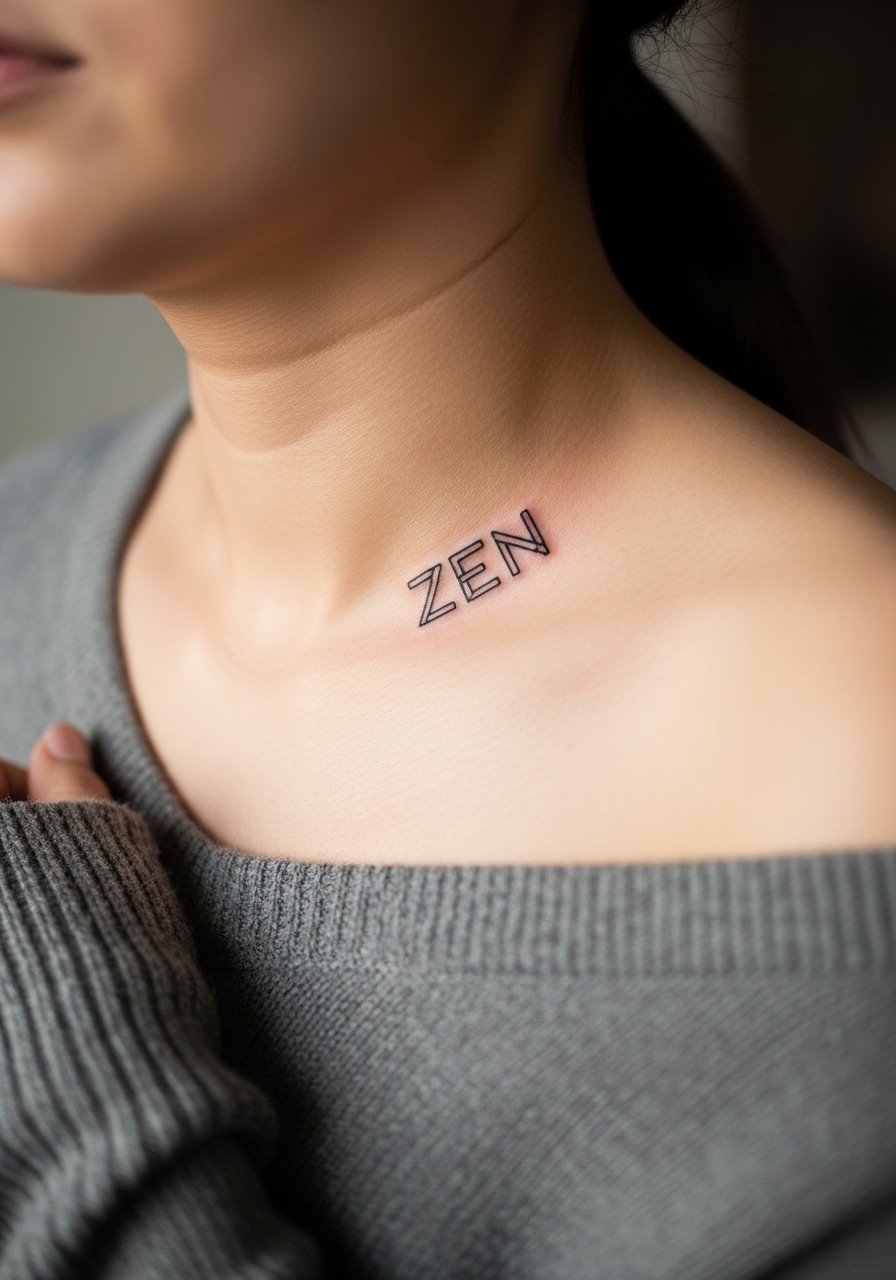
Two inches of geometric lettering along the collarbone reads like a necklace and works well with lower necklines. Tell your artist you want even spacing and a tiny bit of negative space between letters so the piece does not merge if your chest expands or tans. The session is short and the area is visible, so you will see healing progress daily. For showing it off, an off-shoulder or wide-neck sweater frames the letters without covering them, and a delicate choker sits above without crowding. Try an off shoulder sweater or a dainty choker necklace.
5. Family Behind the Ear

A behind-the-ear placement keeps family words intimate and easy to hide. This is a one-session micro piece that often finishes in under 20 minutes. The common mistake is asking for the smallest possible script; when the letters are too close they can blur into one shape. During consultation say you want clear spacing and single-needle precision with a tiny dot accent if you like. For showing it off, wear a high ponytail and a small hoop on the opposite ear. Bring a hair tie set and a small hoop earrings to the session.
6. Hope with a Dot Accent on the Ribcage

Fair warning: ribs are often a higher pain area, but the canvas lets a longer vertical word sit naturally. Tell your artist you want the letters spaced to accommodate skin stretch and breathing motion. There is a real debate here. One camp says fine line on ribs blurs quickly because the skin stretches and moves. The other camp insists that with correct needle depth and spacing fine line can settle well on the ribs. Ask where your artist stands and what touch-up timeline they expect. For session clothes, a soft crop tank and high-waist pants make it easy to expose just the area needed. Pack a crop tank top and high waist lounge pants.
Session Day Picks
The wrist, forearm, ankle and rib pieces above ask for different prep, and a few focused items smooth the appointment and the first week of healing.
-
Stencil transfer paper kit. Lets the artist preview line placement on curved skin, which is crucial for wrist and rib placements where misalignment shows quickly.
-
Topical numbing cream. Useful for ribcage sensitivity when applied according to the artist's guidance so it does not interfere with line placement.
-
Thin protective film roll. Keeps finger and wrist pieces cleaner during the busy first week of hand washing and daily friction.
-
Fragrance-free body wash. Gentle cleansers reduce irritation around new fine line work, especially near the ribs and forearm.
-
Aquaphor healing ointment. A thin layer in the initial days helps maintain moisture for surface-level lines without the heaviness that blurs detail.
7. Love on the Finger

Finger scripts are charming micro pieces but they require real expectation-setting. The skin on fingers moves and is washed constantly, so fading shows early. Some artists say finger work is fine if you accept touch-ups at year one. Other artists avoid them because they blur faster than arm work and need frequent maintenance. If you go ahead, ask for slightly bolder single strokes rather than whisper-thin hairlines, and be ready for a possible touch-up at year one or two. For styling, keep the hands simple so the script reads. Try a thin stackable rings look on the other hand and a neutral manicure for balance.
8. Faith Arched on the Shoulder Blade

The shoulder blade is forgiving because the skin is stable and the area moves less in daily life. An arched ornamental script around two to three inches sits comfortably and ages with minimal merging. Expect a 30 to 60 minute session and moderate soreness when lying or sleeping on that side. A common mistake is crowding the arch with flourishes that become muddy over time. If you want a private spiritual piece that avoids the chest, this placement gives visibility without constant public exposure. No special wardrobe requirements for regular wear, but bring a [loose tank top] you can lift for the session.
9. Strength as a Linear Forearm Tattoo
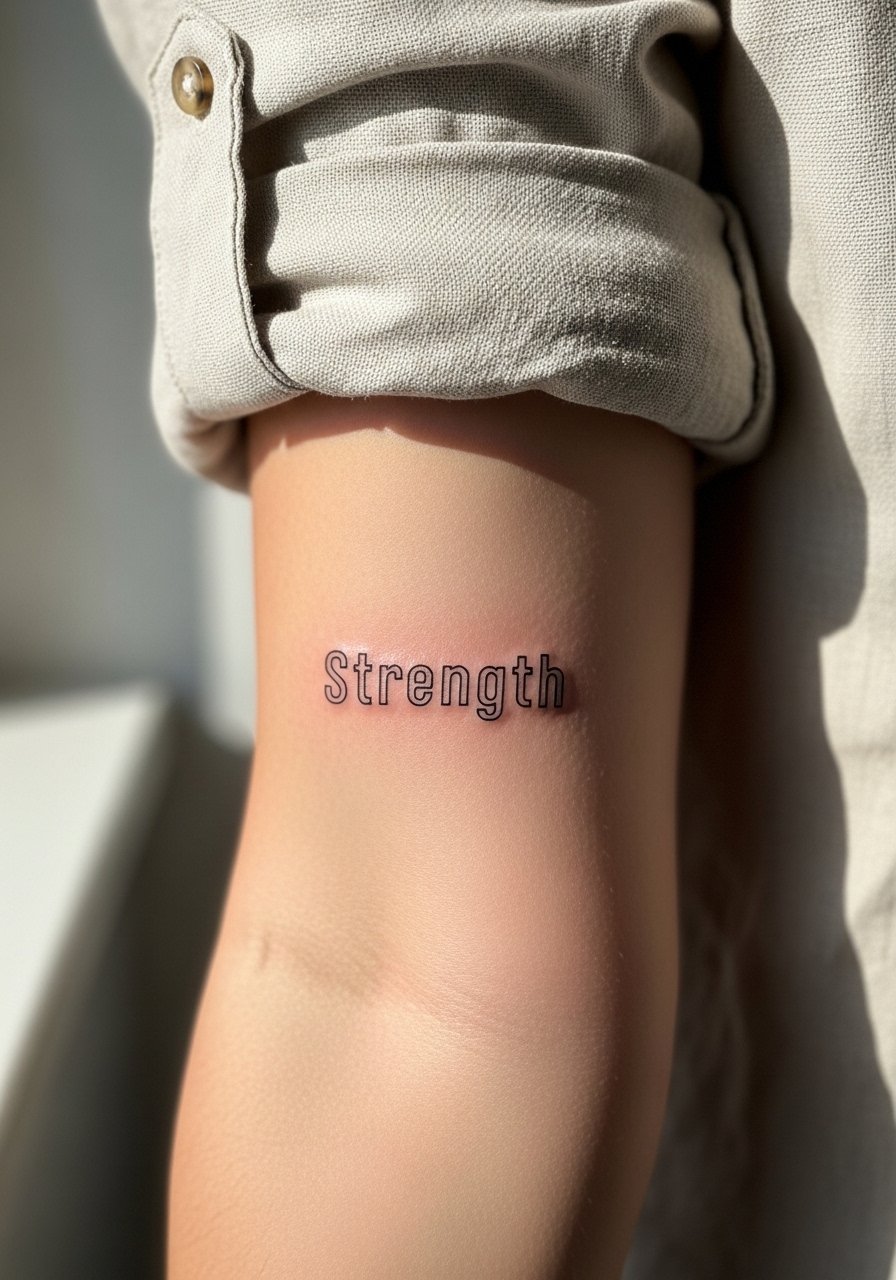
Outer forearm script is one of the most resilient visible placements. The skin tolerates needles well and the area is easy to protect from sun, which helps longevity. Ask for slightly increased spacing and modest downstroke weight so the word keeps definition at year five. A common error is choosing extremely tight type that looks great fresh and then softens into a faint line. Sessions are usually 30 to 60 minutes depending on length. For showing it off, rolled-up linen shirts in sand or sage are a natural pairing. A sage green linen shirt or an elbow length blouse works well.
10. Peace Symbol-Word Hybrid on the Inner Thigh
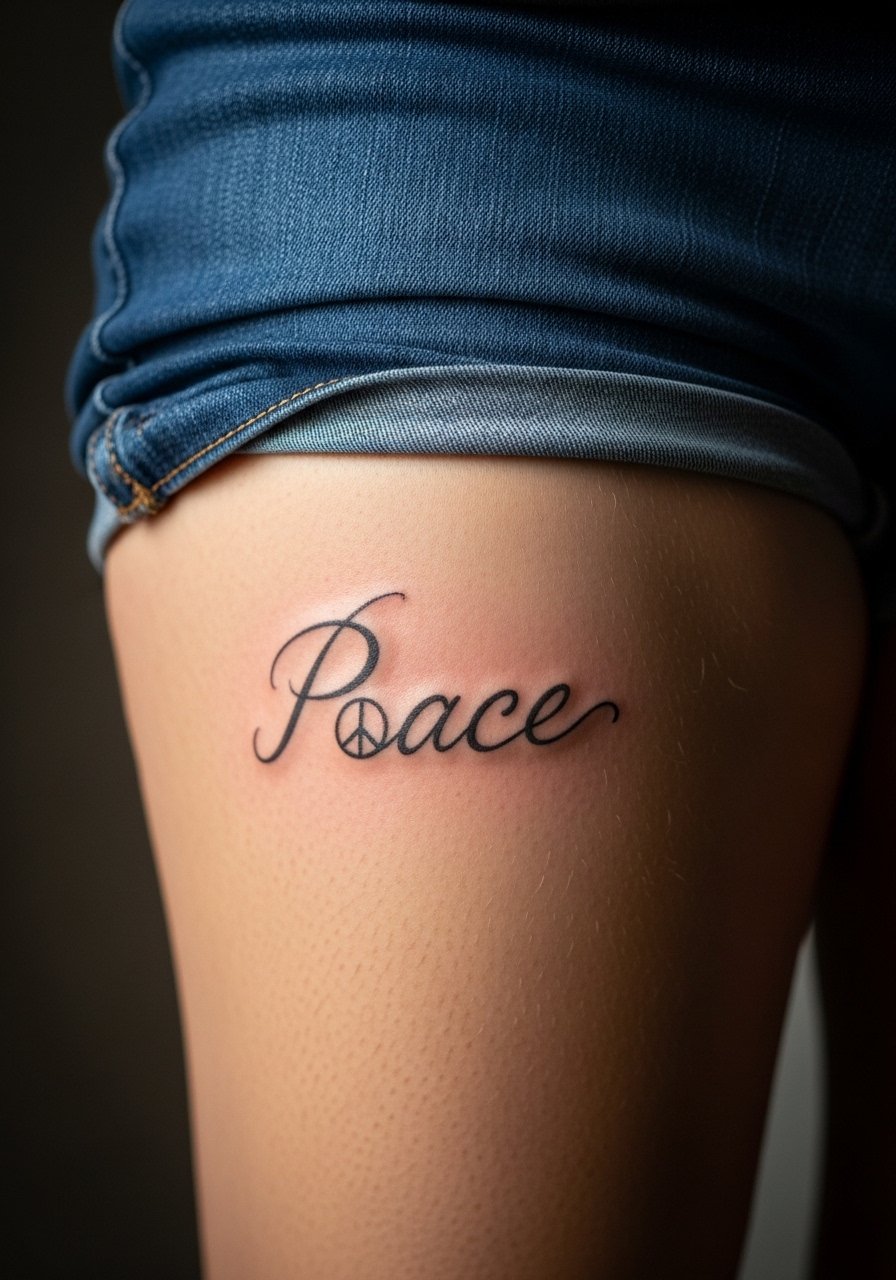
Inner thigh placements let you keep a meaningful word private and only reveal it when you choose. Expect a single session of 30 to 50 minutes and a healing window that is more sensitive to friction from clothing. The frequent mistake is picking too small a size; the thigh compresses during daily movement and tiny scripts can blur. Because this is intimate, ask about artist experience with thigh skin and follow their touch-up advice. Also consider how often you want to show it when picking the location.
11. Grateful on the Nape of the Neck

The nape is a subtle place for a horizontal script that peeks out with certain hair styles. This area heals predictably because it is not as exposed to constant abrasion. Ask your artist for a 1 to 1.5 inch horizontal layout and to avoid ultra-tiny loops. The simple mistake is choosing a script that looks fine flat but loses legibility when hair covers and the letters compress. For session wear and after, a loose v-neck shirt is handy so the artist can access the area. Bring a loose v neck shirt for comfort and coverage.
12. Dream with a Wave Accent on the Calf

Calf placements are great for longer vertical words. The skin is thick and the exposure to sun is easy to control, so fine lines can hold up well if you use sensible spacing. Sessions often run 40 to 60 minutes for a 3 inch vertical piece and the pain is moderate. A common error is compressing the design into too small a height. Give the letters room to breathe and plan for a touch-up only if you spend heavy time in sun without protection. For athletes who want visibility, the calf works well with shorts or sportswear.
13. Forever on the Inner Bicep
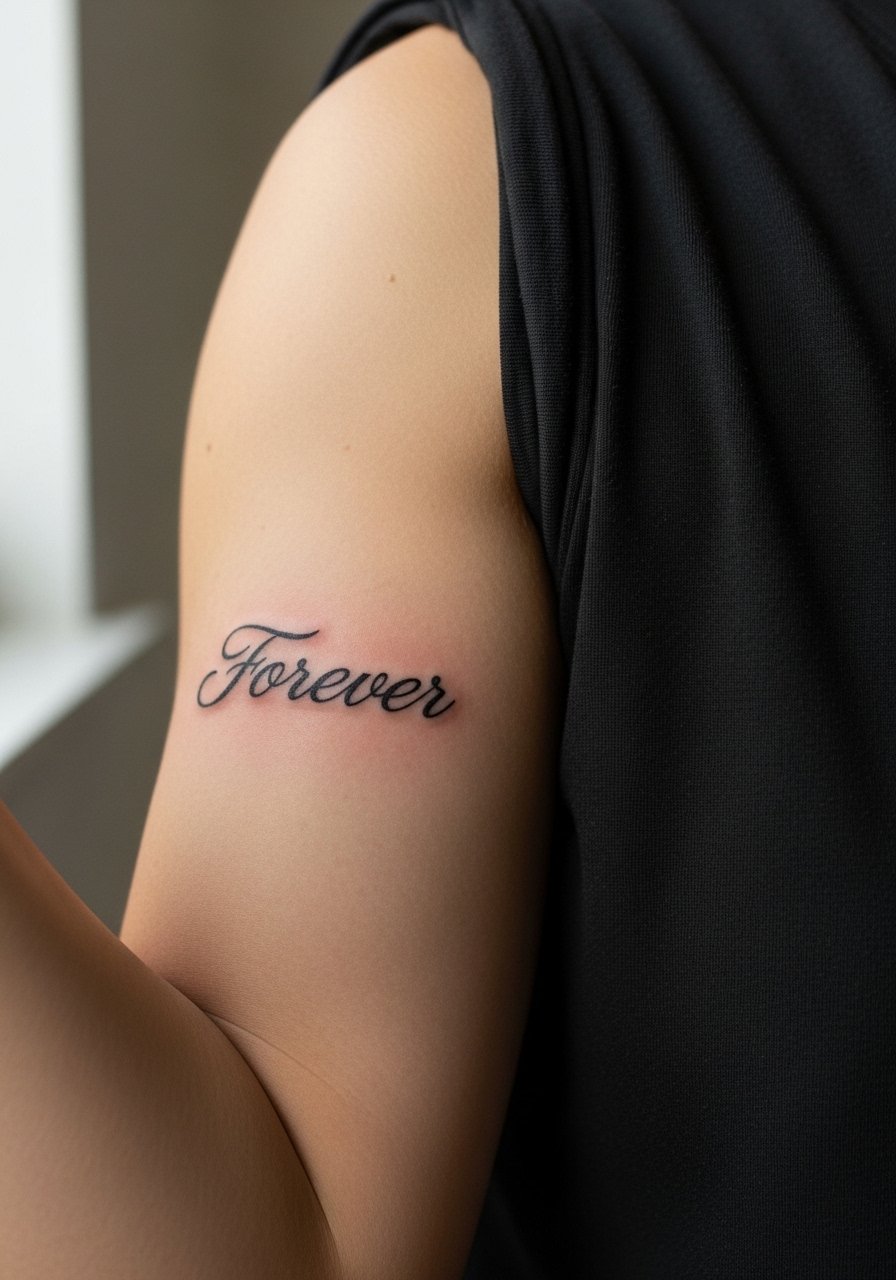
Inner bicep pieces look private and show up in flexed poses. Skin is softer here, so the sensation during the session leans toward higher sensitivity for some people. Ask for modest line weight so the letters do not sink too shallowly. Expect a session under an hour for a two inch curved script. The mistake is asking for extremely tight lettering that ends up blurring after a year. For the appointment, wear a loose button down shirt so you can move the sleeve out of the way without chafing the fresh ink.
14. Stay on the Front Shoulder

Front shoulder scripts sit where shirts often rest, so the healing window needs a bit of attention to avoid rubbing. This is a low-to-moderate pain area and sessions are usually short. I suggest slightly wider letter spacing than you might pick from a phone photo because clothing shifts can accelerate softening if the type is too tight. The most common error is not planning for shirt friction during the first week. Choose breathable tops for the session and the initial heal.
15. Brave on the Back of the Hand
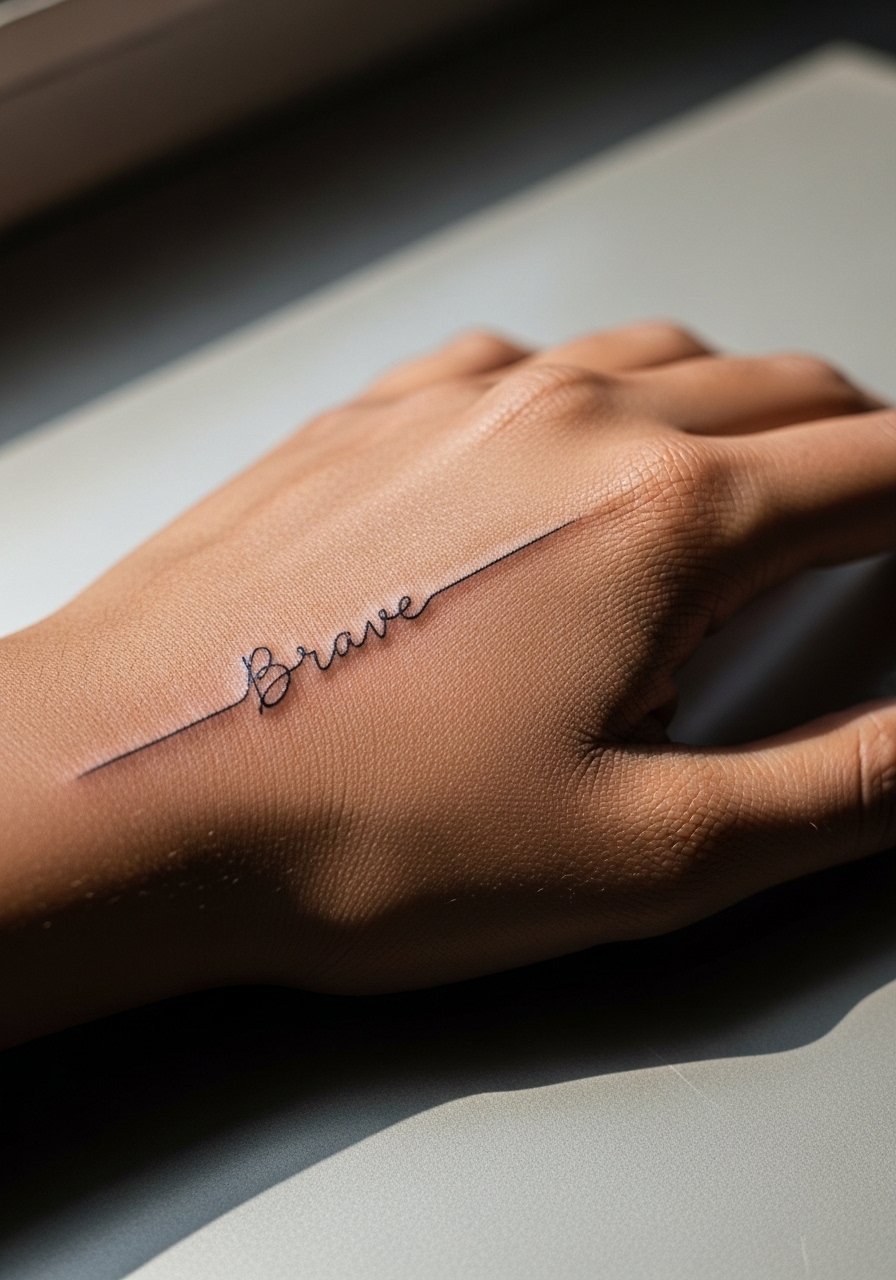
Hand tattoos show fast and heal in a high-wear zone. They fade faster than forearm pieces because hands are washed constantly and often hit surfaces. If you want a hand script, expect touch-ups more often, possibly every one to two years. Also consider real-world consequences since some professions still frown on visible hand work. The common mistake is underestimating the maintenance and the career considerations. For the session, go clean-shaven if you have hair and skip rings so the area is unobstructed.
16. Wild on the Lower Back
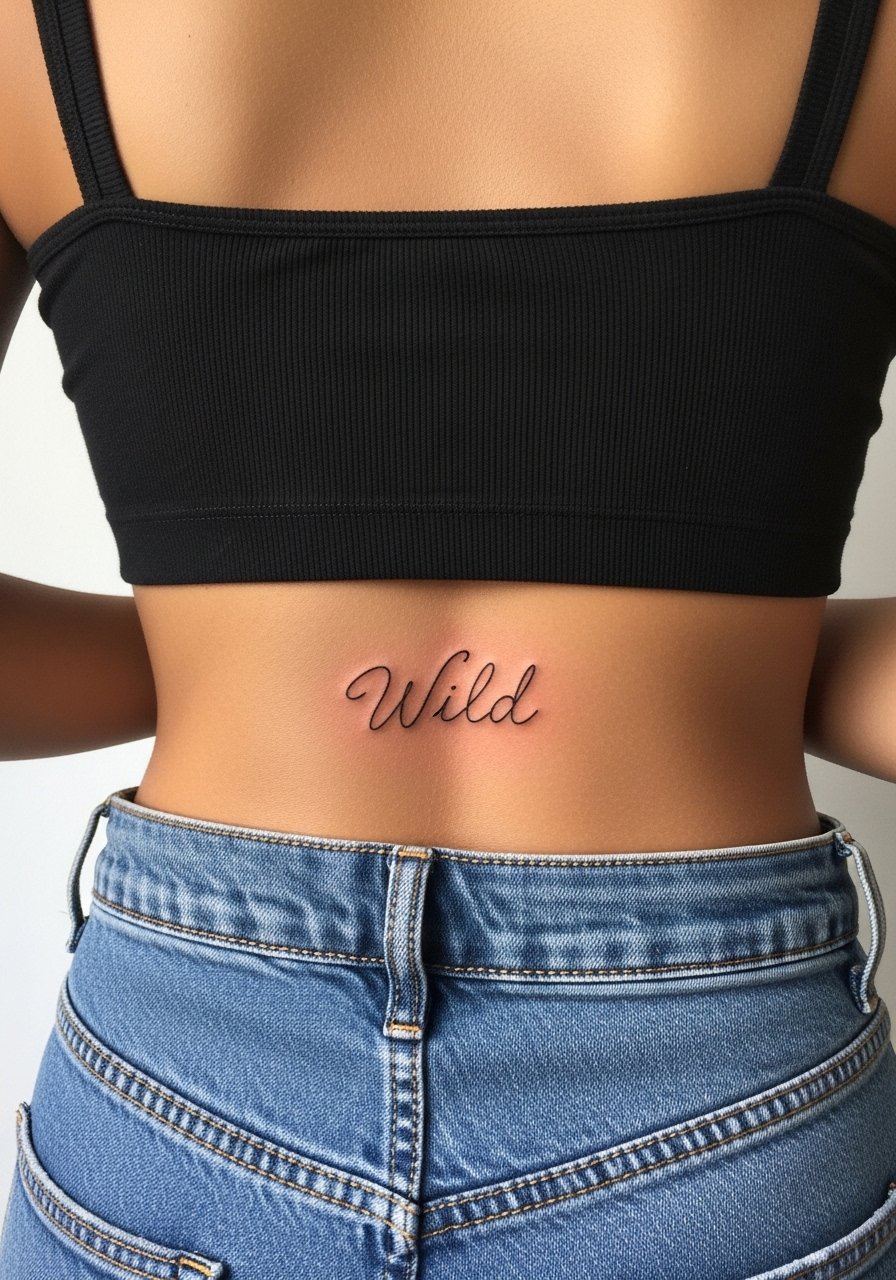
Lower back text sits on a broad canvas and is forgiving of slightly tighter lettering. Sessions are comfortable and usually short. The key mistake is over-decorating a short word with too many flourishes that age unevenly. Consider how often you will show this area based on clothing choices. For a casual reveal, high-waisted bottoms and a cropped top make the piece visible without full exposure.
17. Anchor on the Top of the Foot
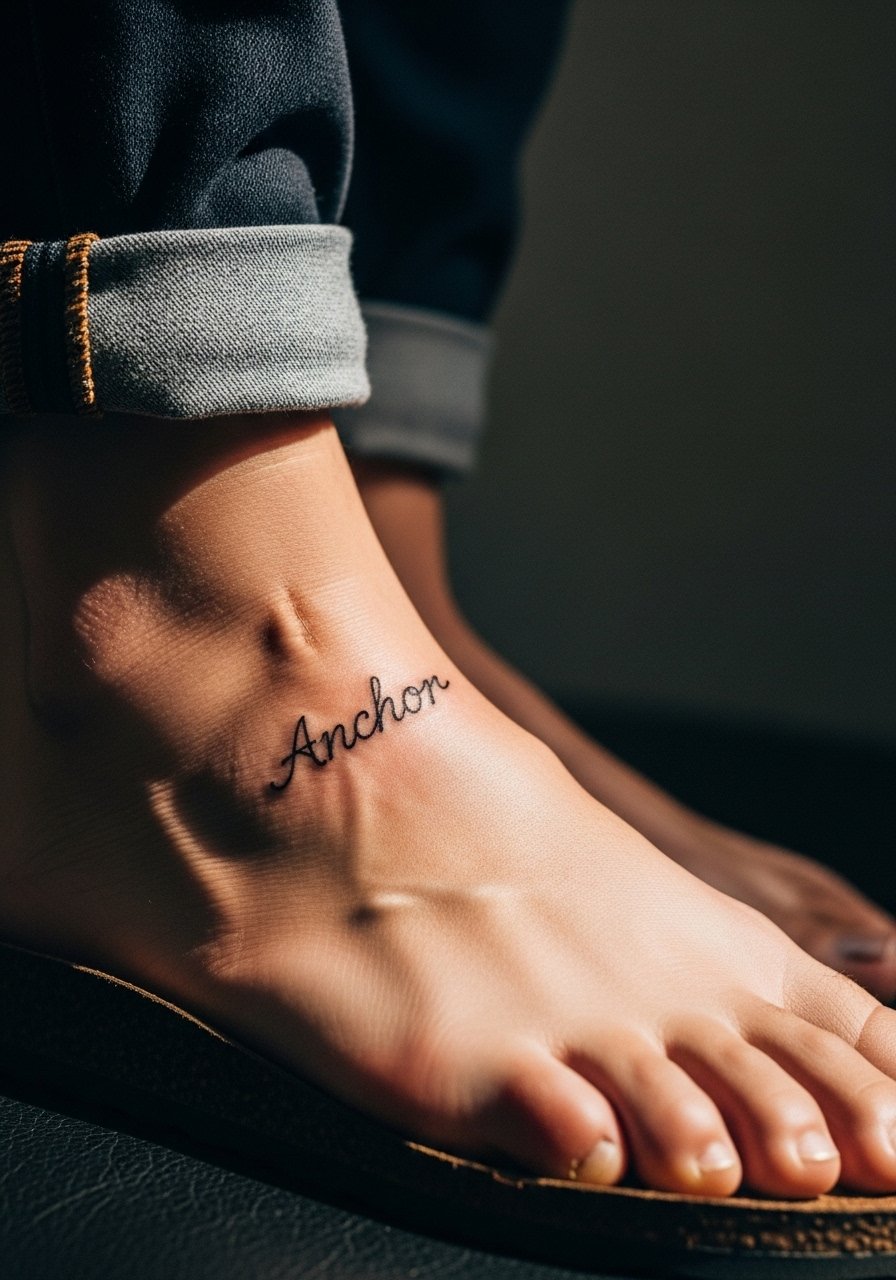
Foot placements are sensitive to friction from shoes and to swelling during long walks. Small scripts on the instep can look great initially but often need touch-ups if you wear closed shoes a lot. For a more durable result, ask for slightly bolder strokes and plan to protect the area from constant pressure during the first two weeks. Sandals and rolled cuffs help during healing and display.
18. Remember on the Sternum

Sternum work sits in a sensitive zone with movement from breathing. Sessions can be more uncomfortable than forearm pieces, but the center chest reads strongly once healed. Ask for a font with open counters so the letters remain legible after settling. The major mistake is picking ultra-fine brush script that collapses into smudged shapes under constant movement. Wear a fitted sports bra or bandeau for the session so the artist has clean access without exposing more skin than necessary.
19. Here on the Outer Calf
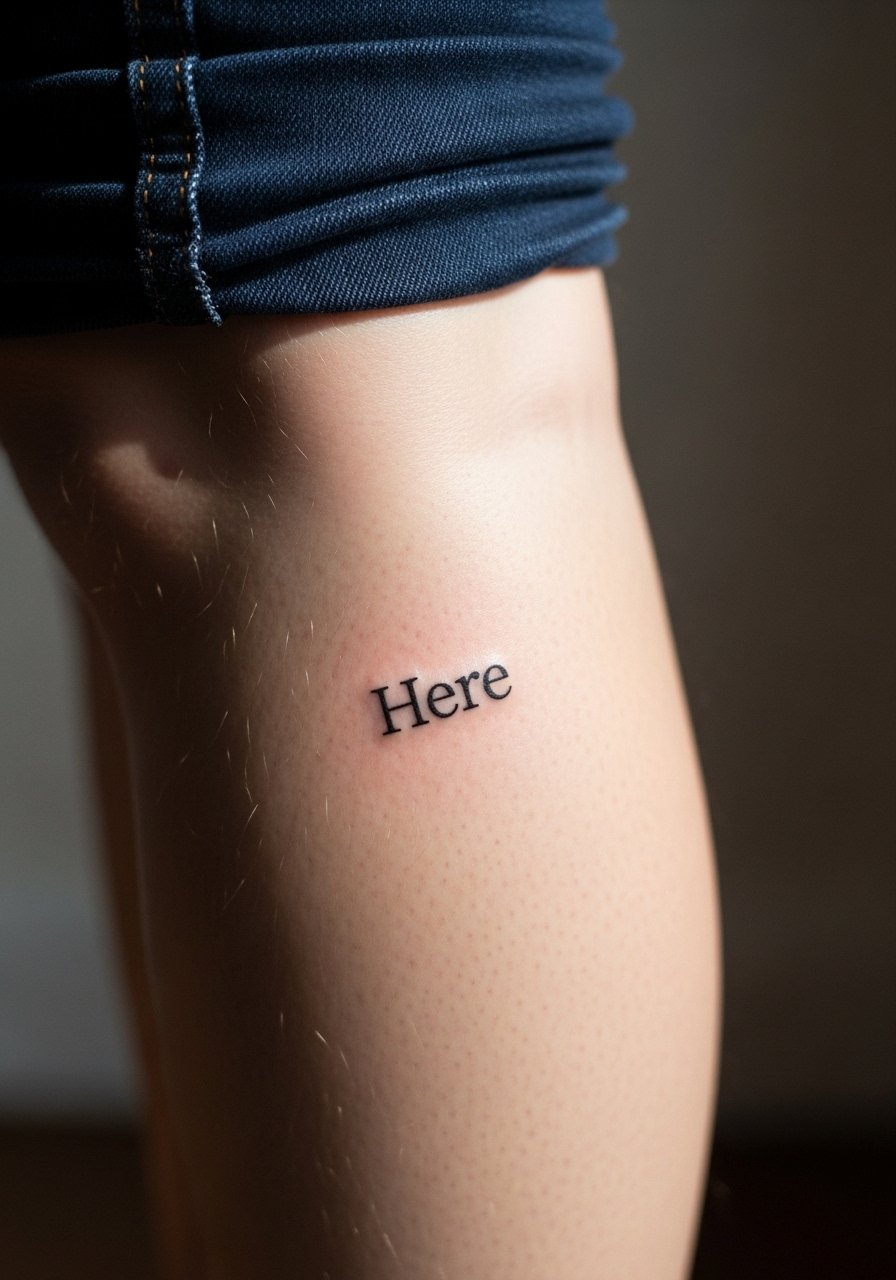
Outer calf scripts age well because the area is usually covered or shielded from heavy sun exposure, and the skin is thick enough to hold detail. Sessions are moderate in length depending on the word. One common mistake is placing text where leg hair obscures fine strokes, so consider grooming or a slightly stronger line weight. This spot is great for pieces you want visible in shorts and casual wear.
20. Rise on the Outer Tricep
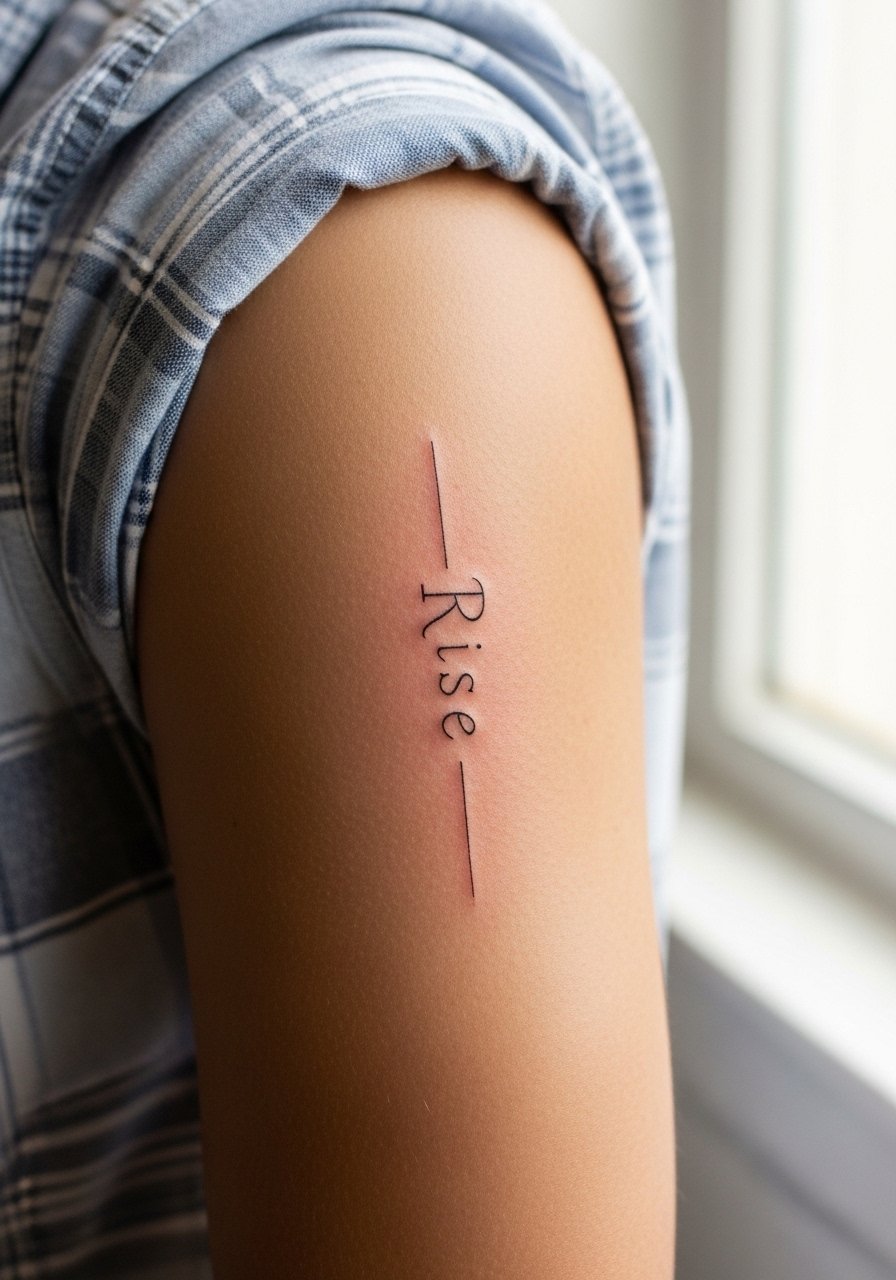
Outer tricep words show on short sleeves and sit on fairly stable skin. Ask for consistent linework and for letters to breathe so the piece keeps definition at the two to five year mark. Sessions are usually under an hour. For session wear and showing, a short-sleeve button-up you can roll or pull aside keeps access easy. Try a short-sleeve button-up on appointment day to keep the area accessible.
21. Kind on the Upper Thigh
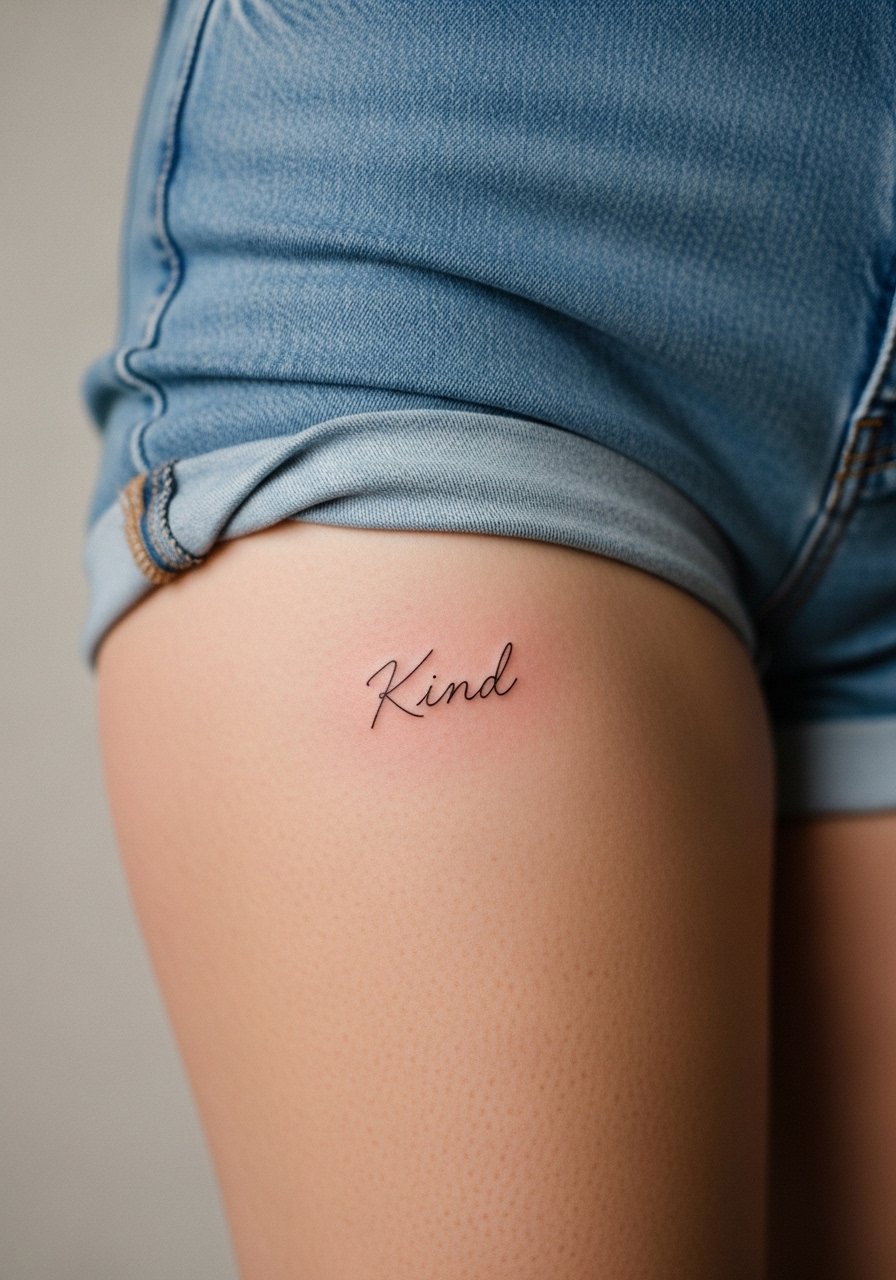
Upper thigh placements let you choose size and privacy freely. The skin is a forgiving surface and the area is easy to protect from sun and abrasion during healing. Expect a comfortable session and a durable result if you avoid overly tiny scripts. The usual mistake is making letters so small they lose form under compression from sitting. Pick a readable scale and plan clothing that avoids tight waistbands directly over the new ink during the first week.
Frequently Asked Questions
Q: How big should a dainty fine line word be so it stays readable after two years?
A: From what I have seen, aim for at least 1 to 1.5 inches tall for wrist and ankle words, and 2 to 3 inches for ribs and calf. Slightly upsizing the letters gives the pigment room to settle without merging. Ask your artist to show a printed stencil on skin at full size before they start so you can confirm legibility.
Q: Will a fine line word on my finger or hand need touch-ups more often than a forearm piece?
A: Yes. Fingers and hands are high-wear zones because of washing and friction. Expect touch-ups sooner, often within a year or two. If you prefer lower maintenance, choose a forearm or calf placement instead.
Q: Is it true that heavy ointments blur fine line work? Which aftercare product should I avoid?
A: Many artists caution against thick petroleum-based products that can trap moisture and soften lines. Lighter, fragrance-free lotions after the initial sealed period are commonly recommended. Specific product choices and timing depend on your artist's protocol and the placement.
Q: How does placement change the pain and session length for these one-word tattoos?
A: Expect shorter sessions and lower pain for forearm, calf, and outer shoulder pieces. Fingers, sternum, ribs and the top of the foot often score higher on discomfort and can require breaks. Session length scales with size and detail, but most single-word pieces finish under an hour.
Q: Can I wear a regular shirt to my ribcage session or should I bring something different?
A: Bring a soft cropped top or an open button-down you can shift to expose only the rib area. A crop tank top or a loose button-down works well for access without excess exposure.
Q: How do I find artists who specialize in fine line script without naming them?
A: Search style-specific hashtags and local studio filters, check tattoo directories that let you sort by fine line examples, and look for portfolios showing healed work rather than just fresh photos. Also read walk-in versus appointment policies and ask about touch-up timelines when you book.