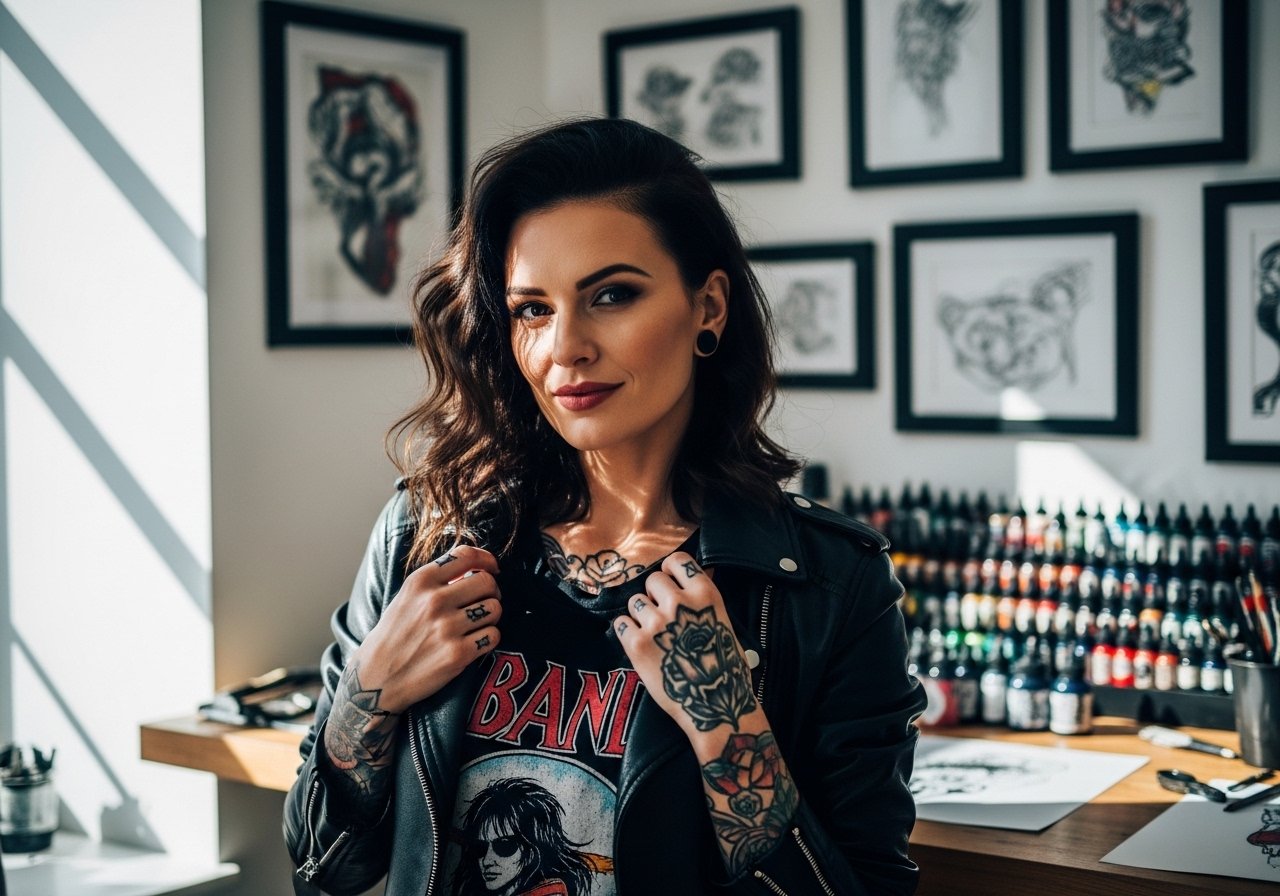
Fine line tattoos are everywhere on Pinterest and TikTok right now, but the truth is that what looks perfect fresh does not always age the same on every body and in every spot. Hands and wrists fade faster, ribs stretch when you breathe, and flaky shop schedules mean deposits sometimes go unused. Read on for 17 Billie Eilish–friendly ideas that balance look, placement, and real-world wear.
1. Fine line three fairies on the left hand

Hands are beautiful and brutal for fine line work. Expect frequent washing and friction that softens hairline strokes over 12 to 24 months, so ask your artist for slightly stronger line weight and plan touch-ups at 12–18 month intervals. Artists split on whether fine line on palms and hands holds up at all. One camp pushes bolder lines to resist fading, the other treats touch-ups as part of the plan. For the session, go ring-free and wear a loose tank so the artist has full palm access, and when you want to show it off try fingerless lace gloves in neutral tones to highlight the fairy silhouettes without covering them. Common mistake is asking for hairline strokes that are impossible when you type and wash all day.
2. Cursive "Hard & Soft" script on the lower hip

Hip scripts read private and deliberate, and they hide well when needed. The ribbed skin and clothing can distort thin cursive, so request slightly larger letter spacing and a single session mockup to confirm placement. For the appointment wear elastic-waist joggers or loose shorts you can pull down a touch, and when you want to style the new piece try a high-waisted crop top paired with low-rise jeans for the duality vibe. If you plan to gain or lose weight, mention that to your artist so the script sits where skin movement is minimal. Expect a one- to two-session setup and a touch-up if you notice any softness after healing.
3. Delicate dragon outline wrapping thigh to stomach
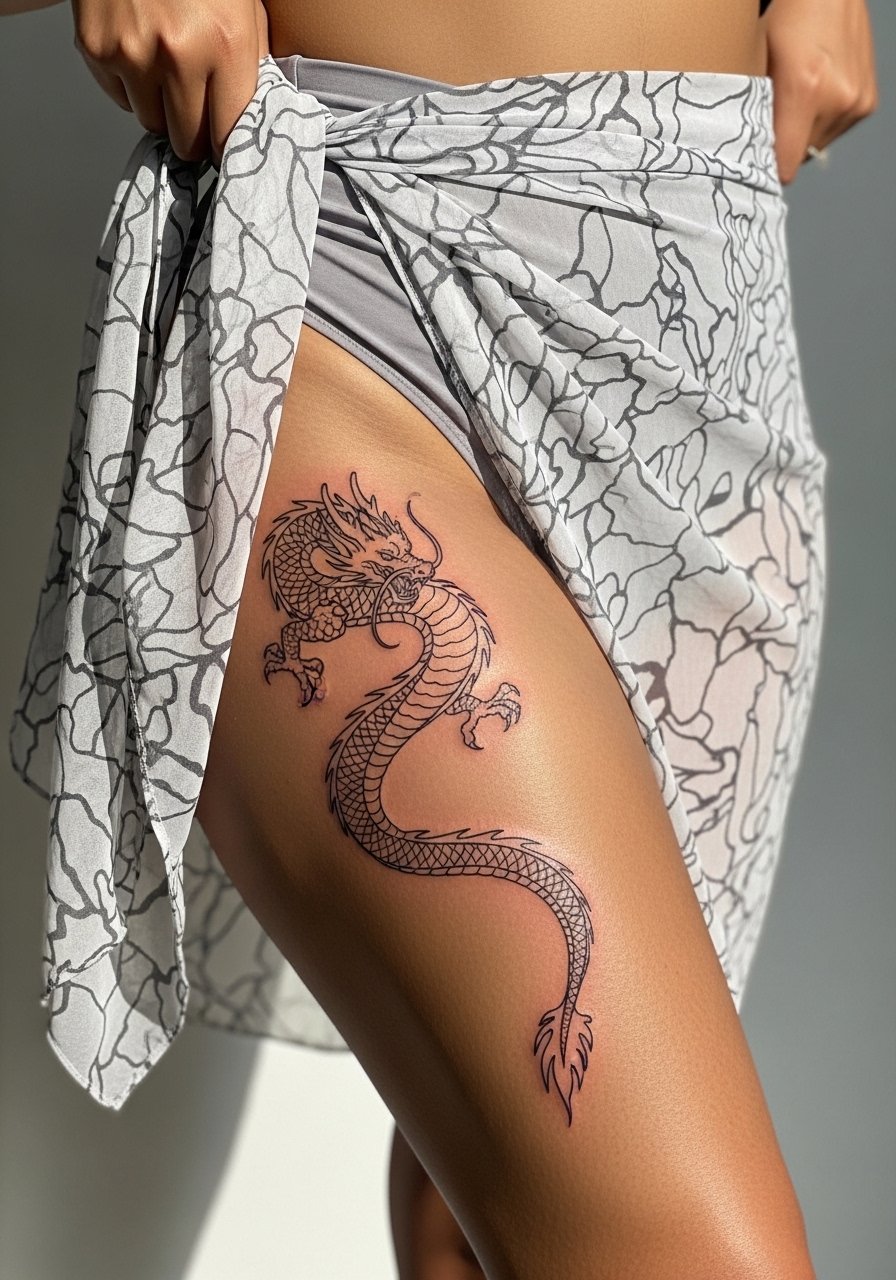
Large wraps are session-heavy but age well when given room. I advise breaking this into multiple sittings so the outline remains crisp and the body recovers between passes. Tell your artist you want negative space scales and long flowing curves instead of compact details that blur as the body moves. For summer visibility pick a sheer sarong wrap when showing it off, and wear loose drawstring linen pants to the appointment so the thigh and lower abdomen are easy to access. A common mistake is packing too much tiny texture into the hip crease where sweat and tight waistbands meet, so keep the densest detail away from friction zones.
4. Minimalist "Eilish" signature on the upper chest
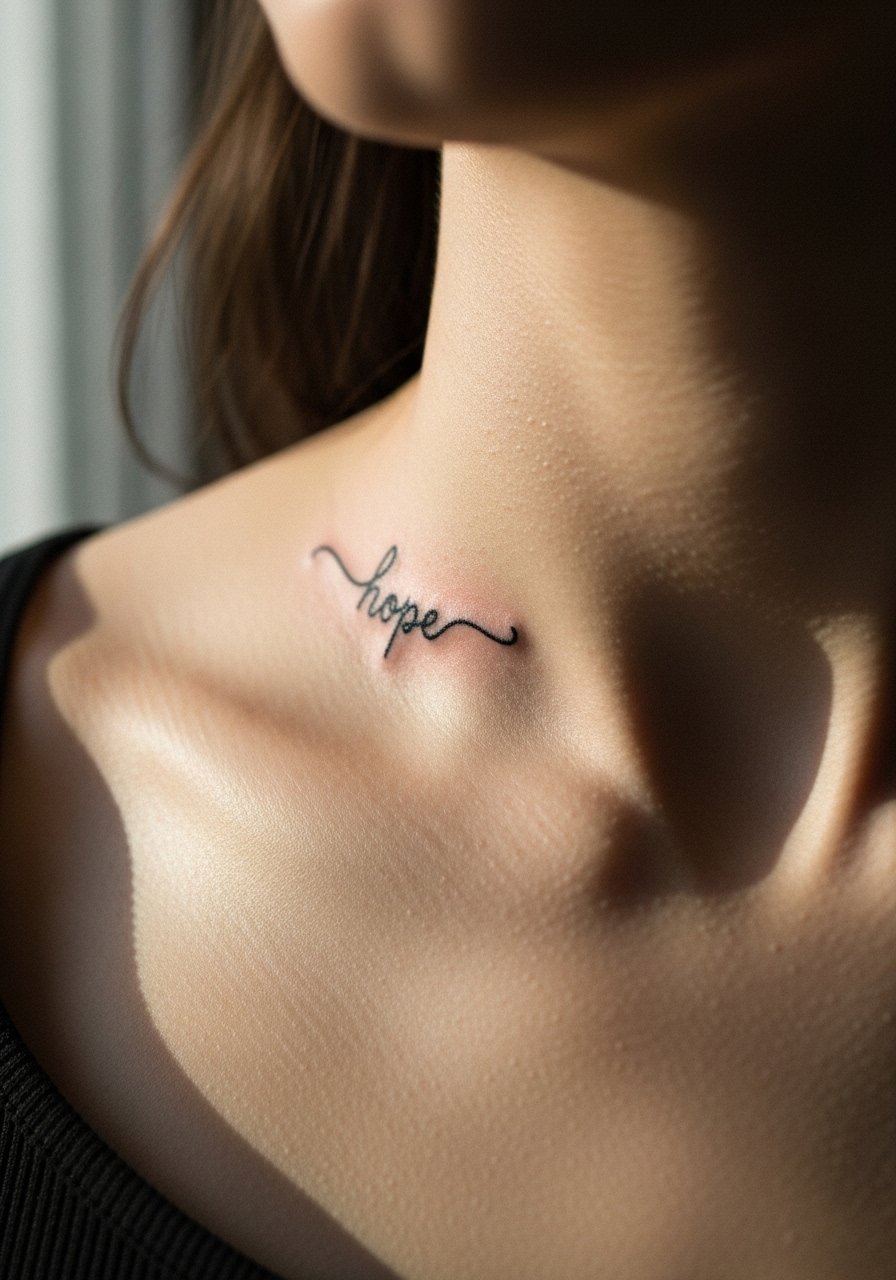
Chest pieces sit differently on different chest shapes, so bring reference photos that show placement on bodies with curves similar to yours. Fine line chest work can bleed during the first week, but when healed the collarbone is a flattering spot that photographs well. For sessions plan for a strapless bra and a button-down you can open up, and pair the healed signature with an off-shoulder blouse or a thin chain choker so the script reads like a deliberate accessory. The biggest mistake is placing the script too close to the clavicle edge where movement blurs the hairline strokes.
5. Abstract spine linework that reads vertical and clean

Spine pieces are about rhythm more than density. Vertical flow gives the design room to age, and spaced linework resists the merging that kills tightly packed details. Pain is higher here, expect moderate to strong sensations and two to three shorter sessions for a 10-inch piece. There is also a debate about protective films for back work. One side favors protective film for cleaner early healing, the other argues dry healing avoids trapped moisture and bacteria. Ask your artist their protocol and pick the path that both of you are comfortable executing for the weeks after. When you wear it, backless halter tops or low-back dresses really show the vertical flow.
6. Micro fairy silhouette on the inner wrist
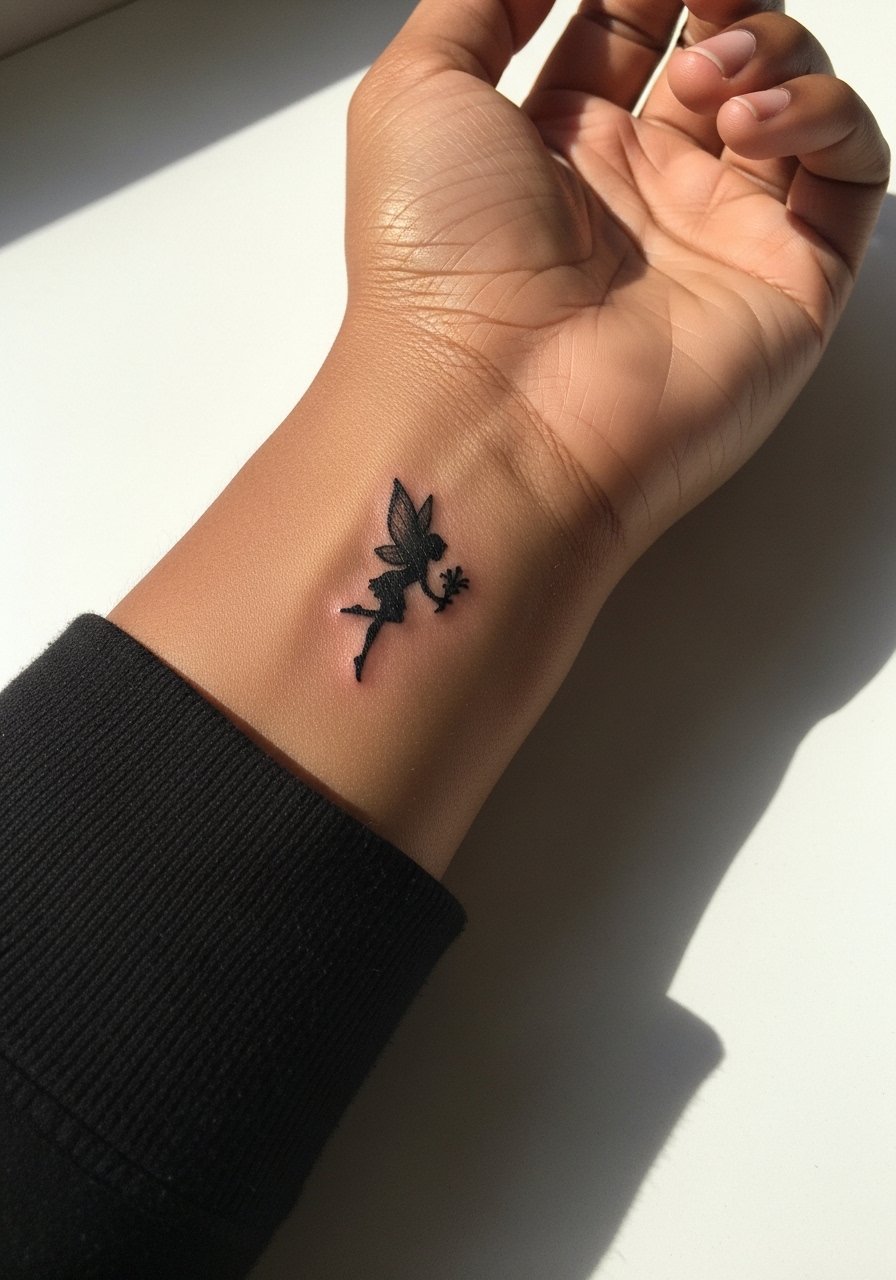
Inner wrist is a common first tattoo and it reads as a tiny, intimate nod to Billie motifs. Expect a quick single-session visit and the usual fine line fade on wrists; plan for touch-ups every year or so. When you book, ask your artist for a slightly bolder silhouette so it photographs on different skin tones. For showing it off, layer a dainty silver thread bracelet on the opposite wrist rather than crowding the tattoo side. A common mistake is asking for ultra-hairline wings that disappear under low light, so prefer a solid silhouette over tiny filigree for longevity.
Studio Day Picks
The small pieces above, especially the wrist and hand fairies plus the chest script, each ask for different session prep and first-week choices than larger thigh or spine work.
-
Lush Tattoo Balm. A lighter balm some people prefer over heavier ointments for hip or chest script work because it won’t pool into fine lines during the first days of healing.
-
Australian Gold Aftercare. Contains SPF, which is handy for thigh and hip pieces you plan to show in summer, and it absorbs quickly after the initial closed-heal window.
-
Indie Ink Fix Balm. Thinner formula that forum users say helps keep fairy details clear on tiny micro pieces.
-
Dr Bronner's Organic Lotion, unscented. A lightweight, fragrance-free lotion some people use for gentle moisture on wrists and hips as scabs settle.
-
Hustle Butter Original. Artists who prefer breathable balms often reach for this as a replacement for heavier petroleum products during long sessions and in early healing.
7. Delicate lyric script "What Was I Made For?" on the ribcage
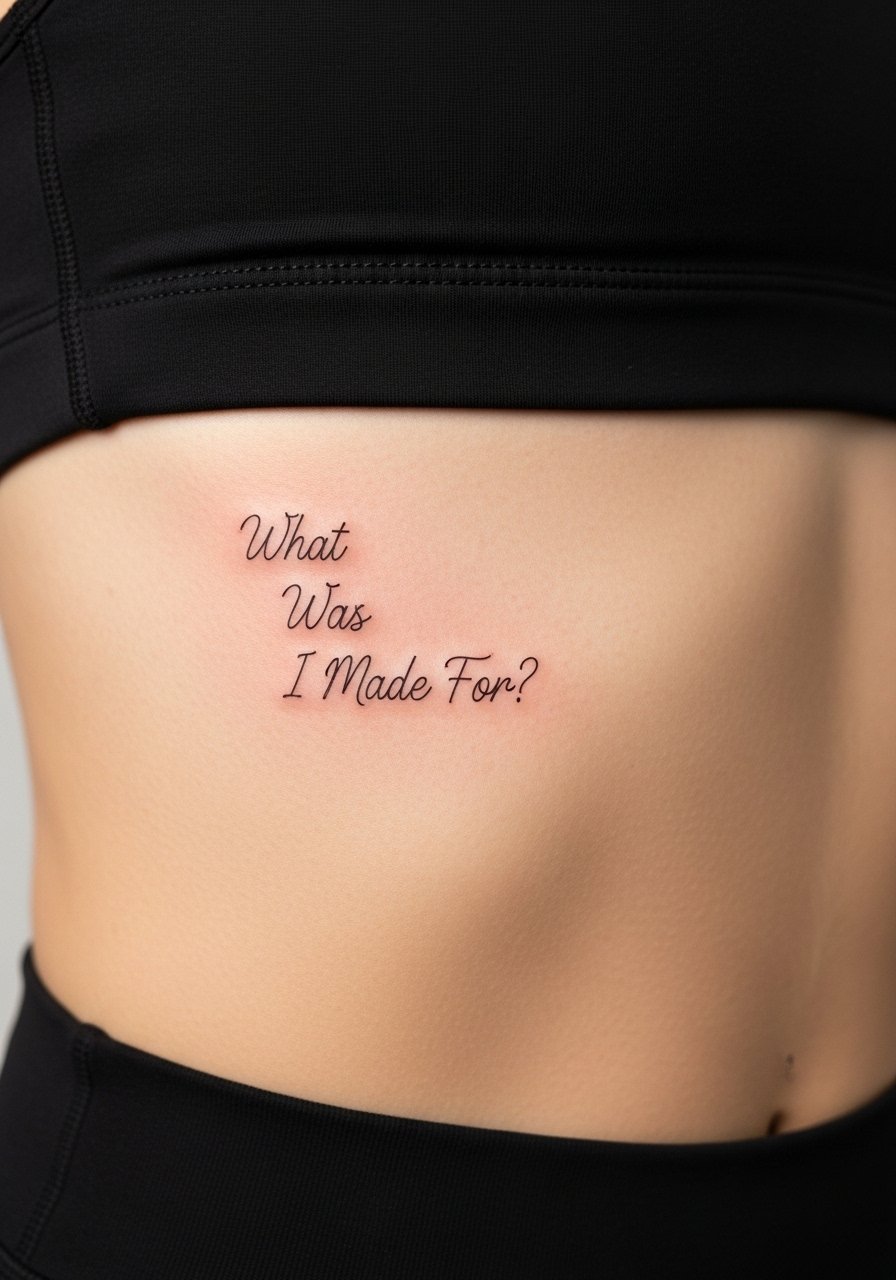
Ribs are consistently high on the pain chart, but vertical script looks striking there. The skin flexes with breath and weight changes, so ask for slightly more spacing between letters so the script keeps negative space as you move. For showing it off try a tube top in olive tones so the vertical line sits cleanly against fabric. A common regret is requesting tiny cursive that turns into a blurred block after a year because the letters were too close for the placement’s movement.
8. Minimalist angel wing outline on the ankle
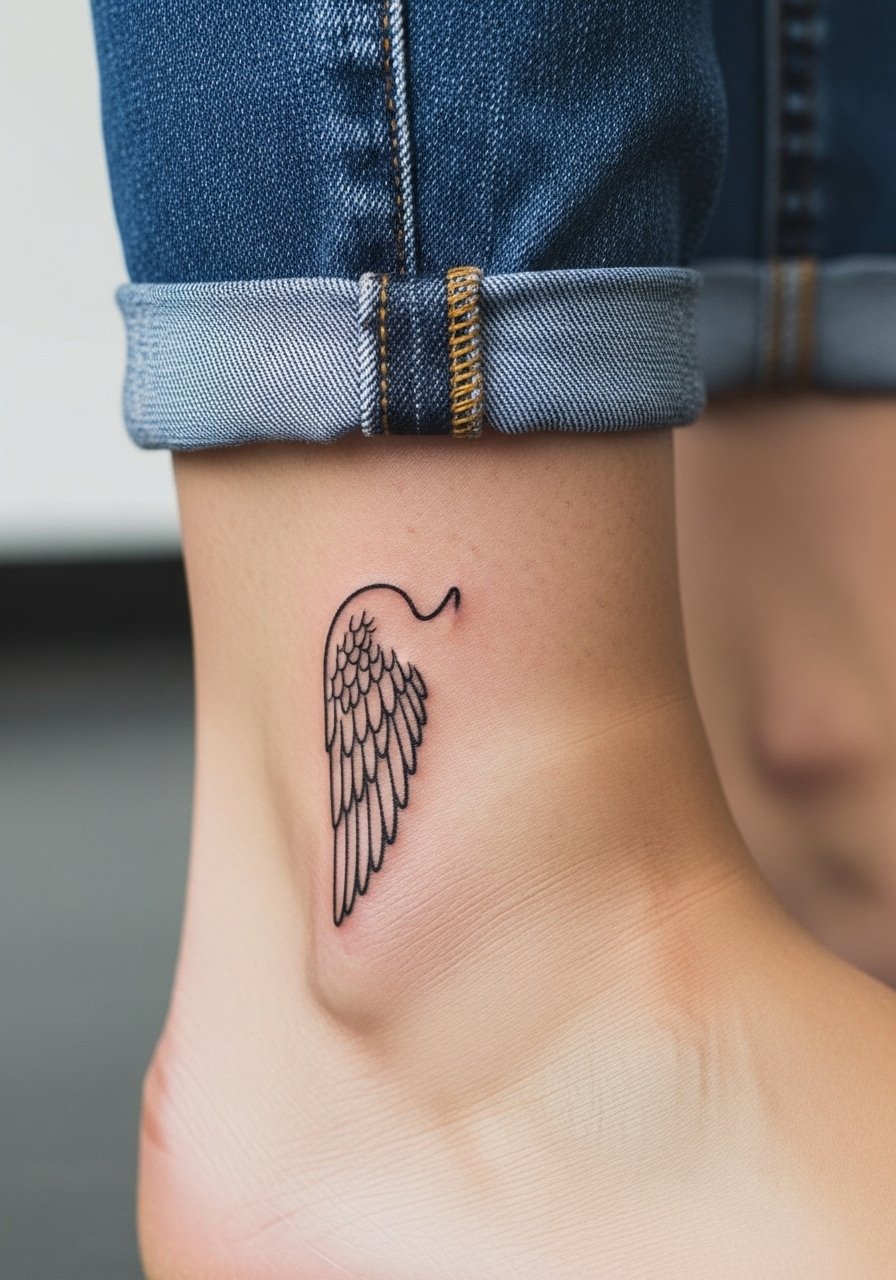
Ankle pieces are easy to hide and easy to show, but they live in friction zones if you wear socks or tight shoes. Keep the wing compact and slightly bolder than your first instinct so the thin feathers do not vanish with everyday wear. For sandals season pair it with strappy heeled sandals or cropped pants in sand tones to let the outline breathe. Expect a single session and plan to protect the area from long walks or tight footwear during the initial two weeks.
9. Fine line peony inspired by album art on the collarbone
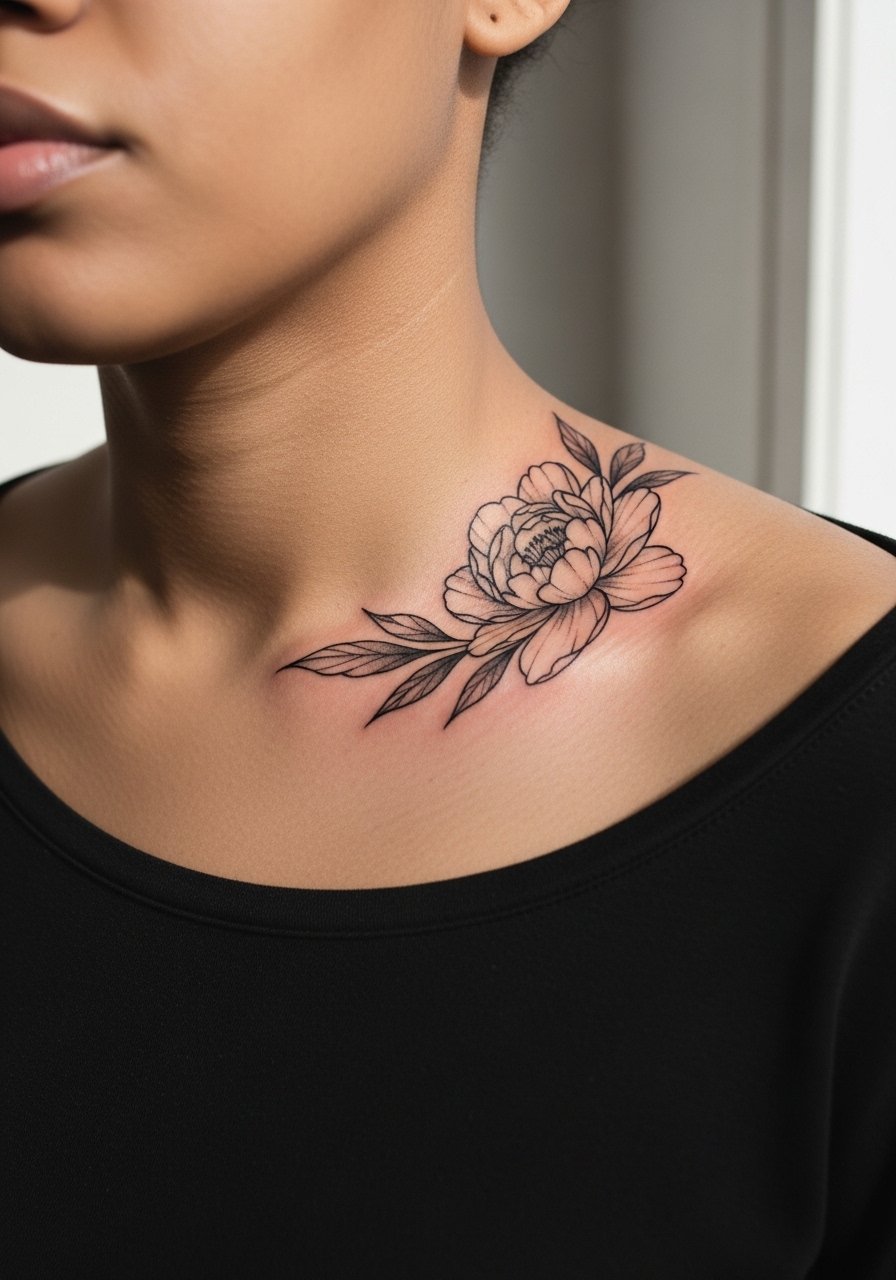
Collarbones give floral motifs room to follow natural curves, and the peony reads elegant without heavy saturation. Ask for soft gray shading to add contrast on darker skin tones so the petals keep definition in photos and in dim light. Style it with an off-shoulder blouse or a thin chain necklace that sits above the bloom, both of which frame the artwork without competing. Avoid packing dense stipple near the bone; the texture can age into an uneven patch if placed too close to constant movement.
10. Ignorant style "Bad Guy" ghost on the forearm

Ignorant style uses bold, naive lines that actually age better than hairline script in high-wear areas. Forearms are visible and take sunlight, so pick saturated black outlines to resist premature fading. Tell your artist you want confident thick strokes and minimal interior detail to avoid tiny areas turning patchy later. The session feels quick and straightforward, often a one-hour walk-in or appointment. A common misstep is asking for micro-detail inside the ghost; it will soften and clutter the silhouette.
11. Watercolor lyric fragment on the shoulder blade
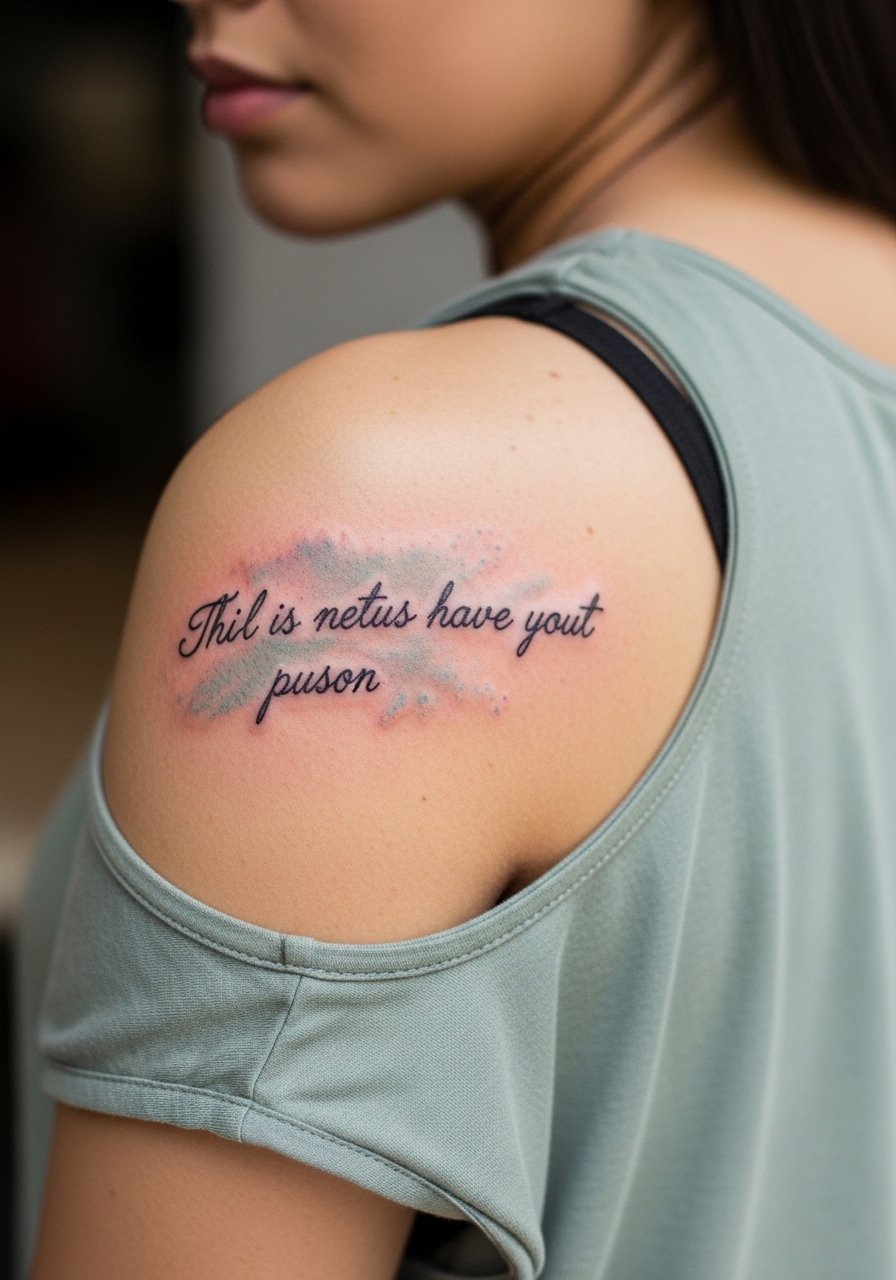
Watercolor effects read dreamy but need careful placement away from friction zones to keep color from migrating. Shoulder blades work well if you avoid the spine-adjacent tightness and pick a palette that has enough black or dark anchor points to prevent drift. For the session wear a loose tank or button-down you can pull aside, and expect two sessions if there is color layering. The biggest mistake is choosing pastel fills with no anchoring linework; those washes can fade faster and look washed out in a year.
12. Ornamental "Happier Than Ever" mandala on the outer thigh
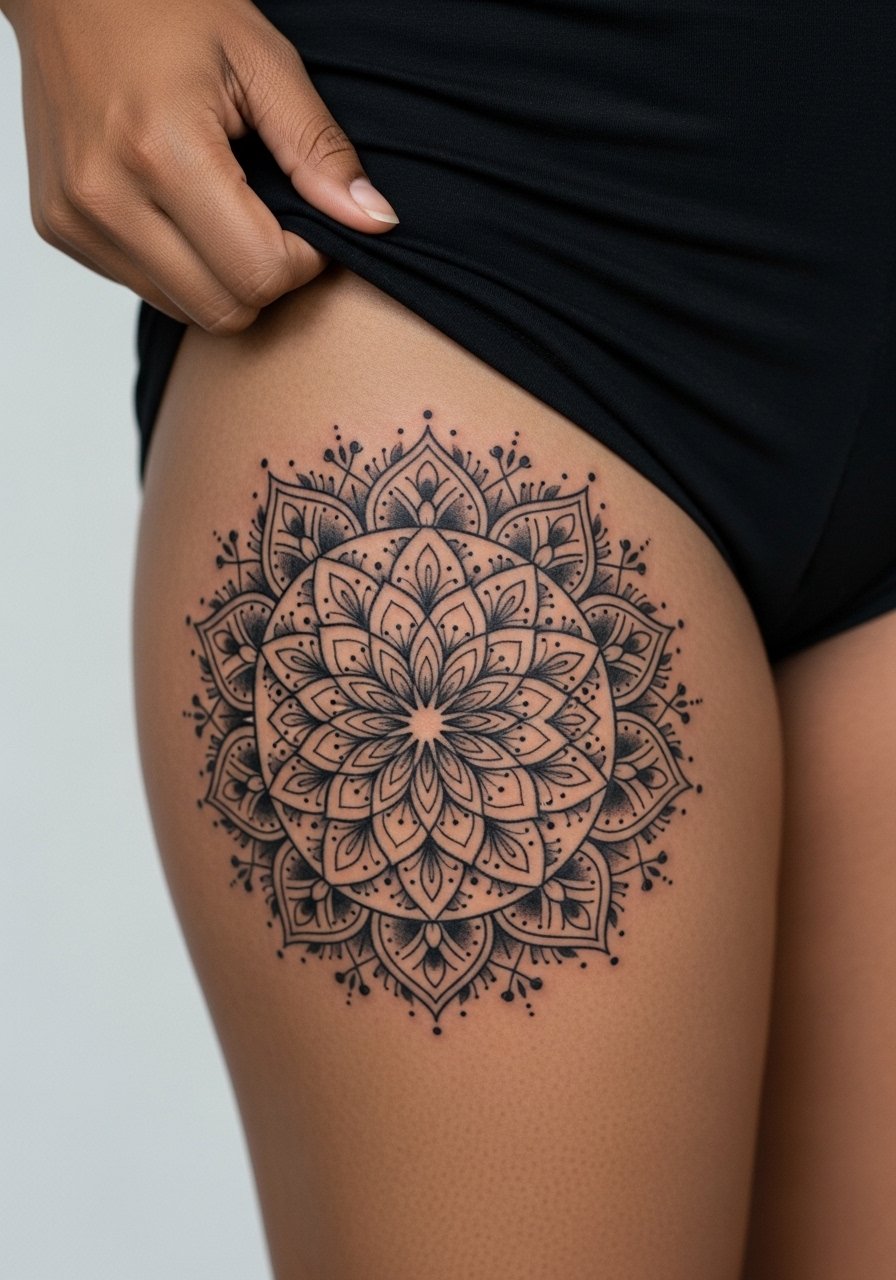
Thigh mandalas let dot work and stipple shading breathe, which helps longevity. This placement tolerates density better than wrists or ribs because it does not flex as much. Bring reference photos that show the scale you want and ask for a test stencil to check how the circular flow sits with your body shape. For sessions wear loose drawstring pants so the artist can access the whole area easily. Avoid packing too many tiny concentric rings close together or they will merge when the skin settles.
13. Neo-traditional fairy dust trail on the calf

Calf pieces age well because they are not constantly abraded, and a vertical dust trail plays with motion. Ask for subtle color pops that sit inside solid black outlines to preserve contrast over time. The session is usually single and comfortable, with lower pain than ribs or spine. A common error is over-coloring tiny specks; keep the pops sparse to avoid early fade into muddy tones. This placement pairs well with mid-length skirts and sandals when you want to show off the trail.
14. Negative-space dragon designed for darker skin tones
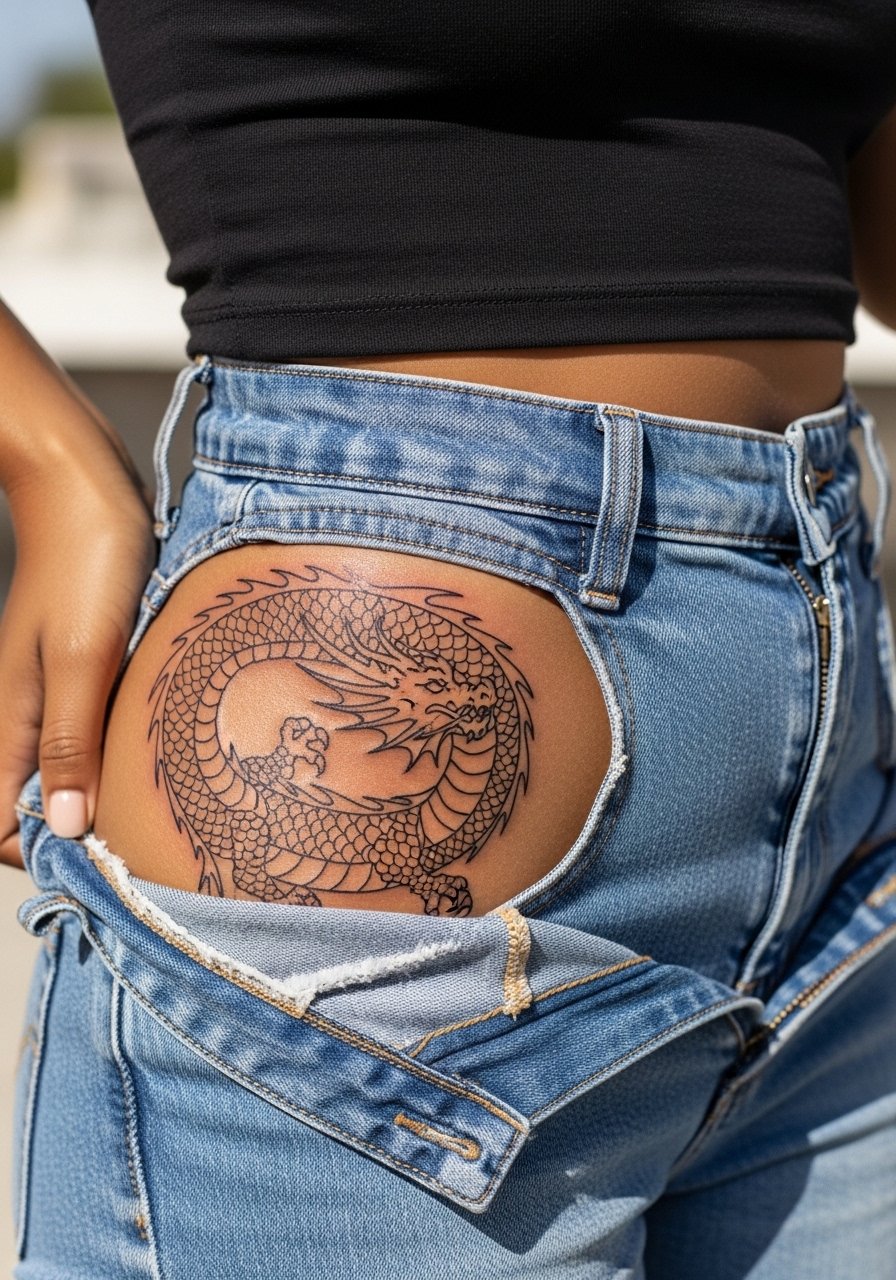
On deeper tones, negative space can be the design element rather than added ink, so the dragon can read with skin showing through as scales. Tell your artist you want deliberate open areas and thicker bordering lines so the silhouette stays legible in photos. The risk is under-inking fine crosshatching that disappears on darker pigment, so choose contrast over tiny texture. For the session have loose bottoms you can shift, and plan to show it off with high-waisted denim or a sarong that complements the negative-space pattern. This approach fills a gap I rarely see in roundups.
15. Guardian fairy set with birthstone color accents across palm and inner wrist

A coordinated guardian set lets you personalize each tiny motif with a birthstone color for family ties, and spacing across palm and wrist creates a small narrative when you look down. Palms present extra fading, so choose slightly bolder silhouettes for the fairies and reserve the color for tiny accent dots rather than washes. The session is fast but expect frequent touch-ups on palm pieces. If you want to show the set without revealing it every day, pair the wrist fairy with a minimalist bracelet on the opposite wrist rather than hiding the palm design.
16. Glow-in-the-dark abstract spine accent for night vibe

Glow pigments add novelty, but they have different aging and safety considerations than standard black ink. If you consider phosphorescent highlights ask the studio about pigment testing and long-term color stability, because those inks often need specialized experience to place safely. Keep the glow as small accents rather than a full wash so the piece reads as a normal fine line design in daylight. Expect two or more sessions and a conversation about indoor UV exposure and how that affects the luminous areas. This is a creative edge idea rather than a conventional choice.
17. Mirror "Hard / Soft" collarbone pair for couples

Mirrored collarbone scripts read balanced when both pieces are spaced and angled to suit each person’s shoulders. For couples or friends, place each script slightly off-center so they complement each other when standing side by side. Book consultations together if possible and bring identical reference fonts so the curves match. For showing them off, an off-shoulder top or thin chain keeps the look synchronized. A common mistake is copying a font too small for collarbone movement, which makes the text blur after healing.
Frequently Asked Questions
Q: Do fine line hand tattoos always need touch-ups?
A: Not always, but hands and palms face constant washing and friction, so plan on a touch-up every 12 to 18 months for hairline work. If you want less maintenance, ask for slightly thicker lines at the start and accept that the look will be bolder initially.
Q: How should I handle artist cancellations and deposit risks when booking a custom Billie piece?
A: Use booking platforms that show cancellation policies or confirm travel windows two weeks ahead so you are not left without a slot. If an artist asks for a nonrefundable deposit, keep screenshots of the agreed date and check local walk-in options as backups in case of last-minute changes.
Q: Is Saniderm better than dry healing for small wrist and hand pieces?
A: Artists are split on this. One camp says protective film reduces scabbing and keeps fine line detail cleaner during the first week, and the other camp worries about trapped moisture and prefers careful dry healing. Ask your artist what they use and follow the method they are comfortable managing for your piece.
Q: Will fine line script on my ribs stretch with weight or breathing?
A: Ribs flex when you breathe and weight shifts can affect dense script, so request extra letter spacing and a test stencil before committing. If you expect body changes, consider a hidden hip placement instead or plan for a touch-up after weight fluctuations.
Q: How can I make delicate ink show up better on darker skin tones?
A: Increase contrast by adding subtle shading or negative space, and ask for thicker anchor lines in the design so it photographs more reliably. Ring lights and higher-contrast photos also help when you want social-friendly images without altering the tattoo itself.