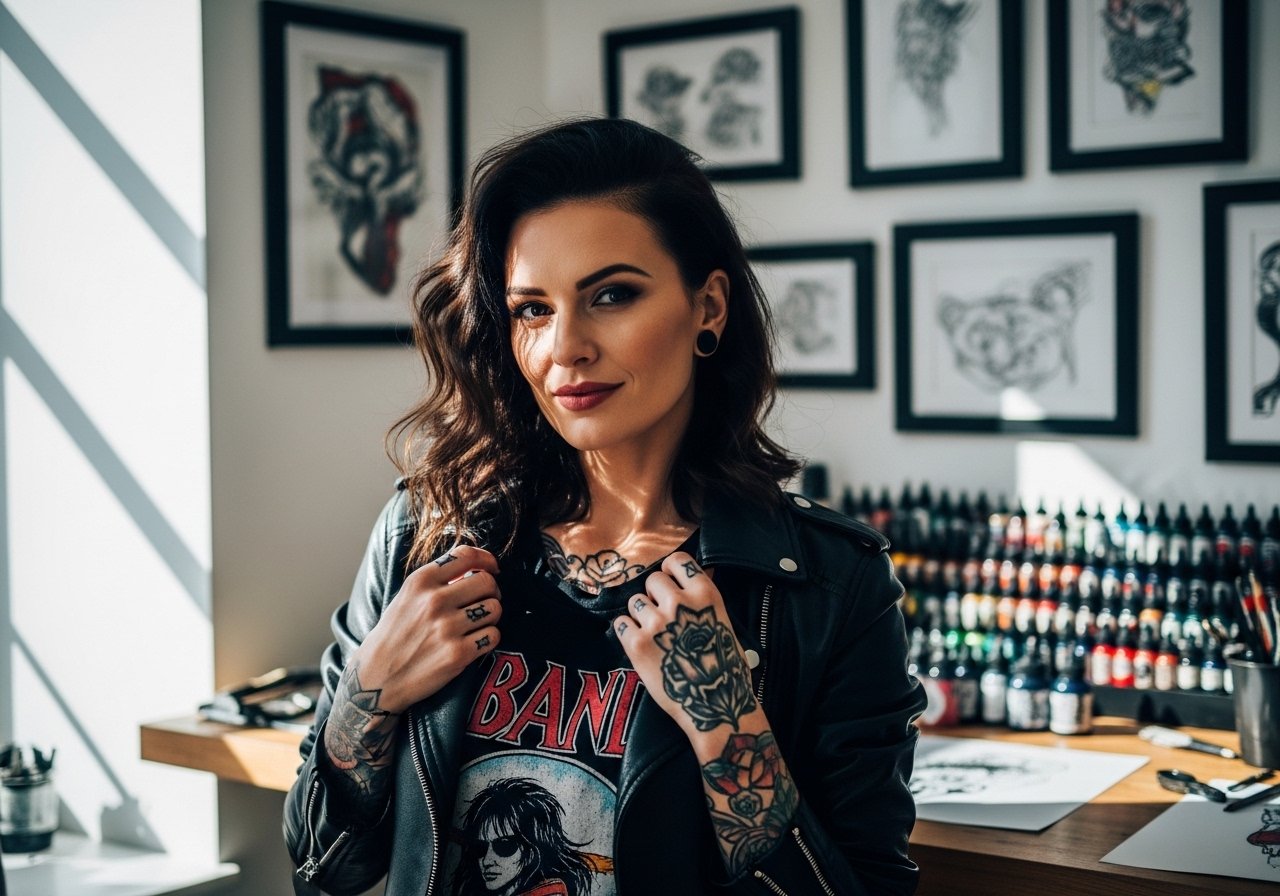
Fine line My Chemical Romance tattoos look incredible fresh, but the reality is most tiny lyric wraps and micro icons need deliberate choices to last. Placement, a slightly heavier line weight, and a wardrobe that protects fresh ink matter more than the prettiest reference photo. Below are 17 fan-friendly MCR designs with notes on consultation, how they age, and what to wear to the session so you leave with ink that still reads in year three.
1. Fine line "Welcome to the Black Parade" wrist script
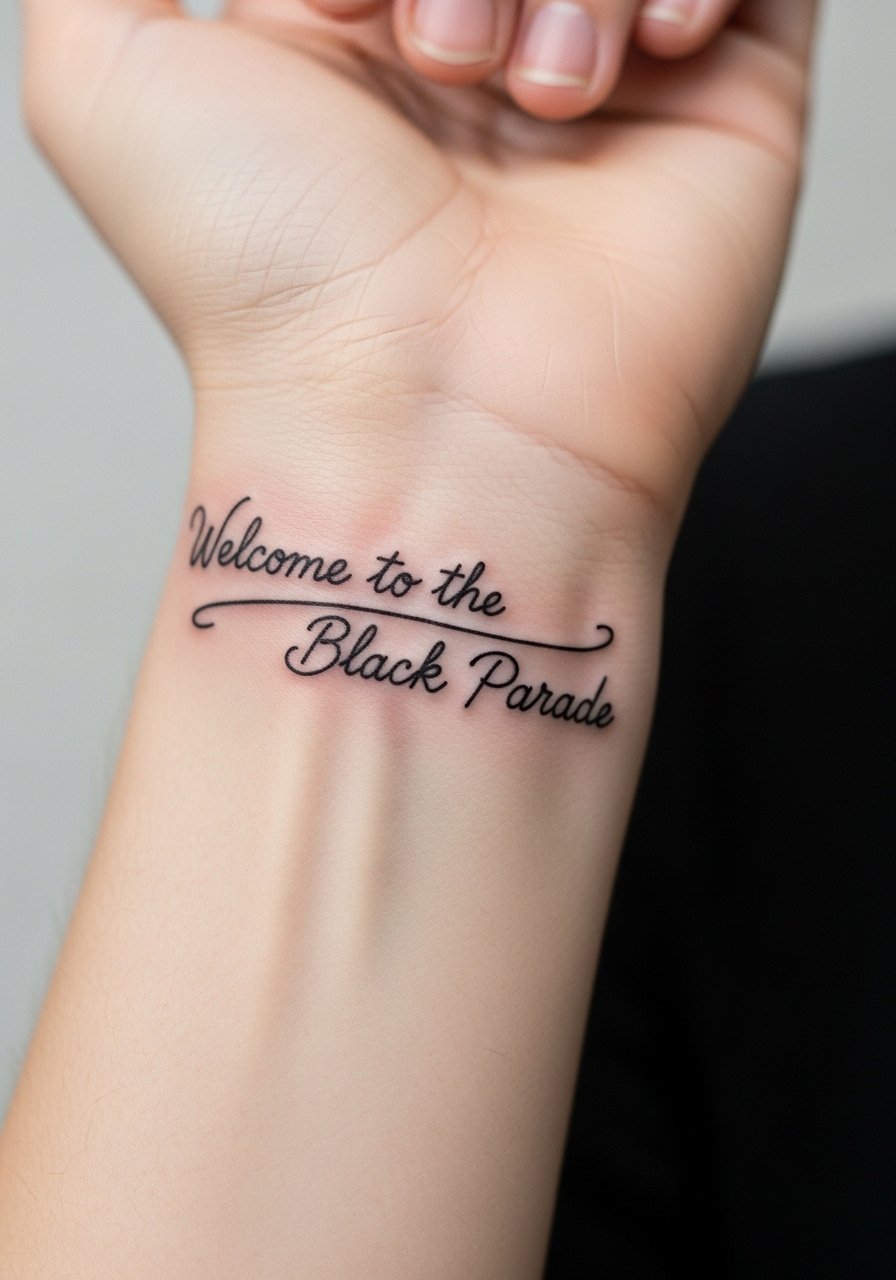
This is the archetypal fine line lyric tat for MCR fans. Fair warning, the wrist is a high-motion zone, so ask your artist to thicken the primary strokes to about 0.3–0.4 mm rather than paper-thin hairlines. A common mistake is requesting exact tiny lettering with no room for spacing, which blurs in year two. Expect a touch-up by year one or two if you want crisp letters. The session is quick and usually lower-pain, but avoid bracelets on that wrist for the first week. For showing it off, pair the piece with a rolled-cuff chambray shirt that keeps the forearm visible.
2. Minimalist Black Parade skull with rose on the forearm

If you want album iconography without the full chest piece, a 2×2 inch skull and rose on the forearm is a smart pick. The forearm gives the work room to breathe so tiny dots do not merge. During consult ask for crisp negative space around the rose so saturation reads from a distance. There is an active debate about fine line versus blackwork longevity. One camp says bold blackwork wins for years because saturation resists fading. The other camp says a well-executed fine line with proper depth and spacing can hold up if you commit to sun protection and touch-ups. Discuss that with the artist before booking. For everyday styling, cuff the sleeve and add a slim silver ring set on the opposite hand to balance the look.
3. Delicate Three Cheers ghost outline at the collarbone
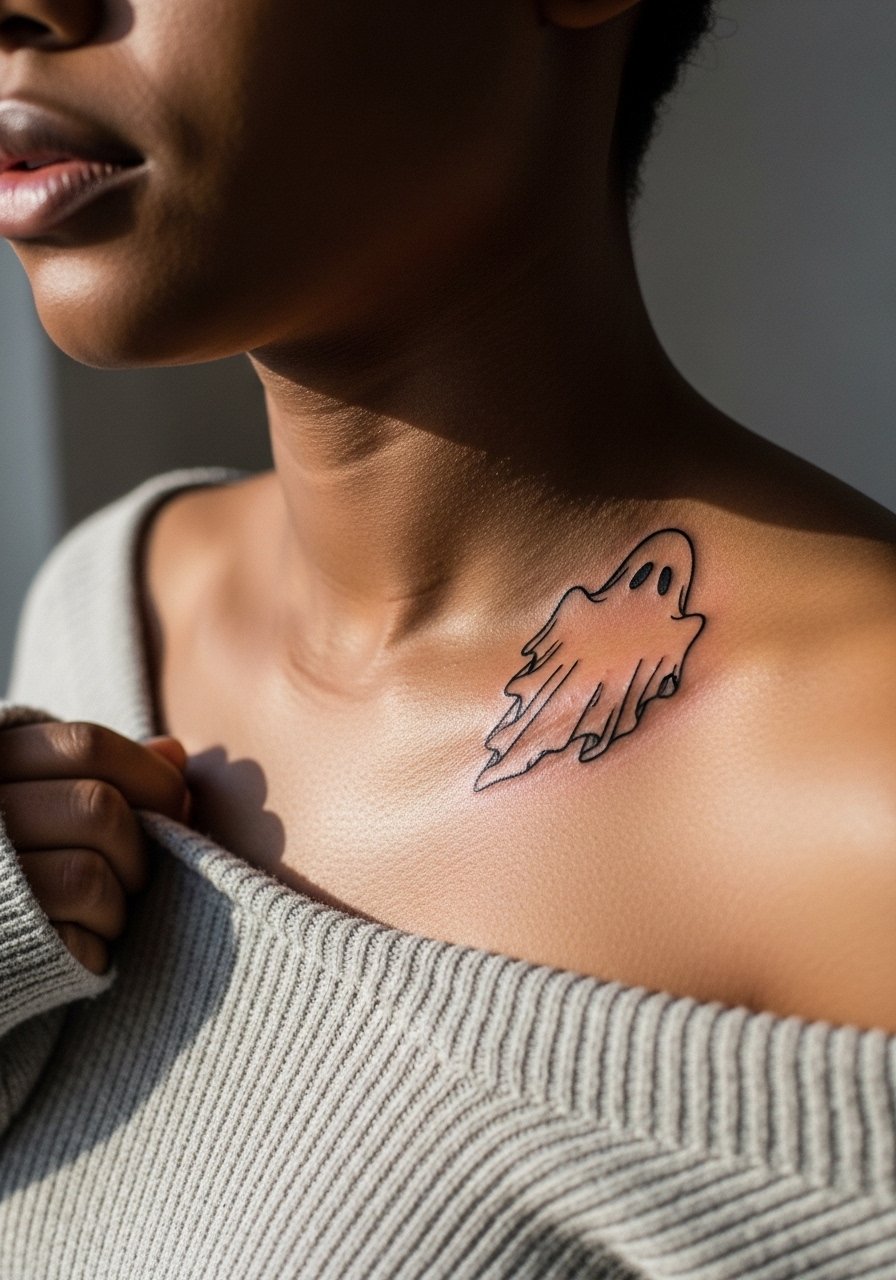
Collarbones are flattering for lyrical or illustrative pieces and they sit on relatively stable skin. Plan for a one- to two-session consult if you want extra spacing or stipple shading around the ghost. The biggest mistake is centering the design too low so it disappears under necklace chains. Expect moderate pain, especially on the bone edge, and avoid tight necklaces while healing. For showing it off, a cropped lace camisole top or an off-shoulder sweater will frame the linework without rubbing it. Ask your artist about touch-up windows; fine line near the collarbone often needs an island-style refresh six to twelve months in.
4. Script "I'm not okay" in cursive with a dagger on the outer forearm

This neo-traditional script pairs emotional lyric content with a solid small icon to avoid the "floating word" look. Tell your artist you want medium-weight strokes with one red accent rather than ultra-thin cursive. A common aging issue is overly narrow connecting strokes that disappear into skin texture after a year. The outer forearm is forgiving for lines and the session usually takes under an hour. Mention whether you want the handwriting to copy an era-specific Gerard Way font or your own handwriting sample. That change shifts the emotional weight but not the technical approach. No jewelry on the tat side during the first week helps avoid scabbing from friction.
5. Micro "Na Na Na" lyric with bullet-hole detail on a finger
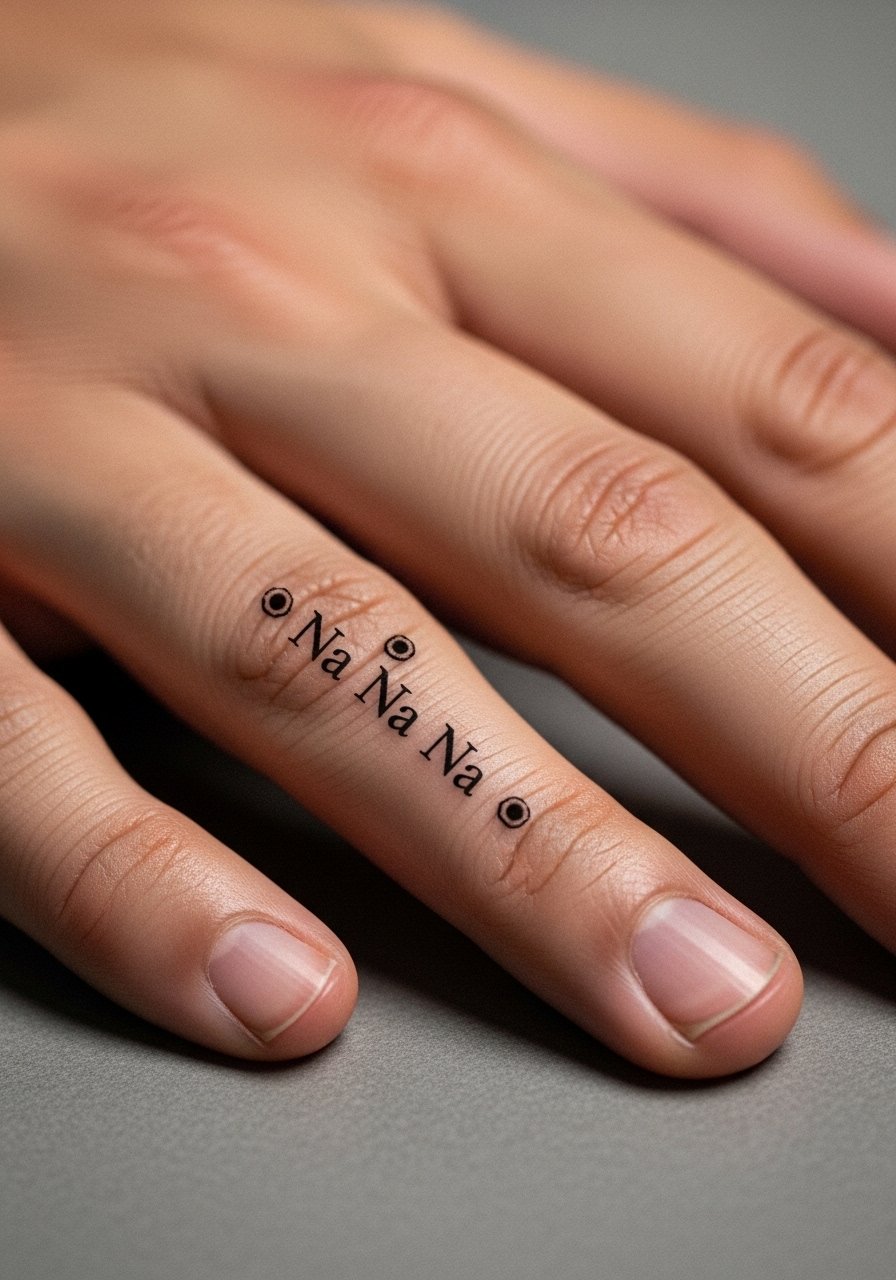
Finger and knuckle placements are kinetic and abrasive, so micro-realism here reads loud when fresh but needs patience from the owner. The biggest mistake is expecting long-term clarity without touch-ups. Fingers shed skin and face constant washing, so plan to refresh this at the year mark. Session time is short but painful because the bone is close. For showing it off without crowding the finger, keep opposite-wrist accessories minimal and try a thin leather bracelet on the other wrist during socials. Note that some workplaces still frown on visible knuckle or finger tattoos so think about career implications before booking.
6. Watercolor Black Parade marchers silhouette on the shoulder blade
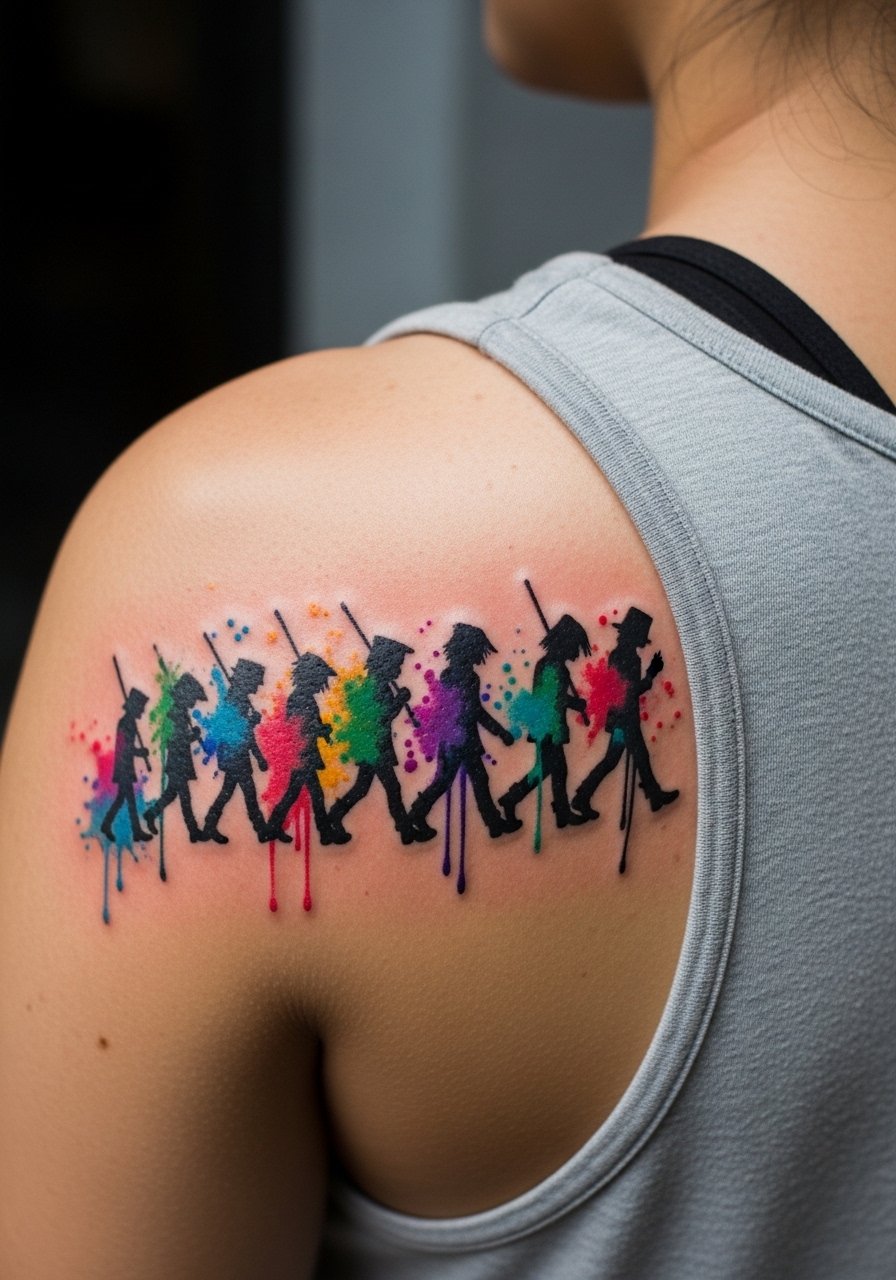
Watercolor pieces give theatrical MCR motifs an artful twist, but they age differently than black-only work. Colors that look lush fresh can bleed or muddy without solid anchor lines. Tell your artist you want dark anchors around the silhouette so the color sits inside a frame and does not feather. Shoulder blade placement lets the piece be large and breathe, which reduces early bleeding. Session time is longer for layered color, and you should expect two sessions for saturation. For evenings out a deep red strappy top pairs well with the color palette and keeps the tattoo visible. If you want longevity, accept touch-ups and strict sun protection as part of the plan.
Studio Day Picks
The small wrist, finger, and shoulder blade pieces above each have different healing pressures, so pack a few items that smooth the session and the first week.
-
Bepanthen scar gel. Lightweight healing gel that many people use instead of greasy ointments on fine line work to reduce surface shine while keeping delicate strokes moist.
-
Organic tattoo goo balm. A gentler option for color work and watercolor pieces so pigments settle without heavy wax buildup.
-
Manuka honey balm. Natural antibacterial properties help protect rib and thigh placements that face friction during movement.
-
Tegaderm protective film. Thin film keeps finger and wrist tattoos clean if you need to travel or work with your hands in the first 48 hours.
-
Hustle Butter. A lighter, non-petroleum option many people and some artists prefer for the first week on fine line pieces to avoid clogged pores.
7. Fine line Gerard Way portrait caricature on the inner bicep
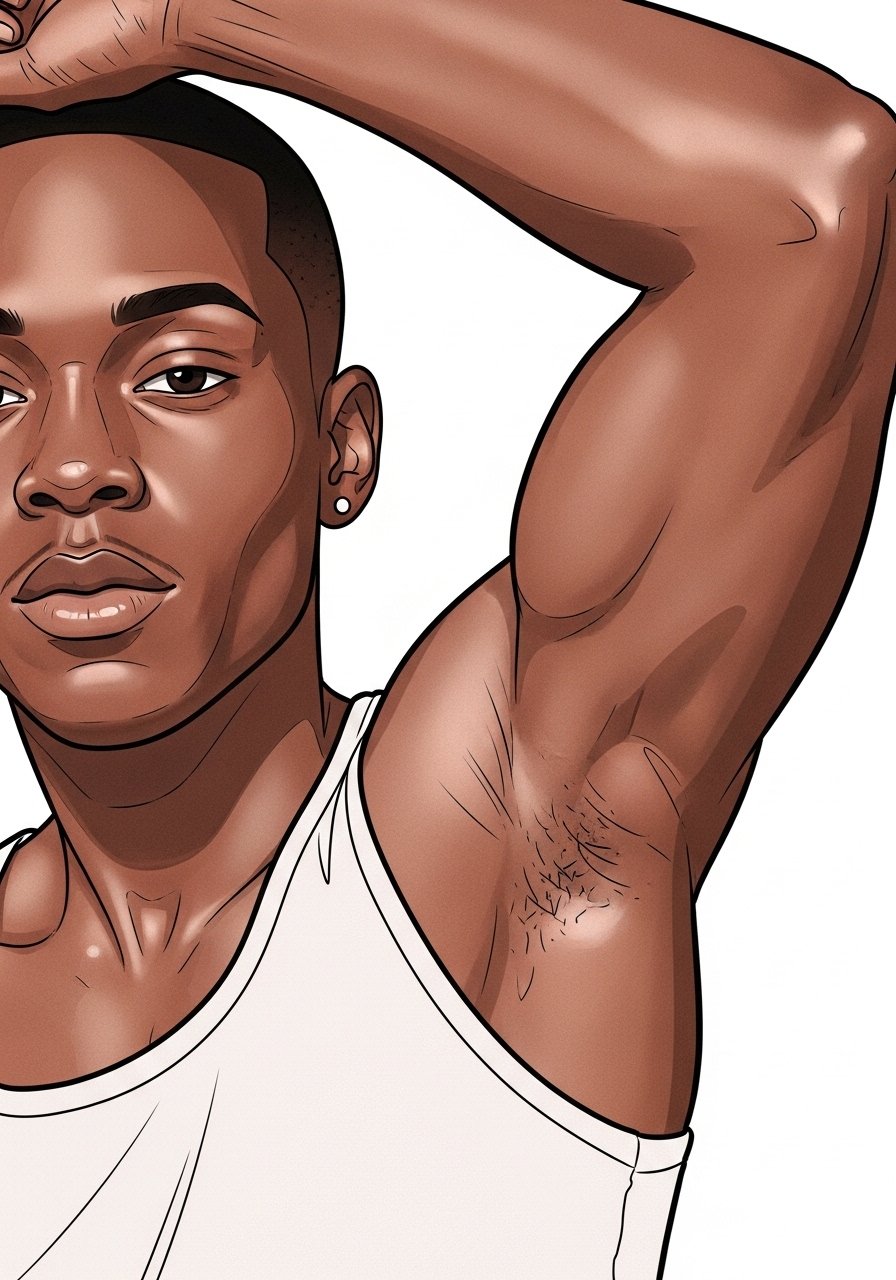
Inner bicep portraits look intimate and sit on softer skin that holds dot work nicely. Ask your artist to keep features slightly stylized rather than photoreal so the piece reads at smaller sizes. The inner arm can be prone to slight stretching with weight changes, so mention any recent body fluctuations during consult. Pain is moderate and the session may be interrupted for comfort. A frequent error is over-detailing tiny facial features that merge with time. For the session wear a loose tank top so the artist can rotate access without discomfort. Expect touch-ups within two years if you want crisp facial lines.
8. Ornamental "Helena" rose and skull on the thigh
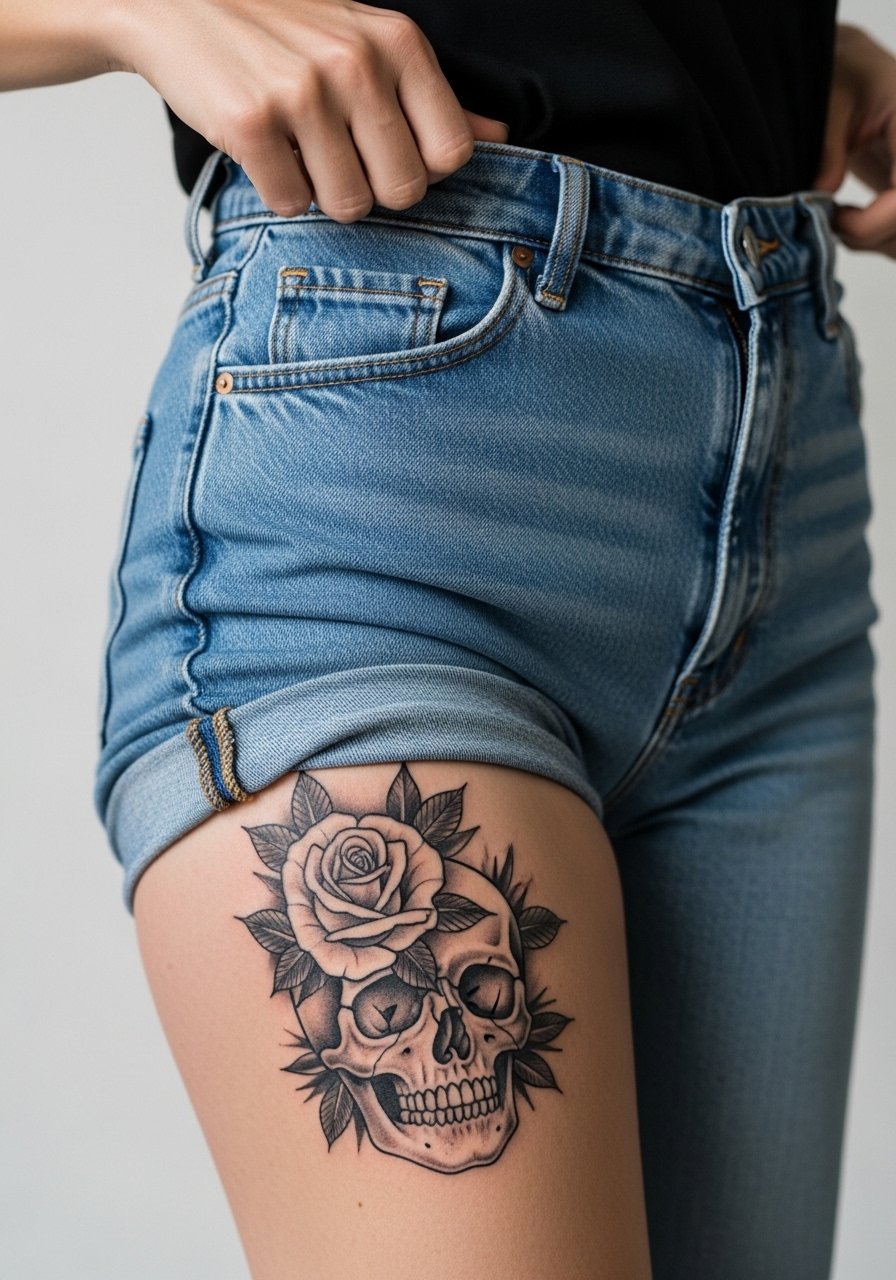
Thigh placement is forgiving for size and allows detailed ornamental work that ages well. The skin there is stable, which preserves stipple shading and subtle gradients. During consult specify how much negative space you want around the skull so the rose reads separately over time. Sessions are comfortable because you can recline, but expect two sittings for heavier saturation. A common mistake is doing too small a version that loses ornament detail after healing. For showing it off, cropped shorts or a flowy midi skirt cuts a clean line around the piece. Cover with breathable fabric while it scabs to avoid friction.
9. Blackwork MCR bat wings with lyric ribbon on the upper arm
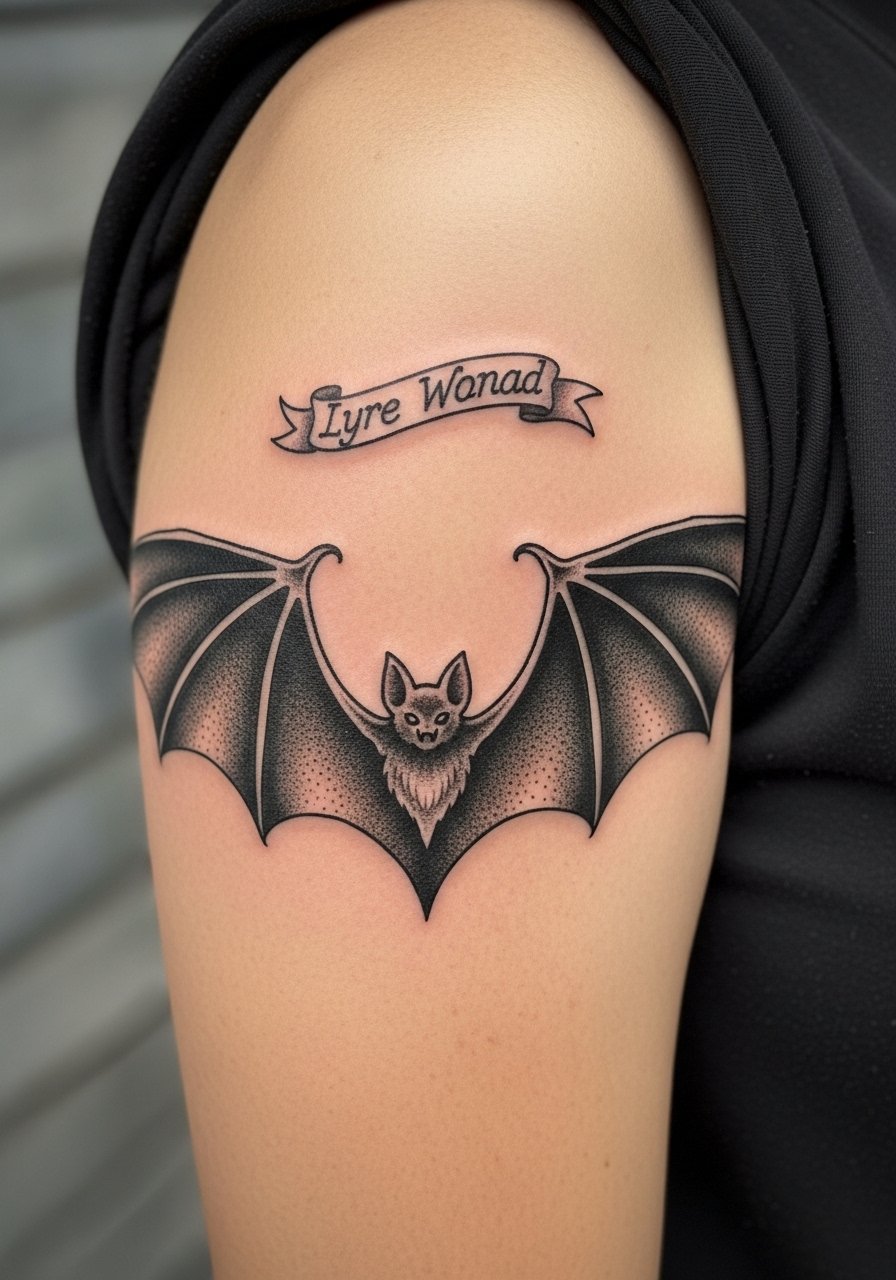
Blackwork is an excellent choice for darker skin tones and for anyone wanting durable high-contrast motifs. The upper arm tolerates saturated fill and holds up without the blotchiness that small color washes can show. Tell your artist you want dense saturation and clean edge work so the wings read from a distance. The session will be longer if the wings are large, and expect two to three sessions for full fill. A mistake is asking for micro-details inside broad black areas that vanish as the ink settles. This style needs less frequent touch-up than fine line text, but sun care remains essential.
10. Minimalist "Cancer" pill bottle outline at the ankle

Small health-related motifs can carry heavy meaning without shouting the message. Ankle placement provides discreet visibility and works well with minimalist outlines. The ankle sees rubbing from socks and shoes, so bring a shoe-free plan for the first week and expect a slower scab stage. During consult note whether you want tiny label text inside the bottle; very small letters often blur. For summer showing, pair with cropped straight jeans or a midi skirt so the ankle becomes a focal point. Keep the area dry in communal pools for two weeks to prevent early fading.
11. Neo-traditional Danger Days killjoy mask on the calf
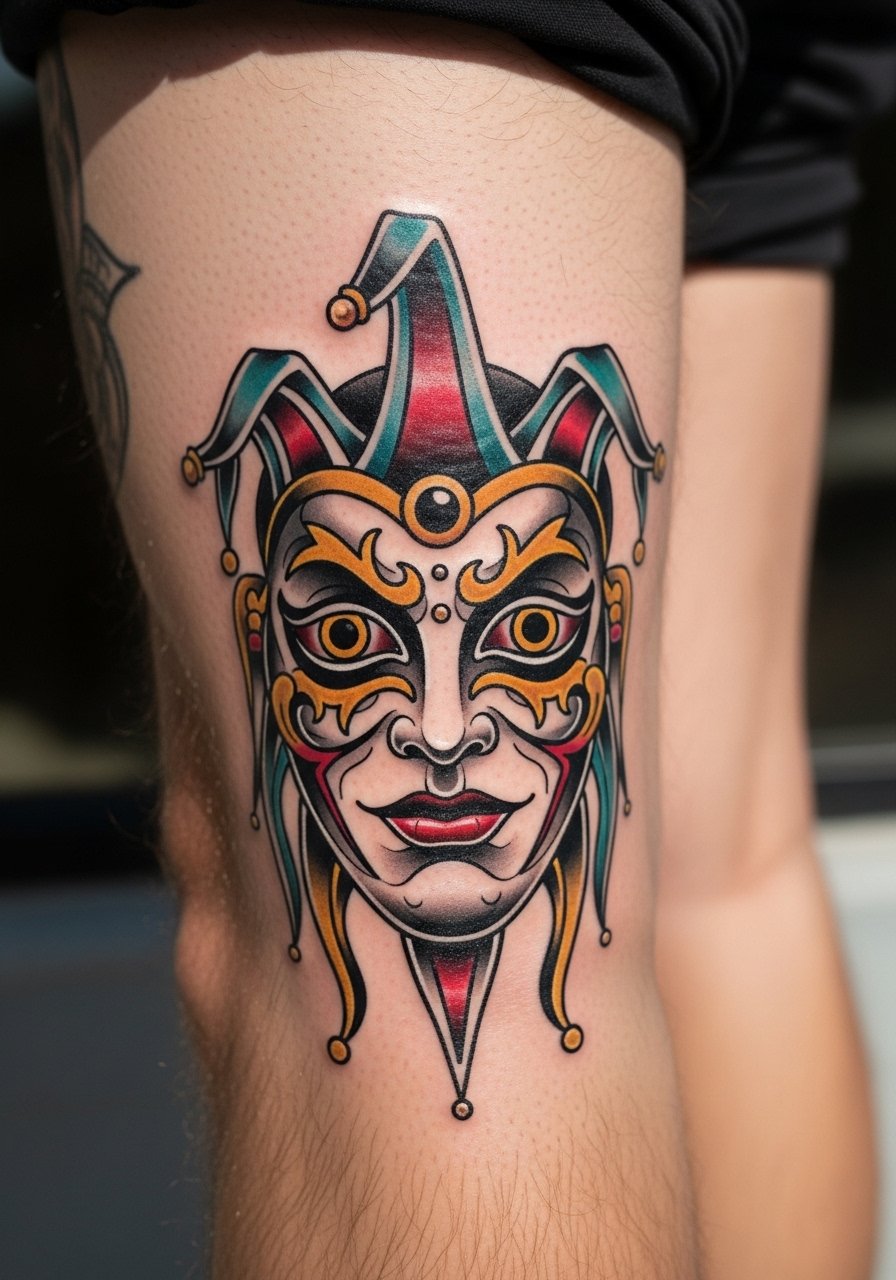
The calf is great for colorful neo-traditional pieces that need breathing room. Strong black outlines help hold the neon-inspired palette in place. A bad request is asking for watercolor splatter without defined anchors, which leads to muddy edges after healing. Sessions are moderate to long depending on color complexity. For seasonal showing, roll bootcut jeans or hit festivals in shorts and chunky socks. A bootcut jeans rolled look frames calf work without hiding it. Plan for a touch-up after the first winter if you spend a lot of time in the sun.
12. Fine line "Demolition Lovers" heart dagger on the ribcage
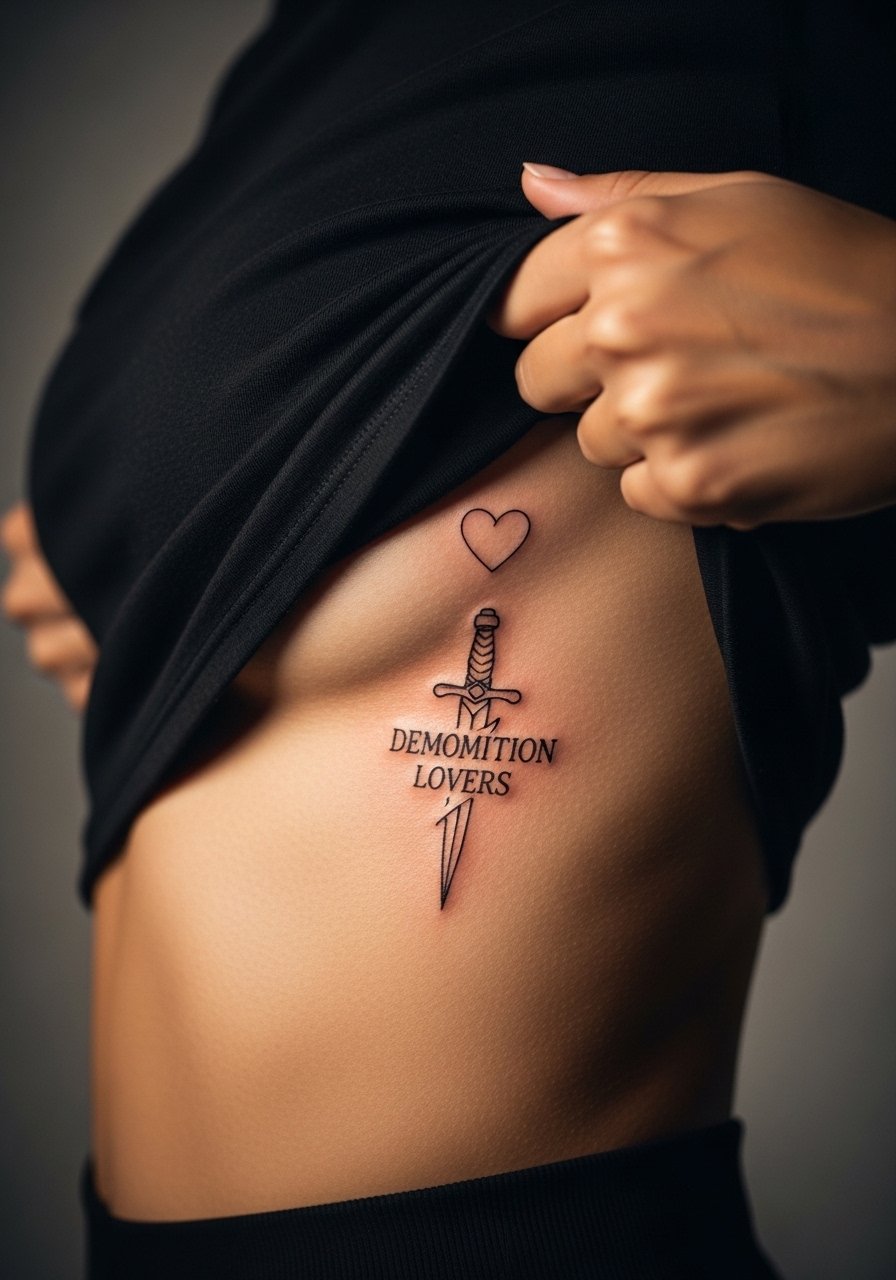
Ribcage pieces are painful and polarize artists on technique. One camp says fine line on ribs blurs fast because the skin there moves and stretches. The opposing camp claims that with correct needle depth and spacing the lines can settle cleanly. Name both camps in your consult and ask where your chosen artist stands. Expect a higher pain score and a likely two-session plan if you want shading. Common mistakes include too-tight lettering and improbable spacing. If you want matching couple ink, remember friction from waistbands can affect healing, so wear breathable high-waist bottoms during the first week.
13. Script "Famous Last Words" banner along the collarbone
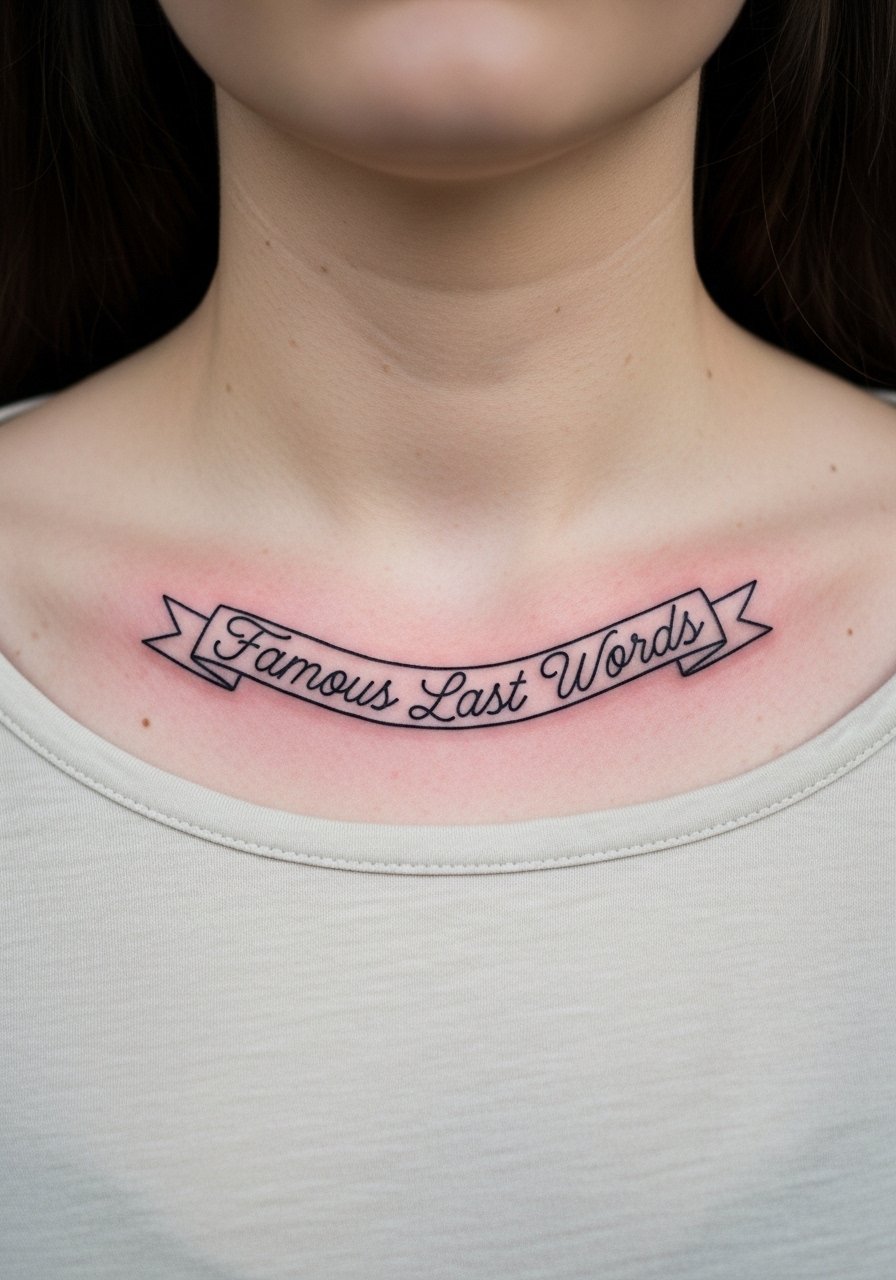
A collarbone banner with short lyrical text reads as an everyday resilience marker without being heavy-handed. Ask for letters at least 2.5–3 mm tall so they survive two years before a touch-up. The collarbone can indent under necklace chains, so tell your artist if you prefer higher placement or a subtle curve. Pain peaks at the bone edge but sessions are brief. A frequent misstep is asking for dense fill behind the banner that crowds the letters. For wardrobe, a simple strappy tank top makes the banner visible and keeps friction low while healing.
14. Low-back Black Parade skeleton at the small of the back

Low-back placements give hidden sensuality and let you keep the piece private when needed. The lower back tolerates larger compositions that read well in clothing. Be cautious with placement relative to waistbands and dimple lines so the skeleton does not warp when you sit. Session time is moderate and you can lie comfortably for longer stints. A common mistake is expecting a tiny low-back image to retain facial details. For show-off looks, low-rise jeans or open-back tops reveal the piece without constant sun exposure. Keep the area covered during the first week to prevent irritation from belts.
15. Danger Days ray gun knuckle set for interactive gestures

Knuckle and hand sets are performative and work well for Danger Days motifs that come to life in videos. Expect fast sessions that feel sharp because the bones are close to the surface. The reality is heavy use of hands means faster wear and more frequent touch-ups. A mistake is cramming too many micro-objects into a tight spread; give each icon breathing room. Consider how gestures will read on camera before committing to placement. Keep in mind that some employers may still view hand tattoos as unprofessional, so weigh the career angle before committing.
16. Lyrics integrated into stretch marks as a cover-up on the stomach
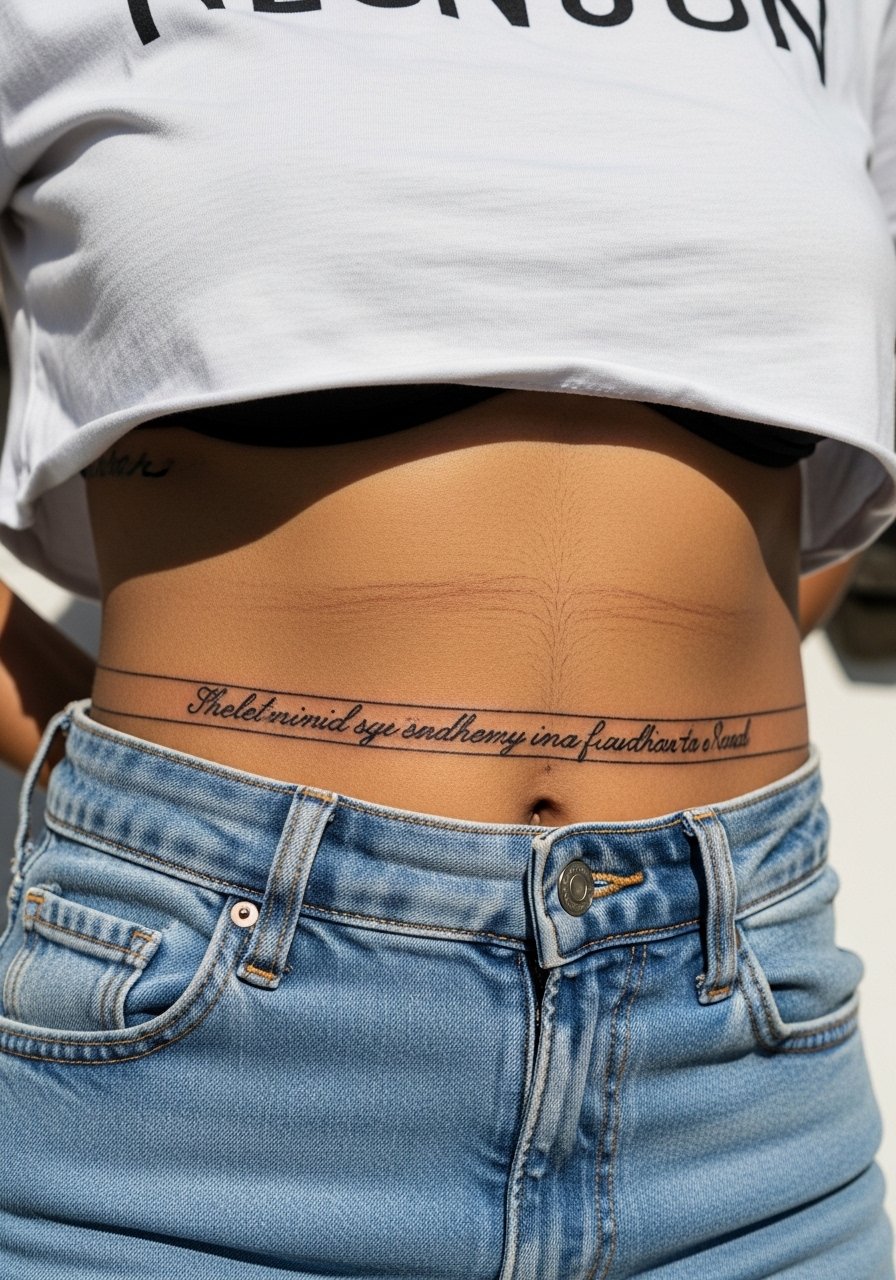
Using lyrics to work with stretch marks is an under-explored fix that can produce elegant results when the artist designs lines to follow natural skin topology. During consult bring clear photos of the marks so the stencil can be tailored to sit with, not across, the texture. The main mistake is forcing symmetrical lettering over asymmetrical skin. Stomach skin can shift with weight change, so plan for potential minor distortion over time. For the session wear a cropped tee and high-waisted pants so the artist can access the strip comfortably. This approach can yield a piece that harmonizes with, rather than hides, your body.
17. Handwritten "I'm not okay" scanned into a tiny script behind the ear
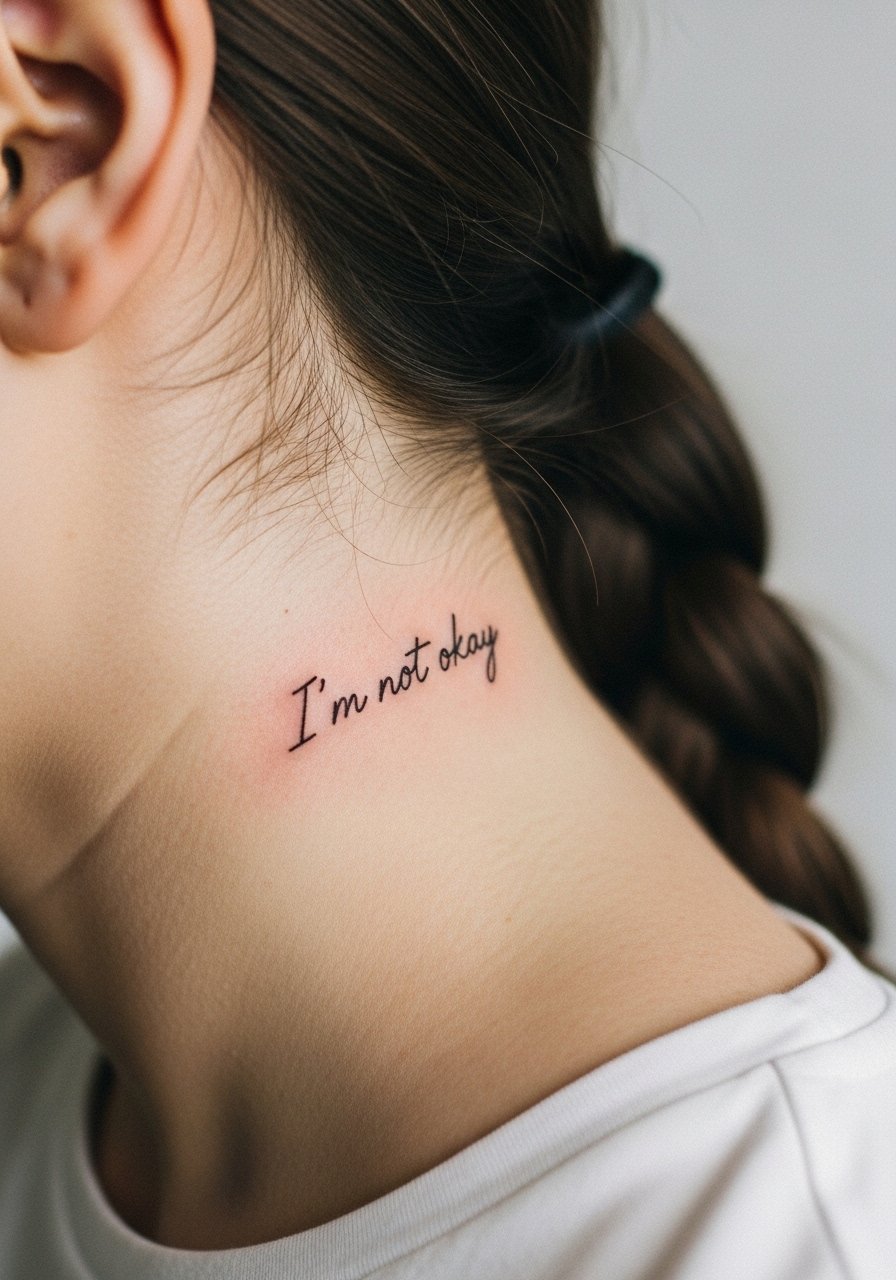
Translating real handwriting into a tiny behind-the-ear script makes the message private and tactile. Because the text appears in a very small area, specify the exact phrase during the consult. Image generators and stencils need exact wording, so bring the written sample. Behind-the-ear tattoos have a delicate healing window and require a skilled hand for clean micro letters. The spot is sensitive but quick. Keep necklaces and high collars away from the region while it scabs. This placement reads as an intimate nod rather than a billboard, and it photographs best with hair tucked or up.
Frequently Asked Questions
Q: Will a fine line Black Parade lyric on my wrist need touch-ups more often than a bold forearm piece?
A: Yes, fine line on the wrist typically needs touch-ups sooner because the skin there moves and faces frequent washing. Expect some softening within the first year and plan a refresh window around twelve to twenty-four months if you want crisp letters.
Q: Is blackwork really better for dark skin tones than watercolor or light scripts?
A: In practice, solid black and strong linework tend to show up more reliably on darker skin tones because they provide contrast. Watercolor and pale washes can struggle unless the design uses dark anchors. Talk with artists who post healed photos on similar skin tones before booking.
Q: Should I use Saniderm or dry healing for a small wrist or finger piece?
A: Artists and guests split into two camps. One group prefers Saniderm for the first 24–48 hours to reduce scabbing, while the other favors dry healing once the initial film is off for breathability. The best choice depends on the artist's method and your skin's reaction, so ask about their preferred protocol during the consult.
Q: How much does placement really affect pain for an MCR ribcage rose versus a forearm skull?
A: Expect the ribcage to be significantly more painful because the needle hits close to bone and thinner skin. The forearm is gentler with fleshier muscle and slower sessions. If pain is a major concern, consider moving a rib design to the thigh or shoulder blade for easier sessions.
Q: Can I get a tiny handwriting script behind my ear and still wear headphones comfortably?
A: Yes, but avoid tight over-ear headphones that press on the area for the first two weeks. In most cases you can use in-ear buds while the script heals, and wear loose headbands if you need coverage during travel.