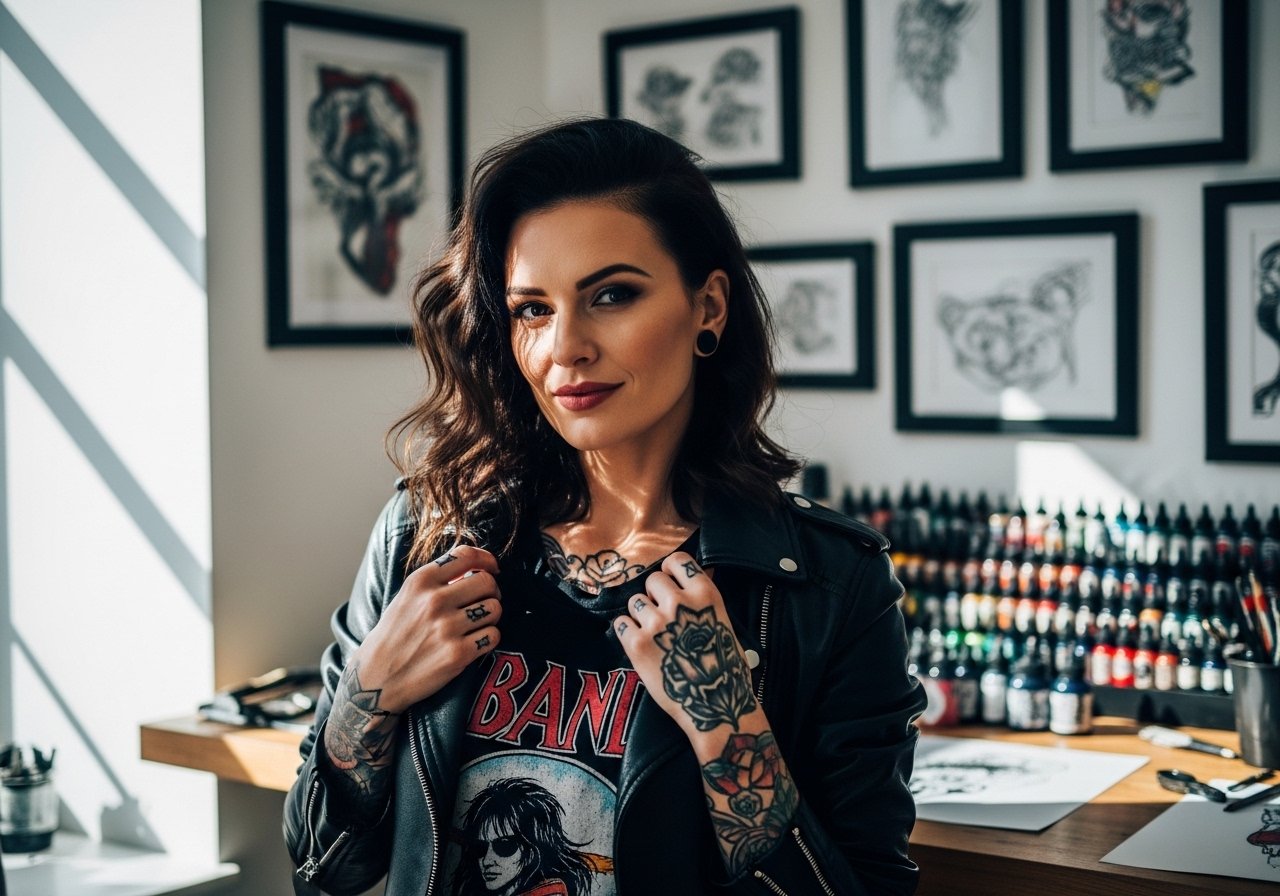
Fine line styles are everywhere on saved boards, but dotwork portraits and stippled scripts are the pieces that read like photos on skin once they have time to settle. If you want a Lana Del Rey inspired piece that still looks deliberate at year three, pick saturation over micro lines in high-wear spots and plan touch-ups. Below are 17 dotwork Lana Del Rey tattoo ideas with practical consultation notes, aging expectations, and wardrobe tips to help you book the right session.
1. Dotwork Lana Del Rey Portrait in Profile on Inner Forearm
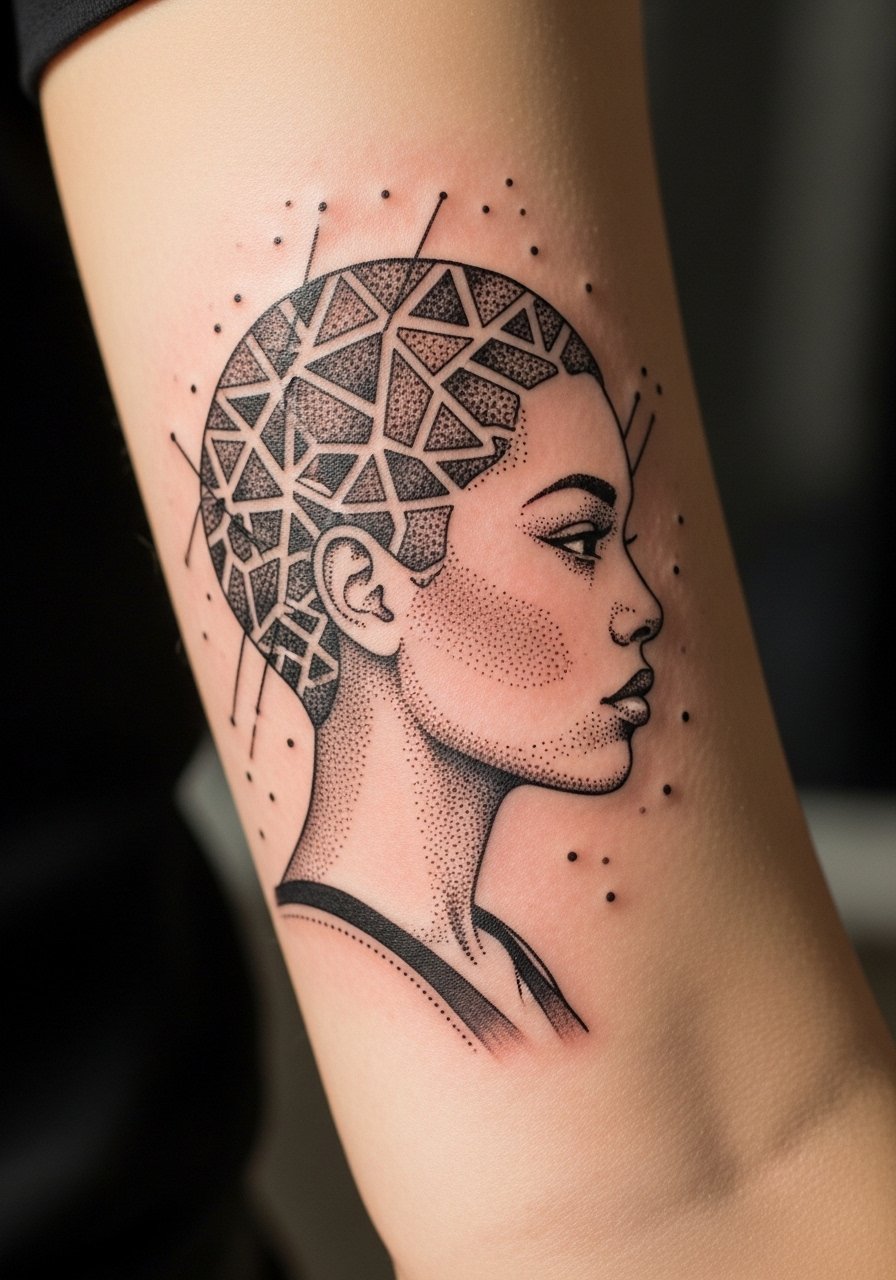
Pick this when you want a clear celebrity likeness without saturated color. Tell your artist you want heavier stipple density in shadow areas and one clean outline for the jaw so the face reads at arm’s length. Fair warning, the inner forearm is a mid-range pain site and sessions run longer when the artist builds dot density, but work like this holds better than ultra-fine line portraits on the same spot. Ask for reference shots at the same scale as your forearm so the artist can map proportions. For showing it off, roll up a cotton long sleeve tee women sleeve and wear a thin silver chain bracelet on the opposite arm to create asymmetry.
2. Fine Line "Paradise" Cursive with Dot Accents on the Wrist
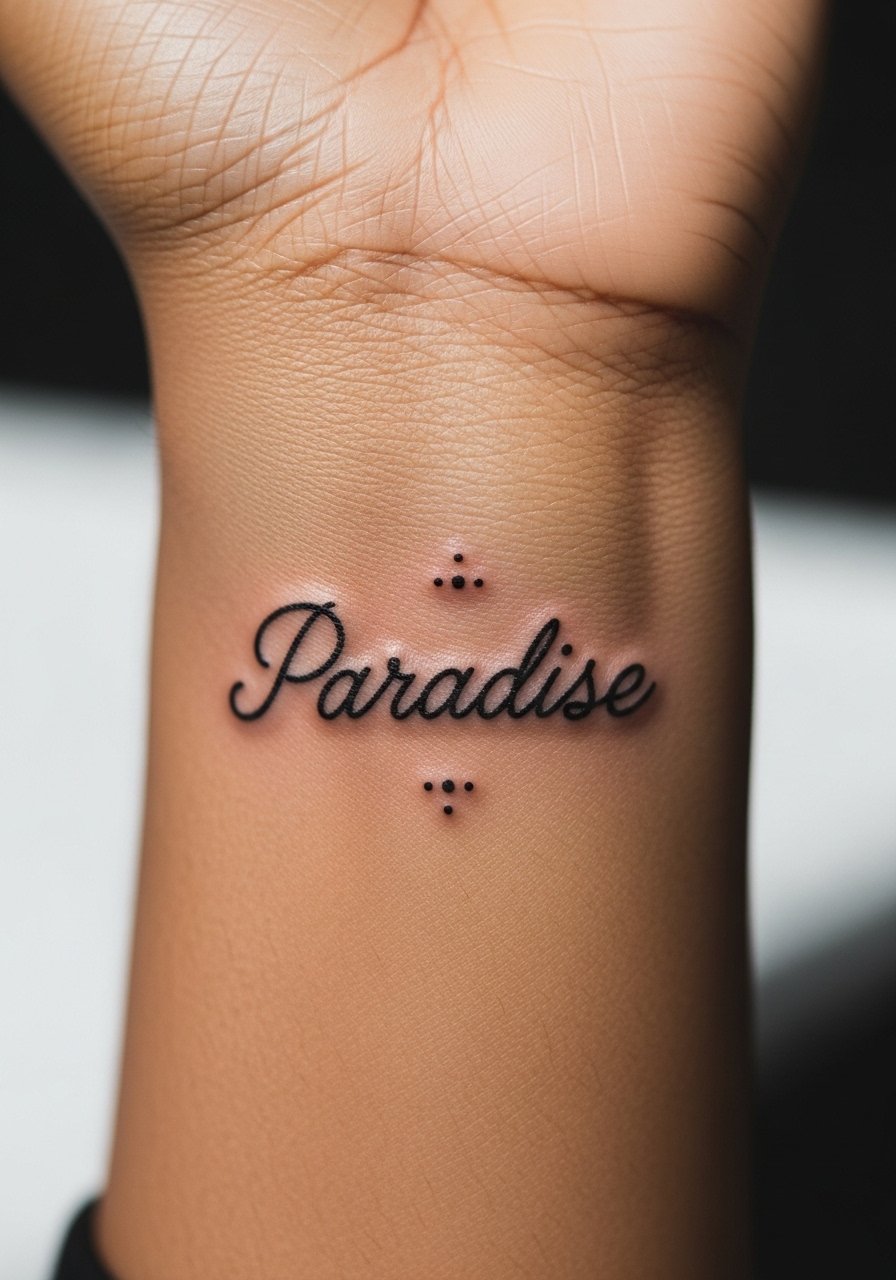
This keeps the lyric nod subtle and wearable. The wrist rubs against clothing and sinks sun exposure fast, so ask for slightly bolder dot clusters next to the script to protect contour clarity over time. Many people underestimate how often they wash wrists, so expect a touch-up window around 12 to 18 months. The biggest mistake is asking for hairline script on the side of the wrist where skin flexes most. For session comfort and clean access, wear a sleeveless tank and skip jewelry. To frame the finished piece, pair it with a boho cuff bracelet when you want the wrist to read like an intentional accessory.
3. Dotwork Mandala Around "Trust No One" on the Collarbone
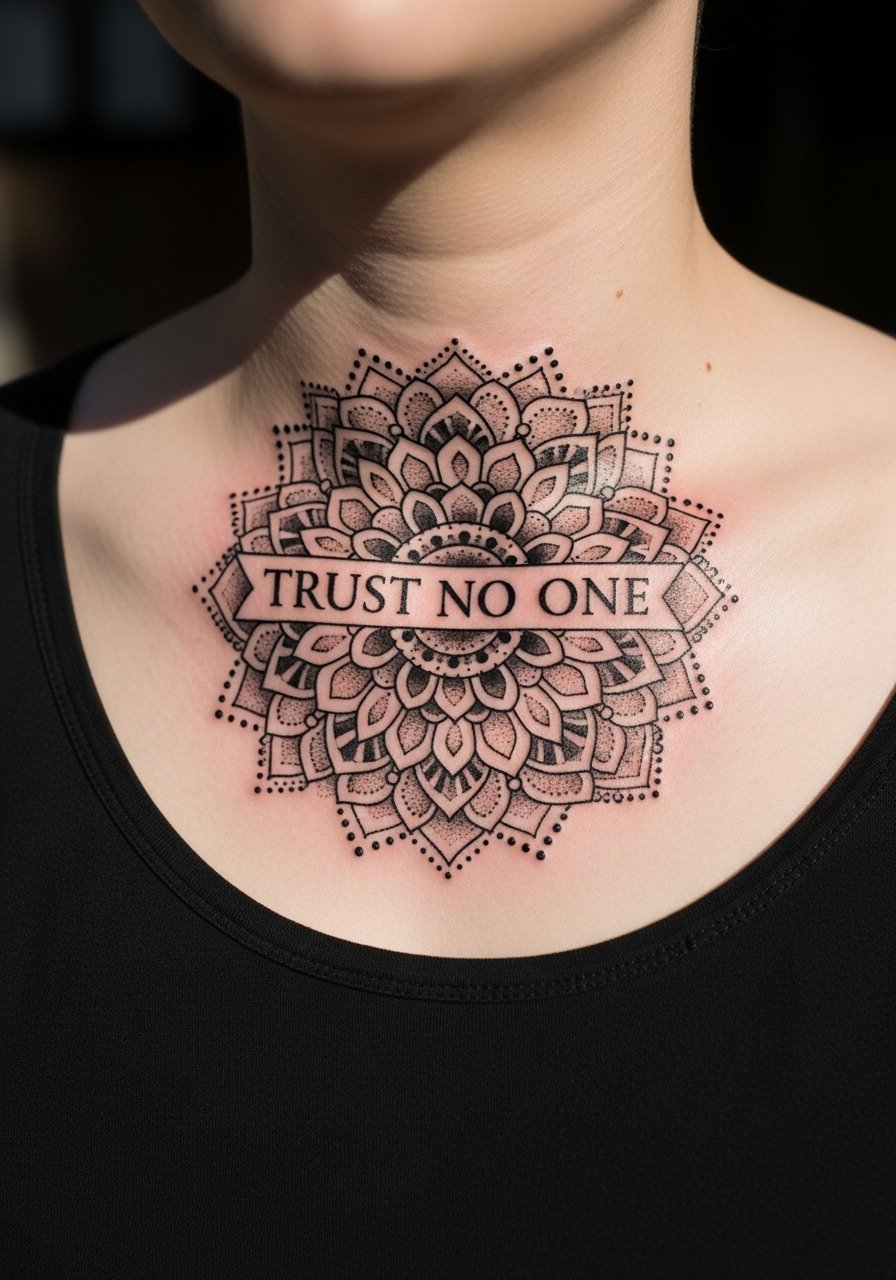
This design borrows the protective geometry of mandalas and centers a short phrase for emphasis. Say during the consult that you want the lettering to sit shallow inside the mandala negative space so the dots form a soft halo rather than crowd the type. Artists disagree about cursive text on the chest; one camp favors block letters for longevity, the other says careful spacing makes script hold. Name both camps to your artist and ask which approach they see aging better on your particular skin. For evenings out, an off shoulder top shows the piece without chafing from tight straps.
4. Geometric Dotwork Script on a Side Finger

Side-finger placement beats knuckles for aging. The skin there flexes less and keeps script legible longer if you avoid the pad and knuckle zones. Tell your artist you want the lettering aligned with the finger bone and ask for increased dot saturation in the first pass to prevent premature fading. Expect a quick single-session sting and a likely touch-up at one year if you type a lot or work with water. There is a debate in the community about dotwork versus fine line on fingers. One camp argues dot density resists fade better, the other says both need regular touch-ups. Ask which approach the artist prefers and why. For discrete styling, a thin ring gold on the opposite hand keeps attention balanced.
5. Blackwork Dotwork Tribute Chest Piece Reading NINA BILLIE
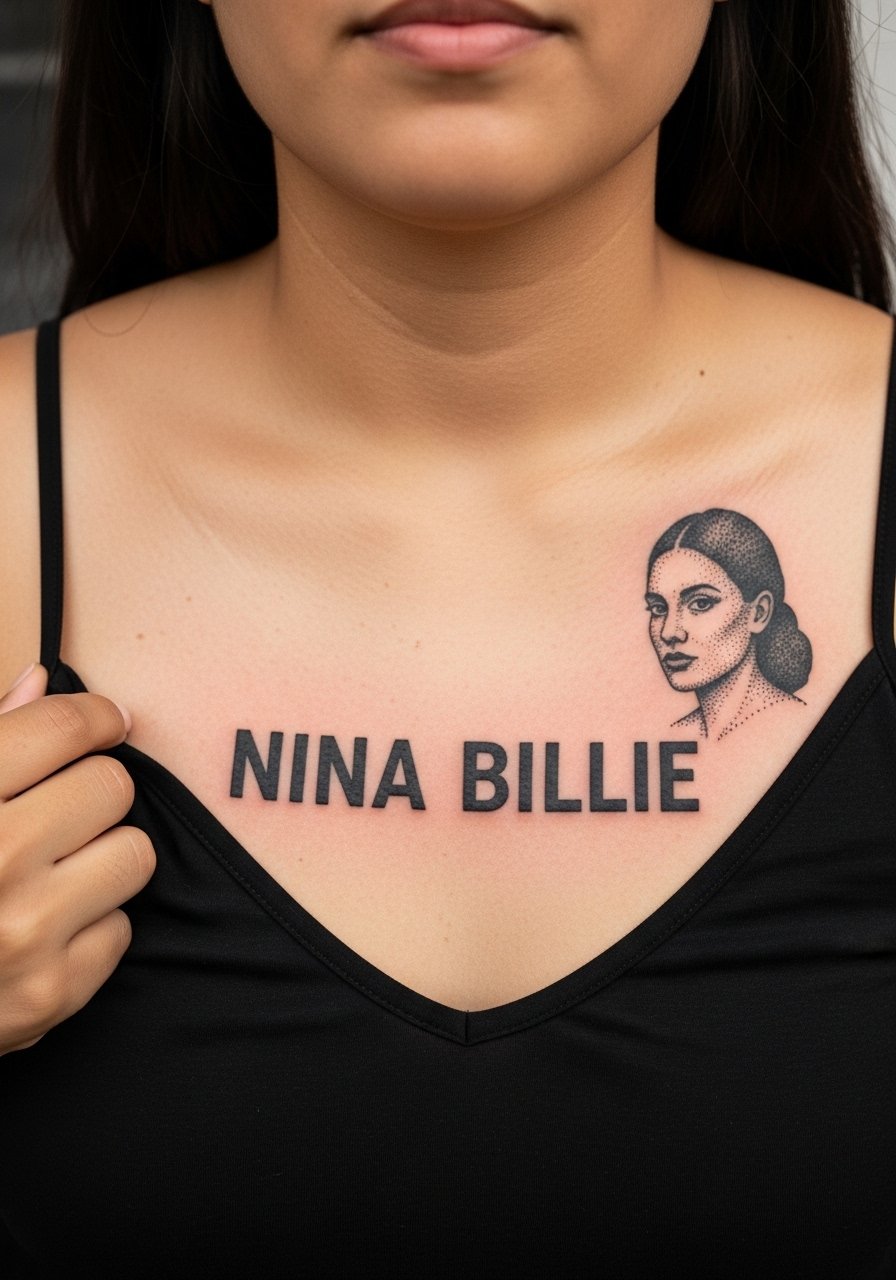
Chest pieces settle differently under clothing. Tell the artist you want heavier stippling where fabric will rub so the darkest values survive friction. The chest can be awkward during healing because shirts rub the area; wear a v neck cami or button-front top for the first two weeks. A common mistake is asking for ultra-fine text in the middle of a curved chest panel without accounting for natural stretch. Expect two sessions for layout and saturation. For career considerations, remember chest visibility depends on wardrobe, so plan placement accordingly.
6. Dotwork Infinity Loop with LDR Silhouette on the Wrist
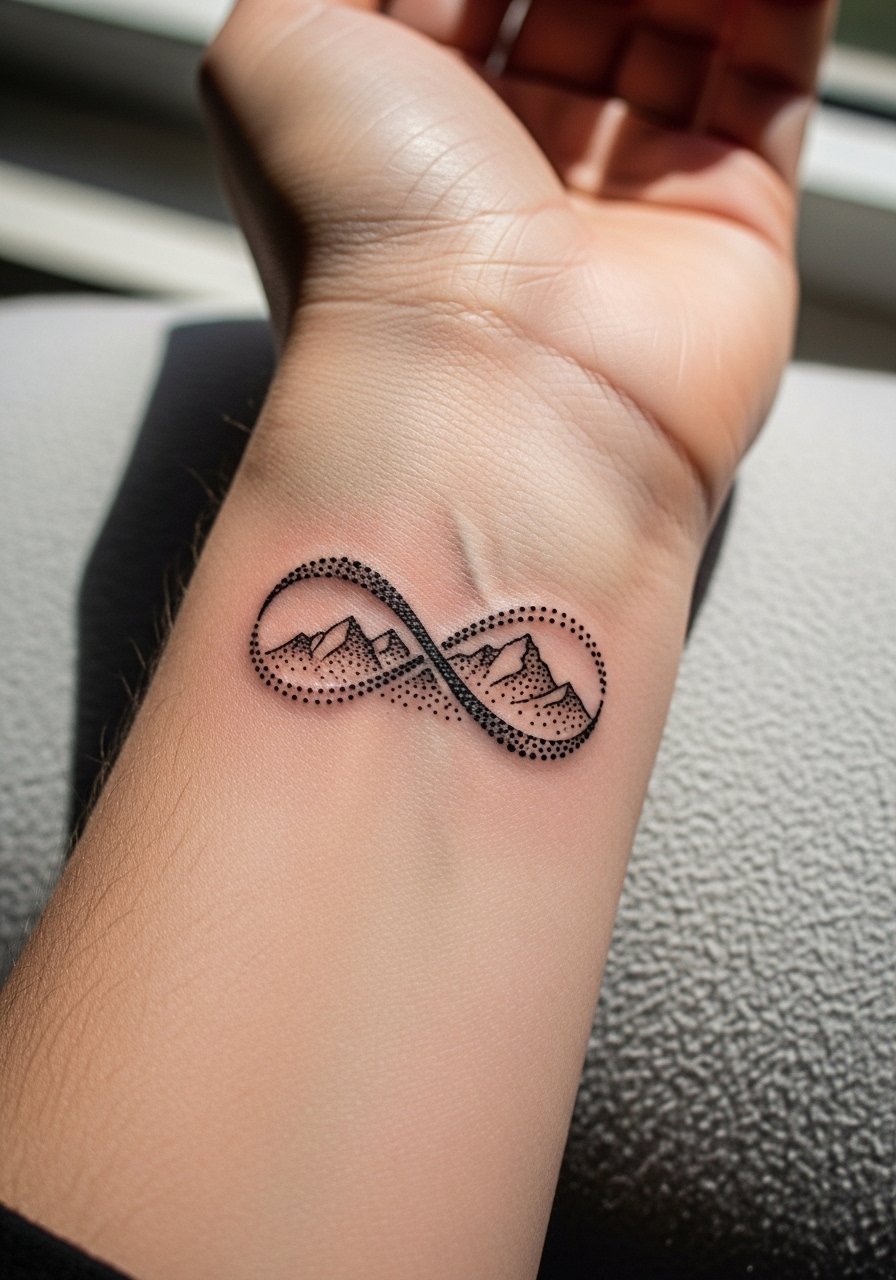
This micro-realism idea reads like a private token on the wrist. Choose a silhouette that simplifies facial features so the shape reads at small scale, and ask the artist to test the line weight at actual wrist circumference before inking. The wrist is fast to heal but high contact, so dense dots around joined lines prevent softening. Expect a single short session and a likely touch-up in a year if you wear bracelets or watches. For session day wear, keep the arm bare for easy access.
Studio Day Picks
These first wrist, finger, forearm, and chest pieces all ask for different prep and first-week care, so a few targeted items smooth the appointment and early healing.
-
Stencil transfer paper kit. Lets you preview scale and line placement on the forearm or wrist before the needle lands, which is clutch for portraits and scripts.
-
Topical numbing cream. Applied as directed about 30 to 45 minutes before the session eases wrist and chest sensitivity without affecting linework when used properly.
-
Thin protective film roll. Great for finger and wrist pieces that face constant hand washing and rubbing during the first few days.
-
Fragrance free gentle body wash. Cleanses healing areas without added irritants, which helps fine dot clusters keep contrast during the first week.
-
Aquaphor healing ointment. A thin layer for the initial day or two locks in moisture for tight linework without suffocating fresh dots.
7. Mini Dot Portrait with Geometric Halo on the Outer Forearm
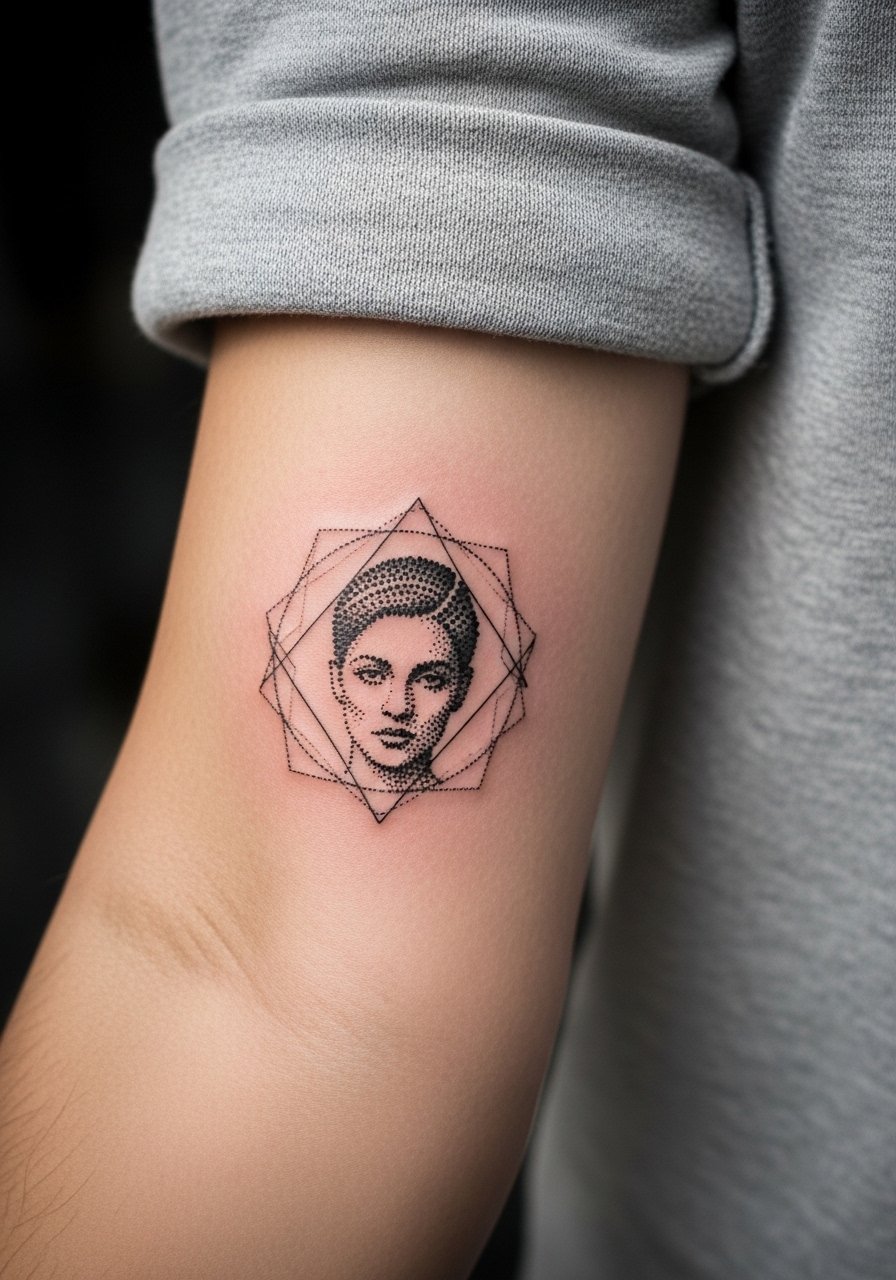
Go with this when you want a compact portrait that can expand into a sleeve later. Ask for the halo to have slightly larger negative spaces so future elements can join cleanly. The outer forearm handles dotwork well and tends to age steadily, but long sessions can make your arm ache more than shorter spots. A common error is asking for too many tiny facial details at this scale. For a vintage LDR vibe, wear a oversized button down shirt you can roll to the elbow on reveal days.
8. Stippled Hand Lyric Under the Pinky Side
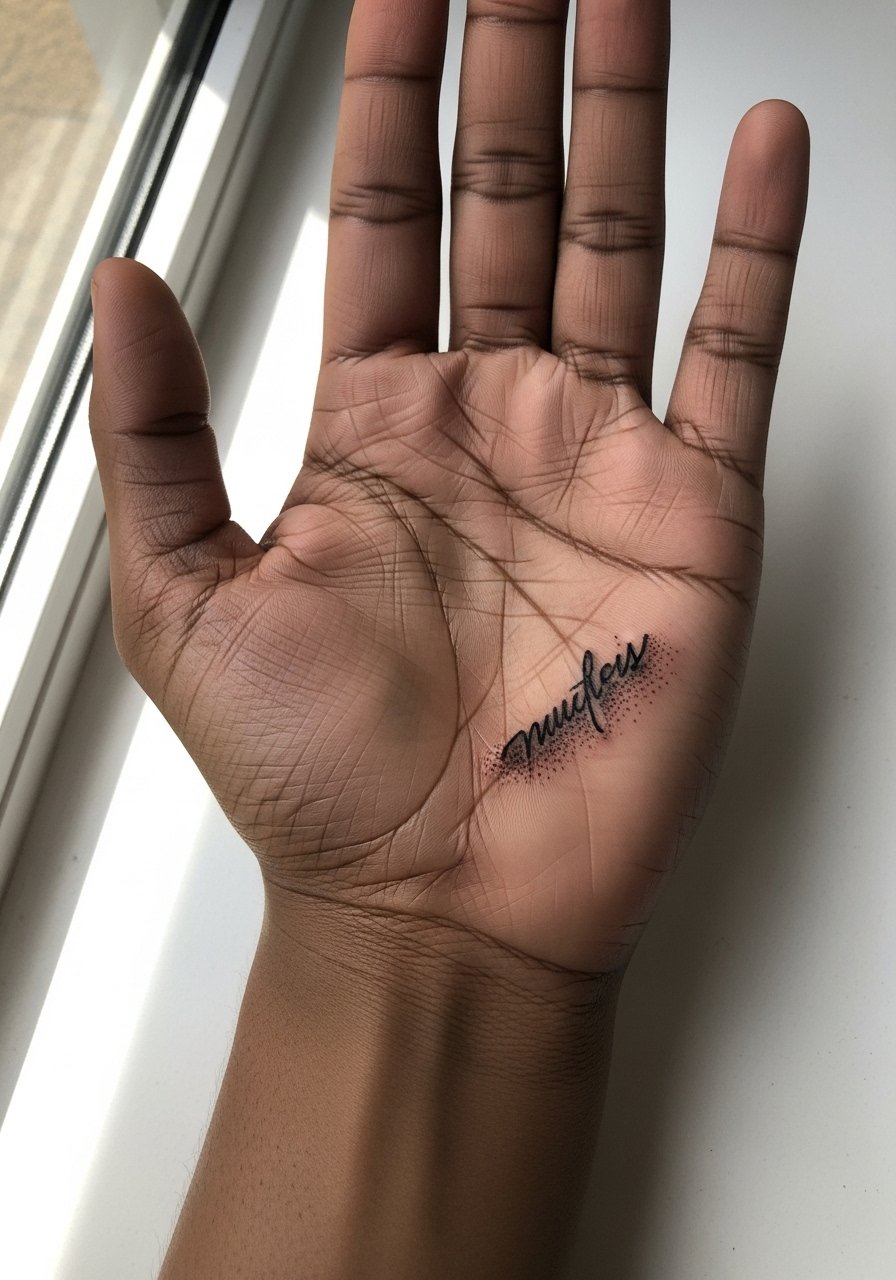
Hand placements show up fast and fade fast. The skin on the hand faces abrasion and constant washing, so expect visible softening by year two. If you choose this, prioritize bold dot clusters over hairline scripts. Plan for a likely touch-up at 12 months. The session feels sharp but quick for small pieces. Consider how hand tattoos sit with your professional life before committing.
9. Micro Script Inside Finger, Dot-Linked
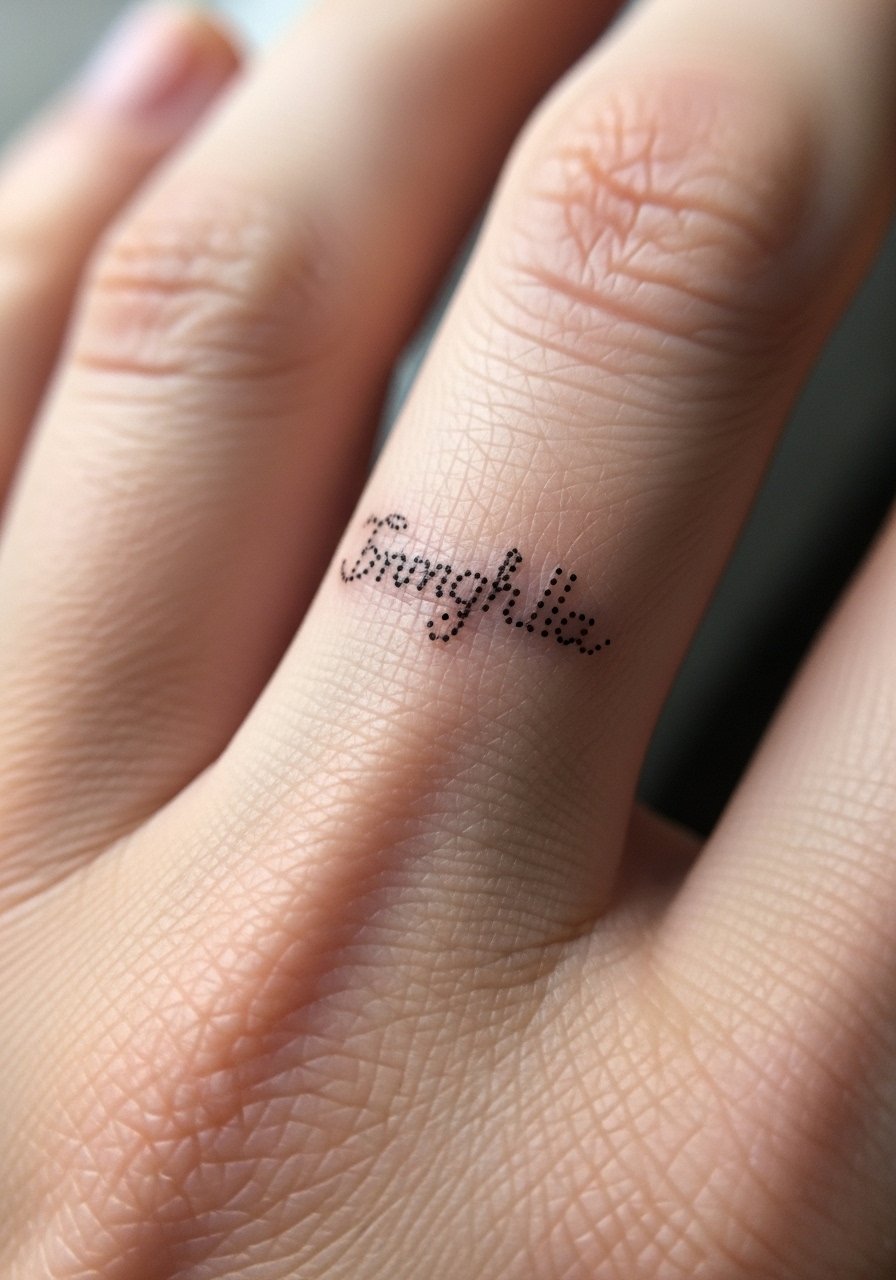
Inside-edge finger placements age a bit better than pad or knuckle placements. Tell your artist you want the script shifted slightly toward the side to follow bone structure and for longevity. The most common mistake is packing letters too tightly on the pad. Expect a single short session and plan for a touch-up window at a year if you use your hands heavily. For delicate events, a dainty finger ring on the opposite hand frames the micro script without overwhelming it.
10. Forearm Dot Band of Roses Flowing Around the Arm

Turn a classic floral into dotwork for texture and depth without color. Ask for slightly more spacing between petals so stipple doesn’t merge with time. The band placement reads well at a distance and is easier to photograph than chest pieces. The session will feel like long, repetitive passes as the artist builds dots, but the result is durable if the artist spaces the dots correctly. Avoid asking for ultra-dense stipple at the seam of the band where blowout risk increases.
11. Single-Word Collarbone Script with Stipple Accent
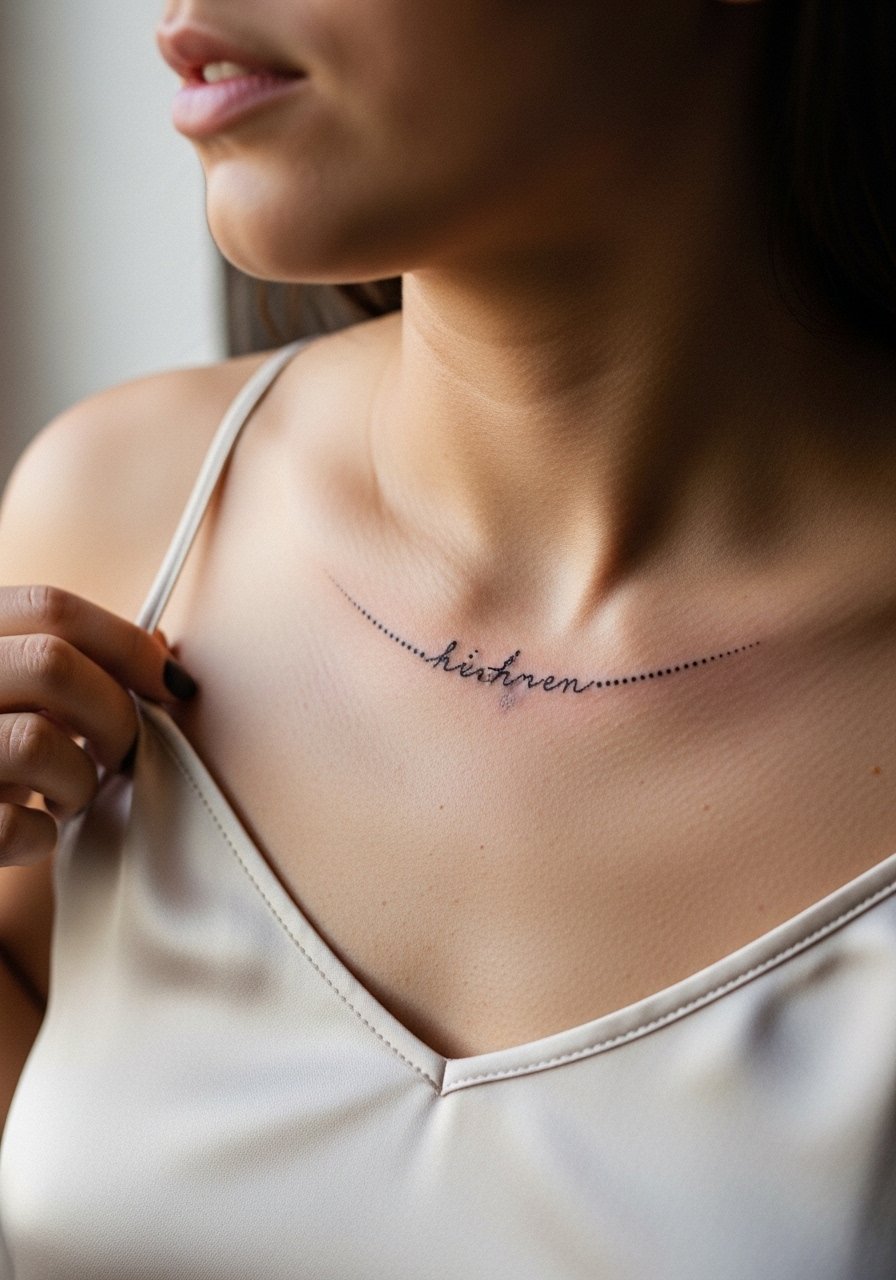
A single, bold word on the collarbone reads elegantly and integrates well with dot shading. Ask for the word to be set into negative space so stippling becomes the backdrop rather than crowding letters. Chest skin can shift with movement, so expect two sessions for layout adjustment and final saturation. For easy showing, pair the piece with a silk camisole women that sits under the collarbone without rubbing the ink.
12. Knuckle-Adjacent Block Script in Dotwork
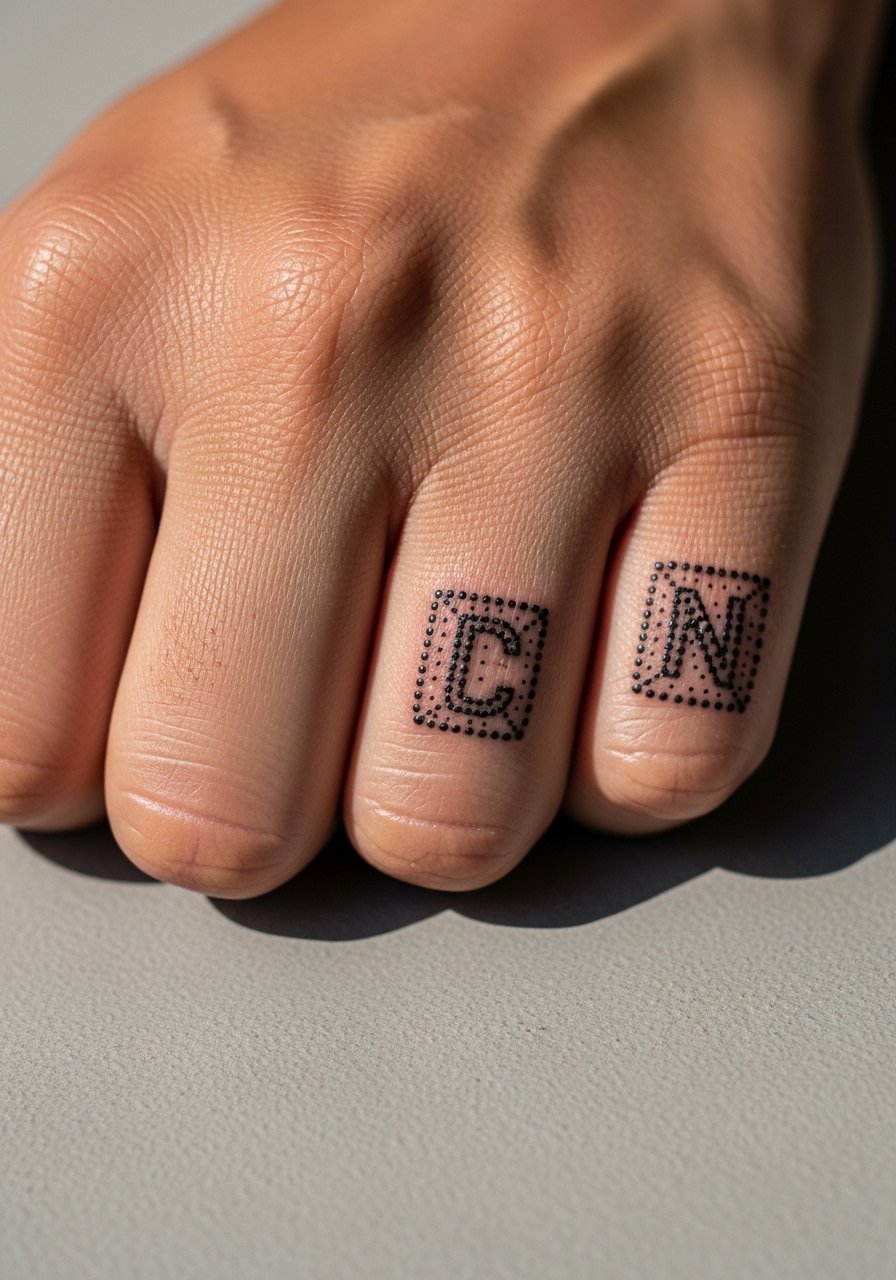
Knuckle and near-knuckle work is bold and high-maintenance. If you want words here, pick thick letterforms translated into dotwork to give the letters room to breathe. The skin in this zone takes color unevenly, and scabbing can lead to patchy results if aftercare is inconsistent. This is one of the highest-regret areas for placement, so consider a temporary test or a henna run first. Expect a touch-up after the initial healing and possibly another within the first year.
13. Stipple Sunburst Portrait on the Outer Forearm
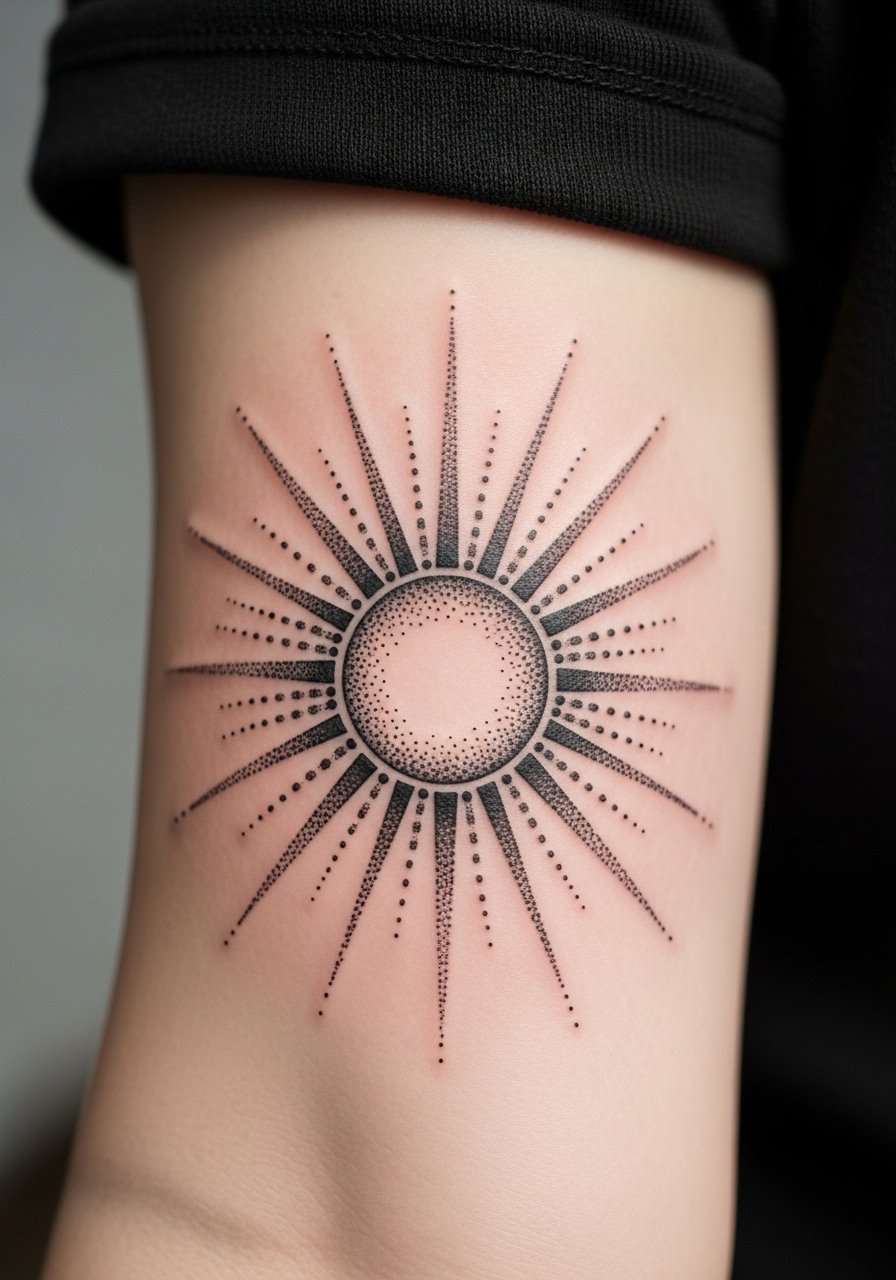
This pairs portraiture with ornamental rays to make a compact statement. Ask your artist during consultation for a clear hierarchy between face detail and surrounding dots so the face stays the focal point over time. Forearm placement keeps this readable at arm’s length and is forgiving for touch-ups. The session can feel long because stipple is time-consuming. For off-duty styling, rolled sleeves and neutral tones let the portrait sing without competing patterns.
14. Micro LDR Silhouette at the Ankle
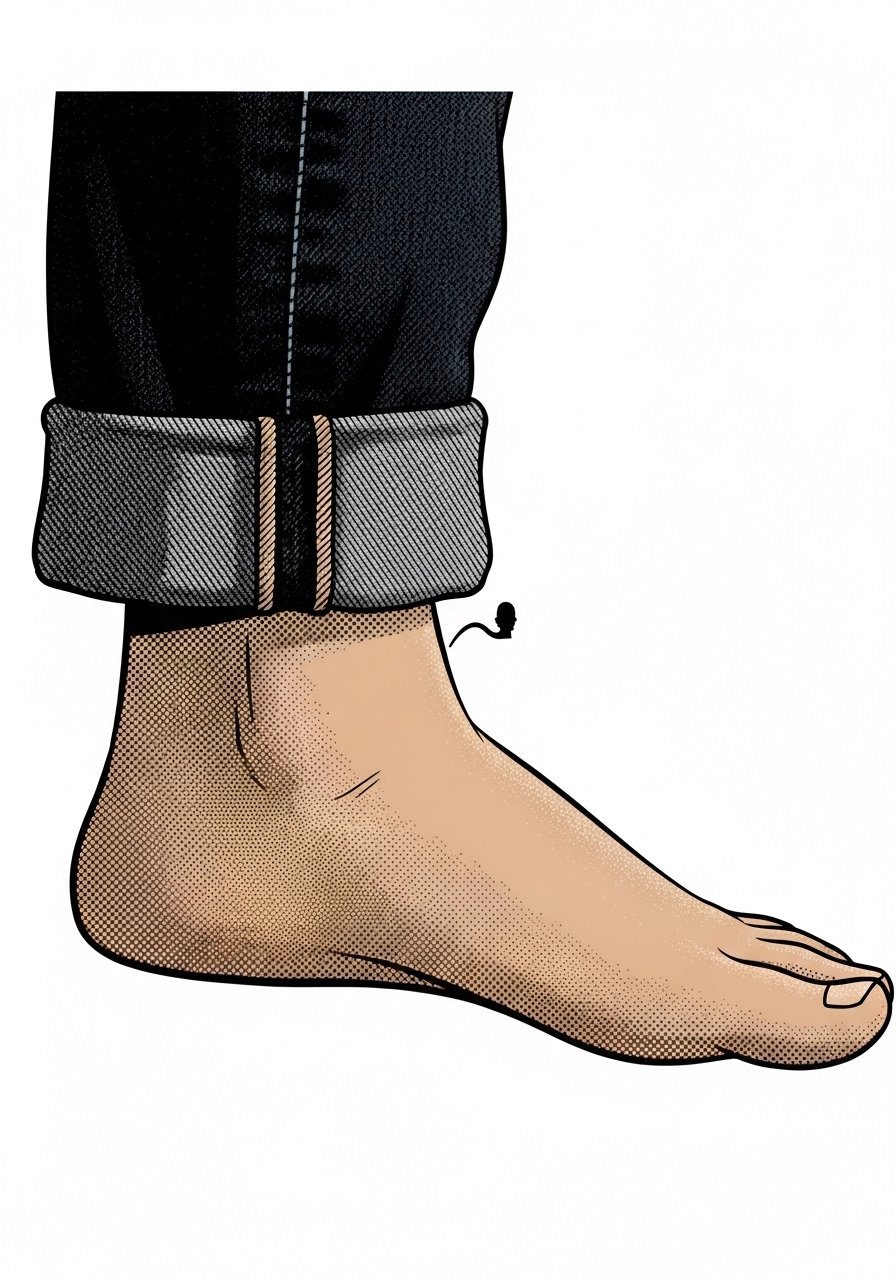
Ankle placements are ideal for small, private tributes. Simplify features into a recognizable silhouette to keep the design successful at small scale. The ankle is low-pain for many but contacts shoes and socks during healing, so bring a looser shoe option for the first week. Expect the piece to need a gentle touch-up around year two if footwear created additional abrasion during early healing.
15. Knuckle Letters Reworked into Dot Clusters

When block letters become dot clusters they read bold without harsh edges. Ask for spacing that anticipates some softening into year one so the letters remain legible. Knuckle work is the fastest to show wear because of frequent use, and some clients schedule yearly touch-ups. For showing this design during events, a single sheer lace gloves or a thin ring on other fingers tones down the rawness.
16. Tiny Crescent Dotwork Behind the Ear

Behind-the-ear placements are intimate and subtly visible with hair pulled back. Because the area sits below the hairline, book an artist comfortable with small-scale placement in tight spots. The session is quick but precise, and a small bandage may be needed while healing. Keep in mind that visibility depends on hairstyle choices, so consider that when you plan wardrobe.
17. Non-Permanent Tropico-Inspired Dot Trial on the Upper Thigh
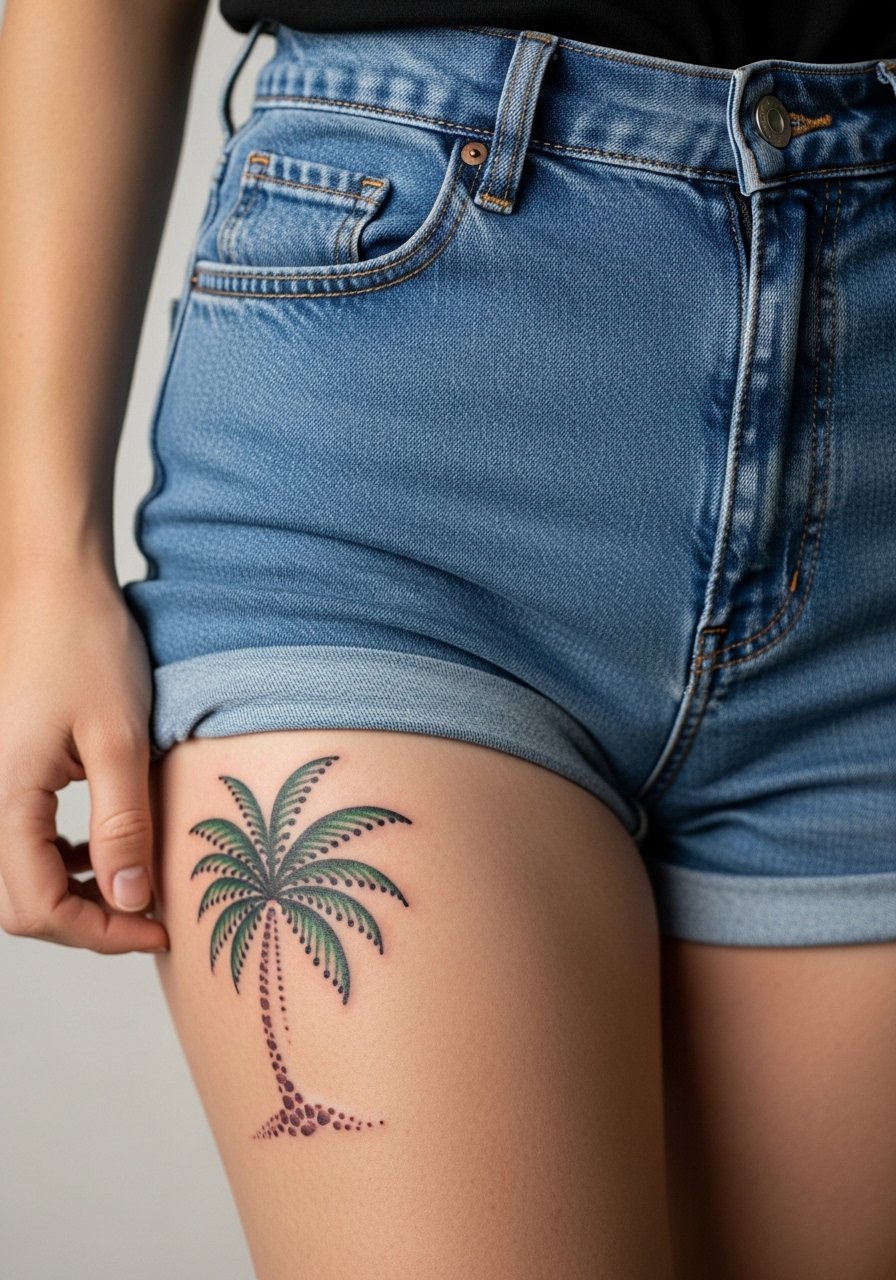
This is a smart way to test bold iconography before committing. A temporary or semi-permanent ink run lets you see how density, spacing, and placement feel with movement and clothing. For thigh placements that will later become permanent, ask the artist to simulate the intended dot density with a temporary application so you can track how daily friction from jeans affects the design. Session wear should include loose shorts or a wrap skirt for access and comfort.
Frequently Asked Questions
Q: How long does dotwork on fingers and hands really last before a touch-up is typically needed?
A: From what I see, finger and hand dotwork often needs a touch-up around 12 to 18 months because those areas face daily washing and abrasion. Choose denser dot saturation up front and plan for a single touch-up in the first year if you work with your hands a lot.
Q: Fine line versus dotwork for small portraits, which ages better on forearms?
A: Artists divide into two camps on this. One camp favors finer lines for crisp detail, the other says dotwork saturation prevents early smudging. On forearms, dotwork with careful spacing tends to keep an image readable longer, but the final call depends on the artist's technique and your skin type.
Q: Will collarbone and chest pieces scar weird under clothing while healing?
A: They can if you wear tight straps or non-breathable fabrics right after the session. I recommend button-front tops or a v neck cami for the first week so the area breathes and avoids constant rubbing.
Q: Are mandalas and dense stipple harder to touch up later if they fade?
A: Dense stipple is repairable but touch-ups work best when the original spacing allows for new dot placement. Tell your artist you want space for future work; tight, oversaturated dots can make future layering awkward.
Q: How do I find artists who can make Lana Del Rey references without producing a generic flash piece?
A: Use discovery pathways like #dotworktattoo and #lanadelreytattoo on Instagram, search "dotwork [city] studios" in directories, and check forum threads for portfolios that show diverse skin tones and portrait work rather than one-off celebrity copies. During consults, ask to see healed photos at similar scale and placement.