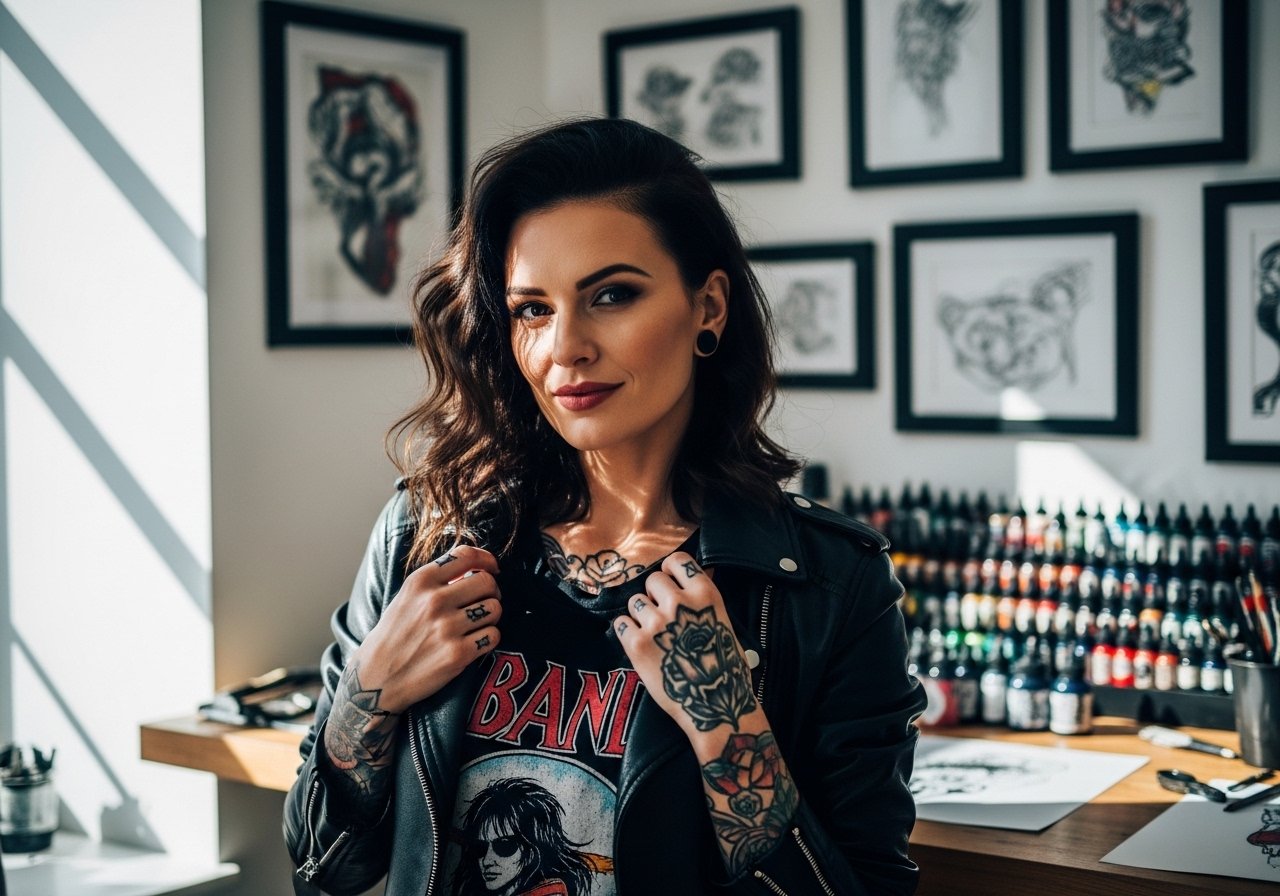
Fine line water lilies are trending on feeds, but they do not all age the same. Some fresh pieces look delicate and precise for a year and then blur into a soft wash. Others read crisp for years when lineweight, placement, and spacing are planned from the start. Read on for specific versions that hold up, what to say in consultation, and how to dress the piece so it looks intentional on and off the chair.
1. Fine Line Water Lily on Inner Forearm

I recommend this for someone who wants a readable, elegant piece that stays visible under short sleeves. Fair warning, the forearm is exposed to sun often and UV will soften thin linework over time. Tell your artist you want slightly bolder primary contours with airy interior stipple shading so the petals keep their shape at year two. Common mistakes are asking for razor-thin lines without spacing, which leads to merging. Pain is low to moderate and sessions run under an hour. For showing it off, roll sleeves up and pair with a racerback tank or a short-sleeve linen shirt that keeps attention on the forearm.
2. Blackwork Negative-Space Lily on Upper Arm
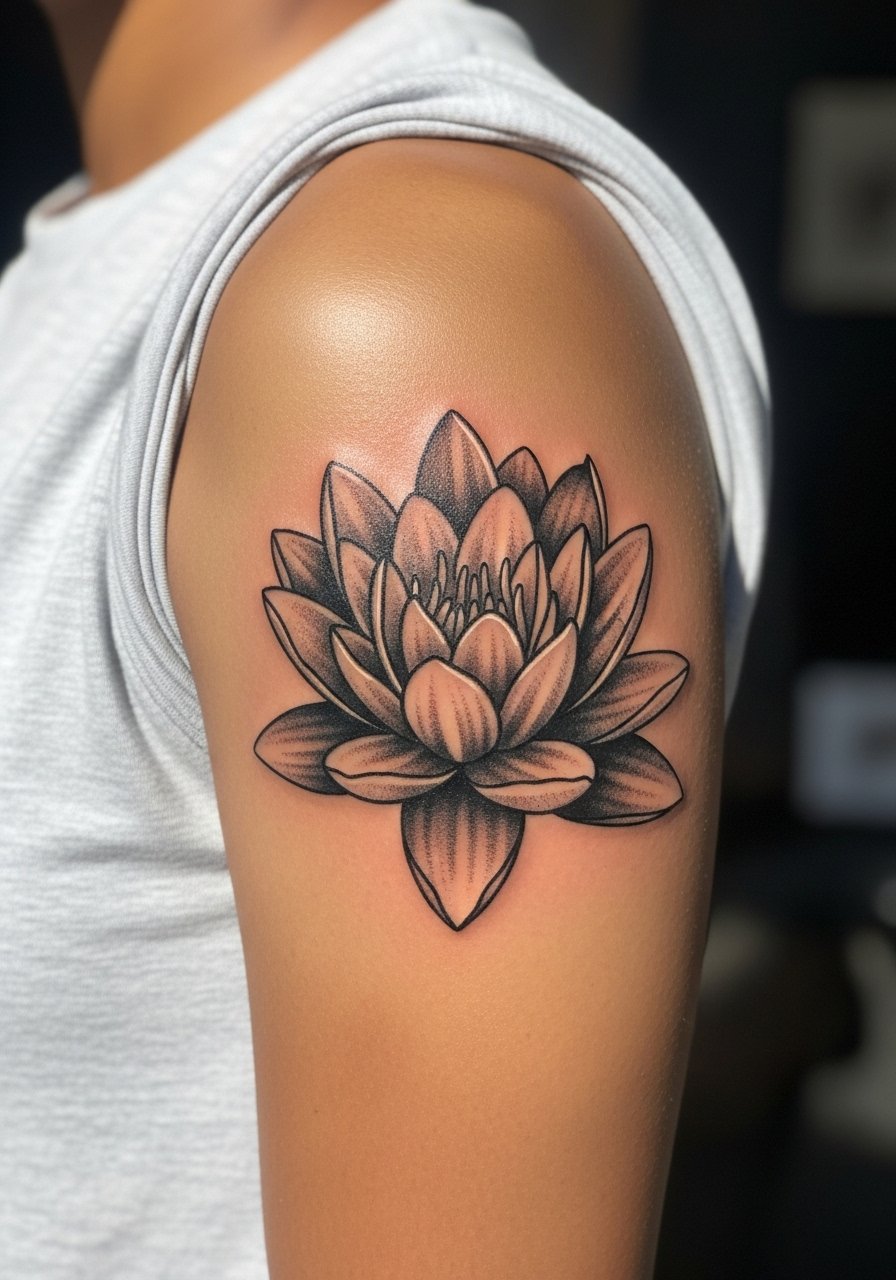
There is a lot of visual impact in saturating the background and leaving the lily in skin tone. This ages well because heavy saturation resists fading more than fine lines. In consultation, request dense black fill around the petals rather than thin outline fill. Pain is moderate and sessions can run two to three hours for larger pieces. A common error is using too many tiny internal details inside the negative space, which get lost once the skin settles. Wear a loose button-down shirt you can slide off the shoulder for the session and later pair with rolled sleeves to show the contrast.
3. Watercolor-Edge Lily on Ribcage
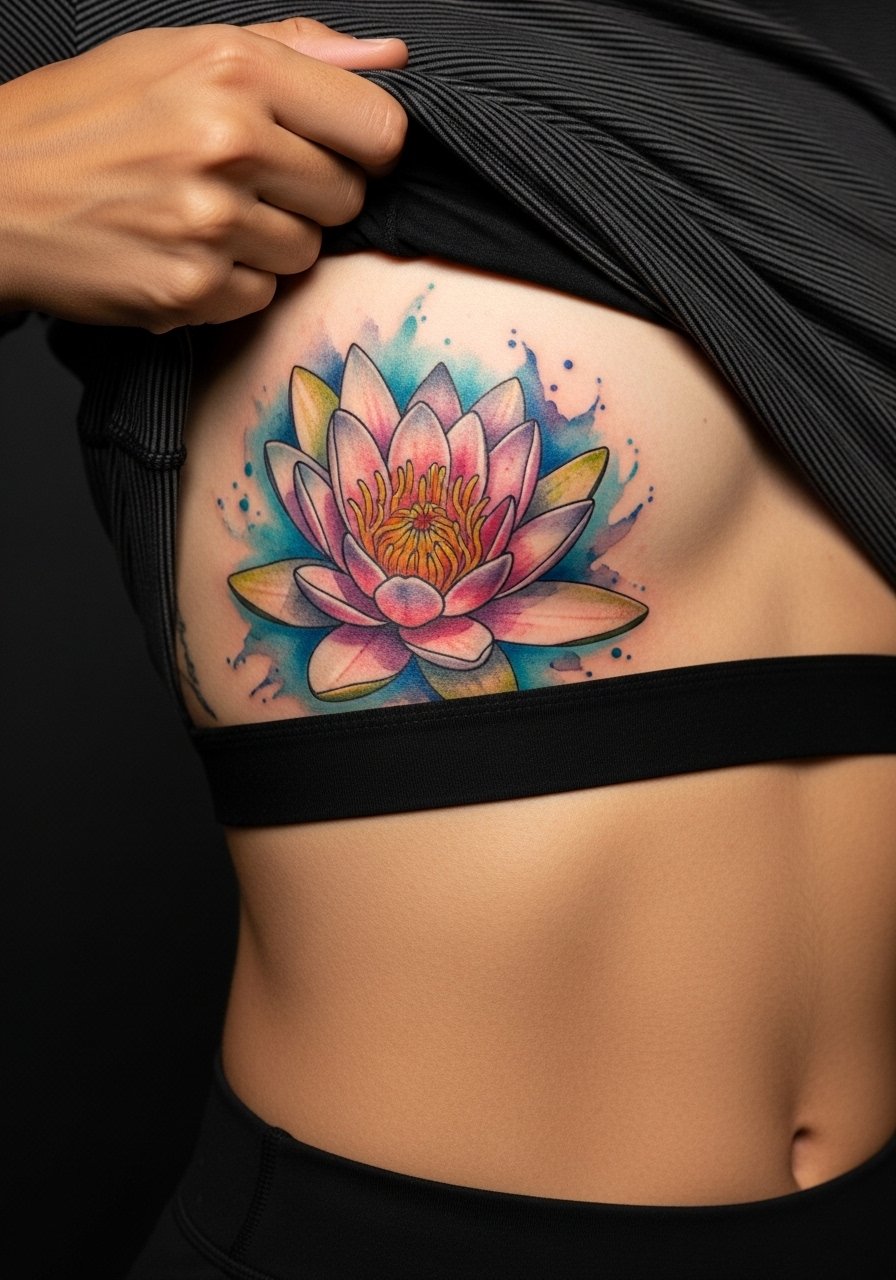
Ribcage is a high-pain spot and a common place for emotional, larger pieces. The watercolor edge approach uses loose washes around defined linework to keep the lily readable as the pigment disperses. During the consultation, ask for saturation islands where color is strongest and for more spacing in the wash areas so they do not become muddy at year two. Expect touch-ups sooner than for bold blackwork. A frequent mistake is asking for full watercolor blending all the way into tight linework, which erases the flower's silhouette as it heals.
4. Micro Water Lily on Side Finger
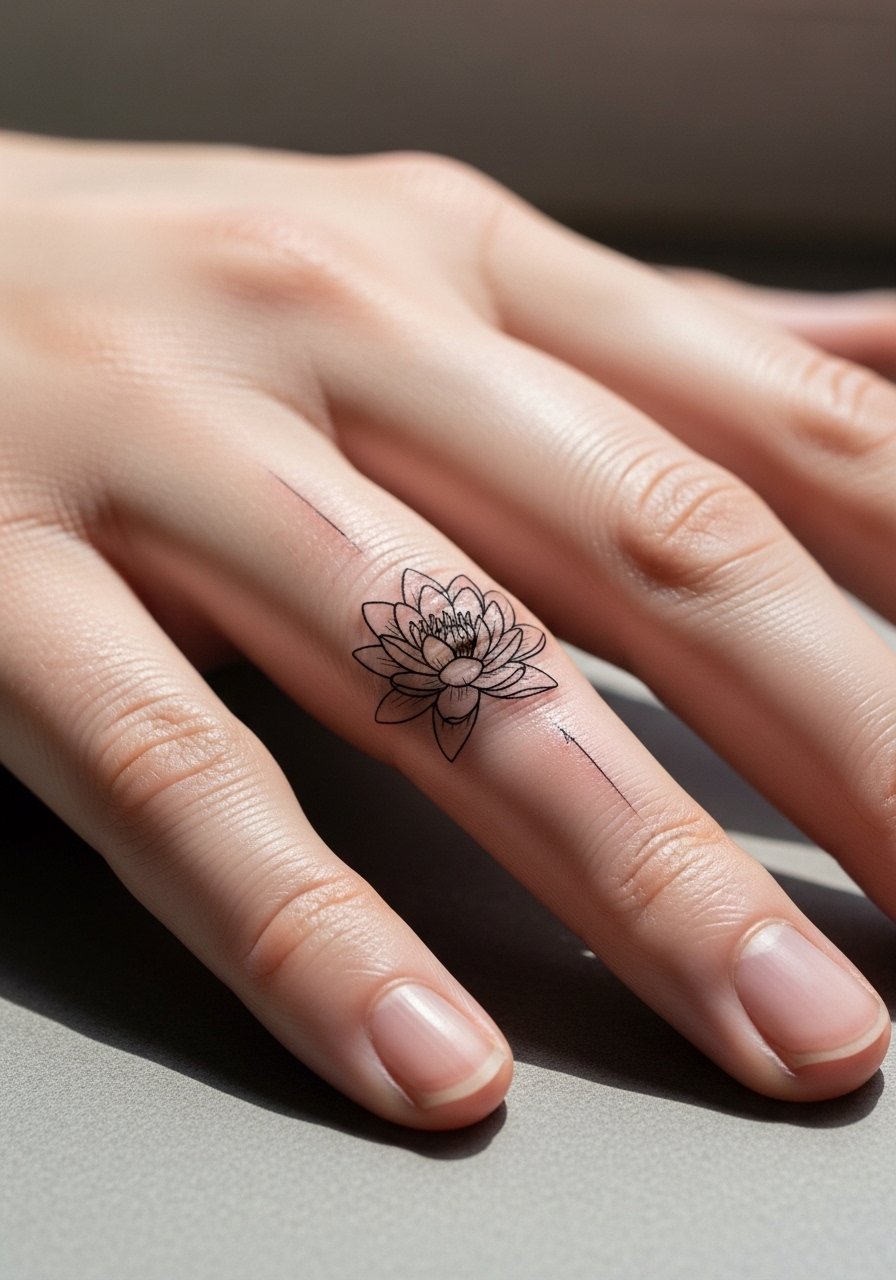
Finger placements are unforgiving. The skin here tends to lose ink faster and touching up is almost always part of the plan. Tell your artist you want simplified linework and thicker primary lines rather than filigree details. Sessions are short but may sting more because of thin skin and bone proximity. A common mistake is requesting script-heavy vines that need tiny needles. For the appointment, wear short sleeves or roll up a sleeve so the artist has clear access. Keep in mind that visible finger work can still affect some workplaces.
5. Single-Linetype Lily Along the Collarbone
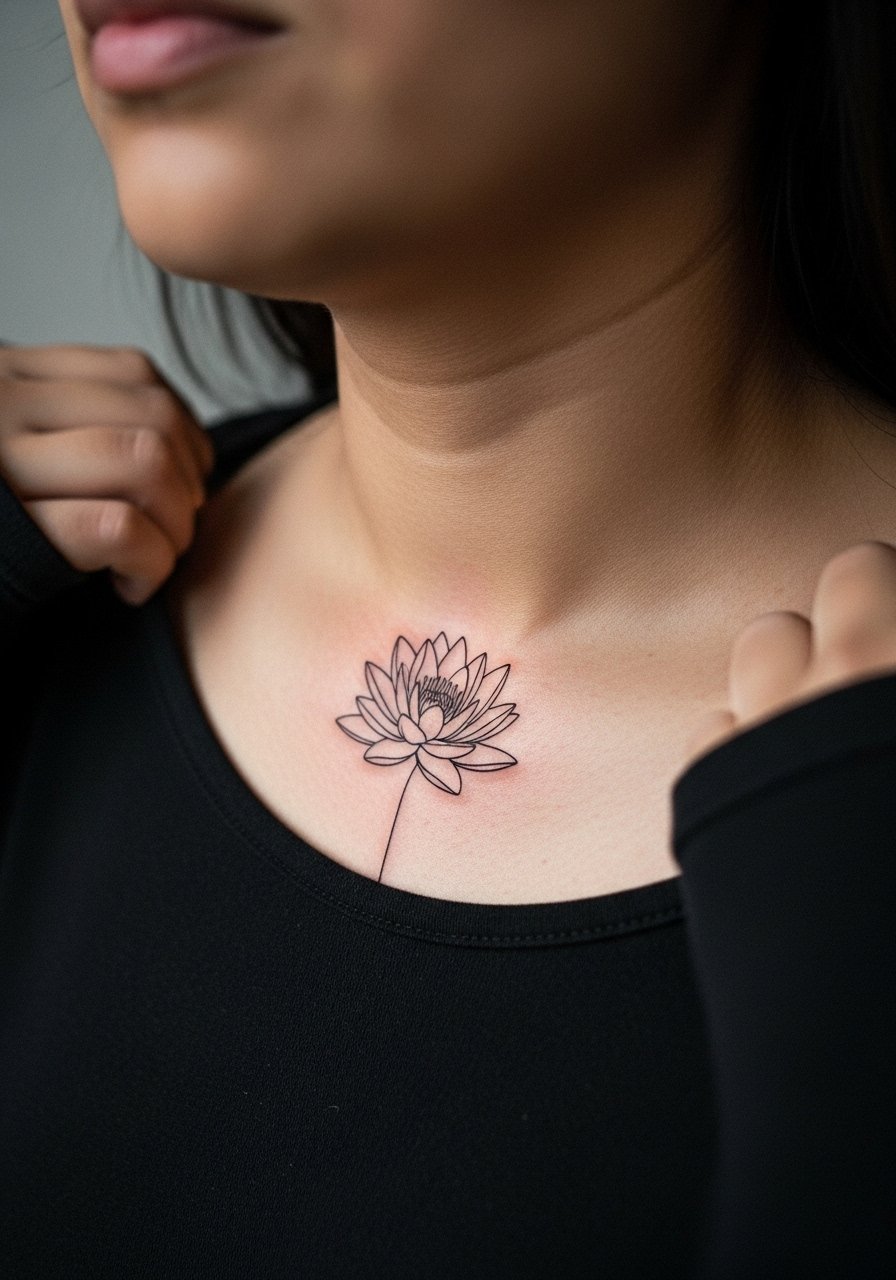
A collarbone lily reads elegant when framed by neckline choices. Single-line or one-stroke approaches look airy, but they demand confident, steady linework. Ask for slightly increased line weight in the main stem so the piece keeps its silhouette after healing. The area can be tender but not extreme. For showing it off, choose open-back midi dresses or wide-neck tees that let the collarbone sit in negative space. Avoid too many internal micro details that will soften with normal sun exposure.
6. Neo-Traditional Water Lily on Shoulder Blade
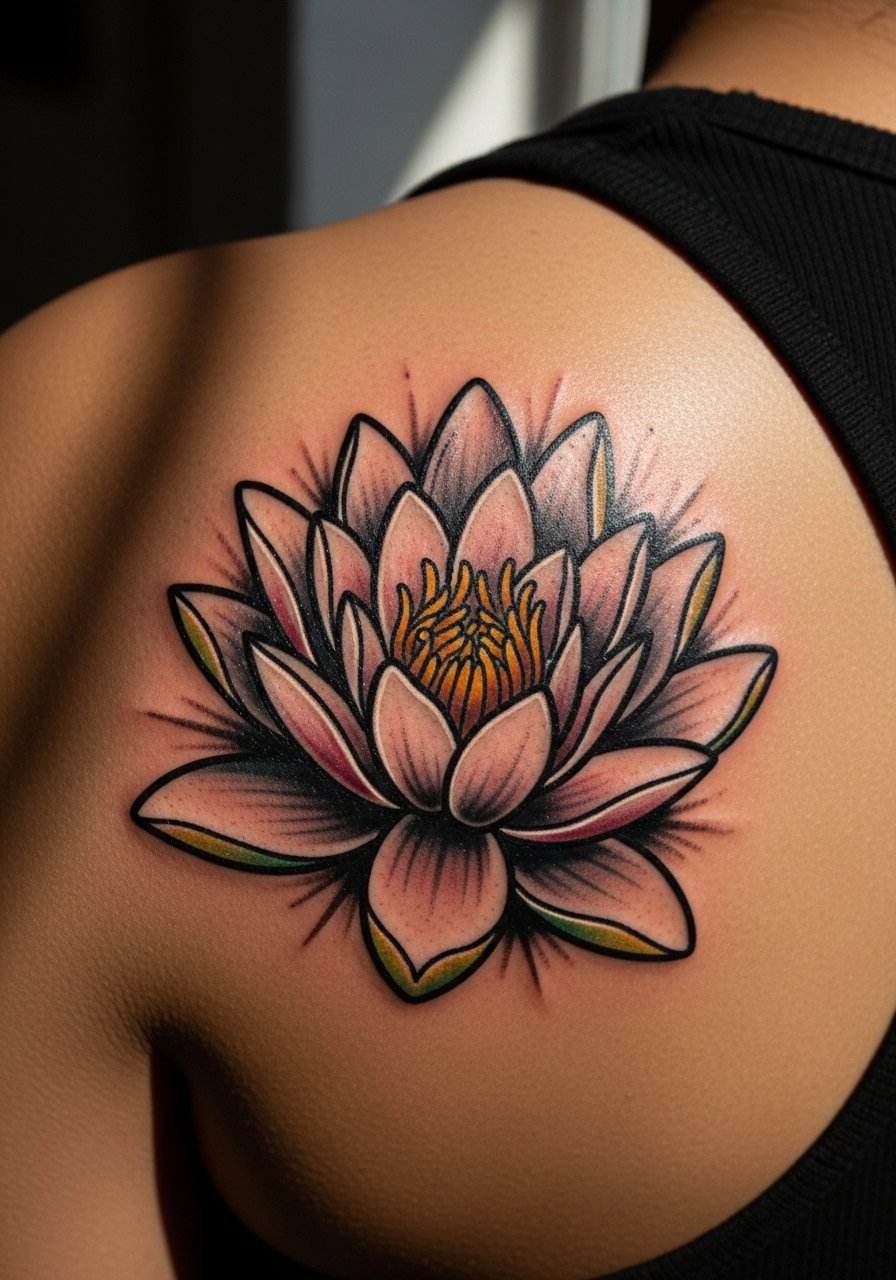
Shoulder blade placements take well to saturated color and bold outlines. Artists split on whether neo-traditional details need larger scale. One camp argues bigger motifs keep color and linework readable for years. The other camp says skilled needle control allows for finer detail even on the shoulder blade. The right choice depends on your artist and how often you plan to expose the area to sun. During consultation, discuss long-term touch-up expectations and ask to see healed photos of similar placements. A session can run one to three hours based on size. For the chair, wear a loose tank top you can pull aside.
Studio Day Picks
The pieces above include delicate forearm and finger work and larger shoulder and side torso pieces, so a few targeted items smooth the session and the first week.
-
Stencil transfer paper kit. Lets you preview how a design sits on skin before the needle hits, which matters for the inner forearm and collarbone layouts.
-
Topical numbing cream. Use per the product instructions for extra comfort during ribcage or sternum sessions.
-
Thin protective film roll. Useful for finger and wrist pieces that face friction from daily tasks.
-
Fragrance-free gentle body wash. Keeps fresh tattoos clean without stripping color on sensitive fine line work.
-
Aquaphor healing ointment. A thin layer helps retain moisture in the first days for small fine line pieces and larger saturated areas alike.
7. Stipple-Shaded Lily Half-Sleeve

Stipple shading gives a soft gradient without heavy color. It holds up well because dots create texture that resists the all-at-once blur of thin continuous lines. In consultation, show examples of stipple density you like and ask for spacing that keeps the negative space intact after the skin settles. Sessions vary by coverage and can be split across two appointments. A common error is asking for dot-work too dense near tiny outlines. For outfits, rolled sleeves or cropped tops let a half-sleeve read as intentional statement pieces. Light sun protection matters for the exposed forearm.
8. Spine Water Lily Column

Spine work creates a dramatic vertical anchor and pairs well with elongated petal shapes. Pain varies by level but is often higher near vertebrae. Tell the artist you want breathing space between floral elements so the column keeps its flow at year two and beyond. A common mistake is overcrowding the center line with tiny motifs that flatten as skin moves. For evening wear, choose open-back pieces or halter tops to frame the column. Sessions often require more breaks, so plan for comfort and hydration.
9. Tiny Realism Lily on Upper Thigh
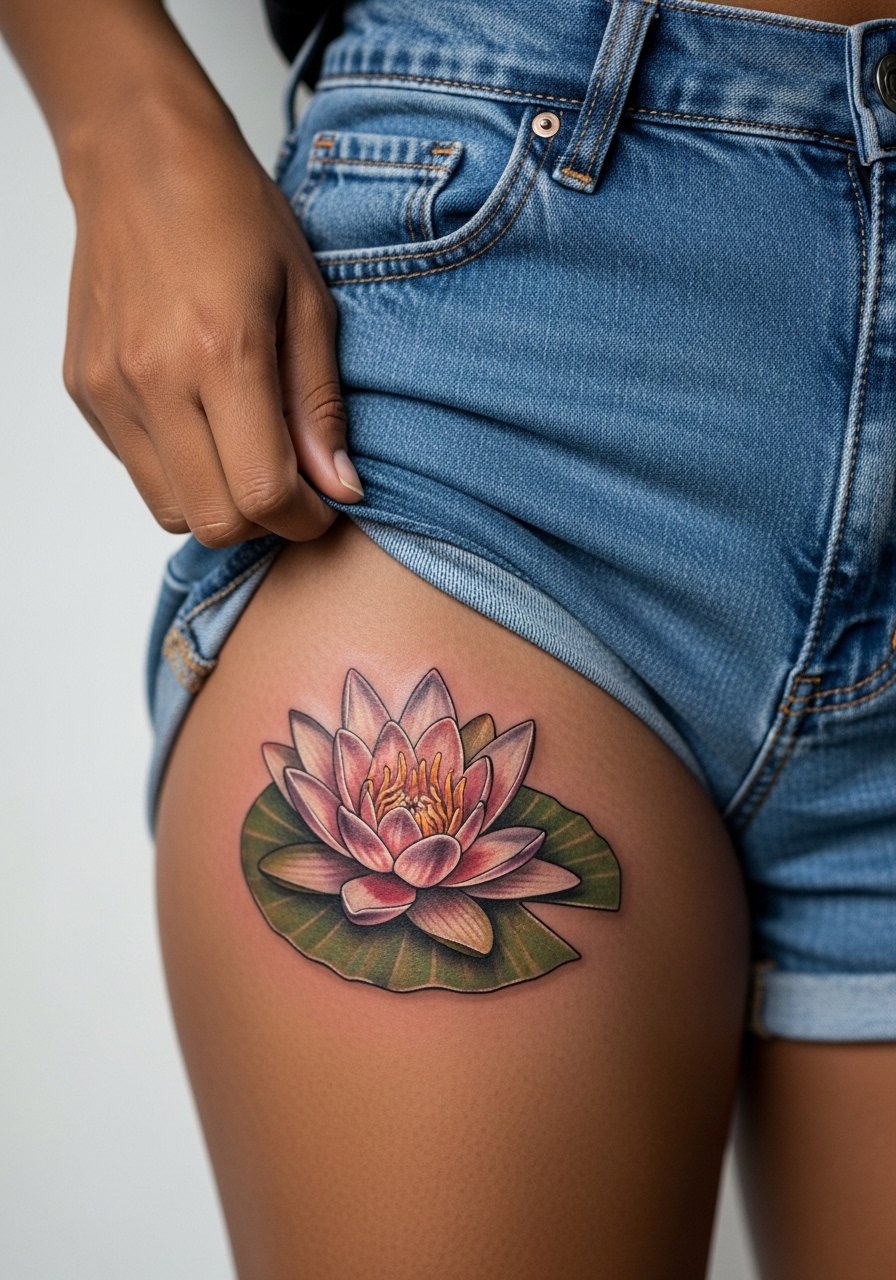
The thigh is a forgiving spot for micro-realism because the skin is thick and retains detail. Sessions are comfortable and can be longer, which helps with tiny realism work. Ask for slightly larger reference photos during consultation so the artist can capture texture without shrinking details down too far. A mistake is asking for extreme micro detail at a scale that the body cannot keep long-term. For the appointment, wear loose drawstring linen pants so the artist can roll the leg without irritation.
10. Geometric Lotus with Linework Wrap on Calf
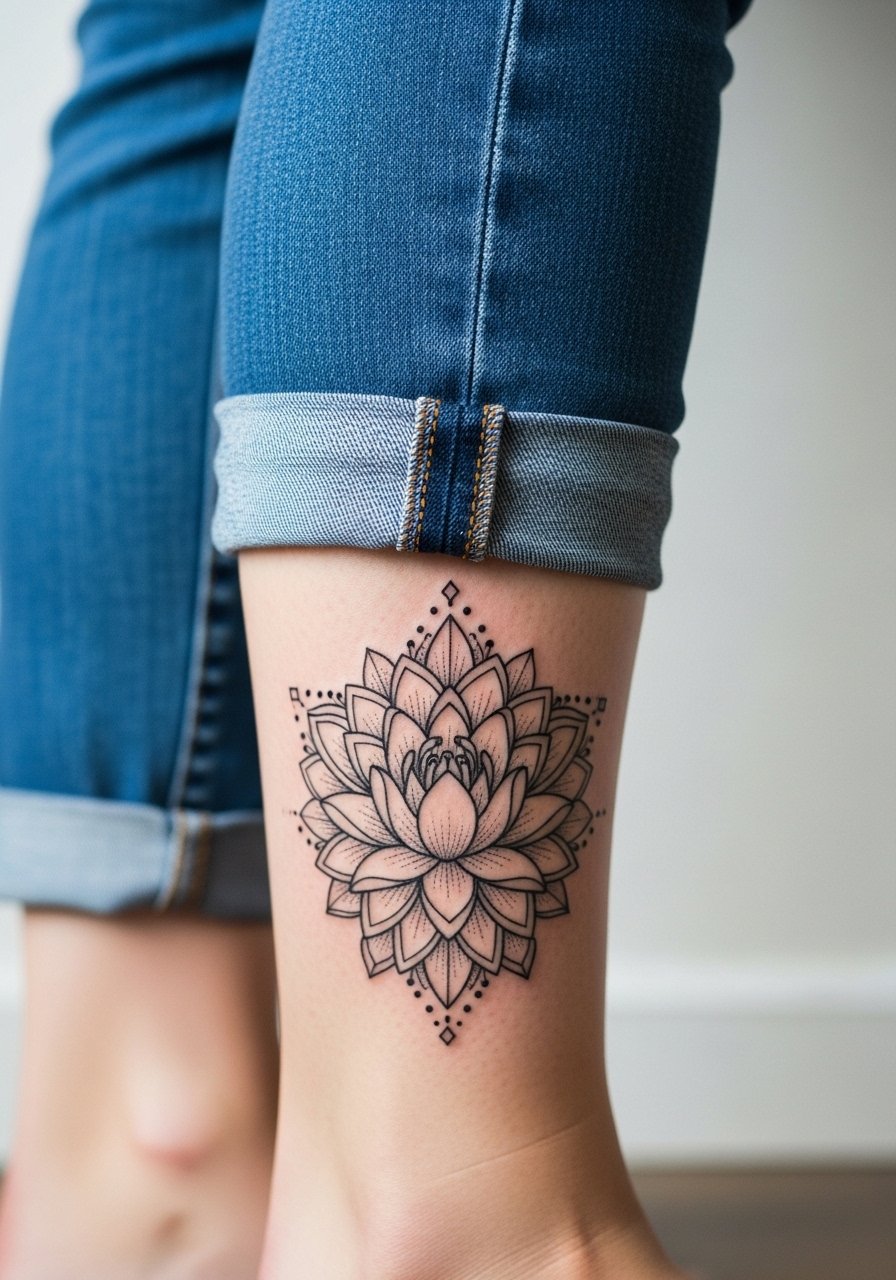
Calf placements suit geometry because the flat plane lets symmetric work breathe. The trick is spacing. Ask your artist to scale the mandala so linework has enough gap to avoid merging at two to three years. A common mistake is compressing too many concentric elements into a small diameter. Sessions can be medium length and are relatively tolerable. For showing it off, roll pant legs or wear midi skirts. A loose drawstring linen pant is an easy choice for session comfort and later display.
11. Single-Petal Accent Behind the Ear
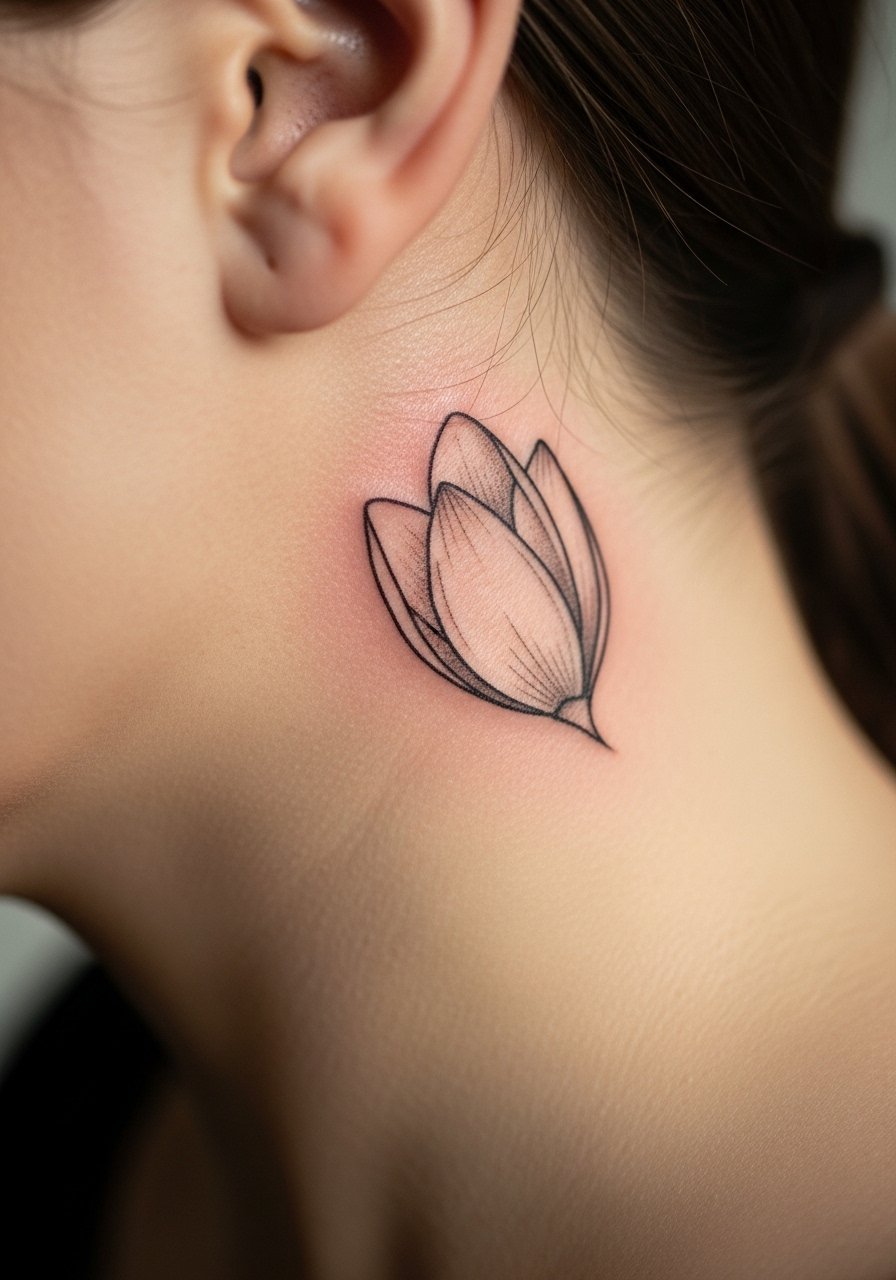
Behind the ear is a subtle spot that reads like jewelry. The area heals quickly but is also small and prone to touch-up. Make sure you say you want clean, simple contours without interior cross-hatching. Expect short sessions with sharp sensation because of thin skin. A mistake people make is asking for too much internal shading, which disappears or blurs soon after. This spot requires a precise hand and in some cases a specialist who works small. Keep hair and clothing choices in mind because the piece will be partially covered.
12. Watercolor Fade with Bold Outline Hybrid on Sternum
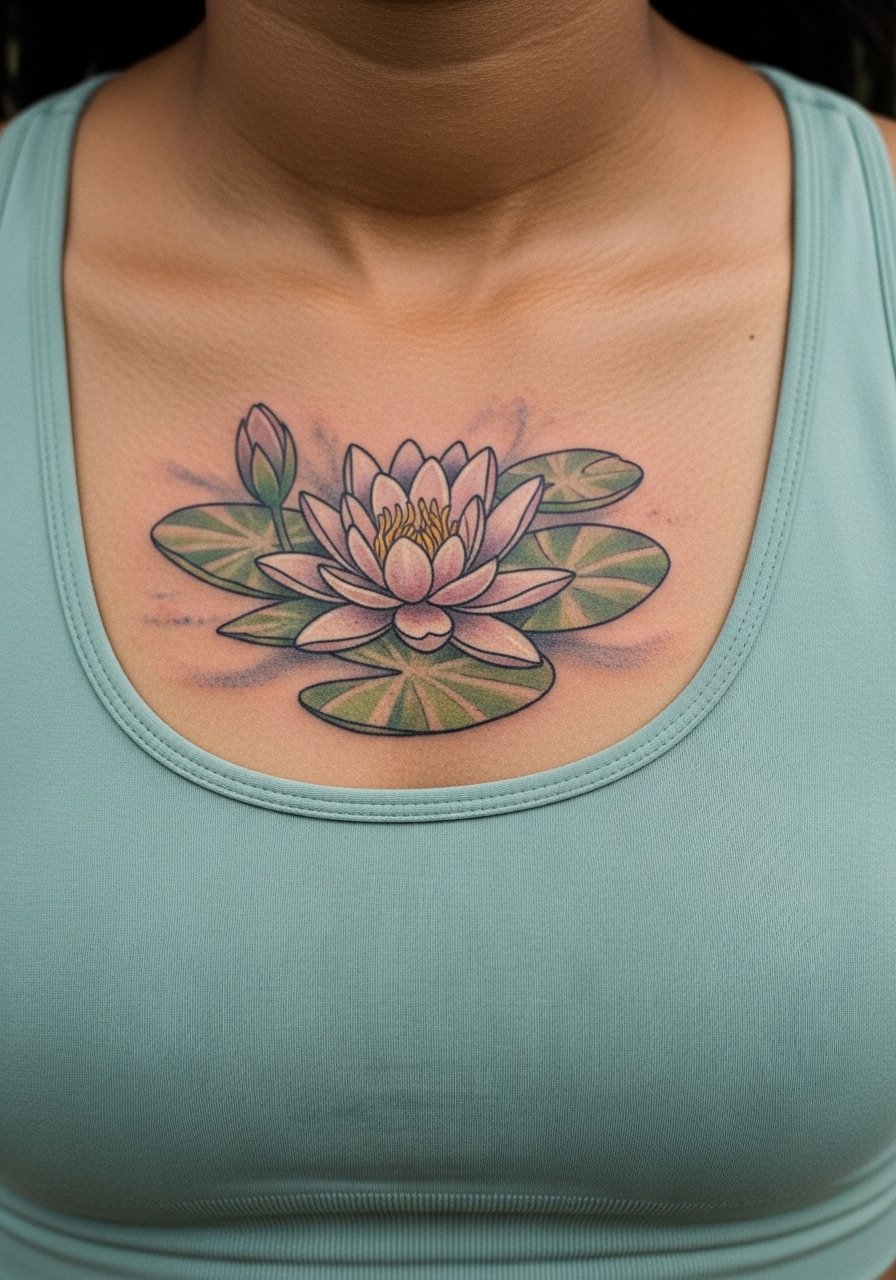
Sternum pieces split artists into two camps. One group says watercolor elements never hold on the sternum because motion and friction cause early fading. The other group argues that pairing a bold outline with controlled washes gives the best of both worlds. If you like hybrid work, ask for a defined outline with restrained washes and for the artist to show healed images of similar placements. Sessions can be intense due to thin skin and rib movement. Dress in a zip-up or sports bra for the appointment so the artist has clear access while preserving modesty.
13. Illustrative Koi and Lily Back Pairing
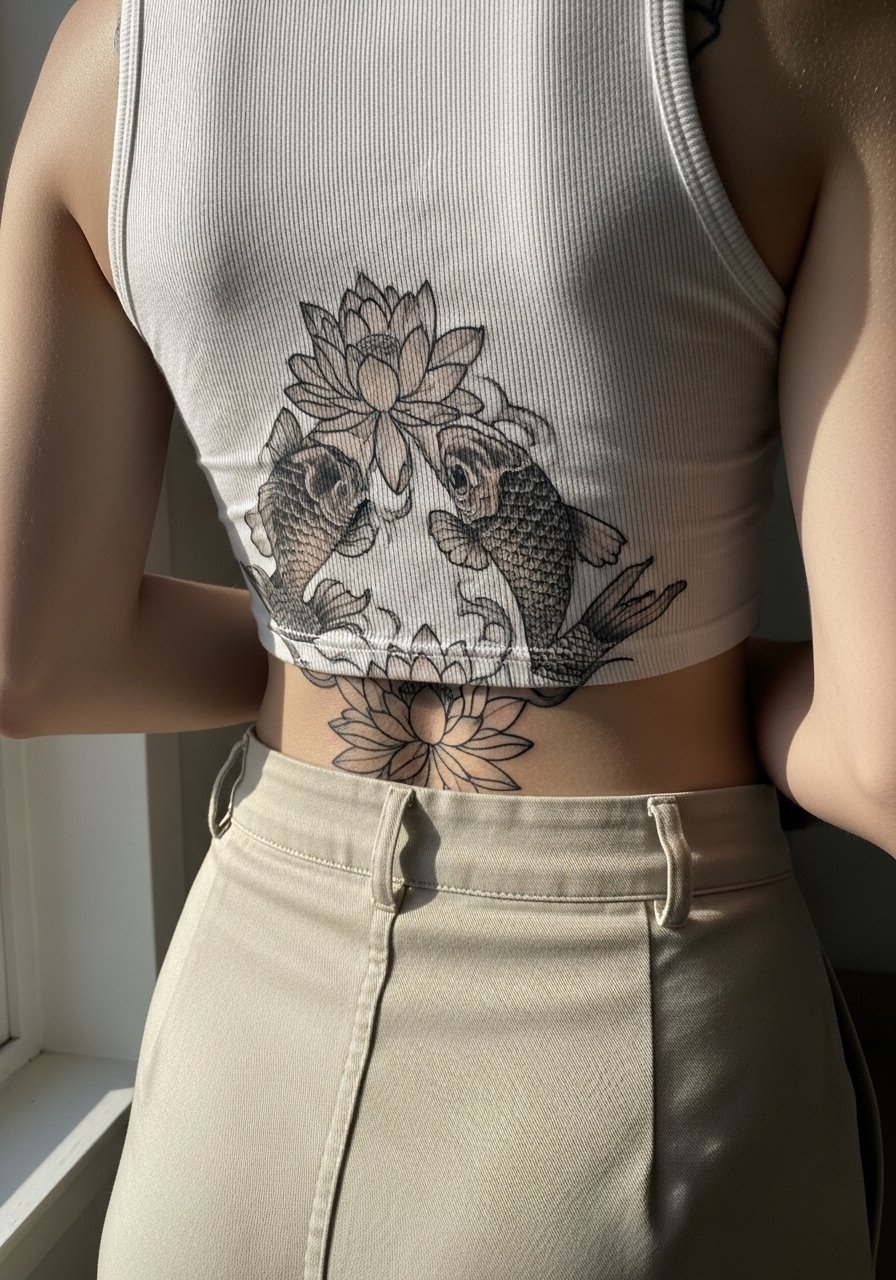
Combining koi and lilies creates a narrative composition that works well across the mid-back. The flat surface lets you scale details without crowding. During consultation, map the flow so the lily and fish do not compete for the same focal points as the back moves. A common mistake is squeezing too many secondary motifs into the same plane. For sessions, a loose tank top that can be shifted provides access and comfort. Expect multiple sessions if you want full color and layered shading.
14. Minimal White Ink Highlights Over Dark Petals
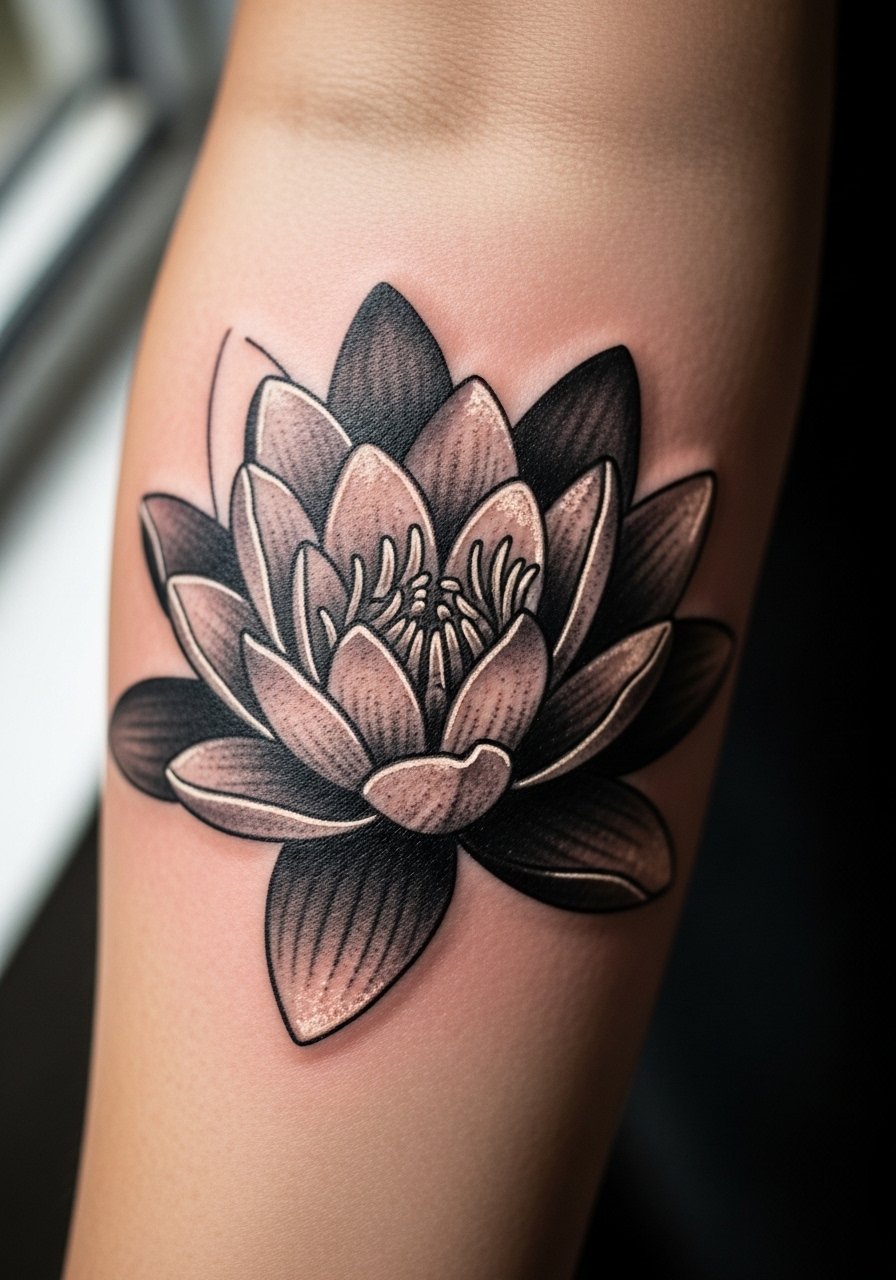
White ink can add a fresh, lifted feel when used sparingly over saturated petals. It is best used as accent rather than the primary ink because white tends to fade faster. Tell the artist you want contrast points only on petal tips and not full white fills. The common error is asking for large white blocks that age into a faint ghost. Sessions are similar to other forearm work. For wardrobe pairing, dainty bracelets or a thin chain watch frame the forearm without covering the highlights.
15. Japanese-Inspired Water Lily Panel
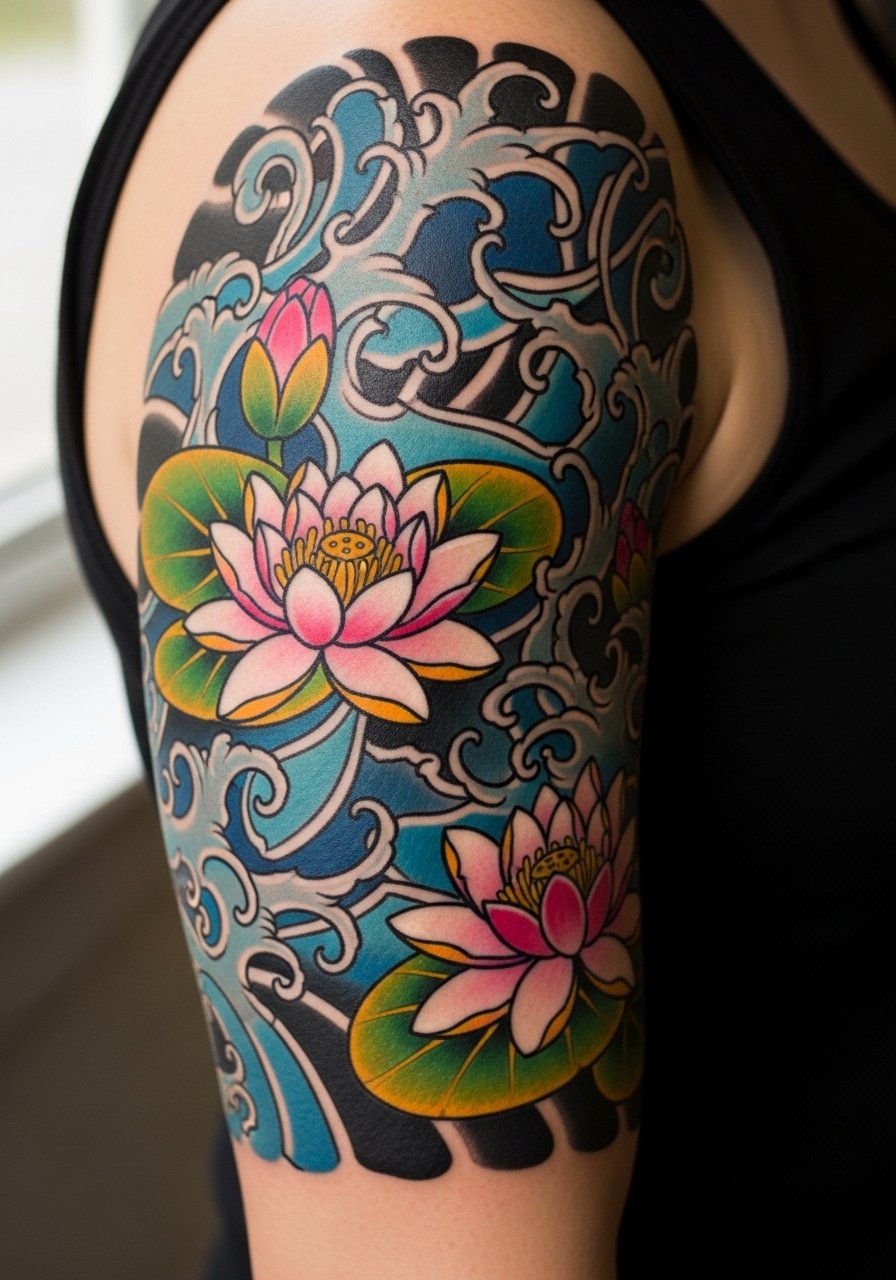
This style nods to traditional motifs but avoid direct cultural replication of religious or symbolic elements. A respectful approach is to adapt motifs rather than copy sacred iconography. Ask for variations in line weight and for the artist to explain the elements they use. Sessions vary by size. A common mistake is requesting culturally specific symbols without understanding their meaning. For public display, short sleeves and rolled cuffs keep the panel visible and intentional.
16. Scar-Blend Water Lily Cover-Up
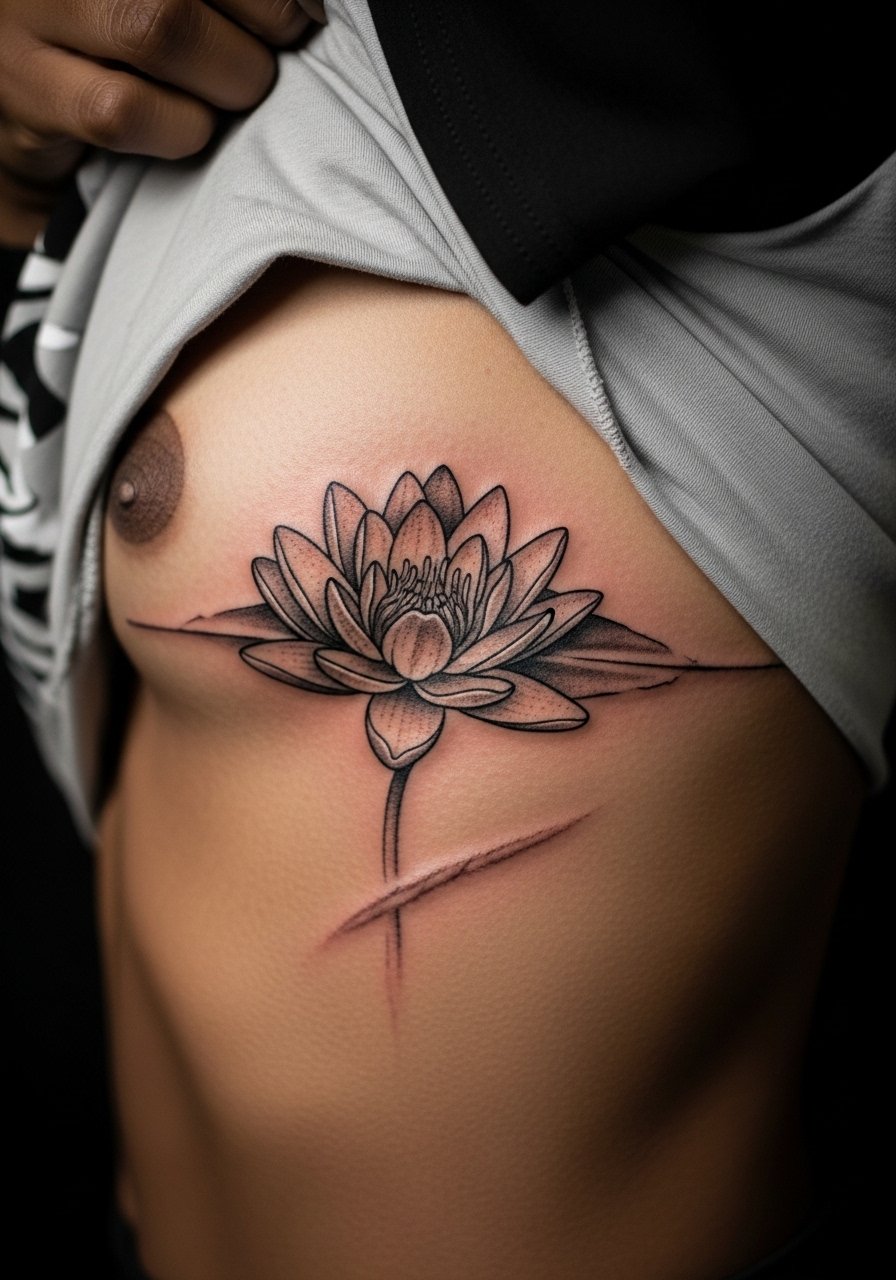
Using a lily to soften scars is a practical cover-up option because flowing petals distract from straight lines. In consultation, be explicit about the scar age and how it feels, and ask the artist for a mock stencil placement over the scar. A common mistake is picking a design that forces ink into newly healed scar tissue, which can reject pigment. Sessions may require test patches. Wear loose clothing that does not rub the area for the first week after work.
17. Edgy Barbed Vine Water Lily Wrist Band

A wrist band combines botanical softness with a harder graphic element for contrast. The wrist sees a lot of friction, so keep primary outlines a touch bolder than you might choose for upper-arm work. During consultation, ask for negative spacing at the barbs so they do not blur with hand motion. Sessions are quick but can be sensitive. A frequent mistake is making the band too thin around the wrist circumference, which can lead to faster degradation. Pair with stacked thin bracelets or a minimalist watch to frame the band.
Frequently Asked Questions
Q: Will a fine line water lily on the forearm need a touch-up often?
A: It depends on exposure and the initial line weight. From what I have seen, finely inked forearms that get regular sun often need a touch-up around year two to three. Ask your artist for slightly stronger primary lines and plan sun protection to stretch the interval between touch-ups.
Q: Is watercolor safe for sternum or ribs, or should I choose bold outlines instead?
A: Watercolor alone on sternum or ribs risks early fading because of movement and friction. A hybrid with a defined outline and controlled washes usually holds better. If you want full watercolor, accept that a touch-up might be part of the plan and ask to see healed examples from your artist.
Q: How should I dress to the studio for a shoulder blade or back lily piece?
A: Wear a loose, washable tank top or a button-down you can pull aside. For shoulder blade work, a loose button-down shirt you can slide off the shoulder works well and keeps things comfortable during a longer session.
Q: Are there ethical concerns with Japanese or mandala-inspired lily designs?
A: Yes. Some motifs have cultural or religious origins, and artists vary on direct replication. Many people opt for adapted elements that reference a style without copying sacred symbols. Ask your artist about origin and intent to make an informed choice.
Q: How does sun exposure change water lily tattoos over time?
A: UV exposure reduces saturation and softens fine linework. I have noticed that pieces kept covered or protected with sunscreen age more slowly. For visible placements like forearms and calves, a thin box of sunscreen in your routine makes a measurable difference in how long crisp edges remain.