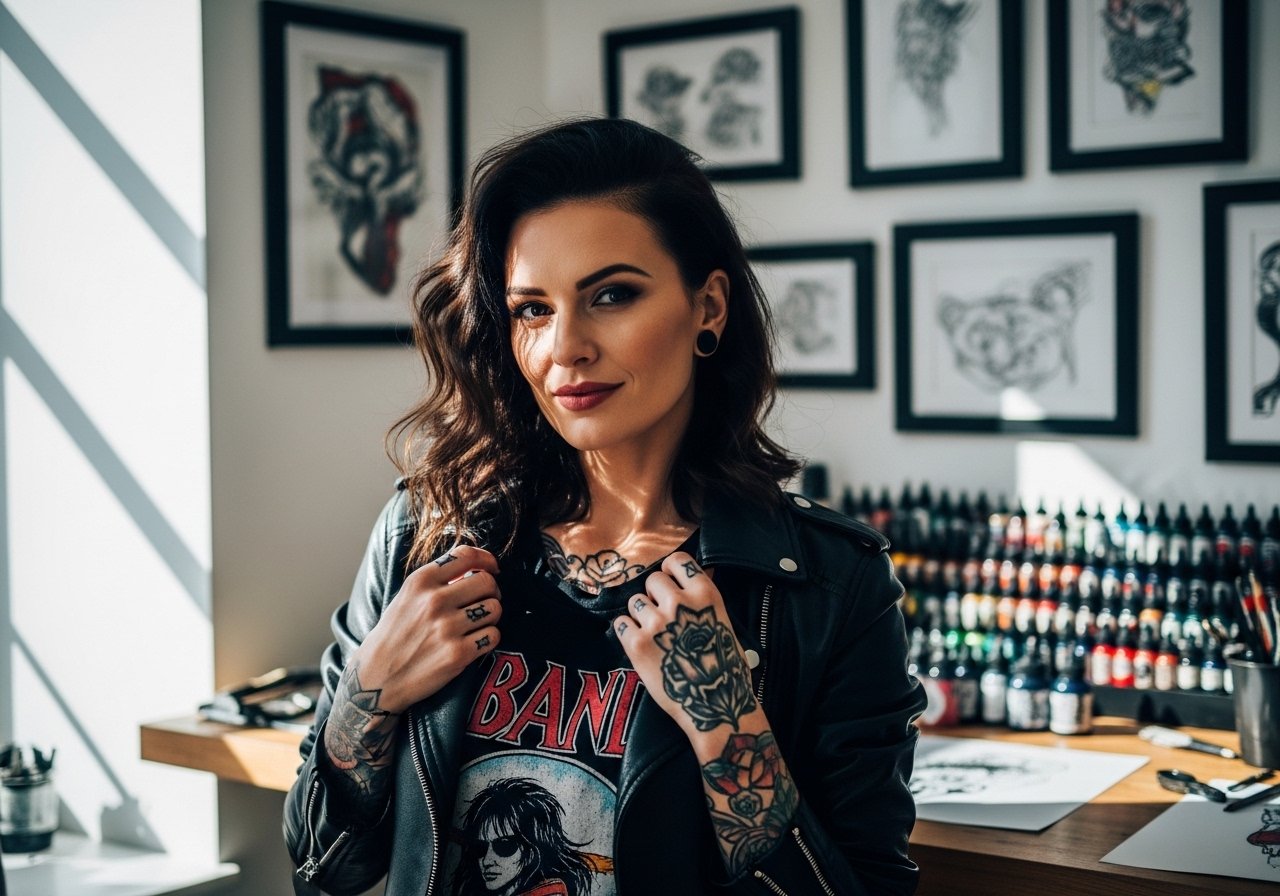
The tattoos that still read clean at year five are not always the ones that looked perfect fresh. Fine-line Pooh pieces can blur on wrists, bright watercolor can peel if the timing and aftercare are wrong, and tiny character work often needs bolder outlines to avoid turning into a smudge. Below are 21 edgy Winnie the Pooh tattoo ideas that balance childhood nostalgia with practical choices for aging, placement, and comfort in the chair.
1. Gangster Pooh on Outer Forearm

I've seen this neo-traditional gangster take keep its presence because artists use bold linework and controlled saturation. Tell your artist you want thick outlines with selective black-and-grey accents, not pencil-thin detail that fades. The forearm is forgiving for visibility but beware blowout near the wrist crease. Expect a single medium-length session and a likely touch-up at year two if you want saturation refreshed. For the appointment wear a rolled sleeve black tee so the artist can access the outer forearm without tugging. A common mistake is asking for micro-detail inside Pooh's face, which softens into mush faster than clean block shading.
2. Black-and-Gray Pooh Portrait, Upper Arm
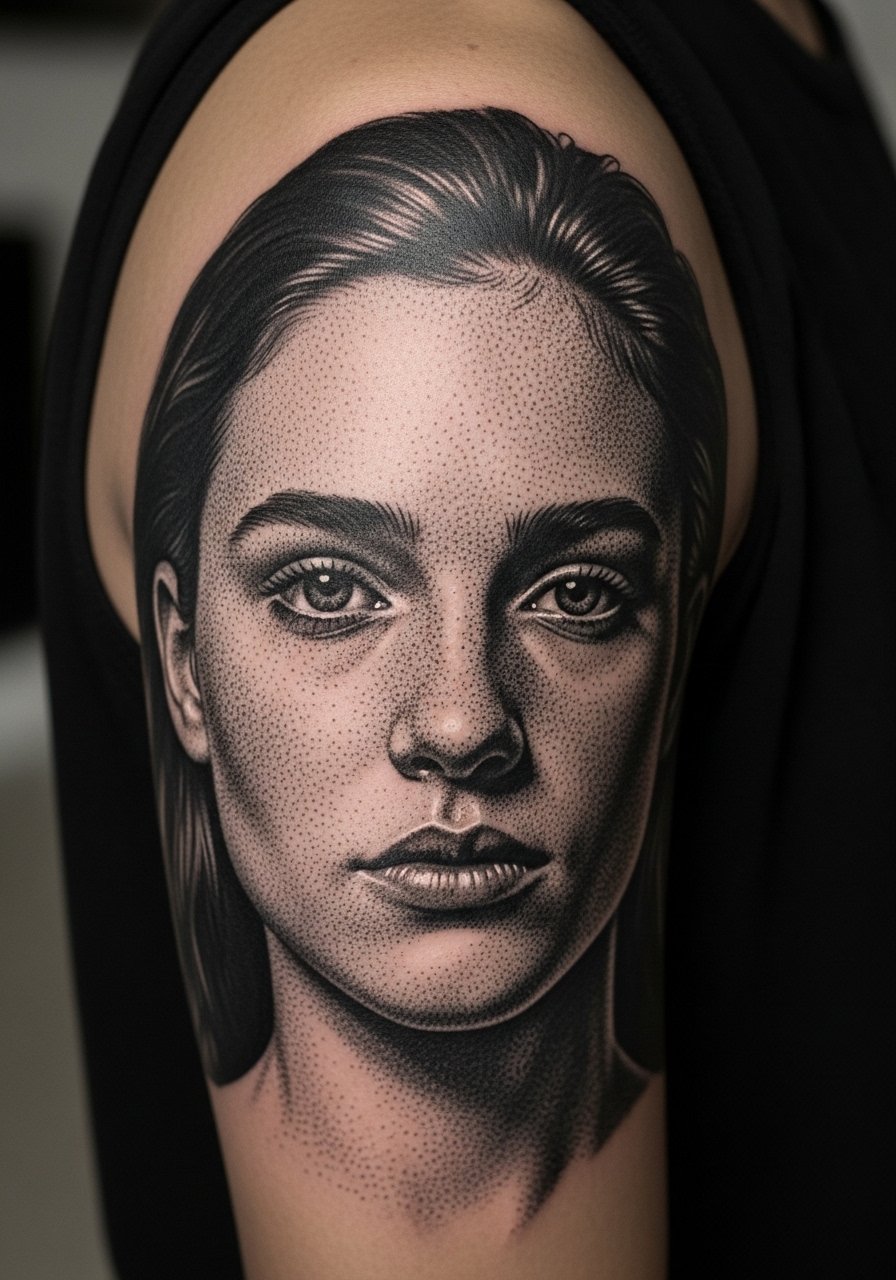
If you want a mature tribute that reads less like a cartoon choose black-and-gray realism. In my experience this style ages well on the upper arm because the skin stretches less than the inner arm. During the consultation ask for stipple shading and gradual saturation rather than tiny hairline detail. The session feels like steady buzzing with moments of pressure where shading happens. Expect a touch-up window around year three for lines that softened. A common mistake is asking for the portrait too small. For showing it off, sleeveless looks work best so pair it with a sleeveless pastel tank when you want the piece visible.
3. Heart Balloon Pooh on the Inner Wrist

Wrist pieces are a short session and a long-term commitment. The heart balloon creates a focal splash of red that still photographs well after healing if the outline is bold. Tell the artist to keep the balloon saturated but keep Pooh's linework slightly thicker than a single hairline. Fine-line on the wrist is the style that sparks the most debate. One camp says wrists blur quickly, the other says careful depth prevents that outcome. Ask where your artist stands. For sessions wear nothing on the wrist and show it off later with a thin leather cuff bracelet that frames the art without crowding the lines.
4. Watercolor Butterfly Pooh on Shoulder
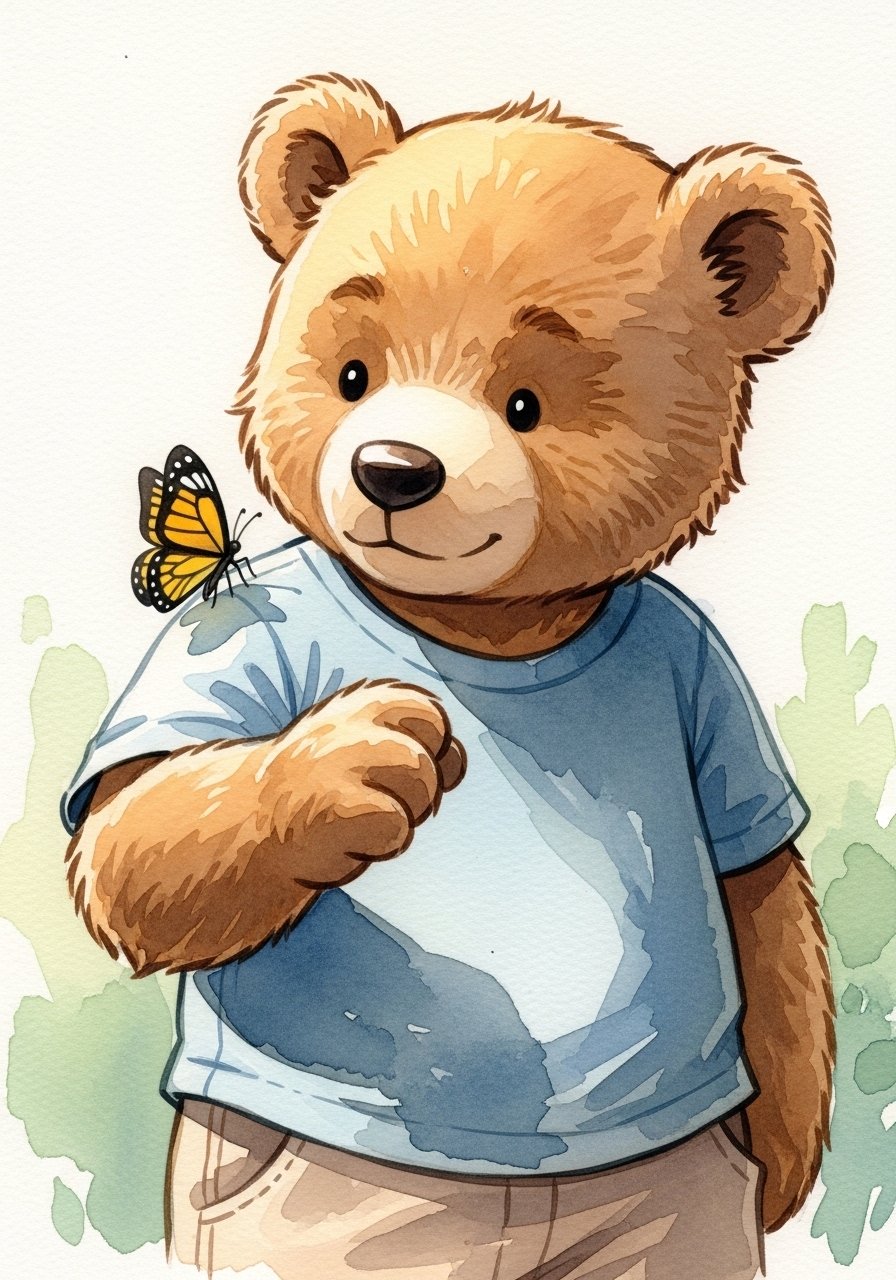
Watercolor gives movement that matches Pooh chasing a butterfly, but color saturation and placement matter. Shoulders take pigment well when artists use saturated washes rather than pale splashes. Expect a 1 to 2 hour session with some stinging near the bone. Ask for layered color rather than a single thin wash so it settles richer after six months. Watercolor can fade faster in summer months if you spend a lot of time outdoors, so plan sessions and sun exposure accordingly. For showing it off, a denim vest or a muscle tank keeps the shoulder visible and complements the soft palette.
5. Neo-Traditional Pooh with Friends, Forearm Panel
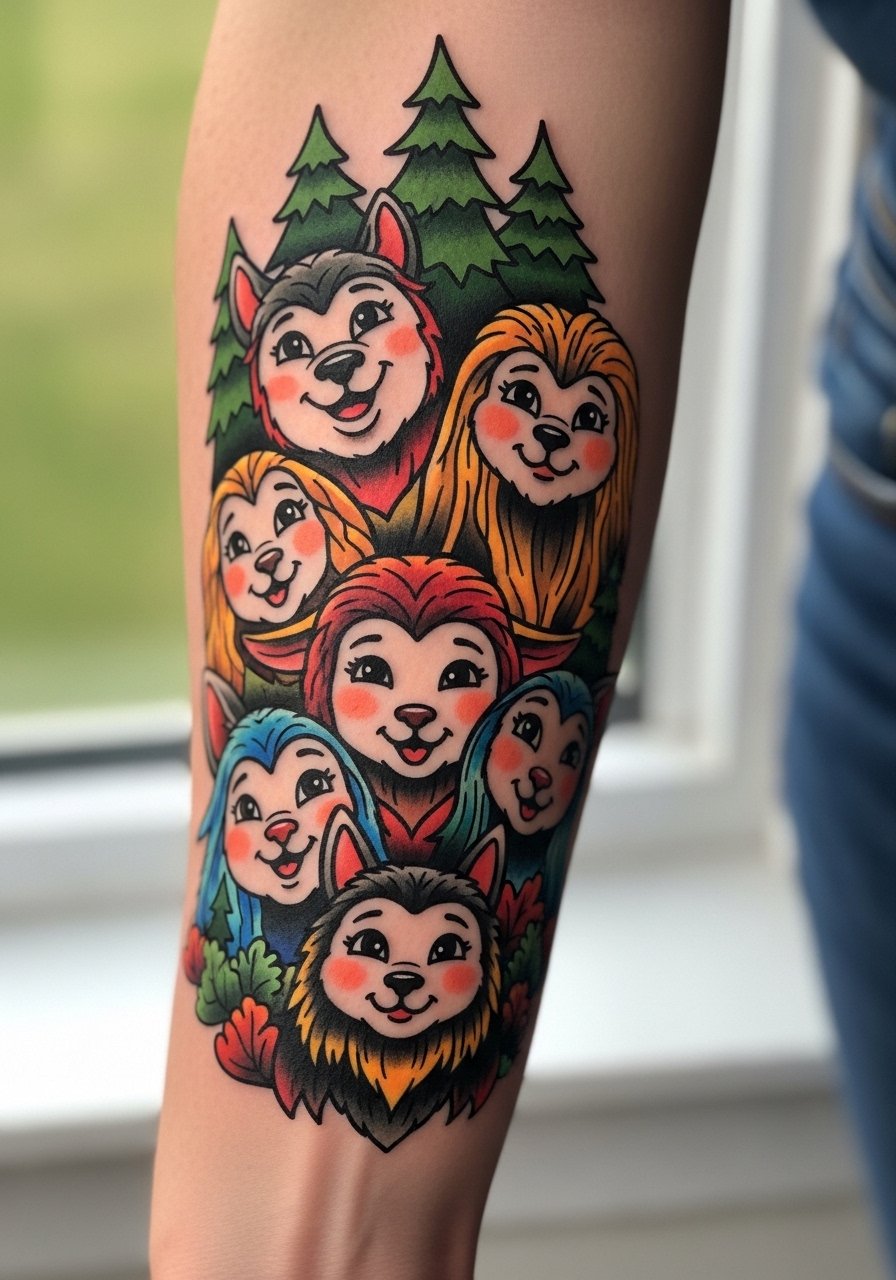
A forearm panel with Pooh and friends works as a compact narrative when composed vertically. I recommend asking for strong negative space between characters so the scene breathes over time. The common mistake is packing too many tiny faces into a small area. This style looks best with bold outlines and flat color fills, which resist fading better than delicate shading. Session time is usually two shorter sittings for medium panels. For appointments, a loose button down shirt you can pull aside keeps the arm comfortable and accessible.
6. Watercolor Honey Pot on Thigh
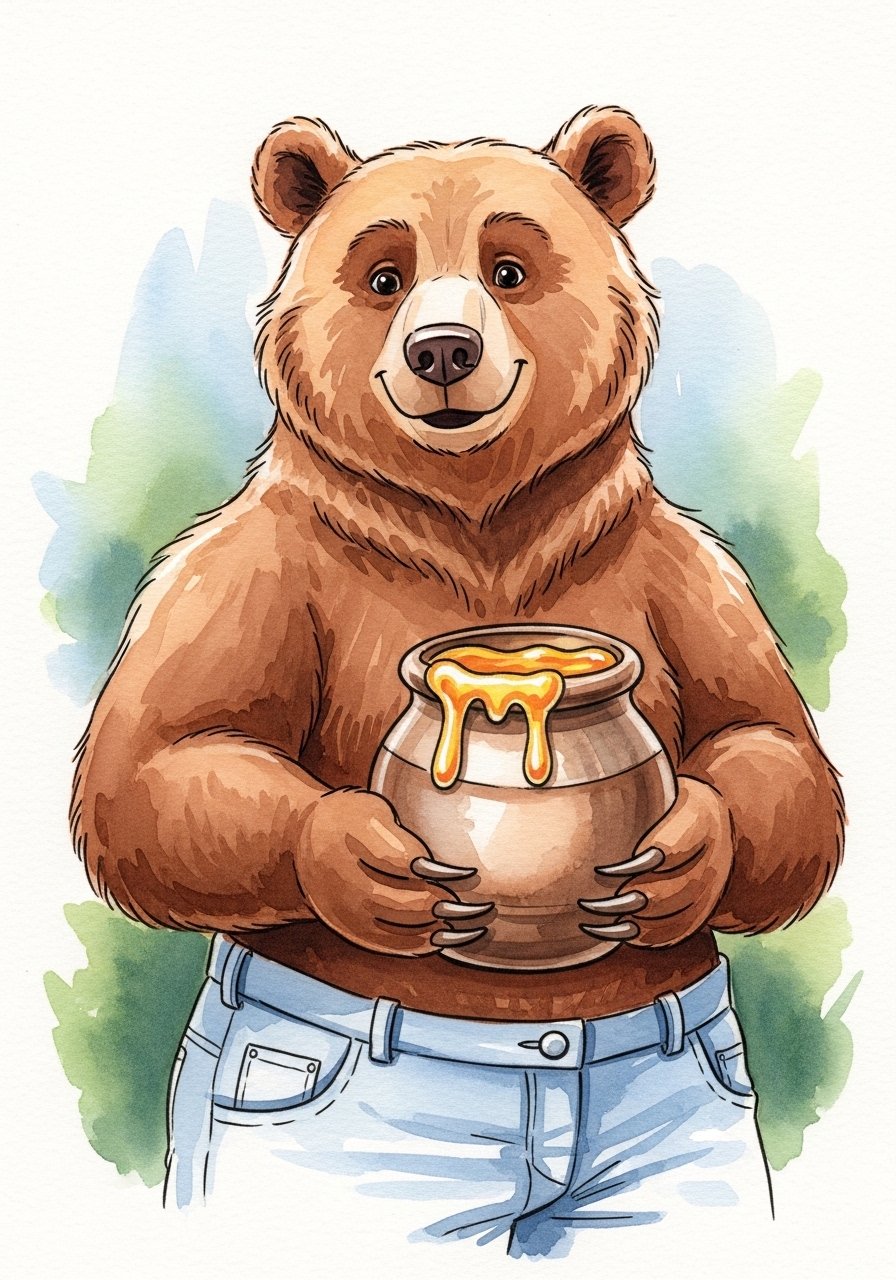
Thigh tattoos heal well because they avoid constant friction, but watercolor needs saturation to stop patchy fading. Tell your artist you want layered washes with concentrated color points at the honey pot. The session is forgiving and usually single visit for small-medium pieces. Expect minimal blowout risk here compared to hands or feet. For the session wear high waisted denim shorts so you can lower them slightly without tugging at waistbands. A mistake is placing watercolor too close to the groin crease where movement disrupts settling.
Studio Day Picks
The forearm, wrist, and thigh pieces above each ask for different session prep, so a few targeted items make the day smoother and the first week easier.
- Stencil transfer paper kit. Helps preview placement on skin before the needle touches, which is handy for the forearm panel and wrist treats above.
- Topical numbing cream. Use carefully before sensitive-area sessions to reduce discomfort during longer shading work.
- Thin protective film roll. Keeps lower-body pieces like thigh work clean from friction in the first few days.
- Fragrance-free body wash. Gentle cleansing is important for fresh color and fine line work on the wrist and forearm.
- Aquaphor healing ointment. A thin layer during the earliest healing window helps prevent excessive scabbing on denser inks.
7. Black-and-Gray Realistic Pooh Portrait, Back Piece
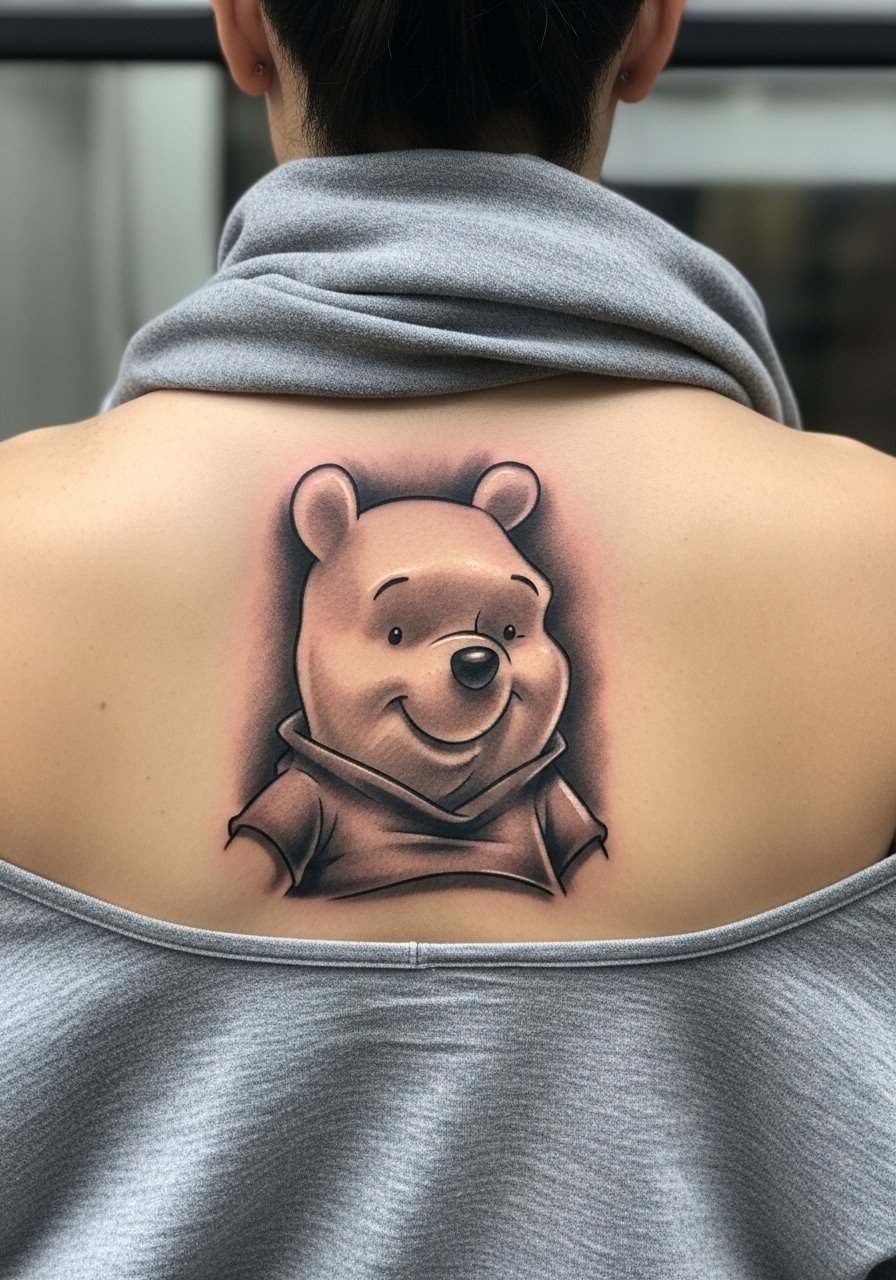
Large back portraits let realism breathe and age gracefully because of skin stability. Expect two to three sessions for an upper-back portrait with intricate stipple shading. Tell the artist you want contrast between Pooh's soft facial features and defined contour lines so detail survives multiple years. A common mistake is compressing an 8-inch portrait into 4 inches. For session comfort wear a loose v neck tee you can slip sideways to expose the upper back. Realistic portraits often need touch-ups at year three to keep high-contrast areas crisp.
8. Minimalist Pooh Outline on Collarbone
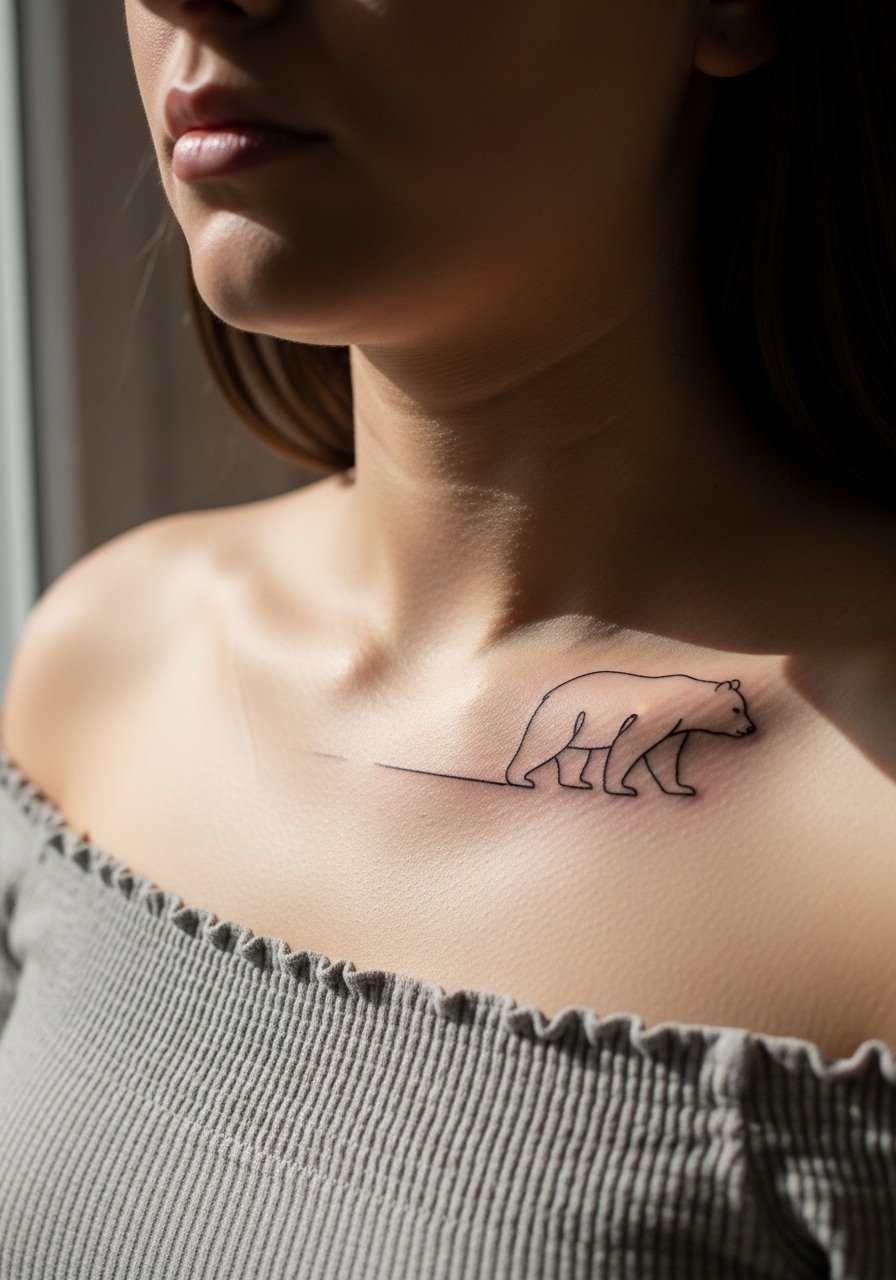
The collarbone is visible with many outfits but it moves a lot, which affects fine lines. If you prefer a minimalist outline, ask for slightly increased line weight and fewer tight curls in the contour. Expect a quick session and faster initial tenderness near the bone. The common mistake is choosing hairline strokes that fade into the collarbone shadow by year two. For showing it off pair with an off shoulder blouse. Remember the collarbone reads differently in photos than in person, so bring a reference on your skin during the consult.
9. Pooh Chasing Butterflies on Calf
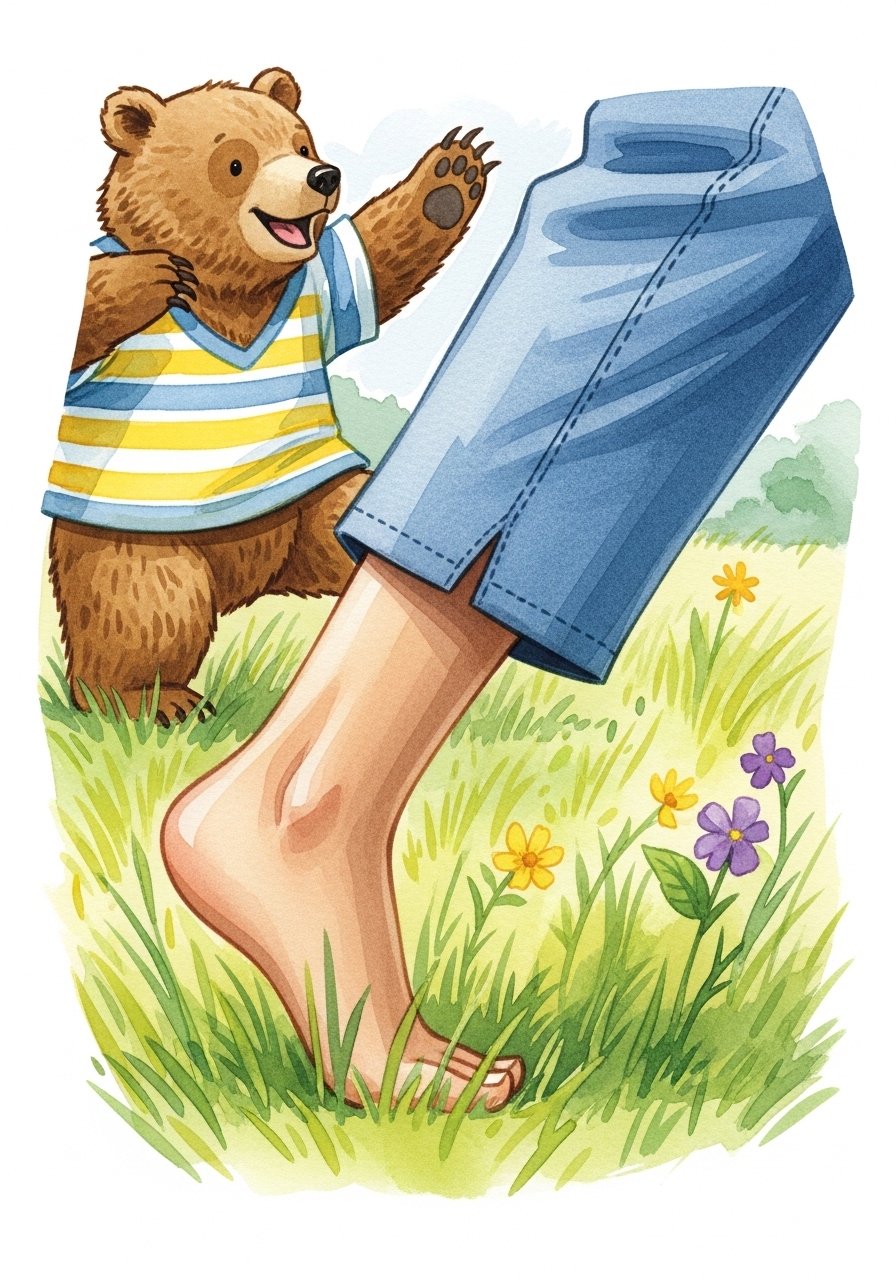
Calf placements handle color well and are lower risk for blowout. For a dynamic Pooh-chasing-butterflies piece request bold color anchors and light watercolor transitions. The session is comfortable and often one sitting for medium sizes. If you spend a lot of time in summer sun, plan touch-ups after the first year because sun can wash out lighter washes. For show-off wear cropped ankle pants so the leg stays visible with minimal fuss. Avoid squeezing the design into a narrow vertical strip, which compresses motion and ages poorly.
10. Traditional Pooh with Red Balloon on Inner Arm
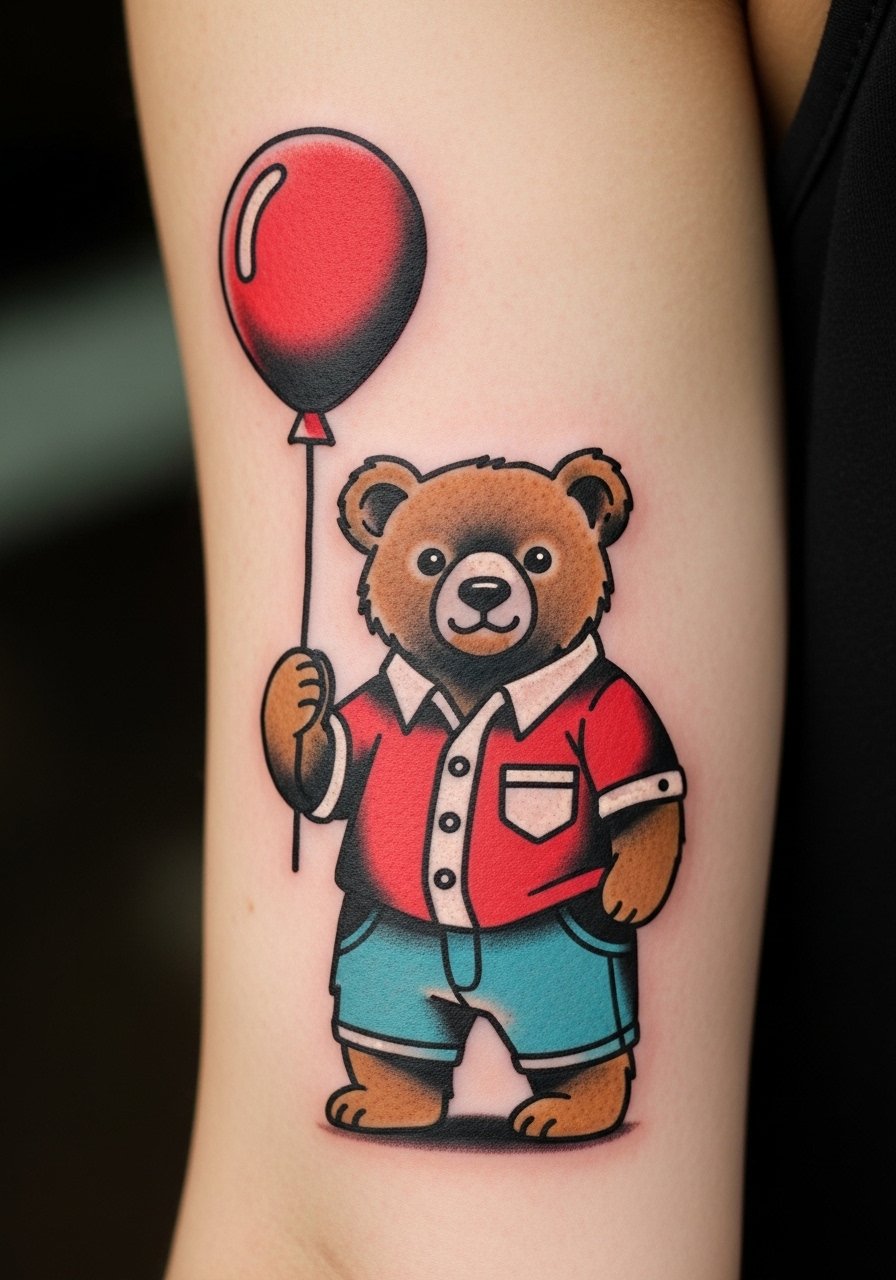
Inner arm work can itch during healing, so use breathable clothing after your session. Traditional color and a single red balloon age predictably when outlines are strong. Ask your artist for saturated fill and thick black borders, not feathered edges. The session usually runs mid-length and feels less painful than rib or sternum work. A frequent mistake is asking for a tiny balloon with thin outline that loses shape. During the appointment wear a loose button down shirt you can pull aside so the artist has clear access.
11. Realistic Gangster Pooh Head on Hand Edge

Hand and knuckle work is edgy but carries high fade and touch-up rates. For a micro-realism gangster Pooh head on the hand edge, expect frequent retouches and possible fading within 18 months. Discuss touch-up expectations in the consult because hand skin regenerates faster and is exposed constantly. One camp recommends avoiding hands for detailed realism, the other says with proper placement small realism works for a while. If you choose hands keep the design bold and slightly larger than you initially want. The session is quick but the healing week involves mindful washing and limited soaking.
12. Pooh with Skull Overlay, Ribcage

Ribcage placements deliver dramatic canvas but are painful and debated for fine line. The skull overlay brings an edgy contrast between innocence and grit. Artists are split on fine-line ribs. One group says ribs stretch and blur lines, the other says spacing and depth can make fine work hold up. Before booking ask your artist where they sit in that debate. Expect higher pain and a single long session for medium pieces. Wear a fitted sports bra or cropped top you can lift slightly to expose the area without discomfort.
13. Pooh as Weathered Teddy with Barbed Wire Crown, Thigh
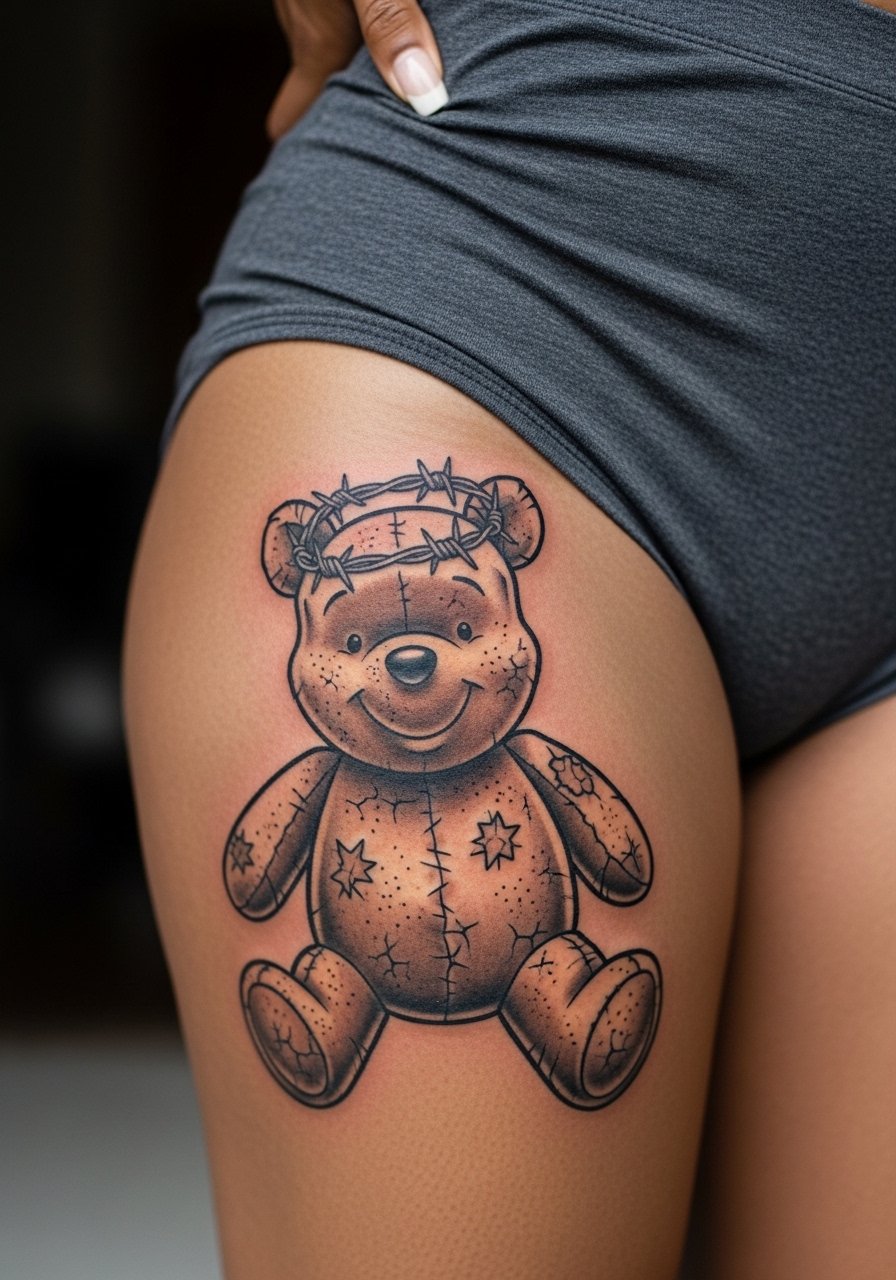
The thigh is forgiving and ideal for pieces that mix fine texture with solid color. A weathered-teddy concept reads mature when artists use stipple shading and broken-line texture. For the barbed wire crown ask for thicker lines so the wire stays legible as the piece ages. Sessions are usually comfortable and single-visit for medium sizes. For appointment ease wear loose gym shorts that you can pull down slightly without pressure. A common mistake is over-texturizing in a small area, which creates a muddy look later.
14. Graffiti-Style Pooh with Spray Paint Background, Outer Calf
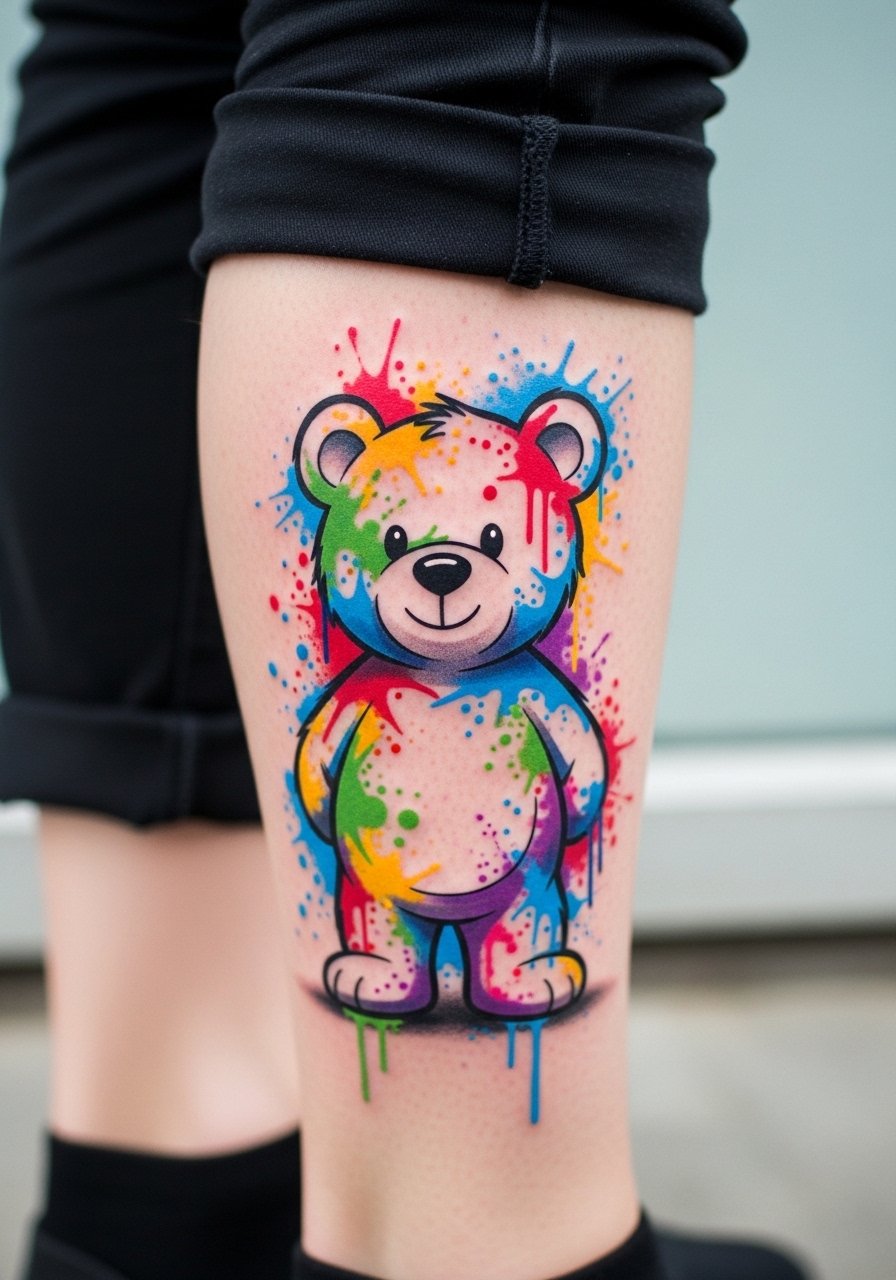
Graffiti treatments give a streetwear edge to Pooh while keeping character recognition. Outer calf handles large, loose color blocks well. Ask for crisp foreground linework with background washes behind it so the character stays readable. The session is moderate in length and less painful than inner leg work. For show-off consider cropped pants or shorts and a neutral shoe. Pair with cropped ankle pants to keep the art visible without clashing with patterned footwear.
15. Noir Pooh with High Contrast Shadows, Shoulder Blade
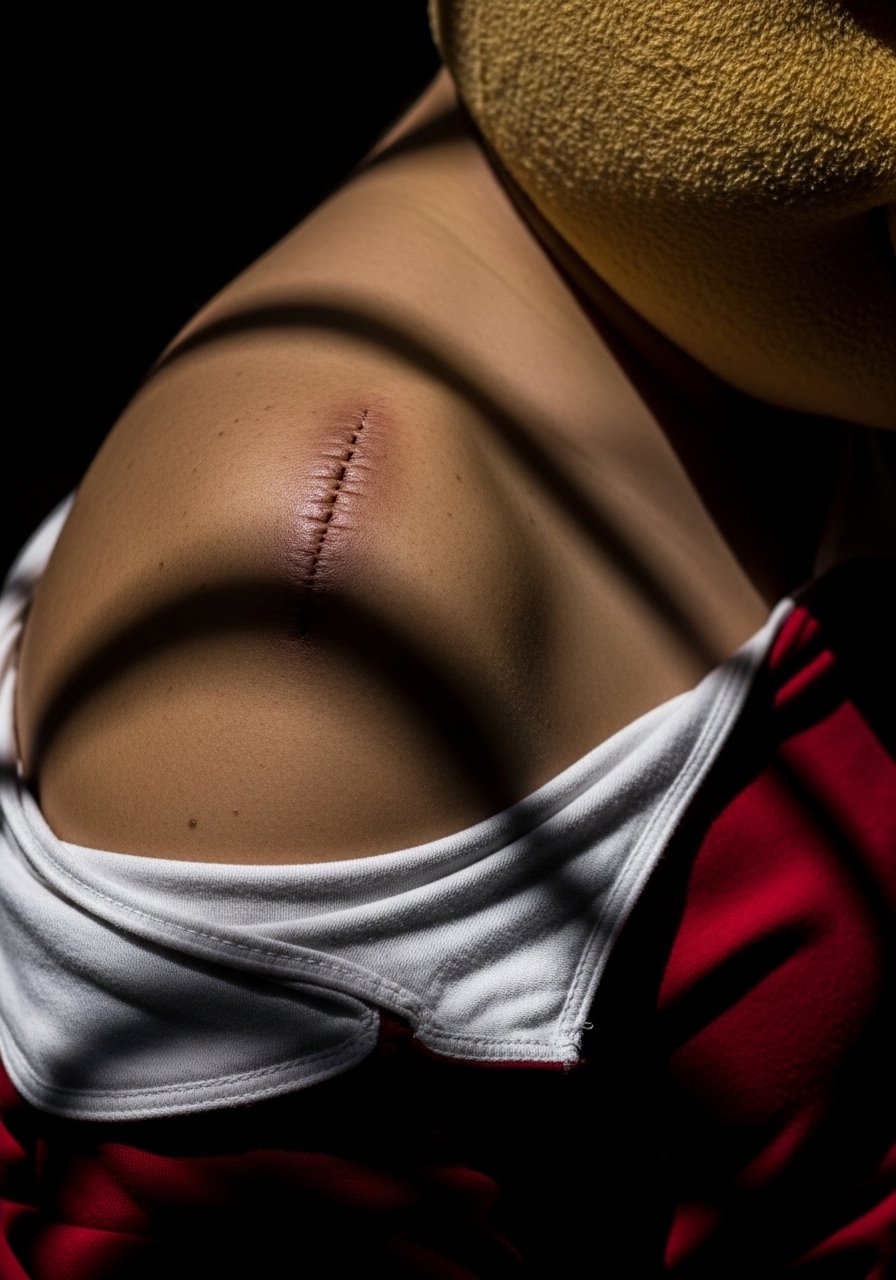
High-contrast noir pieces use large black fields that age into a clean silhouette, which is why shoulder blade placement suits them. Tell the artist you want deep blacks and selective highlights rather than fine cross-hatching. Sessions can be long for large black fills and may require breaks to avoid hand tremors. Expect the darkest areas to last but the midtones need proper touch-ups around year two. For the consult bring fabric references because wardrobe affects how often you see the piece. A fitted wide-neck shirt pulled slightly aside keeps the area accessible during the session.
16. Pooh as Tarot Card, Sternum Accent

Sternum work reads intimate and bold, and it heals differently from arm placements. Tattooing over the sternum is painful and often more prone to scab movement. For a tarot-card composition ask for a compact rectangle with strong borders and simpler interior detail so it settles cleanly. Sessions are intense and may need breaks. Wear a fitted sports bra to expose just the area without full torso exposure. The common mistake is packing tiny script or fine filigree into the center, which softens with breath and movement.
17. Pooh with Honey Pot Spill and Drips, Ankle
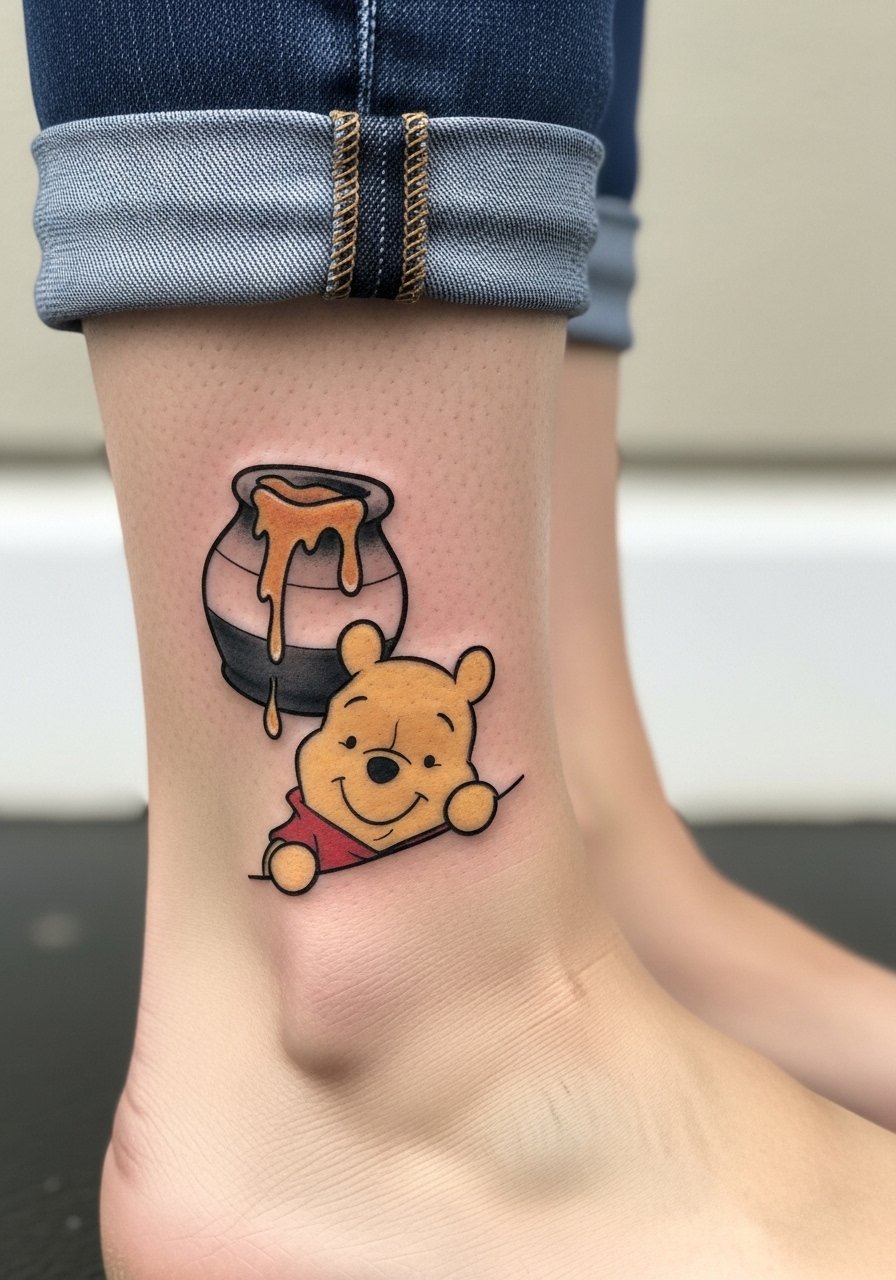
Ankle pieces are visible and delicate. If you want small detail like honey drips keep the outlines bold and the fill simple. The ankle sees friction from socks and shoes, so protective first-week habits matter. A quick session is typical but expect touch-ups sooner than on a thigh. For showing it off choose rolled jeans and sandals sometimes and consider a loose jogger pant when you need comfort during healing. Avoid ultra-fine droplets that turn into blobby marks after repeated rubbing.
18. Skeleton Pooh Mashup, Neck Side
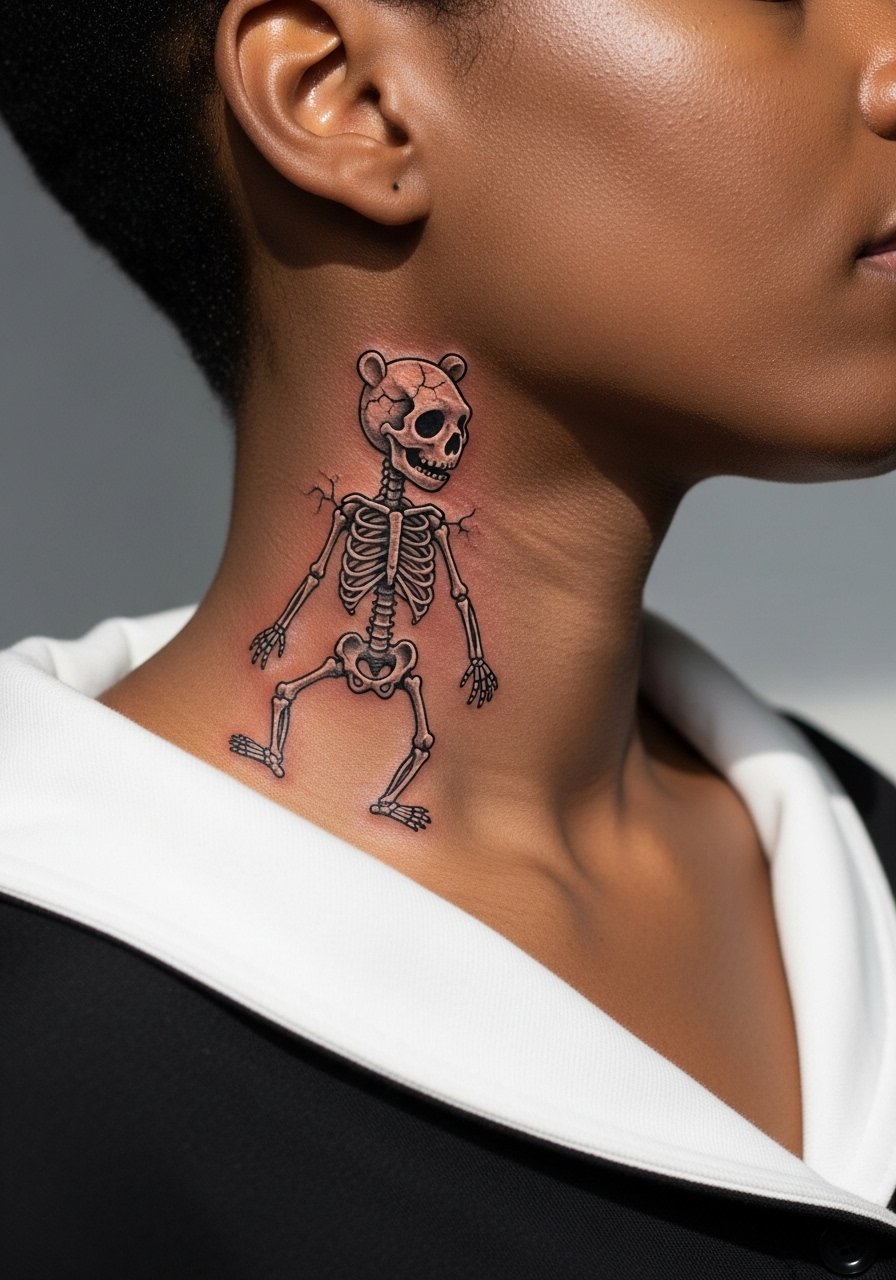
Neck tattoos are visible and carry career considerations in some fields. The side neck is a small, high-visibility spot that holds bold designs better than micro detail. If you choose a skeleton mashup keep the skull elements simplified and the linework thick enough to survive sun and clothing contact. Sessions are short and painful due to thin skin. Make sure you discuss long-term visibility and touch-up frequency during consultation. A wide-neck shirt pulled aside keeps the area discreet during the appointment.
19. Samurai Pooh in Armor, Upper Arm Wrap
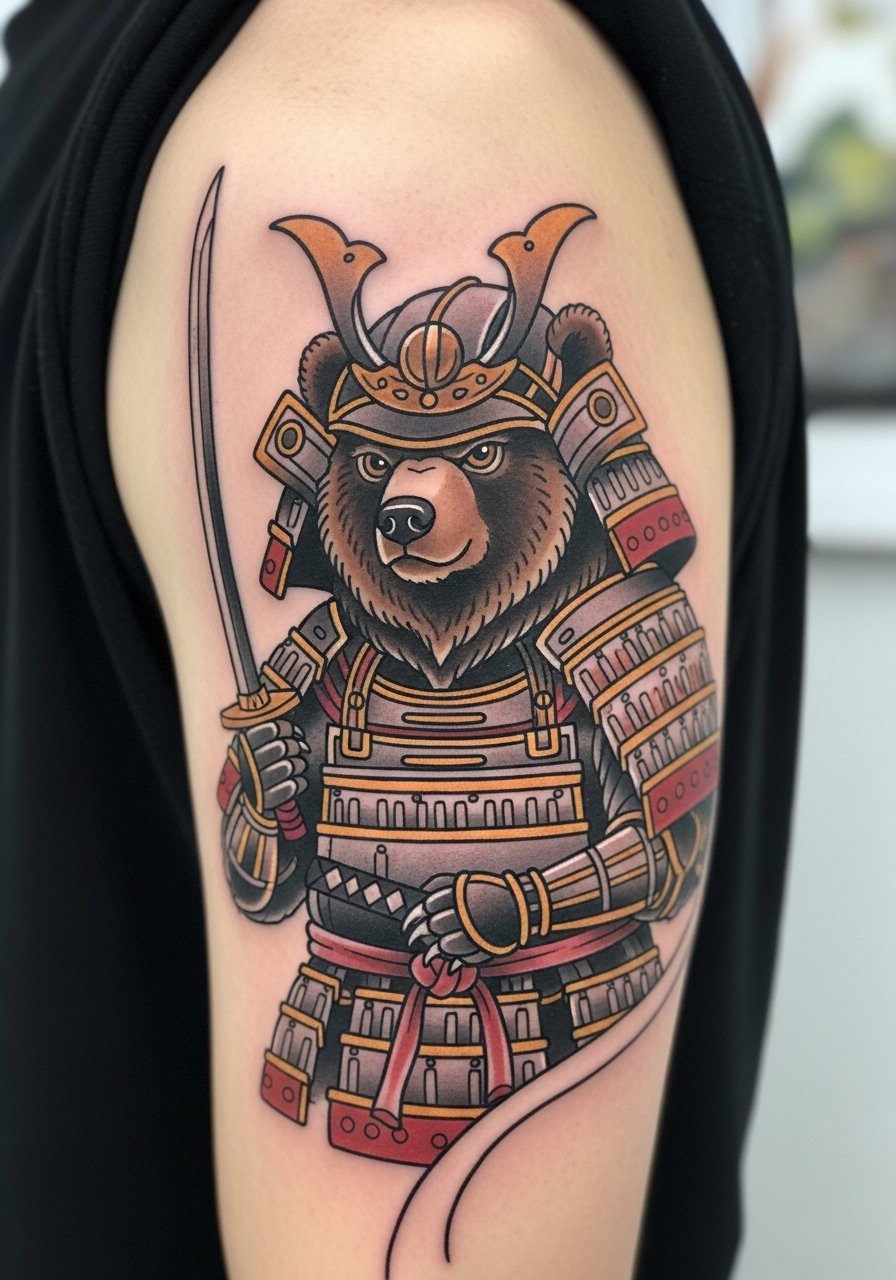
Wrap-around upper arm compositions work well for narrative samurai themes because the bicep offers a rounded canvas. Ask your artist to compose the helmet and armor across the outer bicep with negative space on the inner arm to avoid overcrowding. Sessions can be split into two for color and linework. Many people underestimate how sleeves move and the effect on armor detail. For the appointment wear a muscle tank to give clear access without chafing. Expect touch-ups for color saturation after the first year if the piece gets a lot of UV.
20. Pooh with Cigarette and Noir Smoke, Hand Side
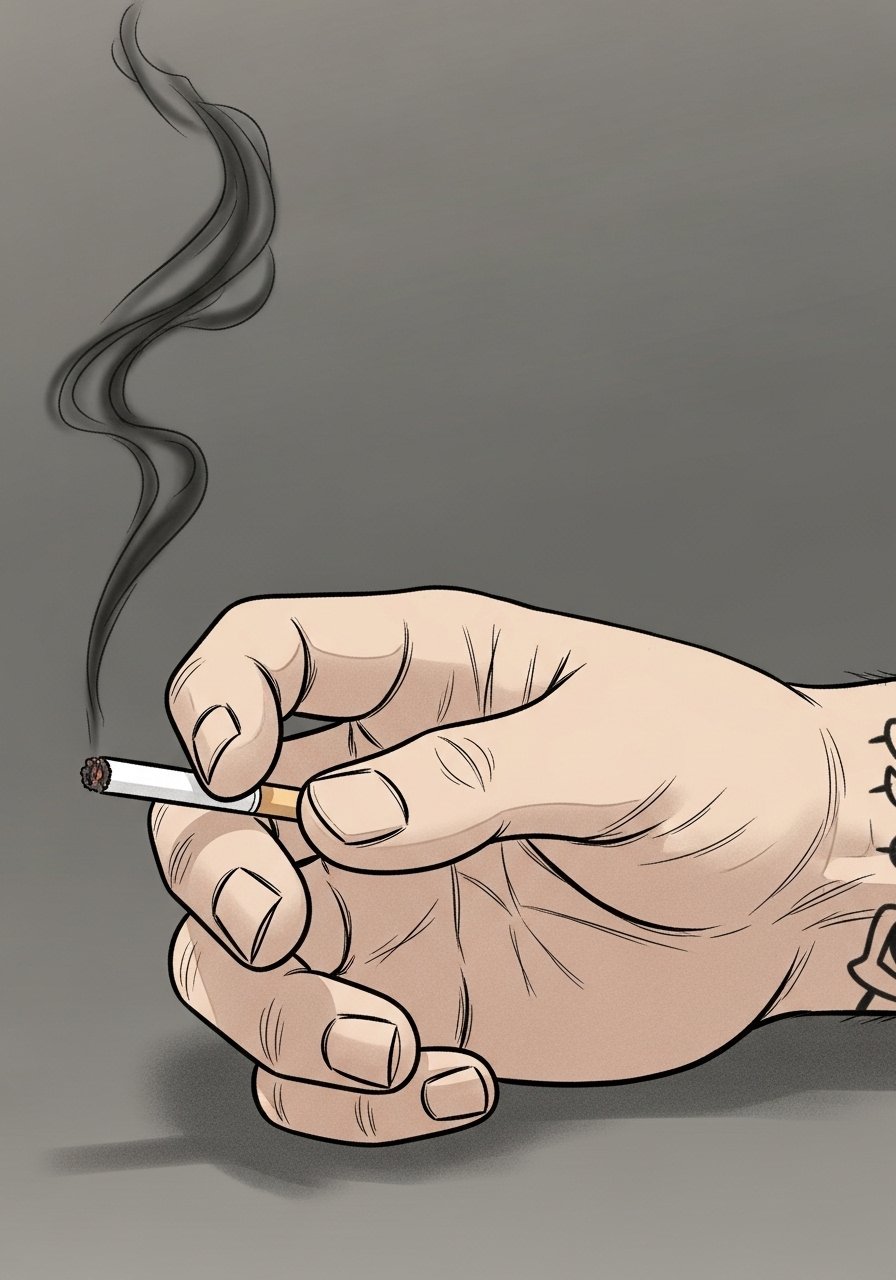
This one leans into controversy because it subverts the character with adult iconography. Hand placements age fast and need maintenance. If you want this motif keep the smoke abstract and the cigarette small so the core face reads clearly. Expect touch-ups at least every 12 to 18 months. In many studios artists refuse hands for detailed realism, so be prepared for some gatekeeping. The session is quick but the first week requires careful washing and limited immersion.
21. Pooh Tarot Skeleton Hybrid, Back of Calf
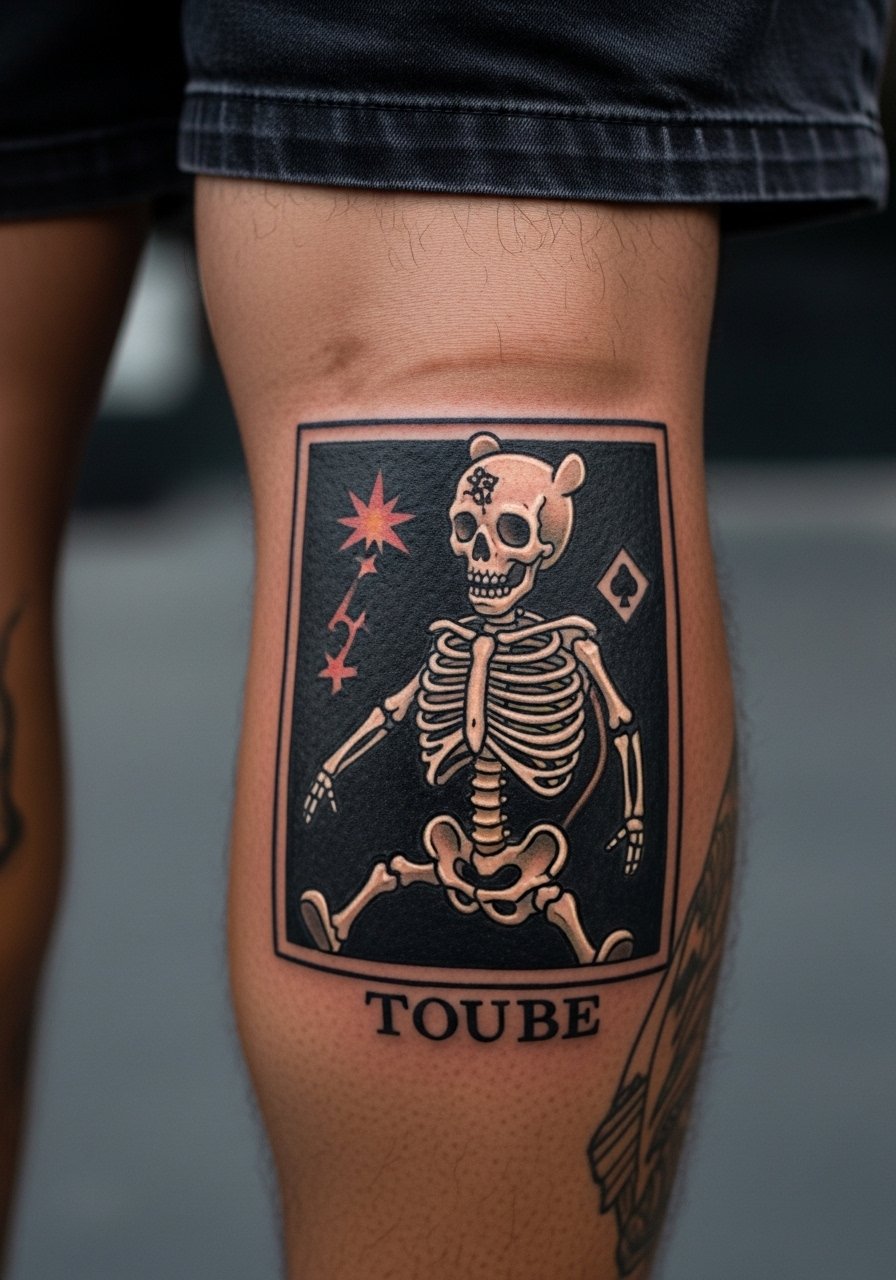
A back-of-calf placement gives size without the friction of inner leg or ankle. The tarot-skeleton hybrid lets you mix dark imagery with iconography while keeping composition readable from a distance. Tell your artist you want bold contrasts and simplified midtones to avoid muddying over time. Sessions are comfortable and usually single-visit for medium pieces. A common mistake is overloading the artwork with tiny symbols that fade into noise as the skin ages. For sessions wear shorts that do not rub the fresh art during the first week.
Frequently Asked Questions
Q: Will fine-line Pooh designs blur faster on wrists and ribs?
A: In my experience fine-line does blur faster on wrists and ribs because those areas see more movement and thinner skin. Artists fall into two camps. One says avoid fine line there altogether, the other says careful depth and spacing will make it hold. The safe approach is to plan for slightly thicker line weight and a realistic touch-up schedule.
Q: How do I find an artist who can make a character tattoo look mature instead of kiddie?
A: Look for portfolios that show character work executed in neo-traditional or black-and-gray realism, and use discovery paths like searching hashtags such as #neotradpooh or #edgypooh on social platforms. Ask to see healed photos, not just fresh work. During the consult request examples of similar scale and placement so you can judge how that artist ages color and linework.
Q: Do watercolor Pooh pieces need different aftercare than traditional ones during summer?
A: Watercolor relies on saturation, so sun exposure and sweating can speed fading in summer. The practical step is timing the session outside your peak outdoor plans and following the studio's healing instructions closely. Use breathable clothing during the first week and protect the area from prolonged sun once healed.
Q: Are hand and neck placements worth the maintenance for detailed realism?
A: They can be worth it if you accept likely touch-ups every 12 to 24 months and the possibility of faster fading. Hands and necks are high-visibility and high-wear zones. If you want detail there, plan a budget and expect more frequent upkeep.
Q: What should I ask during my consultation to avoid a Pooh tattoo that looks childish as I age?
A: Ask about line weight, expected touch-up timelines, and how the design will read at the size you want. Request healed photos of similar pieces and discuss how the artist plans to balance saturation with negative space. Trust the portfolio evidence more than a single trendy flash image.