Fine line tattoos dominate saved boards and short-form reels right now, and the gap between what looks perfect fresh and what lasts two years is wider than most people expect. Fading on darker skin, surprise price hikes, and flaky booking behavior from little shops are all part of the decision moment. These 21 fine line Taylor Swift ideas show how to pick a design, placement, and wardrobe that photograph well today and hold up longer.
1. Fine Line "Fine Line" Script on Inner Forearm

The inner forearm is forgiving for fine script because the skin is relatively flat and easy for an artist to work on. Pain is moderate and most single-session scripts finish in under 45 minutes. Ask the artist to draw the script at a slightly larger line weight than your saved reference so the letters read clearly after six months. A common mistake is requesting ultra-tiny lettering and then wondering why the loops blurred. Plan for a touch-up at year one if you swim a lot or spend time in strong sun. For showing it off, roll a chambray rolled cuff shirt and let the forearm peek out during casual days.
2. Mini Heart-Hand Outline on the Collarbone

Collarbone placement elevates a small symbol into something intimate and visible. Expect a sharper sting during the session than on the forearm, but the area heals into crisp linework if the stencil sits flat. Tell your artist you want clean negative space inside the heart and no heavy shading. The mistake I see most is pressing for color in that size, which ages into muddy spots. For session comfort wear a strapless midi dress or a wide-neck tee so the artist can access the collarbone without tugging. Aftercare and sun protection will matter for line retention.
3. Tiny "13" with Vine Accent at the Ankle

Ankle tattoos face abrasion from socks and shoes, and tiny numerals on feet often need touch-ups sooner than the same size on the arm. For durability ask for a slightly denser line weight around the numeral while keeping the vine airy. The usual error is going too minuscule under the belief that smaller equals cuter. Expect more fading on high-friction days and plan a touch-up at 9 to 18 months for active feet. Pair the healed piece with cuffed ankle jeans or sandals to show it off when weather allows.
4. Wrist "Swiftie" Handwritten Script
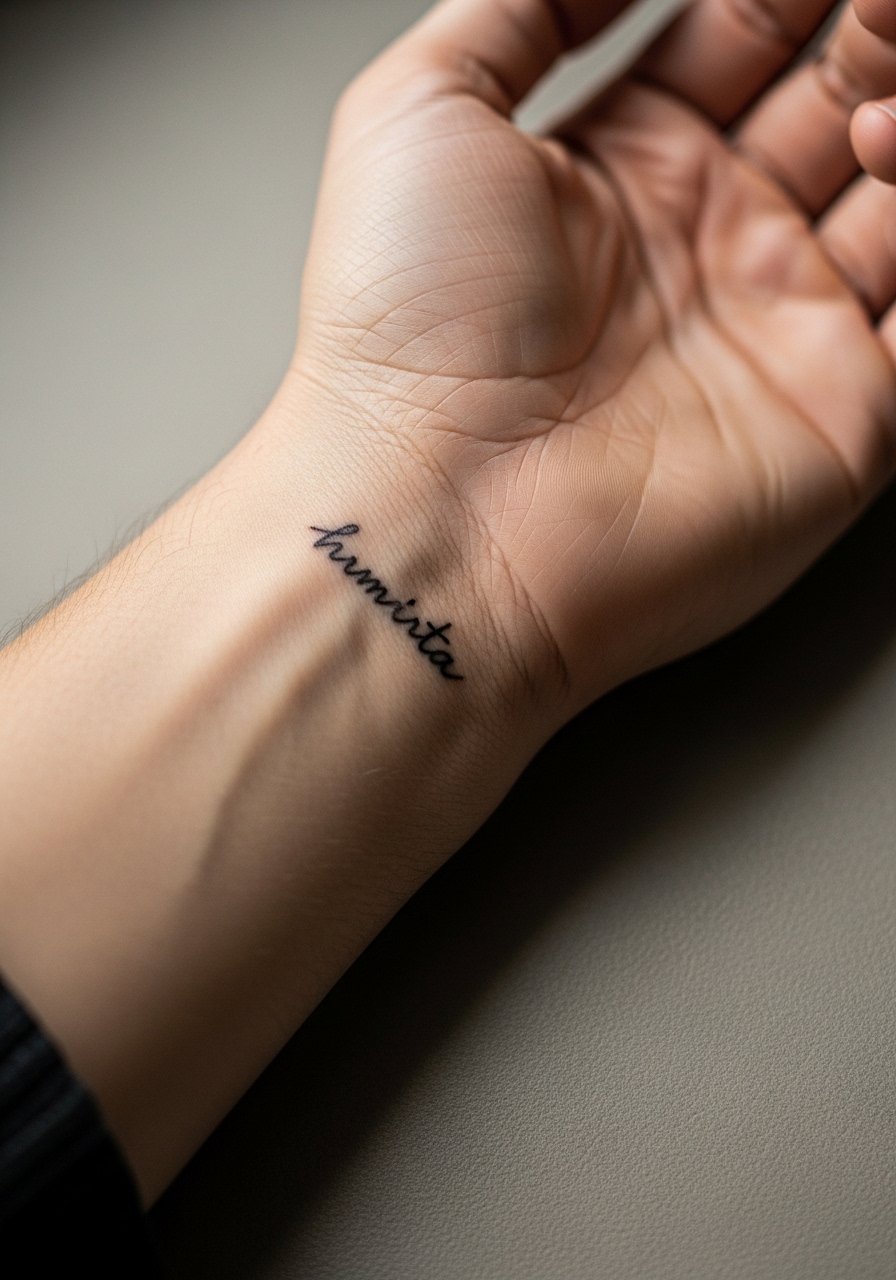
The wrist is a classic spot for micro script, and it reveals how thin lines weather. Pain is low to moderate and many wrist scripts happen in 20 to 40 minutes. Tell your artist you want 0.25mm line weight rather than the thinnest single-needle option. Artists and fans argue openly about wrist longevity. One camp says thin wrist lines fade quickly with sun and movement. The other camp says disciplined aftercare and slightly bolder single-needle work keep them crisp. Expect a touch-up window at 6 to 18 months. For outfits, stacked jewelry looks natural, so add a thin gold bangle stack when you want the wrist on display.
5. Cassette Tape with "Taylor's Version" Banner on Outer Forearm
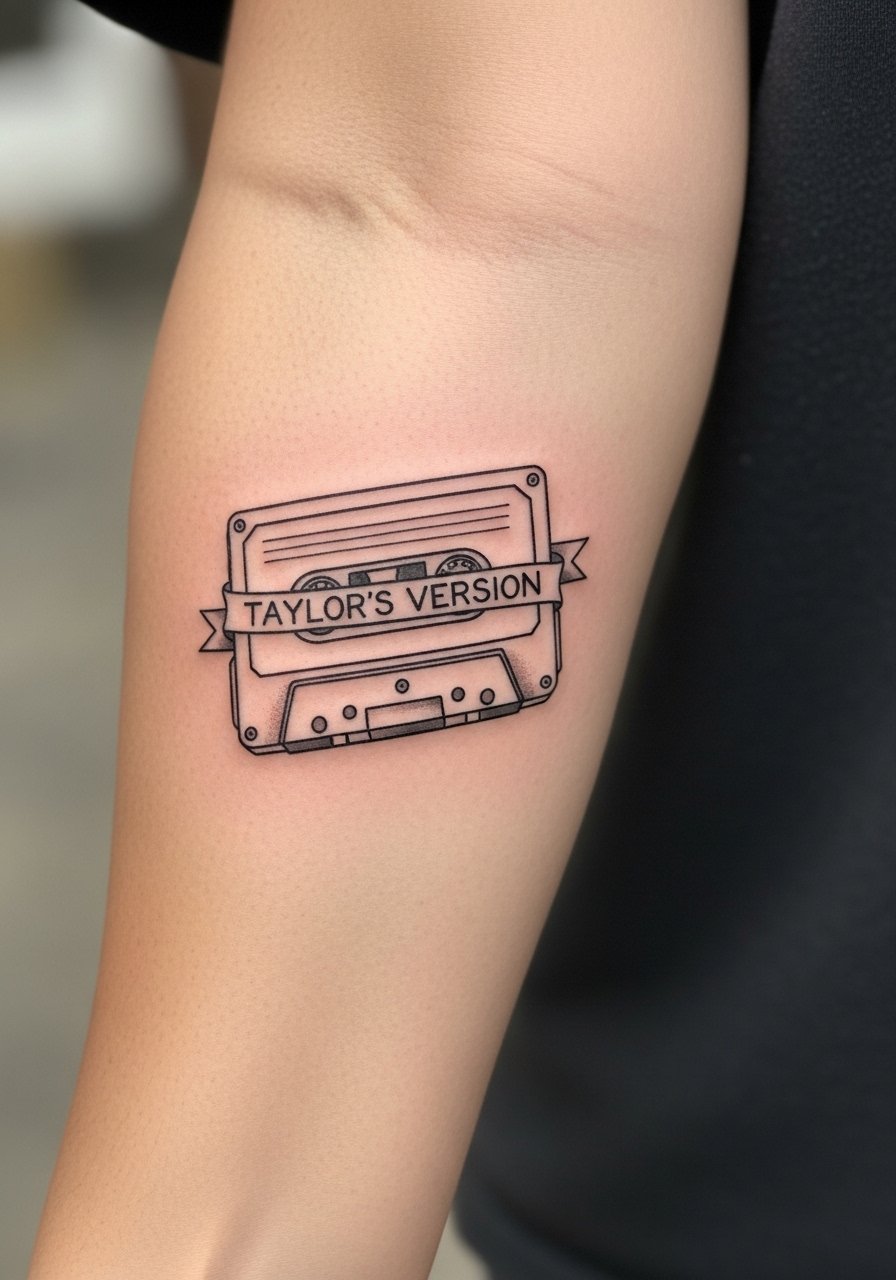
A tiny cassette gives a nod to the re-recordings without heavy detail that can blur. Outer forearm gives the piece room to breathe and keeps the lines less cramped than a wrist or hand. Ask the artist for clear spacing between the tape reels and the banner text. The common mistake is packing too much tiny lettering into a one-inch banner. Expect a single session and occasional retouch if you work with abrasive surfaces or frequently roll your sleeves up. For casual showing try a loose long-sleeve button-up you can roll to mid-forearm without stretching the skin.
6. Reputation-Era Snake Outline with Floral Overlay on the Shoulder Blade
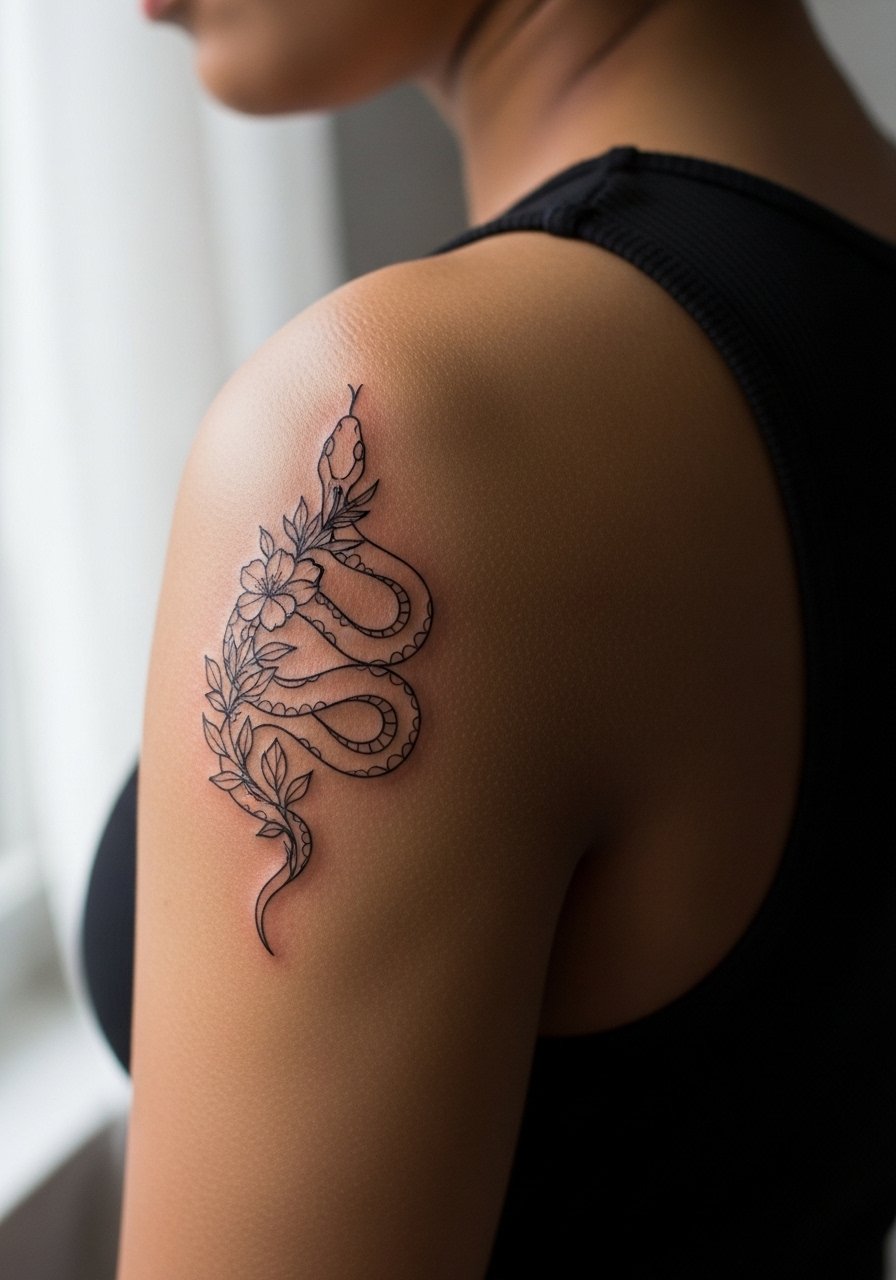
Shoulder blade pieces can be larger and still feel feminine. This spot is lower on the pain scale and gives the design room so lines do not crowd. Ask for negative space inside the snake and very light floral shading to prevent early saturation. One mistake is adding heavy color on soft florals. The shoulder blade is great if you want something that ages slowly because the skin moves less than on joints. For showing it off pair with sleeveless bodysuits or racerback tanks that keep the focus on the upper back.
Studio Day Picks
The wrist, ankle, and shoulder blade pieces above each need slightly different prep and protection for the first week.
-
CeraVe Healing Ointment. Lightweight and fragrance free, good for sensitive wrist skin where heavy petroleum can feel greasy.
-
Butter Balm recovery salve. A thinner balm useful in dry winter weeks when fine line work on the shoulder blade might scab and crack.
-
Hada Labo super hydrating lotion. Hydrates in humid climates without sticky residue, helpful for forearm script that needs moisture without suffocating the skin.
-
Recovery Ink non-greasy balm. Absorbs fast and keeps delicate single-needle lines looking cleaner during the early healing window.
-
Second Skin protective film strips. Useful for short runs when you want to avoid scabbing on the wrist or ankle, but follow your artist on safe removal timing.
7. "Cardigan" Lyric Snippet Along the Collarbone

Short lyric snippets across the collarbone read like jewelry. The area can be sensitive so expect a sharper pinch for a few minutes. Tell the artist to space the letters slightly wider than your screenshot reference. A tiny, tightly packed script often becomes unreadable after a season of sun. If you want the vibe of Folklore without oversizing, keep the linework confident rather than ultra-thin. For evening outfits a delicate choker can sit just below the text and frame it nicely. Wear a strapless midi dress or off-shoulder sweater for a night out when you want the collarbone on display.
8. Lavender Haze Cloud with Tiny Stars on the Inner Bicep
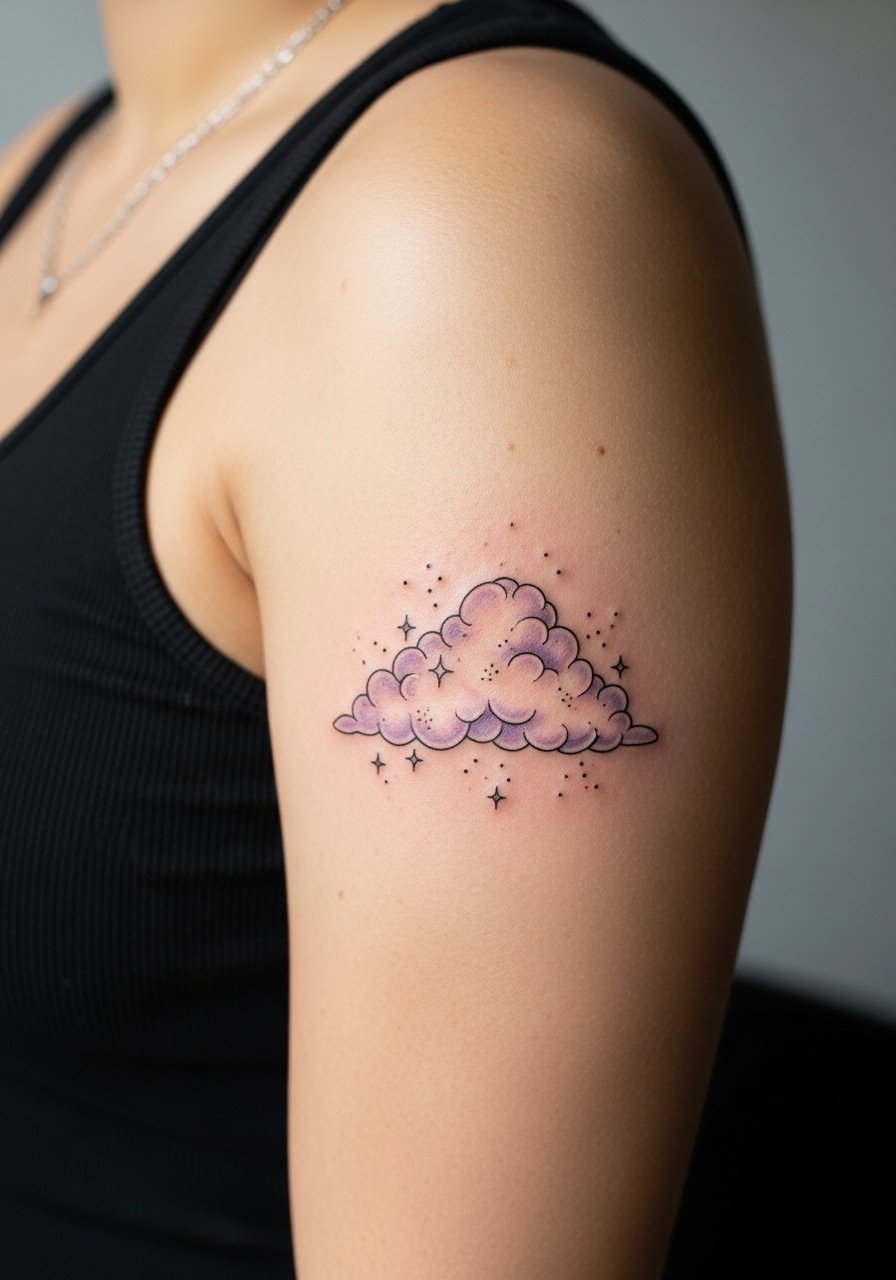
Inner bicep sessions can feel awkward because of arm positioning, but the canvas is smooth and hides well under sleeves. Expect moderate discomfort and a slightly longer session if you want soft gray shading behind the linework. The common error is asking for watercolor splashes in an area that bruises easily. For longevity, stick to line-forward forms with tiny gray fills rather than broad washes. Because the inner bicep can rub against clothing, keep the first two weeks of healing low-friction and skip tight straps during workouts.
9. Micro Mirror Frame for "Anti-Hero" on a Finger

Finger tattoos are notoriously high maintenance because of constant washing and friction. Micro frames read crisp for several months and then soften. Tell your artist you accept a tiny but denser outline to preserve the shape. The mistake I see most is wanting a delicate frame without accepting the need for touch-ups. Expect to return for a touch-up in six to twelve months and know that finger skin fades faster than forearm skin. Hand placements also carry workplace considerations so weigh visibility against daily life.
10. Evermore Cabin Silhouette on the Calf

Calf placements let you go slightly larger while keeping thin line detail intact. The skin there is stable and rarely stretches dramatically. Sessions are comfortable and often done in a single hour. When requesting a tiny landscape ask for crisp separations between tree lines so the scene does not become a gray blur later. Avoid ultra-fine hatch shading across the whole scene. For summer reveal try rolling bootcut jeans or pairing with ankle boots. A rolled bootcut jean makes casual display effortless.
11. "You Belong With Me" Book Stack on the Forearm

Illustrative forearm pieces let small narrative symbols breathe without becoming crowded. Forearm skin wears well and resists blowout more than hands or ribs. Ask your artist to keep book spines distinct and avoid tiny cross-hatching inside the pages. A common misstep is squeezing too many micro elements into a two-inch space. Forearm scenes like this age more gracefully and often need only light touch-ups after two years unless you push them under tight clothing during healing.
12. Eras Tour Stage Arch on the Upper Arm
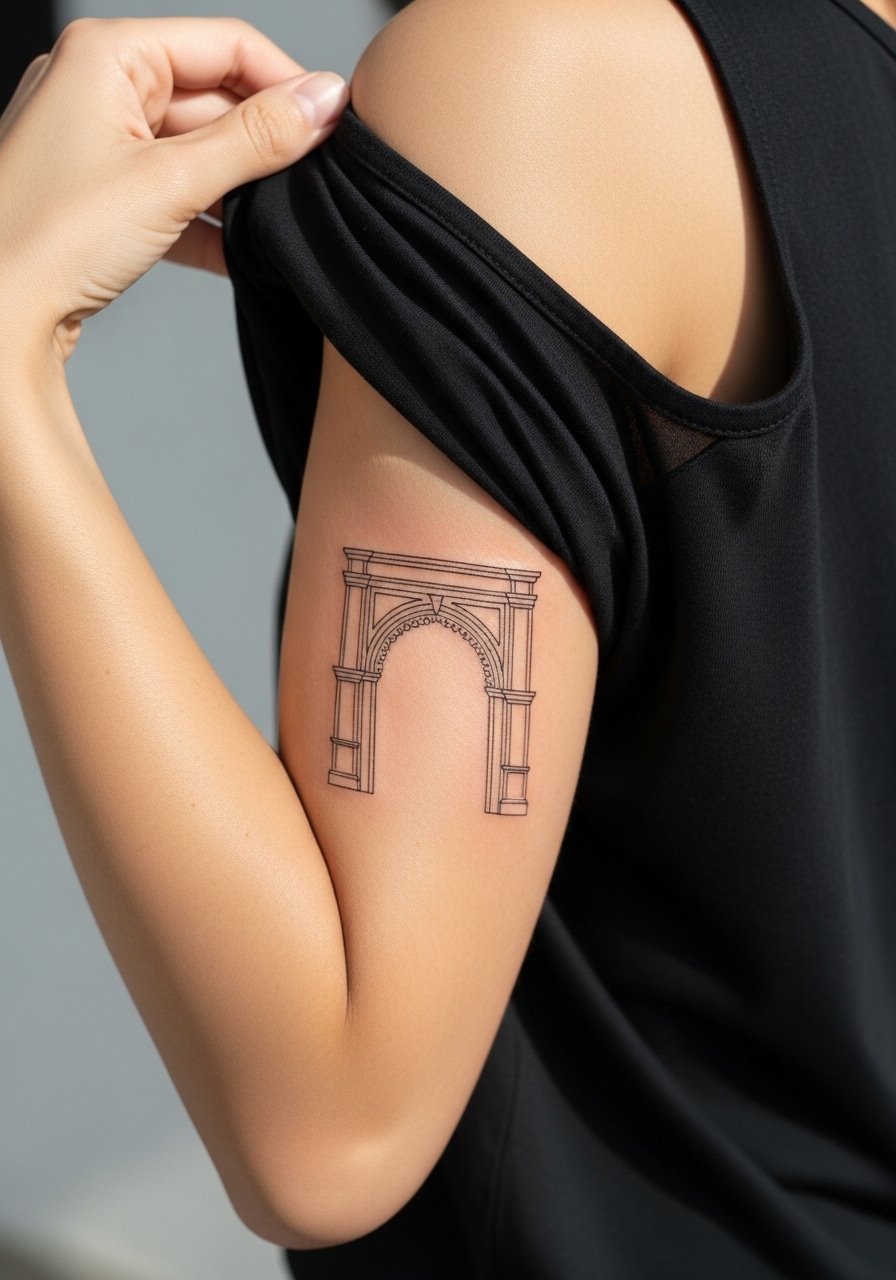
Upper arm architecture reads well from a distance and keeps fine details stable. Pain is low and session time depends on how much ornamental linework you want. When you sit with your artist, bring clear photos of the arch angle you want. The mistake is compressing a multi-part arch into too small a circle, which merges over time. Upper arm pieces generally keep layout clarity for years, with occasional touch-ups for edges if you exercise heavily or build muscle.
13. Minimalist Archer Bow and Arrow at the Ankle
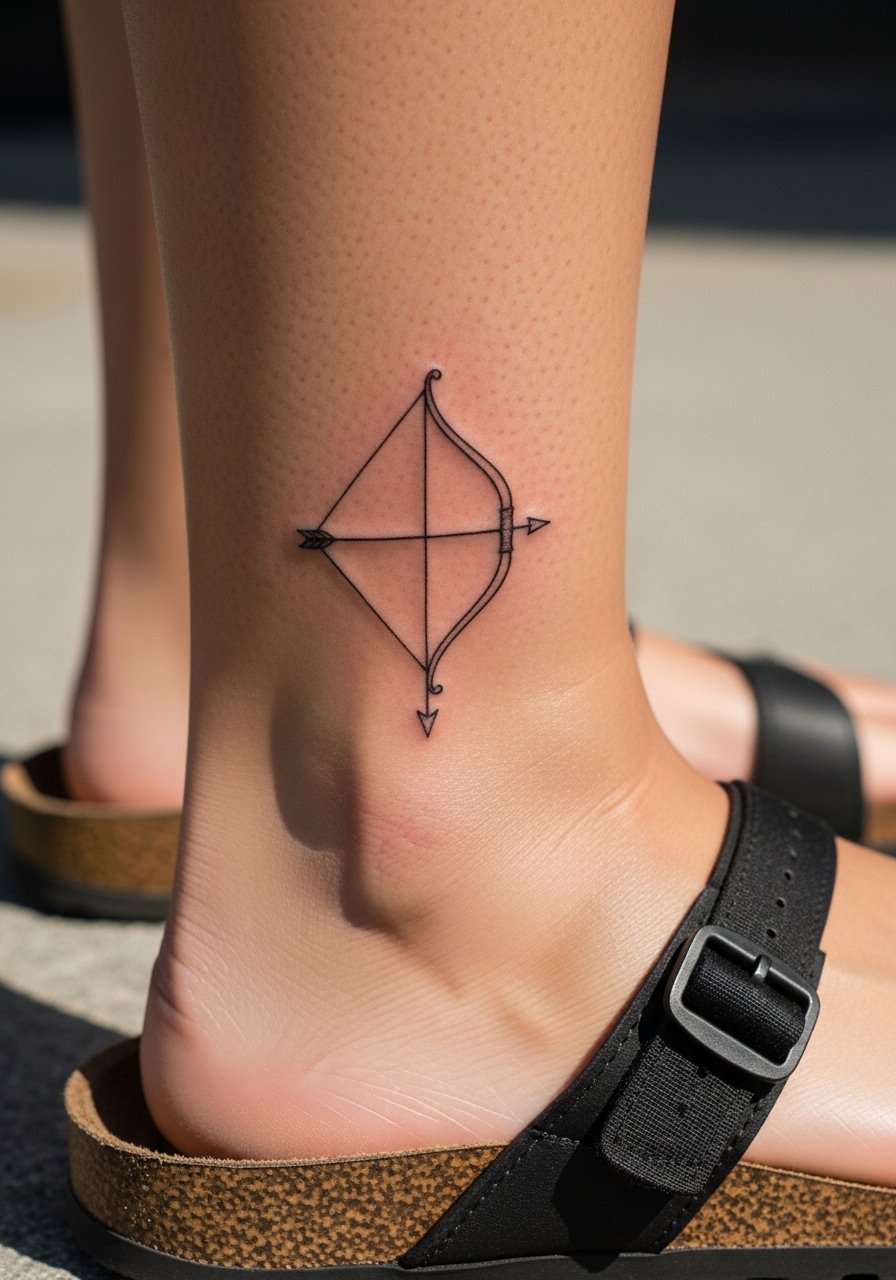
A wrist or ankle bow design looks clean because of its simple geometry, and it ages predictably if the lines are spaced properly. For ankle placement, request slightly denser arcs for the bow so the curve does not soften into a smudge. The primary mistake is getting the arrow too thin in the shaft. Expect a quick session and a likely touch-up window at 9 to 18 months if you wear closed shoes that rub against the area. Sandals and strappy heels like strappy heeled sandals show the ankle elegantly when healed.
14. Matching Interlocking Wrist Sets for Friends
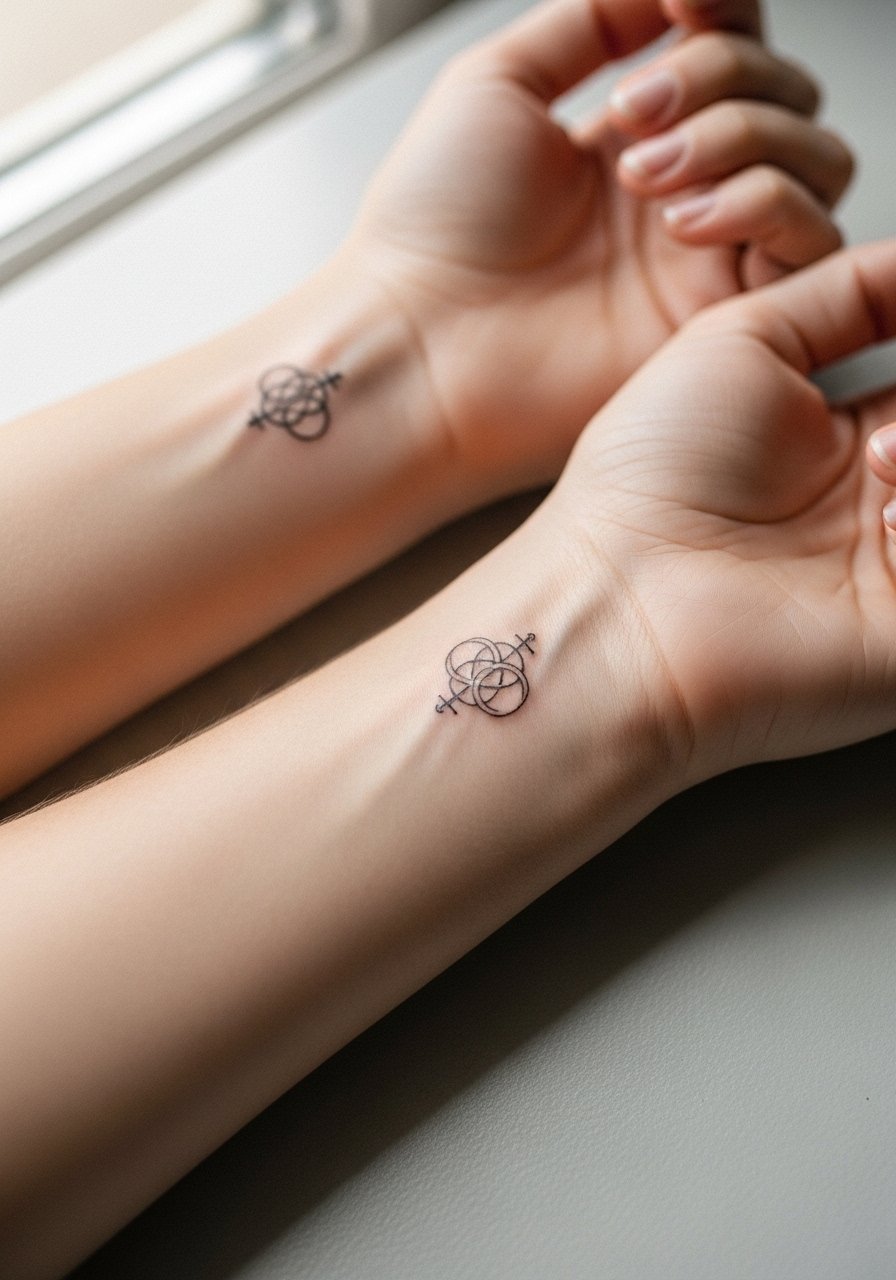
Matching wrist sets are the kind of tiny work that reads like a shared memento. Keep the elements minimal so they align when wrists meet and do not require large real estate. The frequent error is making the pieces too detailed for the small area. Talk through alignment with your artist and test the stencil by touching wrists together before any needle hits skin. For photos and events layer in thin accessories, such as a thin gold bangle stack on the opposite wrist to balance attention.
15. Pulse-Point Heartbeat Line on the Inner Wrist

Inner wrist pulse symbols pair sentiment with visibility. Because the area moves constantly, ask for slightly bolder spacing between peaks in the heartbeat line. A common mistake is requesting ultra-thin peaks that bleed together. Expect the session to be quick but plan for a touch-up in the first year if you swim frequently or use the area in manual work. For easy session access wear a sleeveless flowy top so sleeves do not constrict the area during work.
16. Custom Concert Map of Attended Cities on a Narrow Forearm Panel
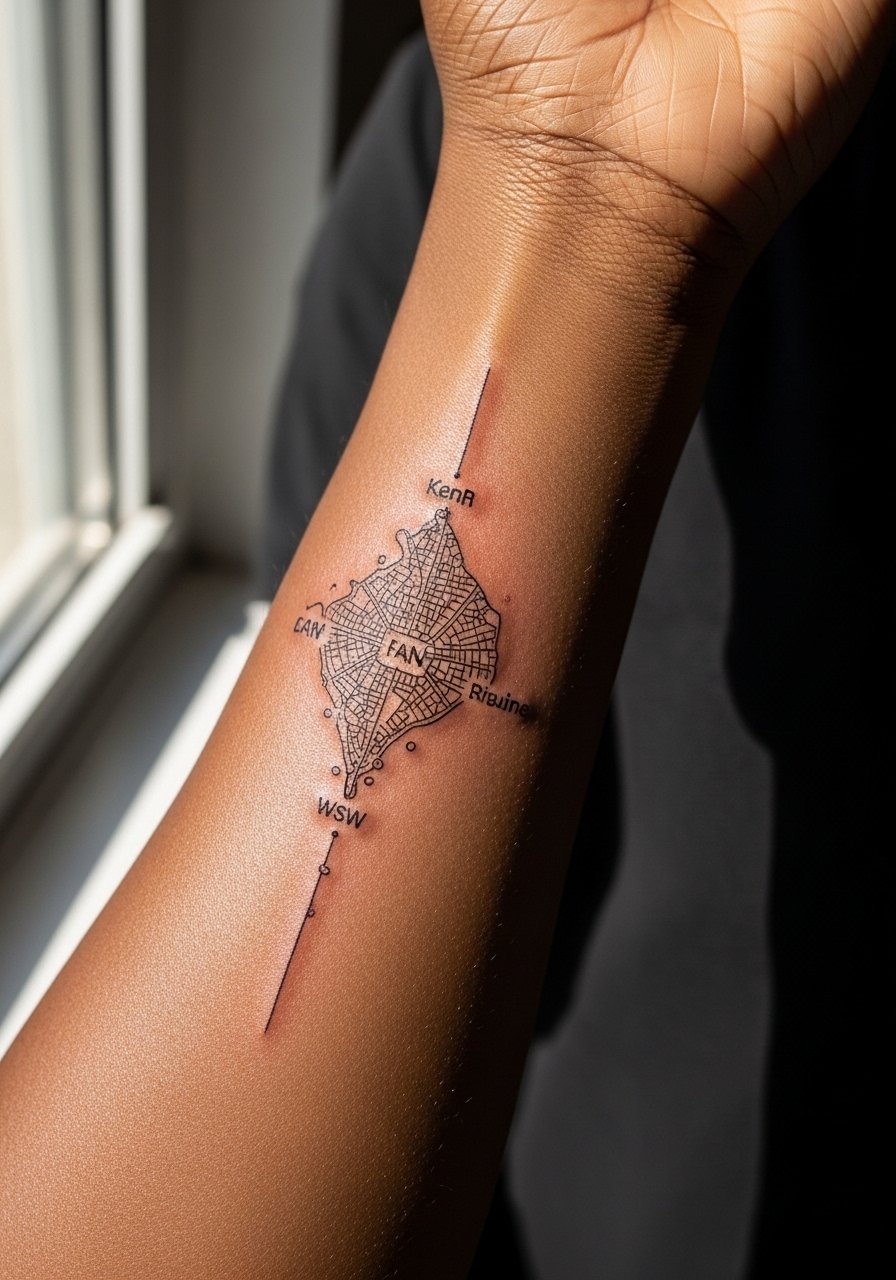
A vertical map is a clever collector design because it scales as you add shows. The forearm holds map ink well but long skinny panels need clean spacing between pinpoints. Tell your artist which cities matter most and ask them to mock up a one-year plan for adding more pins. A mistake is packing too many pins too close which confuses the silhouette after healing. Touch-ups are normal when you add new pins. Use discovery pathways like location filters on short-form video platforms and specialist directories to find fine line guest spots who will accept additions.
17. Knuckle Line for Stage-Fan Gesture
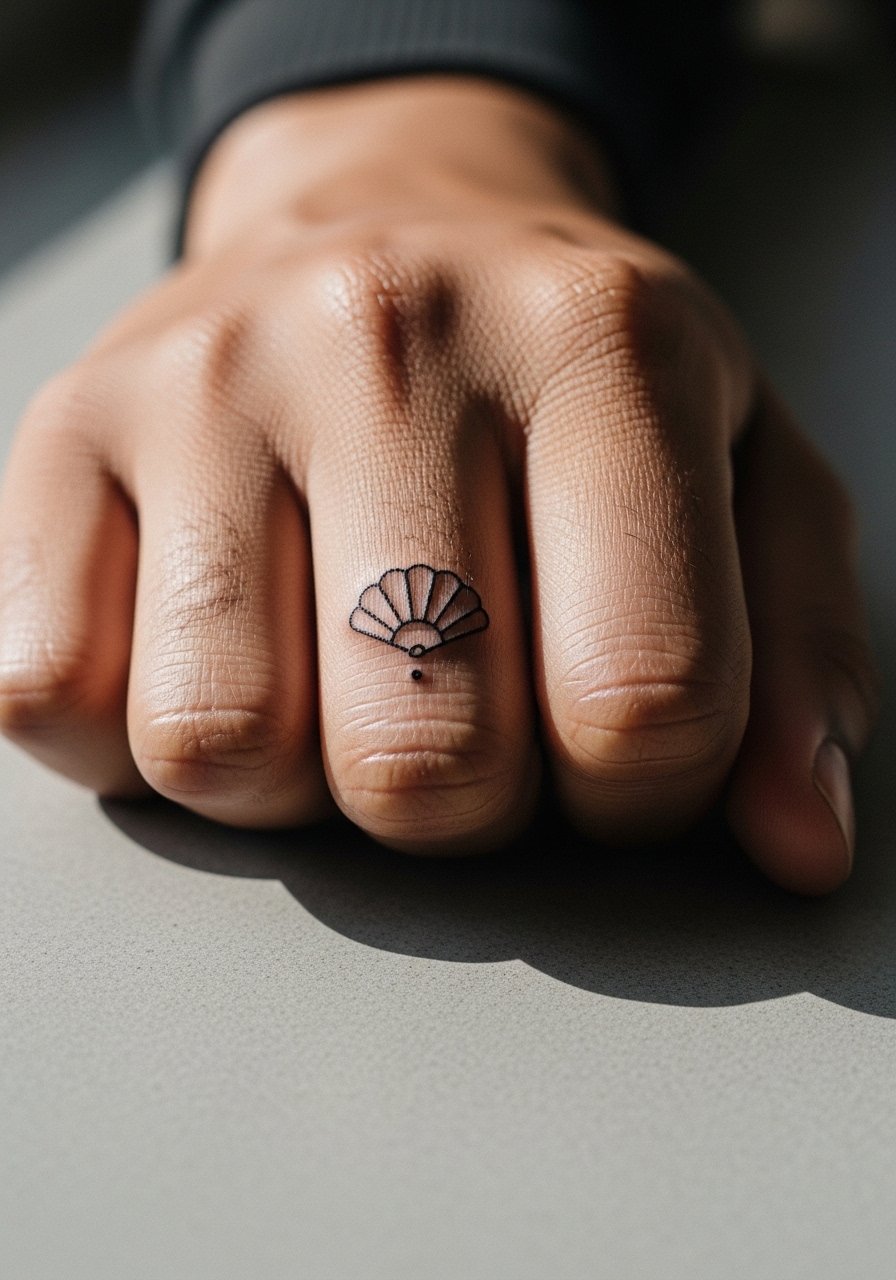
Knuckle work sits high on the maintenance list because of frequent washing and flexing. Expect a more painful session and higher touch-up needs. The practical error here is choosing a dense design that loses identity once the knuckles wrinkle. Go with single-line icons and accept that yearly touch-ups are possible. Also consider how the placement reads in professional settings. A short conversation with a shop that handles hand work regularly will help manage expectations.
18. Micro Wrist Script "Taylor's Version"
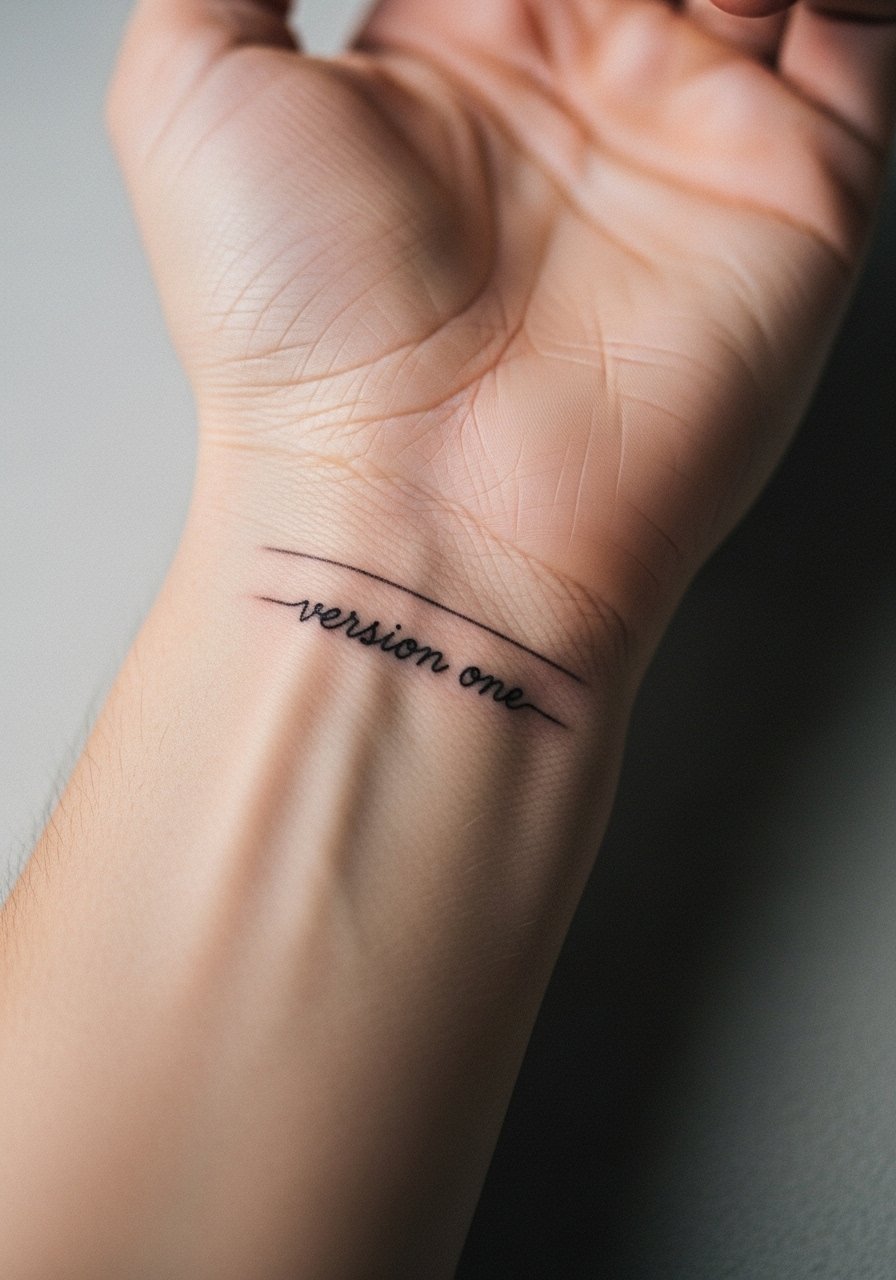
Micro wrist scripts for re-recordings are popular because they are discreet and symbolic. Ask for slightly wider letter spacing and a 0.25mm line weight to help the text remain legible after six months. The common error is matching the font of a screenshot without considering how the skin will settle. Heal timelines vary by lifestyle and sun exposure. If you want the look without commitment, test first with temporary options. Pair with flowy tops during reveal seasons and consider a sleeveless flowy top that keeps the wrist visible without tight cuffs.
19. Tiny Cassette on Upper Arm with Micro Banner

Upper arm cassettes keep retro charm without crowding. This area tolerates slightly denser linework and resists blowout better than hands. Ask the artist to keep the banner short and legible and to avoid heavy shading inside the cassette reels. The mistake is trying to force a full lyric into the banner at that scale. Sessions are short and touch-ups uncommon if the piece avoids heavy washes. A loose tank top is perfect for access during the session and for casual display after healing.
20. Delicate Oak Sprig from Evermore on the Thigh
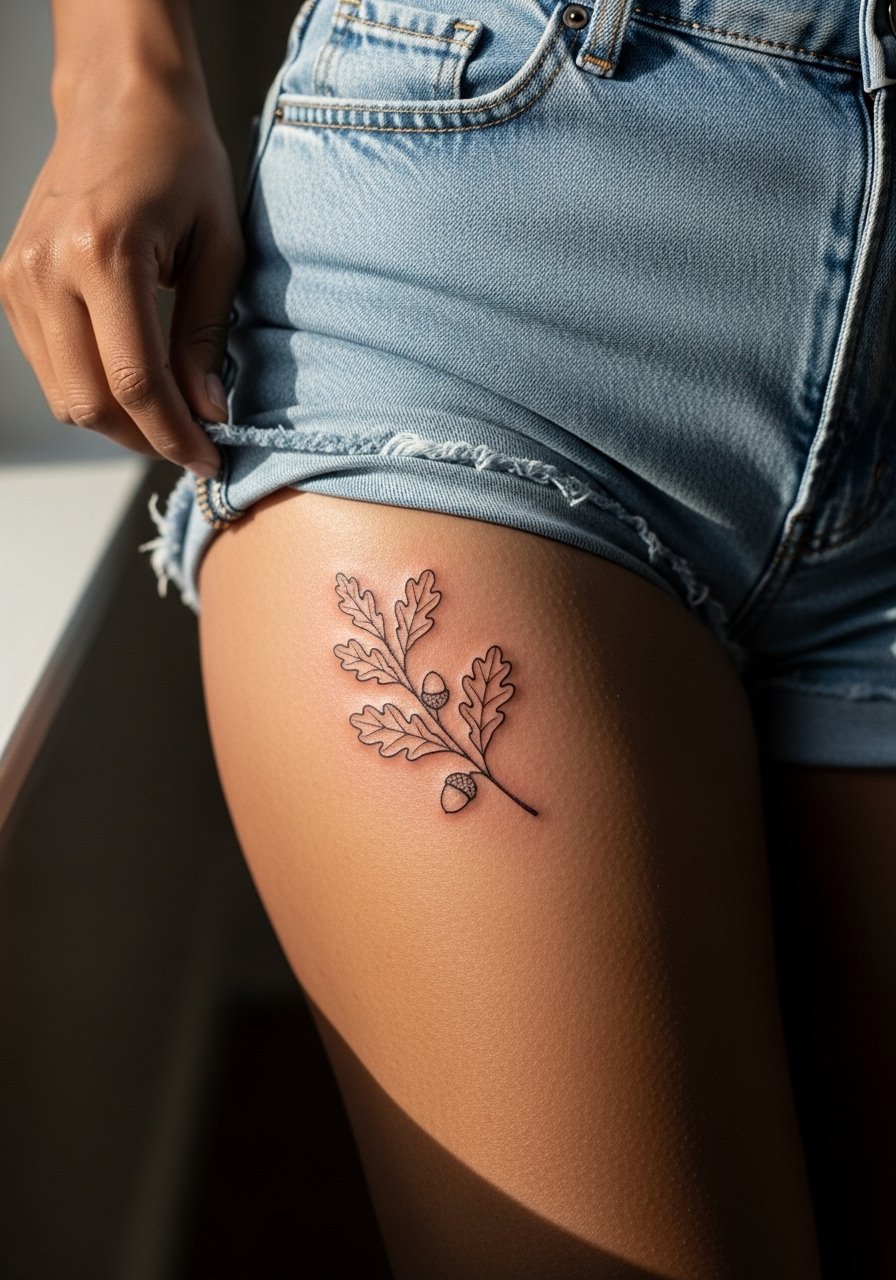
Thigh skin can stretch with weight changes and muscle gain so plan around future body shifts. The area is less exposed to frequent abrasion and keeps line detail intact longer if the design is scaled appropriately. Tell your artist where you expect fluctuations and avoid placing complex micro detail at fold points. A mistake is choosing extremely dense dot work across the thigh which can spread visually over years. For summer shows wear high cut denim shorts to let the sprig peek through without overstressing the area.
21. Interlocking Friendship Bands that Match When Wrists Touch
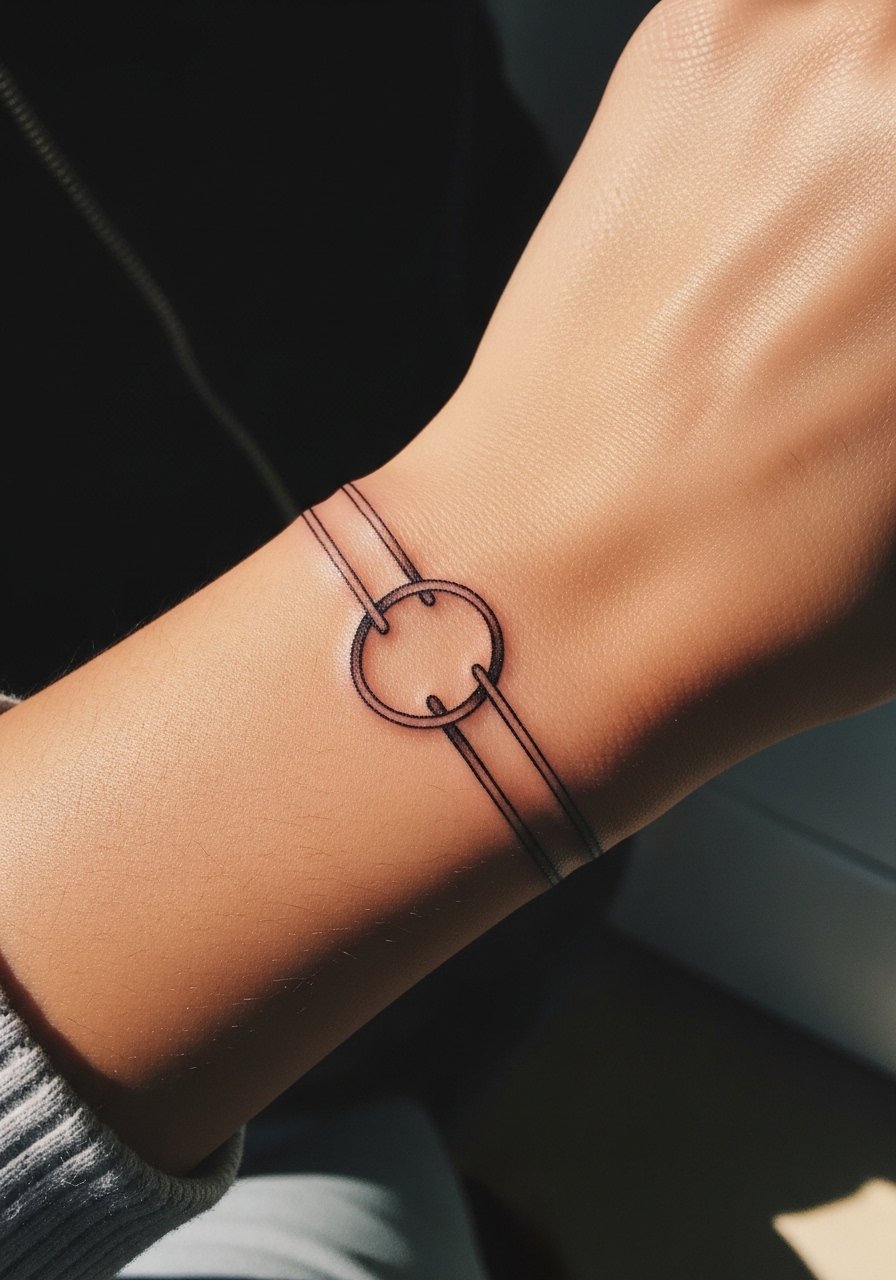
Matching friendship bands are a fresh take on tiny Swiftie connections. The trick is planning the exact alignment in the stencil stage so the bands interlock cleanly. A common mistake is ignoring wrist curvature which misaligns the bands once arms are juxtaposed. Ask to preview the stencil in the position you will photograph it. For styling pick airy sleeves like a pastel chiffon blouse that allows wrists to meet naturally for photos.
Frequently Asked Questions
Q: Will fine line scripts on darker skin tones blur faster than on lighter skin tones and how should I adapt a Taylor lyric for longevity?
A: Fine line can appear to fade faster on more pigmented skin because contrast is different and ultra-thin lines risk looking patchy after one to two years. In practice ask for a slightly bolder single-needle weight and clear spacing in letterforms. Also discuss healed portfolio photos with the artist showing melanated skin. That approach reduces the need for frequent touch-ups while keeping the design delicate.
Q: Are wrist and finger Taylor tattoos worth the maintenance if I want them small and text-based?
A: They are worth it if you accept touch-ups as part of ownership. Fingers and wrists face daily abrasion and washing which shorten the crisp window for micro text. Choosing slightly larger letters and booking a touch-up at six to twelve months keeps the piece legible without compromising the small aesthetic.
Q: How do I balance wanting a trendy Midnights celestial motif with not regretting it later?
A: Pick elements you would still appreciate in five years and avoid full watercolor fills that tend to bleed. Tiny star clusters and single cloud outlines photograph well fresh and age more predictably. If you are unsure, do a temporary version or a small monochrome study before committing to a larger or colored piece.
Q: What are practical booking tips to avoid the common cancellation and price surprise issues people mention?
A: Confirm deposits, read cancellation policies, and use booking platforms with clear artist profiles or guest spot calendars. Consider off-peak appointments for better rates and check recent healed work in portfolios rather than relying only on fresh shots.
Q: Does Saniderm speed healing for fine line pieces or should I dry heal instead?
A: The community divides on this. Some people swear by protective film for scab-free results while others prefer a short dry-heal window to avoid trapped moisture. Talk through pros and cons with your artist and follow their protocol for the first 72 hours so the product choice aligns with how they execute single-needle work.
Q: How should I approach adding new concert location pins to a custom forearm map later on?
A: Plan a vertical expansion with your artist and leave breathing room between pins. Use consistent scale so future additions sit naturally. Keep in touch with the artist or follow discovery pathways for guest spots who accept incremental work on fine line pieces.
Q: Can I wear certain clothes to improve session comfort and protect fresh fine line tattoos?
A: Yes. For forearm work wear a loose long-sleeve button-up you can roll without pulling skin. For collarbone sessions pick a wide-neck top that you can shift aside. For ankle or thigh work choose loose bottoms or high cut shorts so the area can be elevated and accessed without pressure.