Fine line leg tattoos read soft when they breathe with the body and leave space to age. Pick a placement that moves with your gait, tell the artist where you sleep and which jeans you wear, and you avoid most touch-ups. Below are practical illustrative ideas for a female leg that aim for a gentle, lived-in look and sensible styling notes to help you plan the session.
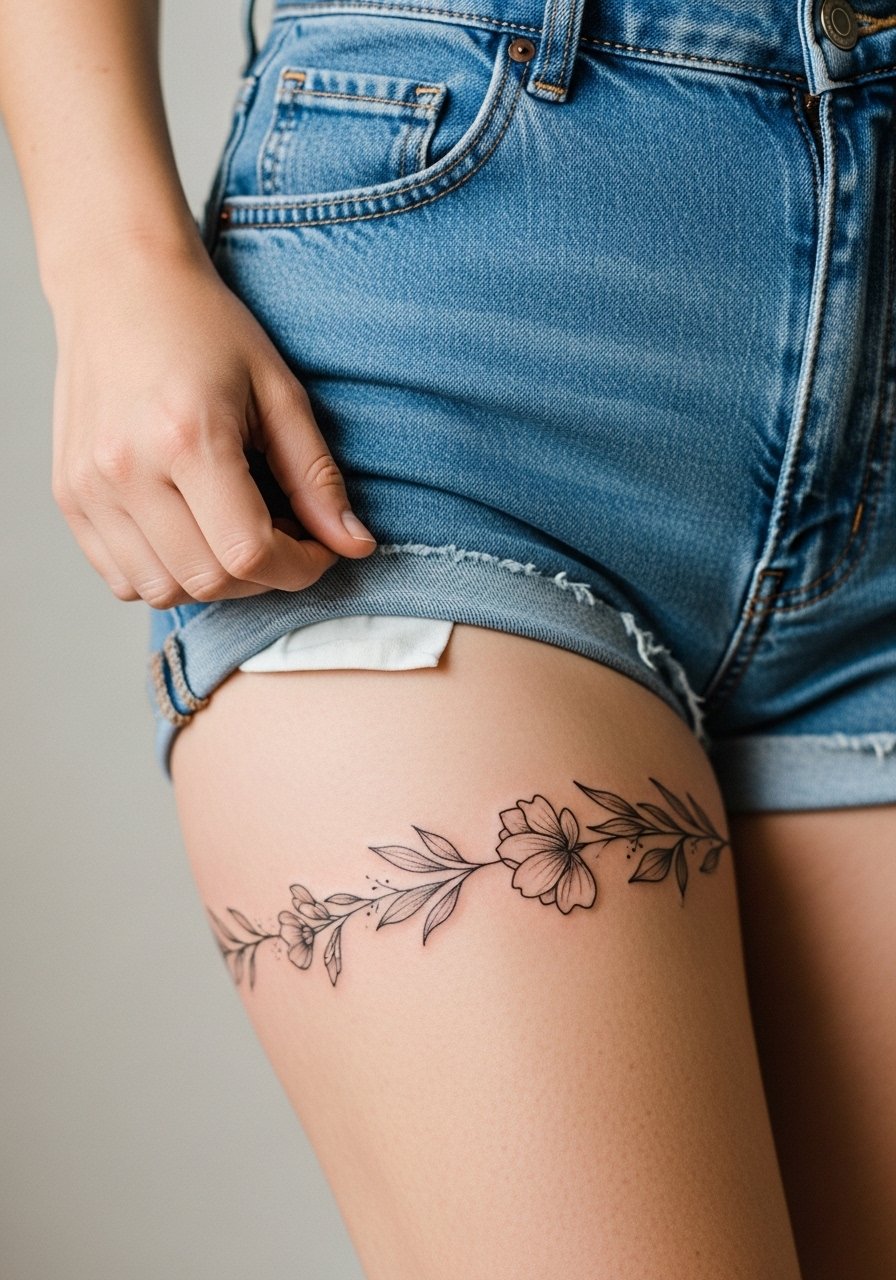
1. Delicate Botanical Thigh Band
I've seen thigh bands hold their charm longer when they are given negative space and softer lineweight rather than tight micro detail. Ask your artist for slightly wider spacing between leaves and a stipple wash behind the stems so the band reads soft from a distance and does not merge over time. Pain is often moderate for upper thigh and sessions run about 60 to 90 minutes for a single band. The most common mistake is ordering extremely thin stems for a wrap; those fade into blur with friction from seams. For the session wear loose high-waisted shorts that let the artist access the area without pressure. Pair it for showing off with a flowy midi skirt that moves with the band.
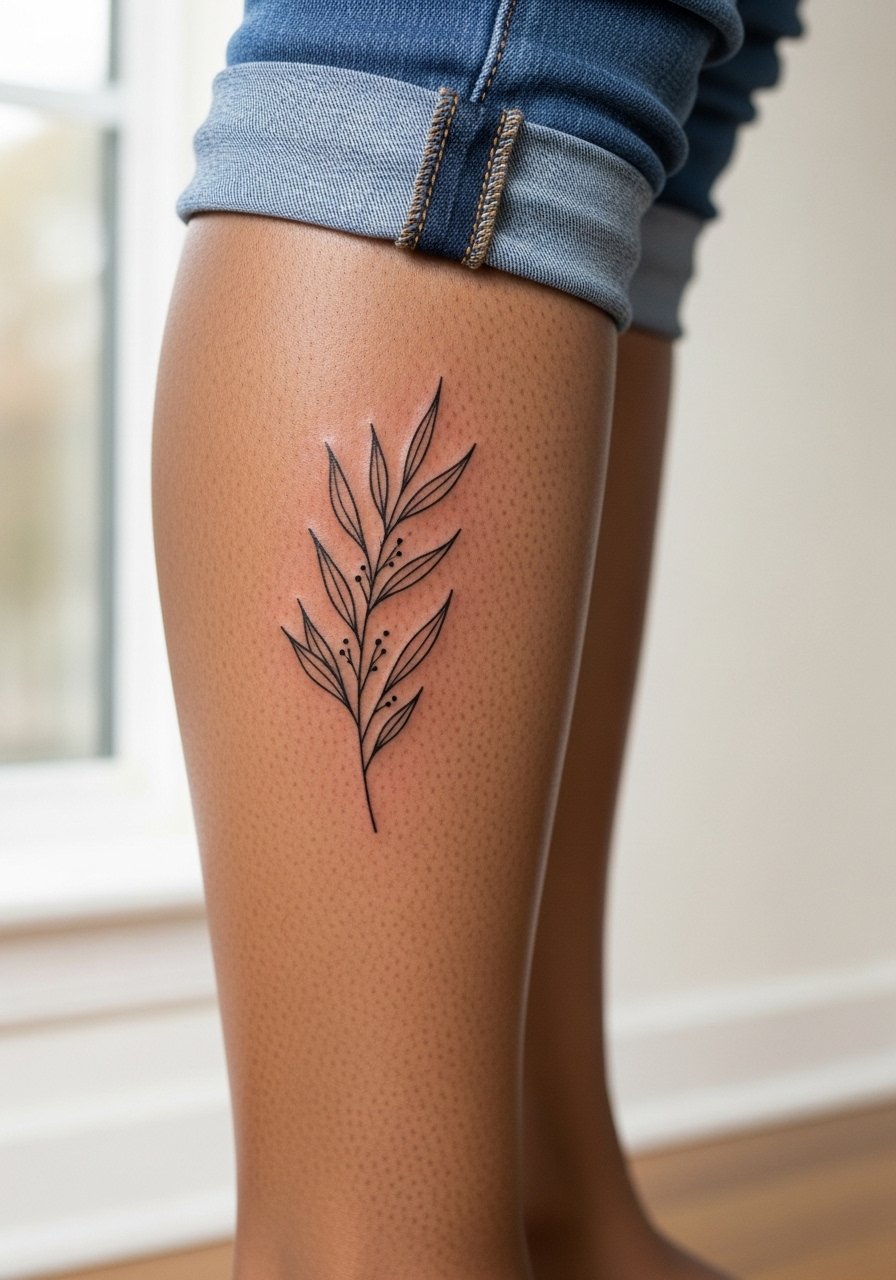
2. Whispered Line Calf Sprig
There is something about small vertical sprigs on the calf that reads elegant without shouting. Calf skin takes ink well, so a sprig with light linework and soft stipple shading keeps a gentle silhouette as movement stretches the area. Sessions are usually short, thirty to sixty minutes, and pain is lower than inner thigh work. Avoid requesting ultra-fine stems hugging each other because that is how blowout starts on active skin. For footwear, ankle boots or simple strappy sandals frame the calf and let the sprig peek when you walk. Tell your artist you want some internal negative space so the design can age without pooling.
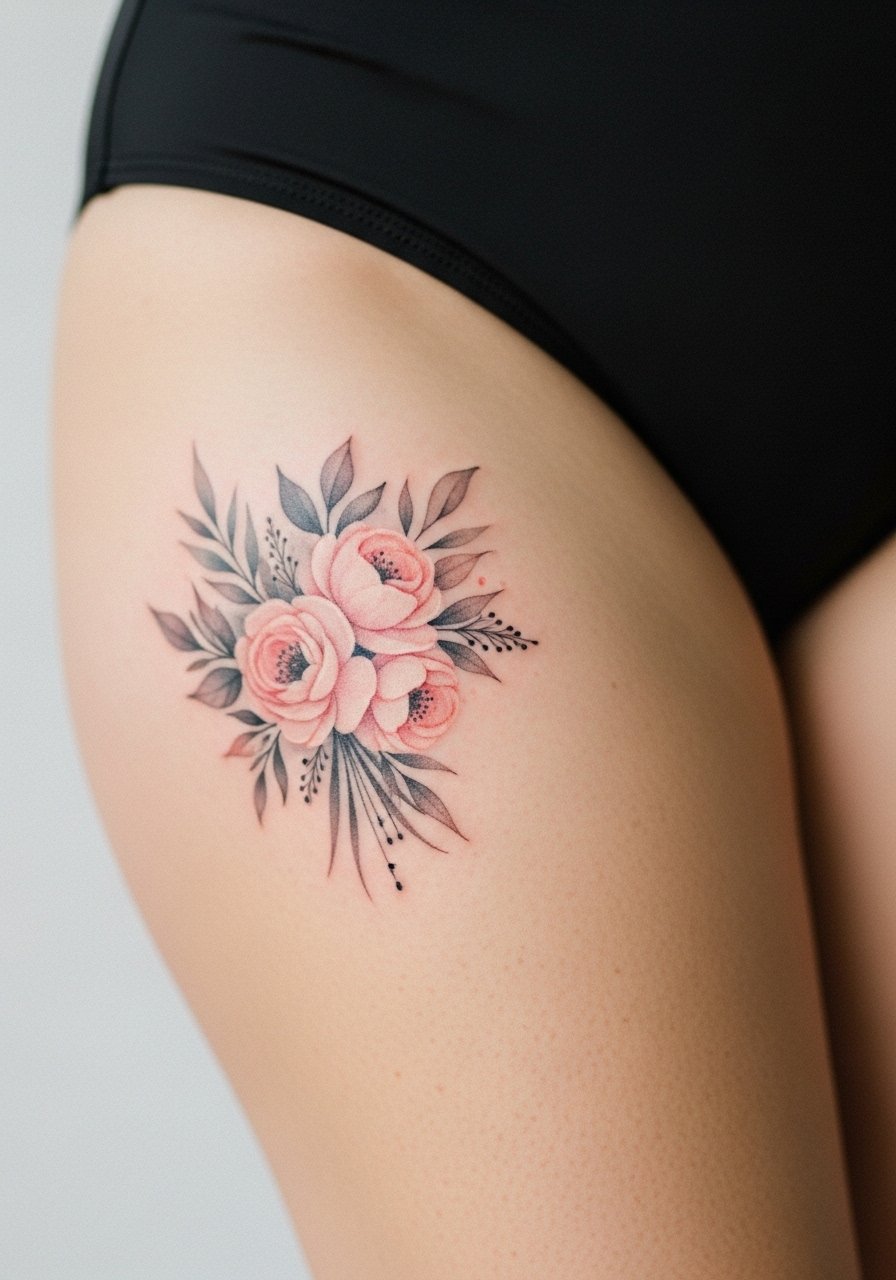
3. Soft Watercolor Outer Thigh Bouquet
Most watercolor pieces from years back lost their edges because pigment sat too shallow or color saturation was inconsistent. This outer thigh bouquet keeps the soft wash look while using slightly stronger anchors at stems so the silhouette survives. Outer thigh is forgiving and sessions can be longer, two to three hours for layered color. The typical aging pattern is gorgeous blur at six months and then softening further by year three, with touch-ups often at year three to restore vibrancy. A common error is asking for a tightly packed watercolor cluster; give the colors room to settle. Show it with flowy boho skirts so the design reads as part of an outfit rather than hidden.
4. Minimalist Shin Script
Fair warning, the shin is a higher sensitivity zone because the needle tracks over bone and thin tissue. A single word in thin script looks very soft when placed vertically along the tibia, but expect a sharper initial sting than on the calf. Sessions are short, often under forty-five minutes for small words. The most common mistake is choosing an ornate script too small for daily abrasion from socks and shoes. Ask for slightly heavier hairlines at the start and end of each stroke so the letters do not collapse into a single line over time. For longevity, plan a touch-up at year two if you prefer the letters to remain crisp.
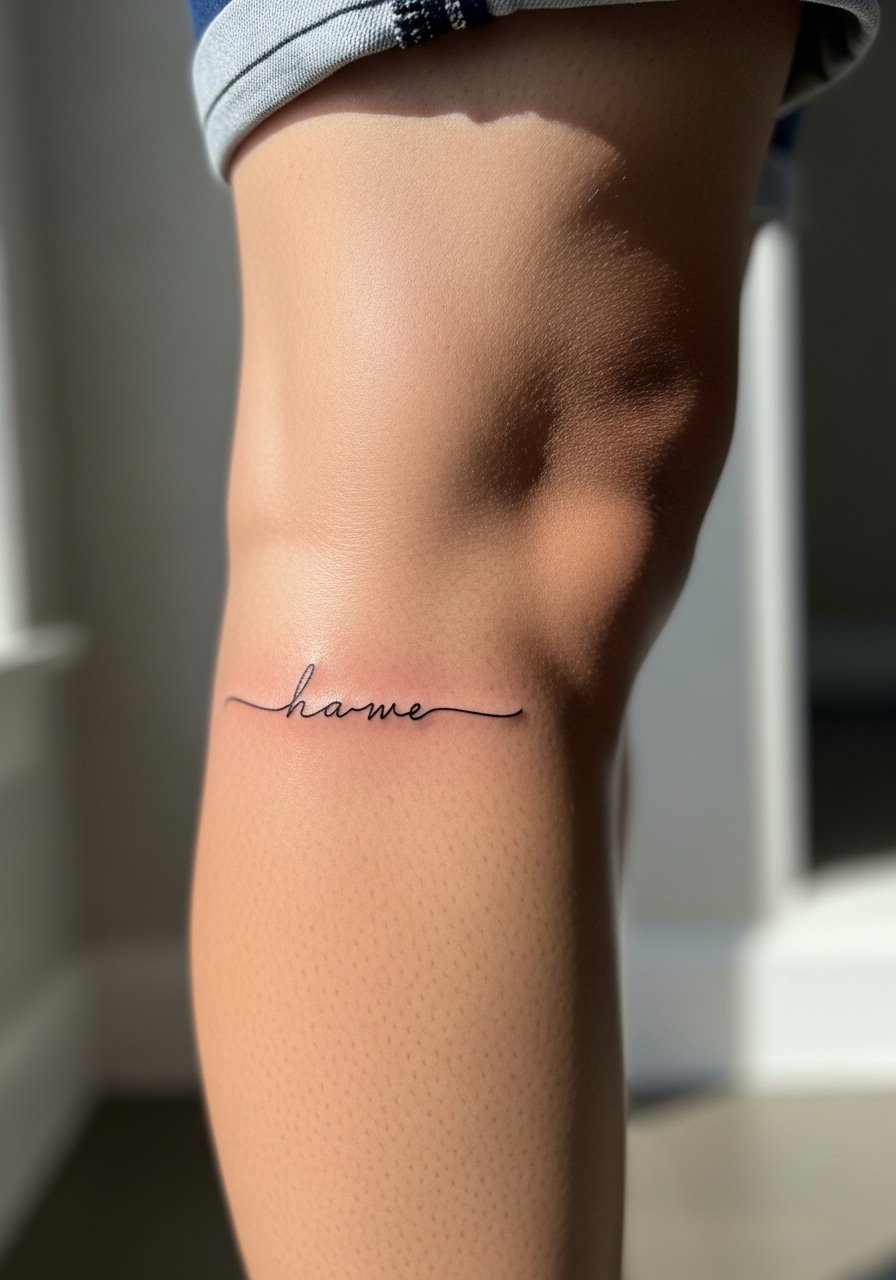
5. Lace-Inspired Upper Thigh Panel
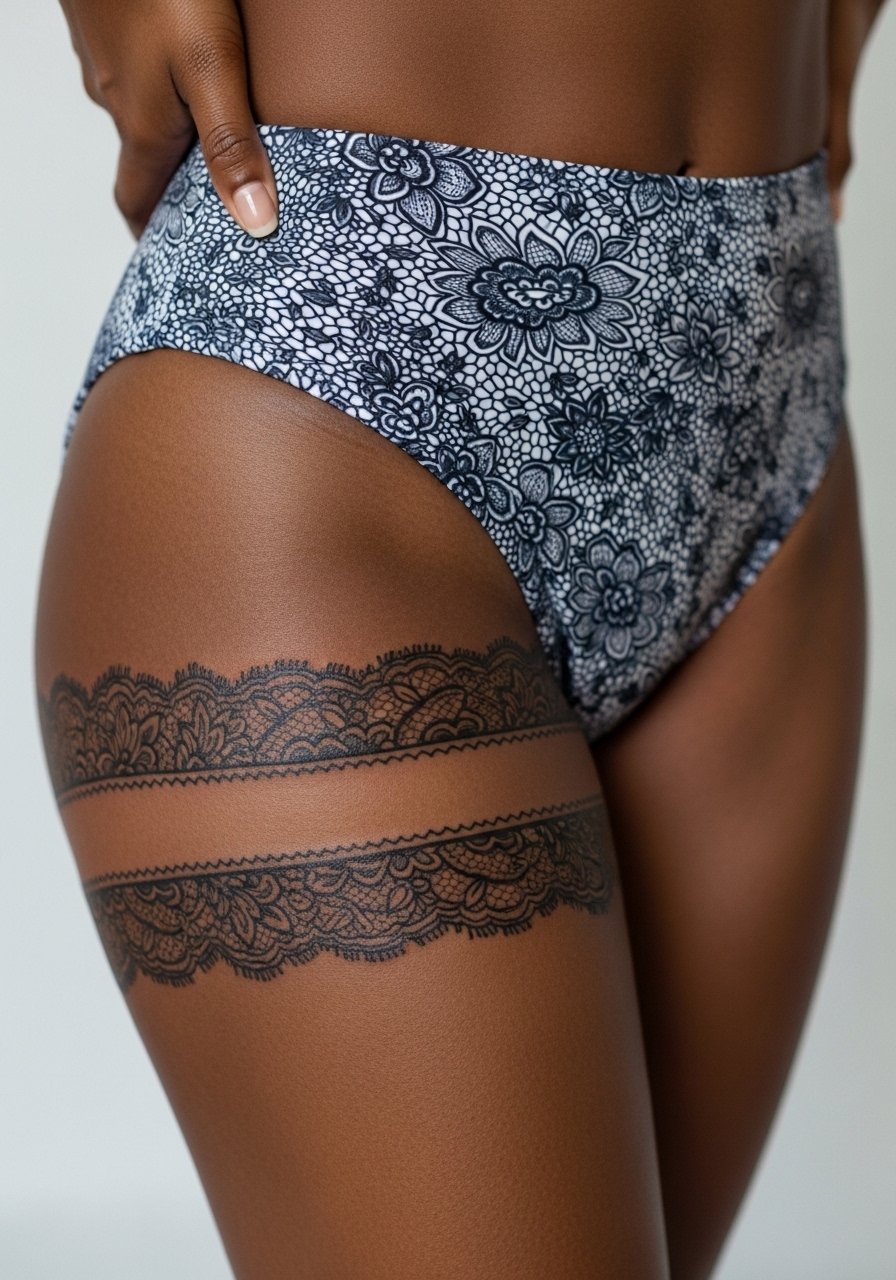
When you sit down with an artist for an upper thigh panel, bring reference that shows negative space at the edges rather than a strict lace pattern that repeats. Consultation should include how you plan to wear swimwear or lingerie since those edges interact with fabric seams differently. Upper thigh sessions are medium in pain and can stretch two hours when working a detailed lace panel. The version that ages poorly is a dense lace with tiny cross-hatching; it blends into a muddy patch after a few years. For the studio wear, opt for loose drawstring shorts so the area can be exposed without pinching. To show it off, high-cut bikini bottoms or a lace bralette create a coordinated look.
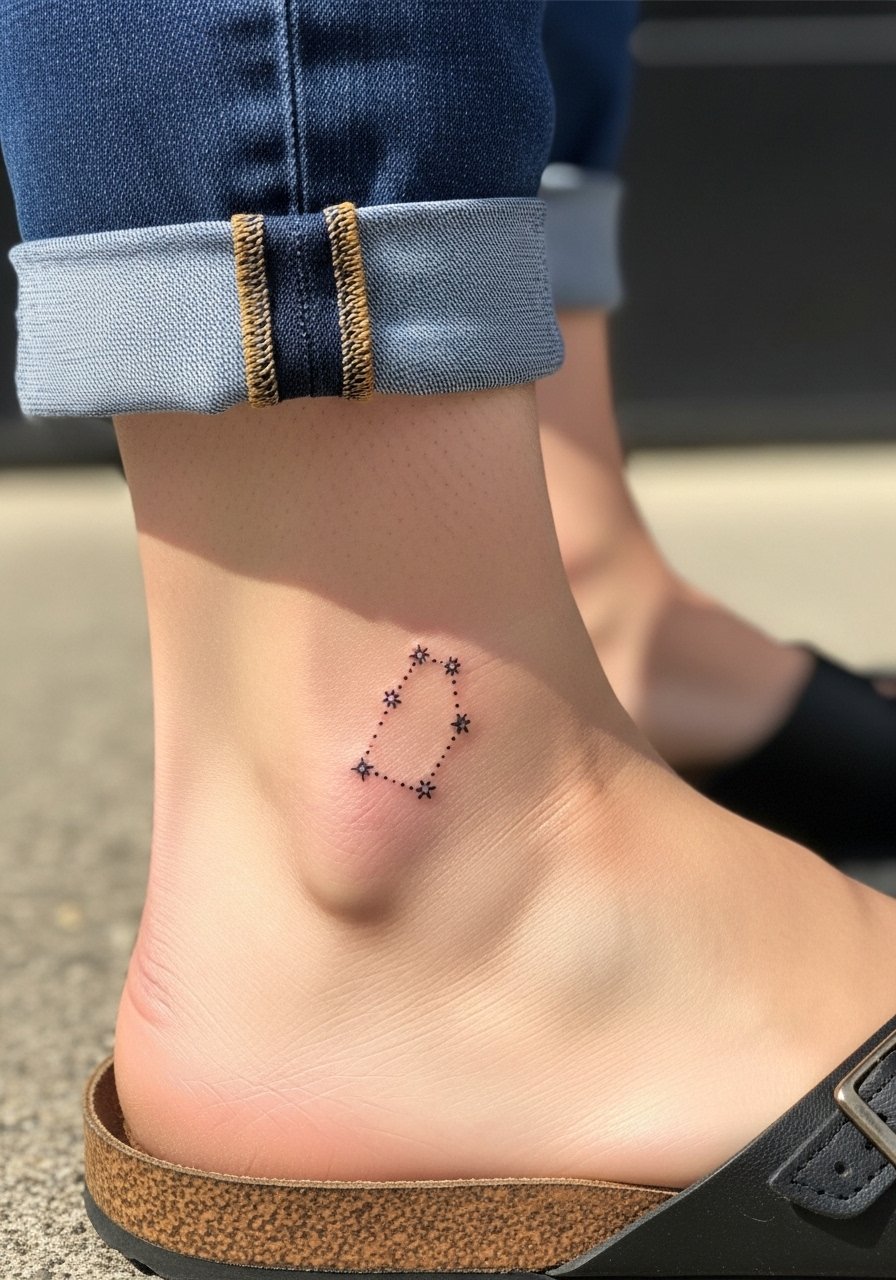
6. Micro-Realism Ankle Constellation
The biggest mistake with ankle micro-realism is expecting minute dots to remain distinct under constant movement and shoe friction. For a constellation of tiny stars, ask your artist to space dots a little wider and to anchor with a small bold dot at focal points. Ankle work is quick, often thirty minutes, but the area is exposed to constant rubbing from shoes and socks which increases touch-up likelihood. Expect a touch-up window around year two for small points and minor refilling. For showing off, sandals or cropped trousers highlight the cluster without crowding it. Keep the chain of stars slightly irregular so the pattern reads natural and soft.
Studio Day Picks
The thigh, calf, and ankle pieces above each face different session and first-week issues, so a few targeted items smooth the experience and protect delicate linework.
-
Transfer stencil paper. Lets you preview layout on moving skin which is especially helpful for wraparound thigh and ankle placements.
-
Topical numbing cream. Applied according to directions eases ankle and inner thigh sensitivity so you can sit longer for detail.
-
Thin protective film roll. Useful for ankle and lower-leg work to guard against friction from socks in the first 48 hours.
-
Fragrance-free gentle body wash. Cleanses without stripping fine linework, important for the first week on calf and shin pieces.
-
Aquaphor healing ointment. A thin layer at night keeps thin lines from drying into flakes during early healing which helps fine line pieces keep their shape.
7. Faint Stippled Knee Halo
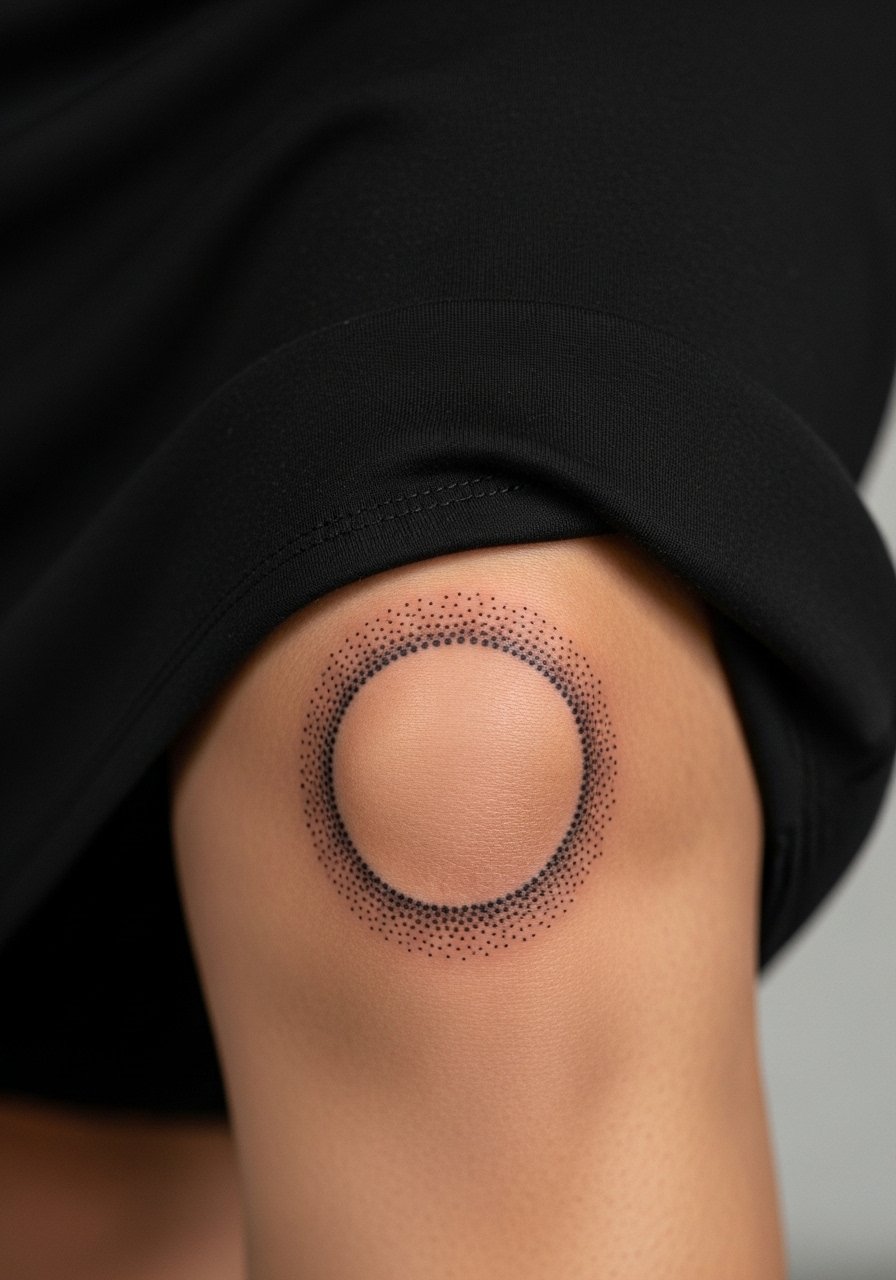
This placement looks its best when shading is stippled and sparse rather than heavy. For the knee cap, stipple shading creates a halo effect that follows movement and does not fight creases. Expect high discomfort because the joint sits over bone and the session will be interrupted by brief breaks. The common mistake is packing solid fill over the knee which looks great at first but struggles as the skin flexes. Plan for a short touch-up at year two since the area experiences frequent bending and sun exposure. For outfit pairing, cropped jeans or a mid-length skirt makes the halo peek in a casual, deliberate way.
8. Subtle Blackwork Calf Silhouette
I've seen bold silhouette shapes on the calf age into a soft graphic that still reads strong after years because of clean edges and saturated black. Blackwork silhouettes here are visual anchors and they require fewer touch-ups than micro detail. Session times vary from forty-five minutes to two hours depending on size. Avoid asking for tiny internal dotwork inside a silhouette because contrast loss is the main aging issue. For those who want drama, a calf silhouette pairs with ankle boots or cropped trousers to create a long-line effect. Tell the artist you prefer solid saturation with crisp outer edges so the silhouette keeps its identity as color softens.
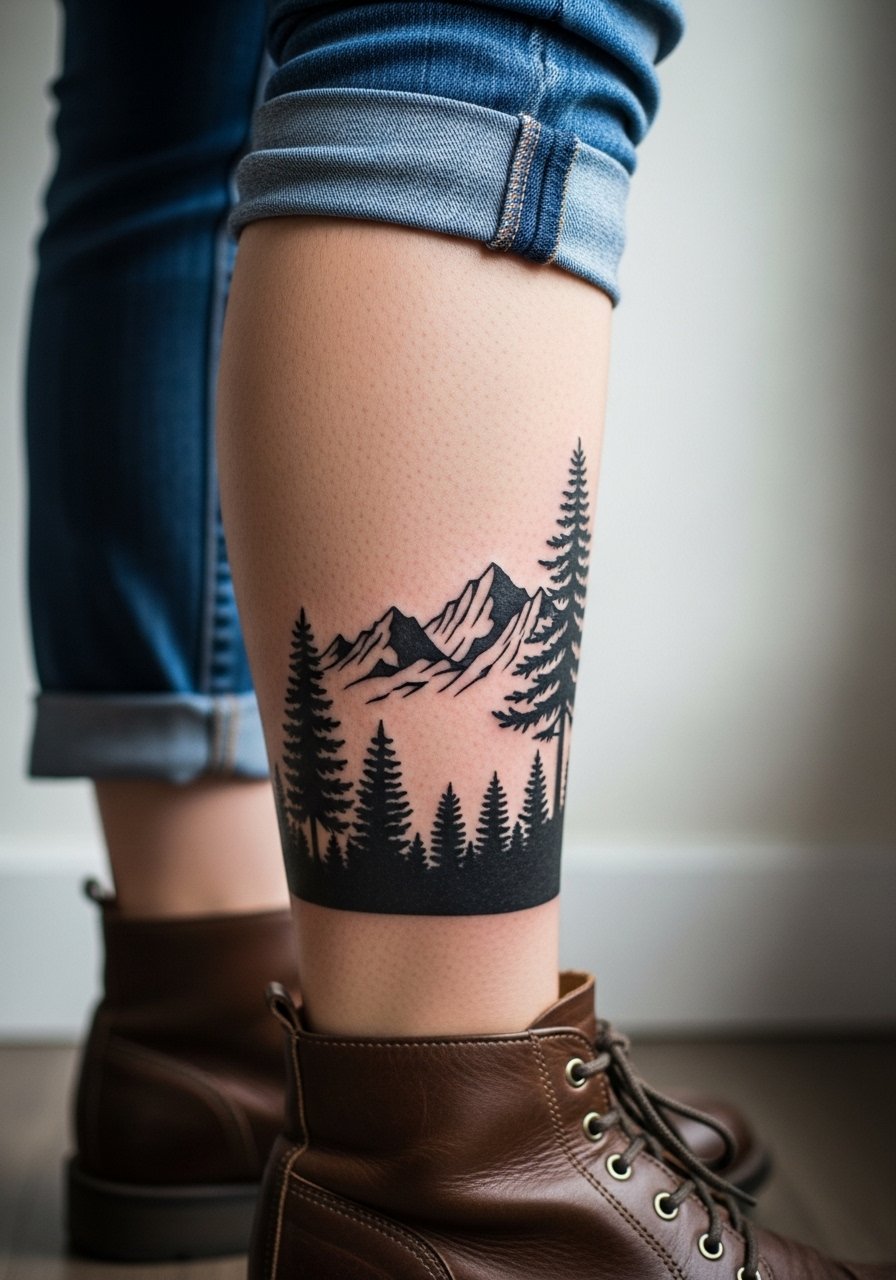
9. Inner Thigh Botanical Shoot
Fine line on the inner thigh splits artists into two camps. One camp argues inner thigh skin stretches and rubs so thin lines blur within one to three years. The other camp says spacing and proper needle depth prevent blowout and let fine line settle beautifully. Ask your artist where they stand and request test stencils or a slightly heavier outline through critical areas. Inner thigh sessions can be uncomfortable and usually run longer because care is needed around soft tissue. For the session, wear loose shorts you can shift without discomfort. Be realistic about touch-ups, many people book a refresh at year two to three.
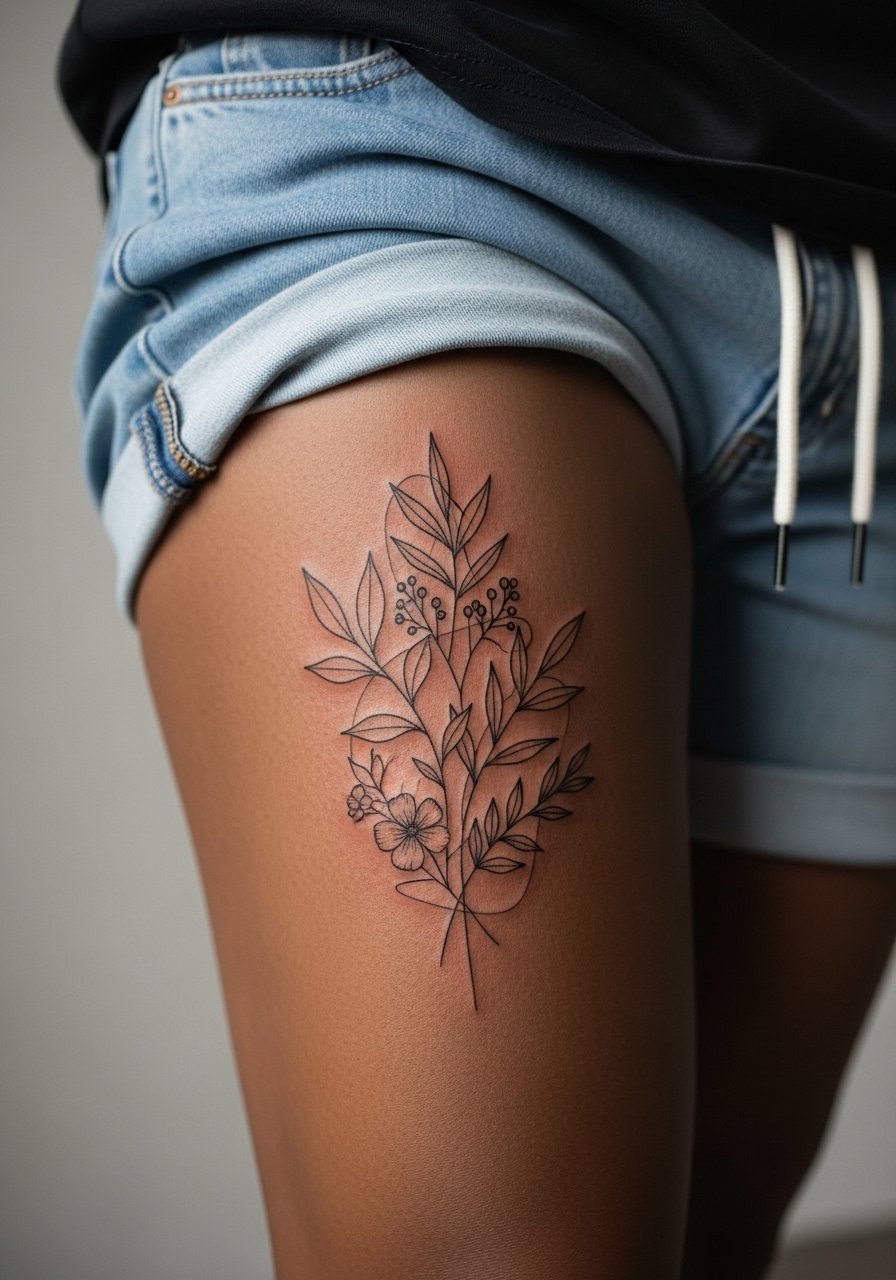
10. Thigh Band with Negative Space Dots
There is a visual rhythm to a band that uses negative space dots to break up density. For a soft, illustrative band, ask your artist to plan pockets of skin between motifs so the piece reads airy as you move. Pain is low to moderate for the outer mid-thigh and sessions are usually between one and two hours. A common mistake is stacking motifs too close which leads to visual muddiness when healing finishes. For casual showing-off, pair with high-waisted shorts or a wrap mini skirt that lets the band sit centered when you walk. Tell the artist you want the dots to breathe rather than form a dense texture.
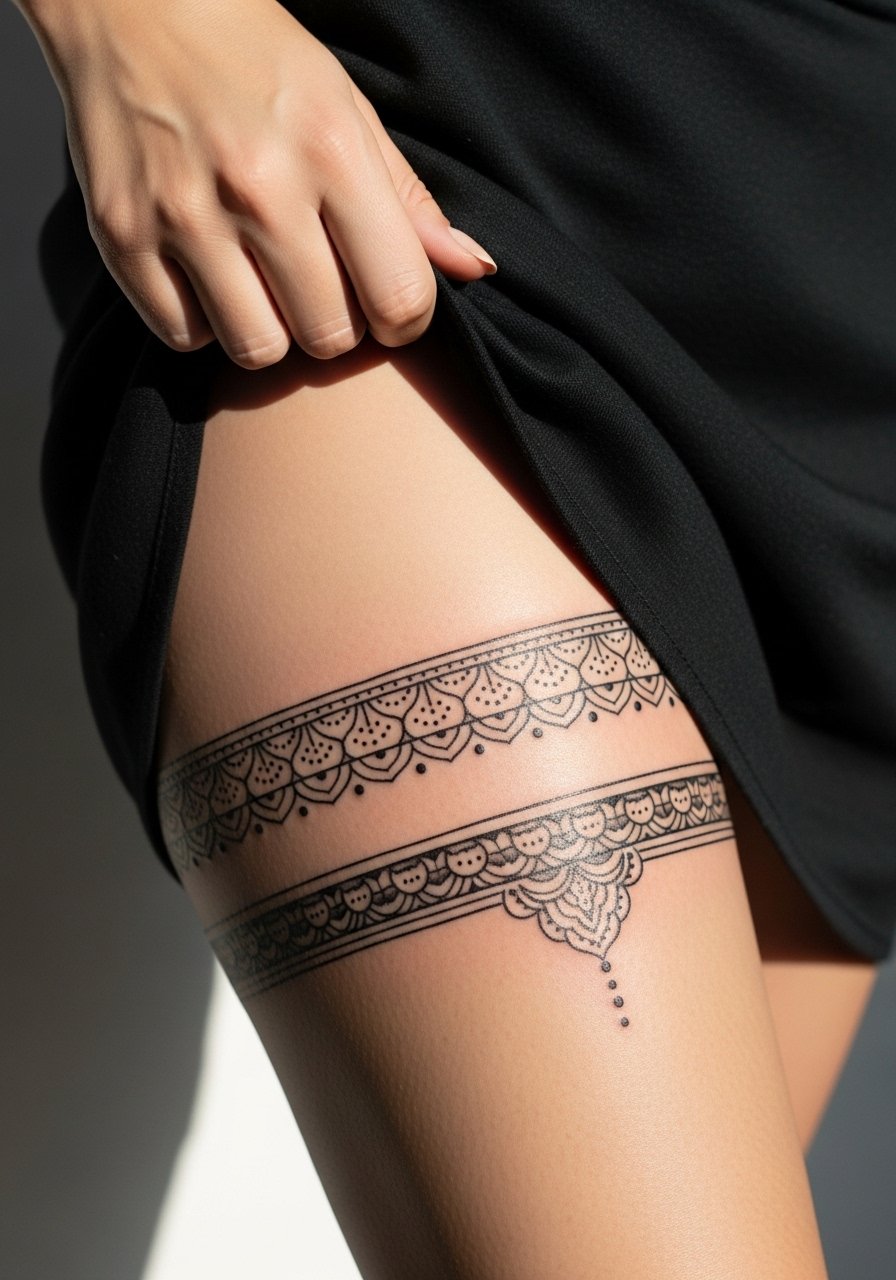
11. Hip Fleur with High-Cut Reveal
When you sit down with an artist for a hip fleur, bring photos of the cuts you normally wear so the design can be trimmed to the rise of your favorite bottoms. Hip work is sensitive near the hip bone and the session will be interrupted for repositioning to stay comfortable. The most frequent mistake is placing the focal point where swimsuit seams will cover it, which reduces how often you see the work. For showing it off, high-cut bottoms or a high-waisted bikini line reveal the fleur without needing to adjust clothing. Expect a touch-up window around year three if you spend a lot of time in sun.
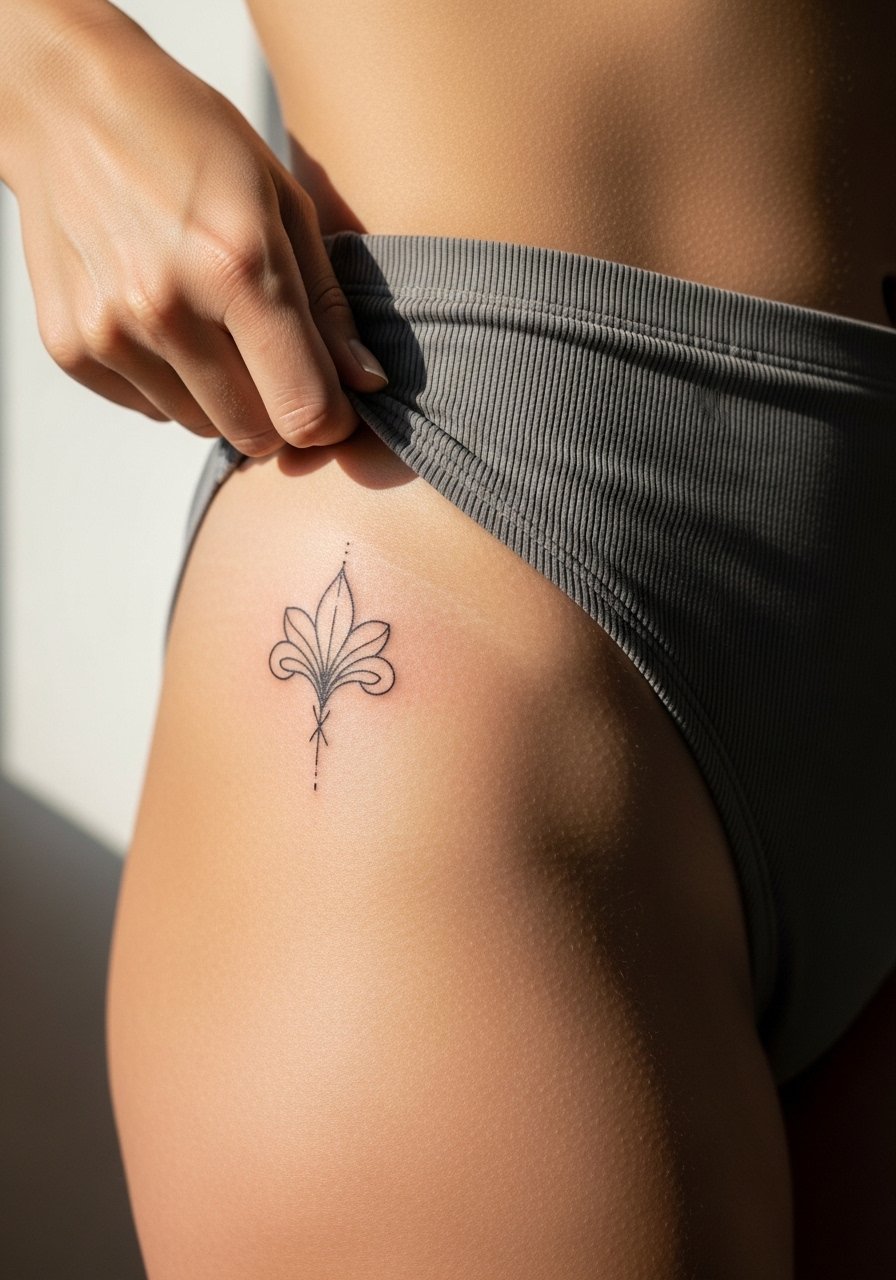
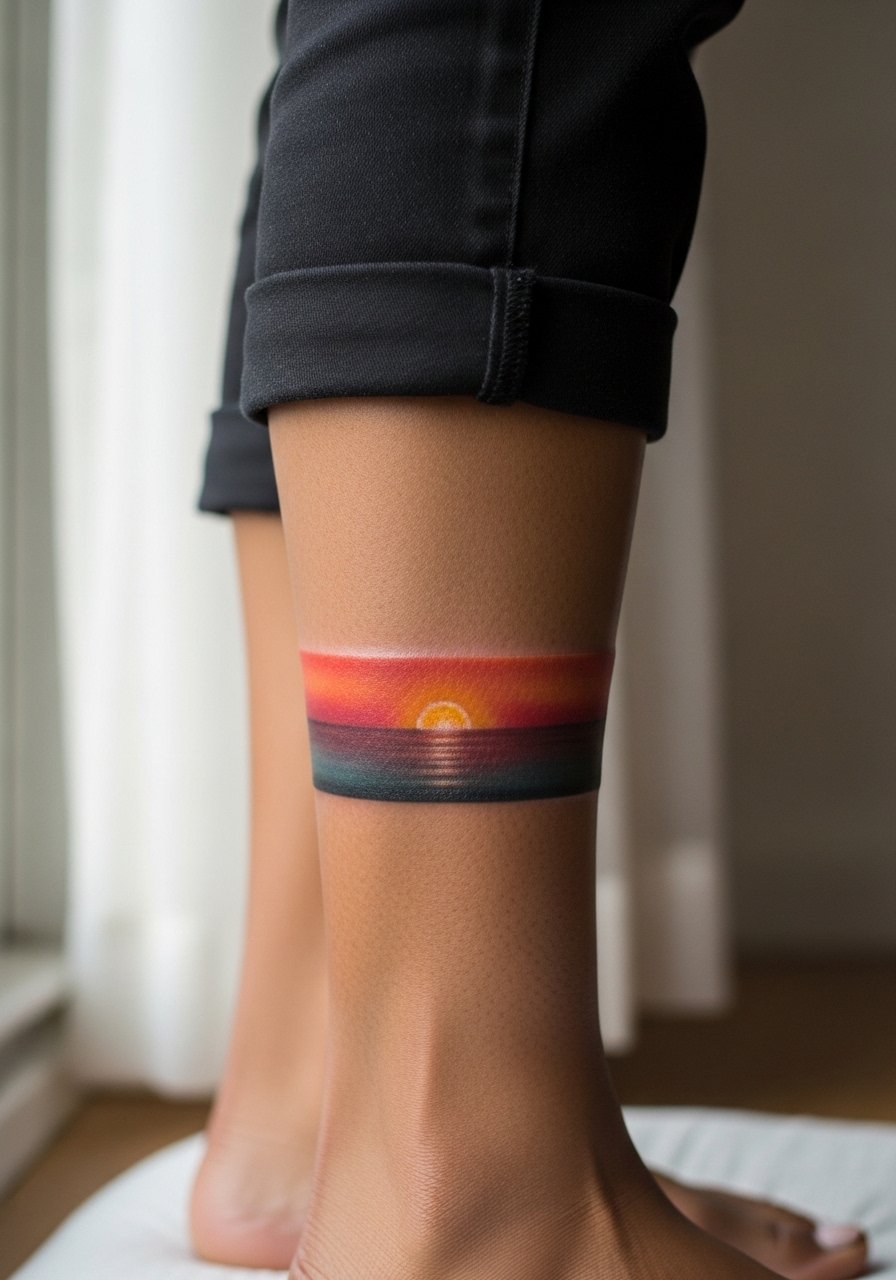
12. Sunset Gradient Lower Leg Tattoo
Most gradient color on lower leg fades unevenly if pigment is applied too thin in the first pass. This sunset gradient uses layered washes of color but holds stronger anchors at color transitions so the flow remains soft while keeping definition. Lower leg sits between calf and ankle in movement so expect moderate fading over years and plan for a touch-up at year two if you want the palette refreshed. Sessions run one to two hours depending on band width. For wardrobe, cropped trousers and neutral sandals work well to reveal the flow without competing patterns. Ask for subtle color anchors so hues do not wash out into a single tone.
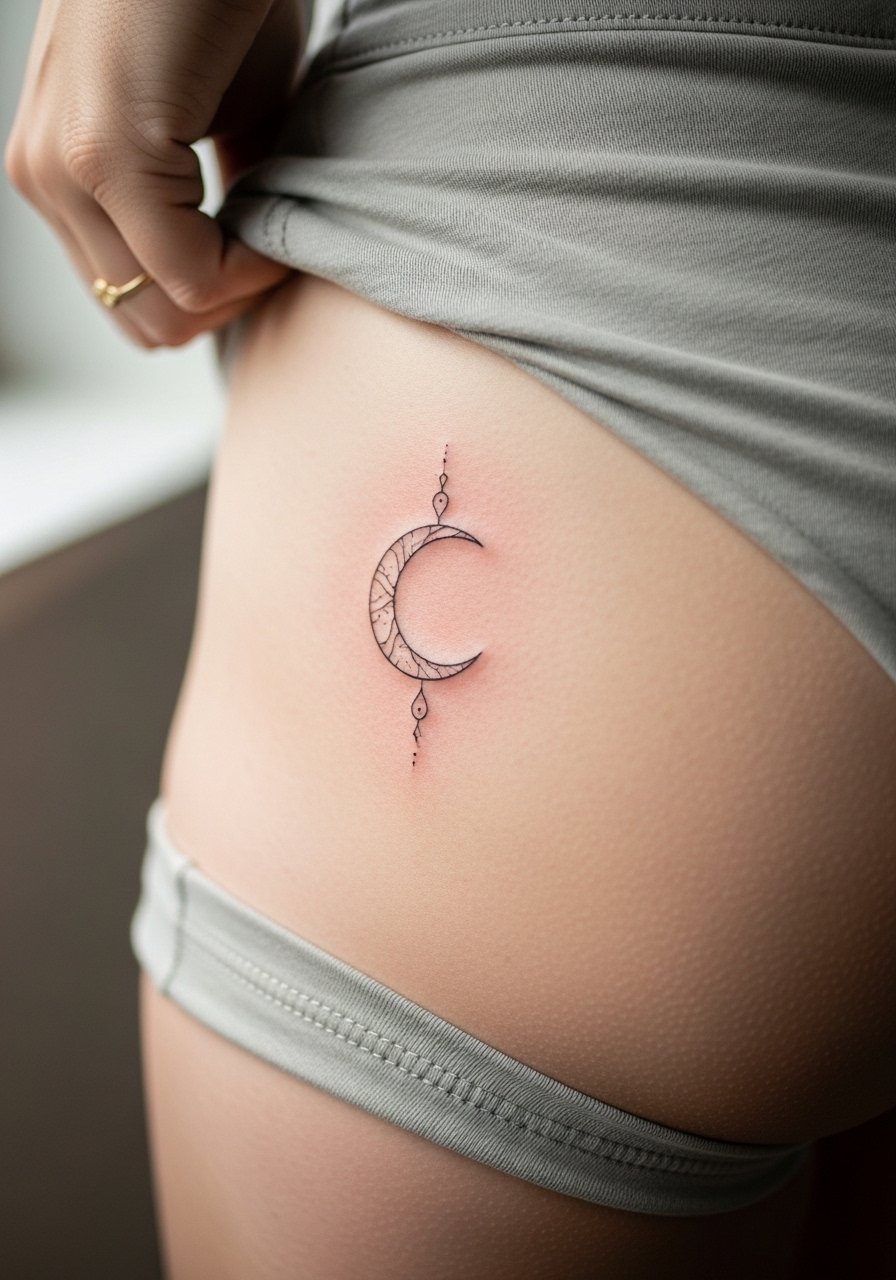
13. Delicate Back-of-Thigh Crescent
I've noticed back-of-thigh crescents age softer than dense imagery because the area is less exposed to sunlight and rubbing. That lower-posterior placement is great for illustrative arcs and small lunar motifs. Sessions can be on the longer side because positioning requires lying on your stomach and taking short breaks. Some people worry about career considerations but back-of-thigh pieces are easy to conceal with everyday clothing. The mistake I see is asking for tight micro-detail that the area cannot reliably hold for years. If you anticipate frequent sun exposure, plan a minor refresh at year three.
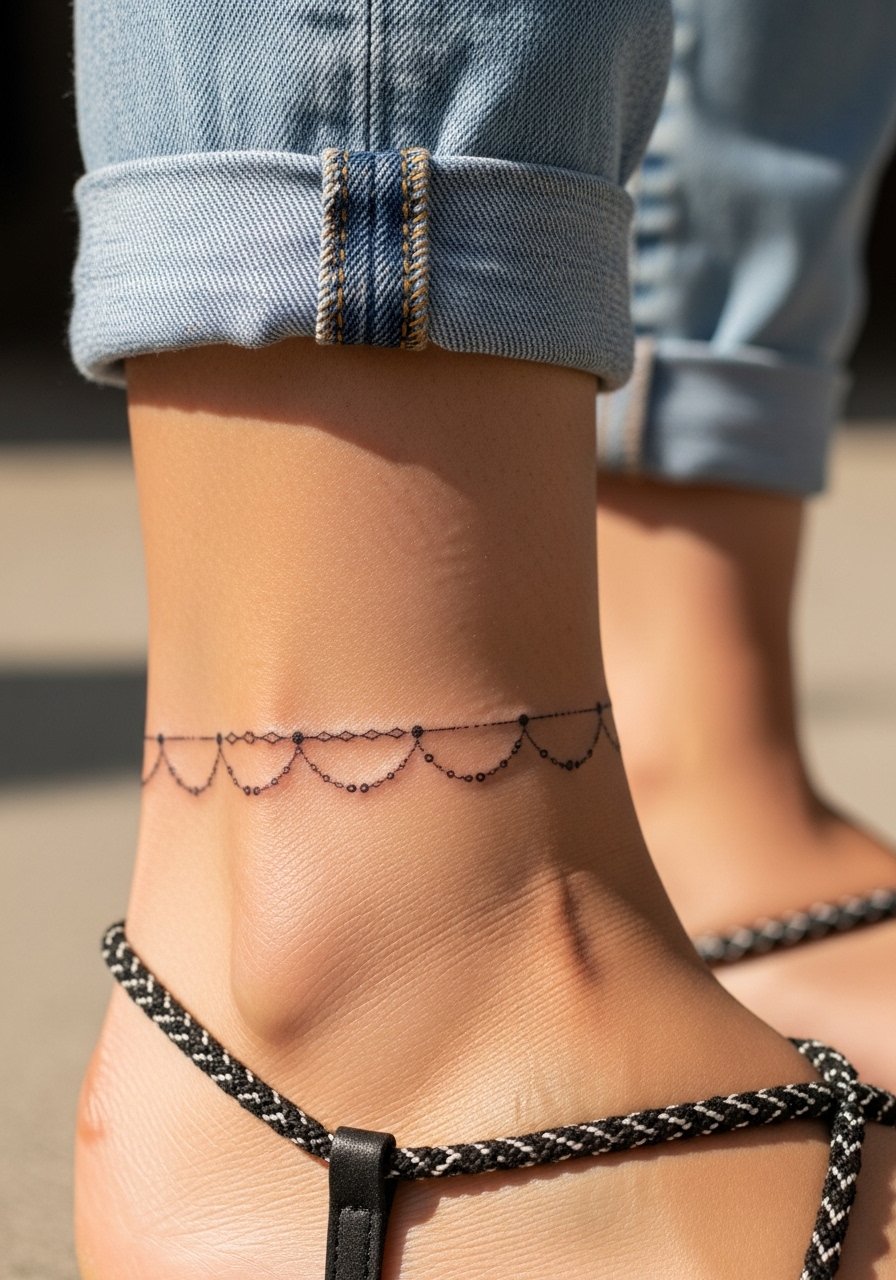
14. Fine Line Ankle Chainwrap
The debate around fine line on the ankle has two clear sides. One group warns ankle skin over bone and constant shoe friction lead to early blurring. The other argues a skilled hand, slightly heavier line anchors, and regular sunscreen keep ankle chains crisp. For a chainwrap, ask for small yet slightly bolder connector points so the pattern keeps integrity. Ankle sessions are short but the area is unforgiving, so expect a touch-up sooner than on the calf. For showing off, delicate sandals or rolled trousers create an intentional reveal. Avoid asking for undetectably thin links which is the fastest route to losing clarity.
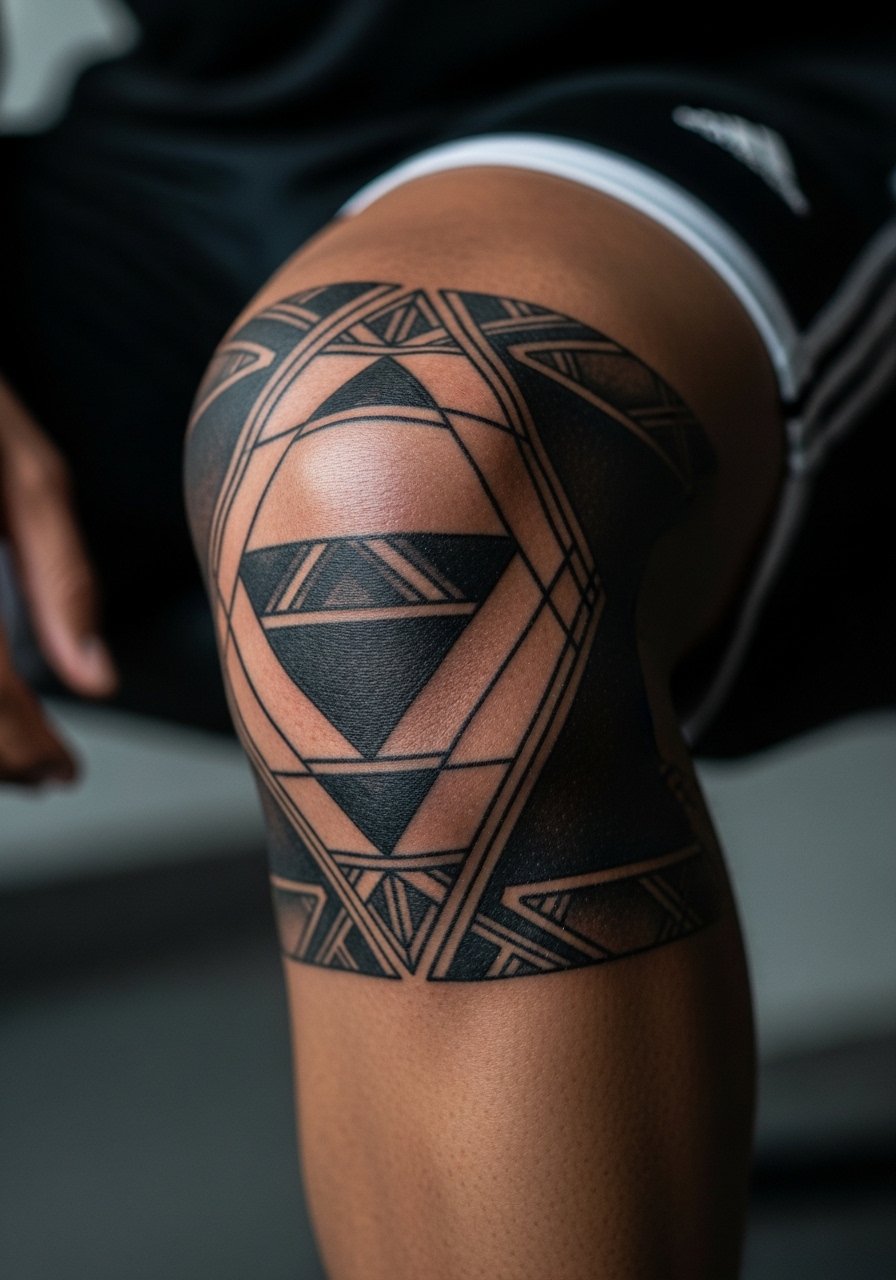
15. Soft Geometric Knee Pad
Fair warning, geometric fills over the knee need spacing designed for folding skin. The knee cap bends constantly so patterns with cellular negative space move with the joint instead of opposing it. Sessions take longer because the artist must work around creases and take frequent positioning breaks. The most common error is choosing dense geometric fill across the entire knee which shows distortion as you squat or sit. For daily wear, cropped athletic shorts work well during recovery and beyond. Ask for slightly more negative space through the crease line and you reduce the need for early touch-ups.
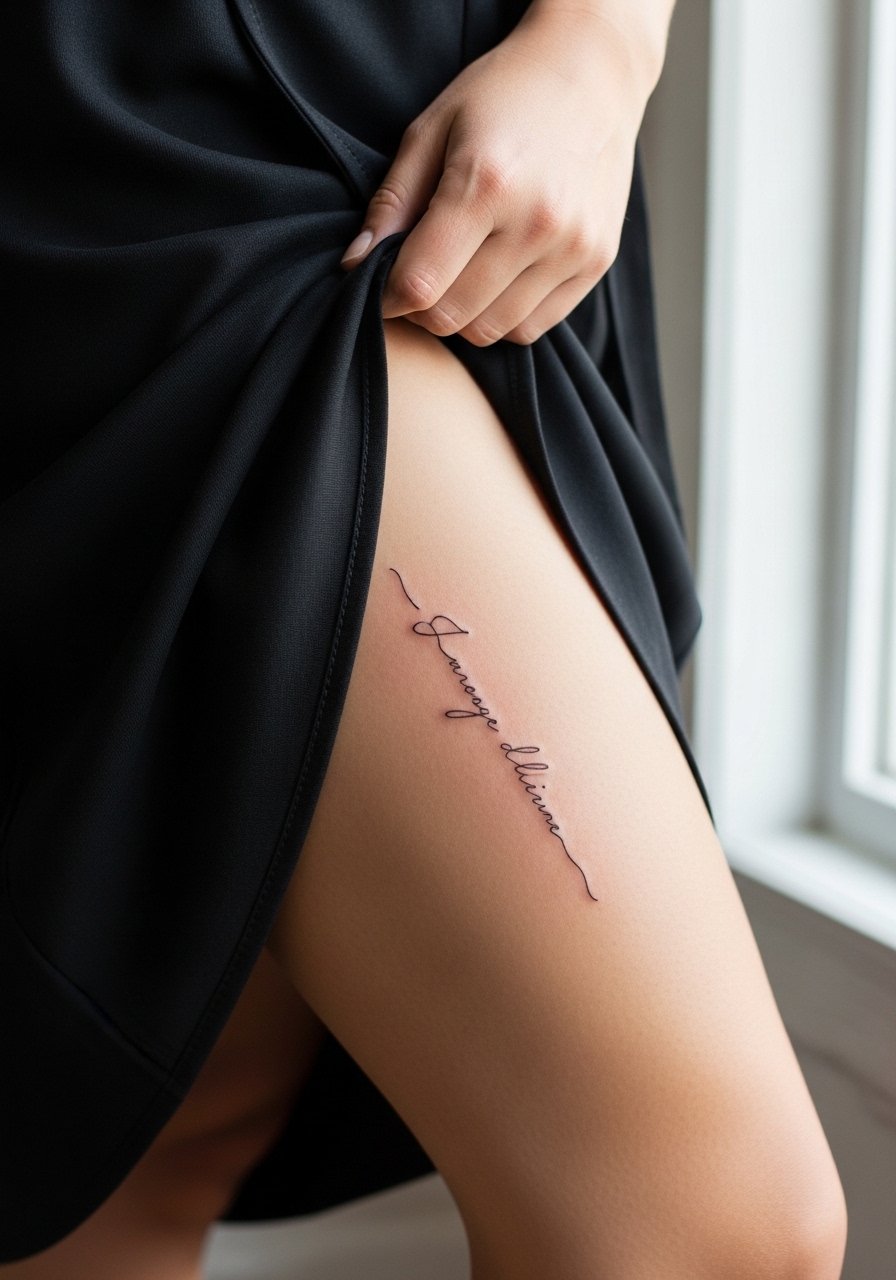
16. Whispered Script Along Side Leg
This placement looks editorial when script runs along the outer leg from hip to mid-thigh. For a soft result, request lower contrast in the initial shading and slightly rounded terminals in letters so the script keeps a handwritten feel as it ages. Sessions vary by length of script and may break into two sittings for comfort. A common mistake is wanting ultra-tiny letters that are unreadable after a few years. For showing it off, pair with a wrap midi dress that reveals the line when you move. Tell your artist the exact font weight you like and ask them to show mock placements over your favorite outfit.
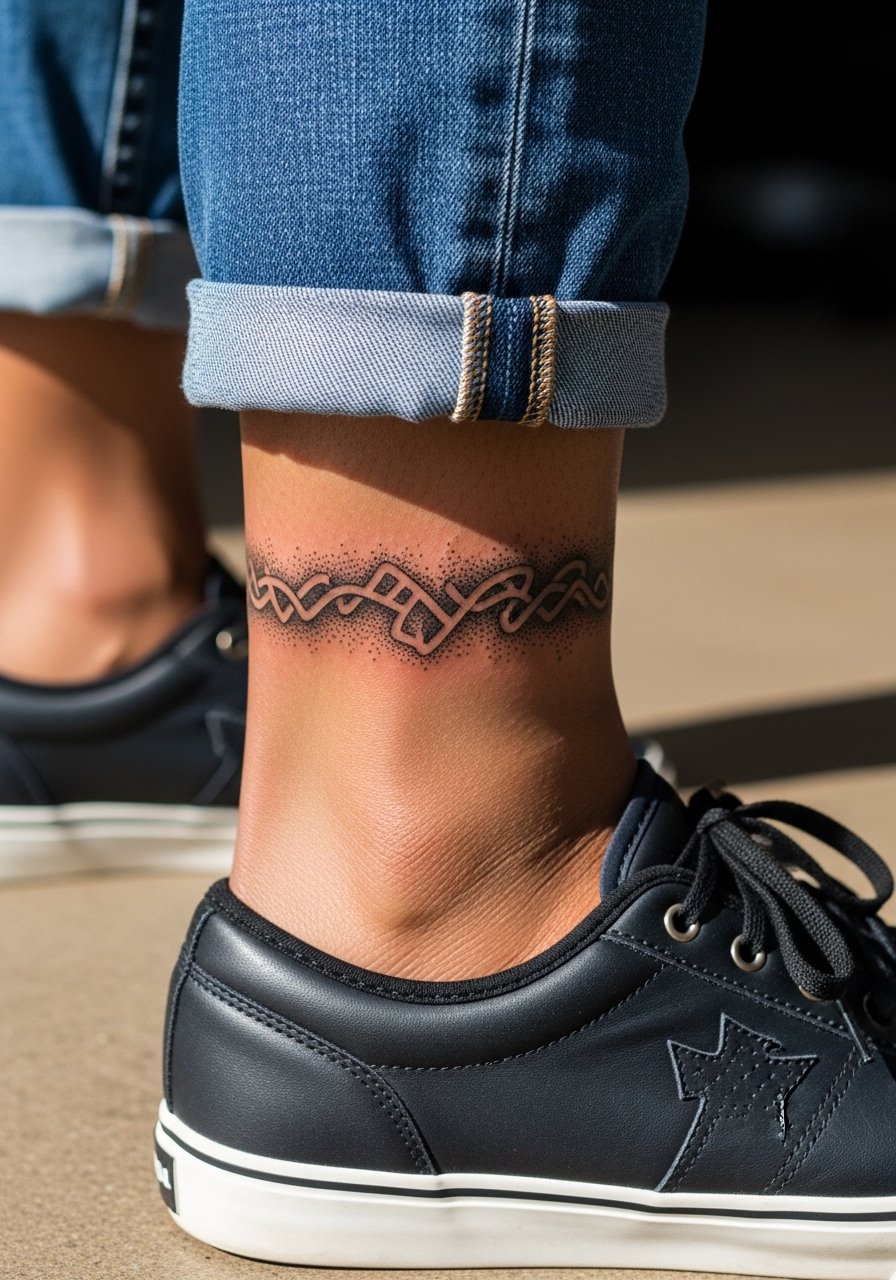
17. Abstract Stippled Calf Sleeve Tip
There is a quiet impact when an abstract stippled cuff sits at the top of a calf sleeve because the texture reads soft while maintaining depth. I recommend asking for graduated stipple density so the top edge fades into skin and the lower edge anchors into denser dots. Calf session time depends on how much of the sleeve you want filled and pain is moderate. Mistakes include asking for uniform dotting which makes the piece feel flat once healed. For footwear, low-profile sneakers or sandals reveal the cuff without competing patterns. Plan for a minor refilling at year three if you like the stippling to stay pronounced.
Frequently Asked Questions
Q: How long will fine line thigh work stay readable before needing a touch-up?
A: It depends on placement, sun exposure, and clothing friction. For well-spaced, slightly bolder fine line on the outer thigh you can expect three to five years before a noticeable softening, with many people booking a refresh around year three.
Q: Can inner thigh tattoos blur more than outer thigh pieces and what can reduce that risk?
A: Inner thigh tattoos sit in a friction zone and movement can push pigment. Artists split into two camps on this, so ask where yours stands and request slightly more spacing and deliberate depth. Wearing loose session clothing helps reduce immediate friction while the piece settles.
Q: Will ankle chainwraps hold up if I wear boots often?
A: Boots increase rubbing, which accelerates fading and can soften thin links. If you plan heavy boot use, ask for reinforced connector points and expect a touch-up sooner than someone who mostly wears sandals.
Q: What should I wear to a hip or upper-thigh session for comfort and access?
A: Loose drawstring shorts or a high-cut swimsuit bottom that can be shifted without pinching make the session easier for both you and the artist. Bringing soft, breathable layers speeds dressing after long sittings.
Q: Are watercolor leg pieces harder to maintain than blackwork bands?
A: Watercolor relies on softer color transitions which tend to lose vibrancy faster than saturated blackwork. Expect more frequent touch-ups for colored washes if you spend a lot of time in sun.
Q: How do I find an artist who understands how to space fine line for leg placements?
A: Use discovery pathways like hashtag searches, local shop directories, and forum threads to see healed work on legs. Look for recent healed photos showing the same placement you want and ask the artist about their touch-up policy before booking.