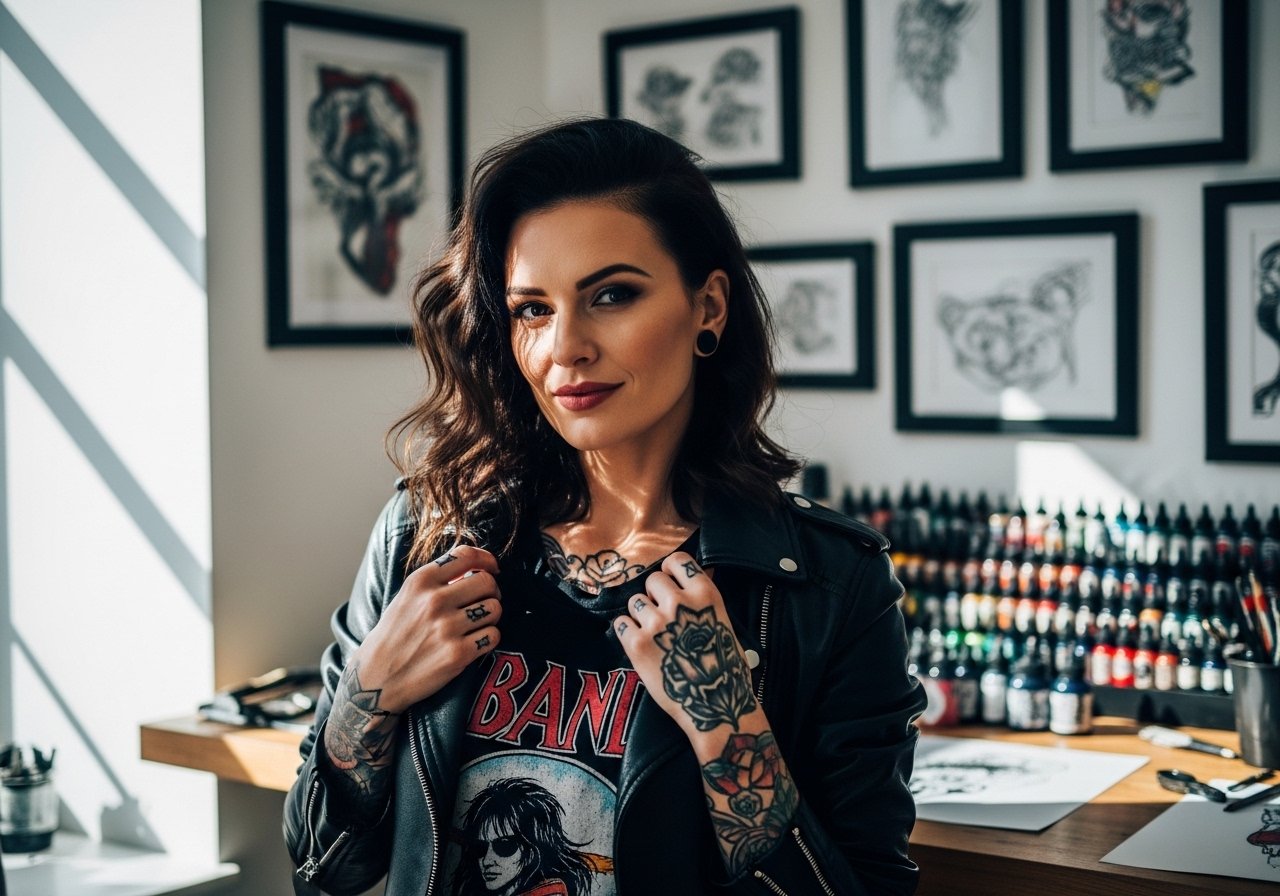
The tiger motif keeps shifting shape on saved boards, trending from watercolor washes to dense black silhouettes, and the surprising truth is that the pieces that age best are often the ones people least expected to pick. If you care how your Japanese tiger tattoo art looks at year three, think about line weight, placement, and how your skin tone will hold saturation. Below are 21 bold ideas that balance style, real-world aging, and how to show them off on days you want the ink visible.
1. Irezumi Snarling Tiger Head on Upper Arm

I’ve seen this classic in five shops across Brooklyn and it still reads as a centerpiece after years when done with thick linework and heavy saturation. Tell your artist you want the face at 10 to 15 centimeters and ask for peony placement that frames the jaw. The common mistake is asking for tiny facial detail and expecting it to hold. For this placement expect a medium pain level and 2 to 3 sessions. Over time the saturated areas soften but the strong outlines keep the motif readable. For showing it off, wear a sleeveless muscle tank or throw on an olive leather jacket for contrast during cooler months.
2. Koi-Integrated Tiger Sleeve with Breaking Waves

This sleeve approach turns the tiger into a narrative element swimming through a scene rather than a single portrait. In consultation, bring references for wave flow so the artist can draft directionality that wraps cleanly from wrist to shoulder. Practical note, sleeves take multiple long sessions and the forearm sections heal differently than the shoulder. A common aging issue is inconsistent saturation between early and late sessions. Ask about session ordering so high-saturation areas are completed and sealed early. For the appointment wear a loose tank top to give the artist easy arm access. Expect occasional touch-ups on color junctions after year two.
3. Minimalist Tiger Mask Outline in Negative Space, Inner Bicep

I recommend this for first-timers who want a tiger motif without full commitment. The inner bicep accepts single-needle work but can be tricky because skin there is softer. Tell your artist you prefer slightly bolder outer strokes so negative space remains clear as the piece heals. A frequent mistake is requesting ultra-fine single-needle outer lines that blow out into a smudge on that flesh. Pain is moderate and sessions are short. Expect this look to soften by year two, with negative spaces shrinking slightly. For the session slip on a tank top you can pull aside so the artist has clean access.
4. Realistic Tiger Prowling Through Bamboo on the Calf

Realistic micro and small realism demand crisp stipple shading and careful contrast. When booking, ask how the artist tests tonal transitions on medium to dark skin so the tiger’s stripes remain readable. A common version that ages poorly is too-contrastless gray shading that flattens on darker skin tones. This placement is forgiving for stretch and shows well with sneakers and cuffed joggers. Session-wise expect several hours per pass and touch-ups after a year for deep shadow areas. For casual wear pair it with cuffed joggers or khaki chino shorts to let the calf show.
5. Traditional Tebori Tiger Claw Emerging from Clouds on Back

Tebori hand-tattooed work has a slightly different saturation and texture than machine work. If you want that authentic look, ask for a tebori specialist via convention guest spots or app filters. The downside is sessions are long and may require travel. People often request machine-precise outlines for tebori and then wonder why it reads different. Expect multiple sessions spaced months apart. For upper back pieces bring a front-opening shirt to the session so you can lie prone comfortably. Lower back friction and sleeping position affect early healing. Consider guest spot searches on tattoo convention calendars to find the right hand-tattooed practitioner.
6. Watercolor Tiger Face with Cherry Blossoms on Outer Thigh

Watercolor neo-trad tigers favor soft edges and blended pigments. The reality is watercolor techniques often fade faster than saturated traditional areas. Artists split on how to seal color here without changing the aesthetic. One camp pads color density to preserve it, while the other keeps pigment airy and accepts more frequent touch-ups. For thigh placements you get good surface area and less daily friction than calf placements. During the session wear loose basketball shorts so the artist can access the outer thigh easily. If you want longevity, request subtle outline anchors around blossoms to help color read after a few years.
Pre-Session Essentials
The upper-arm and thigh pieces above ask for different prep than small wrist work, so a few targeted items smooth the session and the first week.
-
Frida Reparera balm. A thin, non-greasy balm that users prefer for color pieces because it avoids the heavy shine that can mask true saturation during healing.
-
Kiwi tattoo ointment. Breathable formulation artists mention for larger irezumi-type areas where a light, non-clogging layer helps comfort without smothering color.
-
Unscented CeraVe healing ointment. Preferred for darker skin tones by some because it manages moisture without leaving a glossy film that highlights irritation.
-
Australian tea tree salve. Handy for itch control on large back pieces when diluted and used sparingly, especially in humid climates.
-
Tegaderm protective film. Useful for mobility areas like forearms and ankles to reduce edge lift in humid weather and protect fresh linework during the first 24 to 48 hours.
7. Blackwork Tiger Silhouette with Geometric Waves on Outer Forearm
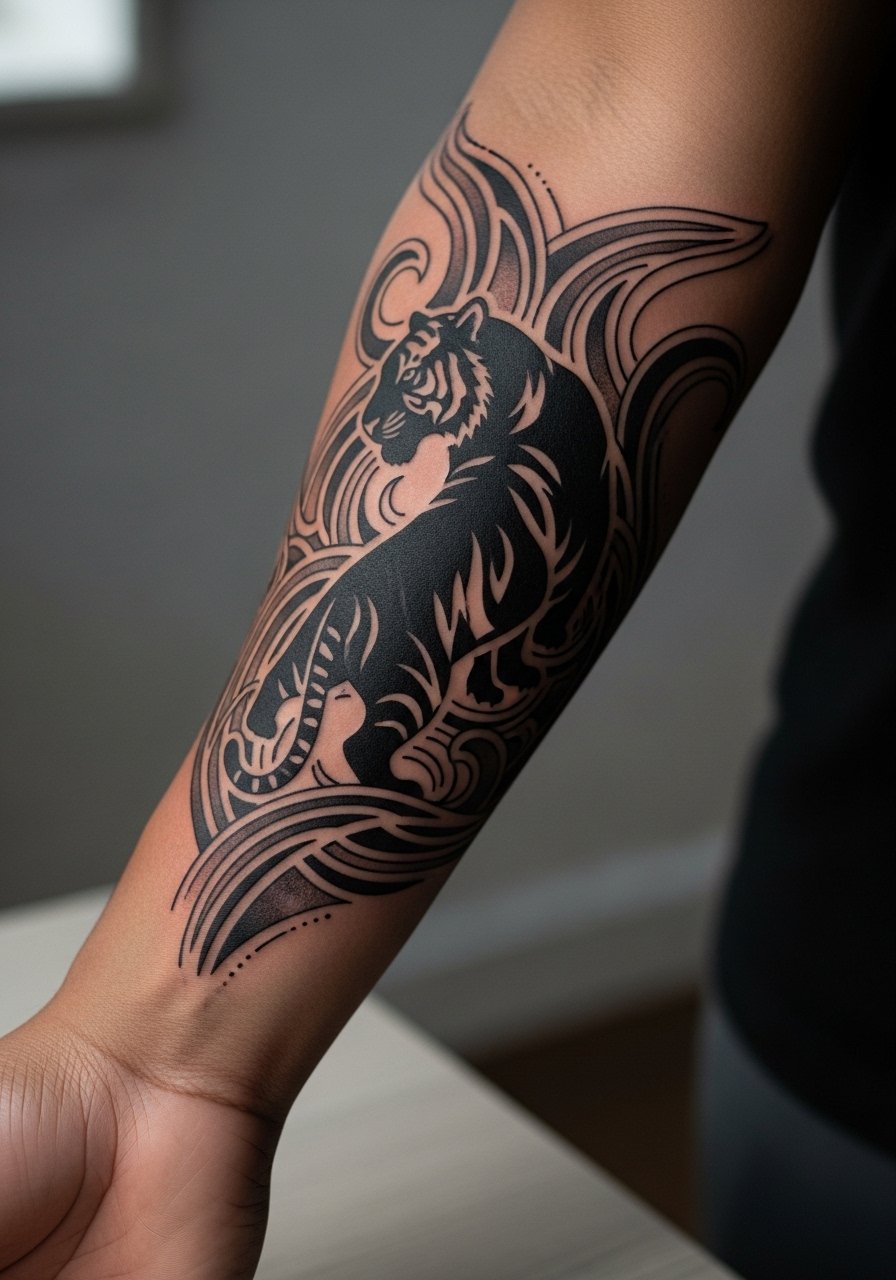
Blackwork holds up because saturation resists fading dramatically. For forearm work ask for vertical composition that reads when the arm hangs naturally. A common mistake is cramming small geometric fills into a narrow forearm space. When heavy black meets negative space, the piece ages into a clean graphic as long as the outlines are heavy enough to avoid blowout. Expect medium pain and a couple of sessions for a 25-centimeter vertical piece. Show it off with rolled sleeves. I like pairing this with a rolled sleeve black t-shirt to keep attention on the silhouette.
8. Fine Line Tiger Eye with Kanji Under Collarbone

Fine line here looks delicate but it faces real longevity questions. Artists divide into two camps about this placement. One camp says the skin movement and oil there blur single-needle work within two years. The other camp argues that with correct depth and a slightly bolder outer contour, fine line can settle cleanly. Ask the artist where they stand and whether they recommend a thin outer contour. This spot is visible and pairs well with off-shoulder blouses and dainty chains. For the session plan to wear a strapless crop top so the artist can work without fabric obstruction. Expect touch-ups at the six-to-twelve month mark if you prefer the ultra-delicate look.
9. Ignorant Style Tiger Head with Jagged Lines on Chest

Ignorant style embraces raw, punk energy and rough linework that resists over-polishing. For chest placement, tell your artist you want intentional drift in ink edges so the tiger keeps that anti-polish look. A typical mistake is asking for roughness but requesting exact symmetry. This chest area can be sensitive and may need two short sessions. If career considerations matter, remember chest visibility varies with wardrobe. For the session wear a button-down shirt you can open to let the artist work while keeping modesty.
10. Ornamental Tiger Mandala with Shakuhachi Bamboo on Shoulder Cap
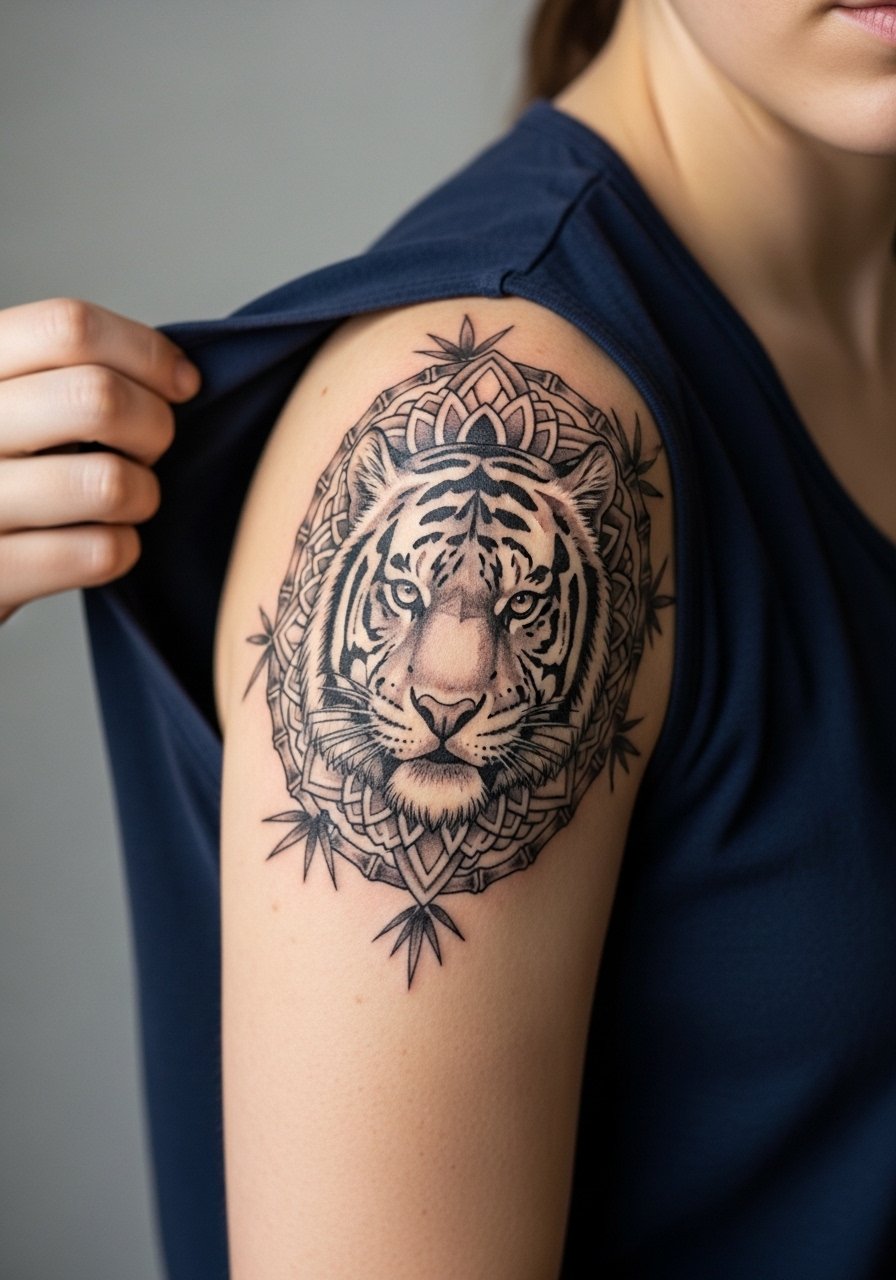
Ornamental mandala work solves filler needs with symmetry that reads as a meditative panel on the shoulder. Tell your artist you want radial spacing increased slightly so stipple shading does not consolidate into a muddy core over time. A mistake is packing dot work too tight for a shoulder cap. This placement ages well and is a common filler start for future sleeves. Wear a navy tank top to show it off. If you plan a sleeve extension, map how the bamboo and mandala edges will connect with later panels.
11. Patchwork Tiger Paw Print Linking to Back Narrative, Lower Back to Ribs

Patchwork lets you build toward a full back piece without committing to one long session. For the paw print, specify modular sizing so future panels can slot in with consistent linework and saturation. The common mistake is mismatching line weights across different sessions that were years apart. Lower back to rib transitions see different skin movement, so plan session order. For showing off, backless tanks and crop tops work but the area is private for many. Bring a front-open robe or loose tee to the session for comfort while the artist works on prone positions.
12. Micro-Realism Tiger Whisker Trail Wrapping Ribcage

Ribs are high on the pain chart but great for linear micro work that hugs contours. The whisker trail is intimate and reads as a connecting element for future sleeves. Ask about breath technique and session pacing because long stretches can be intense. A frequent error is squeezing too many fine elements into one rib pass. Fine line here is controversial among artists because of skin stretch during breathing. One side says fine work blurs faster, the other says spacing and depth save it. Expect the need for a touch-up at around six to twelve months if you want hairline fidelity. For the session wear a sports bra so the artist can access the side cleanly.
13. Blackwork Tiger Silhouette with Geometric Filling on Outer Thigh

Thigh work gives breathing room for large black fills that age predictably. For geometric fills inside a silhouette, request clear negative spacing and ask the artist to map shadow contrast for future touch-ups. A mistake is compressing complex geometry into a small thigh area where lines merge over time. This placement handles sweat and movement well in summer. For the session, bring loose shorts or high-waisted swim trunks to expose the outer thigh without compromising comfort.
14. Collarbone Tiger Eye as a Tiny Guardian Motif

The collarbone is one of those placements where subtlety reads loud in editorial shots. If you go fine line here, ask for a slightly denser outer contour to keep the eye readable on oily or mobile skin. People often underestimate how jewelry sits above the design and can rub during sleep. For show-offs, pair the piece with an off-shoulder blouse and a dainty chain. Expect touch-ups earlier than you might on a less mobile surface. This placement is rare and worth a short consult about needle depth.
15. Rib Cage Full-Width Tiger in Black and Gray

A large rib piece reads cinematic but demands realistic scheduling. Expect the session to be split over multiple appointments and plan rest days after each. Common mistakes include starting with heavy shading before confirming how the skin reacts to depth. Artists will debate dry healing versus protective film for ribs because scabbing behavior differs on this area. Mentioned in consultations, both camps argue their method yields better retention. For session wear bring a zip-up hoodie you can open while seated or lying sideways for access.
16. Small Tiger Tattoo Behind the Ear, Hidden Under Hairline
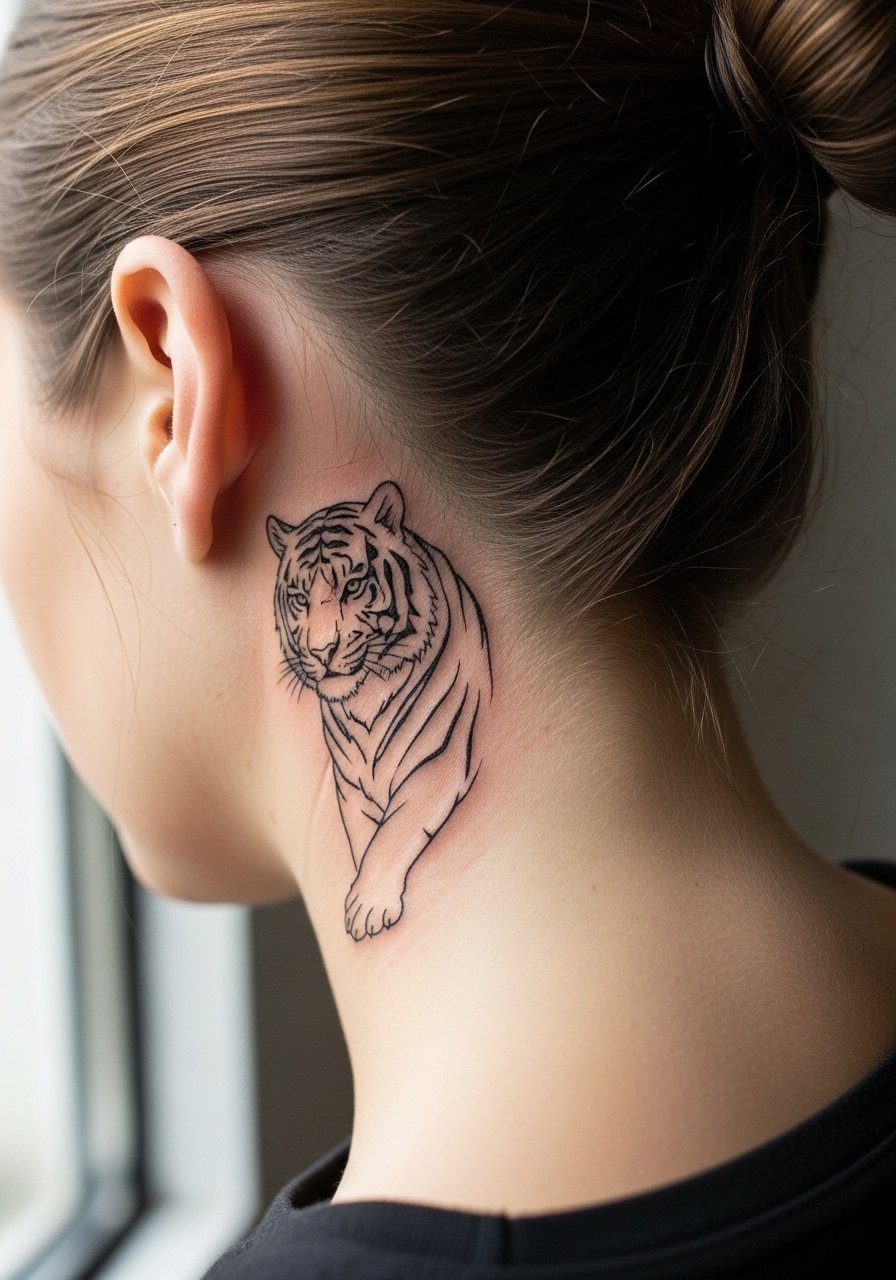
Behind-ear placements are subtle and suit tiny motifs that peek through hair. The key is to frame the placement precisely on the skin below the hairline so it does not sit on cartilage. A real mistake is asking for tiny text or dense detail in such a small zone. If you want it hidden, request placement maps in the consult so the hair will cover or reveal the piece as you prefer. This area tolerates single short sessions. Mention discovery pathways like searching Instagram hashtags to find artists who photograph healed small placements on similar hairlines.
17. Ornamental Mandala Tiger Chest Accent, Off-Center
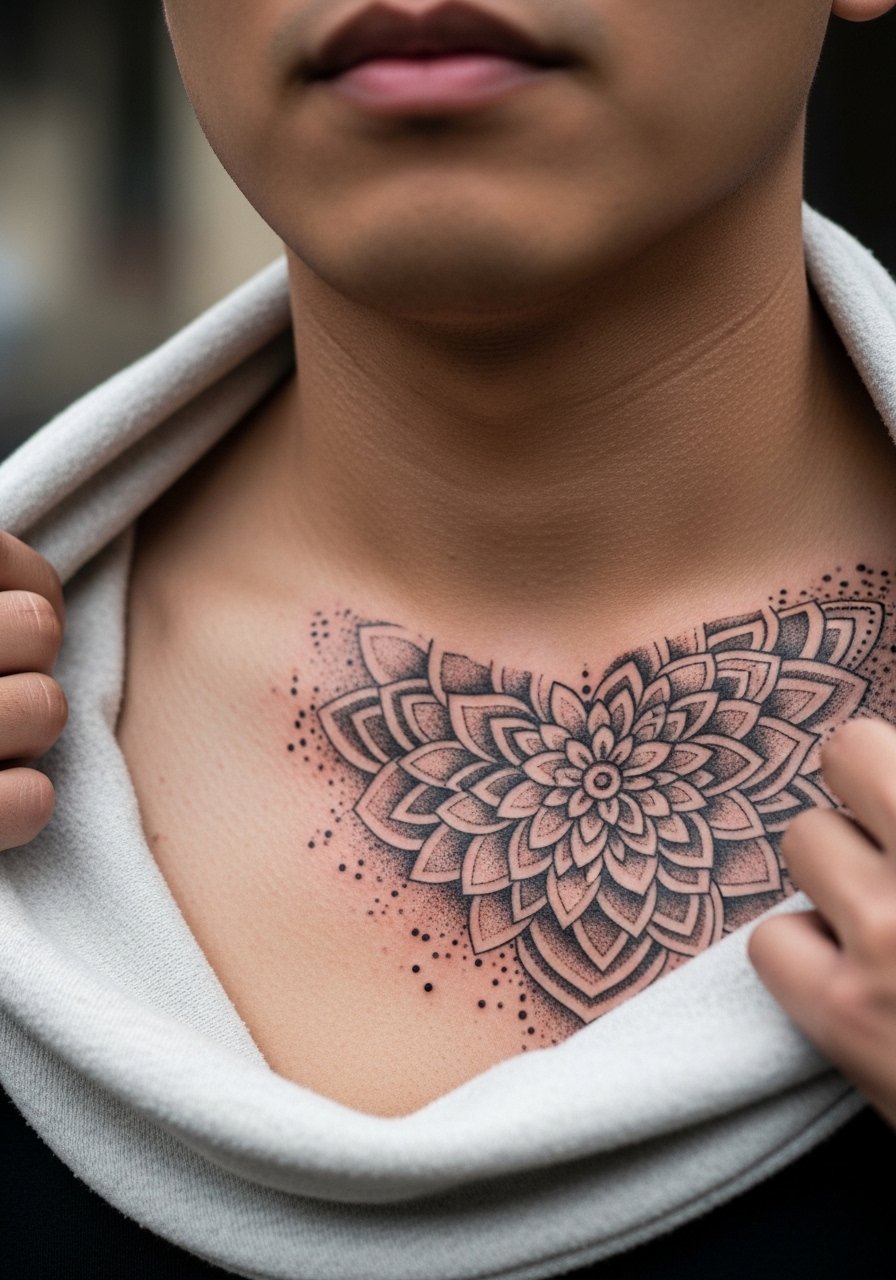
An off-center chest accent reads editorial and gives options to expand into sternum or shoulder work later. Tell your artist you want dot work spacing increased because dense stippling in chest skin tends to coalesce over time. A mistake is turning an accent into a dense panel too quickly. This placement needs a wide-neck shirt at the session for modesty and access. If the design references religious motifs, note the origin respectfully and consider slight stylistic variations rather than direct replicas.
18. Micro Patch Tiger Paw on Ankle

Ankle micro pieces are popular but face friction from shoes and socks. For a small paw print ask for a modest outline thickness so the tiny curves hold. The common mistake is requesting ultra-fine hairline details that vanish after constant abrasion. For the session wear pants you can roll up and plan low-profile footwear for the first week. For showing off, sandals or cropped trousers let the ankle read. Expect a touch-up if the area takes repeated rubbing in the first few months.
19. Neo-Traditional Tiger with Hanzi Script Beneath Paw on Calf

Hanzi integration adds a personal layer but discuss translation and placement so the characters read naturally with the tiger’s motion. A common error is slapping script under a paw without accounting for curvature on the calf. During the consult specify font weight and ask the artist to stencil the script across the muscle when it is relaxed. This placement works nicely with cuffed joggers in summer. If you plan later sleeve work, map how the script will tie into future panels and ask about touch-up timing for color edges.
20. Geometric Tiger Mandala Sleeve Starter on Upper Arm

As a sleeve starter, a geometric mandala panel gives a hub for later additions without committing to a single narrative. Request spacing and negative space plans so future fill-ins align. One mistake is treating the starter as complete and then forcing mismatched styles into the rest of the sleeve. For session wear, a loose button-down shirt pulled aside makes access simple. Expect dot work to need a light touch-up at year two if stipple density softens.
21. Small Fine Line Tiger Eye on Wrist, Subtle Script Accent

Wrist placements are great for visibility but face wash friction and frequent sun exposure. If you want a fine line eye, ask for a slightly thicker outer contour and minimal shadowing so the piece reads longer. A common regret is going too thin for the wrist and needing touch-ups at year one. For the session wear a dainty chain bracelet on the opposite wrist so the artist can test how jewelry sits near the design. Plan for a six-month check-in to assess whether a small edge touch-up would help clarity.
Frequently Asked Questions
Q: How do fine line tiger motifs fare on medium and dark skin tones compared to light skin tones?
A: From what I’ve seen, single-needle fine line can blur more quickly on medium and dark skin when the outer contour is too thin. Ask for a slightly stronger outer line and a portfolio of healed examples on similar skin tones. Some artists test color on swatches to gauge saturation. Touch-ups at six to twelve months are common for ultra-delicate work.
Q: Should I worry about the tiger stretching if I plan to gain muscle or weight after getting a forearm or thigh piece?
A: Yes, placement over areas that change shape can alter proportions. Outer forearm and thigh are more forgiving than inner arm or ribcage. Talk with your artist about session placement and consider modular patchwork that can be adjusted if body shape changes.
Q: Is Saniderm better than dry healing for Japanese tiger tattoo art?
A: Artists split into two camps. One camp prefers protective film like Saniderm or Tegaderm for faster clean-up and reduced scabbing. The other camp favors dry healing so natural scabs form and fall. Your experience depends on the placement and your skin type. Bring this up during the consult and follow the shop’s preferred protocol.
Q: For a first Japanese tiger tattoo which placements are easiest for longevity and fewer touch-ups?
A: Heavy blackwork on outer arm or calf tends to age with fewer touch-ups than fine line on collarbone or ribs. If you want fewer visits down the line, ask for slightly stronger linework and saturation up front.
Q: How do I find authentic irezumi-style appointments without traveling to Japan?
A: Use hashtags like #IrezumiTiger and city-specific searches on TikTok and Instagram to find guest spots. Filter apps like Tattoodo and convention calendars help you spot visiting specialists. Look for healed portfolios on similar skin tones and ask about guest-spot schedules in consults.