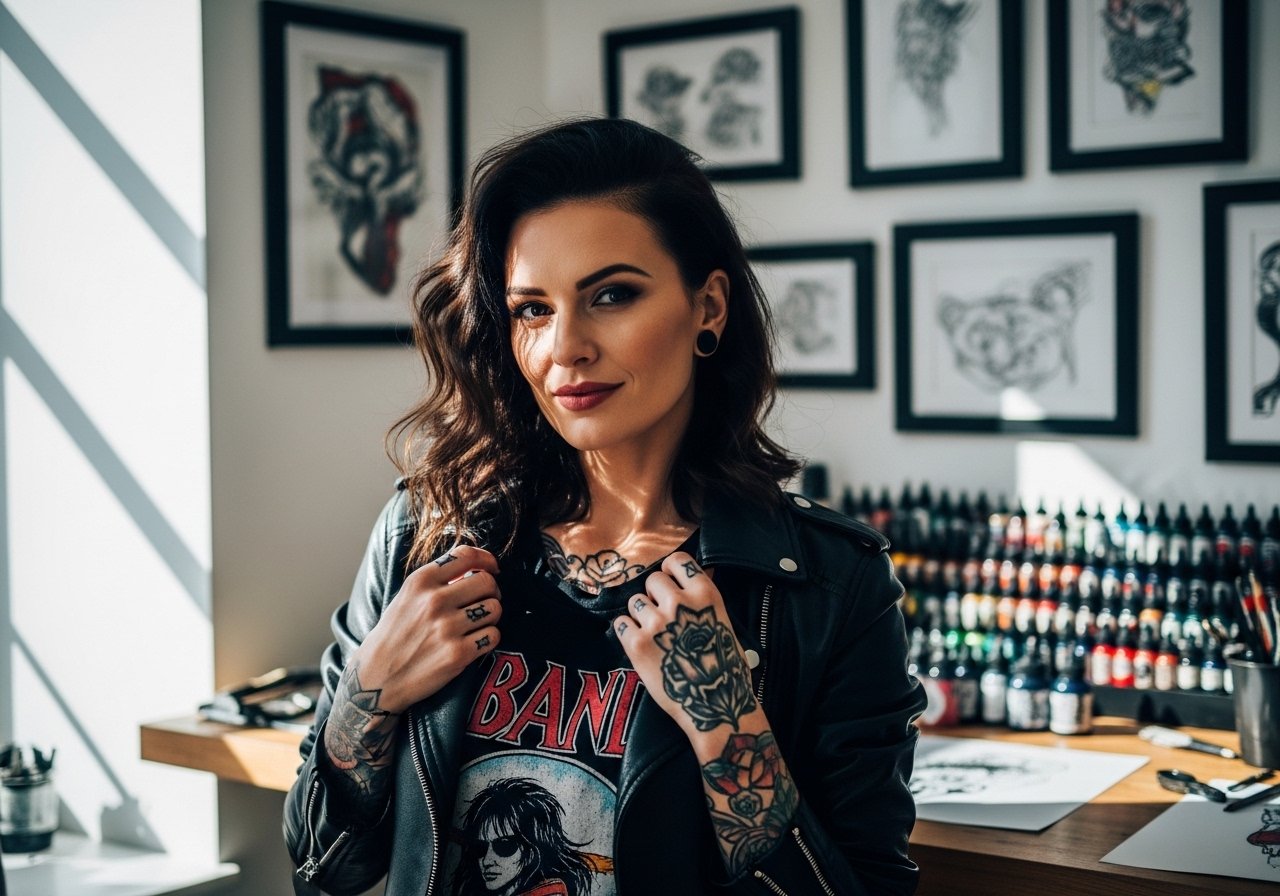
Fine line leopard rosettes are everywhere on feeds, but they often fade fast on wrists, cost more than people expect, and read differently on darker skin. Those trade-offs matter when you pick size, line weight, and placement. Below are 17 leopard-print directions that account for aging, contrast, and what to wear the week of your session so the finished piece looks deliberate, not accidental.
1. Leopard Print Wrist Band
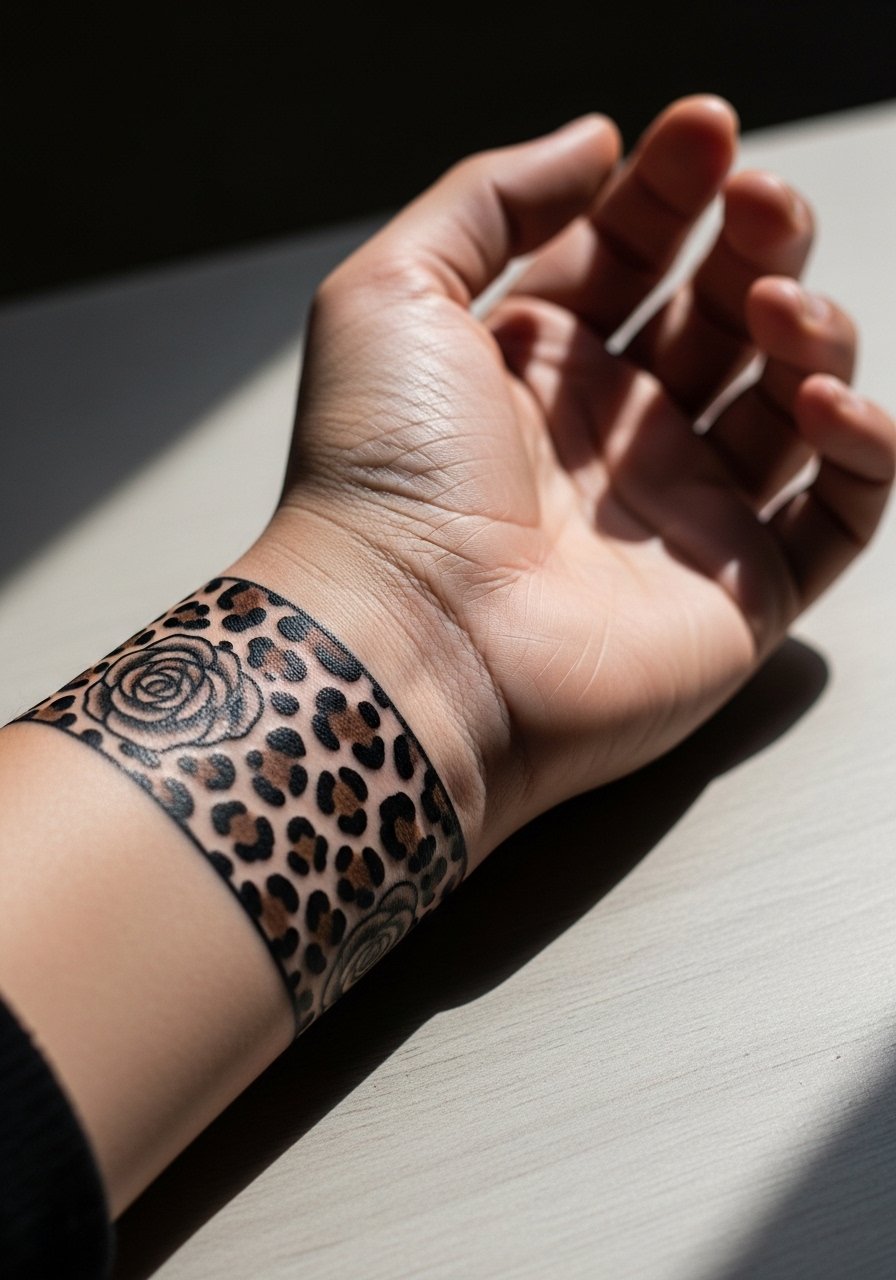
I've seen wrist bands heal unpredictably when artists use very fine lines. For a wrist band pick bold outlines and slightly larger rosettes so the design resists constant hand washing and friction. Tell your artist you want two things: clean black outlines and saturation that sits under the skin rather than surface shading. A common mistake is asking for micro-realism on the wrist, then wondering why detail fades in six months. Expect a short single session that can feel buzzy because the area is thin. When showing it off, layer a thin gold chain bracelet on the opposite wrist to balance attention and avoid rubbing the fresh ink.
2. Realistic Leopard Spots on Forearm

The forearm is forgiving for micro-realism because the skin stretches less than the thigh or ribs. I recommend a 4 to 6 inch band of rosettes with graduated shading so the pattern reads from a distance and still holds up close. In consultation, show photos that capture fur texture and ask for stipple shading in the spots, not tiny hairlike lines that vanish. Forearm pieces often need a two-session plan for layering saturation without overworking the skin. Blowout risk is low here but expect touch-up talk around year two for high-detail fills. For daytime outfits, roll sleeves and pair with a linen rolled sleeve shirt so the ink gets full view without crowding.
3. Neo-Traditional Leopard Head with Print Border

This is for someone who wants an emblem-like center with print accents around it. The shoulder handles saturation well, and bold black outlines help the design age into a confident silhouette. Tell the artist you want solid contour linework and a print border that sits slightly faded away from the head so there is negative space. A common mistake is cramming too much tiny detail into the border, which blurs after a couple of years. Sessions are usually two to three visits, and the shoulder is mid-range on pain. Pair the finished piece with an off shoulder top white for evenings out, and wear a loose tank to the session for easy access.
4. Minimalist Leopard Rosettes Cluster on Ankle

Ankle tattoos are small but exposed to a lot of rubbing from shoes and socks. For this area, micro rosettes should be spaced with bold enough dots so the negative space survives repeated friction. Tell your artist you want single-needle precision but ask them to thicken the core dots slightly to prevent early fading. A mistake beginners make is asking for the tiniest possible dots and then wondering why the pattern blurs. Session time is short, pain is moderate, and because ankles get chilly during healing, wear pants you can roll up without tight seams. For showing it off, try strappy sandals and slim ankle jeans. I like this look with strappy ankle sandals to keep focus on the cluster.
5. Watercolor Leopard Splash on Ribcage

Ribcage pieces age depending on spacing and color saturation. Watercolor washes are gorgeous fresh, but the camp argument is split. One camp says color on ribs tends to fade into blotchy patches after sun exposure and body movement. The other camp argues that with strong initial saturation and spaced rosettes, watercolor can retain its character for years. Be explicit with your artist about spacing and depth. Ribcage sessions are often longer and painful, so plan breaks and wear a top you can lift easily. Expect touch-ups around year two for mid-range colors. If you want session comfort, bring a friend and a loose crop to the appointment.
6. Blackwork Leopard Band Sleeve

Collectors often pick blackwork when longevity matters. High-contrast fills and strong linework keep rosettes readable for longer than fragile color blends. The trade-off is session time. A full band or partial sleeve usually takes multiple appointments and deliberate layering to avoid overworking the skin. Tell your artist you want saturated black fills and a plan for staged sessions. The common mistake is trying to finish too much in one long day. Blowout risk is higher if the artist packs black too deep. For blackwork bands, expect a touch-up conversation around year three. For the session day wear, a loose short-sleeve shirt gives the artist access without pinching.
Studio Day Picks
The first six ideas cover wrist, forearm, shoulder, ankle, ribcage, and forearm band work. Small areas like the wrist and ankle need different prep and protection than a blackwork sleeve, so these picks aim to smooth the session and the first week of healing.
-
Stencil transfer paper kit. Lets you preview placement and scale on skin before the needle hits, which matters for wrist bands and forearm rosettes.
-
Topical numbing cream. Apply per instructions to reduce rib and ankle sensitivity without masking the artist’s checkpoints.
-
Thin protective film roll. Useful for wrist and finger placements that face constant hand washing and friction.
-
Fragrance-free body wash. Gentle cleansing during the first week helps avoid irritation on detailed forearm and ankle work.
-
Aquaphor healing ointment. Thin applications in the earliest days lock in moisture for fine work without clogging needle channels.
7. Fine Line Leopard Tail Wrap on Thigh

Thigh linework can stay crisp when the artist respects spacing and needle depth. I've seen elegant wrap designs go soft after weight fluctuations because the lines were too tight. Ask for slightly more space between rosettes and a plan for a single pass with touch-up scheduling. The thigh is forgiving on pain, but stretches over time, so expect a touch-up conversation around year three. For session wear, pull on high waist shorts khaki so the artist can access the area without tight elastic near the design. The wrap reads best with a subtle contrast rather than dense micro detail.
8. Ornamental Leopard Mandala on Upper Back

This is one of the under-covered combinations that ages well when the mandala elements give breathing room to the rosettes. In my experience, the mandala’s geometry keeps the pattern from blurring into a single mass. Tell your artist you want negative space between rosette clusters and bold mandala lines that act as anchors. Sessions usually span two visits for color and linework. For showing it off, an off shoulder top white or low-back dress frames the piece without covering the central geometry. Respect the pattern’s cultural echoes by asking about origins if elements read as spiritual motifs.
9. Ignorant Style Leopard Spots on Calf

Ignorant style embraces imperfect shapes and plays with scale, which can be forgiving if you want a casual, hand-drawn feel. The calf tolerates looser spots because it sees less constant friction than the ankle. A typical mistake is asking for perfectly uniform rosettes, which clashes with the ignorant aesthetic. Tell your artist to vary spot sizes and keep shading loose. Sessions are moderate in length and pain is manageable. Pair this with bootcut jeans and heeled boots to frame the work while keeping it partially hidden. For a show-off option, try bootcut jeans women.
10. Patchwork Leopard with Floral Elements on Inner Bicep

Inner bicep placements are intimate and require an artist comfortable with curved surfaces. Patchwork additions fit into sleeves nicely because each rosette can be treated like a module. In consultation mention the surrounding pieces you plan to connect so the artist maps transitions cleanly. A common mistake is forcing symmetric rosettes into a naturally curving area. Sessions can be tender because the skin is soft, and touch-ups are often planned after healing to even out saturation. If your sleeve grows over time, these patches slot in and read cohesive when the floral elements match line weight across pieces. Expect a slower healing window because of arm movement.
11. Full Back Leopard Landscape
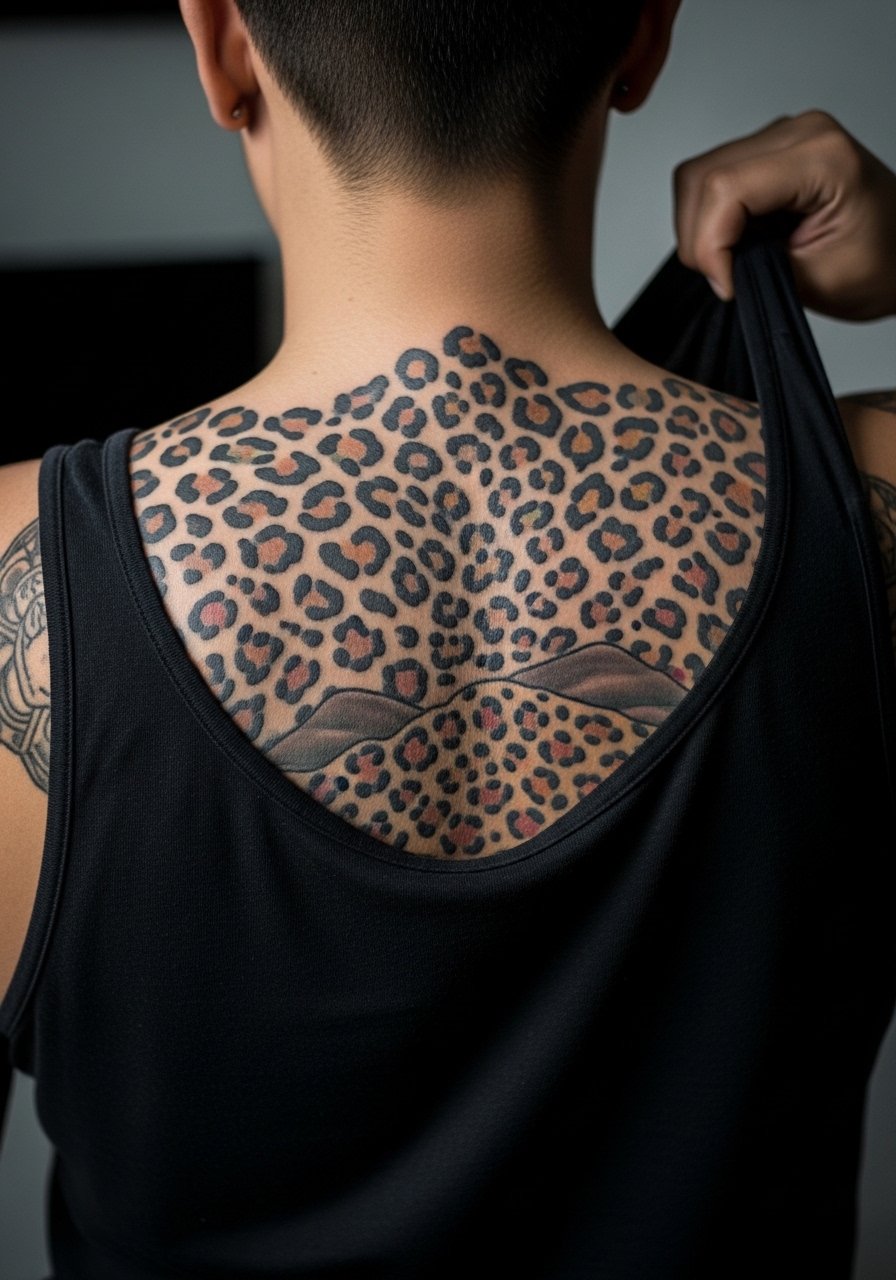
This is the statement project that requires multi-session planning and patience. For a full back piece, prioritize a staged build: outline session, saturation session, and a refinement visit. Tell your artist you want consistent rosette scale across the back so the pattern reads like terrain rather than a scatter of mismatched spots. Expect five or more sessions and realistic touch-up timelines. Weight changes and sun exposure affect large canvases more, so map future placement for expansion or cover-ups now. The session feels long but can be broken into manageable days. Because this is major work, use discovery pathways like tattoo hashtags and the Tattoodo app to find studios with large-scale realism portfolios.
12. Micro Leopard Dots on Collarbone
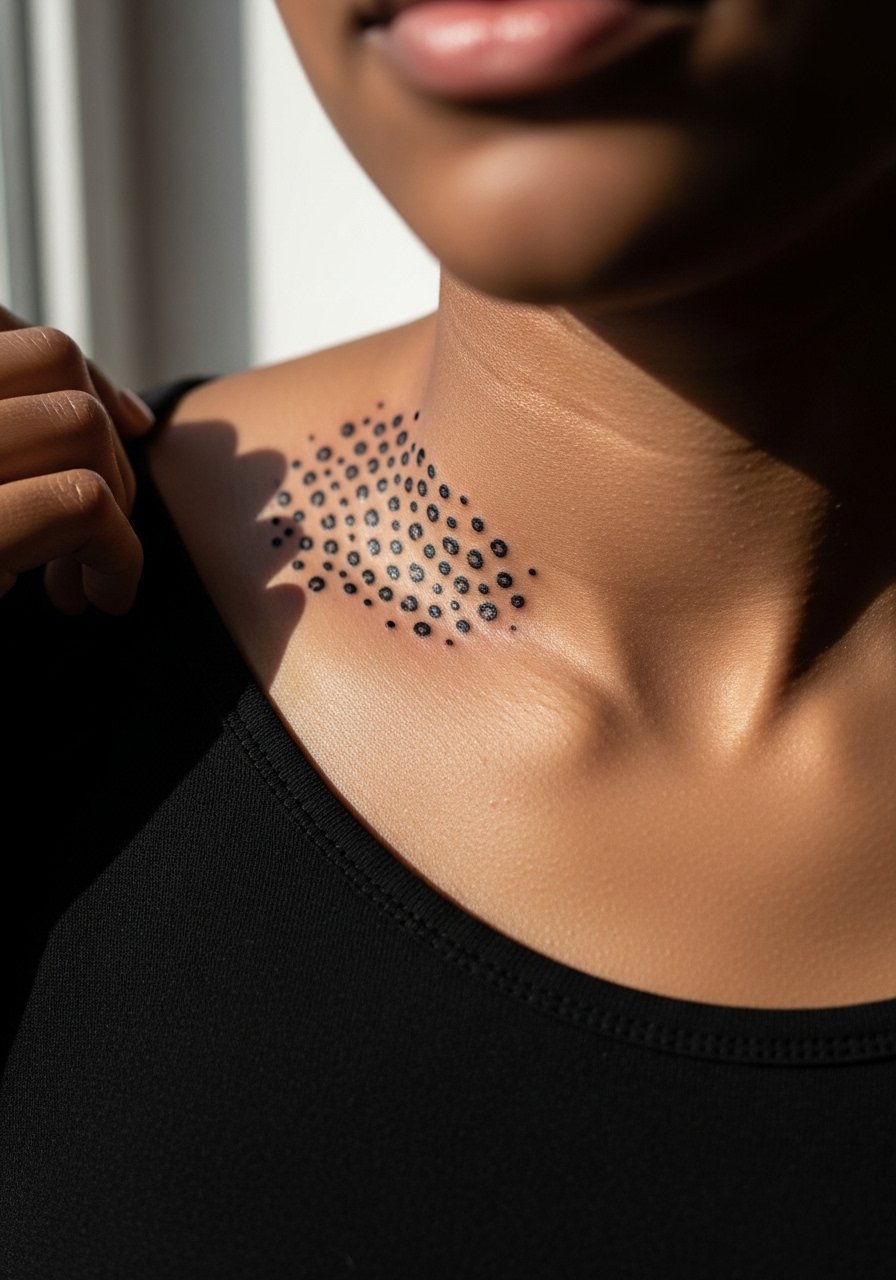
Collarbone placements peek elegantly but live near moving skin and clothing friction. Micro dots here must be spaced so the negative space keeps them readable after a year. Ask for slightly heavier core dots and minimal fine hair shading around each rosette. A common mistake is asking for ultra-tiny detail then being surprised when lines soften. Session time is short but healing needs mindful clothing choices. For evenings, a v neck cream dress shows the cluster without covering it. If you work in a formal environment, think about how visible collarbone pieces will be under certain tops.
13. Leopard Print Sternum Accent
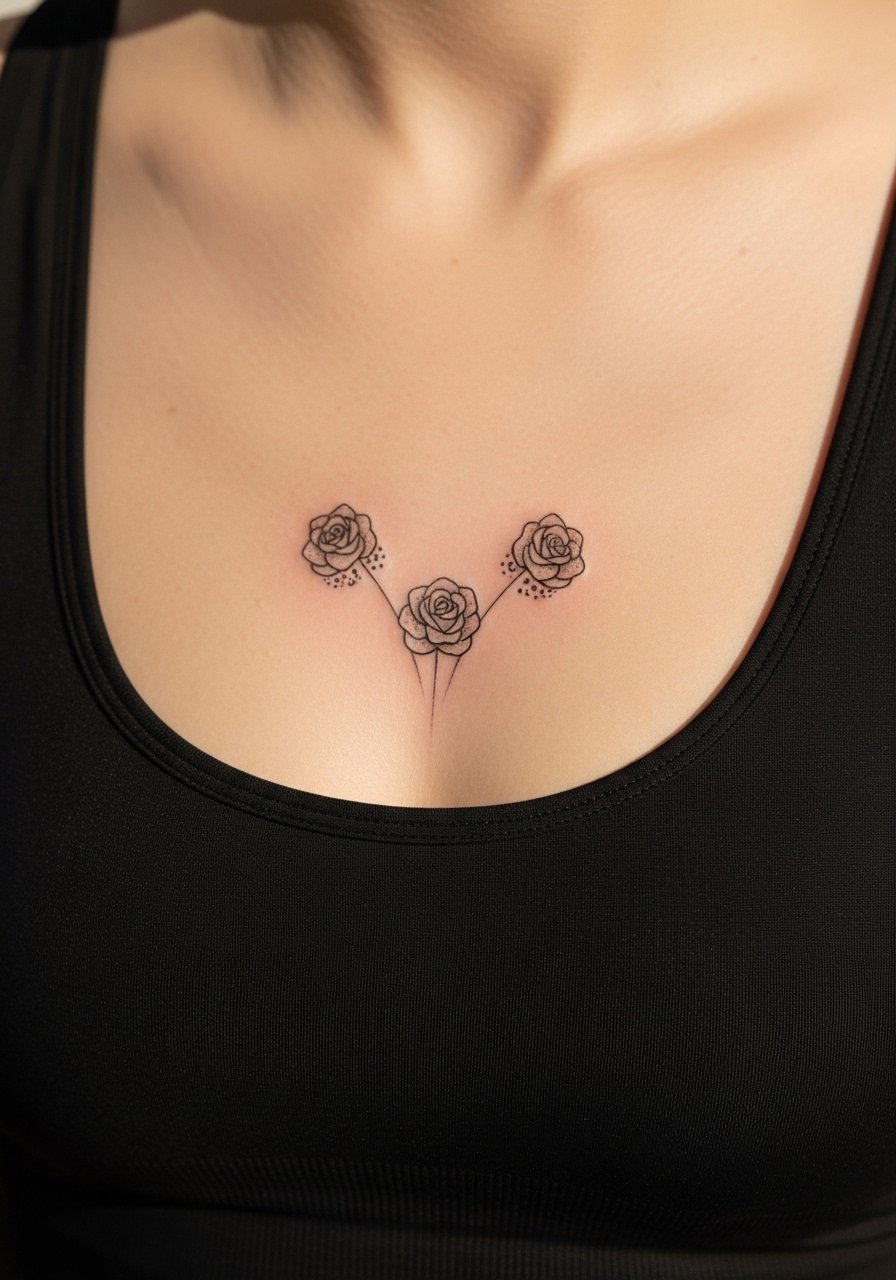
Sternum pieces are sensitive and often painful, but they photograph well when executed with balanced spacing. There is an artist split about using fine line in high-movement chest areas. One camp says the sternum’s motion and thin skin blur fine lines quickly. The other camp says with correct needle depth and slightly larger spacing, fine line can last. Ask where your artist stands and show examples at the exact scale you want. Sessions may require numbing options for comfort. Also consider that the sternum sits under clothing, so choose garments that avoid constant rubbing during the first two weeks.
14. Tiny Leopard Spot Behind the Ear

Behind-the-ear placements are discreet and feel private. The surface there is thin, so keep designs small and bold rather than intricate. Tell the artist you want a single rosette with a solid core dot and light border, not micro shading that will disappear. The area heals quickly but can be tricky to photograph because of hair. A common mistake is asking for a cluster that ends up too dense for such a small canvas. This placement is about suggestion more than full pattern. Book with an artist who has inner neck experience and discuss hygiene since hair oils can affect early healing.
15. Leopard Spot Hip Accent

Hip spots age differently because the area experiences stretch with movement and clothing. For a hip accent pick medium-sized rosettes and avoid cramming too many into a tiny patch. Tell your artist you expect weight and movement changes and want rosettes that keep negative space to breathe. The session is usually quick and pain can vary with placement. For showing it off, high-waisted shorts frame the work without cutting across it. Try high waist shorts khaki for casual looks that reveal the accent when you want.
16. Mini Leopard Rosettes on Fingers

Finger tattoos are high maintenance. The skin is thin and the epidermis regenerates rapidly, so expect faster fading and frequent touch-ups. If you want rosettes on fingers, ask for bold cores and acceptance that tiny borders may blur within a year. A mistake is insisting on ultra-fine detail in this zone. Sessions are short but the healing window requires you to avoid heavy hand use. Because fingers face constant washing and friction, plan for touch-ups and discuss durable placement just off the joint lines.
17. Leopard Print Thigh Panel with Whip Shading

Thigh panels let you play with gradation and texture. Whip shading and dot work create depth without relying on heavy color that could fade unevenly. I recommend a vertical panel that follows the leg’s natural curve so spots do not stretch oddly with movement. Tell your artist to map the flow and keep the rosette sizes consistent top to bottom. Sessions are comfortable enough for longer blocks of work, but plan multi-day booking for larger panels. A real mistake is crossing too many joints or placing the densest pattern where weight gain or loss would distort it. For durability, avoid tiny interior detail that needs frequent touch-ups.
Frequently Asked Questions
Q: Will fine line leopard rosettes blur faster on wrists and hands?
A: Yes, fine-line rosettes on wrists and fingers face constant friction and frequent washing. The safe move is slightly heavier core dots and more negative space around each rosette. Expect touch-ups earlier than on forearm or thigh pieces and discuss realistic timelines with your artist.
Q: How do I choose color versus blackwork for darker skin tones?
A: Darker skin reads contrast differently, so blackwork often reads clearer at a glance. If you want color, ask for higher saturation and larger rosette centers so hues remain visible when healed. Bring healed examples on comparable skin tones and ask your artist how they layer color without losing definition.
Q: What is a realistic cost range for leopard print tattoos?
A: Costs vary by size and sessions. Small micro rosette clusters usually start in the low hundreds. Mid-sized forearm or shoulder pieces often sit in the mid hundreds to low thousands when they need multiple sessions. Large full-back realism pieces can reach into the high thousands depending on detail and session count. Always get a consult estimate before booking.
Q: Are watercolor leopard designs harder to keep from fading in summer?
A: Watercolor washes can fade faster with UV exposure, especially on ribcage or chest areas that see sun during summer. If you love watercolor, plan for stronger initial saturation and diligent sun protection after healing. Expect more color refreshes than you would for blackwork.
Q: How do I find an artist for large-scale leopard realism without naming someone specific?
A: Use discovery pathways like searching hashtags #LeopardPrintTattoo or #MicroRealism on Instagram, filter TikTok searches for "leopard print tattoo healed" with your city, and check the Tattoodo app for local portfolios. Read recent healed photos and look for consistent healed images on similar skin tones before booking.