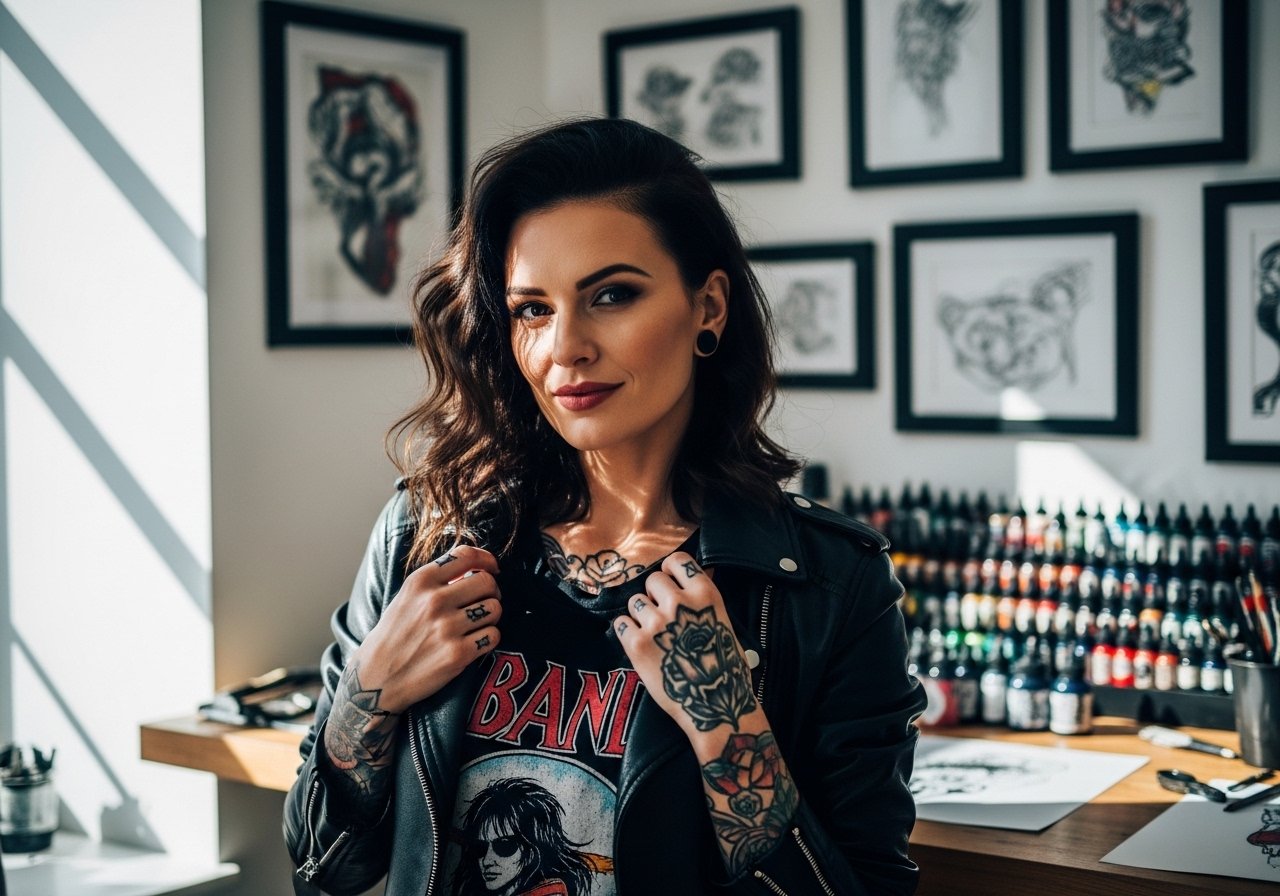
Fine line hammerhead tattoos read clean and spare when done right, and they ask different things from the person booking. Expect questions about placement pain, how the sharp head holds up over time, and whether tiny curves will blur into a blot. These ideas focus on minimal line options that balance visibility, touch-up timelines, and blowout risk so you can pick a look that still reads as it heals.
1. Fine Line Hammerhead on Inner Forearm
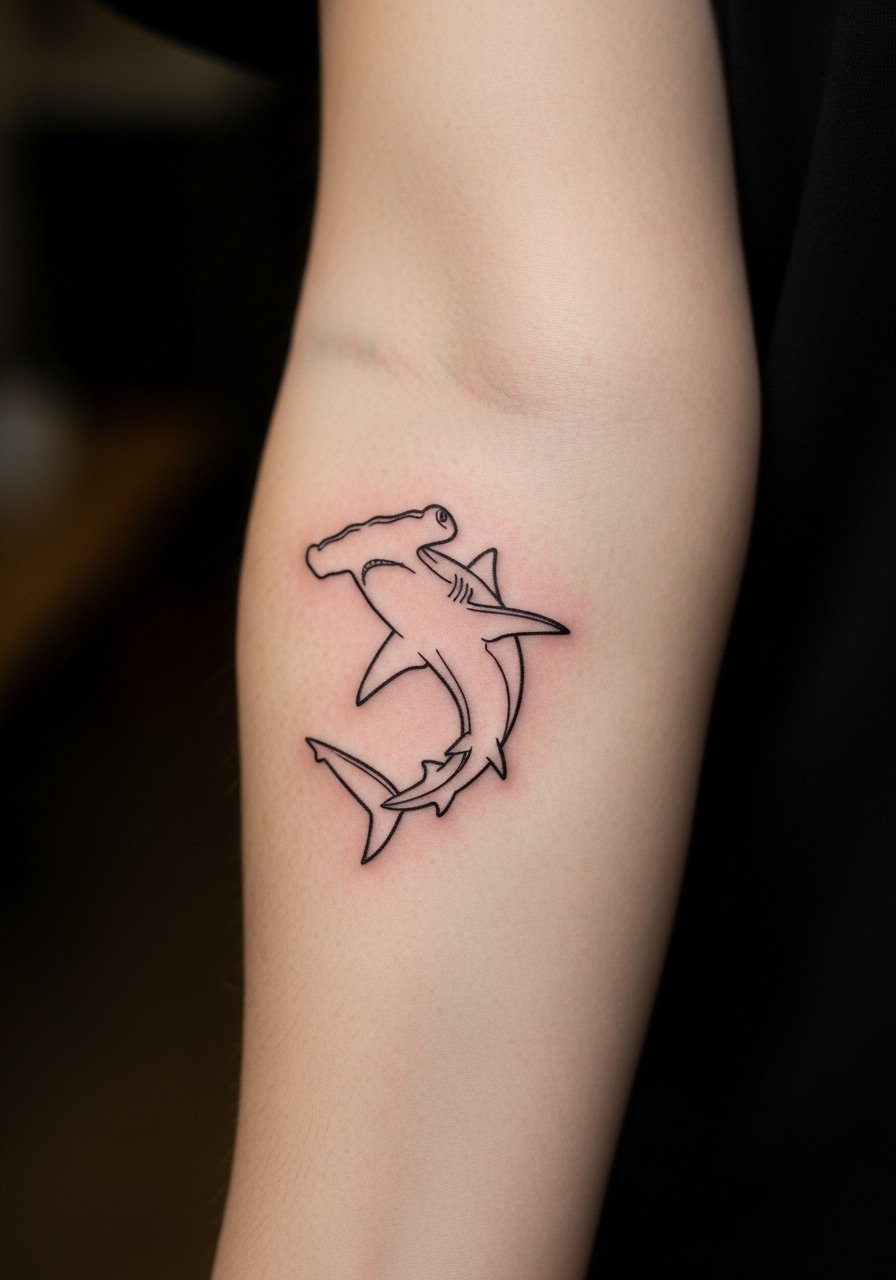
This is a classic placement for a minimal hammerhead. I recommend a slightly elongated head with single-weight linework so the silhouette reads from a distance and does not rely on tiny interior details that will soften. Tell your artist to space the eye and cephalofoil edge more than you think, because dense detail close to the wrist age faster. Expect a low to medium pain level and a 45 to 75 minute session. Blowout risk is low on the forearm, but small dot work can spread in the first year if the needle depth is inconsistent. For showing it off, rolled sleeves pair well with a linen button-down shirt, the neutral fabric keeps attention on the silhouette.
2. Tiny Hammerhead Finger Accent
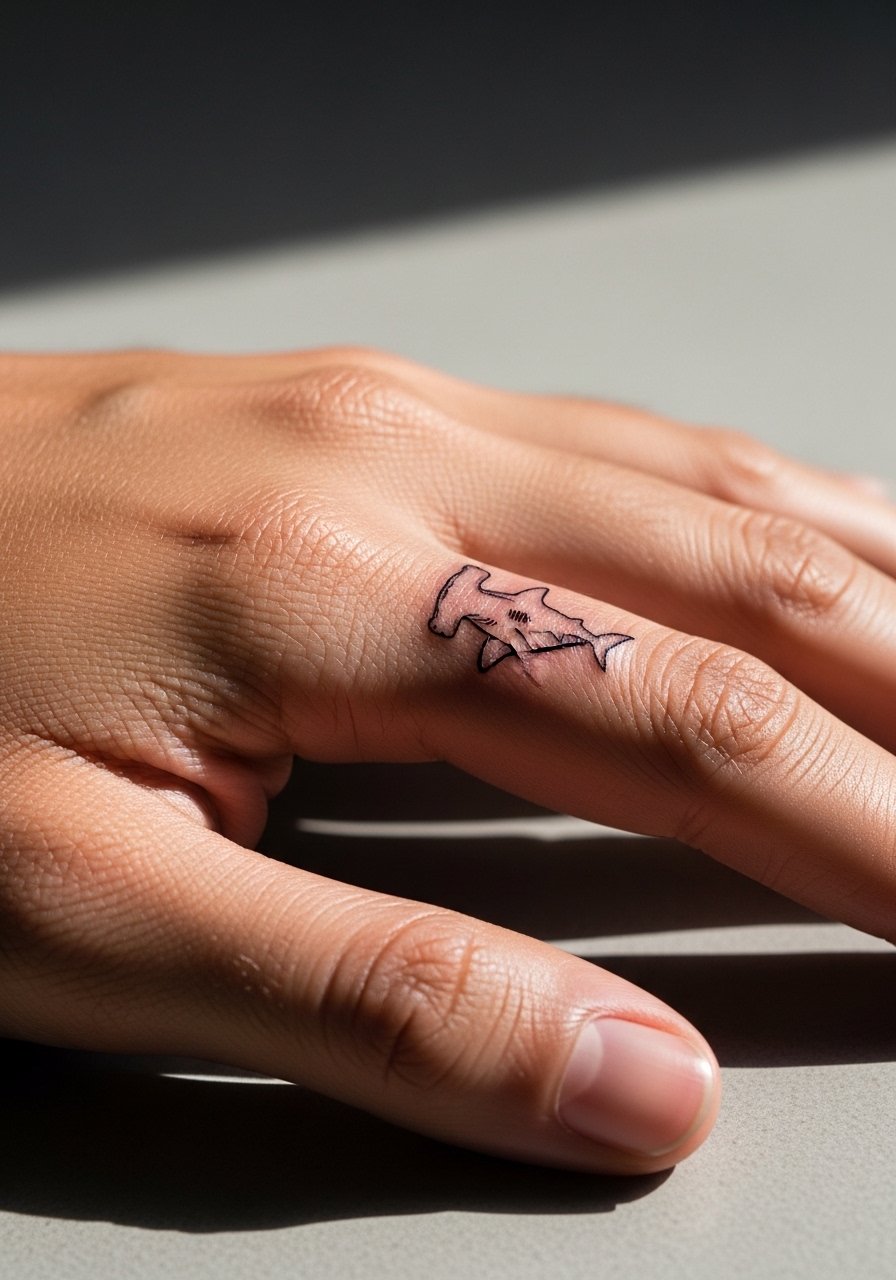
Tiny hammerheads on the side of the finger look crisp when kept purely as outline work. Fair warning, finger placements demand touch-ups more often because of constant washing and skin turnover. For a finger piece, ask for slightly thicker single lines and avoid interior detailing. The session is quick but painful in short bursts. Expect a touch-up at year one and possibly again by year three. For the appointment, wear a loose button-down shirt so you can roll the sleeve without rubbing the fresh ink. Hand and finger tattoos also carry career visibility considerations in some fields, so think that through before booking.
3. Wrist Wrap Hammerhead
A horizontal hammerhead that wraps slightly around the wrist reads like jewelry when done as a clean continuous line. I suggest a single pass outline without fill so the piece breathes and ages more predictably. The wrist is a mid-range pain area and the session runs about 30 to 60 minutes. Common mistakes include trying to cram scales or shading into the band, which leads to early blurring. For showing it off, stack with a minimalist gold watch or a couple of dainty bracelets to frame the tattoo without covering it. Expect a first touch-up within two years depending on sun exposure.

4. Ankle Outline Hammerhead
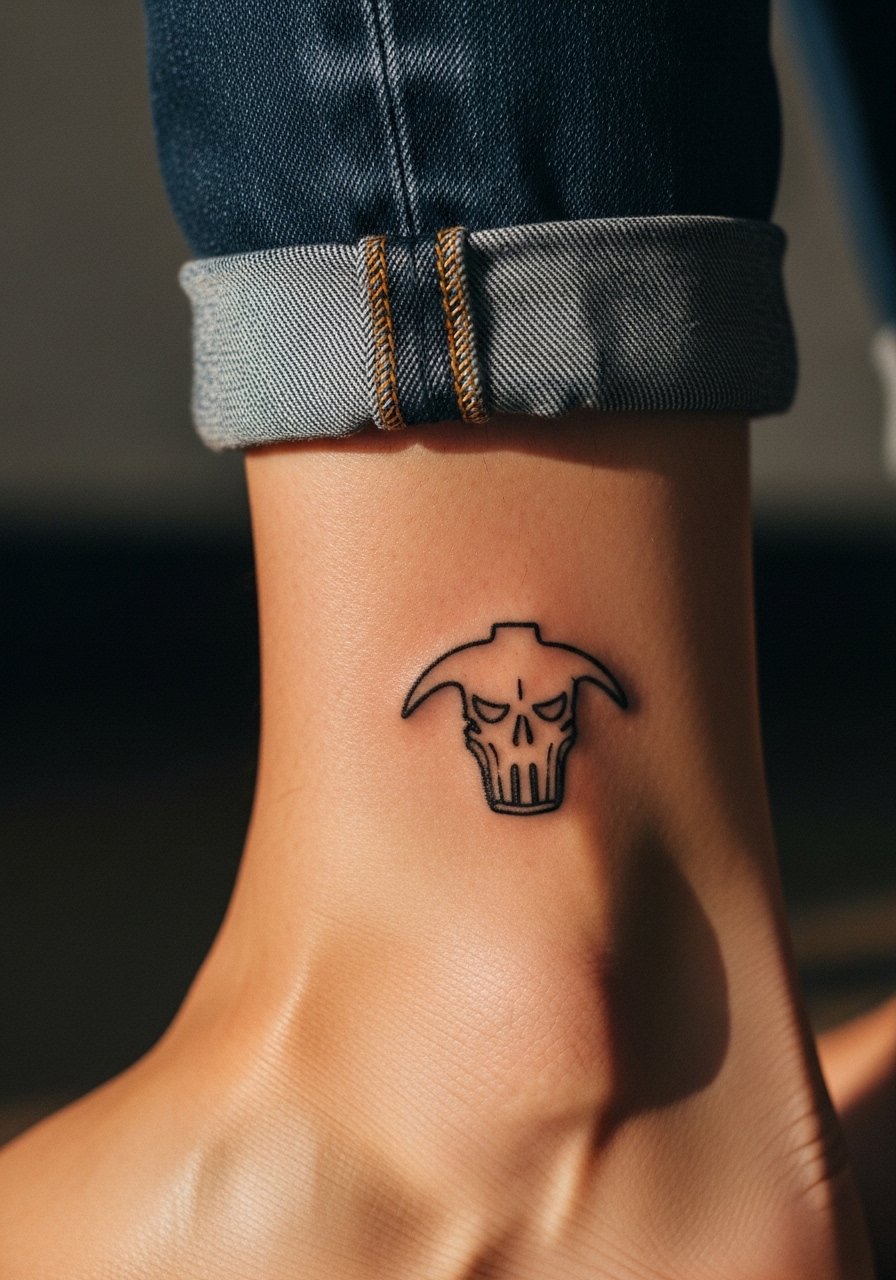
Ankle placements suit compact minimal designs and reward clean negative space. The ankle moves a lot and experiences friction from shoes, so keep the line weight steady and avoid tiny interior dots. Pain is variable and can spike near bone, but sessions are brief. Common aging issue is premature fading in high-friction zones from socks and shoes. For the session, wear jeans you can roll up or sandals so the artist has clear access and the area stays protected afterward. Plan for a touch-up at year two if you walk daily in closed shoes.
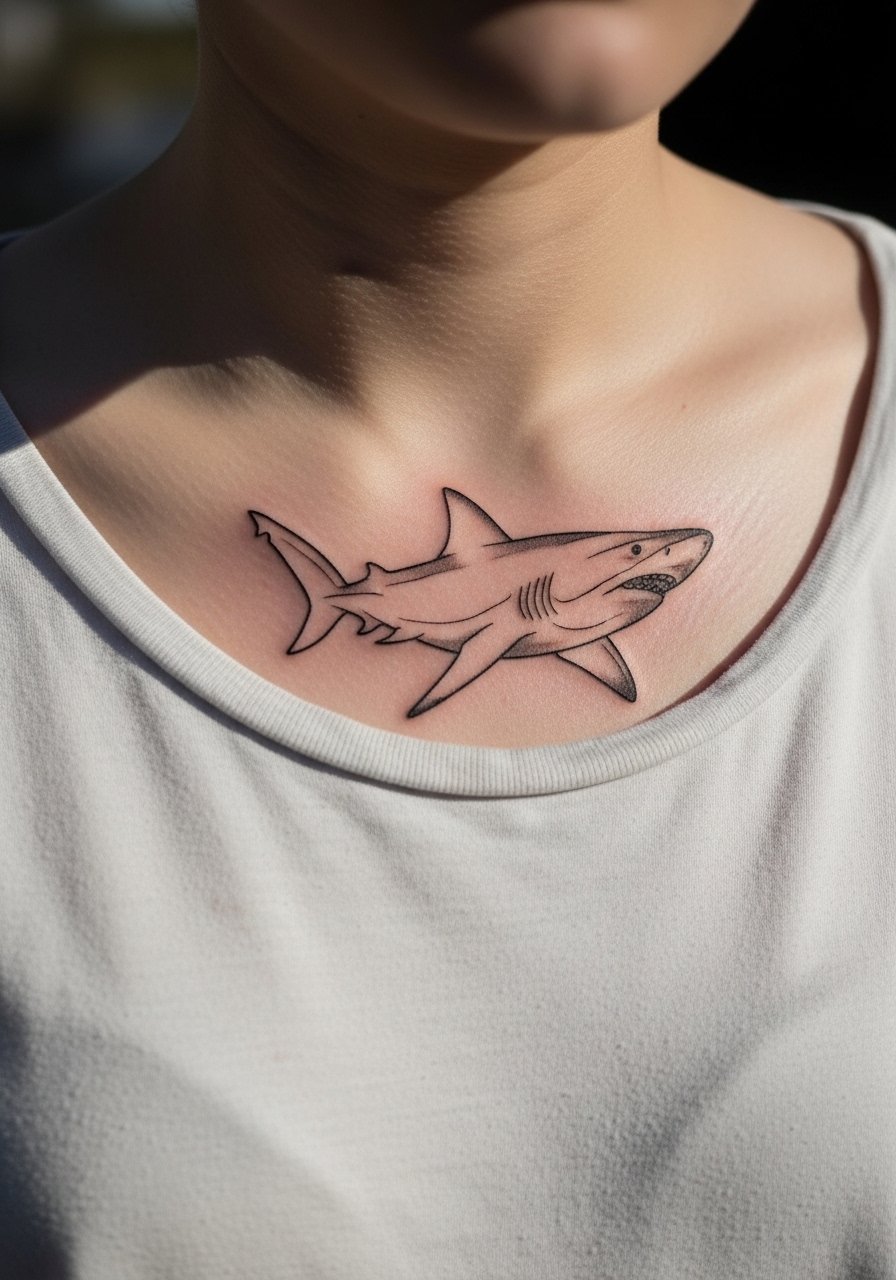
5. Collarbone Hammerhead Accent
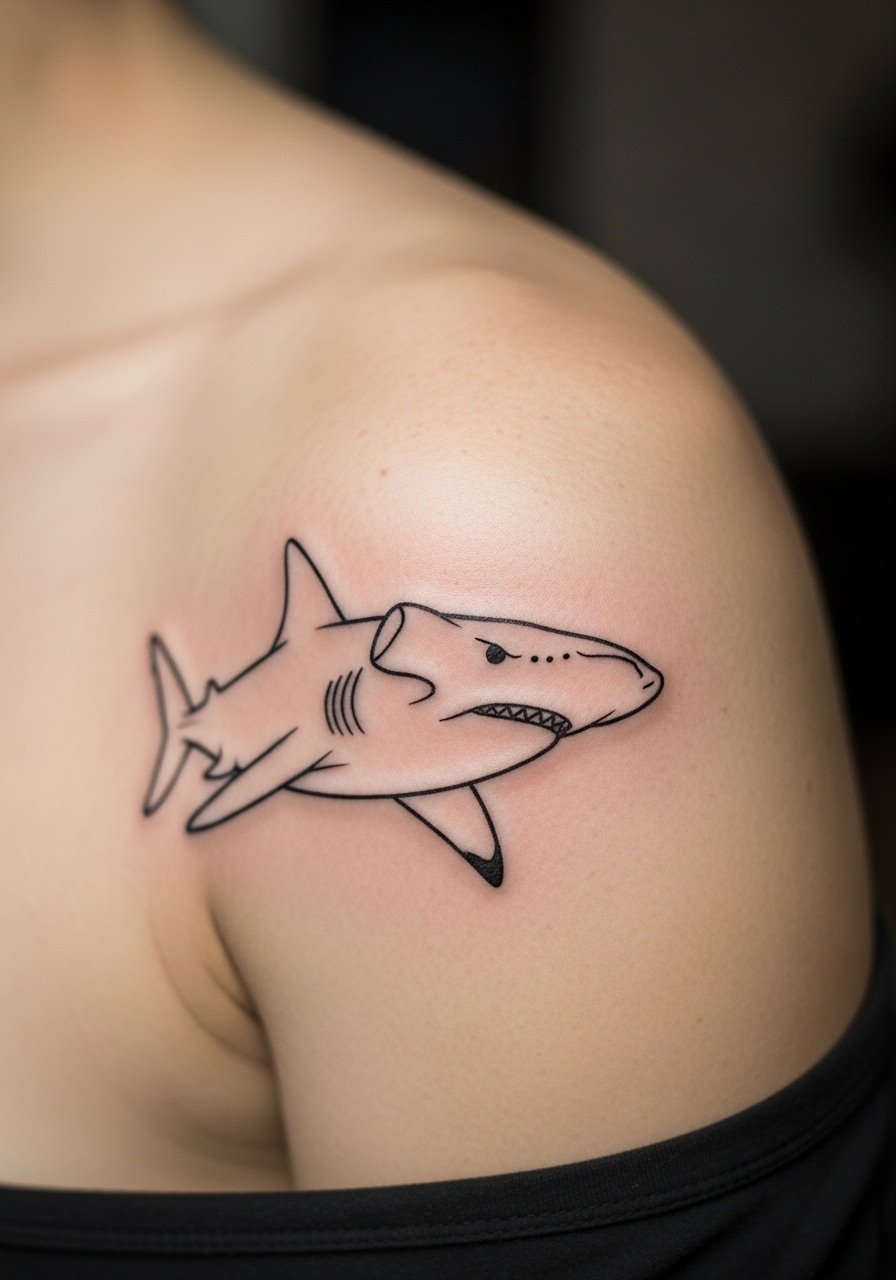
A small hammerhead sitting just below the collarbone reads modern and airy when executed with confident single-weight linework. The area benefits from a slightly arced composition so the head follows the bone line and the image looks intentional when wearing different necklines. Pain is low to moderate and sessions last 30 to 60 minutes. One mistake is placing the shark too high toward the neck where movement can affect healing. For wardrobe, a thin chain pendant necklace sits above the design without competing, which makes the tattoo feel like part of your styling. Expect the most fading on the edges where fabric rubs.
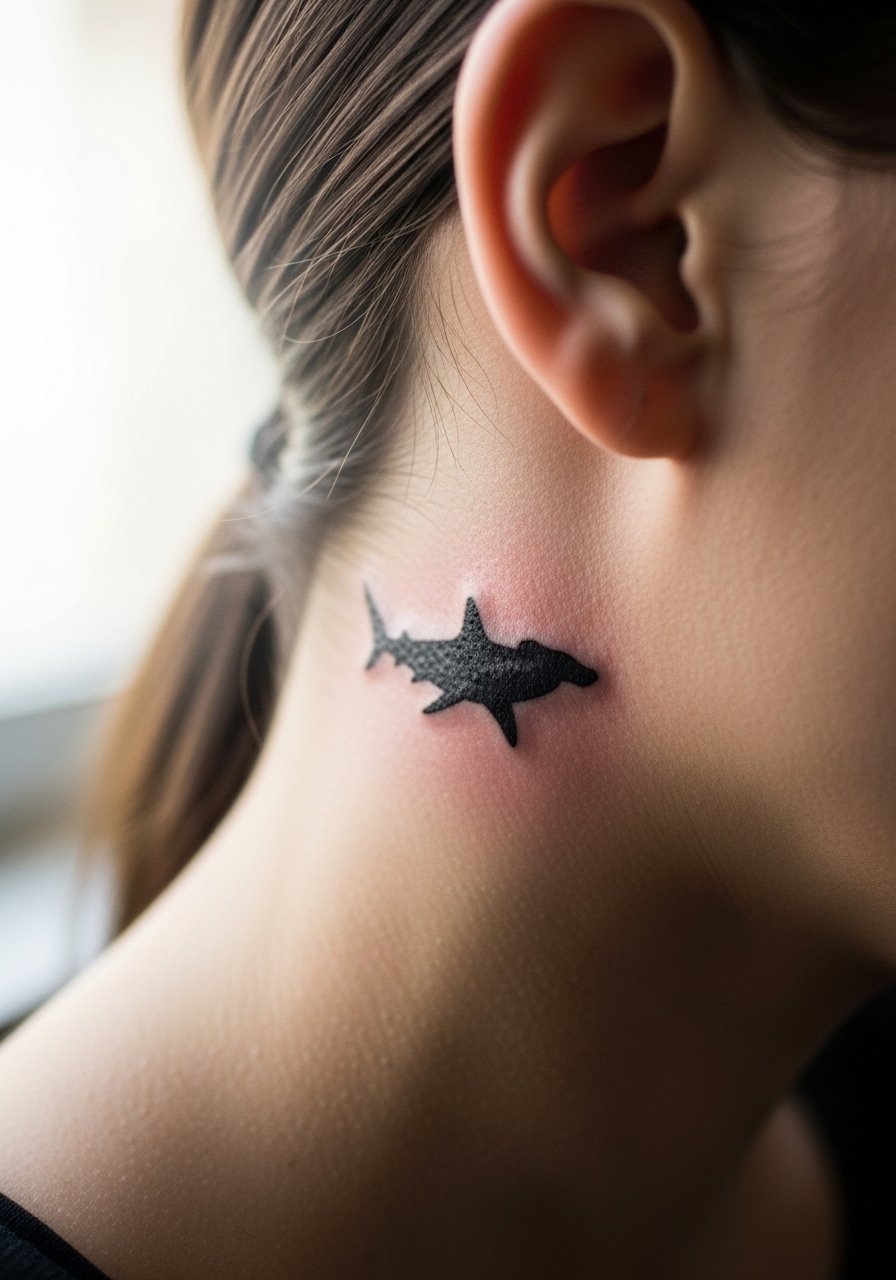
6. Tiny Hammerhead Behind the Ear
This is a quiet placement for a tiny hammerhead that reads best as silhouette only. Artists split on small tattoos behind the ear. One camp says the area keeps lines crisp because the skin does not stretch much. The other camp warns that hair oils and scalp movement can blur tiny work quickly. Ask your artist which side they favor and why before booking. The session is very short but sensitive. For the appointment and to keep the area discreet while healing, style with a crewneck tee or a collared shirt that can be shifted. Keep the design scale modest to avoid early merging of close lines.
Studio Day Picks
The collarbone, wrist, and behind the ear pieces above each have different prep and healing needs, so these studio day tools make the appointment and first week easier.
- Stencil transfer paper kit. Lets you preview exact placement for collarbone and wrist pieces so the scale reads the way you expect before the needle touches skin.
- Topical numbing cream. Applied per instructions before short but sensitive behind-the-ear sessions to take the edge off without affecting ink depth.
- Thin protective film roll. Helpful for wrist and ankle tattoos that get frequent rubbing during the first week.
- Fragrance-free gentle body wash. Cleans healing tattoos without irritating delicate linework on the forearm or collarbone.
- Aquaphor healing ointment. Thin layers in the first days lock in moisture without clogging the fine channels that delicate linework depends on.
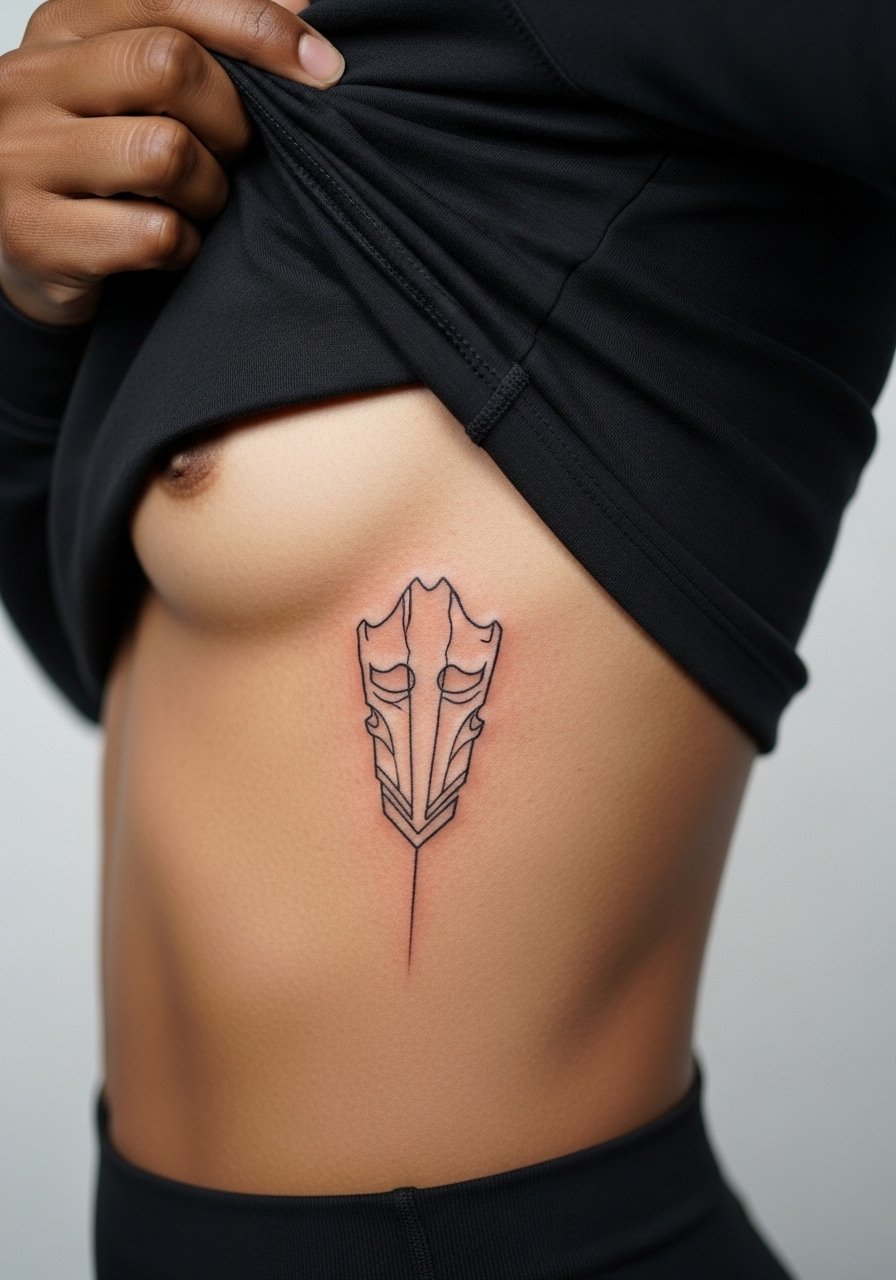
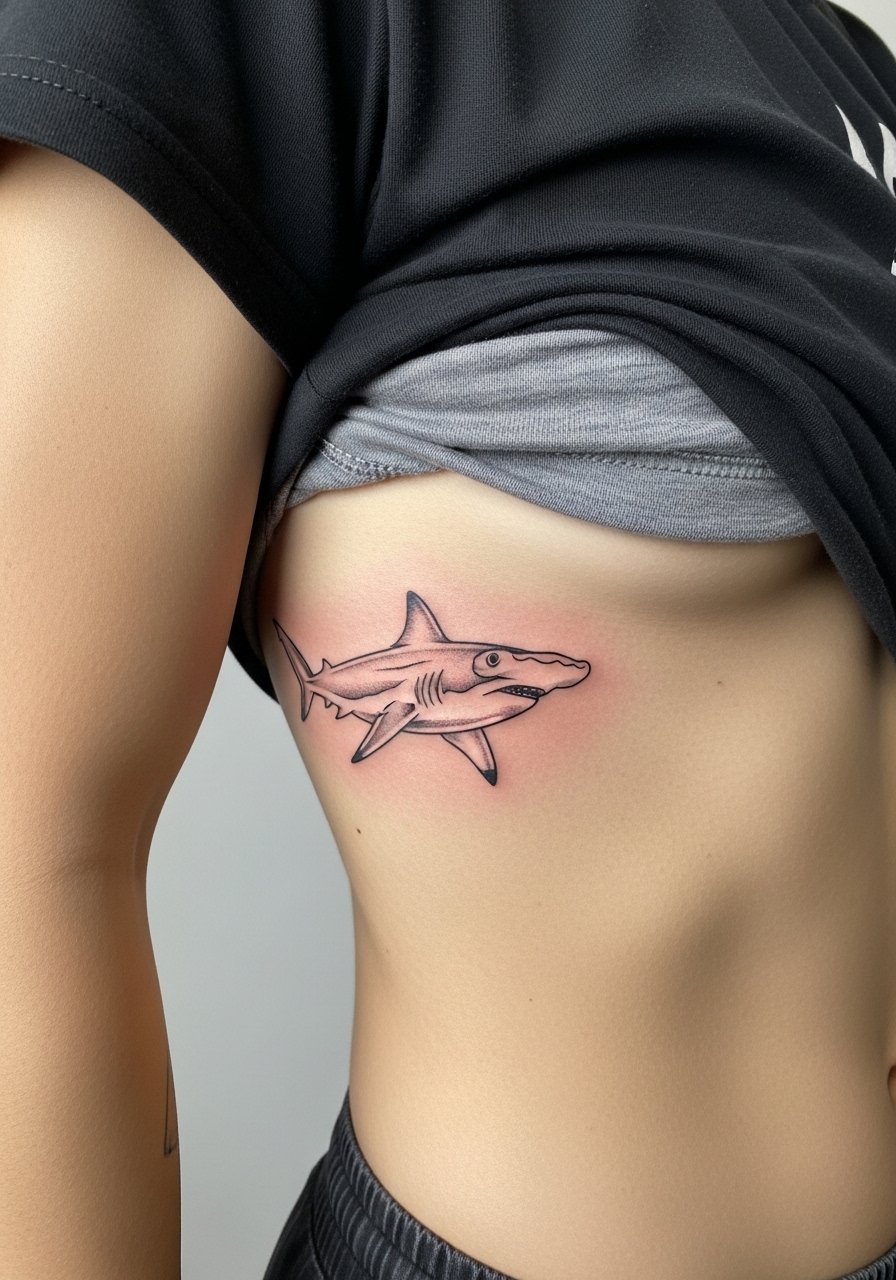
7. Side Rib Hammerhead, Single Line
Rib placements demand a design with room to breathe. For a hammerhead on the side ribs, I prefer a single continuous contour that maps the body curve instead of a packed detailed shark. Pain is high and sessions are longer. Fine line on ribs splits artists into two camps. One group says ribs shift and blur small lines within two years. The other group says careful depth and spacing make it last. Name both positions in your consultation and ask to see healed photos on the same body type. Wear a cropped top lifted slightly for the session and expect a touch-up window at year two.
8. Calf Minimal Hammerhead
The calf is forgiving for elongated minimal designs and the thicker skin helps preserve linework. I like a vertical hammerhead following the muscle line to emphasize motion. Pain is moderate and sessions run 45 to 90 minutes depending on size. A common mistake is centering the design where pants seam rubs daily. For the session, wear loose drawstring linen pants so you can roll the leg up without squeezing the calf. Calf pieces tend to hold well and often need touch-ups less frequently than wrist or hand work.

9. Tiny Negative Space Hammerhead on Ankle Bone
Use negative space to suggest the hammerhead silhouette near the ankle bone. This technique reduces the amount of ink under the skin but still reads bold because of the surrounding outline. The area is sensitive over bone and the session is short. Avoid tiny stipple fills that will smudge by year two. For longevity, keep the edges clean and the interior open. Protection in the first week is critical because socks and shoes cause friction. If your wardrobe is shoe-heavy, prepare for a likely touch-up at year two.

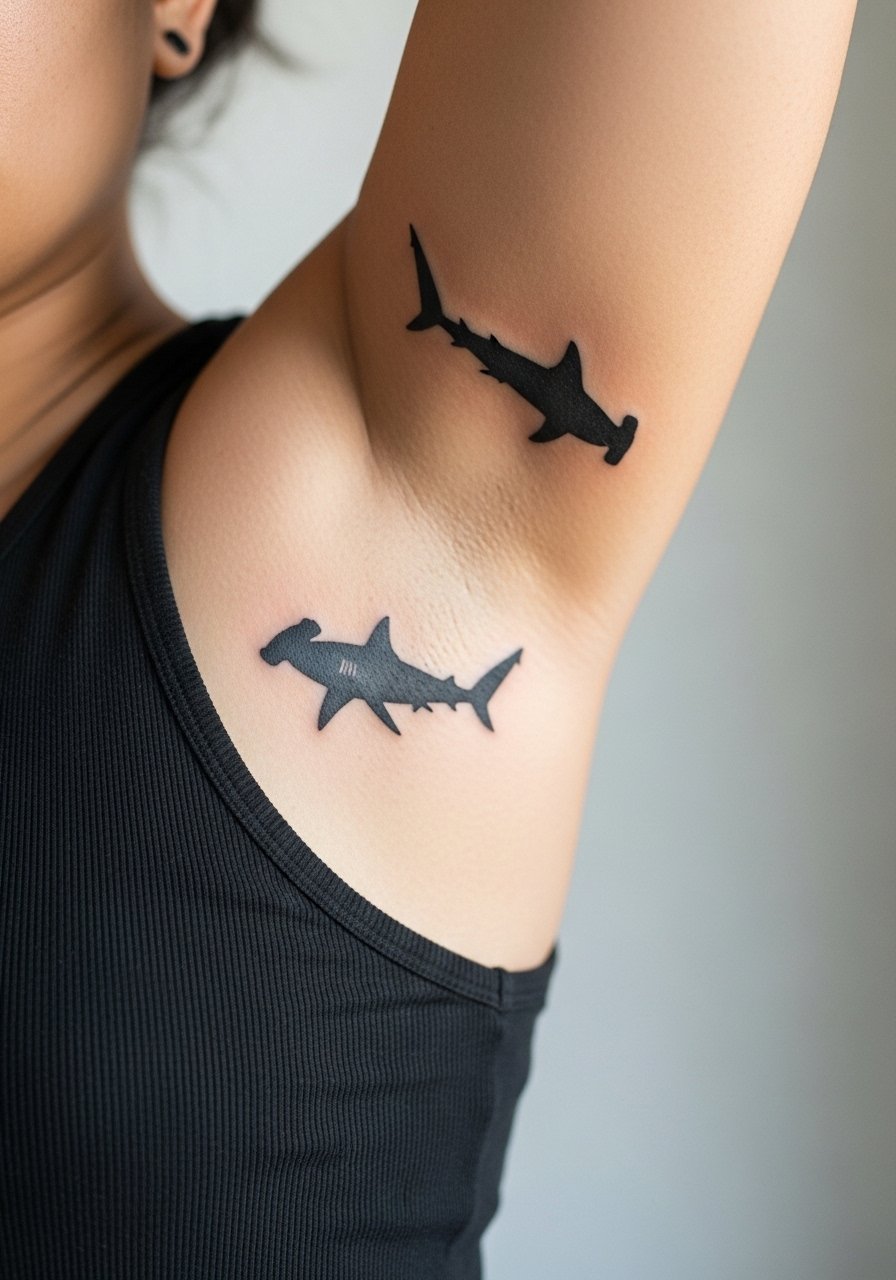
10. Inner Bicep Hammerhead Silhouette
The inner bicep is a private spot that flatters curved silhouettes when the shark faces toward the chest. It is sensitive and requires an arm position that keeps the muscle relaxed during the session. The biggest mistake is asking for ultra-thin lines in a high-motion area. Ask for slightly more depth and moderate spacing so lines do not blur when the arm moves. For the appointment, wear a loose tank top so the artist has unobstructed access. Inner bicep tattoos can hold detail well if the artist avoids overly tight compositions.
11. Micro Hammerhead on the Back of the Neck
A tiny hammerhead centered at the nape works well under hair or with cropped styles. Keep the design exceptionally simple and centered. The area is prone to irritation from collars and hair products, so plan aftercare accordingly. Sessions are quick with low to moderate pain. Hair growth and product residue can affect ink longevity, so ask your artist how they recommend keeping that area clean during healing. This piece is a discreet choice for someone who wants a shark motif without high visibility.
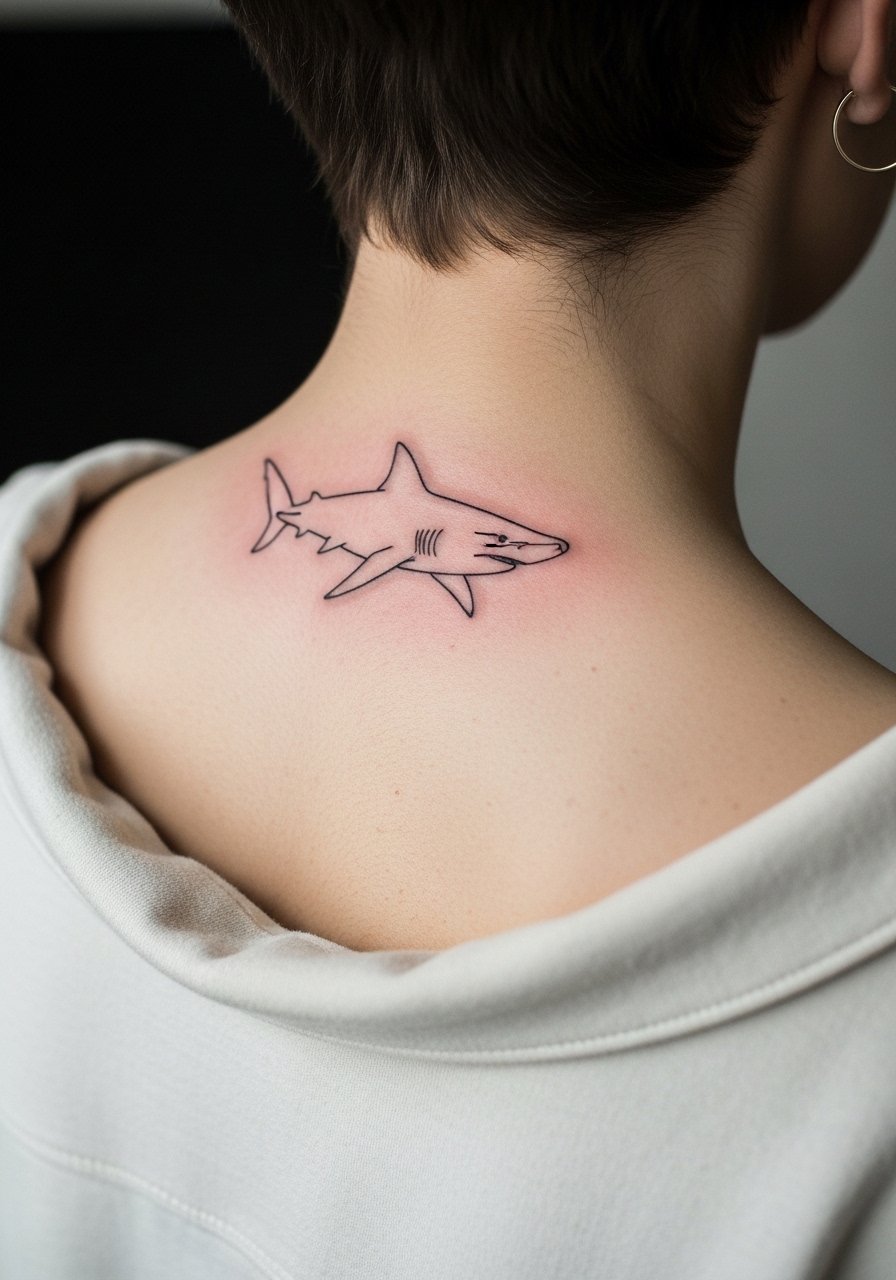
12. Small Hammerhead Over the Heart
Placed just above the sternum, this small shark reads intimate and graphic when kept minimal. For sternum-adjacent work, the subject should wear a fitted sports bra or bandeau for the session so only the targeted area is exposed. The skin here moves with breathing and muscle contraction, so keep the composition simple and stable. Pain is moderate and the session can be jumpy with breathing. For showing it off, an open-back top or a strapless bandeau places the design center stage while keeping it tasteful. Expect touch-ups sooner if the area sees a lot of sun.
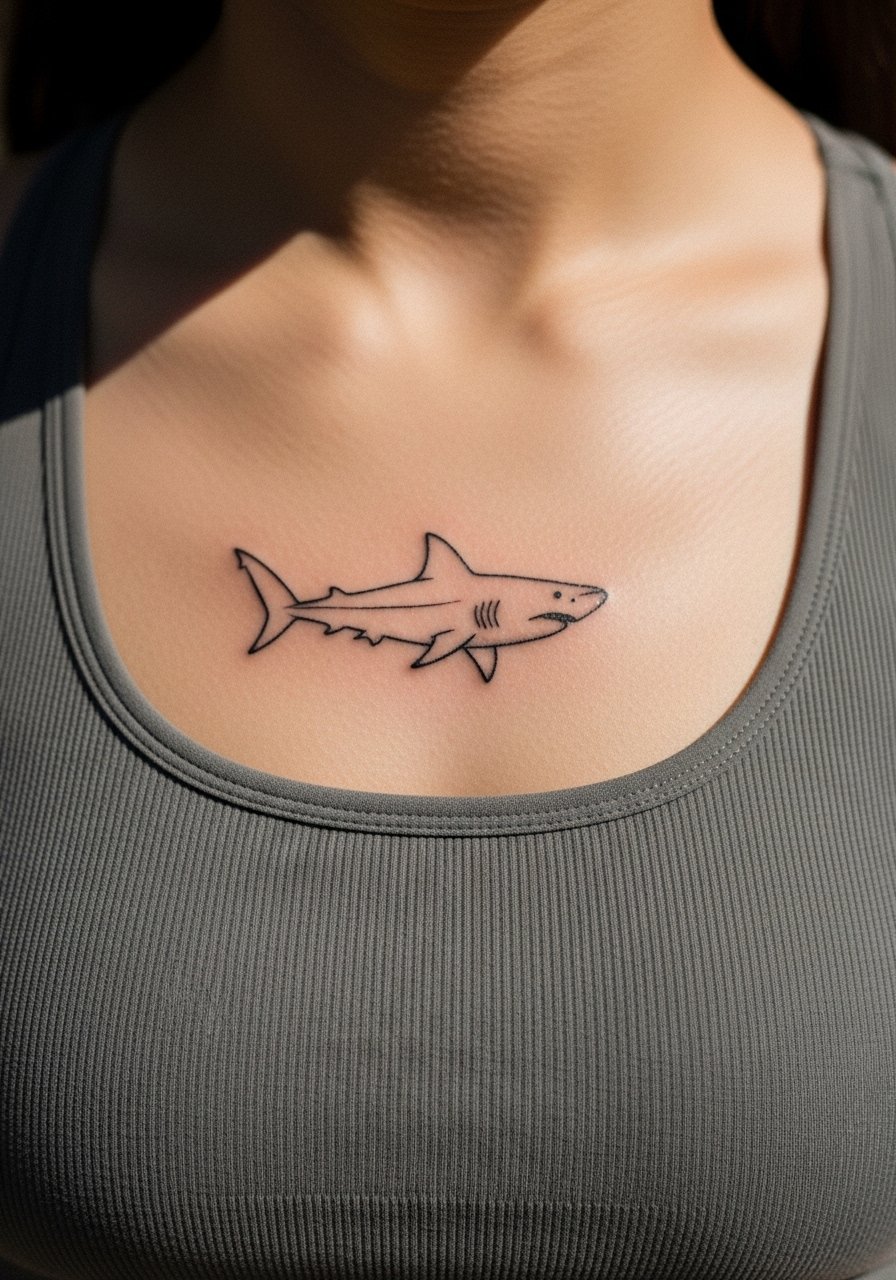
13. Collarbone Chain of Mini Hammerheads
A row of three or four tiny hammerheads along the clavicle line reads like a necklace when spaced evenly. Keep each shark as a simple contour and preserve negative space between them. The main mistake is reducing each figure until details vanish, which flattens the visual rhythm. Sessions can be combined into a single visit. For placement, ask your artist to stencil the full chain and check balance with typical tops you wear. This layout photographs well and resists over-blurring when scaled properly.

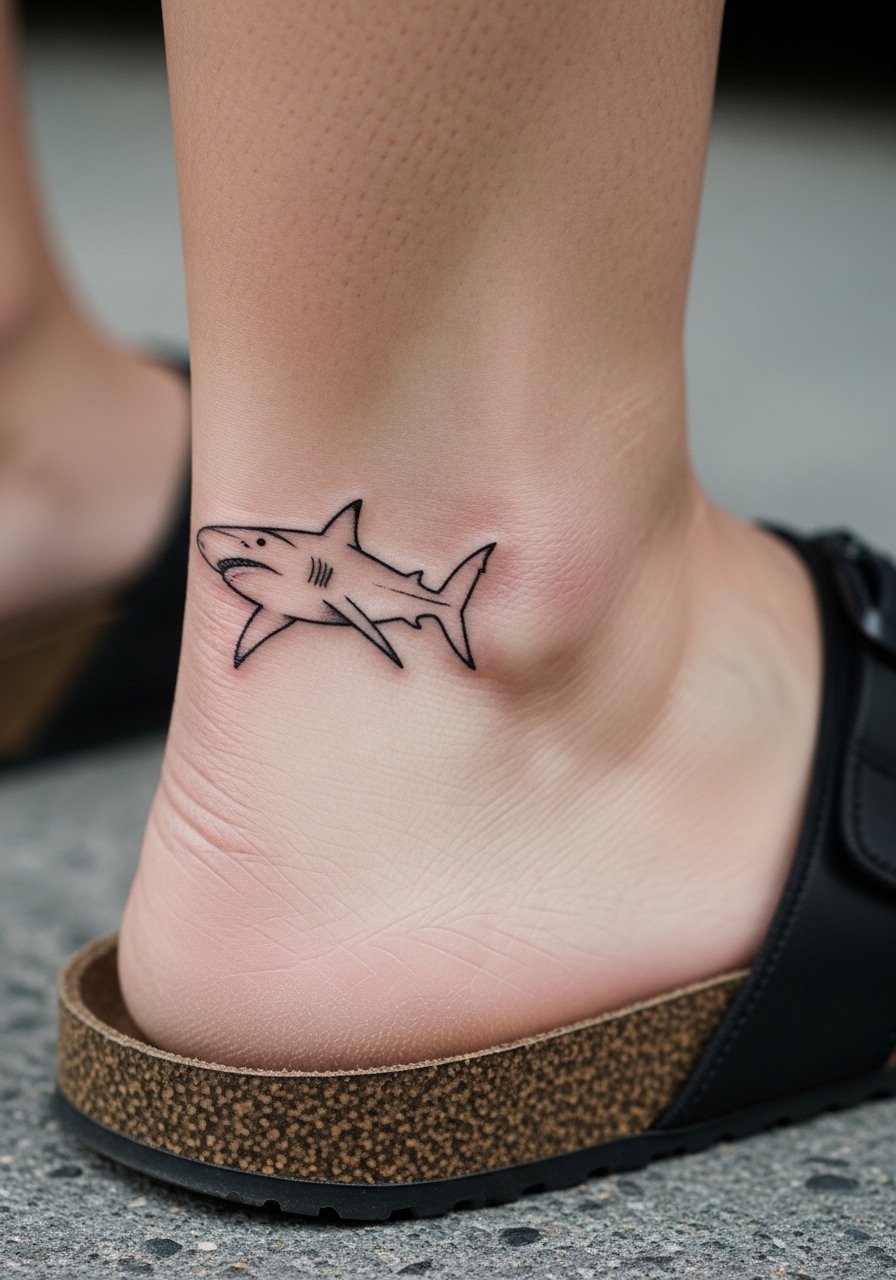
14. Minimal Hammerhead Behind the Ankle Tendon
A delicate placement just behind the ankle tendon reads discreet and sculptural when the shark is slim. Expect more sensitivity near tendons and a higher chance of fading from footwear friction. The session is brief but the area needs careful protection while healing. Keep linework slightly bolder than your smallest scale to guard against early blurring. Wear sandals or shoes that avoid rubbing the tattoo for the first two weeks to minimize scabbing and ink loss. Plan for a likely touch-up in the first two years if you wear closed shoes daily.
15. Minimal Hammerhead Along the Rib Line of a Sleeve Edge
Place a small hammerhead at the edge of a short sleeve line so it peeks out like a charm when you move. This trick uses placement rather than size to make the tattoo feel integrated with your daily looks. The rib line near the side of the torso can be sensitive. For the session, wear a short-sleeve button-down shirt you can shift to expose the area comfortably. Keep the shark simple and let skin movement create the sense of motion. Expect stable healing if the stencil sits off underarm seams and away from constant friction.
16. Micro Geometric Hammerhead with Dot Work Eye
Combine a single-weight outline with a tiny dot work eye for subtle contrast. This design is small but deliberate, and it benefits from a skilled hand to place dots without overworking the skin. The common error is over-dotting which turns fine detail into blur. For placements like the forearm or shoulder this piece holds well. Mention stipple shading preference in consultation so the artist knows to use spaced dot work instead of packed shading. Expect touch-ups around the dot eye sooner than the outline.
17. Negative Space Hammerhead on the Upper Thigh
The upper thigh is forgiving and perfect for a larger minimal hammerhead that still reads as spare. For intimate placements like the thigh, wear high-cut shorts or a swimsuit bottom so only the tattooed zone is revealed during the session. This location allows a slightly bigger composition without risking blowout. The session length is moderate and discomfort is generally manageable. If you plan to wear tight jeans daily, expect some edge fading. This placement also gives you control over who sees the piece and when.

Frequently Asked Questions
Q: How often do minimal line hammerhead tattoos need touch-ups compared with bold traditional sharks?
A: Minimal line pieces tend to need touch-ups sooner because they rely on thin single-weight strokes that can blur or fade. From what I have seen, expect a possible first touch-up between year one and year three depending on placement and sun exposure. Areas with a lot of friction like fingers and ankles usually need attention earlier.
Q: Is fine line work a bad idea for ribs and sternum placements?
A: Artists fall into two camps. One side says fine line on ribs blurs fast because of skin movement and thin tissue. The other side argues that with correct needle depth and spacing, fine line can settle well. The practical move is to ask to see healed photos from the artist on similar placements and to plan a small test scale if you are unsure.
Q: What should I wear to my appointment for a calf or thigh hammerhead?
A: For calf pieces wear loose drawstring pants or shorts you can roll without tightness. For a thigh session opt for high-waisted shorts or a wrap skirt so the artist has clear access and you can leave without squeezing the area. A loose drawstring linen pant is an easy pick for both comfort and access.
Q: Will a tiny hammerhead on the finger survive daily hand washing and sanitizer use?
A: Finger tattoos face constant washing and surface abrasion which accelerates fading. They can last well for a time but expect a higher maintenance schedule and likely touch-ups. Choosing slightly thicker single lines and avoiding interior micro-detail improves longevity.
Q: How do I find an artist who understands minimal line shark work without naming specific shops?
A: Use discovery pathways like local shop directories, tattoo convention guest lists, hashtag searches focused on fine line or minimal shark work, and community threads on Reddit. Look for healed photos that show the same placement and skin tone similar to yours before booking.