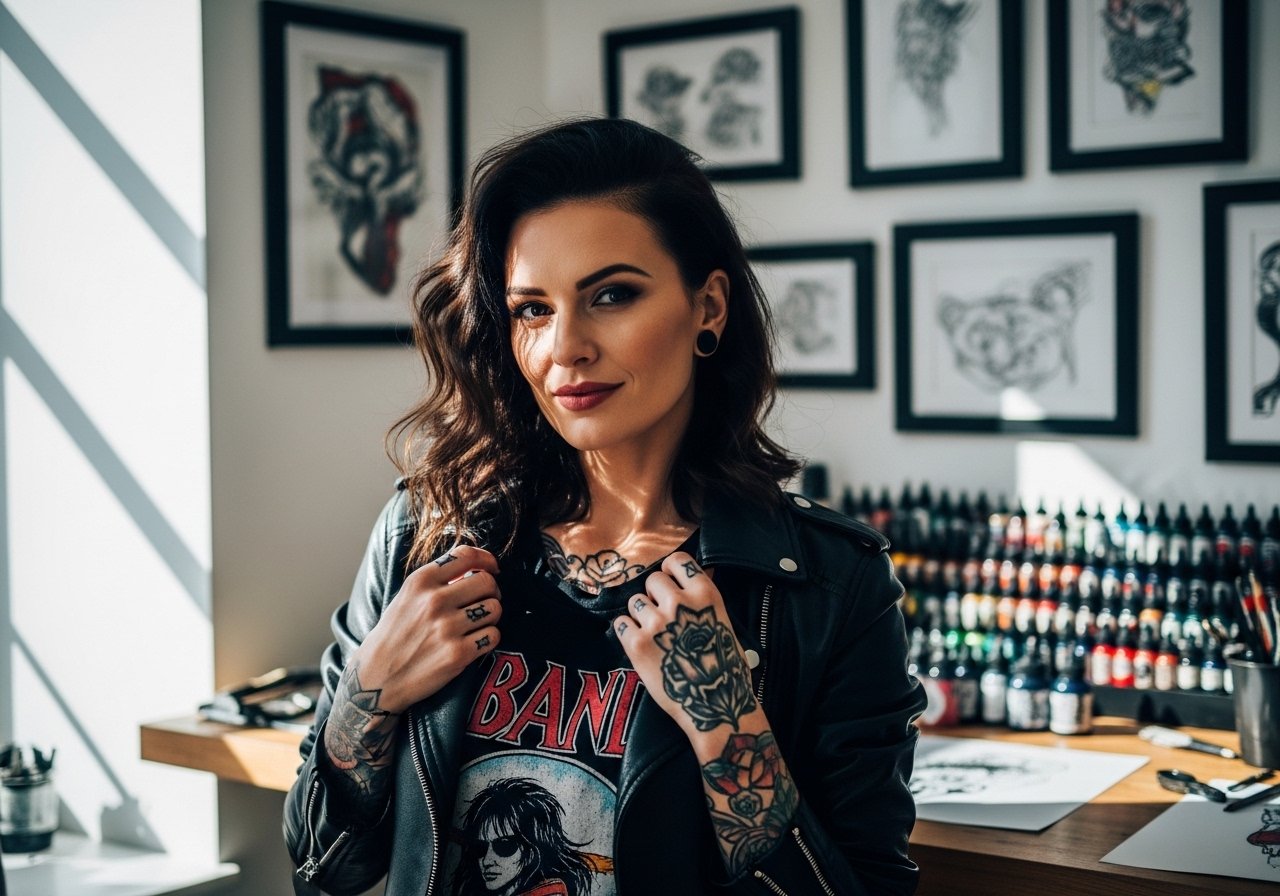
Fine line tattoos dominate feeds and saved boards right now, and the gap between what looks perfect fresh and what still reads clean at year three is wider than most expect. I've seen wrist lyrics blur while neo-traditional skeletons hold their shape. This list walks through 27 My Chemical Romance tattoo art directions that balance what trends, what lasts, and what to ask for in your consult.
1. Black Parade Skeleton Forearm Piece
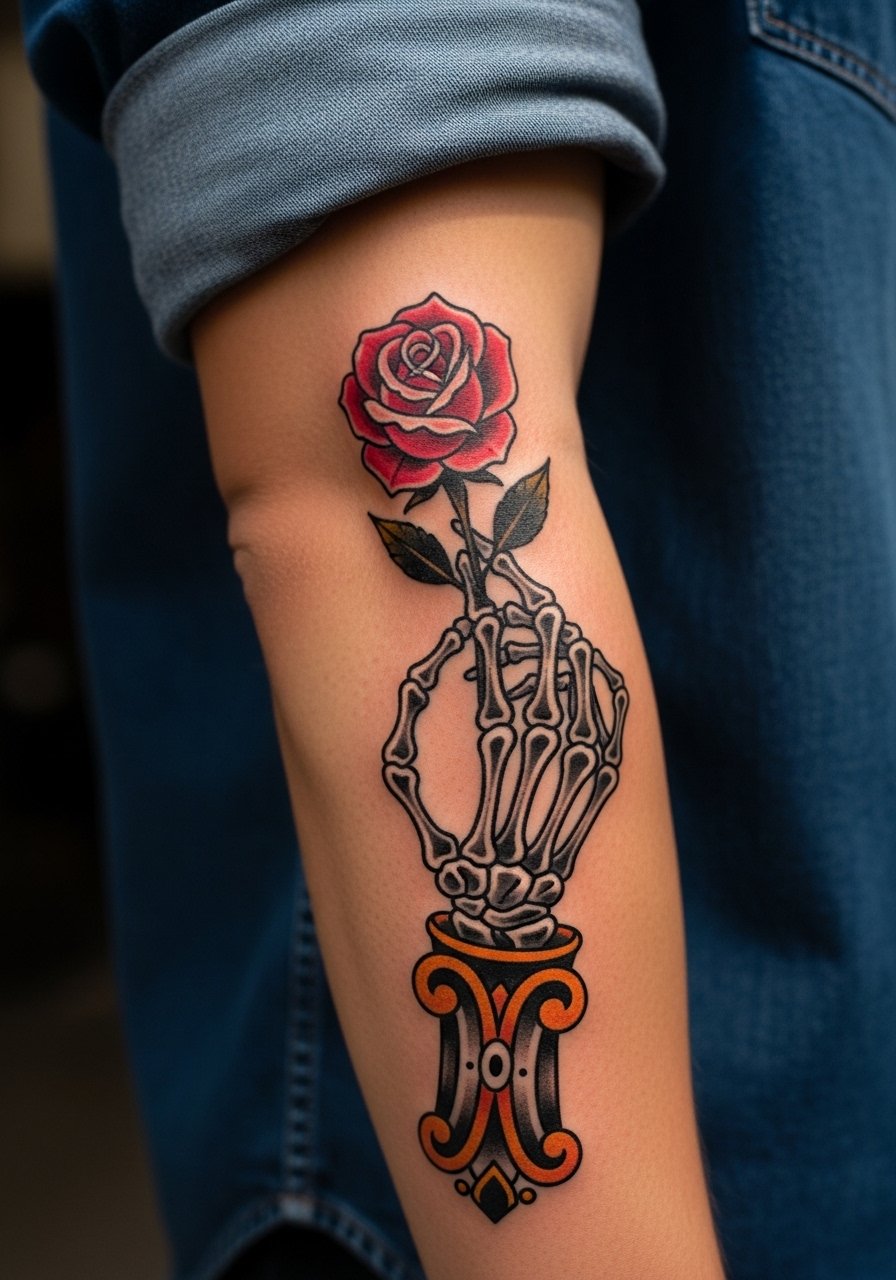
I recommend this for people who want album-era symbolism with longevity. I've seen bold neo-traditional saturation on forearms keep its shape because the lines are given room to breathe. Tell your artist you want heavy outer linework and saturated fills so the skeleton still reads on darker complexions. Common mistake is shrinking the skull to a palm-sized sticker, which compresses detail and invites blur. Forearm pain is mild to moderate, sessions usually run one to two hours, and a roll-sleeve tee makes the appointment easy to access. Pair it with a black fitted tee when you want the piece on display.
2. Three Cheers Heart Skull on Inner Bicep
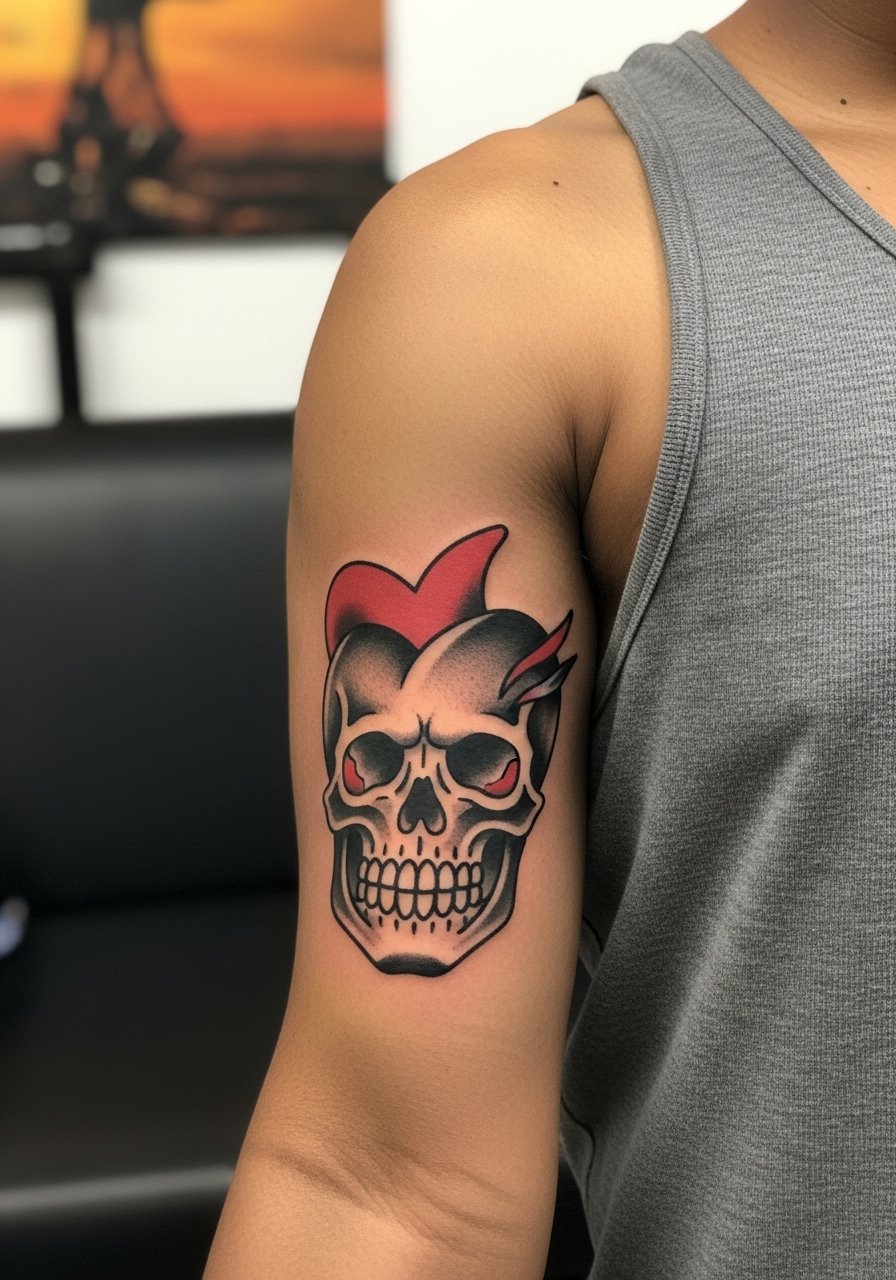
Fair warning, inner bicep work can be tender during shading but it heals nicely when done at the right depth. For dark skin tones increase contrast with heavier outlines and richer black saturation so the red accent does not read muddy in photos. Ask for a classic traditional layout with thicker contour lines and a small color pop. A common aging mistake is a thin outline that fades into a gray haze. Session time is often 60 to 90 minutes and you should wear a loose tank top so the artist can rotate the arm without snagging fabric.
3. Welcome to the Black Parade Lyrics Sleeve Script
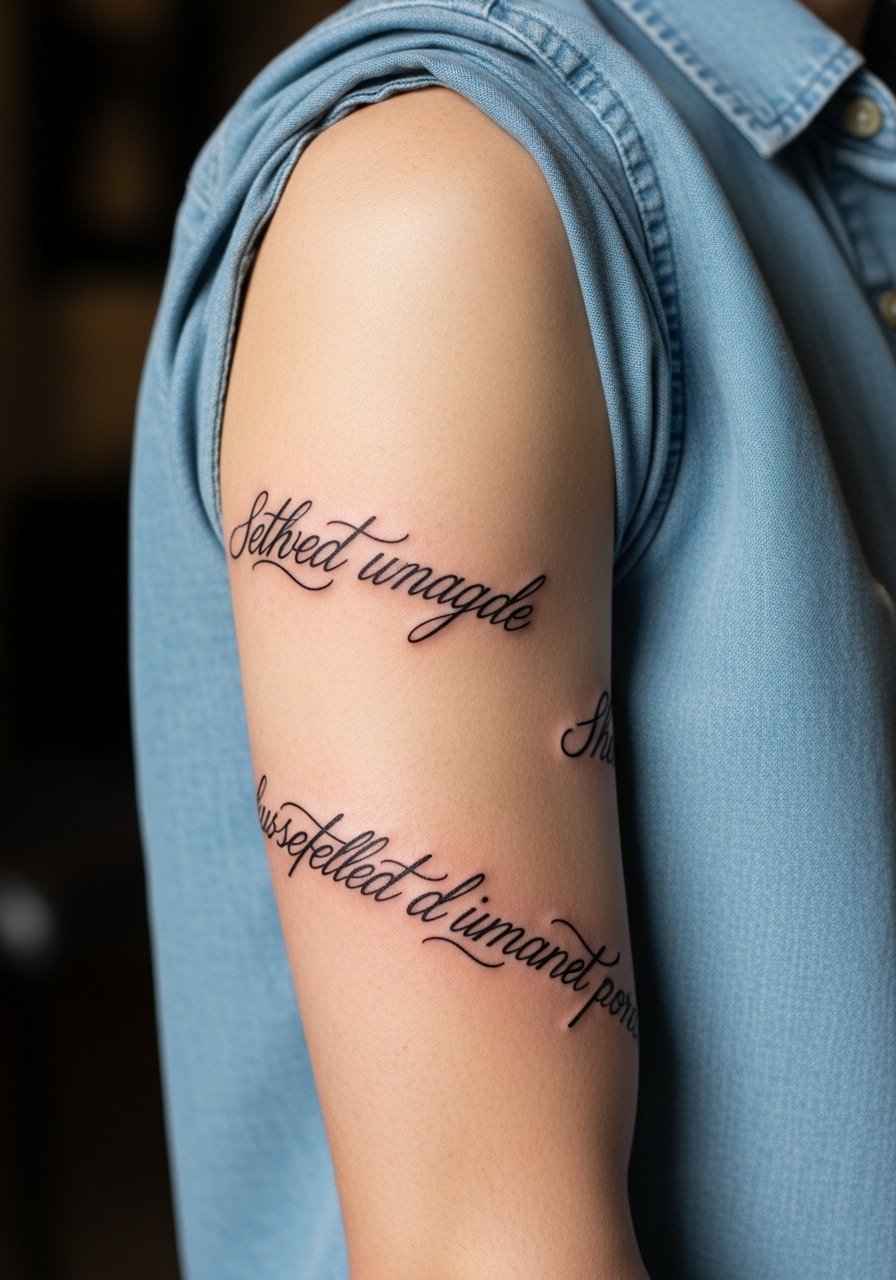
Fine line lyrics read incredibly intimate at first, and the debate about longevity is real. One camp says fine line script softens and loses legibility in two to three years. The other camp insists that with correct spacing and needle depth, single-needle script can settle clean for much longer. If you want a sleeve of lyrics, plan for wider letter spacing than you think and budget realistic touch-ups at the 18 to 24 month mark. Sessions will spread across multiple sittings because dense script plus negative space needs time. For showing the upper arm, a vintage band hoodie that can be unzipped frames the sleeve without hiding the work.
4. Danger Days Killjoy Mask on Outer Thigh
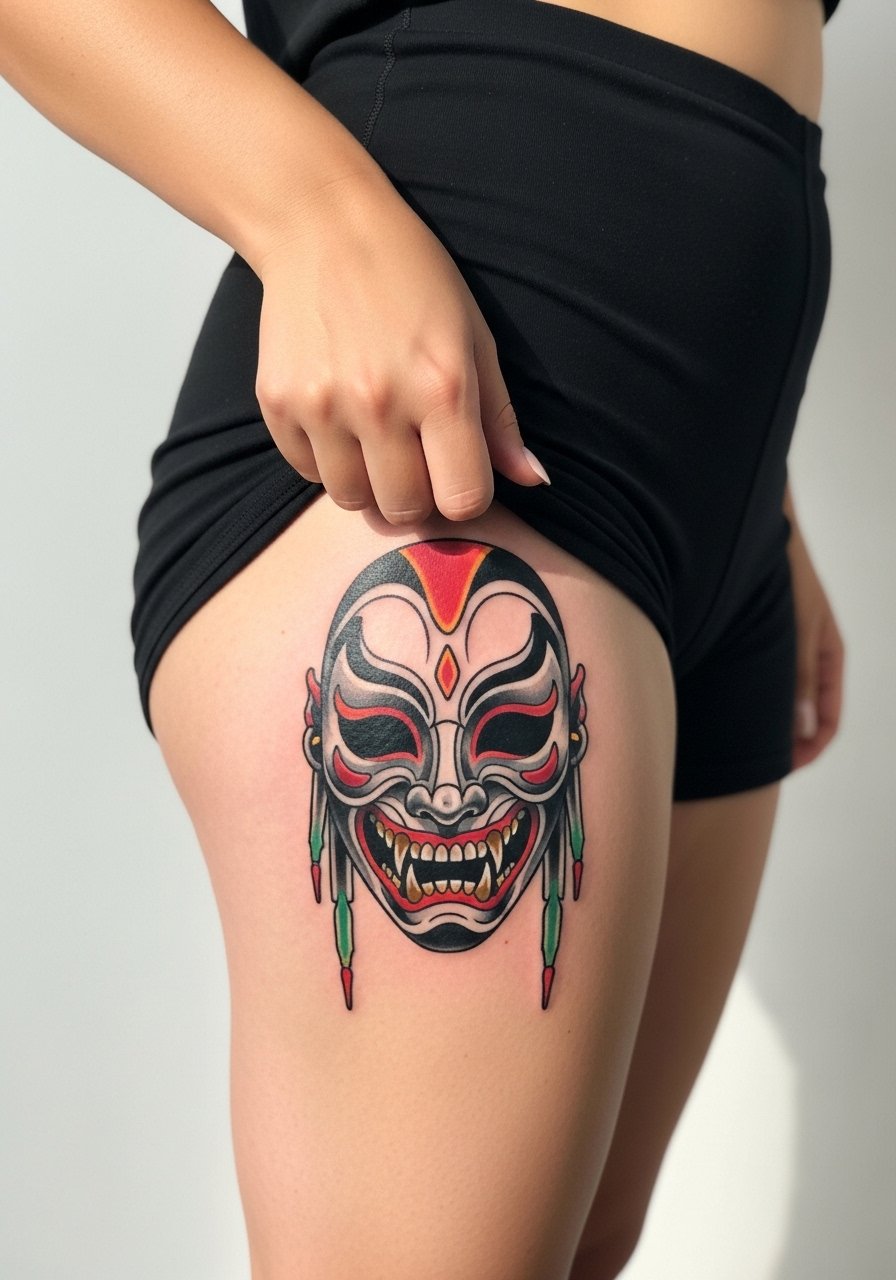
Outer thigh pieces allow larger color work and hold saturated fills well unless the area goes through dramatic weight change. I've seen bright Killjoy masks read bold for years on thighs when the composition avoids thin hairline details. The biggest mistake is packing micro-detail into a moving surface, which can warp if your body shape shifts. Sessions are comfortable for many because the thigh tolerates longer sits, but expect two to three sessions for full color. For showing this in summer try high waisted black shorts that stop above the design so the mask can peek out.
5. I'm Not Okay Music Video Portrait on the Wrist
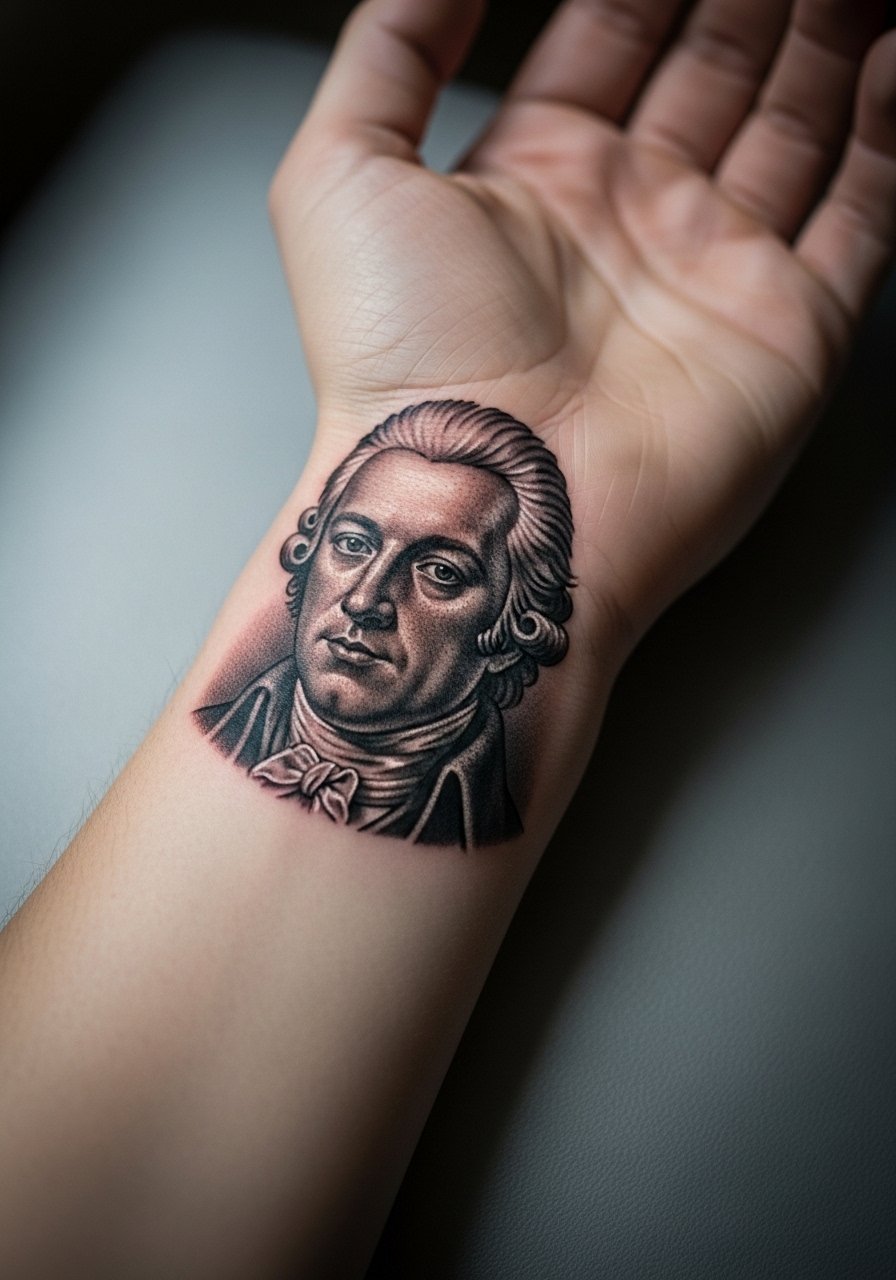
Portrait micro-realism on the wrist is high-visibility and high-maintenance. The wrist moves constantly and the tiny areas with delicate shading can soften faster than on thicker skin. Ask for a slightly larger scale than your reference photo and for defined dark anchor points to keep the face readable. The typical session for a small micro-portrait is 60 to 90 minutes and the wrist feels sharp during lining. A common regret is insisting on a 1.5 inch portrait that loses detail. Wear a slim black leather watch on the opposite wrist so the portrait retains focus without competing hardware.
6. Black Parade Rose with Skulls on Collarbone
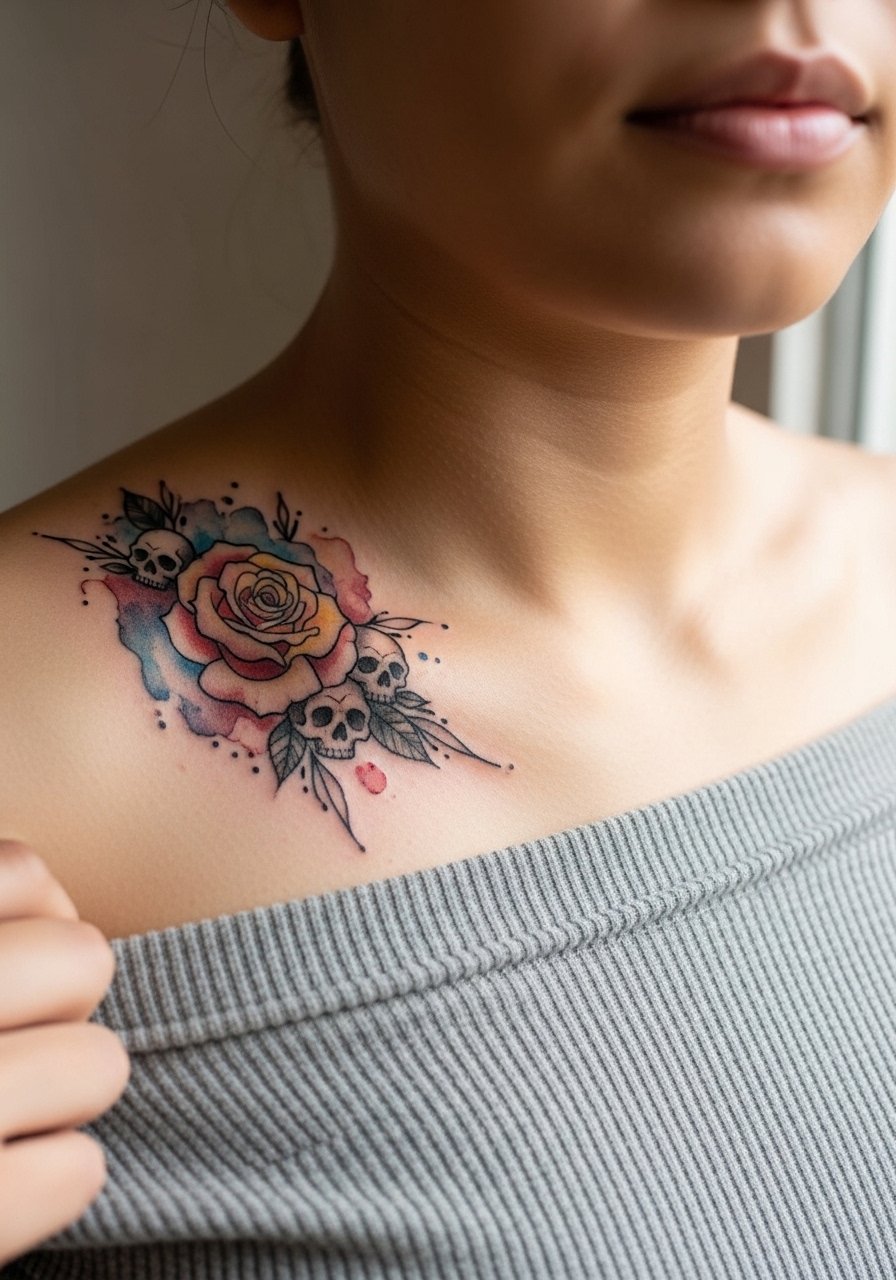
Collarbone watercolor plays with the skin's curve and can look gorgeous when the washes stay soft. Watercolor techniques on the clavicle have a known trade-off though. The inconsistent saturation can fade faster in sun-exposed areas and some artists avoid heavy wash on collarbones for that reason. If you want watercolor here, ask for subtle black anchor lines around key elements so the design keeps shape as pigment settles. Sessions usually break into two to allow careful blending near bone. For evenings out pair the piece with an off shoulder black top that lets the curve show without rubbing the ink during dress changes.
Studio Day Picks
These picks help with the forearm, wrist, inner bicep, thigh, and collarbone pieces above, and they focus on prep and first-week concerns specific to those placements.
-
Indie tea tree salve. Gentle itch relief without steroids, helpful for color pieces on warm areas like the thigh when mild irritation spikes in week one.
-
Japanese aftercare gel alternative. Lightweight and less shiny, useful for collarbone watercolor where you want color to breathe without heavy residue.
-
Manuka honey healing sticks. Good for scab management on dense blackwork areas like the forearm skeleton without over-occluding the skin.
-
Mushroom extract serum. Used by a few people to support pigment retention on fine line scripts, especially when climate or seasonal dryness is a factor.
-
Hustle Butter Deluxe. A thinner balm some folks prefer over heavier ointments during the first days of color healing to avoid clogged pores on saturated pieces.
7. MCR Logo with Bats Forearm Banner
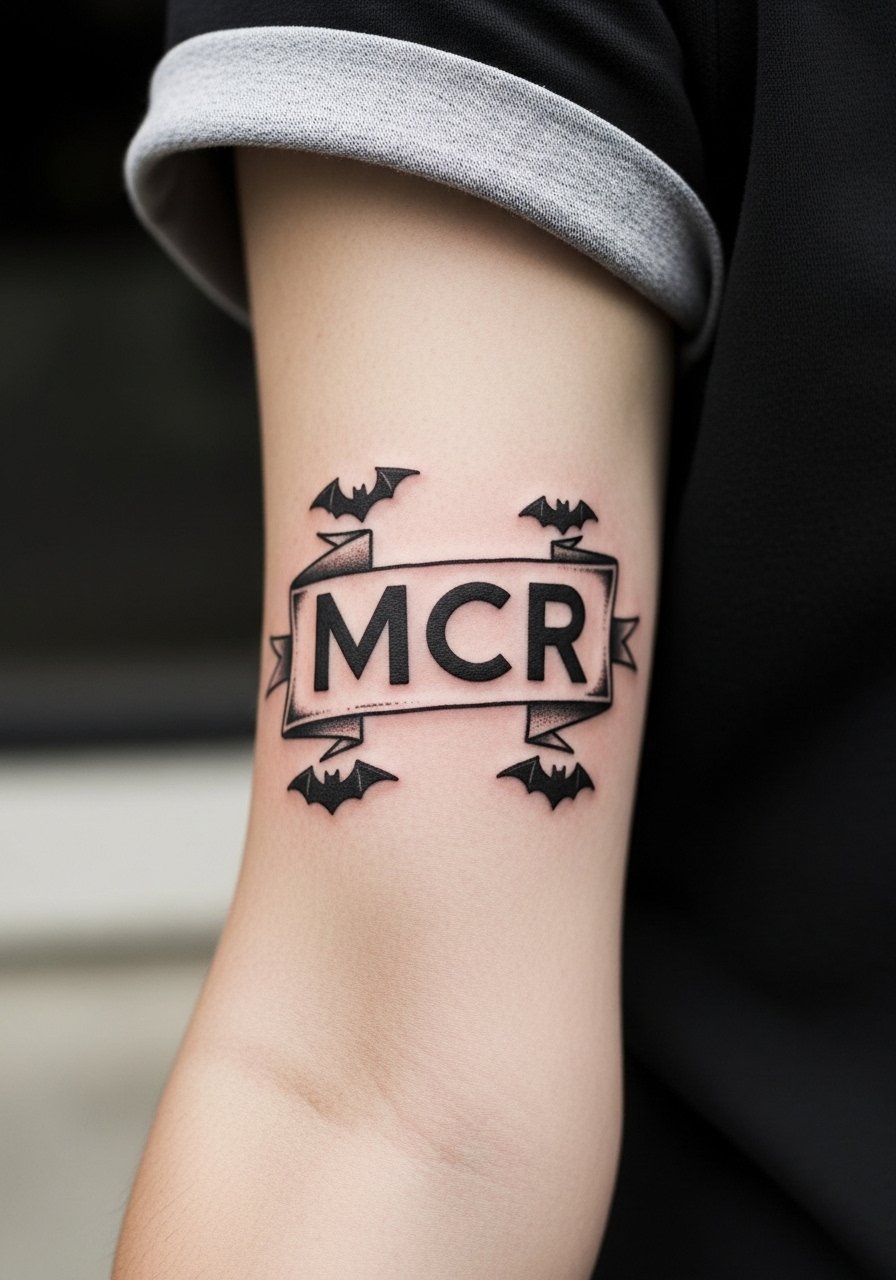
There's something about solid black logo work that ages into a readable symbol across skin tones. The common error is shrinking logo elements so small that the bats and lettering blur into one mass. For a forearm banner ask for 3 inches minimum width so the negative space holds. Touch-ups are more likely only if you spend heavy time in sun without sunscreen. Expect one session under 90 minutes for a simple bold banner. Show it with a fitted black tee to let the logo read clearly when you roll the sleeve.
8. Helena Funeral Procession Scene on Calf
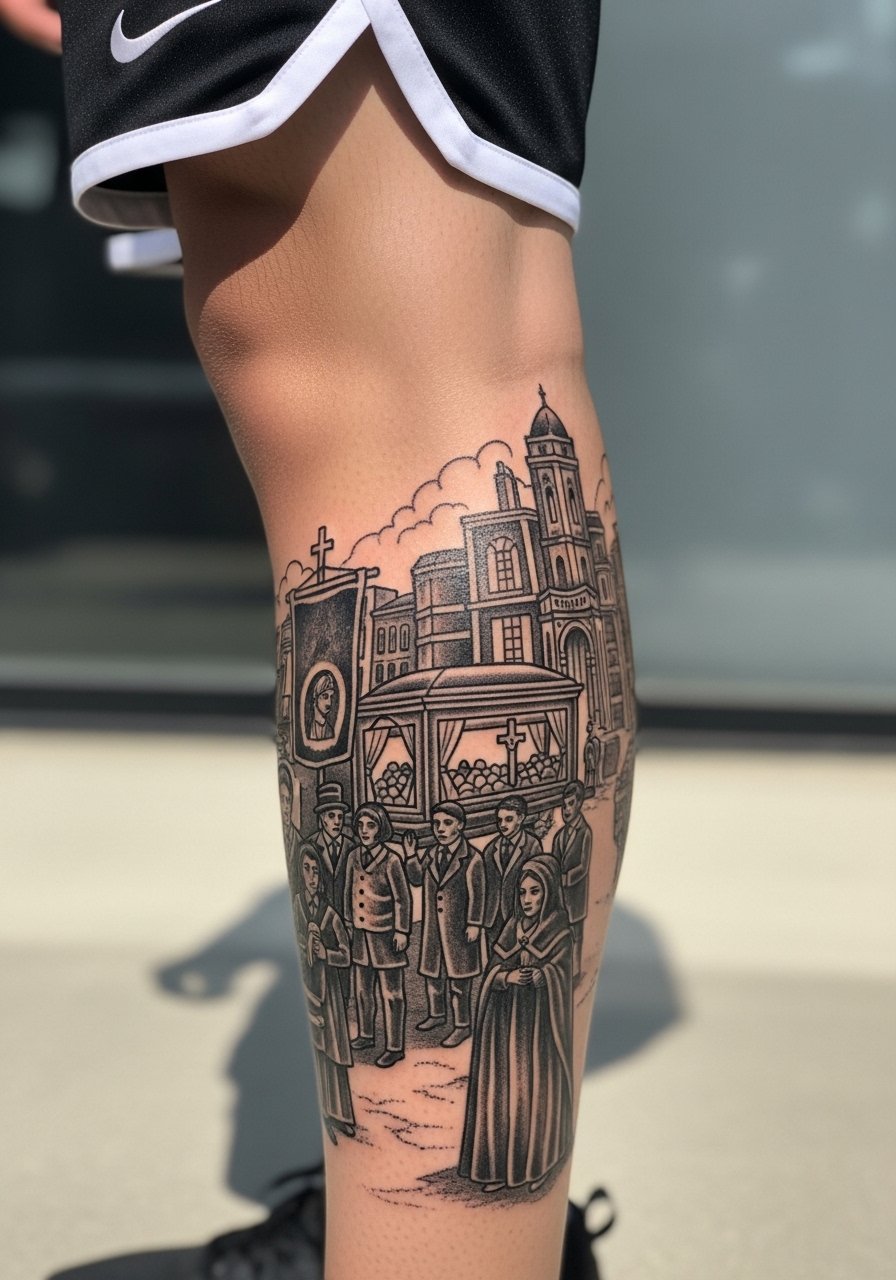
Calf wraps allow narrative scenes that breathe and age well if line weight is varied. I have seen processional illustrations hold tone because the calf does not get as much constant friction as hands or wrists. A mistake is compressing a long scene into a narrow band, which forces fine detail that will soften. This design often needs two to three sessions and can be sweaty to heal in summer, so plan clothing and aftercare accordingly. For seasonal show-off pair with slim black jeans rolled hem or athletic shorts for warmer months.
9. Na Na Na Ray Gun on Back of Hand
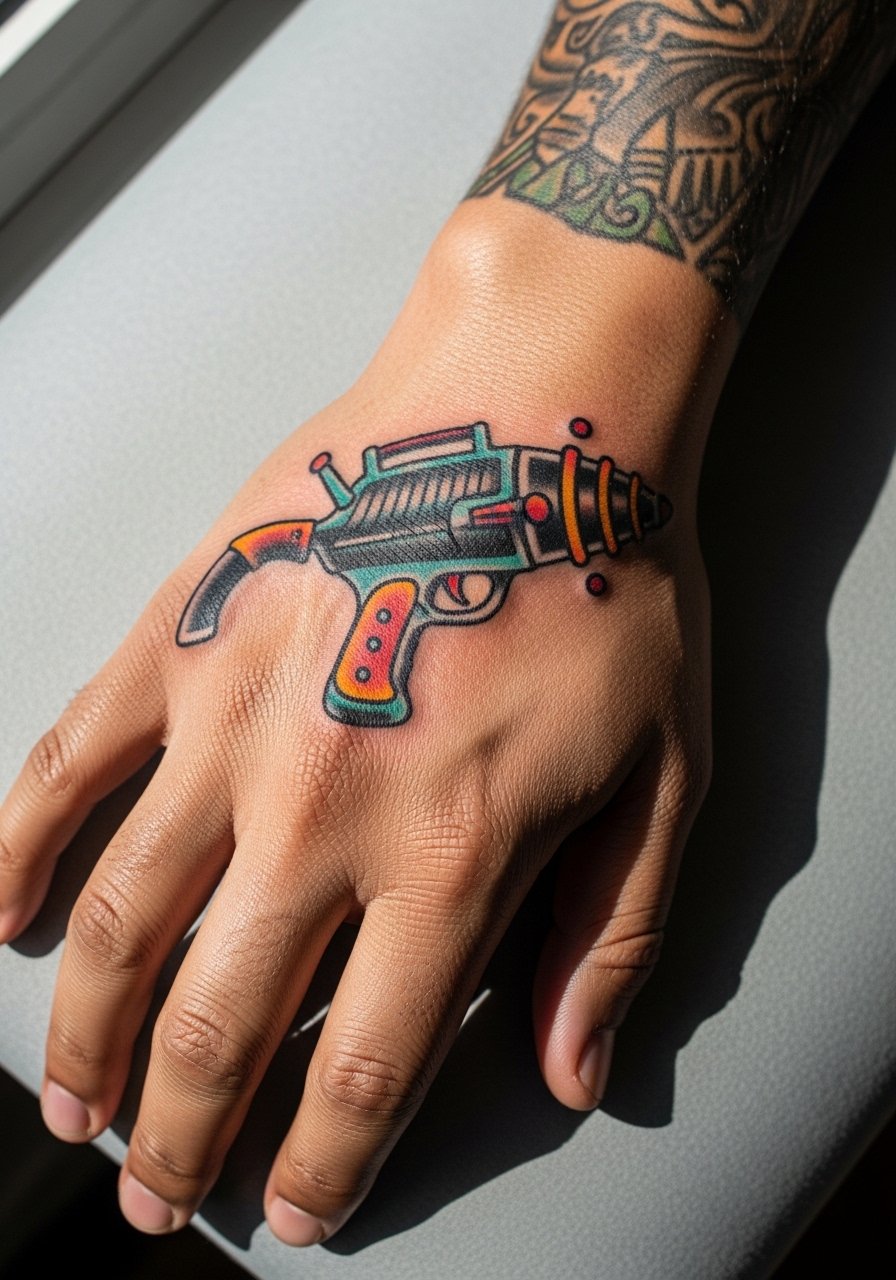
Hand and finger pieces come with high fade risk from constant washing and friction. Many fans choose them for visibility despite the maintenance. If you go for a Na Na Na gun on the hand, favor heavier black anchors and limited color fields so touch-ups at year one are predictable. The session is short and sharp, often under an hour, with pain that feels immediate. Also consider career implications because hands remain visible in many professions. Keep the design compact and expect to book a touch-up within 12 months.
10. Cancer Lyrics on Ribcage
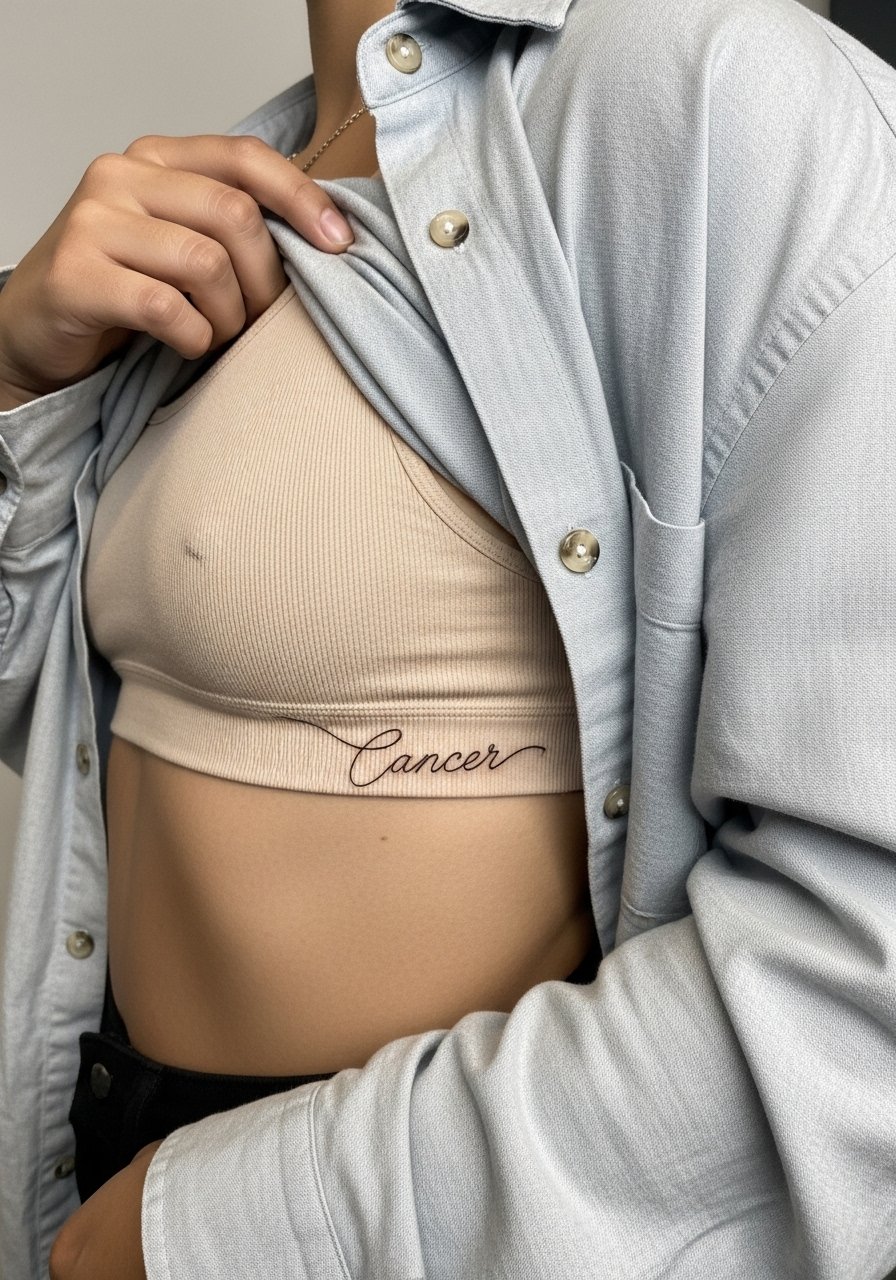
Fair warning about ribs, they are one of the more painful zones for shading. That same thin skin and movement make fine line script prone to early softening if spacing is too tight. Artists are split on whether single-needle holds there. One camp says the stretch causes blur within two years. The opposing camp says proper depth and slightly increased letter size can keep the quote readable for longer. Plan for one focused session, bring numbing cream if you need it, and discuss spacing in the consult. Wear a loose button-down shirt you can lift for access without tugging.
11. Vampire Money Bat Wings on Shoulder
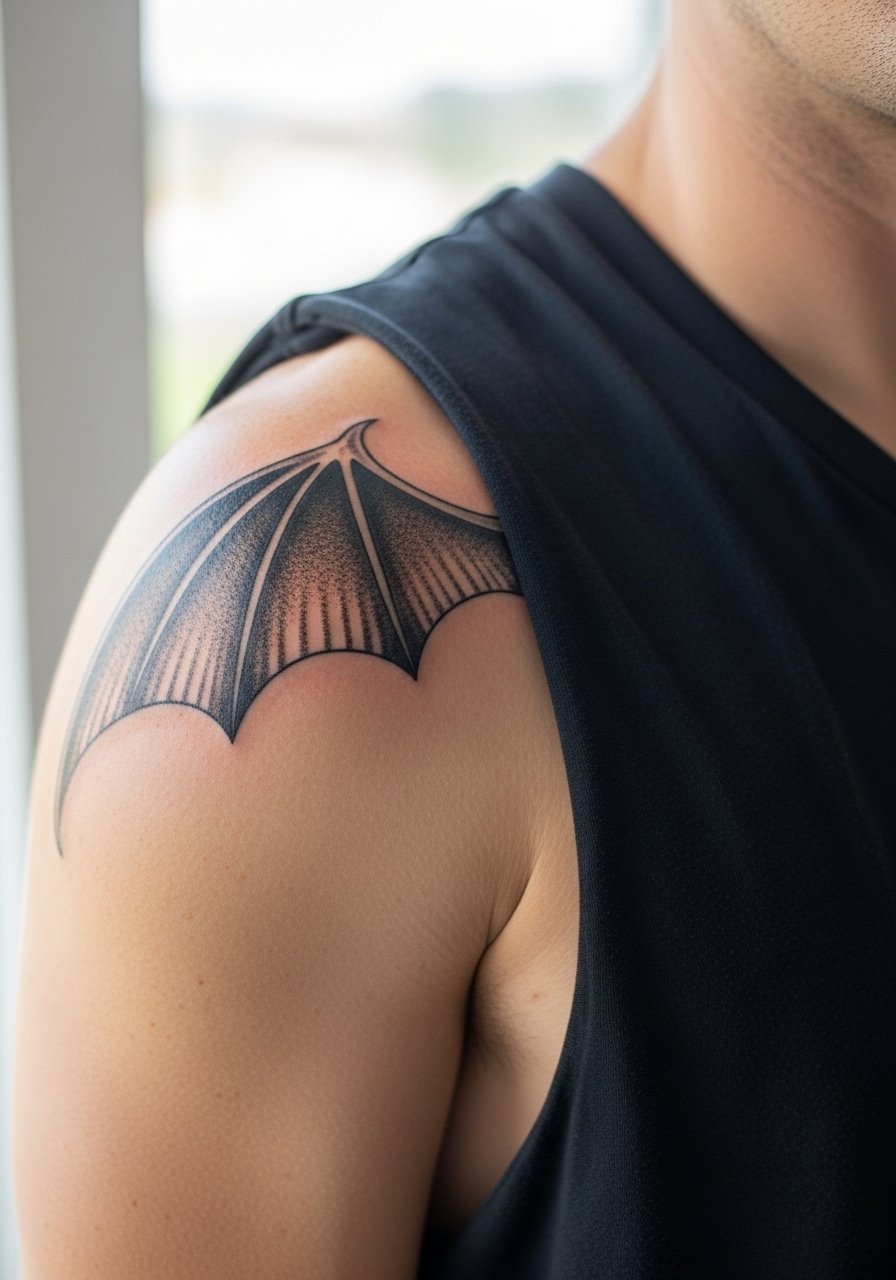
Shoulder caps suit ornamented blackwork because the curved surface lets shading read three-dimensional. The usual error is overloading with tiny texture that looks great fresh and then softens. For bat wings ask for broader stipple shading and stronger anchors near the base so the wings stay defined. Sessions are moderate in pain and often finish in 90 minutes for a medium design. For session comfort wear a sleeveless muscle tank that the artist can move aside easily.
12. Famous Last Words Flame Burst on Ankle
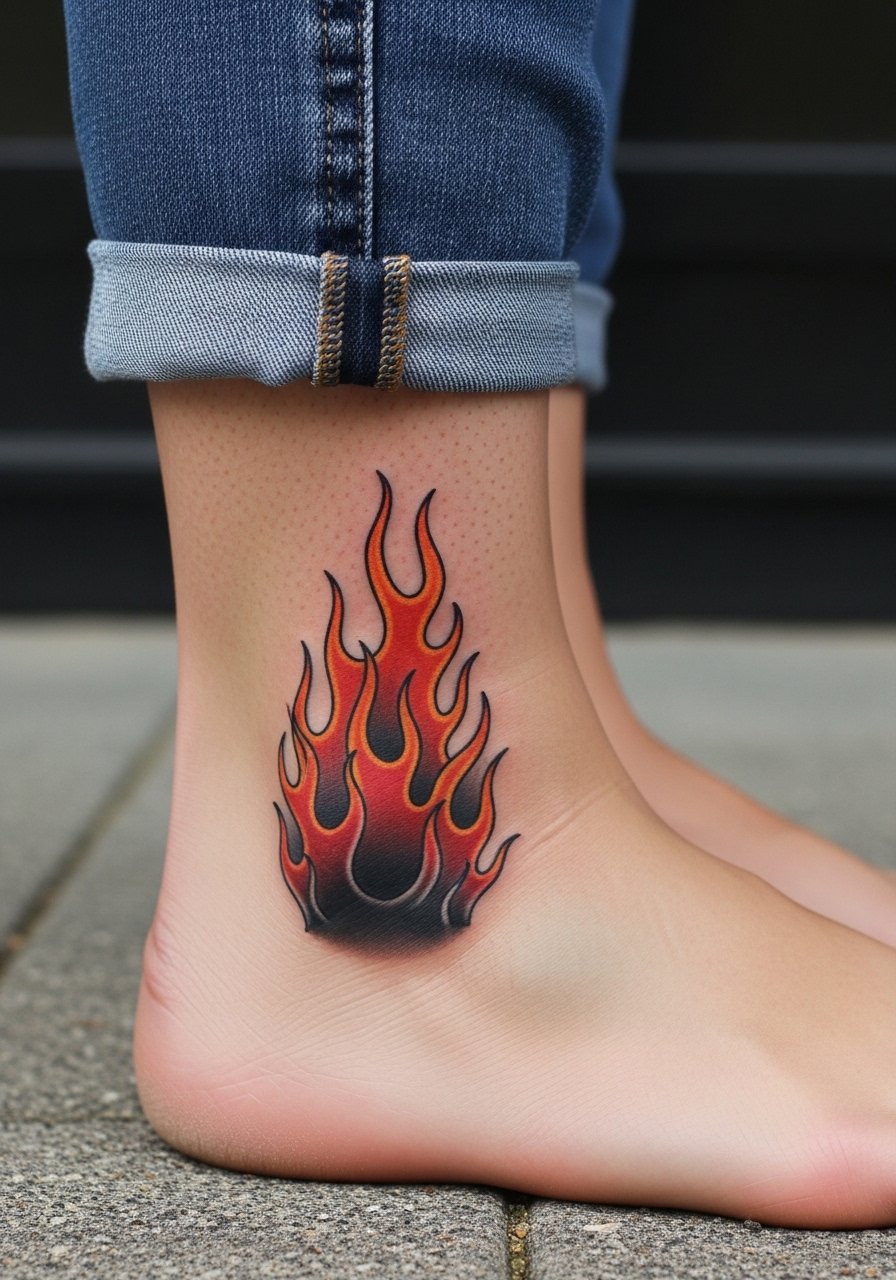
Ankle placements are visible and hit with a lot of rubbing from socks and shoes. Flame bursts work well if the color fields are simple and the anchors are dark. A common mistake is too many tiny gradient layers that rub at the shoe line and fade unevenly. Expect one or two sessions of up to 90 minutes and protect the area with low-friction socks during healing. Try pairing it with athletic shorts in summer so the ankle shows off without constant abrasion.
13. Vinyl Stack Patchwork Sleeve
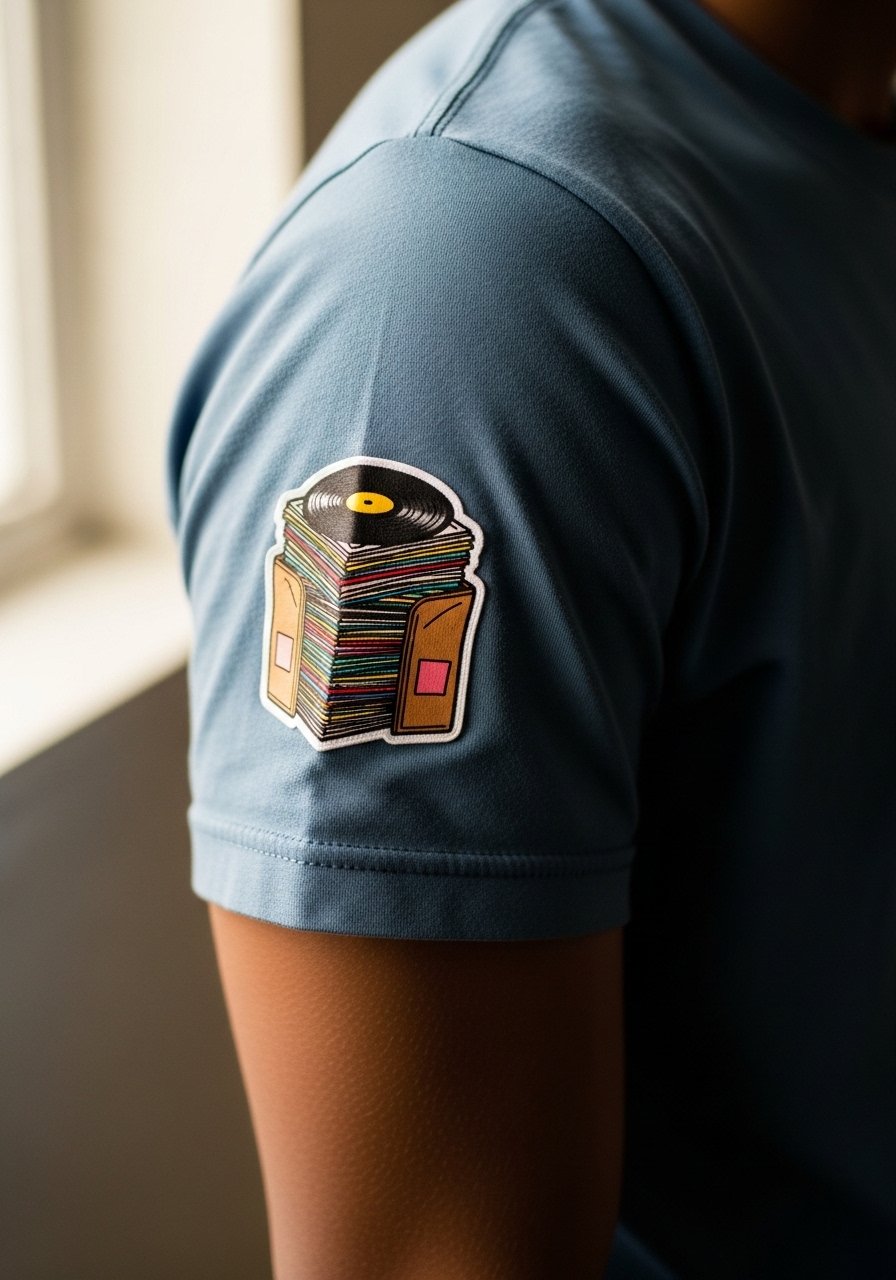
This sleeve idea borrows album art motifs to represent multiple MCR eras without committing to a single image. The trick is to plan negative spaces so each record reads at a distance. When artists compress too many small icons into a sleeve it reads cluttered after healing. For longevity, stagger sessions and let saturated sections settle before adding delicate overlays. The consult should include clear precedence on which elements get darker anchors. A vintage band hoodie layered over the arm frames the sleeve when you want surprise reveals.
14. Knuckle "Na Na Na" Lettering
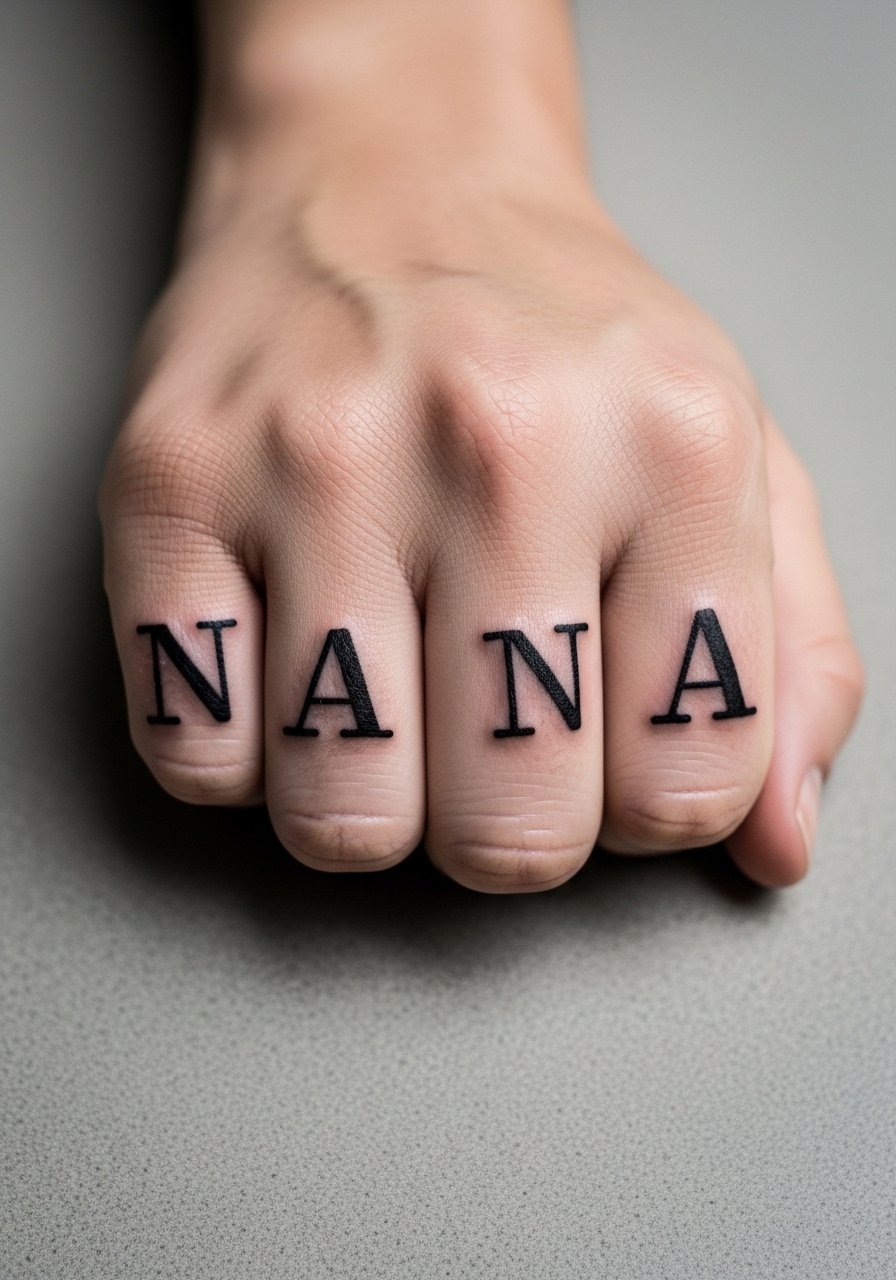
Knuckle lettering is high-visibility and high-fade because the skin there regenerates faster. Many people accept a maintenance schedule for this look. If you want "Na Na Na" on the knuckles, choose chunky letterforms with strong black fills and expect touch-ups at least yearly. The session is brief but uncomfortable. Also think about how letters interact when you make a fist. Wear minimal jewelry on the hands during the appointment to avoid ink smudges.
15. Healed vs Fresh Black Parade Comparisons for Dark Skin
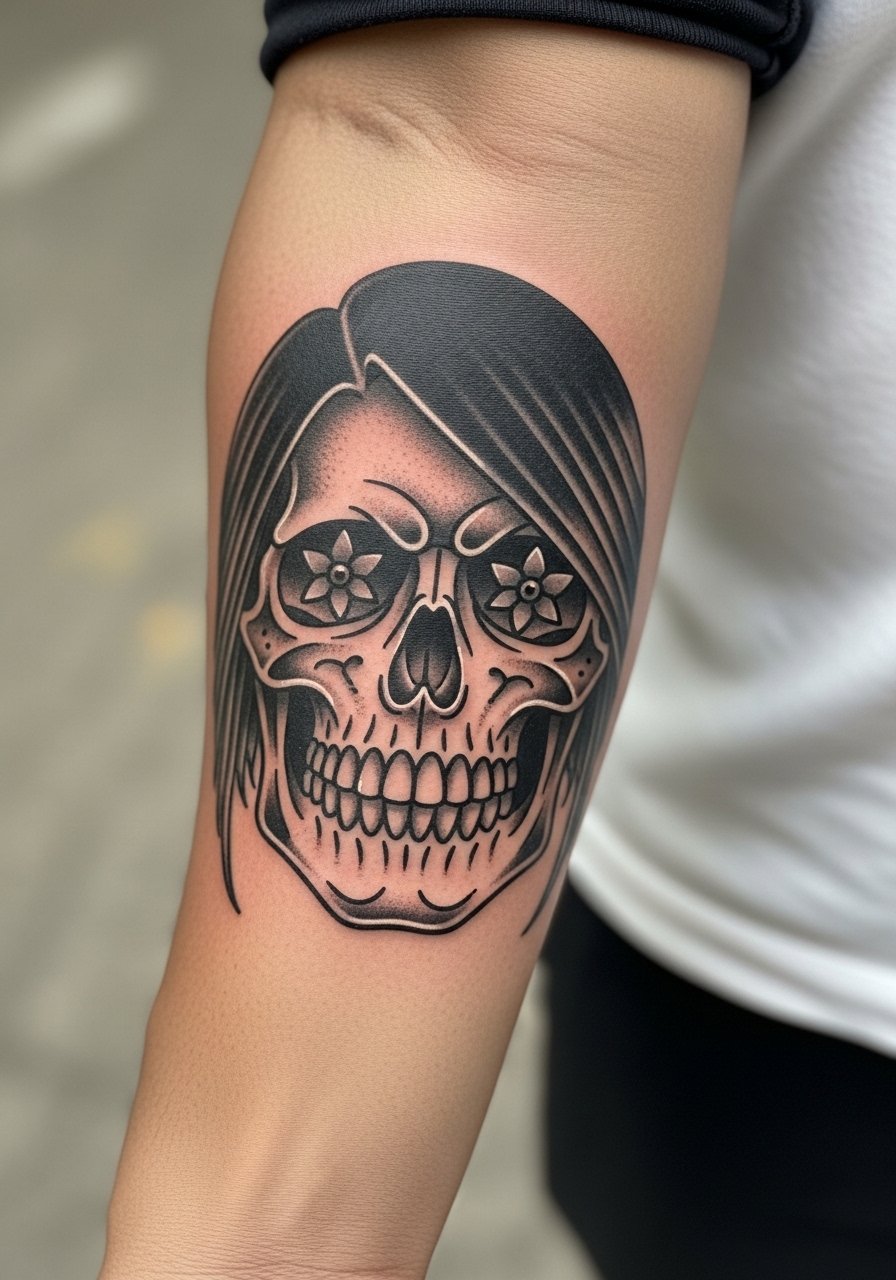
Dark skin needs strategic contrast planning for color pieces. I've seen Black Parade motifs blur on darker tones when artists use thin outlines and light color fills. The version that holds uses thicker outer lines and stronger black saturation to define shapes. A useful consult note is to request a test patch or a mocked-up photograph under different lighting. Healing looks different at six months and at two years, so plan the touch-up window sooner than you would for lighter skin. For photos use a ring light with a blue filter if you want truer color.
16. Killjoy Mask in Ignorant Style for Guest Spots
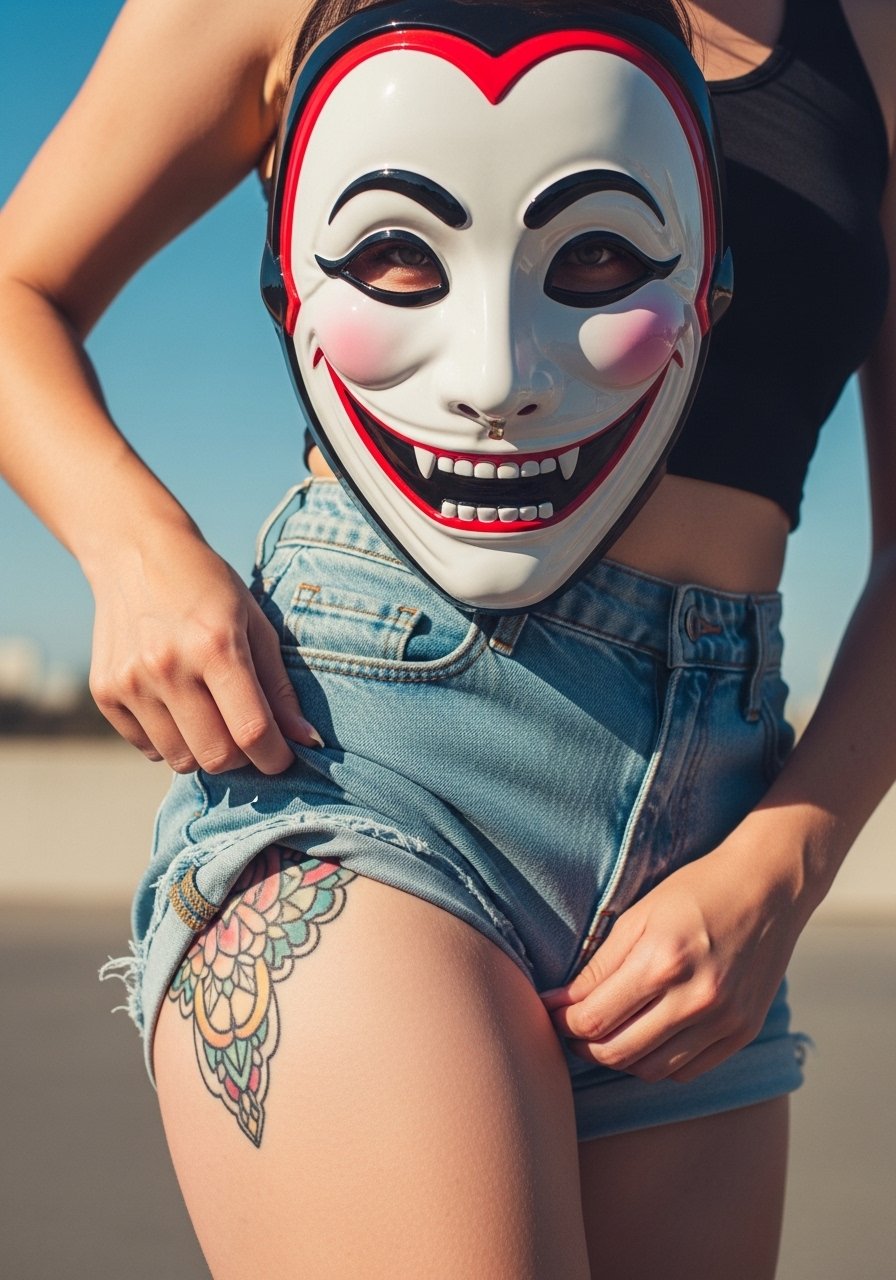
Guest spot artists are driving the ignorant style Killjoy looks right now. The danger is getting a version meant for flash sheets scaled into a slab that requires more detail than the thigh can hold. Ask the guest artist about their guest spot schedule and how they plan the stencil for long-term wear. The outer thigh tolerates aggressive color, but expect a two to three session timeline. For session ease, bring a loose skirt or high waisted black shorts so the area is reachable without exposure.
17. Micro-Realism Portrait of Gerard on Wrist
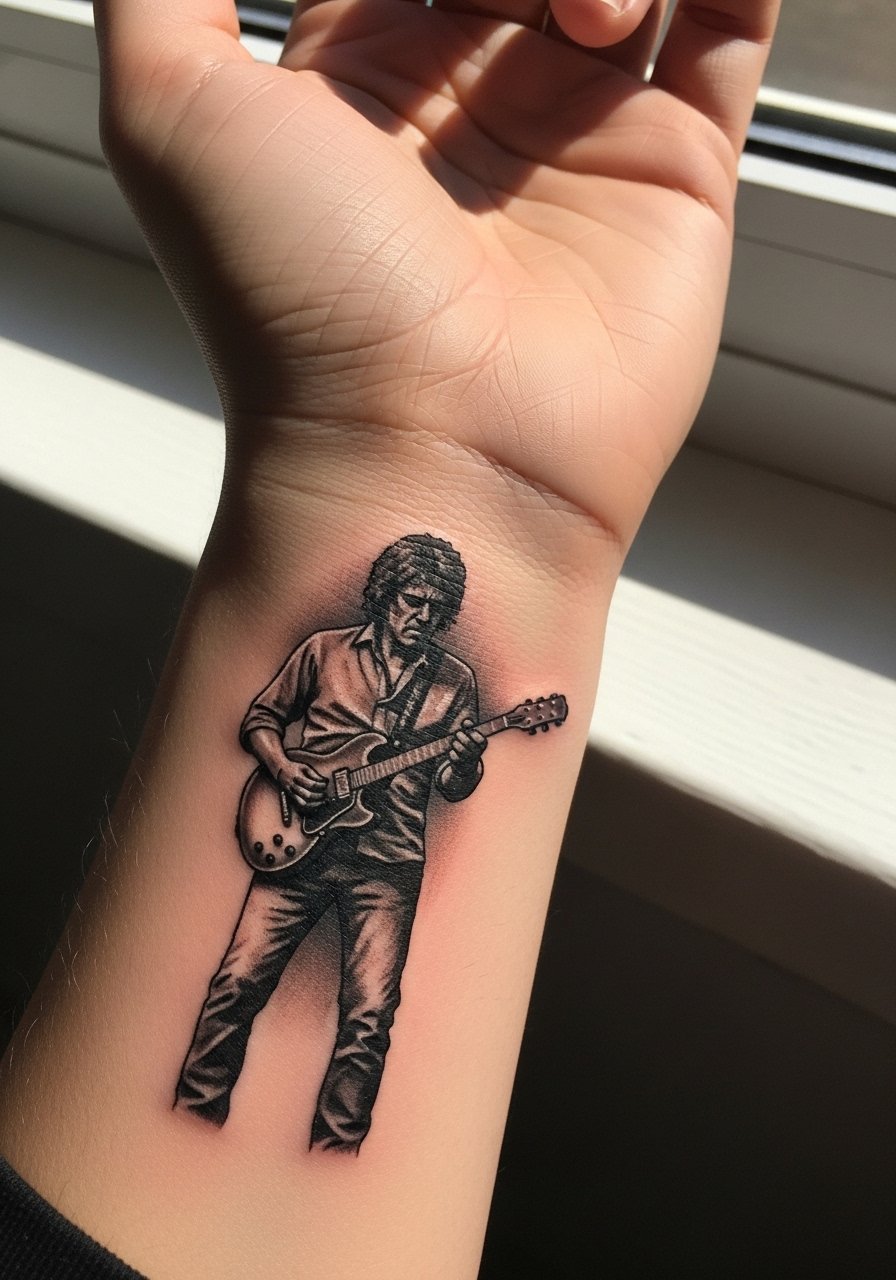
Portrait micro-realism of a recognizable musician is a high-decision piece. The wrist moves and washes repeatedly, so anchor points are crucial. I often advise increasing the scale slightly from the reference so facial features remain legible as the skin softens. A common mistake is squeezing photorealistic eyes into an inch of skin and expecting no blur. Sessions last one to two hours and motion makes shading feel sharp. Keep accessories minimal on that wrist during healing to avoid impressions.
18. Thoracic Ribcage Album Title Wrap
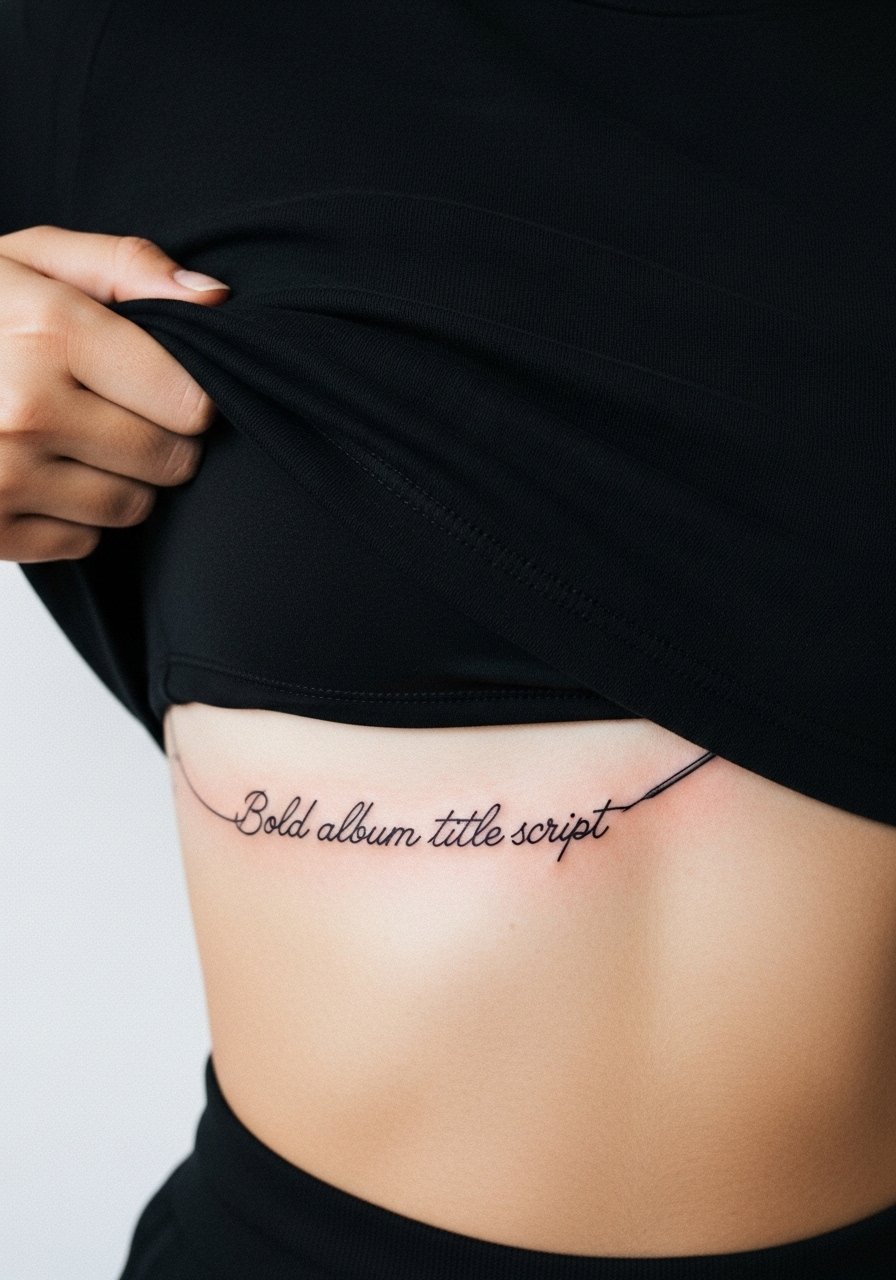
Curved rib scripting needs careful kerning so letters do not collide as the torso moves. The rib area stretches with breathing and weight change, which can distort long lines. If you want a curved wrap of a song title, make letters slightly larger and ask the artist to map the spacing while you hold the pose. Pain is higher and sessions are usually broken into manageable passes. For the appointment wear a crop top black ribcage or loose button-down you can lift without tugging.
19. Collage of "Helena" Roses Around the Collar
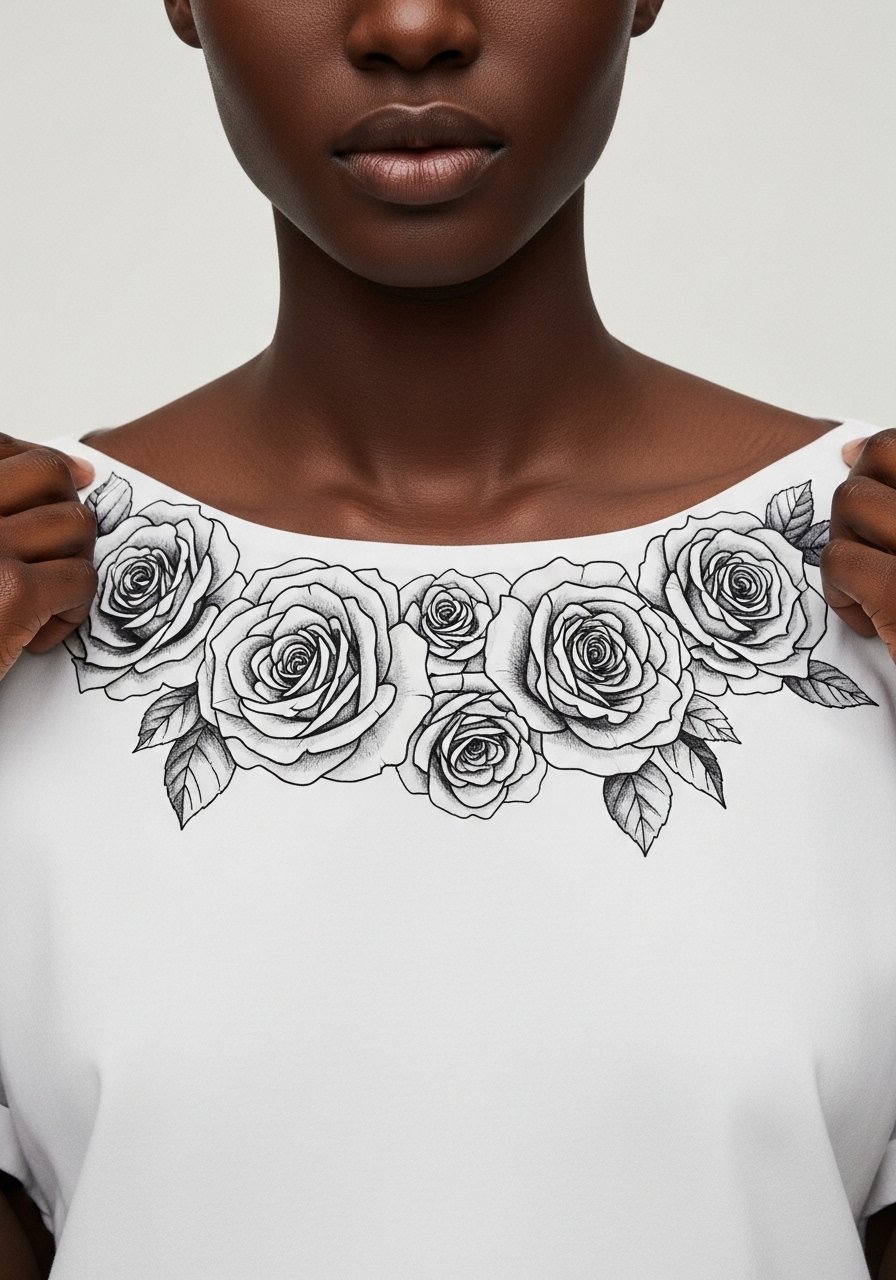
Clusters along the upper chest must respect curvature and garment friction. Watercolor roses there can be delicate but risk fading in areas that rub against straps. The safer approach is to add discrete black details and slightly denser pigments near strap lines. Sessions may run two sittings to manage blending near bone. For show-off moments choose an off shoulder black top that frames the cluster and avoids constant chafing.
20. Small MCR Logo on Ankle for Subtle Fans
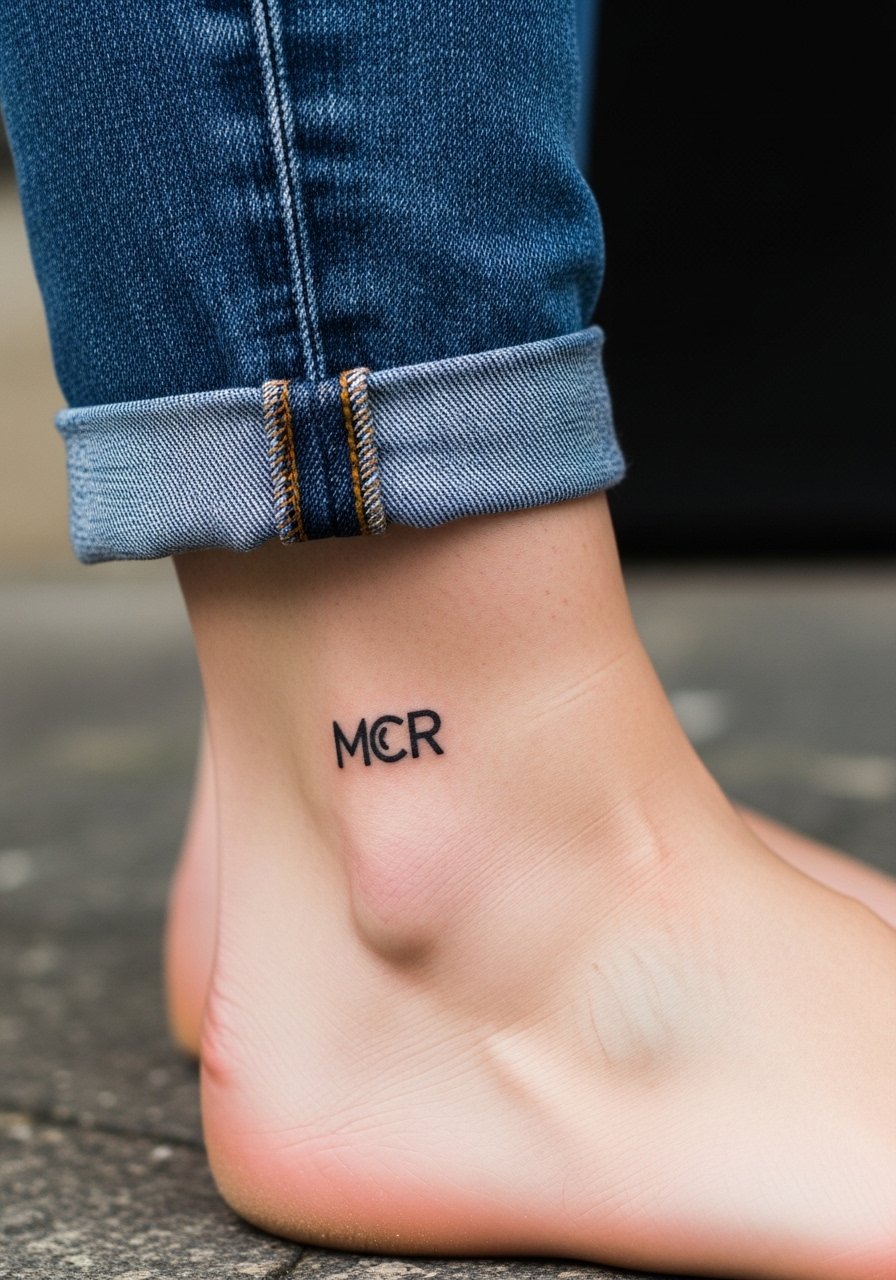
Small ankle logos are approachable for first-timers but they do require realistic expectations. The ankle gets a lot of abrasion from shoes and socks, so compact fine line logos may soften quickly. To avoid early blurring, ask the artist to thicken the outline slightly and to use solid black anchors. Sessions are quick and the pain is mild. Pair with sandals during healing to reduce friction from closed shoes.
21. Spine-Aligned Song Lyric Strip
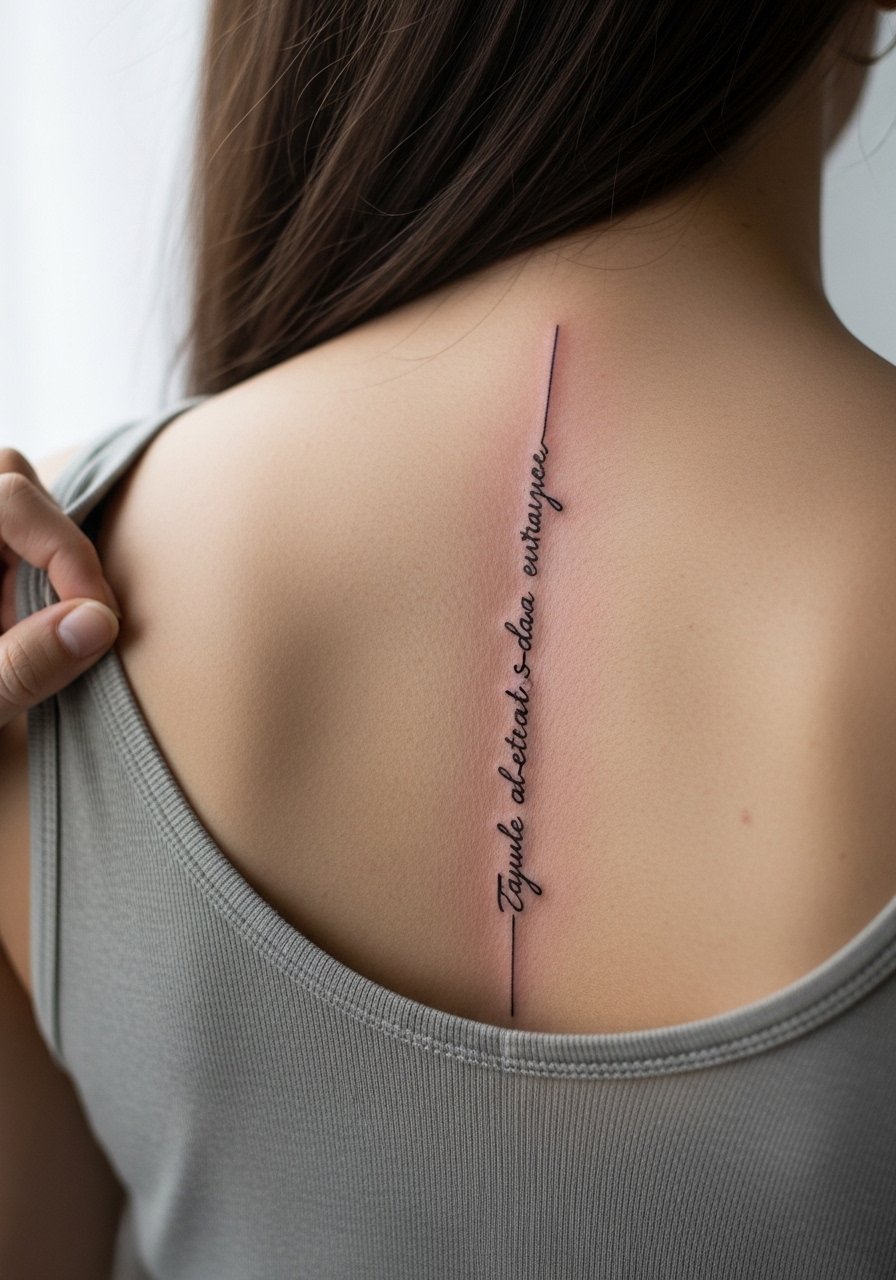
Spine strips look elegant but carry unique risks from posture and clothing. Vertical script along the spine needs even spacing to avoid warping when you bend. Some artists prefer slightly heavier strokes down the spine to withstand tension from movement. Sessions are uncomfortable for many because of bone proximity, so short passes are common. For appointment wear a loose drawstring linen pant so you can adjust lower garments without covering the area.
22. Hand Back Ray Gun with Color Pops
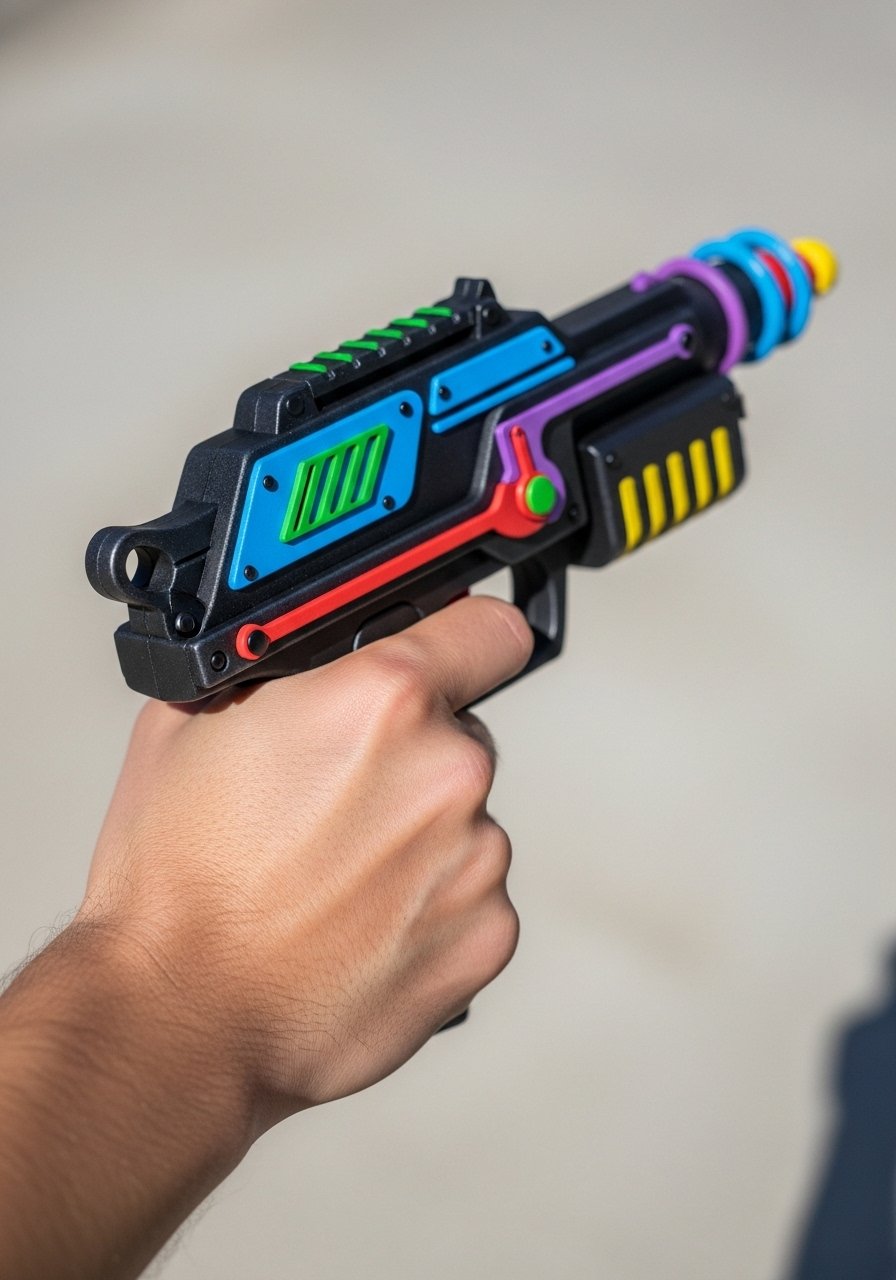
Hands fade fast and color on hands needs heavier blackwork as a framework. If you choose a color-forward ray gun, request bold black anchors around the color fields so color still reads after months of washing. The session is brief and intense, and many people rebook touch-ups within a year. Consider whether your job allows visible hand ink before committing.
23. Thigh Patchwork of Era Icons
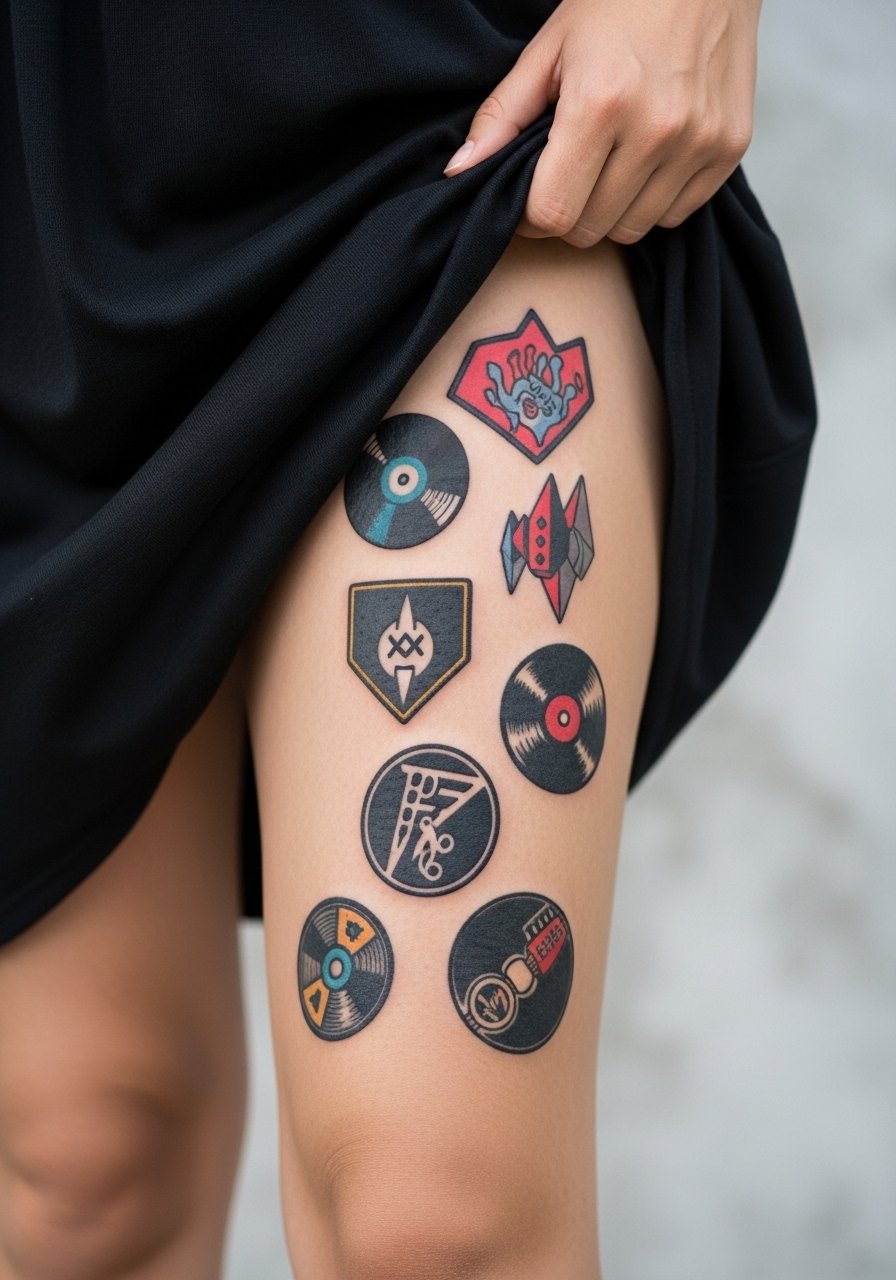
Thigh patchwork gives you the freedom to combine danger days helmets, skull roses, and lyric banners. The main planning error is inconsistent line weights between patches that end up competing visually. Standardize outer lineweights across patches and sequence sessions to let earlier colors settle before adding adjacent pieces. Thighs are forgiving for longer sessions and the skin tolerates heavy saturation. For showing the design, layer with fishnet tights or ripped jeans for a peek-a-boo effect.
24. Micro Script Behind the Ear
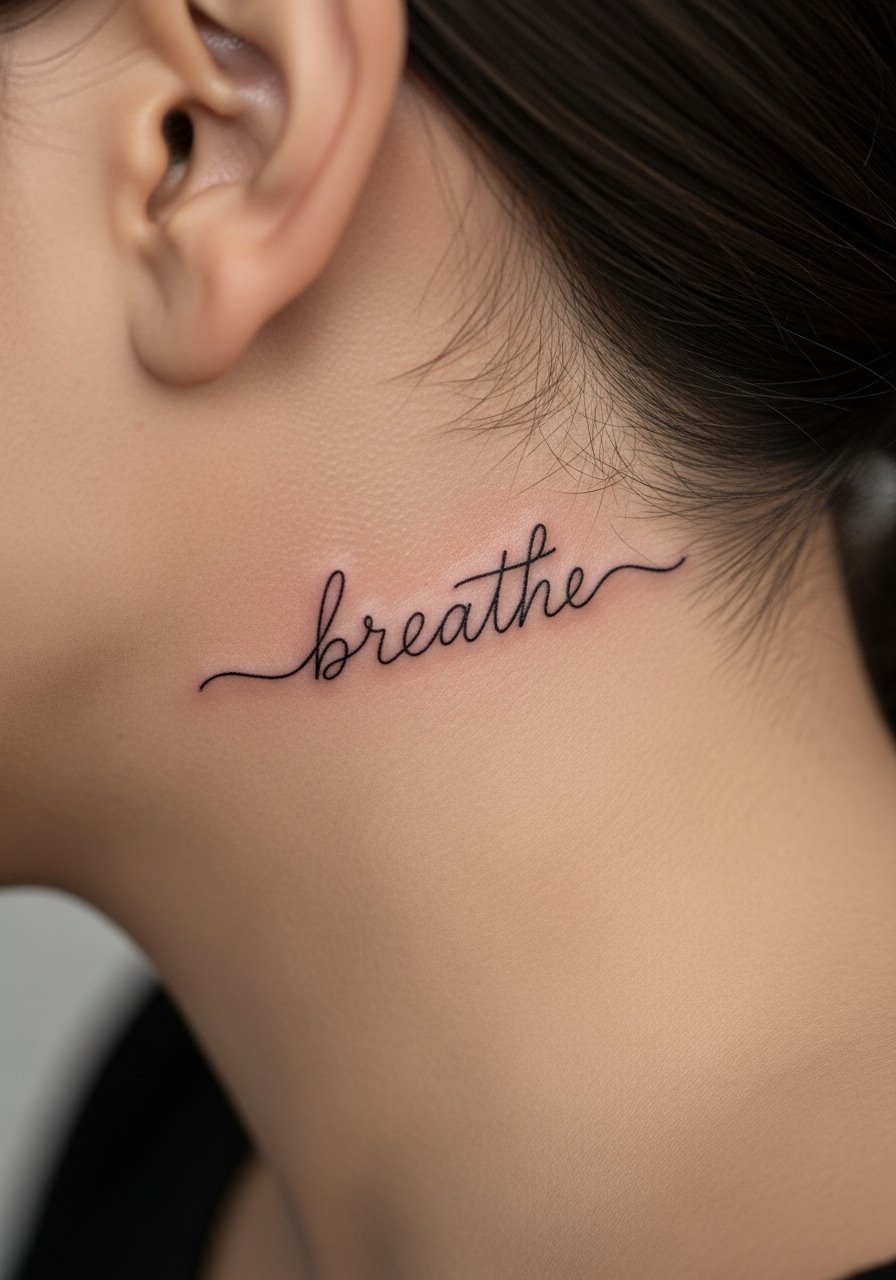
Behind the ear requires very small scale and careful placement under the hairline. The area moves with hair and pillow friction, which can soften single-needle letters. If you go micro script here, request a slightly bolder letterform and discuss hairline coverage for photos. Sessions are quick and low in pain for most people. Consider how often you will want to show it before choosing visible text.
25. Inner Thigh Botanical Linework
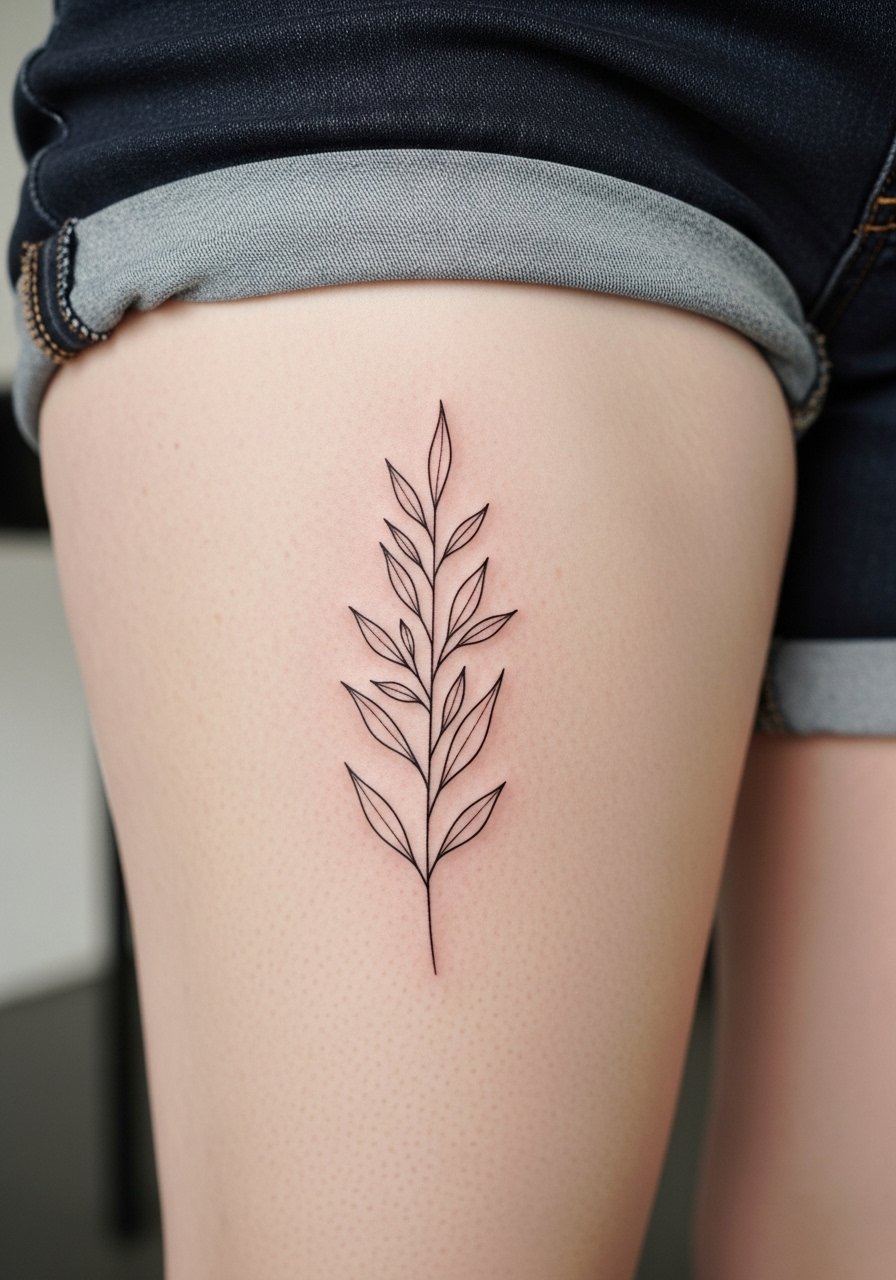
Inner thigh tattoos are intimate and require care during healing because of chafing. The area can hold fine line detail well if you avoid too much dense stippling. I advise a thicker stem line and open petal spaces so the piece ages gracefully. Sessions can be uncomfortable depending on sensitivity and position. For the appointment wear shorts pulled up slightly to expose the zone without full undressing.
26. Collarbone Script with Layered Chains
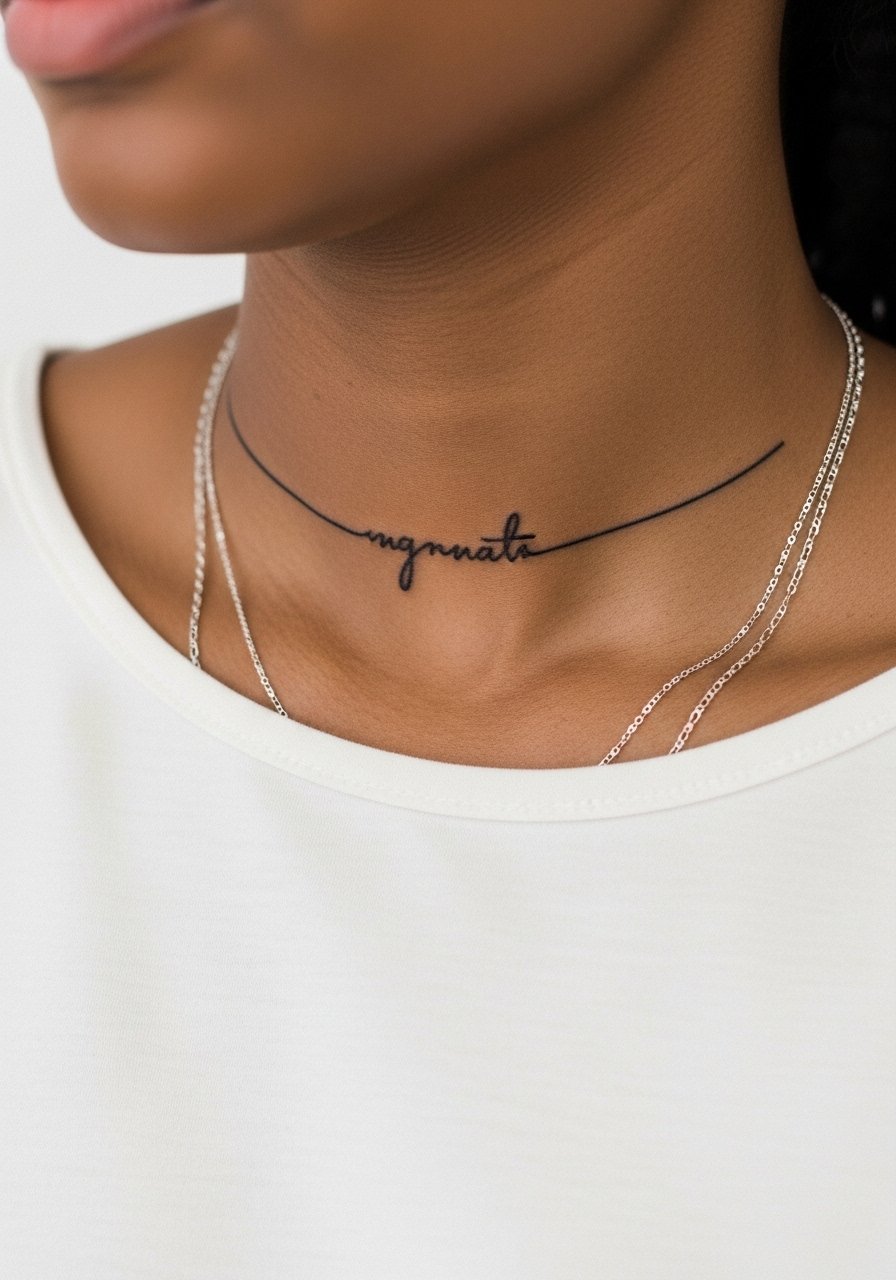
Collarbone script looks clean when letter spacing is generous enough to withstand skin movement. Many people pair delicate collarbone text with jewelry. Keep necklaces thin and sit slightly above the text so they do not rub directly on fresh ink. Sessions are short and feelings are sharp over bone, so plan for numbing or smaller passes. A dainty chain necklace layer complements the placement without crowding it.
27. Memorial Helena Rose Over Sternum
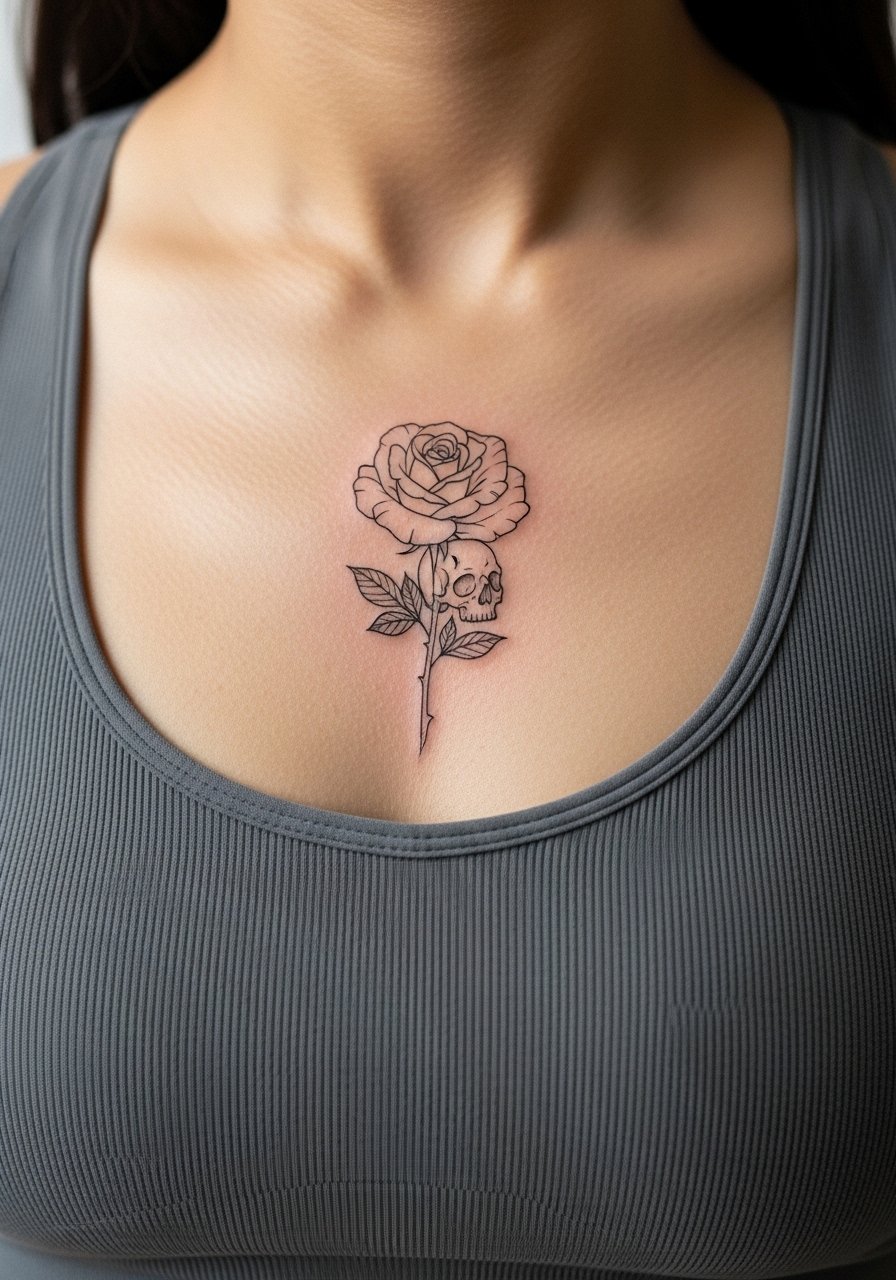
Sternum and underbust placements sit close to sensitive areas and need a specialized approach. For memorial Helena roses, small roots of black detail help the petals keep definition as the thin skin settles. Sessions are on the painful side for many and often done in short passes. If cultural or memorial meaning is a factor, slightly adapt imagery rather than copying a text-locked composition. Wear a fitted sports bra to the appointment so the artist can work with minimal fabric shifting.
Frequently Asked Questions
Q: Will fine line MCR lyrics on wrists blur faster than blackwork?
A: From what I have seen, fine line script on wrists does soften sooner because of frequent motion and washing. Increasing letter size slightly and asking for darker anchor points helps, and planning a touch-up at 12 to 24 months makes the outcome predictable.
Q: Is Saniderm or dry healing better for colorful Black Parade pieces?
A: Artists and fans split into two camps on this. One camp favors Saniderm for reduced scabbing and faster color retention. The other camp prefers dry healing to allow ink channels to settle without trapping moisture. It depends on your skin reaction and the artist's post-care preference, so ask during the consult which approach they use and why.
Q: How do I find a tattooist who understands MCR styles without naming specific artists?
A: Search hashtag combinations like #MCRtattoo and #neotraditionalMCR on Instagram, filter TikTok for "MCR tattoo healed" plus your city, and check local Reddit threads titled "MCR [city]" to see real healed examples and client feedback.
Q: Do thighs and calves need different session prep than forearms?
A: Yes. Lower body work often tolerates longer sittings but sweats more during summer healing, so plan breathable clothing like athletic shorts black and avoid heavy workouts for two weeks to reduce friction and moisture buildup.
Q: Are hand and finger color tattoos worth it for Danger Days motifs?
A: Color on hands fades faster than on thighs or chest because of constant exposure and washing. If you want a Danger Days vibe on your hand, lean on black anchors with minimal color fills and accept that touch-ups at year one are likely.