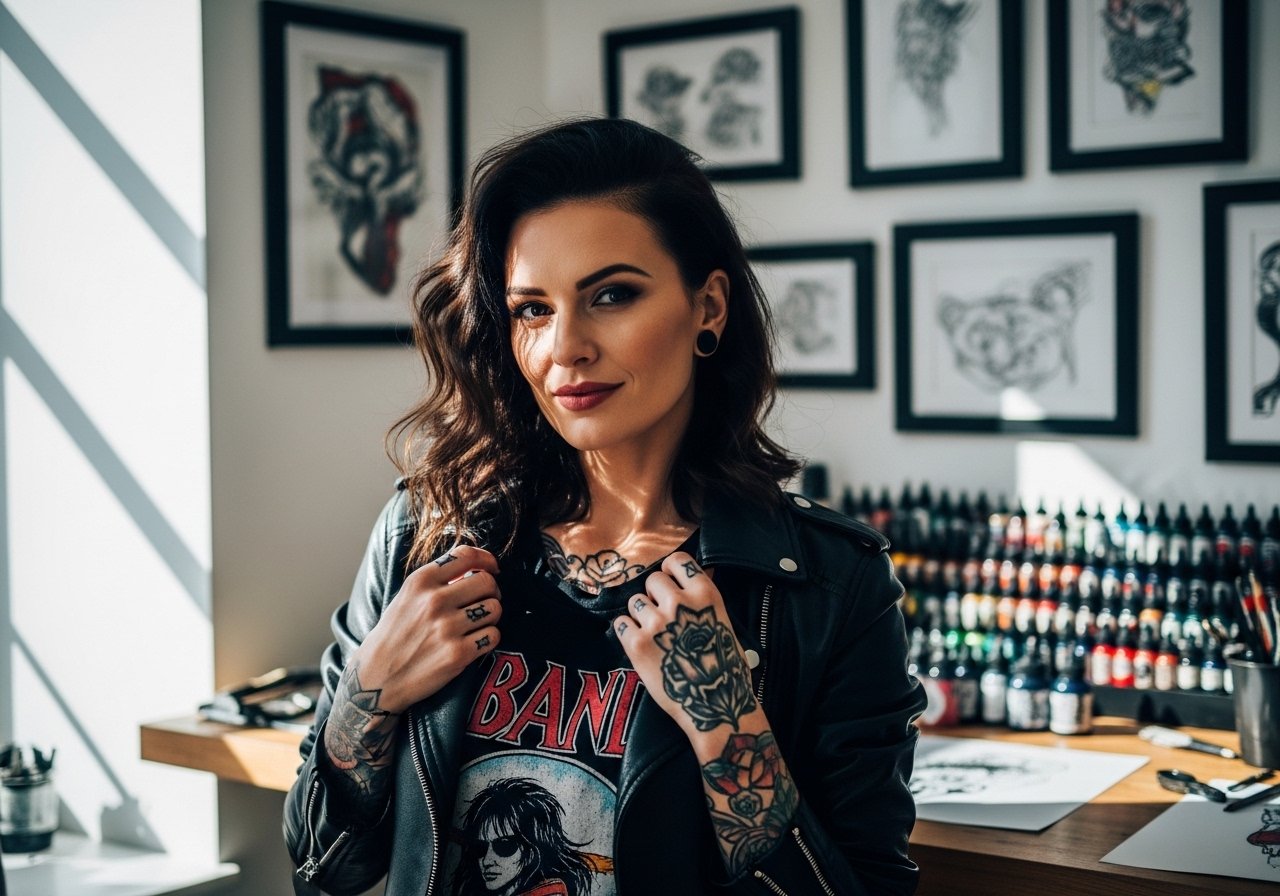
Neo traditional dragons pack color, texture, and motion into a single back piece, but what keeps them readable for years is spacing, saturation, and sensible placement. On the back you can go large and let scales breathe or go dense and accept touch-ups as part of the plan. Below are 27 distinct takes that balance visual drama with how these pieces actually age on skin.
1. Full-Back Coiled Dragon with Floral Frame

A full-back coiled dragon reads like a narrative when you give it room. I recommend bold outlines on the spine-facing curve and slightly softer shading on the wings so the piece keeps contrast at five years. Bring references that show scale spacing and tell your artist you want heavy saturation in the contour areas but textured stipple for the belly. Expect two sessions for linework and color, and a touch-up at year two if you live in sun-heavy climates. For the session, wear a loose button-down shirt you can slide aside without tugging the skin.
2. Split-Back Dragon, Spine as Central Axis

Using the spine as the design axis boosts symmetry but raises blowout risk if linework sits too shallow. I tell people up front that the spine feels sharp during sessions and that smaller, repeated sessions preserve saturation. Ask your artist for deeper single-pass outlines along the midline and softer whip shading for the wings. This design often needs a year-one touch-up if the client sweats heavily during healing. For showing the piece, halter tops or open-back dresses frame the symmetry without crowding the art.
3. Lower-Back Dragon Tail Accent
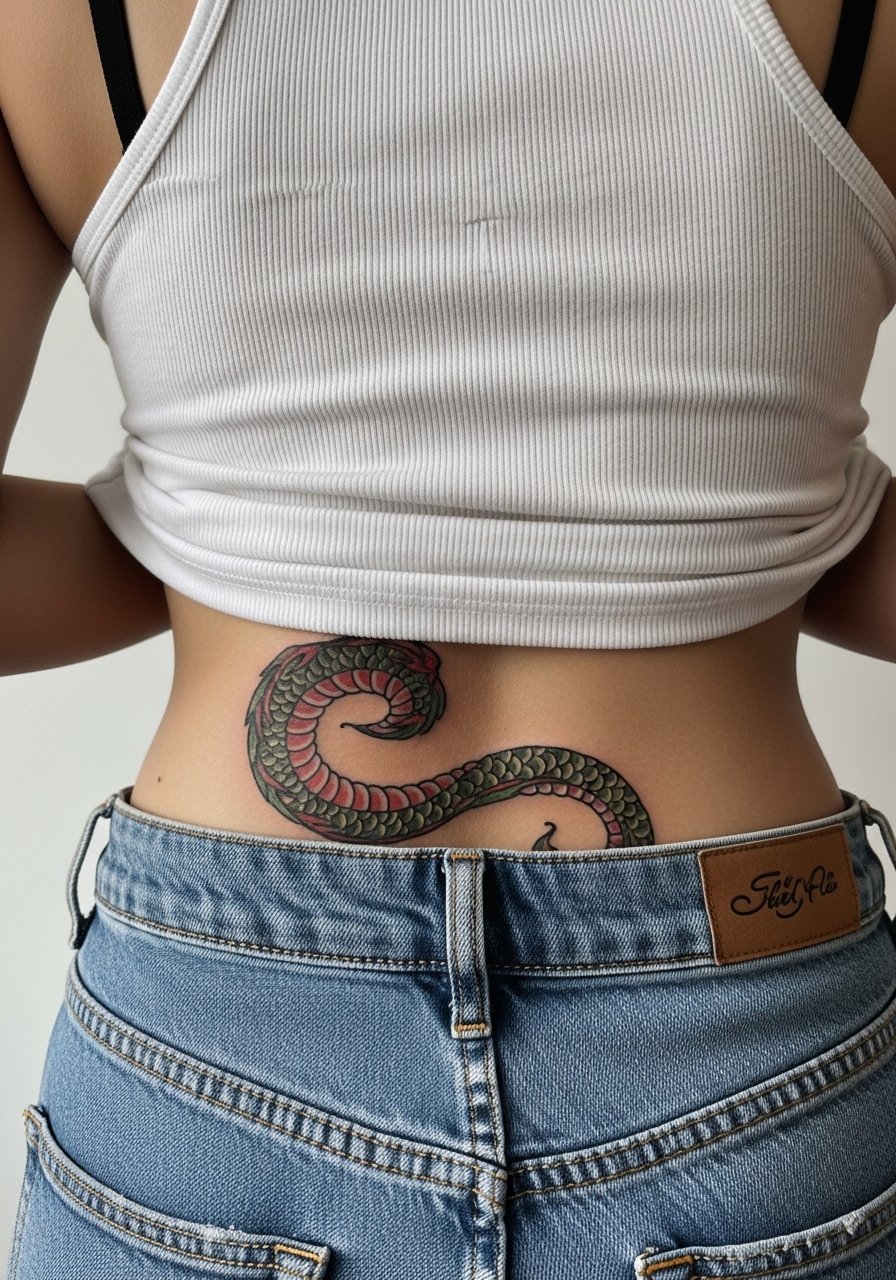
Lower-back pieces sit in a friction zone from waistbands and belts. The common mistake is too-low placement that rubs during daily wear. I advise positioning the tail a finger-width above your usual waistband and ask for slightly thicker outer lines to handle abrasion. Pain is moderate and sessions are short. For the appointment, swap tight jeans for a skirt or high-waisted shorts on chair day so nothing presses the area while it scabs.
4. Upper-Back Dragon with Cloud Motifs
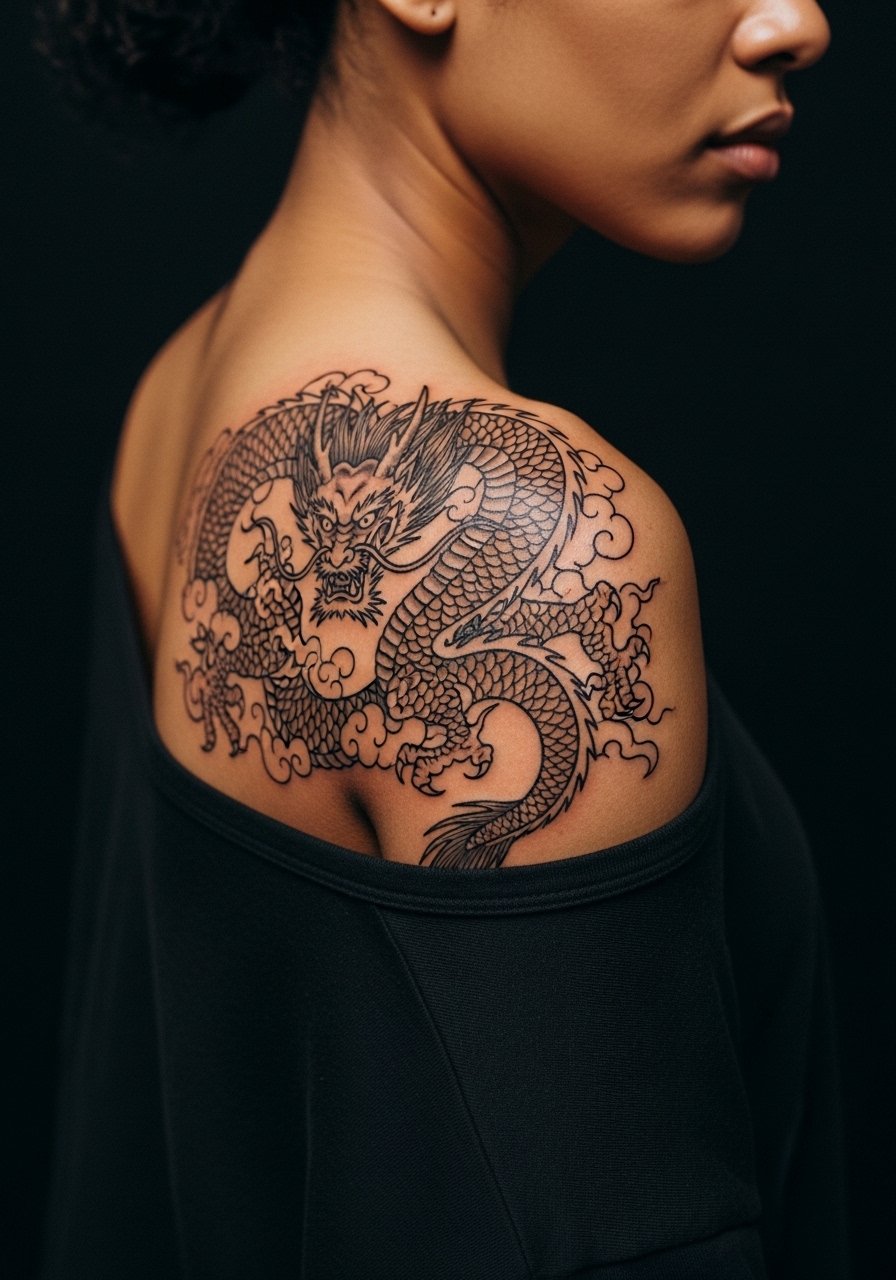
An upper-back dragon pairs well with shoulders and can peek out from tailored shirts. The biggest aging issue is when artists pack texture into tiny cloud swirls; those dense marks merge over time. Ask for negative space between cloud clusters and for stipple shading rather than solid fill in tight zones. Sessions are comfortable for most people and usually done in one to two sittings. When you want to show off this placement, a loose racerback tank keeps the piece visible without constant tugging.
5. Asymmetric Dragon with Geometric Backplate
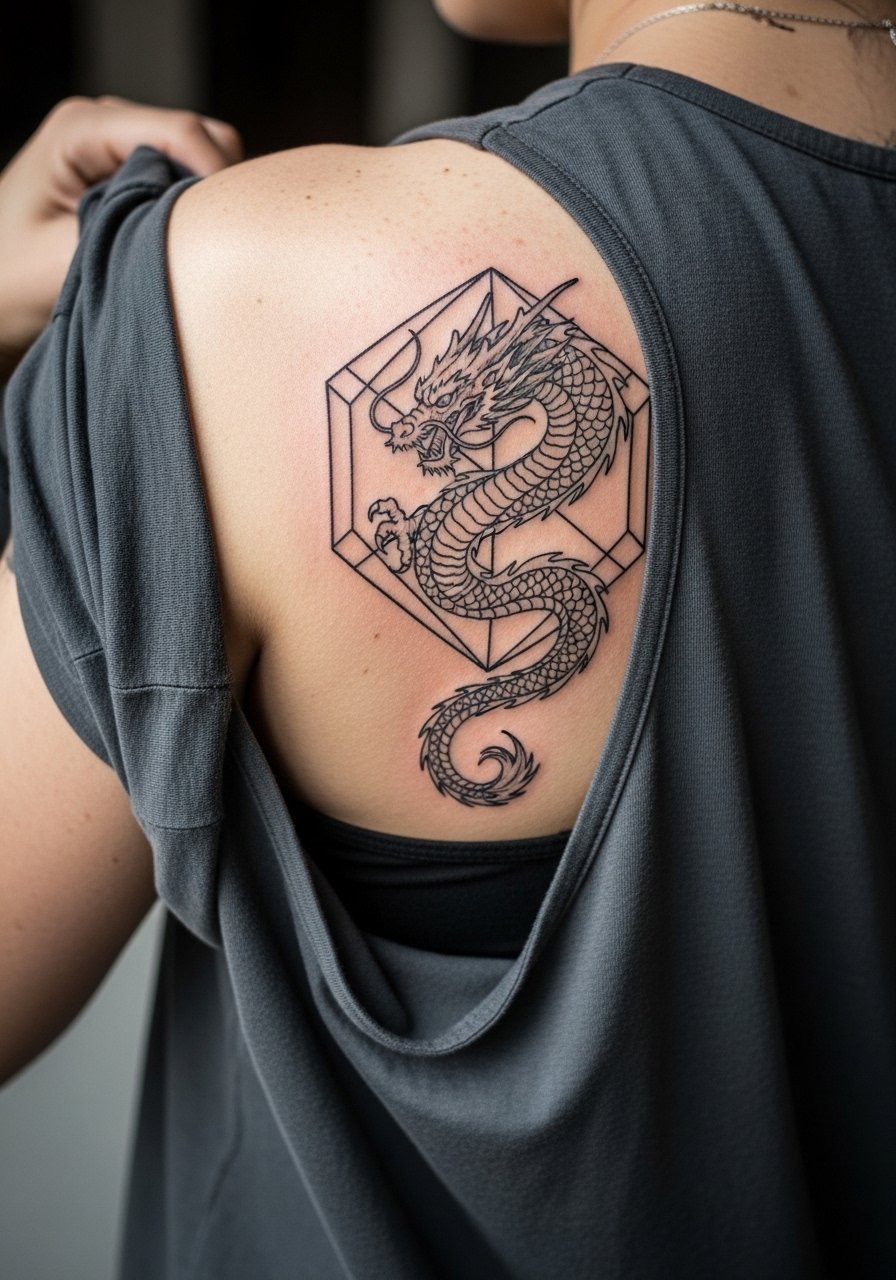
Pairing organic dragon forms with geometric backplates creates push-pull tension that holds visually. The frequent misstep is over-detailing the geometric fields, which makes them blur into the organic scales after two years. Tell your artist you want geometric elements scaled up slightly for longevity and stipple shading inside shapes rather than dense color. Sessions take a bit longer because of layout precision. For the session, wear a loose tank top that you can slide to the side to give clean access.
6. Minimalist Line Dragon Along the Shoulder Blade
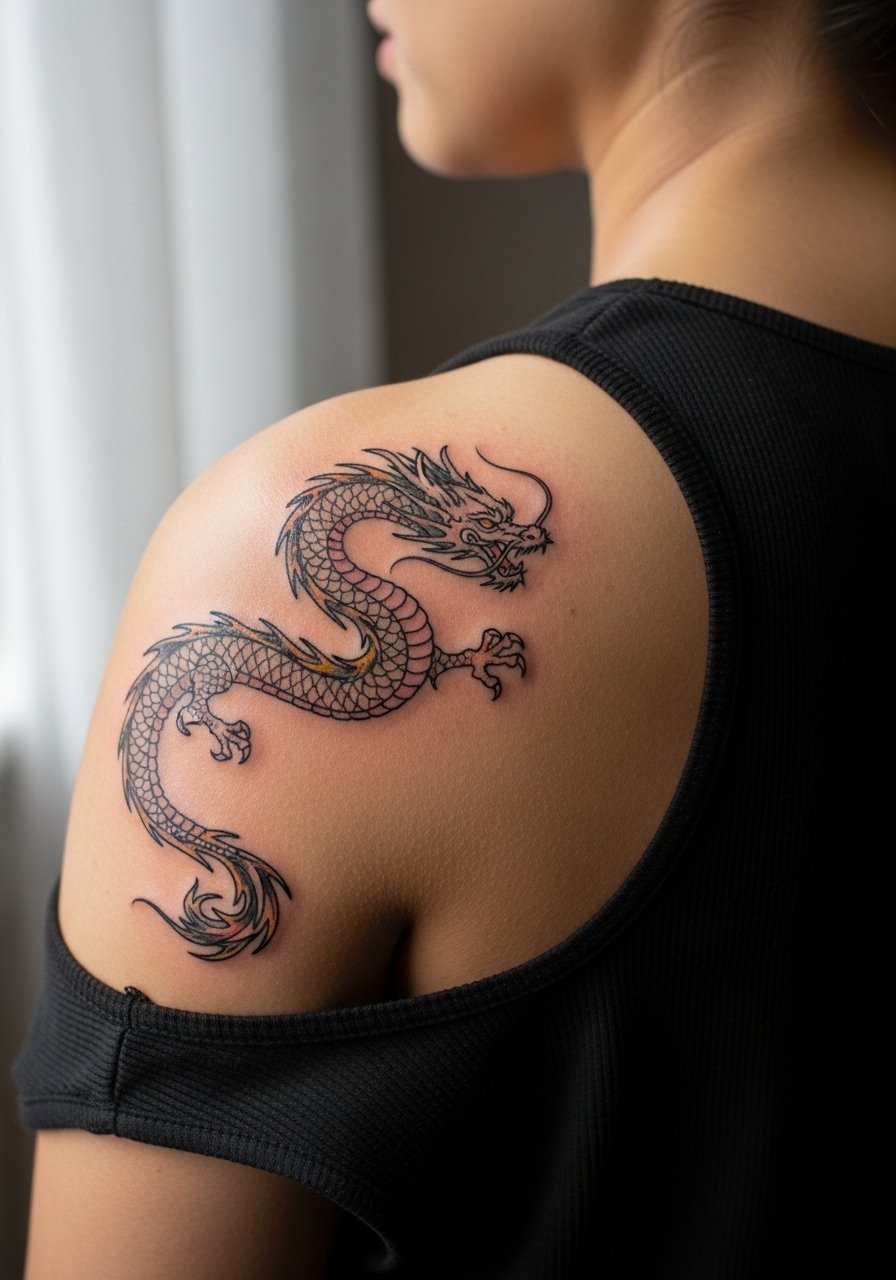
Minimalist neo traditional pieces trade heavy saturation for clean linework and selective color. The controversy here is clear. One camp says thinner linework on the back keeps the piece elegant and will hold if left large enough. The other camp argues neo traditional needs saturated color and bold outlines to read as a dragon. My experience is that the right compromise is moderate line weight with placed saturation in the head and tail, and extra spacing between scales. Expect a touch-up at two to three years. For showing it off, a thin strap camisole frames the shoulder blade without covering the linework.
Studio Day Picks
The full-back, lower-back, and shoulder-blade pieces above ask for different prep and first-week care, so the items below smooth the session and early healing.
-
Stencil transfer paper kit. Lets you preview where the dragon's coils will sit on your back before permanent ink goes down, which is vital for full-back and asymmetric designs.
-
Topical numbing cream. Applied per instructions 30 to 45 minutes before chair time it helps with sensitive areas like the spine and lower back so the artist can work without you tensing.
-
Thin protective film roll. Useful for lower-back and spine-adjacent pieces that need a clean barrier against clothing during early healing.
-
Fragrance-free gentle body wash. Cleans the healing zone without stripping saturation, especially important for elaborate full-back work.
-
Aquaphor healing ointment. Thin layers in the first few days lock in moisture and reduce scabbing risk for dense color fields.
7. Two-Headed Dragon Mirroring the Scapulae
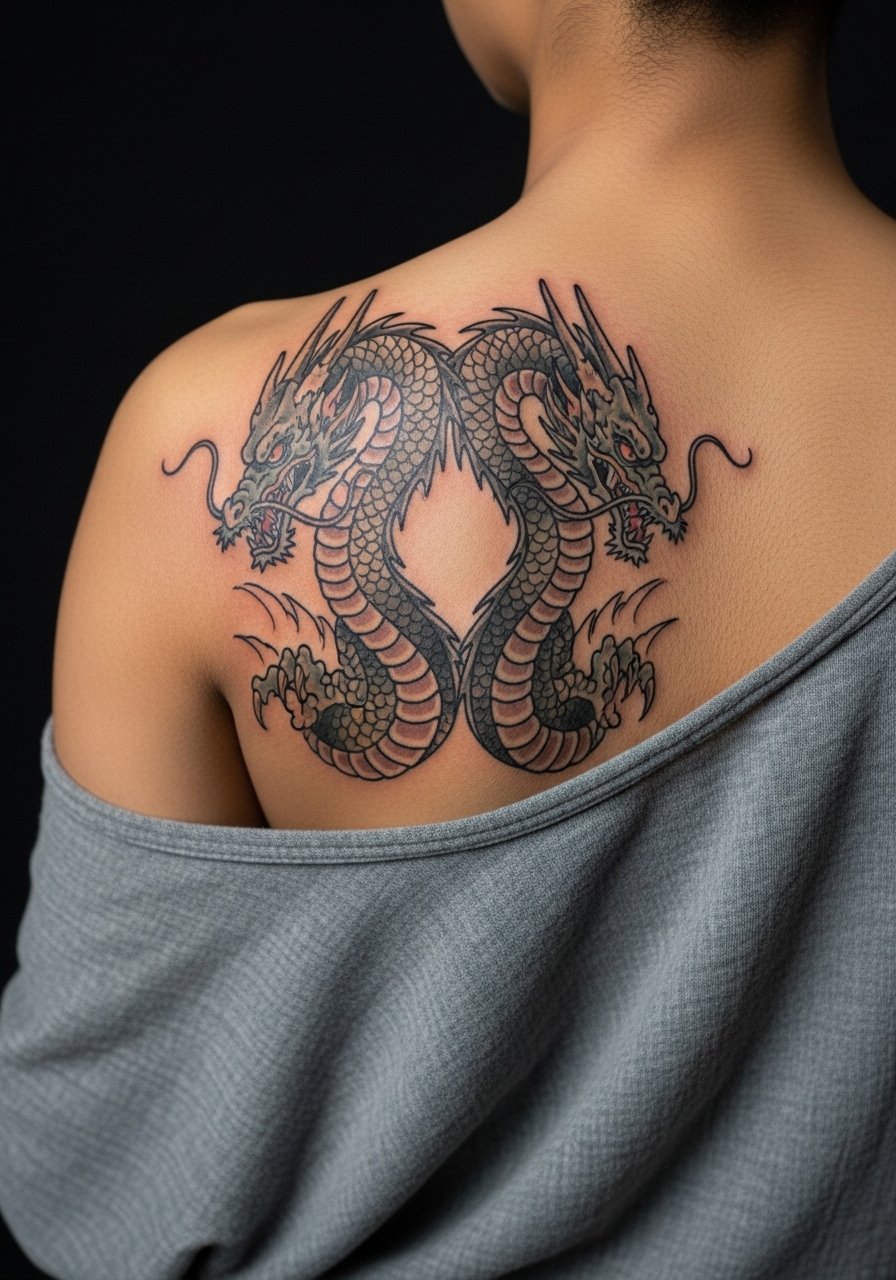
Two-headed compositions read as movement across the back when balanced. The practical mistake is squeezing head detail too small near the scapula, which blurs after months. I recommend slightly larger heads with contrasting color spots to keep facial details legible. Sessions feel easier since the area is broad, but plan multiple hours to lock symmetry. For show-off looks, a cropped sweater that drops off the shoulder showcases both heads without exposing other areas.
8. Dragon Spine Column with Floral Ladder
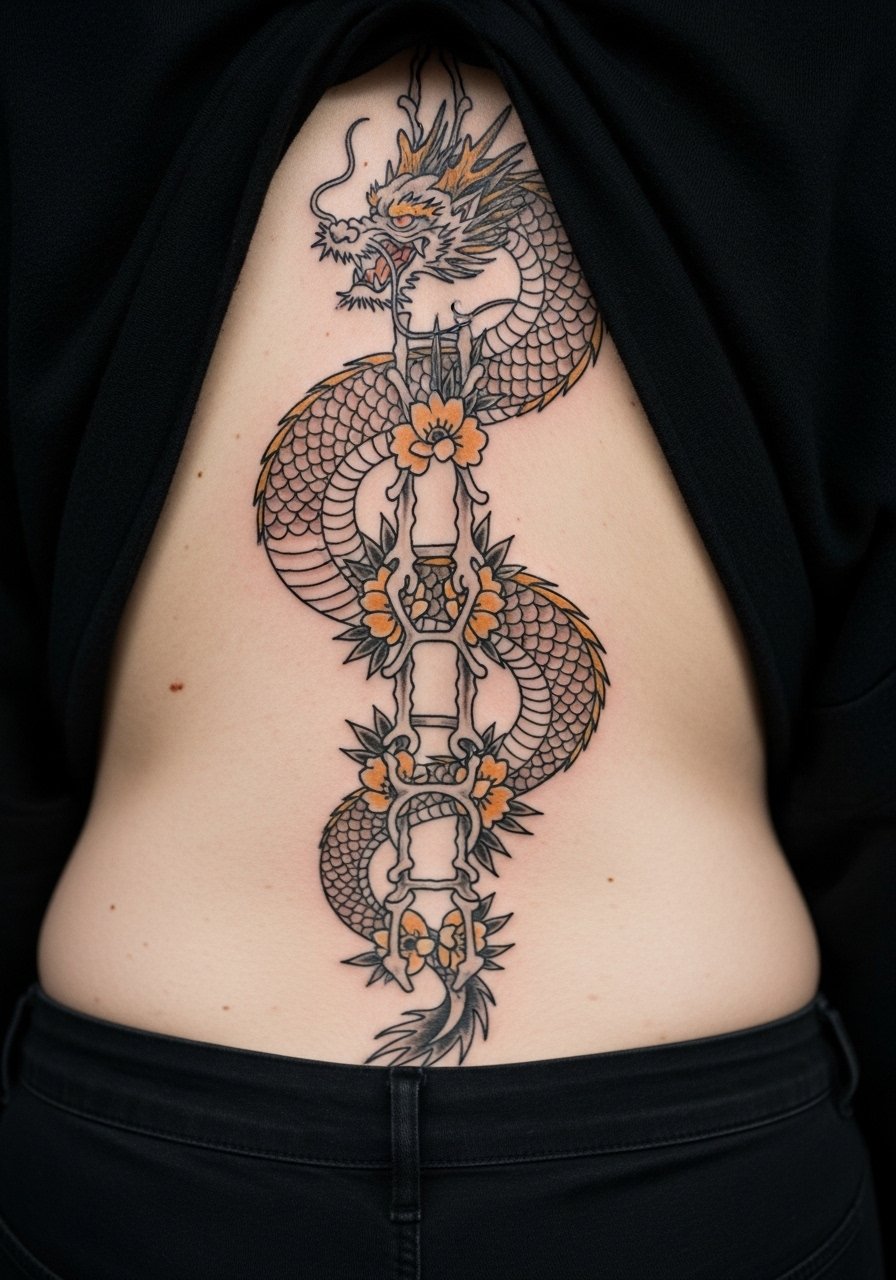
Center-line pieces look dramatic but the spine creates a canvas that moves with posture. A common failure is tiny flowers jammed between vertebrae markings. Bigger floral elements with negative space prevent merging. I tell clients the spine will feel pricklier than surrounding muscle and to schedule shorter sittings. For public wear, open-back tops or halter dresses let the vertical motif read cleanly.
9. Water-and-Smoke Dragon Across Mid-Back
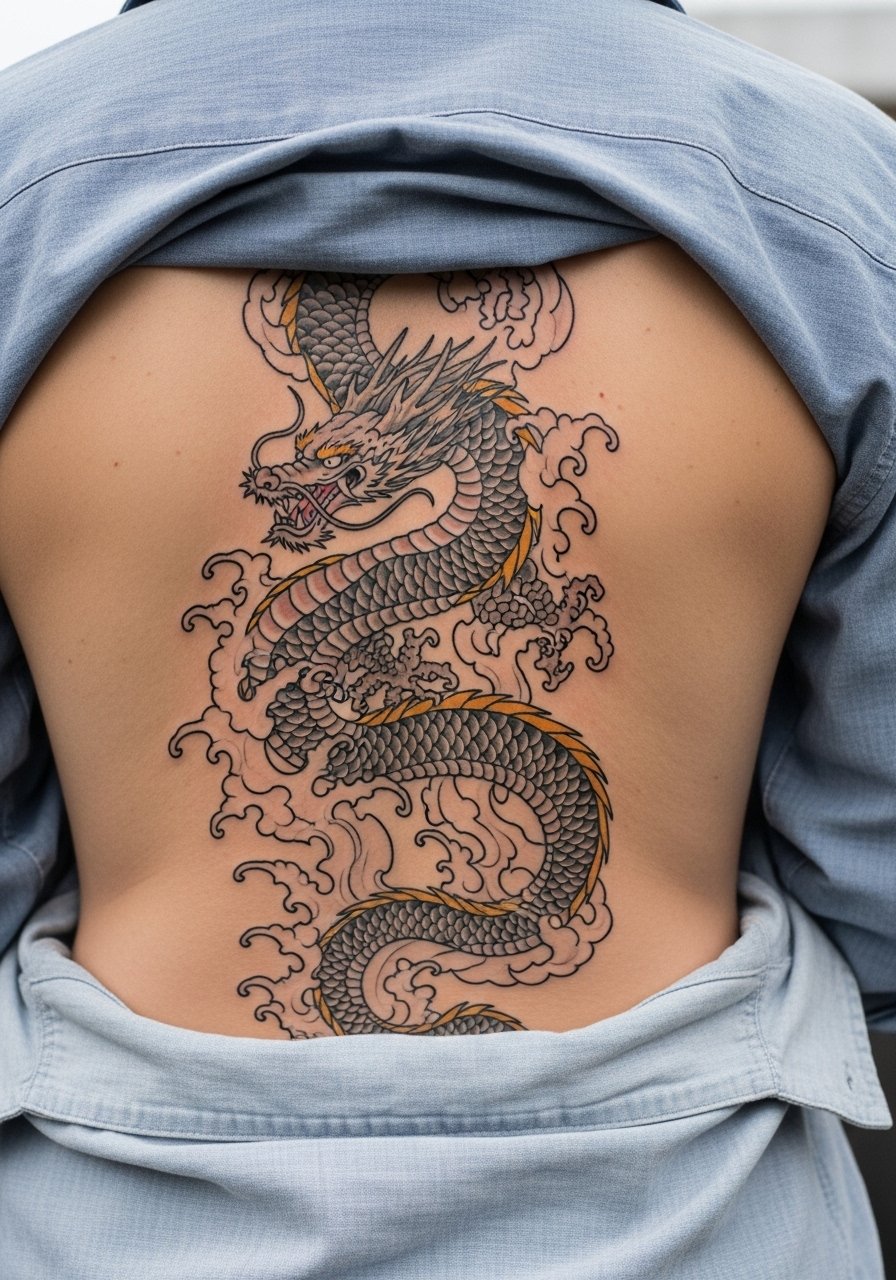
Water and smoke effects are gorgeous but they require careful spacing in neo traditional palettes. The mistake is overblending smoke into the dragon's outline which reduces separation over time. Ask for crisp outer rims on the dragon with softer gradients in the smoke layers. The session feels medium in pain and usually needs two sittings for layering color. A loose button-down shirt on appointment day keeps you comfortable without rubbing the area.
10. Heraldic Dragon with Banner and Script
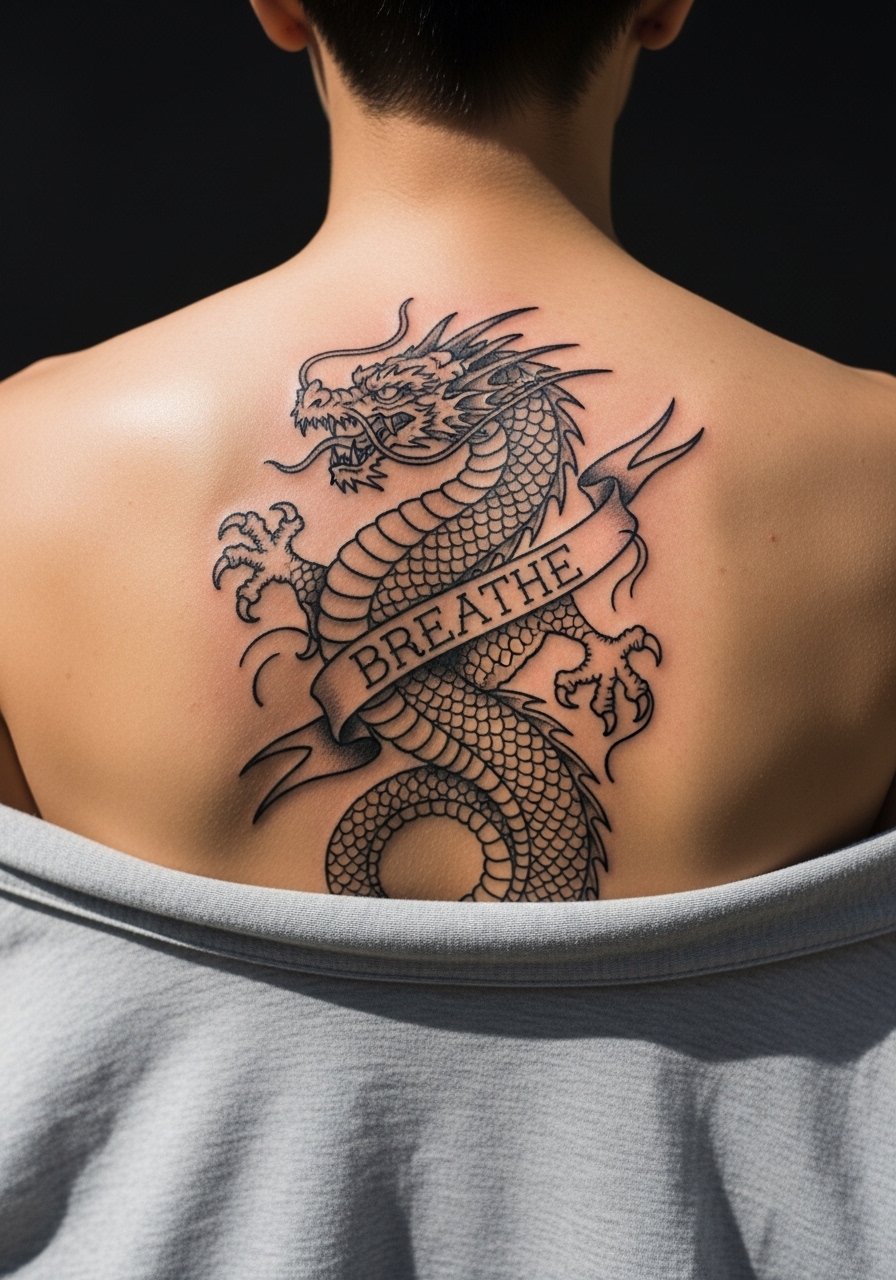
Text in banners needs scale to remain legible as ink ages. When text sits too small under a banner fold it softens into a line over time. Specify exact wording and font size during consultation and confirm spacing between letters. Expect a little soreness on the upper back and plan for a touch-up if you want the banner to stay crisp beyond three years. A thin chain pendant necklace can sit above the banner without crowding the artwork.
11. Subtle Back-Swoop Dragon in Muted Palette

Muted palettes age differently than saturated ones. The benefit is softer fade trajectories but the risk is early desaturation that looks muddy. I advise asking for slightly stronger initial saturation in anchor areas like the head and claws so the design retains form. This placement feels comfortable and sessions are shorter than full-back pieces. For everyday wear, high-waisted bottoms let the swoop peek without exposing too much.
12. Half-Back Dragon Emerging from Clouds
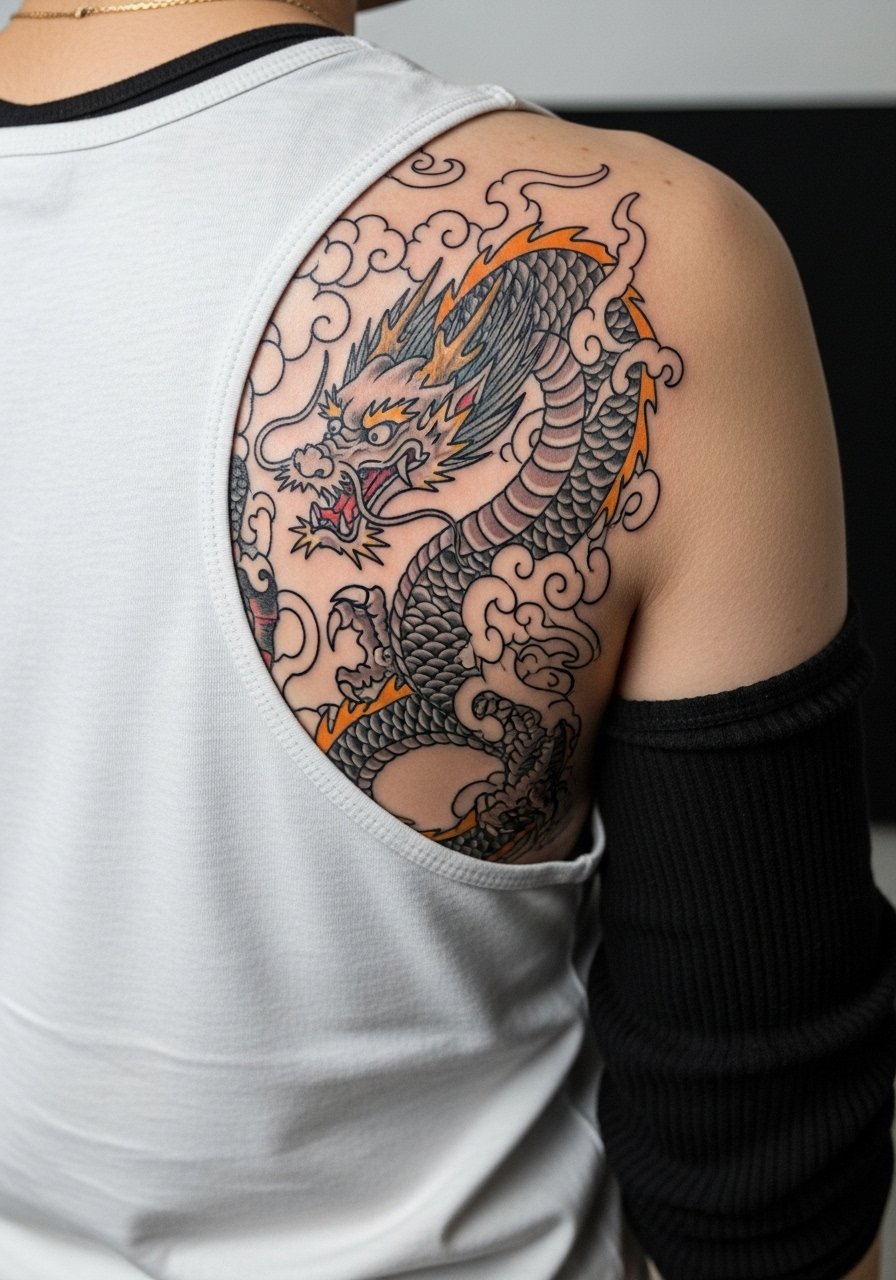
Half-back pieces let you expand later into sleeves or ribs if desired. Mistakes include pulling too many small motifs close to the edge of the design, which complicates future additions. Tell your artist you want a clean buffer around the composition for future work. Sessions are moderate and most people tolerate longer sittings here. For showing the piece, a racerback tank frames the dragon while keeping the rest of the back concealed.
13. Celestial Dragon with Moon and Stars
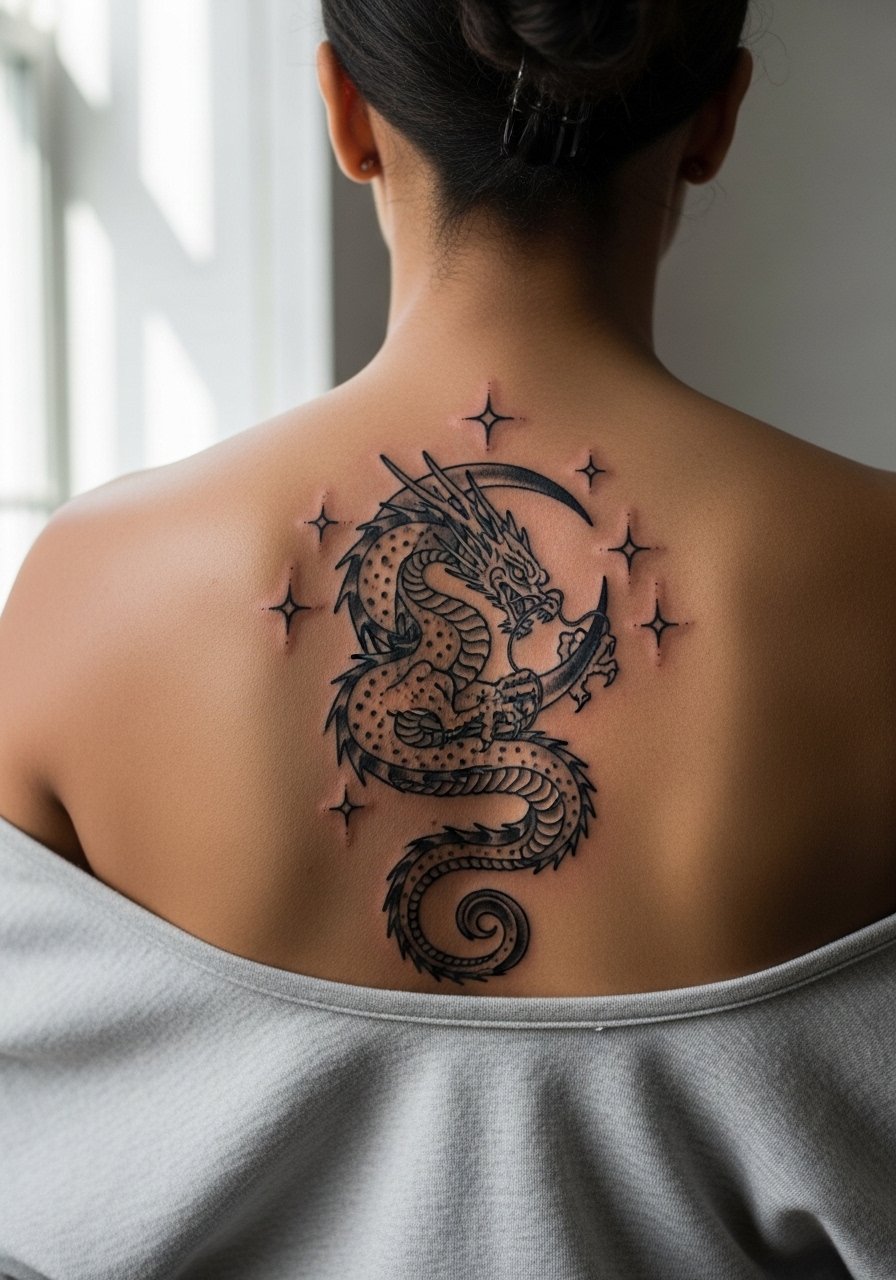
Celestial themes work well with selective white highlights, but highlight placement is controversial. One camp says white highlights keep scales readable for longer. The other camp warns white fades fast and may yellow on darker skin tones. I recommend subtle white only in protected high-contrast spots and more tonal highlights elsewhere. Sessions are typically in one to two visits. When you want to show it off, try an open-back top that reveals the moon without exposing the full torso.
14. Ribbon-Wrapped Dragon Across Lower Back

Ribbon elements can help direct the eye but they tend to wear where clothing edge meets skin. The common mistake is placing a ribbon right at the waistband. Move it slightly higher to avoid constant abrasion. Ask for thicker outlines on the ribbon edges and muted interior shading so it does not compete with the dragon scales. For the session, choose high-waisted shorts you will actually wear during healing to reduce friction.
15. Koi-Style Dragon with Flowing Fins
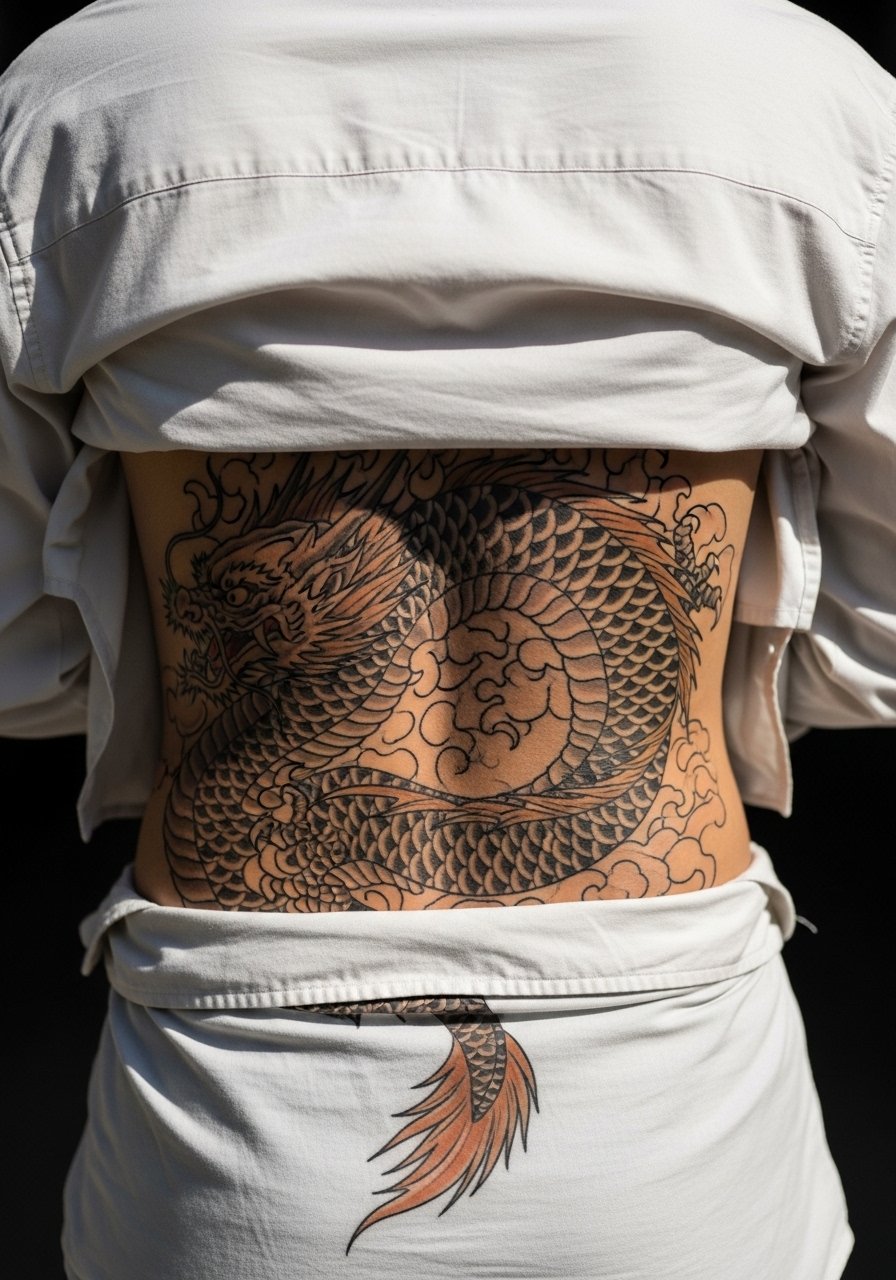
Borrowing koi proportions softens the dragon into a flowing composition that reads well on rounded backs. The mistake is packing tiny fin rays that blur in time. I suggest larger fin separations and stipple shading inside fins to keep texture without dense lines. Sessions can be long because of scale work, so hydrate well beforehand. A loose button-down shirt makes undressing and redressing less of a hassle during aftercare.
16. Armor-Plated Dragon with Metallic Accent

Metallic accents look striking but require careful placement to avoid early patchy fade. The practical approach is to reserve metallics for small highlights rather than broad fills. Ask for anchor areas with normal pigments and small foil-like spots that read as metal without making large fields. Sessions feel medium and may require a top-up to keep metallics bright. For visual pairing, cropped jackets or open-back dresses complement the reflective spots.
17. Geometric Spine Dragon with Negative Space
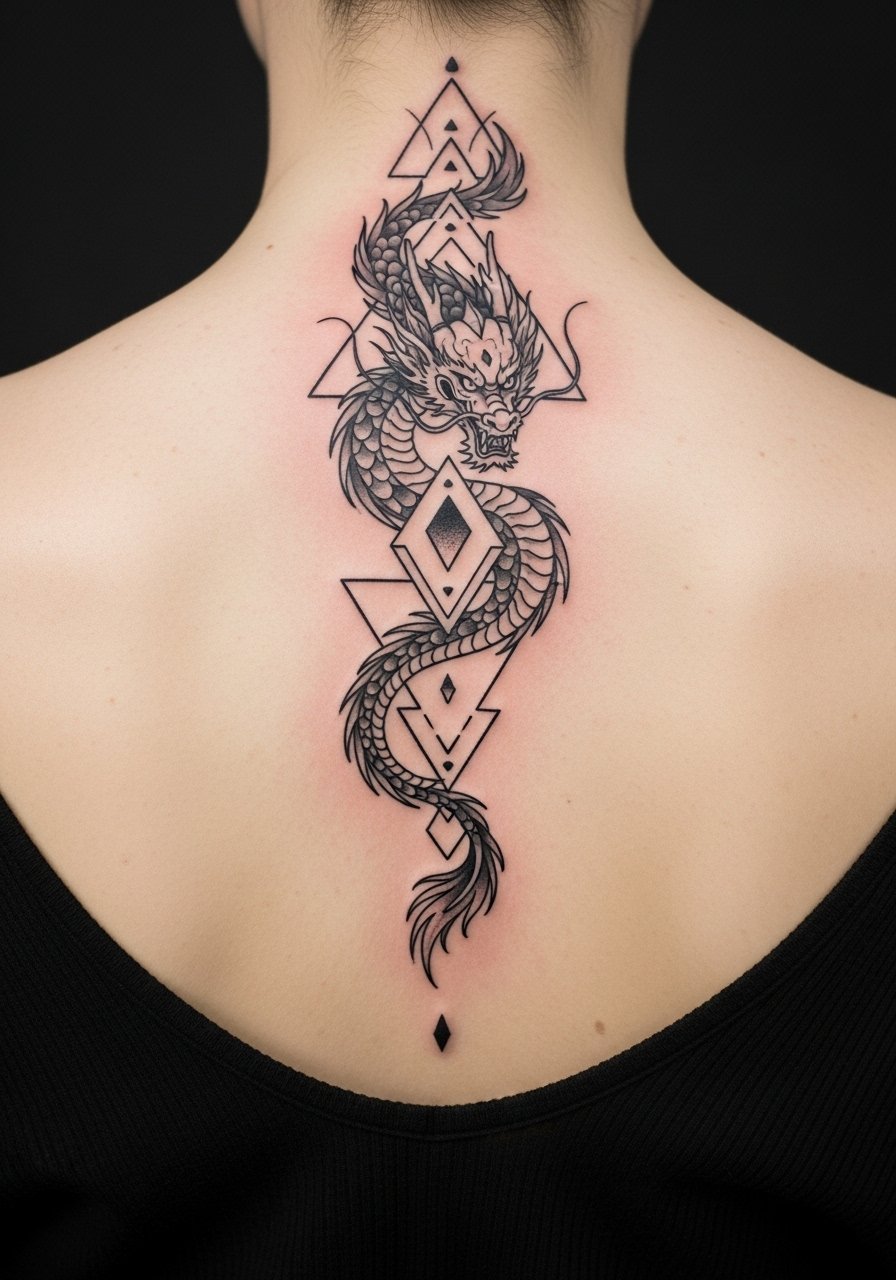
Negative space is an ally when you want the dragon to pop without dense color. The biggest error is misjudging the scale of the negative shapes so they close up as the ink settles. Ask for larger gaps and for geometry to be sized to your back width. Sessions are precise work and can be slow. For the session, wear a wide-neck shirt you can shift without stretching the skin.
18. Floral-Cloaked Dragon Across the Scapula

Large floral elements give the dragon breathing room and age more gracefully than tiny petals. A common mistake is painting too many small flowers that merge in the first two years. Ask for larger petals and clear spacing between floral clusters. This placement feels moderate for pain and is often completed in a single long session. To showcase it, choose a thin strap camisole or an off-shoulder top.
19. Viper-Like Dragon Slinking Over the Lower Back
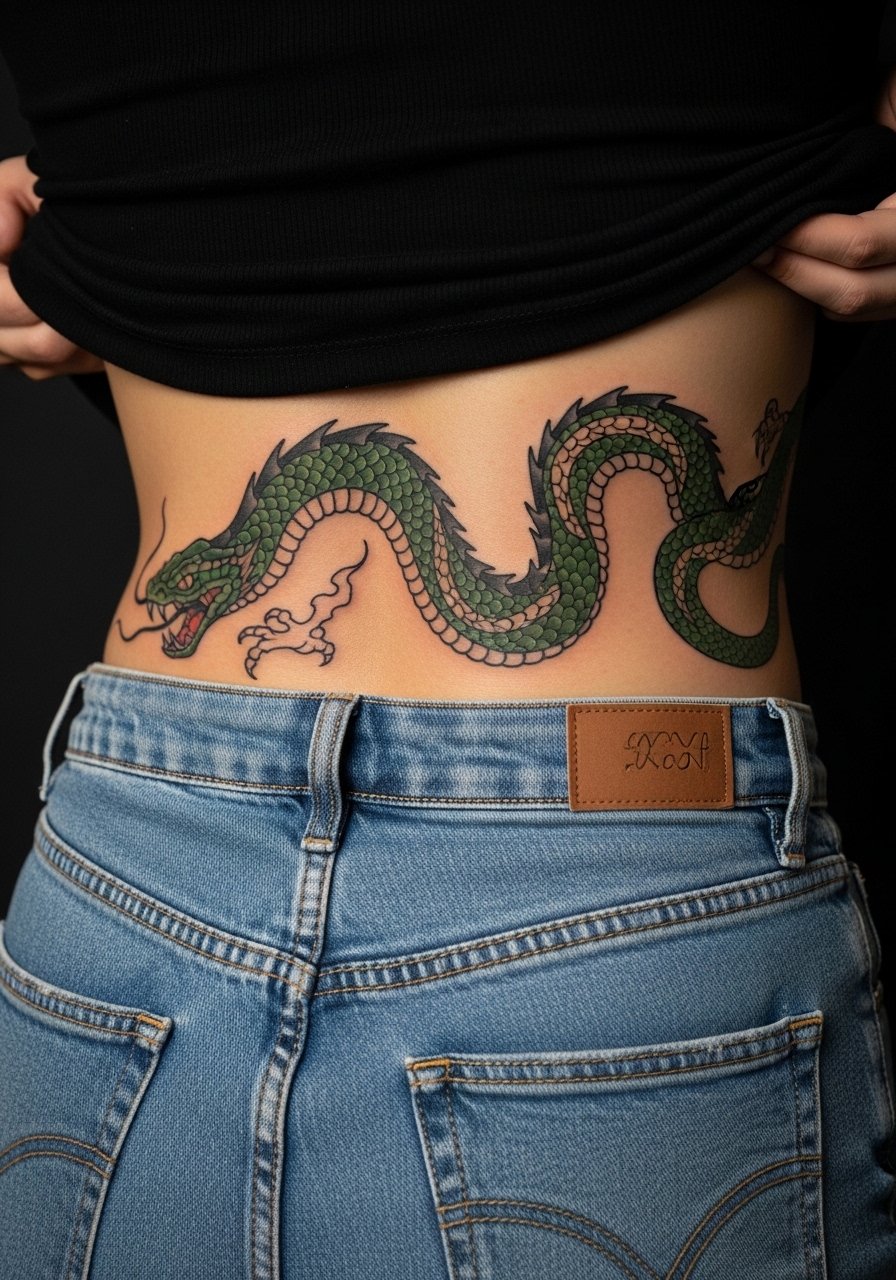
A horizontal slink keeps motion readable from waist height but increases contact with clothing. The mistake is placing the design where belt friction is constant. Move it up a touch and use stronger outlines along friction points. Sessions are tolerable but remember to swap tight bottoms for looser alternatives during early healing. A cropped tee during the session gives the artist access while keeping you comfortable.
20. Heraldic Chest-to-Back Dragon Wrap
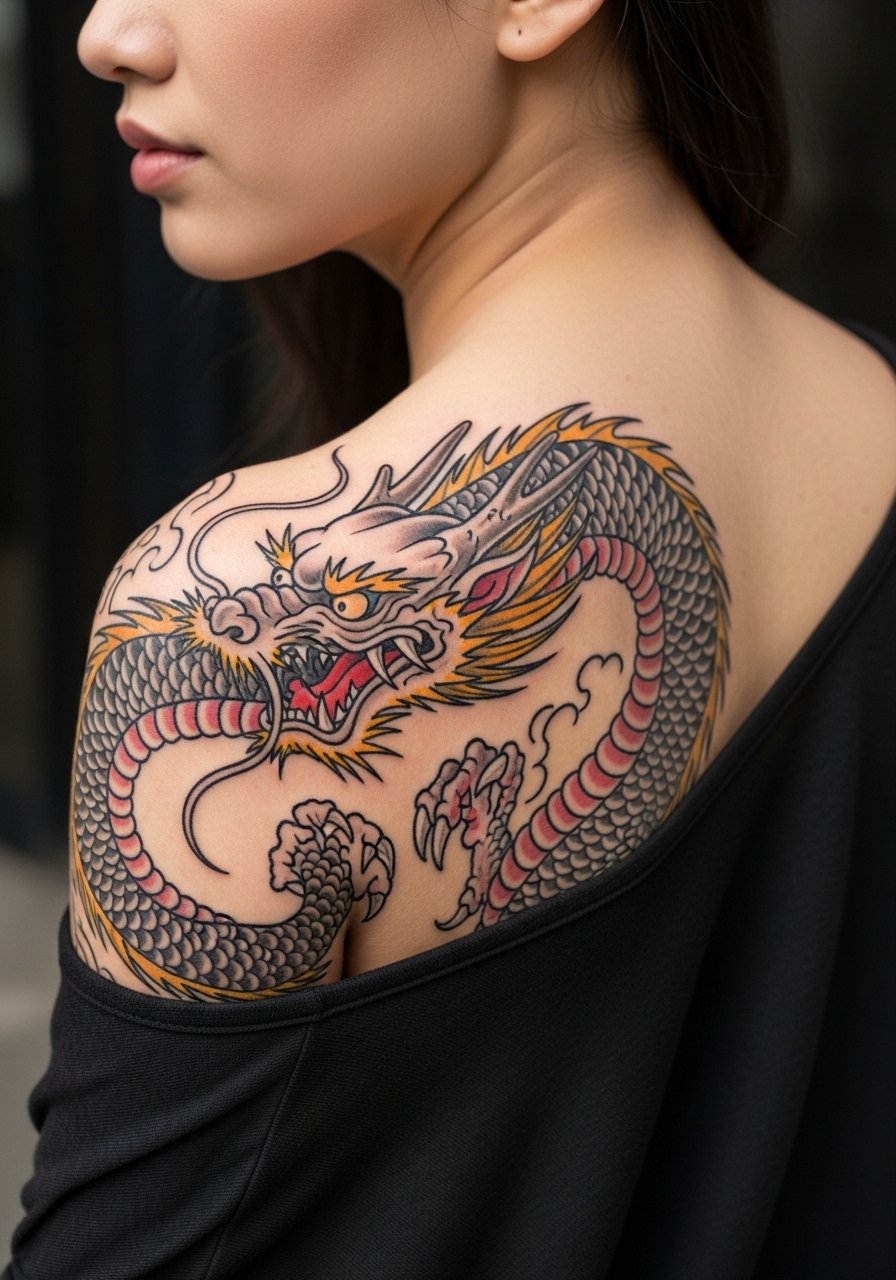
Wrap pieces that cross the shoulder need coordinated shading across planes so the dragon reads in motion. The common error is mismatched saturation between chest and back panels. Plan the chest and back together and ask your artist to balance pigment in a single session if possible. Expect more sensitivity near the shoulder joint. For showing it off, an open shoulder blouse highlights the transition without exposing the chest.
21. Masked Dragon with Traditional Mask Elements
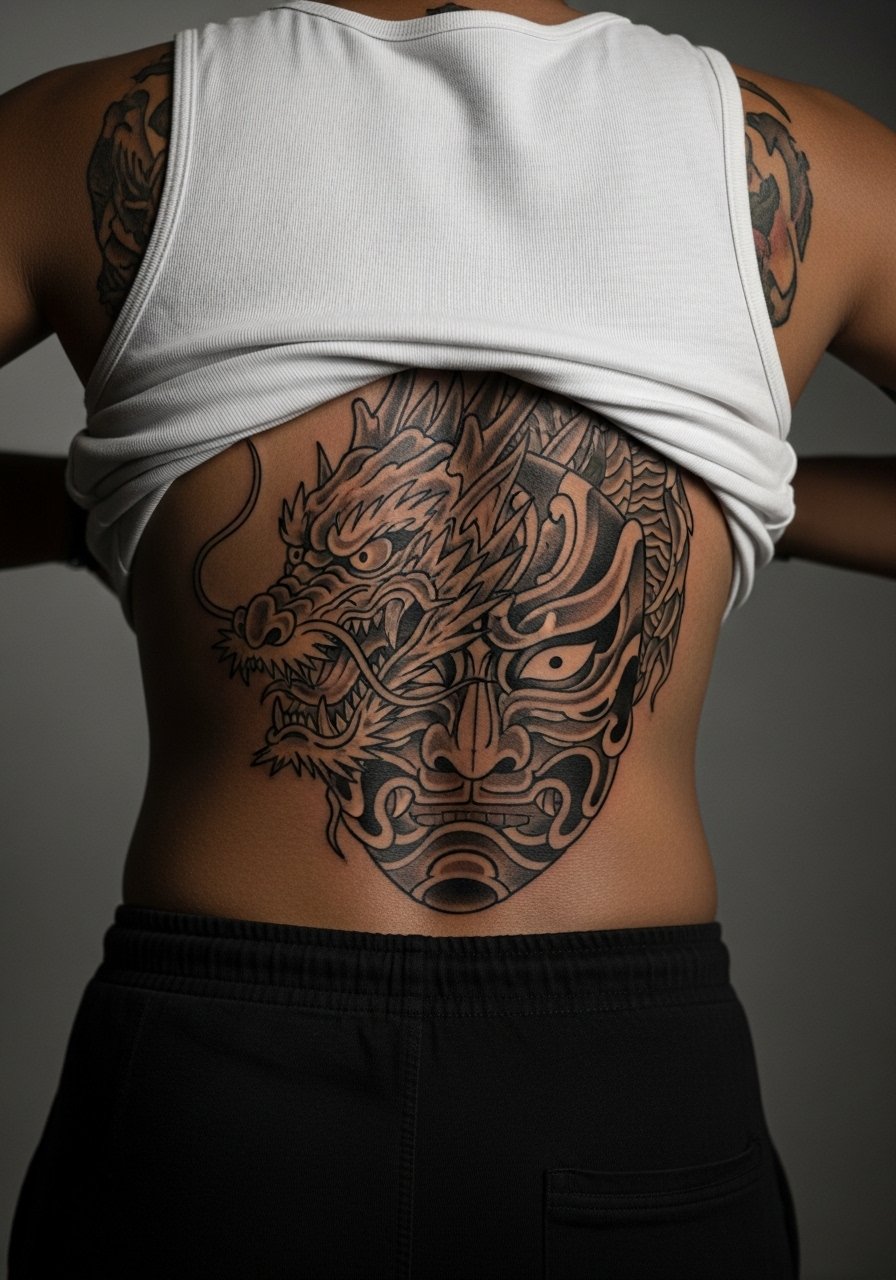
Mask motifs add cultural layers but require respectful adaptation. This style sketches toward traditional mask origins, and some people prefer subtle reinterpretations rather than exact replicas. Ask about cultural sources and whether your artist recommends a stylized approach. Sessions are medium and precise. When showing the piece, a loose tank top keeps focus on the motif.
22. Dragon with Celadon and Jade Palette

Cool green palettes can be timeless if you anchor them with darker contours. The practical mistake is using too many mid-tones without a dark contrast, which flattens over time. Request deep contour outlines and brighter highlights only in a few spots. Sessions for color layering may take longer. To display the greens, pair the piece with neutral linen shirts or a loose drawstring linen pant outfit that keeps attention on the back art.
23. Dragon Eye Motif at the Nape
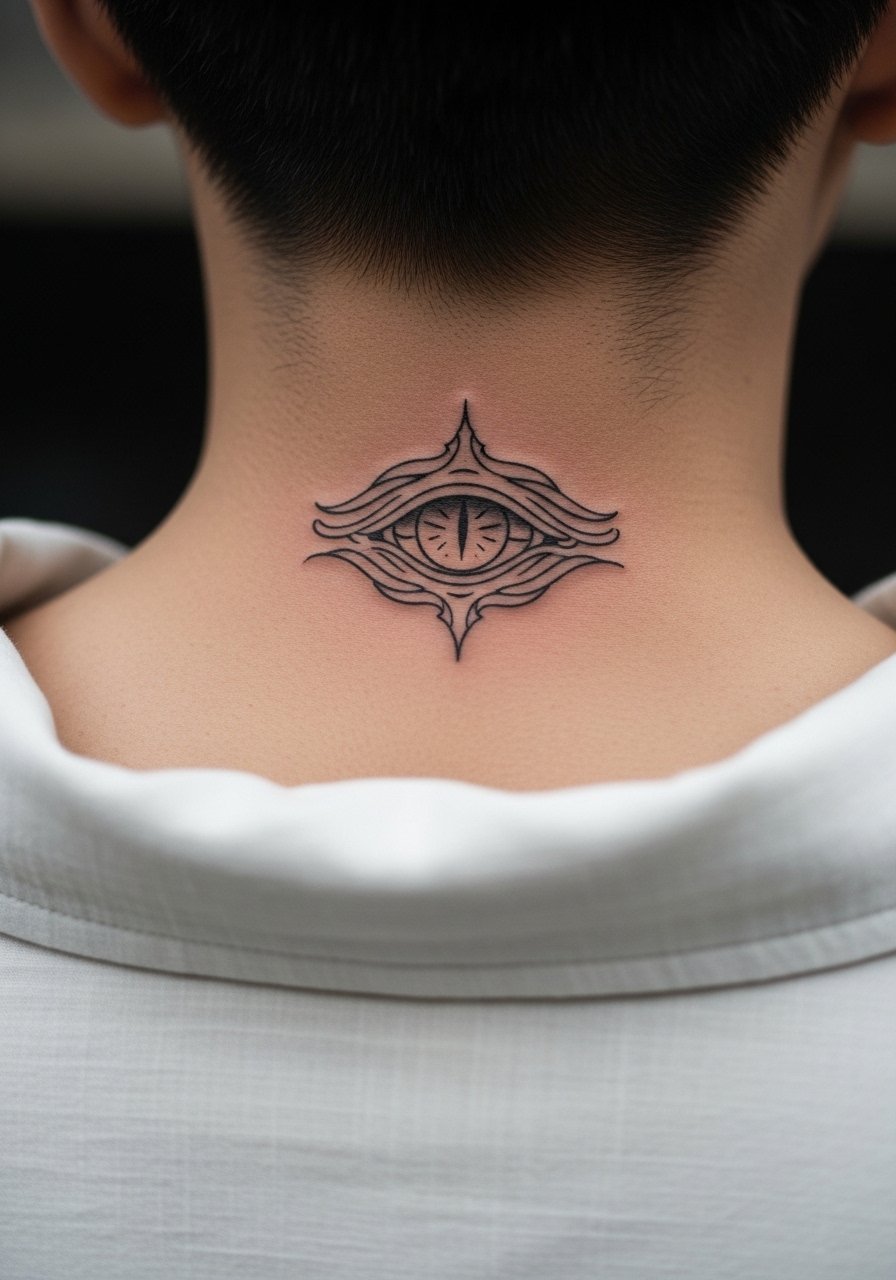
Nape placements demand discretion because of visibility and career considerations for some. The error is making the eye too detailed for the small area. Scale up the eye slightly and use bold lines around the pupil to preserve read at distance. The nape is sensitive but sessions are short. If you plan to wear higher collars at work, consider the long-term visibility before booking.
24. Dragon Embracing a Mandala Backplate

Mandala backplates require spacing to avoid dense line merging. The common mistake is packing spokes too tightly. Ask for broader negative space and for the mandala to be scaled to your back width. Sessions will be detail-heavy and may run long. For show-off moments, a halter dress highlights the mandala's circular motion.
25. Scaled Gradient Dragon from Shoulders to Small of Back
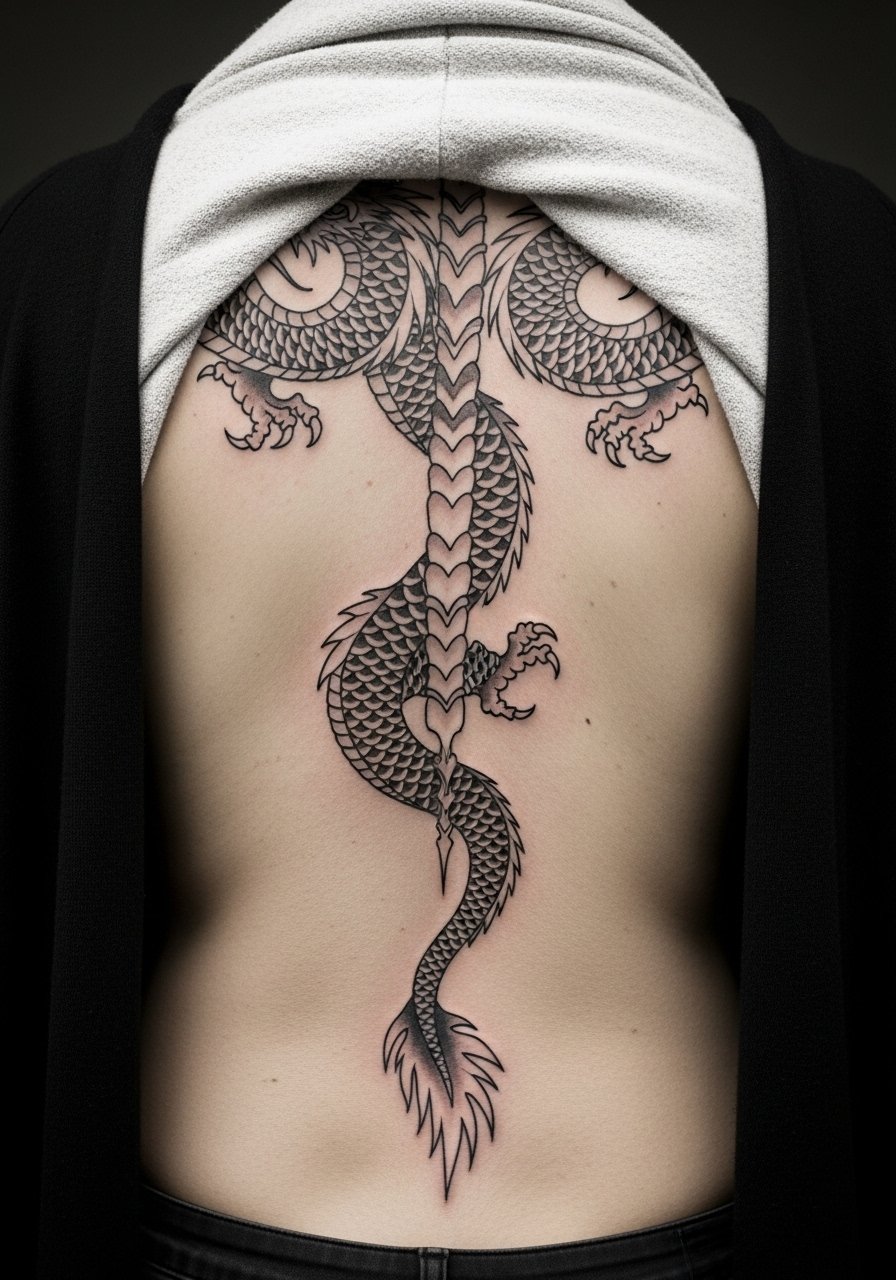
Gradients across a long run need consistent saturation at each sitting so the color reads even. A typical mistake is shifting pigment intensity between sessions. Plan your sessions close together and discuss saturation targets with your artist. Pain varies along the back. To make dressing easier after a long session, bring a loose button-down shirt you can slide on gently.
26. Mythic-Scene Dragon with Tiny Narrative Vignettes
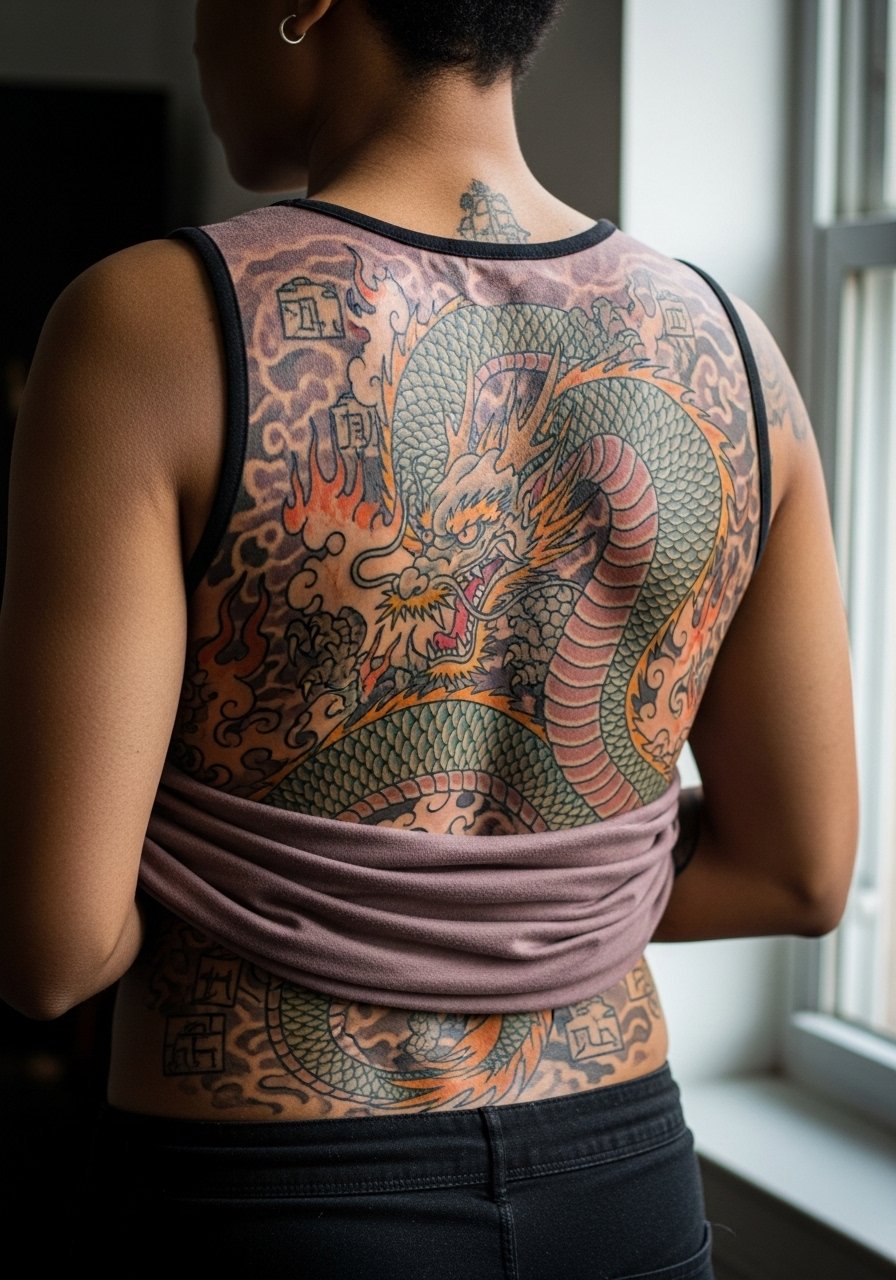
Narrative vignettes let you tell a long story but the trap is cramming too many tiny scenes that lose detail as they heal. I recommend three to four mid-sized vignettes rather than a dozen micro-scenes. That way each moment remains readable at one and five years. Sessions are often multiple and spread over months. For the session, a loose tank top is best for easy access and comfort.
27. Abstract Ink-Drip Dragon with Painterly Texture
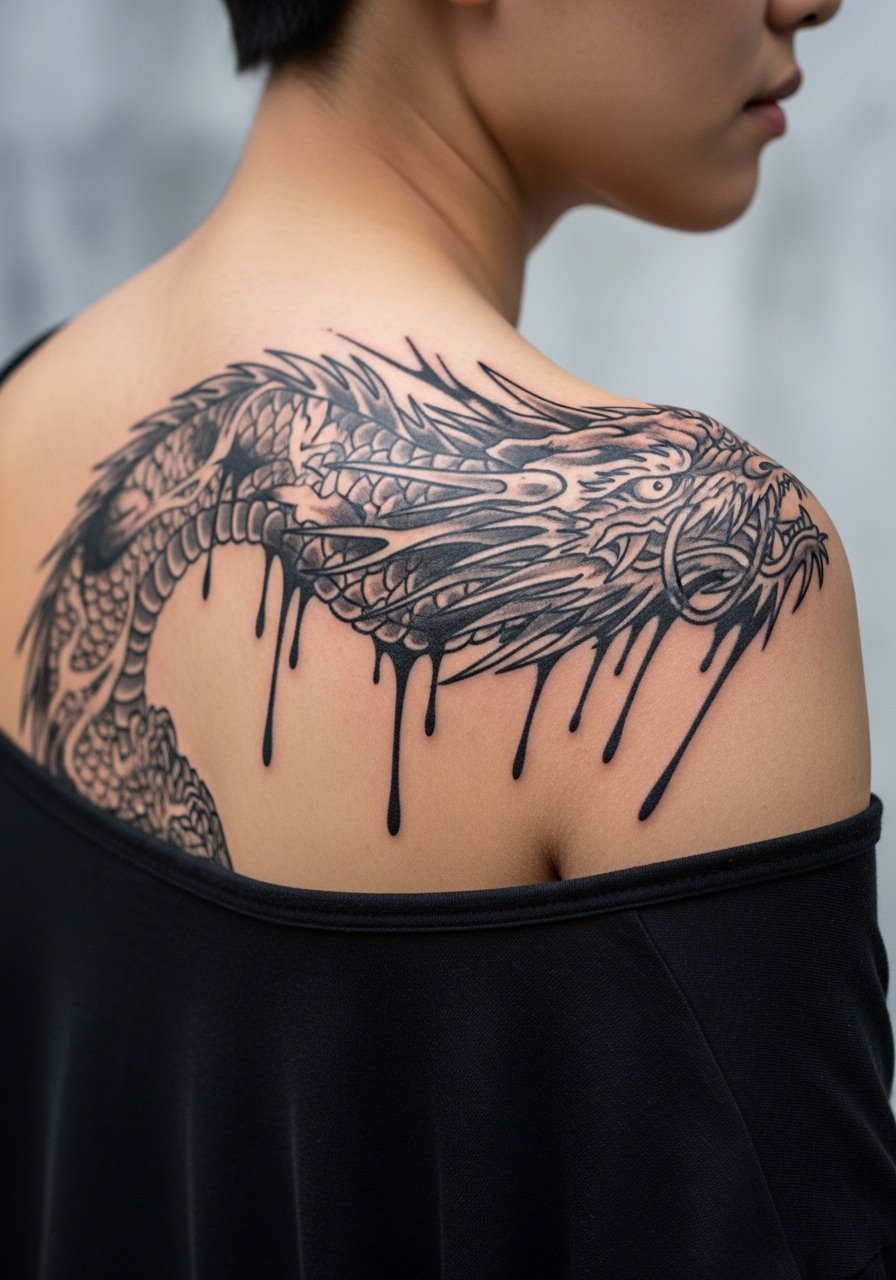
Abstract ink-drip pieces let neo traditional linework feel painterly without losing form. The key is controlled drips and anchor outlines. Too many randomized drips look like patch fading later. Ask your artist how they plan drips to avoid areas that will crease with movement. Sessions are creative and can be longer depending on texture layering. For show-off looks, an open-back top highlights the painterly motion without revealing more than you want.
Frequently Asked Questions
Q: How should I plan sessions for a full-back neo traditional dragon to avoid inconsistent saturation?
A: Space sessions close enough that color matches across sittings. I recommend booking linework and the first color session within a few weeks of each other if possible. Bring consistent references and ask the artist to note pigment mixes to replicate in follow-up visits.
Q: Will fine line neo traditional details on the back blur faster than bold outlines?
A: Yes, finer details generally soften sooner. On a broad canvas like the back you can keep some fine work if you scale it up and pair it with bolder contours in anchor areas. Expect touch-ups at two to four years depending on sun exposure and skin type.
Q: Which wardrobe items help show off a back dragon without making daily wear awkward?
A: Open-back tops and halter dresses are classic show-off choices. A racerback tank is a low-commitment option that frames the piece while staying practical.
Q: Are certain back placements riskier for blowout or distortion?
A: Areas near the spine and the lower back experience more movement and sometimes superficial blowout if line depth is inconsistent. Use slightly thicker outer lines near the spine and avoid tiny packed details where skin creases occur.
Q: How should I discuss cultural imagery like mask motifs or mandalas with my artist?
A: Ask about origins and respectful adaptation. Many clients choose stylized interpretations rather than exact cultural replicas. A short conversation in consultation about intent and source goes a long way.
Q: Do I need to avoid certain clothing during the first week of healing for lower-back pieces?
A: Yes, avoid tight waistbands and choose high-waisted loose bottoms or skirts that do not rub the tattooed strip. Swapping to looser alternatives during early healing reduces scabbing and color loss.