
Fine line poison tree sketches are everywhere on saved boards, but trend and longevity rarely match. The pieces that still read crisp after a few years are often spaced for skin movement and use deliberate line weight instead of tiny detail crammed in. If you want a design that reads like a polished sketch today and heals into something legible, these 21 ideas show how to balance delicacy with permanence and what to ask your artist first.
1. Delicate Poison Sapling on the Inner Wrist
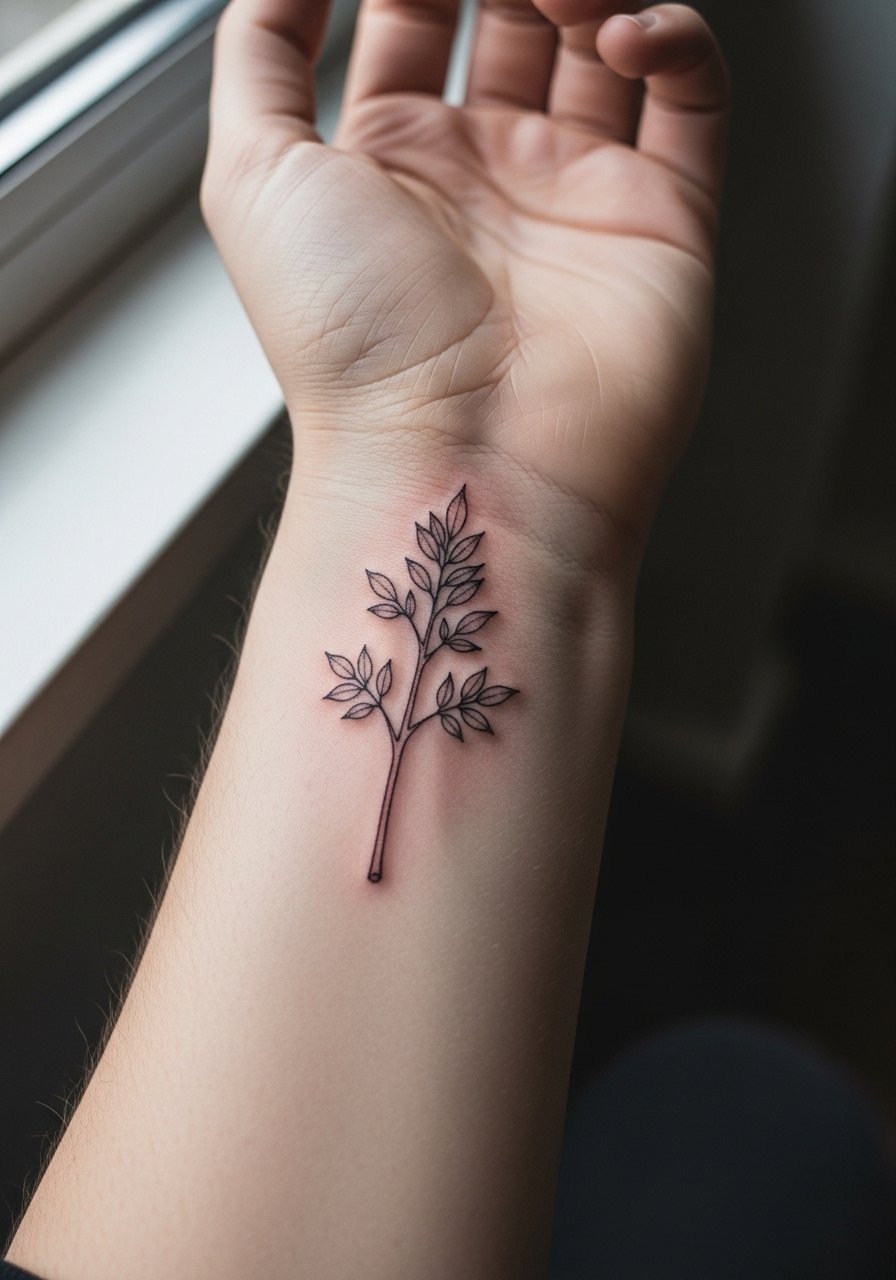
This tiny sapling reads like a sketch when fresh and stays readable if the lines have a little weight. Fair warning, the wrist is a high-motion zone so the biggest mistake is asking for ultra-thin strokes that will blur. In consultation, ask for slightly bolder main stems and lighter twig details so the silhouette holds at year two and five. Expect a 30 to 45 minute session and a touch-up around year two if you use your hands a lot. For showing it off, rolled sleeves or a loose button-down shirt frame the wrist without hiding the linework.
2. Poison Fruit Cluster Around the Ankle
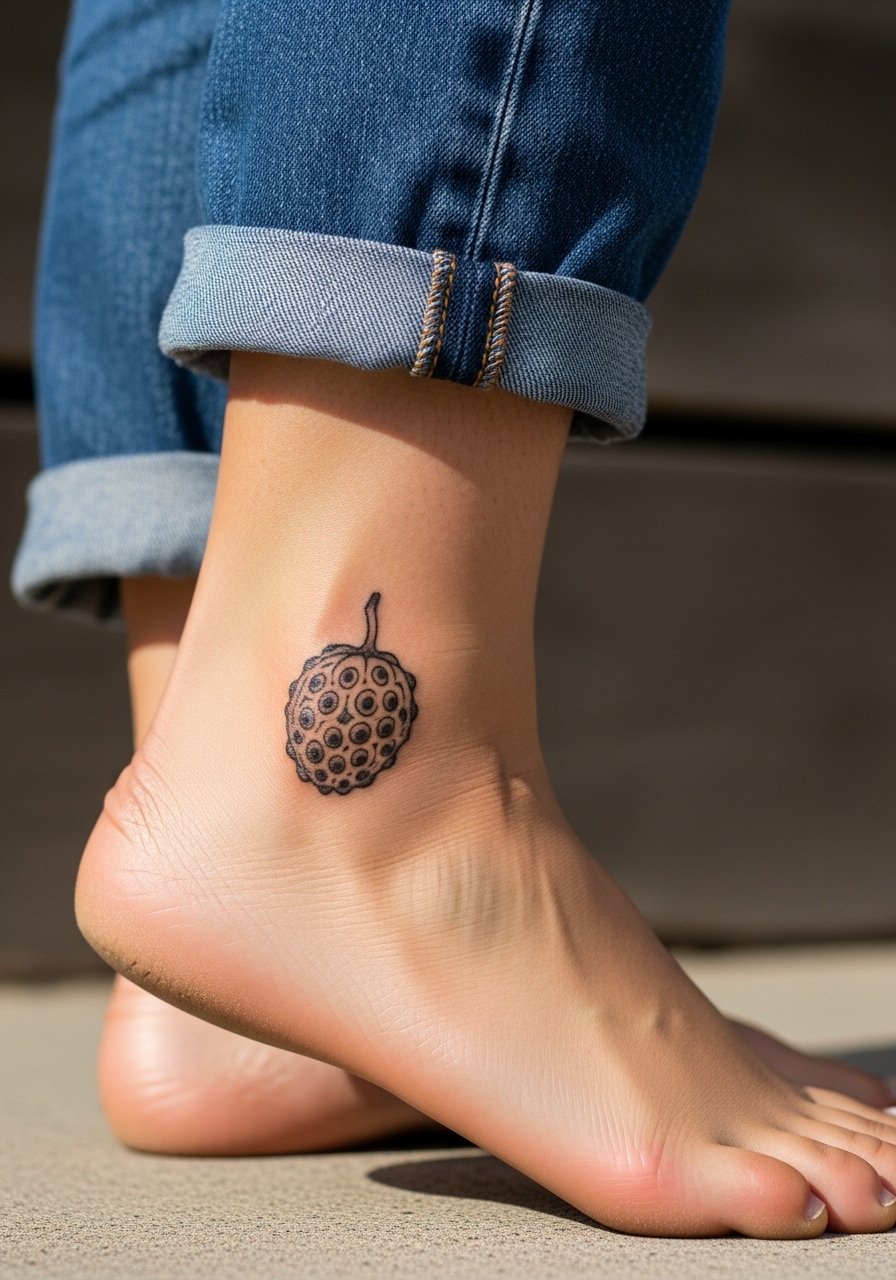
Ankle tattoos are adorable but face constant friction from shoes and socks. I recommend grouping the fruits into a compact cluster with negative space between each fruit to avoid merging over time. The session is usually under an hour and feels like steady buzzing with brief twinges. Common mistake is going too small for detail. For the appointment, wear pants you can roll up easily and bring a pair of sandals or low-cut shoes so the area gets air after the artist finishes. A simple anklet or slim strap sandals highlight the design on warm days.
3. Poison Tree Silhouette on the Side Ribcage
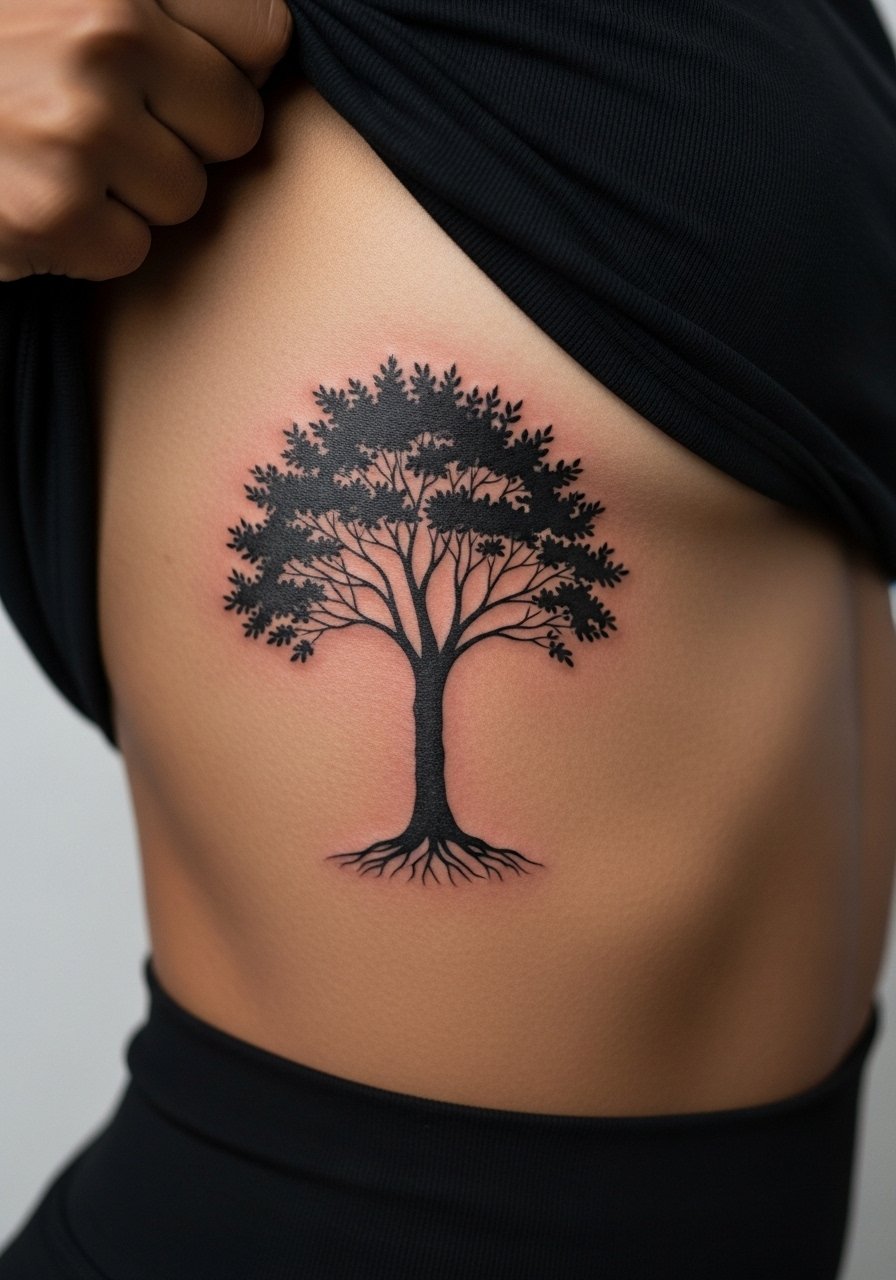
Ribcage pieces age differently because the skin stretches with breath and weight change. Artists split into two camps on fine line here. One camp says ribs blur quickly and avoid ultra-fine work. The other argues that with proper needle depth and spacing, delicate designs can settle well. I suggest a middling line weight and open silhouettes so the tree's negative space breathes. Expect a longer, intermittent session and a higher pain rating. Tell your artist you want layout tests while sitting and standing so placement reads the same when you move. For recovery wear a loose cropped tee you can lift without pressure on the area.
4. Poison Branch Around the Collarbone
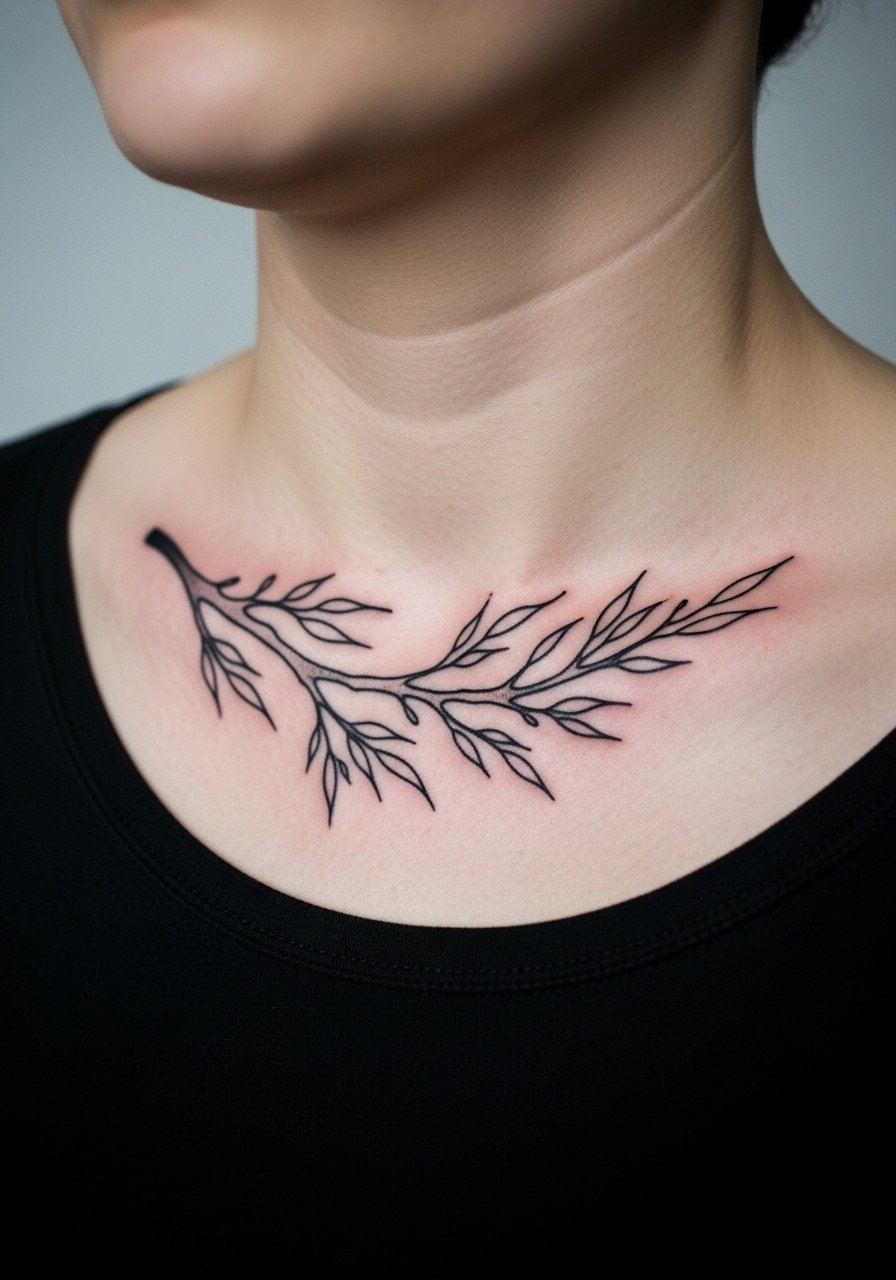
Collarbone tattoos read as elegant sketches when placed with the grain of the skin. The usual error is forcing dense cross-hatching onto that thin plane. Ask for clear main branches and sparse stipple shading to keep the design from becoming a blur after two years. Pain sits around a 6 out of 10 because the bone is close to the surface. Session time is typically under 90 minutes. Pair this with open-neck tops or a thin chain pendant necklace to frame the linework without covering it.
5. Poison Tree Miniature Behind the Ear, Near Hairline
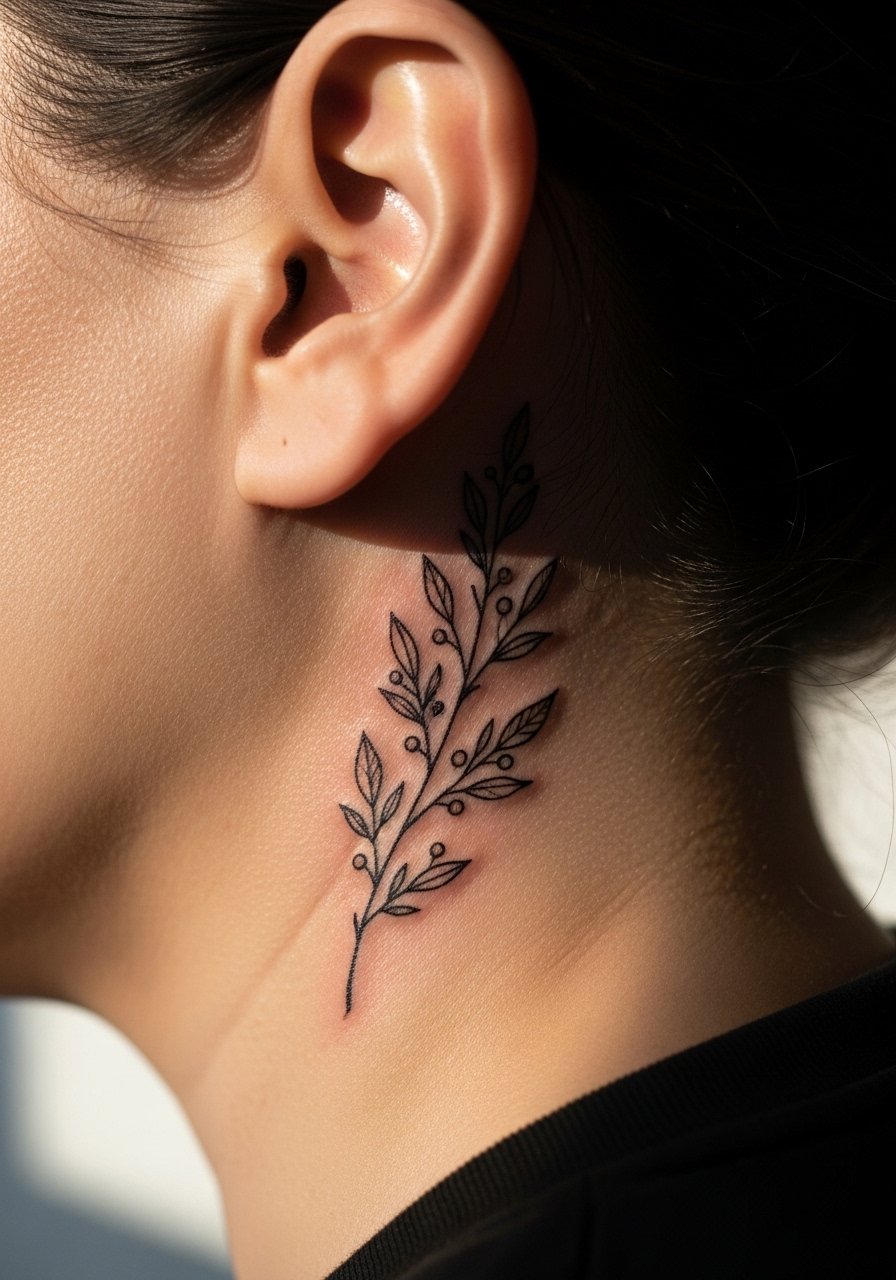
Tiny work behind the ear reads subtle and sketchlike, but artists often caution about shifting placement. The trick is to keep the motif small and oriented so hair can partially cover it if needed. The session is quick and the pain is mild. Tell your artist you want the design placed on the skin below the hairline to avoid the actual ear cartilage. This area is discreet for workplaces that frown on visible ink and pairs well with short hair or a simple stud earring when you want it visible.
6. Poison Vine Wrapping the Forearm
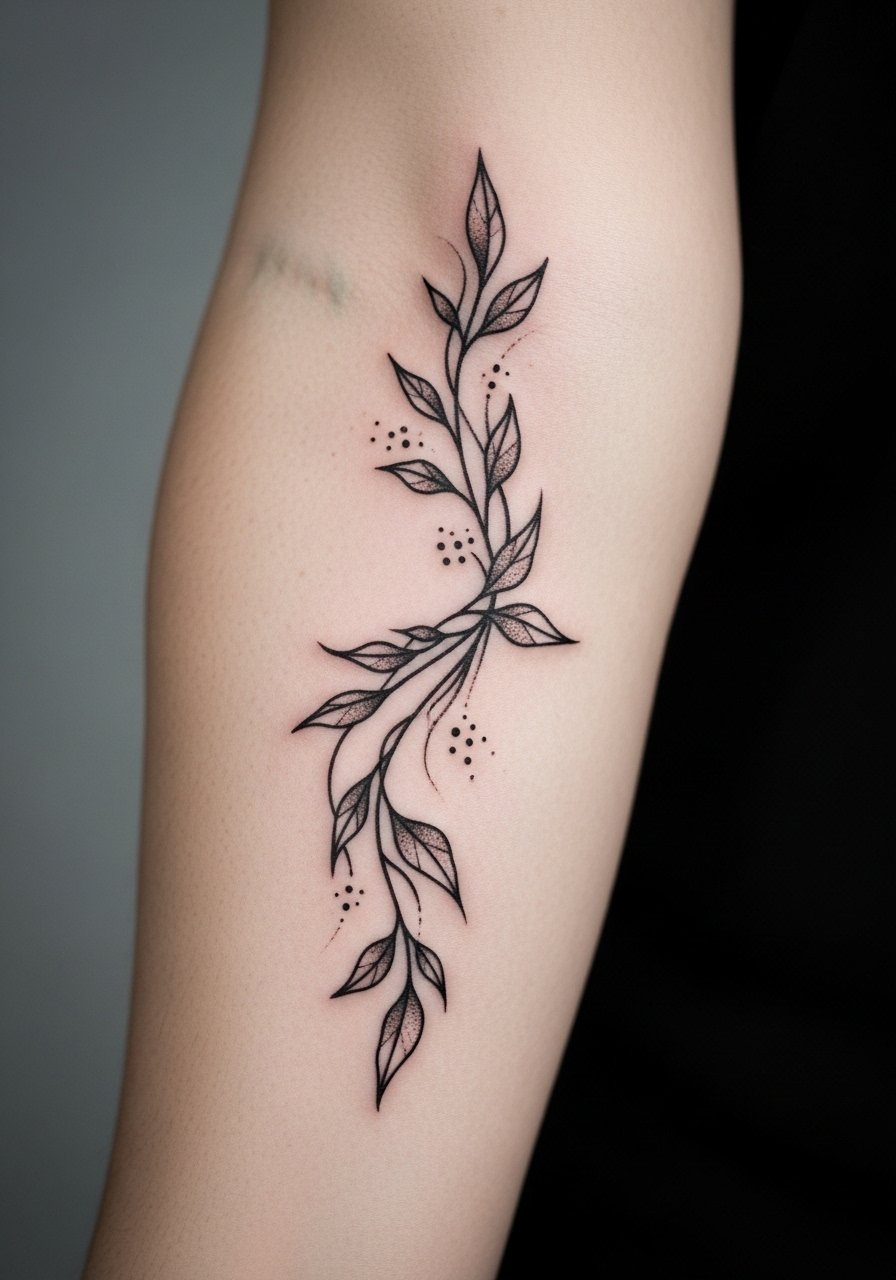
A forearm wrap gives a chance to show line flow along the arm, but the common mistake is tight loops that merge when healed. I advise wider spacing between coils and alternating lineweight so the vine reads at a glance. Session time varies from one to two hours depending on size and shading. Expect some tenderness for a few days and a likely touch-up around year three if you keep heavy sun exposure. For showing off, roll sleeves and try a racerback tank top or cuffed linen shirts that keep the forearm in view.
Studio Day Picks
The first six ideas above include wrists, forearms, and clavicle pieces that need different prep. A few small items make those sessions more comfortable and protect the linework in the first week.
-
Stencil transfer paper kit. Lets you preview how a poison twig or tiny fruit cluster will sit on the exact curve of the wrist or ankle before the artist inks.
-
Topical numbing cream. Applied under a wrap about 45 minutes before helps with tender collarbone and ribcage zones without mushy saturation.
-
Thin protective film roll. Keeps low-friction finger and ankle pieces clean when walking and typing in the first few days.
-
Fragrance-free body wash. Gentle cleansing prevents irritants from attacking fine line work while the skin forms its scab layer.
-
Aquaphor healing ointment. Thin application in the very early phase seals in moisture for delicate linework without suffocating the skin.
7. Poisoned Leaf Cluster on the Outer Shoulder
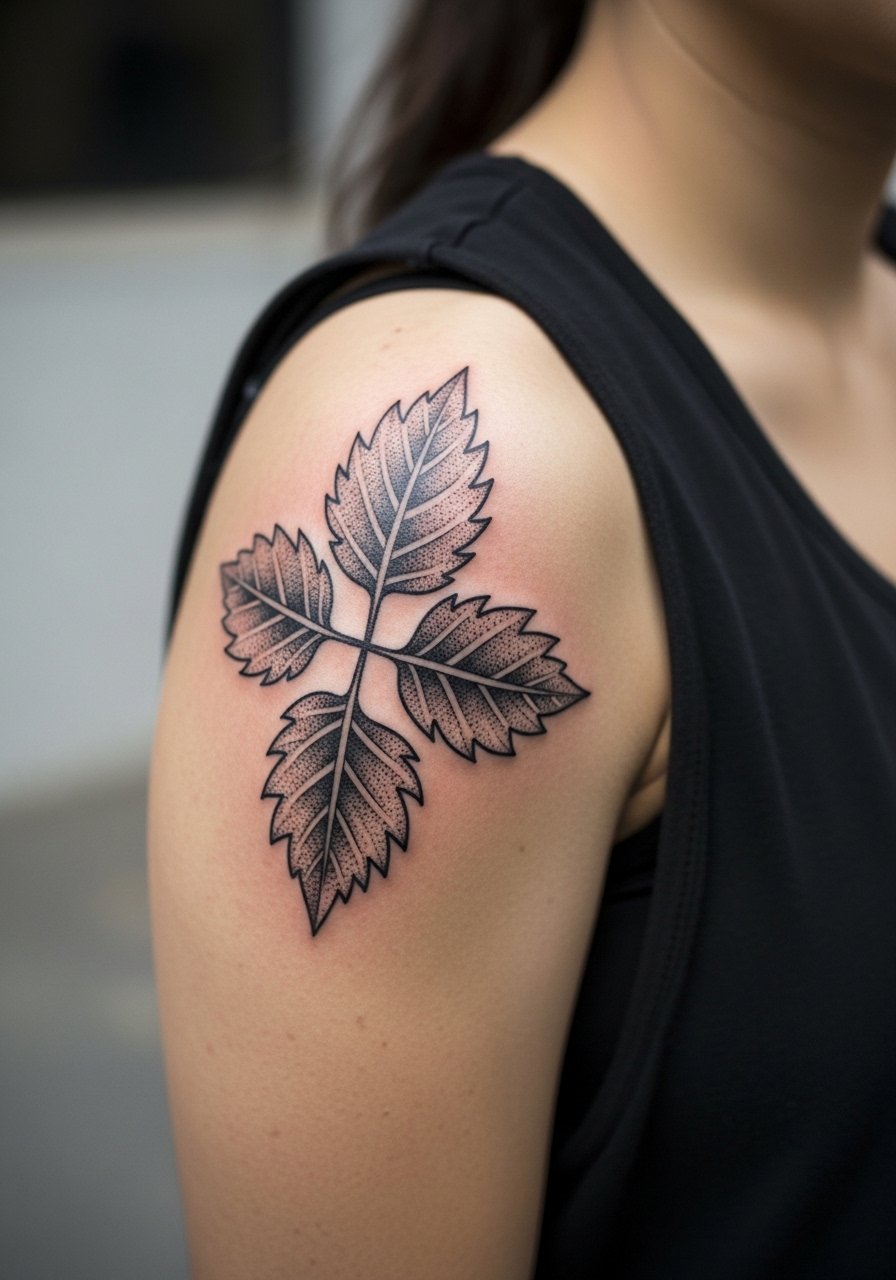
Shoulder pieces are forgiving because skin there shifts less than the torso. For a cluster of toxic leaves, choose stipple shading rather than solid fill so highlights remain visible as the piece ages. The session is usually under 90 minutes and pain is moderate. Avoid requesting extremely dense black fill near the edge because that can look heavy against shirt straps. For the session, wear a loose tank top you can lift without rubbing the healed area. A simple jean jacket complements the shoulder placement when you want to show the piece without exposing too much skin.
8. Poison Tree Seed Pod on the Inner Bicep
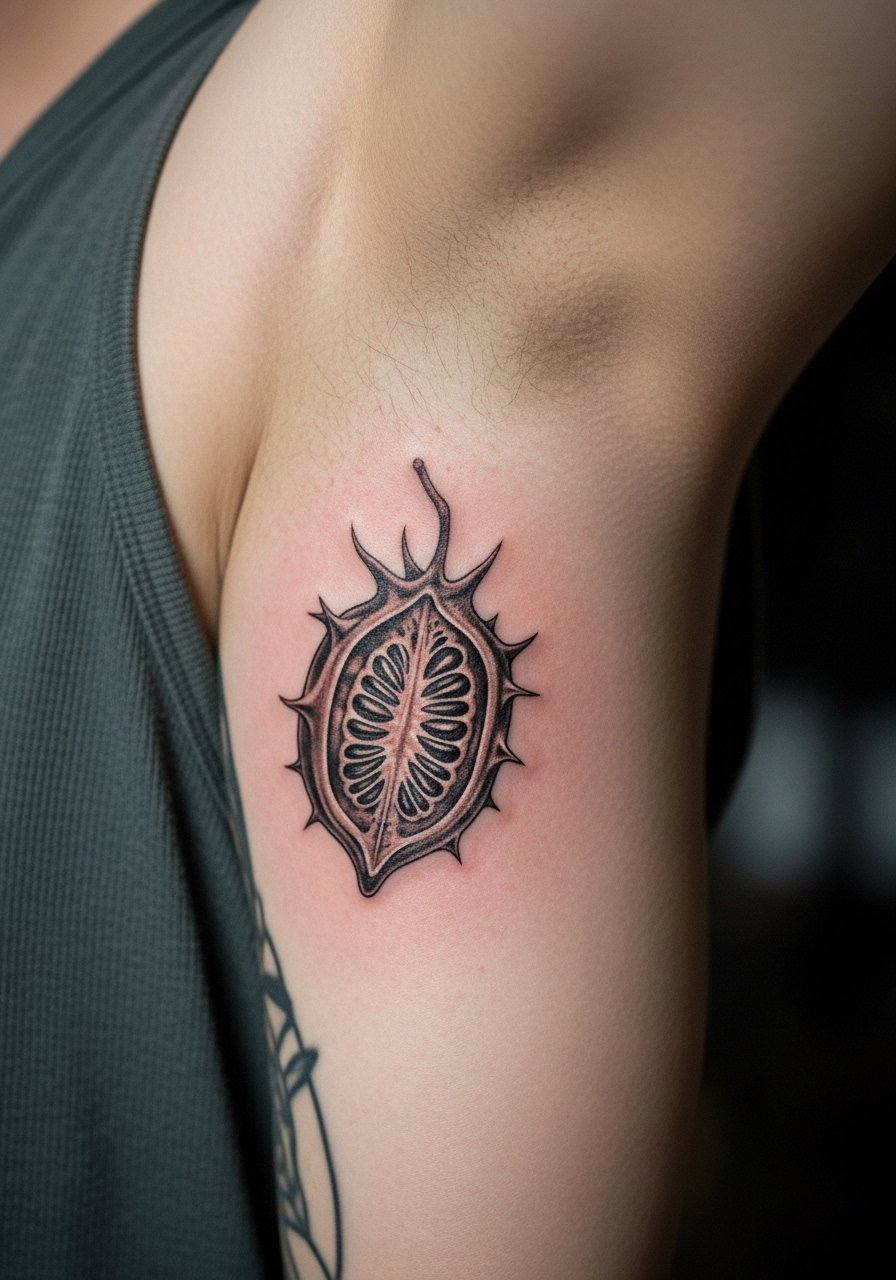
The inner bicep can hold delicate dot work if the artist spaces the dots for movement. I suggest a single seed pod with subtle stippling rather than a busy composition. Pain is higher than the outer arm because the skin is softer. Expect a one to two hour session depending on shading. A common mistake is cramming multiple small elements into the inner bicep. During consultation, ask to see healed examples on similar body types. For recovery wear a loose sleeve you can lift without pressure.
9. Tiny Poison Rings on the Fingers
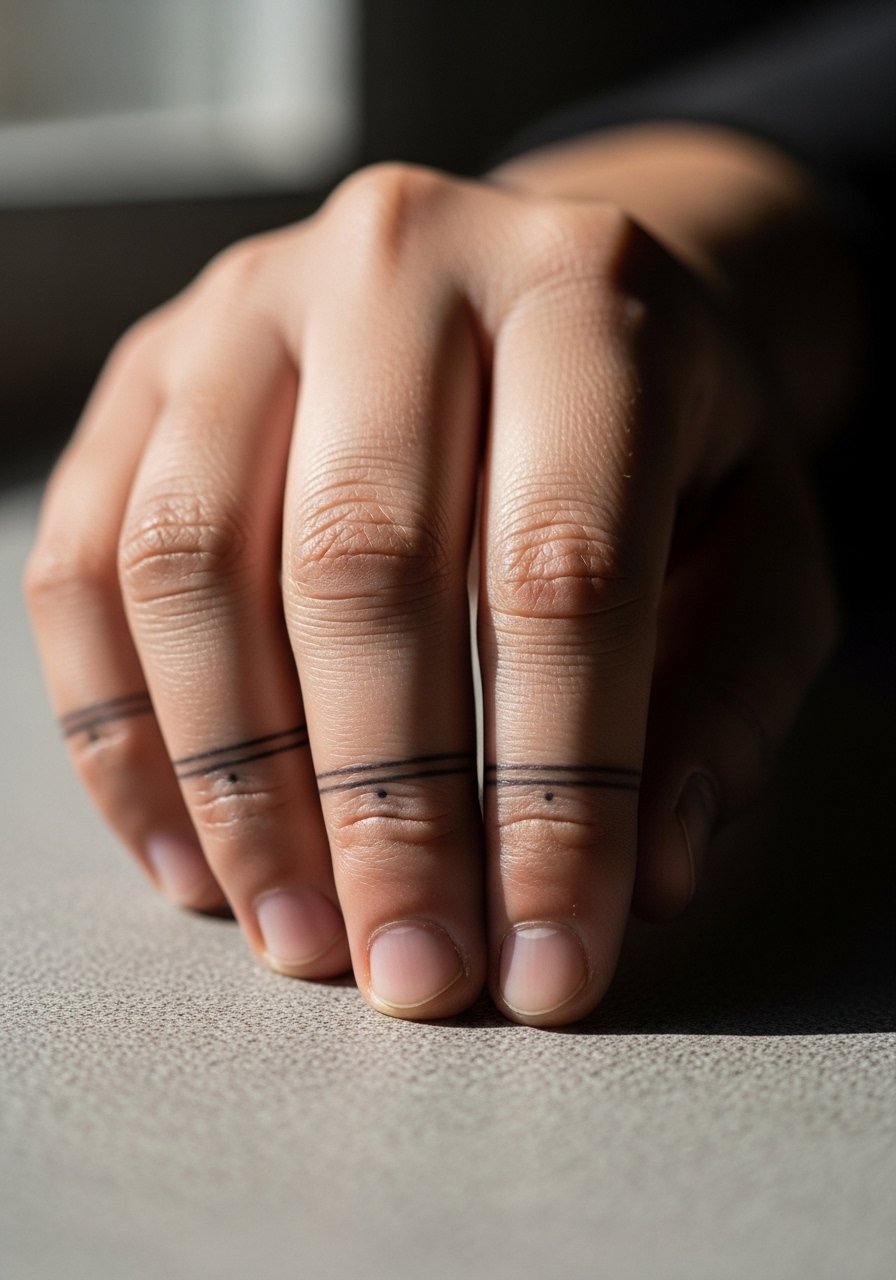
Finger tattoos are charming, but they blur fast because of constant washing and friction. Many artists split into two camps on whether detailed motifs belong on fingers. One side says avoid intricate work and opt for bold icons. The other side has success with very small, simple marks done shallow and bold. If you want rings of poison thorns, keep each ring simple and plan for a touch-up within 12 to 24 months. Session time is short but expect more frequent maintenance. Pair these with slim stacking rings to complement the negative space without overcrowding the knuckles.
10. Poison Tree Script Along the Side Neck
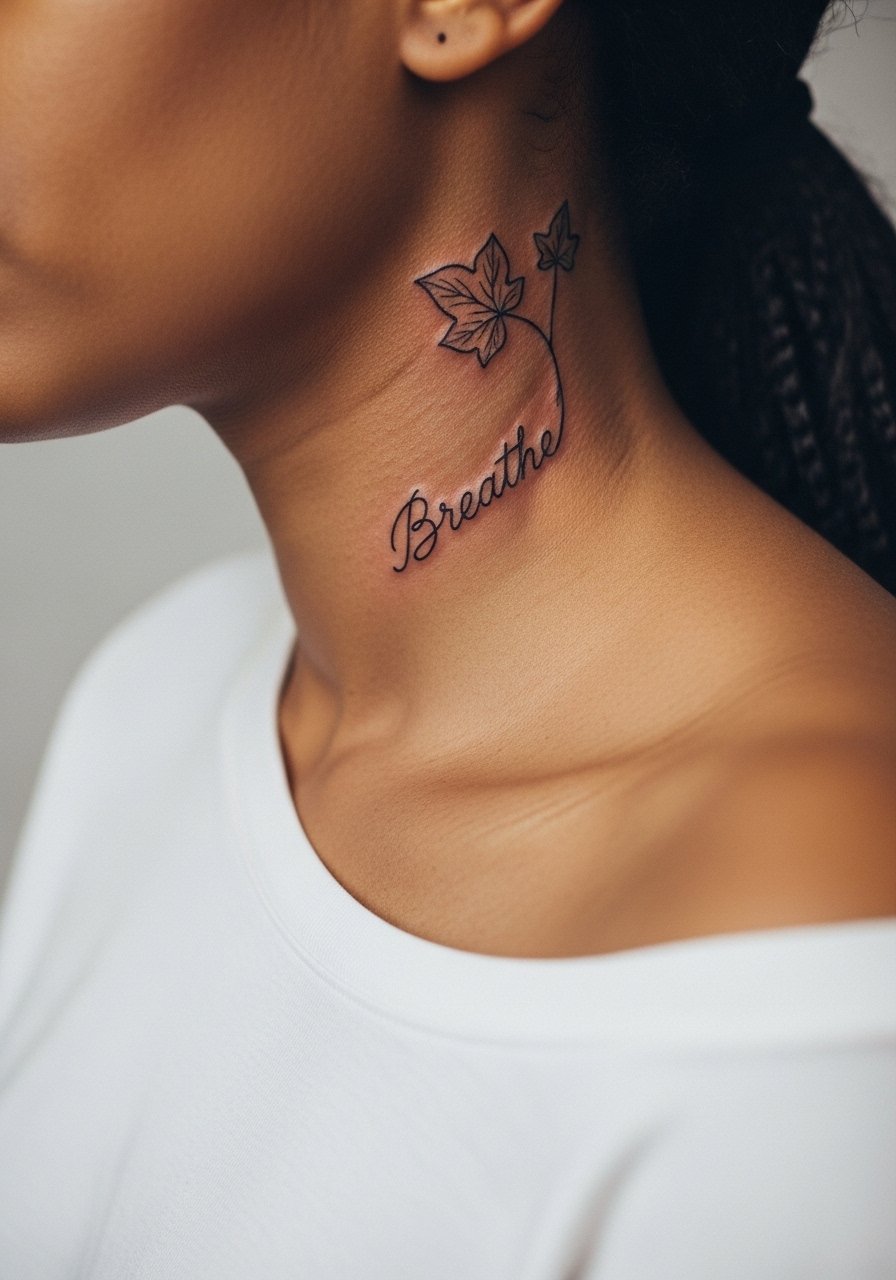
Neck placements read intimate and bold at once. The most common mistake is heavy lettering that fights the bone structure. Ask for thin, stretched script with a tiny leaf accent and request a placement proof while standing. Pain is higher than the collarbone and sessions are short but intense. For work-sensitive situations, place the design lower on the side neck or behind the hairline. A wide-neck top makes the area easy to access on the day and keeps clothing from rubbing during the first week.
11. Poison Tree Watercolor Accent on the Calf
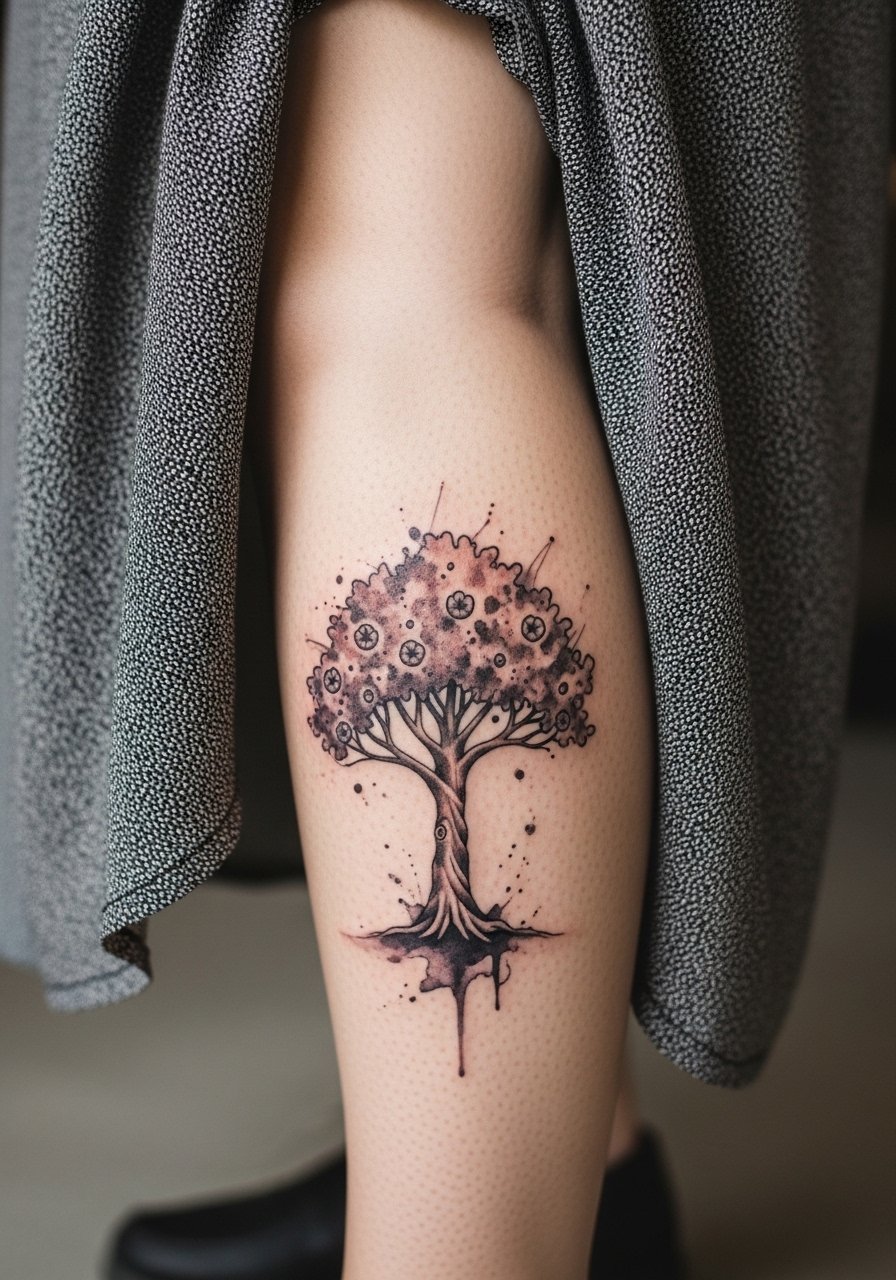
Watercolor touches can soften a sketchy poison tree without heavy outlines. The mistake is relying on washed-out color with no anchoring lines, which can fade into a bruise-like appearance. Combine subtle color washes with fine line anchors so the piece maintains shape at six months and beyond. Calf sessions are low to moderate on pain and often done sitting. Pair the design with midi skirts or ankle boots in cooler months. For the session, wear pull-on pants or a skirt to avoid pressure on the freshly inked calf.
12. Poison Branch Across the Top of the Hand
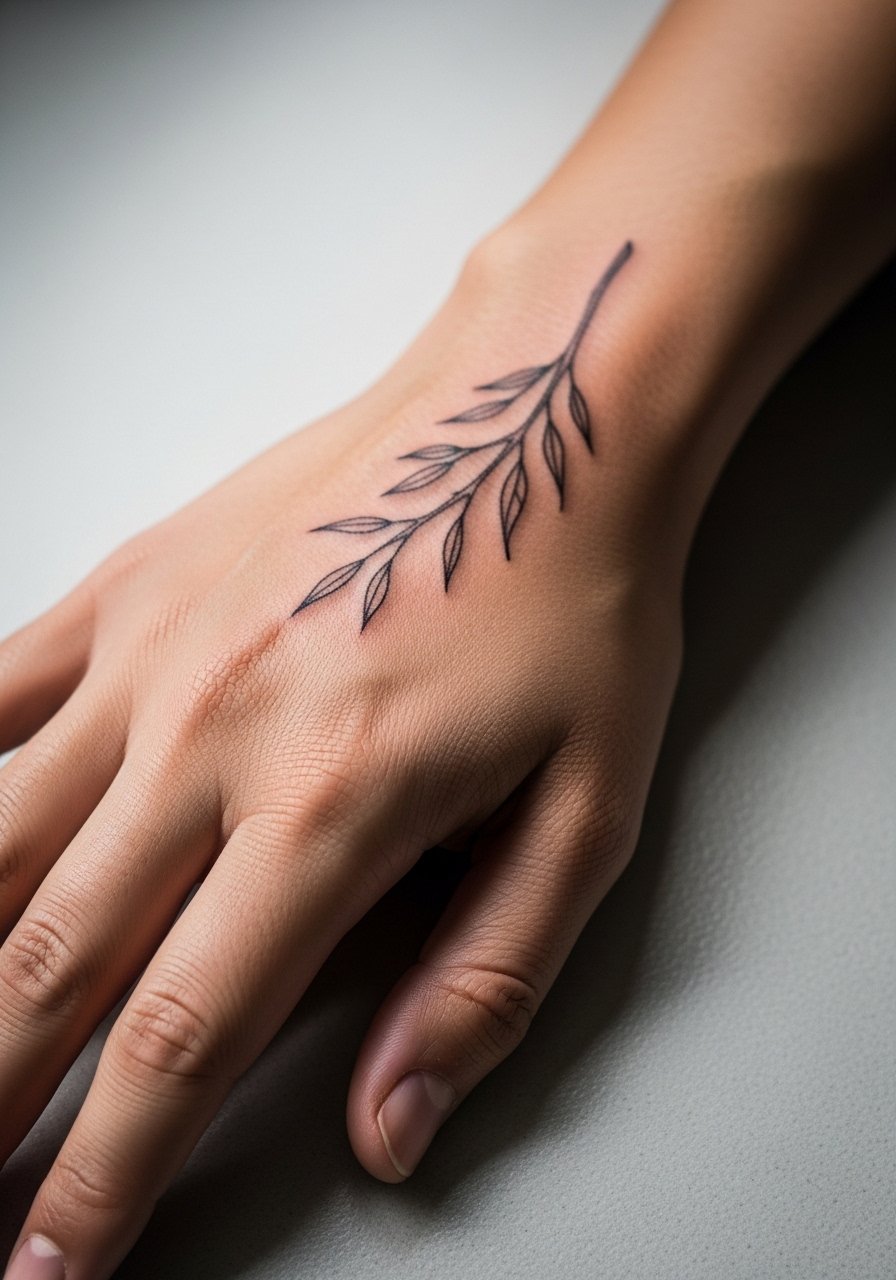
Hand work is controversial. One camp warns that hand tattoos wear out quickly and can affect some career paths. The other camp highlights that clean, bold designs with touch-up plans can stay sharp for years. If you choose a branch across the hand, favor bold main lines and limit tiny cross-hatching. Expect the fastest fading of any placement and plan for touch-ups around year one or two. The session stings more than forearm work. For showing it off, simple rings and minimal bracelets keep attention on the hand without obscuring the branch.
13. Poison Tree Spine Accent Between Shoulder Blades
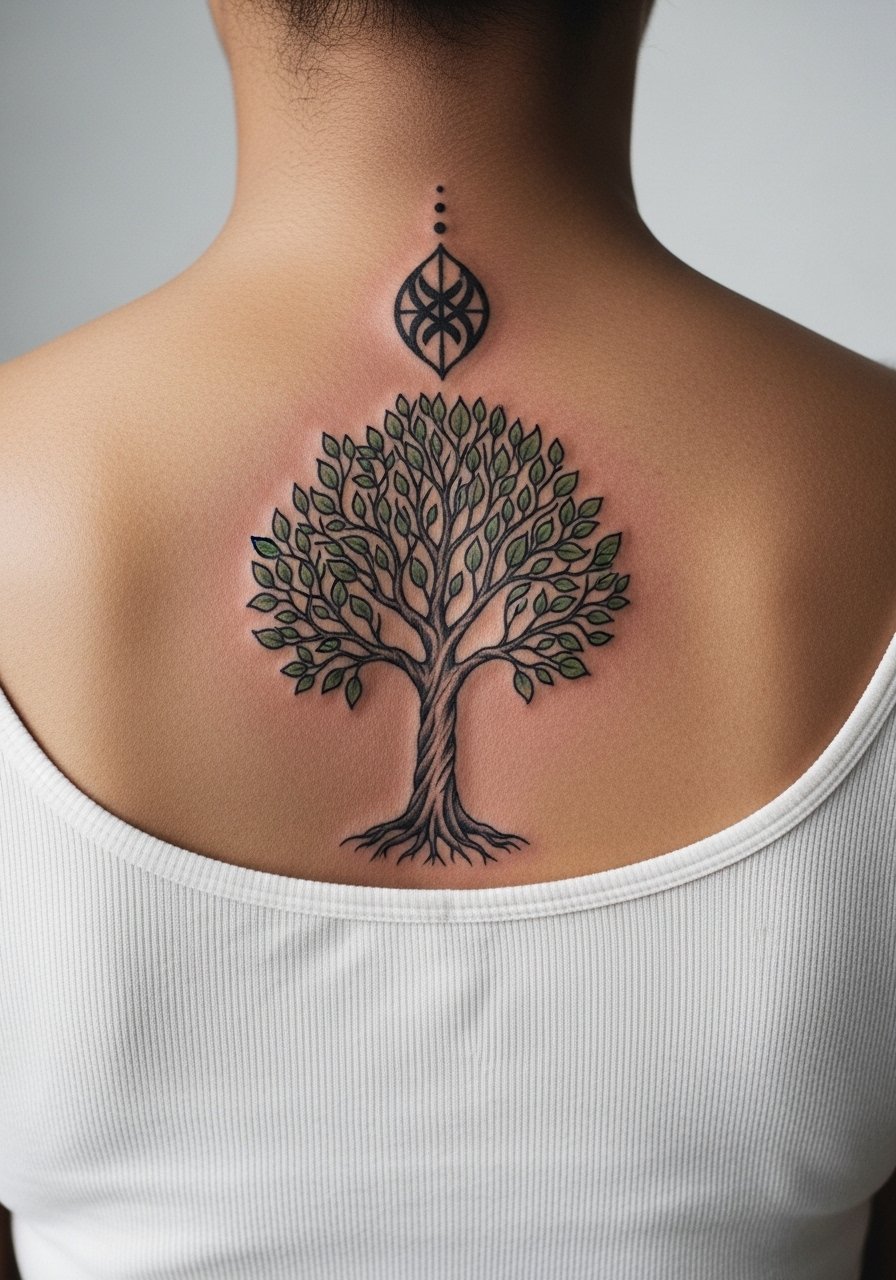
Spine accents can read like a sketch when composed with a central trunk and airy branches. The common error is compressing too much detail into the narrow spine area. Ask for open negative space and light stipple shading on the sides. Sessions can be broken into two short sittings. Pain ranges from moderate to high depending on proximity to bone. Open-back dresses and halter tops work well for showing the vertical line. For the session wear a loose button-back or tank top you can pull aside without rubbing the region.
14. Poison Seed Cluster on the Thigh
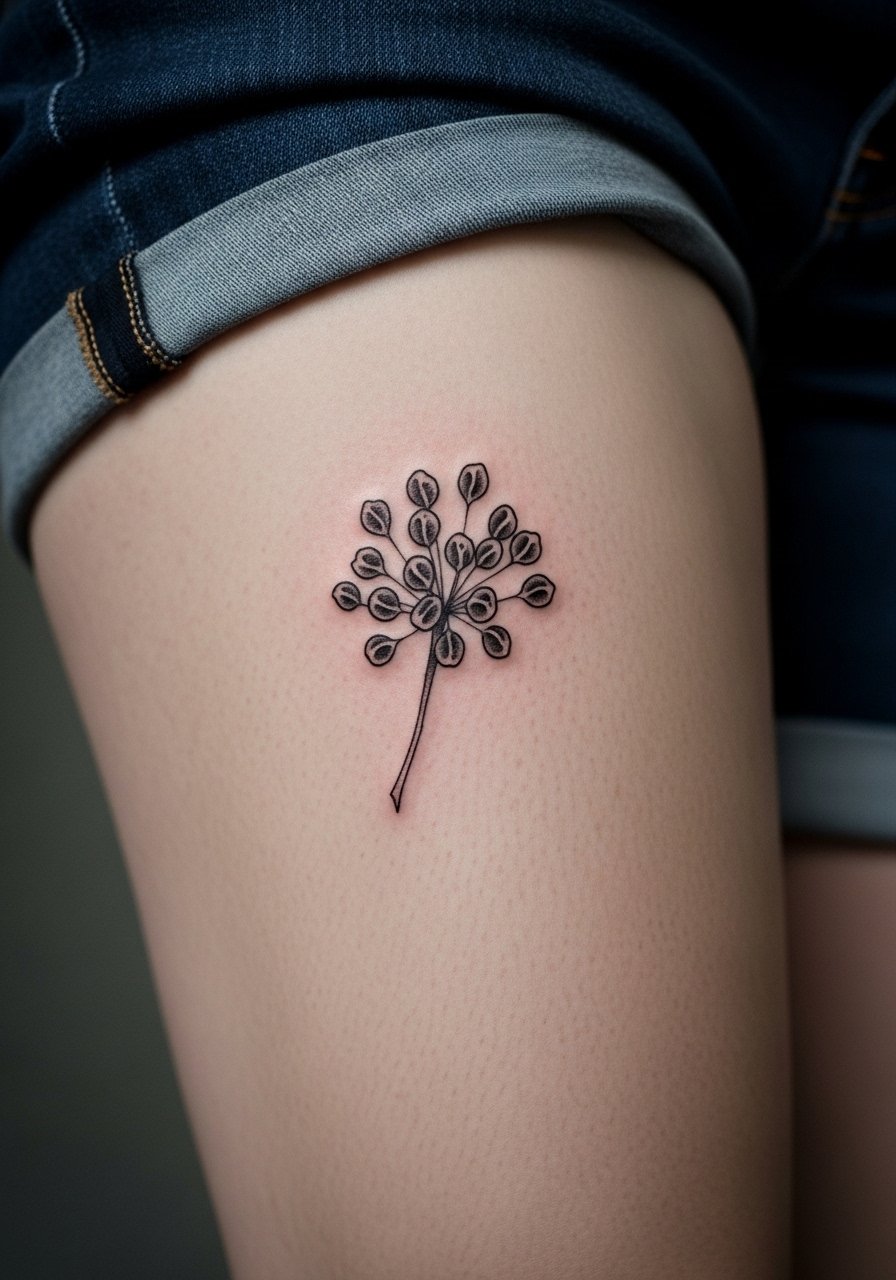
Thigh tattoos age well because the skin there moves less than torso areas. For a seed cluster, favor micro-realism dots with gentle stipple shading so the piece keeps texture over years. Sessions are comfortable and allow for larger compositions if you want a sleeve later. Avoid tiny, densely packed dots that can merge with time. For the appointment, wear loose shorts or a wrap skirt so the artist can access the area without friction. Thigh pieces pair nicely with high-waisted shorts or swimwear when you want to reveal the art.
15. Mini Poison Tree on the Back of the Neck
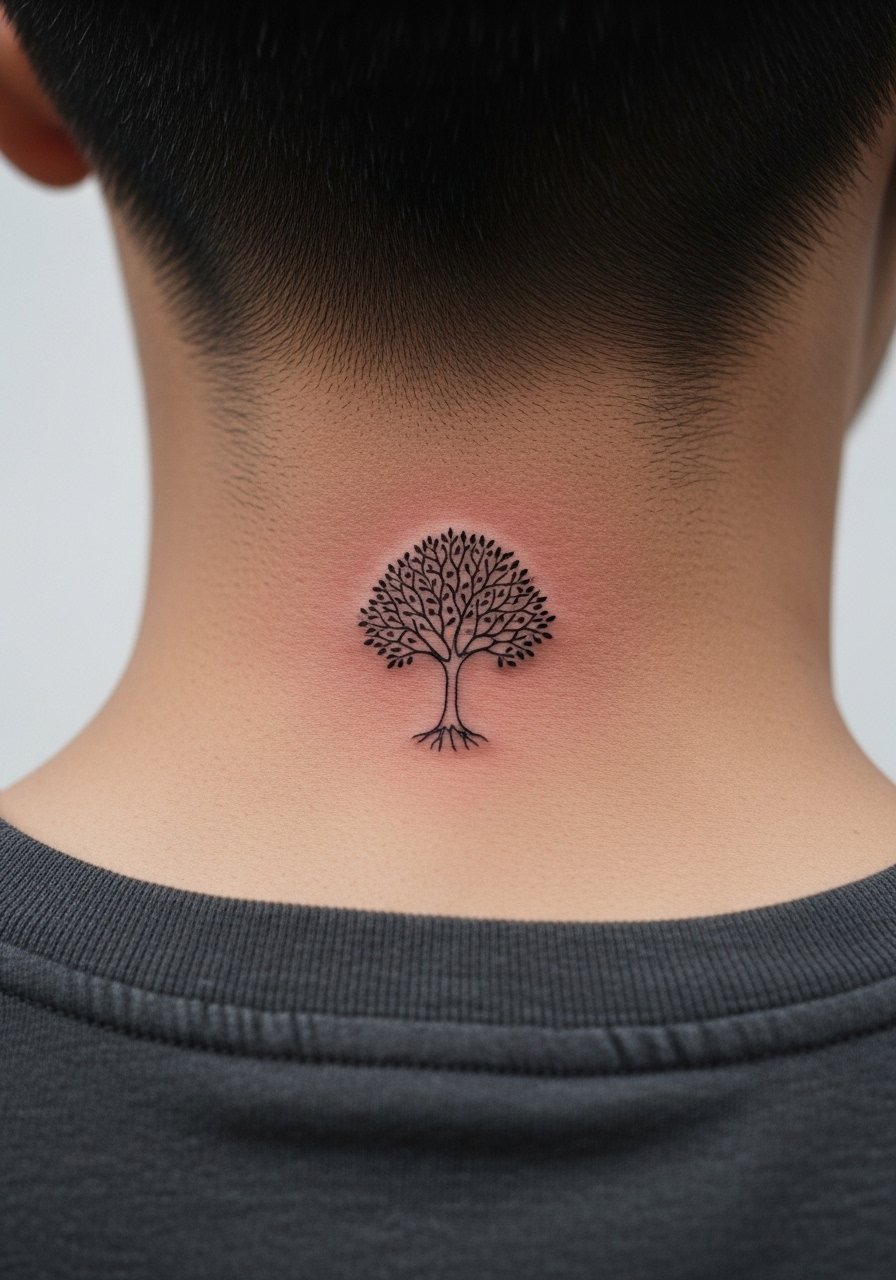
The back of neck is subtle and can peek out under hair or shirts. A common mistake is too much vertical length that reads awkward when hair is up. Keep the motif compact and centered. Sessions are quick and pain is mild to moderate. For booking ask to see healed examples on similar placements because skin thickness varies. A simple crew neck or wide collar makes the area accessible during the session. If you want the piece to be visible, short hair or a loose bun will reveal it naturally.
16. Poisonous Fruit on the Sternum Edge
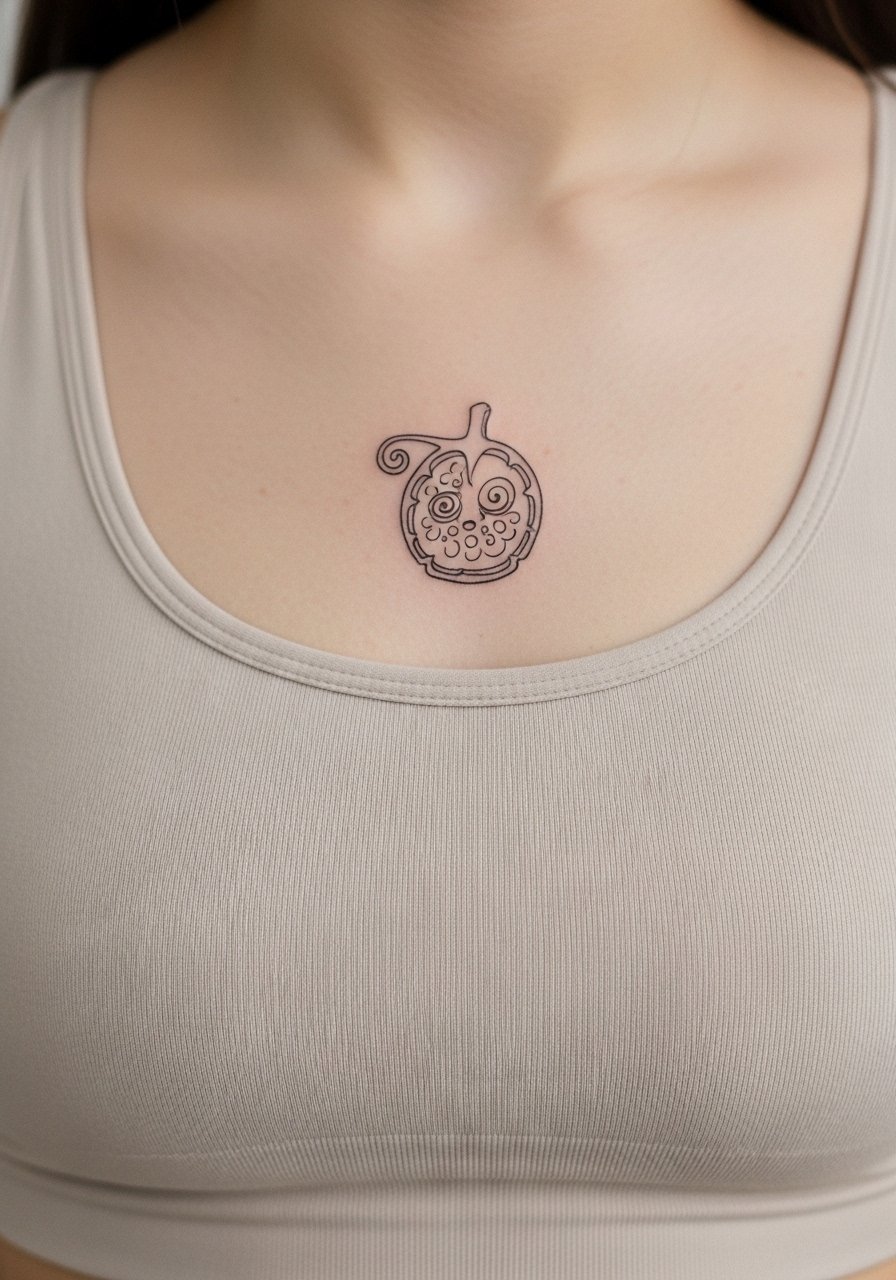
Sternum and underbust placements are intimate and need careful layout to avoid distortion with breathing and posture. The safe choice is a small cluster sitting just above the bra line. Tell your artist if you want the design to read when standing and sitting because curvature changes. Sessions here are more painful and require patience. Wear a strapless or fitted sports bra to the appointment so the artist can work without full exposure. This area can be visible with low-cut tops or hidden easily for work.
17. Poison Twig Along the Collar of a Jacket
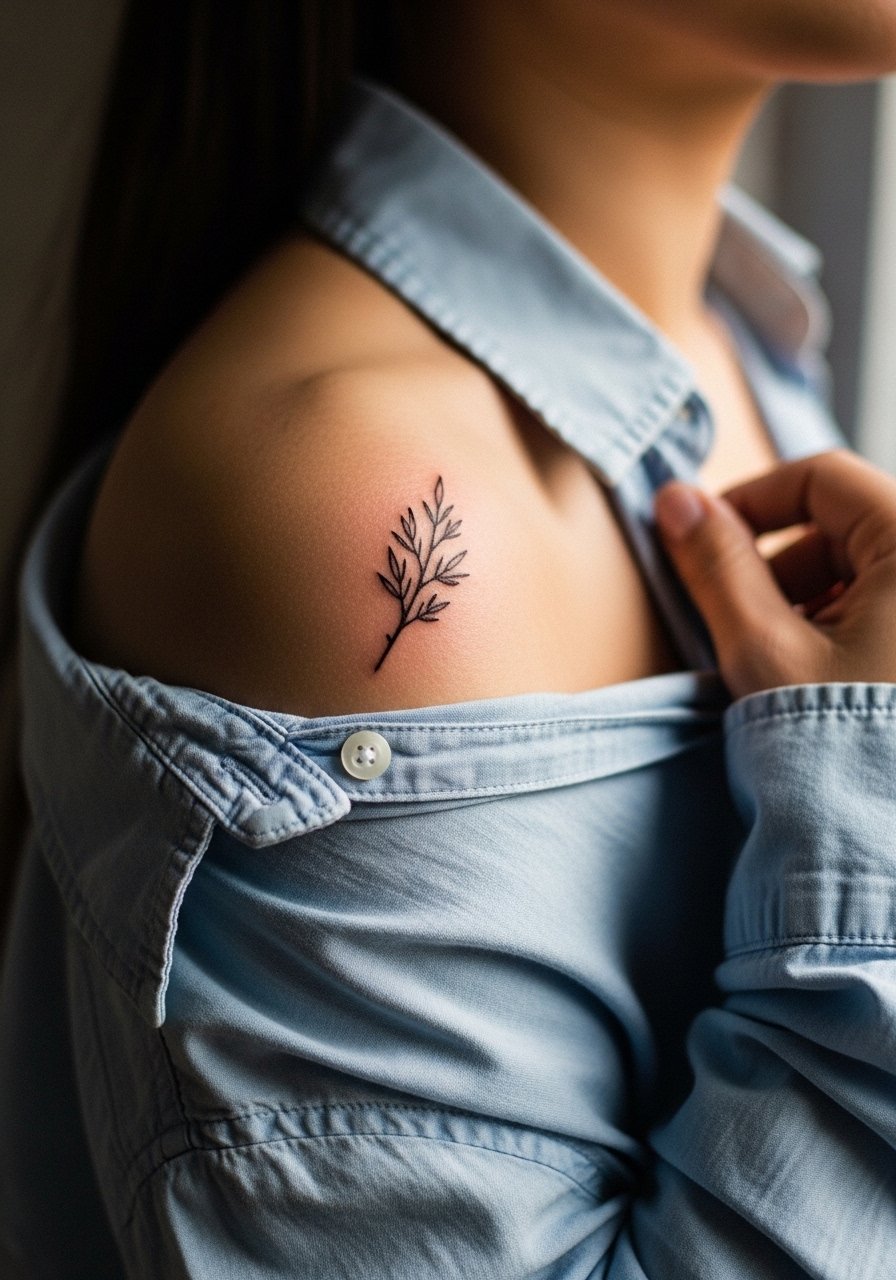
This small shoulder placement sits well under jacket collars and looks intentional when it peeks out. The frequent mistake is asking for heavy black fill which competes with fabric textures. Opt for a thin trunk and a couple of tapered twigs. Session time is brief and pain is low. For the session wear a loose button-down shirt you can slide off while keeping the tattooed area comfortable. A cropped leather or denim jacket frames the collar tattoo for cooler evenings.
18. Micro Poison Tree Behind the Knee
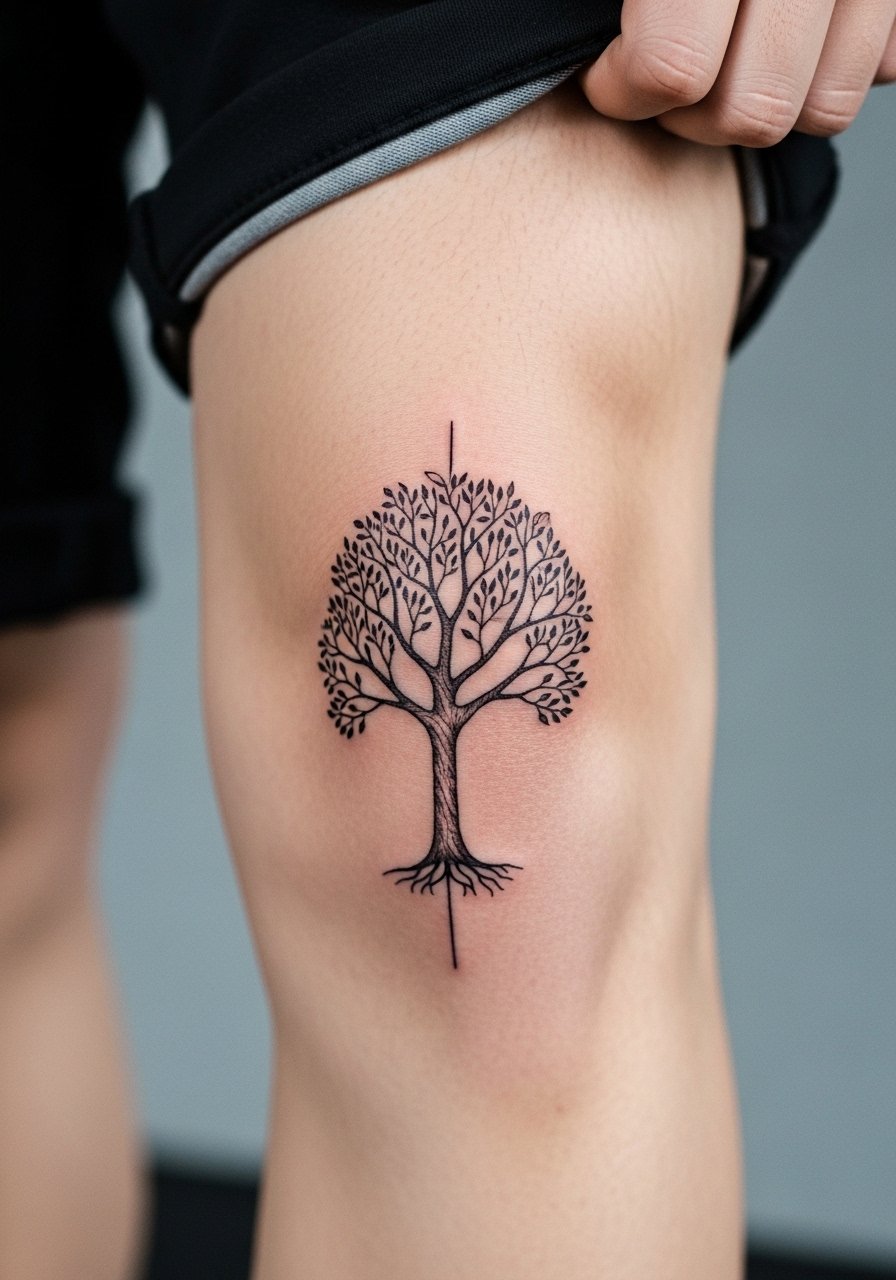
Behind the knee is a high-movement zone and tends to blur if the design has too much detail. Keep the composition simple and avoid dense dot work that sits in the fold. Expect moderate discomfort because the skin is thin and nerves cluster there. Sessions are usually short. For the appointment wear flexible shorts or a skirt that allows the artist clear access and avoids constriction after the session. Low socks or sandals make it easy to air the area during recovery.
19. Poison Branch Along the Inner Wrist to Palm Edge
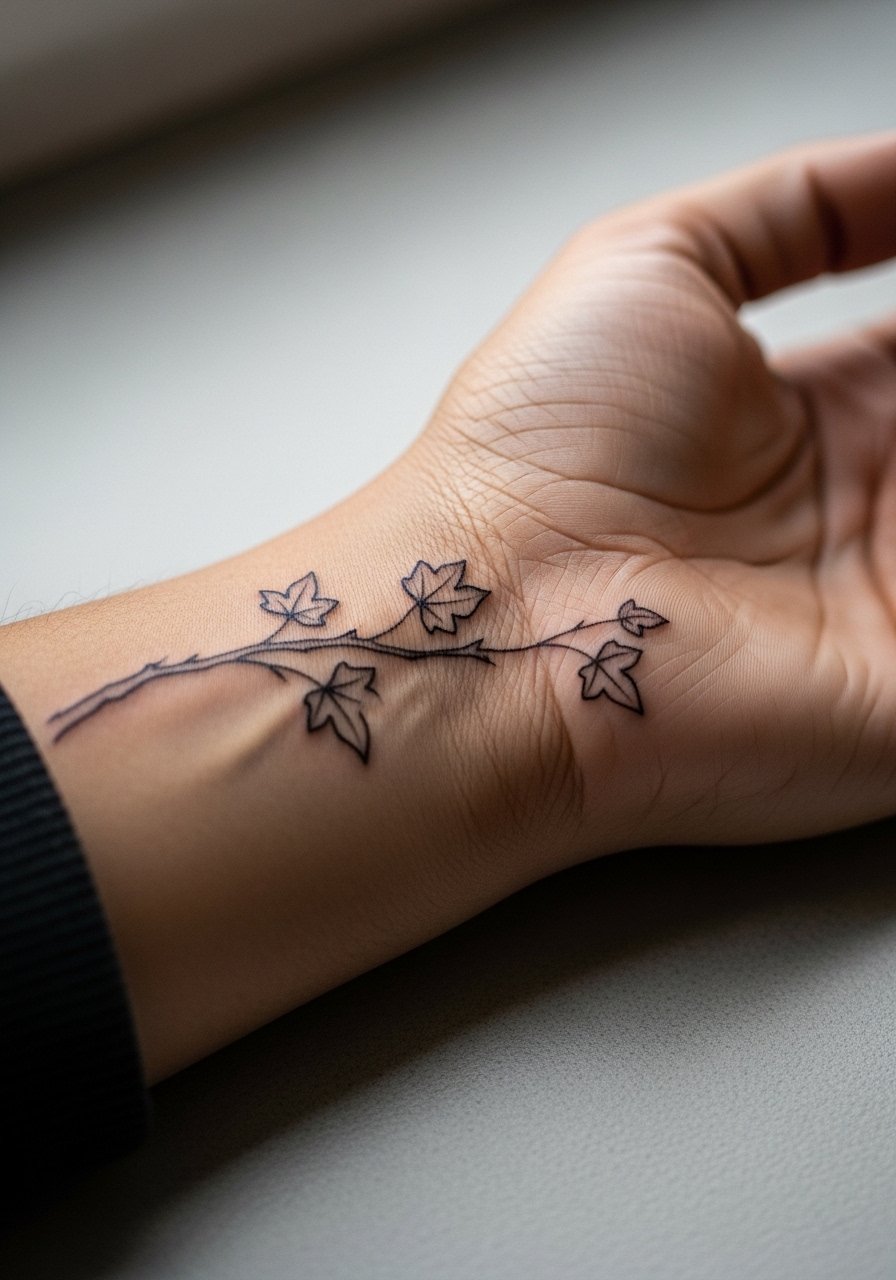
Extending a branch toward the palm increases exposure to constant washing and friction. The practical approach is a bolder anchor at the wrist and lighter details heading toward the palm, minimizing tiny marks on the palm itself. The session is short but the palm edge needs extra care in the first week. Plan for a touch-up in 12 to 18 months. Wear a loose sleeve you can roll up and choose activities that limit heavy handwork during the initial healing window. Simple bracelets draw the eye back to the wrist anchor without rubbing the palm edge.
20. Poison Tree Silhouette as a Small Backpiece
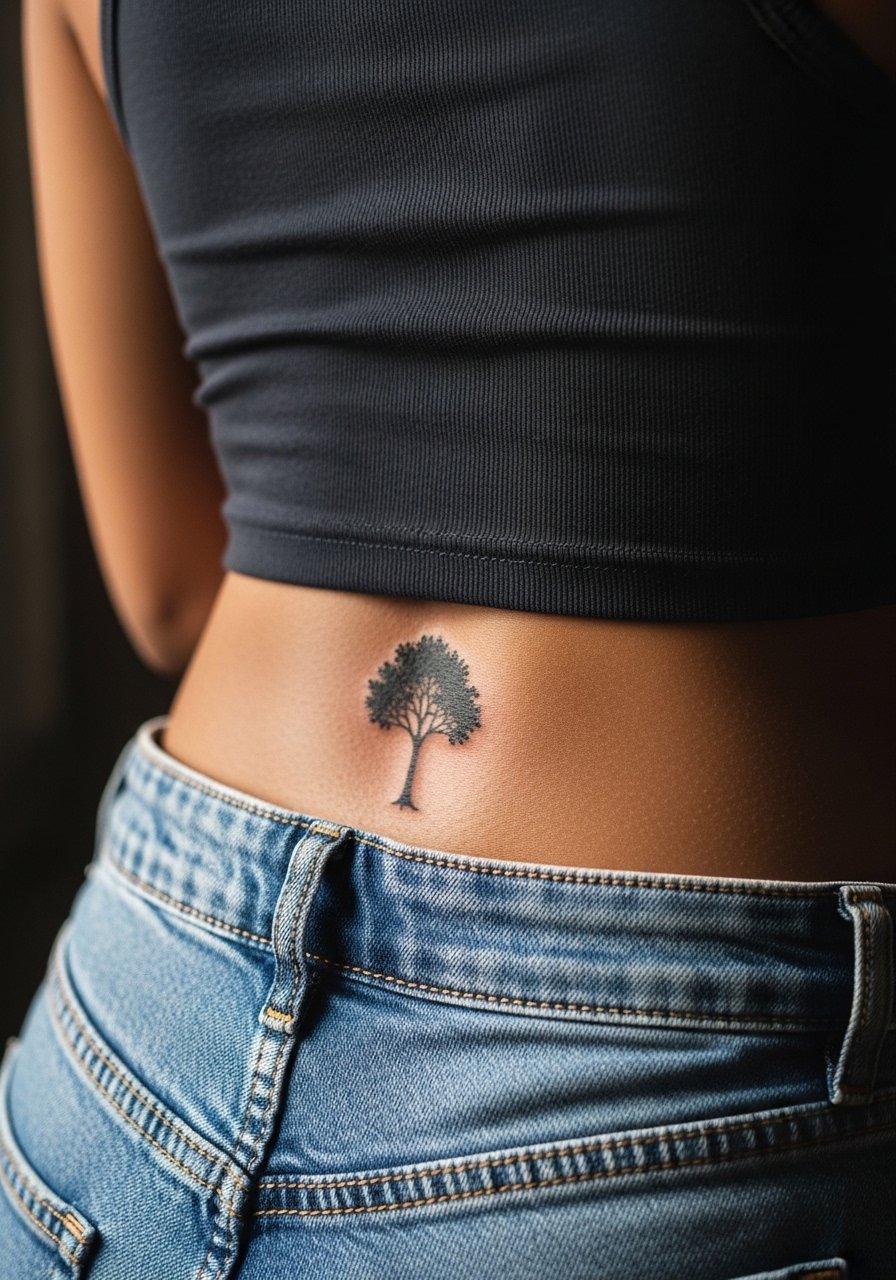
Lower back pieces can be modern and discreet if kept small and centered. The main mistake is too wide a composition that catches waistlines and belts. Ask for a clear trunk and strategic negative space so the silhouette reads under clothing. Sessions are comfortable and allow for precise placement. Wear high-waisted pants that can be lowered slightly without causing discomfort. The piece pairs with crop tops or swimwear that sit above the design when you want it visible.
21. Miniature Poison Tree Flash on the Calf Inner Curve
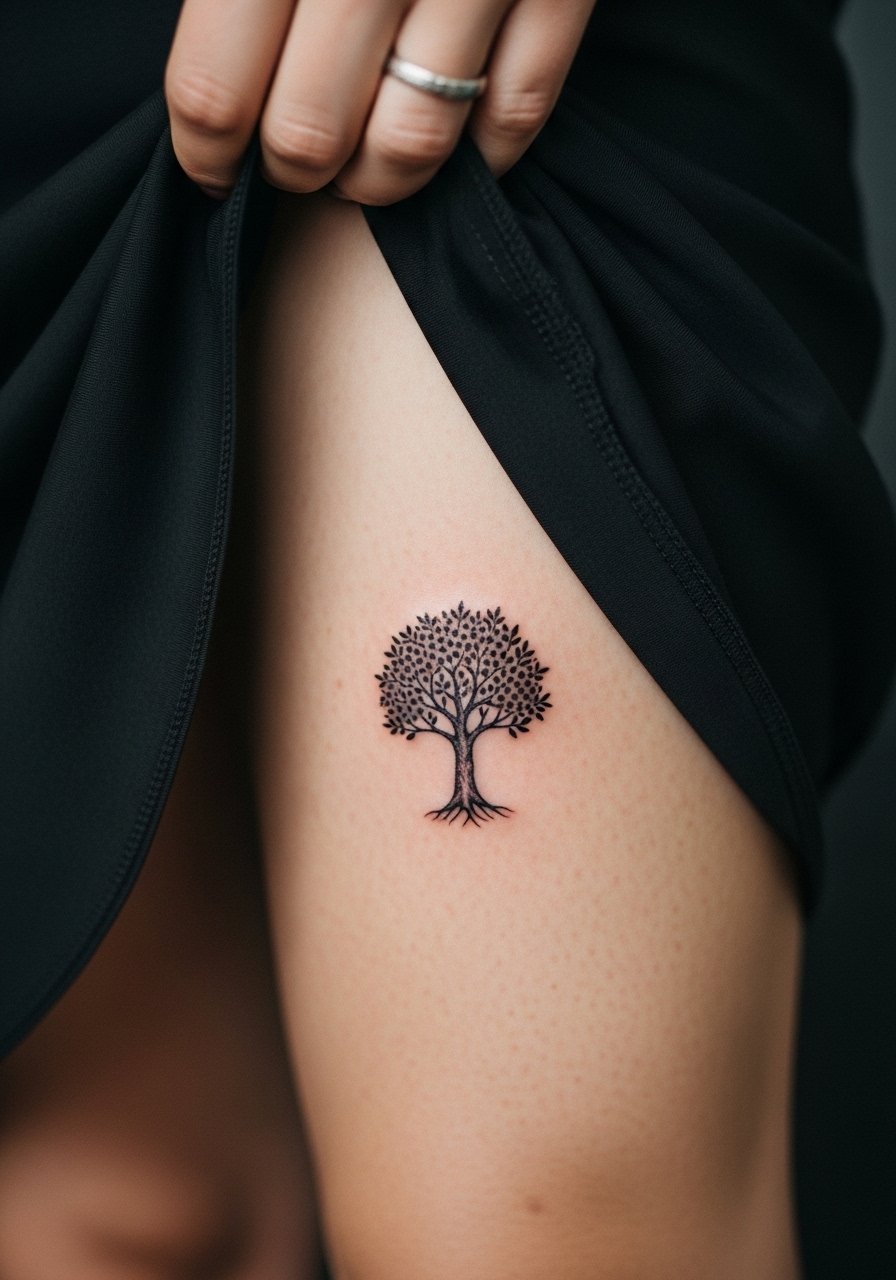
A flash-style miniature on the inner calf gives a nice peek when you walk. The error I see is asking for excessive ornamentation that disappears into the calf muscle contours. Keep the flash simple with a clear trunk and two to three leaf shapes. Sessions are low pain and may finish within 45 minutes. Wear pull-on skirts or shorts for easy access and minimal pressure afterwards. Pair with mid-calf boots or skirts that reveal the inner curve in motion.
Frequently Asked Questions
Q: Will fine line poison tree tattoos blur faster than bolder versions on wrists and hands?
A: In my experience fine line will usually soften quicker on high-motion areas like wrists and hands. If you want that delicate look, ask your artist for slightly stronger anchor lines and plan on a touch-up within one to three years depending on exposure and washing habits.
Q: How should I dress for a ribcage or sternum session to keep the artist's access clean?
A: For ribs wear a cropped athletic top you can lift without removing, and for sternum pick a fitted sports bra or bandeau that reveals just the area. These choices keep friction minimal after the session and make it easy for the artist to stencil and work with consistent placement.
Q: Are there styling tricks to show off a forearm or collarbone poison tree without revealing too much?
A: Yes. For forearms, rolled sleeves and short-sleeve button shirts work well. A loose button-down shirt pulled casually shows the piece while keeping it wearable for many settings.
Q: Do watercolor accents need special aftercare compared with black line work?
A: They do not need different products, but watercolor relies on saturated pigments that can fade with sun exposure. Keep the area covered until healed and use sun protection long term. Expect touch-ups sooner than solid black when exposed often.
Q: How do I find an artist who understands longevity for delicate poison tree sketches?
A: Search tattoo directories, guest-spot schedules from conventions, and hashtagged healed photos rather than only fresh work. Look for portfolios showing the same design area healed at least a year after tattooing, and ask about their touch-up policy during consultation.