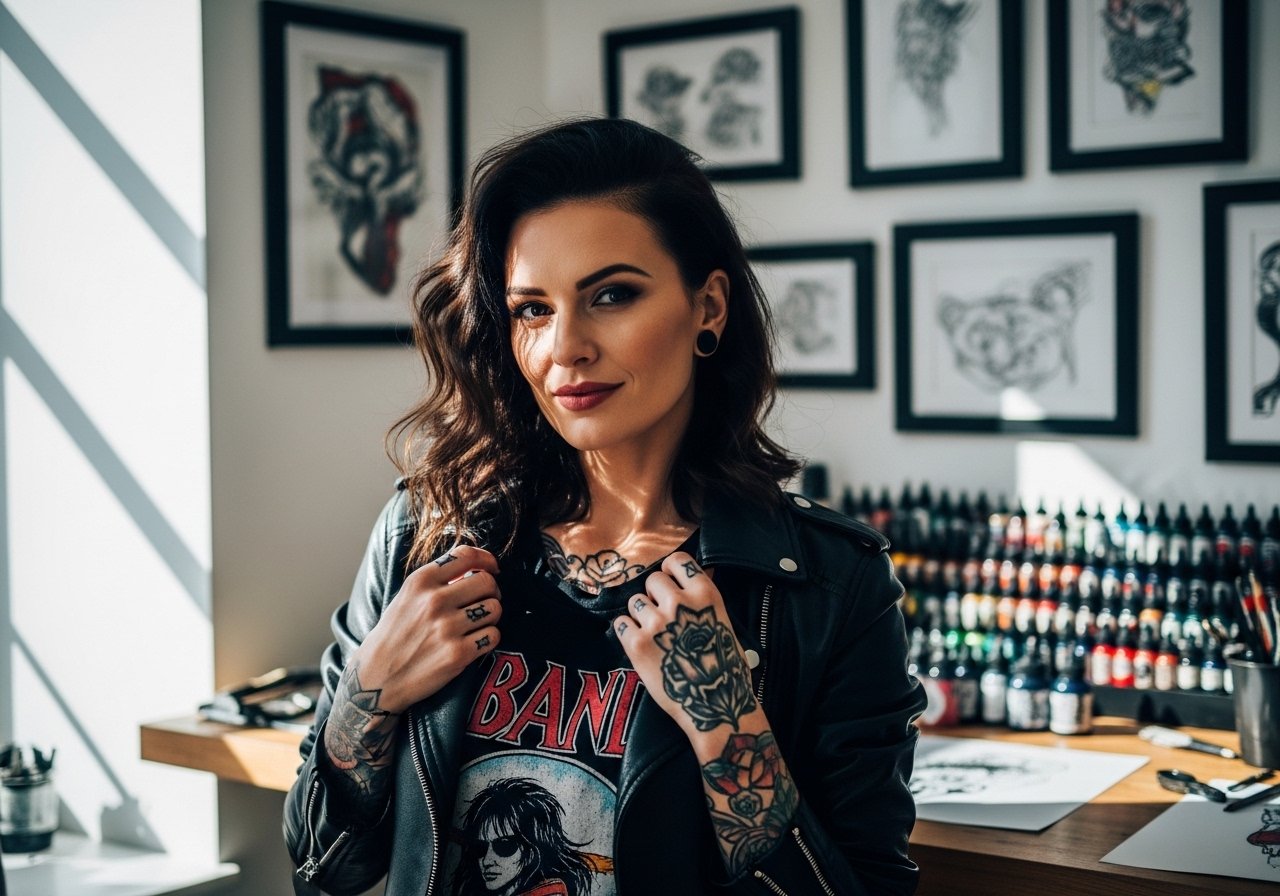
Fine line sketch tattoos look fragile in pictures and stubborn in real life, and that gap trips a lot of Adventure Time fans up when they book a pop culture piece. Fading, blowout, and placement surprises are the three problems I see most often. Pick the right size, spacing, and placement and the sketchy charm stays readable for years, not just the first week.
1. Finn Headline on Inner Forearm

A small Finn portrait works well on the inner forearm when drawn like a quick pen sketch with broken lines and stray hatch marks. I recommend asking your artist for slightly thicker anchor lines and airy crosshatching so the sketch look keeps contrast as it heals. Fair warning, the inner forearm sees sun and friction from sleeves, so plan for annual touch-ups rather than assuming one-and-done. Session time runs moderate, often under an hour for a compact head. During consultation, show both full-body references and close-up linework examples so the artist matches the sketch energy, not a filled cartoon. For the appointment, wear a racerback tank top so the sleeve can be rolled without pulling at the design, and avoid tight wrist bands the first week.
2. Minimal Jake Stretch on Outer Forearm
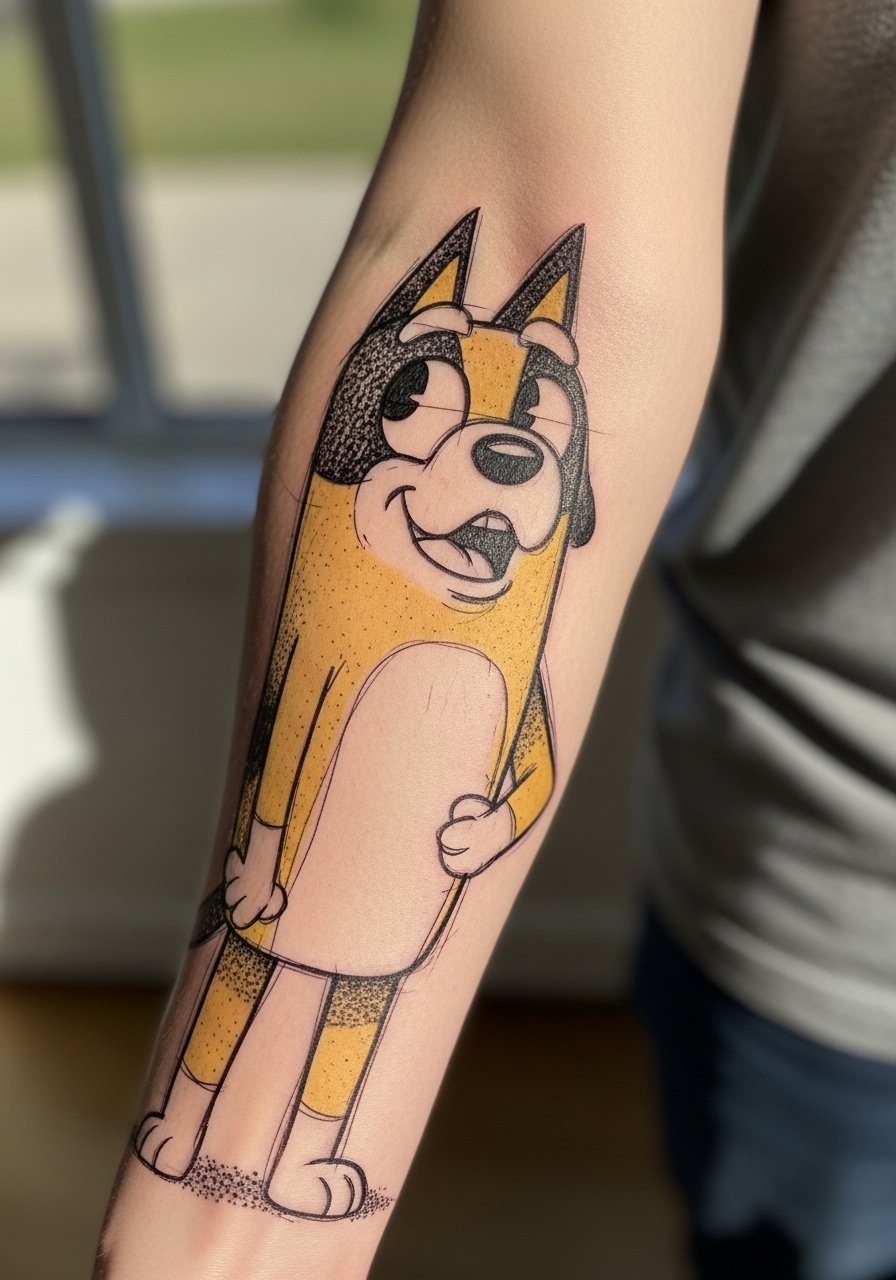
Jake drawn as elongated, sketchy lines reads great as a sleeve accent. The biggest mistake is shrinking this design too small. The sketch effect needs room for the playful line breaks to survive two to five years healed. Tell your artist to keep airy spacing in the curves rather than trying to ink every wobble. Outer forearm pain is low and sessions are comfortable, making this an ideal half-hour piece for people who want to build into a sleeve. Expect the sketchy gaps to soften at year two, so a touch-up timeline of two to four years is realistic. Pair the look with rolled-up sleeves or a rolled linen shirt to show off the movement without crowding the linework.
3. Marceline Acoustic on Upper Arm
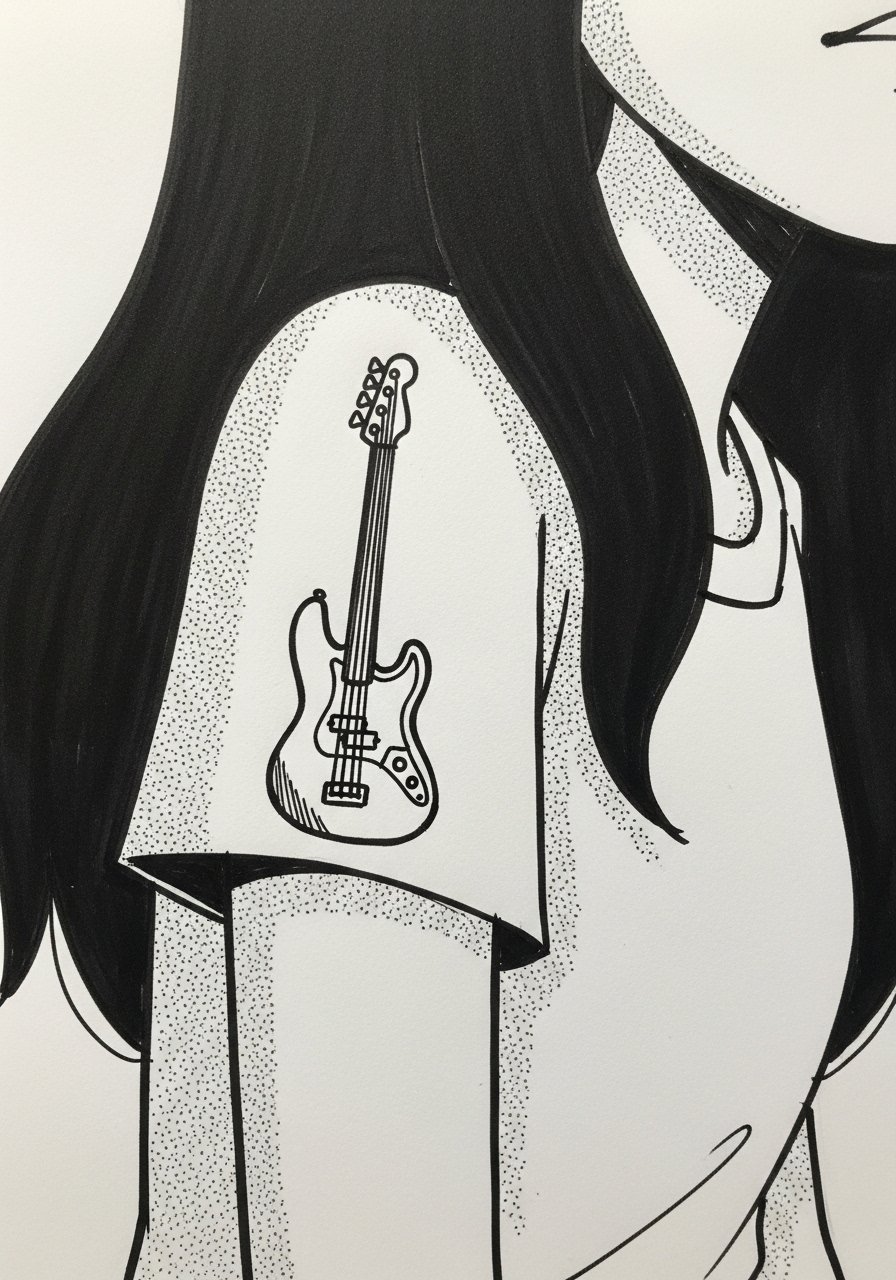
A sketch Marceline works best slightly larger than a palm size so the hair strokes and guitar lines do not merge. Common error is asking for too much micro-detail in hair and then ending up with blurred strands after healing. Ask for clean anchor lines with sketchy fill rather than solid black hair. Upper arm sessions tend to be medium in pain and can be done in one sitting of an hour to ninety minutes. The design holds well if placed with the body contour in mind; rotated placement along the bicep curves keeps the sketch readable as muscles move. For showing it off, wear a loose button-down shirt you can roll up to frame the upper arm without cutting into the piece.
4. Bubblegum Alchemy on Collarbone
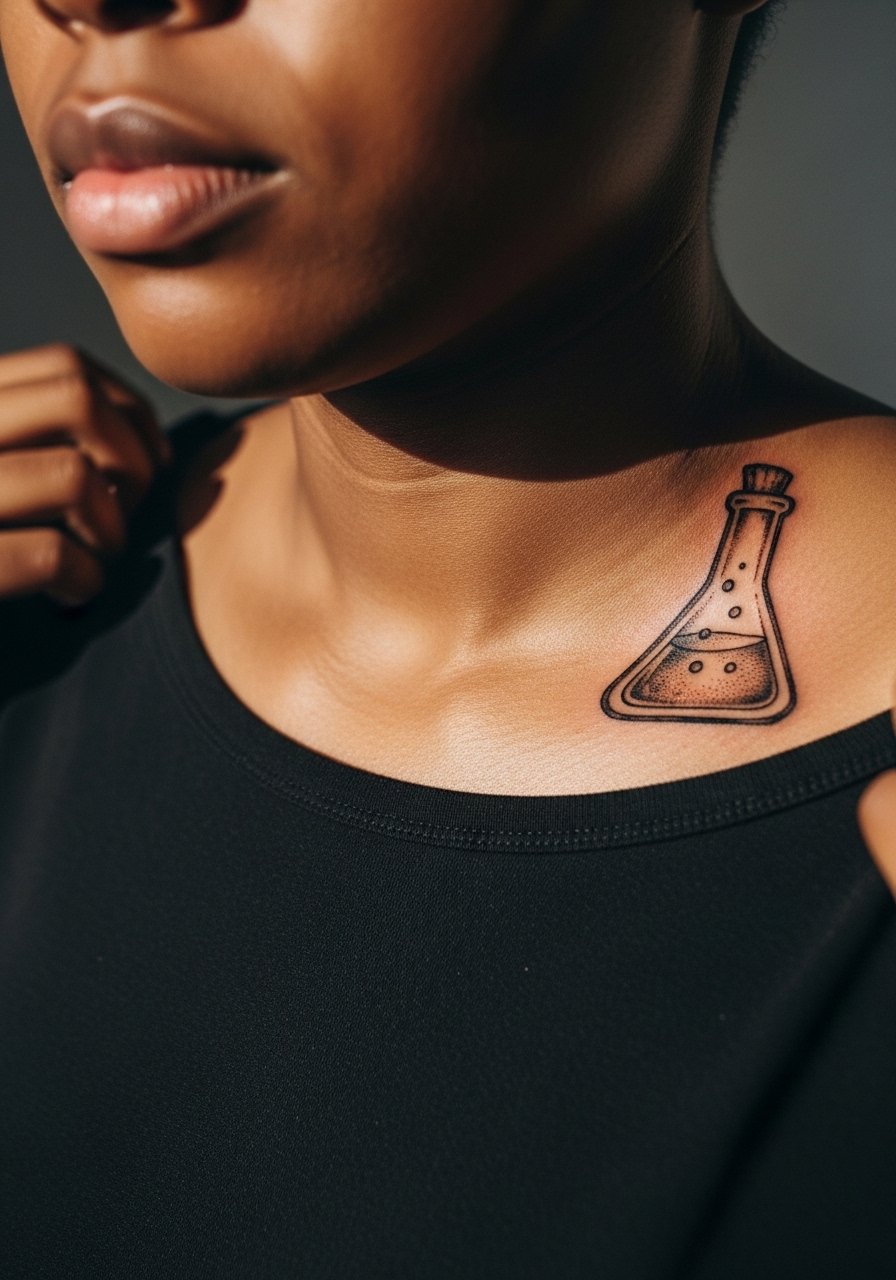
A collarbone sketch reads delicate and clever when the flask or lab bits are rendered with airy hatch marks. This placement can look great for a season but complains later if lines sit directly on the collarbone edge. The aging issue is line migration from constant movement and clothing rub. Ask the artist to keep a small buffer of skin between the bone edge and the heaviest linework. Pain is moderate and the session is usually under an hour. Styling for the reveal matters. Pair this with a thin chain pendant necklace to draw the eye to the collarbone without covering the sketch lines.
5. BMO Circuit Board on Calf
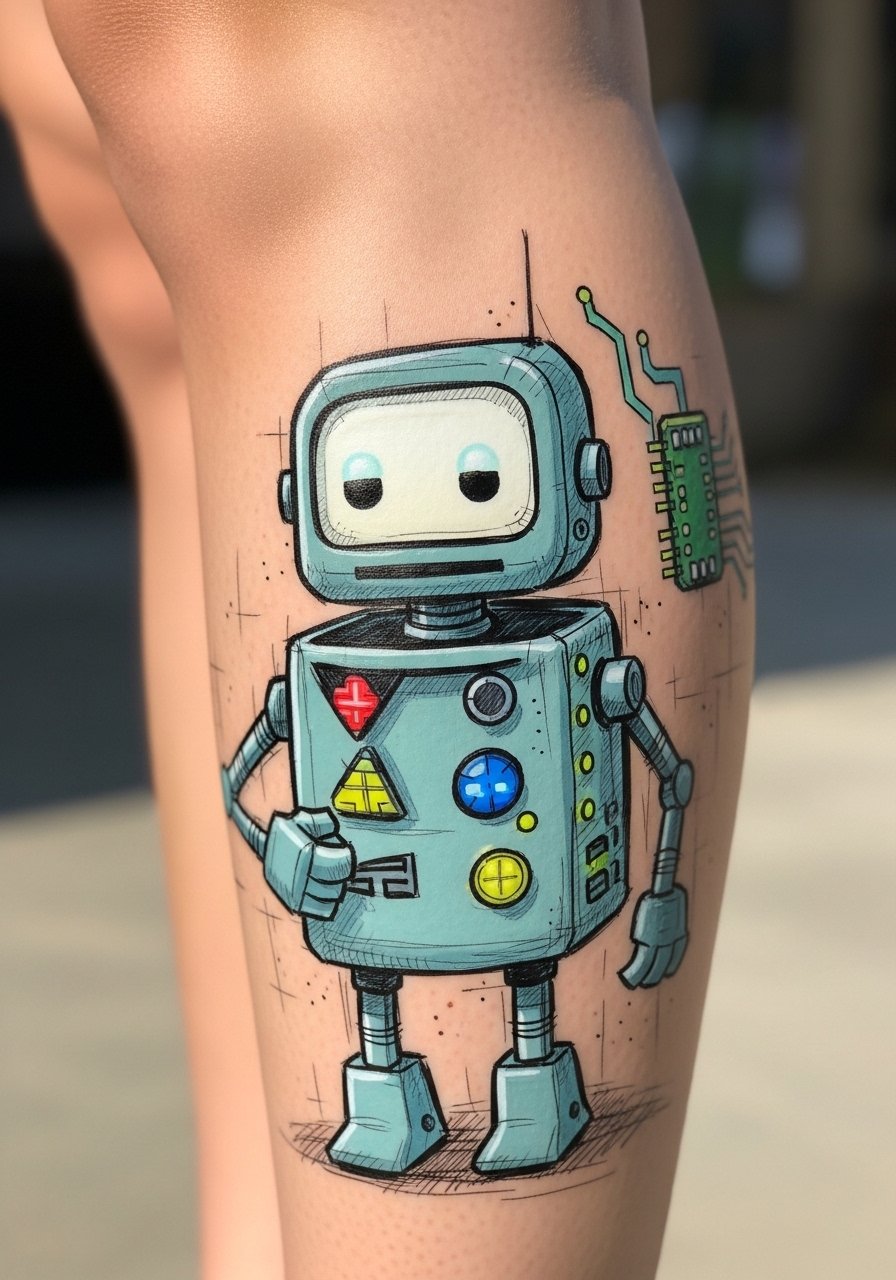
Calf placements suit slightly larger sketch pieces where the negative space mimics sketchbook margins. The calf gives the artist room to play with loose electronics lines around BMO without risking blowout. A common mistake is crowding the area with tiny circuitry details that fade into a gray after two years. Tell your artist to simplify the circuitry into suggestive strokes. Calf sessions are low pain and comfortable sitting experiences for most people, often completed in one session. For casual show-off, roll up jeans or wear cropped pants so the sketchy strokes rest visible without being obscured.
6. Lumpy Space Portrait on Back of Shoulder
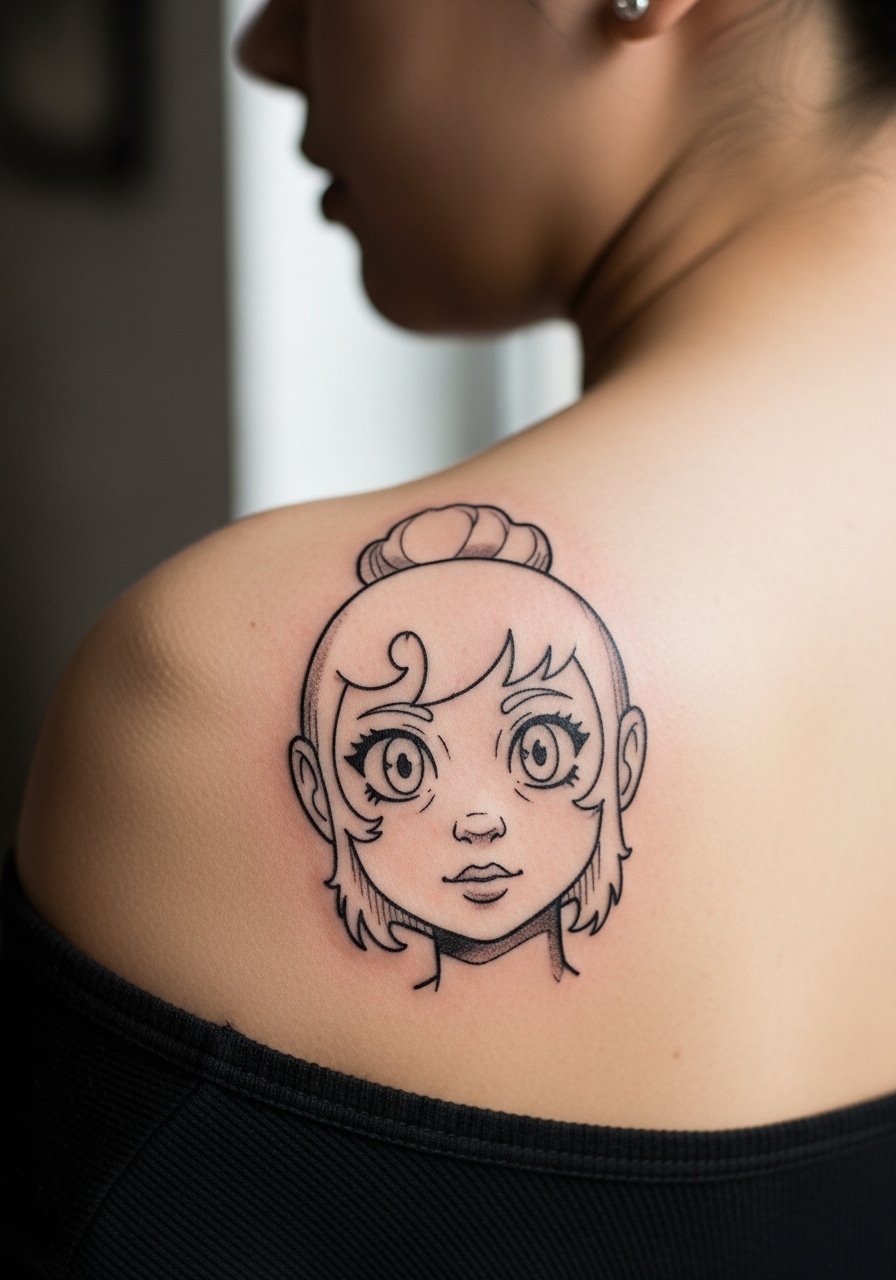
This playful portrait works as a shoulder cap piece with scribbled linework that keeps its sketch energy when healed. The back of shoulder sees less friction than the inner arm, so sketch textures last longer. The usual pitfall is asking for hair and facial detail too fine for the spot, leading to muddy healed lines. Ask for bolder anchor strokes with sketch fill. Sessions are quick and low on pain, normally under an hour. For the appointment, wear a loose tank top so the artist can move the fabric without tugging the area.
Studio Day Picks
The small forearm, calf, and shoulder pieces above heal differently from rib and chest work, so a few practical items smooth the session and the first week.
-
Stencil transfer paper kit. Lets you preview the sketch line placement on skin, which is especially helpful for collarbone and shoulder cap pieces from the ideas above.
-
Topical numbing cream. Applied about 45 minutes before can take the edge off collarbone and rib sensitivity without altering the artist's depth notes.
-
Thin protective film roll. Useful for keeping ankle and calf sketches clean when clothing rub is likely in the first week.
-
Fragrance-free gentle body wash. Cleans healing lines without stripping the delicate seed points sketch styles depend on.
-
Aquaphor healing ointment. Thin layers in the initial days lock in moisture for fine sketchwork without clogging the tiny line channels.
7. Ice King Crown Fragments on Ribcage
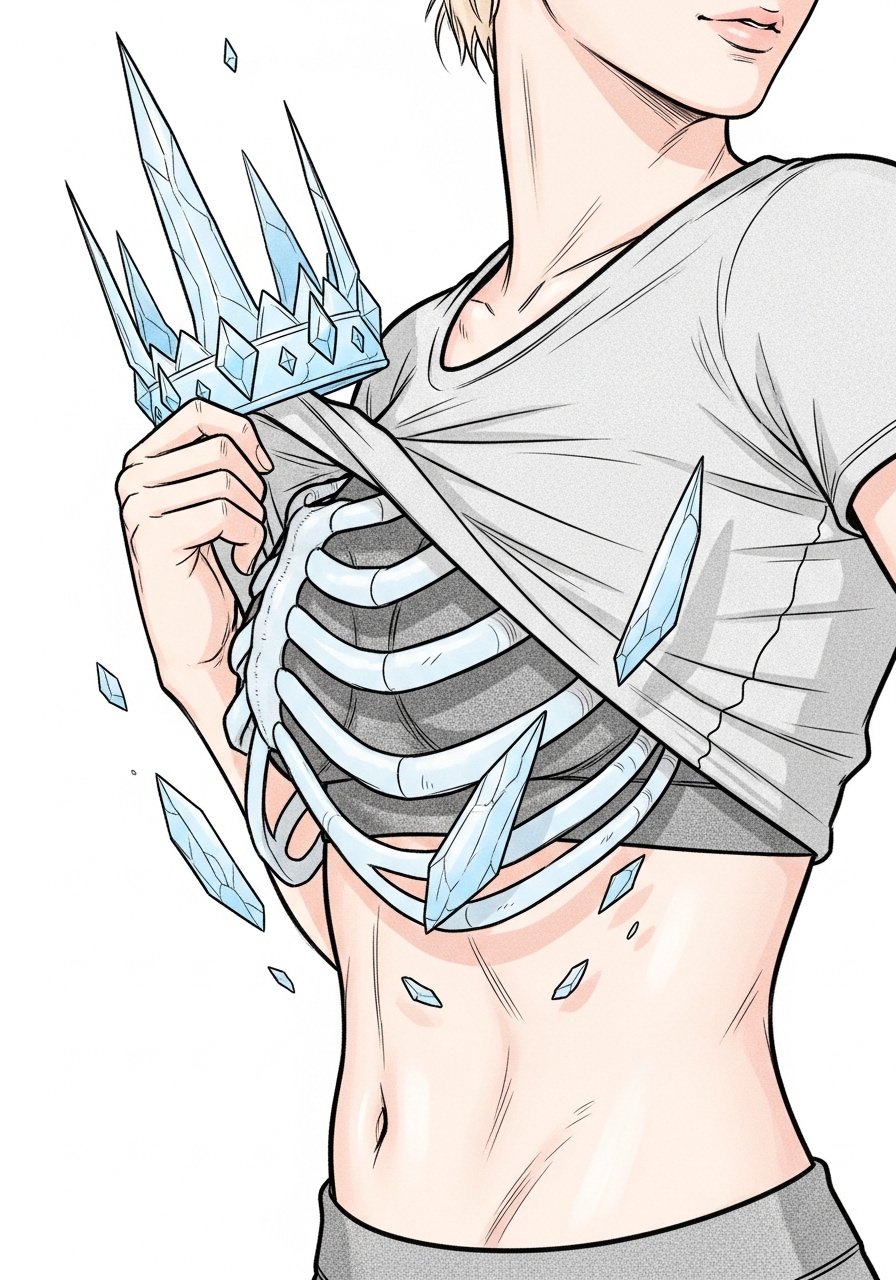
Ribcage sketch pieces look cinematic but are where fine line debates flare most. Artists split into two camps. One group says the rib skin stretches and shifts enough that thin lines blur in two to three years. The other group argues that with intentional depth and spacing, sketch work settles fine even on the ribs. I tell clients the truth is somewhere in between and depends on the artist's comfort with ribs and how much negative space you allow. Pain is high and sessions can be longer. Size up slightly and avoid hairline-only details to give the sketch room to breathe. Wear a cropped top to the session so the artist can access the area without full exposure.
8. Flame Princess Ink Splash on Thigh
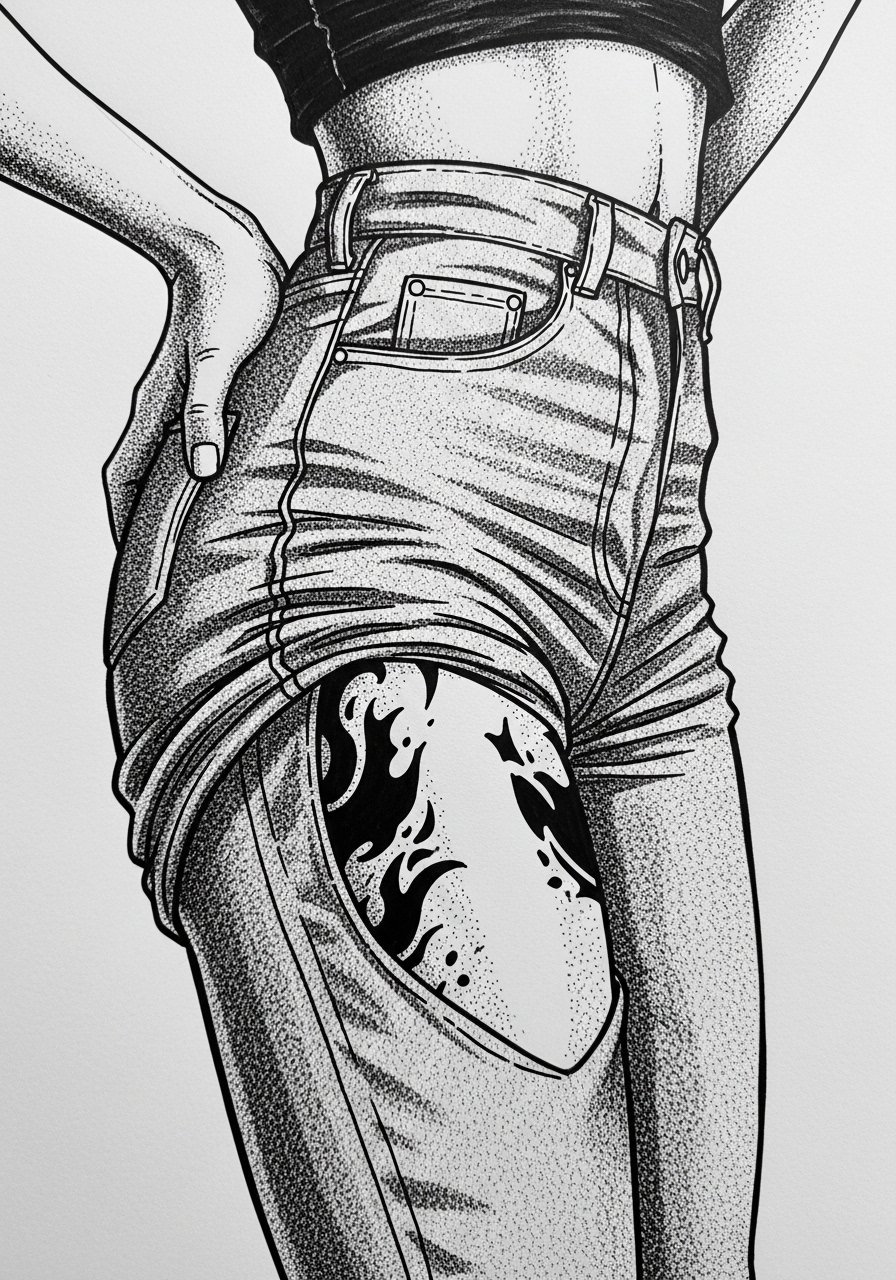
Thigh canvas suits bold sketch strokes and scattered ink splatters that age gracefully because the skin here moves less with day-to-day gestures. A common error is asking for ultrafine dots near the groin edge where friction and movement cause rapid fading. For longevity, place the heaviest lines away from waistbands and ask for heavier anchor strokes with sketchy filler. Thigh sessions are moderate in pain and usually done in one or two sittings. For the appointment, pick loose shorts or high-waisted jeans you can shift without constricting the area.
9. Peppermint Butler Tarot on Inner Bicep

Inner bicep sketch panels look intimate and nicely aged if spaced for skin motion. The inner bicep is higher on pain scale than outer arm and the skin there can soften intricate hatching faster. Ask for simplified hatches and a small margin of blank skin to protect the sketch effect. Session time is moderate and you might need a break if sensitivity spikes. If you plan to show it off, wear a sleeveless top that frames the upper arm but does not press directly into the design during recovery.
10. Lady Rainicorn Color-Line on Ankle
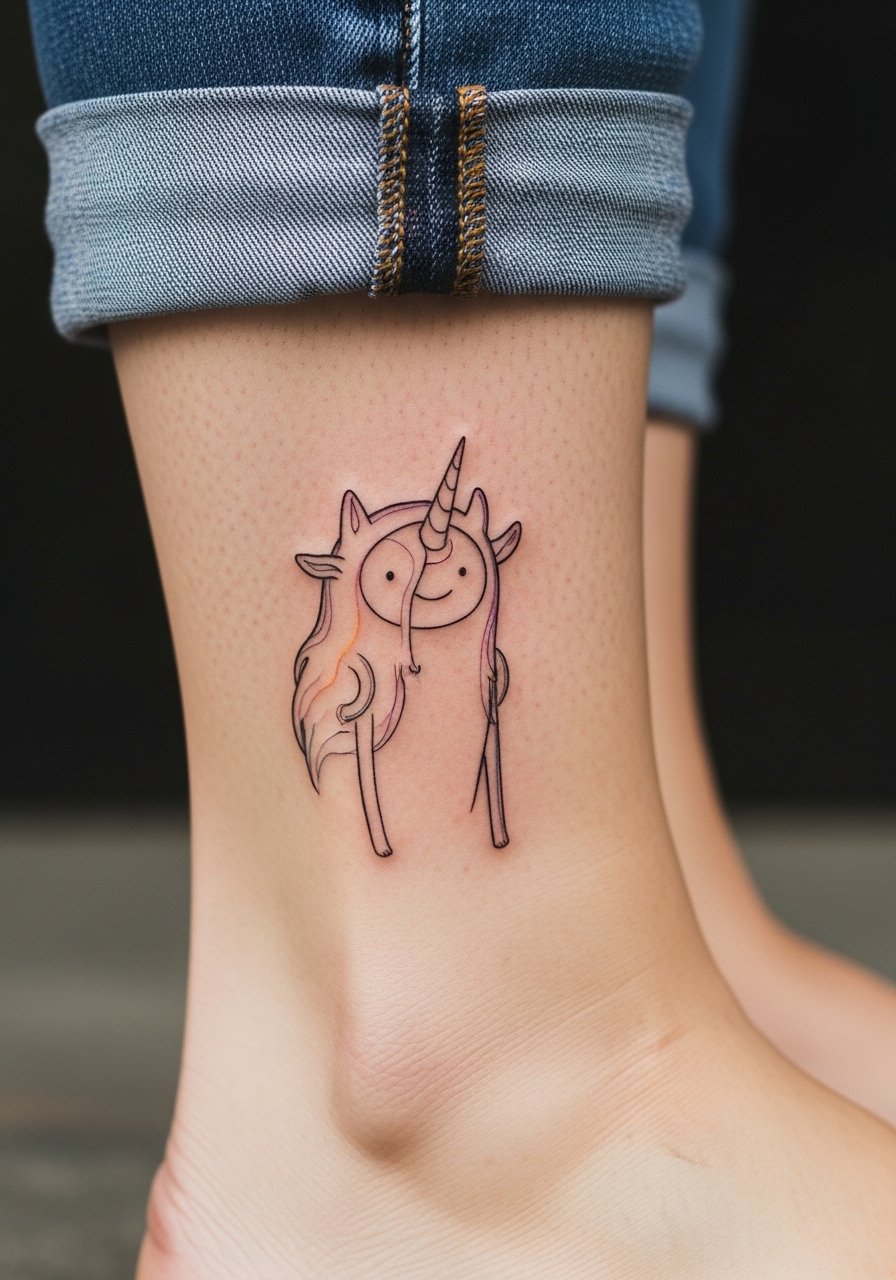
Ankle placements are high friction and frequently washed, so color accents in sketch pieces need careful planning. The error is using too many micro color strokes that get washed out or migrate after repeated showers. Ask your artist to reserve color to single strokes and keep the linework bold enough to carry the sketch when the color fades. Pain ranges from moderate to high around the ankle bone and sessions are short. Wear rolled jeans the day of to keep the area accessible without rubbing the new ink.
11. Gunter Minimalist on Finger
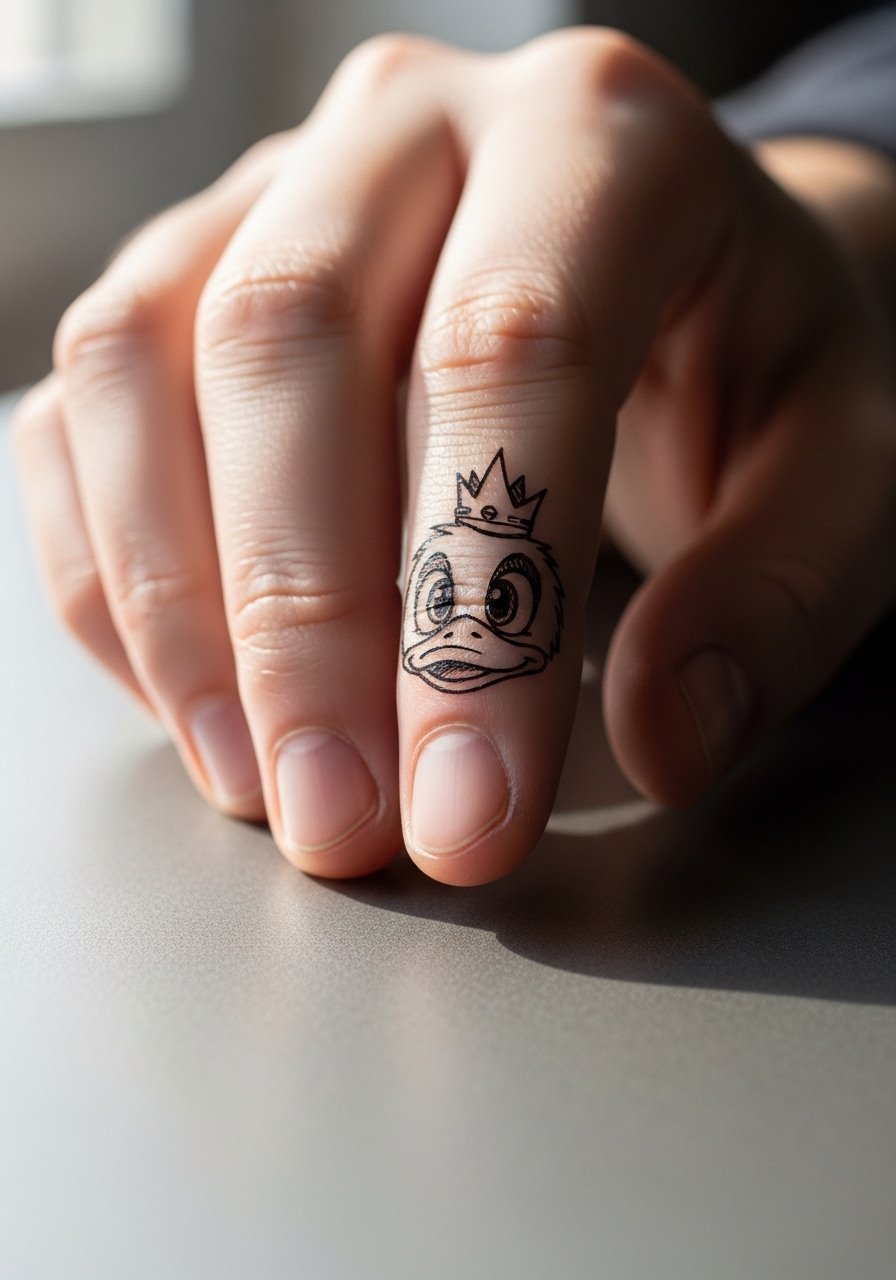
Fingers are a high-risk spot for any sketch style because of constant washing and skin renewal. The biggest mistake is expecting finger sketch tattoos to last as long as forearm work. They typically need touch-ups within a year or two. Keep the design very small and accept that simplification will be necessary. Sessions are brief but painful given the thin skin. If you must get a finger piece, place the heaviest sketch lines away from joint creases and plan for touch-up in 12 to 18 months.
12. Marceline Bite Mark on Sternum
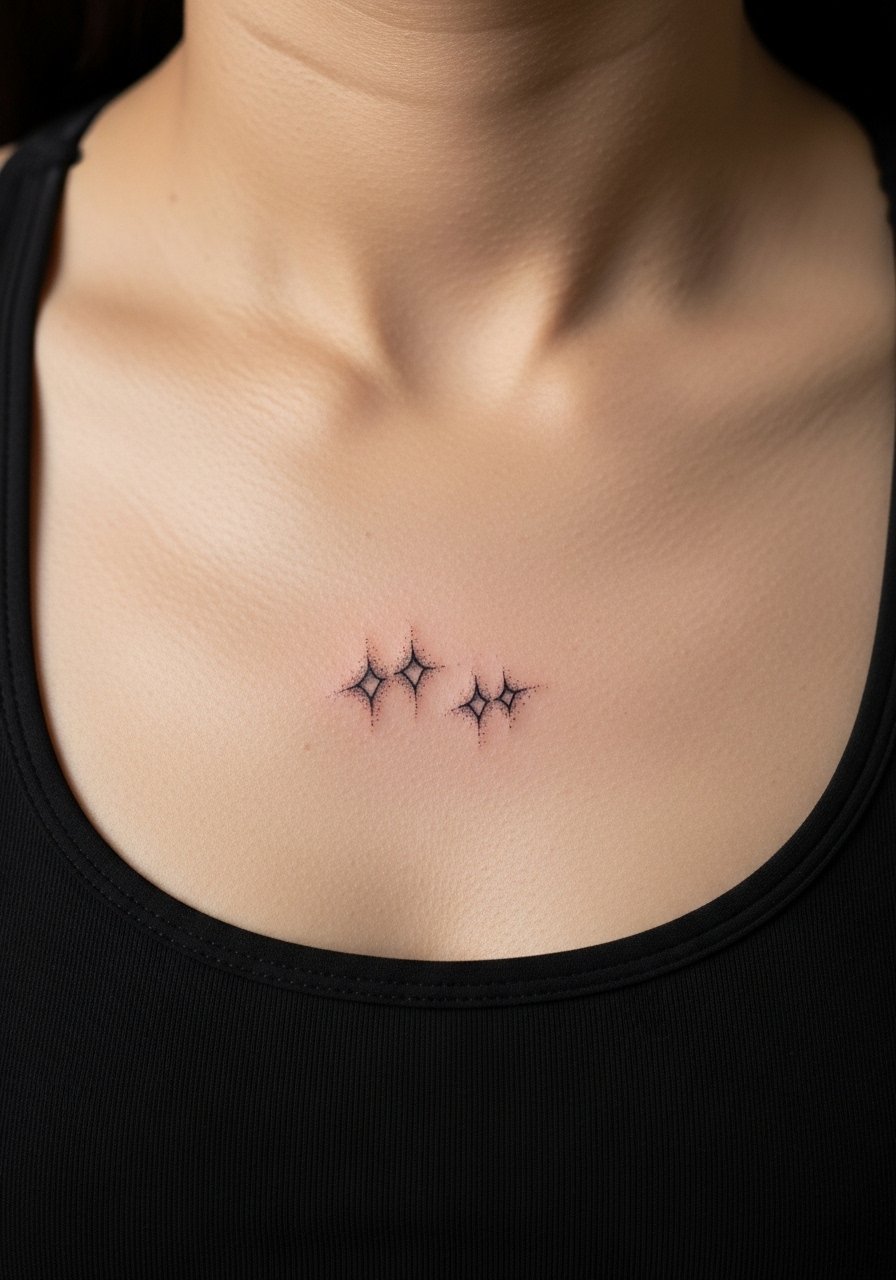
Sternum placements communicate intimacy but need specialized approach for sketch lines. The sternum's skin moves with breathing and clothing, so hairline hatchwork can blur quickly. The safer route is to request slightly bolder anchors with sketchy negative space. Pain is higher and sessions can be shorter but intense. For the session wear a fitted sports bra or zip-up top so the artist can access the area without full exposure. Think about job requirements too, because chest pieces remain visible in many social settings.
13. Adventure Time Map on Upper Back
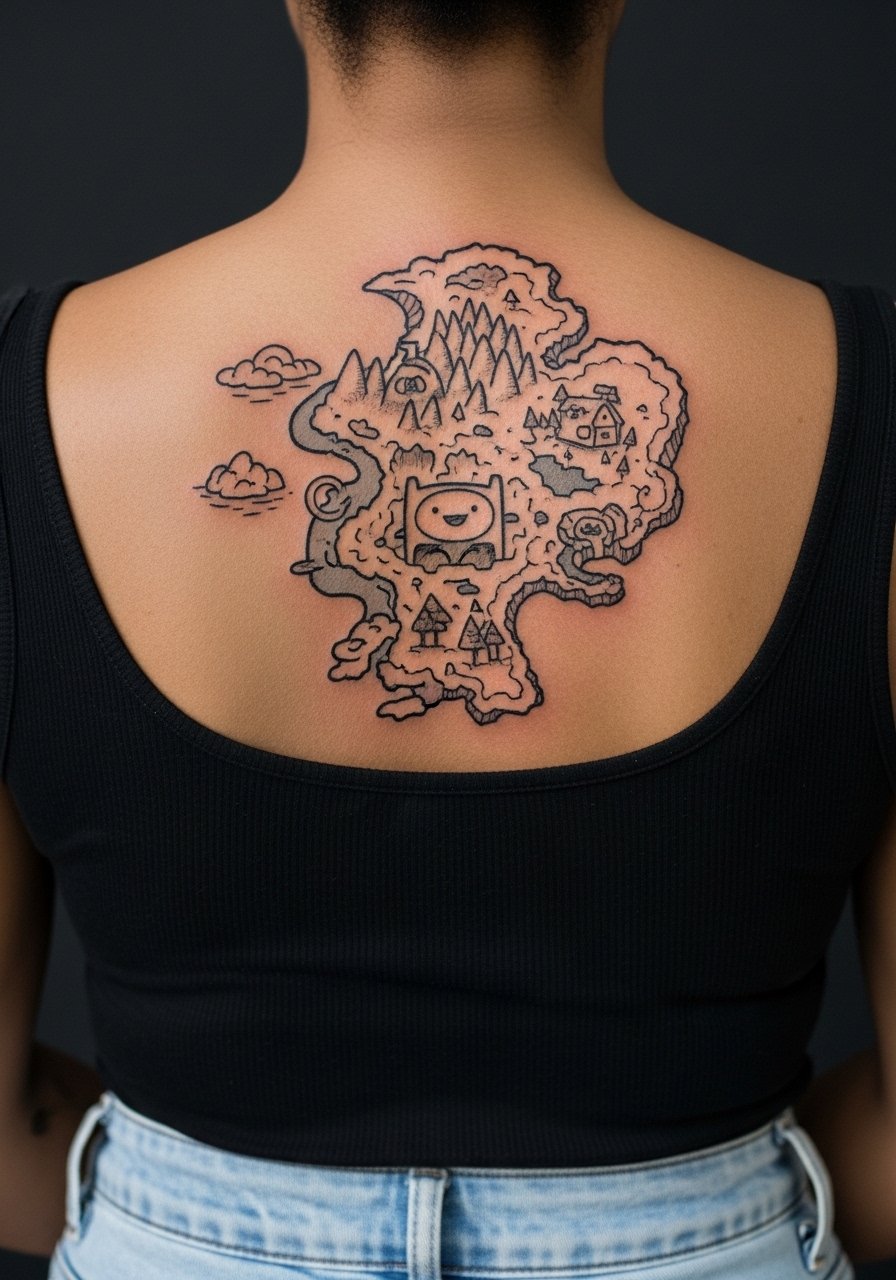
Upper back pieces allow for larger sketch-style compositions that breathe, which helps longevity. The usual error is compressing a map into a small square that loses legibility after healing. Ask your artist to keep key landmarks bold and treat other features as suggestive scribbles. Sessions for a medium map can run longer and may need breaks. For the appointment wear a button-up or a tank you can pull aside easily so the artist can tape and move the stencil without disturbing it.
14. Finn Sword Linework on Side Torso

A side torso placement is dramatic but shifts with breathing and movement, so the sketch sword needs buffer space around the blade line to avoid smearing. One camp in the community says thin swords on the ribs are a bad idea because they blur fast. Another camp says the right depth and spacing let them hold up. I advise sizing up and using confident anchor lines rather than filigree detail. Expect a higher pain rating and a session that might require two passes. Wear loose bottoms and a cropped top you can shift without stretching the skin.
15. Lumpy Space Constellation on Lower Back

Lower back sketch constellations can age well because the area sees less daily friction, but waistband placement is crucial. The mistake I see is setting the design where waistbands rub directly across the dots. Request placement slightly above the common waistline and keep dots spaced. Pain is moderate and sessions are comfortable while lying prone. For show-off, low-rise or high-waisted combo styling choices affect how often others see the sketch, so plan wardrobe accordingly.
16. Peppermint Butler Script on Behind Ear
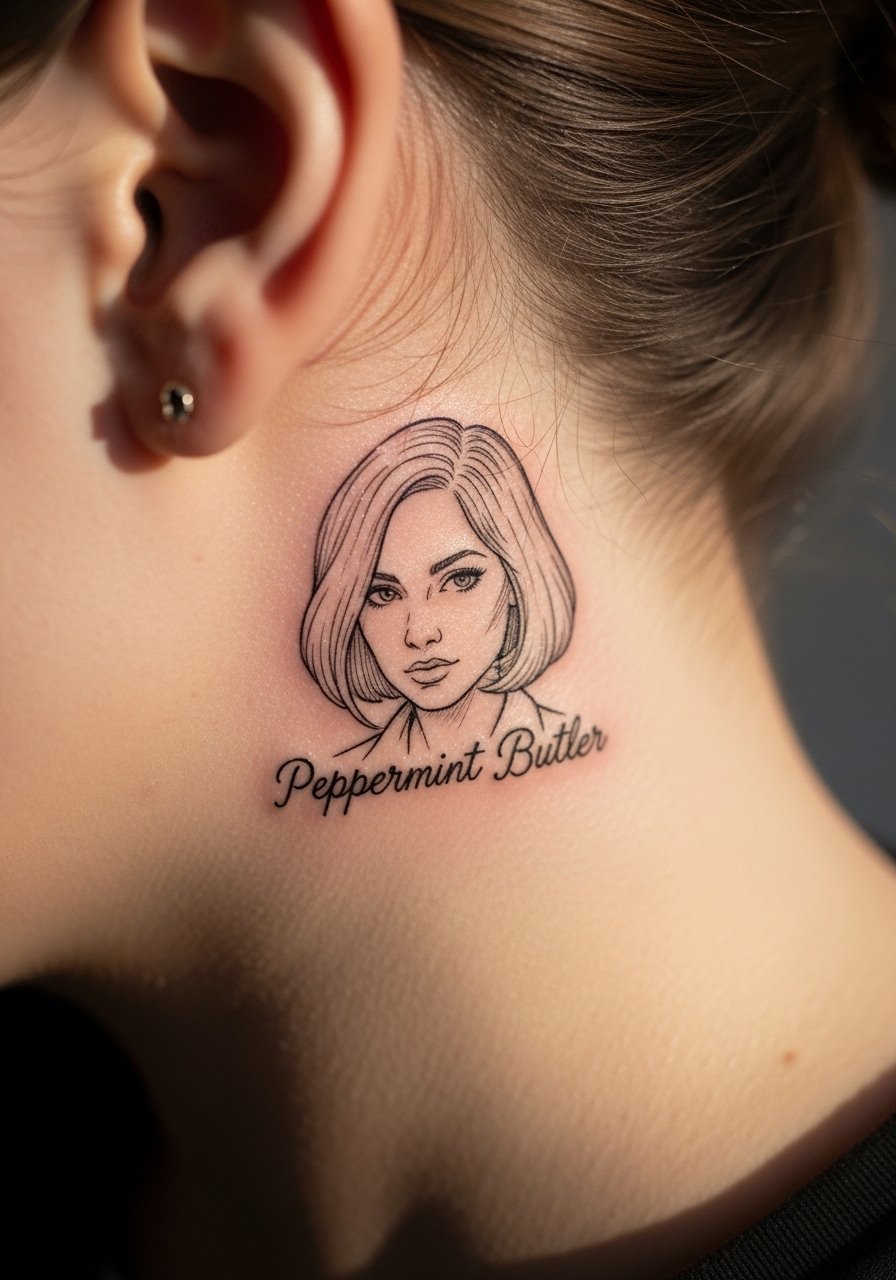
Behind-the-ear quick script looks like a scribble in good sketch style, but the space is tiny and sensitive. Never ask for dense hand-lettering there. The common error is requesting ornate script that becomes illegible. Ask for a single-word or tiny motif rendered in a loose hand and accept faster fade and likely need for touch-up. Sessions are low but the area is sensitive. Wear a hairstyle or earring-free side to the appointment so the artist can access the small patch without tugging.
17. Magic Wand Doodle Across Palm Edge

Palms and palm-edge placements are unpredictable because the skin regenerates quickly and ink retention is poor. The sketch look can work as a very short-lived statement, but plan on touch-ups within a year or the design fading into ghost lines. The mistake is expecting permanence comparable to forearm pieces. Be conservative with detail and size, and ask the artist about their experience with palm ink. Sessions are brief but often require follow-up. Consider the design a seasonal piece rather than an eternal one.
Frequently Asked Questions
Q: Will a sketch style Adventure Time tattoo fade faster than a solid traditional tattoo on forearm placements?
A: In my experience, sketch styles with light hatching and broken lines are more prone to visible softening than solid traditional fills. Forearms are exposed to sun and friction, so plan for touch-ups around year two to four depending on exposure and how heavy the original anchors are. Use sunscreen and sleeve rotation to extend clarity.
Q: Can I get a faithful replica of an Adventure Time character in sketch style without it looking like a messy copy later?
A: You can, but the key is intentional simplification. One camp prefers pixel-accurate replicas and another prefers stylized reinterpretations that echo the character without copying every detail. Ask for bold anchor strokes with sketchy, suggestive fills so the piece reads as a character and still survives healing. Bring both character references and sketch-style examples in your consultation.
Q: How should I dress for a ribcage or sternum sketch session to keep the area accessible and comfortable?
A: For ribcage work wear a cropped athletic top you can lift slightly or a zip-up hoodie that opens fully. For sternum, a fitted sports bra or bandeau gives the artist access while keeping exposure minimal. Comfortable, non-restrictive clothing also helps you sit through longer sessions without the fabric pressing on fresh ink. Consider bringing a loose button-down as a cover-up for the trip home.
Q: Are pop culture tattoos like Adventure Time okay for professional settings long term?
A: That depends on your industry and the placement you choose. Small forearm and hand pieces are more visible and may affect perception in conservative workplaces. Chest and thigh placements are easier to keep private. If you expect to work in a strict environment, choose placements that can be covered by standard professional attire.
Q: Any styling tips for showing off a forearm sketch tattoo without overexposing it to sun and friction?
A: Wear rolled-up sleeves or three-quarter tops and consider lightweight sun sleeves when you're outdoors for long periods. A rolled linen shirt helps frame the forearm sketch while limiting UV exposure and friction during long days.