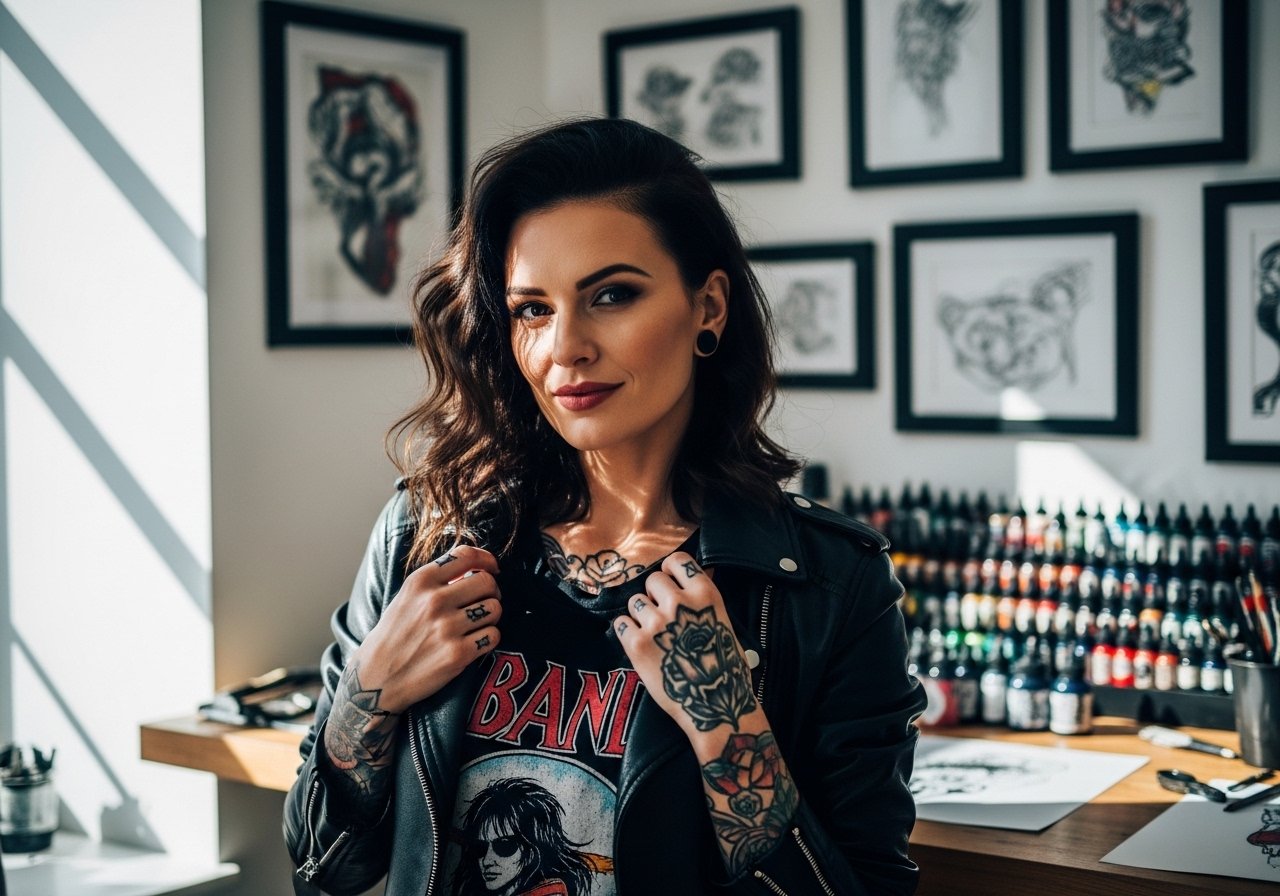
The tattoos that still read clean a decade later are often the ones that started with honest planning, not trend chasing. For leg sleeves that mimic pencil sketches, that means thinking about line weight, how the skin rubs against clothing, and where touch-ups will likely land. Read these ideas as practical sketches you can adapt in consultation, with notes on session feel, aging, and what to wear on the day so the finished sleeve actually looks like the reference photo five years from now.
1. Cross-hatching Forest Wrap on the Calf

This is sketch style in its purest form, using layered cross-hatching to build depth rather than smooth shading. I recommend it when you want organic texture without color, because the hatch marks age into a textured patina instead of muddying. Tell your artist you want visible stroke direction and areas left intentionally sparse so the lines can breathe on the shin and calf curves. Fair warning, the shin stings more during sessions and the artist will likely break this into 3 to 4 sittings. Common mistake is asking for ultra-fine hatching too close together, which merges after two years. For showing it off, roll your slim-fit joggers to mid-calf so the layered pencil texture reads against neutral fabrics.
2. Tribal Geometric Outer Thigh Wrap
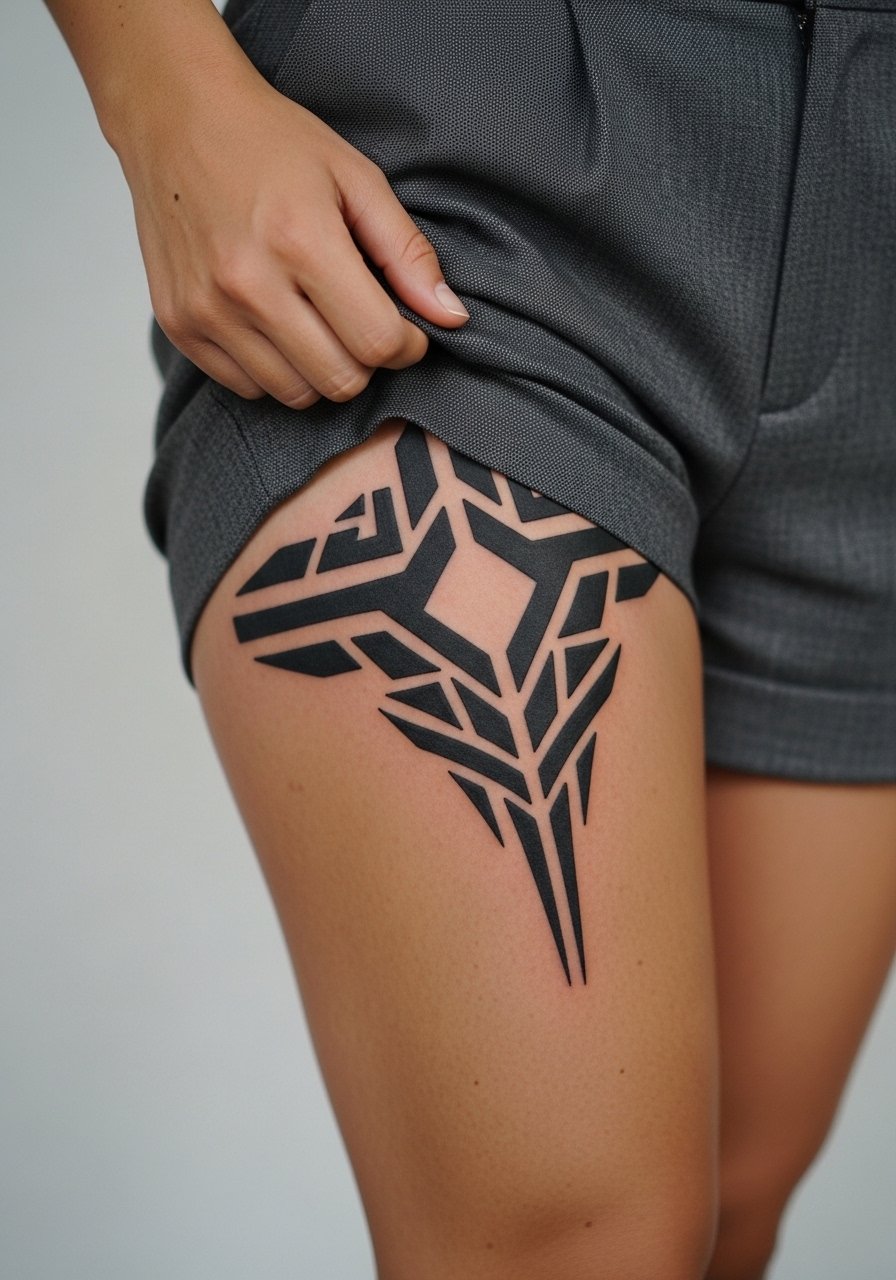
Choose tribal geometry when you want bold longevity, especially on the outer thigh where friction is lower. The lines need breathing room, so ask the artist for consistent spacing and clear negative-space bands. A frequent error is shrinking motifs to fit too small an area, which causes the pattern to blur in high-density sections. Expect three to five sessions depending on coverage. If your wardrobe leans casual, pair the finished wrap with tailored shorts to frame the outer thigh patterns without distraction. Respect cultural origins by avoiding direct copies of sacred motifs and request a custom adaptation that nods to the aesthetic.
3. Realistic Snake Coil That Follows the Leg Curve

A snake that coils with the anatomy reads more alive than a static head-on image. Recommend this when you want motion around the knee and calf, because the coil can follow muscle lines for natural flow. Tell the artist to plan scale size to match leg curvature so highlights sit on the outermost curve and shadow falls into the inner wrap. Sessions are longer around the knee due to awkward positioning. A mistake I see is asking for tiny scales along the entire wrap, which fades unevenly where clothing rubs. For casual wear, cuffed cargo pants to showcase the coil and pair with boots for a grounded look. Expect touch-up after color settling and spot retouches on high-friction areas.
4. Japanese Irezumi Dragon from Hip to Ankle

If you want bold composition that reads from a distance, irezumi elements fill a leg well. This style favors saturated blacks and strong outlines, which age predictably on the leg. In consultation, specify how much negative background you want so the dragon does not disappear into too many fillers. These are big multi-session projects, so plan clothing that can come off and on easily during long sittings. The common regret is over-dense backgrounds that make the piece feel cluttered after a few years. For summer show-offs, loose black linen pants expose ankle details while keeping the hip discreet. Cultural sensitivity matters here, so discuss the iconography you prefer rather than requesting a direct replica.
5. Mechanical Cyberpunk Pistons and Gears

A sketch-style mechanical sleeve plays with lineweight to suggest metal and shadow instead of full photorealism. This works well when you want the illusion of parts under the skin without full color realism. Ask for suggested breaks in the design at the knee and ankle so movement does not distort key elements. Sessions often feel less painful than bony areas, but the detailed stipple and hatch work take time. A mistake is requesting hyper-real metallic shines in a single session, which can look patchy when healed. Pair this with chunky streetwear and chunky sneaker high top styling for an industrial vibe.
6. Floral Butterfly Extension on the Inner Thigh
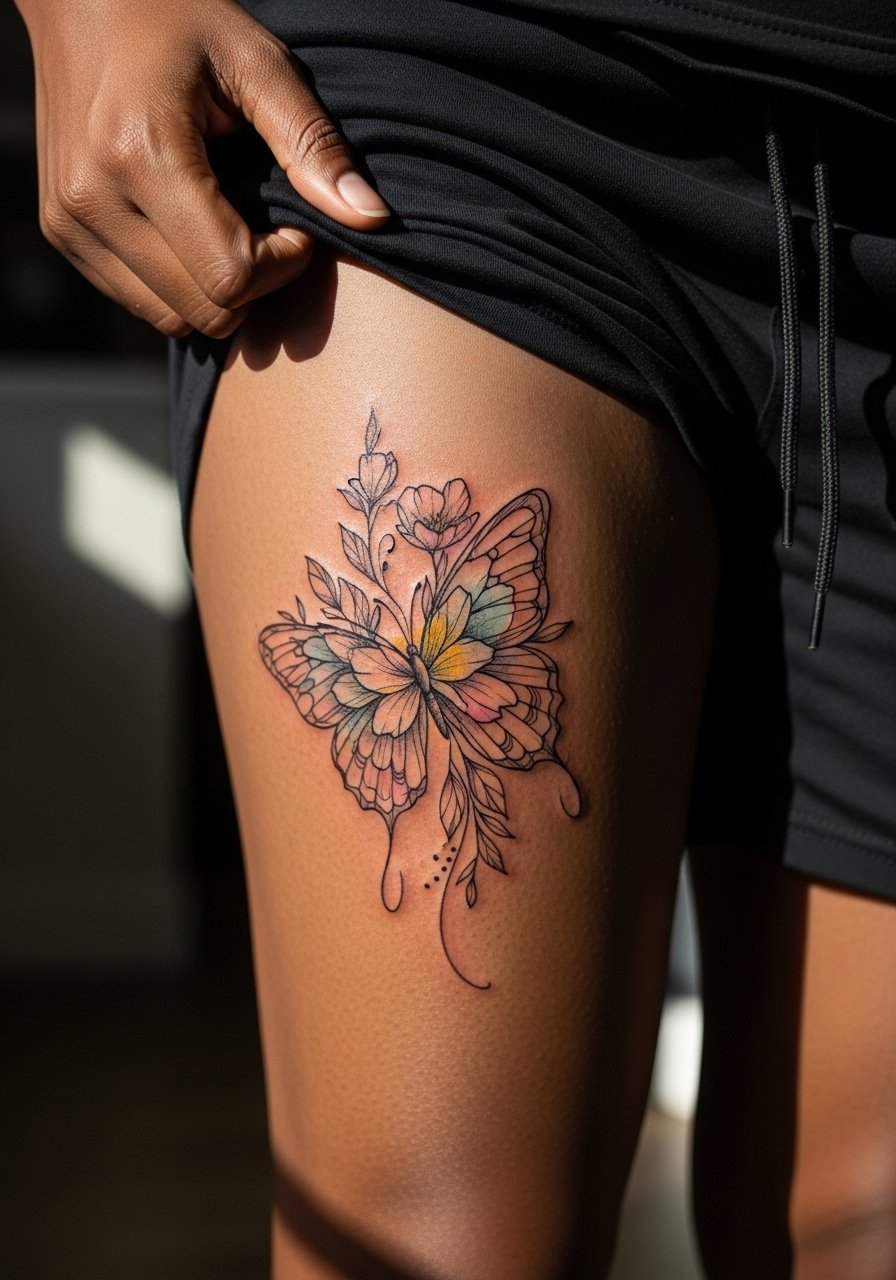
Inner thigh pieces are intimate and they age differently because of skin stretch. The sketch treatment keeps the look airy and forgiving; loose lines settle into a soft texture over time. Tell the artist you want lighter pressure near crease lines and that you prefer blackwork with tiny color pops rather than full watercolor washes. Sessions here can be uncomfortable because of the position and sensitivity, so expect shorter sittings. Note about healing approaches: some prefer occlusive film while others opt for dry air healing, and artists split on this. For showing it off, a flowy maxi skirt or thigh-high boots can reveal the design selectively. Respect privacy and be clear with your artist about placement depth near the femoral crease.
Studio Day Picks
The first six ideas cover both visible calf work and intimate inner-thigh pieces, which need different preparation for the session and the first week of healing.
-
Stencil transfer paper kit. Lets you preview how sketch line placement wraps the leg before the needles touch skin, especially useful for the cross-hatching and map-style wraps above.
-
Topical numbing cream. Apply per instructions before inner-thigh or shin sittings to take the edge off without compromising linework.
-
Thin protective film roll. Useful on lower leg pieces that will rub against socks and shoes during the first days.
-
Fragrance-free body wash. Gentle cleansing keeps delicate sketch lines clean without stripping the skin.
-
Aquaphor healing ointment. A thin layer for the early healing window supports fine line retention without clogging needle channels.
7. Anime Narrative Sleeve with Sketch Outlines

Anime sleeves translate well into sketch style when you keep outlines expressive and avoid heavy photorealistic shading. I recommend this if you want storytelling that wraps the leg, because poses and panels can follow muscle contours to tell a visual arc. Bring clear reference images and tell your artist where you want faces versus background effects. A mistake is cramming too many characters into limited space, which loses clarity at distance. Sessions often involve a mix of linework and color passes. For summer wear, pair with ripped denim shorts to reveal the narrative across the calf and thigh.
8. Sketch-Style Tree of Life Wrapping Shin to Thigh

A tree of life in sketch form ages gracefully because you can plan negative space and let the branches breathe. Recommend this when you want symbolism that can expand into adjacent areas later. Ask your artist to map branches to natural curves so roots sit around the ankle and canopy reaches the thigh. People often make the mistake of over-detailing leaves too small, which blurs in high-motion zones. Sessions will vary because the leg changes shape between sitting and standing. For session comfort, wear loose athletic shorts so the artist has full access without fabric pressing the fresh ink.
9. Cross-Hatched Mountain Range with Negative Space Sky
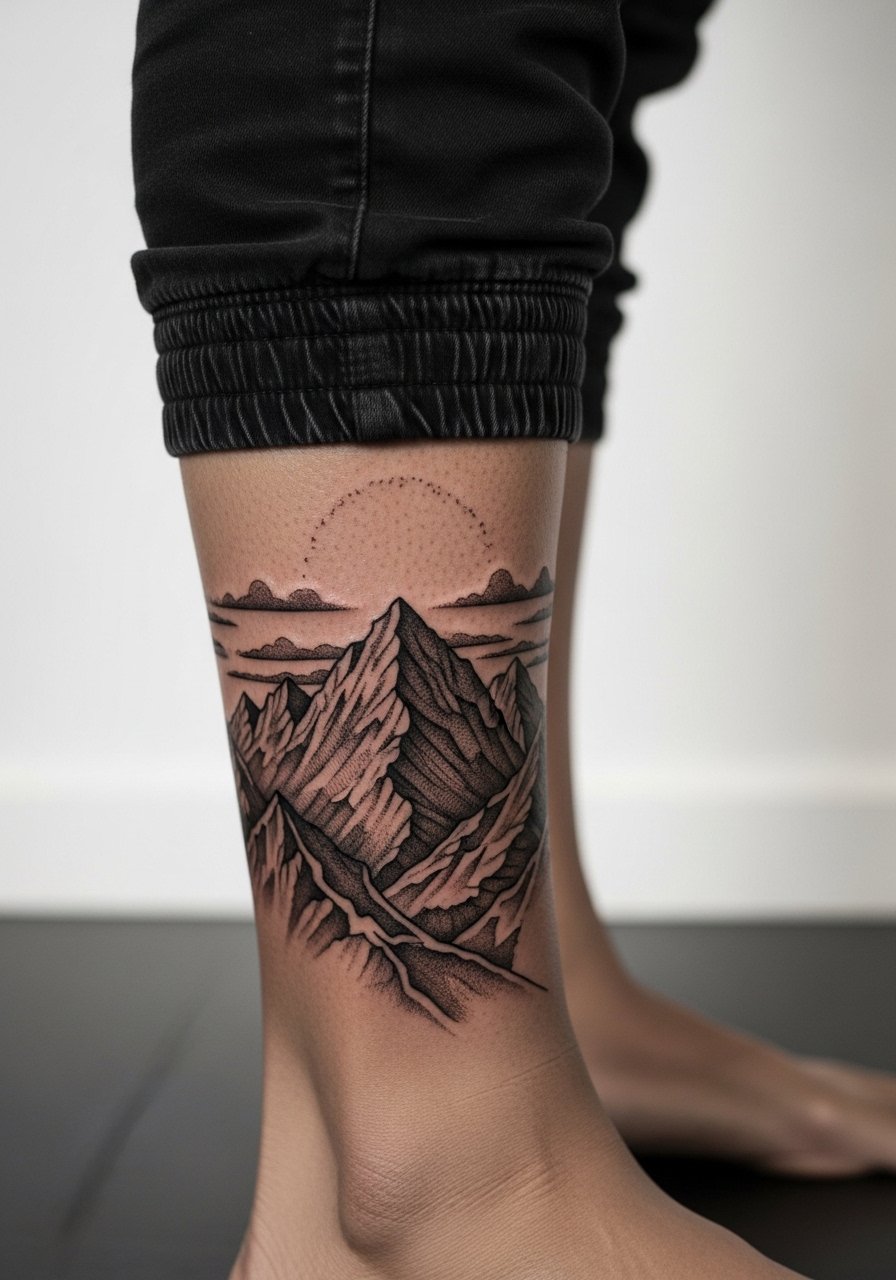
This pared-back landscape uses directional hatch to suggest ridgelines and atmospheric distance without color. I suggest it when you want an understated sleeve that still shows detail up close. Tell the artist you want stronger hatching at the foreground and lighter strokes for distance to preserve depth as the piece heals. A common misstep is making the negative-space sky too small, which collapses the visual separation. The shin may need touch-ups sooner than the calf because of thinner skin. For casual wear that highlights the scene, pair with rolled joggers that stop at the cuff so the horizon line remains visible.
10. Sketch Portrait Collage Around the Thigh
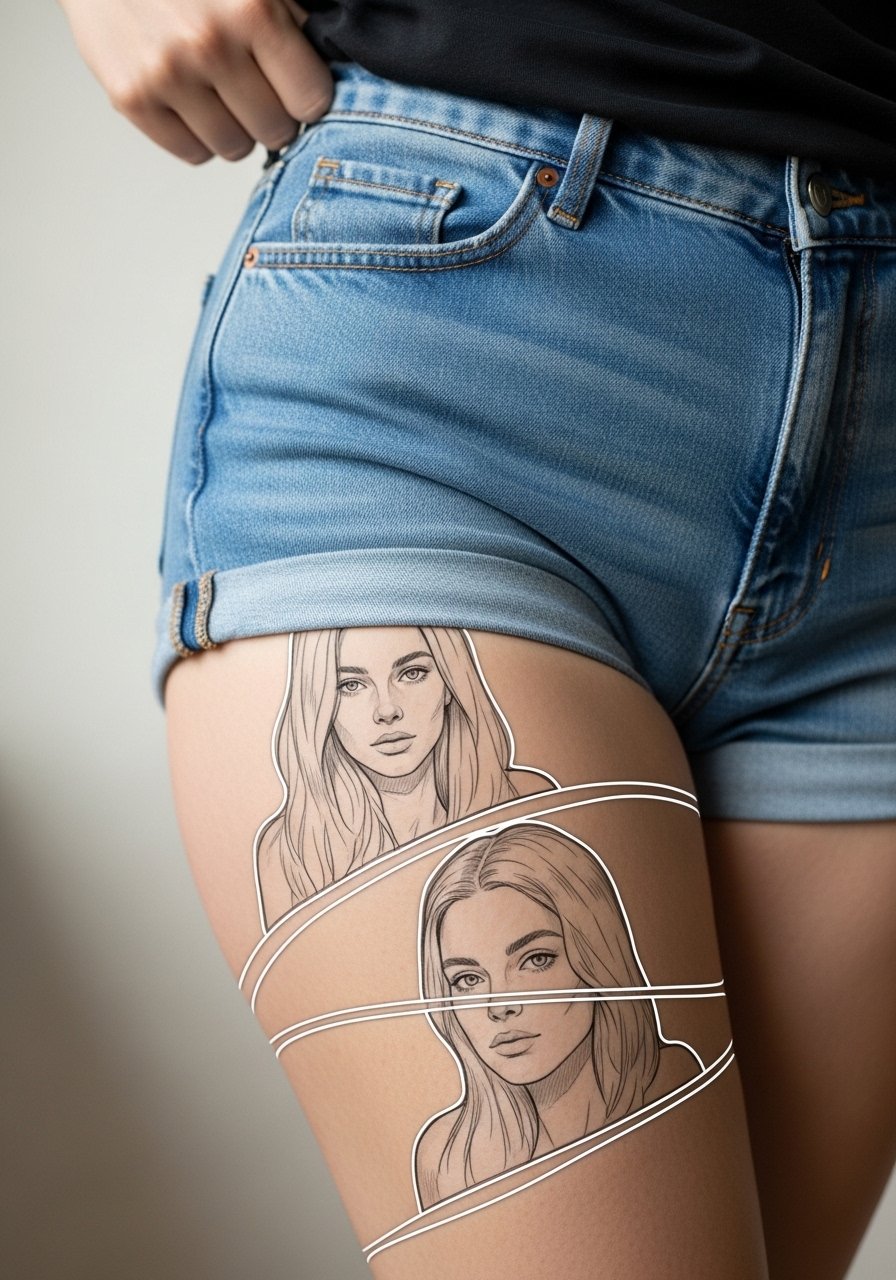
Portrait collages work in sketch style when you prioritize composition over tiny facial detail. Use this approach if you want multiple figures to read as a single piece rather than standalone portraits. Ask your artist to use varied line weights and to space the faces so each has breathing room. The mistake is insisting on photo-level detail across every face, which consumes session time and blurs on healing. Thigh flesh tolerates longer sessions, but consider multiple sittings for layering. For session comfort, wide leg gym shorts make changing positions easier while keeping the area accessible.
11. Hand-Drawn Map or Cartographic Sleeve

A cartographic sleeve uses sketch lines and hatch shading to evoke places and routes. This idea is great if you want narrative markers and negative-space oceans to anchor the composition. Tell your artist which landmarks need emphasis and where text should sit, because letters need exact spacing to avoid blurring. The lower leg is prone to friction from socks, so avoid tiny script near the ankle. A frequent error is packing too many micro-icons into a small space. Show it off with mid-calf boots and a cuffed pant leg to reveal the map across the shin.
12. Anatomical Heart in Loose Pencil Style
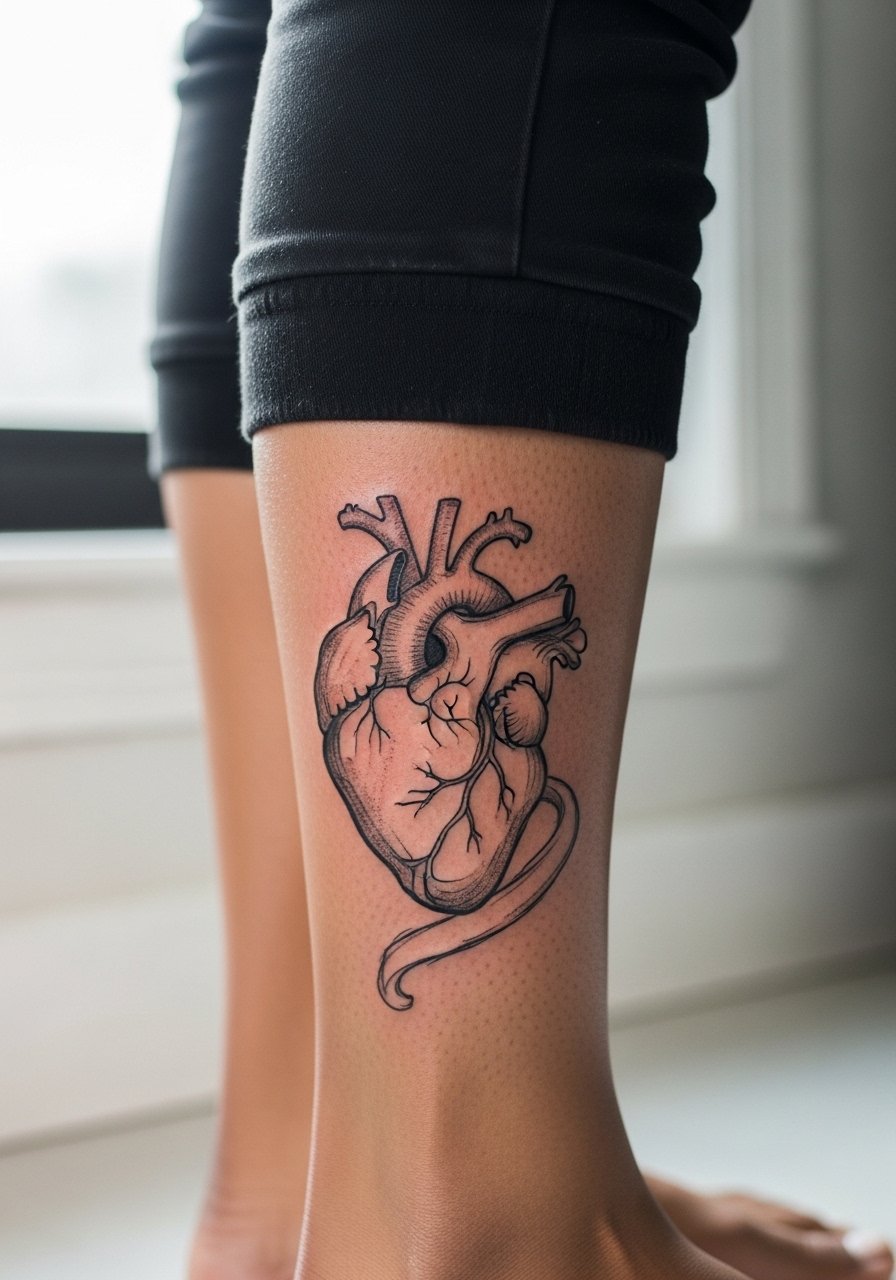
The anatomical heart benefits from rough, expressive strokes that hold emotion without needing color. Choose this when you want a piece that reads personal but not overly literal. During consultation, specify which features to emphasize—valves, arteries, or surrounding sketch flourishes—so the artist knows where to leave whitespace. A common mistake is over-detailing internal textures in too-small scale, which fuzzes over time. Calf placement keeps mechanical pressure low, but if you run a lot, expect more fading where tights or compression meet the skin. Rolling joggers to mid-calf shows the silhouette without covering the linework.
13. City Skyline Wrap with Loose Horizon Lines

A skyline sleeve is a graphic way to carry a place with you, and the sketch approach prevents the piece from becoming overly busy. I recommend marking key silhouettes that must remain legible from a distance, such as a recognizable tower or bridge. The mistake is compressing every building into a thin band, which loses clarity at a glance. Ask for slightly thicker anchors in the skyline so the silhouette holds at year three and five. Tailored shorts frame the area nicely and keep attention on the horizon line.
14. Stippled Constellation and Night-Sky Band

Dot work and stippling suit sketch-style sleeves by creating texture without saturated fills. This works when you want subtle contrast that reads well in motion. Tell your artist which stars need bolder grouping as anchors and where to leave negative voids for breathing room. Mistakes include asking for tight clusters of dots that merge into a gray wash after healing. The shin can be tender so plan shorter sessions. For showing it off, pull athletic shorts up slightly or opt for rolled shorts during warm months.
15. Scripted Sketch Lines and Micro-Text Bands
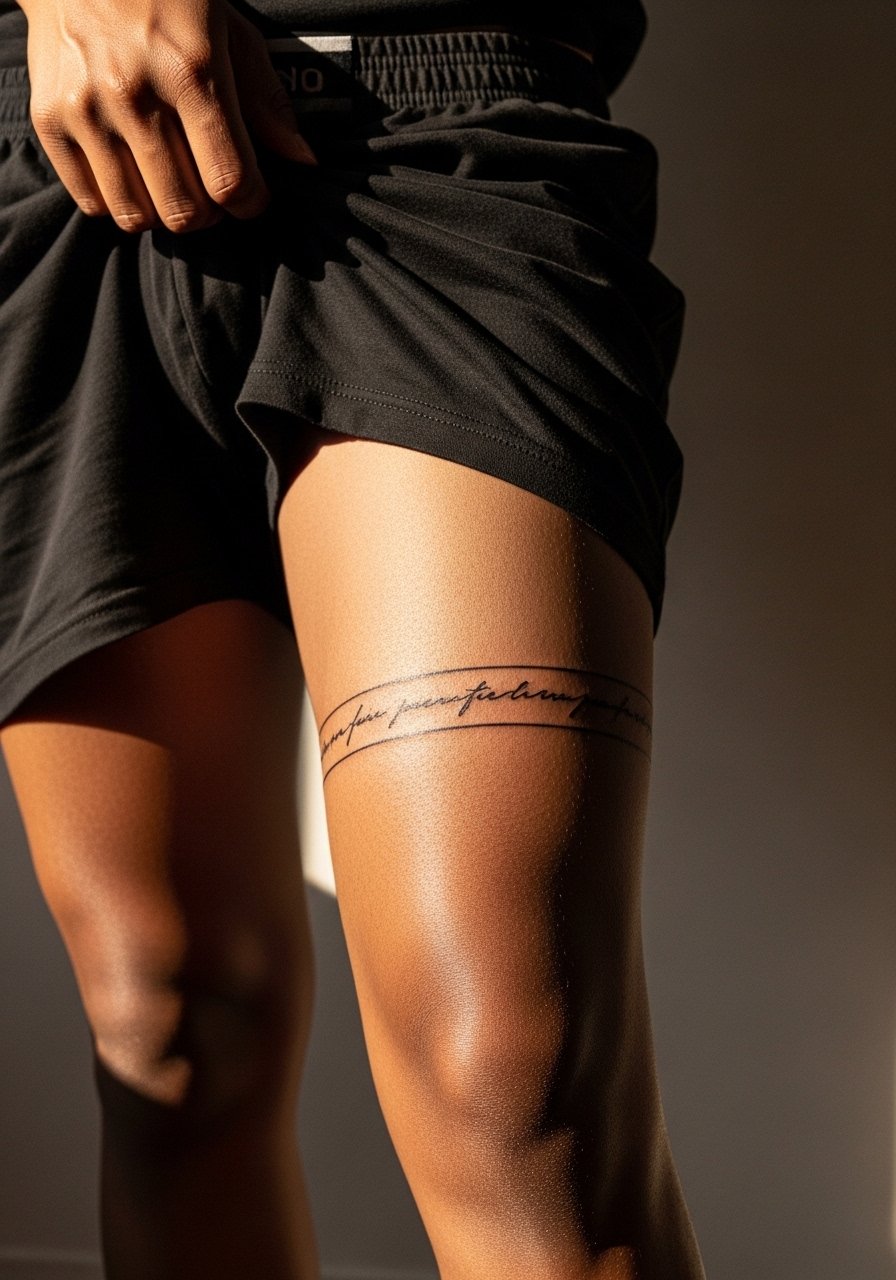
Handwritten script in a sketch aesthetic looks intentional when scaled for leg curvature. Use this for phrases that wrap or spiral around the leg. Ask the artist to stencil the exact spacing and test it on skin before inking so you can read the entire phrase when standing. A common error is placing dense script over joints where movement will distort the letters. Knee-adjacent lettering is prone to stretching, so plan for touch-ups. For the session, loose boxer shorts make access easier and avoid fabric rubbing against fresh ink.
16. Gestural Brushstroke Koi Flowing Along the Calf
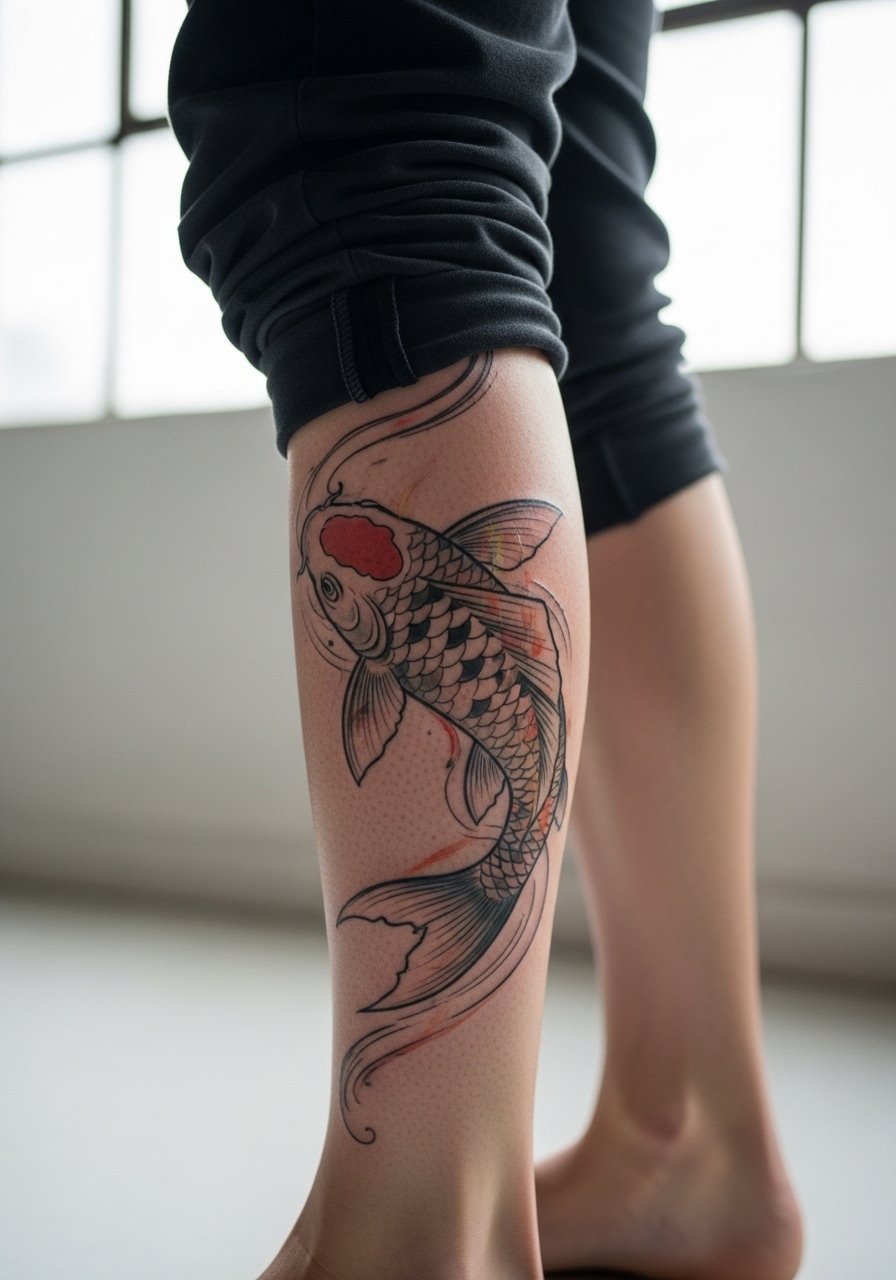
A gestural koi in sketch mode emphasizes motion with broad strokes and selective detail. This suits legs because the form can wrap naturally with musculature. Tell your artist you prefer broad, confident strokes rather than micro-detail so the piece reads from a distance and still looks rich up close. People often ask for tiny scales across the body, which makes the design noisy when healed. Calf flesh tolerates longer passes, but expect multiple sessions to build movement. Roll joggers to mid-calf so the sweep of the koi remains visible.
17. Abstract Scribble-Geometric Fusion on the Thigh
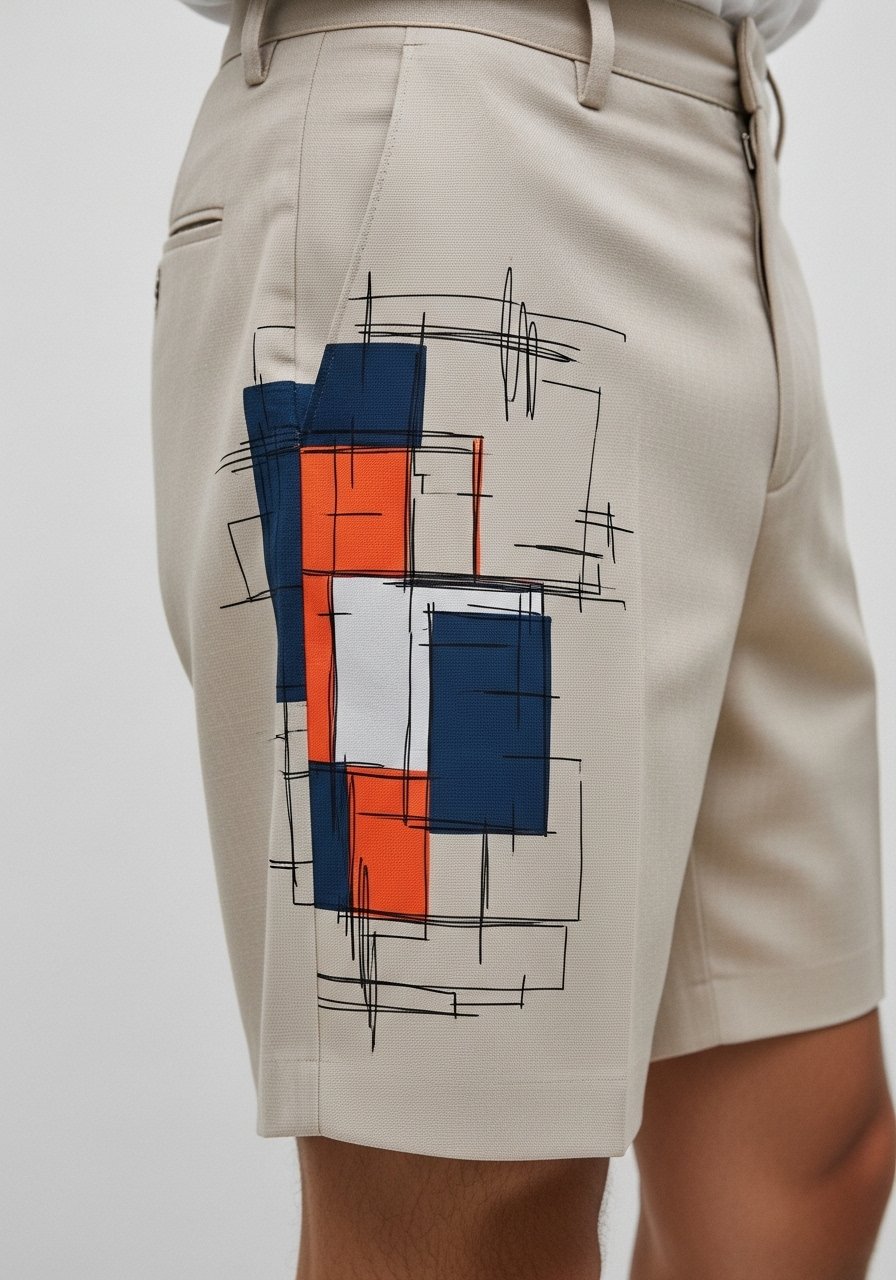
Combining freehand scribbles with clean geometry gives a sketch sleeve a deliberate tension that ages interestingly. This is for someone who likes contrast between organic and planned forms. In consultation, ask the artist to set anchor shapes with heavier linework so the scribble elements can fade into texture. A mistake is letting the scribble density become equal to the geometry, which confuses the eye. Thigh placement handles large compositions well, and tailored shorts frame one side of the design when you want to show a single panel.
18. Negative-Space Lace Band That Wraps the Knee

Negative-space lace uses skin as part of the design, which is powerful on the leg where light catches contours. Use this when you want decorative patterning that interacts with movement. Tell the artist to keep the lace scale large enough to prevent merging as the skin matures. A common mistake is fine filigree too close to the knee crease, which loses definition with motion. Knee area can be more painful, so expect short sessions. For showing the lace, knee-high socks pulled just below the band create an intentional peek without covering the motif.
19. Pencil-Sketch Floral Band Around the Ankle

Ankle bands read delicate in sketch style but demand bold line anchors to avoid early feathering. I recommend thicker stem outlines mixed with sparse hatch fills so the petals still read after regular shoe wear. A mistake is insisting on ultra-fine petal veins that blend under sock friction. Ankle work tends to need touch-ups due to constant movement and abrasion from footwear. For warm-weather styling, sandals and rolled jeans show the band cleanly.
20. Torn-Paper Collage Sleeve That Wraps the Whole Leg
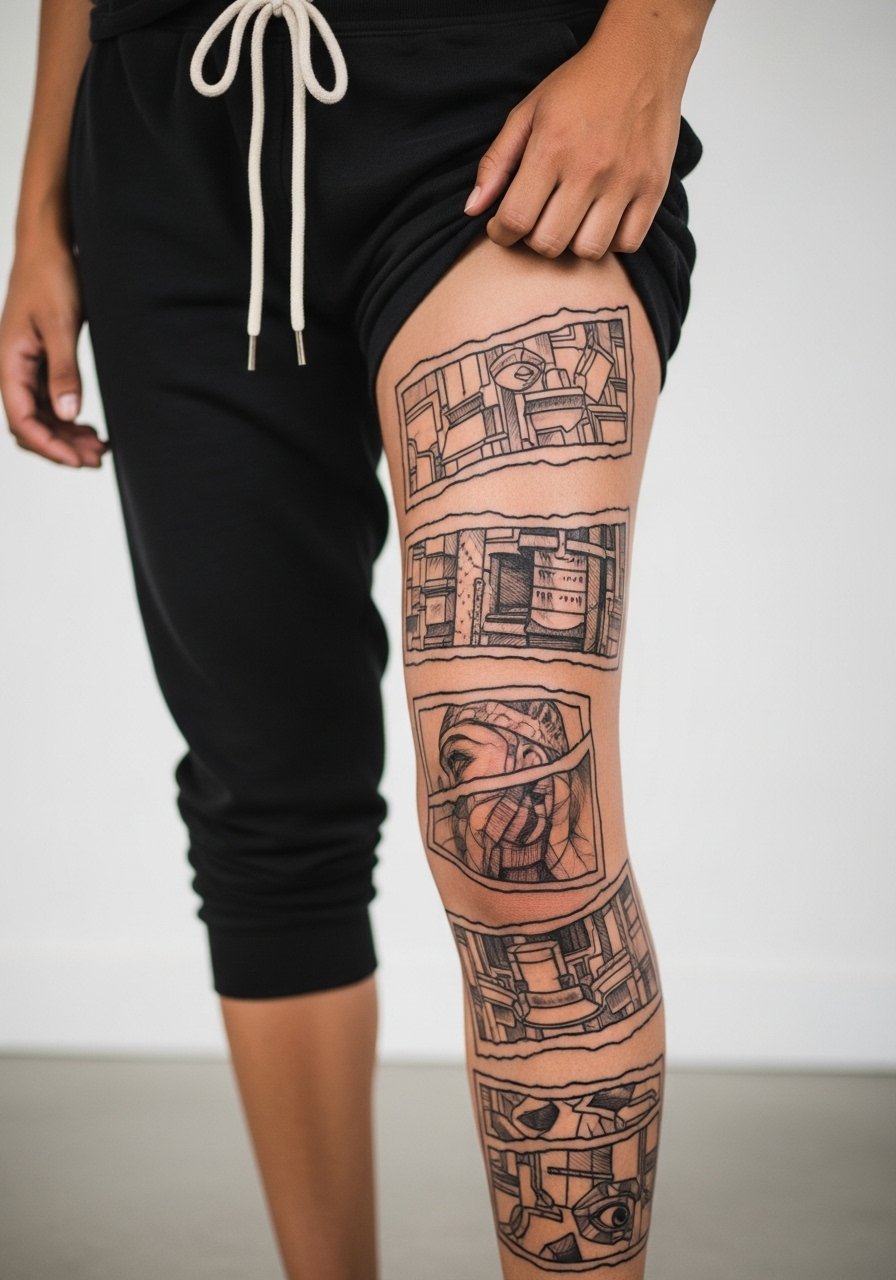
A collage approach layers sketches and negative space to suggest a story broken into panels. This suits full-leg sleeves because you can reserve space for future additions. During consult, map the panels so important elements do not fall on joints. The common error is not planning for expansion, which forces awkward overlaps later. These are marathon projects that should be staged over many sittings. For studio comfort, drawstring joggers let you expose panels selectively without re-dressing.
21. Mechanical Skeleton and Bone Study in Sketch Ink
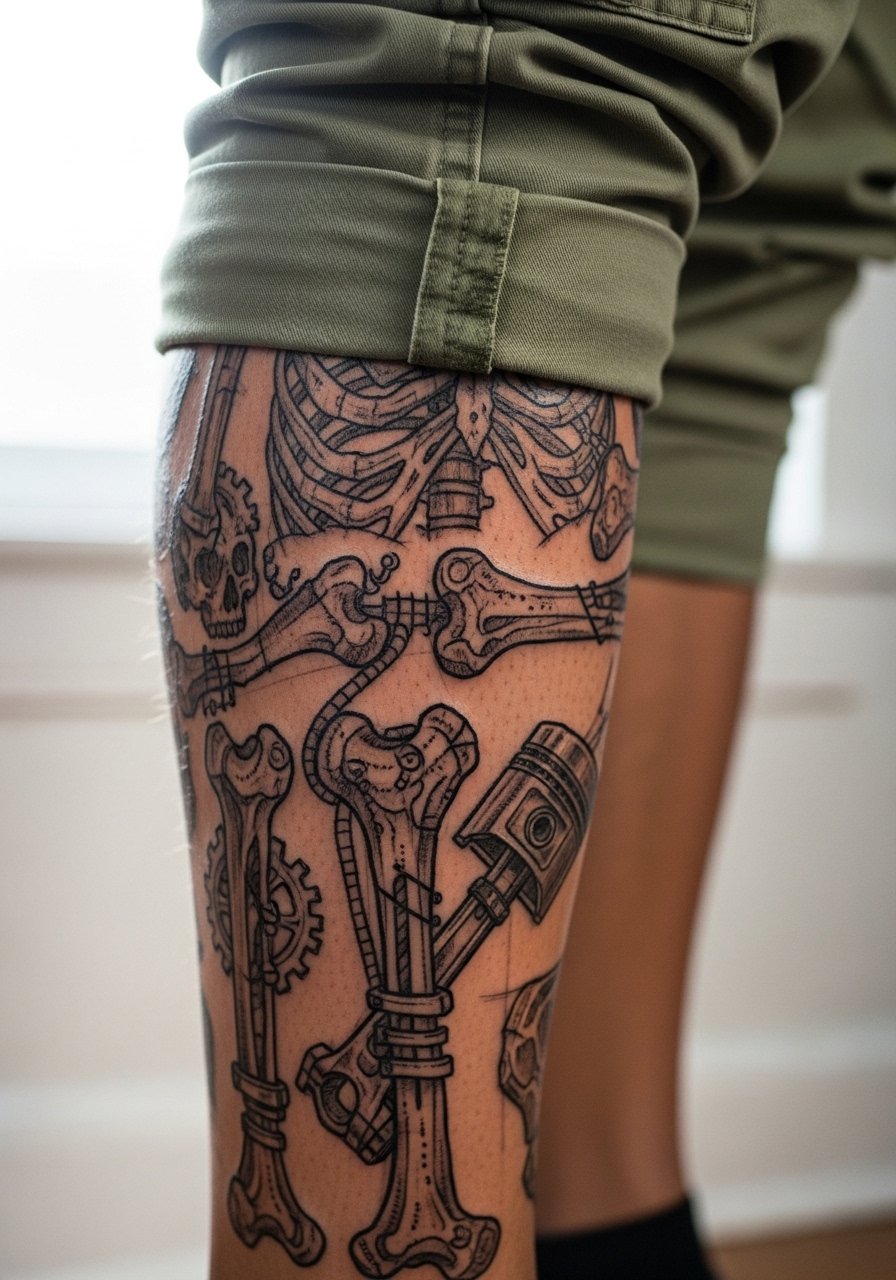
This anatomical-mechanical hybrid uses sketch marks to suggest structure and movement. It works when you want a conceptual sleeve that reads as both study and design. Ask for placement notes so key bone elements align with leg anatomy and do not sit on high-friction zones. People sometimes request dense labels and tiny annotations that blur quickly, so keep text minimal and bold. Lower leg wrap tolerates graphic detail well but plan touch-ups where socks meet the skin. Cuffed cargo pants offer a practical way to show the lower study.
Frequently Asked Questions
Q: Will fine line sketch treatments blur faster than bold blackwork on a full leg sleeve?
A: Yes, fine line details generally need more careful placement and may require touch-ups sooner than bold work. Artists split into two camps on this. One camp argues fine line on high-friction areas blurs within a couple of years, particularly near the ankle and knee. The other camp says with correct depth and spacing, fine line can settle well. Talk to your artist about line weight planning and expect a realistic touch-up timeline.
Q: Do inner-thigh sketch tattoos need different session wear or aftercare than calf sleeves?
A: Session wear differs. For inner-thigh work, loose boxer shorts or shorts you can shift make positioning easier. For calf pieces, rolled joggers or shorts avoid fabric pressure. Aftercare products are covered in the Studio Day Picks above, and your artist will recommend specifics. Healing also depends on activity level and clothing friction, so plan wardrobe choices accordingly.
Q: Is Saniderm better than dry healing for leg sleeves that include both inner thigh and calf work?
A: The community is split on this too. One camp prefers occlusive film like Saniderm for active lower-body areas because it protects against sweat and movement. The opposing camp worries that trapped moisture in warm areas encourages bacterial issues. Your choice should factor in your typical activity and the artist's protocol. If you opt for occlusive film, follow strict showering and wear guidance.
Q: How should I describe "sketch style" to an artist so they stick to the look I want for a leg sleeve?
A: Bring reference images that show stroke direction, not just finished photos. Tell the artist you want visible hatch direction, intentional gaps, and which areas should remain sketchy versus more defined. Ask for a stencil mockup and a mapped session plan so the composition wraps the leg as intended.
Q: Where can I find pre-made sketch stencils or communities showing healed leg sleeves for planning?
A: Search hashtags like #LegSleeveTattoo and #SketchStyleTattoo on social platforms. Etsy has pre-made stencil options if you want a starting point for a consult. Forums and video walkthroughs on short-form platforms can show healed-versus-fresh comparisons that help set expectations.