The tattoos that still read sharp after five years are often the ones that looked a little less delicate on day one. Bold blackwork and thoughtful spacing tend to age into solid silhouettes, while tiny fine line icons can blur on high-motion spots. Below are 21 small Dark Souls designs that balance game lore, placement, and longevity, with what to ask your artist and what to wear to the session.
1. Bonfire Minimalist Outline on Outer Forearm
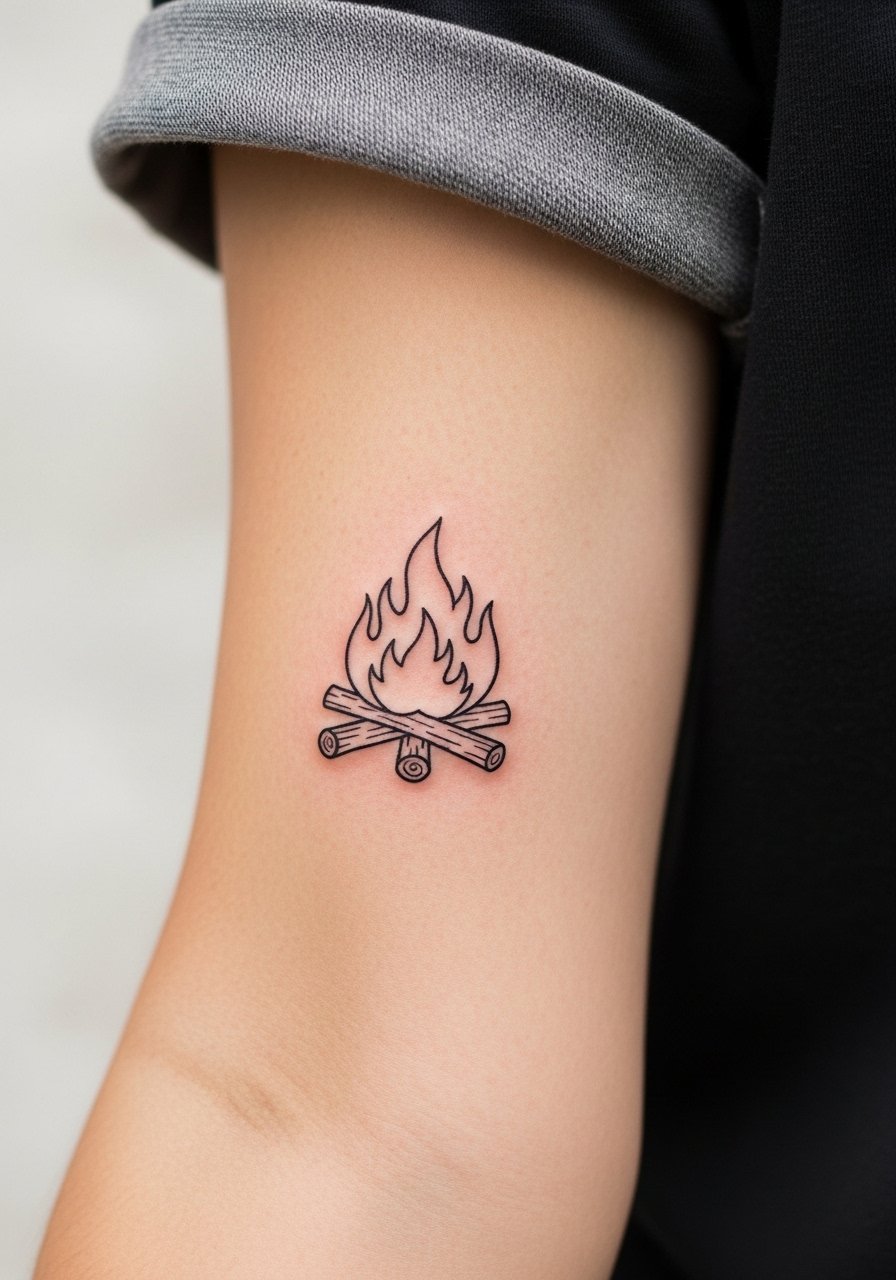
I recommend this version when you want a recognizable Dark Souls symbol that survives handwashing and sleeve friction. Ask your artist for slightly bolder primary outlines with single-needle details for the embers. Most people who go ultra-fine see the center softening by year two because the wrist and distal forearm move a lot. Pain is low, session time is short, and a single-session blackwork piece usually settles well. For showing it off, roll your sleeve and pair the forearm with a rolled cuff henley in charcoal so the lines read clearly against dark fabric.
2. Sif the Wolf Fine Line Portrait on Inner Wrist
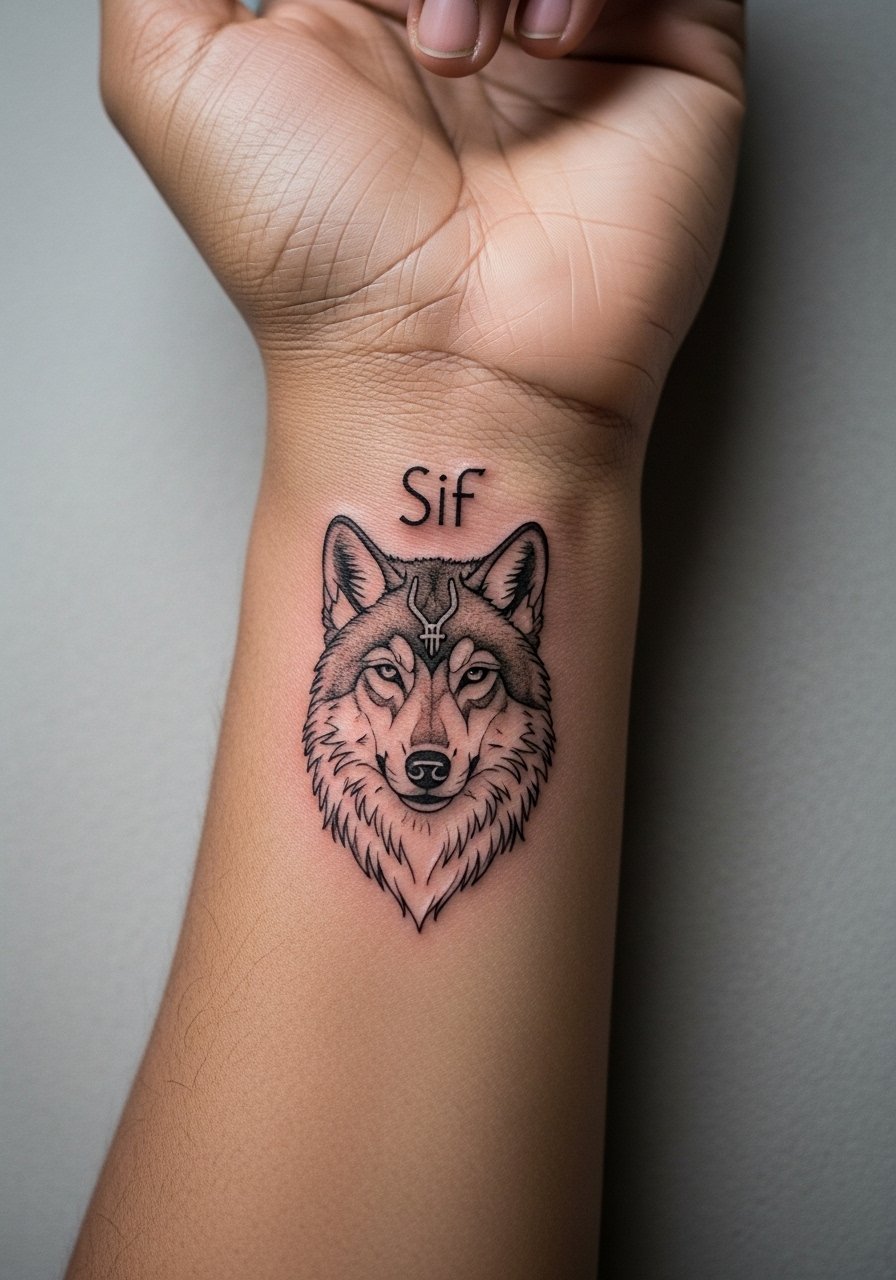
Fine line portraits can be intimate, especially on the inner wrist, but they spark the big debate in the community. One camp says fine line is worth it for subtle expression even if touch-ups are needed. The other camp insists that small portraits on wrists blur quickly and prefer bold outlines. Ask the artist where they land on that split and bring crisp reference photos for scale. Expect a 1 to 2 session effort for shading, light pain, and a likely touch-up window at year two to three. During the session, skip watches and wear a sleeveless tank so the artist has unobstructed access.
3. Sunbros Praise the Sun Gesture on Upper Arm
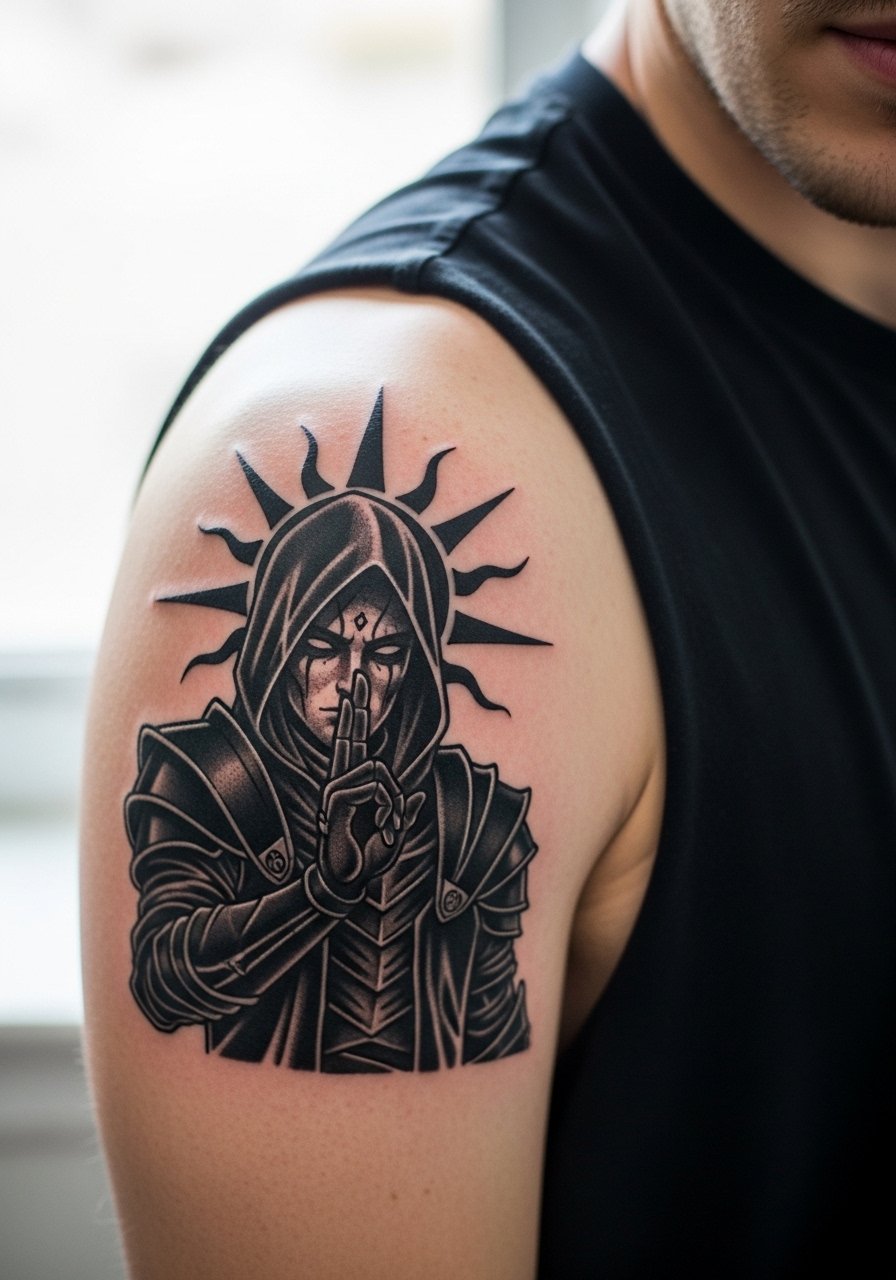
This design reads great when you go for bold black outlines and silhouette-style shading. The upper arm tolerates saturation and stays visible under shirts, which is why the meme-style pose looks triumphant in real life too. Tell your artist you want strong contrast and avoid tiny decorative rays that can merge over time. Session feels like a moderate 3 to 4 out of 10 for pain, and most of these are single-session pieces if kept under three inches. Pair with a sleeveless muscle tee to show it off without crowding the shape.
4. Patches the Spider Neo-Traditional Caricature on Calf

Neo-traditional line weight and selective color accents make Patches playful without gore. The calf is forgiving for color and heals with less rubbing than ankles. Ask for slightly thicker outlines and restrained color saturation so the design keeps definition through runs and shorts season. Biggest mistake is cramming too many tiny facial details into a 2.5 inch patch, which age poorly. Expect two sessions if color is added. Show-off pairing works with rolled jogger pants in olive for a casual, gamer-ready look.
5. Chosen Undead Silhouette Micro-Realism on Collarbone
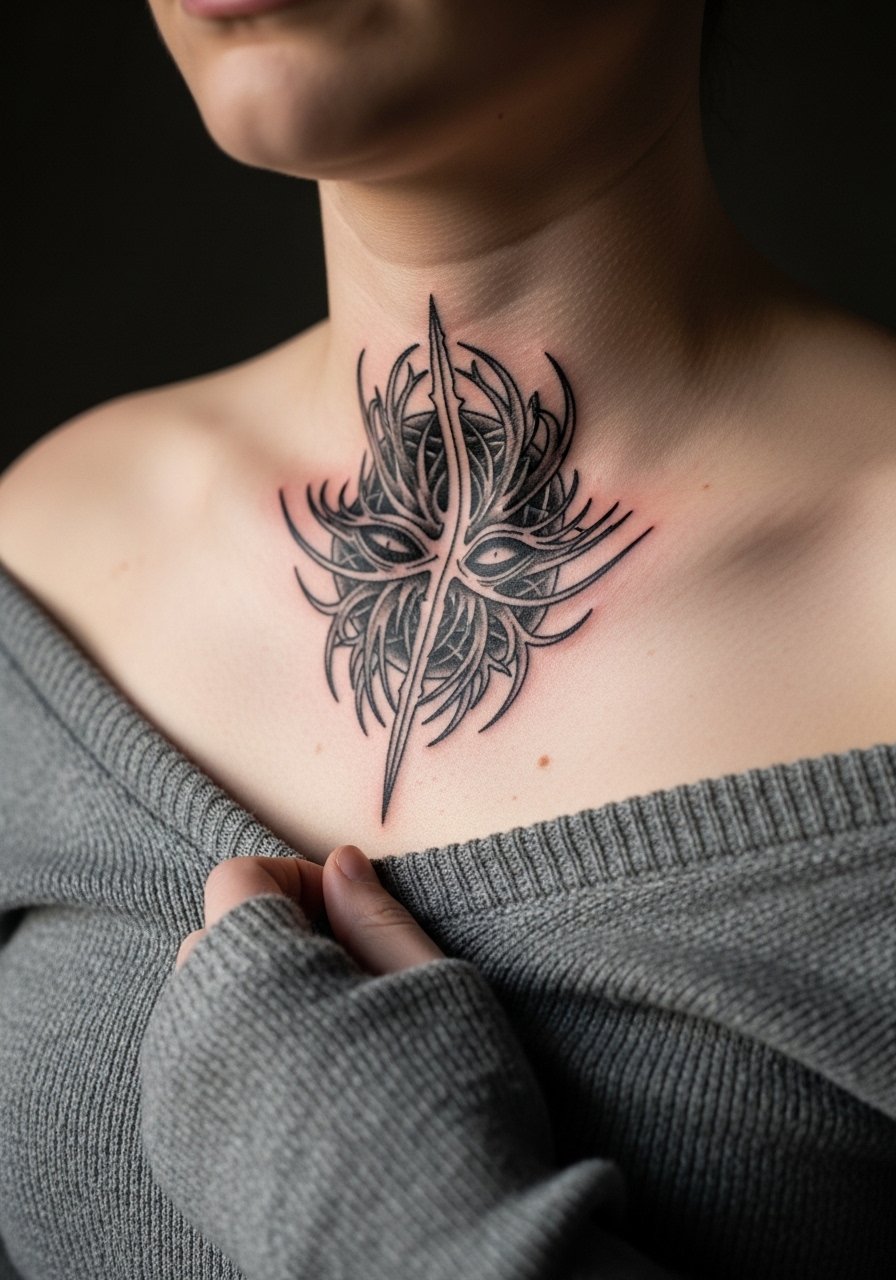
Collarbones are flattering for small, silhouette-focused pieces that read as icons rather than portraits. I like the micro-realism silhouette here because the location flexes less than the forearm, so linework keeps shape longer. Tell the artist you want negative space around the figure so the silhouette does not visually merge with shirts or necklaces. Pain tends to be a 4 to 6 depending on your bone sensitivity, and touch-ups at year three are common if you sit in sun often. For sessions, wear an off shoulder sweater or a loose button-down so the area is easy to expose.
6. Abyss Watcher Black and Gray Realism on Outer Forearm
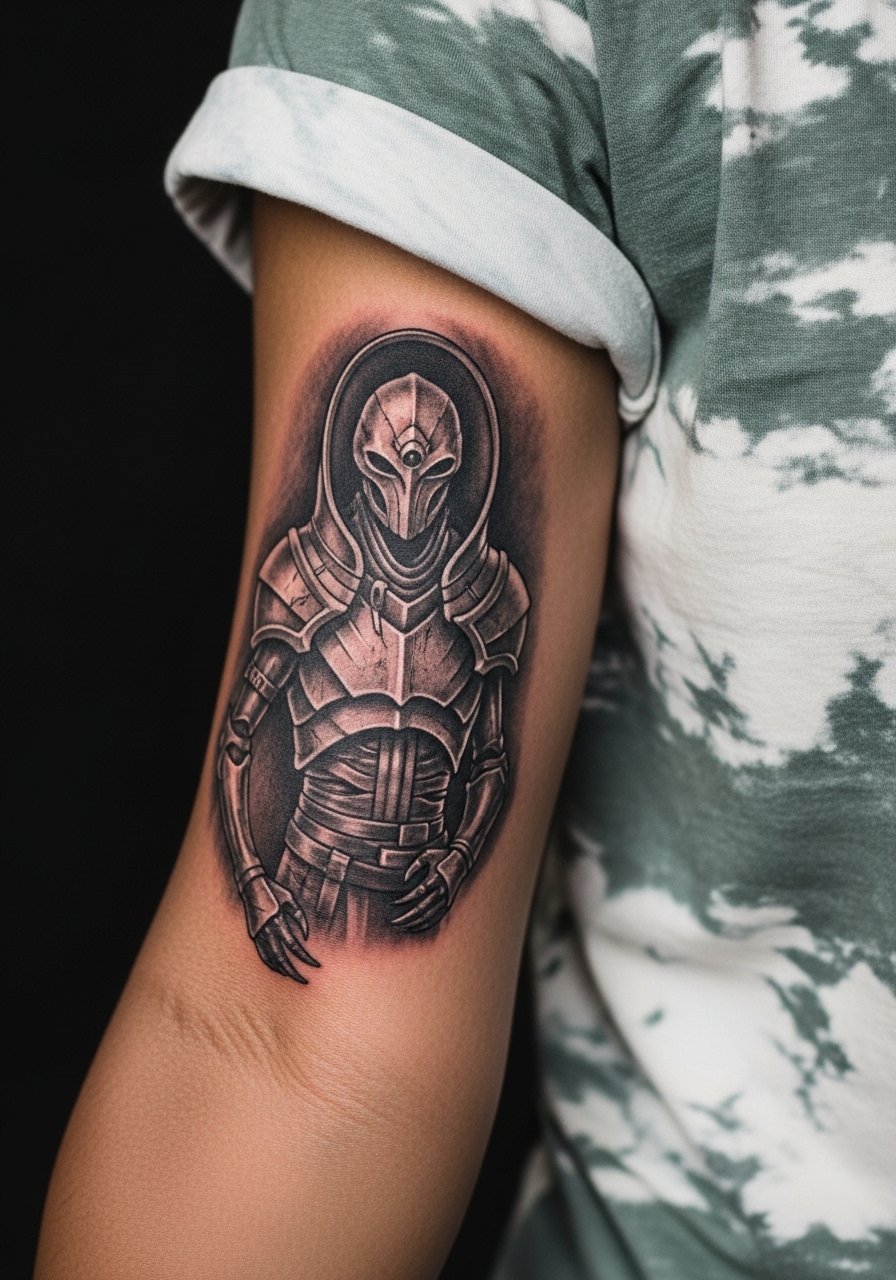
Realism of the Abyss Watcher benefits from a slightly larger scale on the forearm so shading has room to breathe. The common misstep is compressing a full helmet and flames into a tiny patch, which turns into visual mud after a year. For durability ask for denser blackwork anchor points and stipple shading in the shadows rather than tiny crosshatching. Sessions are usually one to two depending on size, and outer forearm pieces hold saturated black well. For the appointment, grab a loose short sleeve athletic shirt so the artist can roll or pull aside the sleeve without tugging.
Studio Day Picks
Those first six pieces include high-friction spots like wrists and forearms and deeper shading like the Abyss Watcher. A few prep and niche aftercare items smooth the session and the first week.
-
Tea tree balm from indie UK brand. Favored by some for anti-itch relief on rib and thigh work without the greasy buildup that can bother fine line pieces.
-
Kangaroo leather aftercare wrap. Breathable wrap option that one user found helpful in humid conditions for lower leg and calf tattoos.
-
Japanese rice bran oil salve. Recommended by some artists for blackwork on darker tones because it hydrates without a shiny film that hides detail.
-
Indie mushroom extract serum. An experimental choice some people use during the later stages of healing to reduce itch without heavy ointment.
-
Hustle Butter original. Lighter than thick ointments for the first few days, useful for forearm and wrist pieces that need moisturized but breathable care.
7. Solaire Helmet Ornamental Linework on Ankle
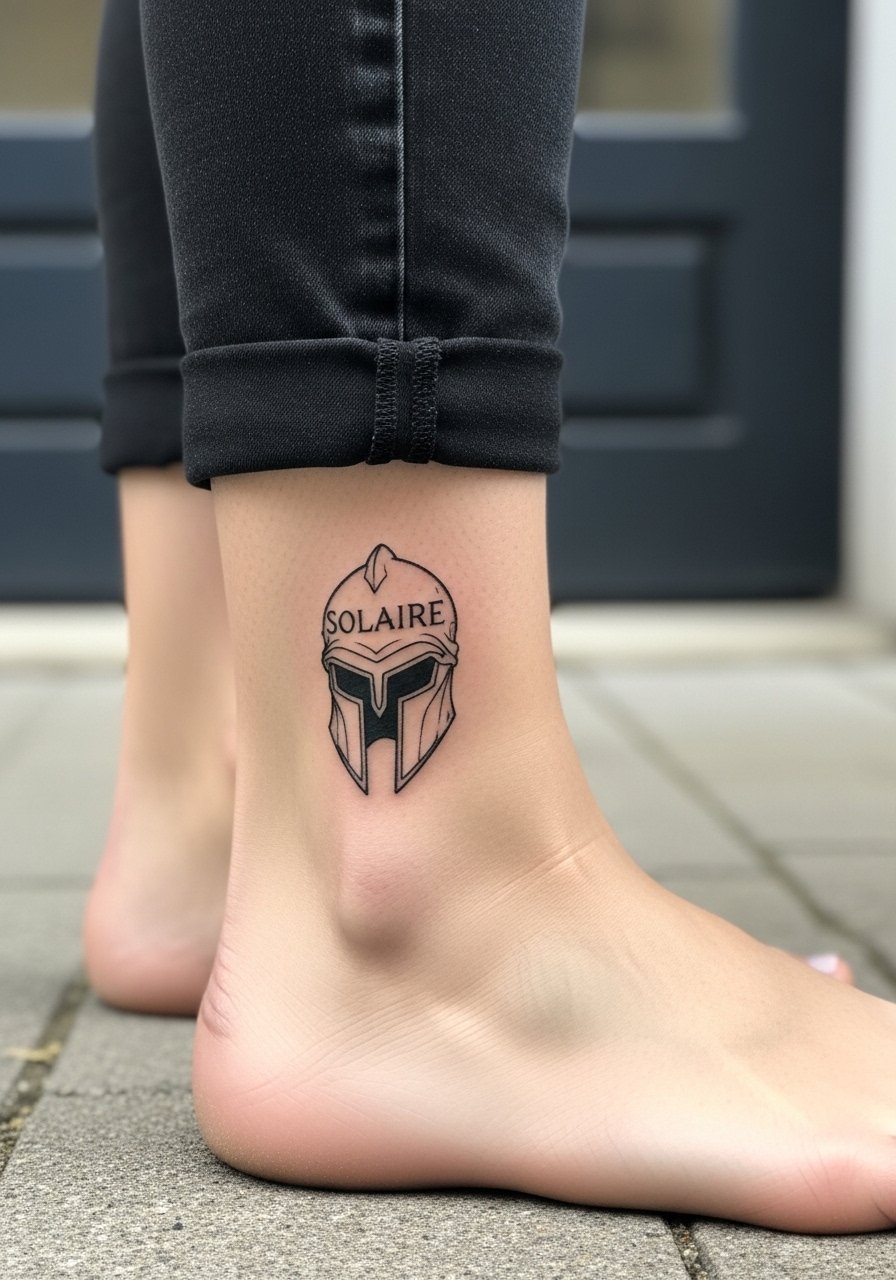
Ankle placements reward minimalist ornamental work because visibility is seasonal and pain is moderate. The common error is going too tiny with single-line helmets, which can break up during walking and shoe rub. Ask your artist to set the line weight slightly thicker than a delicate trace so it survives socks and shoe collars. Healing can feel scratchy during shoe breaks, and touch-ups at year two are not unusual. For showing it during summer, pair with cuffed chino pants or canvas boat shoes.
8. Firelink Shrine Fine Line Architecture on Ribcage
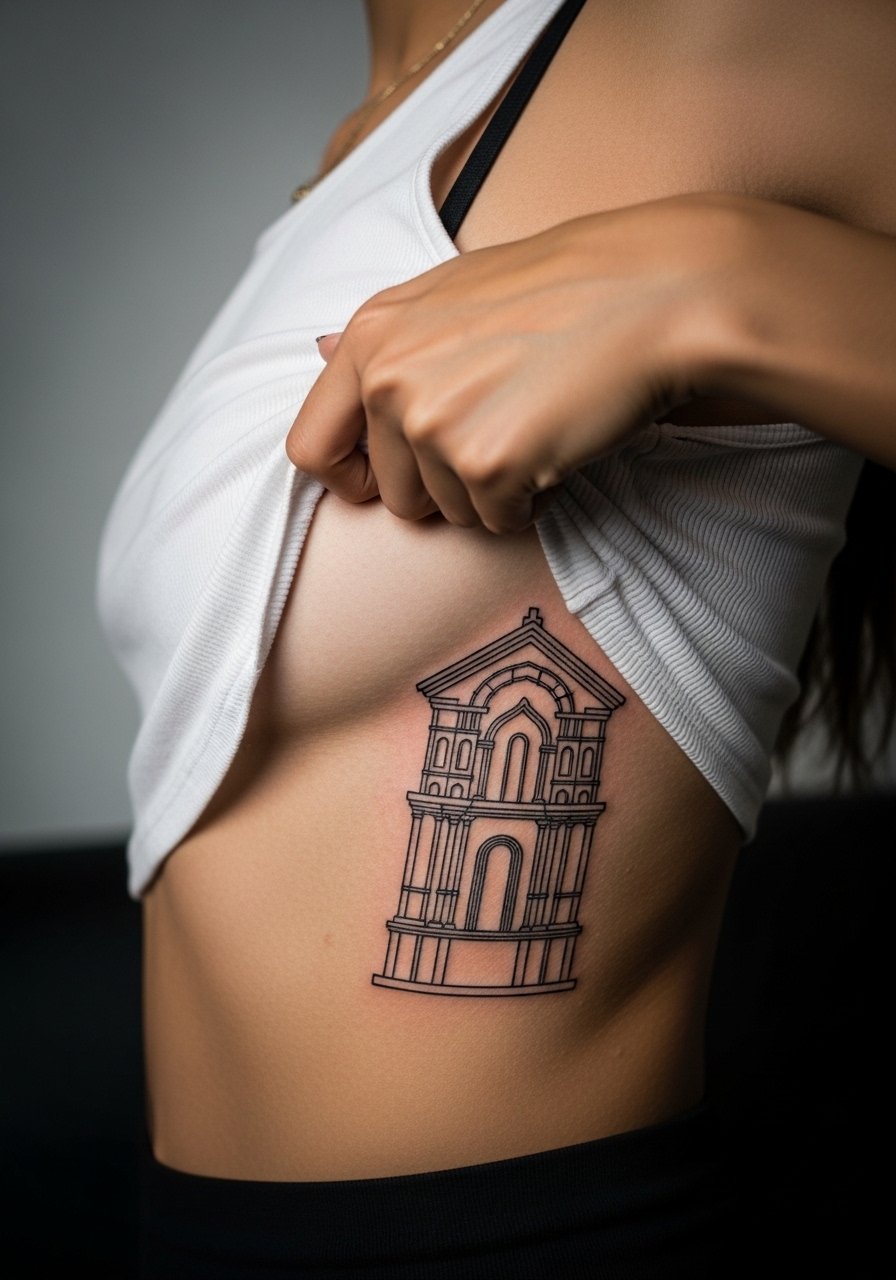
Ribcage architecture looks cinematic but it is a high-pain, high-movement zone for breathing. The decision here is whether fine line will hold on your skin type. If you value pristine, crisp windows then plan for a touch-up at year two. The biggest mistake is packing dense detail into a small rib rectangle, which blurs as the skin stretches while you breathe. Schedule multiple short appointments or a single longer session with breaks. For the session wear a loose tank or button-down so you can lift the fabric without worrying about full exposure.
9. Gwyn's Lord Soul Symbol Blackwork Circle on Shoulder
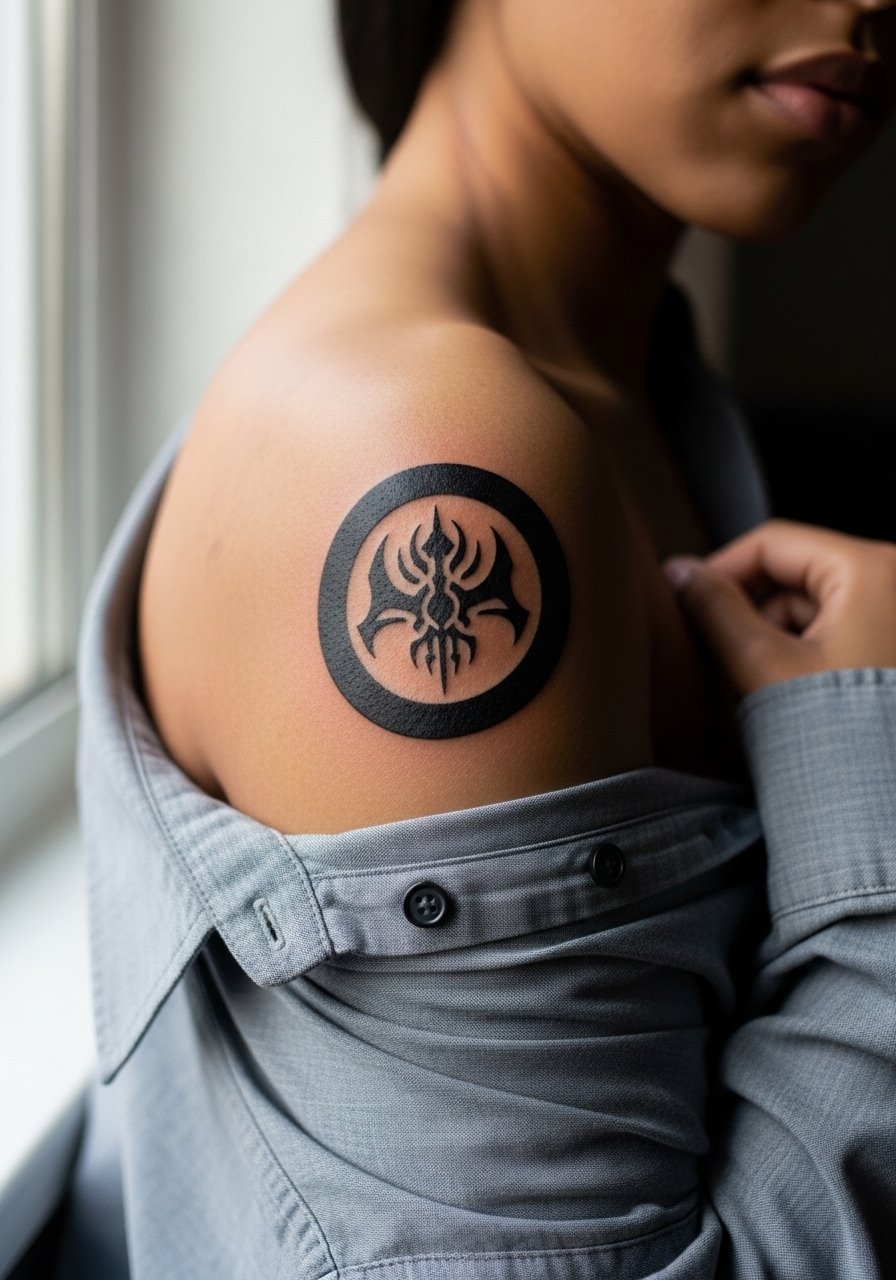
Geometric blackwork shines on rounded shoulder planes because saturation reads clean from across a room. Ask for crisp outer edges and an intentional center negative space so the circle does not look like a solid blotch over time. Shoulder work is low pain and tends to heal with strong saturation if you avoid heavy sun for a month. Common mistake is asking for too much micro-detail inside a two-inch circle. For the session, a loose button-up shirt that you can pull aside works best.
10. Artorius Hollowed Face Micro-Realism on Inner Thigh

Inner thigh portraits can be intimate and worth the higher pain for privacy and scale. The skin here is forgiving for fine shading but it moves with weight fluctuations, so expect how the piece sits to change if your body changes. Tell your artist whether this will be a private piece or one you might show at cons because that affects composition. Sessions are moderate to intense depending on placement depth, and most people need two sessions for detailed micro-realism. Bring loose shorts for the session so the artist can access the area without fabric strain. Note that inner thigh work sometimes requires a specialist comfortable with intimate placements.
11. Estus Flask Icon Ignorant Style on Back of Neck
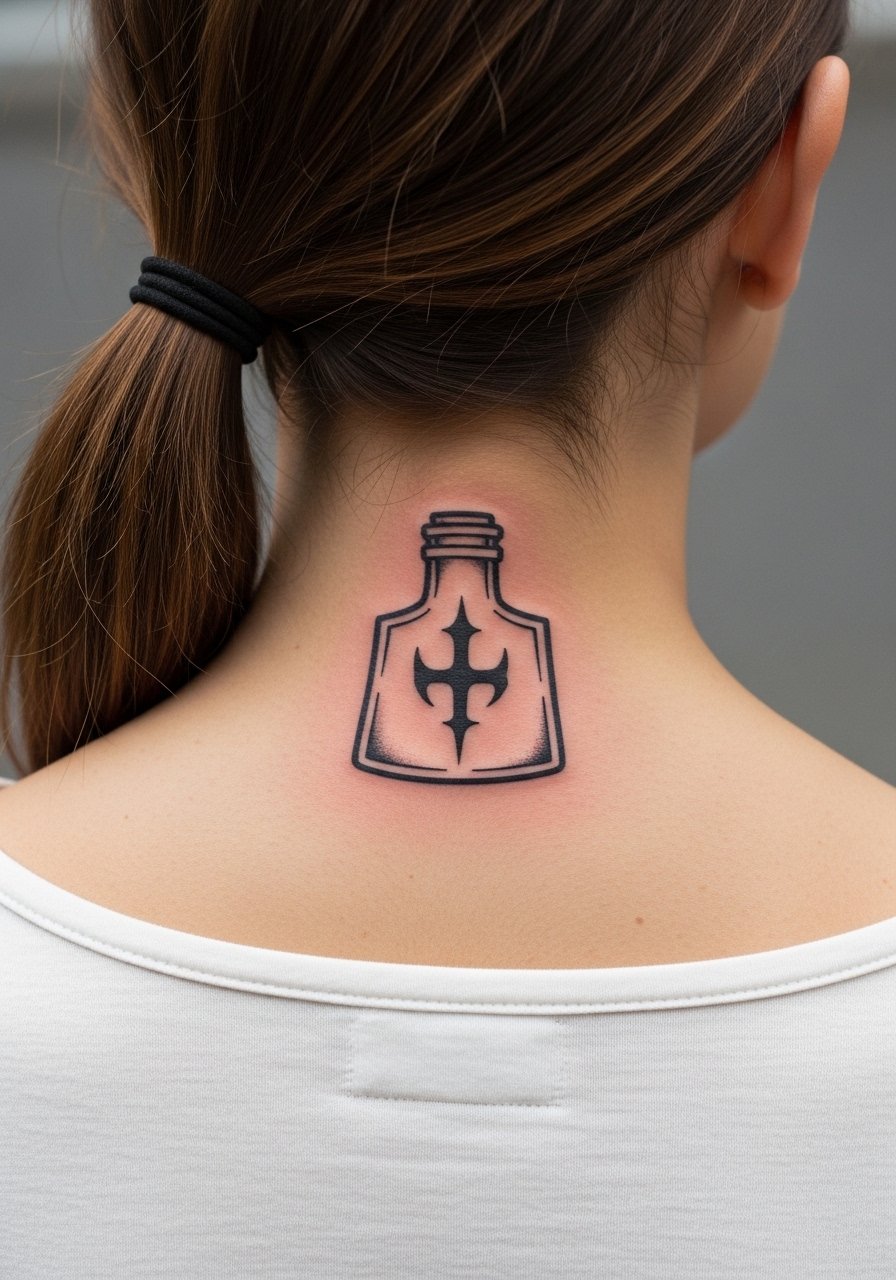
A back-of-neck Estus works when you want a playful, hidden badge that pops when your hair is up. The ignorant style allows for bold outlines and little color so the vertical shape reads under collars. Tell the artist you want strong outer contour and minimal interior detail to prevent blurring from collars and hair friction. Pain is short and sharp for most people, and healing is straightforward if you avoid tight collars. For showing it off, try a thin black choker or put your hair up in a low ponytail.
12. Moonlight Greatsword Blade Fine Line on Upper Thigh

Weapon designs work when scaled to give the blade breathing room. The controversy around fine line applies here too. One group defends fine line for elongated weapons if done with proper spacing and depth. The opposing group prefers thicker outlines for small blades to avoid early blending. Ask how your artist sets needle depth and spacing for long vertical lines. Expect moderate pain and a single longer session for a four-inch piece. Wear loose drawstring shorts for the appointment so the artist can shift fabric without tugging. If you prefer a sharper long-term silhouette choose a slightly bolder outline with interior delicate fill.
13. Covetous Silver Serpent Ring Ornamental on Finger

Finger work is niche and high-wear. Lines on fingers can migrate faster because of constant hand washing and knuckle movement. If you choose a ring-like serpent keep the band slightly thicker and avoid tiny scales that will blur. Ask for bold anchors at the start points and plan for a touch-up in the first 12 to 18 months. Pain is brief and sharp. Consider the UV ink variation if you want a glow under blacklight for con nights, but know it fades faster. Hand tattoos can affect some professions, so weigh visibility against personal and career choices.
14. Moonlight Greatsword Miniature Blade on Outer Calf
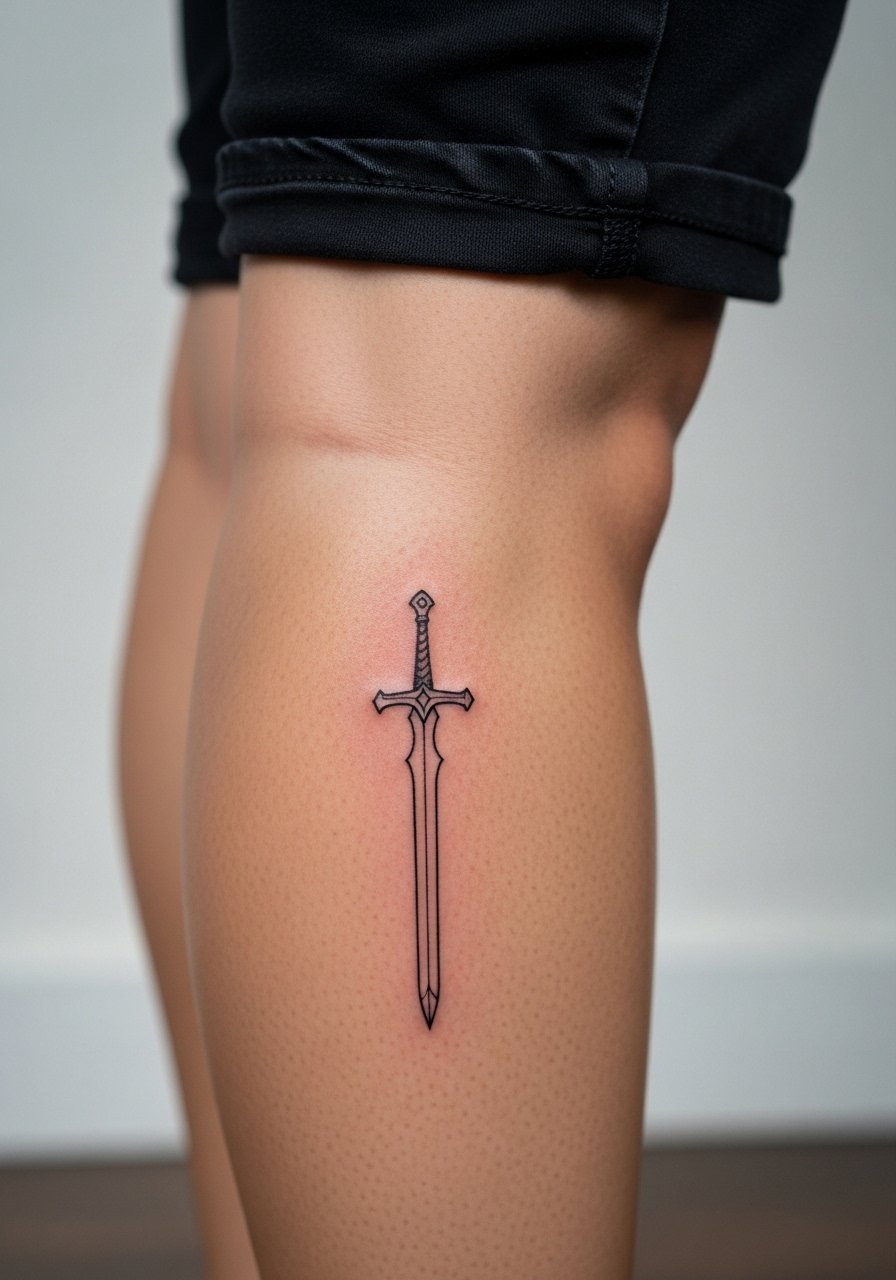
The calf is an underrated spot for blades and weapons because movement is less constant than the forearm. A 3 to 4 inch blade reads well and avoids the need for micro-line work. Tell your artist you want line anchors at the tip and base to reduce blowout risk. Expect low to moderate pain and a fast single-session completion. For summer reveal, pair with rolled athletic shorts or olive athletic shorts to frame the blade without crowding visual space.
15. Gargoyle or Boss Silhouette Micro-Realism on Upper Back

Upper back silhouettes let you go slightly larger without in-your-face visibility. The curvature of the shoulder blades helps the silhouette feel dynamic. Ask for negative space planning so the figure does not merge when you move. Mistake to avoid is compressing too much facial or armor detail into a small silhouette. Sessions are moderate in pain and usually single to double depending on scale. For the session, bring a loose tank top you can pull down or into a shoulder-friendly arrangement.
16. Estus Flask Tiny Icon on Back of Hand

Back-of-hand pieces age fast because of constant exposure and scrubbing. For a tiny Estus keep the design bold and simple so it reads even as some fading happens. The common complaint is delicate interior detail washing out within a year. Ask the artist for a compact silhouette with strong edges and expect touch-ups at year one or two. Pain is brief and the session is quick. Remember that hand tattoos are still sensitive in certain workplaces, so factor visibility into the choice.
17. Moonlight Greatsword Stylized Hilt on Collarbone
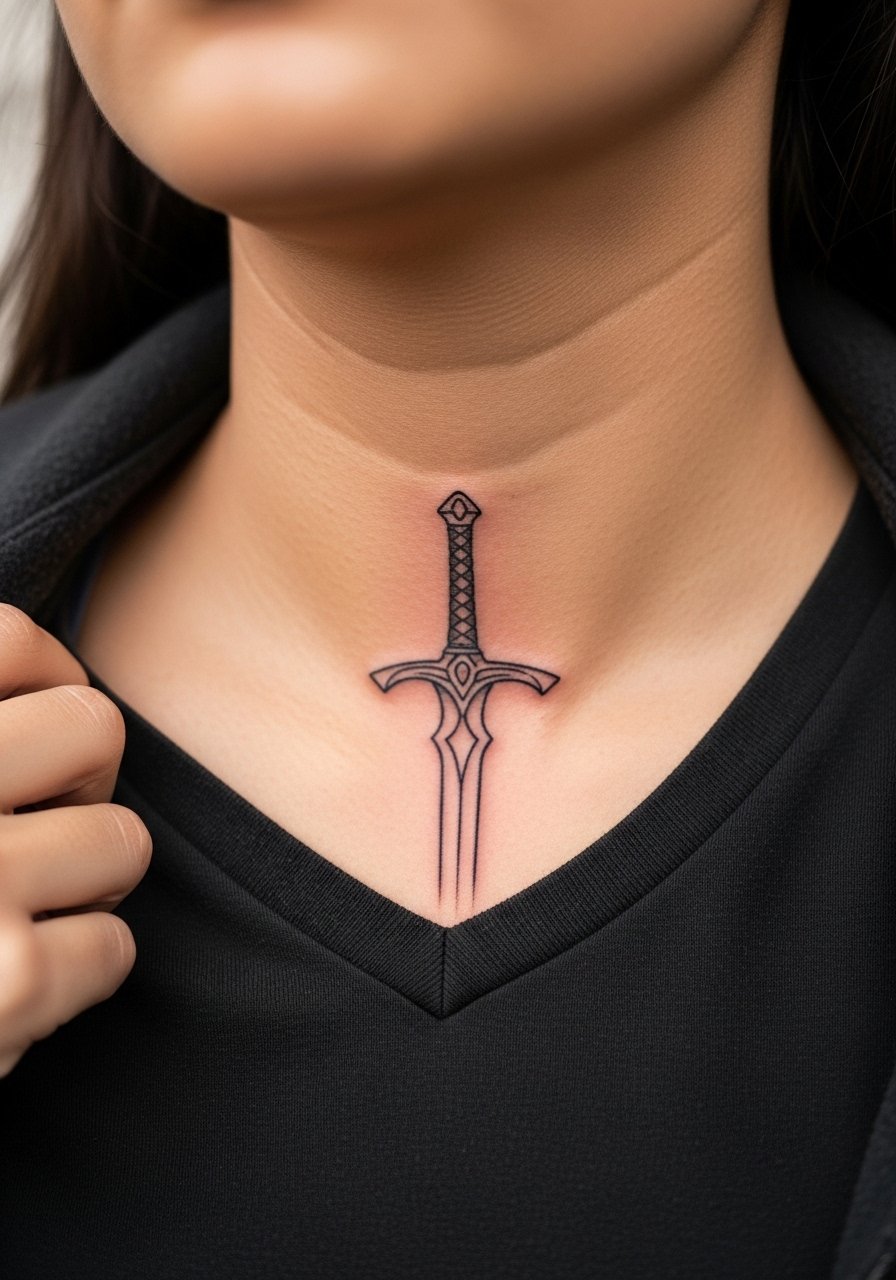
A hilt detail near the collarbone lets you nod to the weapon without a full blade. The collarbone holds edges well if you allow negative space around the ornament. Tell the artist to avoid tiny filigree that will close up and ask for slightly thicker primary lines. Sessions are short and pain is moderate. For showing the piece, a deep V neck black top frames the ornament for evenings out.
18. Thief or Covetous Symbol Small Script on Rib Side
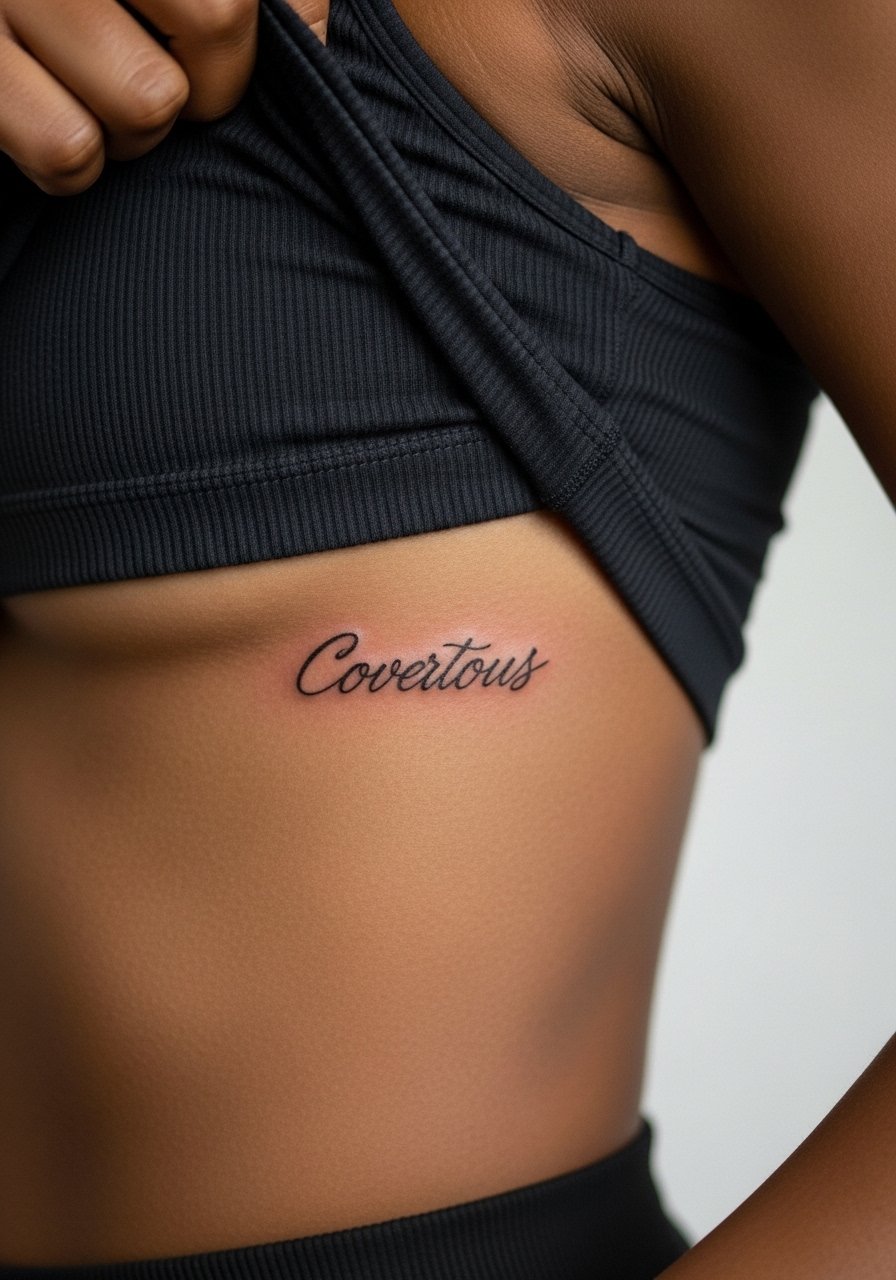
Rib-side script is intimate and reads best when scale is generous enough for letter spacing. A common mistake is compressing a word or numeral into a tiny band, which blurs as skin moves. Discuss exact lettering size and font with your artist and test a stencil on skin to check scale. Expect higher pain because of proximity to bone and breathing motion. For the session, wear a fitted sports bra so the artist can access the area without full exposure.
19. Minimalist Bonfire with Color Ember Accent on Inner Forearm
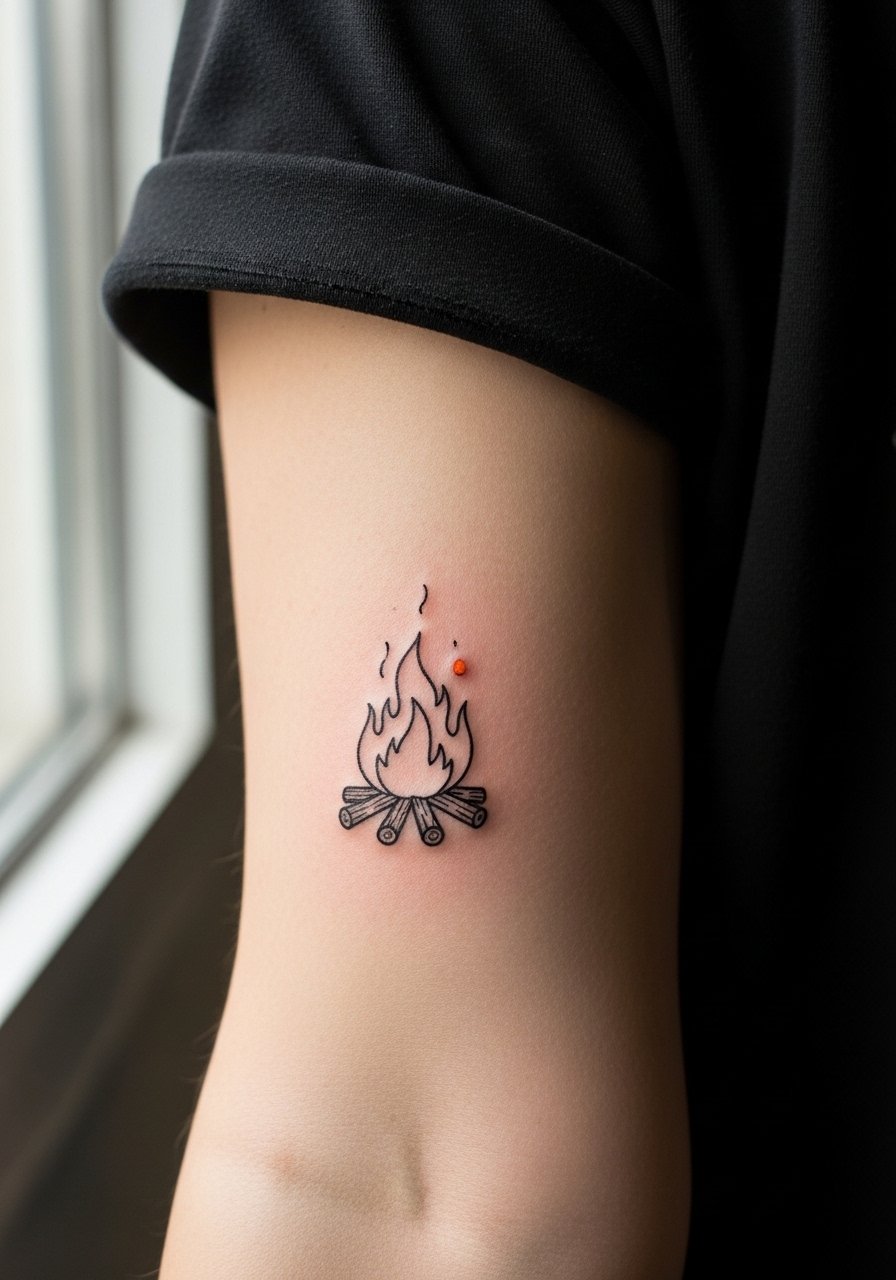
If you want a subtle pop, add a restrained ember color to a black bonfire outline. Inner forearm movement makes ultra-fine embers susceptible to softening, so use a single saturated dot rather than stippled micro-dots. Tell your artist you want color anchored to black outlines to prevent feathering. Pain is low and sessions are short. For the appointment, a charcoal gray tee with rolled sleeves keeps everything accessible.
20. Thigh Sif Portrait Hidden for Work

Upper thigh placements are perfect for larger portraits you can hide for work. The skin here accepts shading well and avoids the constant movement that blurs wrist pieces. The error is expecting a one-hour quickie for a high-detail portrait. Plan for two sessions and expect moderate pain. If privacy is your goal, discuss composition so the piece stays concealed under normal clothing. For the session, wear high waist athletic shorts you can shift comfortably.
21. Respawn Reminder on Scar Cover-Up, Subtle Bonfire Blend
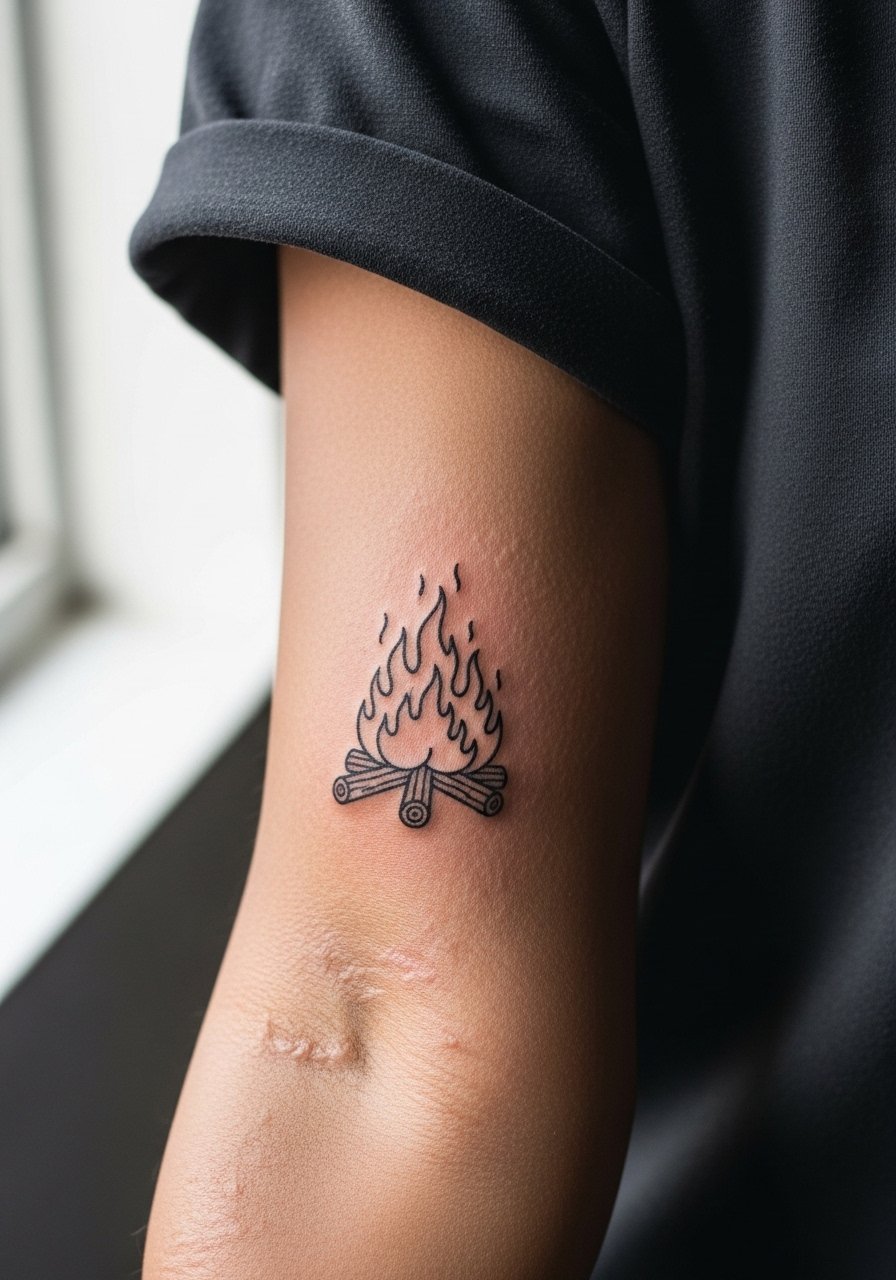
Using a bonfire to cover or frame scar tissue can be meaningful and practical. Scarred skin takes ink differently, so an experienced hand will plan varied line weight and slight texture to blend the tattoo into surrounding skin. The biggest mistake is treating scar tissue like normal skin and expecting identical saturation. Touch-ups are more likely and may be needed sooner. During consultation bring clear photos and ask the artist about their scar work. For the appointment pick a loose short sleeve athletic shirt so the arm can be adjusted easily without pressure.
Frequently Asked Questions
Q: Will a small bonfire on the wrist fade fast and need touch-ups?
A: Wrist bonfires are practical and iconic but the wrist moves and sees a lot of washing. Bold outlines with slightly heavier line weight age much better than fragile single-needle traces. Expect a possible touch-up in two to three years for fine details, and plan for sun avoidance during the first month for saturation retention.
Q: How do I decide between a fine line Sif portrait and a micro-realism Sif on the inner thigh?
A: Fine line portraits are intimate and need more frequent touch-ups on high-movement spots like wrists. Micro-realism on the thigh gives you scale, richer shading, and longer visual fidelity. If privacy and longevity matter, the thigh micro-realism route is the safer choice.
Q: Are blackwork boss silhouettes better for darker skin tones than fine line portraits?
A: From what I have seen, bold blackwork translates more reliably across a range of skin tones because contrast is easier to photograph and it resists early blurring. If you want more detail on darker tones, ask for strong anchor lines and slightly larger spacing so shading remains legible.
Q: What should I wear to a ribcage Firelink Shrine session?
A: Wear a loose tank or a button-down you can lift or pull aside so only the rib area is exposed. A loose button-down shirt works well because you can keep the rest of your torso covered and comfortable during breaks.
Q: How do I find a guest spot or specialist for an Abyss Watcher realism piece without long cancellations?
A: Use hashtags like #DarkSoulsTattoo and #BlackworkSouls on Instagram for style matches, watch TikTok healing reels for guest spot announcements, and check convention listings on Eventbrite. Have two or three backup shops in your city and be prepared to travel for a guest spot if someone cancels.
Q: Do finger and hand tattoos require different aftercare than forearm work?
A: Finger and hand tattoos see more friction and washing, so they often need earlier touch-ups and more careful early protection. The specific aftercare products I mentioned in the Studio Day Picks can help, and your artist will give timing and application guidance based on that placement.