
Fine line skulls and tiny blackwork have been the vibe on saved boards, but the reality is they can age very differently depending on placement and line weight. Small skull tattoos cost more than a quick glance suggests, and finding someone who can hold tiny detail without causing blowout is the real trick. Read the first idea for a tiny sugar skull you can tuck away, and then pick what fits your lifestyle.
1. Minimalist Sugar Skull Behind the Ear

This tiny Día de los Muertos nod works best when kept to one inch or less. I recommend asking your artist for clean single-line work and to avoid heavy shading so the design reads when it settles. Common mistakes are packing too much ornament into a tiny space, which blurs at year two. Behind the ear has low friction but higher sun exposure if you wear your hair up. For the session, tie hair back and bring a few small hoop earrings so you can see how the piece sits with jewelry when it heals.
2. Tiny Tribal Skull on the Wrist
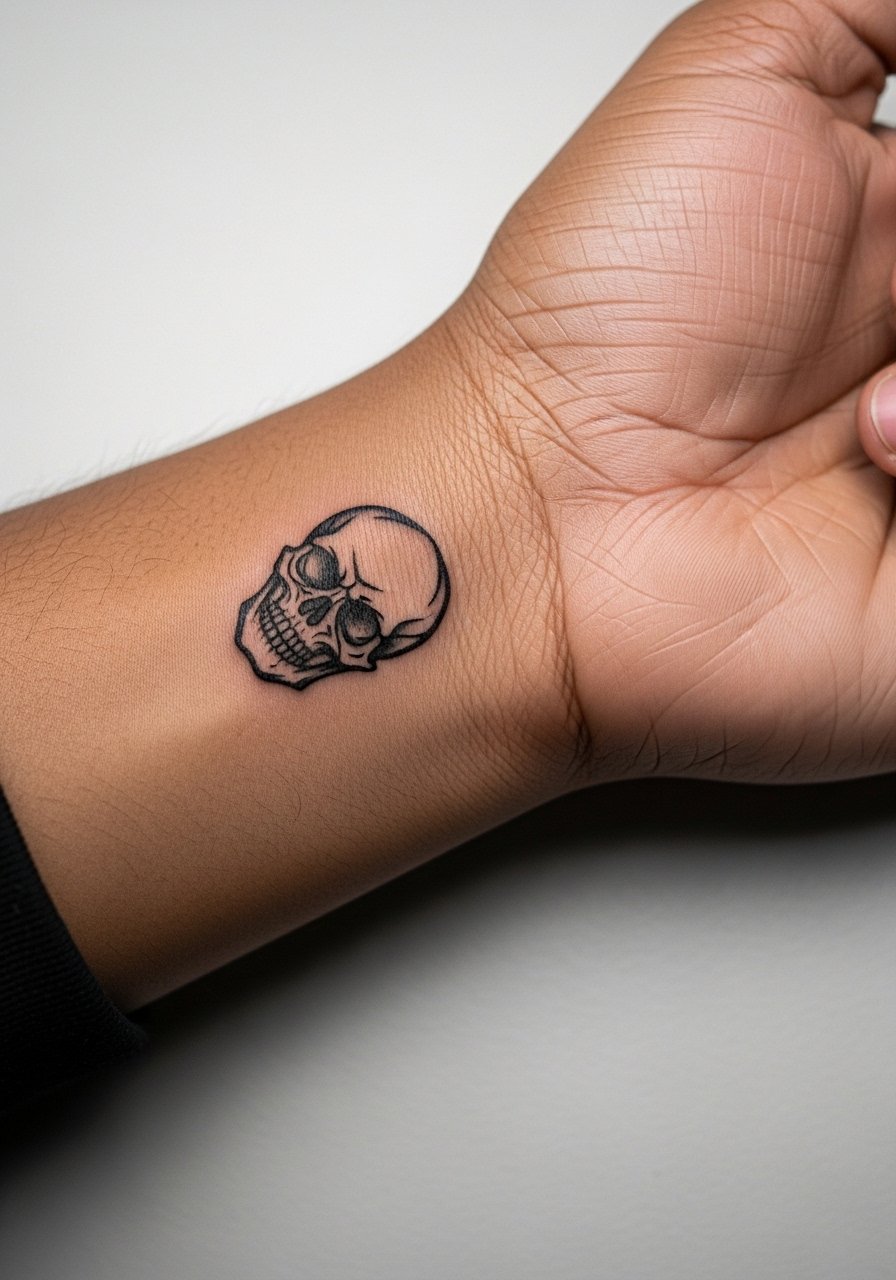
Tribal patterns give a lot of texture in a very small skull, which helps it read from a distance. Tell your artist you want bold linework rather than hairline strokes, because wrists see a lot of washing and rubbing. The pain is brief but sharper here, and sessions are usually under an hour. A common regret is choosing fine dots that disappear into skin texture. For showing the piece off, pair it with a thin chain bracelet on the opposite wrist so the skull still reads without being crowded.
3. Small Skull with Flowers on the Ankle

This balances mortality with softness, and the ankle lets color pop against skin. Ask for slightly larger petal negative space so the flowers do not merge with the skull after a year. The ankle hurts more than most expect because of thin skin over bone, but sessions are short, often 45 to 75 minutes. A real mistake is packing in tiny color dots, which can fade faster than linework. For easy reveal in summer, wear strappy ankle sandals or cropped pants to frame the piece when it heals.
4. Miniature Skull with Crossbones on the Shoulder
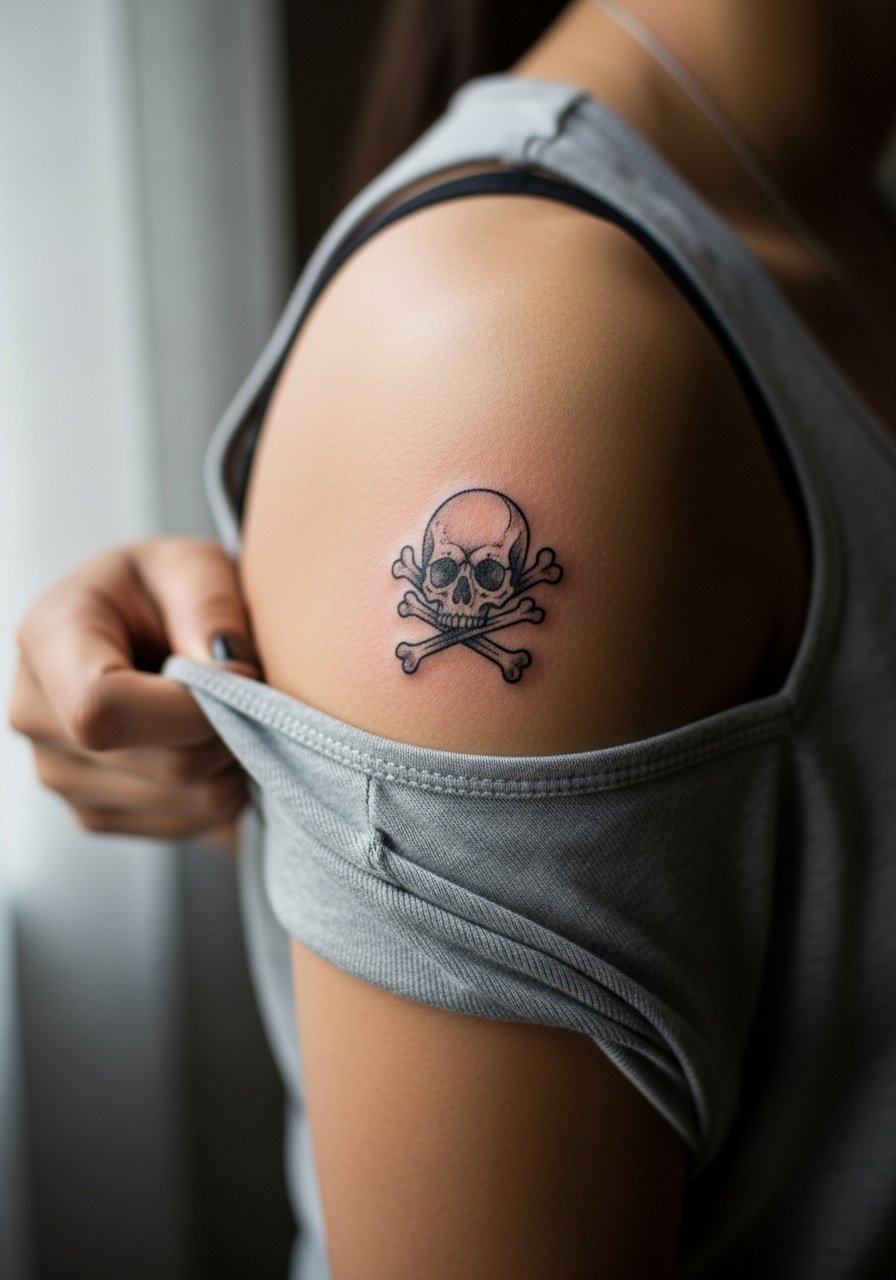
This one reads bold even tiny, because the crossbones provide clear silhouette. For longevity, insist on bold outlines and simple internal shading. Shoulder flesh is forgiving, so the pain is moderate and touch-up timelines are longer than on hands. A mistake is asking for thin micro-lines inside the skull. During the session, wear a loose tank top you can pull aside so the artist has clean access without you getting chilled.
5. Delicate Skull Silhouette Behind the Ear
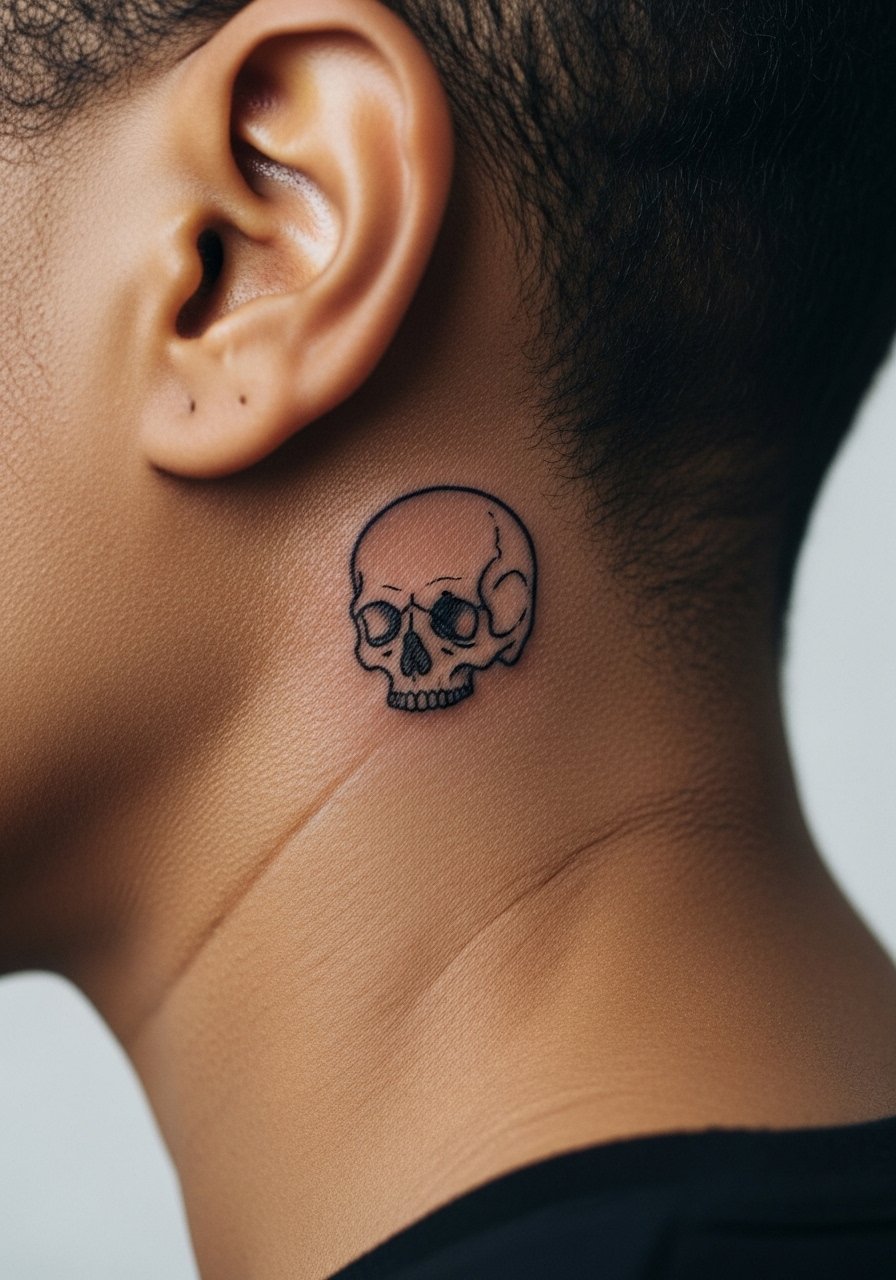
This silhouette is almost a silhouette charm. The common version that ages poorly uses too-thin linework, which can blur into a gray smudge by year three. Artists split into two camps on fine line longevity. One camp says fine line is meant to soften and that subtle aging is part of the aesthetic. The other camp insists on bolder line weight for lasting clarity. Ask your artist which approach they prefer and show healed examples on similar skin tones. For the appointment, have hair clips for an updo so you can keep the area exposed without tugging.
6. Outline Skull on the Wrist
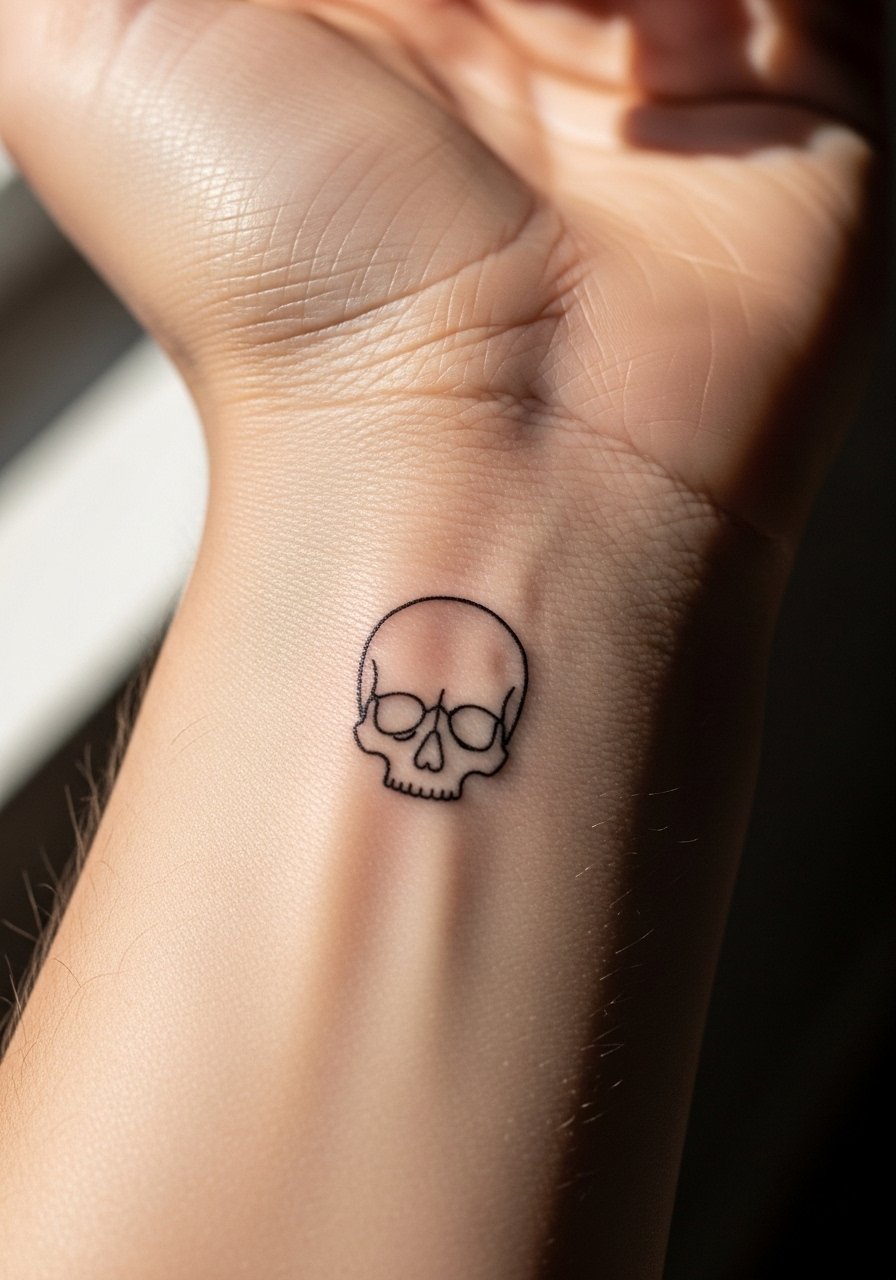
An outline skull is a daily reminder if you want something visible but subtle. For wrists, the big debate is fine line longevity. One camp says fine line on the wrist fades quickly from constant motion and washing. The other camp says proper depth and space keeps outlines stable. I recommend slightly heavier linework than you might pick from a mood board, and budget for a touch-up at year two. A typical mistake is insisting on ultra-fine lines that disappear. Wear a minimalist watch sparingly during the first two weeks so band friction does not scuff fresh ink.
7. Watercolor Skull on the Forearm
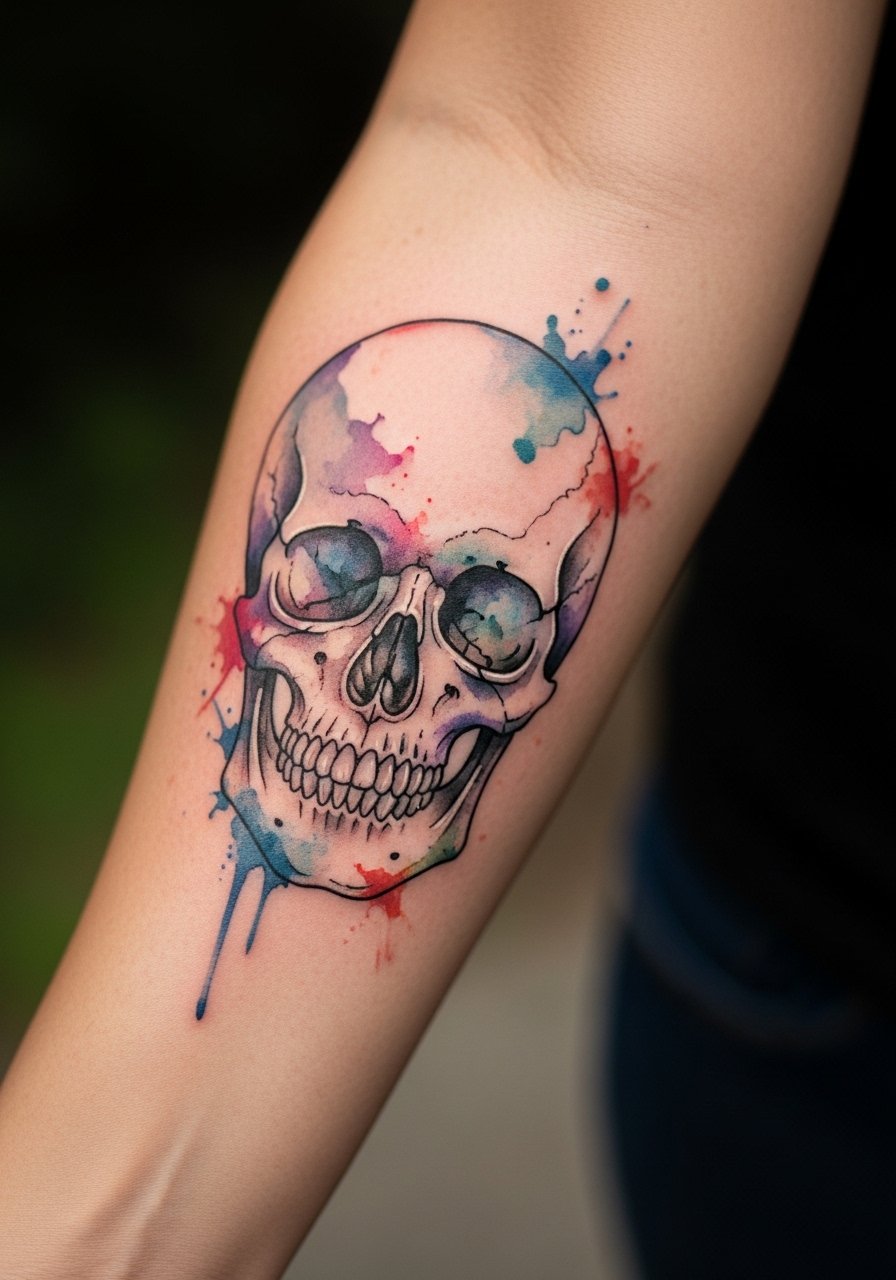
Watercolor brings playful color to a small skull, but it asks for honest expectations about fading. Larger washes soften at the edges over time so request color placement that complements linework, not replaces it. The forearm is forgiving and the session often runs one to two hours. A common error is asking for tiny watercolor fills that lose vibrancy in months. Roll sleeves for the appointment and plan to show it off with a rolled cuff button-down shirt so the color reads without competing patterns.
8. Minimalist Finger Skull
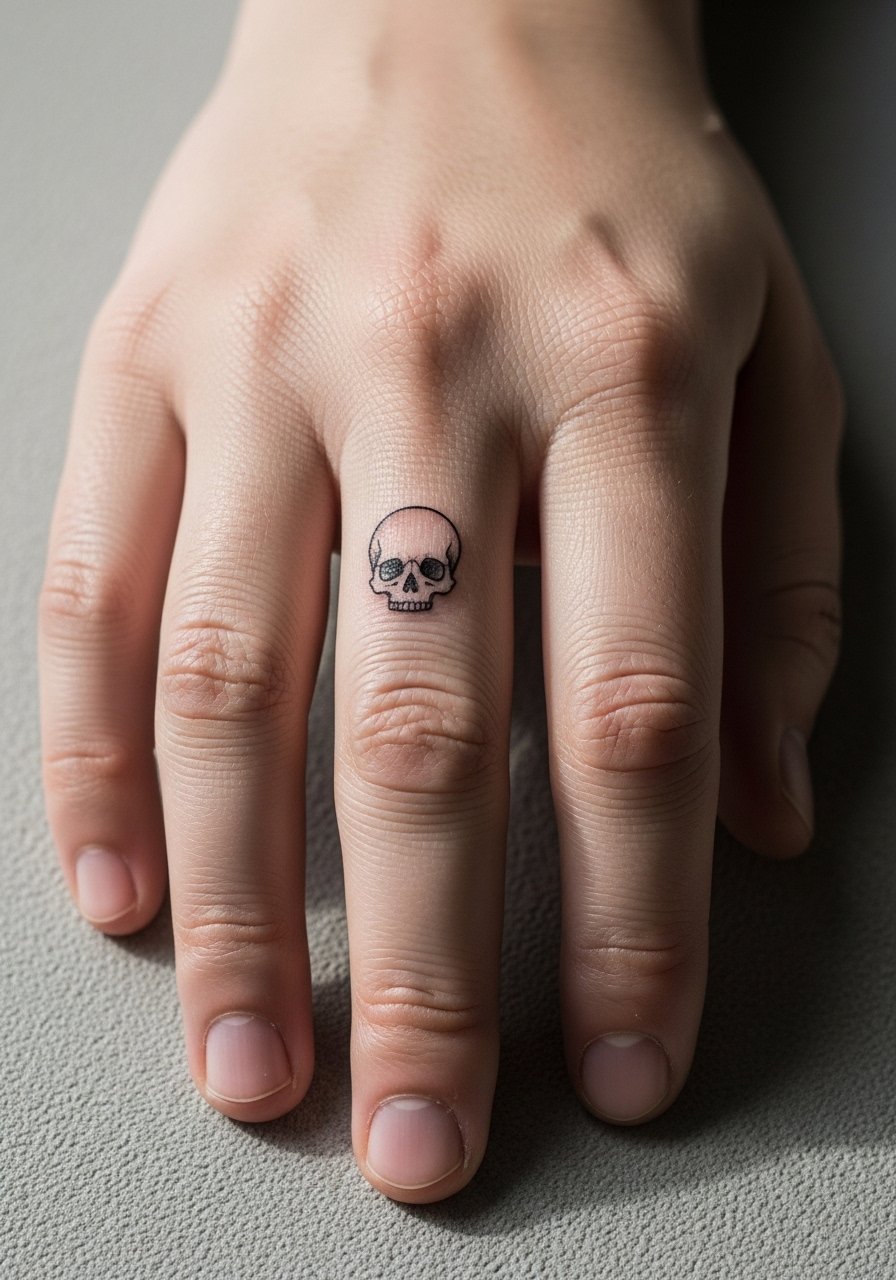
Finger tattoos are intimate but high-maintenance. Expect quicker fading from hand washing and friction, with touch-ups likely around year one or two. The most common mistake is making the skull too small for the skin canvas. Ask your artist for simplified shapes that avoid dense internal detail. The session is fast and painful in short bursts. For showing it off without overloading the finger, wear a thin ring set on other fingers, not the tattooed digit, and remove any rings during the appointment.
9. Cartoon Colorful Skulls on the Forearm
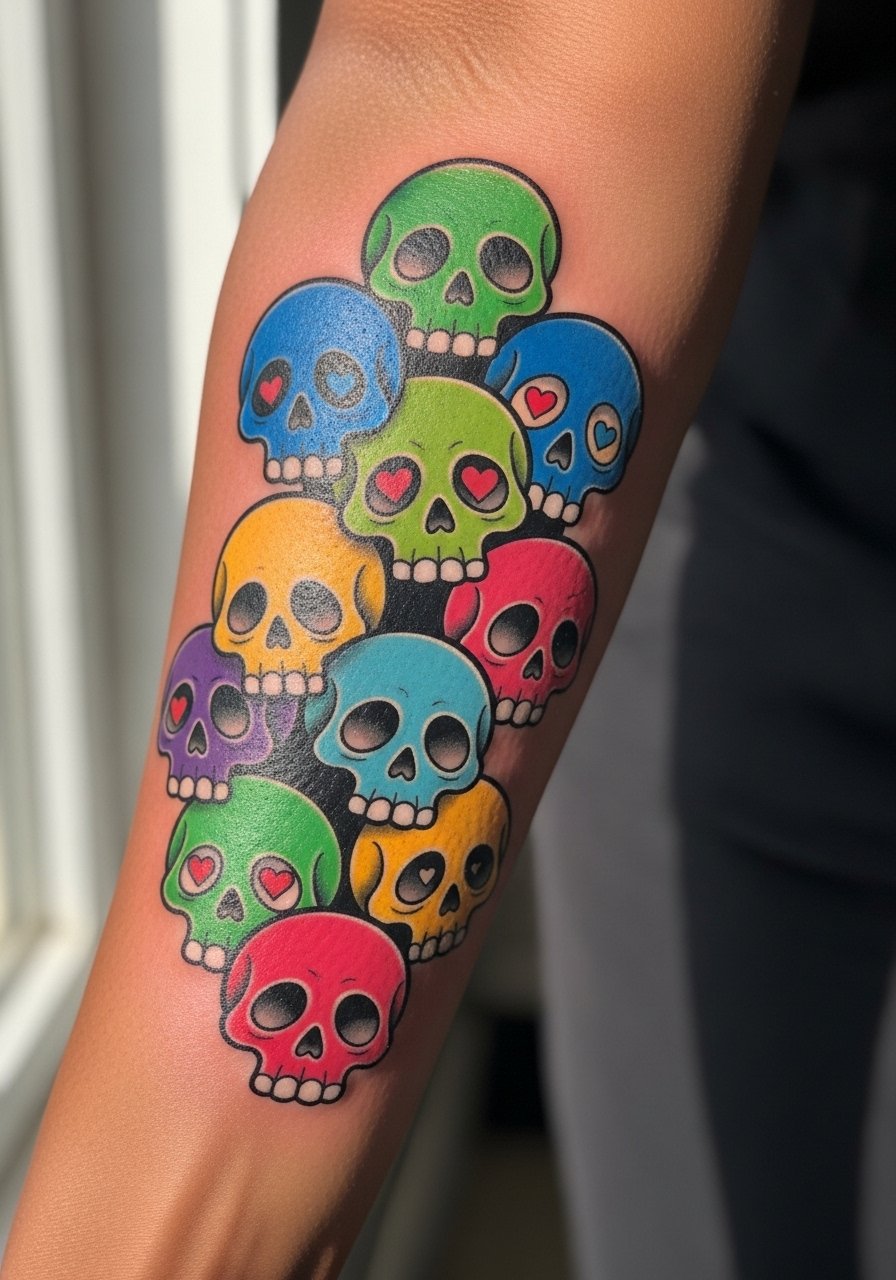
This is a fun route if you like humor with edge. Outline saturation keeps the cartoon shapes readable as the pigments soften, so request crisp black outlines with color fills. The forearm shows color well, but small multi-color elements can muddle if placed too close together. A real mistake is packing five tiny skulls into an inch. For session comfort, wear a loose long-sleeve shirt that pulls up easily so you do not irritate the fresh area while getting inked.
10. Geometric Skull for Wrist or Forearm
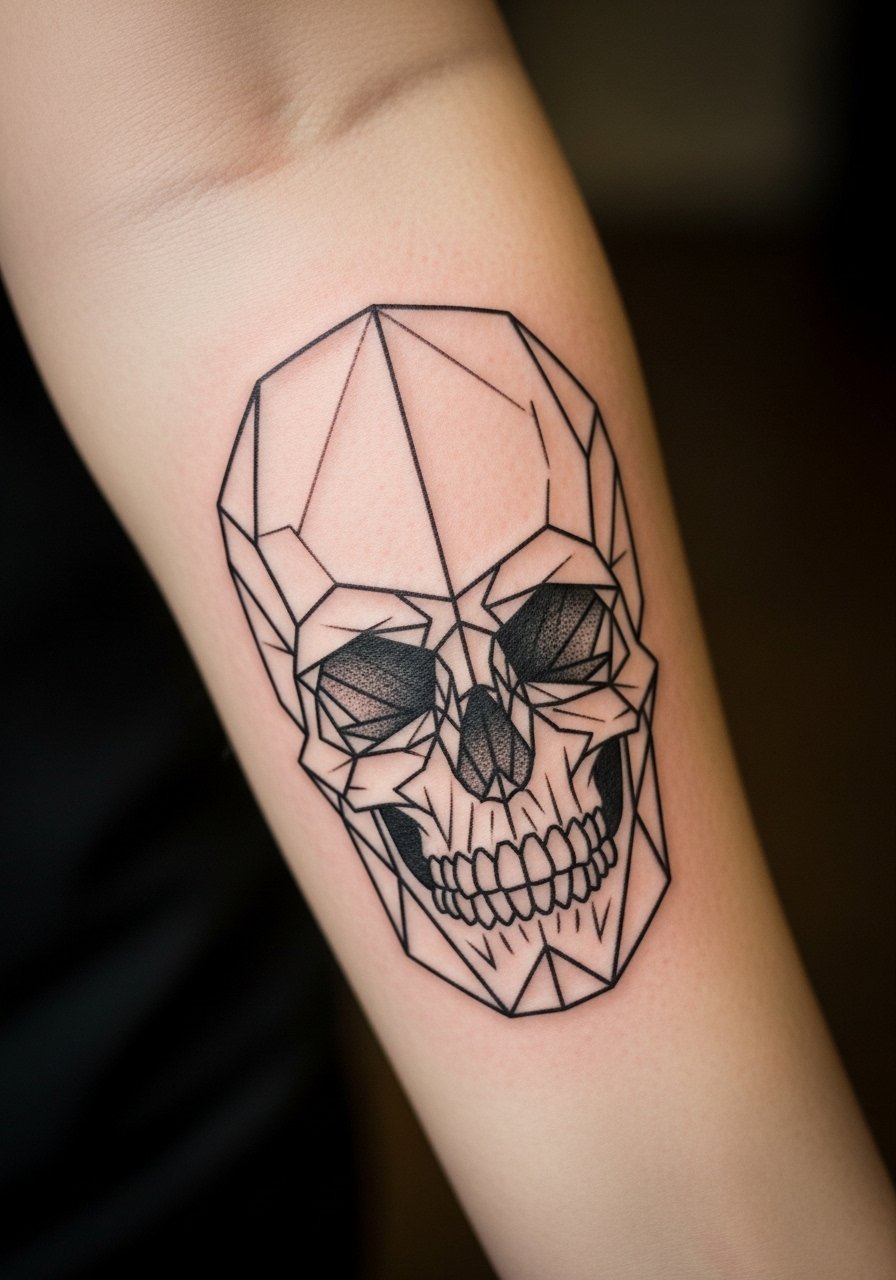
Geometric skulls demand space for clean negative areas, which prevents lines from merging as they age. The biggest mistake is scaling the piece too small. Artists disagree about how tight geometry can be on wrists. One camp warns that tiny angles blur within a couple of years. The other camp says with correct spacing and heavier linework it holds up. Tell your artist you want deliberate negative space and ask to see healed pieces on similar placements. For casual wear, a loose button-down shirt with rolled sleeves frames the geometry without competing.
11. Realistic Small Skull on the Chest
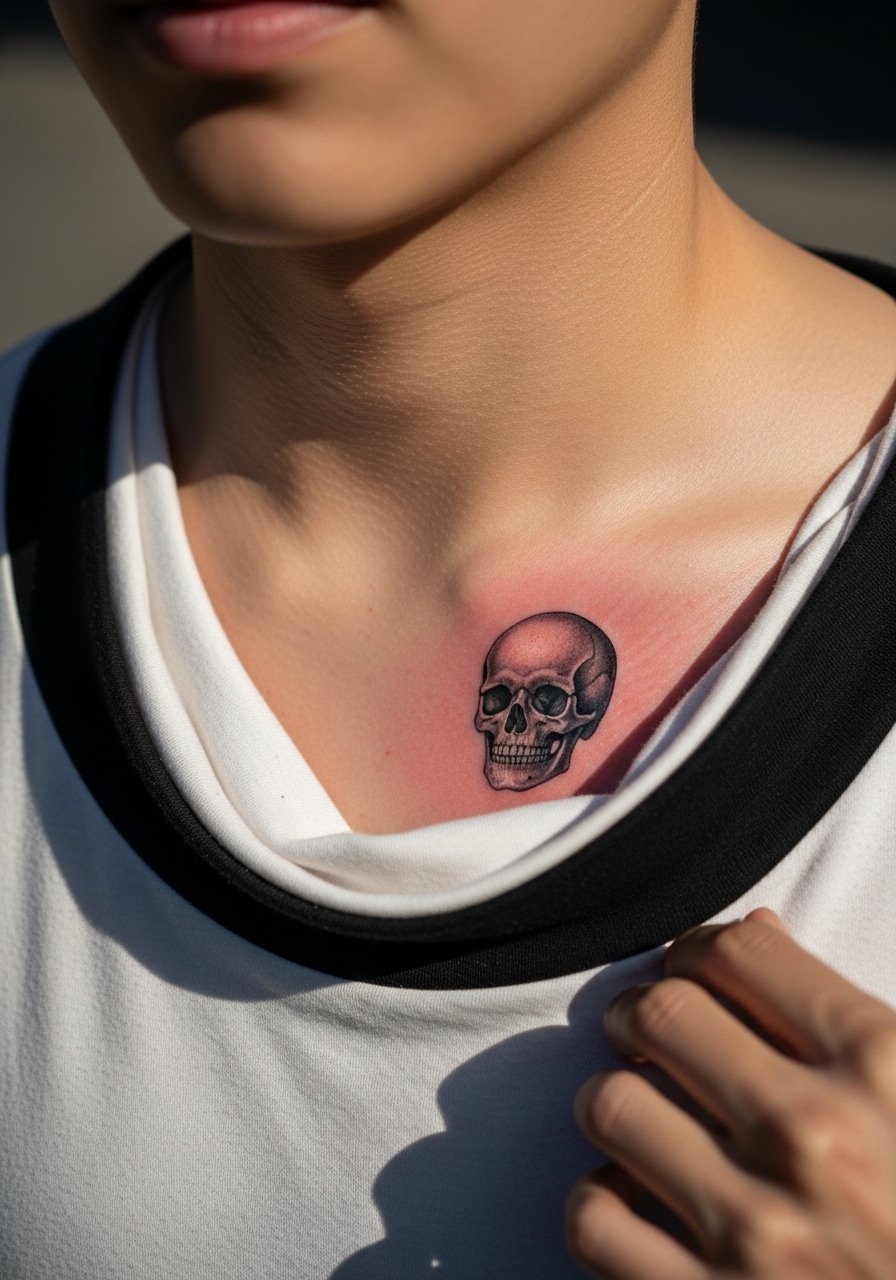
Micro-realism in small scale takes control of texture and contrast. Ask your artist for high-contrast stipple shading rather than continuous gray fills, which can merge over time. Chest skin stretches less than limbs, so the piece can age gracefully. Sessions are longer, often spanning two visits for crisp texture. A mistake is wanting every pore and crack rendered in an inch. For show-off outfits, a wide-neck shirt pulled aside frames the collarbone area without overexposing the rest of the chest.
12. Traditional Bold Skull on the Forearm

Traditional bold lines were designed to age. For a small piece, emphasize clean saturation and simplified shading so the skull remains legible as it softens. Forearm placement allows the artwork to read both up close and from a distance. A common error is trying to cram neo-traditional detail into a tiny frame. The session is moderate in pain and quick in time. Roll sleeves and go for a loose fit chambray shirt to show it off with crisp sleeves.
13. Stipple-Shaded Mini Skull on the Inner Bicep

Dot work gives texture without heavy fill, and inner bicep skin holds stipple nicely when spaced right. The pain is milder than bony spots but the area can swell, so sessions are often paused and resumed. Tell your artist you want dots with graduated density, not solid gray. A mistake is placing stipple too densely, which reads as a block after two years. For the session, a tank top that lets you raise your arm keeps the area accessible without exposing more than needed.
14. Micro Sugar Skull with Subtle Color Accents
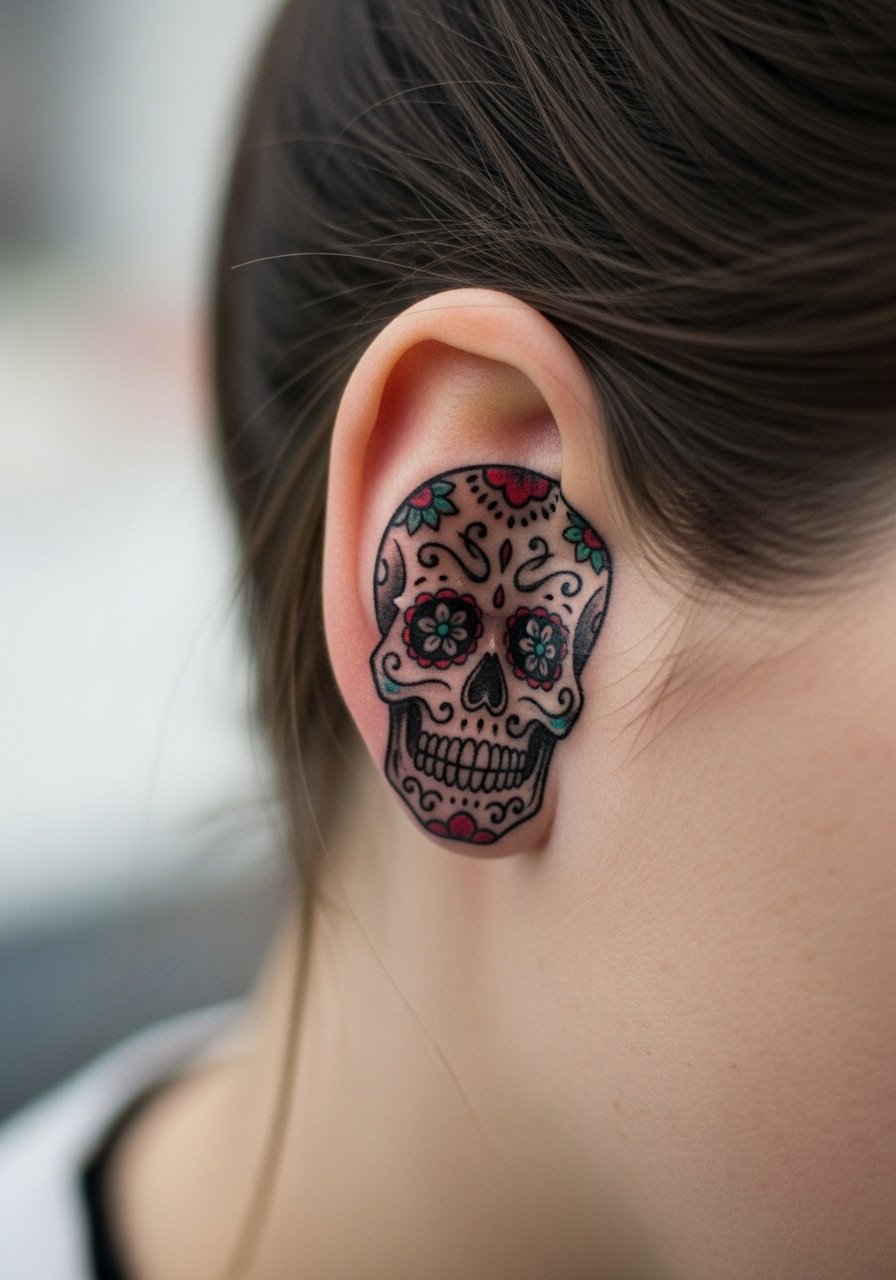
Micro sugar skulls with tiny color pops can retain personality without overwhelming size. The trick is to limit pigment to a few focal spots so the colors do not bleed together as they fade. A common mistake is asking for too many color dots inside the skull. Behind-the-ear placement is discreet so it works well for remembrance tattoos. For the appointment, pin your hair up and bring lightweight small hoop earrings to preview how the piece looks with jewelry nearby.
15. Cartoon Skull on the Calf
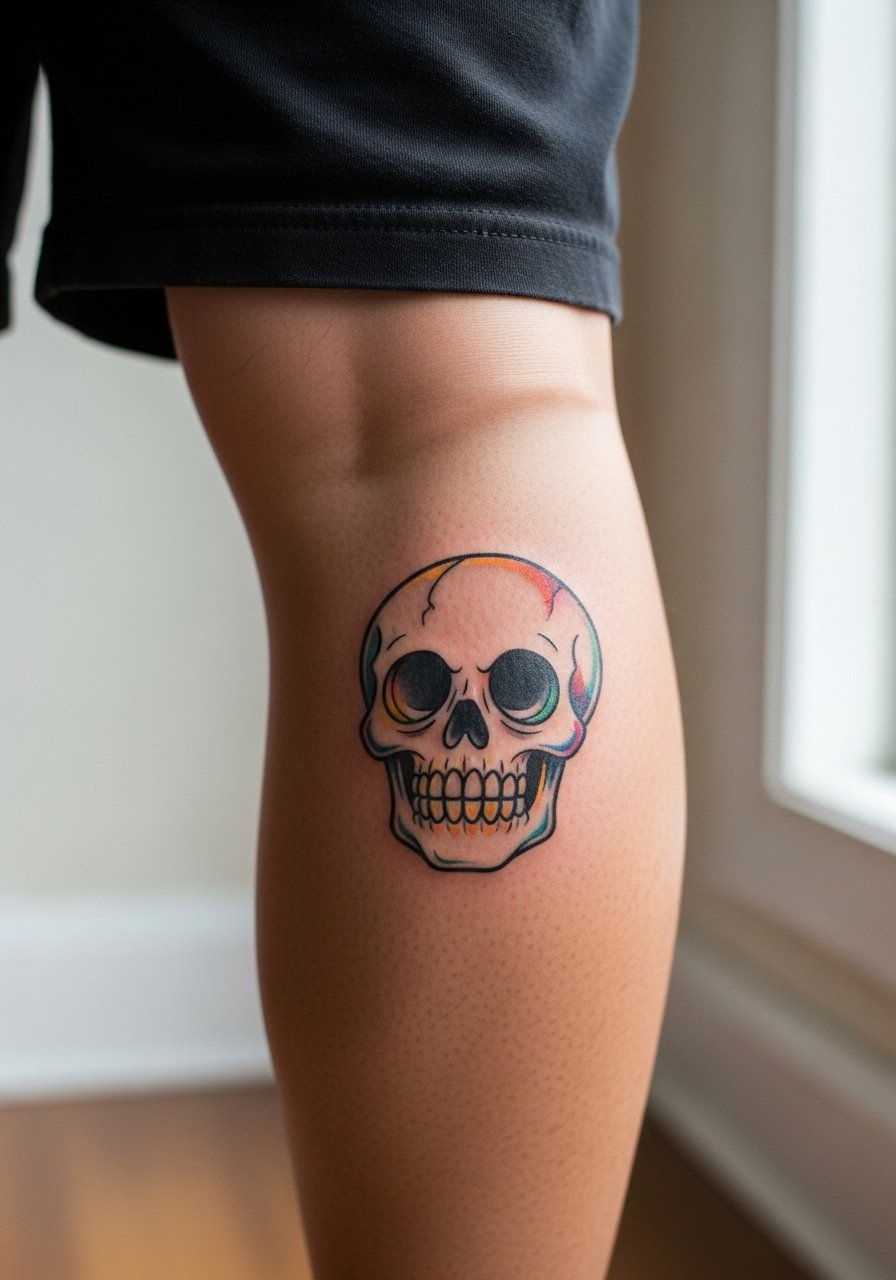
Calf placement gives room for slightly larger tiny designs, which helps maintain clarity. Cartoon skulls can be cheeky and age well if outlines are kept solid. The session is lower on the pain chart and often fits into a lunch break. A common error is using thin outline on the calf, which negates the benefit of the larger canvas. For warm weather showing, pair with cropped straight leg pants or shorts that reveal the calf without distraction.
16. Tiny Skull with Geometric Halo on the Collarbone

Collarbone pieces sit where clothing choices matter. The halo adds spacing to keep lines from merging with the skull itself. Tell your artist you want the halo lines a touch thicker than the skull outline so negative space stays crisp. A mistake is placing too many concentric lines around a millimeter-scale skull. The collarbone can be sensitive, so plan for breaks during a longer session. Wear a wide-neck shirt that you can pull aside so the artist has clean access and you stay comfortable.
17. Tiny Skull Silhouette as a Subtle Nape Mark
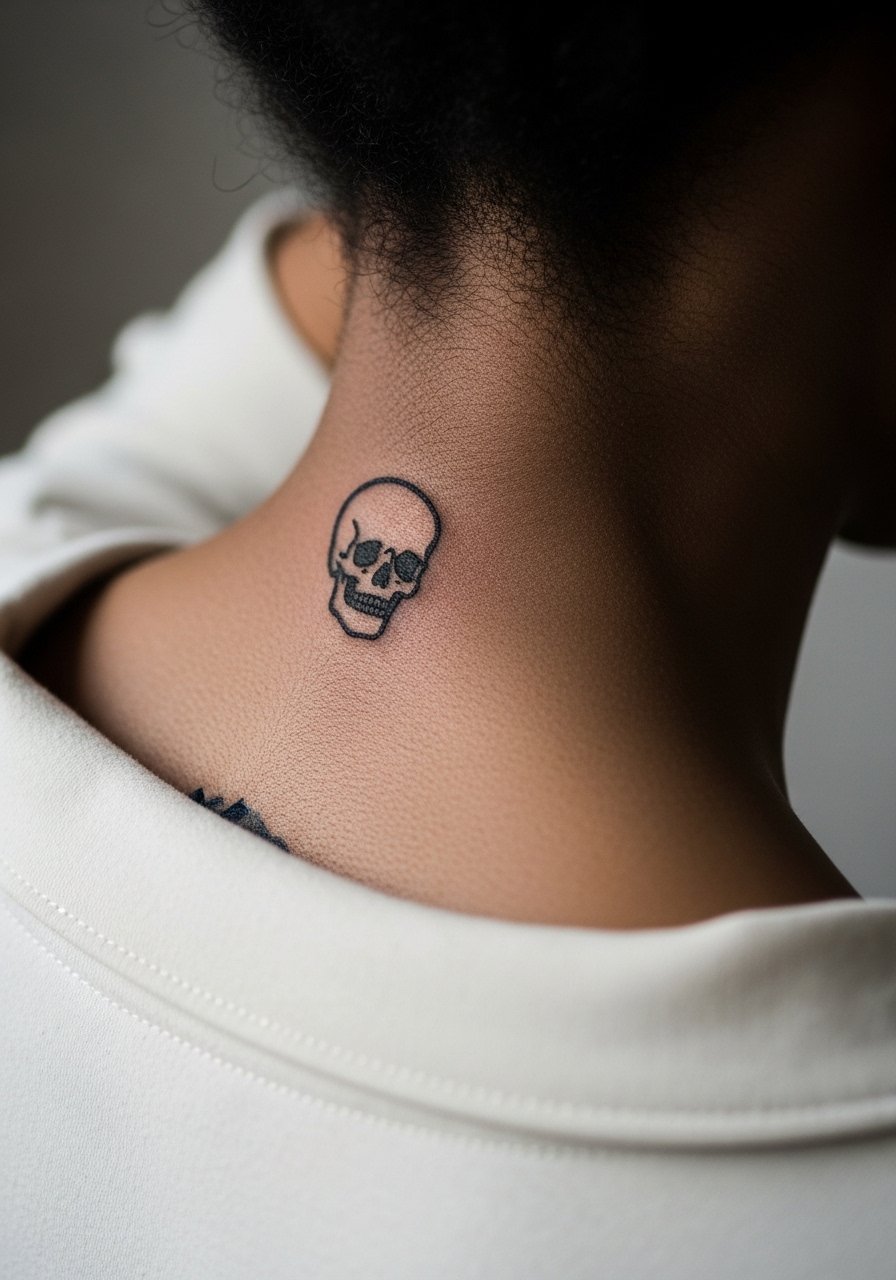
A nape placement reads hidden unless you wear your hair up. For a subtle silhouette, request a single bold outline with no internal detail to avoid blurring. The nape is sensitive and can cause more reflexive movement, so sessions are typically short and need steady hands. A mistake is asking for tiny internal shading which can spot unevenly after healing. Consider hair styles that reveal the nape selectively, and bring a side part comb to experiment with placement before booking.
Pre-Session Essentials
Those first six ideas include wrists, fingers, behind-ear spots, ankles, and shoulders, all of which ask for different prep. A few targeted items smooth the session and protect tiny linework during the first week.
-
Stencil transfer paper kit. Lets you preview exact placement and line weight on your skin, which is crucial for tiny skulls where millimeters matter.
-
Topical numbing cream. Applied as instructed before very sensitive wrist or finger sessions helps with comfort without changing the artist's ability to work.
-
Thin protective film roll. Useful for finger and wrist pieces that experience constant washing and friction during the first few days.
-
Fragrance free gentle body wash. Cleanses healing tattoos safely, especially on the ankle and shoulder where soap residue can irritate fine linework.
-
Aquaphor healing ointment. A thin layer in the initial days keeps tiny lines moisturized while allowing the needle channels to heal without clogging.
Frequently Asked Questions
Q: How much should I budget for a small skull tattoo if shops list hourly minimums?
A: Expect sessions to fall into a price range that often reflects shop minimums rather than strict size. Many small skulls fit under single-session minimums, but studios still charge for expertise and setup. Plan for the studio minimum and a touch-up budget if you want crisp lines long term.
Q: Do fine line skulls on wrists and fingers need touch-ups more often than bold work?
A: Yes, fine line pieces on high-movement or high-friction areas like wrists and fingers generally need touch-ups sooner. From what I have seen, plan for a possible touch-up around year one to three depending on sun exposure and how often the area is washed.
Q: How do I find an artist who can handle tiny skull detail without blowout?
A: Search style-specific hashtags and location tags, and ask to see healed photos on similar skin tones and placements. Guest spots and micro-realism portfolios are good leads. Bring a stencil and ask about their touch-up policy during consultation.
Q: Will a small skull look different on darker skin tones, and what should I ask for?
A: Healed contrast can differ across tones. I advise requesting healed photos on darker skin from the artist and asking them to adjust line weight and negative space accordingly so the skull reads clearly after healing.
Q: Are there placements I should avoid for small skulls if I want them to last?
A: High-friction spots like finger sides and the inner wrist fade faster. If longevity matters, choose inner arm, shoulder, or chest where movement and washing are less aggressive. If you still want a hand or finger piece, accept touch-ups as part of the plan.
Q: Do watercolor or color accents require different aftercare or protection?
A: Color can fade faster, so sun protection after healing matters. While aftercare products live in the pre-session essentials above, during long-term wear keep the area protected with clothing or SPF once fully healed. Ask your artist about pigment longevity for the specific colors you like.
Q: How painful are tiny skull tattoos on places like the ankle, nape, and collarbone?
A: Pain varies by person, but thin skin over bone like the ankle and collarbone tends to be sharper. Nape and inner bicep are sensitive but brief. Numbing options and short break-friendly sessions help.