A lot of guys pick a design that looks great on their screen and only realize in the chair that placement, line weight, and everyday wear change everything. The tattoos that still read clearly after a few summers are usually the ones planned with anatomy, clothing, and healing realities in mind. Below are 21 unique arm tattoo men ask about when they want work that lasts, photographs well, and plays with their wardrobe without needing constant fixes.
1. Forearm Tribal Mandala That Follows the Muscle
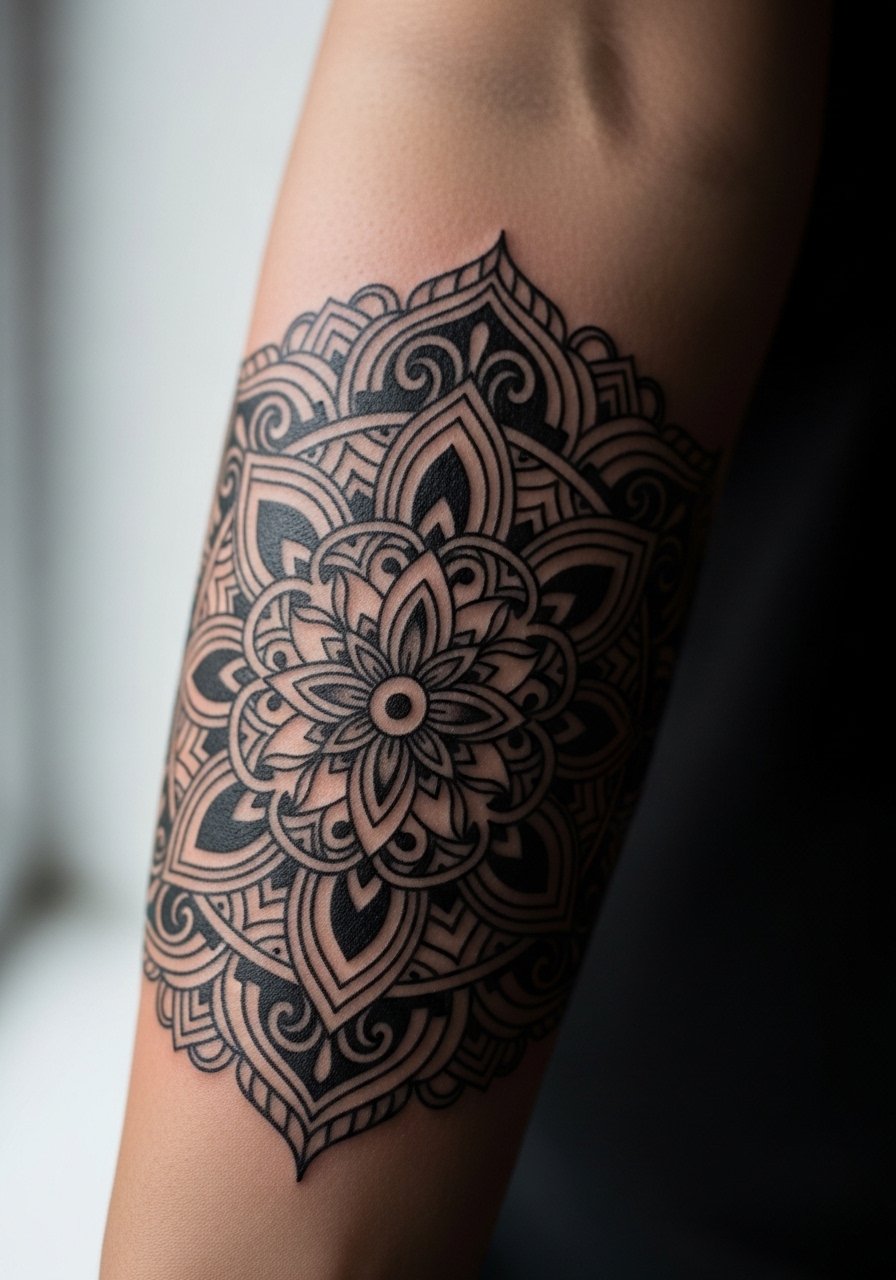
I recommend this when you want a strong graphic that moves with your muscle. Tell your artist to map the design along the outer forearm axis so the symmetry reads when you flex. Common mistakes include cramming too much detail into a narrow strip, which leads to merging lines after a couple of years. Expect a medium pain level and two sessions for decent saturation. For showing it off, roll sleeves halfway and pair with a fitted black crew neck tee that frames the work without distraction.
2. Inner Forearm Script Quote in Bold Fine Line
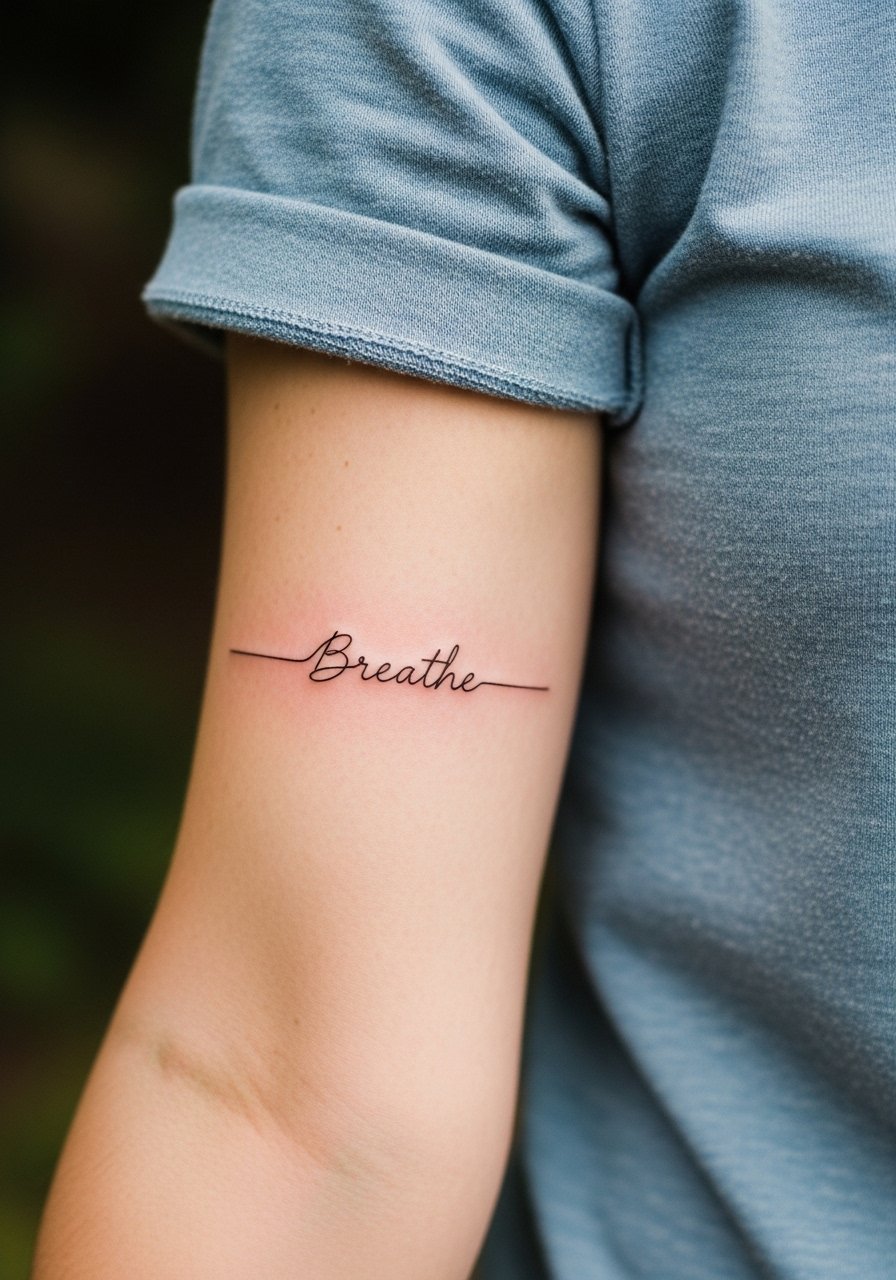
Fine line scripts on the inner forearm are intimate and easy to hide. The big debate here is clear. One camp says fine line blurs faster on forearms because of sun and friction. The other camp says with slightly heavier line weight and good spacing the script keeps its edge. When you book, ask for "bold fine line" rather than hairline strokes and request a touch-up timeline. Pain is mild. Wear a short sleeve chambray shirt to your session so the artist can roll the cuff without tight fabric bunching.
3. Outer Arm Realism Portrait for High-Impact Pieces
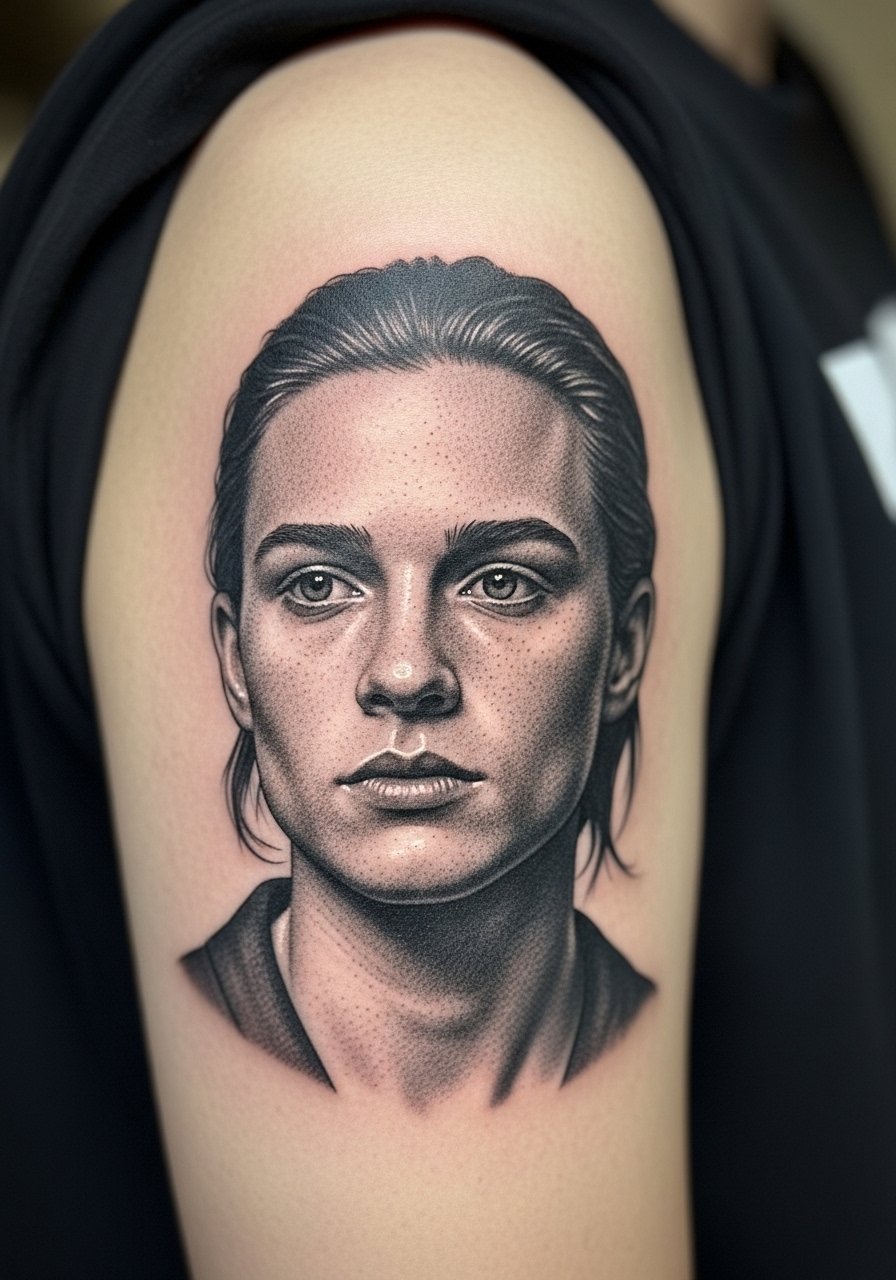
Realism portraits read best on the outer upper arm where there is flatter canvas and less stretch. Bring clear reference photos and tell your artist which facial plane you want emphasized. A common version that ages poorly uses too-soft contrast, which flattens into gray at year two. Ask for sharper linework in hair edges and deeper saturation in key shadow anchors. Sessions are long and can run multiple visits. For session comfort wear a sleeveless base layer so the artist has reach without sleeve drag.
4. Bicep Japanese Irezumi Dragon Mini for Storytelling
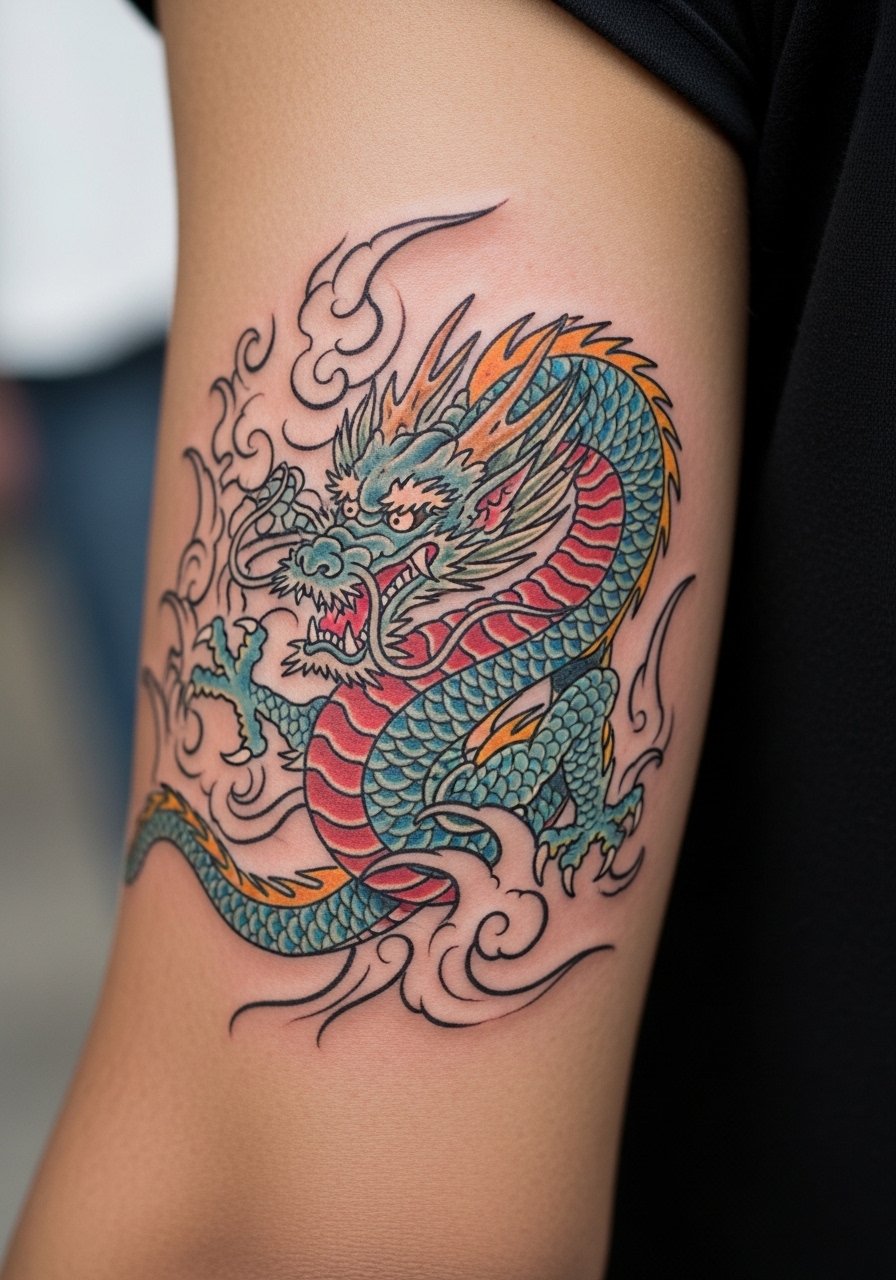
A compact irezumi-style dragon keeps the narrative of traditional work without committing to a full sleeve. Tell your artist which direction you want the flow to follow so the scales and smoke move with bicep curvature. The typical mistake is shrinking motifs that need room to breathe, which causes detail loss over time. Expect color sessions over several visits and a moderate pain level. For showing it off pair the piece with a sleeveless muscle tee in deep colors to let the inks pop.
5. Tricep Minimalist Armband for Hidden Symmetry

Armbands on the tricep are low-maintenance and peek out when you turn. A slim, even band protects against distortion if placed where muscle tone stays steady. A common mistake is too-thin lines that gap when the arm moves. Sessions are quick and pain is low to moderate. For show-off pairing try a slim fit polo shirt with a subtle back vent so the band shows when you turn without exposing the whole arm.
6. Forearm Neo-Traditional Snake and Dagger with Color Pops
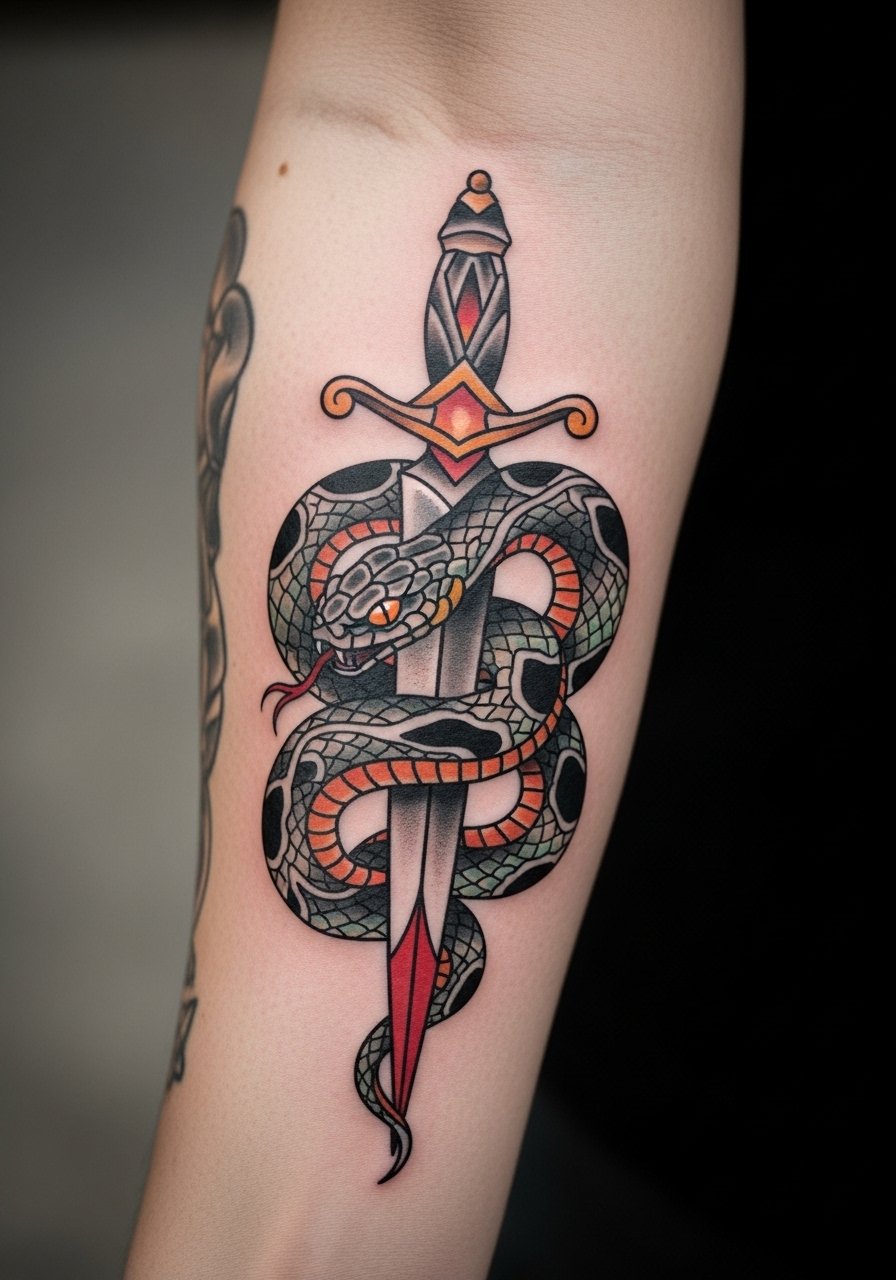
This hybrid keeps bold outlines and modern color choices that age better than washed watercolor fills. In consultation, point out the areas where you want heavy black anchors versus softer color fills. Avoid tiny color gradients packed into small spaces because those soften quickly. Expect two to four sessions and medium pain where the elbow crease meets the design. For session day wear a sleeveless workout tank so the artist can access both the inner and outer forearm cleanly.
Pack Smart
The forearm and bicep pieces above ask for different session prep, and a few targeted items smooth the first week without fuss.
-
Lush Tattoo Balm. Thinner than heavy petroleum options, it helps inner-arm work feel less greasy during humid heals.
-
Indie Ink Shield Spray. Lightweight protective spray that users report breathes better on flexing forearms than heavier films.
-
Australian Tea Tree Balm. Anti-inflammatory properties can ease elbow irritation in the early days.
-
Plain Unscented Coconut Oil. Budget dry-heal alternative for darker skin tones where some heavier balms can feel occlusive.
-
Hustle Butter alternative search. A thinner balm option many people prefer over heavy ointments for arm flex zones.
7. Elbow Radial Mandala That Survives the Bend
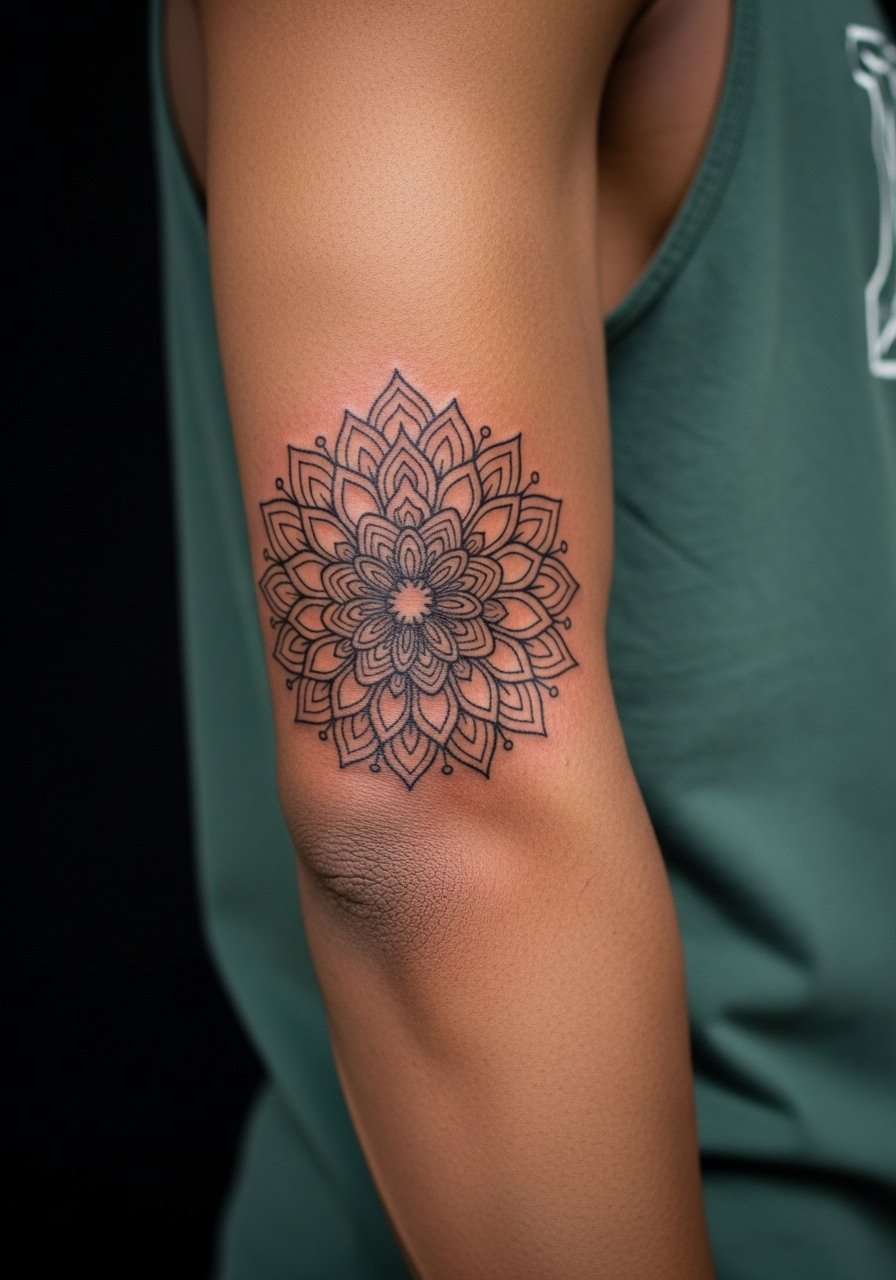
Elbow pieces require a radial approach so the design follows the joint motion. The big mistake is compressing dense linework into the center, which then blurs when the elbow flexes. Ask your artist to plan negative space zones that give the dots and lines room to age. Pain here is notably higher than forearm work, and sessions might be split into short passes. For showing it off, layer an olive rolled sleeve denim jacket during cool nights so the mandala peeks from the cuff.
8. Upper Arm American Traditional Lion for Muscular Placement
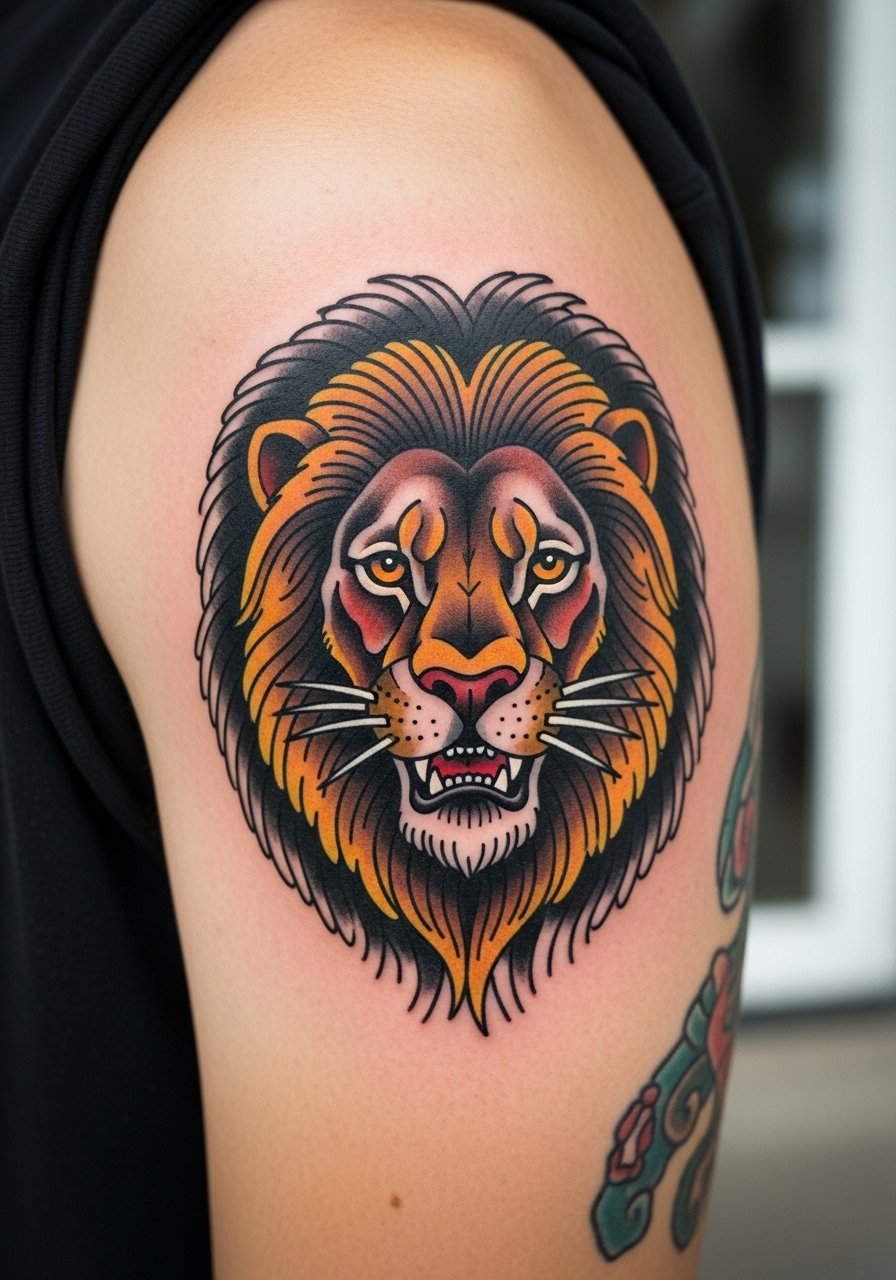
Classic American traditional motifs read strongly on the bicep because the muscle provides a broad, stable surface. Ask for heavier black anchors around the mane so the image keeps contrast as colors mellow. Common errors include scaling a chest-sized motif down to a bicep without reworking composition, which compresses key features. Sessions are moderate in pain and often take a few passes for crisp color. If career considerations matter, this placement gives visible flex without interfering with formal shirts.
9. Forearm Blackwork Geometric Floral Sleeve
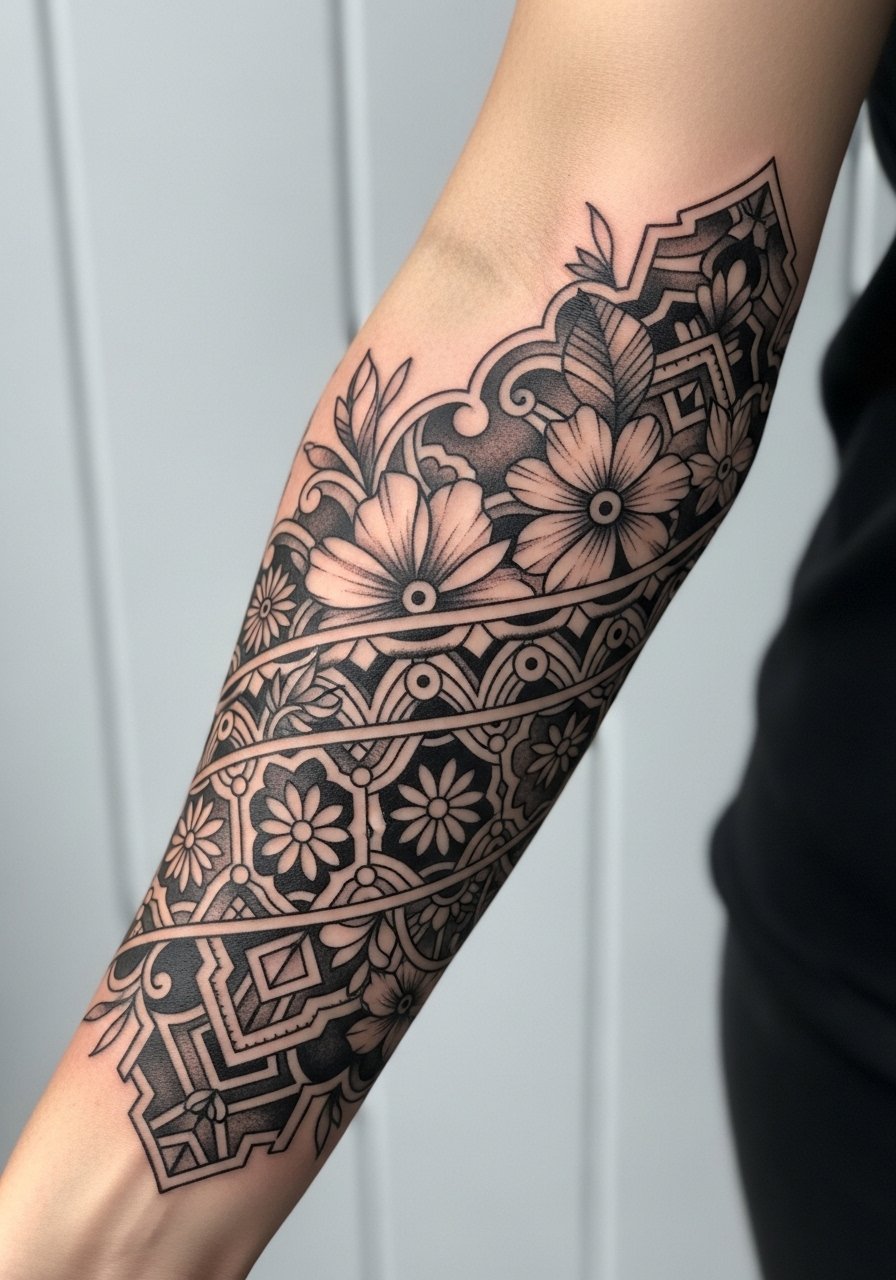
Blackwork florals marry durability with visual punch. Ask the artist to plan areas of heavy saturation balanced by negative space so tattoos age into clear shapes rather than muddle. A common version that fades poorly tries to match tiny dot work across a large area, which loses crispness. Expect three sessions for decent coverage. For daily wear, rolled sleeves and a fitted black crew neck tee highlight the contrast and make the forearm pop.
10. Wrist Horizontal Symbol Wrap for Subtle Visibility
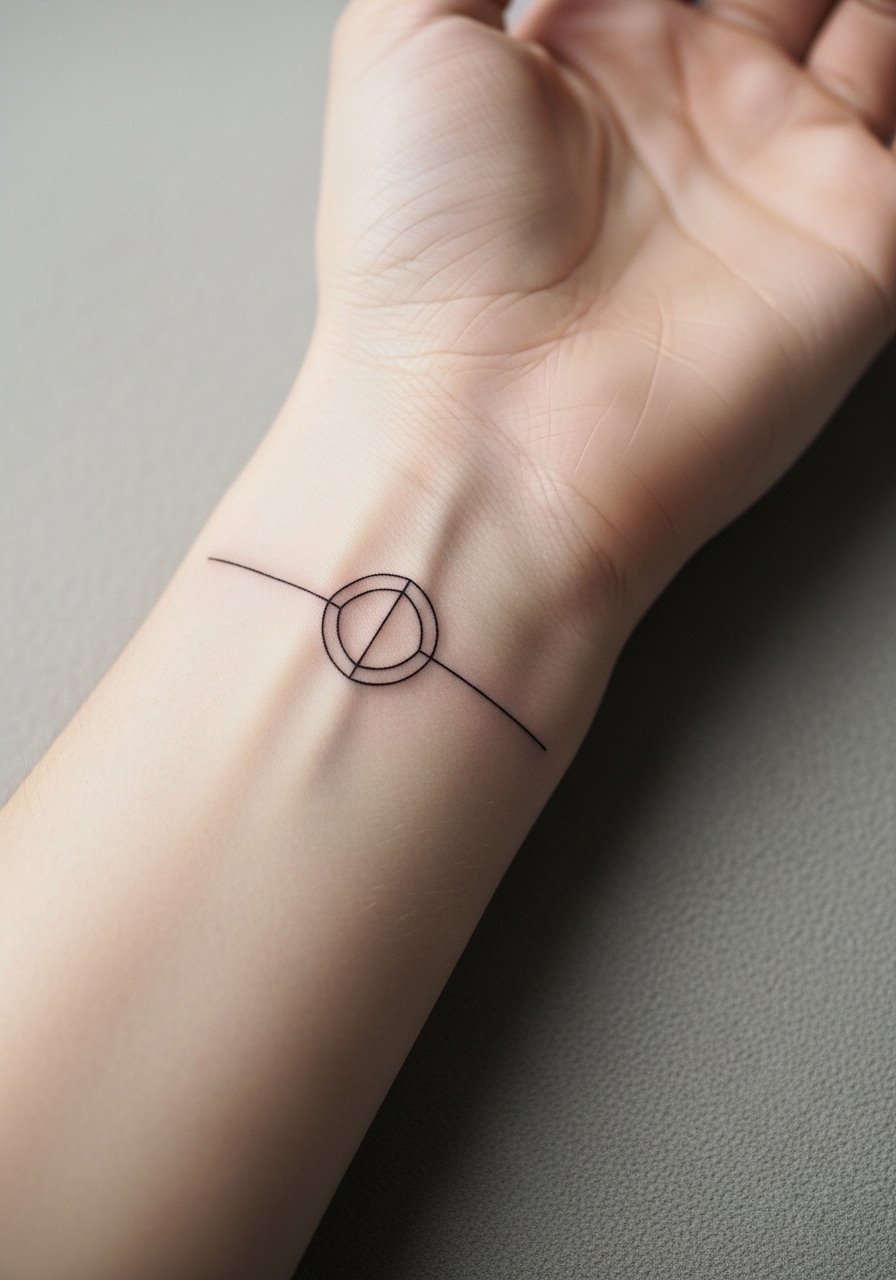
Wrist wraps are small but highly visible, so spacing and line weight matter. The most common regret is choosing hairline strokes that fade into blur. Ask for slightly thicker single-line work and a design that respects the wrist crease. Pain is quick but sharp. When dressing to show it, stack with a silver bracelet stack or a slim leather watch to frame the symbol without crowding.
11. Outer Forearm Half-Sleeve Skull with Roses for Patchwork Starters
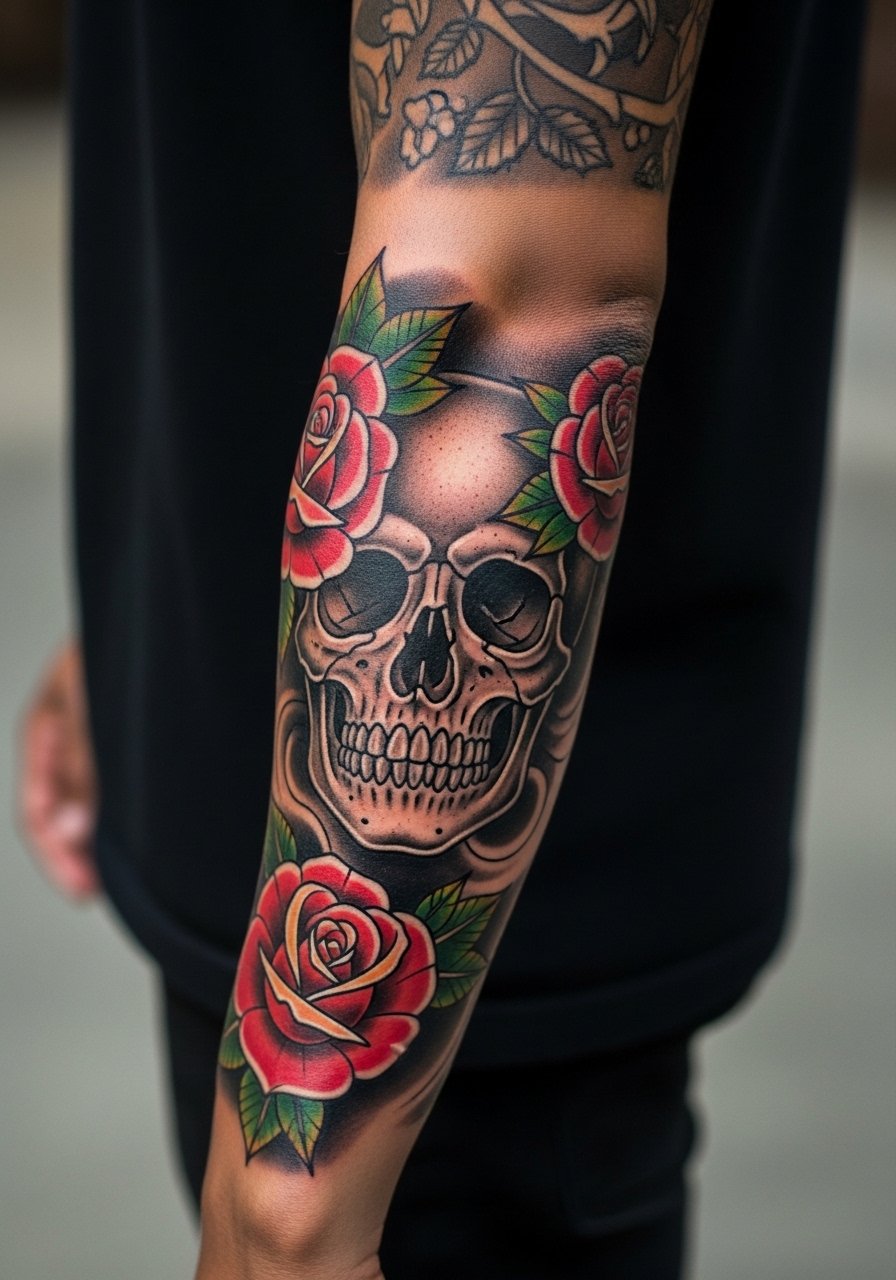
This half-sleeve works well for collectors building a patchwork arm later on. Ask the artist to anchor with bold black areas that can integrate future pieces, and skip tiny filler that complicates expansion. A mistake is tight-edge roses that collide with later motifs. Sessions run multiple appointments. For showing off, pair the build with a vintage band tee in faded black so the sleeve reads like curated artwork rather than one-off flash.
12. Inner Bicep Fine Line Botanical for Quiet Detail
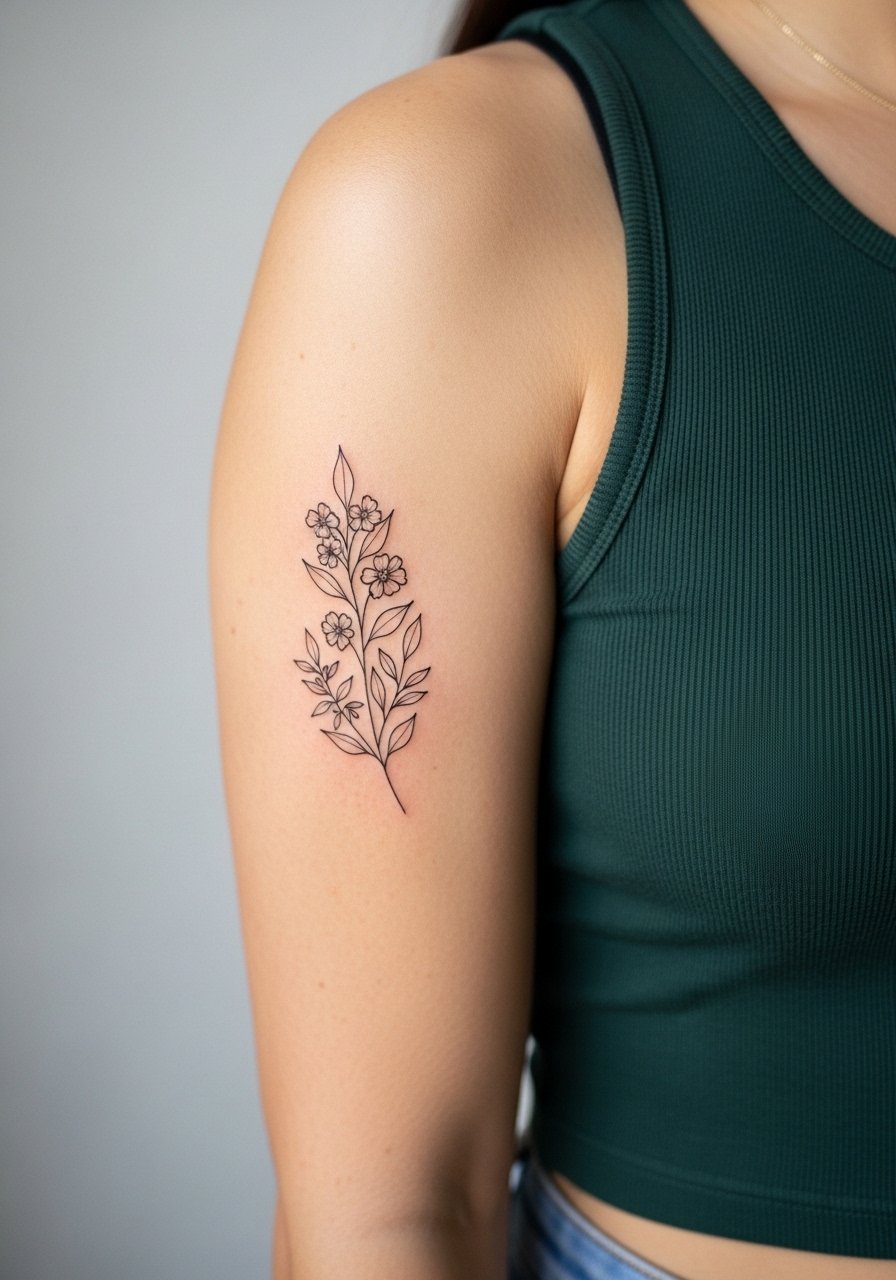
Inner bicep placements are private and heal differently because of sweat and motion. Fine line here looks delicate early but often needs bolder spacing to hold after a year. A common error is requesting ultra-thin stems that vanish. Expect low to moderate pain. Note that this area is more prone to fading on darker tones with ultra-fine work, so discuss a test patch or slightly thicker line weight with the artist. For appointments, a loose tank top gives easy access without fabric rubbing.
13. Tricep Biomechanical Gearwork for Movement Illusion

Biomechanical pieces on the tricep use shading to create depth that flexes when you move. Tell your artist where you want visible edges and where they should fade into skin. A mistake is over-detailing into small crevices that become indistinct after healing. Sessions are moderate and often shading-heavy. For session wear, a loose tank top keeps the tricep exposed without rubbing.
14. Hybrid Geometric-Tribal Forearm for Flex Illusion
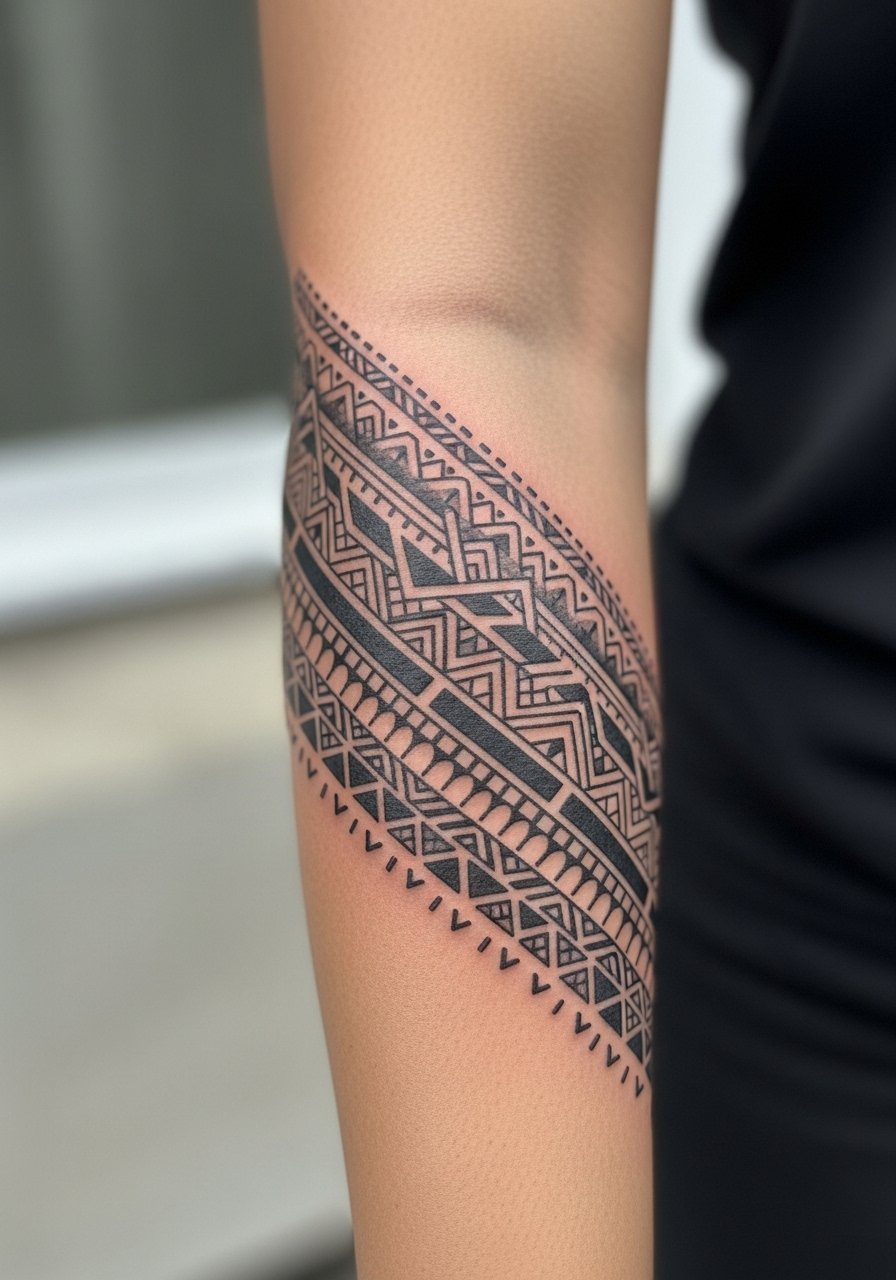
This combo plays with optical flow so that flexing the forearm creates a shifting look. Ask your artist to sketch the pattern over your neutral and flexed arm so spacing aligns with movement. The common mistake is starting with a straight repeat that ignores muscle angles, which warps after a few months. Plan for two to three sessions and moderate pain. Pair with a leather arm cuff on the opposite arm for a balanced rocker look.
15. Tricep Wrap-Around for Discreet Peeks

Wrap-arounds hide in plain sight and reveal themselves with motion. The key is seamless joins that avoid harsh line stops across the back of the arm. A common error is mismatched spacing where the seam lands, which reads like two separate pieces. Pain is low to moderate and sessions are short. For showing it off, a slim fit polo shirt will let the band peek without exposing the entire upper arm.
16. Mini Irezumi Bicep Story for Subtle Narratives
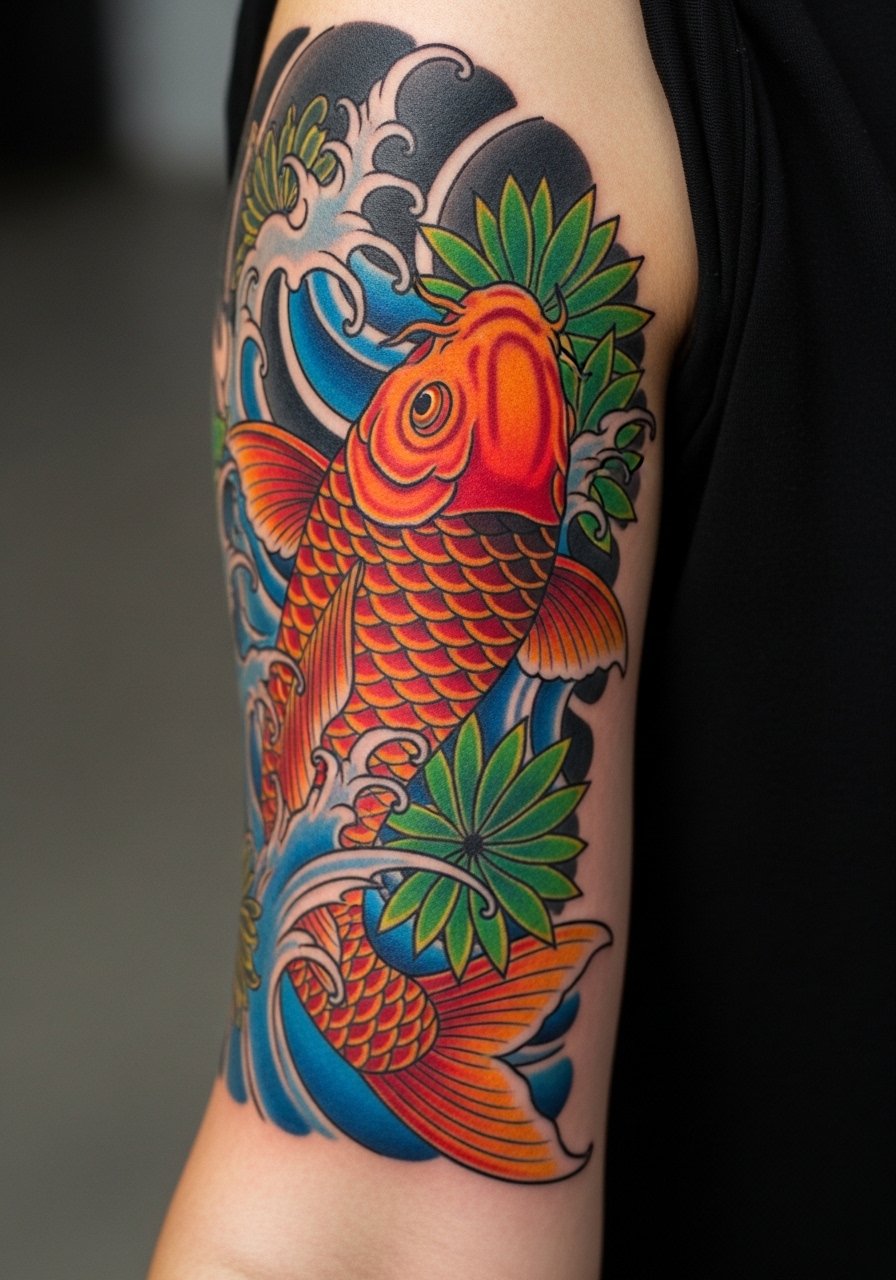
Mini irezumi places allow cultural storytelling without a sleeve commitment. Be clear in consultation about which elements you want scaled down and which you want left bold. The common mistake is keeping traditional motifs but shrinking them without adjusting line weight, which loses impact. Sessions are fewer than full sleeves but still demand careful color layering. For session comfort wear a simple chain necklace that does not interfere with shoulder access.
17. Patchwork Half-Sleeve Starter for Collectors on a Budget
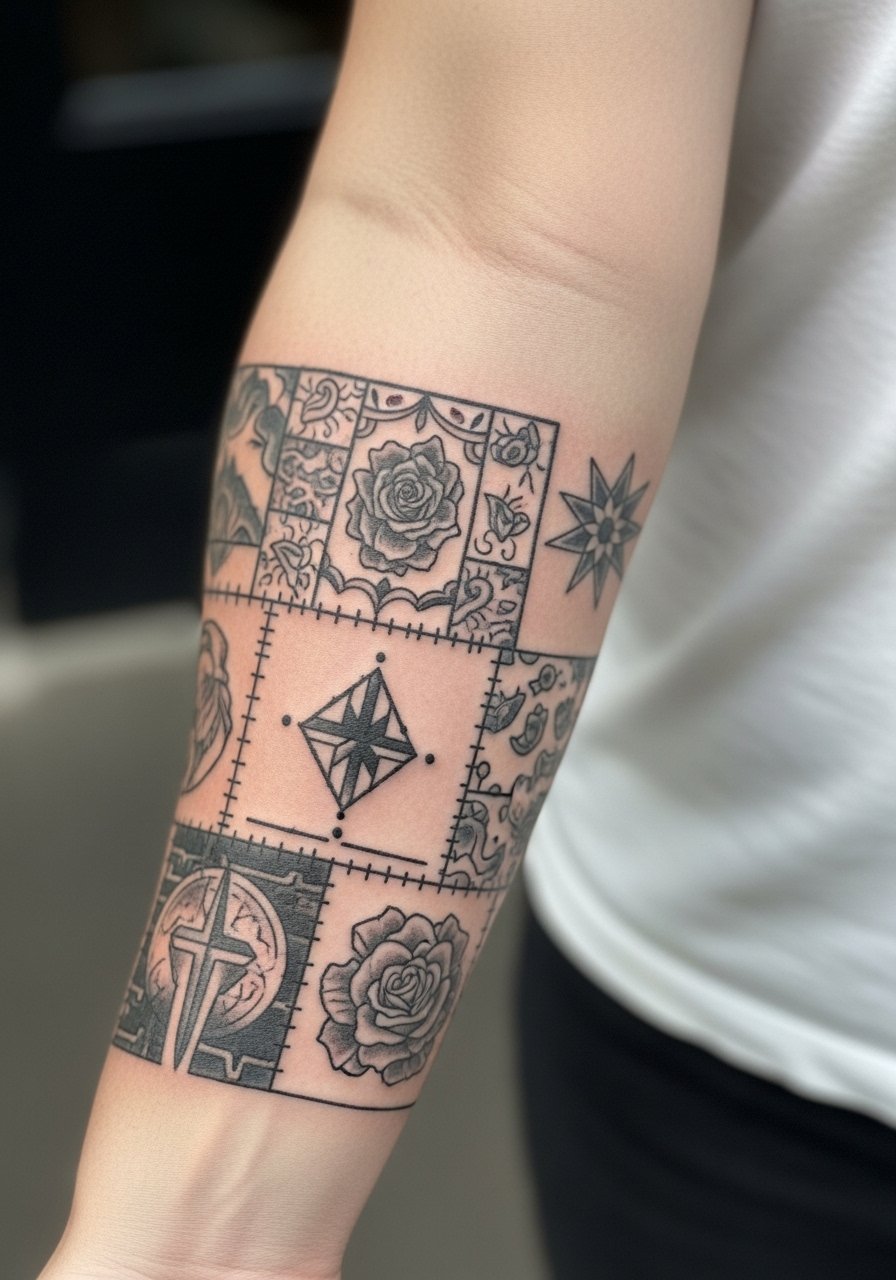
Patchwork starters let you build over time. The best strategy is to start with anchor pieces that have strong black areas to help future fills match. Avoid accepting tiny flash with thin fill because it complicates consistent layering later. Sessions can be spaced months apart. For a style-forward look, pair early patches with a vintage band tee and open leather vest to show progression.
18. Minimalist Mountain Range on the Wrist for Tiny Statement
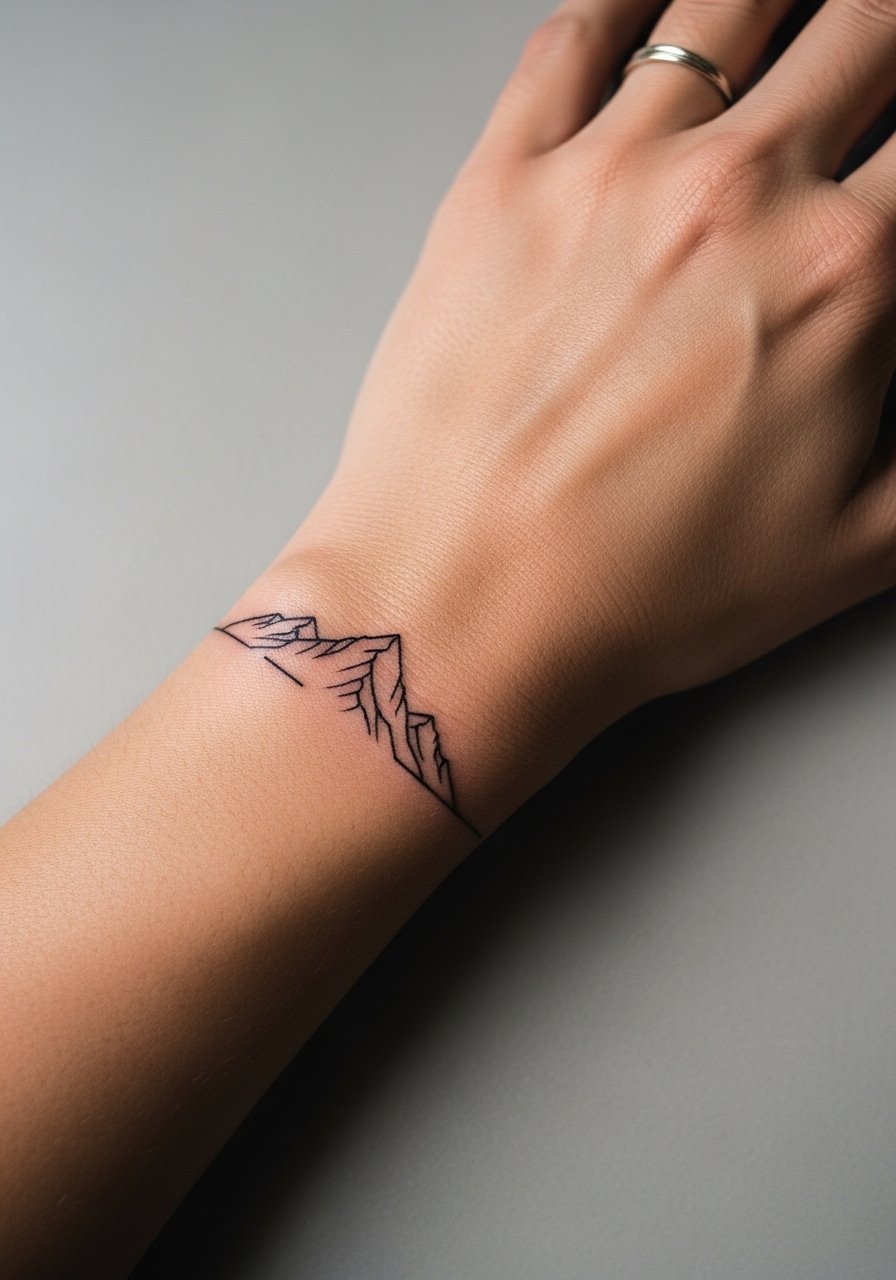
Tiny landscape lines are easy to love but easy to lose. Ask for slightly heavier single-line weight and more spacing between peaks so the peaks remain distinct at two years. A common regret is picking hairline geometry that fills in. Pain is short and sharp. For showing it off, stack with a slim watch leather band so the wrist reads layered rather than bare.
19. Constellation Forearm Band for Subtle Mapping
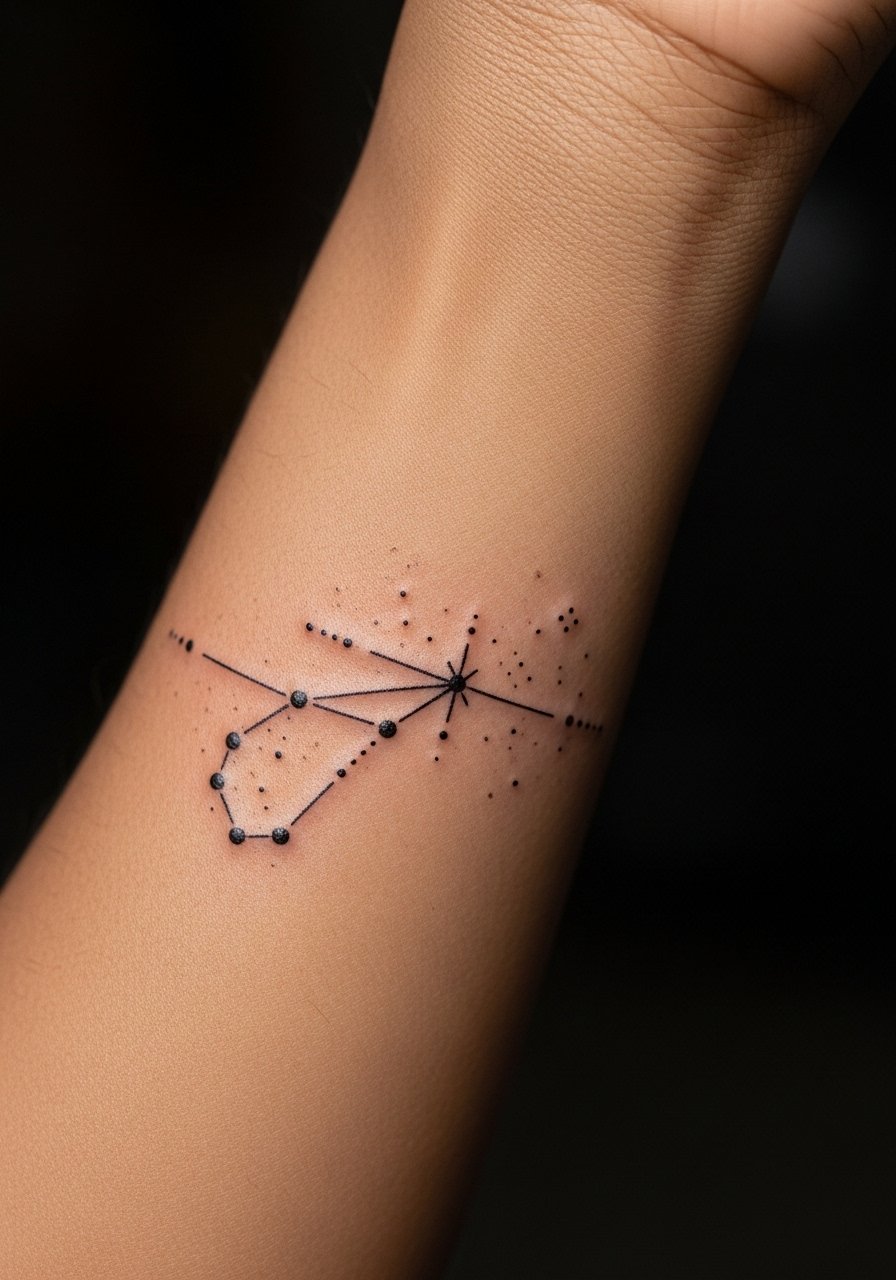
Constellation bands play well across the inner forearm when given room. The mistake is packing stars too close. Ask the artist to treat each star as a separate element with breathing space. Expect low to moderate pain. For show-off pairing, roll a light gray button down shirt at the cuff so the constellation sits against a neutral backdrop and reads clean.
20. Forearm Micro-Realism Mini Portrait for Close-Up Detail

Micro-realism demands sharp contrasts and carefully planned highlights to hold over time. A common error is shrinking too many features into a tiny area, which blurs into gray. Bring large, high-resolution references and discuss where to simplify detail. Sessions are long and can require a touch-up at year one. For the session wear, a short sleeve chambray shirt lets the artist access the inner forearm without fabric pressure.
21. Fine Line Arrow on Inner Forearm for Low-Key Geometry

A single-arrow design is deceptively simple. The most common mistake is choosing hairline strokes that the sun and shirts fade fast. Opt for a slightly heavier single-line and ask for a small negative space buffer around anchor points so the arrow reads at two and five years. Pain is mild. For appointment wear, a loose button-down shirt you can roll up without pinch makes the session smoother.
Frequently Asked Questions
Q: Will fine line forearm script need touch-ups sooner than a neo-traditional forearm piece?
A: It depends on line weight and placement. Fine line scripts on exposed forearms tend to need touch-ups earlier because UV exposure and friction are constant. Ask your artist about "bold fine line" spacing and expect a possible touch-up around year two if you swim outdoors or spend a lot of time in sun.
Q: How does elbow radial work fare compared with a standard forearm mandala?
A: Radials centered on the elbow need intentional negative space and larger gaps near the joint so the pattern does not compress when bent. A standard forearm mandala can be denser because the skin there stretches less. Both look great healed if planned with movement in mind.
Q: For darker skin tones, which forearm styles hold up best long term?
A: Heavy blackwork and slightly thicker line weights tend to age more predictably on darker tones. Very delicate hairline work can fade into a blur faster. Consider doing a small test patch or asking an artist experienced with diverse tones to adapt line weight.
Q: Are wrap-around tricep bands risky if I plan to bulk or lose weight?
A: Any wrap that crosses areas prone to fat change can shift. Triceps are usually more stable than inner arms, but if you expect significant fluctuations ask the artist to leave a small break in the seam or design the band to tolerate slight stretch.
Q: How should I dress for a bicep irezumi session so the artist has access?
A: A sleeveless hoodie or tank gives the artist shoulder range without fabric straps digging into the area. Bring a loose shirt to wear afterward. For showing the finished piece, a men's henley shirt with sleeves rolled slightly highlights the bicep without covering the work.
Q: Saniderm versus dry healing for a forearm piece, which camp should I trust?
A: Artists split into two camps on this. One group favors Saniderm because it protects the ink from contaminants and reduces scabbing, which helps outer forearm exposure. The other group argues that on sweaty flex zones the film can trap moisture and macerate the skin. Decide with your artist based on your sweat levels and the specific placement.