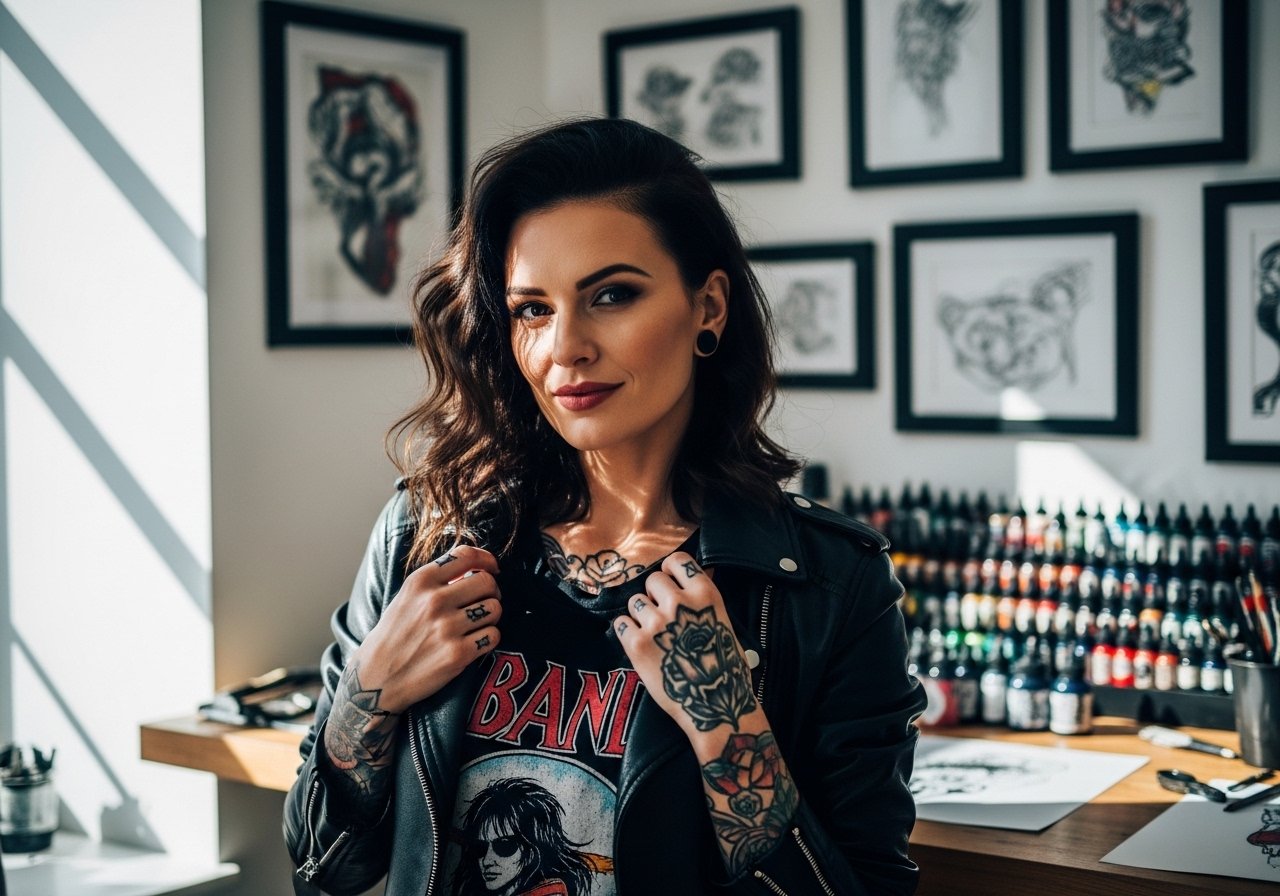
Fine line watercolor has been all over feeds, but what actually holds up on skin is not always the same as what racks up saves. Color placement, how much negative space you leave, and the placement you pick change how soft washes age and whether that crescent still reads as a crescent in five years. These 27 symbols lean feminine without being literal, and each entry tells you what to ask your artist and what to wear to the appointment so the design lasts as long as you want it to.
1. Watercolor Moon Phases on Inner Forearm
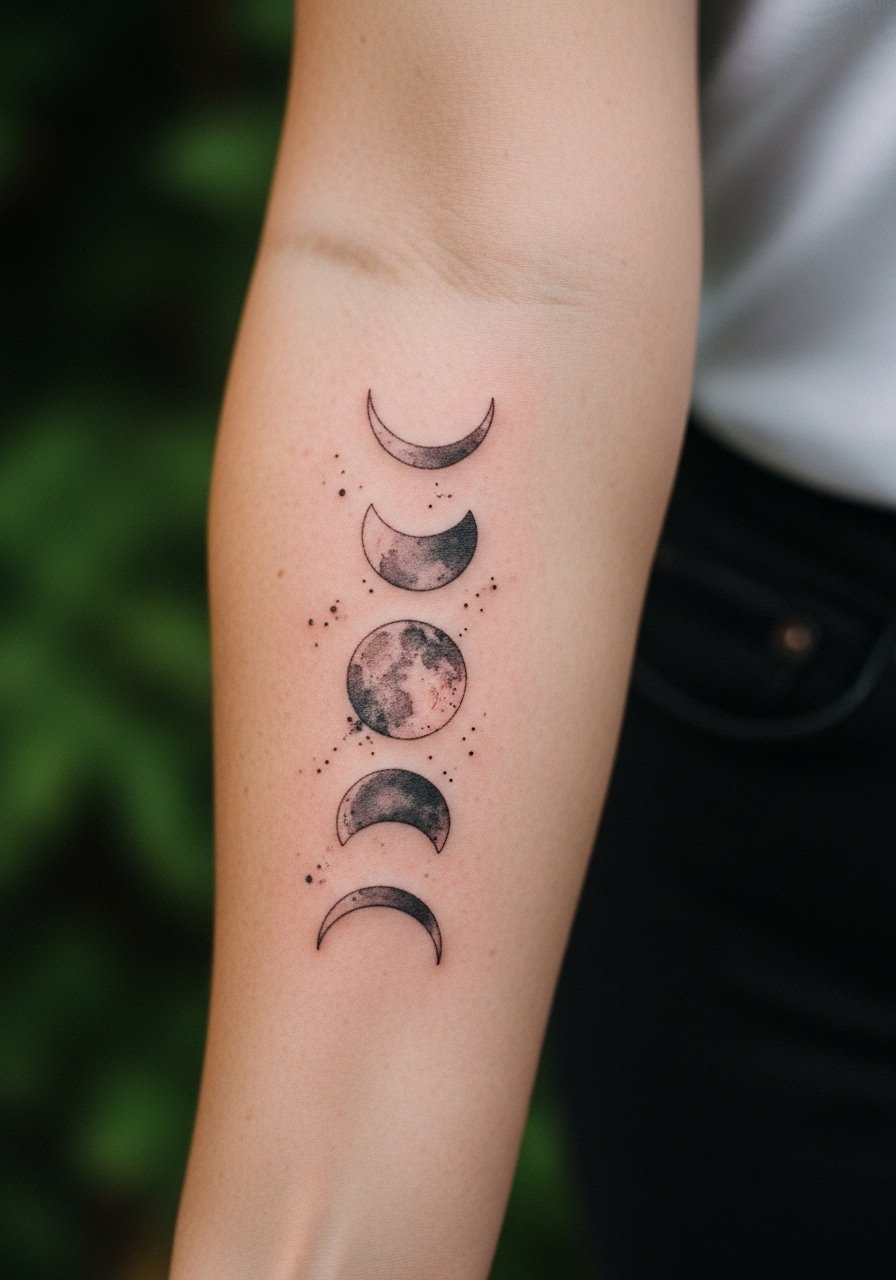
I recommend moon phases when you want a symbolic sequence that reads from a distance and still keeps detail up close. Fair warning, the inner forearm will sting more than the outer forearm but it is one of the easiest places to touch up later. Ask your artist for slightly bolder anchoring linework where crescents overlap so the shapes do not merge as the pigment settles. At six months the washes will soften, at two years expect some loss of contrast, and a touch-up at year three is common. For showing it off, roll a cuffed linen sleeve and pair with a rolled-up linen shirt to frame the forearm without covering the piece.
2. Collarbone Watercolor Lotus
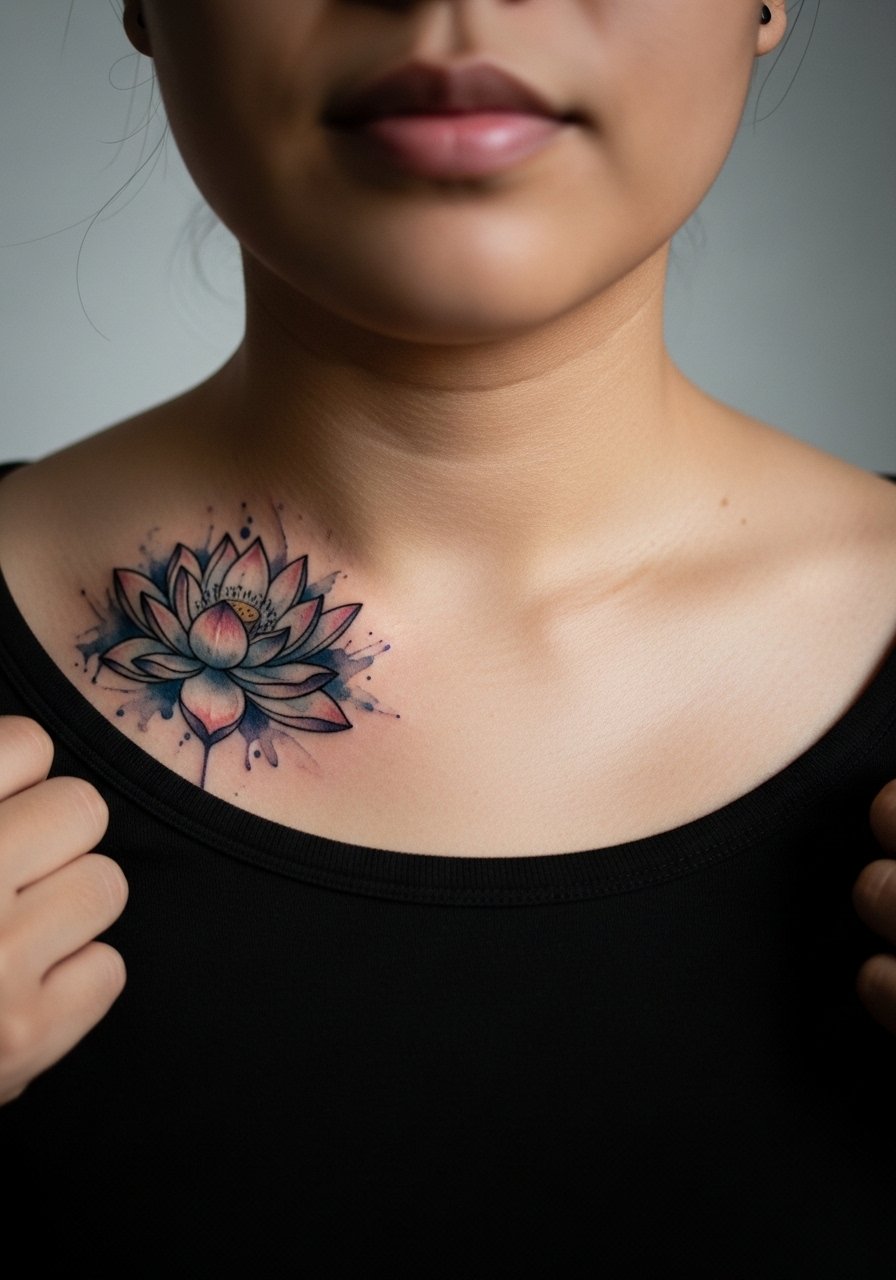
The collarbone is a great spot for a soft lotus because it follows bone planes and catches light when you move. Pain is moderate because the bone is close to the skin, and sessions are usually short, under an hour for a small piece. Tell your artist you want the petals to breathe, with thin washes that avoid heavy saturation right on the collarbone edge. A common mistake is packing too much pigment against the bone, which flakes out and looks patchy during healing. For the appointment, wear a wide-neck shirt you can pull to one side so the artist has clear access without you feeling exposed.
3. Sternum Watercolor Script with Petals
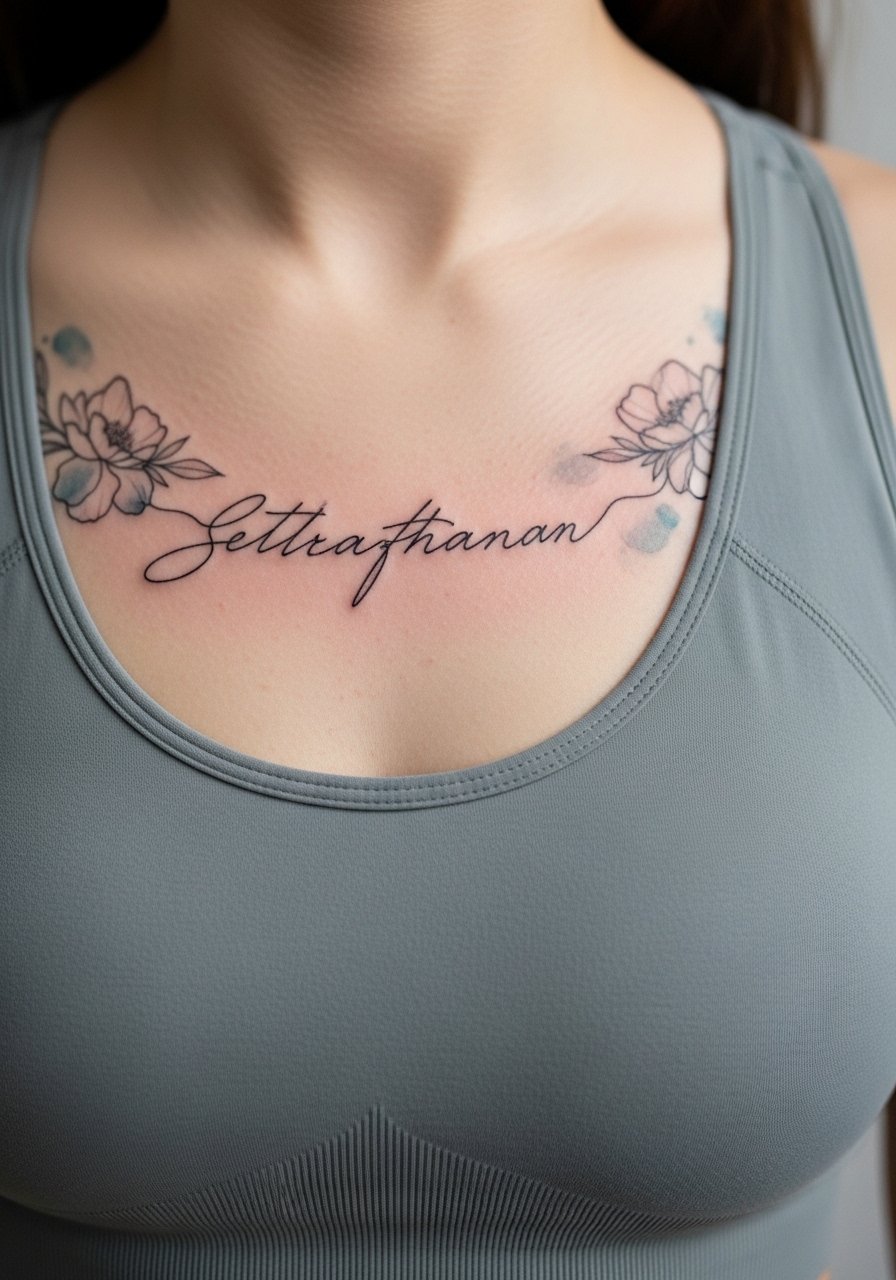
Sternum pieces read as intimate and fluid when done in watercolor tones. Expect high sensitivity during the session and plan for a longer recovery window than an arm piece. During consultation be explicit about how wide you want the script and where the petals should sit in relation to the fabric line. The worst version I see compresses letters too tightly and then the ink blurs into the petals after a year. This placement benefits from light saturation and layered washes rather than heavy fills. For the session, a strapless or fitted sports bra helps the artist reach the area comfortably. Consider a lightweight bandeau during healing to avoid constant seams over the tattoo.
4. Ribcage Crescent with Color Wash
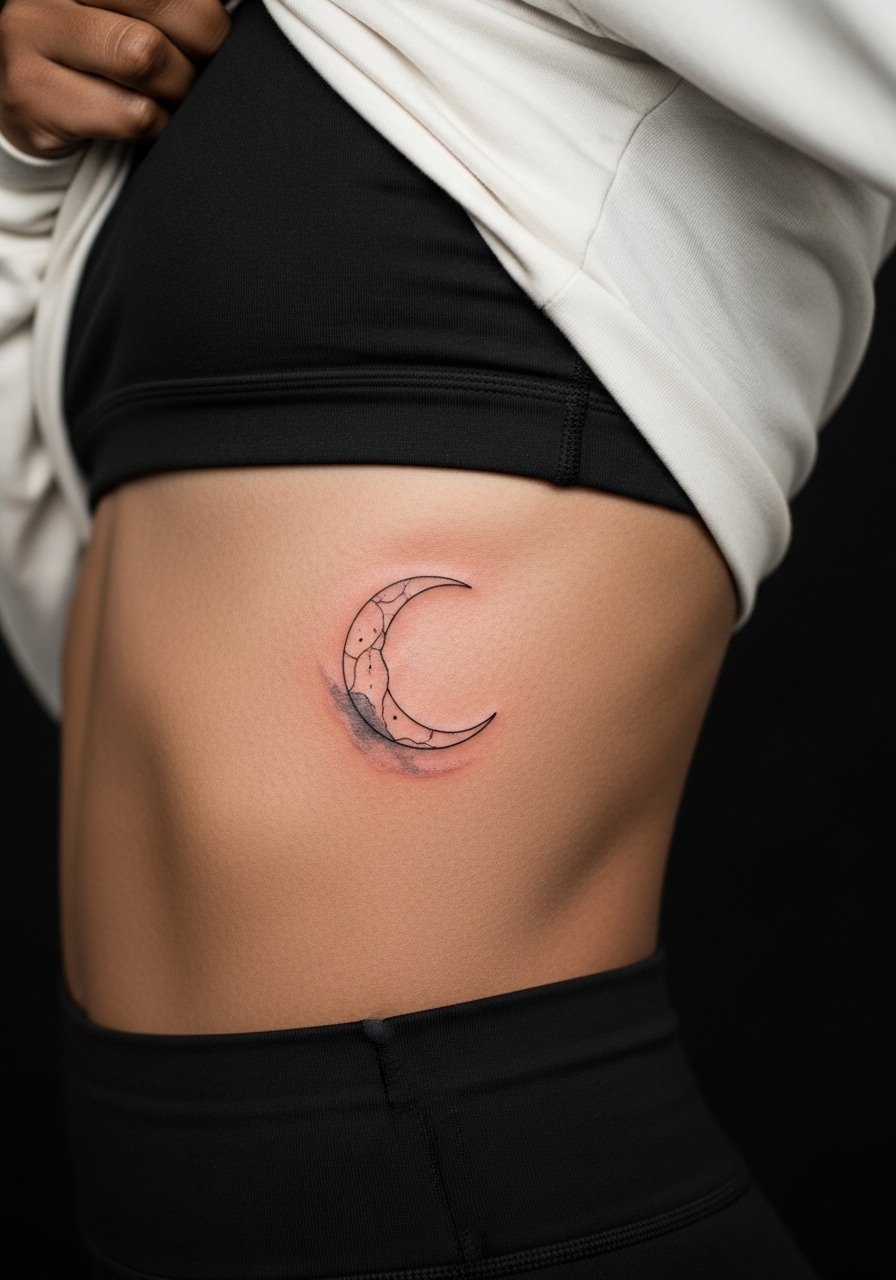
Fair warning, the ribcage is high on the pain scale and that affects how long you can sit for saturation. Artists are split on fine line here. One camp says the skin stretch and movement cause lines to blur within two years. The other camp argues that with proper needle depth and spacing, fine line settles clean. Ask your artist which camp they fall into and whether they recommend slightly more spacing or bolder anchors. Most rib watercolor needs a second pass for saturation. For showing it off, a cropped top or open-side tank works, and during the appointment wear a cropped athletic top you can lift easily.
5. Ankle Tiny Watercolor Constellation
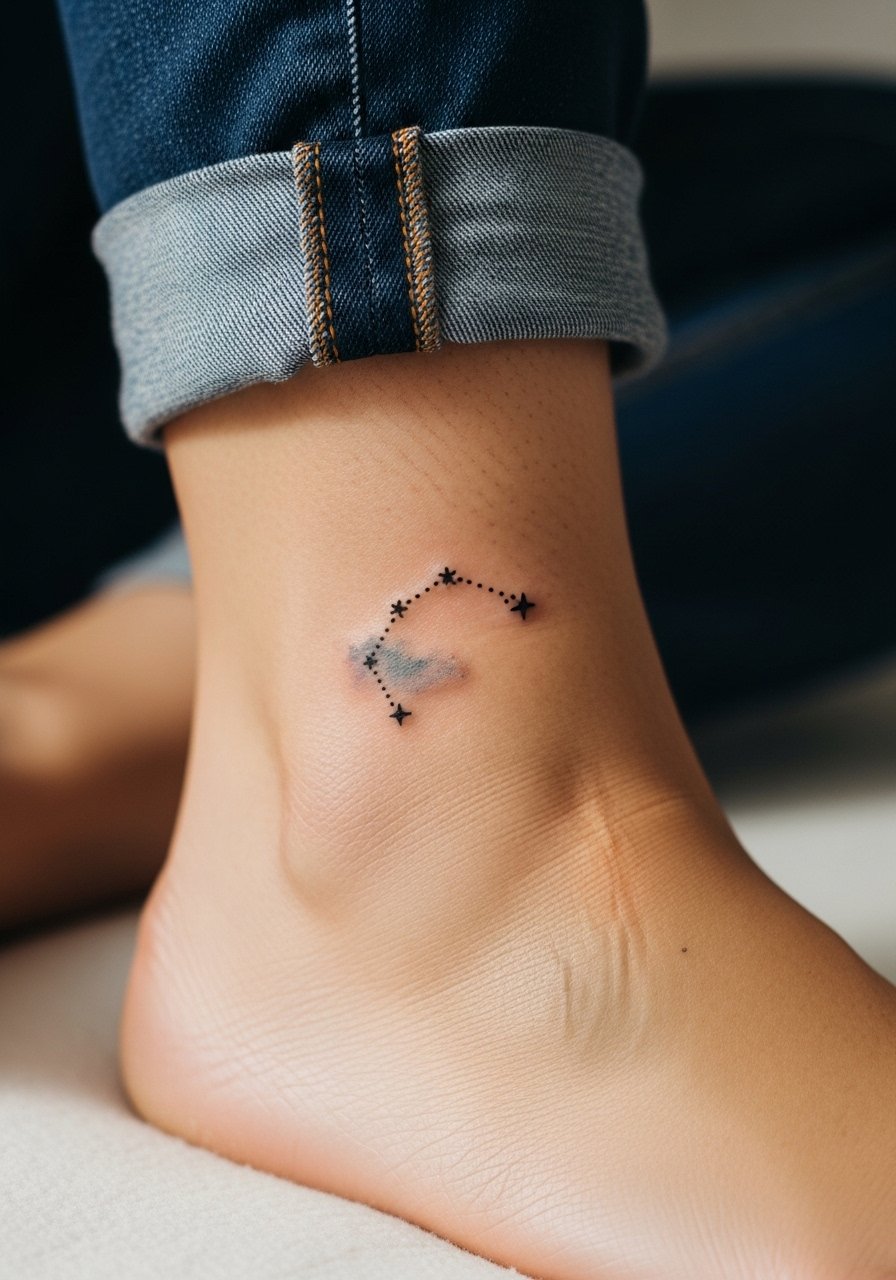
Ankle tattoos are charming but live in a high-friction zone from socks and shoes. Expect a quick session under 45 minutes but plan for careful healing. The common mistake is placing tiny stars too close together, which causes pigment to merge over time. Tell your artist to leave micro negative space between points and to keep the color washes diluted near the edges. At six months the dots keep shape if spacing was respected, and touch-ups are common around year two. For shoes-and-dress moments, pair it with low sandals or jeans rolled up to reveal the area without rubbing the fresh ink.
6. Shoulder Blade Watercolor Peony Cluster
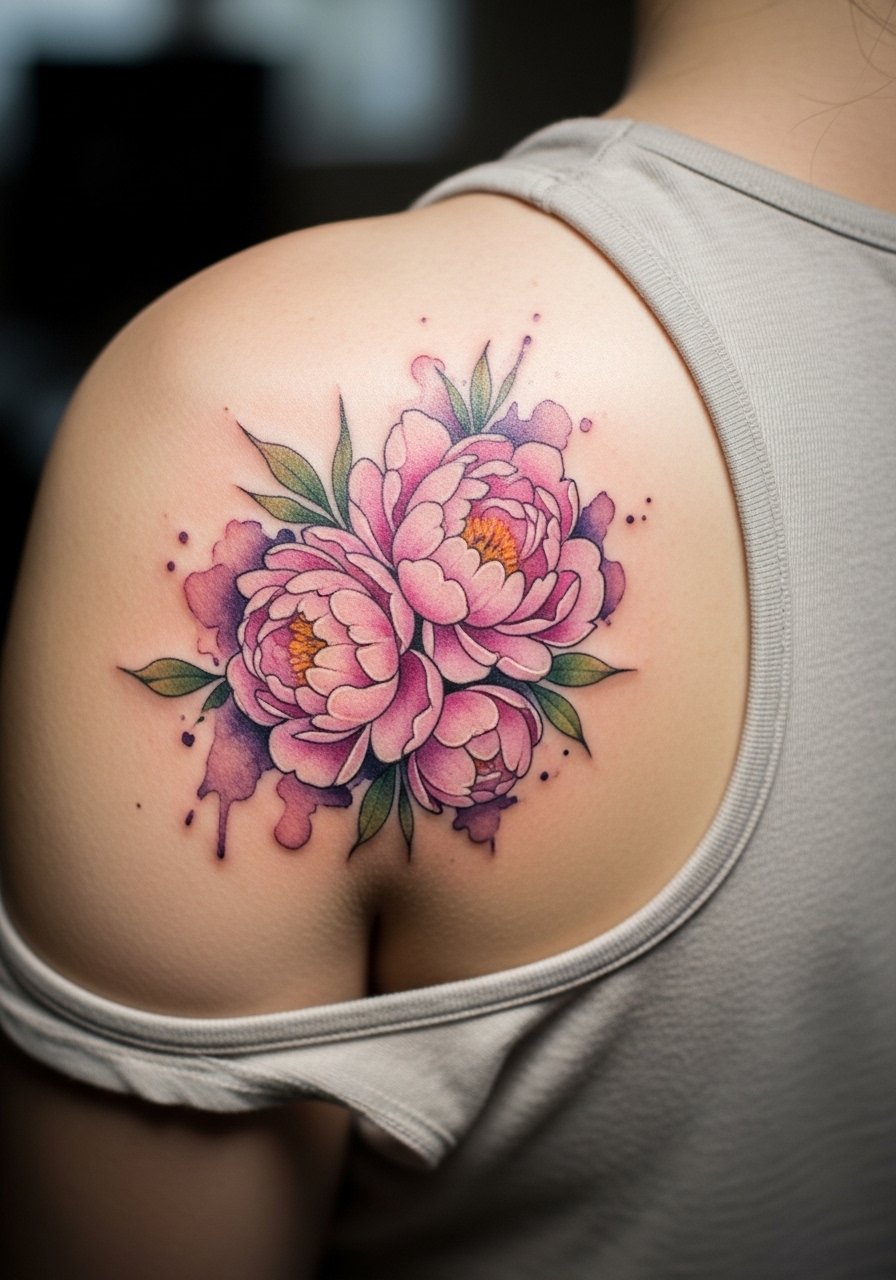
The shoulder blade is forgiving and ages well because there is less daily friction. Sessions feel like steady buzzes and often finish in one to two hours depending on size. During consultation specify where petals should fall toward the spine so the composition reads when you wear open-back tops. A common mistake is too much saturation near the edge, which can darken into a ring over time. For clothing, open-back dresses or a loose tank top both make the piece pop without risking irritation while healing.
Studio Day Picks
These items smooth out the session and the first week for the forearm, collarbone, sternum, ribcage, ankle, and shoulder pieces above.
- Stencil transfer paper kit. Lets you preview placement and lineweight, which is crucial for the moon phases and script pieces listed above.
- Low-residue topical numbing cream. Applied per instructions it can reduce the edge of sensitivity for tighter ribcage and sternum sessions without interfering with the stencil.
- Thin protective film roll. A breathable film helps ankle and wrist tattoos avoid friction from socks and bracelets during the first days.
- Fragrance-free gentle body wash. Gentle cleansing supports healing on areas like collarbone and shoulder where soap residues can irritate fresh ink.
- Aquaphor healing ointment. A thin layer in the first 48 hours helps retain moisture for delicate washes without clogging the needle channels.
7. Inner Wrist Watercolor Vine
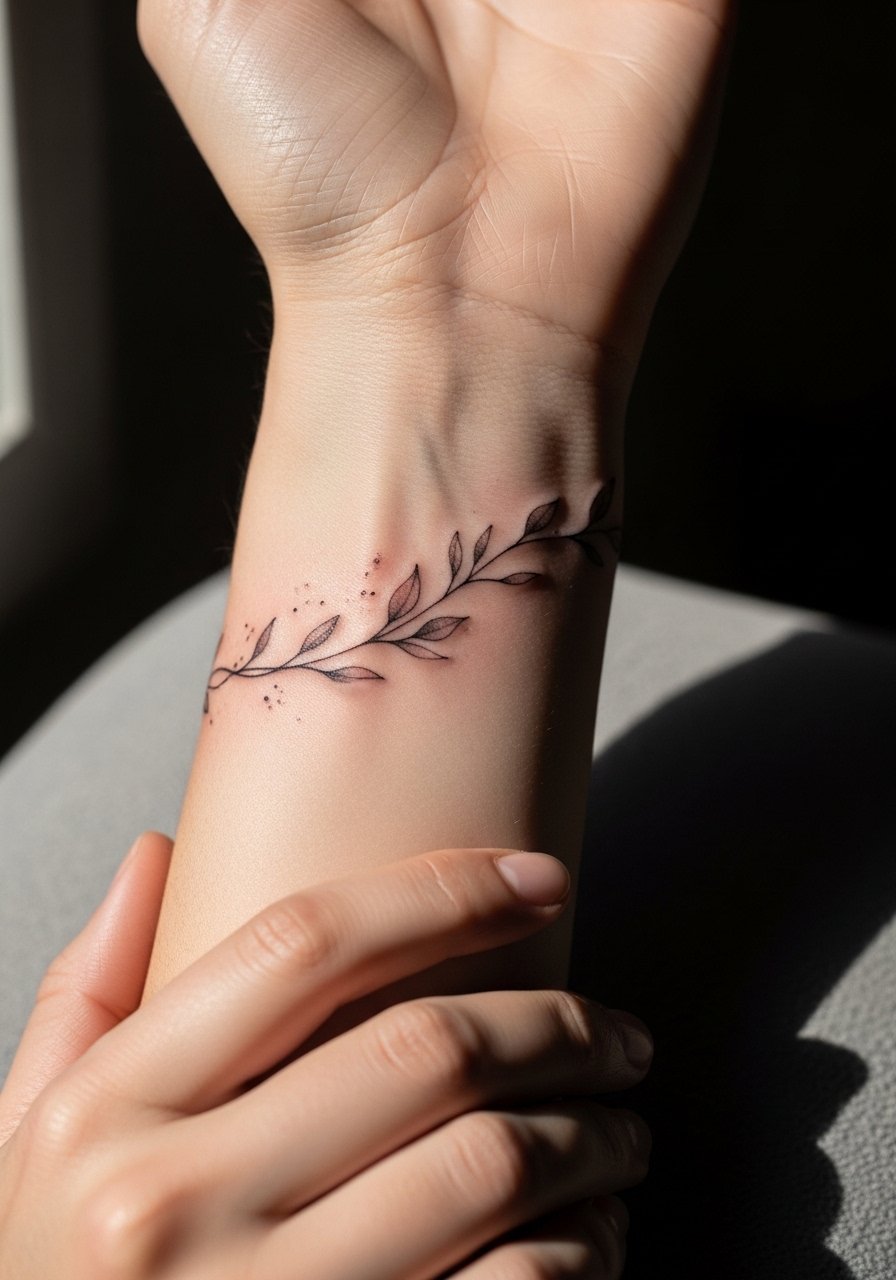
There's something about a wrist vine that reads intimate and wearable. Pain is low to moderate, and sessions are short. When you sit with your artist, point to where you want the vine anchor and how it should wrap so the piece does not sit awkward when you bend your hand. A common aging issue is over-detail in tiny leaves that merge as lines soften. Ask for simplified leaf shapes and slightly deeper line anchors. For showing off, stack delicate bracelets or a thin chain bracelet so the vine peeks between jewelry without being crowded.
8. Thigh Watercolor Floral Garland
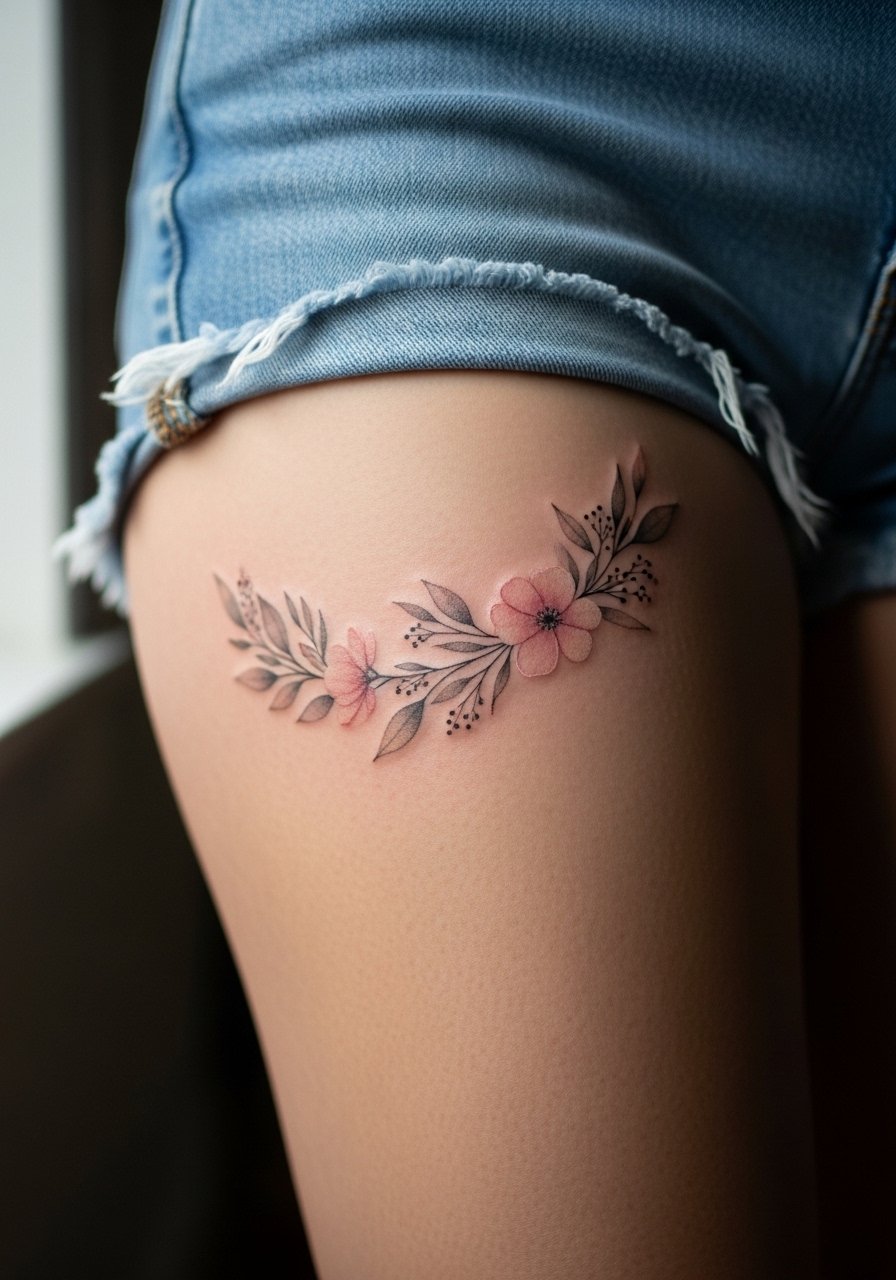
Thigh tattoos take longer to heal because clothing can rub the area, but larger canvases allow for gradual washes and movement in the design. Pain varies with placement on the outer versus inner thigh. Tell your artist how much you plan to show the garland in swimsuits or shorts so they can place blooms accordingly. The mistake I see is squeezing too much small detail into a curved area, which flattens over time. For the session wear loose shorts or a drawstring linen pant so the artist can access the spot without irritation.
9. Back of Neck Watercolor Script
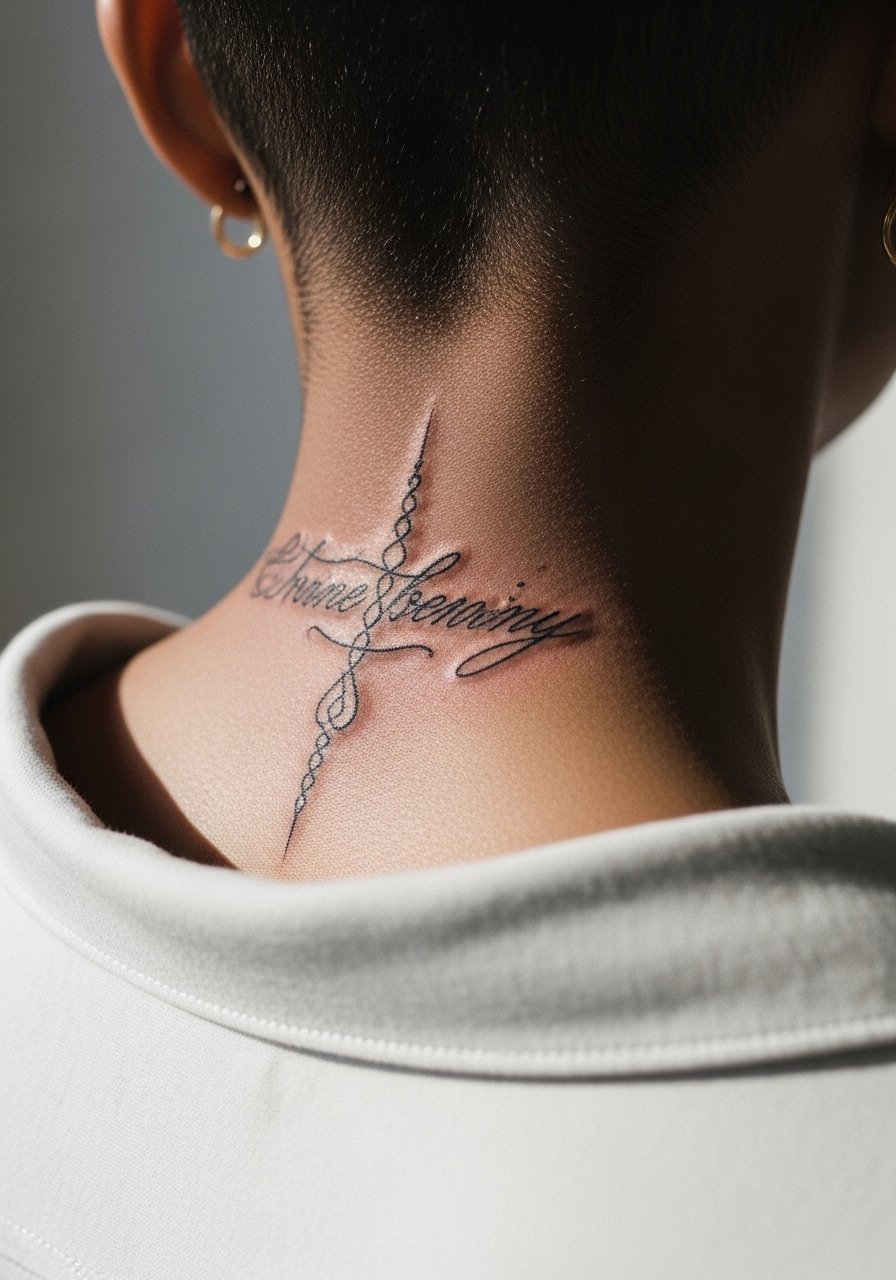
Neck pieces sit in a visible spot and need boldness to age well. The skin there moves with daily motion and hair, which affects saturation. During consultation state whether you want the script horizontal or slightly arched so it follows hairline and neckline. A common error is too-fine lettering that blurs within a couple of years. Expect touch-ups depending on sun exposure and hair products. For showing it off or hiding it as needed, a slightly wider collar shirt or wide-neck top works well.
10. Forearm Watercolor Hummingbird
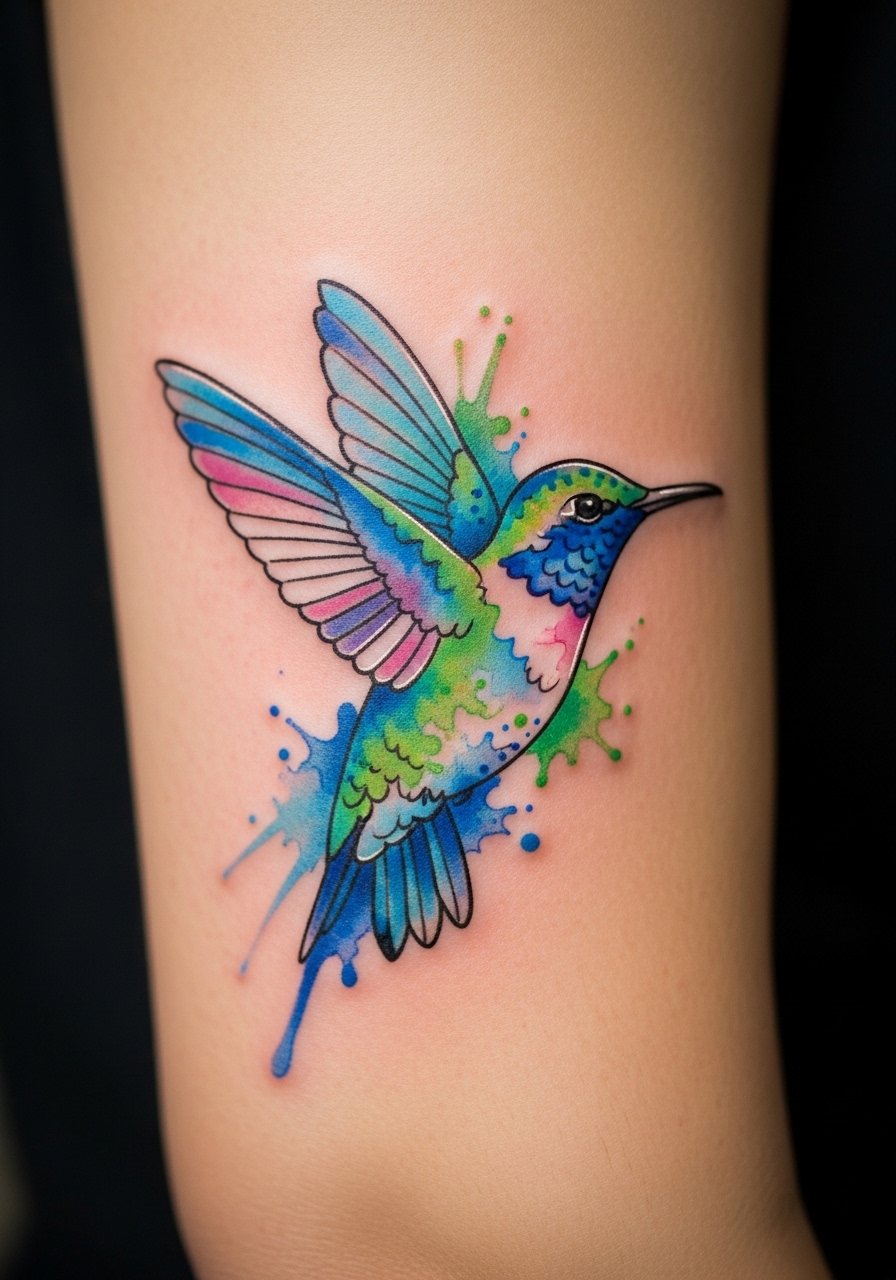
I've seen hummingbirds on forearms age beautifully when artists balance fine line flight feathers with mid-tone saturation. The forearm gets sun and abrasion, so initial saturation matters. Tell your artist to keep some negative space in the wings to avoid a muddy block as the pigment spreads. At six months the blur softens motion, and by year three you may want a touch-up on wing edges. Sessions are comfortable and often under two hours. Pair this with rolled-up sleeves or a short-sleeve linen shirt so the piece is visible without constant sun exposure.
11. Hand Watercolor Mini Rose
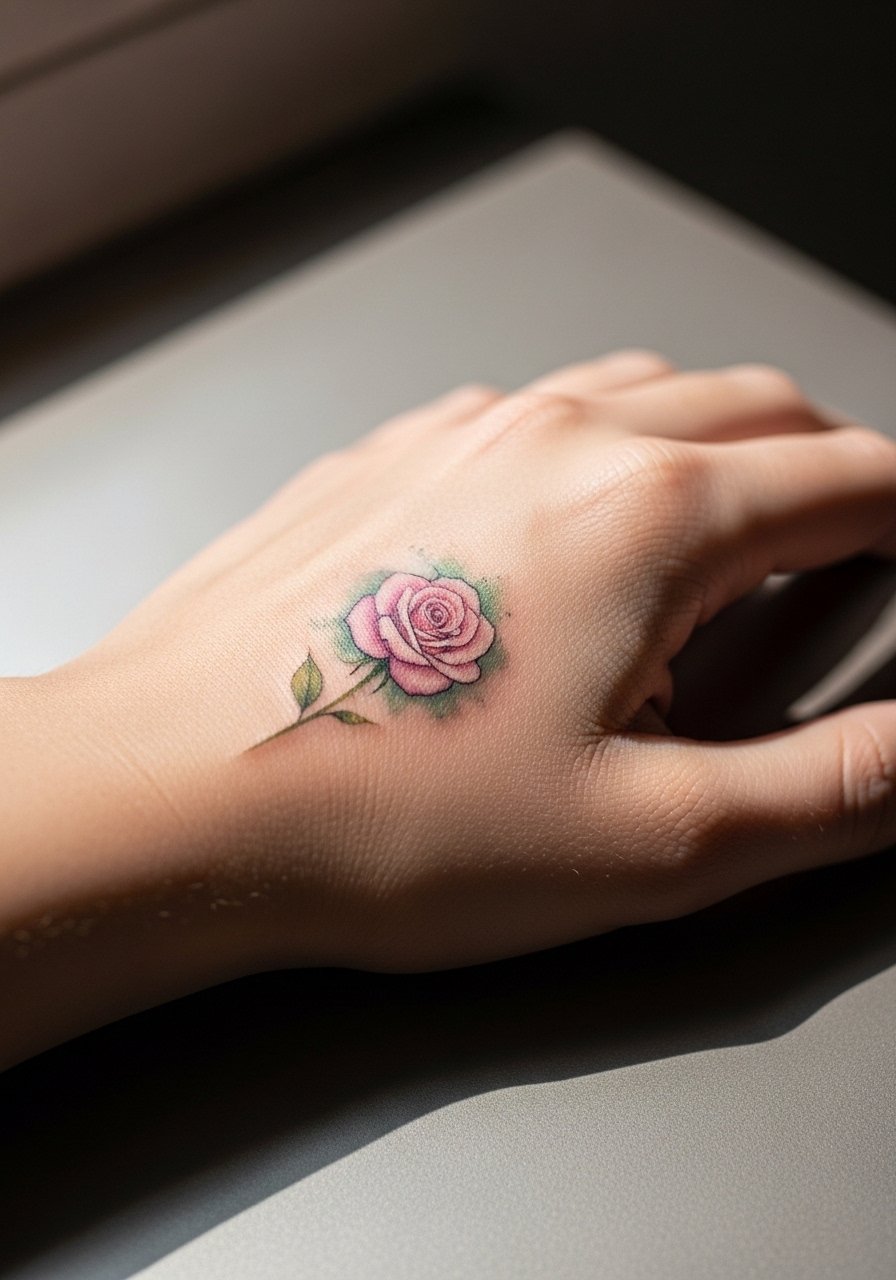
Hand tattoos still affect hiring in some industries, so think about career implications before committing. The hand is a high-blowout area and the skin regenerates rapidly, which makes retention variable. The common mistake is expecting long-term crisp edges; small roses often require maintenance. If you still want it, ask your artist to slightly enlarge scale and use bolder anchors in the center so petals keep shape through frequent washing. Sessions are short but painful due to thin skin. For showing it off, minimalist rings or knuckleless gloves can frame the piece without rubbing it raw during healing.
12. Behind-Ear Watercolor Star Cluster
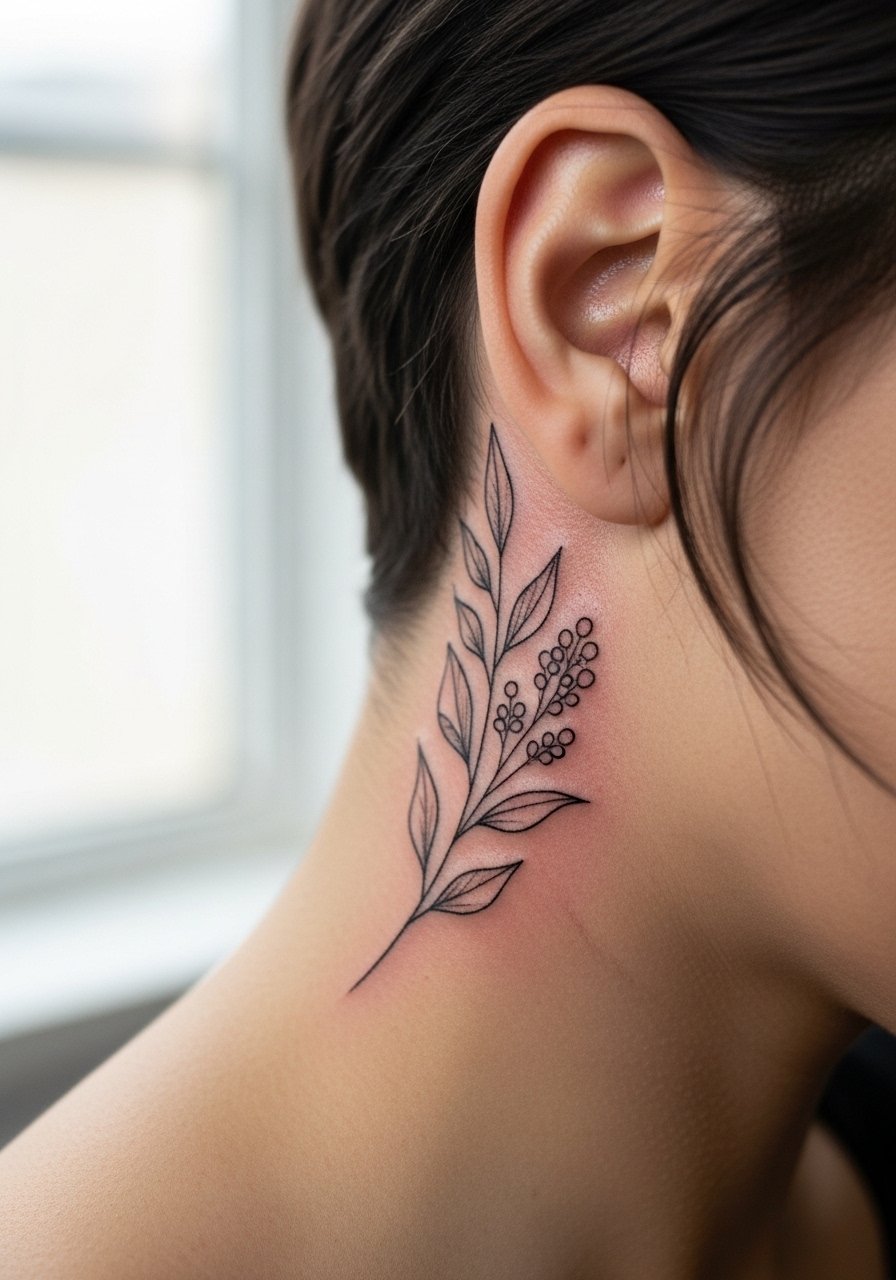
Behind-ear tattoos are tiny and private by design. The skin is thin and the area sees little friction, so small washes can hold if the ink is placed shallow enough to avoid blowout. When you book, know the placement will be visible with hair up and hidden with hair down. Avoid asking for tiny clusters packed too close. One real mistake is getting several tiny colors that sit on top of each other, which can muddy as the tattoo heals. Sessions are quick. For appointment day wear your hair in a way the artist can easily tuck it up or down.
13. Watercolor Mandala Over Shoulder
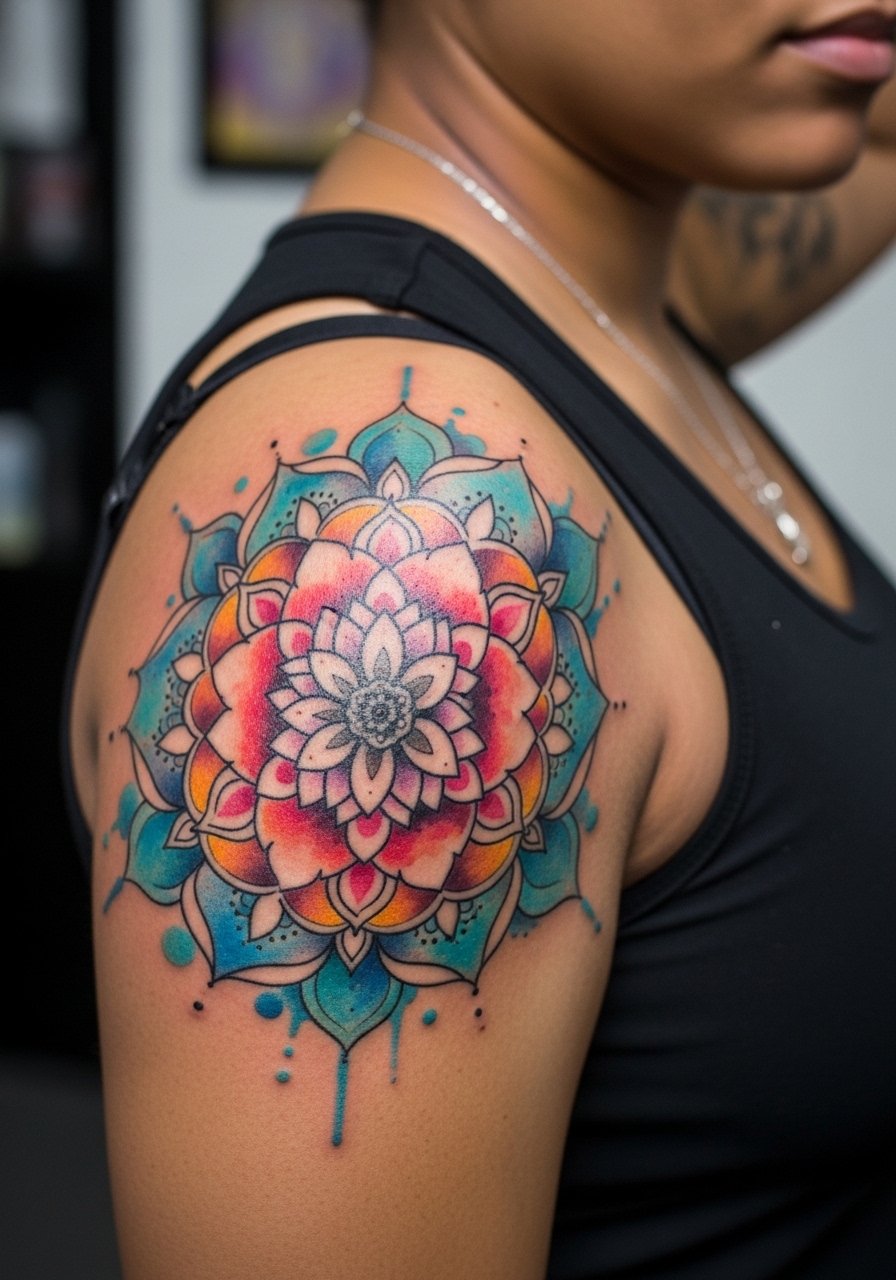
Mandala washes add softness to geometric work, but there is a debate in the community. One camp says watercolor fills dilute the crisp sacred geometry and affect visual clarity. The other camp blends stipple shading with color to keep structure while adding softness. If you want both, ask for a fine-line geometric base with light stipple and then soft washes layered on top. This approach keeps the mandala reading clean at six months and still readable at two years. Sessions can be longer for larger pieces. Pair with open-shoulder tops or a tank top so you can show the pattern without stressing it during healing.
14. Finger Watercolor Dot Glyph
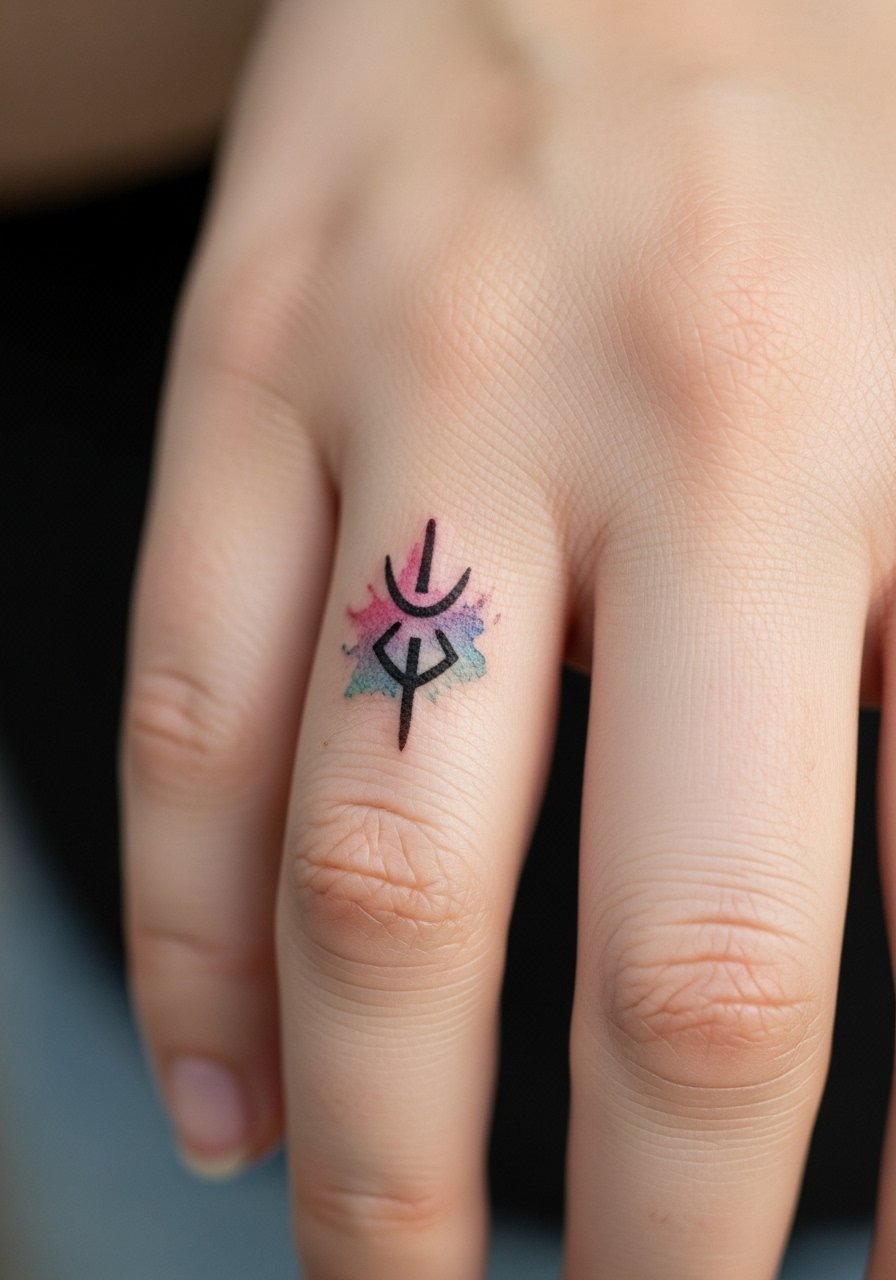
Fingers are one of the most failure-prone placements for watercolor because washing and movement accelerate fading. If you want a glyph there, pick a slightly larger scale and accept that yearly touch-ups are common. The worst mistake is requesting ultra-fine shading that disappears in months. During consultation ask about pigment depth and whether the artist recommends a bolder outline. Sessions are short but uncomfortable. For everyday wear, minimalist rings can frame the glyph, but avoid thick bands that press on the new ink during healing.
15. Calf Watercolor Wave
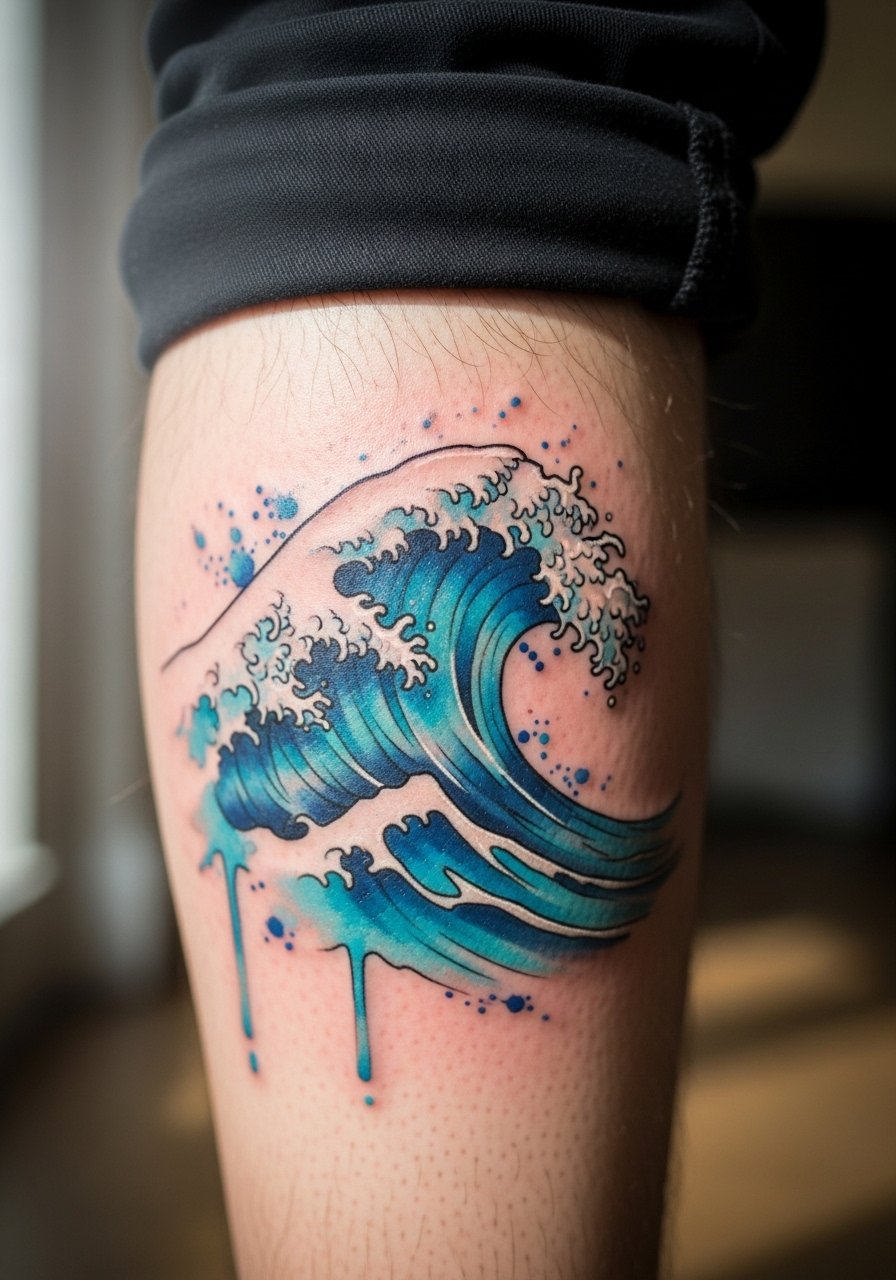
Calf tattoos sit on a forgiving canvas and hold color well because they see less constant abrasion. Visual impact is high when the wave uses layered washes with a darker anchor at the crest. Tell your artist whether you want the piece to align with muscle lines for motion when you walk. A common mistake is centering the design too high so it vanishes when wearing mid-length skirts. Sessions can be longer if you want a large wave. For showing the tattoo, roll up pants or wear mid-calf boots to create intentional peeks without chafing the area.
16. Hip Watercolor Crescent and Florals
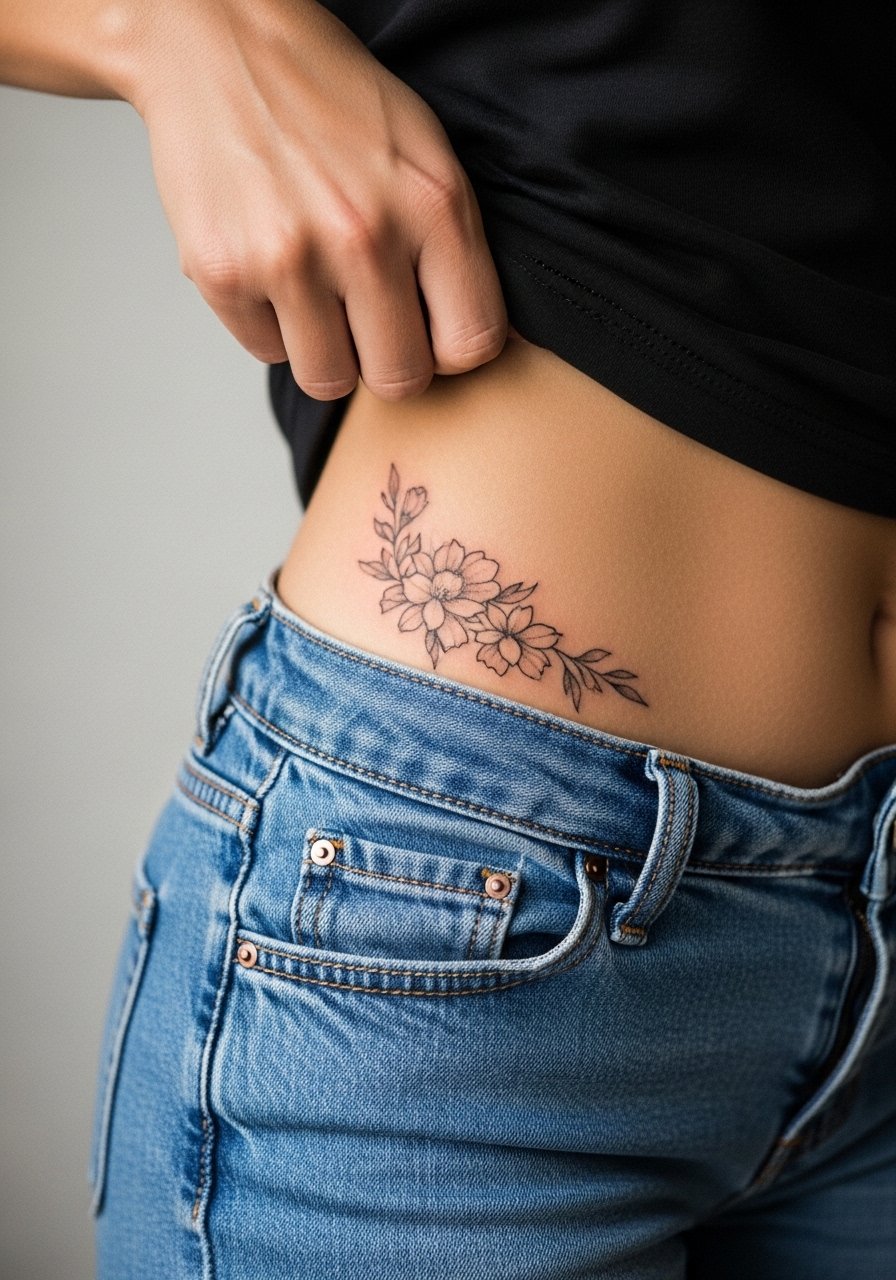
Hip pieces are sensual and often hidden, so you can be bolder with color. The session requires privacy and comfortable clothing, and you should expect a bit more soreness because the area shifts with movement. A common mistake is placing intricate fine lines that fail to hold in such a mobile zone. Instead ask for broader washes with clear anchors at petal centers. During the appointment wear high-waisted bottoms you can lower slightly or a swimsuit bottom so the artist can work without full exposure. For swimwear season, coordinate placements with the high-waisted line to make the design peek where you want it.
17. Clavicle Watercolor Swallow
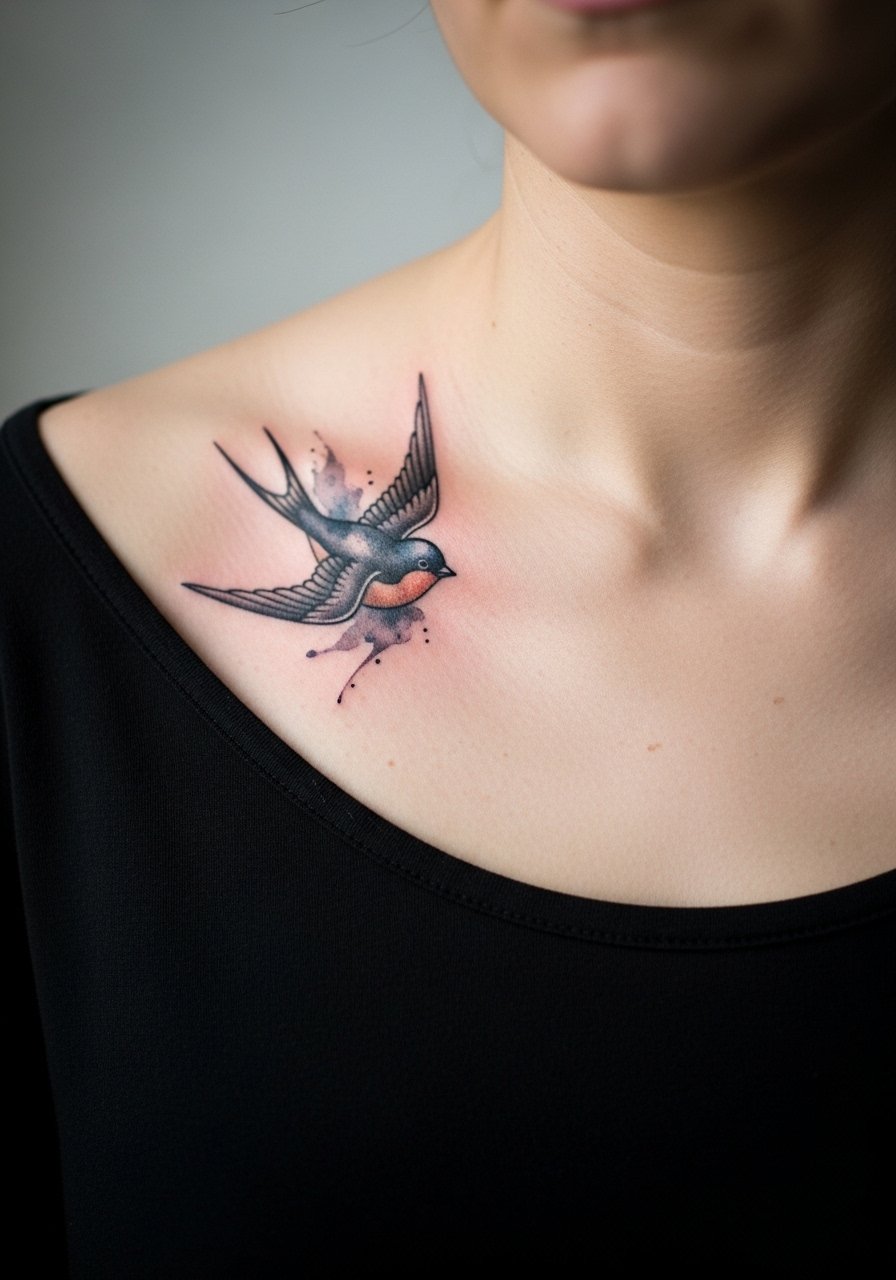
There's visual drama when a swallow lifts from the clavicle toward the shoulder. Expect moderate pain as bone is close, and keep sessions short to avoid oversaturation. Ask for contrast at the wing joints and softer washes on the body so the bird retains flight lines as the color softens. Common mistakes include too-many tiny flecks of color that fade unevenly. Touch-up timelines vary but plan for touch-up in two to three years if you want the colors vivid. For evenings out, pair this with open-neck blouses or a wide-neck dress to let the bird breathe visually.
18. Inner Bicep Watercolor Fern
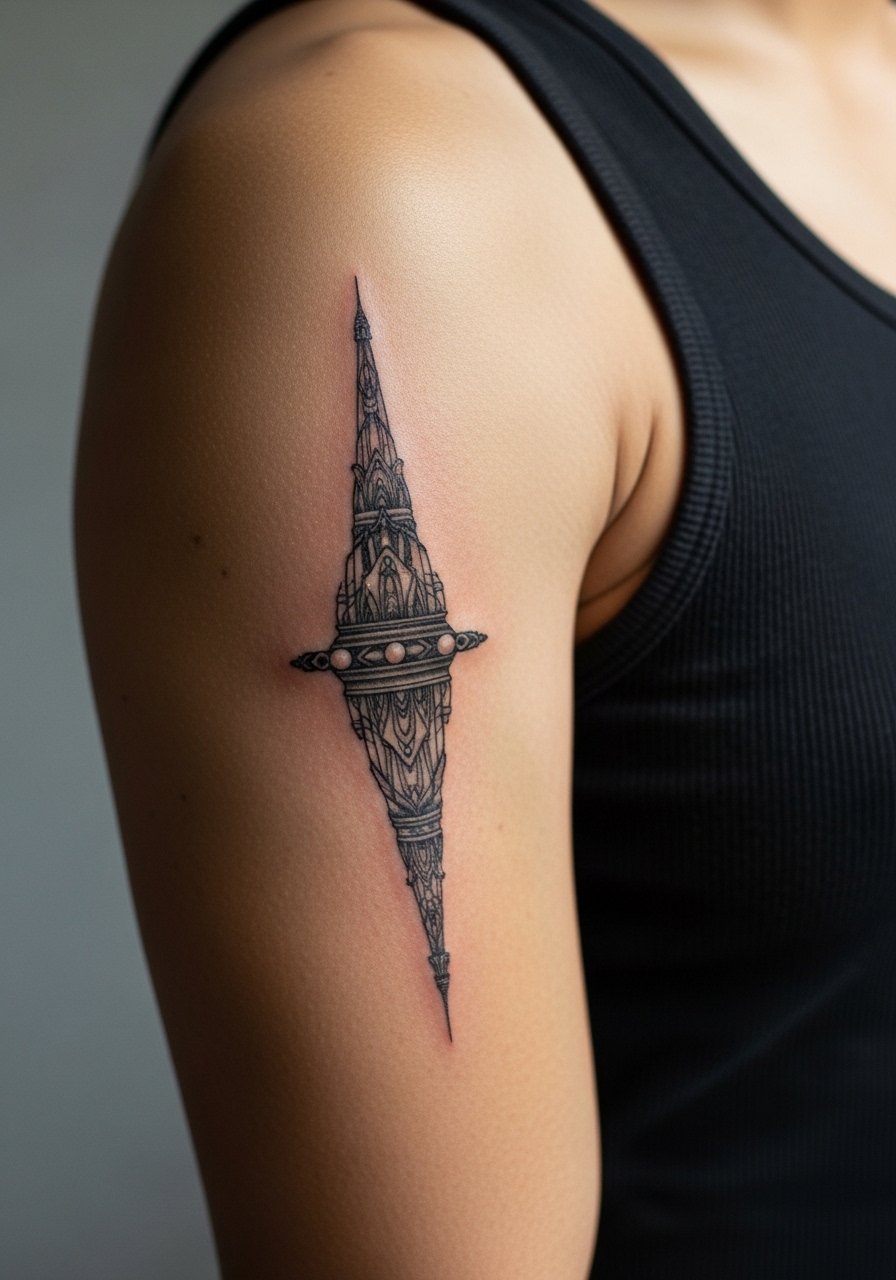
Inner bicep placements are private and heal under less friction than hands or feet. Pain is higher because the skin is soft, but sessions are manageable. Tell your artist you want the fern to curve with the muscle rather than sit flat, which keeps the motion natural as your arm moves. Mistakes happen when artists pack dense pigment here, causing blotchy healing. Expect color to settle into a softer, more muted version at six months and stable results by year two. During the appointment wear a sleeveless top or a tank top you can lift for access.
19. Watercolor Sun on the Sternum Edge
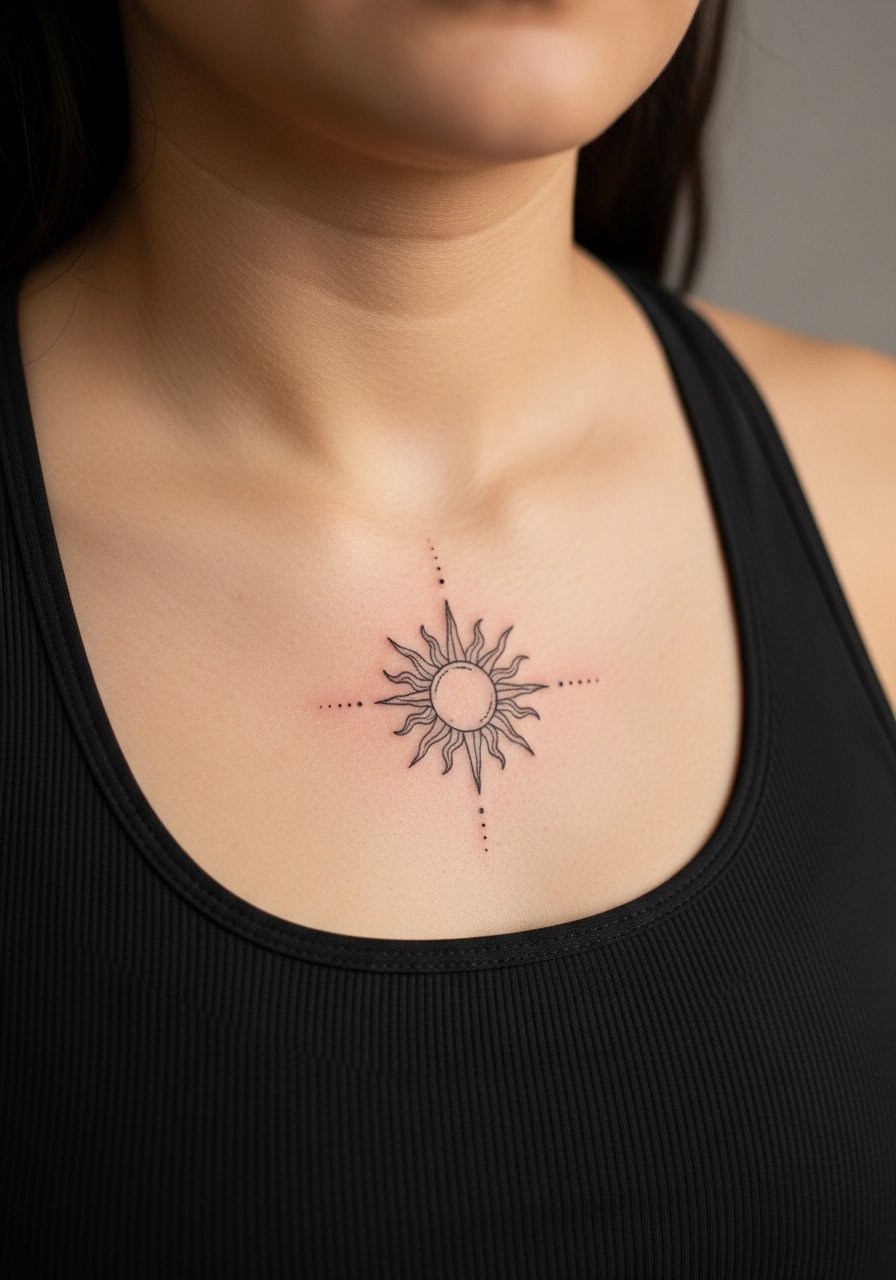
Solar motifs along the sternum edge are bold when played with negative space. The sternum sees a lot of movement, so keep fills lighter and focus on a crisp center. During consult ask about how clothing will overlap the top so seams do not sit directly on the sunburst. The mistake I often see is heavy outer ring saturation that flakes during healing. Expect a gentle fade and possibly a touch-up within two to three years depending on sun exposure. For the session wear a fitted sports bra or bandeau so the artist can work without full exposure.
20. Watercolor Necklace Script Across Collar
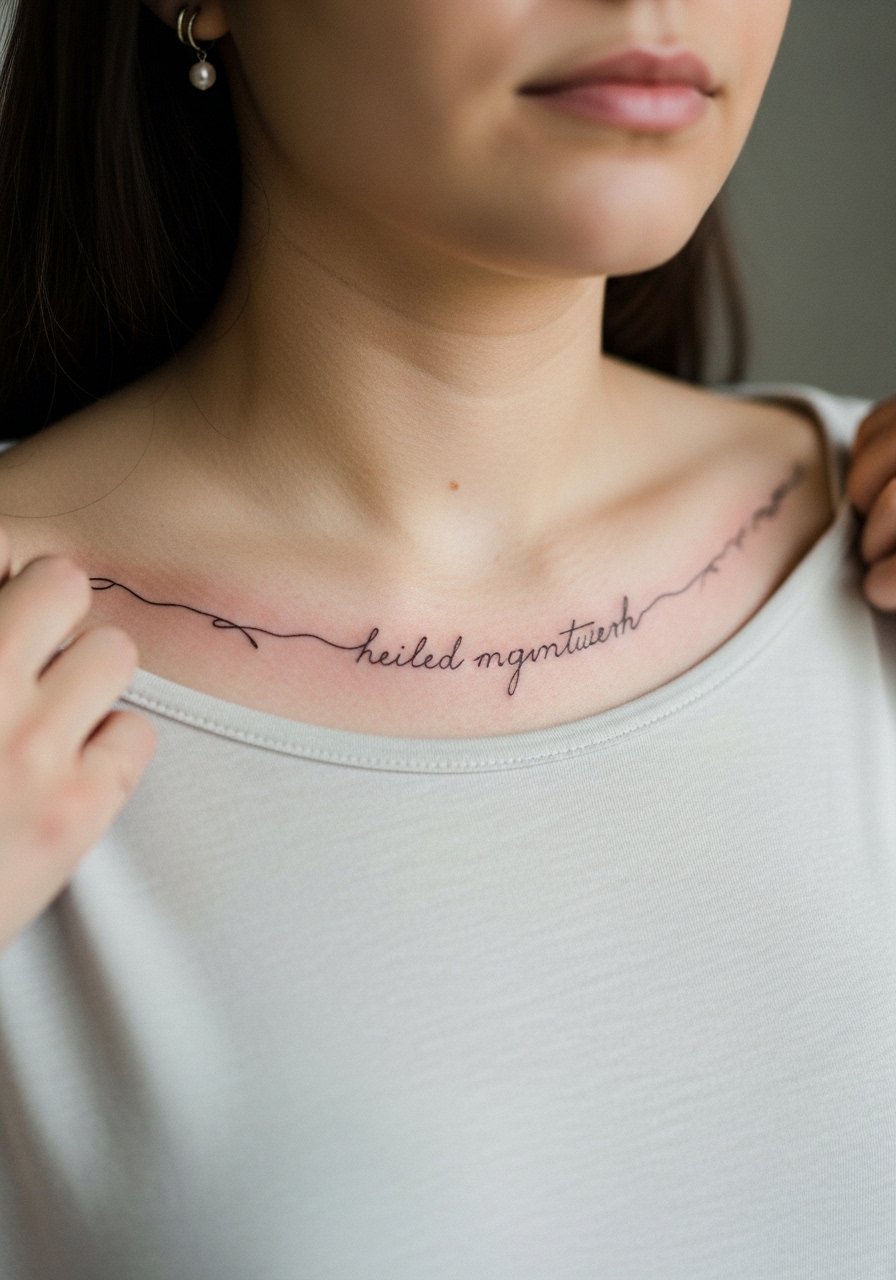
A script that sits like a necklace reads as jewelry when placed correctly. The trick is to have a steady baseline and slightly thicker downstrokes so letters remain legible as ink settles. A frequent error is asking for micro-lettering, which blurs on chest movement. Plan for a one-hour session for short phrases and be explicit about font weight during consultation. For styling, pair it visually with a thin chain pendant necklace that sits just above the script to avoid competing lines.
21. Watercolor Palm Tree on Calf
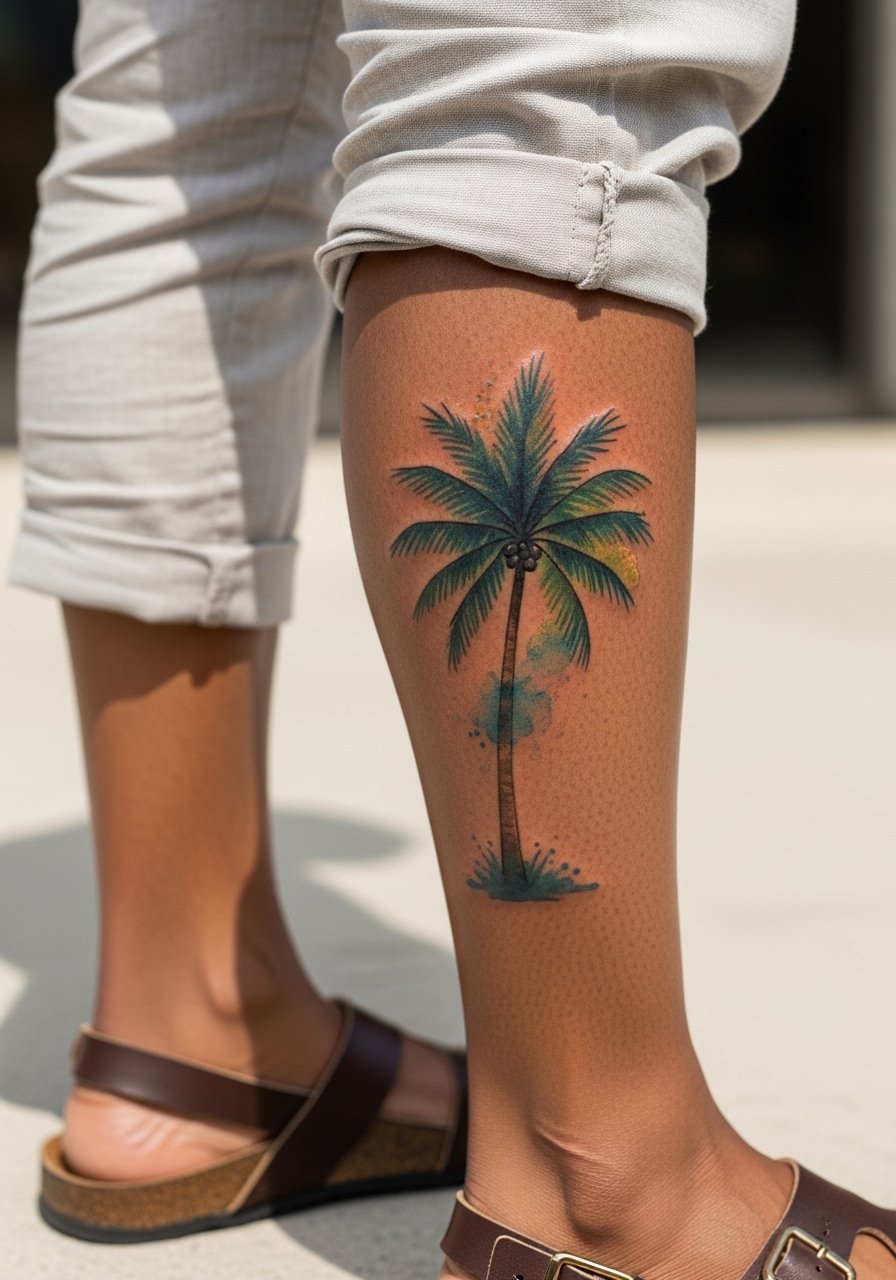
Calf placement works well for vertical motifs like a palm tree because the limb frames it naturally. Sessions can be longer if you want fine fronds, but ask for room between fronds to prevent merging. The mistake is over-detailing fronds too close together. Expect softening at six months and a chance of needing touch-ups by year three if you spend a lot of time in sun. For showing it off, sandals and cropped pants let the tattoo show without constant sun exposure that fades colors.
22. Watercolor Heart Locket Behind Clavicle
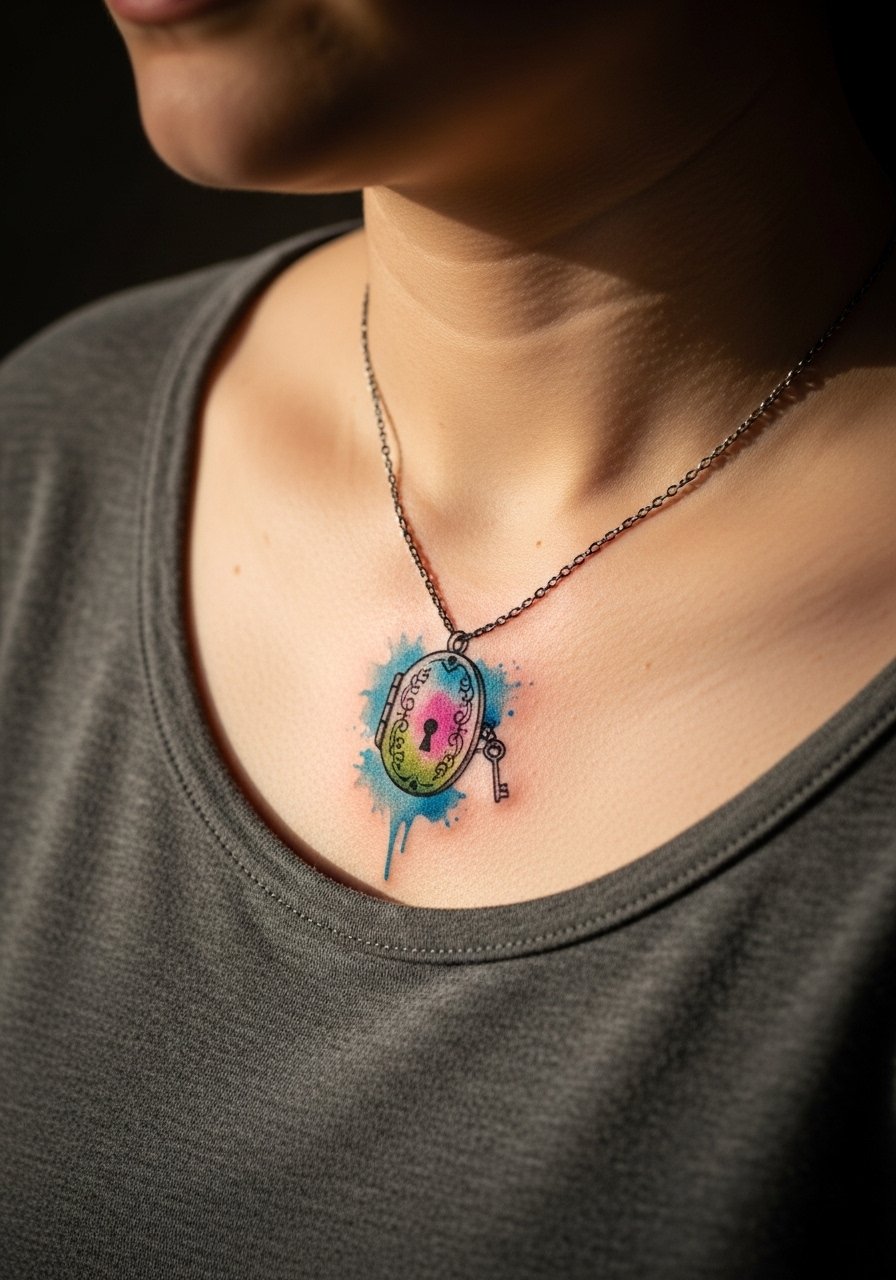
Small chest pieces near the clavicle have to balance scale with bone proximity. Pain is moderate. In consultation describe exact size and whether you want a chain illusion leading toward the shoulder. The common mistake is asking for too many tiny decorative elements that disappear as the wash blurs. Keep the locket simple with a darker center to retain shape. For styling pair it with a short pendant or a thin chain necklace if you want the tattoo to sit like a piece of real jewelry.
23. Inner Thigh Watercolor Bird Cage
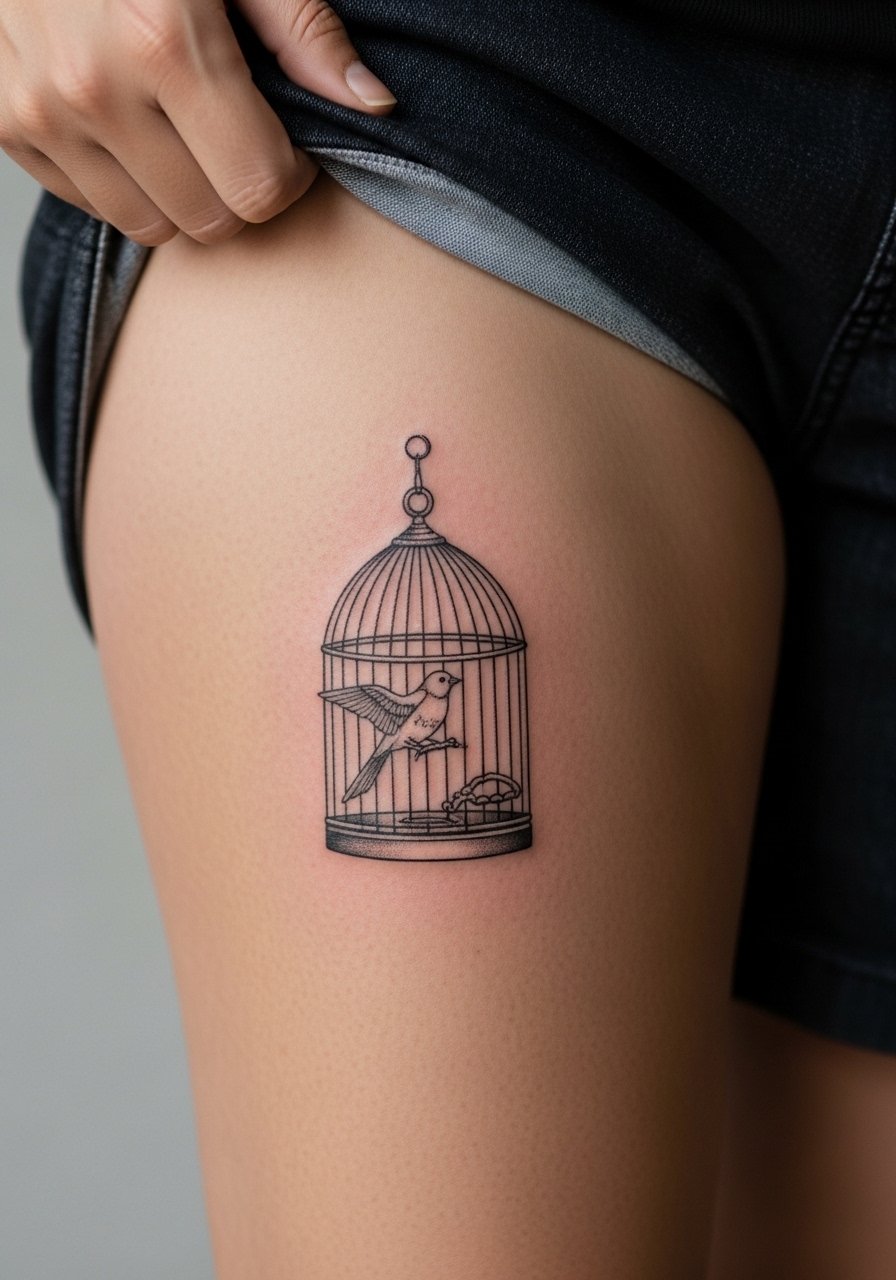
Inner thigh work is private and usually ages well because it sees low abrasion. Sessions can be sensitive and longer depending on size. The error people make is asking for tiny latchwork and filigree that will muddy. Instead choose bold cage bars with watercolor backgrounds that hint at detail without relying on micro-lines. Recovery needs loose clothing like shorts or a skirt to avoid rubbing. For appointment day wear shorts you can move slightly so the artist has clean access without discomfort.
24. Watercolor Spine Motif
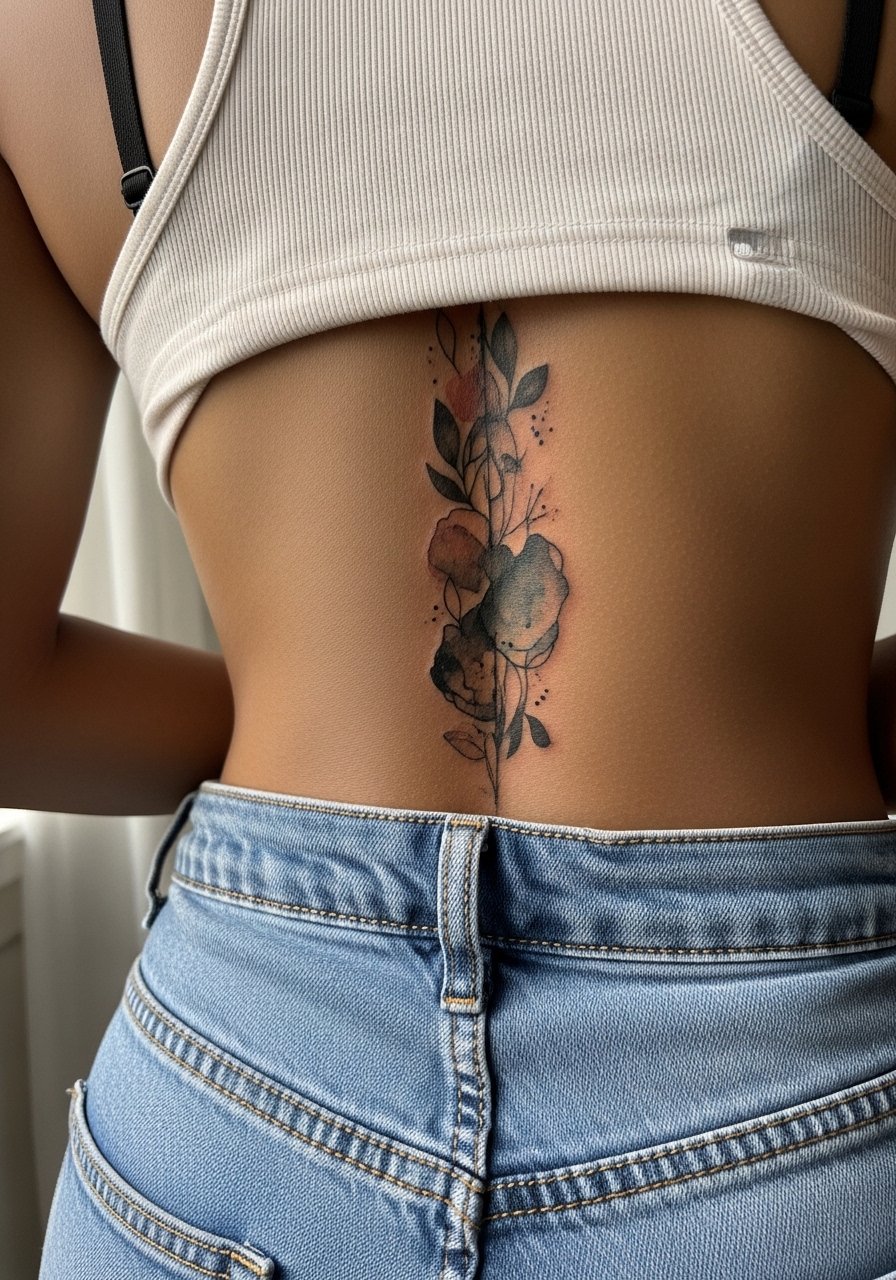
Spine pieces create a long visual line and look striking when each segment is balanced. The pain varies with skin sensitivity over the vertebrae. During consult discuss how the motif will flow with the spine and whether you want denser color at certain focal points. The mistake is making segments too close so they blend into one wash. Plan for two sessions if you want both crisp line anchors and layered color. For showing it off wear low-rise or open-back tops that reveal a narrow band of the spine.
25. Watercolor Palm of Hand Heart
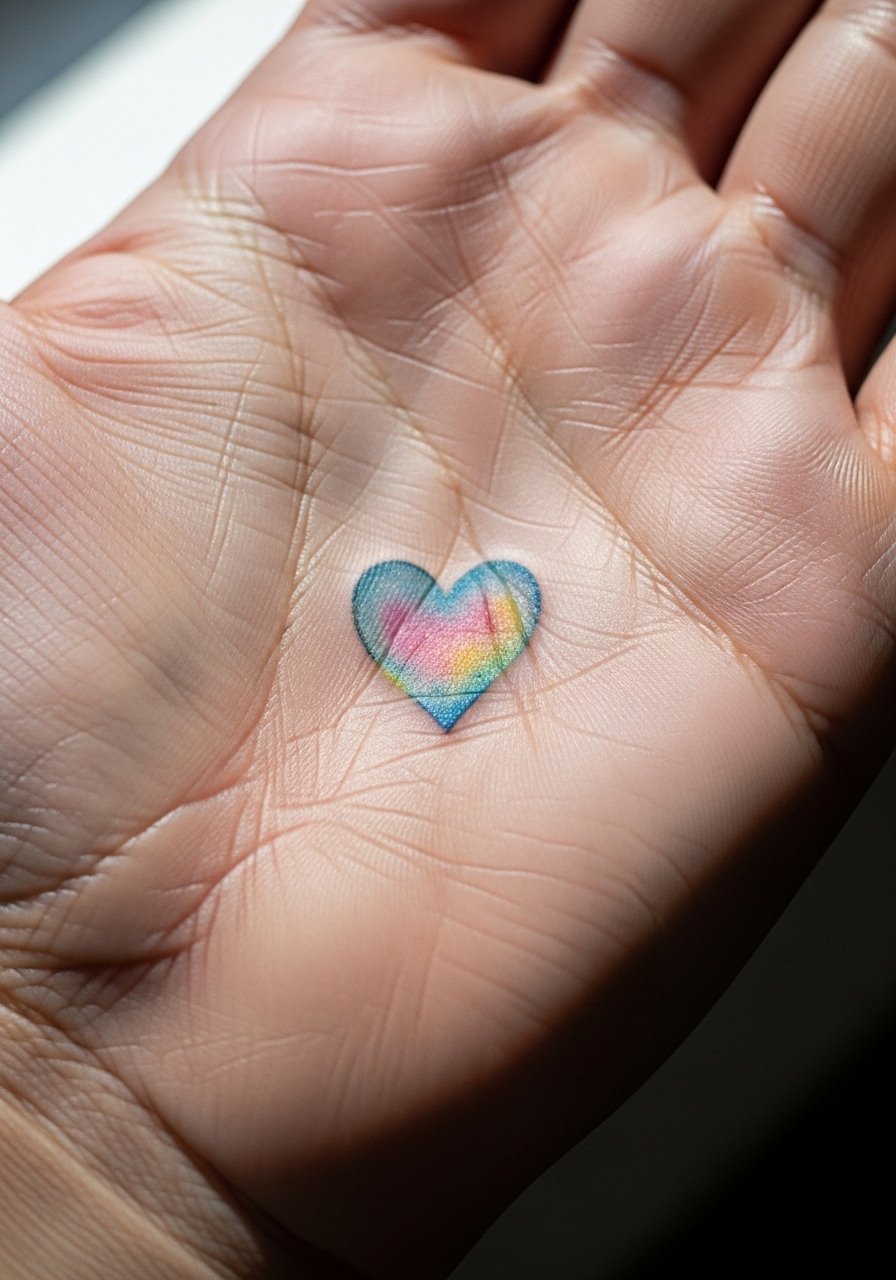
Palms are among the most transient spots for tattoos because of constant use and regeneration. Expect significant fading and frequent touch-ups. If you want palm work, scale up and accept it as an evolving piece rather than a permanent crisp image. A common mistake is expecting detail to survive. Sessions are quick but healing takes special care because the area sheds skin more actively. Consider this a statement that will require maintenance. For wearability, limit heavy manual work during the first month to protect the new ink.
26. Watercolor Ankle Band with Leaves
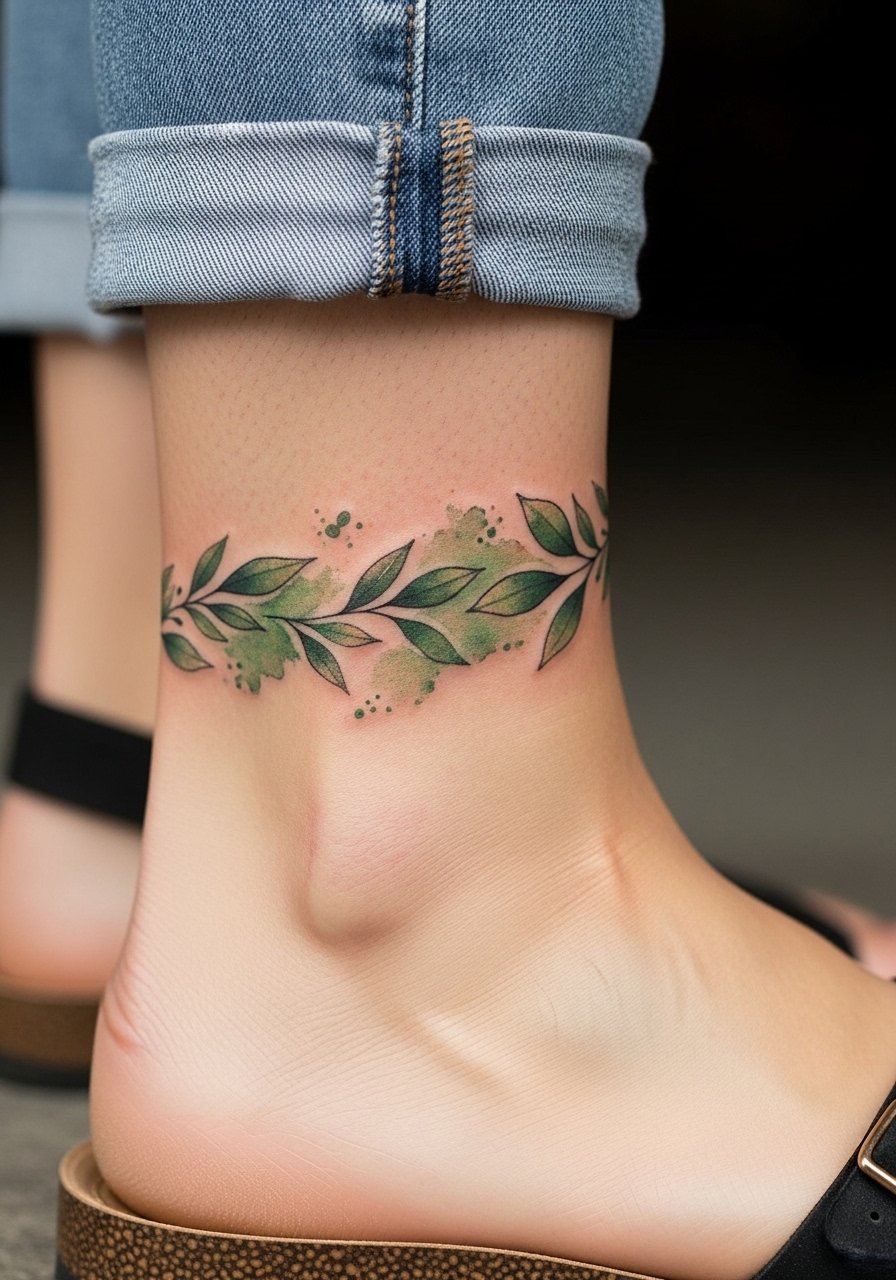
Ankle bands are pretty and frame footwear, but they sit near friction zones. The mistake is tiny overlapping leaves that lose separation as the pigment migrates. Ask for slightly larger leaf shapes and a thin negative space between repeats. Recovery requires careful shoe selection for the first week. Sessions are short but the placement makes real difference in longevity. For showing the band off, choose low sandals or roll pant hems to reveal the detail without rubbing.
27. Watercolor Halo Around Nape
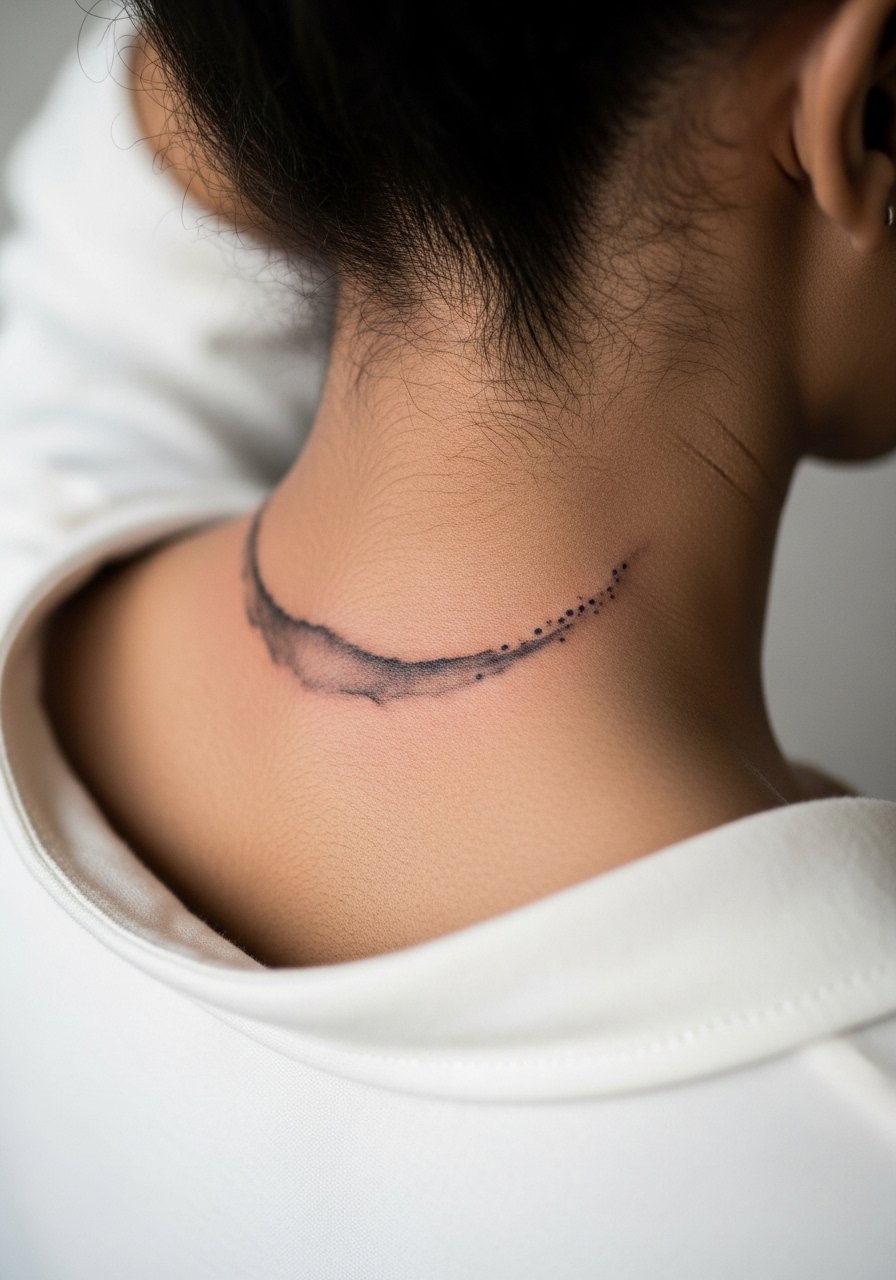
The nape is a nice balance of visibility and concealment. Fine washes here can hold if the artist places pigment a bit deeper to account for hair oils and friction from collars. A common mistake is expecting ultra-fine watercolor to remain crisp under a hairline. When you consult, discuss hair styles you wear most so the artist can place the halo accordingly. Sessions are short but you might need a touch-up if you frequently wear scarves or high collars.
Frequently Asked Questions
Q: How do watercolor-style tattoos hold up compared with traditional saturated pieces on areas like the forearm and calf?
A: From what I've seen, watercolor tends to soften faster than saturated traditional work because washes are more about subtle tone than dense pigment. On forearms and calves you can extend longevity by asking for slightly stronger anchors or a mix of fine line and wash. Expect touch-ups sooner than you would with bold blackwork, often around year two to three depending on sun exposure.
Q: Should I avoid watercolor on the hands, fingers, and palms?
A: If longevity is the main goal, those zones are risky because of constant washing and thin skin. Tiny watercolor details fade faster and usually need annual touch-ups. If you accept that as part of the plan, scale up and ask your artist for bolder anchors rather than micro-shading.
Q: Do I need different session wear for sternum or ribcage pieces compared with forearm work?
A: Yes. For sternum and ribcage, wear a fitted sports bra or bandeau so the artist can access the area without full exposure. For forearms, a rolled-up sleeve or short-sleeve linen shirt works. These small wardrobe choices make sessions smoother and reduce the chance of accidental rubbing during healing. See the earlier item suggestions for specific search keywords.
Q: How often should I plan touch-ups for fine watercolor on the collarbone or shoulder blade?
A: It depends on skin type and sun exposure. Shoulder blade pieces often hold color longer because of less abrasion, so touch-ups might be every three to five years. Collarbone pieces can need touch-ups sooner because of bone proximity and sun. Plan a check-in around year two to see if you want refresh work.
Q: Are there design choices that make watercolor more stable on tricky spots like the ribcage?
A: Yes. Ask for a slightly bolder line base or stipple anchors behind washes, and leave more negative space between dense areas. This gives the wash room to age without merging into blobs. Also discuss your pain tolerance so the artist knows whether to finish saturation in one session or split it across two.
Q: Can clothing and accessories help a watercolor tattoo read better while it heals?
A: Absolutely. Open-neck tops, wide-neck shirts, and rolled sleeves highlight collarbone, shoulder, and forearm pieces without stressing the area. For wrists and ankles select minimalist bracelets or sandals that reveal the tattoo and do not press against fresh ink. Links earlier in the article point to relevant search terms if you want quick options.