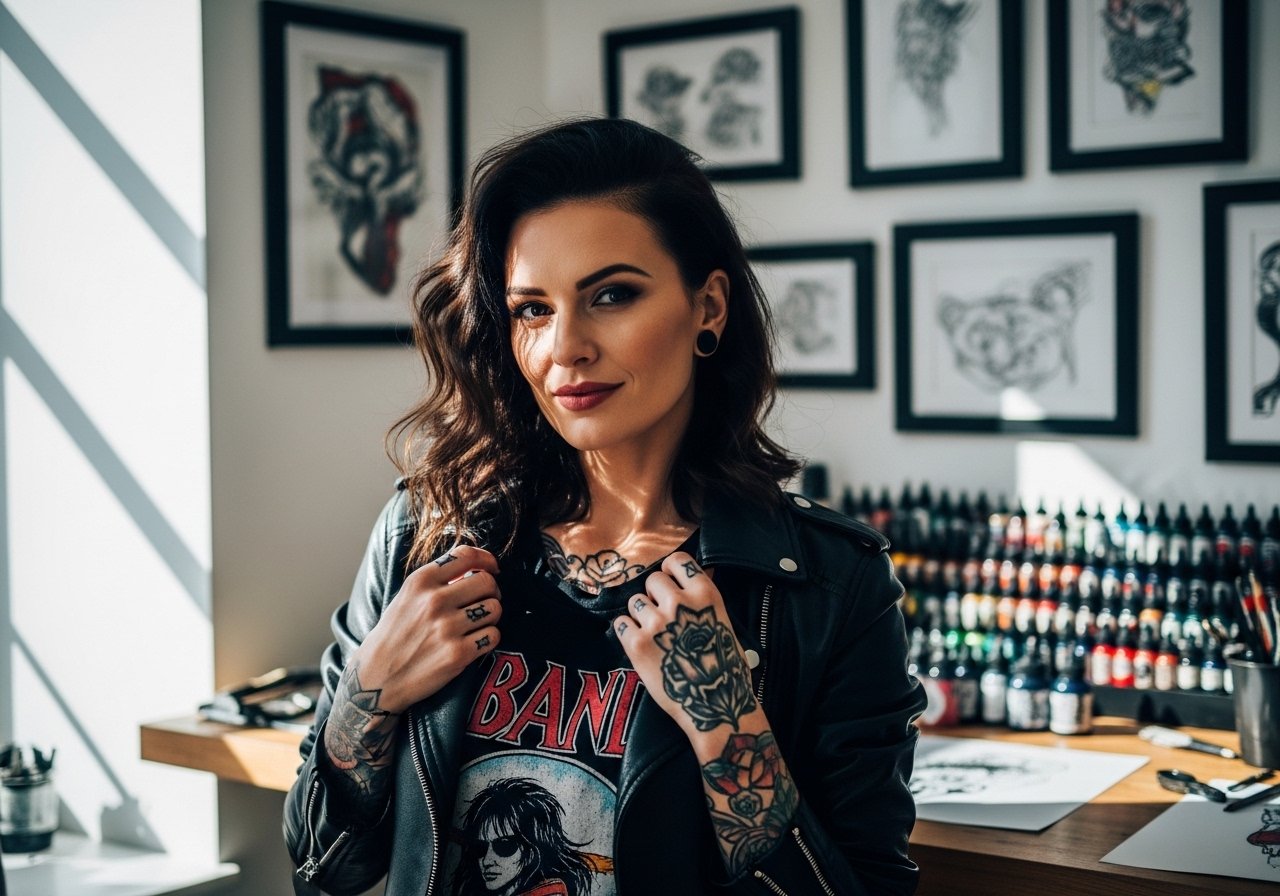
Fine line tattoos dominate feeds, but what trends actually look good five years from now is another story. The designs that age cleanly usually give the needle room to breathe and rely on bold anchors or thoughtful spacing. Below are 17 "The World Is Yours" references that balance visual punch with practical longevity, plus what to ask for in consults and how to dress for the session.
1. Fine Line Globe on Inner Forearm
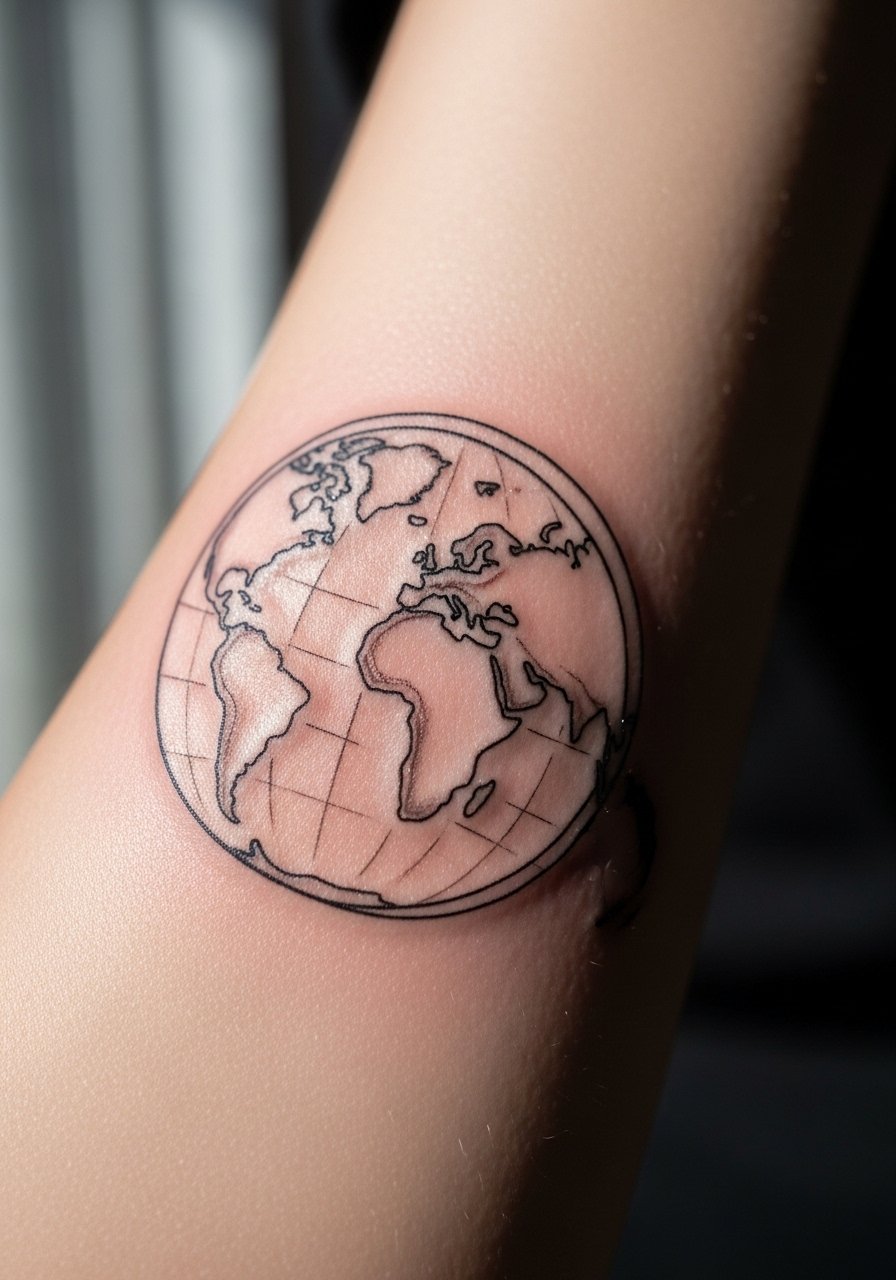
I recommend this if you want a readable, travel-themed piece that stays subtle. Ask your artist to keep the continents simplified and the lineweight slightly bolder than a fashion-fine line so the shapes do not collapse at year three. Expect low to medium pain and a single 60 to 90 minute session. Common mistake is asking for ultra-thin lines without accounting for motion on the forearm, which causes blurring. For the consult, show a few globe references that match the exact scale you want and say you want defined negative space between continents. This sits well with rolled sleeves and linen tops, so wear a rolled+linen+shirt when you want to show it off.
2. Micro-Realism Passport Stamp on Upper Chest
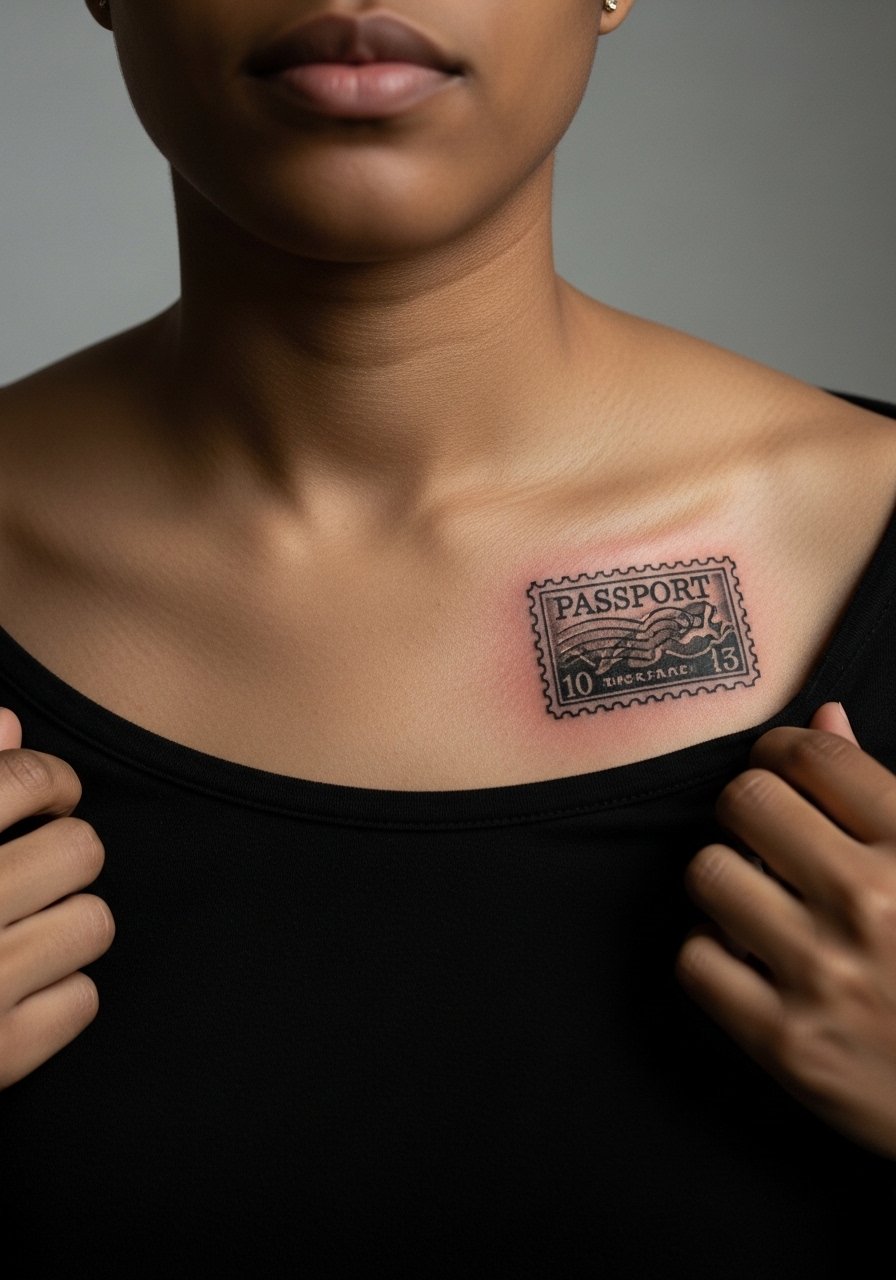
This reads like a worn relic when done with soft dot work and a tiny amount of grain shading. The upper chest moves with breathing, so expect a 90 to 150 minute session if you want texture. For consultation, request a slightly desaturated palette and stipple shading rather than dense color. Note that chest skin tolerates richer saturation well, so the piece can age with depth if done right. For session comfort wear a wide-neck shirt you can pull aside easily and then switch to a low collar top for photos. A simple open+collar+button+shirt helps access the area without fuss.
3. Script + Globe Along the Collarbone
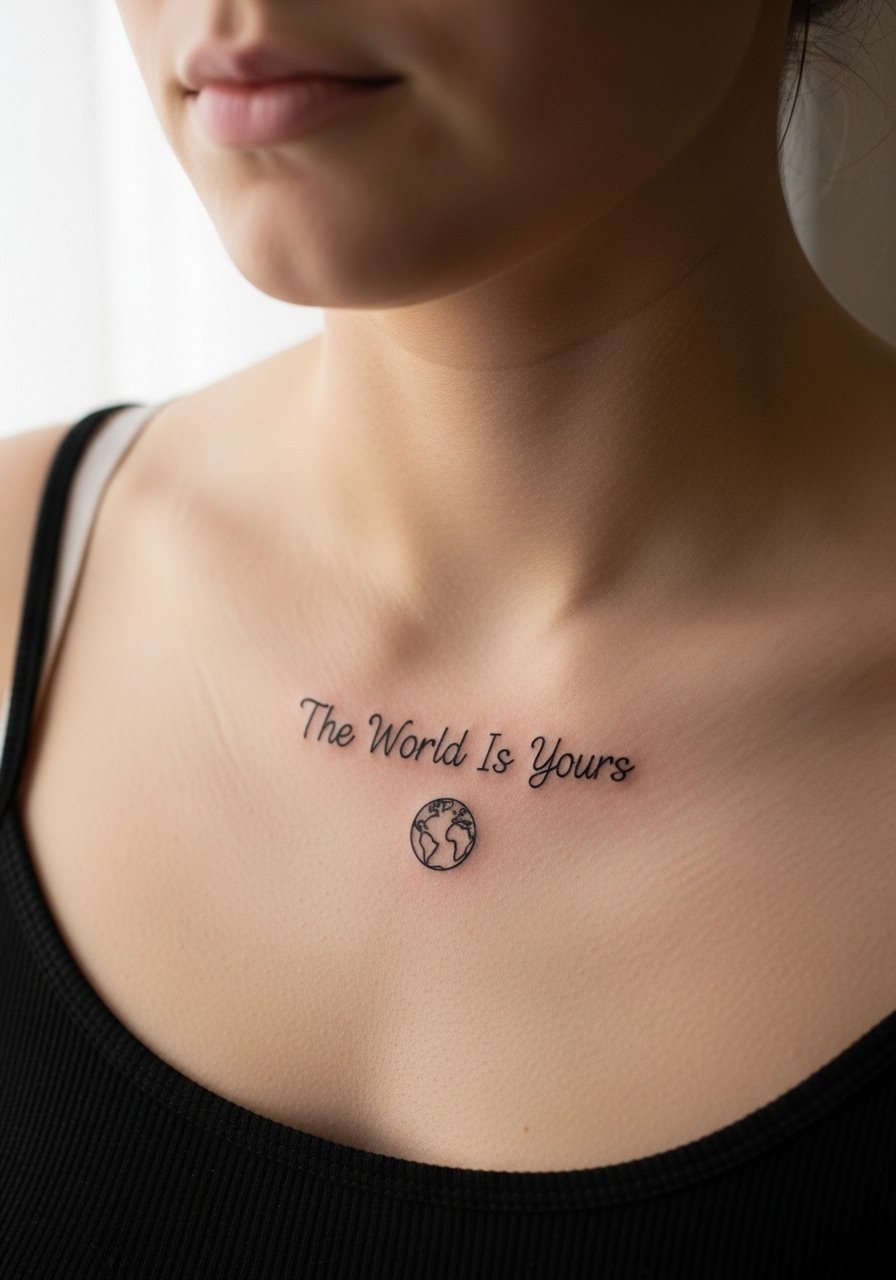
A collarbone script paired with a small globe puts the phrase in a place that flatters jewelry and layering. Fair warning, collarbone linework is visible and can scar if the needle is overworked. Tell your artist you want medium lineweight for the script and to place the globe slightly off-center so it follows the collarbone curve. The big mistake is requesting a micro script without discussing how the letters will heal on moving skin. At six months the edges soften, and by year three tiny scripts need touch-ups more often than bold letters. Pair this with a thin+chain+pendant+necklace to frame the text without competing.
4. Traditional Anchor with Globe on Outer Bicep
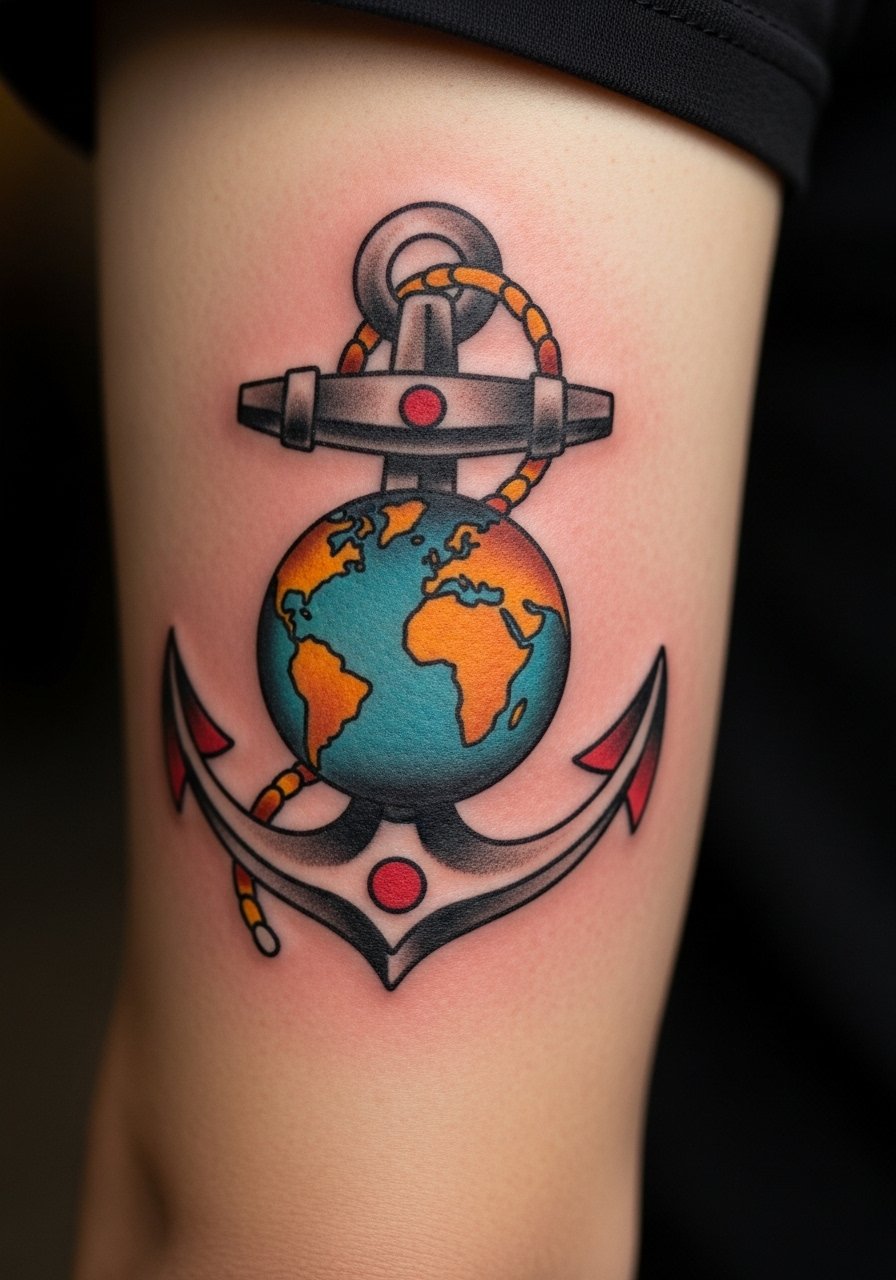
There is something about saturated black outlines that ages into a solid graphic. Outer bicep handles bold work well and the session is usually one to two hours depending on color. During the consult ask for classic American proportions and clear negative space around the globe so the shapes do not fuse later. A common error is crowding the globe with extra filigree, which shortens the life of the tiny details. For the appointment wear a loose sleeveless top you can move aside easily. A loose+sleeveless+tank+top is practical and keeps the chair comfortable.
5. Geometric Compass Mandala on Upper Back
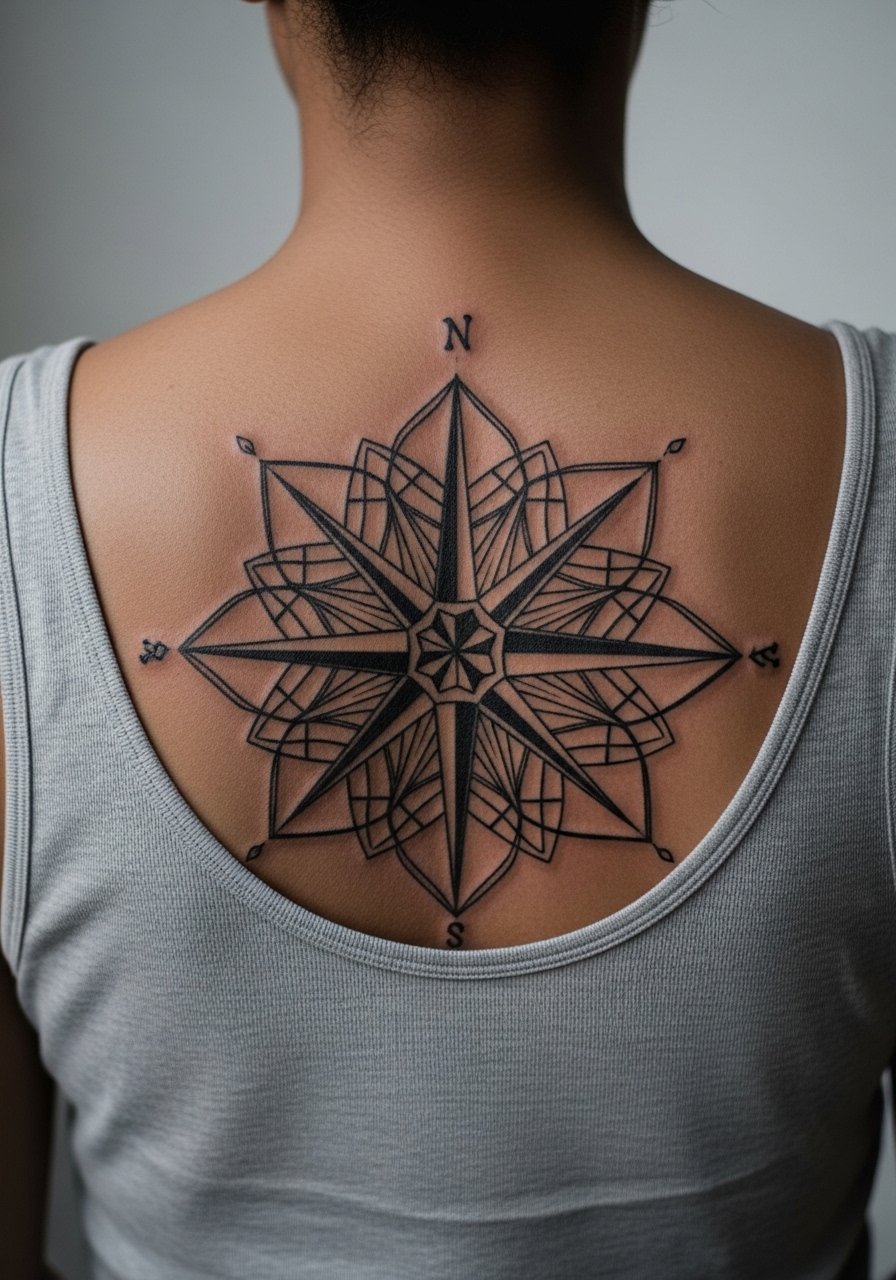
A compass mandala pairs direction with ornament and reads large by design. Expect a multi-hour session and possible splitting over two appointments for saturation. The trick to longevity is spacing between concentric elements. Ask for slightly wider gaps in dense areas so stipple shading can hold. The upper back is forgiving for linework but less forgiving for symmetry errors, so bring clear references and ask the artist how they plan to center the piece. For healing and photos, a tank top that lifts easily keeps the area covered without rubbing.
6. Watercolor World Map on Upper Thigh
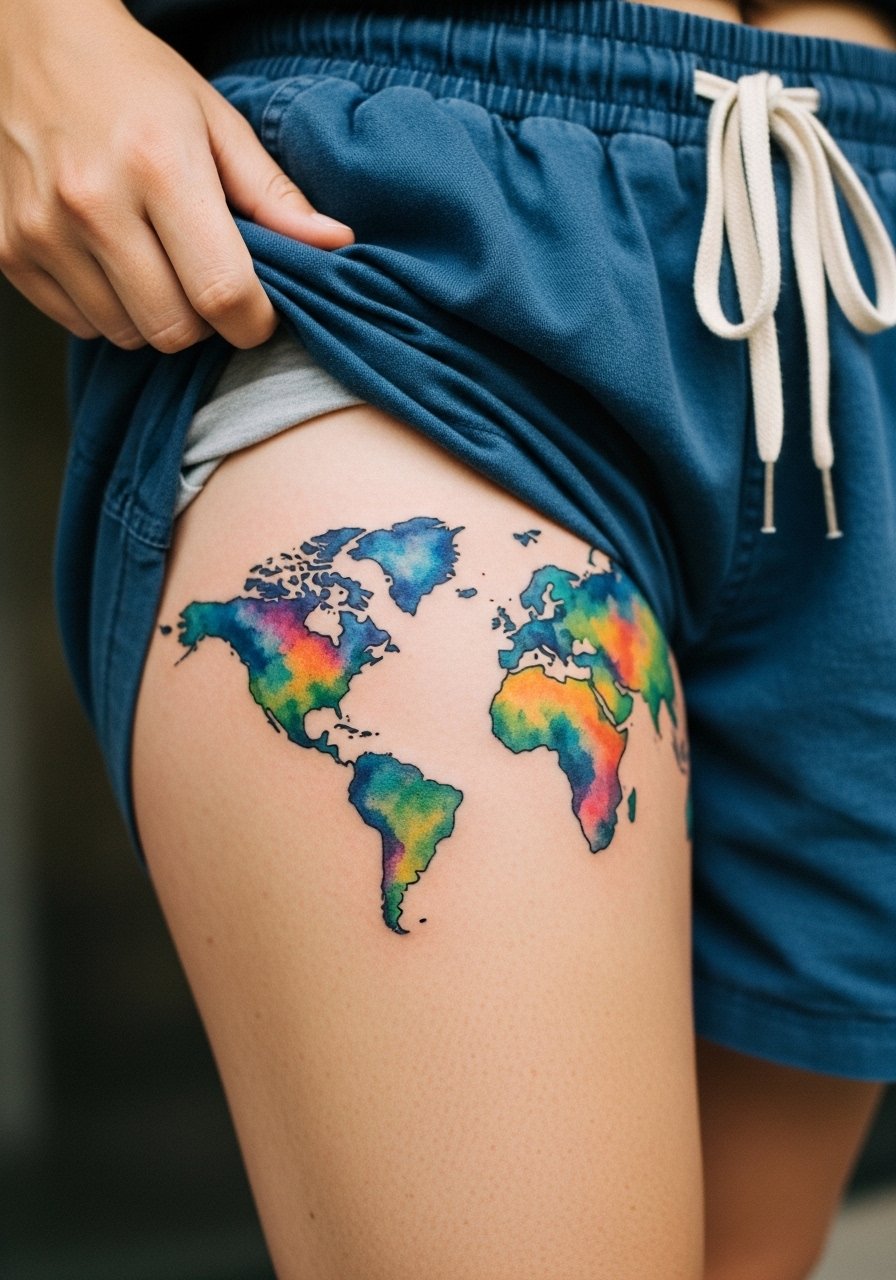
Thigh work is comfortable for longer, painterly sessions and handles soft color well. Pain is lower compared with ribs, but expect a longer healing window due to clothing friction. In consult say you want diluted washes of color and ask for a stronger outline on major landmasses so the piece retains shape as pigments settle. A common mistake is relying on too many tiny islands in watercolor washes, which blur over time. For the session wear loose+drawstring+shorts so the artist can work without fabric pressure. Expect a touch-up around year two for the lighter pigments.
Studio Day Picks
The chest, bicep, forearm, and thigh pieces above each have different prep needs, and a few targeted items smooth the session and first week.
-
Stencil transfer paper kit. Lets you preview placement on curved areas like the collarbone and thigh so you avoid scale surprises during the appointment.
-
Cooling topical numbing cream. Applied as advised by your artist it eases the edge on sensitive ribs and inner arm work without changing linework when used correctly.
-
Thin protective film roll. Great for finger and wrist tattoos that get constant friction from handwashing and sleeves during the first week.
-
Fragrance-free gentle body wash. Keeps healing skin clean without stripping pigments, which helps fine line pieces hold contrast.
-
Aquaphor healing ointment. A thin layer during the earliest days locks in moisture for delicate linework and prevents the scab from drying out too fast.
7. Tiny Globe on the Side of a Finger
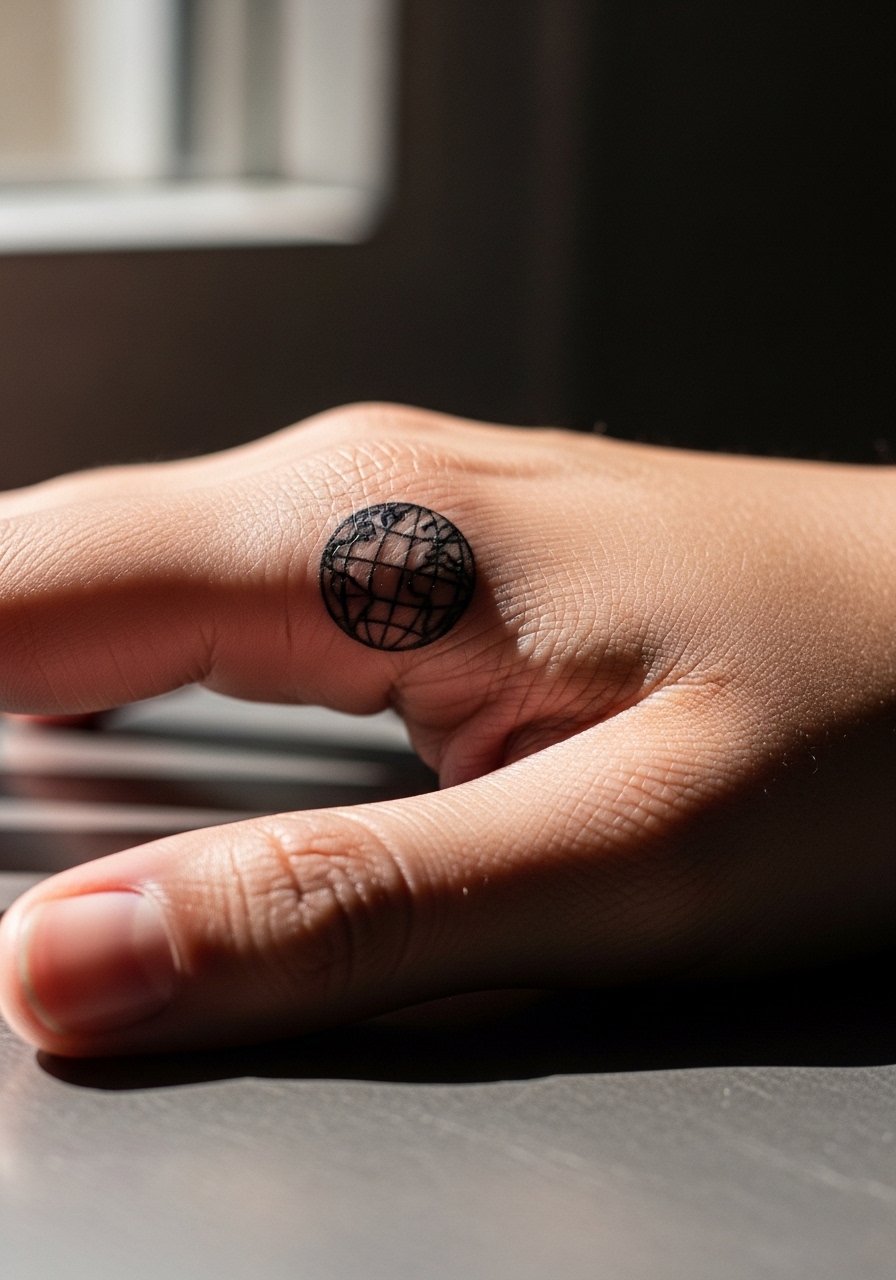
Finger pieces look great fresh but they face the highest friction and fading. Pain is quick but sharp, and sessions are short. If you want this, ask for a compact, bold globe with simple continents rather than detailed cartography. One camp of artists treats hand tattoos as acceptable and long-term if placed and sat for correctly. The other camp warns that hands face constant washing and abrasion and will likely need annual touch-ups. Saying both sides aloud in consult helps you make a plan. Also consider career implications since some workplaces still react to visible hand work.
8. North Star Constellation Wrist Band
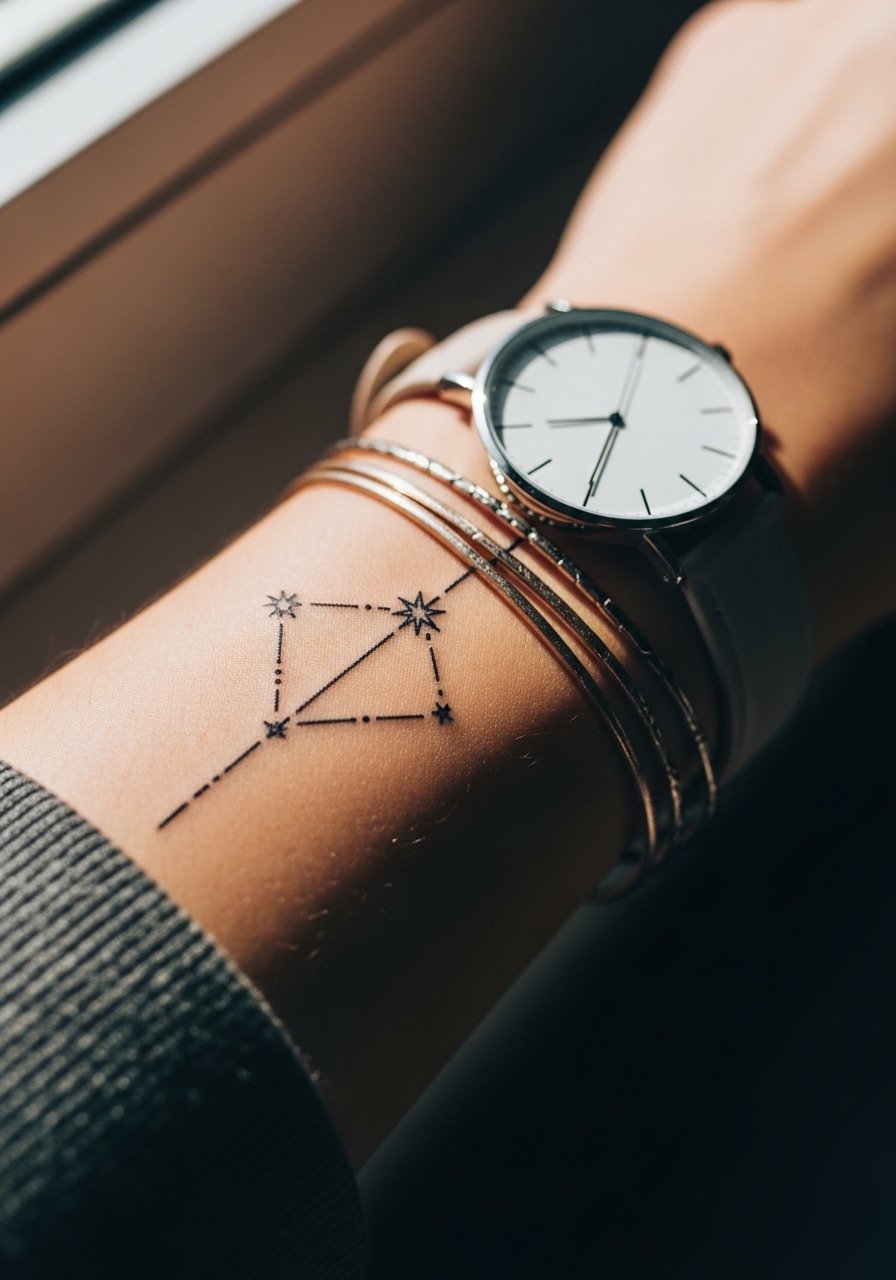
A wrist constellation reads delicate and ties into direction themes nicely. The wrist is a high-motion zone so plan for slightly bolder anchor stars. Tell your artist you want small negative space around each star to prevent merging. At six months tiny linework softens and by year three expect loss of needle crispness if the lines are too thin. Pairing with stacked dainty bracelets or a minimalist watch highlights the piece. Try a minimalist+watch to frame the wrist without covering the art.
9. Stipple Shaded Mountain Range Along the Spine
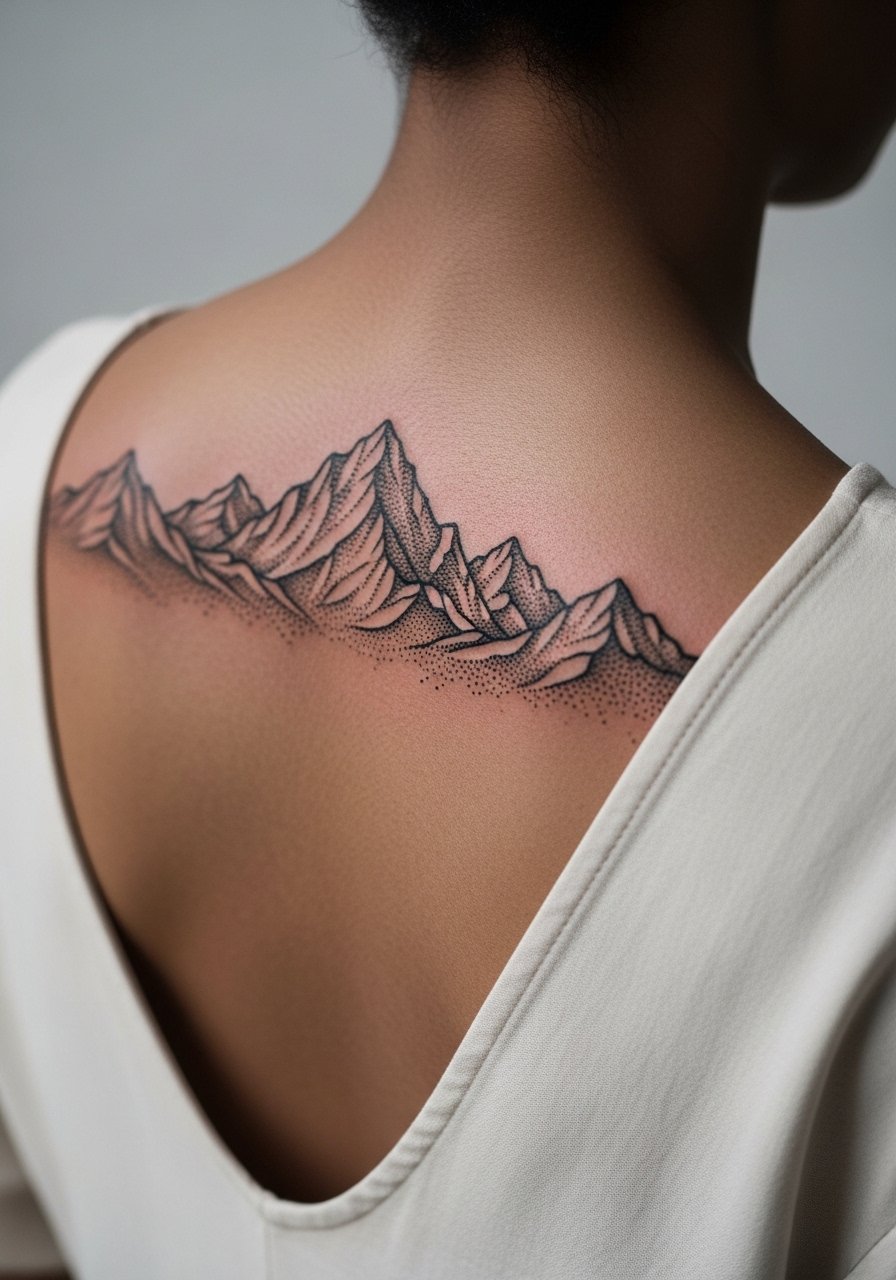
Spine pieces are dramatic and require sympathetic session pacing. Dot work settles into skin differently than solid black shading, so plan for longer sessions at a comfortable tempo. In consult ask for a stipple density map so the artist spaces the dots to preserve contrast at five years. The pain is higher in the spine area and the skin is unforgiving of overworked passes. For showing this off, an open-back dress highlights the line without excessive exposure. Expect touch-ups in 2 to 4 years if you want crisp peaks.
10. Tiny Plane Silhouette Behind the Ear
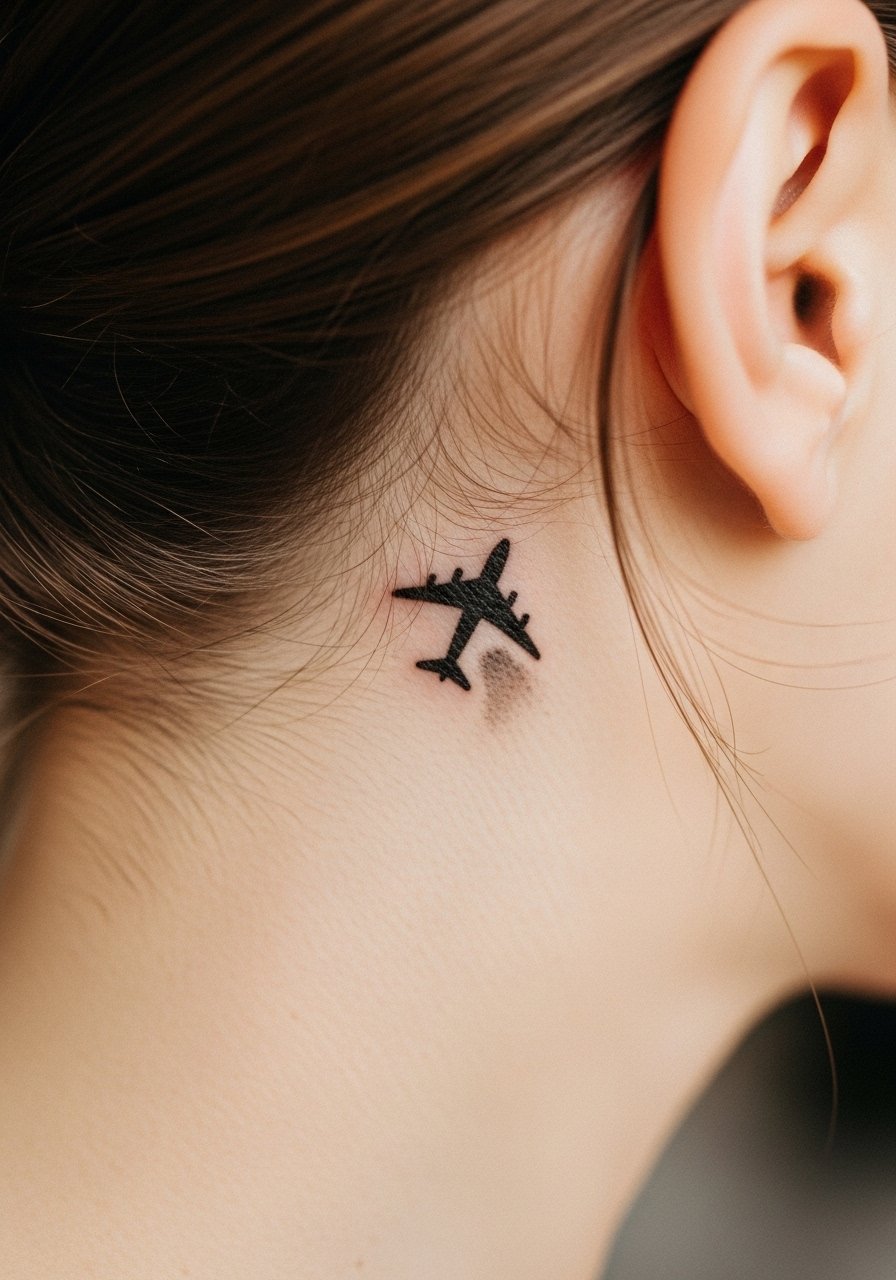
Behind-the-ear placements are discreet and charming but they require special placement care. The location sits where hair can rub and headphones press. Tell the artist to place the plane on the skin just below the hairline so it avoids the cartilage edge. For the session pin your hair up with a small claw so the area is visible and steady. Because it is near hair, you may want a touch-up sooner than a forearm piece.
11. Inner Bicep Script with a Tiny Globe Accent
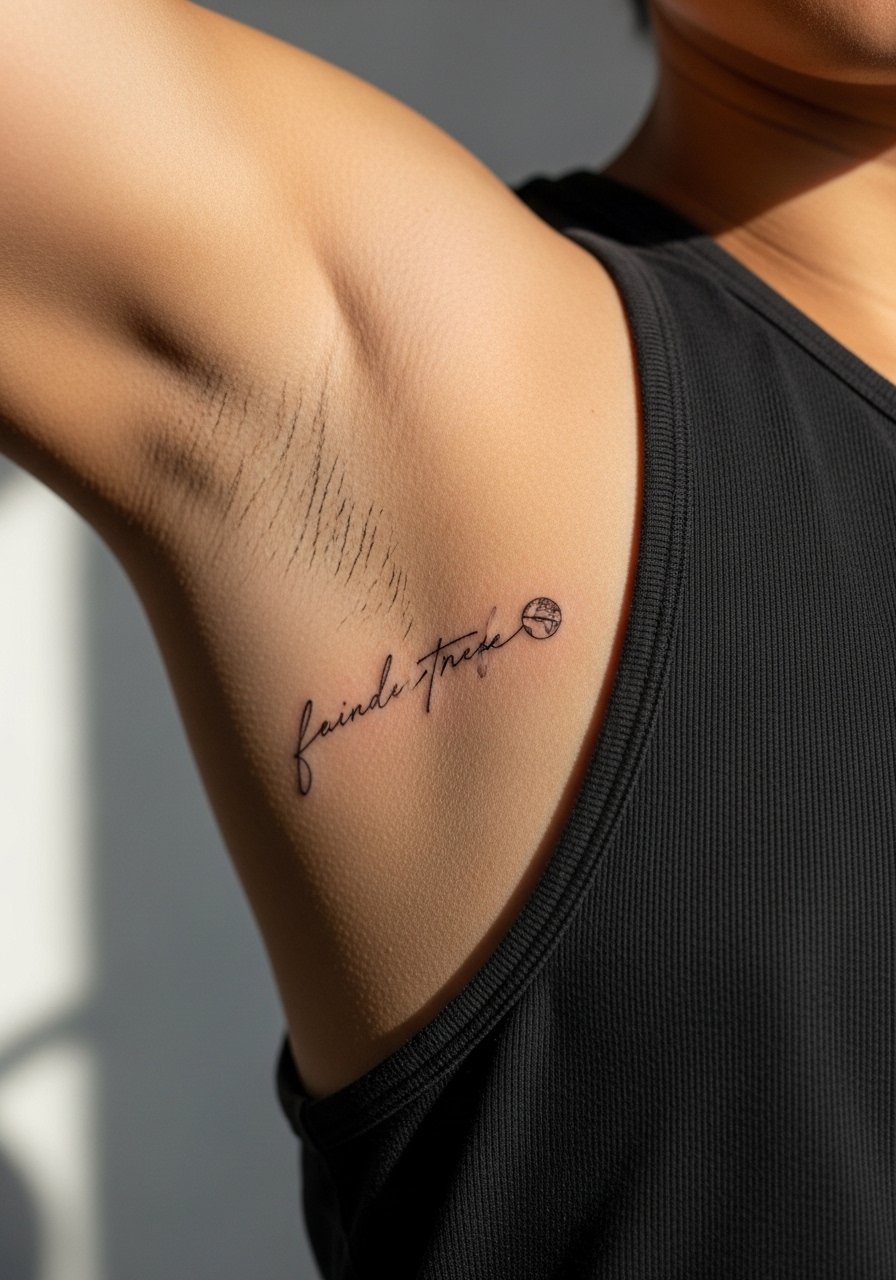
Inner bicep work treads a fine line between intimate and visible when arms move. The skin is softer and the session can feel like a longer, more tender ride. Ask for medium lineweight and to avoid hair-thin scripts that vanish over time. The most common error is requesting dense cursive without considering sweating and friction from long sleeve shirts. For the consult show a few script samples and ask for a mockup to check curvature when the arm is relaxed.
12. Passport Stamp Ankle Band
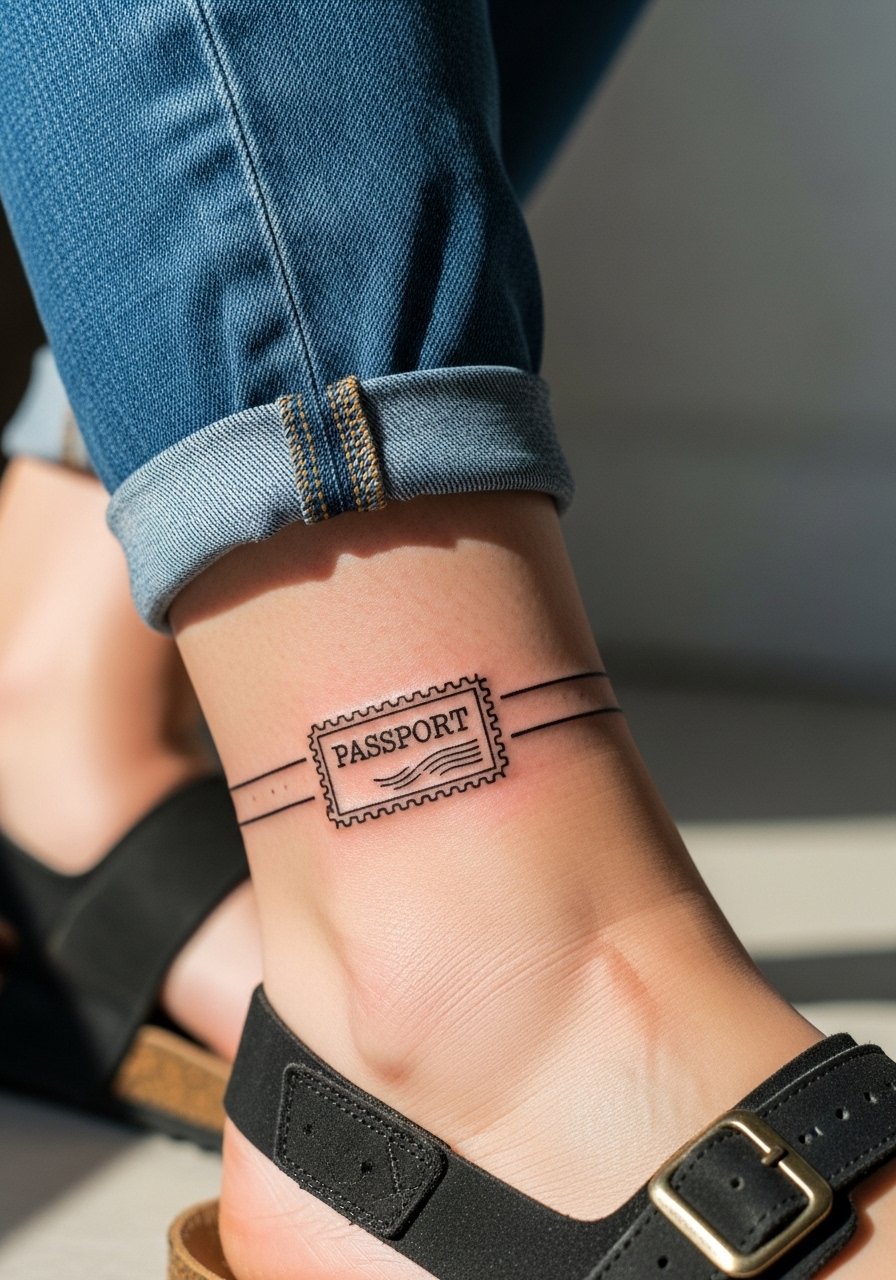
An ankle band of tiny passport stamps makes for a charming travel chain. The ankle faces rubbing from socks and shoes, so heavier outlines on the stamps help them hold. When you book the appointment ask the artist to space the stamps and keep the negative skin between each clear. During the session wear jeans you can roll up and strappy+sandals for the healing photos and first week so the area breathes. Be ready for touch-ups after a year if you are often on your feet.
13. Bold Blackwork Hemisphere on the Calf
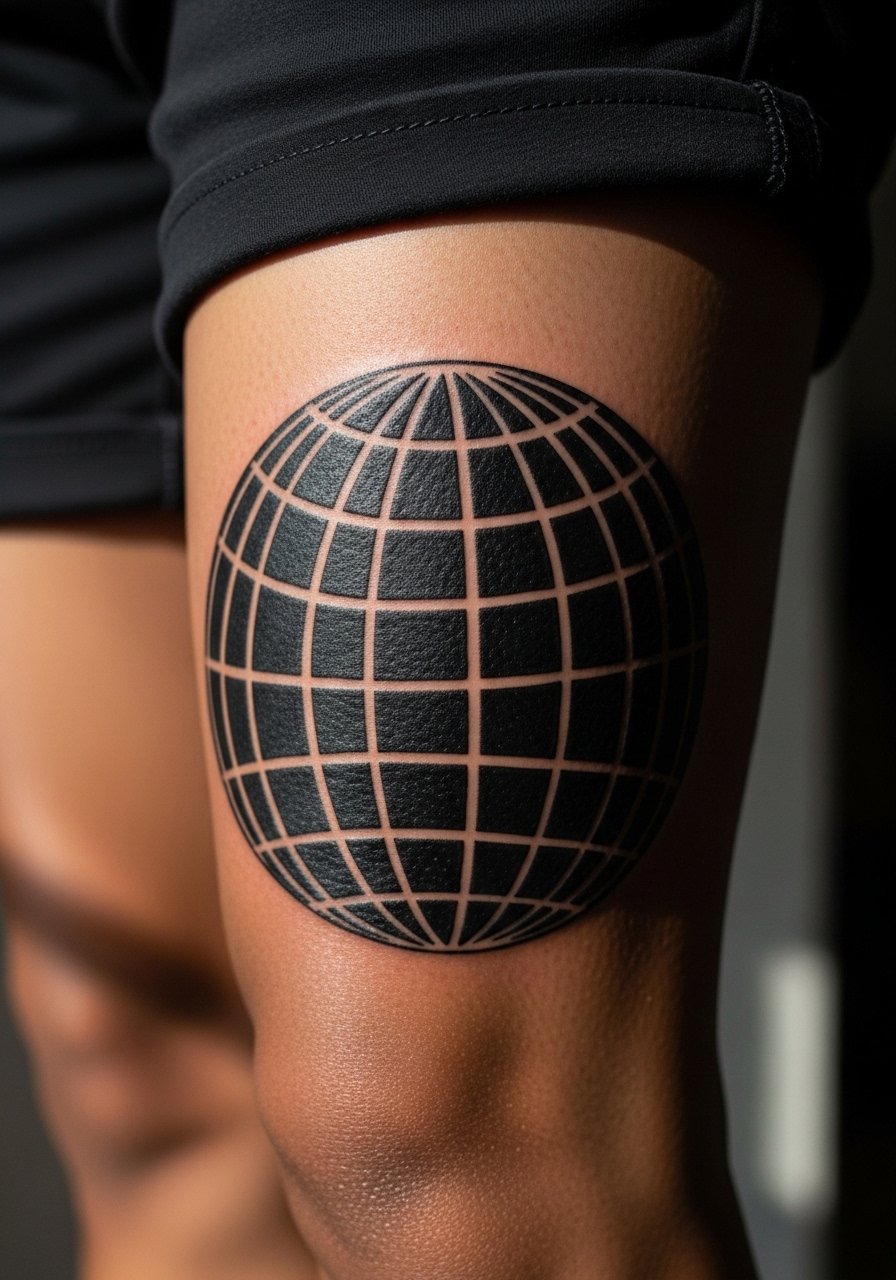
Calf pieces take saturation well and look strong from a distance. For hemisphere work ask for ground-away negative space that outlines the continents, rather than tiny interior detail. The calf is moderate on the pain scale and usually finishes in a one to two hour session. A common mistake is asking for too much micro detail in blackwork, which reads like texture instead of shape after healing. Show off this piece with cropped pants or shorts for maximum impact.
14. Minimalist Coordinates on the Ribcage
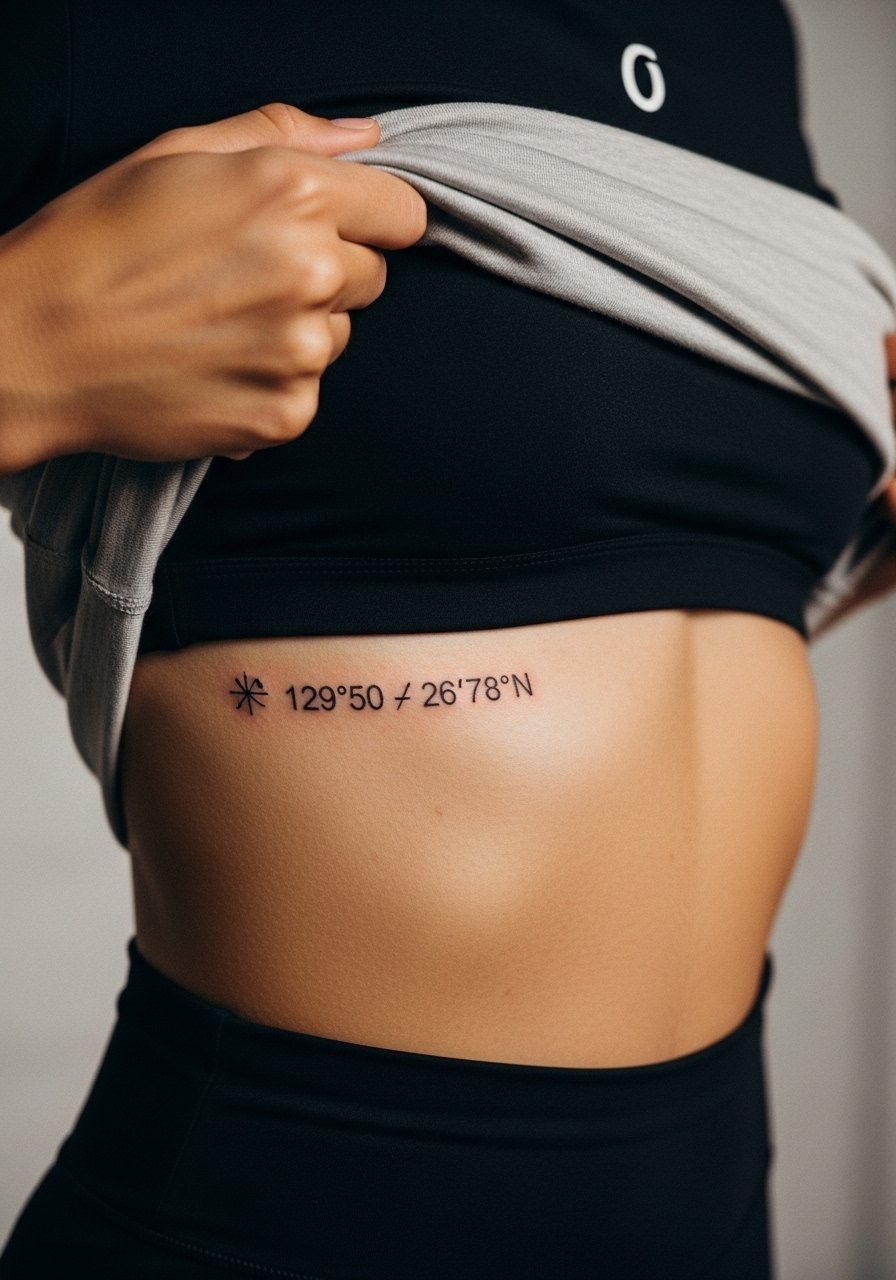
Ribcage tattoos split artists into two camps. One camp says the skin there stretches and the lines blur within two years. The other camp argues that with precise needle depth and extra spacing fine line work can settle well on ribs. The reality depends on the artist's comfort and your skin's elasticity. If you still want this placement ask for smaller characters with wider spacing and plan for a touch-up at year two. For the session wear a cropped top or zip hoodie so the artist can access the area cleanly.
15. Dotwork Solar System Shoulder Cap
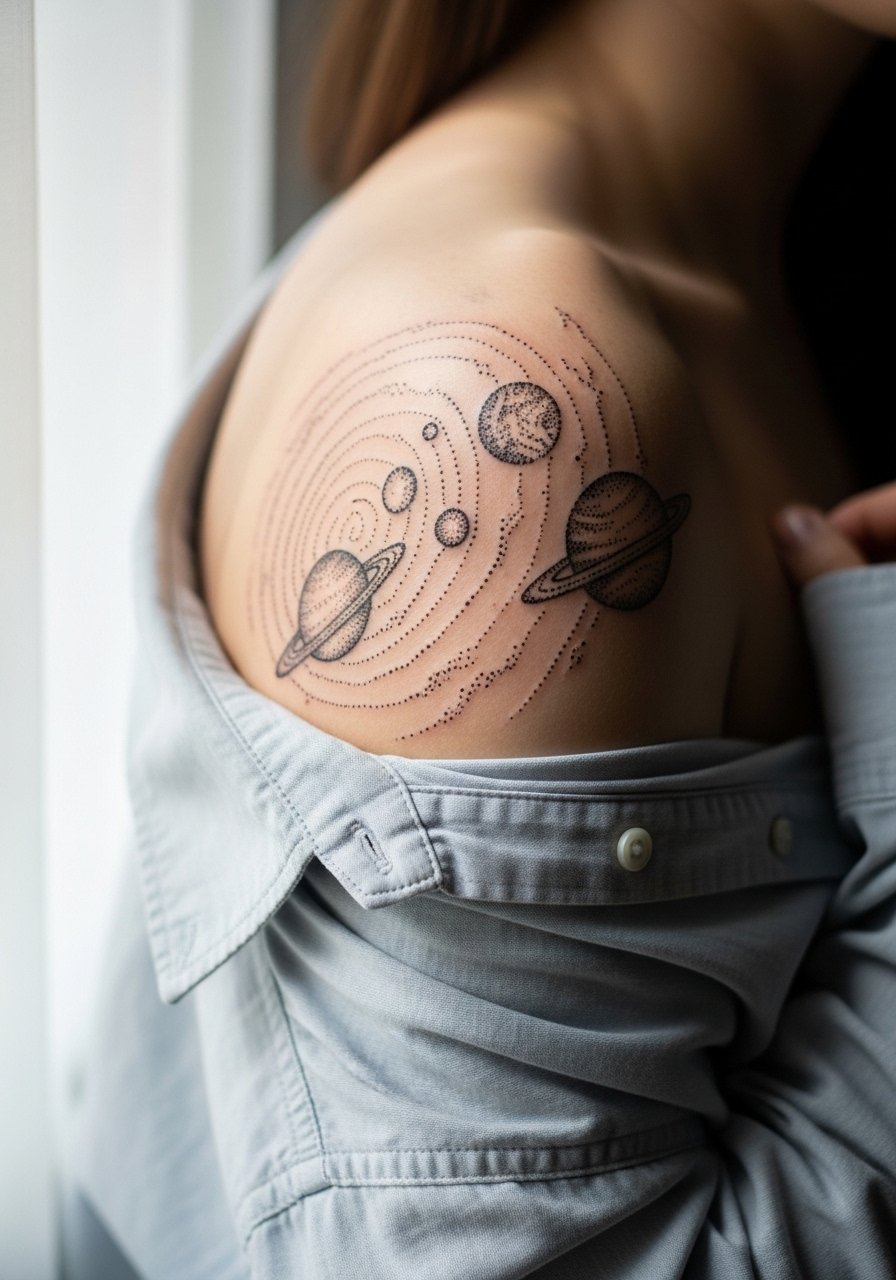
A shoulder cap handles circular layouts beautifully and is forgiving for dot work. Ask your artist to map planet sizes by distance so the eye reads the composition without needing tiny lettering. Common mistake is squishing planets too close together which later looks like a single blob. For the session wear a loose+button+down+shirt you can pull aside so the artist has room to work. This piece typically needs a small touch-up in three to five years to keep the dots crisp.
16. Vintage Suitcase Stack on the Hip
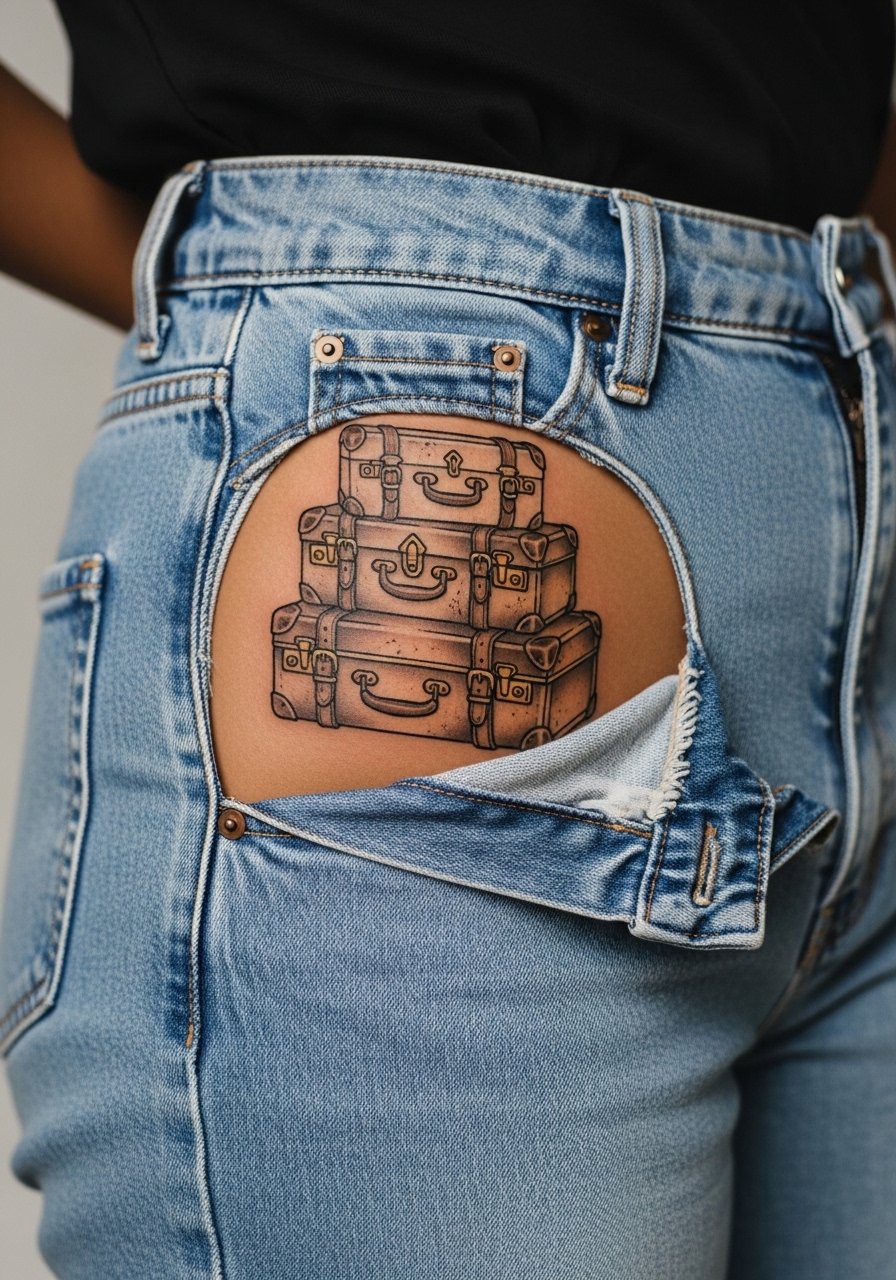
Hip and upper thigh designs are dramatic and private, which makes them good for longer sessions that include shading and color. For a suitcase stack request clear outlines and simplified buckles so detail does not vanish with skin movement. The mistake is packing too many small labels onto each case, which merges into texture. For the session wear high-waisted denim you can lower slightly to expose only the tattoo zone. Healing can be quick if you avoid tight waistbands for the first two weeks.
17. Map Fragment Lower Back Panel
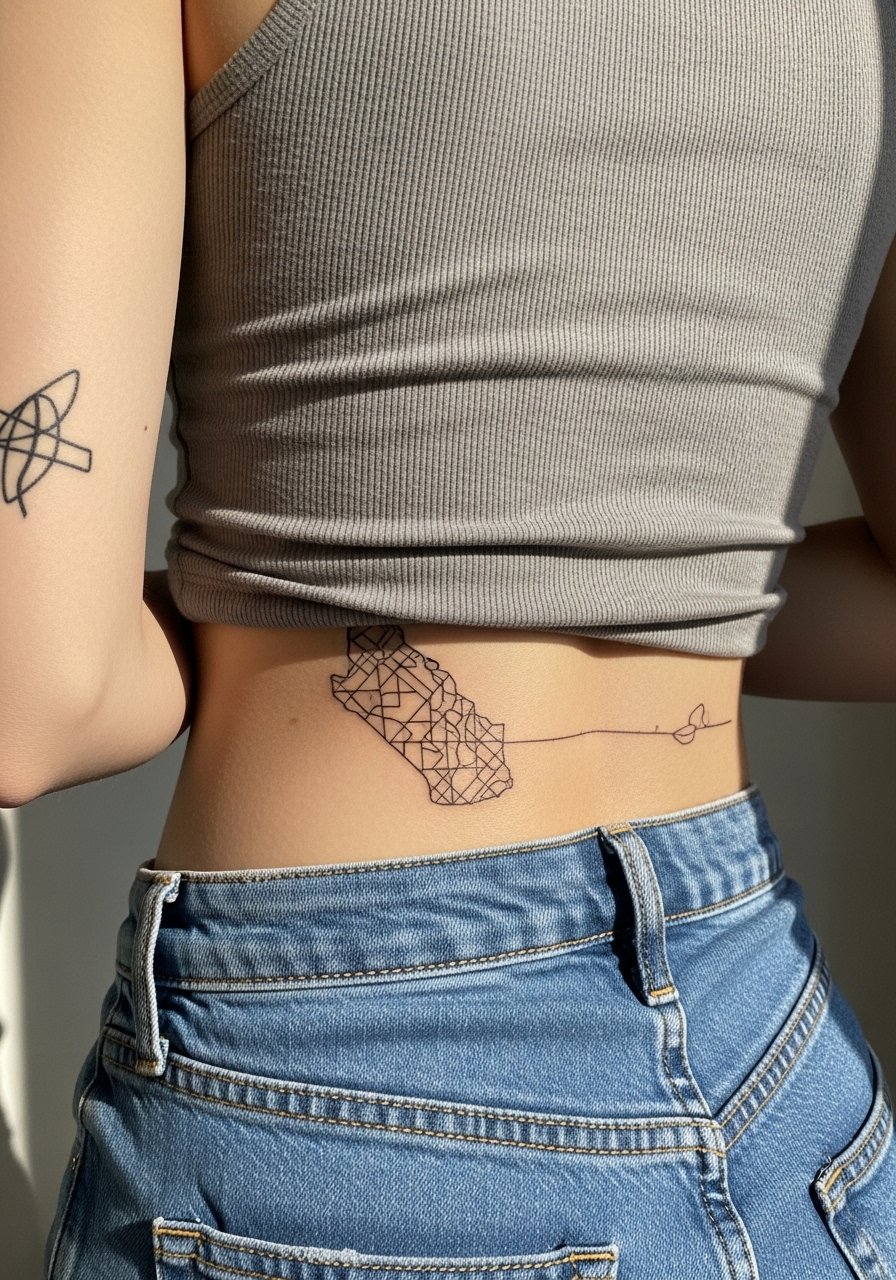
Lower back panels allow wider canvases and bold negative space. The skin takes medium linework well but can be prone to stretching with weight change, so plan accordingly. In consult ask how the piece will read when you sit and when you wear different cuts of pants. Do not overfill the panel with tiny iconography. For the session wear a tank top and high-waisted pants you can lower slightly so only the tattoo area is exposed. Expect a touch-up window of around three to five years depending on sun exposure.
Frequently Asked Questions
Q: Will a fine line globe on the forearm need touch-ups sooner than a bold blackwork globe?
A: Yes, fine line pieces tend to soften faster because they rely on thinner channels of ink. A slightly bolder outline or reserved negative space around continents reduces the chance you will need a touch-up in year two. If you prefer ultra-fine detail then plan for a touch-up at three years.
Q: How should I prepare clothing-wise for a ribcage or sternum session?
A: Bring a cropped athletic top or a zip-up hoodie you can lift to expose only the tattoo zone. That keeps the area accessible without exposing more skin than necessary. A cropped top also makes it easier to check placement during breaks.
Q: Are hand and finger tattoos worth it if I travel frequently and wash my hands a lot?
A: They can be worth it but expect more frequent fading. Hands face constant abrasion and water exposure, so annual touch-ups are common. If you travel for work and need a low-maintenance option consider placing the travel motif on the forearm instead.
Q: My plan is to show a spine or upper back tattoo at events. What wardrobe works best?
A: Open-back dresses or halter tops highlight spine and upper back work without full exposure. Try an open+back+midi+dress for evening wear and a racerback tank for casual reveals. The garments frame the piece while keeping the rest of your look polished.
Q: How do watercolor pigments hold up on thighs versus chest pieces?
A: Thighs usually protect watercolor pigments better because they get less sun than chest areas. The chest can show more pigment fade if frequently sun-exposed. Plan for denser anchors in watercolor maps so the composition keeps shape as washes soften.
Q: Should I ask an artist about their approach to spacing for dot work mandalas and stipple landscapes?
A: Yes, explicitly ask how much spacing they plan between dots and concentric lines. Dot work relies on negative space to survive. Asking this question in consult separates artists who plan for longevity from those who focus on fresh flash.